



Chocolate Persimmon
Regular price
$395.00
Size
Few fruit have a name as intriguing-or as misleading-as the chocolate persimmon. Here is everything you need to know about growing, pollinating, harvesting, and eating this remarkable persimmon variety in California.
What Is a Chocolate Persimmon?
Chocolate persimmons are a rare Japanese variety known as Tsurunoko or Maru. They belong to the Asian persimmon family (Diospyros kaki) and are classified as a pollination variant non-astringent type, or PVNA. When well pollinated, the flesh of ripe chocolate persimmons turns dark and sweet, with pulp brown enough to look like it was dipped in cocoa-even though there is zero cocoa inside.
The fruit ripens in mid to late fall in California, typically from October through November. Outside, the skin is a bright orange shared by most persimmon varieties. Inside, properly seeded fruit reveals cinnamon-brown flesh with a rich, sweet flavor profile that food writers like David Karp and journalist Rachael Myrow have helped bring to public attention. The taste carries notes of brown sugar, dates, and warm spice rather than actual chocolate.
Chocolate persimmons are typically smaller and more oblong in shape than standard persimmons, though individual fruit can range from medium to large with bright orange skin. They sit between classic astringent types and non-astringent fuyu persimmons: when well pollinated they can be eaten firm, but poorly pollinated fruit may retain astringent flesh until the fruit is allowed to soften fully. If you are considering persimmon trees for a California yard, Yardwork can advise on whether a chocolate persimmon fits your microclimate and landscape goals.
Chocolate Persimmon vs Other Persimmons
Asian persimmons come in many varieties, and the differences between them matter for how you grow and eat the fruit. Chocolate persimmons stand apart from the more familiar fuyu and hachiya types in texture, flavor, and the role pollination plays. Here are the key distinctions:
-
Chocolate persimmon (Tsurunoko): A PVNA type with an oblong shape. When pollinated, brown flesh can be eaten firm like an apple. Sweet flavor leans toward brown sugar and spice. Unpollinated fruit must soften before eating.
-
Fuyu persimmons: Pollination-constant non-astringent (PCNA). Crisp, mild, and honey-sweet. Flesh stays orange. Can be eaten firm or soft regardless of seeds. The most widely planted persimmon in the world.
-
Hachiya persimmons: Pollination-constant astringent (PCA). Must be jelly-soft and fully ripe before eating or the tannins will pucker your mouth. When ripe, the flavor is rich and jammy.
-
American persimmon (Diospyros virginiana): A different species native to the southern states. Smaller fruit with intense caramel, pumpkin, and date flavors. Usually eaten very soft or processed into baked goods.
All four types share orange skin on the outside, but chocolate persimmons develop brown or streaked interior flesh-often darker around the seeds where pollination was strongest. These orange beauties are the only common type where seed formation directly controls whether you get that coveted sweet flavor or a mouth-puckering surprise.
How Chocolate Persimmons Get Their "Chocolate" Flavor
The science behind that brown flesh is surprisingly elegant. It all comes down to a reaction between seeds and tannins-and it happens inside the fruit while it hangs on the tree.
-
As seeds develop inside a pollinated chocolate persimmon, they release small amounts of alcohol (acetaldehyde)that react with soluble tannins in the flesh. This converts the tannins into insoluble compounds, which removes astringency and shifts the color brown.
-
Well-pollinated fruit with several seeds typically develops uniform cinnamon-brown flesh, low astringency, and a complex taste. Poorly pollinated fruit may show only patchy brown zones near seeds, with the remaining flesh still tannic.
-
This reaction gives chocolate persimmons their signature flavor-hints of brown sugar, dates, and baking spice that many people compare to light cocoa. They possess flavor profiles including notes of spice and cocoa that no other persimmon type replicates as naturally.
-
Cool nights during late fall in California concentrate sugar in the fruit, making the chocolate character more pronounced. Leaving fruit on the tree until the skin is deeply colored and the flesh gives slightly under gentle pressure amplifies this effect.
Research into the genetic basis of PVNA astringency continues to clarify how genes tied to tannin biosynthesis differ between persimmon types-work that may eventually help breeders develop even more reliable chocolate-flesh cultivars.
Growing a Chocolate Persimmon Tree in Your Yard
Chocolate persimmon trees are a fine choice for California homeowners who want something more interesting than the usual citrus or avocado. The tree is vigorous and upright, producing glossy foliage that turns golden in autumn before the leaves drop. Here is what you need to know before you plant one.
-
Climate: These trees perform best in USDA Zones 7–10. Most regions of California-Bay Area, Sacramento Valley, inland Southern California-are well suited.
-
Site selection: Choose a spot with full sun (at least six to eight hours daily). Soil should be well-drained loam or sandy loam, ideally pH 6.0–7.5. Protect from strong hot winds in the first year while the canopy fills in.
-
Mature size: Expect 15–25 feet tall with a rounded to conical canopy roughly 10–15 feet wide-large enough to be a focal point but manageable in most yards. Do not clump multiple trees into the same planting hole.
-
Planting: Most nursery stock consists of grafted trees. Dig a wide, shallow hole, keep the graft union above soil level, and backfill with native soil. Water deeply after planting. In California, the best time to get a tree planted is late winter through early spring, giving roots a full season to establish before summer heat.
-
Ongoing care: Once established, deep and infrequent irrigation keeps trees healthy. A light balanced feed in late winter is enough; heavy nitrogen pushes leafy growth at the expense of fruit. Simple winter pruning maintains structure and lets sun reach interior branches.
Before ordering, consider booking a soil test through Yardwork to confirm drainage and pH. Yardwork also offers plant delivery and landscape consultations to help you place the tree where it will thrive alongside other elements like privacy trees and shrubs.
Pollination, Fruit Set & Common Challenges
Pollination is the single biggest factor in whether your chocolate persimmon delivers that signature brown, sweet flesh or stays pale and puckery. Understanding this dynamic saves a lot of frustration.
-
Chocolate persimmon trees can produce both male flowers and female flowers, but male flower production varies year to year. Bees transfer pollen between flowers in late spring, and pollination enhances the fruit's flavor complexity and sweetness significantly-more seeds mean darker, richer flesh.
-
Some catalogs label the tree as self-pollinating. A single tree can set fruit in small quantities, but the chocolate character is often weak without a compatible pollen source nearby. Planting a companion persimmon such as Coffeecake or Maru improves results and extends your harvest window. Yardwork can recommend the right pairing for your yard.
-
Common issues include:
-
Fruit stays pale and tannic due to poor pollination
-
Fruit drop during hot, dry spells-consistent deep watering through summer helps
-
Birds and pests feeding on ripe fruit in late fall-lightweight netting or prompt harvesting solves this
-
-
To encourage bee activity, avoid broad-spectrum insecticides during bloom. If you are designing a mixed fruit garden with other specialty trees, spacing and companion planting covered in a Yardwork consultation will make a real difference.
How to Harvest, Ripen & Eat Chocolate Persimmons
Chocolate persimmons are typically harvested in mid to late fall, right when the tree is at its most photogenic. Here is how to go from branch to bowl.
-
Judging ripeness: Wait until skin turns a deep, saturated orange and the calyx loosens. The fruit should give slightly at the blossom end. Fully pollinated fruit with brown flesh can be eaten while still firm; unpollinated fruit needs to soften and ripen further at room temperature.
-
Handling: Cut from the tree with pruners, leaving a short stem. Avoid squeezing. Store at room temperature until the flesh reaches the texture you want, then refrigerate to slow things down.
Ways to eat them:
-
Sliced fresh into autumn salads with arugula, walnuts, and a pinch of salt
-
Layered on a cheese board when firm-tender slices pair beautifully with aged gouda
-
Spooned over yogurt or granola in a bowl for breakfast
-
Eaten out of hand like a crisp apple when seeds have browned the interior
Baking and recipes: When blended, chocolate persimmons provide moisture similar to applesauce, making the smooth puree ideal for baked goods. A classic chocolate persimmon cake requires ¾ cup of persimmon puree and bakes at 350°F for 25 minutes. Chocolate persimmons can be used in both cakes and desserts-from juicy persimmon bread to spiced custards.
Flavor pairings: The caramel and spice tones pair with dark chocolate, toasted pecans, vanilla ice cream, and warm baking spices like cinnamon and cardamom. You may spot these delicious fruit at farmers' markets and occasionally at whole foods retailers, but homegrown fruit from a well-placed tree will taste richer and more complex than anything from a store shelf.
Few fruit have a name as intriguing-or as misleading-as the chocolate persimmon. Here is everything you need to know about growing, pollinating, harvesting, and eating this remarkable persimmon variety in California.
What Is a Chocolate Persimmon?
Chocolate persimmons are a rare Japanese variety known as Tsurunoko or Maru. They belong to the Asian persimmon family (Diospyros kaki) and are classified as a pollination variant non-astringent type, or PVNA. When well pollinated, the flesh of ripe chocolate persimmons turns dark and sweet, with pulp brown enough to look like it was dipped in cocoa-even though there is zero cocoa inside.
The fruit ripens in mid to late fall in California, typically from October through November. Outside, the skin is a bright orange shared by most persimmon varieties. Inside, properly seeded fruit reveals cinnamon-brown flesh with a rich, sweet flavor profile that food writers like David Karp and journalist Rachael Myrow have helped bring to public attention. The taste carries notes of brown sugar, dates, and warm spice rather than actual chocolate.
Chocolate persimmons are typically smaller and more oblong in shape than standard persimmons, though individual fruit can range from medium to large with bright orange skin. They sit between classic astringent types and non-astringent fuyu persimmons: when well pollinated they can be eaten firm, but poorly pollinated fruit may retain astringent flesh until the fruit is allowed to soften fully. If you are considering persimmon trees for a California yard, Yardwork can advise on whether a chocolate persimmon fits your microclimate and landscape goals.
Chocolate Persimmon vs Other Persimmons
Asian persimmons come in many varieties, and the differences between them matter for how you grow and eat the fruit. Chocolate persimmons stand apart from the more familiar fuyu and hachiya types in texture, flavor, and the role pollination plays. Here are the key distinctions:
-
Chocolate persimmon (Tsurunoko): A PVNA type with an oblong shape. When pollinated, brown flesh can be eaten firm like an apple. Sweet flavor leans toward brown sugar and spice. Unpollinated fruit must soften before eating.
-
Fuyu persimmons: Pollination-constant non-astringent (PCNA). Crisp, mild, and honey-sweet. Flesh stays orange. Can be eaten firm or soft regardless of seeds. The most widely planted persimmon in the world.
-
Hachiya persimmons: Pollination-constant astringent (PCA). Must be jelly-soft and fully ripe before eating or the tannins will pucker your mouth. When ripe, the flavor is rich and jammy.
-
American persimmon (Diospyros virginiana): A different species native to the southern states. Smaller fruit with intense caramel, pumpkin, and date flavors. Usually eaten very soft or processed into baked goods.
All four types share orange skin on the outside, but chocolate persimmons develop brown or streaked interior flesh-often darker around the seeds where pollination was strongest. These orange beauties are the only common type where seed formation directly controls whether you get that coveted sweet flavor or a mouth-puckering surprise.
How Chocolate Persimmons Get Their "Chocolate" Flavor
The science behind that brown flesh is surprisingly elegant. It all comes down to a reaction between seeds and tannins-and it happens inside the fruit while it hangs on the tree.
-
As seeds develop inside a pollinated chocolate persimmon, they release small amounts of alcohol (acetaldehyde)that react with soluble tannins in the flesh. This converts the tannins into insoluble compounds, which removes astringency and shifts the color brown.
-
Well-pollinated fruit with several seeds typically develops uniform cinnamon-brown flesh, low astringency, and a complex taste. Poorly pollinated fruit may show only patchy brown zones near seeds, with the remaining flesh still tannic.
-
This reaction gives chocolate persimmons their signature flavor-hints of brown sugar, dates, and baking spice that many people compare to light cocoa. They possess flavor profiles including notes of spice and cocoa that no other persimmon type replicates as naturally.
-
Cool nights during late fall in California concentrate sugar in the fruit, making the chocolate character more pronounced. Leaving fruit on the tree until the skin is deeply colored and the flesh gives slightly under gentle pressure amplifies this effect.
Research into the genetic basis of PVNA astringency continues to clarify how genes tied to tannin biosynthesis differ between persimmon types-work that may eventually help breeders develop even more reliable chocolate-flesh cultivars.
Growing a Chocolate Persimmon Tree in Your Yard
Chocolate persimmon trees are a fine choice for California homeowners who want something more interesting than the usual citrus or avocado. The tree is vigorous and upright, producing glossy foliage that turns golden in autumn before the leaves drop. Here is what you need to know before you plant one.
-
Climate: These trees perform best in USDA Zones 7–10. Most regions of California-Bay Area, Sacramento Valley, inland Southern California-are well suited.
-
Site selection: Choose a spot with full sun (at least six to eight hours daily). Soil should be well-drained loam or sandy loam, ideally pH 6.0–7.5. Protect from strong hot winds in the first year while the canopy fills in.
-
Mature size: Expect 15–25 feet tall with a rounded to conical canopy roughly 10–15 feet wide-large enough to be a focal point but manageable in most yards. Do not clump multiple trees into the same planting hole.
-
Planting: Most nursery stock consists of grafted trees. Dig a wide, shallow hole, keep the graft union above soil level, and backfill with native soil. Water deeply after planting. In California, the best time to get a tree planted is late winter through early spring, giving roots a full season to establish before summer heat.
-
Ongoing care: Once established, deep and infrequent irrigation keeps trees healthy. A light balanced feed in late winter is enough; heavy nitrogen pushes leafy growth at the expense of fruit. Simple winter pruning maintains structure and lets sun reach interior branches.
Before ordering, consider booking a soil test through Yardwork to confirm drainage and pH. Yardwork also offers plant delivery and landscape consultations to help you place the tree where it will thrive alongside other elements like privacy trees and shrubs.
Pollination, Fruit Set & Common Challenges
Pollination is the single biggest factor in whether your chocolate persimmon delivers that signature brown, sweet flesh or stays pale and puckery. Understanding this dynamic saves a lot of frustration.
-
Chocolate persimmon trees can produce both male flowers and female flowers, but male flower production varies year to year. Bees transfer pollen between flowers in late spring, and pollination enhances the fruit's flavor complexity and sweetness significantly-more seeds mean darker, richer flesh.
-
Some catalogs label the tree as self-pollinating. A single tree can set fruit in small quantities, but the chocolate character is often weak without a compatible pollen source nearby. Planting a companion persimmon such as Coffeecake or Maru improves results and extends your harvest window. Yardwork can recommend the right pairing for your yard.
-
Common issues include:
-
Fruit stays pale and tannic due to poor pollination
-
Fruit drop during hot, dry spells-consistent deep watering through summer helps
-
Birds and pests feeding on ripe fruit in late fall-lightweight netting or prompt harvesting solves this
-
-
To encourage bee activity, avoid broad-spectrum insecticides during bloom. If you are designing a mixed fruit garden with other specialty trees, spacing and companion planting covered in a Yardwork consultation will make a real difference.
How to Harvest, Ripen & Eat Chocolate Persimmons
Chocolate persimmons are typically harvested in mid to late fall, right when the tree is at its most photogenic. Here is how to go from branch to bowl.
-
Judging ripeness: Wait until skin turns a deep, saturated orange and the calyx loosens. The fruit should give slightly at the blossom end. Fully pollinated fruit with brown flesh can be eaten while still firm; unpollinated fruit needs to soften and ripen further at room temperature.
-
Handling: Cut from the tree with pruners, leaving a short stem. Avoid squeezing. Store at room temperature until the flesh reaches the texture you want, then refrigerate to slow things down.
Ways to eat them:
-
Sliced fresh into autumn salads with arugula, walnuts, and a pinch of salt
-
Layered on a cheese board when firm-tender slices pair beautifully with aged gouda
-
Spooned over yogurt or granola in a bowl for breakfast
-
Eaten out of hand like a crisp apple when seeds have browned the interior
Baking and recipes: When blended, chocolate persimmons provide moisture similar to applesauce, making the smooth puree ideal for baked goods. A classic chocolate persimmon cake requires ¾ cup of persimmon puree and bakes at 350°F for 25 minutes. Chocolate persimmons can be used in both cakes and desserts-from juicy persimmon bread to spiced custards.
Flavor pairings: The caramel and spice tones pair with dark chocolate, toasted pecans, vanilla ice cream, and warm baking spices like cinnamon and cardamom. You may spot these delicious fruit at farmers' markets and occasionally at whole foods retailers, but homegrown fruit from a well-placed tree will taste richer and more complex than anything from a store shelf.
Plants vary greatly by type and no guarantees are made on sizing.
However here is a rough idea of sizes based on containers that are direct from our growing grounds.
15 Gallon Shrub 3-4 Ft. Tall
15 Gallon Tree 5-6 Ft. Tall
24" Box Shrub 5-6 Ft. Tall
24" Box Tree 6-7 Ft. Tall
36" Box Tree 8-10 Ft. Tall
48" Box Tree 10-12 Ft. Tall
Please note: Citrus and California Native plants such as Manzanita are smaller than traditional sizing.
Please contact us to confirm sizing of items before purchasing if this is a concern.
Plants vary greatly by type and no guarantees are made on sizing.
However here is a rough idea of sizes based on containers that are direct from our growing grounds.
15 Gallon Shrub 3-4 Ft. Tall
15 Gallon Tree 5-6 Ft. Tall
24" Box Shrub 5-6 Ft. Tall
24" Box Tree 6-7 Ft. Tall
36" Box Tree 8-10 Ft. Tall
48" Box Tree 10-12 Ft. Tall
Please note: Citrus and California Native plants such as Manzanita are smaller than traditional sizing.
Please contact us to confirm sizing of items before purchasing if this is a concern.
Delivery does not include unloading of trees and plants larger than a 24" box.
Trees and plants in smaller containers will be dropped curbside.
Delivery beyond a curbside drop will be charged extra.
Trees and plants that are sold in container sizes larger than a 24" box size will require equipment and an operator onsite to help unload from the truck.
Please reach out to our team PRIOR to placing your order to coordinate.
Our team can provide unloading assistance with equipment for an extra fee.
Delivery does not include unloading of trees and plants larger than a 24" box.
Trees and plants in smaller containers will be dropped curbside.
Delivery beyond a curbside drop will be charged extra.
Trees and plants that are sold in container sizes larger than a 24" box size will require equipment and an operator onsite to help unload from the truck.
Please reach out to our team PRIOR to placing your order to coordinate.
Our team can provide unloading assistance with equipment for an extra fee.
You may also like...


Chocolate Persimmon
Regular price
$395.00
Size
Few fruit have a name as intriguing-or as misleading-as the chocolate persimmon. Here is everything you need to know about growing, pollinating, harvesting, and eating this remarkable persimmon variety in California.
What Is a Chocolate Persimmon?
Chocolate persimmons are a rare Japanese variety known as Tsurunoko or Maru. They belong to the Asian persimmon family (Diospyros kaki) and are classified as a pollination variant non-astringent type, or PVNA. When well pollinated, the flesh of ripe chocolate persimmons turns dark and sweet, with pulp brown enough to look like it was dipped in cocoa-even though there is zero cocoa inside.
The fruit ripens in mid to late fall in California, typically from October through November. Outside, the skin is a bright orange shared by most persimmon varieties. Inside, properly seeded fruit reveals cinnamon-brown flesh with a rich, sweet flavor profile that food writers like David Karp and journalist Rachael Myrow have helped bring to public attention. The taste carries notes of brown sugar, dates, and warm spice rather than actual chocolate.
Chocolate persimmons are typically smaller and more oblong in shape than standard persimmons, though individual fruit can range from medium to large with bright orange skin. They sit between classic astringent types and non-astringent fuyu persimmons: when well pollinated they can be eaten firm, but poorly pollinated fruit may retain astringent flesh until the fruit is allowed to soften fully. If you are considering persimmon trees for a California yard, Yardwork can advise on whether a chocolate persimmon fits your microclimate and landscape goals.
Chocolate Persimmon vs Other Persimmons
Asian persimmons come in many varieties, and the differences between them matter for how you grow and eat the fruit. Chocolate persimmons stand apart from the more familiar fuyu and hachiya types in texture, flavor, and the role pollination plays. Here are the key distinctions:
-
Chocolate persimmon (Tsurunoko): A PVNA type with an oblong shape. When pollinated, brown flesh can be eaten firm like an apple. Sweet flavor leans toward brown sugar and spice. Unpollinated fruit must soften before eating.
-
Fuyu persimmons: Pollination-constant non-astringent (PCNA). Crisp, mild, and honey-sweet. Flesh stays orange. Can be eaten firm or soft regardless of seeds. The most widely planted persimmon in the world.
-
Hachiya persimmons: Pollination-constant astringent (PCA). Must be jelly-soft and fully ripe before eating or the tannins will pucker your mouth. When ripe, the flavor is rich and jammy.
-
American persimmon (Diospyros virginiana): A different species native to the southern states. Smaller fruit with intense caramel, pumpkin, and date flavors. Usually eaten very soft or processed into baked goods.
All four types share orange skin on the outside, but chocolate persimmons develop brown or streaked interior flesh-often darker around the seeds where pollination was strongest. These orange beauties are the only common type where seed formation directly controls whether you get that coveted sweet flavor or a mouth-puckering surprise.
How Chocolate Persimmons Get Their "Chocolate" Flavor
The science behind that brown flesh is surprisingly elegant. It all comes down to a reaction between seeds and tannins-and it happens inside the fruit while it hangs on the tree.
-
As seeds develop inside a pollinated chocolate persimmon, they release small amounts of alcohol (acetaldehyde)that react with soluble tannins in the flesh. This converts the tannins into insoluble compounds, which removes astringency and shifts the color brown.
-
Well-pollinated fruit with several seeds typically develops uniform cinnamon-brown flesh, low astringency, and a complex taste. Poorly pollinated fruit may show only patchy brown zones near seeds, with the remaining flesh still tannic.
-
This reaction gives chocolate persimmons their signature flavor-hints of brown sugar, dates, and baking spice that many people compare to light cocoa. They possess flavor profiles including notes of spice and cocoa that no other persimmon type replicates as naturally.
-
Cool nights during late fall in California concentrate sugar in the fruit, making the chocolate character more pronounced. Leaving fruit on the tree until the skin is deeply colored and the flesh gives slightly under gentle pressure amplifies this effect.
Research into the genetic basis of PVNA astringency continues to clarify how genes tied to tannin biosynthesis differ between persimmon types-work that may eventually help breeders develop even more reliable chocolate-flesh cultivars.
Growing a Chocolate Persimmon Tree in Your Yard
Chocolate persimmon trees are a fine choice for California homeowners who want something more interesting than the usual citrus or avocado. The tree is vigorous and upright, producing glossy foliage that turns golden in autumn before the leaves drop. Here is what you need to know before you plant one.
-
Climate: These trees perform best in USDA Zones 7–10. Most regions of California-Bay Area, Sacramento Valley, inland Southern California-are well suited.
-
Site selection: Choose a spot with full sun (at least six to eight hours daily). Soil should be well-drained loam or sandy loam, ideally pH 6.0–7.5. Protect from strong hot winds in the first year while the canopy fills in.
-
Mature size: Expect 15–25 feet tall with a rounded to conical canopy roughly 10–15 feet wide-large enough to be a focal point but manageable in most yards. Do not clump multiple trees into the same planting hole.
-
Planting: Most nursery stock consists of grafted trees. Dig a wide, shallow hole, keep the graft union above soil level, and backfill with native soil. Water deeply after planting. In California, the best time to get a tree planted is late winter through early spring, giving roots a full season to establish before summer heat.
-
Ongoing care: Once established, deep and infrequent irrigation keeps trees healthy. A light balanced feed in late winter is enough; heavy nitrogen pushes leafy growth at the expense of fruit. Simple winter pruning maintains structure and lets sun reach interior branches.
Before ordering, consider booking a soil test through Yardwork to confirm drainage and pH. Yardwork also offers plant delivery and landscape consultations to help you place the tree where it will thrive alongside other elements like privacy trees and shrubs.
Pollination, Fruit Set & Common Challenges
Pollination is the single biggest factor in whether your chocolate persimmon delivers that signature brown, sweet flesh or stays pale and puckery. Understanding this dynamic saves a lot of frustration.
-
Chocolate persimmon trees can produce both male flowers and female flowers, but male flower production varies year to year. Bees transfer pollen between flowers in late spring, and pollination enhances the fruit's flavor complexity and sweetness significantly-more seeds mean darker, richer flesh.
-
Some catalogs label the tree as self-pollinating. A single tree can set fruit in small quantities, but the chocolate character is often weak without a compatible pollen source nearby. Planting a companion persimmon such as Coffeecake or Maru improves results and extends your harvest window. Yardwork can recommend the right pairing for your yard.
-
Common issues include:
-
Fruit stays pale and tannic due to poor pollination
-
Fruit drop during hot, dry spells-consistent deep watering through summer helps
-
Birds and pests feeding on ripe fruit in late fall-lightweight netting or prompt harvesting solves this
-
-
To encourage bee activity, avoid broad-spectrum insecticides during bloom. If you are designing a mixed fruit garden with other specialty trees, spacing and companion planting covered in a Yardwork consultation will make a real difference.
How to Harvest, Ripen & Eat Chocolate Persimmons
Chocolate persimmons are typically harvested in mid to late fall, right when the tree is at its most photogenic. Here is how to go from branch to bowl.
-
Judging ripeness: Wait until skin turns a deep, saturated orange and the calyx loosens. The fruit should give slightly at the blossom end. Fully pollinated fruit with brown flesh can be eaten while still firm; unpollinated fruit needs to soften and ripen further at room temperature.
-
Handling: Cut from the tree with pruners, leaving a short stem. Avoid squeezing. Store at room temperature until the flesh reaches the texture you want, then refrigerate to slow things down.
Ways to eat them:
-
Sliced fresh into autumn salads with arugula, walnuts, and a pinch of salt
-
Layered on a cheese board when firm-tender slices pair beautifully with aged gouda
-
Spooned over yogurt or granola in a bowl for breakfast
-
Eaten out of hand like a crisp apple when seeds have browned the interior
Baking and recipes: When blended, chocolate persimmons provide moisture similar to applesauce, making the smooth puree ideal for baked goods. A classic chocolate persimmon cake requires ¾ cup of persimmon puree and bakes at 350°F for 25 minutes. Chocolate persimmons can be used in both cakes and desserts-from juicy persimmon bread to spiced custards.
Flavor pairings: The caramel and spice tones pair with dark chocolate, toasted pecans, vanilla ice cream, and warm baking spices like cinnamon and cardamom. You may spot these delicious fruit at farmers' markets and occasionally at whole foods retailers, but homegrown fruit from a well-placed tree will taste richer and more complex than anything from a store shelf.
Few fruit have a name as intriguing-or as misleading-as the chocolate persimmon. Here is everything you need to know about growing, pollinating, harvesting, and eating this remarkable persimmon variety in California.
What Is a Chocolate Persimmon?
Chocolate persimmons are a rare Japanese variety known as Tsurunoko or Maru. They belong to the Asian persimmon family (Diospyros kaki) and are classified as a pollination variant non-astringent type, or PVNA. When well pollinated, the flesh of ripe chocolate persimmons turns dark and sweet, with pulp brown enough to look like it was dipped in cocoa-even though there is zero cocoa inside.
The fruit ripens in mid to late fall in California, typically from October through November. Outside, the skin is a bright orange shared by most persimmon varieties. Inside, properly seeded fruit reveals cinnamon-brown flesh with a rich, sweet flavor profile that food writers like David Karp and journalist Rachael Myrow have helped bring to public attention. The taste carries notes of brown sugar, dates, and warm spice rather than actual chocolate.
Chocolate persimmons are typically smaller and more oblong in shape than standard persimmons, though individual fruit can range from medium to large with bright orange skin. They sit between classic astringent types and non-astringent fuyu persimmons: when well pollinated they can be eaten firm, but poorly pollinated fruit may retain astringent flesh until the fruit is allowed to soften fully. If you are considering persimmon trees for a California yard, Yardwork can advise on whether a chocolate persimmon fits your microclimate and landscape goals.
Chocolate Persimmon vs Other Persimmons
Asian persimmons come in many varieties, and the differences between them matter for how you grow and eat the fruit. Chocolate persimmons stand apart from the more familiar fuyu and hachiya types in texture, flavor, and the role pollination plays. Here are the key distinctions:
-
Chocolate persimmon (Tsurunoko): A PVNA type with an oblong shape. When pollinated, brown flesh can be eaten firm like an apple. Sweet flavor leans toward brown sugar and spice. Unpollinated fruit must soften before eating.
-
Fuyu persimmons: Pollination-constant non-astringent (PCNA). Crisp, mild, and honey-sweet. Flesh stays orange. Can be eaten firm or soft regardless of seeds. The most widely planted persimmon in the world.
-
Hachiya persimmons: Pollination-constant astringent (PCA). Must be jelly-soft and fully ripe before eating or the tannins will pucker your mouth. When ripe, the flavor is rich and jammy.
-
American persimmon (Diospyros virginiana): A different species native to the southern states. Smaller fruit with intense caramel, pumpkin, and date flavors. Usually eaten very soft or processed into baked goods.
All four types share orange skin on the outside, but chocolate persimmons develop brown or streaked interior flesh-often darker around the seeds where pollination was strongest. These orange beauties are the only common type where seed formation directly controls whether you get that coveted sweet flavor or a mouth-puckering surprise.
How Chocolate Persimmons Get Their "Chocolate" Flavor
The science behind that brown flesh is surprisingly elegant. It all comes down to a reaction between seeds and tannins-and it happens inside the fruit while it hangs on the tree.
-
As seeds develop inside a pollinated chocolate persimmon, they release small amounts of alcohol (acetaldehyde)that react with soluble tannins in the flesh. This converts the tannins into insoluble compounds, which removes astringency and shifts the color brown.
-
Well-pollinated fruit with several seeds typically develops uniform cinnamon-brown flesh, low astringency, and a complex taste. Poorly pollinated fruit may show only patchy brown zones near seeds, with the remaining flesh still tannic.
-
This reaction gives chocolate persimmons their signature flavor-hints of brown sugar, dates, and baking spice that many people compare to light cocoa. They possess flavor profiles including notes of spice and cocoa that no other persimmon type replicates as naturally.
-
Cool nights during late fall in California concentrate sugar in the fruit, making the chocolate character more pronounced. Leaving fruit on the tree until the skin is deeply colored and the flesh gives slightly under gentle pressure amplifies this effect.
Research into the genetic basis of PVNA astringency continues to clarify how genes tied to tannin biosynthesis differ between persimmon types-work that may eventually help breeders develop even more reliable chocolate-flesh cultivars.
Growing a Chocolate Persimmon Tree in Your Yard
Chocolate persimmon trees are a fine choice for California homeowners who want something more interesting than the usual citrus or avocado. The tree is vigorous and upright, producing glossy foliage that turns golden in autumn before the leaves drop. Here is what you need to know before you plant one.
-
Climate: These trees perform best in USDA Zones 7–10. Most regions of California-Bay Area, Sacramento Valley, inland Southern California-are well suited.
-
Site selection: Choose a spot with full sun (at least six to eight hours daily). Soil should be well-drained loam or sandy loam, ideally pH 6.0–7.5. Protect from strong hot winds in the first year while the canopy fills in.
-
Mature size: Expect 15–25 feet tall with a rounded to conical canopy roughly 10–15 feet wide-large enough to be a focal point but manageable in most yards. Do not clump multiple trees into the same planting hole.
-
Planting: Most nursery stock consists of grafted trees. Dig a wide, shallow hole, keep the graft union above soil level, and backfill with native soil. Water deeply after planting. In California, the best time to get a tree planted is late winter through early spring, giving roots a full season to establish before summer heat.
-
Ongoing care: Once established, deep and infrequent irrigation keeps trees healthy. A light balanced feed in late winter is enough; heavy nitrogen pushes leafy growth at the expense of fruit. Simple winter pruning maintains structure and lets sun reach interior branches.
Before ordering, consider booking a soil test through Yardwork to confirm drainage and pH. Yardwork also offers plant delivery and landscape consultations to help you place the tree where it will thrive alongside other elements like privacy trees and shrubs.
Pollination, Fruit Set & Common Challenges
Pollination is the single biggest factor in whether your chocolate persimmon delivers that signature brown, sweet flesh or stays pale and puckery. Understanding this dynamic saves a lot of frustration.
-
Chocolate persimmon trees can produce both male flowers and female flowers, but male flower production varies year to year. Bees transfer pollen between flowers in late spring, and pollination enhances the fruit's flavor complexity and sweetness significantly-more seeds mean darker, richer flesh.
-
Some catalogs label the tree as self-pollinating. A single tree can set fruit in small quantities, but the chocolate character is often weak without a compatible pollen source nearby. Planting a companion persimmon such as Coffeecake or Maru improves results and extends your harvest window. Yardwork can recommend the right pairing for your yard.
-
Common issues include:
-
Fruit stays pale and tannic due to poor pollination
-
Fruit drop during hot, dry spells-consistent deep watering through summer helps
-
Birds and pests feeding on ripe fruit in late fall-lightweight netting or prompt harvesting solves this
-
-
To encourage bee activity, avoid broad-spectrum insecticides during bloom. If you are designing a mixed fruit garden with other specialty trees, spacing and companion planting covered in a Yardwork consultation will make a real difference.
How to Harvest, Ripen & Eat Chocolate Persimmons
Chocolate persimmons are typically harvested in mid to late fall, right when the tree is at its most photogenic. Here is how to go from branch to bowl.
-
Judging ripeness: Wait until skin turns a deep, saturated orange and the calyx loosens. The fruit should give slightly at the blossom end. Fully pollinated fruit with brown flesh can be eaten while still firm; unpollinated fruit needs to soften and ripen further at room temperature.
-
Handling: Cut from the tree with pruners, leaving a short stem. Avoid squeezing. Store at room temperature until the flesh reaches the texture you want, then refrigerate to slow things down.
Ways to eat them:
-
Sliced fresh into autumn salads with arugula, walnuts, and a pinch of salt
-
Layered on a cheese board when firm-tender slices pair beautifully with aged gouda
-
Spooned over yogurt or granola in a bowl for breakfast
-
Eaten out of hand like a crisp apple when seeds have browned the interior
Baking and recipes: When blended, chocolate persimmons provide moisture similar to applesauce, making the smooth puree ideal for baked goods. A classic chocolate persimmon cake requires ¾ cup of persimmon puree and bakes at 350°F for 25 minutes. Chocolate persimmons can be used in both cakes and desserts-from juicy persimmon bread to spiced custards.
Flavor pairings: The caramel and spice tones pair with dark chocolate, toasted pecans, vanilla ice cream, and warm baking spices like cinnamon and cardamom. You may spot these delicious fruit at farmers' markets and occasionally at whole foods retailers, but homegrown fruit from a well-placed tree will taste richer and more complex than anything from a store shelf.
Plants vary greatly by type and no guarantees are made on sizing.
However here is a rough idea of sizes based on containers that are direct from our growing grounds.
15 Gallon Shrub 3-4 Ft. Tall
15 Gallon Tree 5-6 Ft. Tall
24" Box Shrub 5-6 Ft. Tall
24" Box Tree 6-7 Ft. Tall
36" Box Tree 8-10 Ft. Tall
48" Box Tree 10-12 Ft. Tall
Please note: Citrus and California Native plants such as Manzanita are smaller than traditional sizing.
Please contact us to confirm sizing of items before purchasing if this is a concern.
Plants vary greatly by type and no guarantees are made on sizing.
However here is a rough idea of sizes based on containers that are direct from our growing grounds.
15 Gallon Shrub 3-4 Ft. Tall
15 Gallon Tree 5-6 Ft. Tall
24" Box Shrub 5-6 Ft. Tall
24" Box Tree 6-7 Ft. Tall
36" Box Tree 8-10 Ft. Tall
48" Box Tree 10-12 Ft. Tall
Please note: Citrus and California Native plants such as Manzanita are smaller than traditional sizing.
Please contact us to confirm sizing of items before purchasing if this is a concern.
Delivery does not include unloading of trees and plants larger than a 24" box.
Trees and plants in smaller containers will be dropped curbside.
Delivery beyond a curbside drop will be charged extra.
Trees and plants that are sold in container sizes larger than a 24" box size will require equipment and an operator onsite to help unload from the truck.
Please reach out to our team PRIOR to placing your order to coordinate.
Our team can provide unloading assistance with equipment for an extra fee.
Delivery does not include unloading of trees and plants larger than a 24" box.
Trees and plants in smaller containers will be dropped curbside.
Delivery beyond a curbside drop will be charged extra.
Trees and plants that are sold in container sizes larger than a 24" box size will require equipment and an operator onsite to help unload from the truck.
Please reach out to our team PRIOR to placing your order to coordinate.
Our team can provide unloading assistance with equipment for an extra fee.
Recommended For You















Pairs Well With













You May Also Like











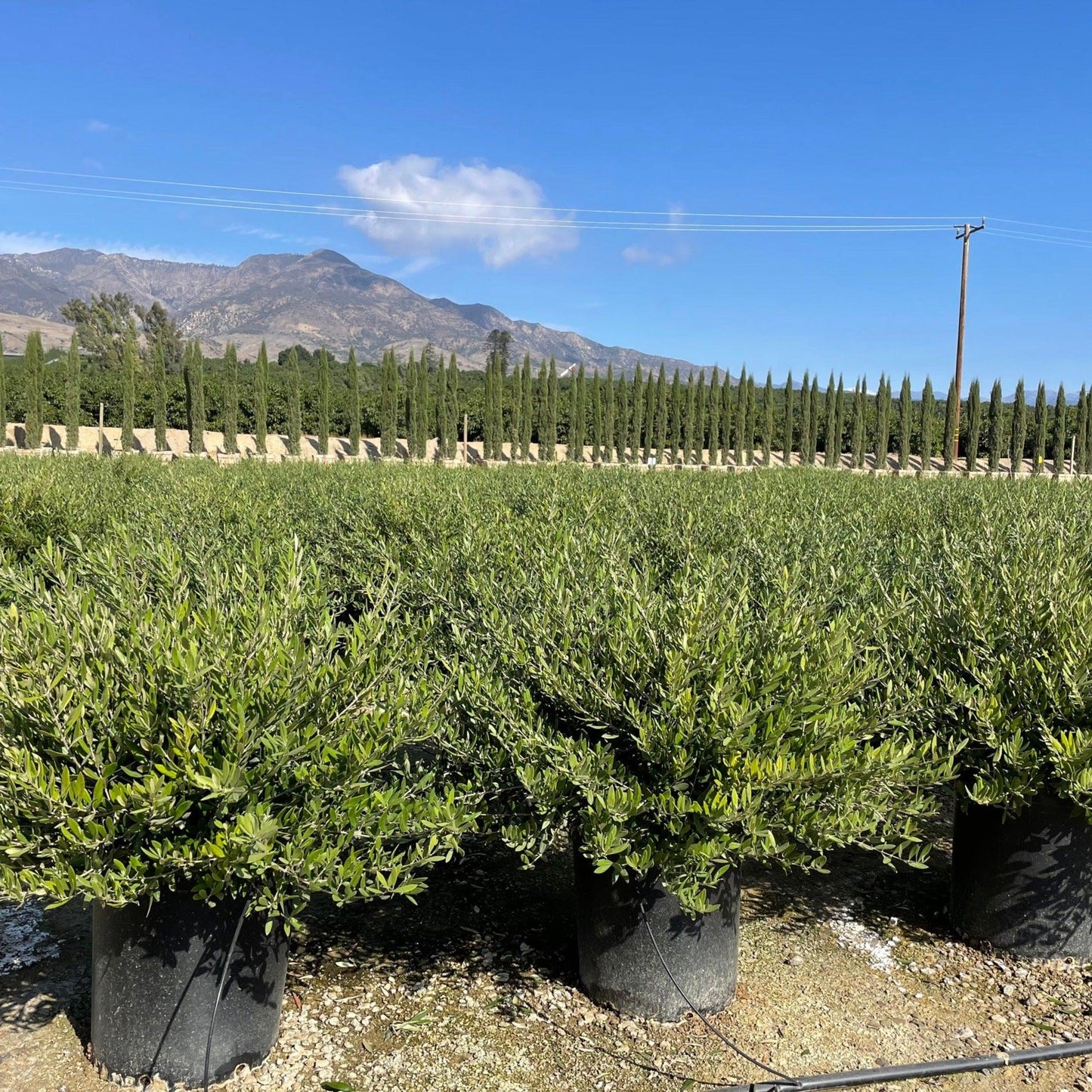

Thousands of Healthy Plants Delivered

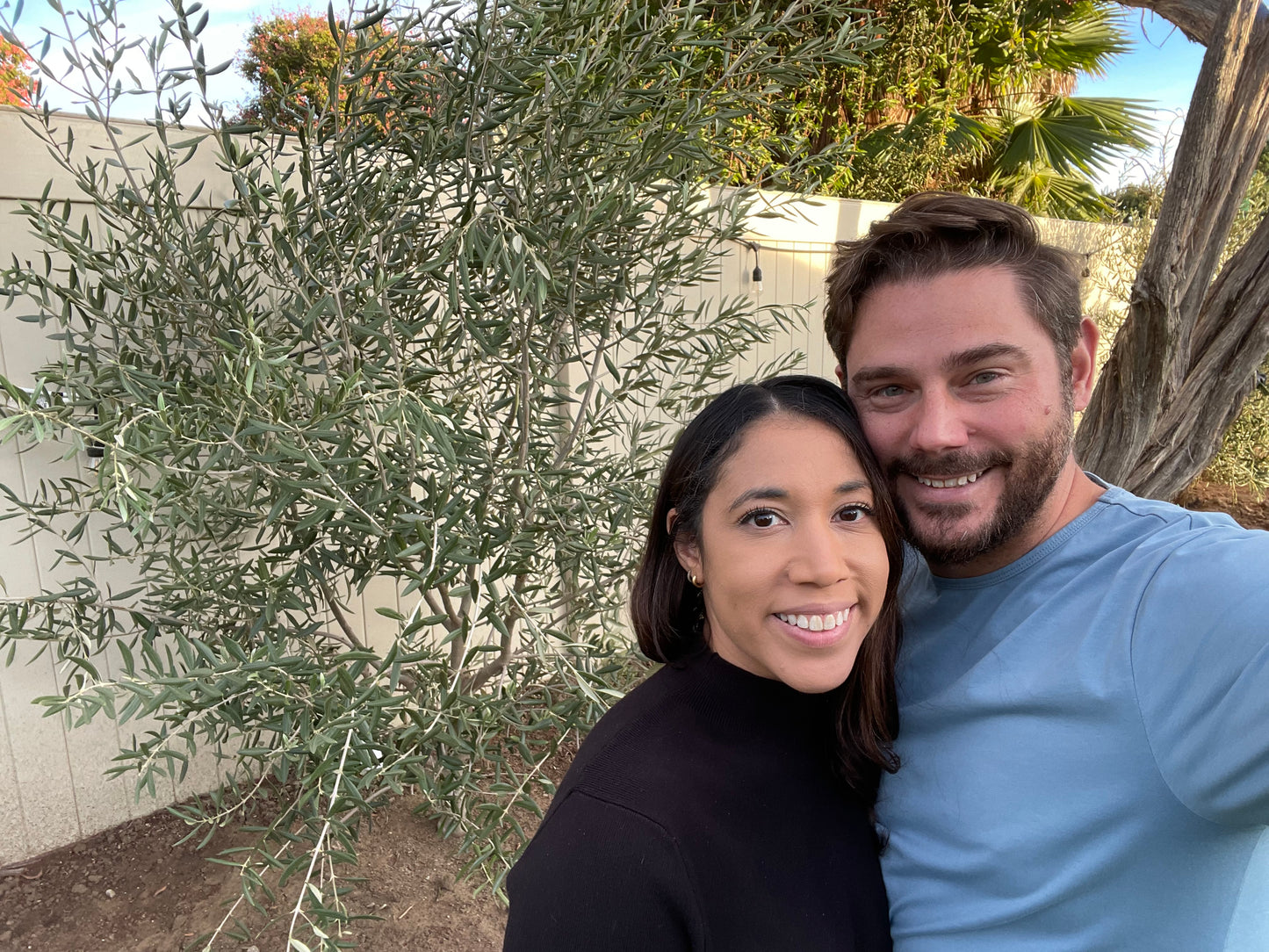
Yardwork was so great to work with. First they had the Swan Hill olive trees that we had been searching for, we had contacted several other nurseries without any luck previously. Then they answered all of our questions in a timely matter prior to ordering and finally delivered within a few days of placing it. Their staff is incredibly knowledgeable; they delivered and planted our trees with expertise to ensure that they would do well in our yard. We would definitely work with them again for future projects.













A Modern Experience
At Yardwork, we carefully curate thousands of plants, in all container sizes, to provide you with the best selection of the highest quality trees and plants at the best price, with the convenience of an online platform.
Uncompromised Quality
We choose only the finest specimens and hand select our plants just before delivery to ensure you receive the freshest and most robust specimens available for your landscape.
Industry Leading Warranties
Our 30, 90, and 365 extended warranties provide some of the best coverage to ensure our trees and plants thrive in your landscape.
Frequently Asked Questions
We're committed to changing everything about trees and plants - how they’re grown, how you shop for them, and how much they cost. We handle orders ourselves. No middlemen to get between us (or our prices) and you.
We're committed to changing everything about trees and plants - how they’re grown, how you shop for them, and how much they cost. We handle orders ourselves. No middlemen to get between us (or our prices) and you.
Delivery does not include unloading of trees and plants LARGER than a 24" box.
Trees and plants in smaller containers will be dropped curbside (usually on the driveway or near the front doorstep).
Delivery beyond a curbside drop will be charged extra.
Trees and plants that are sold in container sizes LARGER than a 24" box size will require equipment and/or enough manpower onsite to help unload from the truck.
Please reach out to our team PRIOR to placing your order to help coordinate.
Our team can provide unloading assistance with equipment for an extra fee as well.
Delivery does not include unloading of trees and plants LARGER than a 24" box.
Trees and plants in smaller containers will be dropped curbside (usually on the driveway or near the front doorstep).
Delivery beyond a curbside drop will be charged extra.
Trees and plants that are sold in container sizes LARGER than a 24" box size will require equipment and/or enough manpower onsite to help unload from the truck.
Please reach out to our team PRIOR to placing your order to help coordinate.
Our team can provide unloading assistance with equipment for an extra fee as well.
We ship locally within California within 7-10 days of your order being placed.
We ship nationally using carrier partners, based on order size. Our common order minimums for out of state shipping is $5,000.
Text or call 323-576-4159 for specific shipping details for your location.
We ship locally within California within 7-10 days of your order being placed.
We ship nationally using carrier partners, based on order size. Our common order minimums for out of state shipping is $5,000.
Text or call 323-576-4159 for specific shipping details for your location.
We are currently online only and don't have physical locations where you can view plants in person.
That's why we have photos direct from the growing grounds of the plants we will ship and we display pricing right in our store.
We do make sure to pick the very best trees and plants prior to shipping and make sure that they have gone through our multi-point inspection for health and structure.
We will always reach out prior to delivery if we find a quality issue or need to provide a substitute.
We are currently online only and don't have physical locations where you can view plants in person.
That's why we have photos direct from the growing grounds of the plants we will ship and we display pricing right in our store.
We do make sure to pick the very best trees and plants prior to shipping and make sure that they have gone through our multi-point inspection for health and structure.
We will always reach out prior to delivery if we find a quality issue or need to provide a substitute.
Plants vary greatly by type. Here is a rough idea of sizes based on containers that are direct from our growing grounds.
15 Gallon Shrub 3-4 Ft. Tall
15 Gallon Tree 5-6 Ft. Tall
24" Box Shrub 5-6 Ft. Tall
24" Box Tree 6-7 Ft. Tall
36" Box Shrub/Tree 7-9 Ft. Tall
48" Box Shrub/Tree 8-10 Ft. Tall
**Please note that we do not make guarantees of sizes. If you have questions or concerns, please call or text to request accurate sizing for the particular plant you're considering, prior to ordering.
Plants vary greatly by type. Here is a rough idea of sizes based on containers that are direct from our growing grounds.
15 Gallon Shrub 3-4 Ft. Tall
15 Gallon Tree 5-6 Ft. Tall
24" Box Shrub 5-6 Ft. Tall
24" Box Tree 6-7 Ft. Tall
36" Box Shrub/Tree 7-9 Ft. Tall
48" Box Shrub/Tree 8-10 Ft. Tall
**Please note that we do not make guarantees of sizes. If you have questions or concerns, please call or text to request accurate sizing for the particular plant you're considering, prior to ordering.
We offer a limited 30 day warranty for plants that are delivered and planted by someone else and a 90 day warranty for plants that we plant.
The limited warranty covers plants that die as a result of disease or fungus which was derived from our growing grounds or from root balls that were root bound.
The warranty does not cover damage due to watering, fertilizer, soils, or any other conditions beyond our control. Additionally, the warranty does not cover plants that are shipped out of the state of California or shipped into California from other states. Custom plant orders are also not covered under warranty. Plants must be planted within 24 hours after delivery to qualify.
We can assist you in recommending the right soils and fertilizers to help your plant thrive after you plant it.
Text or call 323-576-4159 for further warranty information.
We offer a limited 30 day warranty for plants that are delivered and planted by someone else and a 90 day warranty for plants that we plant.
The limited warranty covers plants that die as a result of disease or fungus which was derived from our growing grounds or from root balls that were root bound.
The warranty does not cover damage due to watering, fertilizer, soils, or any other conditions beyond our control. Additionally, the warranty does not cover plants that are shipped out of the state of California or shipped into California from other states. Custom plant orders are also not covered under warranty. Plants must be planted within 24 hours after delivery to qualify.
We can assist you in recommending the right soils and fertilizers to help your plant thrive after you plant it.
Text or call 323-576-4159 for further warranty information.
Our local delivery team covers most cities in California.
There are some exceptions, so please get in touch to confirm prior to ordering.
Additionally, we ship using semi trucks and trailers throughout the entire United States and even abroad for large orders over $5,000. Each shipment is custom, so please reach out to our team to coordinate.
Our local delivery team covers most cities in California.
There are some exceptions, so please get in touch to confirm prior to ordering.
Additionally, we ship using semi trucks and trailers throughout the entire United States and even abroad for large orders over $5,000. Each shipment is custom, so please reach out to our team to coordinate.