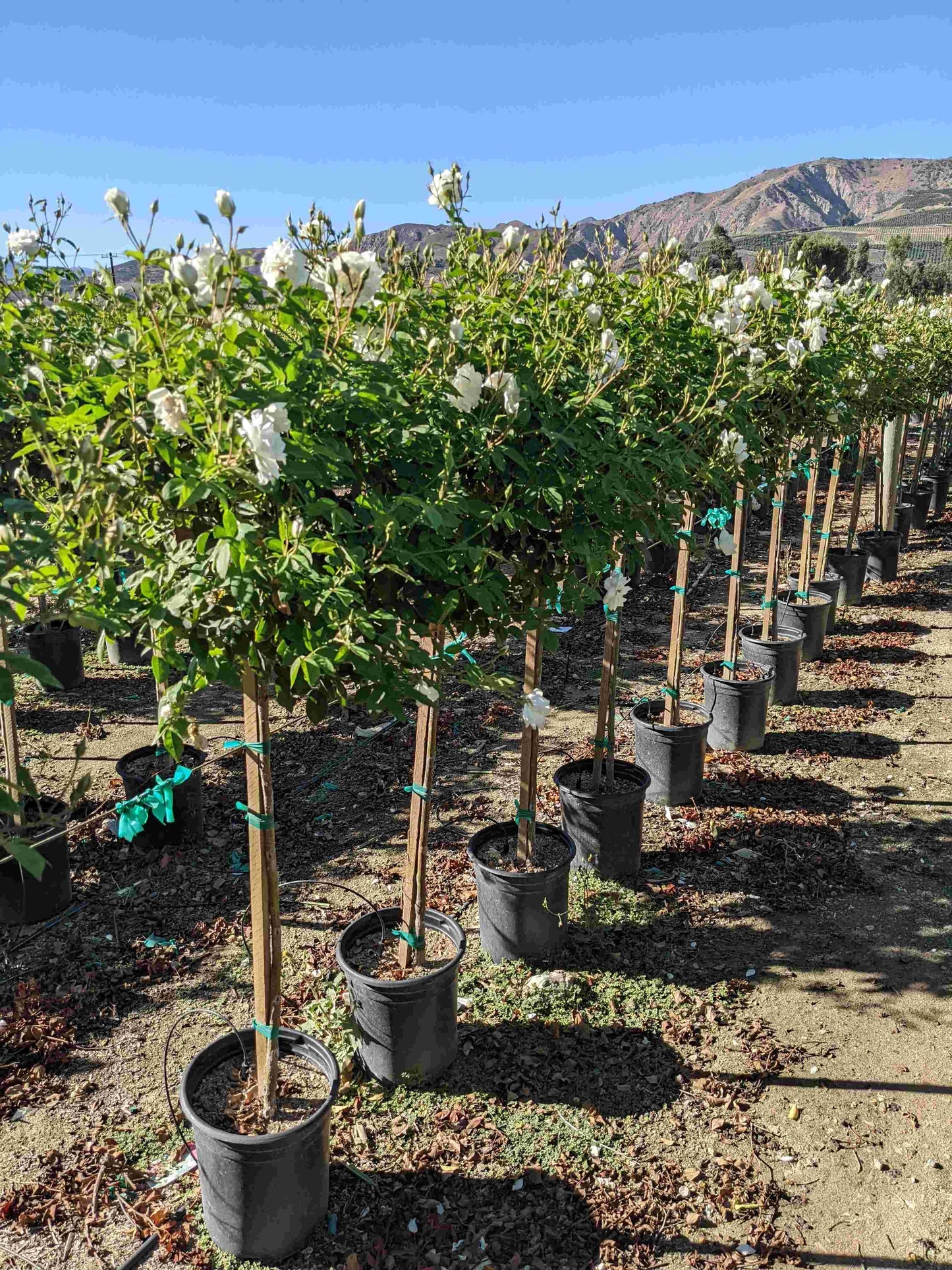
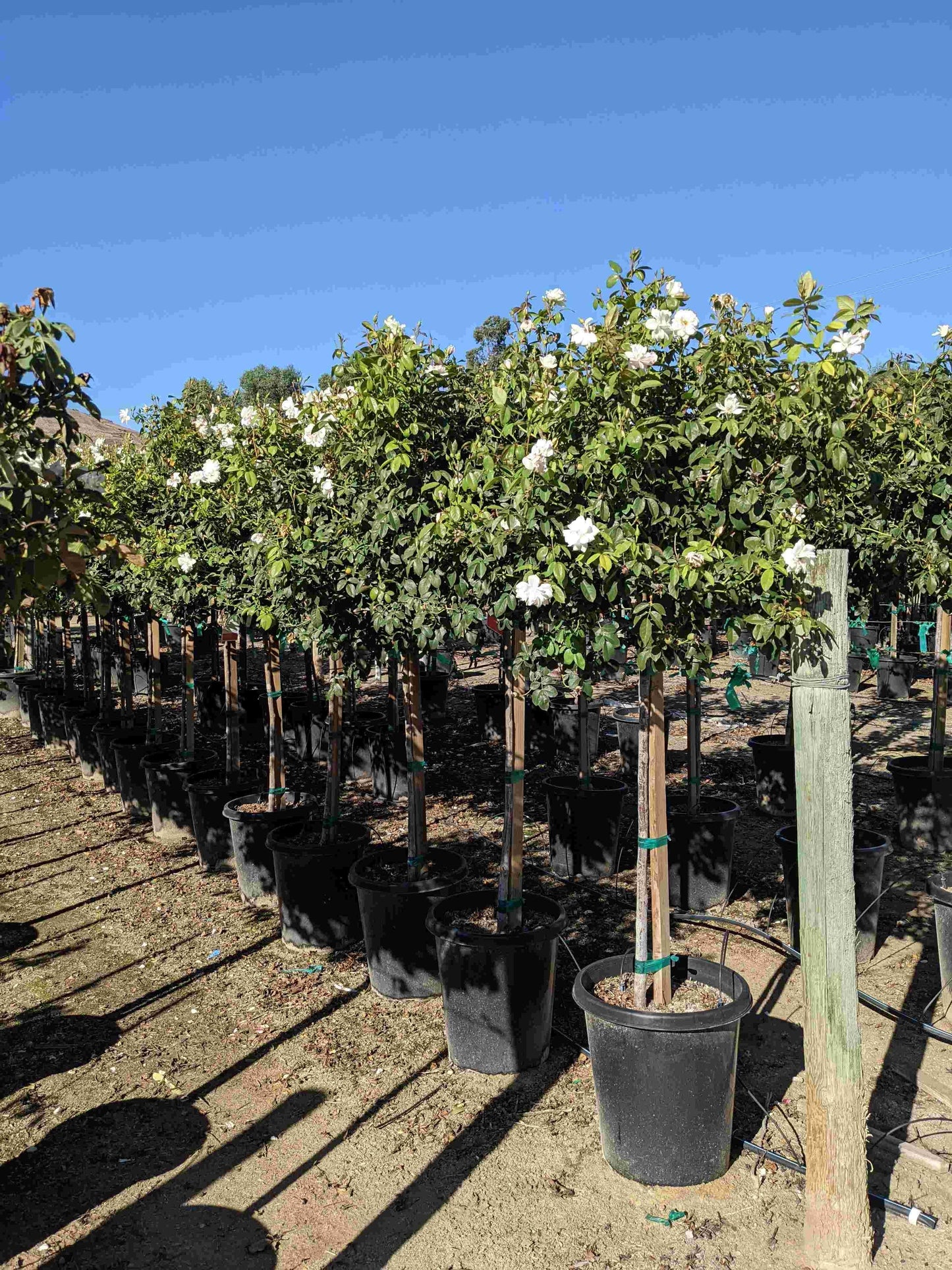
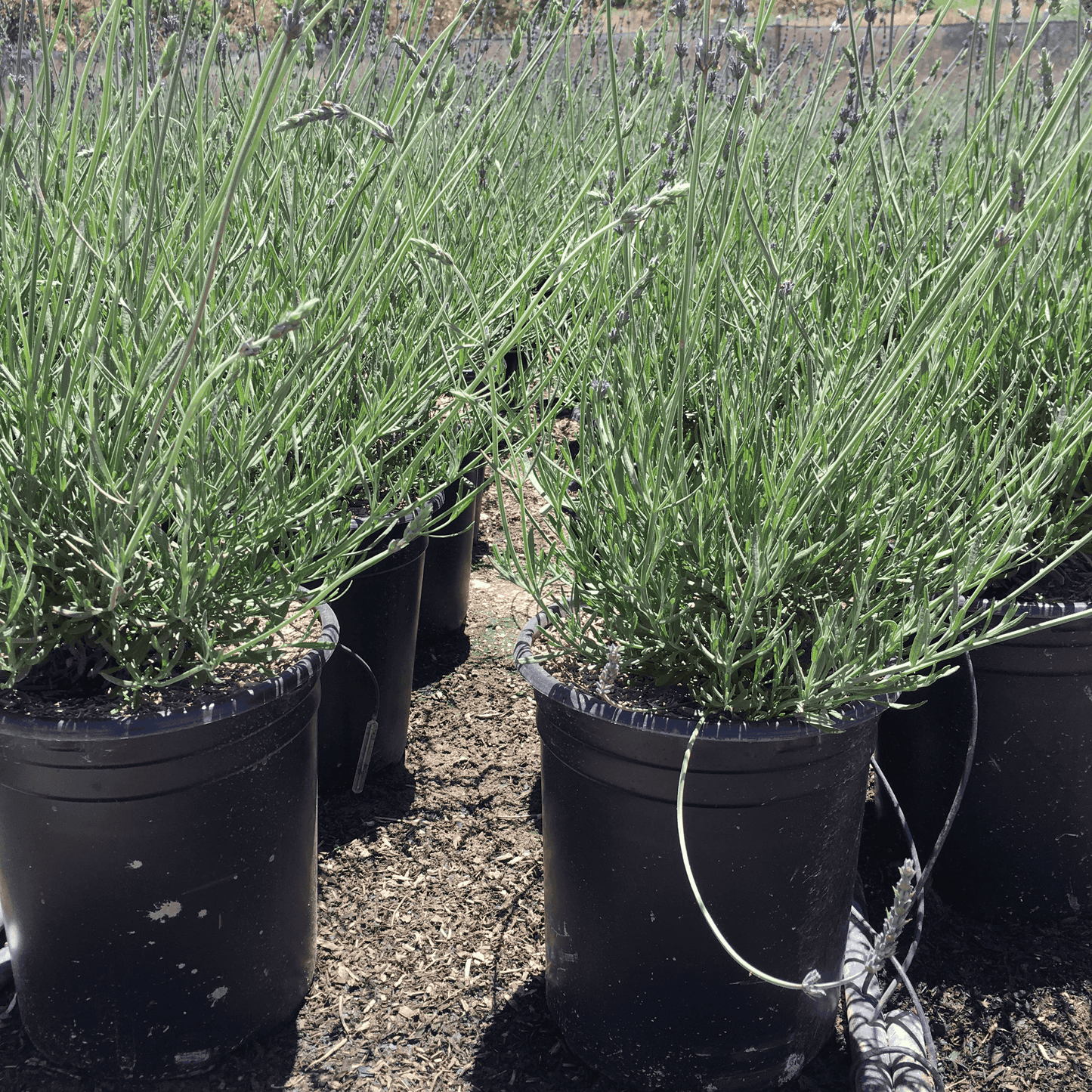
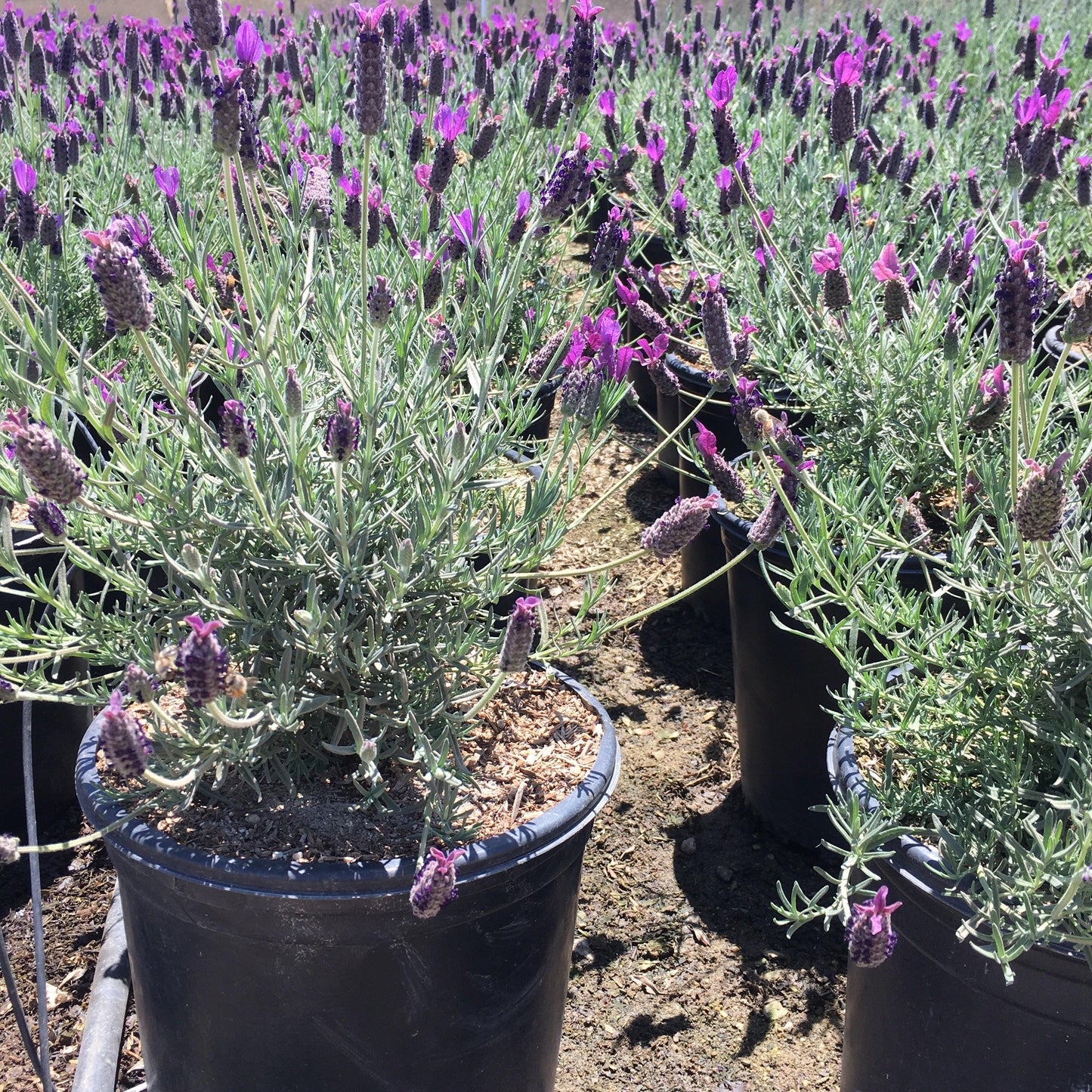
Perennial Plants – Create Lasting Garden Beauty Year After Year
Looking for plants that return season after season with colorful flowers, strong roots, and reliable foliage? Perennial plants are an investment in beauty and sustainability because they return year after year and require minimal maintenance once established.
From drought tolerant natives to shade-loving ground cover, our collection helps you plant perennials that suit California gardens, support pollinators, and deliver long lasting color from spring through fall.
Transform your landscape with plants that get better with age.
Perennials for Every Garden Need
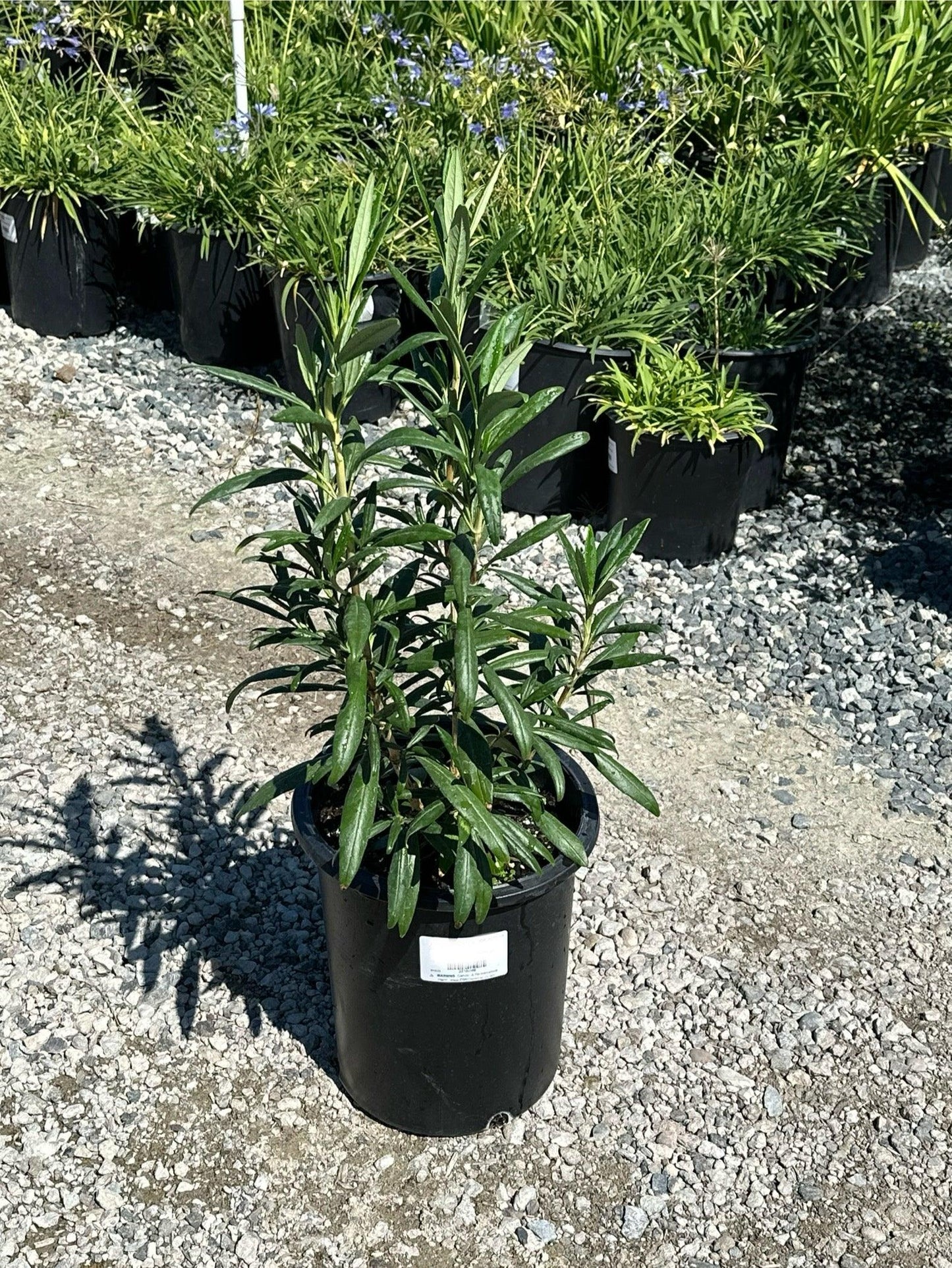
Whether you’re creating privacy, adding cheerful color, or supporting bees, butterflies, birds, and hummingbirds, there’s a perennial perfect for your space, and evergreen screens like a Fern Pine hedge can complement flowering perennials for year-round structure. Unlike annual flowers, annuals complete their life cycle in one growing season and must be replanted every year. Biennials grow leaves and roots in the first year, then bloom and die in the second year.
Perennials may die back to the ground in winter but regrow from roots in spring. They are divided into herbaceous perennials with soft stems that die back in winter and woody perennials, including flowering trees, shrubs, and vines that maintain woody growth and structure.
Pollinator-Friendly Perennials
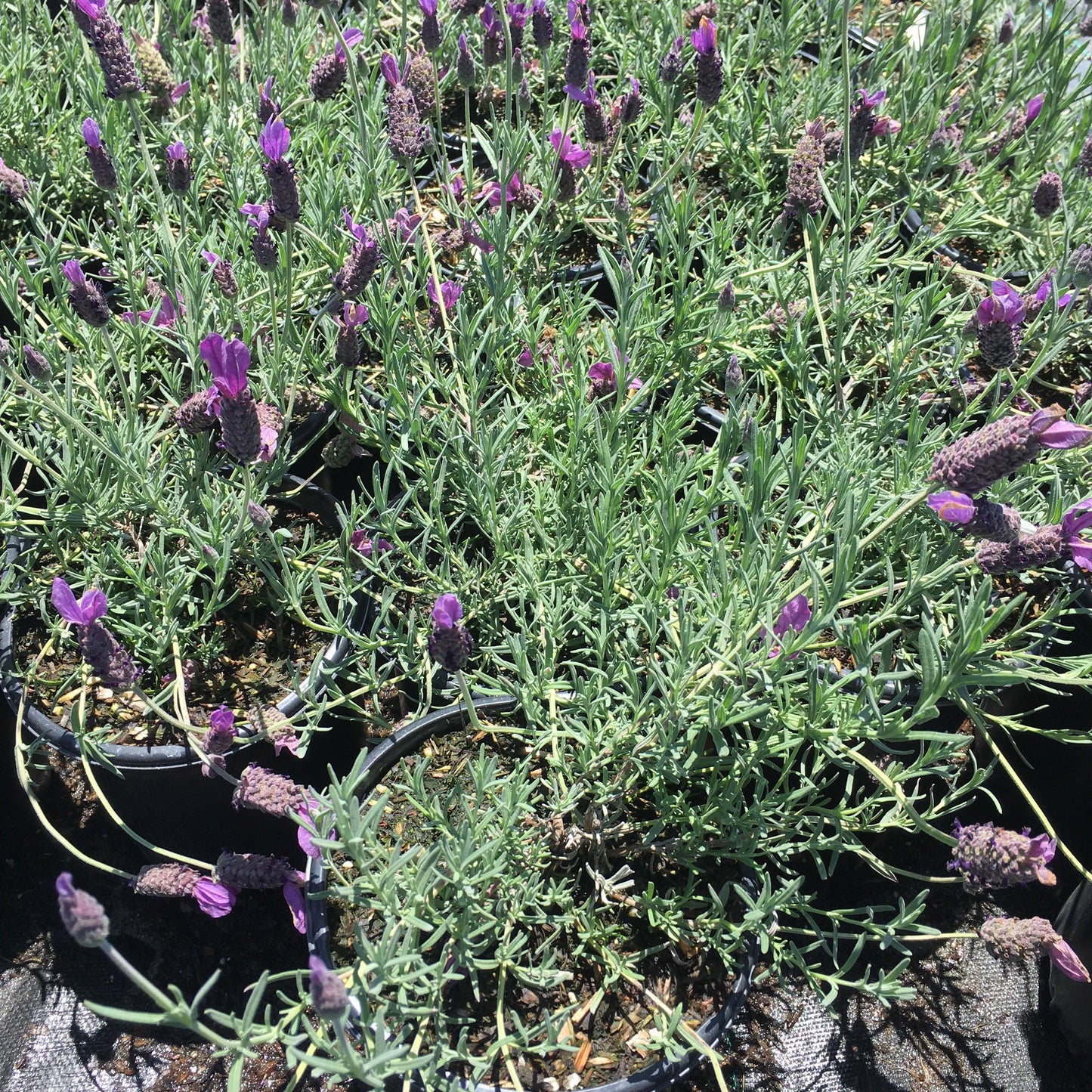
Pollinator-friendly perennial flowers such as bee balm, lavender, echinacea, coneflowers, and native California selections help attract hummingbirds, bees, butterflies, and other beneficial wildlife. Perennials contribute to biodiversity by attracting pollinators such as bees, butterflies, and birds, enhancing the ecological health of gardens.
Choose varieties with staggered bloom time, from late spring to early summer, through the summer months, and into late summer or early fall. Pollinators love season long nectar sources, while fragrant flowers and tiny flowers on tall stems add sensory appeal. Native perennials are often easier to grow, more resilient, and better for local pollinators.
Drought-Tolerant & Water-Wise Perennials
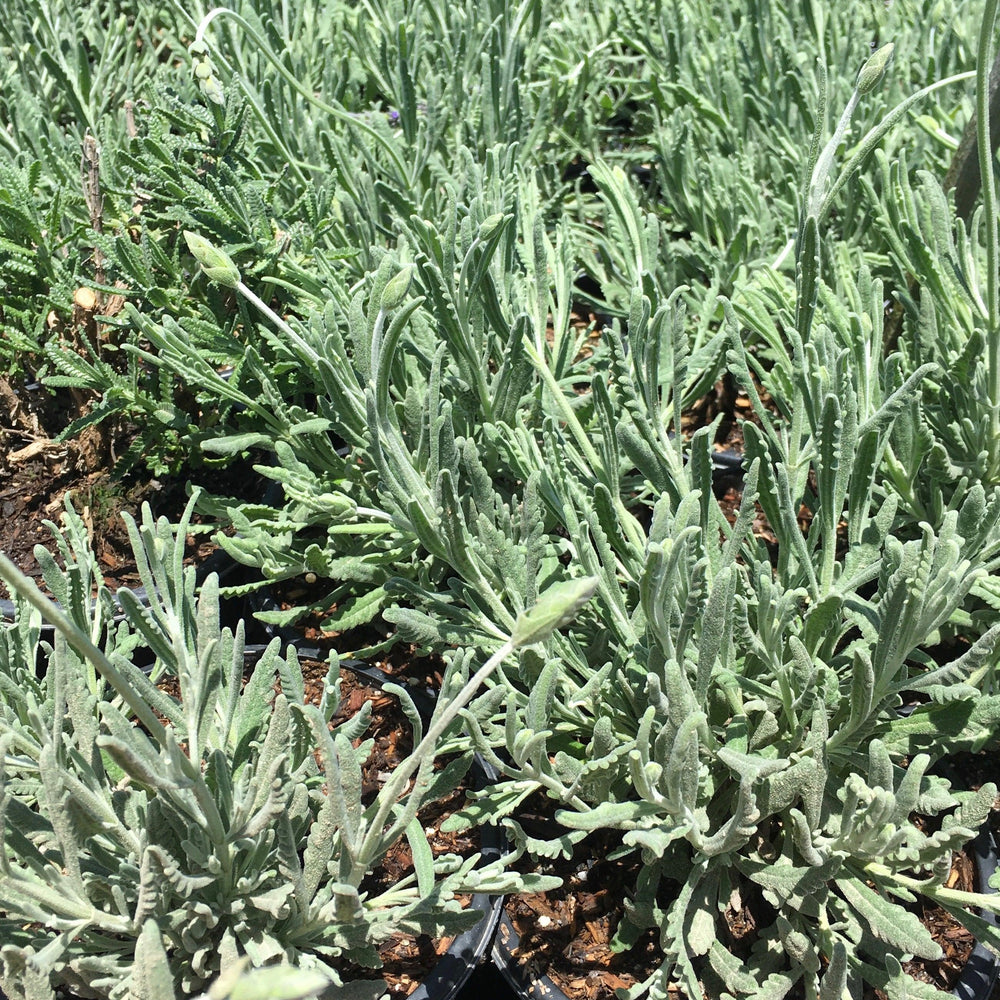
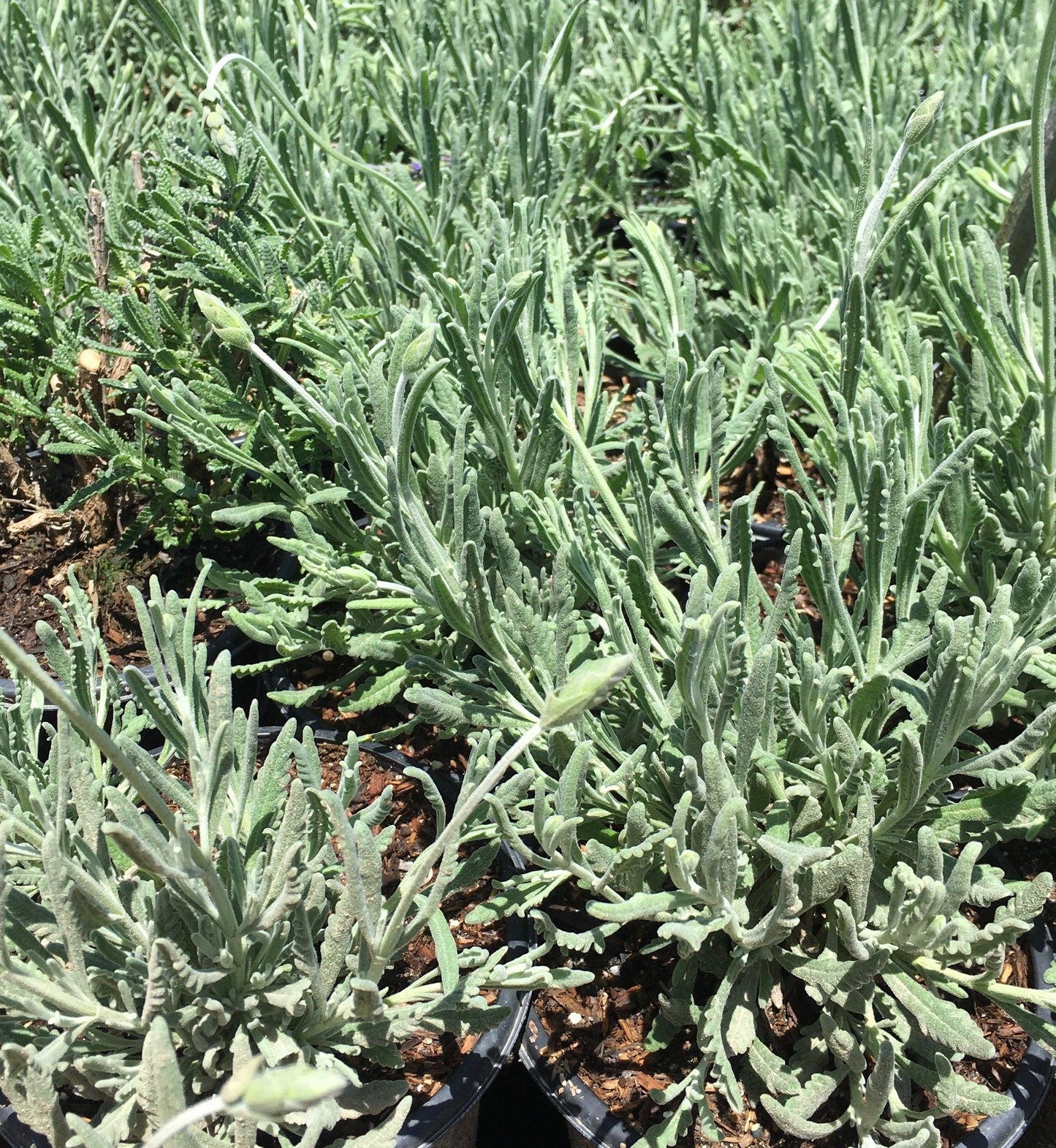
Drought tolerant perennials such as Russian sage, yarrow, salvias, lavender, penstemon, and ornamental grasses are ideal for California’s dry summer garden conditions, and native options like California lilac (Ceanothus) can be especially well adapted. Once established, perennials typically require less water than annuals, making them more drought-tolerant and environmentally friendly.
Many water-wise perennials prefer full sun, well drained soil, and occasional deep watering rather than frequent shallow irrigation. Mediterranean herbs, silver foliage plants, purple bougainvillea, and rock gardens filled with hardy perennials can stay beautiful during dry periods, offering purple, orange, pink, and deep purple color even when rainfall is limited.
Shade Garden Perennials
Shade garden perennials bring vibrant color and texture to darker areas under trees, along fences, and beside shrubs, especially when you combine them with ornamental grasses for shade to add movement and softness. Hostas, astilbe, coral bells, hellebores, and selected ground cover varieties can brighten partial shade, part shade, dappled sun, and even full shade locations.
Look for green foliage, burgundy leaves, star shaped flowers, or soft pink blooms to add interest where sunlight is limited. Some flowering perennials perform best in partial sun with morning light and afternoon protection, while foliage plants often provide the most reliable color when flowers are not in bloom.
Choose the Right Perennials for Your Garden Conditions
Success with perennials starts with matching plants to your specific growing conditions. Perennial plants can be categorized based on their sunlight needs, including sun-loving, shade-loving, and drought-tolerant varieties.
Most perennials thrive when planted in well-drained soil and require adequate spacing based on their mature size to ensure healthy growth. Soil, sun exposure, water needs, and mature size all influence how well plants establish and how much maintenance they need later.
For Full Sun Locations
For full sun areas with 6 or more hours of direct sunlight, choose hardy favorites such as black eyed susan, Daylilies, Coneflowers, shasta daisy, salvias, and yarrow. Common types of perennials include Black-eyed Susans, Daylilies, and Coneflowers, which are known for their hardiness and low maintenance requirements.
Full sun perennials often produce the strongest bloom, the most colorful flowers, and the longest lasting blooms when they receive consistent light. Many heat-tolerant varieties grow several feet tall and actually prefer intense sunlight for best flowering from early summer through first frost.
For Partial Shade Areas
For partial shade or part shade spaces with 3 to 6 hours of sun, consider foxgloves, columbines, Japanese anemones, coral bells, and hellebores. These perennials often appreciate morning sun with afternoon protection, especially in hot California climates.
Partial sun plants can adapt well to changing light conditions as trees mature or nearby structures shift shade patterns. Choose varieties with attractive foliage, soft flowers, and long lasting color to keep the garden interesting even outside peak bloom time.
For Clay or Challenging Soils
For clay, compacted areas, or poor soil conditions, start with resilient perennials such as daylilies, rudbeckia, asters, yarrow, and selected native species. Some perennials tolerate heavy soil better than others, while deep-rooted varieties can help improve soil structure over time.
Perennials generally require minimal maintenance once established, but they still need well-draining soil amended with compost or organic matter. Professional soil testing can help identify drainage, pH, and nutrient issues before you plant perennials, especially in challenging California soils.
Quality Features That Ensure Long-Term Success
The best perennials combine beautiful blooms with practical growing characteristics. Look for hardy roots, disease resistance, strong foliage, and a bloom time that supports your garden from early spring through fall.
Perennials can be classified by their bloom time, with some varieties blooming in early spring, while others may bloom in summer or fall, providing continuous color throughout the growing season.
Hardy Root Systems & Longevity
Established root systems help perennials return stronger each year. Many perennials die back in late winter or winter, then regrow from roots when spring conditions improve.
Long-lived varieties such as peonies, baptisia, hellebores, and Siberian iris can thrive for decades when planted in the right soil and sunlight, while drought-tolerant trees like the California pepper tree can provide long-lasting structure and shade alongside perennial beds. Deeper roots help plants access nutrients, withstand drought, and recover after heat, cold, or seasonal stress.
Extended Bloom Periods & Seasonal Interest
Choose perennial flowers with overlapping bloom time for a garden that feels colorful from spring to early summer, through late summer, and into early fall. Coneflowers, salvias, coreopsis, shasta daisy, and black eyed susan are excellent for long lasting blooms and cheerful color.
Seasonal interest is not only about flowers. Attractive foliage, seed heads, winter structure, and woody growth can support birds and keep beds visually balanced after the main bloom has faded.
Disease Resistance & Low Maintenance
Disease-resistant and low maintenance perennials reduce the need for constant intervention. Many hardy selections are naturally pest-resistant, deer resistant, or rabbit resistant, making them useful for problem areas.
Good airflow, proper spacing, and well drained soil help reduce common issues such as powdery mildew, rust, and root rot. Some self-seeding varieties spread by seeds and naturalize over time, giving your garden a fuller, more established look.
How to Plant and Care for Perennials
Proper planting and early care set your perennials up for years of beautiful performance. The best times to plant perennials are in the spring and fall, allowing them to establish roots before extreme temperatures hit.
Planting perennials in the fall or spring allows them to establish roots before facing extreme temperatures, which is crucial for their survival and growth, and working with a local plant nursery near you can help ensure you choose varieties suited to your specific microclimate.
Best Planting Times
Early spring and early fall are the most reliable windows to plant perennials in many California gardens. Planting perennials in the fall is often preferred because the soil is still warm, which helps with root establishment before winter.
Spring planting works well once frost risk has passed, while fall planting gives roots time to develop before summer heat arrives. Container-grown perennials can often be installed with more flexibility, provided they receive careful watering during establishment.
Soil Preparation and Spacing
Prepare soil with compost or organic matter to improve drainage, nutrition, and root development. Most perennials prefer well drained soil, and plants should be spaced according to mature size so their crowns do not crowd each other.
Apply a thin layer of mulch to conserve moisture and suppress weeds around perennial plants. Mulching also moderates soil temperature, protects roots, and helps maintain moisture during hot summer months.
First Year Care and Beyond
Newly planted perennials need regular watering during the first growing season, even if the variety is drought tolerant once established. After roots are established, many perennials need less water, less fertilizer, and less maintenance than annuals.
Seasonal care may include deadheading spent flowers, trimming damaged foliage, dividing crowded clumps, and protecting tender varieties in winter. Division helps rejuvenate plants, control mature size, and create more perennials for other areas of the garden, while adding complementary trees such as a California pepper tree for sale can layer in height and evergreen interest.
Shop Premium Perennials Online
Explore our carefully selected collection of proven perennials, chosen for California growing conditions, long lasting blooms, and reliable performance. From drought tolerant natives to classic garden favorites, find plants that bring vibrant color, healthy foliage, and pollinator value to your landscape.
Your dream perennial garden starts with the right plant selection, well prepared soil, and expert guidance.