Ornamental Grasses for Shade
Ornamental grasses for shade are a versatile solution for homeowners looking to add texture, movement, and year-round interest to their gardens—even in areas with limited sunlight. Many varieties of ornamental grasses offer fine foliage and grow in clumps, creating distinct groupings that enhance both the structure and visual appeal of your landscape. Understanding growing conditions—such as soil type, moisture, and light exposure—is key to selecting the right grasses for your space, whether you’re dealing with full shade, part sun, or dappled light.
Some of the best ornamental grasses for low-light conditions include Sedges (Carex), Japanese Forest Grass (Hakonechloa macra), Northern Sea Oats (Chasmanthium latifolium), and Mondo Grass (Ophiopogon japonicus). Japanese Forest Grass and Sedge are especially popular for establishing vibrant, low-maintenance layers in shady areas. These grasses thrive in a range of growing conditions, and many varieties are available to suit different garden styles and needs, especially when paired with shade-providing trees like Red Push Pistache for layered height and color.
At Yardwork, we help California homeowners and designers choose practical, climate-appropriate plant options for every corner of the yard. Our expert team offers soil testing, consultations, and plant recommendations tailored to your site’s unique light and soil conditions, making it easy to source plants and materials from our online plant nursery serving California homeowners. We provide free shipping on orders over $600 within California and accept large out-of-state orders over $5,000, making it easy to source the right ornamental grasses and companion plants for your project.
When planning your shade garden, remember that these grasses perform best in light, dappled shade or part sun—typically 4-6 hours of direct sunlight per day. Full, dense shade may result in thinner growth, so matching the right grass to your garden’s light levels is essential. Several varieties of ornamental grasses and sedges can introduce soft texture, color, and movement into low-light spaces, helping you create a lush, layered look even where sunlight is limited.
Introduction to Shade Gardening
Shade gardening transforms dim corners and under-canopy spaces into lush, tranquil retreats. The key is selecting plants that not only survive but thrive in lower light, bringing life and movement to areas where many flowers and shrubs struggle. Ornamental grasses are standout performers in these settings, offering fine texture, graceful form, and subtle color shifts throughout the seasons.
For gardeners seeking to enhance their shade garden, grasses like tufted hair grass and Japanese forest grass are ideal choices. These shade tolerant varieties flourish in partial shade, adding a soft, flowing look to the landscape. Korean feather reed grass and northern sea oats are also excellent for light shade, providing attractive seed heads and a gentle rustling sound in the breeze. Blue fescue, with its compact blue foliage, and buffalo grass, known for its resilience, can both handle partial shade and bring unique color and texture to your garden design.
By thoughtfully combining these ornamental grasses, you can create a dynamic, layered look that enlivens shaded spaces and complements other shade-loving plants, especially when backed by evergreen trees for year-round privacy and structure. Whether you’re designing a quiet nook beneath trees or a shaded border along a fence, there’s a grass species perfectly suited to your garden’s unique light conditions.
Why Choose Ornamental Grass in Light Shade
Ornamental grasses bring a unique texture and movement to shaded gardens, offering a soft, natural look that complements trees, shrubs, and perennials. Many ornamental grasses provide winter interest by retaining their seed heads or structural features, ensuring your garden remains visually appealing even in colder months. Some varieties are evergreen, maintaining lush foliage and color throughout the year, which is especially valuable for continuous garden interest in different climates.
For homeowners seeking low-maintenance, attractive options for shaded areas, ornamental grasses are the ideal choice, while adding mature trees for instant impact and privacy can further enhance structure and shade in the landscape. They require minimal care, thrive in a variety of soil types, and can be used to edge shaded water features or create striking contrast in small gardens. Their adaptability and resilience make them practical for busy lifestyles while still elevating the overall look of your outdoor space.
If you’re unsure which ornamental grasses for shade will thrive in your specific yard, request a Yardwork consultation to get expert recommendations tailored to your site conditions. Remember, mulching the base of shade-tolerant plants can protect their roots from freezing weather.
Best Ornamental Grasses for Light Shade
When choosing ornamental grasses for shade, it’s important to consider not only their tolerance for low light but also their preferred soil conditions. Many shade-tolerant grasses thrive best in humus-rich, consistently moist, well-drained soil, which supports healthy root development and lush growth. Some ornamental grasses for shade are particularly well-suited to moist soil, making them ideal choices for damp, shaded environments or areas near water features. Most varieties are adaptable and can handle a range of soil types, including clay and sandy soils, making them versatile options for different garden settings. However, well-drained soil is crucial for preventing root rot in shade-loving grasses, especially in areas with frequent irrigation or rainfall.
Beyond soil types and moisture needs, look for grasses with interesting plant form, texture, and seasonal interest to enhance your landscape year-round. Explore our Ornamental Grasses and Shade Plants categories to find the perfect fit for your garden.
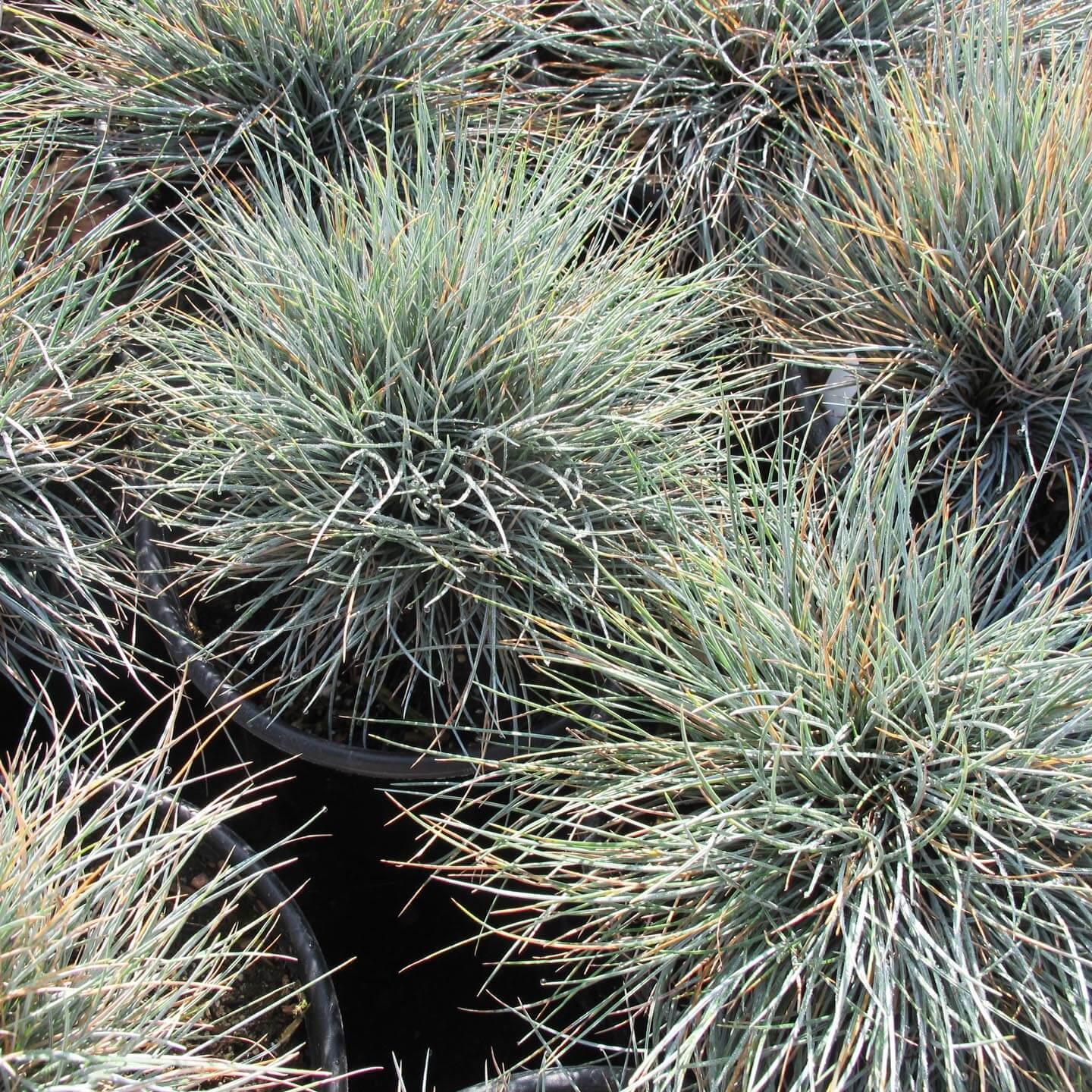
Blue Fescue (Festuca glauca)
Blue Fescue (Festuca glauca) is a compact ornamental grass prized for its striking blue foliage, making it an excellent choice for rock gardens and as edging along pathways. The standout cultivar ‘Elijah Blue’ is especially popular for its distinctive blue-gray color and tidy, clumping growth habit, which thrives in light shade as well as full sun. Unlike the bright green leaves of many garden plants, Blue Fescue’s cool-toned blades add unique contrast and visual interest to borders and container plantings. Pair Blue Fescue with shade perennials like hostas or ferns for a dynamic mix of textures and colors in partially shaded areas.
Feather Reed Grass / Korean Feather Reed Grass
Feather Reed Grass (Calamagrostis x acutiflora) is prized for its upright, vertical form and ability to thrive in filtered light, making it a standout choice for adding structure to shaded borders. For privacy screens, plant clumps 18–24 inches apart to create a dense, layered effect. This grass is low-maintenance and holds its shape well into winter, providing year-round interest.
Korean Feather Reed Grass (Calamagrostis brachytricha) is another excellent option, especially for moist areas in sunny gardens. Its elegant, arching leaves are complemented by feathery blooms that emerge in late summer, adding soft texture and movement. These blooms persist into fall, transitioning in color and enhancing the garden’s visual appeal as the seasons change. Both types of feather reed grass require minimal upkeep—simply cut back old stems in late winter to encourage fresh growth.
Maiden Grass and Clump-Forming Options
Many ornamental grasses for shade grow in tight clumps, which helps define garden structure and keeps them from spreading aggressively. Clump-forming grasses like Maiden Grass (Miscanthus sinensis) are ideal for controlled, upright accents. For smaller spaces, select compact cultivars such as ‘Little Kitten’ or ‘Adagio’ to maintain size and prevent overcrowding.
For maintenance, label clump-forming plants clearly on product pages to help customers choose the right habit for their garden. In spring, cut back dormant grasses to 2-3 inches before new growth appears. Dividing overcrowded clumps every 3-4 years will promote healthy new growth and maintain plant vigor.
Drought Tolerant vs. Full Sun Varieties
When choosing ornamental grasses for shade, it's important to note that many ornamental grasses also thrive in part sun and can be excellent additions to a sunny garden. Most grasses are adaptable and can handle a range of light conditions, but some are specifically suited for shadier spots while others excel in full sun. For example, drought-tolerant selections like Muhlenbergia rigens (Deer Grass) and Bouteloua gracilis (Blue Grama) are ideal for California gardens with ample sunlight, making them perfect for a sunny garden setting.
Most varieties of ornamental grasses are quite adaptable, but it's crucial to match the grass to your garden's light conditions—whether that's full sun, part sun, or shade—and in hotter climates to consider pairing them with small desert trees for xeriscape landscaping to provide dappled shade. When planting, remember that initial care for ornamental grasses includes regular watering during the first growing season to help establish strong root systems; after that, most grasses become drought-tolerant and require minimal supplemental watering.
If your site receives more than 6 hours of direct sunlight, opt for full sun grasses such as Pennisetum setaceum(Fountain Grass) or Nassella tenuissima (Mexican Feather Grass), which are well-suited to California's climate and low-water landscapes. For areas with only part sun, select varieties known for their flexibility and resilience, ensuring your ornamental grasses for shade or sun will thrive with minimal maintenance.
Planting, Care, and Maintenance
When planting ornamental grasses for shade, start by choosing a location with well-draining soil and partial to full shade. Dig a hole twice as wide as the root ball and just as deep. Space plants according to their mature size, typically 18-36 inches apart for most varieties. After planting, water thoroughly and maintain consistent moisture during the first growing season to help roots establish.
For ongoing care, apply mulch around the base of your grasses to retain soil moisture and suppress weeds. In spring, cut back dormant grasses to 2-3 inches above the ground before new growth appears. This encourages healthy regrowth and a tidy appearance. Every 3-4 years, divide overcrowded clumps in early spring to maintain plant vigor and prevent decline.
River oats are a popular choice for shaded gardens, known for their attractive seed heads. These grasses produce abundant seeds, which help them spread and naturalize, forming lush glades in suitable environments.
For best results, consider ordering a Yardwork soil test before planting to ensure your soil conditions are optimal for ornamental grasses, and explore Yardwork’s broader selection of trees, shrubs, and garden plants to round out your design.
Common Challenges
Gardening in the shade comes with its own set of hurdles, but with the right approach, you can overcome them and enjoy a thriving landscape. One frequent challenge is finding tall grasses that perform well without direct sun. While many tall varieties prefer full sun, Maiden grass and Feather reed grass are reliable options that maintain their upright form and visual impact even in light shade.
Another issue is managing moist or wet soils, which are common in shaded areas and can lead to erosion, especially on slopes or near ponds. To combat this, consider planting groundcover grasses or using retaining walls to stabilize the soil, and in partially shaded spots, structural evergreens such as Fern Pine trees for adaptable privacy screens can further anchor slopes and borders. Feather reed grass, with its strong root system, is particularly effective for erosion control in these conditions.
Drought tolerance is also a concern, especially in regions with limited rainfall or poor soil. Grasses like Siskiyou blue and Big bluestem are both drought tolerant and adaptable, making them suitable for challenging spots where water is scarce. By selecting the right ornamental grasses for your garden’s specific challenges—whether it’s shade, moisture, or drought—and combining them with Carolina Cherry Laurel for dense evergreen hedging, you can create a resilient and beautiful landscape that stands the test of time.
Landscape Uses and Design Ideas
For a dynamic shade garden, combine ornamental grasses with hostas, ferns, and Globe Japanese Boxwood for formal evergreen structure to create layers of texture and color. Incorporate variegated forms and grasses with purple hues for added visual interest, while evergreen and bright green varieties ensure year-round color and vibrancy. The fine foliage of many ornamental grasses adds delicate texture, making them ideal for borders, rock gardens, and containers. Sedges and ornamental grasses can introduce soft texture, color, and movement into low-light spaces, enhancing the overall design. Try container compositions for patios and balconies, or mass plantings for erosion control and a lush, textured look. For additional structure and seasonal color beyond grasses, consider drought-tolerant trees and shrubs such as California Pepper Tree, California Pepper Tree for sale and other specimen trees, Glossy Privet and other evergreen shrubs, native options like Toyon for wildlife-friendly hedging, and larger evergreens such as Incense Cedar or fruiting choices like a Valencia orange tree to anchor your shade garden design. Tall grasses can also be used to create privacy screens that remain attractive throughout the seasons, alongside evergreen hedging options like Fern Pine hedges for privacy and other fast-growing privacy trees.
FAQs and Additional Resources
Do any ornamental grasses grow in shade?
Many ornamental grasses prefer full sun, but some varieties thrive in part shade or even full shade conditions.
Popular shade-tolerant ornamental grasses include:
- Japanese forest grass
- Northern sea oats
- Tufted hair grass
- Japanese sedge
- Variegated sweet flag
- Mondo grass
These plants are commonly used beneath trees, along shaded pathways, woodland gardens, and low-light borders.
Is there any grass that does well in shade?
Yes. If you mean ornamental landscape grasses, some of the best performers in shade are:
Japanese Forest Grass (Hakonechloa macra)
Often considered the gold standard for shade gardens, this graceful ornamental grass forms cascading mounds with soft arching foliage.
Benefits include:
- Excellent shade tolerance
- Bright gold or green foliage
- Low maintenance
- Great for borders and containers
It performs especially well in filtered light or morning sun.
Northern Sea Oats (Chasmanthium latifolium)
This native ornamental grass tolerates partial shade very well and is known for its dangling oat-like seed heads.
Advantages:
- Woodland adaptability
- Wildlife value
- Drought tolerance once established
- Attractive fall color
It naturalizes easily in shaded landscapes.
Japanese Sedge (Carex species)
Many sedges behave like ornamental grasses and are among the best low-light options available.
They offer:
- Evergreen texture
- Compact growth
- Strong shade performance
- Excellent edging potential
Carex varieties are especially useful in modern landscape designs.
What is the best grass for not a lot of sun?
The “best” grass for limited sun depends on whether you want:
- Ornamental landscaping grass
- Groundcover-style grass
- Traditional lawn grass
Best Ornamental Grass For Shade
Most gardeners consider Japanese forest grass one of the best ornamental grasses for low sunlight because of its elegant form and vibrant foliage color.
Best Lawn Grass For Shade
If you mean turf grass, the best shade-tolerant lawn grasses include:
- Fine fescue
- St. Augustine grass (warm climates)
- Tall fescue
- Zoysia grass (partial shade only)
Fine fescue is especially popular in cooler climates because it tolerates lower light better than many turf grasses.
What is the easiest ornamental grass to grow?
Several ornamental grasses are extremely easy to grow, but a few stand out for their adaptability and low maintenance.
Fountain Grass (Pennisetum)
One of the easiest ornamental grasses overall because it:
- Grows quickly
- Tolerates drought
- Requires minimal pruning
- Produces soft bottlebrush plumes
- Thrives in many soil types
Most fountain grasses prefer sun but tolerate light partial shade.
Maiden Grass (Miscanthus sinensis)
Another beginner-friendly option known for:
- Tall dramatic growth
- Seasonal plumes
- Adaptability
- Easy maintenance
However, it performs best in full sun.
Japanese Forest Grass For Shade Gardens
For shaded locations specifically, Japanese forest grass is often considered the easiest ornamental grass to maintain because it:
- Rarely suffers from pests
- Needs little pruning
- Spreads slowly and predictably
- Maintains elegant texture all season
It combines beauty with very low maintenance requirements.
Conclusion
Ornamental grasses are a versatile and rewarding addition to any shade garden, offering year-round interest with minimal upkeep. By choosing shade tolerant varieties such as Hakonechloa macra and Carex, gardeners can introduce movement, texture, and subtle color to even the shadiest corners. Native grasses like River oats and Blue fescue not only blend seamlessly into naturalistic designs but also provide a low-maintenance, eco-friendly option for busy homeowners.
With thoughtful selection and care, ornamental grasses can transform shaded spaces into vibrant, inviting retreats. Whether you’re looking to add structure, soften hard edges, or simply enjoy the gentle sway of grass in the breeze, there’s a perfect species for every garden, especially when paired with structural trees such as the Desert Museum Palo Verde and other featured trees for height and shade. Embrace the possibilities of shade gardening and let these resilient, beautiful grasses elevate your outdoor living space, complemented by versatile shrubs and trees like Bay Laurel and other featured specimens.