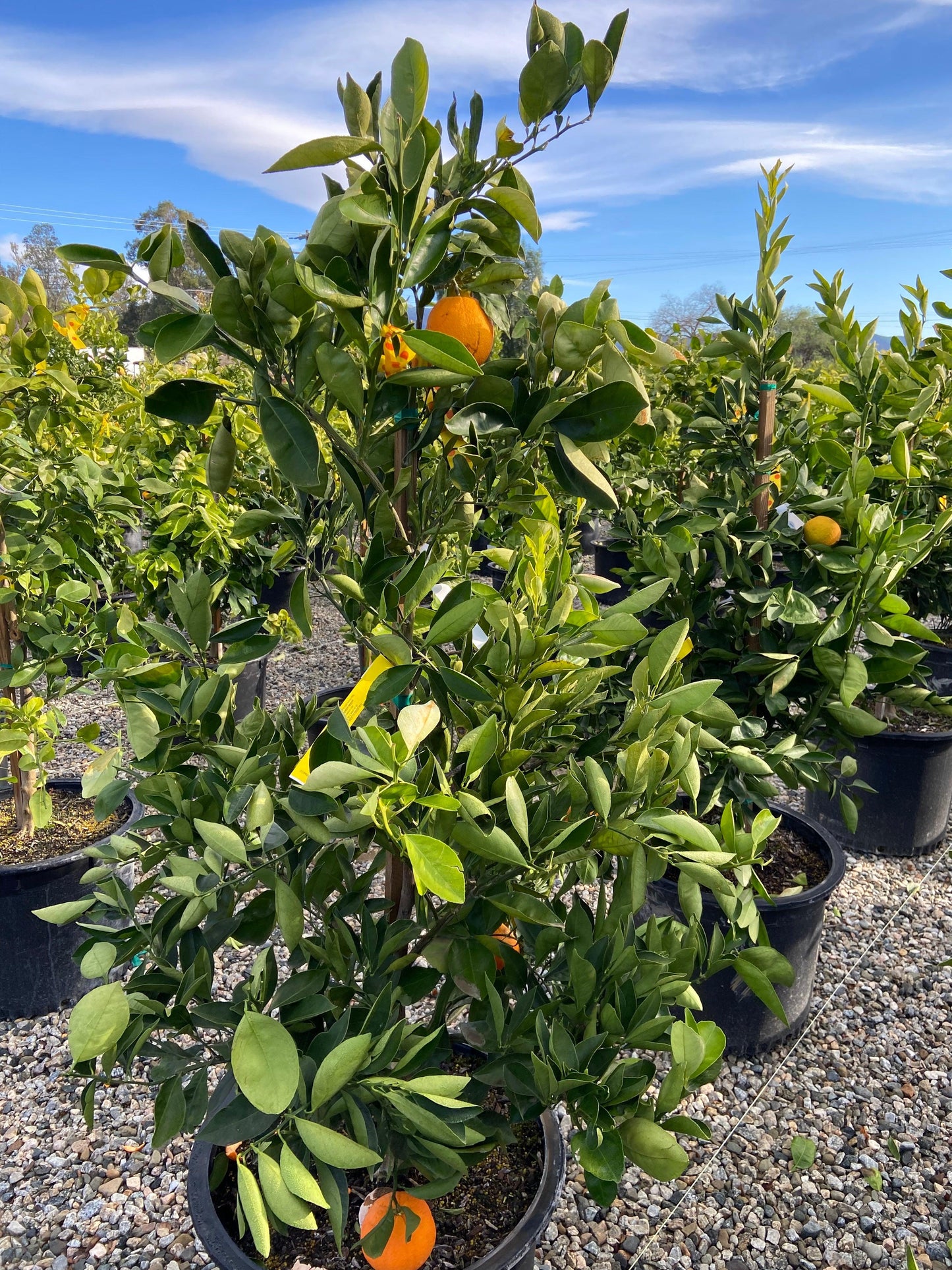
Orange Trees – Shop Premium Varieties for Your Garden
Looking for an orange tree that thrives in your climate? Choose from dwarf, standard, and specialty orange trees selected for reliable growth, strong fruit quality, and practical garden performance. From indoor container citrus trees to outdoor landscape specimens, the right variety can provide fresh fruit, fragrant blossoms, evergreen foliage, and long-term ornamental value, and you can explore a wide range of citrus fruit trees for sale to find the best fit.
Find your perfect citrus companion and transform your garden today.
Orange Trees for Every Growing Space
Whether you’re growing indoors or outdoors, there’s an orange tree variety for every garden situation. The key is to choose the right tree size, rootstock, light exposure, and care routine for your home, garden, or patio.
Indoor Container Orange Trees
Choose dwarf varieties like Calamondin or dwarf navel orange trees for pots, patios, sunrooms, and indoor growing. Dwarf orange trees typically remain under 10 feet, making them easier for gardeners to place, prune, repot, and protect during winter.
For best growth indoors, provide enough light with a south facing window or a bright area that receives at least 5 to 6 hours of direct sunlight daily. For optimal growth, orange trees perform even better with six to eight hours of direct sunlight per day. Citrus plants, including orange trees, thrive in temperatures around 18°C during the day and between 5°C and 10°C at night, and they should be moved indoors when temperatures drop.
Pair your container tree with a large pot, citrus-specific potting mix, and well drained soil. Orange trees prefer a humid environment, which can be supported by misting the leaves or placing the container on pebble trays. Select self-pollinating varieties for simple pollination and remember to water deeply when the top few inches of soil feel dry, keeping moisture consistent but never waterlogged.
Outdoor Garden & Landscape Orange Trees
Plant standard Valencia or Navel orange trees outdoors when you want maximum fruit production and a strong garden presence. Mature standard orange trees can grow up to 20 feet or more, so they need enough area for canopy spread, direct sunlight, and airflow.
A valencia orange tree is a great choice for gardeners who enjoy juicing, while a navel orange tree is generally easy to enjoy fresh because the fruit is sweet, usually seedless, and easy to peel. Orange trees should be planted in slightly acidic soil that is rich in organic matter and well-draining to prevent root rot.
For best establishment, start planting in early spring after the risk of frost has passed. Newly planted orange trees require watering 2 to 4 times per week in their first year to establish roots, while mature trees should be watered deeply every 1 to 2 weeks. In summer, outdoor orange trees may require watering once or twice a week, depending on climate and soil conditions.
Privacy Screen & Ornamental Orange Trees
Select evergreen orange varieties when you want year-round screening with the bonus of homegrown citrus. Orange trees bring dense leaves, fragrant white blossoms that attract pollinators, and bright fruit that adds color through the season.
Plant multiple trees in rows to create a privacy barrier along a fence, driveway, or outdoor living area. Standard trees work well where space allows, while semi-dwarf or dwarf selections can provide structure in smaller gardens. For year-round screening, many gardeners also use evergreen trees for privacy in combination with citrus. Applying mulch around the base of orange trees can help retain soil moisture, but mulch should be kept a few inches away from the trunk to prevent rot.
For ornamental impact, consider Blood Oranges, Seville sour oranges, or compact citrus trees with dense foliage and attractive form. Watch for pests, nutrient deficiencies, and watering problems so your living screen stays healthy year after year; you can also explore specialized nursery privacy trees and evergreens if you need additional screening options.
Choose the Right Orange Tree for Your Climate Zone
The right variety and rootstock combination ensures your orange tree thrives in your specific growing conditions. Climate, frost risk, humidity, soil drainage, summer heat, and winter temperature all affect how well your tree will grow, flower, and produce fruit.
For Coastal California Gardens
Select orange trees that tolerate marine layer, cooler summer temperatures, and variable sun exposure. Valencia oranges can perform well in many California gardens, while coastal growers may also choose varieties and rootstocks known for consistent performance when heat is moderate.
Choose citrus trees grafted on citrange or other suitable rootstock when you need better stress tolerance and steady growth. In coastal areas, make sure each plant still receives enough light, ideally six to eight hours of direct sunlight per day. If fruit color develops slowly, remember that cooler conditions can delay ripening and reduce color intensity.
For localized information, consulting local extension services, visiting a reputable online nursery with trees and garden plants, or accessing regional gardening guides can provide localized advice for orange tree care in your state, county, and microclimate.
For Hot Inland Valley Locations
Plant heat-tolerant Navel oranges, Valencia oranges, and Blood Oranges in hot inland valley gardens where long sunny days help develop sweetness and strong flavor. Blood Oranges are distinguished by their deep red flesh and unique flavor, making them a popular choice for culinary uses and fresh eating.
In hot, dry areas, select drought-resistant rootstocks and provide deep water at the right time. Water deeply when the top few inches of soil feel dry, ensuring that the soil remains consistently moist but well-drained. Orange trees prefer to have their soil dry out between waterings, particularly in the winter months, to avoid root rot, and some gardeners pair them with low-maintenance fruitless olive trees for elegant landscaping in similar climates.
Mulch helps protect soil moisture during summer, but keep it away from the trunk. Watch leaves for curling, yellowing, or other signs of stress, and feed regularly to prevent nutrient deficiencies.
For Colder Northern California Areas
Choose cold-hardy varieties and rootstocks when growing orange trees in colder Northern California areas. Hamlin oranges on trifoliate rootstock, container-grown dwarf trees, and other cold-aware selections can help gardeners manage frost risk.
Plant outdoors against south-facing walls where reflected sun and warmth provide extra protection. In colder zones, containers offer flexibility because you can move the tree indoors during winter or when frost is forecast. Citrus plants should be moved indoors when temperatures drop, especially young or newly planted trees.
Protect trunks and root zones with mulch, frost cloth, and careful watering. Avoid overwatering in winter because cold, wet soil can create root rot problems.
For Small Spaces and Beginners
Select dwarf orange trees on dwarfing rootstock when you want full-sized fruit from a compact tree. These trees are ideal for patios, balconies, small gardens, and container growing. They are generally easy to manage with regular care, enough light, and a simple seasonal routine.
Beginners should choose low-maintenance varieties that forgive occasional watering lapses and require minimal pruning. Pruning of orange trees is recommended in late winter to shape the tree and encourage bushy growth, while overcrowded branches should be thinned out in February.
Follow basic care tips: place the tree in direct sunlight, use well drained soil, water only when the top few inches are dry, and repot container trees when roots become crowded. With the right start, you can enjoy a healthy tree for a long time.
Premium Orange Tree Varieties That Deliver
A quality orange tree should provide years of reliable harvests and garden beauty. Choose based on how you want to use the fruit, how much space you have, and when you want your harvest season to begin.
Navel Orange Varieties
Washington Navel oranges offer sweet, easy-peeling fruit that is ideal for fresh eating. Navel Oranges are known for their sweet flavor and are often consumed fresh, making them one of the most popular choices for home gardeners.
Cara Cara Navel oranges provide sweet, pink-fleshed fruit with low acidity and rich flavor. These Cara Cara Navel orange trees are excellent when you want a tree that looks beautiful, produces flavorful fruit, and fits naturally into a home garden.
Choose a navel orange tree if your priority is fresh snacking, simple harvesting, and family-friendly fruit. Provide full sun, steady water, and a specialized citrus fertilizer to support strong growth.
Valencia Orange Trees
Valencia oranges deliver excellent juice quality and a summer harvest when many other citrus fruits are out of season. Valencia orange trees are preferred for juicing due to their high juice content, making a valencia orange tree a great choice for fresh juice at home.
Late-season Valencia varieties extend your harvest window and provide a long season of homegrown oranges. The Valencia orange tree is especially valuable for gardeners who want fruit beyond the traditional winter citrus season.
Select Valencia if you want a productive outdoor tree, reliable juice fruit, and vigorous growth in a sunny garden. Like other orange trees, Valencia needs well drained soil, consistent moisture, and regular feeding.
Specialty & Heirloom Varieties
There are several popular types of orange trees, including Navel Oranges, Valencia Oranges, Blood Oranges, and Mandarin Oranges, each with unique characteristics and uses, and many gardeners also enjoy growing complementary lemon trees for fresh citrus. Specialty and heirloom varieties are perfect when you want more flavor variety, ornamental interest, or fruit for cooking.
Blood oranges like Moro and Tarocco offer anthocyanin-rich fruit, striking red flesh, and a complex flavor that can be excellent for fresh eating, desserts, drinks, and culinary uses. Seville sour oranges provide fruit ideal for marmalade and bring ornamental value with fragrant blossoms and decorative fruit.
Mandarin Oranges are also popular with gardeners who want easy-peeling citrus fruit, compact growth, and strong fresh-eating appeal. Choose specialty citrus trees when you want your garden to feel productive, beautiful, and distinctive.
How to Care for Your Orange Tree
Proper care maximizes fruit production and keeps your orange tree healthy and productive. Orange trees are heavy feeders, sun-loving plants, and they perform best when soil, water, light, and nutrients stay consistent through the growing season.
Planting and Soil Preparation
Plant orange trees in well-draining soil amended with compost or organic matter for optimal root health. The soil should be slightly acidic, rich in organic matter, and well-draining to prevent root rot. Avoid heavy clay, standing water, or compacted planting areas.
Space trees 12 to 25 feet apart depending on variety, rootstock, and mature canopy size. Standard trees need more room, while dwarf trees and container plants can grow closer to patios, walkways, or garden borders.
Schedule spring planting after the last frost for best establishment success. Early spring gives roots time to start growing before summer heat arrives. After planting, water deeply when the top few inches of soil feel dry, ensuring the soil remains consistently moist but not waterlogged.
Watering and Nutrition Management
Water deeply but infrequently, allowing the soil to dry slightly between irrigations to encourage deep roots. Newly planted orange trees require watering 2 to 4 times per week in their first year to establish roots, while mature trees should be watered deeply every 1 to 2 weeks. During summer, orange trees may require watering once or twice a week depending on the climate and soil conditions.
Orange trees are heavy feeders and require regular application of a specialized citrus fertilizer. Fertilizing orange trees should be done every 4 to 6 weeks during the growing season from early spring to late summer. During the growing season in spring and summer, orange trees should be fed every second watering with a high potassium fertilizer to promote fruit production, especially for container trees and actively growing plants.
Apply mulch around the base to retain moisture and suppress weeds, but keep mulch a few inches away from the trunk to prevent rot. Watch for pests, yellow leaves, weak growth, or nutrient deficiencies, and adjust water, feed, or soil care before small problems become long-term damage.
Shop Orange Trees Online with Expert Support
Explore our California-grown collection of orange trees in various sizes and varieties. Choose from dwarf container trees to mature specimens, including Navel, Valencia, Blood Orange, Mandarin, and other citrus trees selected for home gardens, patios, and outdoor landscapes, or expand your edible landscape with a productive pomegranate tree for long-term harvests.
Find orange trees for sale with expert support, soil testing services, and planting consultations to help you choose the right tree for your climate, space, and care routine.
Your perfect orange tree is ready for delivery across California.