

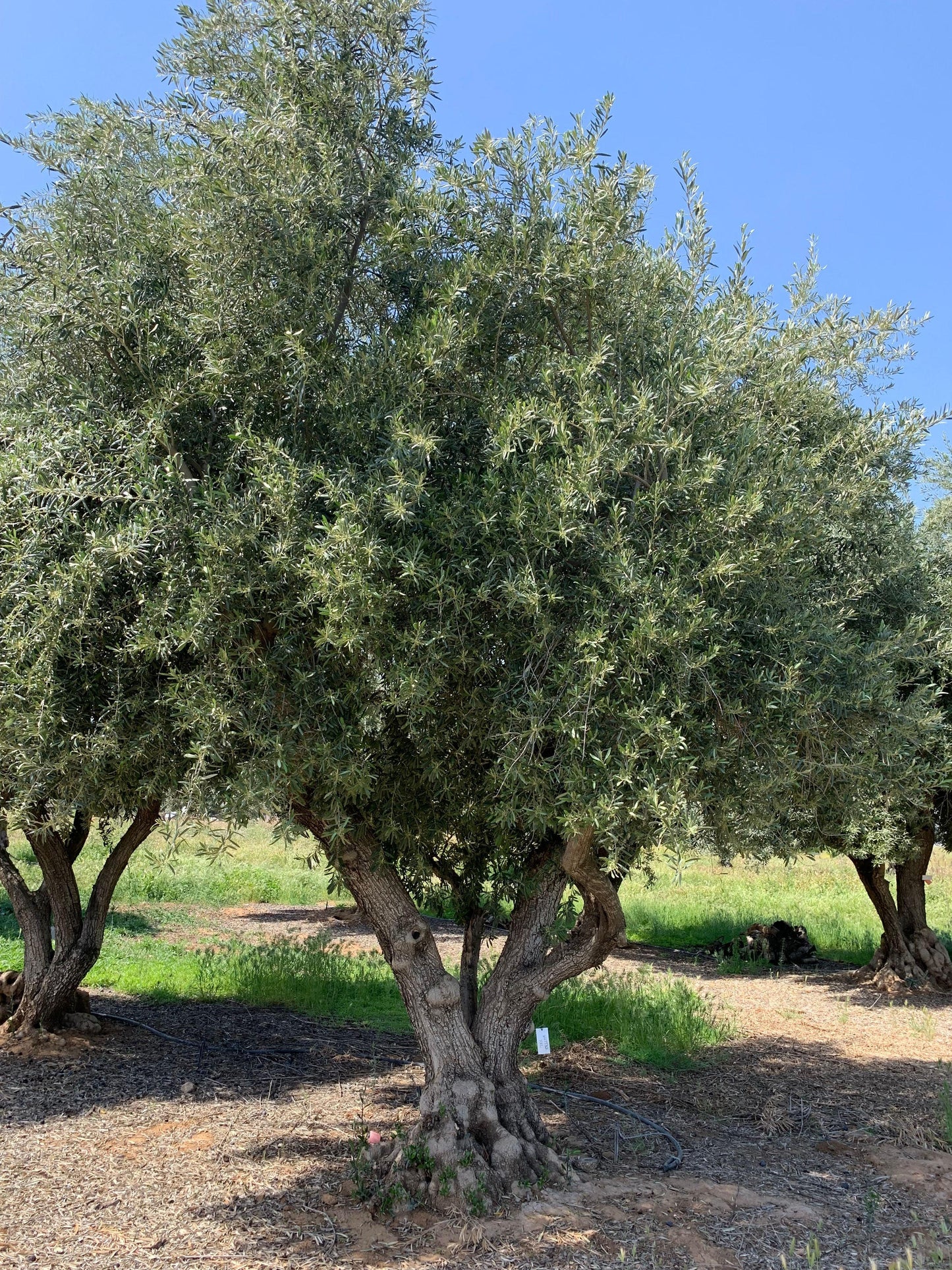
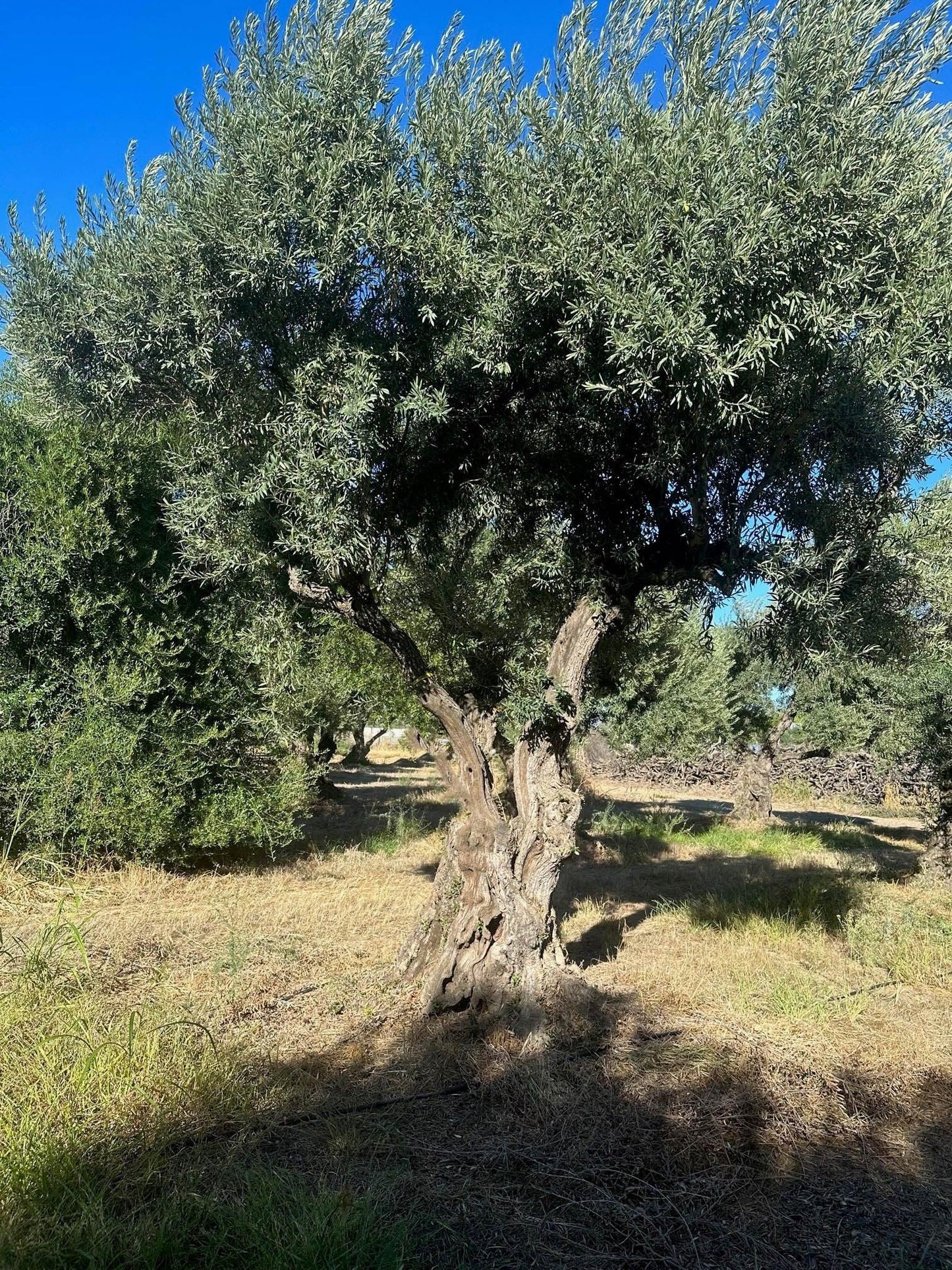


Sevillano Olive Tree (Olea europaea 'Sevillano')
Regular price
$15,000.00
Size
Large, Flavorful Olives in Your Own Backyard
The Sevillano Olive Tree gives you premium Spanish-style table olives at home, with large, meaty fruit, drought-tolerant growth, and strong ornamental value for California landscapes.
Also known botanically as Olea europaea Sevillano, this picturesque evergreen tree is especially well suited to a mediterranean style garden with full sun, hot summers, and well drained soil. Once established, Sevillano trees can produce fruit with minimal water, making them a practical choice for homeowners who want their own olives for curing, cooking, appetizers, and small-batch olive oil.
Sevillano olives are best known as table olives, not high-yield oil olives. Their low to moderate oil content makes them excellent for canning and pickling, while their large size, rich flesh, and tart and buttery flavors make them a standout for home kitchens in northern California, coastal valleys, and other hot dry locations.
Why You’ll Love It
-
Exceptionally large table olives – Sevillano olives are large, plump black olives with meaty flesh and a smooth, buttery, fruity, and briny flavor, making them ideal for curing, stuffing, appetizers, and cocktails.
-
Perfect for stuffing and pickling – These olives can be easily pitted and stuffed with cheese, garlic, nuts, or peppers; when pickled, they are often called “Spanish Queen” because of their size.
-
Made for California-style growing – Sevillano olive trees thrive in Mediterranean-like climates with dry, hot summers and cool, wet winters, and they tolerate temperatures down to 20°F to 30°F in USDA Zones 8-11. For more context on their appearance in the landscape, see what a typical olive tree looks like.
-
Drought tolerant once established – After the initial growing seasons, established trees need minimal watering, typically about once a week, though they need more frequent water during extreme heat.
-
Self-fertile and productive – A single tree can produce fruit, while cross-pollination with other olive trees may improve fruit production and reliable yields.
-
Long-lasting landscape value – With dark green leaves, silvery undersides, gnarled trunks, and an open canopy, this tree becomes an ideal focal point in the garden.
-
Low-maintenance for busy homeowners – Sevillano trees respond well to light care, occasional balanced fertilizer, and regular pruning to remove diseased branches and encourage healthy growth.
Beyond flavor, Sevillano olives offer nutritional value. Sevillano olives are rich in monounsaturated fatty acids, primarily oleic acid, which can help lower LDL “bad” cholesterol levels. They also contain antioxidants like vitamin E and polyphenols, which reduce inflammation and oxidative stress, plus dietary fiber that aids digestion and gut health.
What Makes It Different
Most olive varieties produce smaller fruit or are bred mainly for oil. Sevillano trees are different because they are prized first for large, handsome, meaty olives that are well suited for canning, pickling, stuffing, and serving.
-
Larger fruit than many olive trees – Sevillano olives are often compared to other varieties like Manzanilla and Mission, notable for their size, texture, and flavor profiles. Sevillano stands out for its large, oval shaped fruit and generous flesh.
-
Distinct culinary flavor – Sevillano olives have a mildly tart, buttery flavor that works beautifully in appetizers and cocktails. They pair well with tangy cheeses such as feta or goat cheese and are commonly used in charcuterie platters or as garnishes in martinis.
-
Dual-purpose, with limits – The fruit can be used for table olives and small-batch olive oil, but Sevillano has moderate oil content to low oil content compared with dedicated oil cultivars.
-
Historic California connection – The Sevillano olive tree originates from the Seville region of Spain and was brought to California by Spanish missionaries in the 1800s. As Spanish missionaries traveled, Sevillano olives helped shape early California olive cultivation.
-
Part of American olive heritage – Sevillano olive trees are among the oldest olive trees in the United States, with some planted by missionaries still existing today. Their introduction contributed to California’s rich agricultural history, especially in olive cultivation, and today you can even find century-old Sevillano olive trees for sale for use as dramatic specimen trees.
For gardeners, the difference is visual as well as edible. The small dark green leaves, silvery undersides, and willow like movement create an airy effect and dramatic foliage color, while older branches develop the rugged character associated with the oldest trees in Mediterranean groves.
Tips For Success
-
Plant in full sun and well drained soil
Choose a sunny location with at least 6 to 10 hours of direct sunlight each day, ideally 8 to 10 hours, to ensure optimal growth, healthy growth, and strong fruit production. Dig a hole wider than the root ball, place the tree at the correct depth, backfill with soil and compost if needed, and gently firm the soil to remove air pockets. -
Build a deep, extensive root system
During the first growing season, water deeply and consistently so the roots establish well. Once established, Sevillano olive trees are drought tolerant and require minimal watering, typically needing water only once a week. Increase watering during extreme heat, hot dry locations, or the initial growing seasons, then reduce frequency as the tree matures, similar to the watering approach for compact varieties like the Little Ollie olive tree. -
Prune lightly for structure and light
Pruning of the Sevillano olive tree should be conducted in late winter or early spring to maintain structure and maximize light penetration. Keep pruning minimal because Sevillano olive trees produce fruit on branches that grew the previous season; removing too much one-year wood can reduce fruit yield. Remove crossing growth, dead wood, and diseased branches while preserving an open canopy. -
Harvest after the tree matures
Sevillano trees usually begin to produce fruit in about 3 to 5 years, with larger and more reliable yields as the tree becomes established. Harvest green fruit earlier for curing, or wait until the tree produces large black olives in fall for ripe, rich, briny olives.
Short version: plant it in sun, give it drainage, water deeply while young, prune with restraint, and let the tree mature into a long-term source of olives and shade.
Tree Specifications
-
Botanical name: Olea europaea Sevillano
-
Tree type: Fruiting evergreen olive tree
-
Mature size: The Sevillano olive tree grows to a mature height of 15 to 30 feet and a width of 12 to 30 feet, featuring a picturesque open crown.
-
Growth rate: Slow to moderate
-
Hardiness: Best suited for Zones 9-11 in most California landscapes; adaptable across USDA Zones 8-11 where winters remain mild
-
Climate: Thrives in climates similar to the Mediterranean, characterized by dry, hot summers and cool, wet winters
-
Sun requirements: Full sun; ideally 8 to 10 hours of sunlight daily, with 6 to 10 hours needed for optimal growth
-
Soil requirements: Sevillano olive trees thrive in well-drained, nutrient-poor soil and can adapt to sandy, loamy, chalk, and clay soils, making them versatile for various planting conditions, much like many fruitless olive trees used in elegant landscaping
-
Water needs: Water deeply during establishment; once established, water about once a week and reduce frequency in cool or wet winters
-
Fruit: Large black olives with meaty flesh, oval shaped form, and smooth, briny flavor
-
Oil profile: Low to moderate oil content; useful for small-batch olive oil but better known for table use
-
Pollination: Self-fertile, though nearby olive trees can improve fruit production
-
Maintenance: Regular pruning in late winter or early spring; avoid heavy cuts that remove too much new growth from the previous season
-
Best uses: Mediterranean style garden, edible landscape, orchard row, patio focal point, charcuterie olives, pickling, canning, stuffing, and culinary use; pair with dwarf ornamental options like Little Ollie dwarf olive shrubs for low-maintenance structure and hedging
For best results, plant in well drained soil, avoid standing water, and use a balanced fertilizer only as needed. Too much fertility can push leafy growth at the expense of fruit.
Who It’s For
Ideal for:
-
California homeowners who want fresh olives, cured olives, and small-batch olive oil from their own backyard
-
Northern California and inland valley gardeners looking for drought tolerant olive trees that handle hot summers and mild, wet winters
-
Mediterranean garden enthusiasts who want a picturesque evergreen tree with dark green foliage, silvery undersides, gnarled trunks, and an airy effect, whether from fruiting trees like Sevillano or fruitless choices such as the Swan Hill fruitless olive tree
-
Sustainable living advocates interested in homegrown food production, healthy fats, and long-lived edible landscaping
-
Property owners looking for a long-term tree that can reach heights of 15 to 30 feet and become an ideal focal point, or who may also be considering a Wilsonii semi-fruitless olive tree for a similar Mediterranean look with less fruit drop
If you want large, flavorful olives for pickling, stuffing, martinis, tangy cheeses, dry spirits, and charcuterie platters, the Sevillano Olive Tree is well suited to your garden, and you can explore additional olive plants for sale to round out your planting plan.
Frequently Asked Questions
How long before it produces fruit?
Most Sevillano olive trees begin to produce fruit in about 3 to 5 years under good conditions. Fruit production improves as the tree develops a stronger framework and extensive root system.
Can it survive California winters?
Yes, in the right location. The Sevillano olive tree thrives in Mediterranean-like climates with hot, dry summers and mild winters, tolerating temperatures down to 20°F to 30°F in USDA Zones 8-11. Young trees should be protected from hard frost, especially in colder inland sites.
How much water does it need?
Water deeply during the initial growing seasons to establish roots. Once established, Sevillano olive trees require minimal watering, typically once a week, but they need more frequent watering during extreme heat or prolonged dry weather. Avoid soggy soil during wet winters.
What’s the difference between Sevillano and other olive varieties?
Sevillano olives are often compared with Manzanilla and Mission olives. Sevillano is especially valued for large fruit, meaty texture, and tart, buttery, briny flavor. Manzanilla is also a popular table olive, while Mission is often noted for broader oil use and cold tolerance.
Are Sevillano olives good for olive oil?
They can be pressed for olive oil, but Sevillano olives have low to moderate oil content. They are better known as table olives because their large size, smooth flesh, and briny flavor make them excellent for curing, canning, pickling, and stuffing.
Can I grow it in a container?
Yes, especially while the tree is young. Use a large container, well drained soil, and full sun. Container trees need closer watering attention because roots dry faster, but drainage is still essential.
When should I prune it?
Prune in late winter or early spring. Keep pruning minimal because Sevillano olive trees produce fruit on branches that grew the previous season, and removing too much one-year wood can reduce fruit yield.
Ready to Start Your Olive Harvest?
Stop relying only on store-bought olives. Choose the Sevillano Olive Tree for large, meaty, Spanish-style olives, beautiful evergreen structure, and long-term edible landscape value, or browse a wider selection of olive trees for sale online if you’re planning a full Mediterranean garden.
Yardwork can help you select the right size tree, plan the best planting location, and arrange California delivery and consultation services so your Sevillano gets the sun, soil, and spacing it needs from day one.
Add the Sevillano Olive Tree to your garden and start growing your own olives.
Ask Yardwork about current plant guarantee and return policy details before ordering, whether you’re shopping Sevillano olives or other citrus and fruit trees like the Valencia orange tree.
Large, Flavorful Olives in Your Own Backyard
The Sevillano Olive Tree gives you premium Spanish-style table olives at home, with large, meaty fruit, drought-tolerant growth, and strong ornamental value for California landscapes.
Also known botanically as Olea europaea Sevillano, this picturesque evergreen tree is especially well suited to a mediterranean style garden with full sun, hot summers, and well drained soil. Once established, Sevillano trees can produce fruit with minimal water, making them a practical choice for homeowners who want their own olives for curing, cooking, appetizers, and small-batch olive oil.
Sevillano olives are best known as table olives, not high-yield oil olives. Their low to moderate oil content makes them excellent for canning and pickling, while their large size, rich flesh, and tart and buttery flavors make them a standout for home kitchens in northern California, coastal valleys, and other hot dry locations.
Why You’ll Love It
-
Exceptionally large table olives – Sevillano olives are large, plump black olives with meaty flesh and a smooth, buttery, fruity, and briny flavor, making them ideal for curing, stuffing, appetizers, and cocktails.
-
Perfect for stuffing and pickling – These olives can be easily pitted and stuffed with cheese, garlic, nuts, or peppers; when pickled, they are often called “Spanish Queen” because of their size.
-
Made for California-style growing – Sevillano olive trees thrive in Mediterranean-like climates with dry, hot summers and cool, wet winters, and they tolerate temperatures down to 20°F to 30°F in USDA Zones 8-11. For more context on their appearance in the landscape, see what a typical olive tree looks like.
-
Drought tolerant once established – After the initial growing seasons, established trees need minimal watering, typically about once a week, though they need more frequent water during extreme heat.
-
Self-fertile and productive – A single tree can produce fruit, while cross-pollination with other olive trees may improve fruit production and reliable yields.
-
Long-lasting landscape value – With dark green leaves, silvery undersides, gnarled trunks, and an open canopy, this tree becomes an ideal focal point in the garden.
-
Low-maintenance for busy homeowners – Sevillano trees respond well to light care, occasional balanced fertilizer, and regular pruning to remove diseased branches and encourage healthy growth.
Beyond flavor, Sevillano olives offer nutritional value. Sevillano olives are rich in monounsaturated fatty acids, primarily oleic acid, which can help lower LDL “bad” cholesterol levels. They also contain antioxidants like vitamin E and polyphenols, which reduce inflammation and oxidative stress, plus dietary fiber that aids digestion and gut health.
What Makes It Different
Most olive varieties produce smaller fruit or are bred mainly for oil. Sevillano trees are different because they are prized first for large, handsome, meaty olives that are well suited for canning, pickling, stuffing, and serving.
-
Larger fruit than many olive trees – Sevillano olives are often compared to other varieties like Manzanilla and Mission, notable for their size, texture, and flavor profiles. Sevillano stands out for its large, oval shaped fruit and generous flesh.
-
Distinct culinary flavor – Sevillano olives have a mildly tart, buttery flavor that works beautifully in appetizers and cocktails. They pair well with tangy cheeses such as feta or goat cheese and are commonly used in charcuterie platters or as garnishes in martinis.
-
Dual-purpose, with limits – The fruit can be used for table olives and small-batch olive oil, but Sevillano has moderate oil content to low oil content compared with dedicated oil cultivars.
-
Historic California connection – The Sevillano olive tree originates from the Seville region of Spain and was brought to California by Spanish missionaries in the 1800s. As Spanish missionaries traveled, Sevillano olives helped shape early California olive cultivation.
-
Part of American olive heritage – Sevillano olive trees are among the oldest olive trees in the United States, with some planted by missionaries still existing today. Their introduction contributed to California’s rich agricultural history, especially in olive cultivation, and today you can even find century-old Sevillano olive trees for sale for use as dramatic specimen trees.
For gardeners, the difference is visual as well as edible. The small dark green leaves, silvery undersides, and willow like movement create an airy effect and dramatic foliage color, while older branches develop the rugged character associated with the oldest trees in Mediterranean groves.
Tips For Success
-
Plant in full sun and well drained soil
Choose a sunny location with at least 6 to 10 hours of direct sunlight each day, ideally 8 to 10 hours, to ensure optimal growth, healthy growth, and strong fruit production. Dig a hole wider than the root ball, place the tree at the correct depth, backfill with soil and compost if needed, and gently firm the soil to remove air pockets. -
Build a deep, extensive root system
During the first growing season, water deeply and consistently so the roots establish well. Once established, Sevillano olive trees are drought tolerant and require minimal watering, typically needing water only once a week. Increase watering during extreme heat, hot dry locations, or the initial growing seasons, then reduce frequency as the tree matures, similar to the watering approach for compact varieties like the Little Ollie olive tree. -
Prune lightly for structure and light
Pruning of the Sevillano olive tree should be conducted in late winter or early spring to maintain structure and maximize light penetration. Keep pruning minimal because Sevillano olive trees produce fruit on branches that grew the previous season; removing too much one-year wood can reduce fruit yield. Remove crossing growth, dead wood, and diseased branches while preserving an open canopy. -
Harvest after the tree matures
Sevillano trees usually begin to produce fruit in about 3 to 5 years, with larger and more reliable yields as the tree becomes established. Harvest green fruit earlier for curing, or wait until the tree produces large black olives in fall for ripe, rich, briny olives.
Short version: plant it in sun, give it drainage, water deeply while young, prune with restraint, and let the tree mature into a long-term source of olives and shade.
Tree Specifications
-
Botanical name: Olea europaea Sevillano
-
Tree type: Fruiting evergreen olive tree
-
Mature size: The Sevillano olive tree grows to a mature height of 15 to 30 feet and a width of 12 to 30 feet, featuring a picturesque open crown.
-
Growth rate: Slow to moderate
-
Hardiness: Best suited for Zones 9-11 in most California landscapes; adaptable across USDA Zones 8-11 where winters remain mild
-
Climate: Thrives in climates similar to the Mediterranean, characterized by dry, hot summers and cool, wet winters
-
Sun requirements: Full sun; ideally 8 to 10 hours of sunlight daily, with 6 to 10 hours needed for optimal growth
-
Soil requirements: Sevillano olive trees thrive in well-drained, nutrient-poor soil and can adapt to sandy, loamy, chalk, and clay soils, making them versatile for various planting conditions, much like many fruitless olive trees used in elegant landscaping
-
Water needs: Water deeply during establishment; once established, water about once a week and reduce frequency in cool or wet winters
-
Fruit: Large black olives with meaty flesh, oval shaped form, and smooth, briny flavor
-
Oil profile: Low to moderate oil content; useful for small-batch olive oil but better known for table use
-
Pollination: Self-fertile, though nearby olive trees can improve fruit production
-
Maintenance: Regular pruning in late winter or early spring; avoid heavy cuts that remove too much new growth from the previous season
-
Best uses: Mediterranean style garden, edible landscape, orchard row, patio focal point, charcuterie olives, pickling, canning, stuffing, and culinary use; pair with dwarf ornamental options like Little Ollie dwarf olive shrubs for low-maintenance structure and hedging
For best results, plant in well drained soil, avoid standing water, and use a balanced fertilizer only as needed. Too much fertility can push leafy growth at the expense of fruit.
Who It’s For
Ideal for:
-
California homeowners who want fresh olives, cured olives, and small-batch olive oil from their own backyard
-
Northern California and inland valley gardeners looking for drought tolerant olive trees that handle hot summers and mild, wet winters
-
Mediterranean garden enthusiasts who want a picturesque evergreen tree with dark green foliage, silvery undersides, gnarled trunks, and an airy effect, whether from fruiting trees like Sevillano or fruitless choices such as the Swan Hill fruitless olive tree
-
Sustainable living advocates interested in homegrown food production, healthy fats, and long-lived edible landscaping
-
Property owners looking for a long-term tree that can reach heights of 15 to 30 feet and become an ideal focal point, or who may also be considering a Wilsonii semi-fruitless olive tree for a similar Mediterranean look with less fruit drop
If you want large, flavorful olives for pickling, stuffing, martinis, tangy cheeses, dry spirits, and charcuterie platters, the Sevillano Olive Tree is well suited to your garden, and you can explore additional olive plants for sale to round out your planting plan.
Frequently Asked Questions
How long before it produces fruit?
Most Sevillano olive trees begin to produce fruit in about 3 to 5 years under good conditions. Fruit production improves as the tree develops a stronger framework and extensive root system.
Can it survive California winters?
Yes, in the right location. The Sevillano olive tree thrives in Mediterranean-like climates with hot, dry summers and mild winters, tolerating temperatures down to 20°F to 30°F in USDA Zones 8-11. Young trees should be protected from hard frost, especially in colder inland sites.
How much water does it need?
Water deeply during the initial growing seasons to establish roots. Once established, Sevillano olive trees require minimal watering, typically once a week, but they need more frequent watering during extreme heat or prolonged dry weather. Avoid soggy soil during wet winters.
What’s the difference between Sevillano and other olive varieties?
Sevillano olives are often compared with Manzanilla and Mission olives. Sevillano is especially valued for large fruit, meaty texture, and tart, buttery, briny flavor. Manzanilla is also a popular table olive, while Mission is often noted for broader oil use and cold tolerance.
Are Sevillano olives good for olive oil?
They can be pressed for olive oil, but Sevillano olives have low to moderate oil content. They are better known as table olives because their large size, smooth flesh, and briny flavor make them excellent for curing, canning, pickling, and stuffing.
Can I grow it in a container?
Yes, especially while the tree is young. Use a large container, well drained soil, and full sun. Container trees need closer watering attention because roots dry faster, but drainage is still essential.
When should I prune it?
Prune in late winter or early spring. Keep pruning minimal because Sevillano olive trees produce fruit on branches that grew the previous season, and removing too much one-year wood can reduce fruit yield.
Ready to Start Your Olive Harvest?
Stop relying only on store-bought olives. Choose the Sevillano Olive Tree for large, meaty, Spanish-style olives, beautiful evergreen structure, and long-term edible landscape value, or browse a wider selection of olive trees for sale online if you’re planning a full Mediterranean garden.
Yardwork can help you select the right size tree, plan the best planting location, and arrange California delivery and consultation services so your Sevillano gets the sun, soil, and spacing it needs from day one.
Add the Sevillano Olive Tree to your garden and start growing your own olives.
Ask Yardwork about current plant guarantee and return policy details before ordering, whether you’re shopping Sevillano olives or other citrus and fruit trees like the Valencia orange tree.
Plants vary greatly by type and no guarantees are made on sizing.
However here is a rough idea of sizes based on containers that are direct from our growing grounds.
15 Gallon Shrub 3-4 Ft. Tall
15 Gallon Tree 5-6 Ft. Tall
24" Box Shrub 5-6 Ft. Tall
24" Box Tree 6-7 Ft. Tall
36" Box Tree 8-10 Ft. Tall
48" Box Tree 10-12 Ft. Tall
Please note: Citrus and California Native plants such as Manzanita are smaller than traditional sizing.
Please contact us to confirm sizing of items before purchasing if this is a concern.
Plants vary greatly by type and no guarantees are made on sizing.
However here is a rough idea of sizes based on containers that are direct from our growing grounds.
15 Gallon Shrub 3-4 Ft. Tall
15 Gallon Tree 5-6 Ft. Tall
24" Box Shrub 5-6 Ft. Tall
24" Box Tree 6-7 Ft. Tall
36" Box Tree 8-10 Ft. Tall
48" Box Tree 10-12 Ft. Tall
Please note: Citrus and California Native plants such as Manzanita are smaller than traditional sizing.
Please contact us to confirm sizing of items before purchasing if this is a concern.
Delivery does not include unloading of trees and plants larger than a 24" box.
Trees and plants in smaller containers will be dropped curbside.
Delivery beyond a curbside drop will be charged extra.
Trees and plants that are sold in container sizes larger than a 24" box size will require equipment and an operator onsite to help unload from the truck.
Please reach out to our team PRIOR to placing your order to coordinate.
Our team can provide unloading assistance with equipment for an extra fee.
Delivery does not include unloading of trees and plants larger than a 24" box.
Trees and plants in smaller containers will be dropped curbside.
Delivery beyond a curbside drop will be charged extra.
Trees and plants that are sold in container sizes larger than a 24" box size will require equipment and an operator onsite to help unload from the truck.
Please reach out to our team PRIOR to placing your order to coordinate.
Our team can provide unloading assistance with equipment for an extra fee.
You may also like...


Sevillano Olive Tree (Olea europaea 'Sevillano')
Regular price
$15,000.00
Size
Large, Flavorful Olives in Your Own Backyard
The Sevillano Olive Tree gives you premium Spanish-style table olives at home, with large, meaty fruit, drought-tolerant growth, and strong ornamental value for California landscapes.
Also known botanically as Olea europaea Sevillano, this picturesque evergreen tree is especially well suited to a mediterranean style garden with full sun, hot summers, and well drained soil. Once established, Sevillano trees can produce fruit with minimal water, making them a practical choice for homeowners who want their own olives for curing, cooking, appetizers, and small-batch olive oil.
Sevillano olives are best known as table olives, not high-yield oil olives. Their low to moderate oil content makes them excellent for canning and pickling, while their large size, rich flesh, and tart and buttery flavors make them a standout for home kitchens in northern California, coastal valleys, and other hot dry locations.
Why You’ll Love It
-
Exceptionally large table olives – Sevillano olives are large, plump black olives with meaty flesh and a smooth, buttery, fruity, and briny flavor, making them ideal for curing, stuffing, appetizers, and cocktails.
-
Perfect for stuffing and pickling – These olives can be easily pitted and stuffed with cheese, garlic, nuts, or peppers; when pickled, they are often called “Spanish Queen” because of their size.
-
Made for California-style growing – Sevillano olive trees thrive in Mediterranean-like climates with dry, hot summers and cool, wet winters, and they tolerate temperatures down to 20°F to 30°F in USDA Zones 8-11. For more context on their appearance in the landscape, see what a typical olive tree looks like.
-
Drought tolerant once established – After the initial growing seasons, established trees need minimal watering, typically about once a week, though they need more frequent water during extreme heat.
-
Self-fertile and productive – A single tree can produce fruit, while cross-pollination with other olive trees may improve fruit production and reliable yields.
-
Long-lasting landscape value – With dark green leaves, silvery undersides, gnarled trunks, and an open canopy, this tree becomes an ideal focal point in the garden.
-
Low-maintenance for busy homeowners – Sevillano trees respond well to light care, occasional balanced fertilizer, and regular pruning to remove diseased branches and encourage healthy growth.
Beyond flavor, Sevillano olives offer nutritional value. Sevillano olives are rich in monounsaturated fatty acids, primarily oleic acid, which can help lower LDL “bad” cholesterol levels. They also contain antioxidants like vitamin E and polyphenols, which reduce inflammation and oxidative stress, plus dietary fiber that aids digestion and gut health.
What Makes It Different
Most olive varieties produce smaller fruit or are bred mainly for oil. Sevillano trees are different because they are prized first for large, handsome, meaty olives that are well suited for canning, pickling, stuffing, and serving.
-
Larger fruit than many olive trees – Sevillano olives are often compared to other varieties like Manzanilla and Mission, notable for their size, texture, and flavor profiles. Sevillano stands out for its large, oval shaped fruit and generous flesh.
-
Distinct culinary flavor – Sevillano olives have a mildly tart, buttery flavor that works beautifully in appetizers and cocktails. They pair well with tangy cheeses such as feta or goat cheese and are commonly used in charcuterie platters or as garnishes in martinis.
-
Dual-purpose, with limits – The fruit can be used for table olives and small-batch olive oil, but Sevillano has moderate oil content to low oil content compared with dedicated oil cultivars.
-
Historic California connection – The Sevillano olive tree originates from the Seville region of Spain and was brought to California by Spanish missionaries in the 1800s. As Spanish missionaries traveled, Sevillano olives helped shape early California olive cultivation.
-
Part of American olive heritage – Sevillano olive trees are among the oldest olive trees in the United States, with some planted by missionaries still existing today. Their introduction contributed to California’s rich agricultural history, especially in olive cultivation, and today you can even find century-old Sevillano olive trees for sale for use as dramatic specimen trees.
For gardeners, the difference is visual as well as edible. The small dark green leaves, silvery undersides, and willow like movement create an airy effect and dramatic foliage color, while older branches develop the rugged character associated with the oldest trees in Mediterranean groves.
Tips For Success
-
Plant in full sun and well drained soil
Choose a sunny location with at least 6 to 10 hours of direct sunlight each day, ideally 8 to 10 hours, to ensure optimal growth, healthy growth, and strong fruit production. Dig a hole wider than the root ball, place the tree at the correct depth, backfill with soil and compost if needed, and gently firm the soil to remove air pockets. -
Build a deep, extensive root system
During the first growing season, water deeply and consistently so the roots establish well. Once established, Sevillano olive trees are drought tolerant and require minimal watering, typically needing water only once a week. Increase watering during extreme heat, hot dry locations, or the initial growing seasons, then reduce frequency as the tree matures, similar to the watering approach for compact varieties like the Little Ollie olive tree. -
Prune lightly for structure and light
Pruning of the Sevillano olive tree should be conducted in late winter or early spring to maintain structure and maximize light penetration. Keep pruning minimal because Sevillano olive trees produce fruit on branches that grew the previous season; removing too much one-year wood can reduce fruit yield. Remove crossing growth, dead wood, and diseased branches while preserving an open canopy. -
Harvest after the tree matures
Sevillano trees usually begin to produce fruit in about 3 to 5 years, with larger and more reliable yields as the tree becomes established. Harvest green fruit earlier for curing, or wait until the tree produces large black olives in fall for ripe, rich, briny olives.
Short version: plant it in sun, give it drainage, water deeply while young, prune with restraint, and let the tree mature into a long-term source of olives and shade.
Tree Specifications
-
Botanical name: Olea europaea Sevillano
-
Tree type: Fruiting evergreen olive tree
-
Mature size: The Sevillano olive tree grows to a mature height of 15 to 30 feet and a width of 12 to 30 feet, featuring a picturesque open crown.
-
Growth rate: Slow to moderate
-
Hardiness: Best suited for Zones 9-11 in most California landscapes; adaptable across USDA Zones 8-11 where winters remain mild
-
Climate: Thrives in climates similar to the Mediterranean, characterized by dry, hot summers and cool, wet winters
-
Sun requirements: Full sun; ideally 8 to 10 hours of sunlight daily, with 6 to 10 hours needed for optimal growth
-
Soil requirements: Sevillano olive trees thrive in well-drained, nutrient-poor soil and can adapt to sandy, loamy, chalk, and clay soils, making them versatile for various planting conditions, much like many fruitless olive trees used in elegant landscaping
-
Water needs: Water deeply during establishment; once established, water about once a week and reduce frequency in cool or wet winters
-
Fruit: Large black olives with meaty flesh, oval shaped form, and smooth, briny flavor
-
Oil profile: Low to moderate oil content; useful for small-batch olive oil but better known for table use
-
Pollination: Self-fertile, though nearby olive trees can improve fruit production
-
Maintenance: Regular pruning in late winter or early spring; avoid heavy cuts that remove too much new growth from the previous season
-
Best uses: Mediterranean style garden, edible landscape, orchard row, patio focal point, charcuterie olives, pickling, canning, stuffing, and culinary use; pair with dwarf ornamental options like Little Ollie dwarf olive shrubs for low-maintenance structure and hedging
For best results, plant in well drained soil, avoid standing water, and use a balanced fertilizer only as needed. Too much fertility can push leafy growth at the expense of fruit.
Who It’s For
Ideal for:
-
California homeowners who want fresh olives, cured olives, and small-batch olive oil from their own backyard
-
Northern California and inland valley gardeners looking for drought tolerant olive trees that handle hot summers and mild, wet winters
-
Mediterranean garden enthusiasts who want a picturesque evergreen tree with dark green foliage, silvery undersides, gnarled trunks, and an airy effect, whether from fruiting trees like Sevillano or fruitless choices such as the Swan Hill fruitless olive tree
-
Sustainable living advocates interested in homegrown food production, healthy fats, and long-lived edible landscaping
-
Property owners looking for a long-term tree that can reach heights of 15 to 30 feet and become an ideal focal point, or who may also be considering a Wilsonii semi-fruitless olive tree for a similar Mediterranean look with less fruit drop
If you want large, flavorful olives for pickling, stuffing, martinis, tangy cheeses, dry spirits, and charcuterie platters, the Sevillano Olive Tree is well suited to your garden, and you can explore additional olive plants for sale to round out your planting plan.
Frequently Asked Questions
How long before it produces fruit?
Most Sevillano olive trees begin to produce fruit in about 3 to 5 years under good conditions. Fruit production improves as the tree develops a stronger framework and extensive root system.
Can it survive California winters?
Yes, in the right location. The Sevillano olive tree thrives in Mediterranean-like climates with hot, dry summers and mild winters, tolerating temperatures down to 20°F to 30°F in USDA Zones 8-11. Young trees should be protected from hard frost, especially in colder inland sites.
How much water does it need?
Water deeply during the initial growing seasons to establish roots. Once established, Sevillano olive trees require minimal watering, typically once a week, but they need more frequent watering during extreme heat or prolonged dry weather. Avoid soggy soil during wet winters.
What’s the difference between Sevillano and other olive varieties?
Sevillano olives are often compared with Manzanilla and Mission olives. Sevillano is especially valued for large fruit, meaty texture, and tart, buttery, briny flavor. Manzanilla is also a popular table olive, while Mission is often noted for broader oil use and cold tolerance.
Are Sevillano olives good for olive oil?
They can be pressed for olive oil, but Sevillano olives have low to moderate oil content. They are better known as table olives because their large size, smooth flesh, and briny flavor make them excellent for curing, canning, pickling, and stuffing.
Can I grow it in a container?
Yes, especially while the tree is young. Use a large container, well drained soil, and full sun. Container trees need closer watering attention because roots dry faster, but drainage is still essential.
When should I prune it?
Prune in late winter or early spring. Keep pruning minimal because Sevillano olive trees produce fruit on branches that grew the previous season, and removing too much one-year wood can reduce fruit yield.
Ready to Start Your Olive Harvest?
Stop relying only on store-bought olives. Choose the Sevillano Olive Tree for large, meaty, Spanish-style olives, beautiful evergreen structure, and long-term edible landscape value, or browse a wider selection of olive trees for sale online if you’re planning a full Mediterranean garden.
Yardwork can help you select the right size tree, plan the best planting location, and arrange California delivery and consultation services so your Sevillano gets the sun, soil, and spacing it needs from day one.
Add the Sevillano Olive Tree to your garden and start growing your own olives.
Ask Yardwork about current plant guarantee and return policy details before ordering, whether you’re shopping Sevillano olives or other citrus and fruit trees like the Valencia orange tree.
Large, Flavorful Olives in Your Own Backyard
The Sevillano Olive Tree gives you premium Spanish-style table olives at home, with large, meaty fruit, drought-tolerant growth, and strong ornamental value for California landscapes.
Also known botanically as Olea europaea Sevillano, this picturesque evergreen tree is especially well suited to a mediterranean style garden with full sun, hot summers, and well drained soil. Once established, Sevillano trees can produce fruit with minimal water, making them a practical choice for homeowners who want their own olives for curing, cooking, appetizers, and small-batch olive oil.
Sevillano olives are best known as table olives, not high-yield oil olives. Their low to moderate oil content makes them excellent for canning and pickling, while their large size, rich flesh, and tart and buttery flavors make them a standout for home kitchens in northern California, coastal valleys, and other hot dry locations.
Why You’ll Love It
-
Exceptionally large table olives – Sevillano olives are large, plump black olives with meaty flesh and a smooth, buttery, fruity, and briny flavor, making them ideal for curing, stuffing, appetizers, and cocktails.
-
Perfect for stuffing and pickling – These olives can be easily pitted and stuffed with cheese, garlic, nuts, or peppers; when pickled, they are often called “Spanish Queen” because of their size.
-
Made for California-style growing – Sevillano olive trees thrive in Mediterranean-like climates with dry, hot summers and cool, wet winters, and they tolerate temperatures down to 20°F to 30°F in USDA Zones 8-11. For more context on their appearance in the landscape, see what a typical olive tree looks like.
-
Drought tolerant once established – After the initial growing seasons, established trees need minimal watering, typically about once a week, though they need more frequent water during extreme heat.
-
Self-fertile and productive – A single tree can produce fruit, while cross-pollination with other olive trees may improve fruit production and reliable yields.
-
Long-lasting landscape value – With dark green leaves, silvery undersides, gnarled trunks, and an open canopy, this tree becomes an ideal focal point in the garden.
-
Low-maintenance for busy homeowners – Sevillano trees respond well to light care, occasional balanced fertilizer, and regular pruning to remove diseased branches and encourage healthy growth.
Beyond flavor, Sevillano olives offer nutritional value. Sevillano olives are rich in monounsaturated fatty acids, primarily oleic acid, which can help lower LDL “bad” cholesterol levels. They also contain antioxidants like vitamin E and polyphenols, which reduce inflammation and oxidative stress, plus dietary fiber that aids digestion and gut health.
What Makes It Different
Most olive varieties produce smaller fruit or are bred mainly for oil. Sevillano trees are different because they are prized first for large, handsome, meaty olives that are well suited for canning, pickling, stuffing, and serving.
-
Larger fruit than many olive trees – Sevillano olives are often compared to other varieties like Manzanilla and Mission, notable for their size, texture, and flavor profiles. Sevillano stands out for its large, oval shaped fruit and generous flesh.
-
Distinct culinary flavor – Sevillano olives have a mildly tart, buttery flavor that works beautifully in appetizers and cocktails. They pair well with tangy cheeses such as feta or goat cheese and are commonly used in charcuterie platters or as garnishes in martinis.
-
Dual-purpose, with limits – The fruit can be used for table olives and small-batch olive oil, but Sevillano has moderate oil content to low oil content compared with dedicated oil cultivars.
-
Historic California connection – The Sevillano olive tree originates from the Seville region of Spain and was brought to California by Spanish missionaries in the 1800s. As Spanish missionaries traveled, Sevillano olives helped shape early California olive cultivation.
-
Part of American olive heritage – Sevillano olive trees are among the oldest olive trees in the United States, with some planted by missionaries still existing today. Their introduction contributed to California’s rich agricultural history, especially in olive cultivation, and today you can even find century-old Sevillano olive trees for sale for use as dramatic specimen trees.
For gardeners, the difference is visual as well as edible. The small dark green leaves, silvery undersides, and willow like movement create an airy effect and dramatic foliage color, while older branches develop the rugged character associated with the oldest trees in Mediterranean groves.
Tips For Success
-
Plant in full sun and well drained soil
Choose a sunny location with at least 6 to 10 hours of direct sunlight each day, ideally 8 to 10 hours, to ensure optimal growth, healthy growth, and strong fruit production. Dig a hole wider than the root ball, place the tree at the correct depth, backfill with soil and compost if needed, and gently firm the soil to remove air pockets. -
Build a deep, extensive root system
During the first growing season, water deeply and consistently so the roots establish well. Once established, Sevillano olive trees are drought tolerant and require minimal watering, typically needing water only once a week. Increase watering during extreme heat, hot dry locations, or the initial growing seasons, then reduce frequency as the tree matures, similar to the watering approach for compact varieties like the Little Ollie olive tree. -
Prune lightly for structure and light
Pruning of the Sevillano olive tree should be conducted in late winter or early spring to maintain structure and maximize light penetration. Keep pruning minimal because Sevillano olive trees produce fruit on branches that grew the previous season; removing too much one-year wood can reduce fruit yield. Remove crossing growth, dead wood, and diseased branches while preserving an open canopy. -
Harvest after the tree matures
Sevillano trees usually begin to produce fruit in about 3 to 5 years, with larger and more reliable yields as the tree becomes established. Harvest green fruit earlier for curing, or wait until the tree produces large black olives in fall for ripe, rich, briny olives.
Short version: plant it in sun, give it drainage, water deeply while young, prune with restraint, and let the tree mature into a long-term source of olives and shade.
Tree Specifications
-
Botanical name: Olea europaea Sevillano
-
Tree type: Fruiting evergreen olive tree
-
Mature size: The Sevillano olive tree grows to a mature height of 15 to 30 feet and a width of 12 to 30 feet, featuring a picturesque open crown.
-
Growth rate: Slow to moderate
-
Hardiness: Best suited for Zones 9-11 in most California landscapes; adaptable across USDA Zones 8-11 where winters remain mild
-
Climate: Thrives in climates similar to the Mediterranean, characterized by dry, hot summers and cool, wet winters
-
Sun requirements: Full sun; ideally 8 to 10 hours of sunlight daily, with 6 to 10 hours needed for optimal growth
-
Soil requirements: Sevillano olive trees thrive in well-drained, nutrient-poor soil and can adapt to sandy, loamy, chalk, and clay soils, making them versatile for various planting conditions, much like many fruitless olive trees used in elegant landscaping
-
Water needs: Water deeply during establishment; once established, water about once a week and reduce frequency in cool or wet winters
-
Fruit: Large black olives with meaty flesh, oval shaped form, and smooth, briny flavor
-
Oil profile: Low to moderate oil content; useful for small-batch olive oil but better known for table use
-
Pollination: Self-fertile, though nearby olive trees can improve fruit production
-
Maintenance: Regular pruning in late winter or early spring; avoid heavy cuts that remove too much new growth from the previous season
-
Best uses: Mediterranean style garden, edible landscape, orchard row, patio focal point, charcuterie olives, pickling, canning, stuffing, and culinary use; pair with dwarf ornamental options like Little Ollie dwarf olive shrubs for low-maintenance structure and hedging
For best results, plant in well drained soil, avoid standing water, and use a balanced fertilizer only as needed. Too much fertility can push leafy growth at the expense of fruit.
Who It’s For
Ideal for:
-
California homeowners who want fresh olives, cured olives, and small-batch olive oil from their own backyard
-
Northern California and inland valley gardeners looking for drought tolerant olive trees that handle hot summers and mild, wet winters
-
Mediterranean garden enthusiasts who want a picturesque evergreen tree with dark green foliage, silvery undersides, gnarled trunks, and an airy effect, whether from fruiting trees like Sevillano or fruitless choices such as the Swan Hill fruitless olive tree
-
Sustainable living advocates interested in homegrown food production, healthy fats, and long-lived edible landscaping
-
Property owners looking for a long-term tree that can reach heights of 15 to 30 feet and become an ideal focal point, or who may also be considering a Wilsonii semi-fruitless olive tree for a similar Mediterranean look with less fruit drop
If you want large, flavorful olives for pickling, stuffing, martinis, tangy cheeses, dry spirits, and charcuterie platters, the Sevillano Olive Tree is well suited to your garden, and you can explore additional olive plants for sale to round out your planting plan.
Frequently Asked Questions
How long before it produces fruit?
Most Sevillano olive trees begin to produce fruit in about 3 to 5 years under good conditions. Fruit production improves as the tree develops a stronger framework and extensive root system.
Can it survive California winters?
Yes, in the right location. The Sevillano olive tree thrives in Mediterranean-like climates with hot, dry summers and mild winters, tolerating temperatures down to 20°F to 30°F in USDA Zones 8-11. Young trees should be protected from hard frost, especially in colder inland sites.
How much water does it need?
Water deeply during the initial growing seasons to establish roots. Once established, Sevillano olive trees require minimal watering, typically once a week, but they need more frequent watering during extreme heat or prolonged dry weather. Avoid soggy soil during wet winters.
What’s the difference between Sevillano and other olive varieties?
Sevillano olives are often compared with Manzanilla and Mission olives. Sevillano is especially valued for large fruit, meaty texture, and tart, buttery, briny flavor. Manzanilla is also a popular table olive, while Mission is often noted for broader oil use and cold tolerance.
Are Sevillano olives good for olive oil?
They can be pressed for olive oil, but Sevillano olives have low to moderate oil content. They are better known as table olives because their large size, smooth flesh, and briny flavor make them excellent for curing, canning, pickling, and stuffing.
Can I grow it in a container?
Yes, especially while the tree is young. Use a large container, well drained soil, and full sun. Container trees need closer watering attention because roots dry faster, but drainage is still essential.
When should I prune it?
Prune in late winter or early spring. Keep pruning minimal because Sevillano olive trees produce fruit on branches that grew the previous season, and removing too much one-year wood can reduce fruit yield.
Ready to Start Your Olive Harvest?
Stop relying only on store-bought olives. Choose the Sevillano Olive Tree for large, meaty, Spanish-style olives, beautiful evergreen structure, and long-term edible landscape value, or browse a wider selection of olive trees for sale online if you’re planning a full Mediterranean garden.
Yardwork can help you select the right size tree, plan the best planting location, and arrange California delivery and consultation services so your Sevillano gets the sun, soil, and spacing it needs from day one.
Add the Sevillano Olive Tree to your garden and start growing your own olives.
Ask Yardwork about current plant guarantee and return policy details before ordering, whether you’re shopping Sevillano olives or other citrus and fruit trees like the Valencia orange tree.
Plants vary greatly by type and no guarantees are made on sizing.
However here is a rough idea of sizes based on containers that are direct from our growing grounds.
15 Gallon Shrub 3-4 Ft. Tall
15 Gallon Tree 5-6 Ft. Tall
24" Box Shrub 5-6 Ft. Tall
24" Box Tree 6-7 Ft. Tall
36" Box Tree 8-10 Ft. Tall
48" Box Tree 10-12 Ft. Tall
Please note: Citrus and California Native plants such as Manzanita are smaller than traditional sizing.
Please contact us to confirm sizing of items before purchasing if this is a concern.
Plants vary greatly by type and no guarantees are made on sizing.
However here is a rough idea of sizes based on containers that are direct from our growing grounds.
15 Gallon Shrub 3-4 Ft. Tall
15 Gallon Tree 5-6 Ft. Tall
24" Box Shrub 5-6 Ft. Tall
24" Box Tree 6-7 Ft. Tall
36" Box Tree 8-10 Ft. Tall
48" Box Tree 10-12 Ft. Tall
Please note: Citrus and California Native plants such as Manzanita are smaller than traditional sizing.
Please contact us to confirm sizing of items before purchasing if this is a concern.
Delivery does not include unloading of trees and plants larger than a 24" box.
Trees and plants in smaller containers will be dropped curbside.
Delivery beyond a curbside drop will be charged extra.
Trees and plants that are sold in container sizes larger than a 24" box size will require equipment and an operator onsite to help unload from the truck.
Please reach out to our team PRIOR to placing your order to coordinate.
Our team can provide unloading assistance with equipment for an extra fee.
Delivery does not include unloading of trees and plants larger than a 24" box.
Trees and plants in smaller containers will be dropped curbside.
Delivery beyond a curbside drop will be charged extra.
Trees and plants that are sold in container sizes larger than a 24" box size will require equipment and an operator onsite to help unload from the truck.
Please reach out to our team PRIOR to placing your order to coordinate.
Our team can provide unloading assistance with equipment for an extra fee.
Recommended For You















Pairs Well With













You May Also Like











Thousands of Healthy Plants Delivered

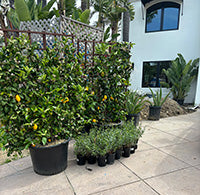
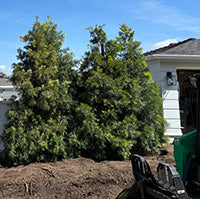
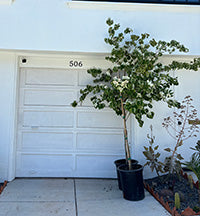
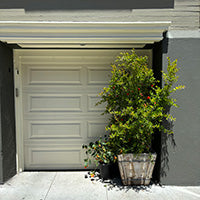
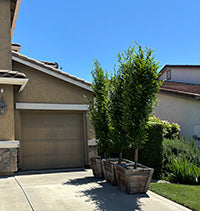
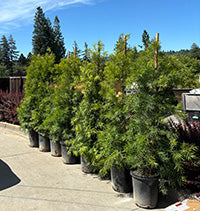
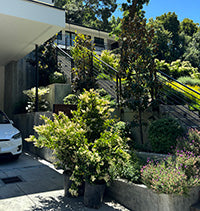
Yardwork was so great to work with. First they had the Swan Hill olive trees that we had been searching for, we had contacted several other nurseries without any luck previously. Then they answered all of our questions in a timely matter prior to ordering and finally delivered within a few days of placing it. Their staff is incredibly knowledgeable; they delivered and planted our trees with expertise to ensure that they would do well in our yard. We would definitely work with them again for future projects.











A Modern Experience
At Yardwork, we carefully curate thousands of plants, in all container sizes, to provide you with the best selection of the highest quality trees and plants at the best price, with the convenience of an online platform.
Uncompromised Quality
We choose only the finest specimens and hand select our plants just before delivery to ensure you receive the freshest and most robust specimens available for your landscape.
Industry Leading Warranties
Our 30, 90, and 365 extended warranties provide some of the best coverage to ensure our trees and plants thrive in your landscape.
Frequently Asked Questions
We're committed to changing everything about trees and plants - how they’re grown, how you shop for them, and how much they cost. We handle orders ourselves. No middlemen to get between us (or our prices) and you.
We're committed to changing everything about trees and plants - how they’re grown, how you shop for them, and how much they cost. We handle orders ourselves. No middlemen to get between us (or our prices) and you.
Delivery does not include unloading of trees and plants LARGER than a 24" box.
Trees and plants in smaller containers will be dropped curbside (usually on the driveway or near the front doorstep).
Delivery beyond a curbside drop will be charged extra.
Trees and plants that are sold in container sizes LARGER than a 24" box size will require equipment and/or enough manpower onsite to help unload from the truck.
Please reach out to our team PRIOR to placing your order to help coordinate.
Our team can provide unloading assistance with equipment for an extra fee as well.
Delivery does not include unloading of trees and plants LARGER than a 24" box.
Trees and plants in smaller containers will be dropped curbside (usually on the driveway or near the front doorstep).
Delivery beyond a curbside drop will be charged extra.
Trees and plants that are sold in container sizes LARGER than a 24" box size will require equipment and/or enough manpower onsite to help unload from the truck.
Please reach out to our team PRIOR to placing your order to help coordinate.
Our team can provide unloading assistance with equipment for an extra fee as well.
We ship locally within California within 7-10 days of your order being placed.
We ship nationally using carrier partners, based on order size. Our common order minimums for out of state shipping is $5,000.
Text or call 323-576-4159 for specific shipping details for your location.
We ship locally within California within 7-10 days of your order being placed.
We ship nationally using carrier partners, based on order size. Our common order minimums for out of state shipping is $5,000.
Text or call 323-576-4159 for specific shipping details for your location.
We are currently online only and don't have physical locations where you can view plants in person.
That's why we have photos direct from the growing grounds of the plants we will ship and we display pricing right in our store.
We do make sure to pick the very best trees and plants prior to shipping and make sure that they have gone through our multi-point inspection for health and structure.
We will always reach out prior to delivery if we find a quality issue or need to provide a substitute.
We are currently online only and don't have physical locations where you can view plants in person.
That's why we have photos direct from the growing grounds of the plants we will ship and we display pricing right in our store.
We do make sure to pick the very best trees and plants prior to shipping and make sure that they have gone through our multi-point inspection for health and structure.
We will always reach out prior to delivery if we find a quality issue or need to provide a substitute.
Plants vary greatly by type. Here is a rough idea of sizes based on containers that are direct from our growing grounds.
15 Gallon Shrub 3-4 Ft. Tall
15 Gallon Tree 5-6 Ft. Tall
24" Box Shrub 5-6 Ft. Tall
24" Box Tree 6-7 Ft. Tall
36" Box Shrub/Tree 7-9 Ft. Tall
48" Box Shrub/Tree 8-10 Ft. Tall
**Please note that we do not make guarantees of sizes. If you have questions or concerns, please call or text to request accurate sizing for the particular plant you're considering, prior to ordering.
Plants vary greatly by type. Here is a rough idea of sizes based on containers that are direct from our growing grounds.
15 Gallon Shrub 3-4 Ft. Tall
15 Gallon Tree 5-6 Ft. Tall
24" Box Shrub 5-6 Ft. Tall
24" Box Tree 6-7 Ft. Tall
36" Box Shrub/Tree 7-9 Ft. Tall
48" Box Shrub/Tree 8-10 Ft. Tall
**Please note that we do not make guarantees of sizes. If you have questions or concerns, please call or text to request accurate sizing for the particular plant you're considering, prior to ordering.
We offer a limited 30 day warranty for plants that are delivered and planted by someone else and a 90 day warranty for plants that we plant.
The limited warranty covers plants that die as a result of disease or fungus which was derived from our growing grounds or from root balls that were root bound.
The warranty does not cover damage due to watering, fertilizer, soils, or any other conditions beyond our control. Additionally, the warranty does not cover plants that are shipped out of the state of California or shipped into California from other states. Custom plant orders are also not covered under warranty. Plants must be planted within 24 hours after delivery to qualify.
We can assist you in recommending the right soils and fertilizers to help your plant thrive after you plant it.
Text or call 323-576-4159 for further warranty information.
We offer a limited 30 day warranty for plants that are delivered and planted by someone else and a 90 day warranty for plants that we plant.
The limited warranty covers plants that die as a result of disease or fungus which was derived from our growing grounds or from root balls that were root bound.
The warranty does not cover damage due to watering, fertilizer, soils, or any other conditions beyond our control. Additionally, the warranty does not cover plants that are shipped out of the state of California or shipped into California from other states. Custom plant orders are also not covered under warranty. Plants must be planted within 24 hours after delivery to qualify.
We can assist you in recommending the right soils and fertilizers to help your plant thrive after you plant it.
Text or call 323-576-4159 for further warranty information.
Our local delivery team covers most cities in California.
There are some exceptions, so please get in touch to confirm prior to ordering.
Additionally, we ship using semi trucks and trailers throughout the entire United States and even abroad for large orders over $5,000. Each shipment is custom, so please reach out to our team to coordinate.
Our local delivery team covers most cities in California.
There are some exceptions, so please get in touch to confirm prior to ordering.
Additionally, we ship using semi trucks and trailers throughout the entire United States and even abroad for large orders over $5,000. Each shipment is custom, so please reach out to our team to coordinate.