

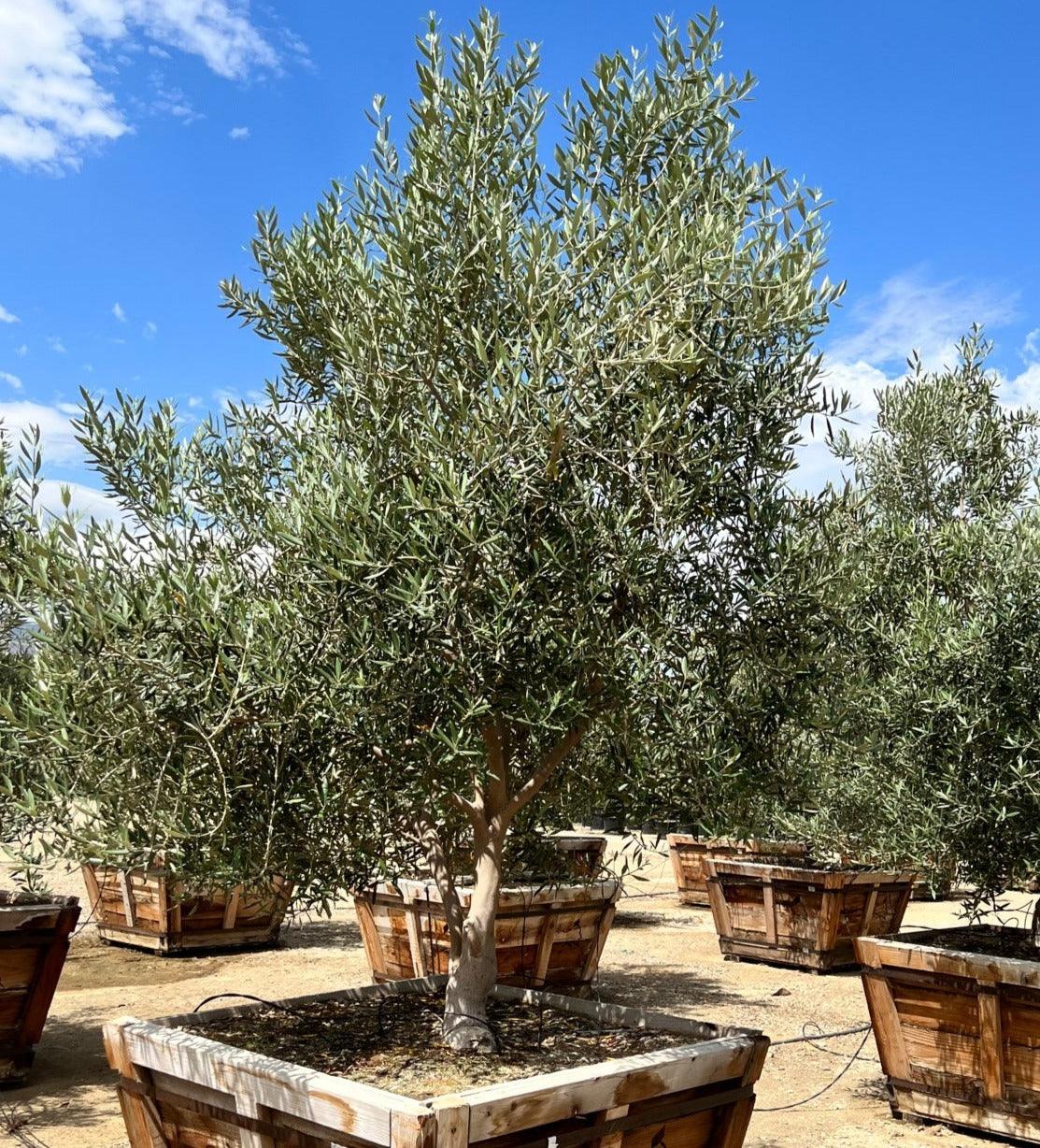
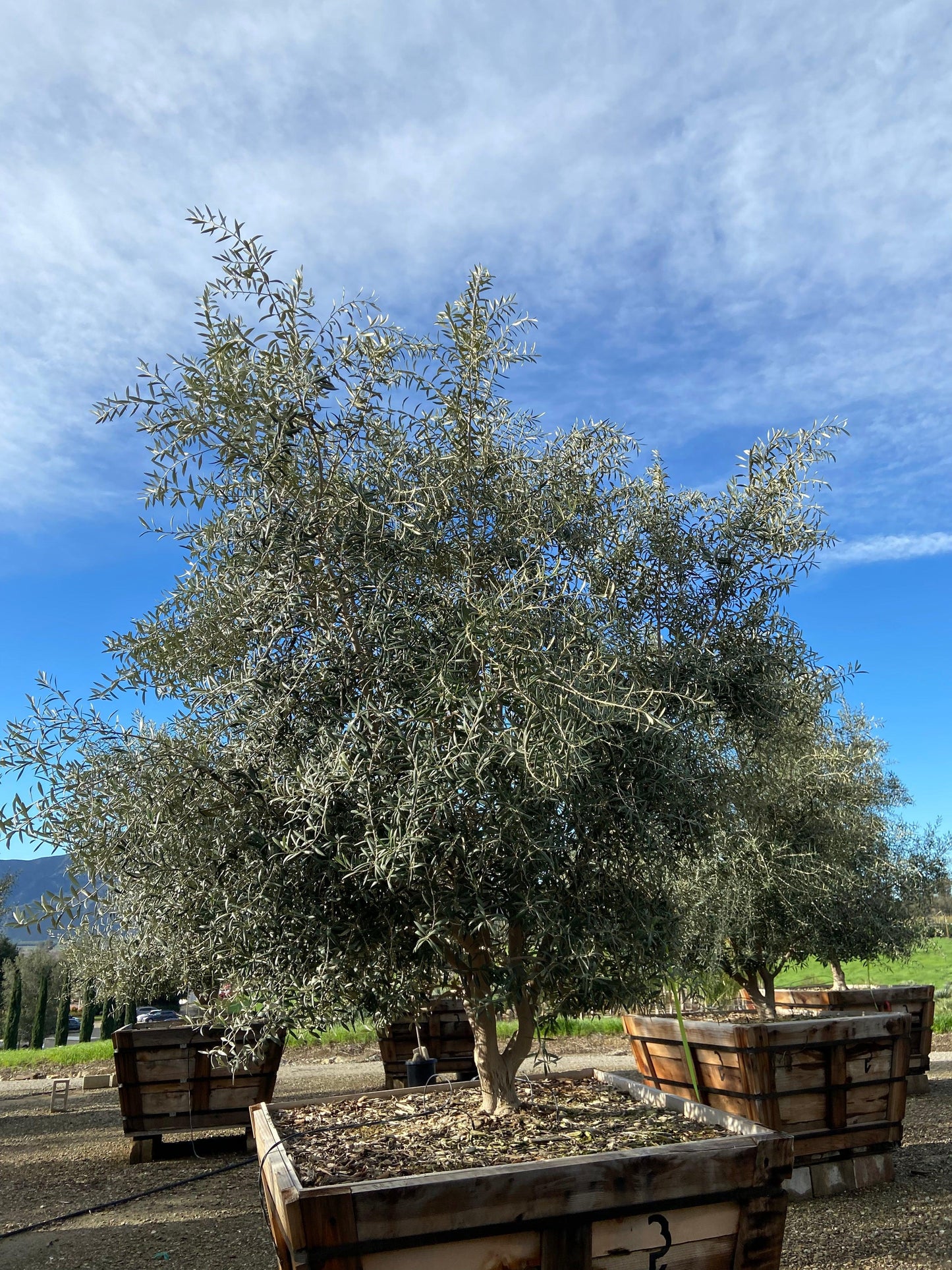
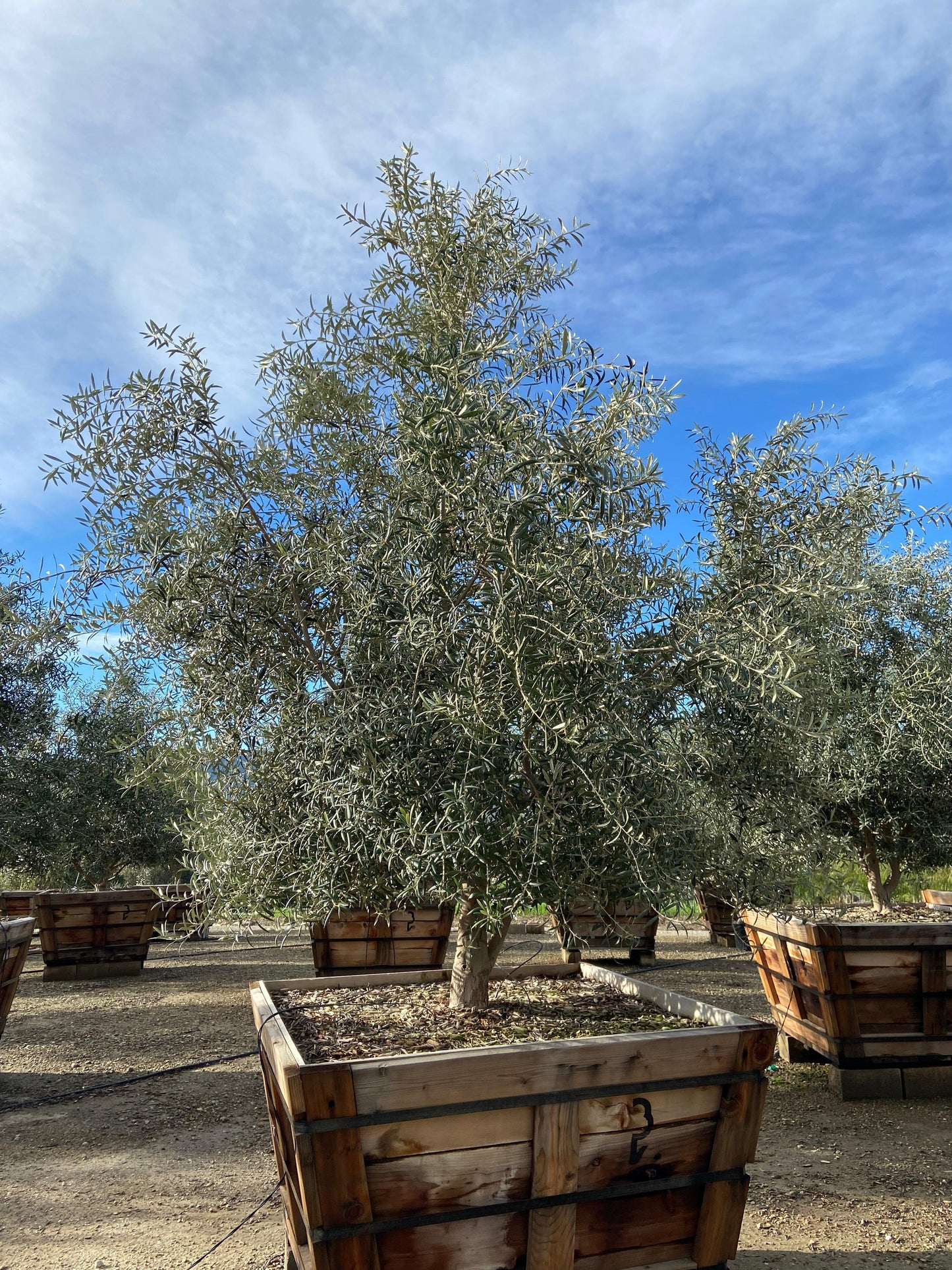
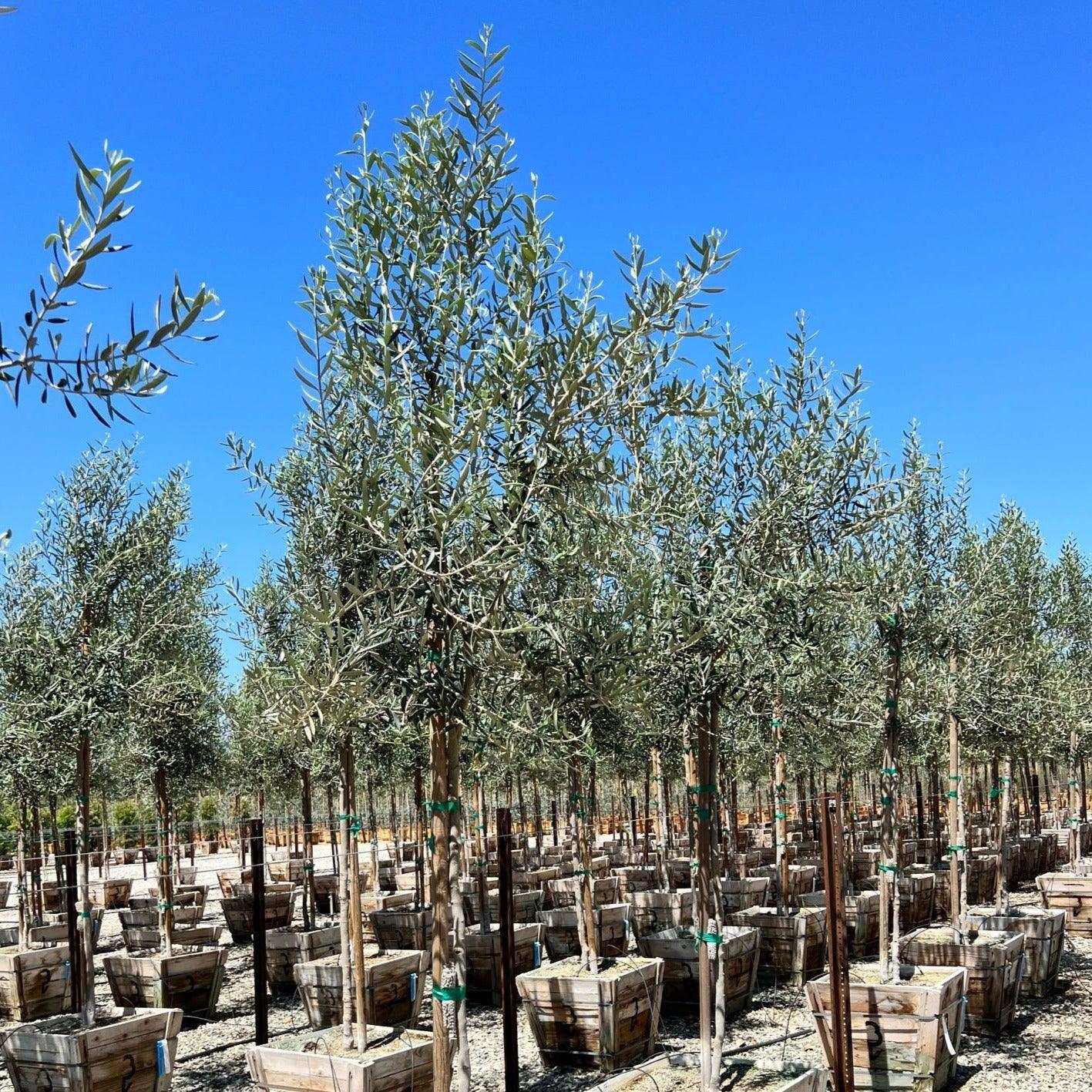
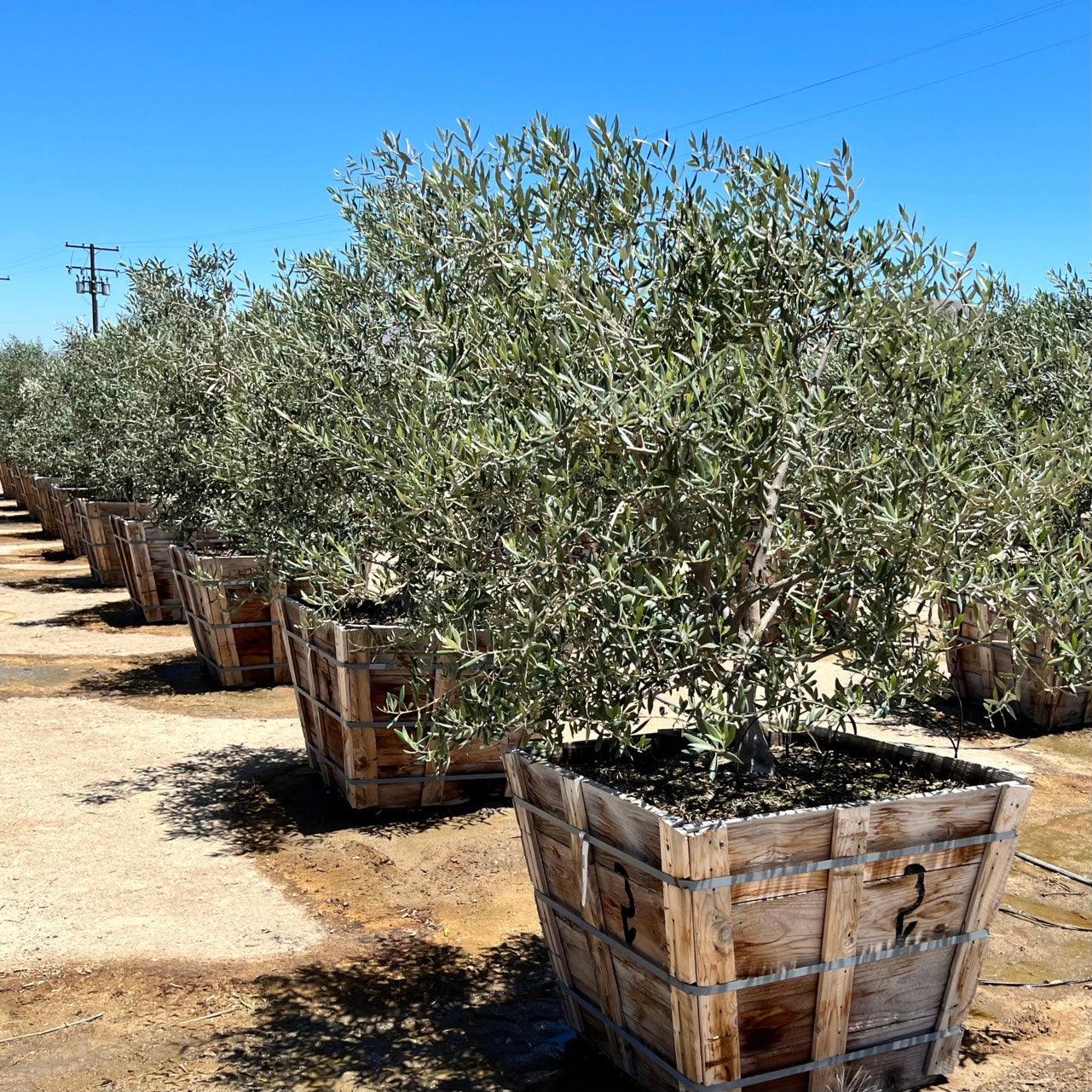
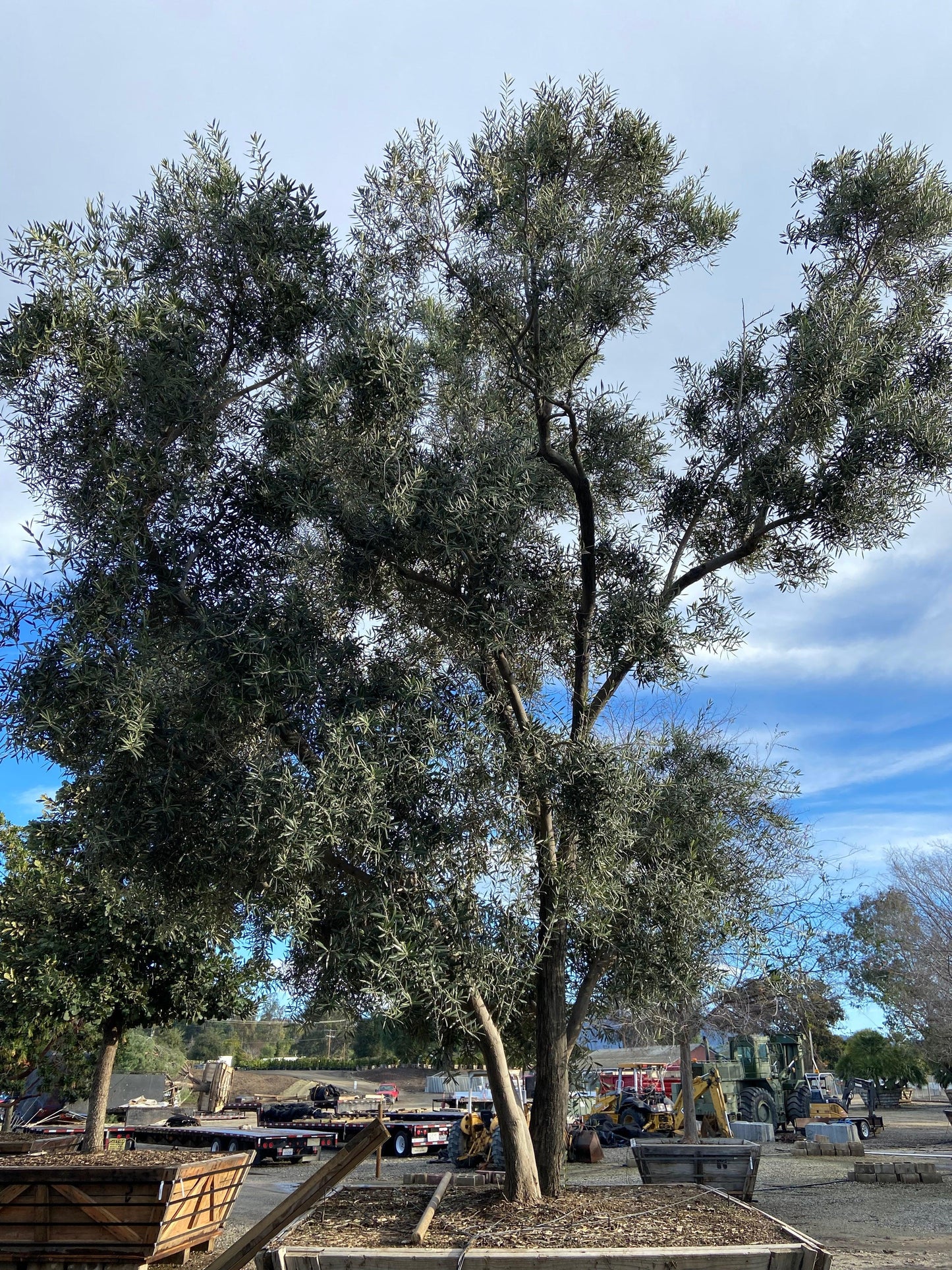
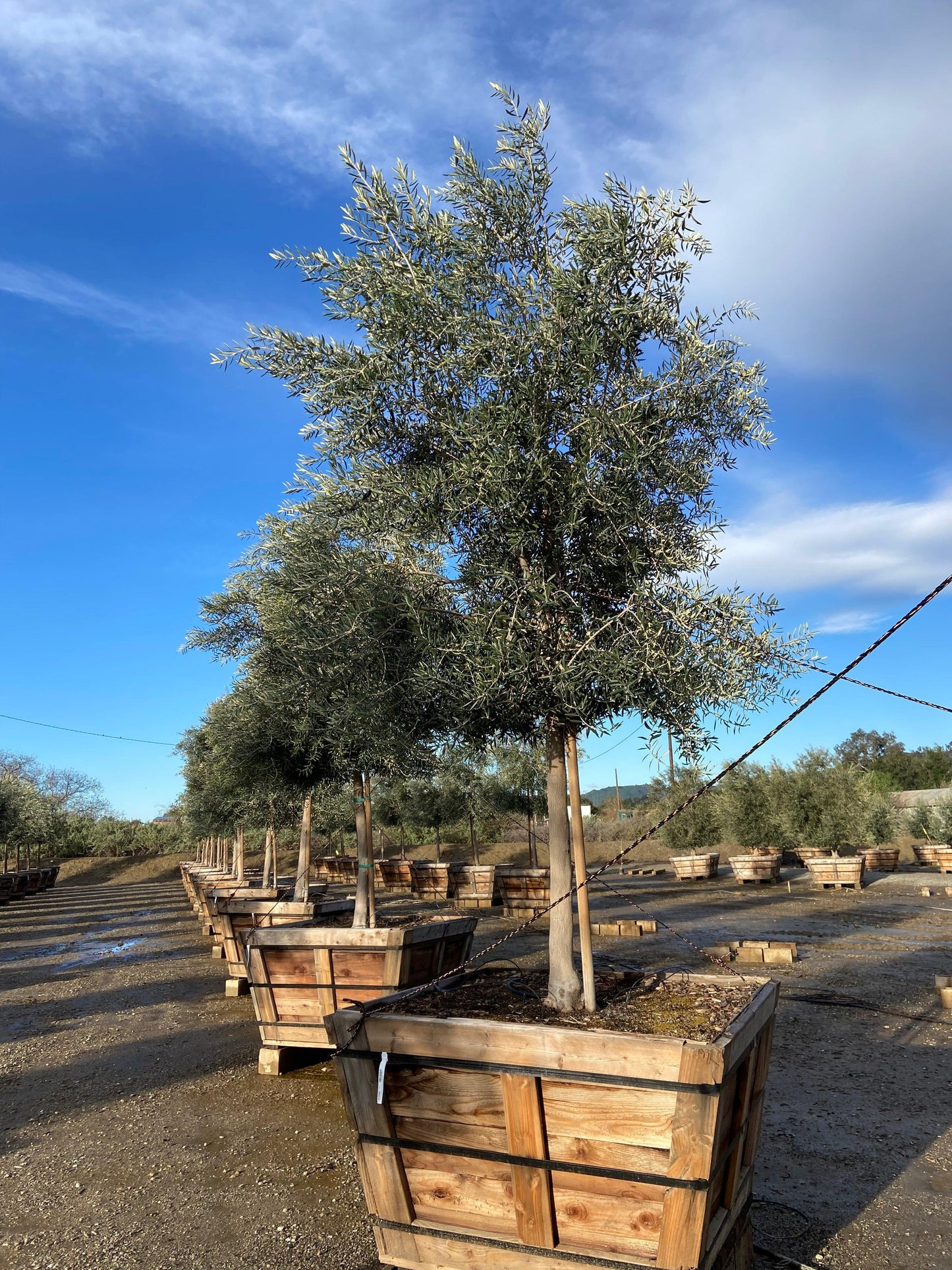
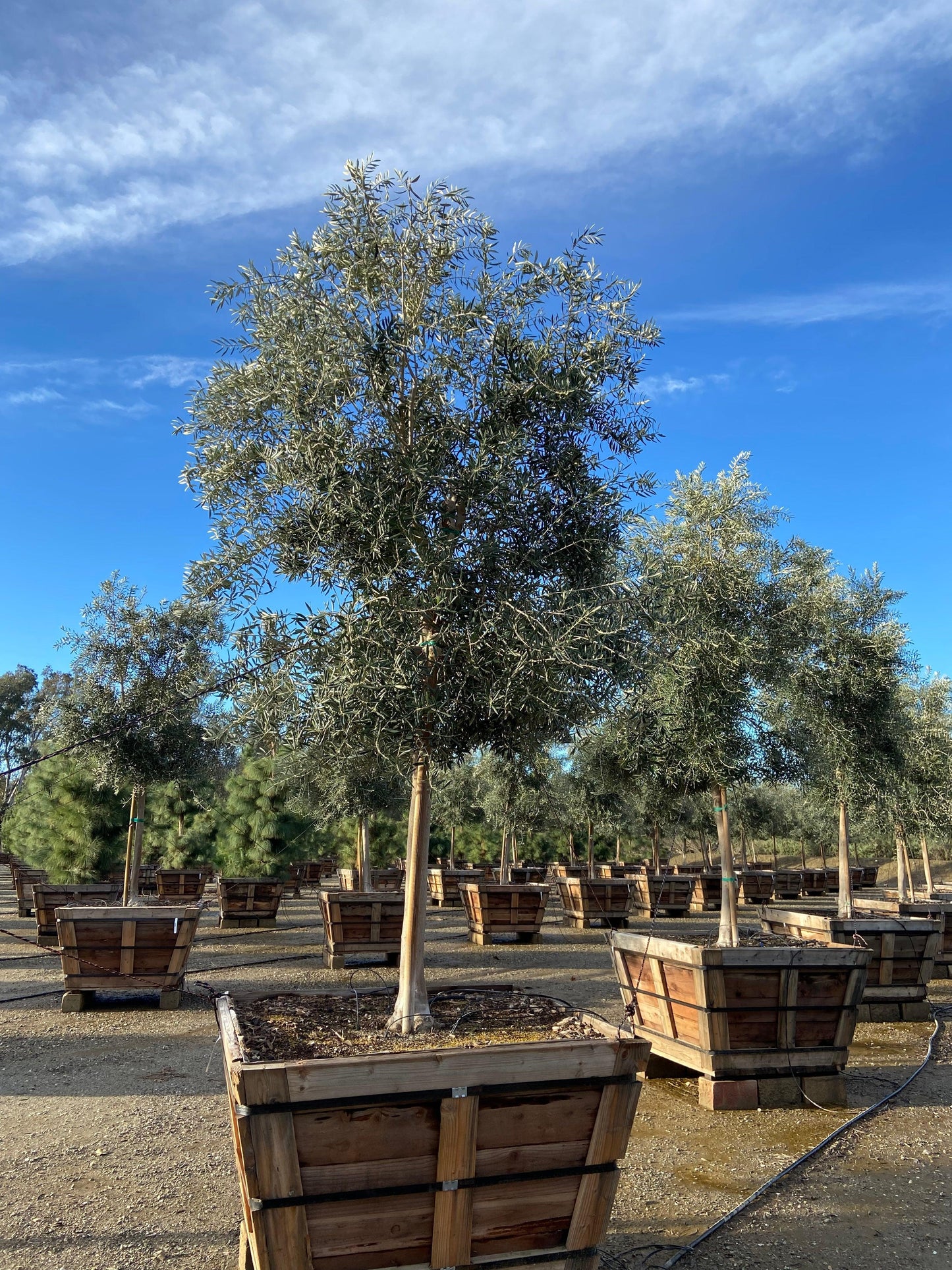
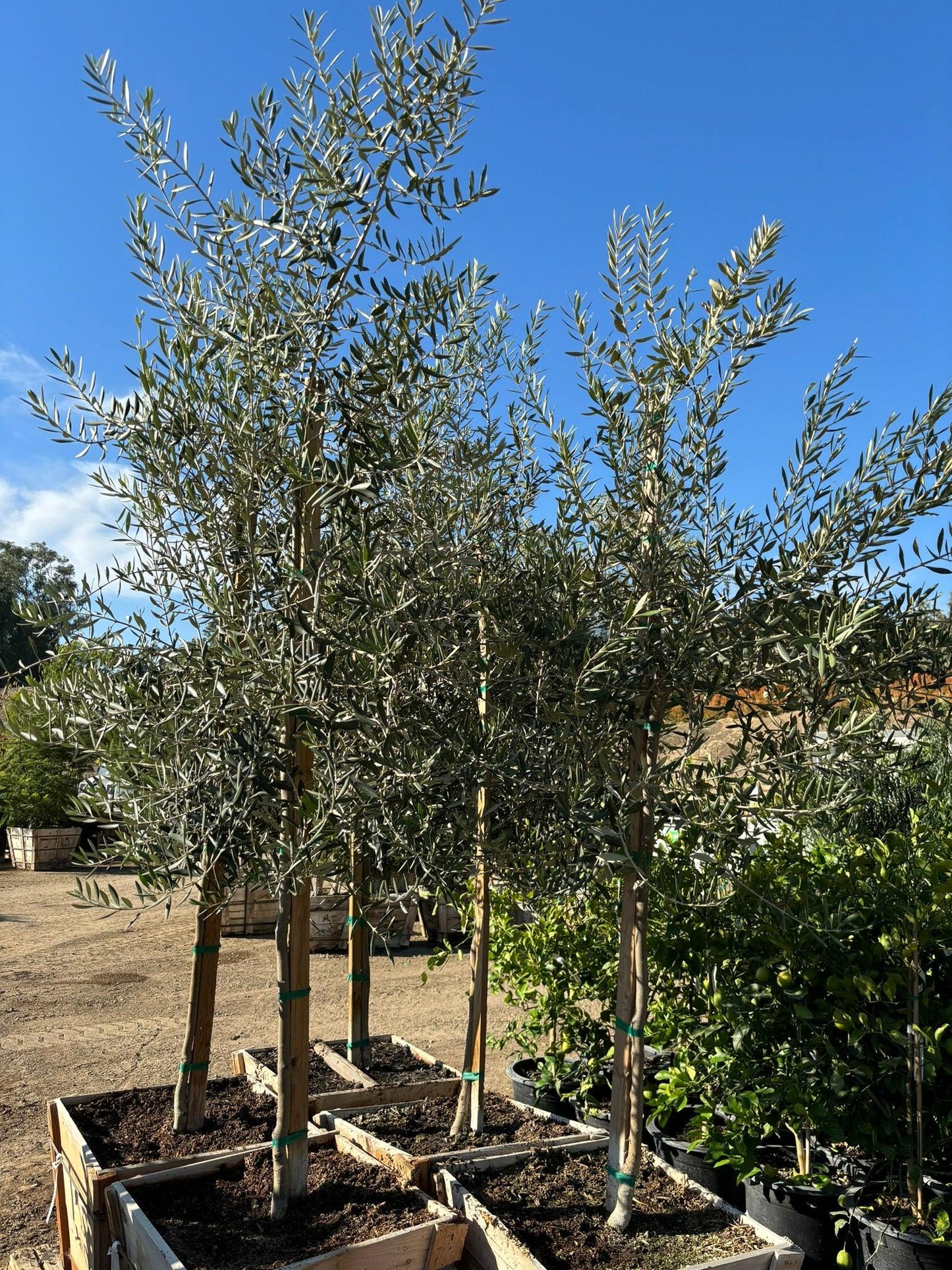
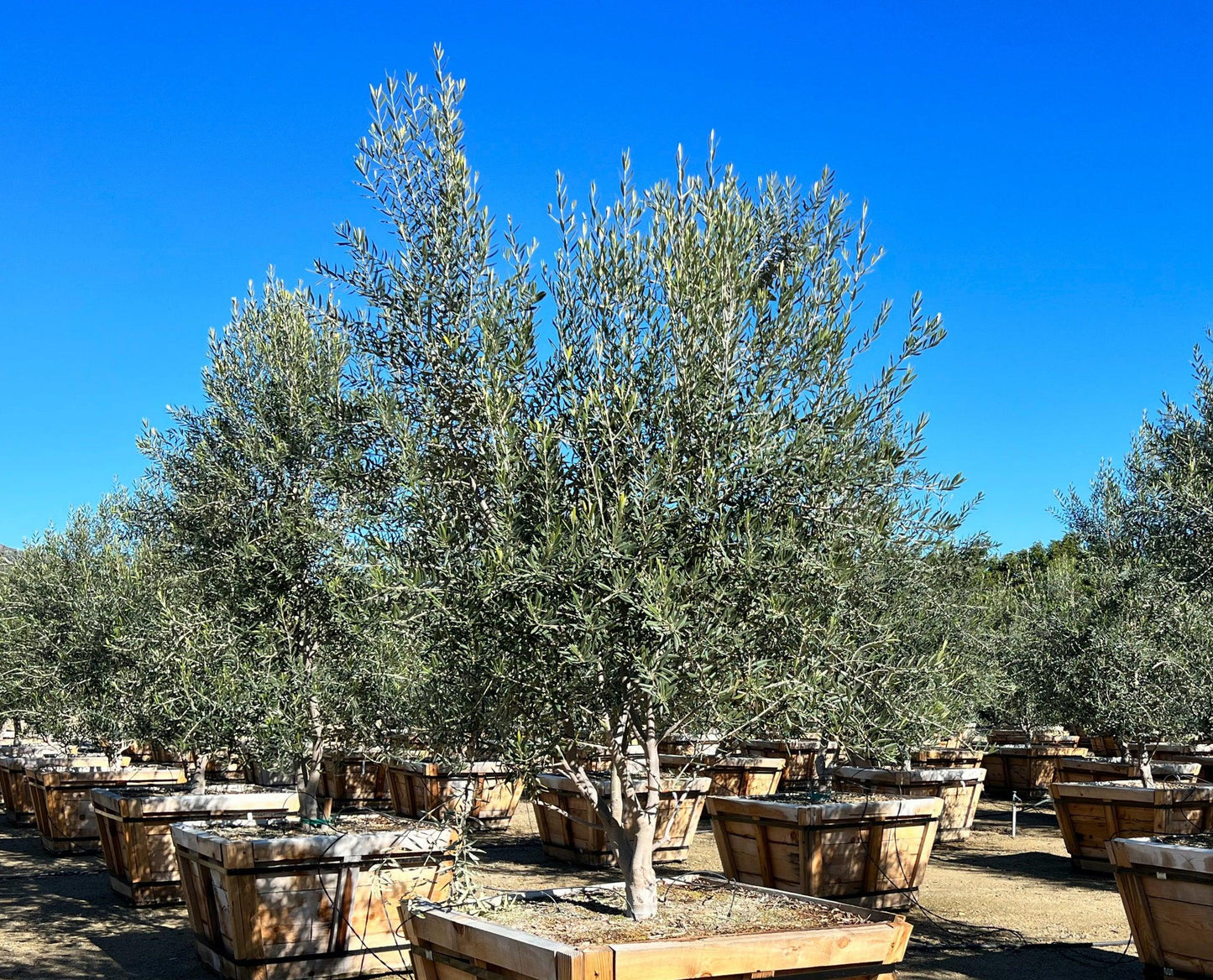
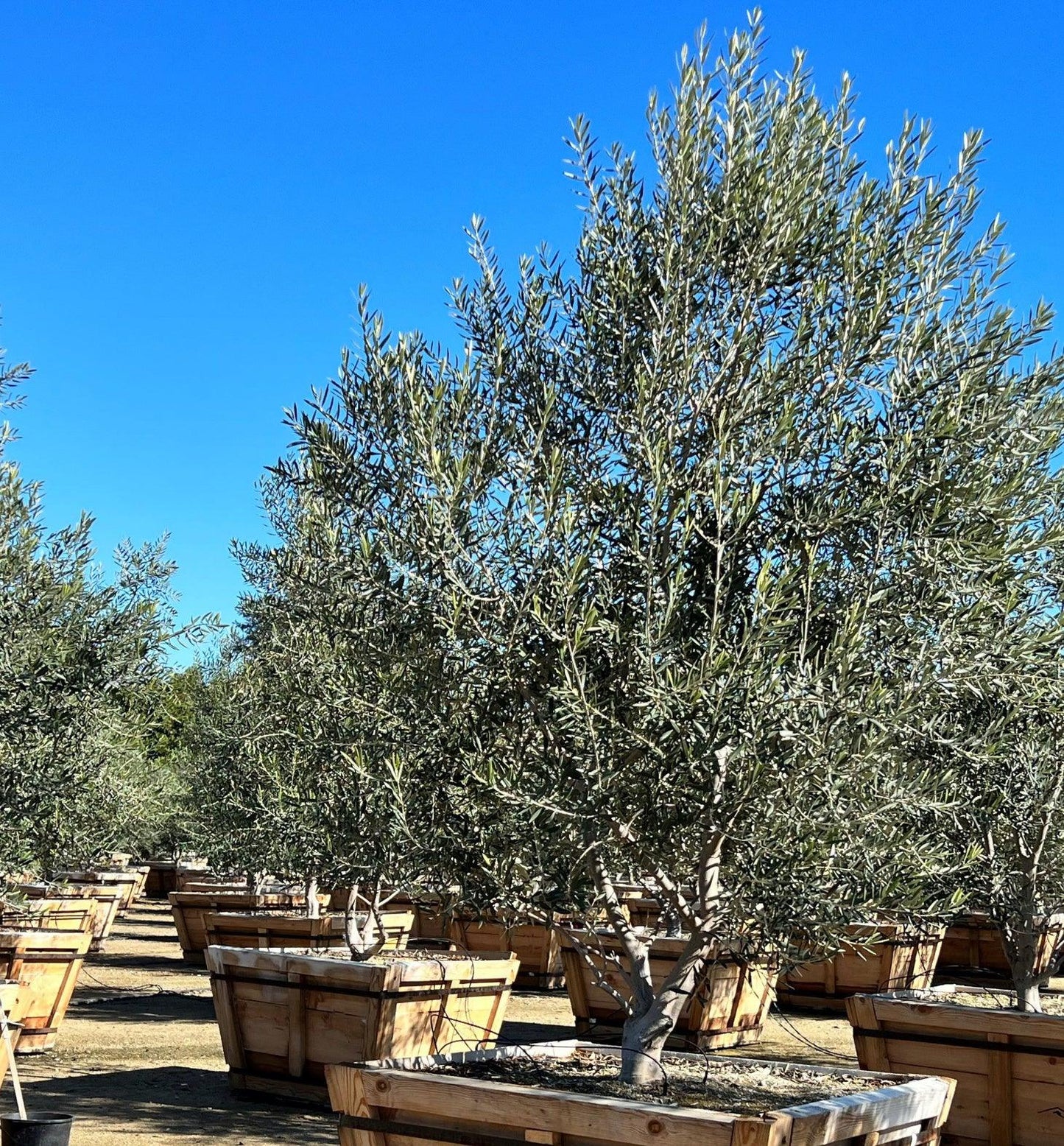
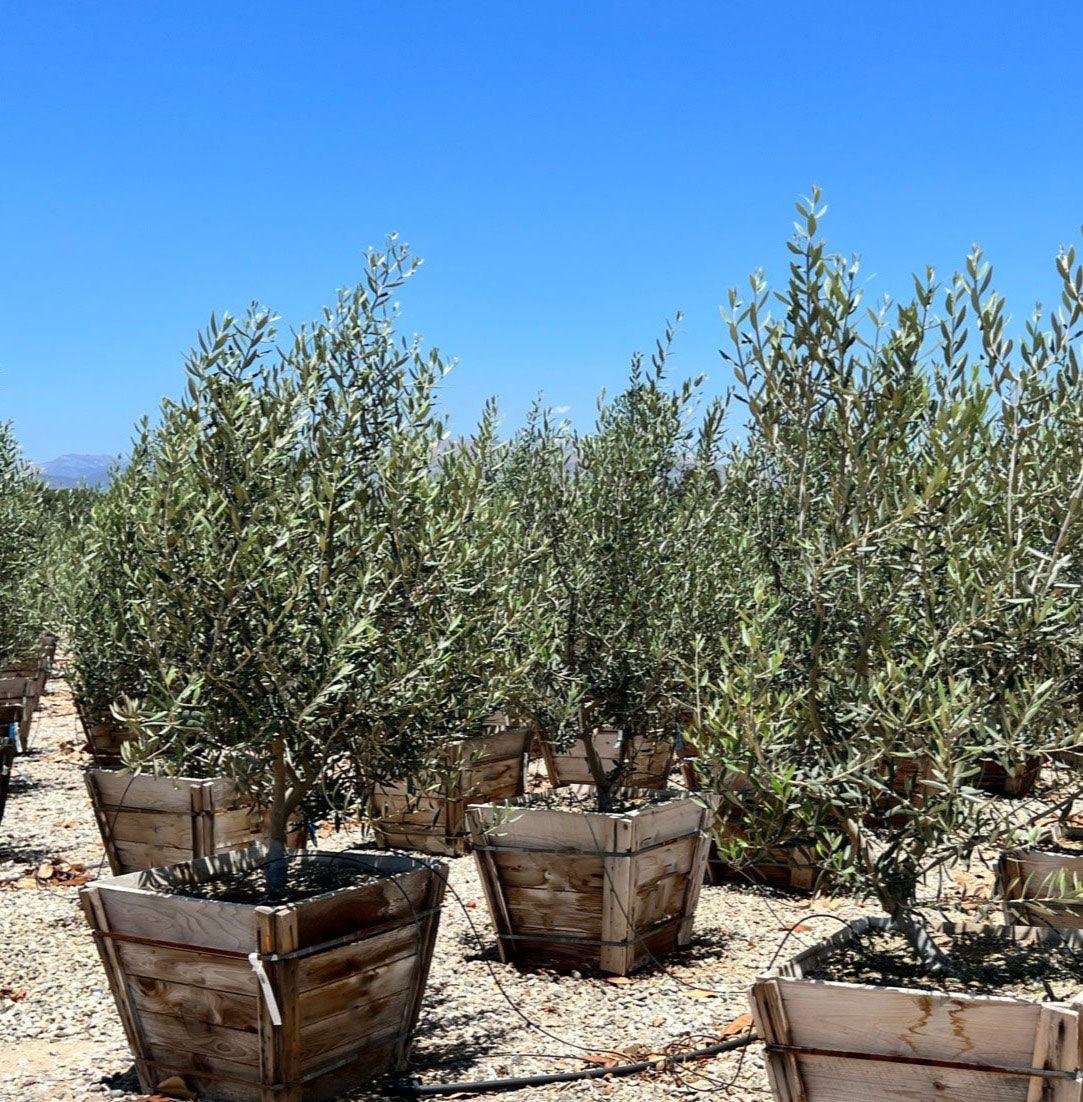
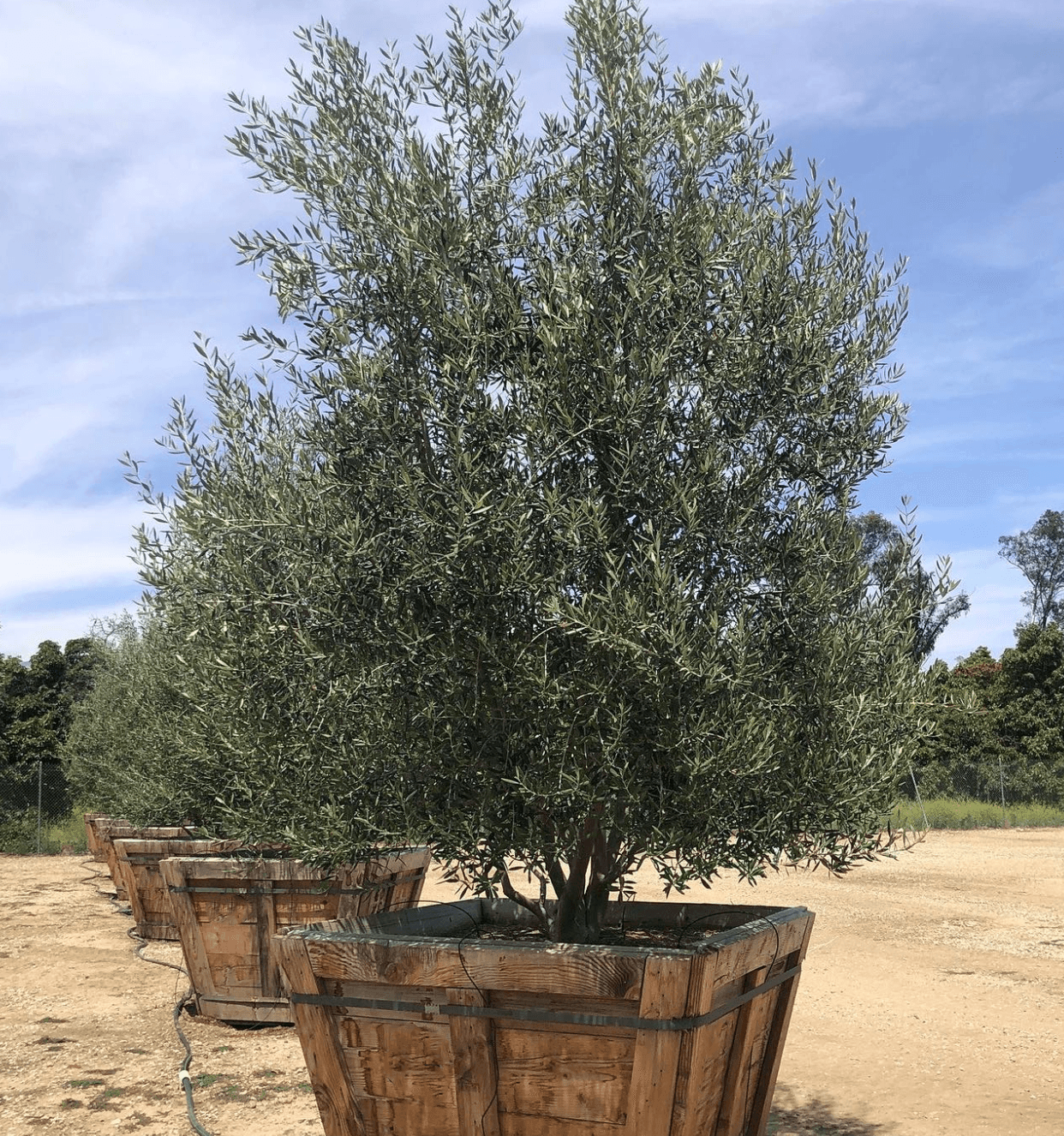


Swan Hill Olives® Olive Tree - Olea Europaea 'Swan Hill'
Regular price
$1,250.00
Size
Enjoy Mediterranean Beauty Without the Mess or Allergies
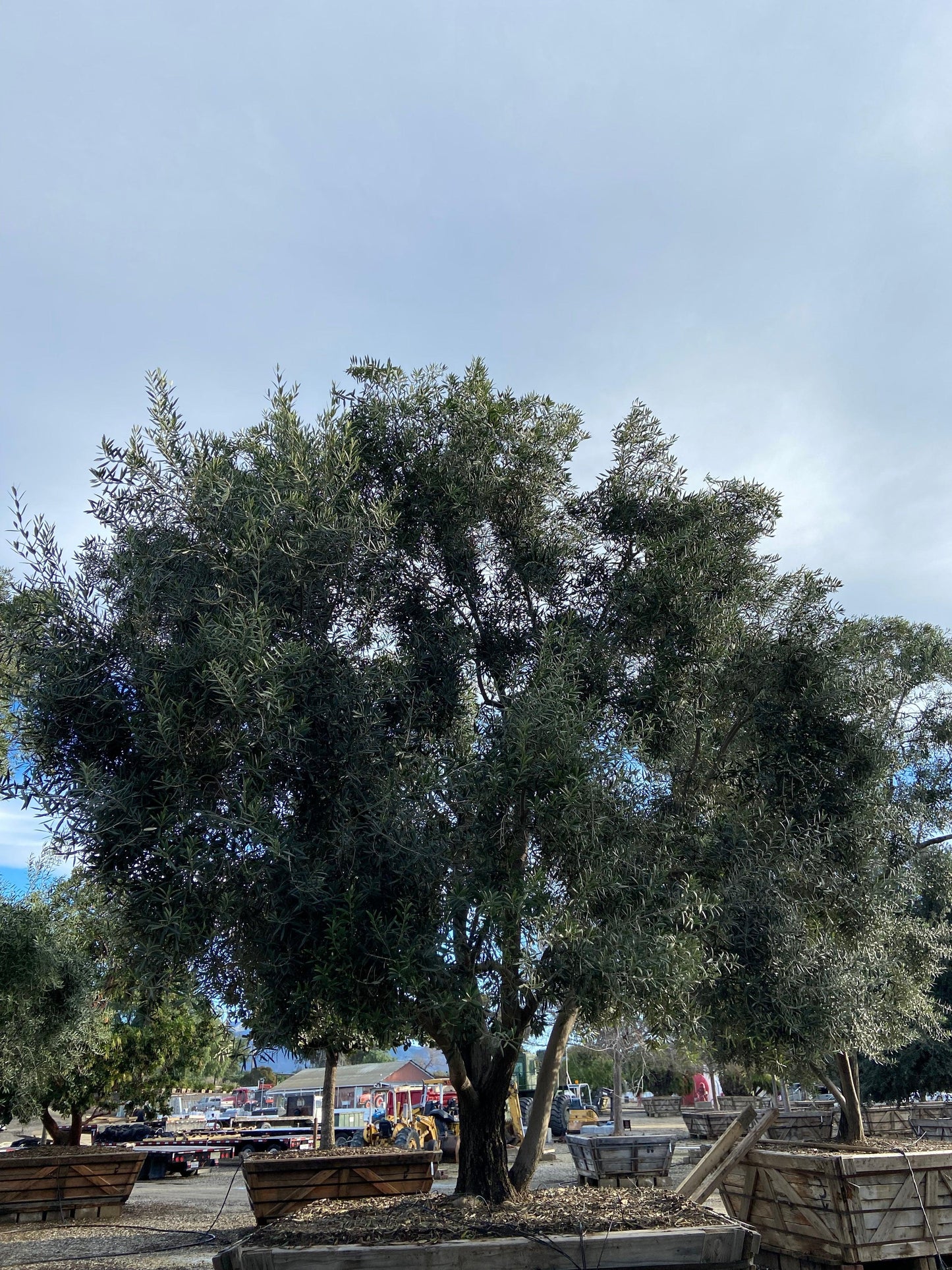
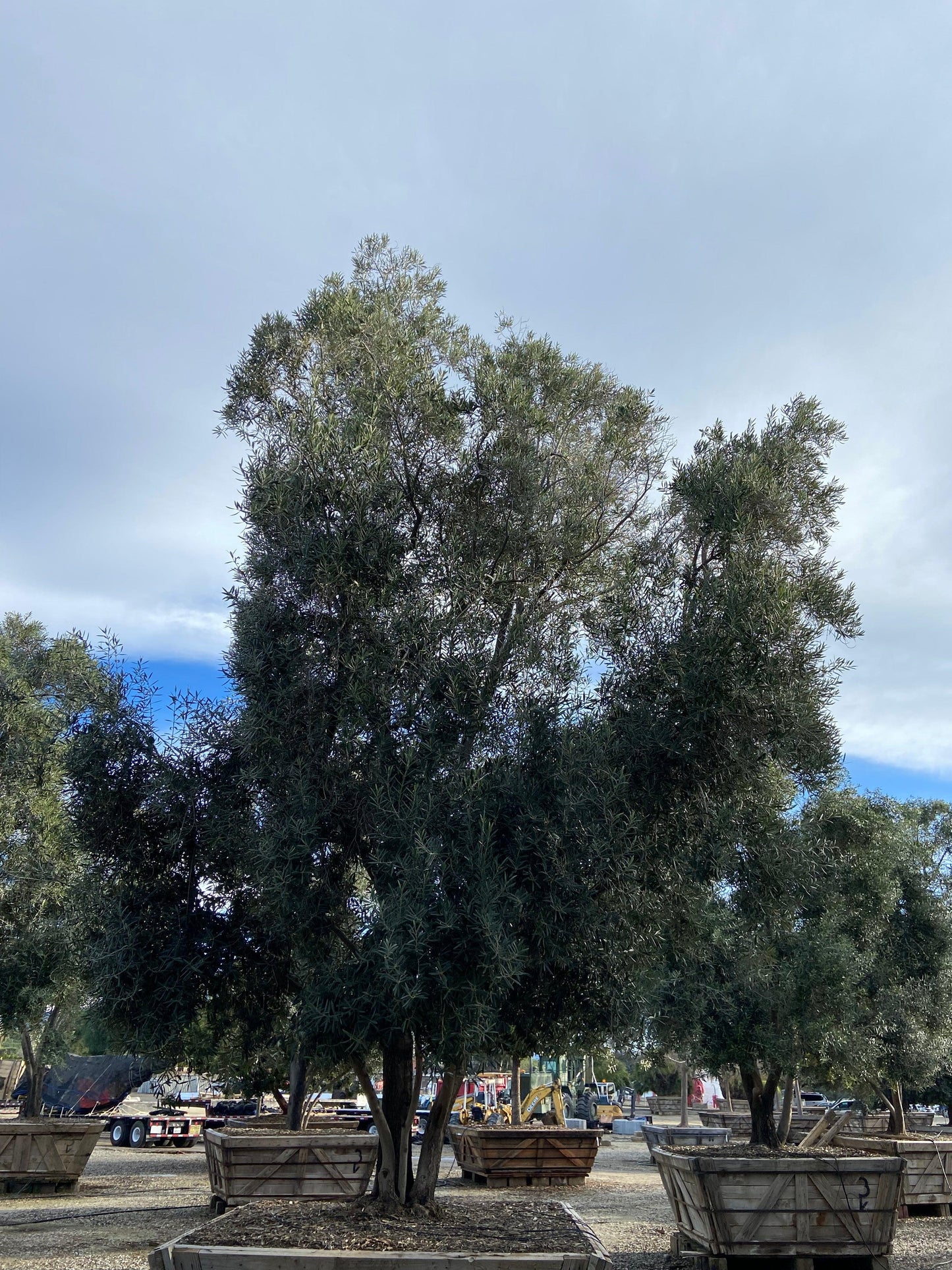
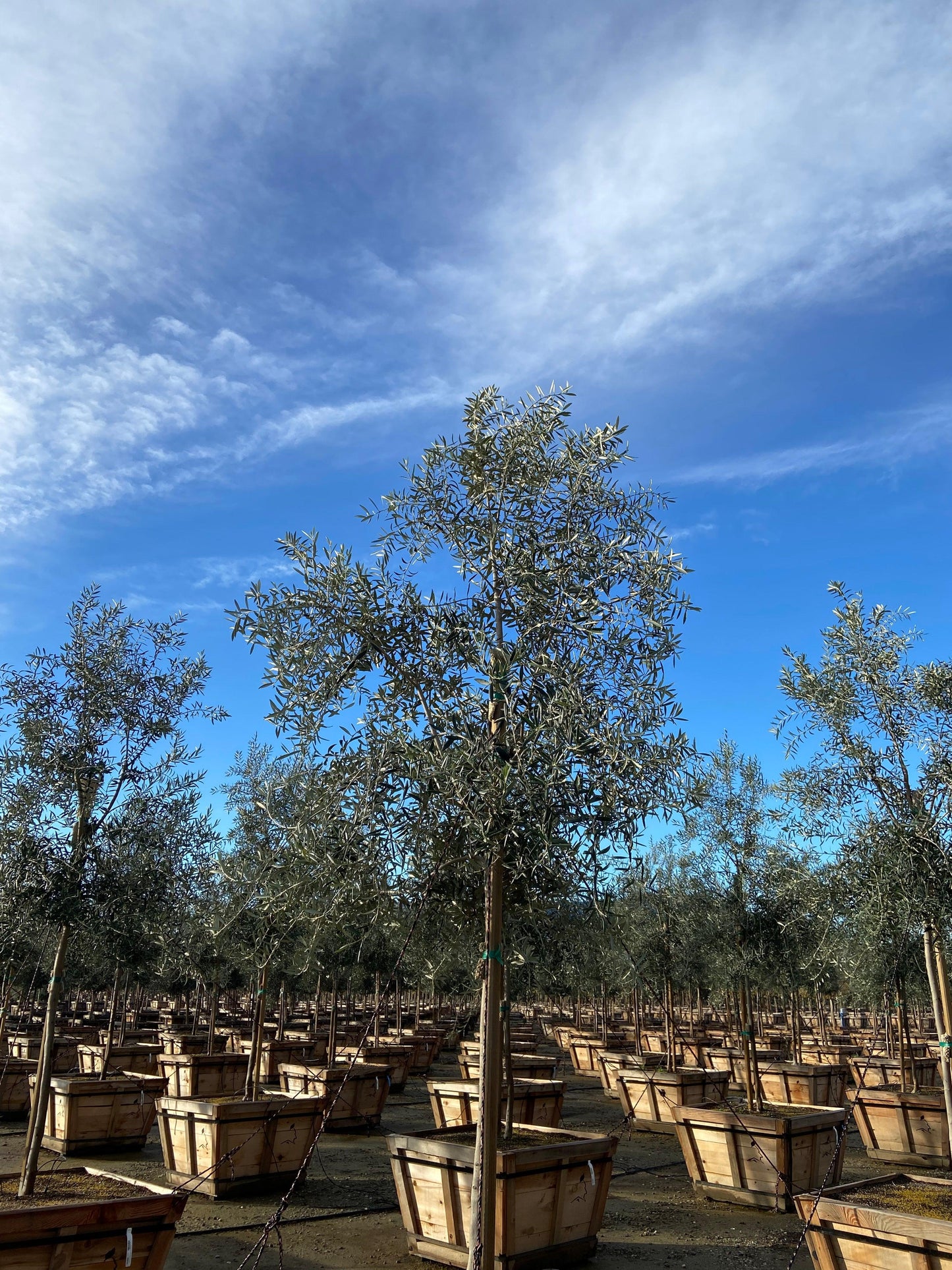
The Swan Hill Olive Tree gives you the timeless beauty of a classic Mediterranean olive tree without fallen fruit, heavy pollen, or constant cleanup. This non fruiting cultivar, known botanically as Olea europaea Swan Hill, delivers elegant gray green foliage, a graceful rounded crown, and year-round evergreen structure for California gardens, pools, patios, parks, and commercial settings.
Unlike the common European olive, Swan Hill Olives® trees are non-fruiting and pollenless, making them ideal for landscaping without the mess of fallen fruit or allergenic pollen. They rarely produce pollen, which helps reduce airborne pollen concerns, and they do not bear fruit in normal landscape use. The result is a cleaner, lower-maintenance landscape setting with the same refined olive tree appearance.
Use Swan Hill where you want shade, shape, and Mediterranean elegance in a residential or commercial setting-without staining from fruit production, extra maintenance, or allergy triggers.
Why You’ll Love It
-
No Fruit Drop – Eliminates messy cleanup and staining from fallen olives around pools, walkways, patios, and driveways.
-
Allergy-Friendly – Produces little to no airborne pollen, making it suitable for individuals with allergies and reducing public health concerns related to allergenic pollen.
-
Drought Tolerant – Once established, Swan Hill Olives® trees are drought-tolerant in the landscape, making them a desirable choice for residential or commercial settings, especially when local or state ordinances require water efficiency in the landscape.
-
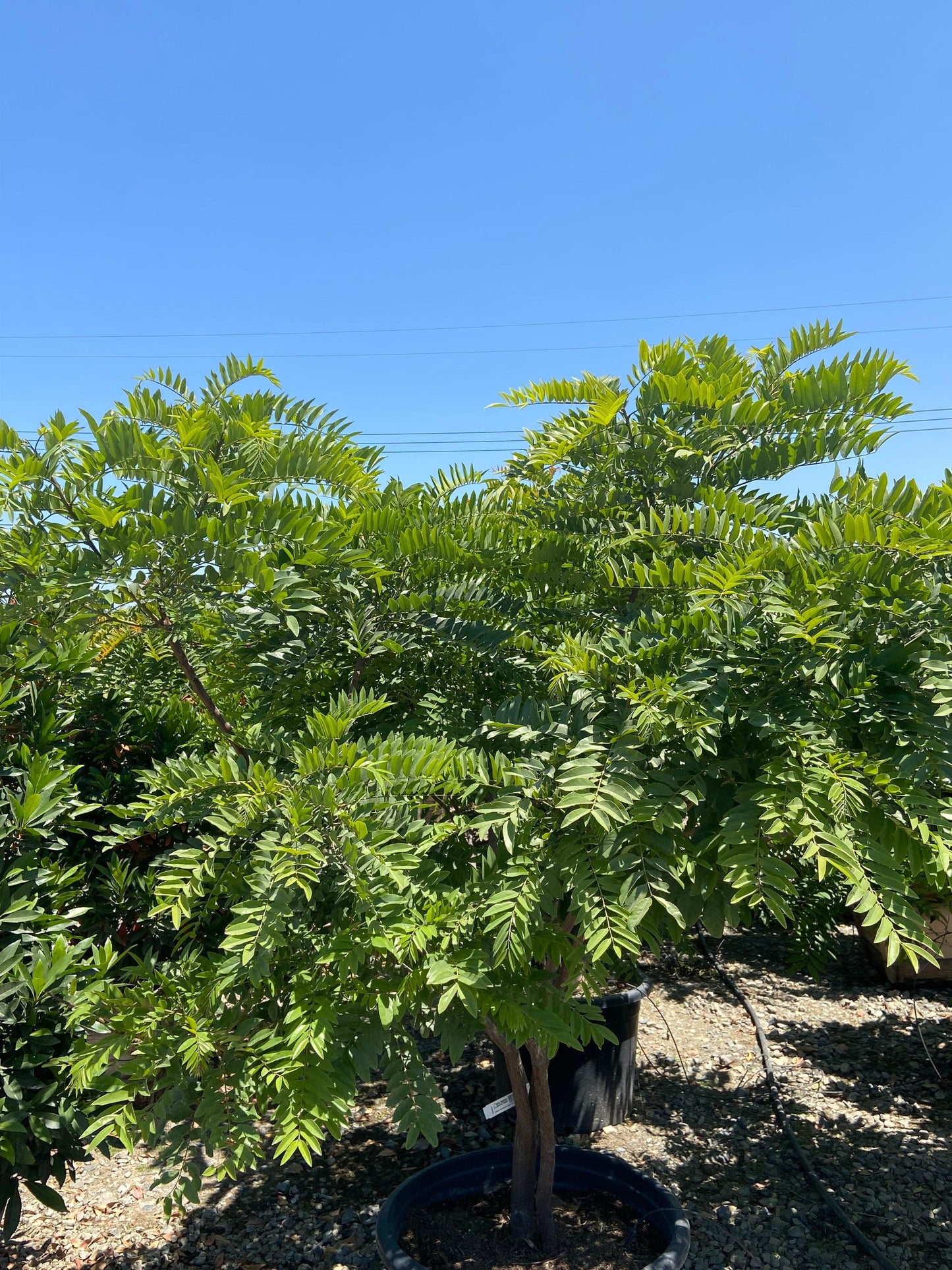
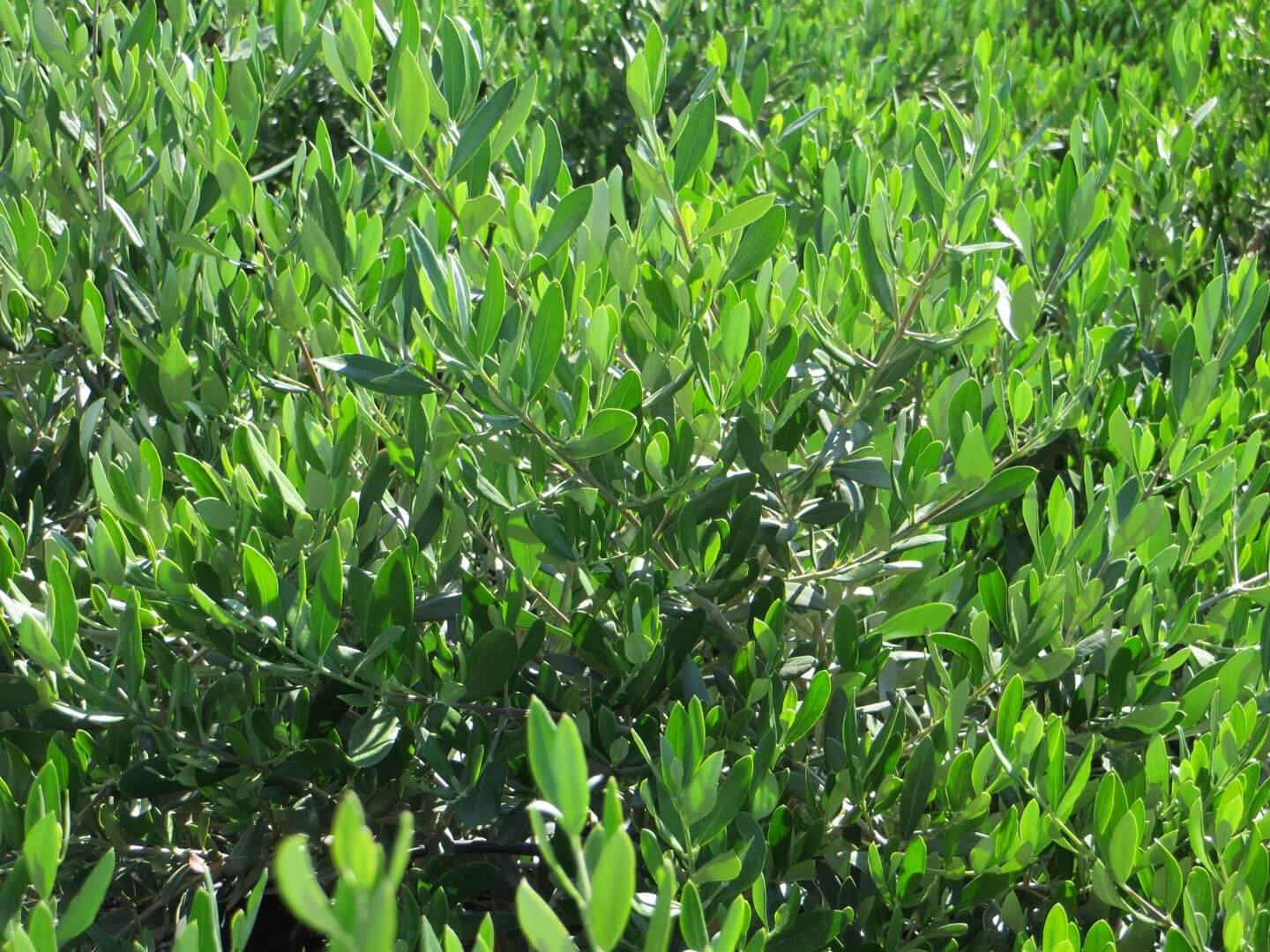
Evergreen Beauty – These trees are known for their attractive evergreen foliage, which features soft green leaves on top and silvery undersides, providing aesthetic appeal in various landscape designs.
-
Low Maintenance – Grafted onto disease resistant rootstock, Swan Hill helps reduce the risk of diseases such as Verticillium wilt and gives homeowners, designers, and contractors a resilient landscape tree.
The lack of fruit and pollen in non-fruiting trees contributes to a cleaner landscape, reducing the need for maintenance and making them ideal for residential and commercial properties. Their drought tolerance and adaptability make Swan Hill Olives® trees a lush, reliable choice for landscapes where water efficiency and low maintenance are priorities, ensuring your garden remains vibrant and inviting in any climate.
What Makes It Different
Most olive trees create two major problems: fruit mess and pollen. Fruiting olive trees can drop olives that stain hardscape, attract birds and pests, and increase cleanup. Many olive trees also release airborne pollen in spring, which can be a concern in public spaces, parks, schools, and allergy-sensitive residential landscapes.
Swan Hill Olive Tree is cultivated differently:
-
Certified Fruitless Variety – Swan Hill is a non fruiting cultivar with imperfect flowers, meaning it is specifically valued because it does not bear fruit like a standard Olea europaea or common European olive.
-
Grafted Disease Resistance – These trees are grafted onto disease-resistant rootstock, which helps reduce the risk of diseases such as Verticillium wilt and supports long-term landscape performance.
-
California Climate Perfected – Swan Hill Olives® trees have grown from a small sapling to a robust full-size tree in the hot and dry inland climate, making them highly adaptable to drought-tolerant landscapes in Arizona, Nevada, and California.
Swan Hill is also part of a broader olive-growing story. The Swan Hill region experiences long, hot summers, mild winters, and low annual rainfall, making it ideal for olive cultivation. The Swan Hill region hosts some of the largest commercial olive groves in Australia and is known for its production of high-quality extra virgin olive oil. Swan Hill is recognized for both high-yielding oil varieties and globally recognized ornamental cultivars.
For ornamental landscapes, however, Swan Hill Olives® are chosen for eliminating mess-not crop production. Homeowners and designers comparing Swan Hill with other fruitless olive trees for elegant landscaping will appreciate its reliable, low-mess performance. The hot, dry inland climate of Swan Hill prevents many common fungal diseases and ensures high, consistent crop yields in commercial olive-growing contexts, while the ornamental Swan Hill tree is valued for its clean, fruitless performance in gardens and commercial landscapes.
How To Have The Best Success
-
Plant in Well-Draining Location
Choose a full sun location with good drainage. Swan Hill Olives require full sun for optimal growth but can tolerate partial shade. They are adaptable to various soil types, including sandy, loamy, and heavy clay, and can tolerate acidic to highly alkaline pH levels. Good drainage is still essential because ensuring good drainage is crucial for Swan Hill Olives® trees to prevent root rot, which can be detrimental to their health. -
Establish with Regular Watering
Caring for Swan Hill Olives® trees is straightforward, requiring regular watering during the first few years to help develop a strong root system. During establishment, consistent deep watering helps the tree settle in; after that, water needs drop significantly. Once established, Swan Hill becomes drought tolerant and well suited to California, Arizona, Nevada, San Diego, desert garden designs, and other water-conscious landscapes, especially when combined with other olive trees for Mediterranean-style gardens in a cohesive planting plan. -
Enjoy Low-Maintenance Growth
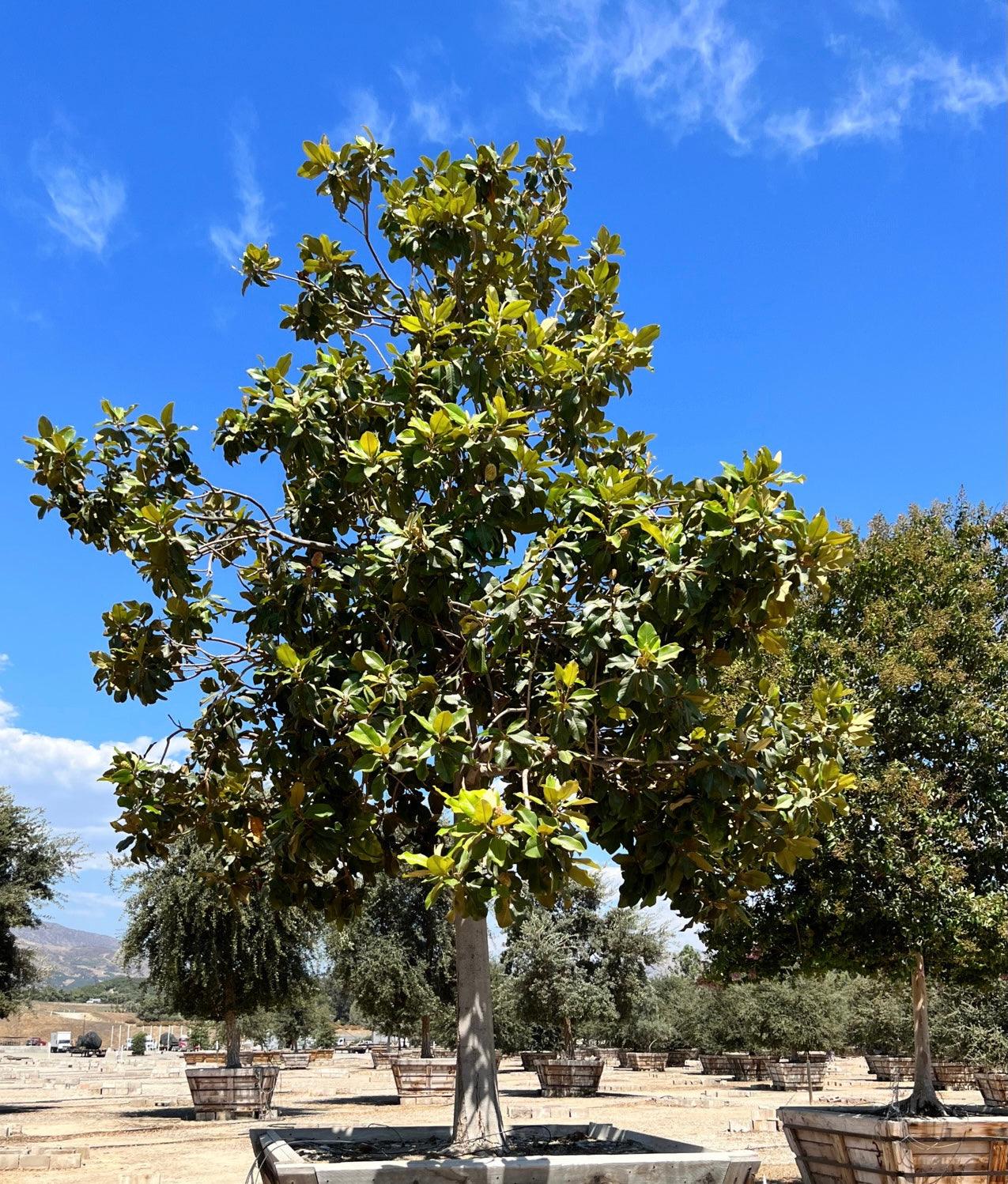
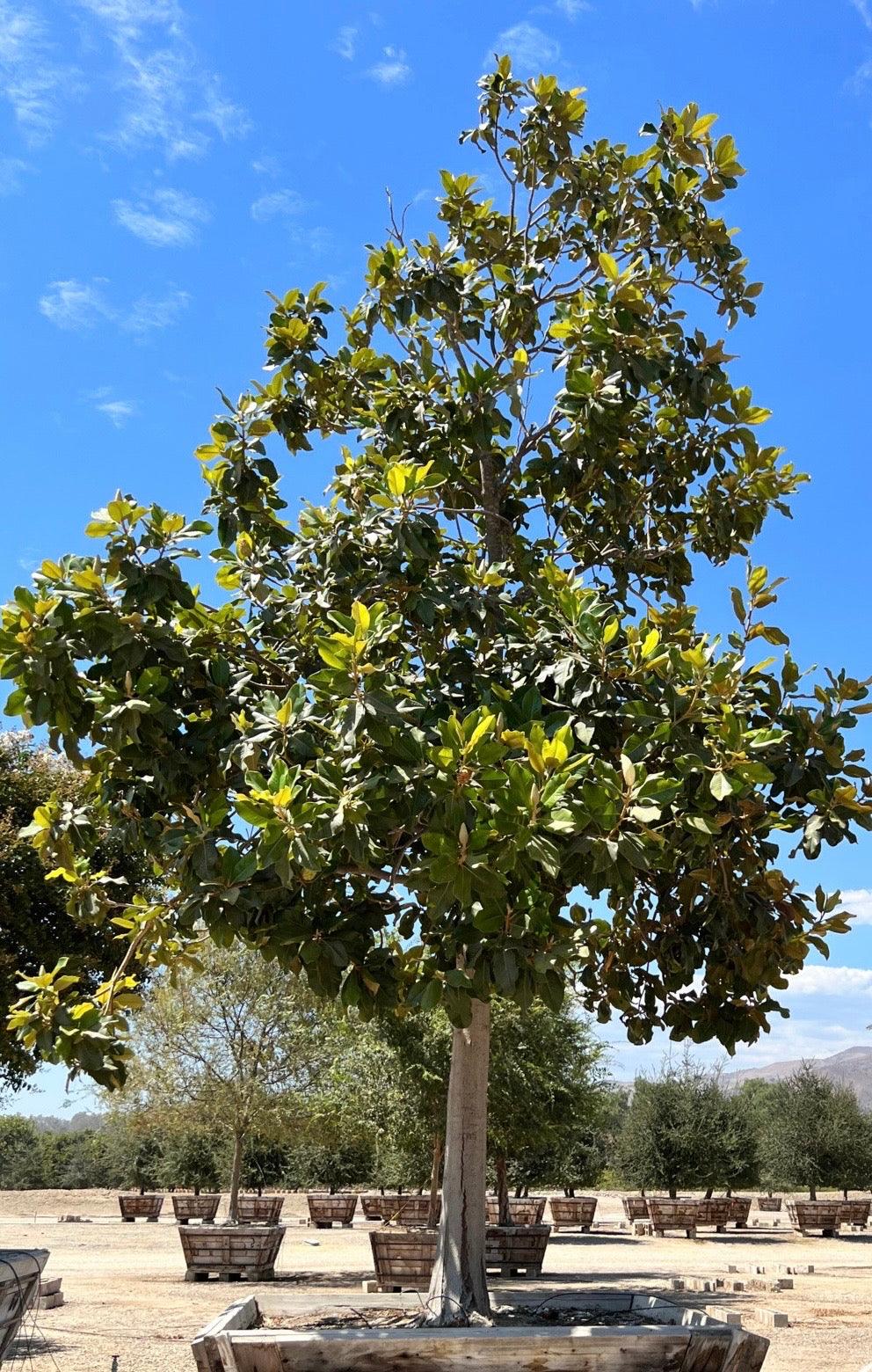
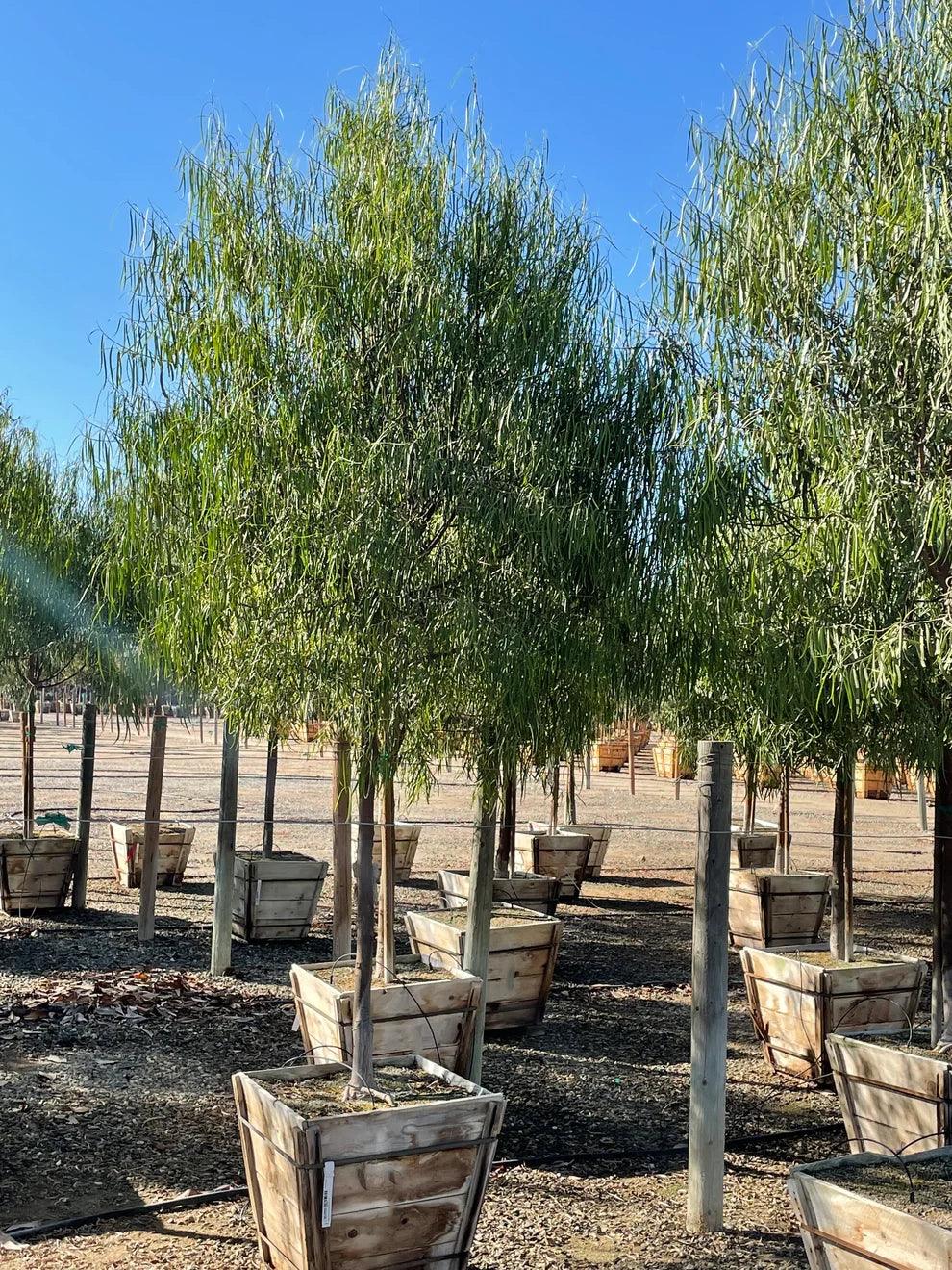
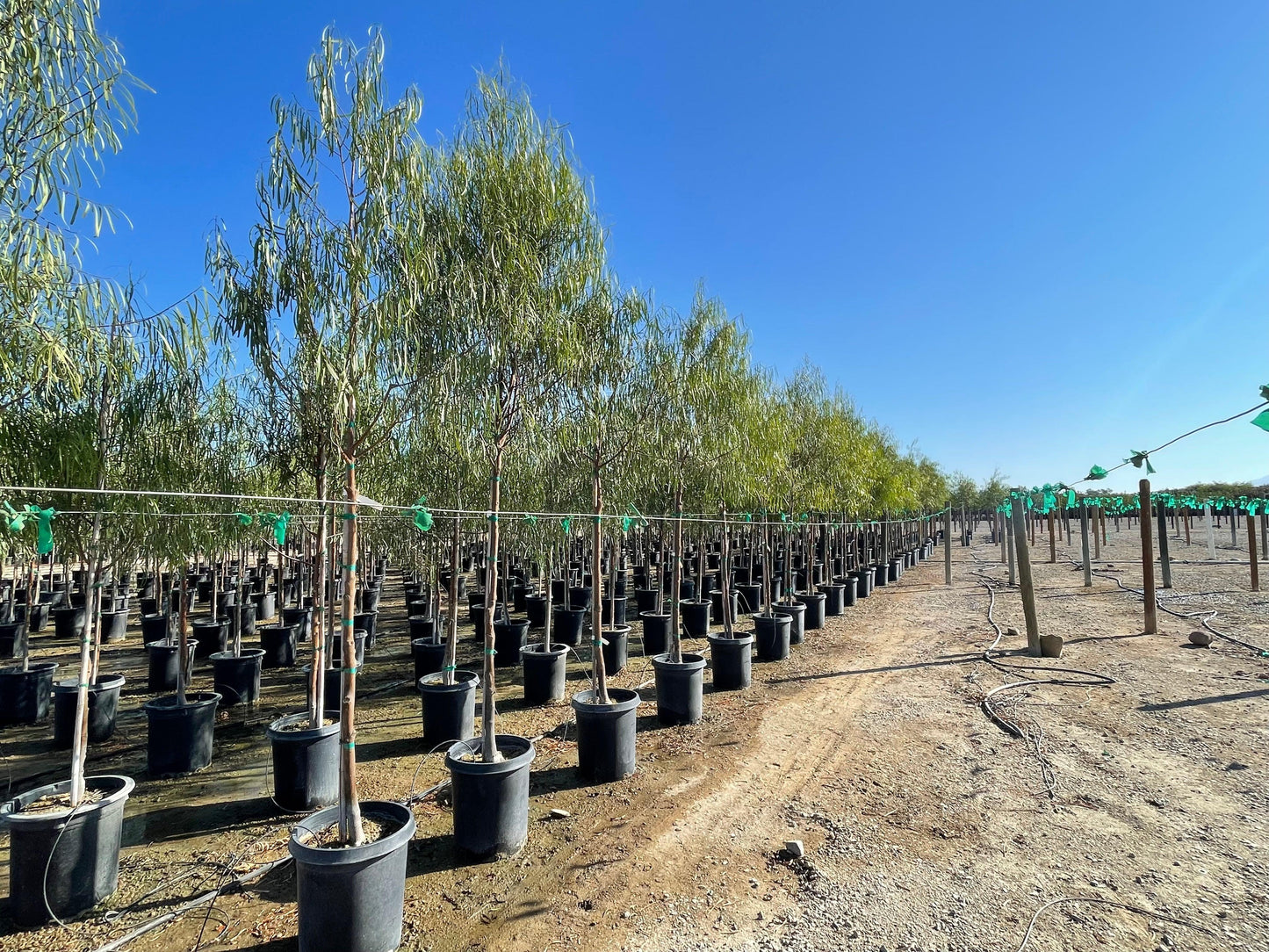
Over time, the tree develops into a beautiful 20-30 foot specimen with single or multiple trunks, light gray bark that becomes more gnarled with age, and elegant branches that create a rounded crown, echoing the classic features of a mature olive tree’s appearance. Occasional pruning is recommended for Swan Hill Olives® trees to shape the canopy, encourage healthy growth, and highlight the tree’s natural beauty. Fertilizing Swan Hill Olives® trees in early spring can boost foliage health, although they are specifically bred to remain fruitless, minimizing the need for extensive care.
With proper planting, Swan Hill Olives® trees can serve as effective privacy screens or shade providers, making them suitable for residential, commercial, and public spaces. The rounded crown and graceful form of Swan Hill Olives® trees enhance the elegance of any landscape, providing year-round greenery without the mess of fallen fruit.
Product Details
-
Mature Size: 20-30 feet tall and wide
-
Growth Rate: Slow to moderate growing
-
Hardiness Zones: USDA Zones 8-10, Sunset Zones 8, 9, 11-24
-
Available Forms: Single trunk and multi-trunk specimens
-
Water Needs: Low to moderate once established
-
Sun Requirements: Full sun exposure
Additional details:
-
Botanical Name: Olea europaea ‘Swan Hill’
-
Tree Type: Evergreen, non fruiting olive tree
-
Foliage: Gray green foliage with silvery undersides
-
Flowers: Spring flowers are functionally sterile, helping prevent normal fruit production
-
Pollen: Rarely produces pollen compared with regular olive trees
-
Cold Tolerance: The Swan Hill Olive is highly heat-tolerant and hardy down to roughly 15°F to 20°F, thriving in USDA Hardiness Zones 8–11
-
Landscape Uses: Traditional gardens, desert landscapes, modern architectural settings, pools, patios, parks, privacy screens, and shade
-
Forms Available: Single trunk, multiple trunks, and multiple trunk trees for dramatic focal points
-
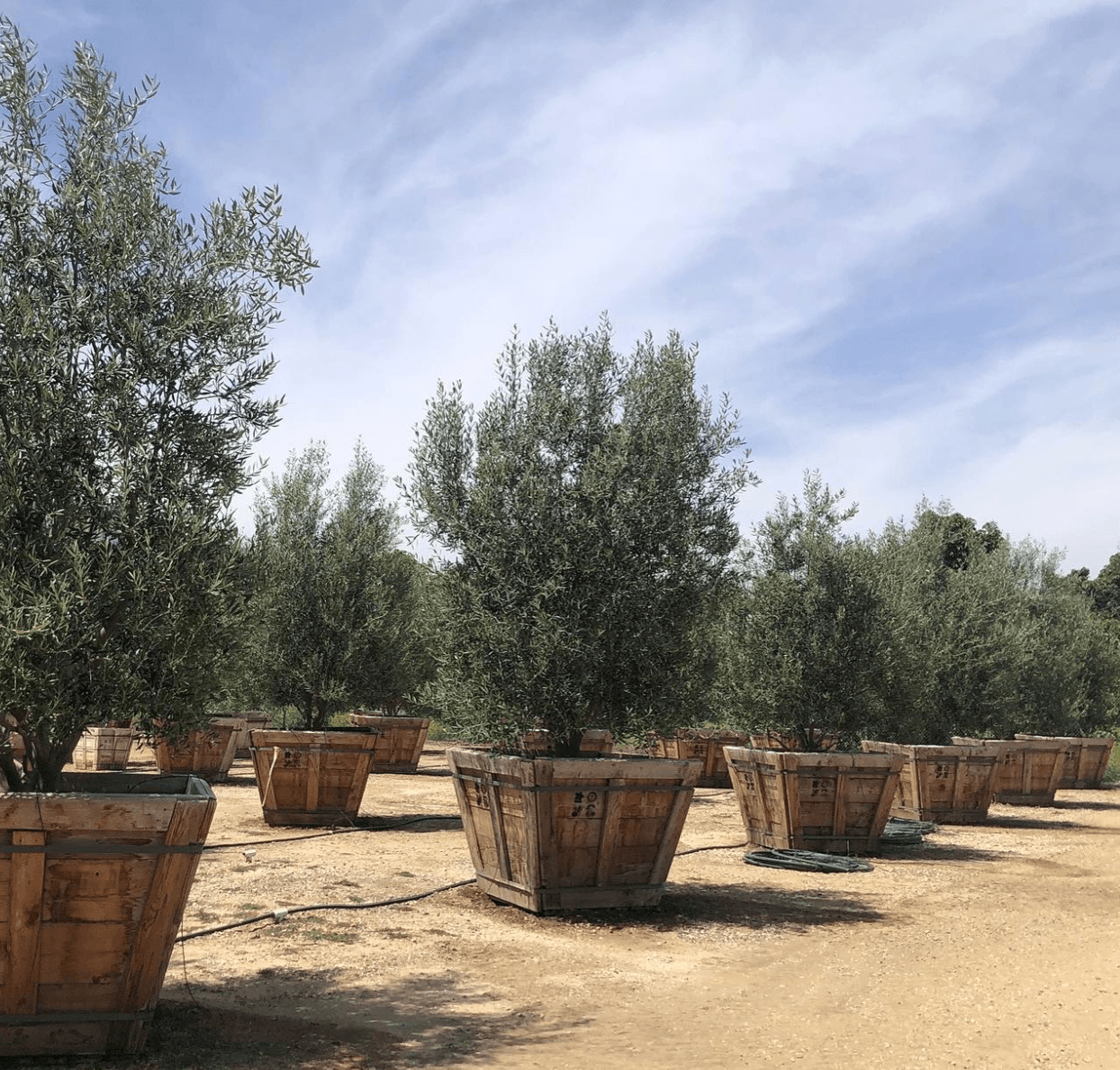
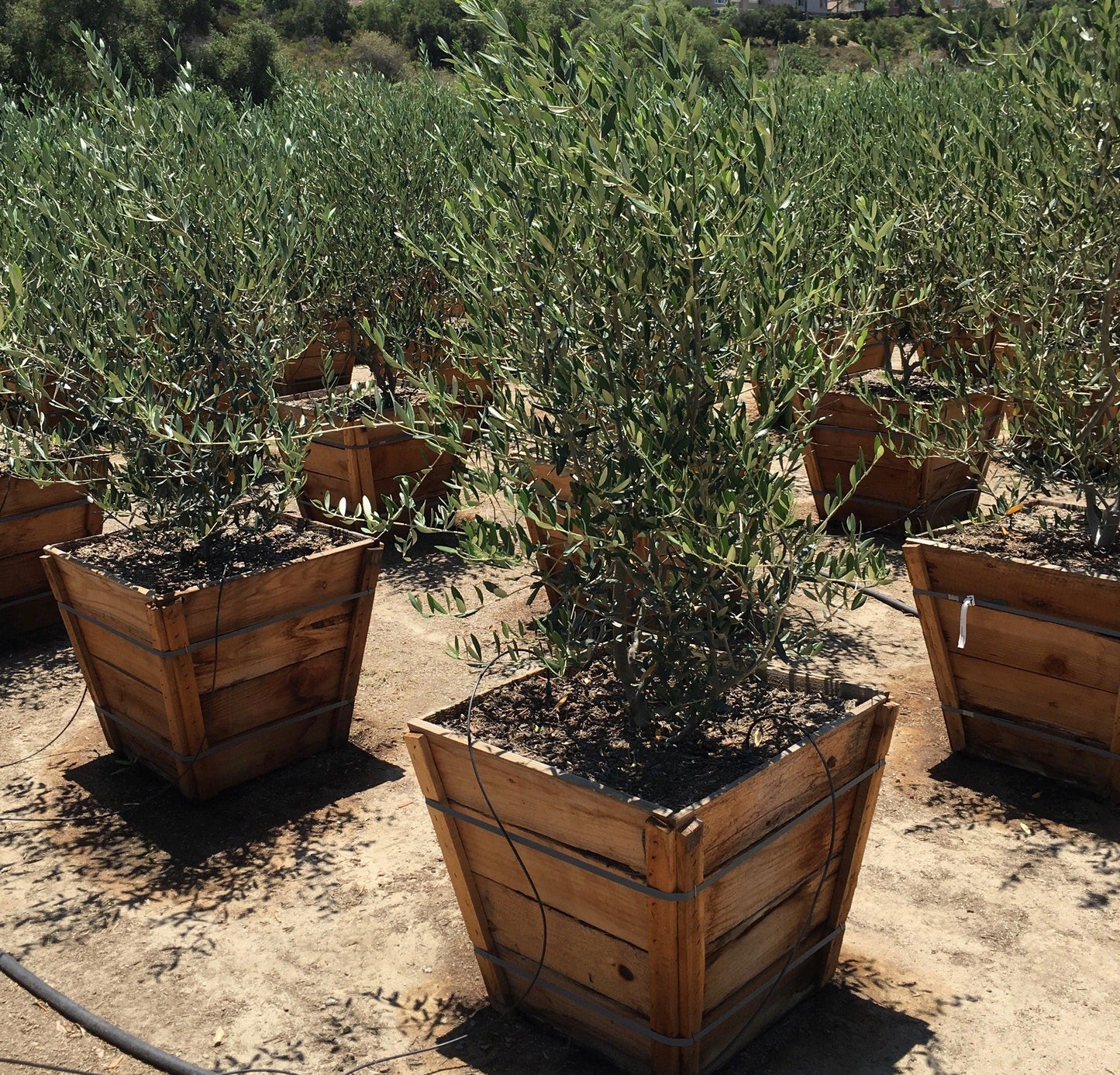
Nursery Format: Often available as boxed specimen trees, including larger landscape-ready sizes
Swan Hill Olives® trees can grow to a mature height and width of approximately 20 to 30 feet, making them suitable for providing shade in residential and commercial landscapes. These trees are versatile and can be used in various landscape designs, including traditional gardens, desert landscapes, and modern architectural settings.
At Yardwork, we can help you choose the right tree size, placement, and form-whether you want a clean single trunk specimen near a pool, multiple trunks for architectural impact, or trees swan hill olives style for a larger commercial setting. Swan Hill pairs beautifully with other trees and drought-tolerant plantings such as cork oak, palms, agave, lavender, and desert-adapted shrubs, and it can be combined with mature trees for instant shade and structure to give a landscape a finished look from day one.
Who It’s For
Ideal for:
-
California homeowners wanting Mediterranean landscape style without maintenance headaches
-
Allergy sufferers seeking beautiful trees without pollen production
-
Water-conscious gardeners needing drought-tolerant specimen trees
-
Commercial landscapers requiring clean, low-maintenance installations who may also be considering privacy and evergreen trees from a local nursery
-
Anyone desiring classic olive tree aesthetics without fruit cleanup
Swan Hill is a desirable choice if you want the look of mature olive trees without the problems of fallen fruit, spring pollen, or excessive upkeep. Non-fruiting trees, such as the Swan Hill Olive, are desirable in landscape settings because they eliminate the mess and maintenance associated with fallen fruit. Pollenless trees, like the Swan Hill Olive, produce little to no airborne pollen, making them suitable for individuals with allergies and reducing public health concerns related to allergenic pollen.
This tree works especially well in residential or commercial settings where local or state ordinances restrict messy or allergenic olive trees, and many property owners specifically seek out the Swan Hill Olives® fruitless olive tree for its certified non-fruiting performance. It is also a strong choice for commercial settings, public-facing landscapes, desert communities, low-water gardens, and properties where water efficiency matters.
If you want a lush, evergreen, low maintenance plant that can create shade, soften architecture, frame an entry, or bring Mediterranean elegance to a landscape, Swan Hill fits your needs.
Frequently Asked Questions
Does it really produce no fruit?
Yes. Swan Hill Olives® trees are non-fruiting and pollenless, making them ideal for landscaping without the mess of fallen fruit or allergenic pollen. The Swan Hill Olive is a non fruiting cultivar with imperfect flowers, so it is bred and selected to avoid normal fruit production. In rare cases, tiny false fruit may appear, but it is not the same as a regular olive crop and does not create the typical mess.
How much water does it need?
Water regularly during the first few years to help the tree develop a strong root system. Once established, Swan Hill Olives® trees are drought-tolerant in the landscape, making them a desirable choice for residential or commercial settings, especially when water efficiency is required. Avoid constantly wet soil, because good drainage helps prevent root rot and other moisture-related issues.
Will it trigger my allergies?
Swan Hill is one of the best olive tree choices for allergy-sensitive landscapes because it produces little to no airborne pollen. Unlike many olive trees that release pollen in spring, Swan Hill rarely produces pollen and is commonly selected for residential, commercial, and public spaces where allergy concerns matter.
How fast does it grow?
For clients comparing shade and ornamental options, it grows at a pace similar to many flowering landscape trees for California gardens. Swan Hill has a slow to moderate growth rate. With proper sun, watering, soil drainage, and occasional feeding in early spring, it gradually develops into a robust full-size tree, pairing nicely with productive citrus fruit trees for home orchards in Mediterranean-style landscapes. Mature trees typically reach approximately 20 to 30 feet tall and wide.
What care does it need after planting?
Plant in full sun, provide regular watering during establishment, and prune occasionally to shape the canopy. Occasional pruning is recommended to encourage healthy growth, highlight the natural form, and maintain either a clean single trunk or sculptural multiple trunks. Fertilizing in early spring can help boost foliage health.
Can it handle tough climates?
Yes. Swan Hill is highly heat-tolerant and hardy down to roughly 15°F to 20°F, thriving in USDA Hardiness Zones 8–11. It performs especially well in hot, dry regions and is highly adaptable to drought-tolerant landscapes in Arizona, Nevada, and California.
Is it disease resistant?
Gardeners often combine Swan Hill with compact cultivars such as the Little Ollie dwarf olive tree to create layered, disease-resistant Mediterranean designs. These trees are grafted onto disease-resistant rootstock, which helps reduce the risk of diseases such as Verticillium wilt. Good drainage remains important to avoid root rot. In certain regions, ask a local expert about soilborne issues such as texas root rot and whether your site needs special preparation.
Where do authentic Swan Hill trees come from?
Swan Hill Olives® is associated with certified, trademarked ornamental olive production, and Devil Mountain Wholesale Nursery acquired the Swan Hill Olives® trademark in 2020. Authentic sourcing matters because generic “fruitless olive” selections may not offer the same clean, pollenless, non fruiting performance.
What if it doesn’t thrive in my yard?
Yardwork offers expert consultation services, site guidance, and planting advice to help you choose the right location, soil prep, watering plan, and tree form before you plant. We can also help review your landscape setting to reduce problems from poor drainage, shade, compacted soil, pests, or irrigation mistakes.
Ready to Transform Your Landscape?
Stop dealing with messy fruit drop, airborne pollen, and high-maintenance olive trees. Choose the Swan Hill Olive Tree and enjoy Mediterranean elegance, evergreen foliage, drought tolerance, and a cleaner landscape without the usual hassles.
Yardwork can help you select boxed specimen trees, compare single trunk and multiple trunk trees, plan delivery, and get expert planting advice for your residential, commercial, or desert landscape, including detailed care and maintenance tips for Little Ollie trees when you’re pairing shrubs with Swan Hill specimens. Ask us about current offer sales, trees starting sizes, California delivery, and shipping options.
Enjoy Mediterranean Beauty Without the Mess or Allergies
The Swan Hill Olive Tree gives you the timeless beauty of a classic Mediterranean olive tree without fallen fruit, heavy pollen, or constant cleanup. This non fruiting cultivar, known botanically as Olea europaea Swan Hill, delivers elegant gray green foliage, a graceful rounded crown, and year-round evergreen structure for California gardens, pools, patios, parks, and commercial settings.
Unlike the common European olive, Swan Hill Olives® trees are non-fruiting and pollenless, making them ideal for landscaping without the mess of fallen fruit or allergenic pollen. They rarely produce pollen, which helps reduce airborne pollen concerns, and they do not bear fruit in normal landscape use. The result is a cleaner, lower-maintenance landscape setting with the same refined olive tree appearance.
Use Swan Hill where you want shade, shape, and Mediterranean elegance in a residential or commercial setting-without staining from fruit production, extra maintenance, or allergy triggers.
Why You’ll Love It
-
No Fruit Drop – Eliminates messy cleanup and staining from fallen olives around pools, walkways, patios, and driveways.
-
Allergy-Friendly – Produces little to no airborne pollen, making it suitable for individuals with allergies and reducing public health concerns related to allergenic pollen.
-
Drought Tolerant – Once established, Swan Hill Olives® trees are drought-tolerant in the landscape, making them a desirable choice for residential or commercial settings, especially when local or state ordinances require water efficiency in the landscape.
-
Evergreen Beauty – These trees are known for their attractive evergreen foliage, which features soft green leaves on top and silvery undersides, providing aesthetic appeal in various landscape designs.
-
Low Maintenance – Grafted onto disease resistant rootstock, Swan Hill helps reduce the risk of diseases such as Verticillium wilt and gives homeowners, designers, and contractors a resilient landscape tree.
The lack of fruit and pollen in non-fruiting trees contributes to a cleaner landscape, reducing the need for maintenance and making them ideal for residential and commercial properties. Their drought tolerance and adaptability make Swan Hill Olives® trees a lush, reliable choice for landscapes where water efficiency and low maintenance are priorities, ensuring your garden remains vibrant and inviting in any climate.
What Makes It Different
Most olive trees create two major problems: fruit mess and pollen. Fruiting olive trees can drop olives that stain hardscape, attract birds and pests, and increase cleanup. Many olive trees also release airborne pollen in spring, which can be a concern in public spaces, parks, schools, and allergy-sensitive residential landscapes.
Swan Hill Olive Tree is cultivated differently:
-
Certified Fruitless Variety – Swan Hill is a non fruiting cultivar with imperfect flowers, meaning it is specifically valued because it does not bear fruit like a standard Olea europaea or common European olive.
-
Grafted Disease Resistance – These trees are grafted onto disease-resistant rootstock, which helps reduce the risk of diseases such as Verticillium wilt and supports long-term landscape performance.
-
California Climate Perfected – Swan Hill Olives® trees have grown from a small sapling to a robust full-size tree in the hot and dry inland climate, making them highly adaptable to drought-tolerant landscapes in Arizona, Nevada, and California.
Swan Hill is also part of a broader olive-growing story. The Swan Hill region experiences long, hot summers, mild winters, and low annual rainfall, making it ideal for olive cultivation. The Swan Hill region hosts some of the largest commercial olive groves in Australia and is known for its production of high-quality extra virgin olive oil. Swan Hill is recognized for both high-yielding oil varieties and globally recognized ornamental cultivars.
For ornamental landscapes, however, Swan Hill Olives® are chosen for eliminating mess-not crop production. Homeowners and designers comparing Swan Hill with other fruitless olive trees for elegant landscaping will appreciate its reliable, low-mess performance. The hot, dry inland climate of Swan Hill prevents many common fungal diseases and ensures high, consistent crop yields in commercial olive-growing contexts, while the ornamental Swan Hill tree is valued for its clean, fruitless performance in gardens and commercial landscapes.
How To Have The Best Success
-
Plant in Well-Draining Location
Choose a full sun location with good drainage. Swan Hill Olives require full sun for optimal growth but can tolerate partial shade. They are adaptable to various soil types, including sandy, loamy, and heavy clay, and can tolerate acidic to highly alkaline pH levels. Good drainage is still essential because ensuring good drainage is crucial for Swan Hill Olives® trees to prevent root rot, which can be detrimental to their health. -
Establish with Regular Watering
Caring for Swan Hill Olives® trees is straightforward, requiring regular watering during the first few years to help develop a strong root system. During establishment, consistent deep watering helps the tree settle in; after that, water needs drop significantly. Once established, Swan Hill becomes drought tolerant and well suited to California, Arizona, Nevada, San Diego, desert garden designs, and other water-conscious landscapes, especially when combined with other olive trees for Mediterranean-style gardens in a cohesive planting plan. -
Enjoy Low-Maintenance Growth
Over time, the tree develops into a beautiful 20-30 foot specimen with single or multiple trunks, light gray bark that becomes more gnarled with age, and elegant branches that create a rounded crown, echoing the classic features of a mature olive tree’s appearance. Occasional pruning is recommended for Swan Hill Olives® trees to shape the canopy, encourage healthy growth, and highlight the tree’s natural beauty. Fertilizing Swan Hill Olives® trees in early spring can boost foliage health, although they are specifically bred to remain fruitless, minimizing the need for extensive care.
With proper planting, Swan Hill Olives® trees can serve as effective privacy screens or shade providers, making them suitable for residential, commercial, and public spaces. The rounded crown and graceful form of Swan Hill Olives® trees enhance the elegance of any landscape, providing year-round greenery without the mess of fallen fruit.
Product Details
-
Mature Size: 20-30 feet tall and wide
-
Growth Rate: Slow to moderate growing
-
Hardiness Zones: USDA Zones 8-10, Sunset Zones 8, 9, 11-24
-
Available Forms: Single trunk and multi-trunk specimens
-
Water Needs: Low to moderate once established
-
Sun Requirements: Full sun exposure
Additional details:
-
Botanical Name: Olea europaea ‘Swan Hill’
-
Tree Type: Evergreen, non fruiting olive tree
-
Foliage: Gray green foliage with silvery undersides
-
Flowers: Spring flowers are functionally sterile, helping prevent normal fruit production
-
Pollen: Rarely produces pollen compared with regular olive trees
-
Cold Tolerance: The Swan Hill Olive is highly heat-tolerant and hardy down to roughly 15°F to 20°F, thriving in USDA Hardiness Zones 8–11
-
Landscape Uses: Traditional gardens, desert landscapes, modern architectural settings, pools, patios, parks, privacy screens, and shade
-
Forms Available: Single trunk, multiple trunks, and multiple trunk trees for dramatic focal points
-
Nursery Format: Often available as boxed specimen trees, including larger landscape-ready sizes
Swan Hill Olives® trees can grow to a mature height and width of approximately 20 to 30 feet, making them suitable for providing shade in residential and commercial landscapes. These trees are versatile and can be used in various landscape designs, including traditional gardens, desert landscapes, and modern architectural settings.
At Yardwork, we can help you choose the right tree size, placement, and form-whether you want a clean single trunk specimen near a pool, multiple trunks for architectural impact, or trees swan hill olives style for a larger commercial setting. Swan Hill pairs beautifully with other trees and drought-tolerant plantings such as cork oak, palms, agave, lavender, and desert-adapted shrubs, and it can be combined with mature trees for instant shade and structure to give a landscape a finished look from day one.
Who It’s For
Ideal for:
-
California homeowners wanting Mediterranean landscape style without maintenance headaches
-
Allergy sufferers seeking beautiful trees without pollen production
-
Water-conscious gardeners needing drought-tolerant specimen trees
-
Commercial landscapers requiring clean, low-maintenance installations who may also be considering privacy and evergreen trees from a local nursery
-
Anyone desiring classic olive tree aesthetics without fruit cleanup
Swan Hill is a desirable choice if you want the look of mature olive trees without the problems of fallen fruit, spring pollen, or excessive upkeep. Non-fruiting trees, such as the Swan Hill Olive, are desirable in landscape settings because they eliminate the mess and maintenance associated with fallen fruit. Pollenless trees, like the Swan Hill Olive, produce little to no airborne pollen, making them suitable for individuals with allergies and reducing public health concerns related to allergenic pollen.
This tree works especially well in residential or commercial settings where local or state ordinances restrict messy or allergenic olive trees, and many property owners specifically seek out the Swan Hill Olives® fruitless olive tree for its certified non-fruiting performance. It is also a strong choice for commercial settings, public-facing landscapes, desert communities, low-water gardens, and properties where water efficiency matters.
If you want a lush, evergreen, low maintenance plant that can create shade, soften architecture, frame an entry, or bring Mediterranean elegance to a landscape, Swan Hill fits your needs.
Frequently Asked Questions
Does it really produce no fruit?
Yes. Swan Hill Olives® trees are non-fruiting and pollenless, making them ideal for landscaping without the mess of fallen fruit or allergenic pollen. The Swan Hill Olive is a non fruiting cultivar with imperfect flowers, so it is bred and selected to avoid normal fruit production. In rare cases, tiny false fruit may appear, but it is not the same as a regular olive crop and does not create the typical mess.
How much water does it need?
Water regularly during the first few years to help the tree develop a strong root system. Once established, Swan Hill Olives® trees are drought-tolerant in the landscape, making them a desirable choice for residential or commercial settings, especially when water efficiency is required. Avoid constantly wet soil, because good drainage helps prevent root rot and other moisture-related issues.
Will it trigger my allergies?
Swan Hill is one of the best olive tree choices for allergy-sensitive landscapes because it produces little to no airborne pollen. Unlike many olive trees that release pollen in spring, Swan Hill rarely produces pollen and is commonly selected for residential, commercial, and public spaces where allergy concerns matter.
How fast does it grow?
For clients comparing shade and ornamental options, it grows at a pace similar to many flowering landscape trees for California gardens. Swan Hill has a slow to moderate growth rate. With proper sun, watering, soil drainage, and occasional feeding in early spring, it gradually develops into a robust full-size tree, pairing nicely with productive citrus fruit trees for home orchards in Mediterranean-style landscapes. Mature trees typically reach approximately 20 to 30 feet tall and wide.
What care does it need after planting?
Plant in full sun, provide regular watering during establishment, and prune occasionally to shape the canopy. Occasional pruning is recommended to encourage healthy growth, highlight the natural form, and maintain either a clean single trunk or sculptural multiple trunks. Fertilizing in early spring can help boost foliage health.
Can it handle tough climates?
Yes. Swan Hill is highly heat-tolerant and hardy down to roughly 15°F to 20°F, thriving in USDA Hardiness Zones 8–11. It performs especially well in hot, dry regions and is highly adaptable to drought-tolerant landscapes in Arizona, Nevada, and California.
Is it disease resistant?
Gardeners often combine Swan Hill with compact cultivars such as the Little Ollie dwarf olive tree to create layered, disease-resistant Mediterranean designs. These trees are grafted onto disease-resistant rootstock, which helps reduce the risk of diseases such as Verticillium wilt. Good drainage remains important to avoid root rot. In certain regions, ask a local expert about soilborne issues such as texas root rot and whether your site needs special preparation.
Where do authentic Swan Hill trees come from?
Swan Hill Olives® is associated with certified, trademarked ornamental olive production, and Devil Mountain Wholesale Nursery acquired the Swan Hill Olives® trademark in 2020. Authentic sourcing matters because generic “fruitless olive” selections may not offer the same clean, pollenless, non fruiting performance.
What if it doesn’t thrive in my yard?
Yardwork offers expert consultation services, site guidance, and planting advice to help you choose the right location, soil prep, watering plan, and tree form before you plant. We can also help review your landscape setting to reduce problems from poor drainage, shade, compacted soil, pests, or irrigation mistakes.
Ready to Transform Your Landscape?
Stop dealing with messy fruit drop, airborne pollen, and high-maintenance olive trees. Choose the Swan Hill Olive Tree and enjoy Mediterranean elegance, evergreen foliage, drought tolerance, and a cleaner landscape without the usual hassles.
Yardwork can help you select boxed specimen trees, compare single trunk and multiple trunk trees, plan delivery, and get expert planting advice for your residential, commercial, or desert landscape, including detailed care and maintenance tips for Little Ollie trees when you’re pairing shrubs with Swan Hill specimens. Ask us about current offer sales, trees starting sizes, California delivery, and shipping options.
Plants vary greatly by type and no guarantees are made on sizing.
However here is a rough idea of sizes based on containers that are direct from our growing grounds.
15 Gallon Shrub 3-4 Ft. Tall
15 Gallon Tree 5-6 Ft. Tall
24" Box Shrub 5-6 Ft. Tall
24" Box Tree 6-7 Ft. Tall
36" Box Tree 8-10 Ft. Tall
48" Box Tree 10-12 Ft. Tall
Please note: Citrus and California Native plants such as Manzanita are smaller than traditional sizing.
Please contact us to confirm sizing of items before purchasing if this is a concern.
Plants vary greatly by type and no guarantees are made on sizing.
However here is a rough idea of sizes based on containers that are direct from our growing grounds.
15 Gallon Shrub 3-4 Ft. Tall
15 Gallon Tree 5-6 Ft. Tall
24" Box Shrub 5-6 Ft. Tall
24" Box Tree 6-7 Ft. Tall
36" Box Tree 8-10 Ft. Tall
48" Box Tree 10-12 Ft. Tall
Please note: Citrus and California Native plants such as Manzanita are smaller than traditional sizing.
Please contact us to confirm sizing of items before purchasing if this is a concern.
Delivery does not include unloading of trees and plants larger than a 24" box.
Trees and plants in smaller containers will be dropped curbside.
Delivery beyond a curbside drop will be charged extra.
Trees and plants that are sold in container sizes larger than a 24" box size will require equipment and an operator onsite to help unload from the truck.
Please reach out to our team PRIOR to placing your order to coordinate.
Our team can provide unloading assistance with equipment for an extra fee.
Delivery does not include unloading of trees and plants larger than a 24" box.
Trees and plants in smaller containers will be dropped curbside.
Delivery beyond a curbside drop will be charged extra.
Trees and plants that are sold in container sizes larger than a 24" box size will require equipment and an operator onsite to help unload from the truck.
Please reach out to our team PRIOR to placing your order to coordinate.
Our team can provide unloading assistance with equipment for an extra fee.
You may also like...


Swan Hill Olives® Olive Tree - Olea Europaea 'Swan Hill'
Regular price
$1,250.00
Size
Enjoy Mediterranean Beauty Without the Mess or Allergies
The Swan Hill Olive Tree gives you the timeless beauty of a classic Mediterranean olive tree without fallen fruit, heavy pollen, or constant cleanup. This non fruiting cultivar, known botanically as Olea europaea Swan Hill, delivers elegant gray green foliage, a graceful rounded crown, and year-round evergreen structure for California gardens, pools, patios, parks, and commercial settings.
Unlike the common European olive, Swan Hill Olives® trees are non-fruiting and pollenless, making them ideal for landscaping without the mess of fallen fruit or allergenic pollen. They rarely produce pollen, which helps reduce airborne pollen concerns, and they do not bear fruit in normal landscape use. The result is a cleaner, lower-maintenance landscape setting with the same refined olive tree appearance.
Use Swan Hill where you want shade, shape, and Mediterranean elegance in a residential or commercial setting-without staining from fruit production, extra maintenance, or allergy triggers.
Why You’ll Love It
-
No Fruit Drop – Eliminates messy cleanup and staining from fallen olives around pools, walkways, patios, and driveways.
-
Allergy-Friendly – Produces little to no airborne pollen, making it suitable for individuals with allergies and reducing public health concerns related to allergenic pollen.
-
Drought Tolerant – Once established, Swan Hill Olives® trees are drought-tolerant in the landscape, making them a desirable choice for residential or commercial settings, especially when local or state ordinances require water efficiency in the landscape.
-
Evergreen Beauty – These trees are known for their attractive evergreen foliage, which features soft green leaves on top and silvery undersides, providing aesthetic appeal in various landscape designs.
-
Low Maintenance – Grafted onto disease resistant rootstock, Swan Hill helps reduce the risk of diseases such as Verticillium wilt and gives homeowners, designers, and contractors a resilient landscape tree.
The lack of fruit and pollen in non-fruiting trees contributes to a cleaner landscape, reducing the need for maintenance and making them ideal for residential and commercial properties. Their drought tolerance and adaptability make Swan Hill Olives® trees a lush, reliable choice for landscapes where water efficiency and low maintenance are priorities, ensuring your garden remains vibrant and inviting in any climate.
What Makes It Different
Most olive trees create two major problems: fruit mess and pollen. Fruiting olive trees can drop olives that stain hardscape, attract birds and pests, and increase cleanup. Many olive trees also release airborne pollen in spring, which can be a concern in public spaces, parks, schools, and allergy-sensitive residential landscapes.
Swan Hill Olive Tree is cultivated differently:
-
Certified Fruitless Variety – Swan Hill is a non fruiting cultivar with imperfect flowers, meaning it is specifically valued because it does not bear fruit like a standard Olea europaea or common European olive.
-
Grafted Disease Resistance – These trees are grafted onto disease-resistant rootstock, which helps reduce the risk of diseases such as Verticillium wilt and supports long-term landscape performance.
-
California Climate Perfected – Swan Hill Olives® trees have grown from a small sapling to a robust full-size tree in the hot and dry inland climate, making them highly adaptable to drought-tolerant landscapes in Arizona, Nevada, and California.
Swan Hill is also part of a broader olive-growing story. The Swan Hill region experiences long, hot summers, mild winters, and low annual rainfall, making it ideal for olive cultivation. The Swan Hill region hosts some of the largest commercial olive groves in Australia and is known for its production of high-quality extra virgin olive oil. Swan Hill is recognized for both high-yielding oil varieties and globally recognized ornamental cultivars.
For ornamental landscapes, however, Swan Hill Olives® are chosen for eliminating mess-not crop production. Homeowners and designers comparing Swan Hill with other fruitless olive trees for elegant landscaping will appreciate its reliable, low-mess performance. The hot, dry inland climate of Swan Hill prevents many common fungal diseases and ensures high, consistent crop yields in commercial olive-growing contexts, while the ornamental Swan Hill tree is valued for its clean, fruitless performance in gardens and commercial landscapes.
How To Have The Best Success
-
Plant in Well-Draining Location
Choose a full sun location with good drainage. Swan Hill Olives require full sun for optimal growth but can tolerate partial shade. They are adaptable to various soil types, including sandy, loamy, and heavy clay, and can tolerate acidic to highly alkaline pH levels. Good drainage is still essential because ensuring good drainage is crucial for Swan Hill Olives® trees to prevent root rot, which can be detrimental to their health. -
Establish with Regular Watering
Caring for Swan Hill Olives® trees is straightforward, requiring regular watering during the first few years to help develop a strong root system. During establishment, consistent deep watering helps the tree settle in; after that, water needs drop significantly. Once established, Swan Hill becomes drought tolerant and well suited to California, Arizona, Nevada, San Diego, desert garden designs, and other water-conscious landscapes, especially when combined with other olive trees for Mediterranean-style gardens in a cohesive planting plan. -
Enjoy Low-Maintenance Growth
Over time, the tree develops into a beautiful 20-30 foot specimen with single or multiple trunks, light gray bark that becomes more gnarled with age, and elegant branches that create a rounded crown, echoing the classic features of a mature olive tree’s appearance. Occasional pruning is recommended for Swan Hill Olives® trees to shape the canopy, encourage healthy growth, and highlight the tree’s natural beauty. Fertilizing Swan Hill Olives® trees in early spring can boost foliage health, although they are specifically bred to remain fruitless, minimizing the need for extensive care.
With proper planting, Swan Hill Olives® trees can serve as effective privacy screens or shade providers, making them suitable for residential, commercial, and public spaces. The rounded crown and graceful form of Swan Hill Olives® trees enhance the elegance of any landscape, providing year-round greenery without the mess of fallen fruit.
Product Details
-
Mature Size: 20-30 feet tall and wide
-
Growth Rate: Slow to moderate growing
-
Hardiness Zones: USDA Zones 8-10, Sunset Zones 8, 9, 11-24
-
Available Forms: Single trunk and multi-trunk specimens
-
Water Needs: Low to moderate once established
-
Sun Requirements: Full sun exposure
Additional details:
-
Botanical Name: Olea europaea ‘Swan Hill’
-
Tree Type: Evergreen, non fruiting olive tree
-
Foliage: Gray green foliage with silvery undersides
-
Flowers: Spring flowers are functionally sterile, helping prevent normal fruit production
-
Pollen: Rarely produces pollen compared with regular olive trees
-
Cold Tolerance: The Swan Hill Olive is highly heat-tolerant and hardy down to roughly 15°F to 20°F, thriving in USDA Hardiness Zones 8–11
-
Landscape Uses: Traditional gardens, desert landscapes, modern architectural settings, pools, patios, parks, privacy screens, and shade
-
Forms Available: Single trunk, multiple trunks, and multiple trunk trees for dramatic focal points
-
Nursery Format: Often available as boxed specimen trees, including larger landscape-ready sizes
Swan Hill Olives® trees can grow to a mature height and width of approximately 20 to 30 feet, making them suitable for providing shade in residential and commercial landscapes. These trees are versatile and can be used in various landscape designs, including traditional gardens, desert landscapes, and modern architectural settings.
At Yardwork, we can help you choose the right tree size, placement, and form-whether you want a clean single trunk specimen near a pool, multiple trunks for architectural impact, or trees swan hill olives style for a larger commercial setting. Swan Hill pairs beautifully with other trees and drought-tolerant plantings such as cork oak, palms, agave, lavender, and desert-adapted shrubs, and it can be combined with mature trees for instant shade and structure to give a landscape a finished look from day one.
Who It’s For
Ideal for:
-
California homeowners wanting Mediterranean landscape style without maintenance headaches
-
Allergy sufferers seeking beautiful trees without pollen production
-
Water-conscious gardeners needing drought-tolerant specimen trees
-
Commercial landscapers requiring clean, low-maintenance installations who may also be considering privacy and evergreen trees from a local nursery
-
Anyone desiring classic olive tree aesthetics without fruit cleanup
Swan Hill is a desirable choice if you want the look of mature olive trees without the problems of fallen fruit, spring pollen, or excessive upkeep. Non-fruiting trees, such as the Swan Hill Olive, are desirable in landscape settings because they eliminate the mess and maintenance associated with fallen fruit. Pollenless trees, like the Swan Hill Olive, produce little to no airborne pollen, making them suitable for individuals with allergies and reducing public health concerns related to allergenic pollen.
This tree works especially well in residential or commercial settings where local or state ordinances restrict messy or allergenic olive trees, and many property owners specifically seek out the Swan Hill Olives® fruitless olive tree for its certified non-fruiting performance. It is also a strong choice for commercial settings, public-facing landscapes, desert communities, low-water gardens, and properties where water efficiency matters.
If you want a lush, evergreen, low maintenance plant that can create shade, soften architecture, frame an entry, or bring Mediterranean elegance to a landscape, Swan Hill fits your needs.
Frequently Asked Questions
Does it really produce no fruit?
Yes. Swan Hill Olives® trees are non-fruiting and pollenless, making them ideal for landscaping without the mess of fallen fruit or allergenic pollen. The Swan Hill Olive is a non fruiting cultivar with imperfect flowers, so it is bred and selected to avoid normal fruit production. In rare cases, tiny false fruit may appear, but it is not the same as a regular olive crop and does not create the typical mess.
How much water does it need?
Water regularly during the first few years to help the tree develop a strong root system. Once established, Swan Hill Olives® trees are drought-tolerant in the landscape, making them a desirable choice for residential or commercial settings, especially when water efficiency is required. Avoid constantly wet soil, because good drainage helps prevent root rot and other moisture-related issues.
Will it trigger my allergies?
Swan Hill is one of the best olive tree choices for allergy-sensitive landscapes because it produces little to no airborne pollen. Unlike many olive trees that release pollen in spring, Swan Hill rarely produces pollen and is commonly selected for residential, commercial, and public spaces where allergy concerns matter.
How fast does it grow?
For clients comparing shade and ornamental options, it grows at a pace similar to many flowering landscape trees for California gardens. Swan Hill has a slow to moderate growth rate. With proper sun, watering, soil drainage, and occasional feeding in early spring, it gradually develops into a robust full-size tree, pairing nicely with productive citrus fruit trees for home orchards in Mediterranean-style landscapes. Mature trees typically reach approximately 20 to 30 feet tall and wide.
What care does it need after planting?
Plant in full sun, provide regular watering during establishment, and prune occasionally to shape the canopy. Occasional pruning is recommended to encourage healthy growth, highlight the natural form, and maintain either a clean single trunk or sculptural multiple trunks. Fertilizing in early spring can help boost foliage health.
Can it handle tough climates?
Yes. Swan Hill is highly heat-tolerant and hardy down to roughly 15°F to 20°F, thriving in USDA Hardiness Zones 8–11. It performs especially well in hot, dry regions and is highly adaptable to drought-tolerant landscapes in Arizona, Nevada, and California.
Is it disease resistant?
Gardeners often combine Swan Hill with compact cultivars such as the Little Ollie dwarf olive tree to create layered, disease-resistant Mediterranean designs. These trees are grafted onto disease-resistant rootstock, which helps reduce the risk of diseases such as Verticillium wilt. Good drainage remains important to avoid root rot. In certain regions, ask a local expert about soilborne issues such as texas root rot and whether your site needs special preparation.
Where do authentic Swan Hill trees come from?
Swan Hill Olives® is associated with certified, trademarked ornamental olive production, and Devil Mountain Wholesale Nursery acquired the Swan Hill Olives® trademark in 2020. Authentic sourcing matters because generic “fruitless olive” selections may not offer the same clean, pollenless, non fruiting performance.
What if it doesn’t thrive in my yard?
Yardwork offers expert consultation services, site guidance, and planting advice to help you choose the right location, soil prep, watering plan, and tree form before you plant. We can also help review your landscape setting to reduce problems from poor drainage, shade, compacted soil, pests, or irrigation mistakes.
Ready to Transform Your Landscape?
Stop dealing with messy fruit drop, airborne pollen, and high-maintenance olive trees. Choose the Swan Hill Olive Tree and enjoy Mediterranean elegance, evergreen foliage, drought tolerance, and a cleaner landscape without the usual hassles.
Yardwork can help you select boxed specimen trees, compare single trunk and multiple trunk trees, plan delivery, and get expert planting advice for your residential, commercial, or desert landscape, including detailed care and maintenance tips for Little Ollie trees when you’re pairing shrubs with Swan Hill specimens. Ask us about current offer sales, trees starting sizes, California delivery, and shipping options.
Enjoy Mediterranean Beauty Without the Mess or Allergies
The Swan Hill Olive Tree gives you the timeless beauty of a classic Mediterranean olive tree without fallen fruit, heavy pollen, or constant cleanup. This non fruiting cultivar, known botanically as Olea europaea Swan Hill, delivers elegant gray green foliage, a graceful rounded crown, and year-round evergreen structure for California gardens, pools, patios, parks, and commercial settings.
Unlike the common European olive, Swan Hill Olives® trees are non-fruiting and pollenless, making them ideal for landscaping without the mess of fallen fruit or allergenic pollen. They rarely produce pollen, which helps reduce airborne pollen concerns, and they do not bear fruit in normal landscape use. The result is a cleaner, lower-maintenance landscape setting with the same refined olive tree appearance.
Use Swan Hill where you want shade, shape, and Mediterranean elegance in a residential or commercial setting-without staining from fruit production, extra maintenance, or allergy triggers.
Why You’ll Love It
-
No Fruit Drop – Eliminates messy cleanup and staining from fallen olives around pools, walkways, patios, and driveways.
-
Allergy-Friendly – Produces little to no airborne pollen, making it suitable for individuals with allergies and reducing public health concerns related to allergenic pollen.
-
Drought Tolerant – Once established, Swan Hill Olives® trees are drought-tolerant in the landscape, making them a desirable choice for residential or commercial settings, especially when local or state ordinances require water efficiency in the landscape.
-
Evergreen Beauty – These trees are known for their attractive evergreen foliage, which features soft green leaves on top and silvery undersides, providing aesthetic appeal in various landscape designs.
-
Low Maintenance – Grafted onto disease resistant rootstock, Swan Hill helps reduce the risk of diseases such as Verticillium wilt and gives homeowners, designers, and contractors a resilient landscape tree.
The lack of fruit and pollen in non-fruiting trees contributes to a cleaner landscape, reducing the need for maintenance and making them ideal for residential and commercial properties. Their drought tolerance and adaptability make Swan Hill Olives® trees a lush, reliable choice for landscapes where water efficiency and low maintenance are priorities, ensuring your garden remains vibrant and inviting in any climate.
What Makes It Different
Most olive trees create two major problems: fruit mess and pollen. Fruiting olive trees can drop olives that stain hardscape, attract birds and pests, and increase cleanup. Many olive trees also release airborne pollen in spring, which can be a concern in public spaces, parks, schools, and allergy-sensitive residential landscapes.
Swan Hill Olive Tree is cultivated differently:
-
Certified Fruitless Variety – Swan Hill is a non fruiting cultivar with imperfect flowers, meaning it is specifically valued because it does not bear fruit like a standard Olea europaea or common European olive.
-
Grafted Disease Resistance – These trees are grafted onto disease-resistant rootstock, which helps reduce the risk of diseases such as Verticillium wilt and supports long-term landscape performance.
-
California Climate Perfected – Swan Hill Olives® trees have grown from a small sapling to a robust full-size tree in the hot and dry inland climate, making them highly adaptable to drought-tolerant landscapes in Arizona, Nevada, and California.
Swan Hill is also part of a broader olive-growing story. The Swan Hill region experiences long, hot summers, mild winters, and low annual rainfall, making it ideal for olive cultivation. The Swan Hill region hosts some of the largest commercial olive groves in Australia and is known for its production of high-quality extra virgin olive oil. Swan Hill is recognized for both high-yielding oil varieties and globally recognized ornamental cultivars.
For ornamental landscapes, however, Swan Hill Olives® are chosen for eliminating mess-not crop production. Homeowners and designers comparing Swan Hill with other fruitless olive trees for elegant landscaping will appreciate its reliable, low-mess performance. The hot, dry inland climate of Swan Hill prevents many common fungal diseases and ensures high, consistent crop yields in commercial olive-growing contexts, while the ornamental Swan Hill tree is valued for its clean, fruitless performance in gardens and commercial landscapes.
How To Have The Best Success
-
Plant in Well-Draining Location
Choose a full sun location with good drainage. Swan Hill Olives require full sun for optimal growth but can tolerate partial shade. They are adaptable to various soil types, including sandy, loamy, and heavy clay, and can tolerate acidic to highly alkaline pH levels. Good drainage is still essential because ensuring good drainage is crucial for Swan Hill Olives® trees to prevent root rot, which can be detrimental to their health. -
Establish with Regular Watering
Caring for Swan Hill Olives® trees is straightforward, requiring regular watering during the first few years to help develop a strong root system. During establishment, consistent deep watering helps the tree settle in; after that, water needs drop significantly. Once established, Swan Hill becomes drought tolerant and well suited to California, Arizona, Nevada, San Diego, desert garden designs, and other water-conscious landscapes, especially when combined with other olive trees for Mediterranean-style gardens in a cohesive planting plan. -
Enjoy Low-Maintenance Growth
Over time, the tree develops into a beautiful 20-30 foot specimen with single or multiple trunks, light gray bark that becomes more gnarled with age, and elegant branches that create a rounded crown, echoing the classic features of a mature olive tree’s appearance. Occasional pruning is recommended for Swan Hill Olives® trees to shape the canopy, encourage healthy growth, and highlight the tree’s natural beauty. Fertilizing Swan Hill Olives® trees in early spring can boost foliage health, although they are specifically bred to remain fruitless, minimizing the need for extensive care.
With proper planting, Swan Hill Olives® trees can serve as effective privacy screens or shade providers, making them suitable for residential, commercial, and public spaces. The rounded crown and graceful form of Swan Hill Olives® trees enhance the elegance of any landscape, providing year-round greenery without the mess of fallen fruit.
Product Details
-
Mature Size: 20-30 feet tall and wide
-
Growth Rate: Slow to moderate growing
-
Hardiness Zones: USDA Zones 8-10, Sunset Zones 8, 9, 11-24
-
Available Forms: Single trunk and multi-trunk specimens
-
Water Needs: Low to moderate once established
-
Sun Requirements: Full sun exposure
Additional details:
-
Botanical Name: Olea europaea ‘Swan Hill’
-
Tree Type: Evergreen, non fruiting olive tree
-
Foliage: Gray green foliage with silvery undersides
-
Flowers: Spring flowers are functionally sterile, helping prevent normal fruit production
-
Pollen: Rarely produces pollen compared with regular olive trees
-
Cold Tolerance: The Swan Hill Olive is highly heat-tolerant and hardy down to roughly 15°F to 20°F, thriving in USDA Hardiness Zones 8–11
-
Landscape Uses: Traditional gardens, desert landscapes, modern architectural settings, pools, patios, parks, privacy screens, and shade
-
Forms Available: Single trunk, multiple trunks, and multiple trunk trees for dramatic focal points
-
Nursery Format: Often available as boxed specimen trees, including larger landscape-ready sizes
Swan Hill Olives® trees can grow to a mature height and width of approximately 20 to 30 feet, making them suitable for providing shade in residential and commercial landscapes. These trees are versatile and can be used in various landscape designs, including traditional gardens, desert landscapes, and modern architectural settings.
At Yardwork, we can help you choose the right tree size, placement, and form-whether you want a clean single trunk specimen near a pool, multiple trunks for architectural impact, or trees swan hill olives style for a larger commercial setting. Swan Hill pairs beautifully with other trees and drought-tolerant plantings such as cork oak, palms, agave, lavender, and desert-adapted shrubs, and it can be combined with mature trees for instant shade and structure to give a landscape a finished look from day one.
Who It’s For
Ideal for:
-
California homeowners wanting Mediterranean landscape style without maintenance headaches
-
Allergy sufferers seeking beautiful trees without pollen production
-
Water-conscious gardeners needing drought-tolerant specimen trees
-
Commercial landscapers requiring clean, low-maintenance installations who may also be considering privacy and evergreen trees from a local nursery
-
Anyone desiring classic olive tree aesthetics without fruit cleanup
Swan Hill is a desirable choice if you want the look of mature olive trees without the problems of fallen fruit, spring pollen, or excessive upkeep. Non-fruiting trees, such as the Swan Hill Olive, are desirable in landscape settings because they eliminate the mess and maintenance associated with fallen fruit. Pollenless trees, like the Swan Hill Olive, produce little to no airborne pollen, making them suitable for individuals with allergies and reducing public health concerns related to allergenic pollen.
This tree works especially well in residential or commercial settings where local or state ordinances restrict messy or allergenic olive trees, and many property owners specifically seek out the Swan Hill Olives® fruitless olive tree for its certified non-fruiting performance. It is also a strong choice for commercial settings, public-facing landscapes, desert communities, low-water gardens, and properties where water efficiency matters.
If you want a lush, evergreen, low maintenance plant that can create shade, soften architecture, frame an entry, or bring Mediterranean elegance to a landscape, Swan Hill fits your needs.
Frequently Asked Questions
Does it really produce no fruit?
Yes. Swan Hill Olives® trees are non-fruiting and pollenless, making them ideal for landscaping without the mess of fallen fruit or allergenic pollen. The Swan Hill Olive is a non fruiting cultivar with imperfect flowers, so it is bred and selected to avoid normal fruit production. In rare cases, tiny false fruit may appear, but it is not the same as a regular olive crop and does not create the typical mess.
How much water does it need?
Water regularly during the first few years to help the tree develop a strong root system. Once established, Swan Hill Olives® trees are drought-tolerant in the landscape, making them a desirable choice for residential or commercial settings, especially when water efficiency is required. Avoid constantly wet soil, because good drainage helps prevent root rot and other moisture-related issues.
Will it trigger my allergies?
Swan Hill is one of the best olive tree choices for allergy-sensitive landscapes because it produces little to no airborne pollen. Unlike many olive trees that release pollen in spring, Swan Hill rarely produces pollen and is commonly selected for residential, commercial, and public spaces where allergy concerns matter.
How fast does it grow?
For clients comparing shade and ornamental options, it grows at a pace similar to many flowering landscape trees for California gardens. Swan Hill has a slow to moderate growth rate. With proper sun, watering, soil drainage, and occasional feeding in early spring, it gradually develops into a robust full-size tree, pairing nicely with productive citrus fruit trees for home orchards in Mediterranean-style landscapes. Mature trees typically reach approximately 20 to 30 feet tall and wide.
What care does it need after planting?
Plant in full sun, provide regular watering during establishment, and prune occasionally to shape the canopy. Occasional pruning is recommended to encourage healthy growth, highlight the natural form, and maintain either a clean single trunk or sculptural multiple trunks. Fertilizing in early spring can help boost foliage health.
Can it handle tough climates?
Yes. Swan Hill is highly heat-tolerant and hardy down to roughly 15°F to 20°F, thriving in USDA Hardiness Zones 8–11. It performs especially well in hot, dry regions and is highly adaptable to drought-tolerant landscapes in Arizona, Nevada, and California.
Is it disease resistant?
Gardeners often combine Swan Hill with compact cultivars such as the Little Ollie dwarf olive tree to create layered, disease-resistant Mediterranean designs. These trees are grafted onto disease-resistant rootstock, which helps reduce the risk of diseases such as Verticillium wilt. Good drainage remains important to avoid root rot. In certain regions, ask a local expert about soilborne issues such as texas root rot and whether your site needs special preparation.
Where do authentic Swan Hill trees come from?
Swan Hill Olives® is associated with certified, trademarked ornamental olive production, and Devil Mountain Wholesale Nursery acquired the Swan Hill Olives® trademark in 2020. Authentic sourcing matters because generic “fruitless olive” selections may not offer the same clean, pollenless, non fruiting performance.
What if it doesn’t thrive in my yard?
Yardwork offers expert consultation services, site guidance, and planting advice to help you choose the right location, soil prep, watering plan, and tree form before you plant. We can also help review your landscape setting to reduce problems from poor drainage, shade, compacted soil, pests, or irrigation mistakes.
Ready to Transform Your Landscape?
Stop dealing with messy fruit drop, airborne pollen, and high-maintenance olive trees. Choose the Swan Hill Olive Tree and enjoy Mediterranean elegance, evergreen foliage, drought tolerance, and a cleaner landscape without the usual hassles.
Yardwork can help you select boxed specimen trees, compare single trunk and multiple trunk trees, plan delivery, and get expert planting advice for your residential, commercial, or desert landscape, including detailed care and maintenance tips for Little Ollie trees when you’re pairing shrubs with Swan Hill specimens. Ask us about current offer sales, trees starting sizes, California delivery, and shipping options.
Plants vary greatly by type and no guarantees are made on sizing.
However here is a rough idea of sizes based on containers that are direct from our growing grounds.
15 Gallon Shrub 3-4 Ft. Tall
15 Gallon Tree 5-6 Ft. Tall
24" Box Shrub 5-6 Ft. Tall
24" Box Tree 6-7 Ft. Tall
36" Box Tree 8-10 Ft. Tall
48" Box Tree 10-12 Ft. Tall
Please note: Citrus and California Native plants such as Manzanita are smaller than traditional sizing.
Please contact us to confirm sizing of items before purchasing if this is a concern.
Plants vary greatly by type and no guarantees are made on sizing.
However here is a rough idea of sizes based on containers that are direct from our growing grounds.
15 Gallon Shrub 3-4 Ft. Tall
15 Gallon Tree 5-6 Ft. Tall
24" Box Shrub 5-6 Ft. Tall
24" Box Tree 6-7 Ft. Tall
36" Box Tree 8-10 Ft. Tall
48" Box Tree 10-12 Ft. Tall
Please note: Citrus and California Native plants such as Manzanita are smaller than traditional sizing.
Please contact us to confirm sizing of items before purchasing if this is a concern.
Delivery does not include unloading of trees and plants larger than a 24" box.
Trees and plants in smaller containers will be dropped curbside.
Delivery beyond a curbside drop will be charged extra.
Trees and plants that are sold in container sizes larger than a 24" box size will require equipment and an operator onsite to help unload from the truck.
Please reach out to our team PRIOR to placing your order to coordinate.
Our team can provide unloading assistance with equipment for an extra fee.
Delivery does not include unloading of trees and plants larger than a 24" box.
Trees and plants in smaller containers will be dropped curbside.
Delivery beyond a curbside drop will be charged extra.
Trees and plants that are sold in container sizes larger than a 24" box size will require equipment and an operator onsite to help unload from the truck.
Please reach out to our team PRIOR to placing your order to coordinate.
Our team can provide unloading assistance with equipment for an extra fee.
Recommended For You















Pairs Well With











You May Also Like












Thousands of Healthy Plants Delivered

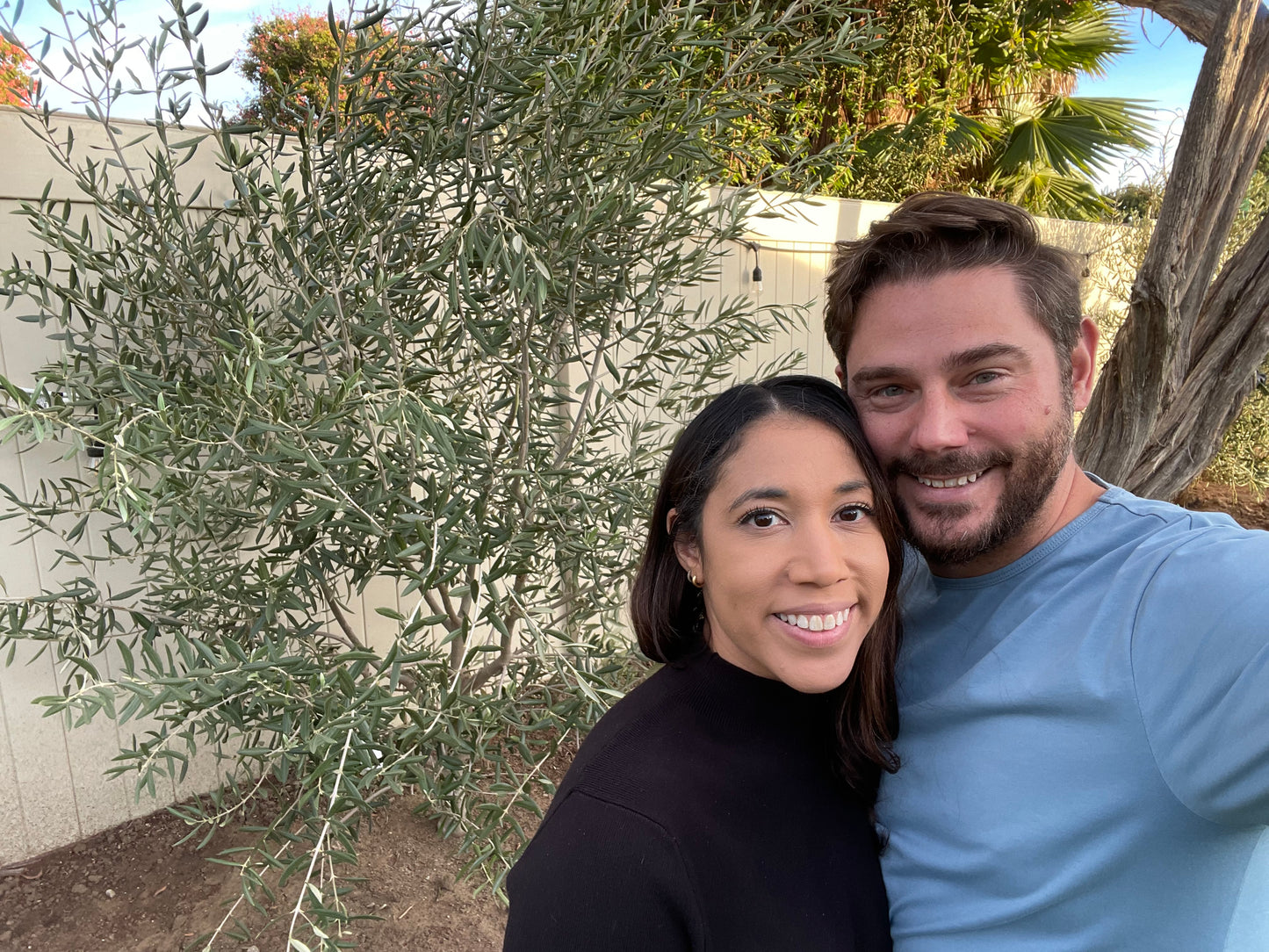
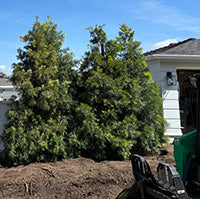
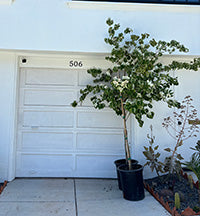
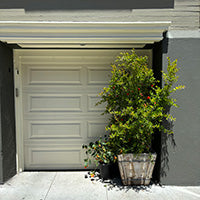
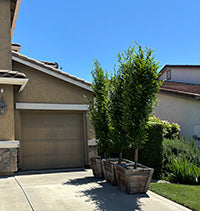
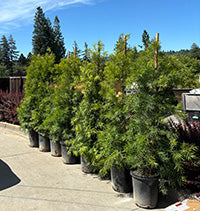
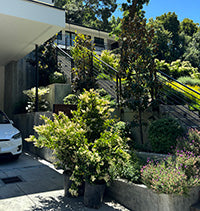
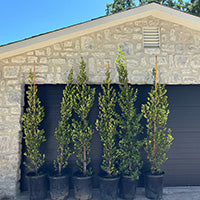
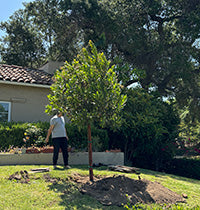
Yardwork was so great to work with. First they had the Swan Hill olive trees that we had been searching for, we had contacted several other nurseries without any luck previously. Then they answered all of our questions in a timely matter prior to ordering and finally delivered within a few days of placing it. Their staff is incredibly knowledgeable; they delivered and planted our trees with expertise to ensure that they would do well in our yard. We would definitely work with them again for future projects.











A Modern Experience
At Yardwork, we carefully curate thousands of plants, in all container sizes, to provide you with the best selection of the highest quality trees and plants at the best price, with the convenience of an online platform.
Uncompromised Quality
We choose only the finest specimens and hand select our plants just before delivery to ensure you receive the freshest and most robust specimens available for your landscape.
Industry Leading Warranties
Our 30, 90, and 365 extended warranties provide some of the best coverage to ensure our trees and plants thrive in your landscape.
Frequently Asked Questions
We're committed to changing everything about trees and plants - how they’re grown, how you shop for them, and how much they cost. We handle orders ourselves. No middlemen to get between us (or our prices) and you.
We're committed to changing everything about trees and plants - how they’re grown, how you shop for them, and how much they cost. We handle orders ourselves. No middlemen to get between us (or our prices) and you.
Delivery does not include unloading of trees and plants LARGER than a 24" box.
Trees and plants in smaller containers will be dropped curbside (usually on the driveway or near the front doorstep).
Delivery beyond a curbside drop will be charged extra.
Trees and plants that are sold in container sizes LARGER than a 24" box size will require equipment and/or enough manpower onsite to help unload from the truck.
Please reach out to our team PRIOR to placing your order to help coordinate.
Our team can provide unloading assistance with equipment for an extra fee as well.
Delivery does not include unloading of trees and plants LARGER than a 24" box.
Trees and plants in smaller containers will be dropped curbside (usually on the driveway or near the front doorstep).
Delivery beyond a curbside drop will be charged extra.
Trees and plants that are sold in container sizes LARGER than a 24" box size will require equipment and/or enough manpower onsite to help unload from the truck.
Please reach out to our team PRIOR to placing your order to help coordinate.
Our team can provide unloading assistance with equipment for an extra fee as well.
We ship locally within California within 7-10 days of your order being placed.
We ship nationally using carrier partners, based on order size. Our common order minimums for out of state shipping is $5,000.
Text or call 323-576-4159 for specific shipping details for your location.
We ship locally within California within 7-10 days of your order being placed.
We ship nationally using carrier partners, based on order size. Our common order minimums for out of state shipping is $5,000.
Text or call 323-576-4159 for specific shipping details for your location.
We are currently online only and don't have physical locations where you can view plants in person.
That's why we have photos direct from the growing grounds of the plants we will ship and we display pricing right in our store.
We do make sure to pick the very best trees and plants prior to shipping and make sure that they have gone through our multi-point inspection for health and structure.
We will always reach out prior to delivery if we find a quality issue or need to provide a substitute.
We are currently online only and don't have physical locations where you can view plants in person.
That's why we have photos direct from the growing grounds of the plants we will ship and we display pricing right in our store.
We do make sure to pick the very best trees and plants prior to shipping and make sure that they have gone through our multi-point inspection for health and structure.
We will always reach out prior to delivery if we find a quality issue or need to provide a substitute.
Plants vary greatly by type. Here is a rough idea of sizes based on containers that are direct from our growing grounds.
15 Gallon Shrub 3-4 Ft. Tall
15 Gallon Tree 5-6 Ft. Tall
24" Box Shrub 5-6 Ft. Tall
24" Box Tree 6-7 Ft. Tall
36" Box Shrub/Tree 7-9 Ft. Tall
48" Box Shrub/Tree 8-10 Ft. Tall
**Please note that we do not make guarantees of sizes. If you have questions or concerns, please call or text to request accurate sizing for the particular plant you're considering, prior to ordering.
Plants vary greatly by type. Here is a rough idea of sizes based on containers that are direct from our growing grounds.
15 Gallon Shrub 3-4 Ft. Tall
15 Gallon Tree 5-6 Ft. Tall
24" Box Shrub 5-6 Ft. Tall
24" Box Tree 6-7 Ft. Tall
36" Box Shrub/Tree 7-9 Ft. Tall
48" Box Shrub/Tree 8-10 Ft. Tall
**Please note that we do not make guarantees of sizes. If you have questions or concerns, please call or text to request accurate sizing for the particular plant you're considering, prior to ordering.
We offer a limited 30 day warranty for plants that are delivered and planted by someone else and a 90 day warranty for plants that we plant.
The limited warranty covers plants that die as a result of disease or fungus which was derived from our growing grounds or from root balls that were root bound.
The warranty does not cover damage due to watering, fertilizer, soils, or any other conditions beyond our control. Additionally, the warranty does not cover plants that are shipped out of the state of California or shipped into California from other states. Custom plant orders are also not covered under warranty. Plants must be planted within 24 hours after delivery to qualify.
We can assist you in recommending the right soils and fertilizers to help your plant thrive after you plant it.
Text or call 323-576-4159 for further warranty information.
We offer a limited 30 day warranty for plants that are delivered and planted by someone else and a 90 day warranty for plants that we plant.
The limited warranty covers plants that die as a result of disease or fungus which was derived from our growing grounds or from root balls that were root bound.
The warranty does not cover damage due to watering, fertilizer, soils, or any other conditions beyond our control. Additionally, the warranty does not cover plants that are shipped out of the state of California or shipped into California from other states. Custom plant orders are also not covered under warranty. Plants must be planted within 24 hours after delivery to qualify.
We can assist you in recommending the right soils and fertilizers to help your plant thrive after you plant it.
Text or call 323-576-4159 for further warranty information.
Our local delivery team covers most cities in California.
There are some exceptions, so please get in touch to confirm prior to ordering.
Additionally, we ship using semi trucks and trailers throughout the entire United States and even abroad for large orders over $5,000. Each shipment is custom, so please reach out to our team to coordinate.
Our local delivery team covers most cities in California.
There are some exceptions, so please get in touch to confirm prior to ordering.
Additionally, we ship using semi trucks and trailers throughout the entire United States and even abroad for large orders over $5,000. Each shipment is custom, so please reach out to our team to coordinate.