Olive Trees for Sale – Shop Premium Varieties From Yardwork Nursery
Olive trees bring evergreen structure, edible harvests, and sculptural Mediterranean beauty to home landscapes. With silvery green foliage, small dark green leaves, fragrant spring flowers, and a recognizable shape that becomes more dramatic with age, an olive tree can add shade, texture, and long-term value to a yard, patio, orchard, or commercial property.
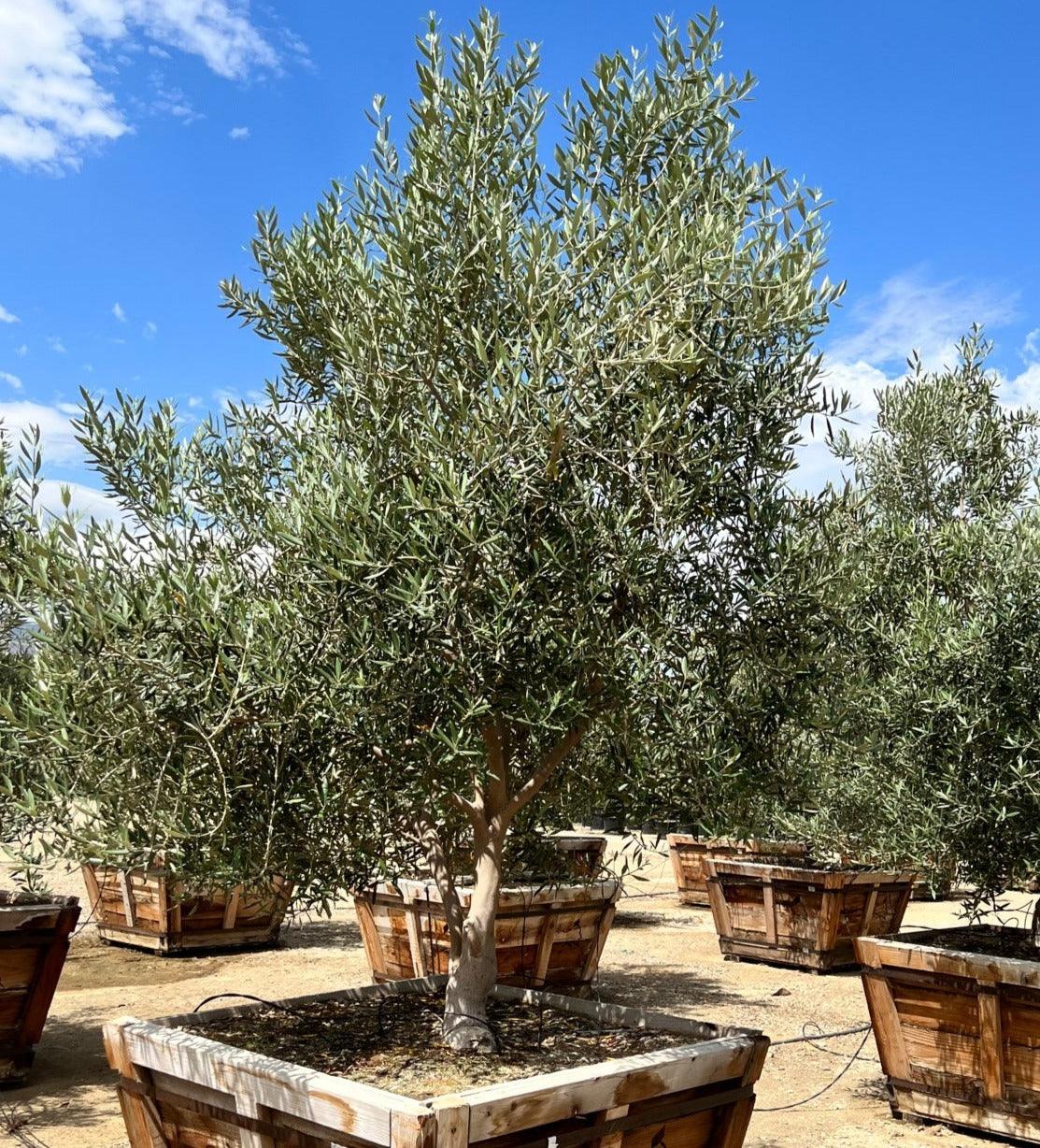
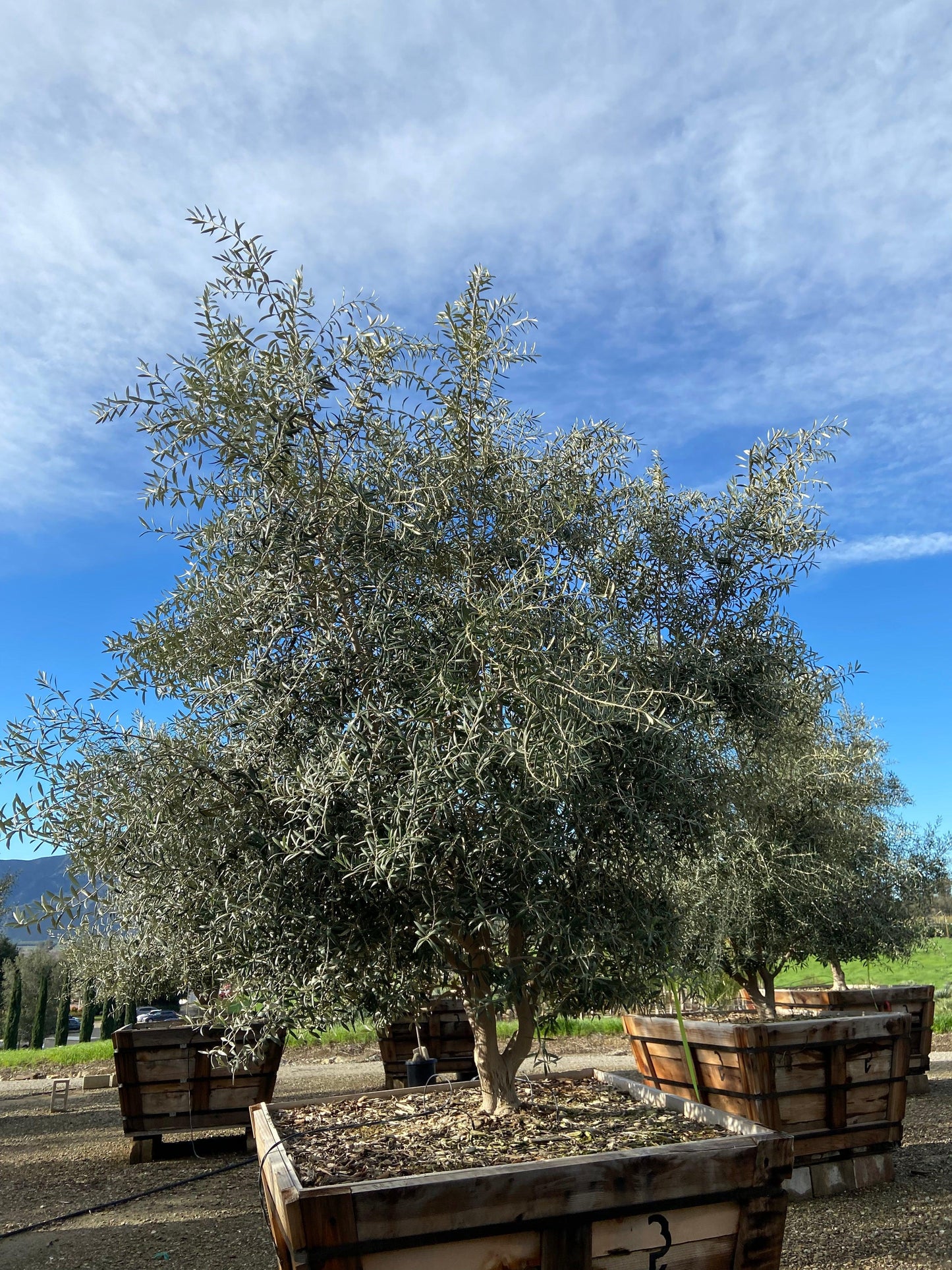
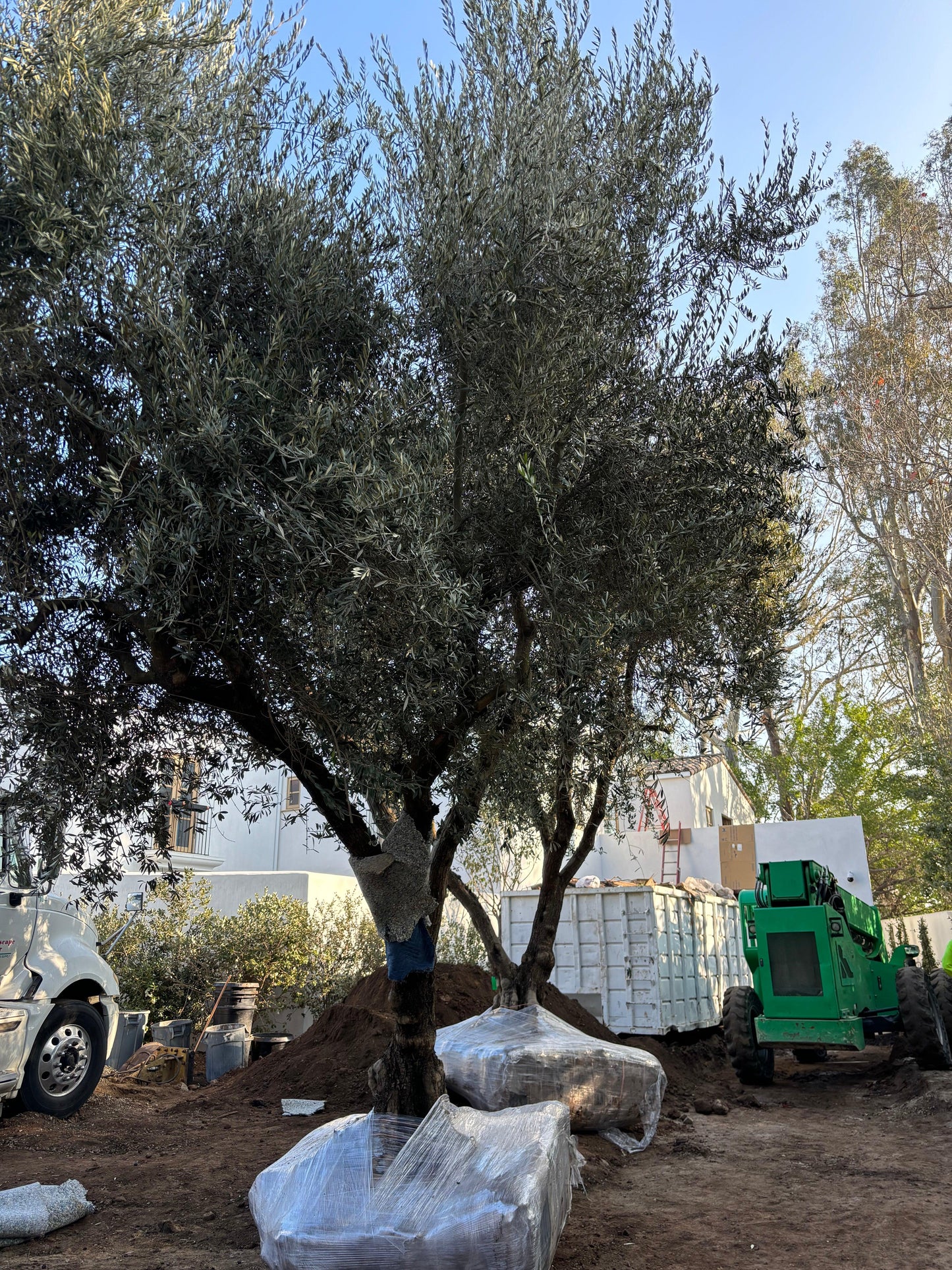
Shop olive trees in a range of sizes, from young saplings to mature olive trees and ancient olive trees with gnarled trunks and instant landscape presence. Whether you want olive oil, table olives, fruitless olive trees, or a statement tree for a California garden, Yardwork helps you choose the right cultivar for your climate, soil, space, and design goals.
Find the perfect olive tree variety for your landscape and start growing a tree prized around the world for its beauty, resilience, and flavorful olives.
Olive Trees for Every Purpose
Olive tree varieties are selected for different goals: oil, table fruit, low-mess landscaping, privacy, or architectural beauty. The best choice depends on whether you want olives to harvest, a tree that will bear fruit reliably, or a fruitless ornamental specimen for clean hardscapes and patios.
Oil Production Olive Trees
For olive oil, choose proven cultivars such as the Arbequina olive tree, Frantoio, Koroneiki, Pendolino, Picual, Mission, or Manzanillo. Oil-focused varieties are prized for high oil content, dependable yield, and flavor profiles ranging from mild and buttery to peppery, grassy, and robust.
The Arbequina olive tree is a smaller variety that produces small, flavorful olives, is self-pollinating, and is known for its adaptability to various climates. It is a strong choice if you want one tree and still expect fruit, though any buyer planning to purchase only one tree for fruit production should verify it is a self-pollinating variety. Some cultivars are self fertile, while others produce better when nearby trees cross pollinate and provide compatible pollen.
Grafted olive trees often begin to bear fruit in about 3–5 years, with many home growers seeing early production around 3–4 years in favorable climates. A young Arbequina may produce a modest harvest, while established orchard trees can yield much more. Many oil cultivars produce roughly 18–25% oil by fruit weight, depending on the cultivar, harvest date, ripeness, and care. The Pendolino olive tree is appreciated for its high oil content and early ripening, making it a favorite among olive oil producers.
Table Olive Trees
For table olives, look for varieties selected for fruit size, texture, flesh-to-pit ratio, and curing quality. Kalamata, Manzanillo, Cerignola, Sevillano, Ascolano, and Mission are popular choices for flavorful olives served green, black, brined, or dry-cured.
The Mission olive tree is known for producing large, juicy olives that are ideal for making oil or table olives, and it can thrive in various soil types. The Sevillano olive tree is recognized for producing large black olives with low to moderate oil content, and it thrives best when planted near other Sevillano trees. The Manzanillo olive tree is known for producing smaller fruit with a higher oil content and is the most commonly planted commercial variety of olive tree.
Table olives are not eaten straight from the tree because fresh olive fruit is naturally bitter. After harvest, olives must be cured through brining, water curing, lye curing, fermentation, or dry salt curing. The curing process can take weeks to months, but it transforms firm fruit into rich, savory table olives with distinct regional character.
Ornamental & Landscaping Trees
If your priority is beauty with little cleanup, fruitless olive trees are ideal for courtyards, pool areas, patios, parking lots, and formal landscapes. They offer the same Mediterranean shape, branching structure, and silvery foliage without the regular fruit drop associated with productive cultivars.
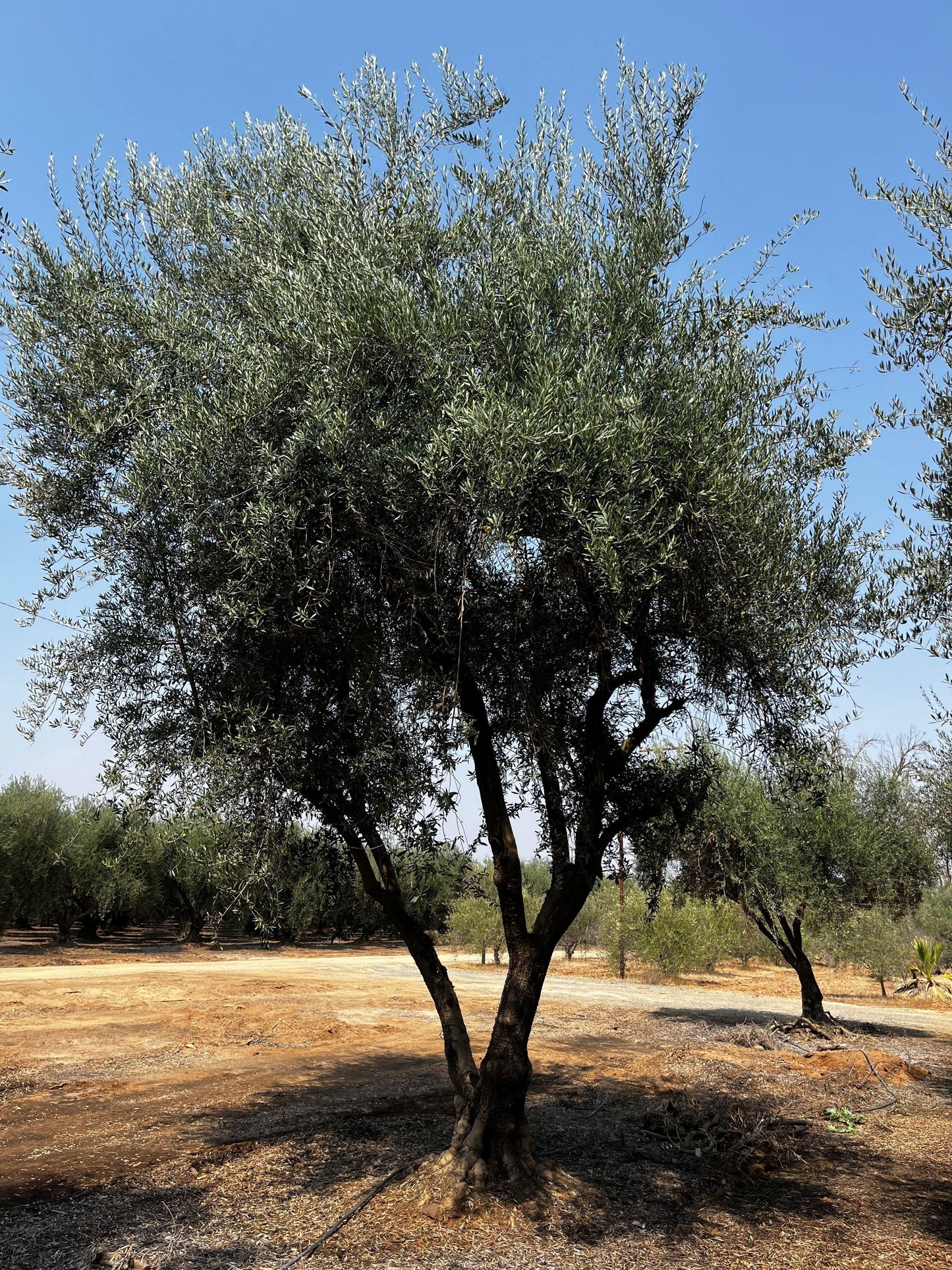
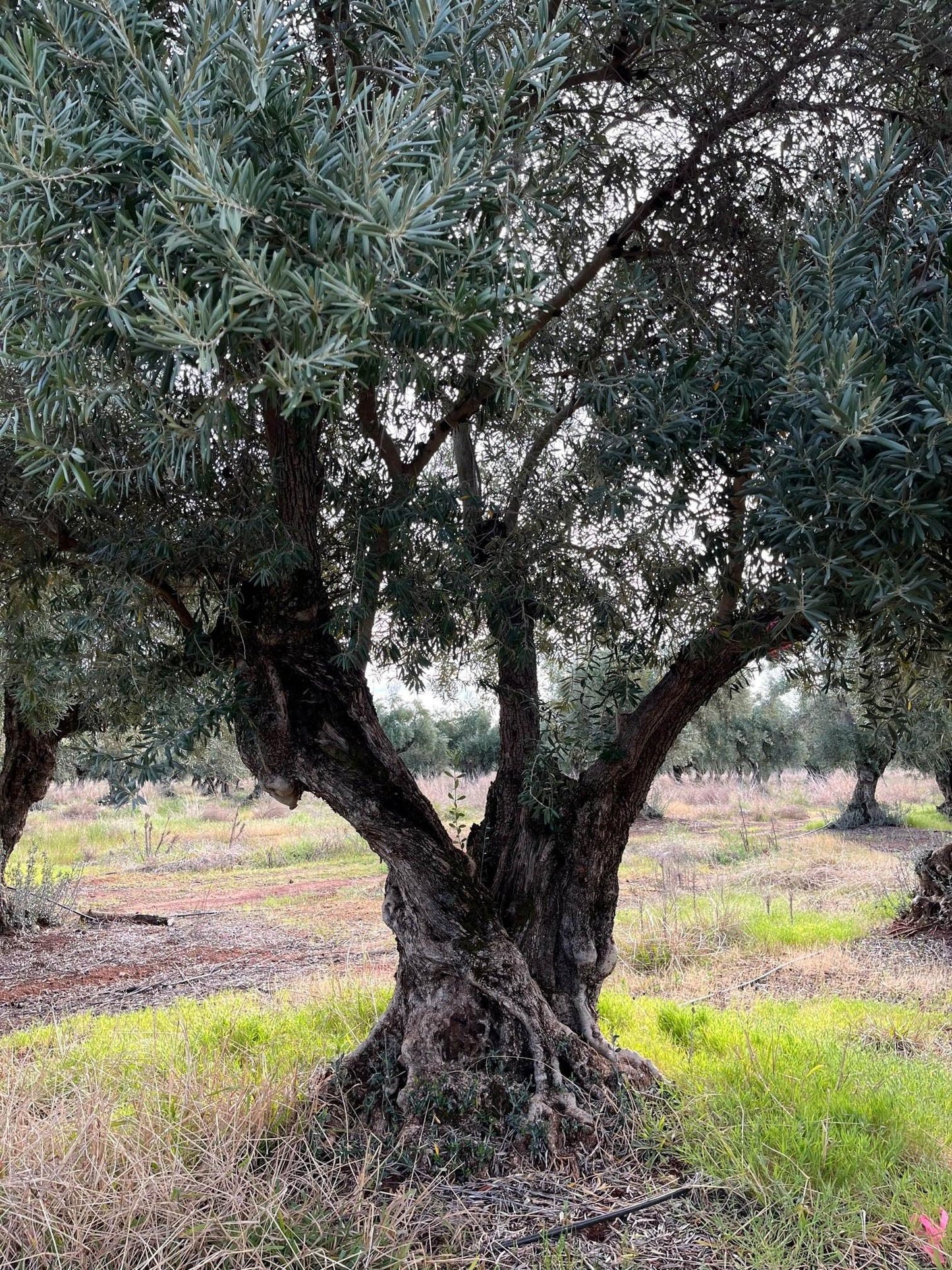
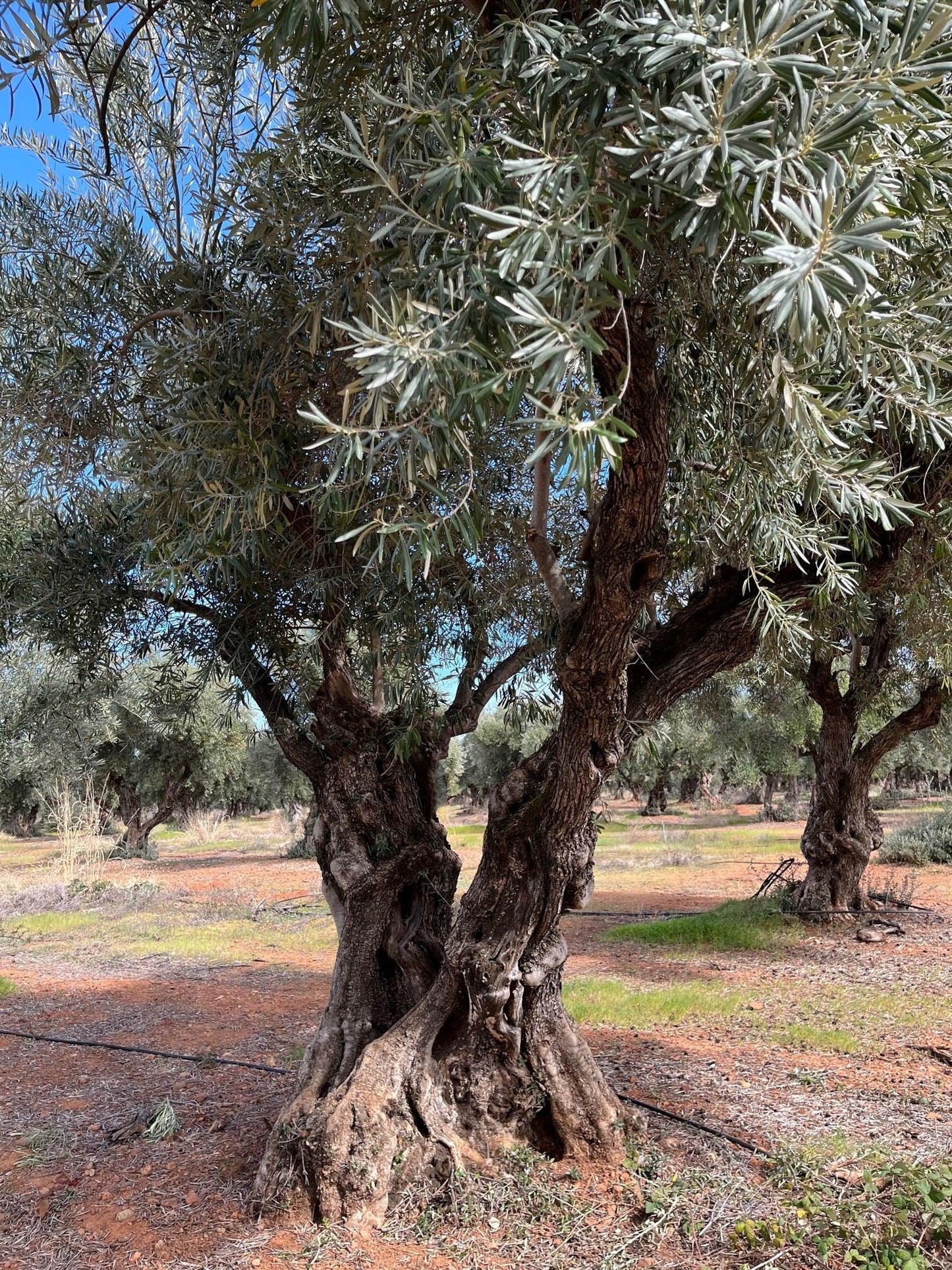
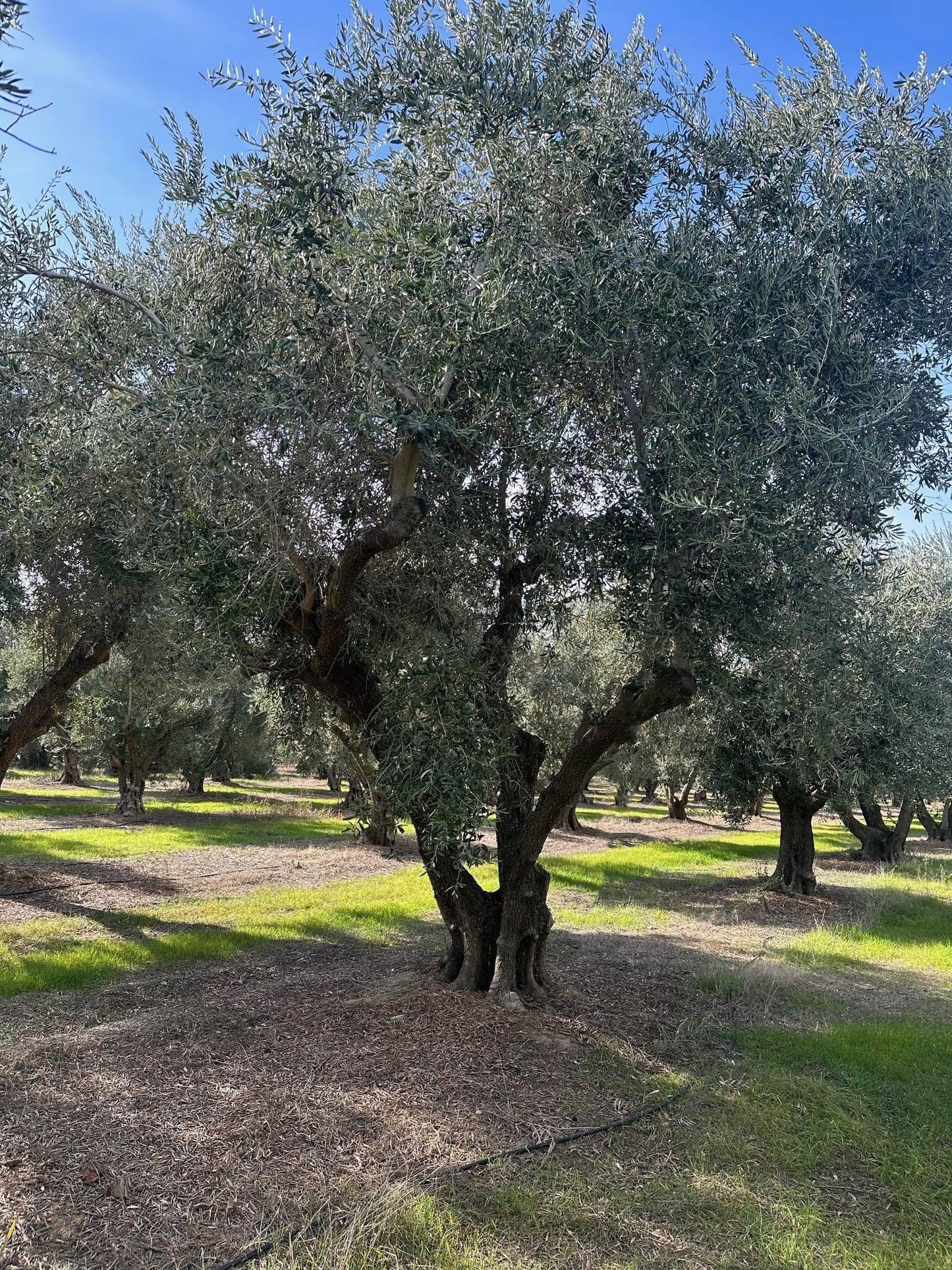
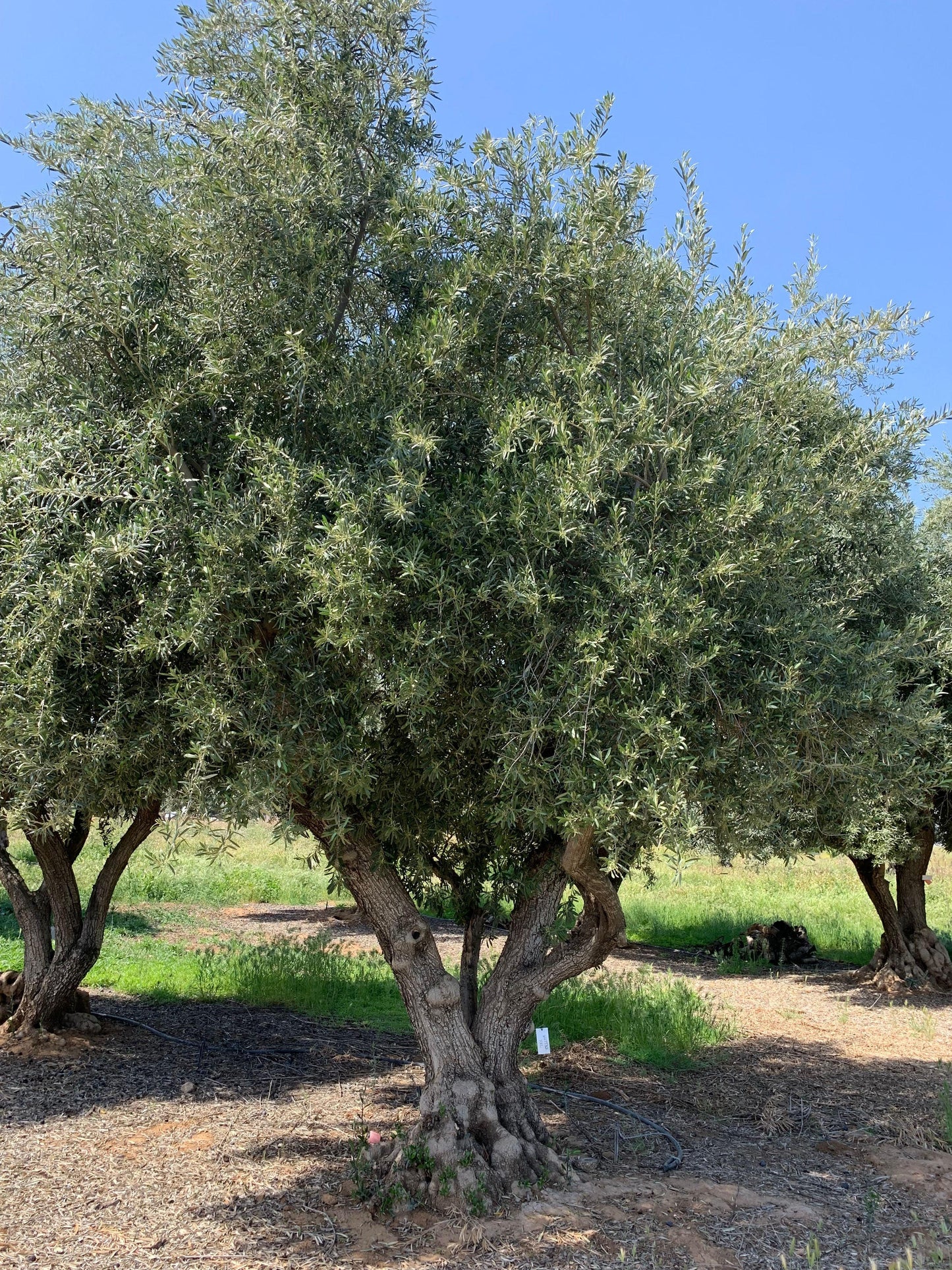
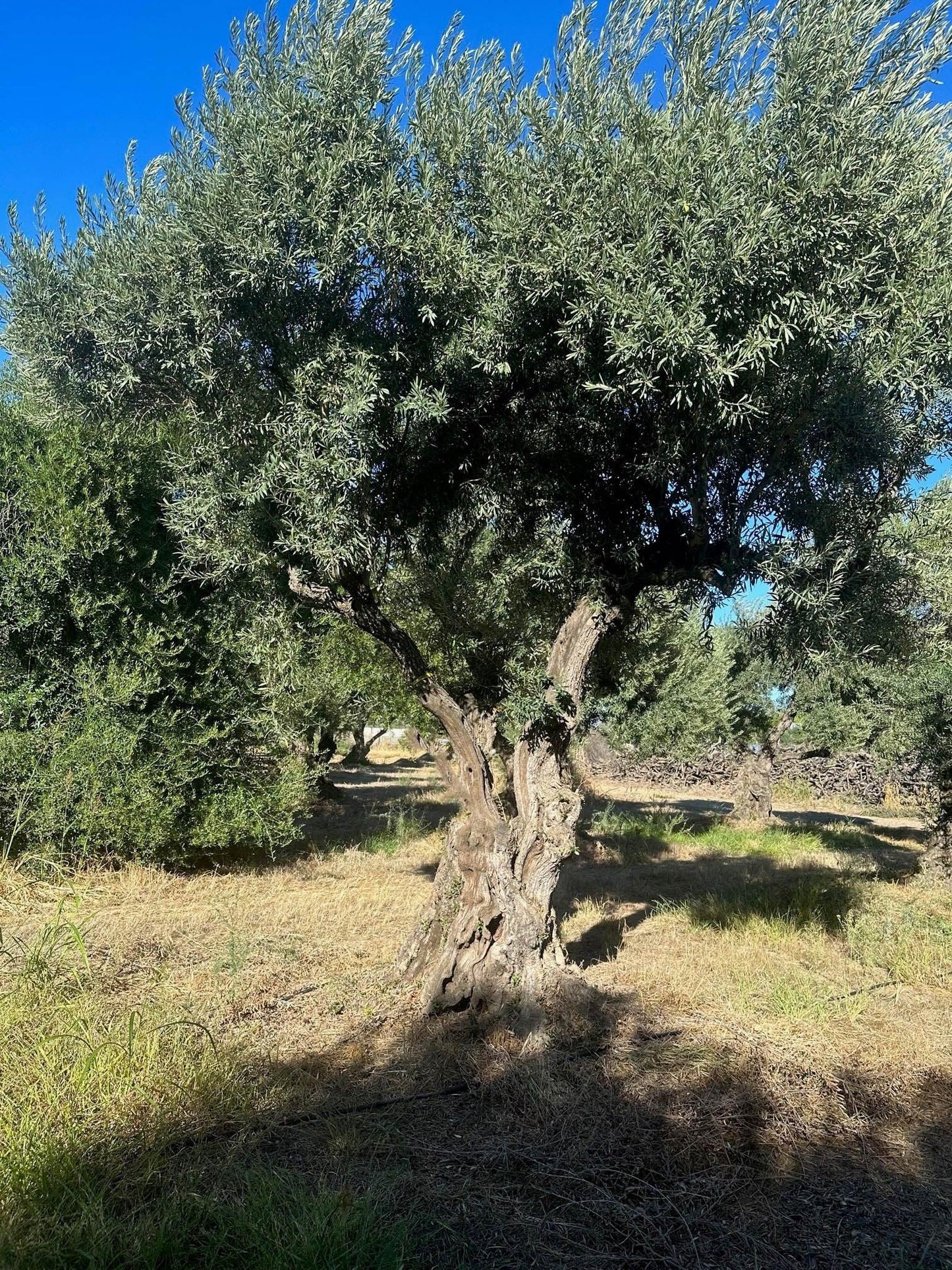
Mature olive trees are known for their structural beauty, unique character, and long lifespan, often living between 300 and 600 years. These trees provide instant shade and can create unique landscape designs, making them a popular choice for both residential and commercial landscaping. Ancient olive trees and mature specimens deliver majestic beauty immediately, with twisting trunks, layered branches, and a sculptural presence that young trees develop only over time.
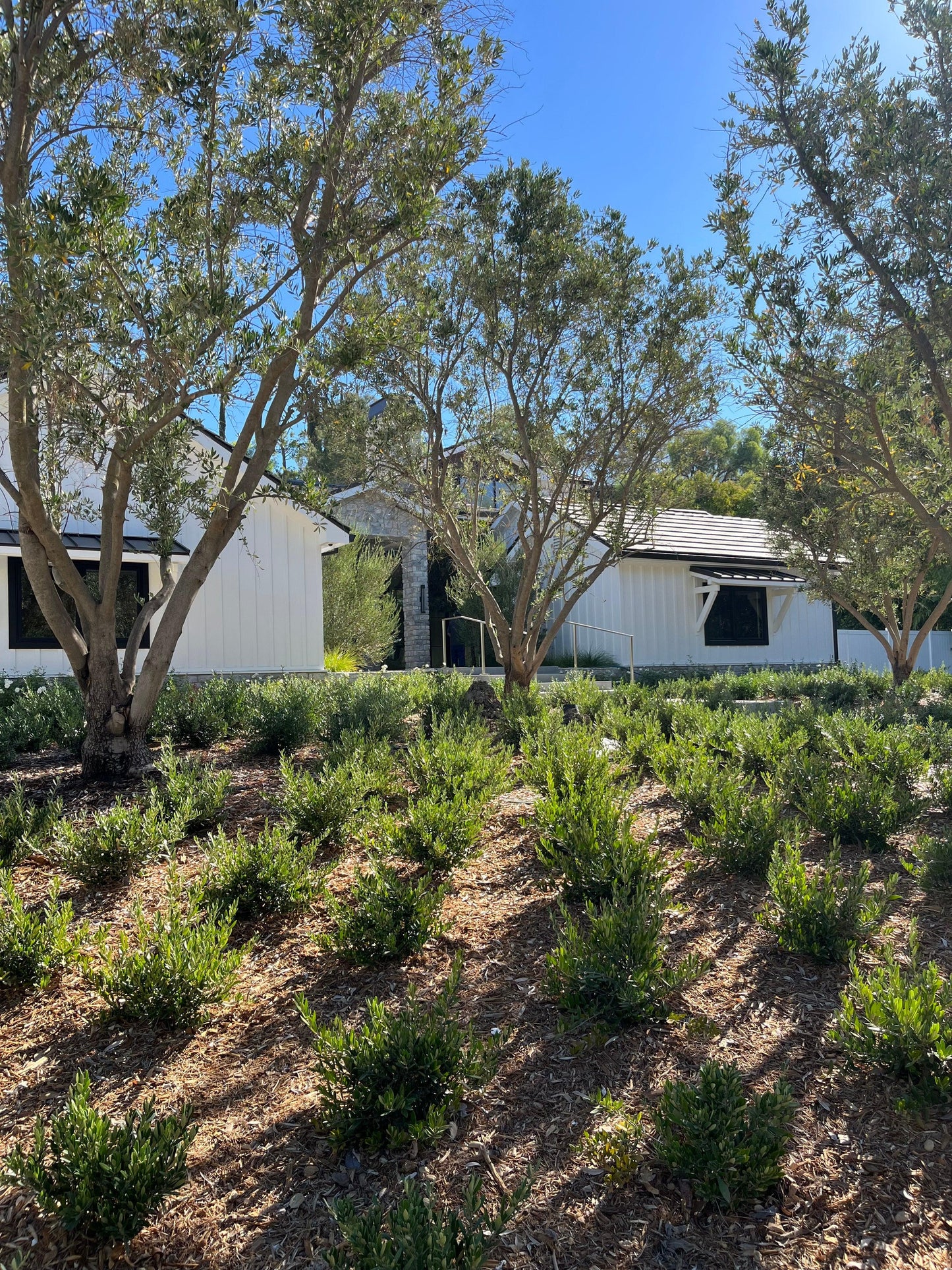
Use ornamental olive trees such as Little Ollie dwarf olives as privacy screens, focal points, entry trees, or patio anchors. Their green-gray foliage works well with gravel, stone, grasses, succulents, lavender, rosemary, and other drought-tolerant planting palettes.
Choose the Right Olive Tree for Your Climate
Olive trees generally require a Mediterranean climate with long, hot summers and cool winters. Healthy olive trees require between 300 to 1,000 chill hours to set fruit, with sustained hard freezes below 15 °F being fatal. Various olive tree varieties thrive in specific USDA hardiness zones, influencing their adaptation to cold or hot climates.
For Mediterranean Climates
In coastal and inland California climates, classic choices include Mission olive, Sevillano olive trees, Picual, Koroneiki, Frantoio, and Arbequina. These olive trees thrive in full sun, warm summers, cool winters, and dry air, making them well suited to regions from Orange County and San Diego to Napa Valley, San Francisco microclimates, and parts of Northern California.
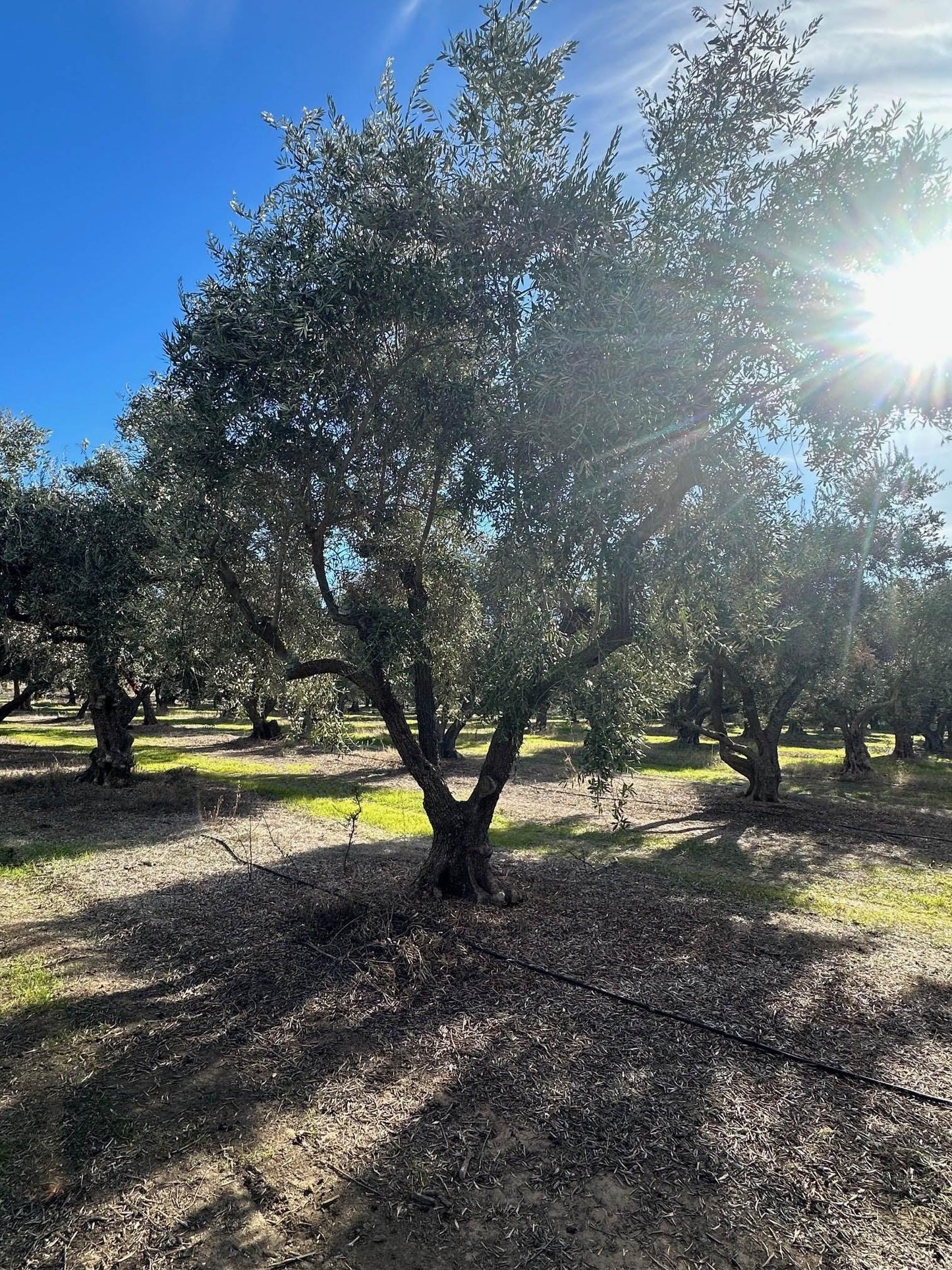
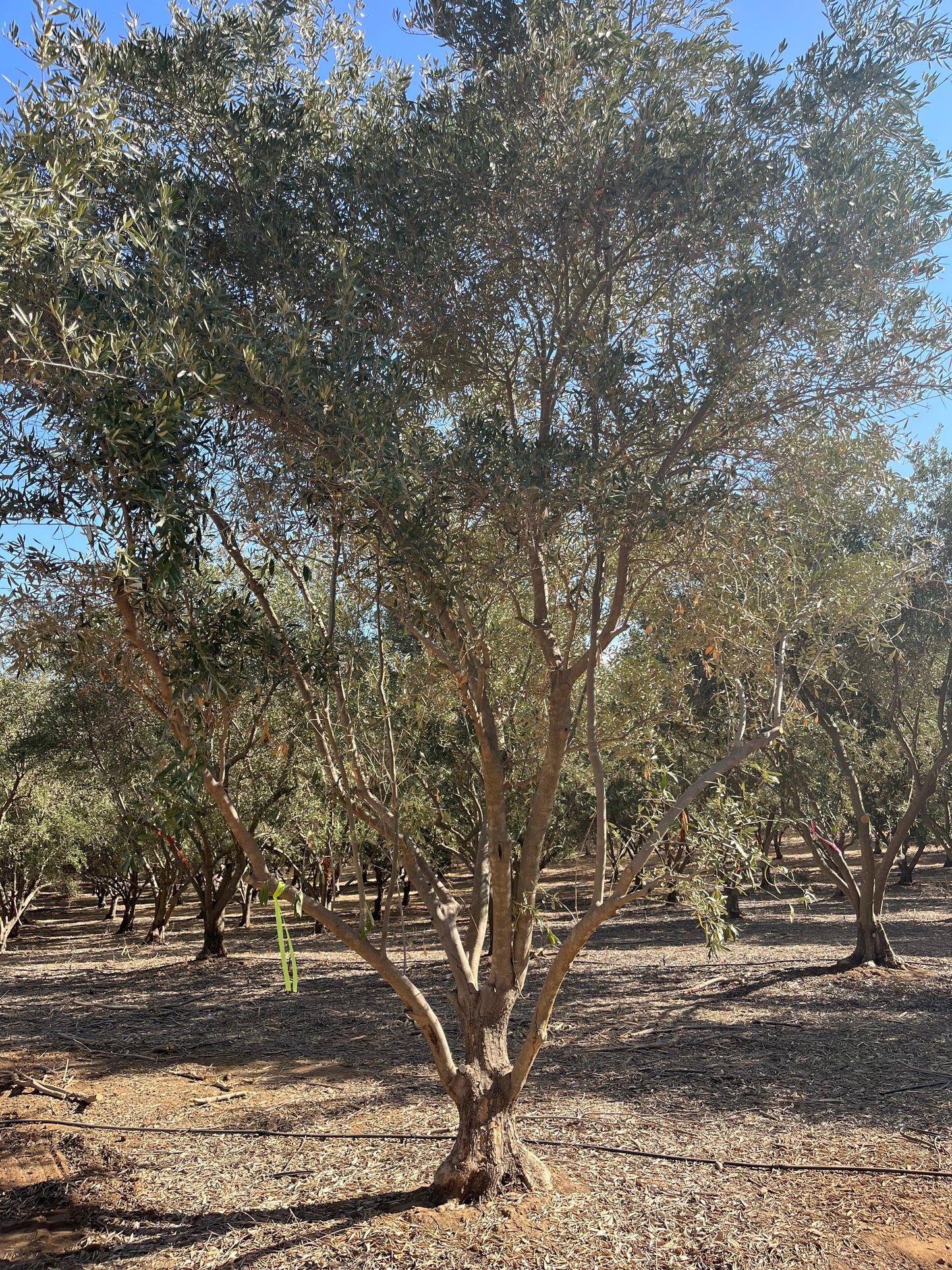
Olive trees are evergreen and should exhibit lush, silver-green foliage, a gnarled trunk, and fine-textured branching that define what an olive tree looks like. Once established, olive trees are drought resistant and require minimal care, thriving in a variety of soil types, although they prefer well-drained soil. Mission olive tree selections are especially valued in California because they adapt to different soil types and can produce fruit for both oil and table use.
For Cooler Regions
For cooler zones, choose cold-tolerant cultivars such as Maurino, Leccino, Frantoio, Arbequina, and Mission. Leccino is often favored for marginal climates, while Frantoio offers strong oil quality with moderate hardiness. Some established trees may tolerate temperatures near 10–15°F in protected locations, but younger trees are more tender and need shelter from severe cold.
Cold protection matters most during the first year and after transplanting. Site trees in full sun, near south-facing walls when possible, and avoid low pockets where cold air settles. Root health is especially important in winter because wet soil and freezing weather can damage roots quickly.
For Hot, Dry Areas
In hot, dry areas, varieties such as Picual, Arbequina, Koroneiki, Mission, Manzanillo, and semi-fruitless Wilsonii olive trees can perform well when planted correctly. Mature olive trees are weather tolerant and can adapt to extreme heat and cold, thriving in a variety of climates and soil types.
Olive trees are highly drought-tolerant but require deep, regular watering while establishing. After the roots move into the surrounding ground, many trees need only occasional deep irrigation during dry periods. Heat and sunlight can improve ripening, oil concentration, and harvest quality, especially for orchards focused on olive oil production.
For Container Growing
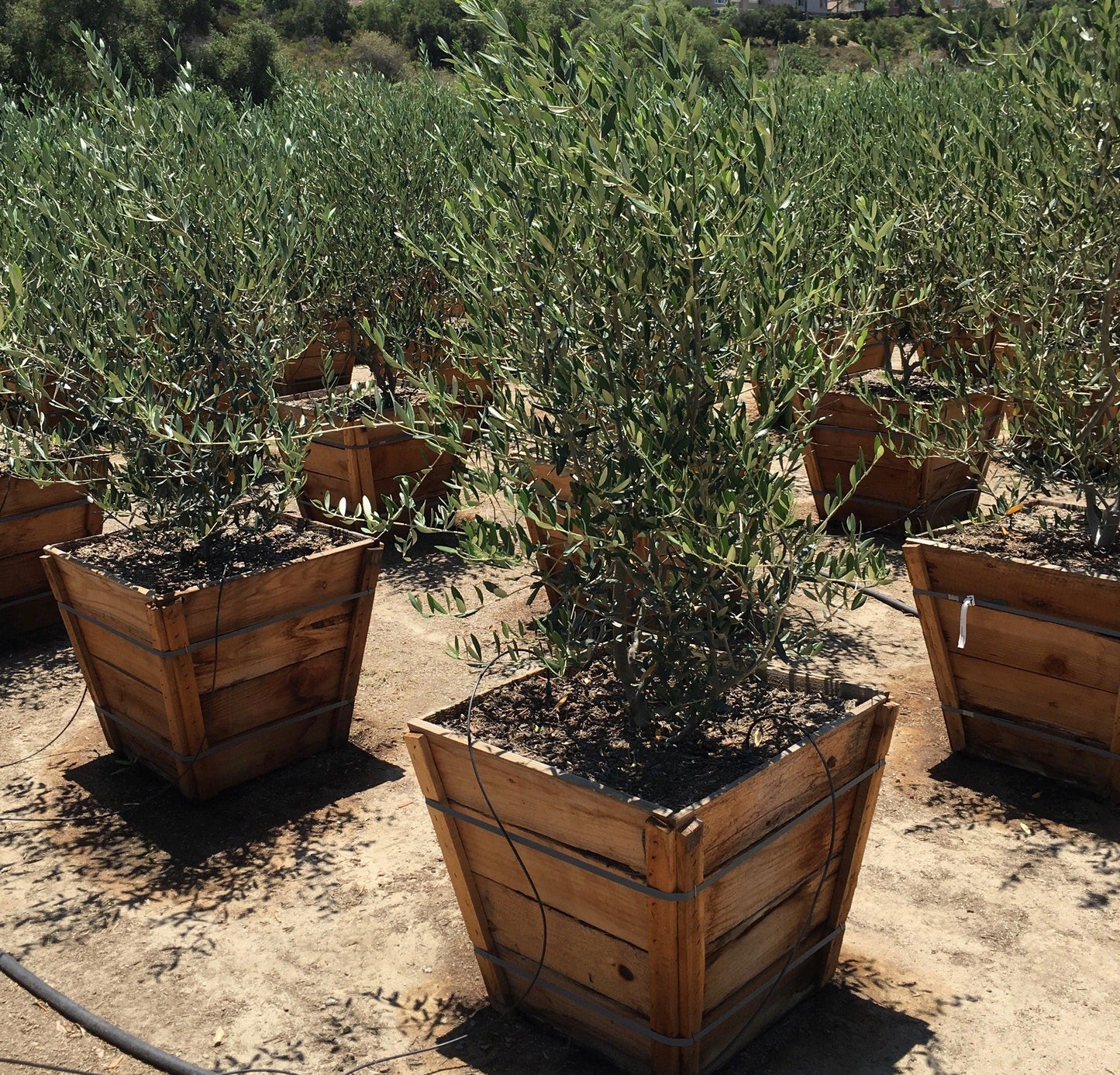
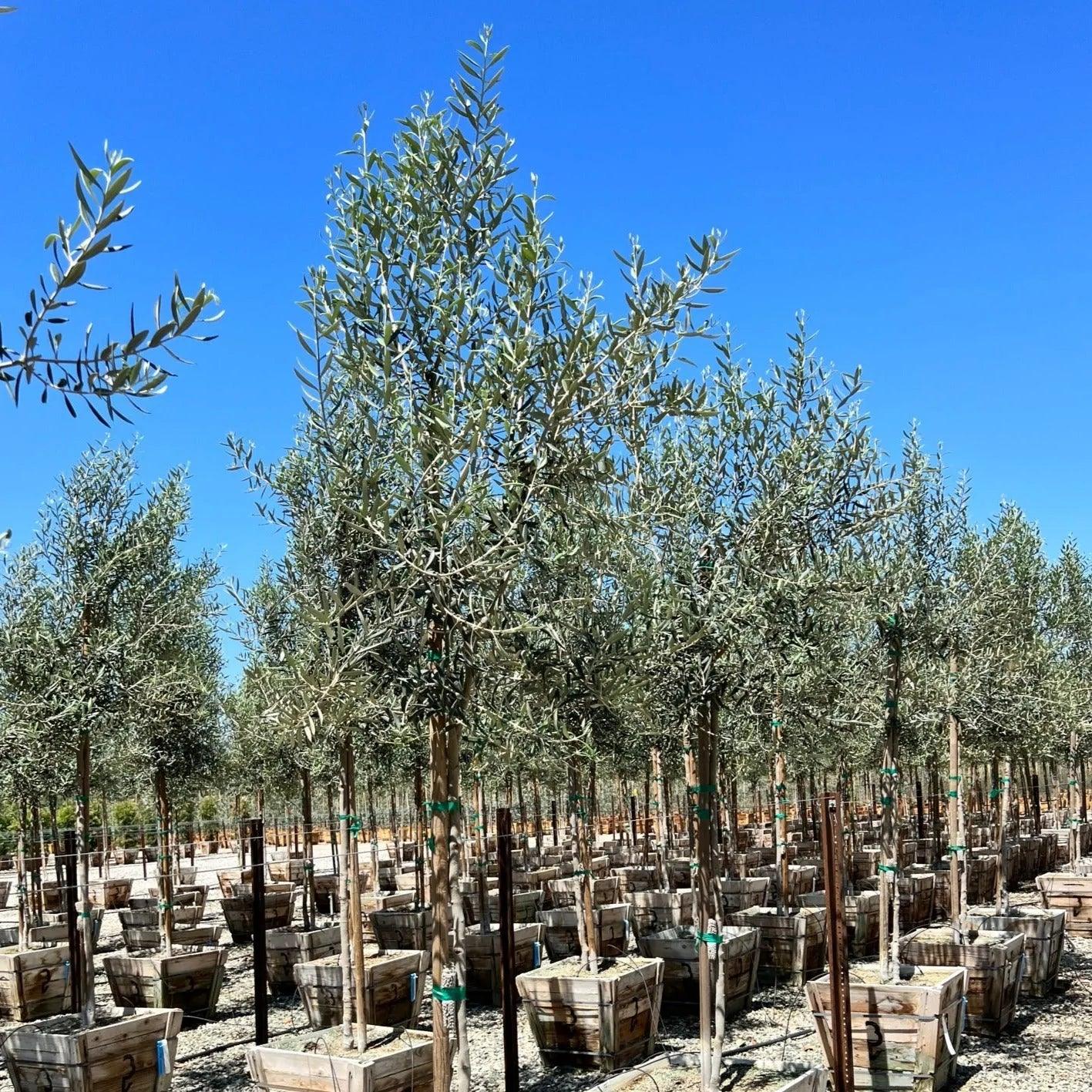
Compact olive tree varieties are excellent for containers, patios, balconies, and movable outdoor spaces. Arbequina is one of the best choices for a container because it stays smaller, adapts well, and is self fertile. Dwarf ornamental selections and some fruitless olive trees, including container-friendly Little Ollie trees, also work well when size management is important.
Container olive trees need full sun outdoors and may be moved indoors temporarily during severe cold, though they should not be treated as low-light houseplants. Use a large container with drainage holes, a gritty soil blend, and enough root space to buffer heat and cold. Mobility is a major benefit in marginal zones because the tree can be protected before damaging freezes arrive.
Premium Varieties That Thrive
The best olive trees for sale combine strong genetics, healthy roots, clean structure, and regional performance. Root health, leaf condition, and structural integrity are important factors in selecting healthy olive trees, whether you are buying a small potted tree, a semi-mature specimen, or a large field-grown olive.
Heritage Italian Varieties
Italian cultivars are prized for authentic flavor, dependable production, and centuries of orchard history. Frantoio is a traditional oil cultivar with fruity, peppery oil and strong performance in warm climates. Leccino is valued for smoother oil, reliable growth, and better cold tolerance than many Mediterranean types.
Coratina produces bold oil with strong character and high polyphenol intensity, making it popular for robust olive oil, while Swan Hill fruitless olive trees are often chosen where clean, low-mess Mediterranean structure is the priority. Pendolino is often planted for early ripening, high oil content, and its usefulness as a pollen source in mixed orchards. These cultivars perform best in full sun with an open canopy maintained through thoughtful pruning.
Spanish Cultivars
Spanish olive tree varieties are widely planted because they are productive, adaptable, and commercially proven. Arbequina is popular for home growers, patios, and high-density orchards because it is compact, adaptable, and self-pollinating. Picual is known for high oil yield, bold flavor, and strong performance in hot climates.
Manzanillo is a major commercial cultivar and a reliable option for table and oil use. Sevillano is valued for large fruit and traditional table olive production, especially where trees are planted with compatible partners to improve fruit set, and mature Sevillano olive trees also offer striking structure and character in the landscape. Spanish cultivars can be excellent choices for California landscapes where sun, heat, and well-drained soil are available.
Cold-Hardy American Selections
American and regionally adapted selections are useful for growers who need stronger climate flexibility. The Mission olive tree remains one of the most important California selections because it can produce oil or table fruit and tolerate a range of soil types.
Cold-hardy and regionally selected cultivars may also offer better disease resistance, improved adaptation to local soil, and more dependable performance in challenging zones. For buyers in Northern California, San Francisco Bay Area microclimates, inland valleys, or cooler foothill locations, Yardwork can help compare cultivar hardiness, fruit goals, and landscape design needs before your first order.
How to Plant Your Olive Tree
Successful olive tree planting starts with sun, drainage, and careful establishment, and it begins with choosing healthy olive trees for sale online that are matched to your site and goals. Transplanting olive trees requires proper maintenance and care to ensure they thrive in their new location. After transplanting, olive trees may experience a shock phase where they need special care to establish a new rooting system.
Site Preparation
Choose a location with full sun, ideally 6–8 hours or more of direct sunlight per day. More sun usually means better growth, stronger branches, improved flowering, and better fruit ripening. Avoid deep shade from buildings, fences, or larger trees.
All olive varieties require well-draining soil and a soil pH between 6.0 and 8.0, starting even at the small-plant stage when you first select olive plants for sale. Ideal soil for olive trees is loose, sandy, or loamy with a neutral to alkaline pH between 7.0 and 8.5. Drainage is crucial for olive trees; they can contract root rot and die in standing water. Heavy clay ground may need grading, mounding, raised planting, or amendment with coarse mineral material to improve drainage.
Plan spacing based on mature size and use. Standard landscape trees often need 15–20 feet of room, while dwarf or container trees can be kept smaller with pruning. If you are creating privacy, shade, or a formal row, spacing should account for future canopy width, harvest access, and airflow.
Planting Techniques
Plant your olive tree at the same depth it grew in the nursery container, keeping the root crown slightly above the surrounding soil line. Do not bury the trunk. If roots are circling, loosen or prune them before planting so they can grow outward into the surrounding soil.
Olive trees require proper watering with an effective draining system during the first year after installation to help establish a new rooting system. It is essential to provide proper watering and a well-draining soil system during the first year after transplanting an olive tree. Water deeply and regularly during the first year, allowing the soil to drain between waterings rather than staying saturated.
To encourage healthy fruit production, olive trees may benefit from a nitrogen-rich fertilizer applied once a month during the growing season. Keep pruning light during establishment: remove damaged, crossing, or poorly placed branches, but avoid heavy cuts until the tree is settled. As the tree matures, maintain an open canopy so light reaches interior branches and fruiting wood.
Shop Olive Trees at Yardwork
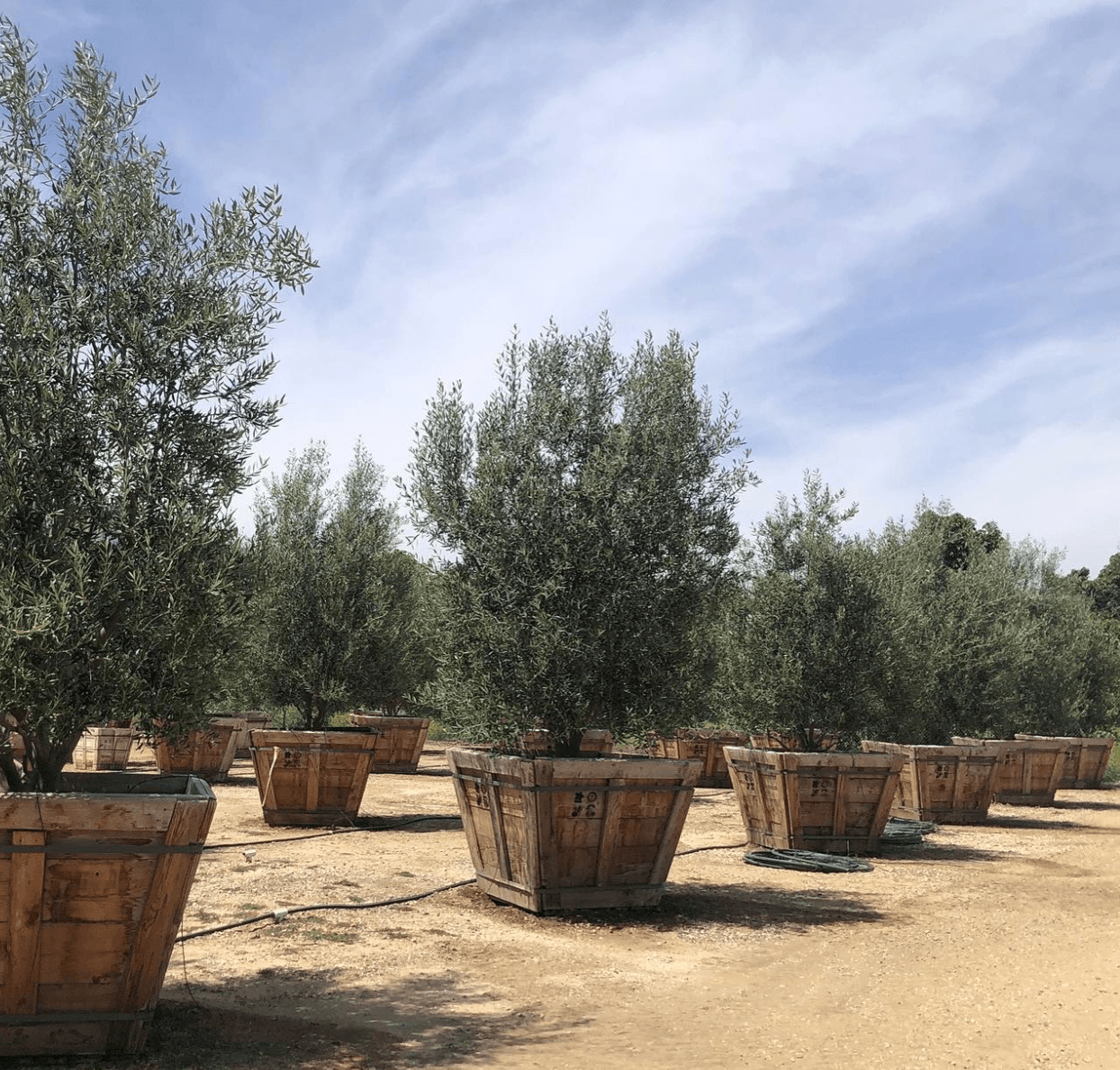
Live olive trees can be purchased through specialized online nurseries and major home improvement retailers, and many customers also pair them with citrus fruit trees for sale, but Yardwork focuses on quality olive trees for sale that are matched to California landscapes, climate zones, and real planting conditions. Our selection includes young trees, productive cultivars, fruitless olive trees, mature olive trees, and ancient olive trees for high-impact design.
Yardwork helps customers choose olive tree varieties for oil, table olives, shade, privacy, containers, orchards, and statement landscapes. We can guide you through self fertile selections, cross pollinate planning, soil preparation, planting timing, first year watering, and long-term pruning.
Browse the collection today to find the right olive tree for your yard, patio, orchard, or commercial landscape.