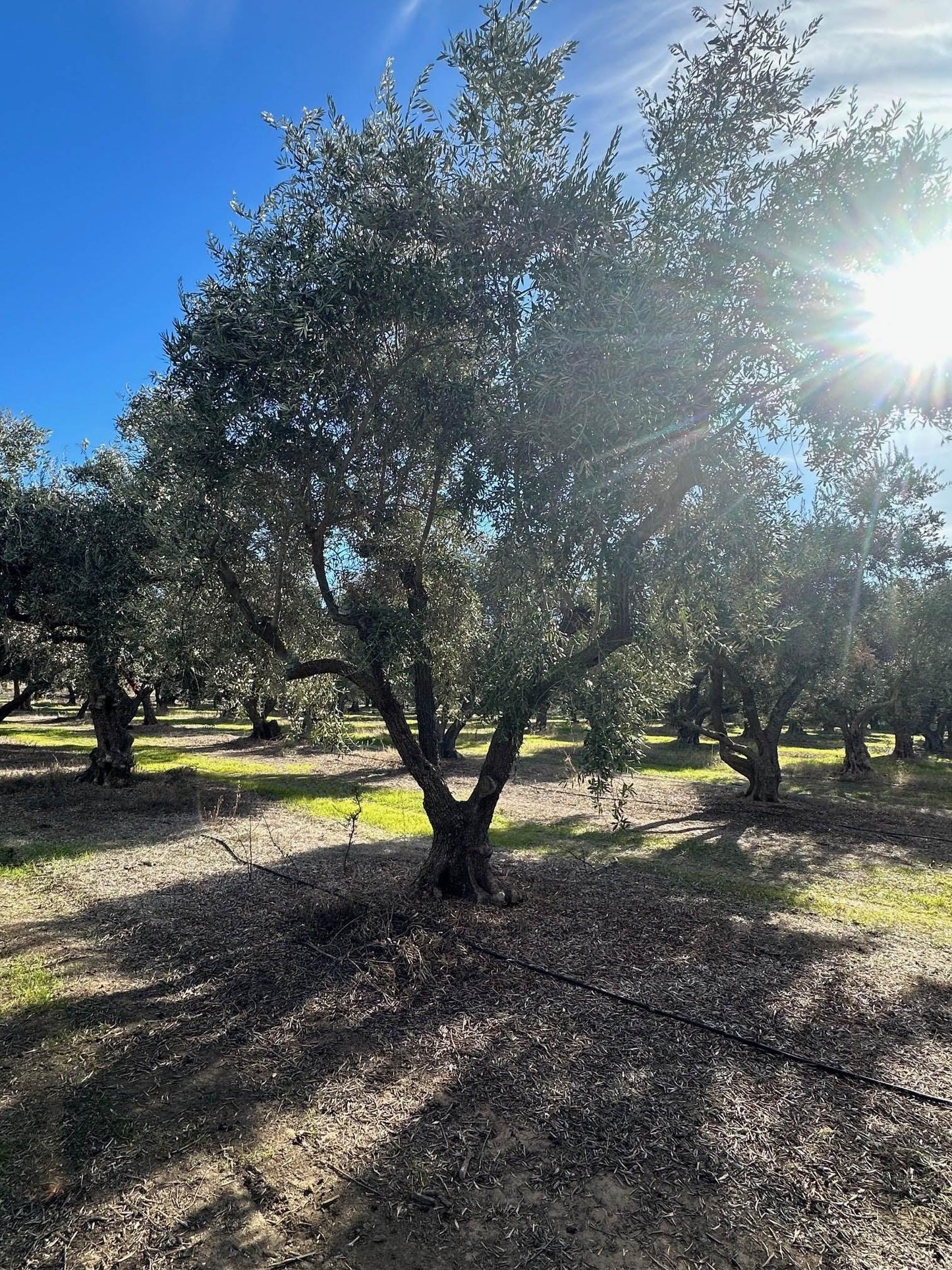
Olive Tree – Shop For Mediterranean Elegance for Your Garden
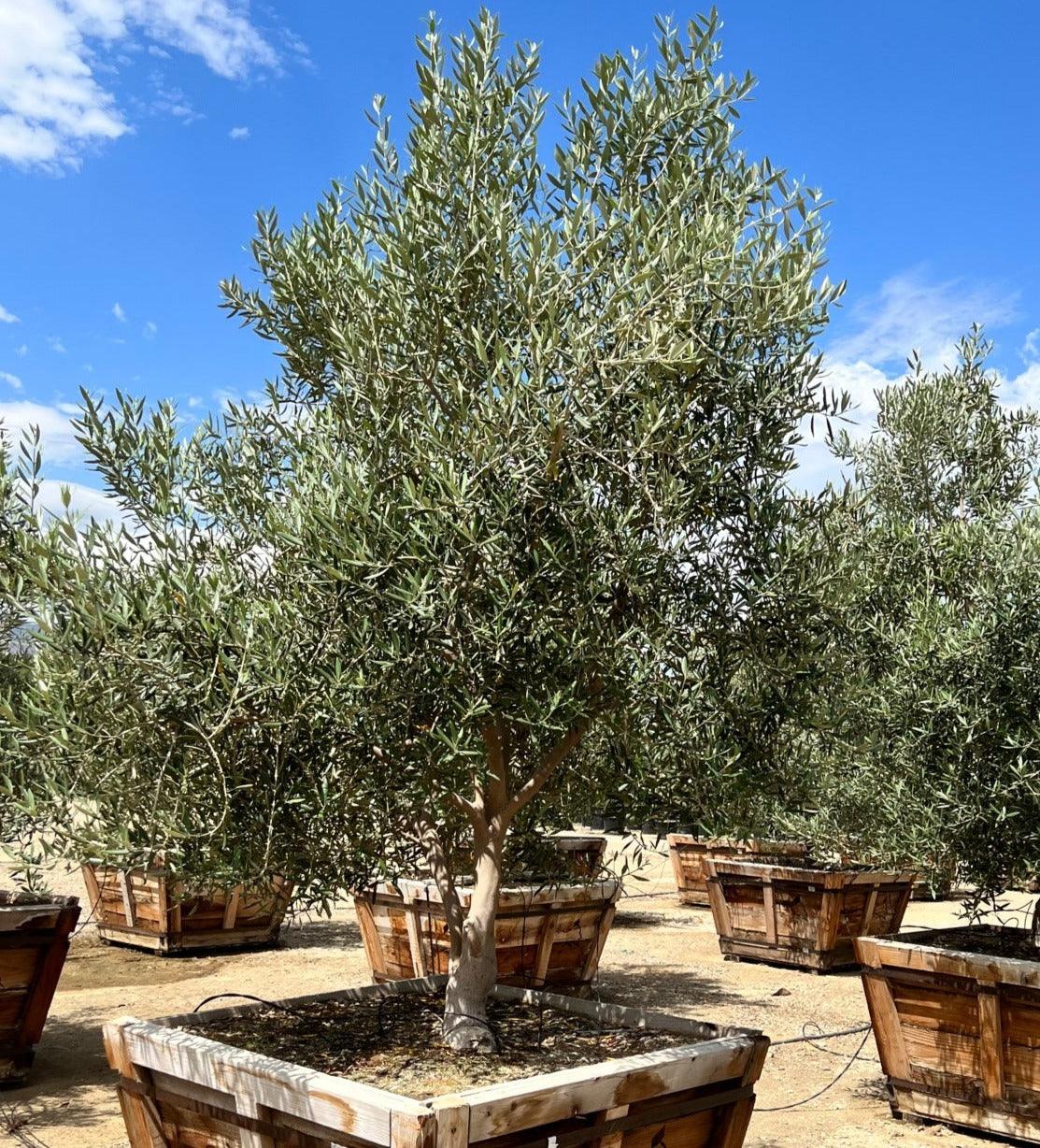
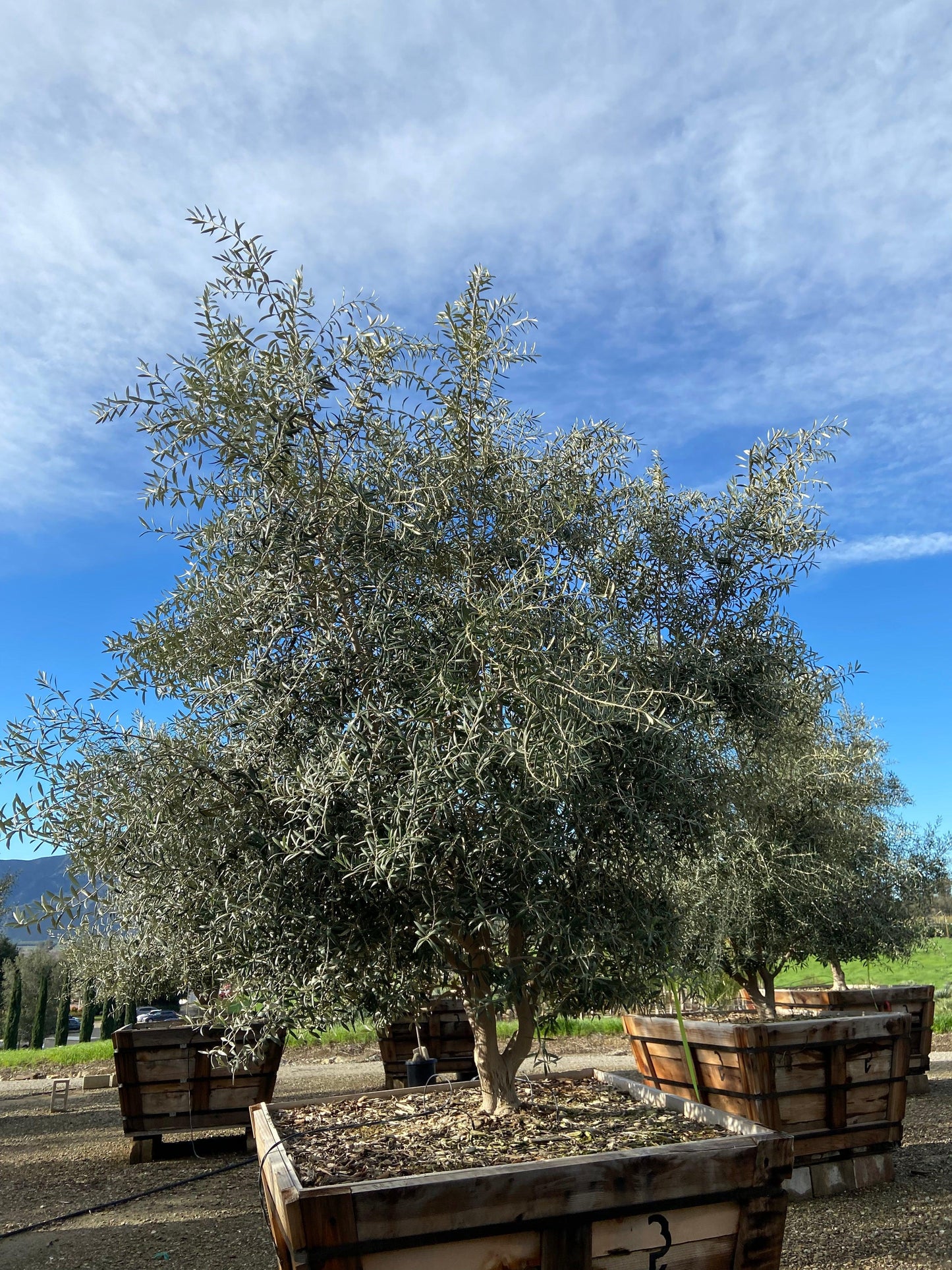
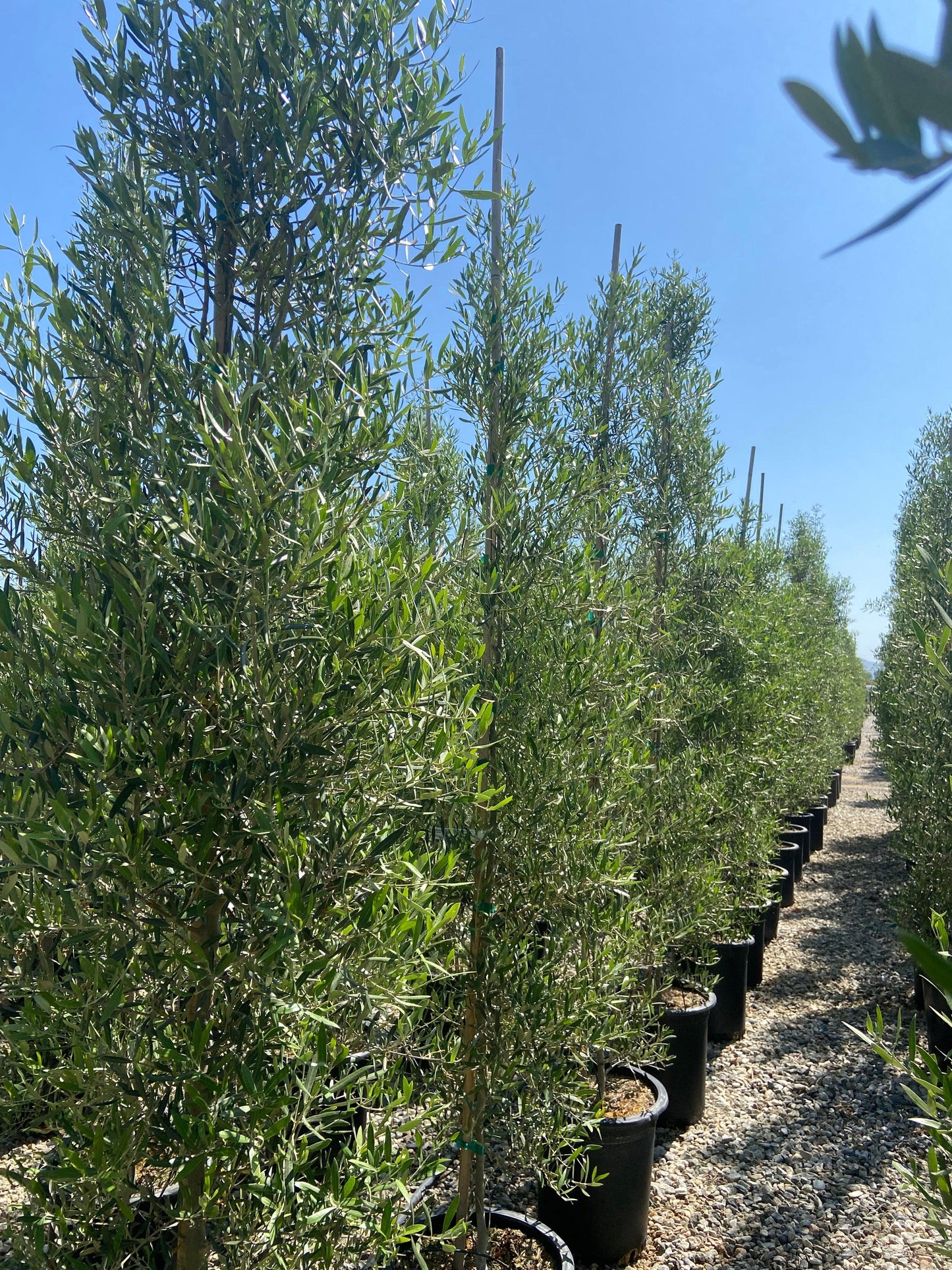
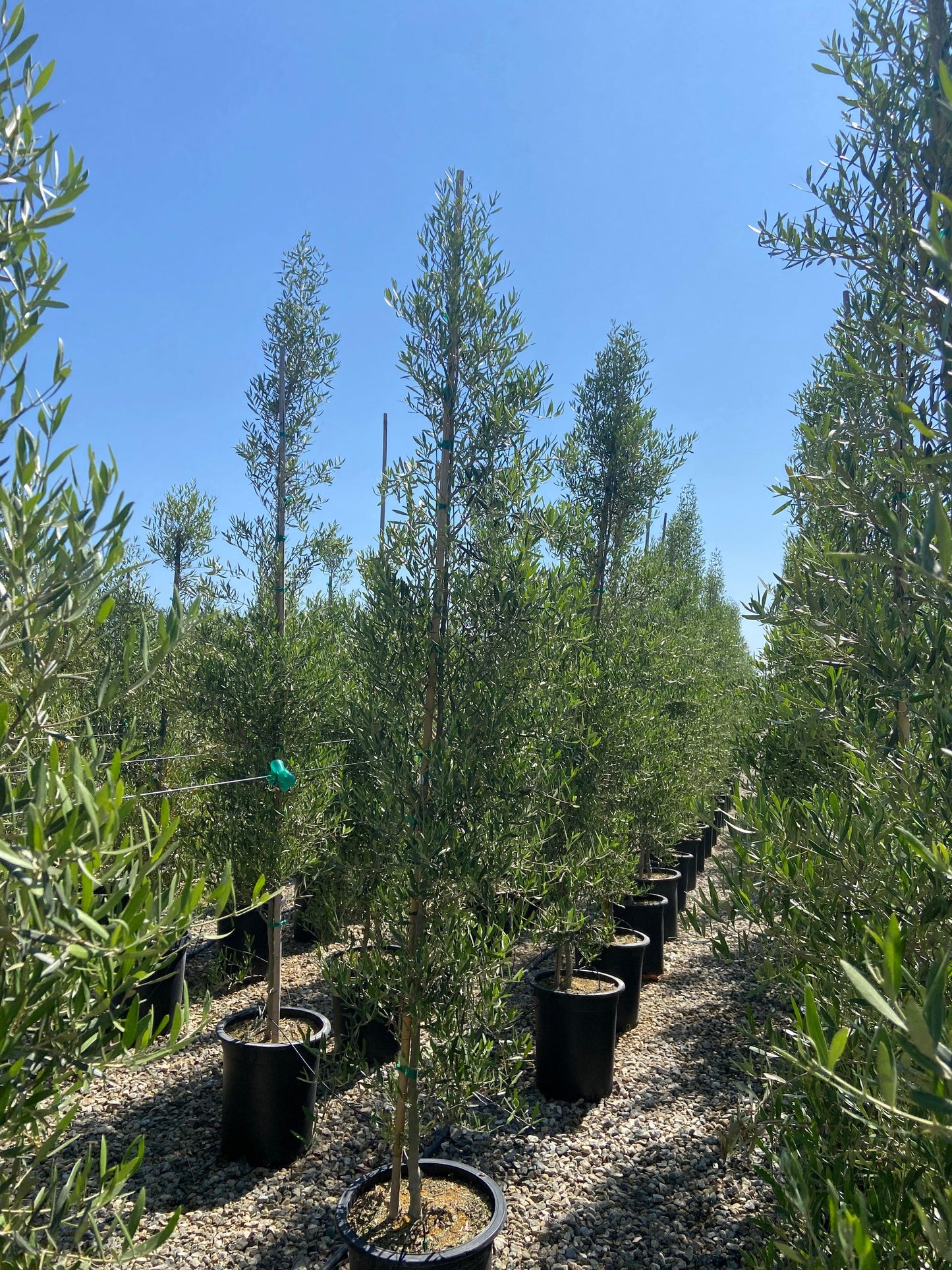
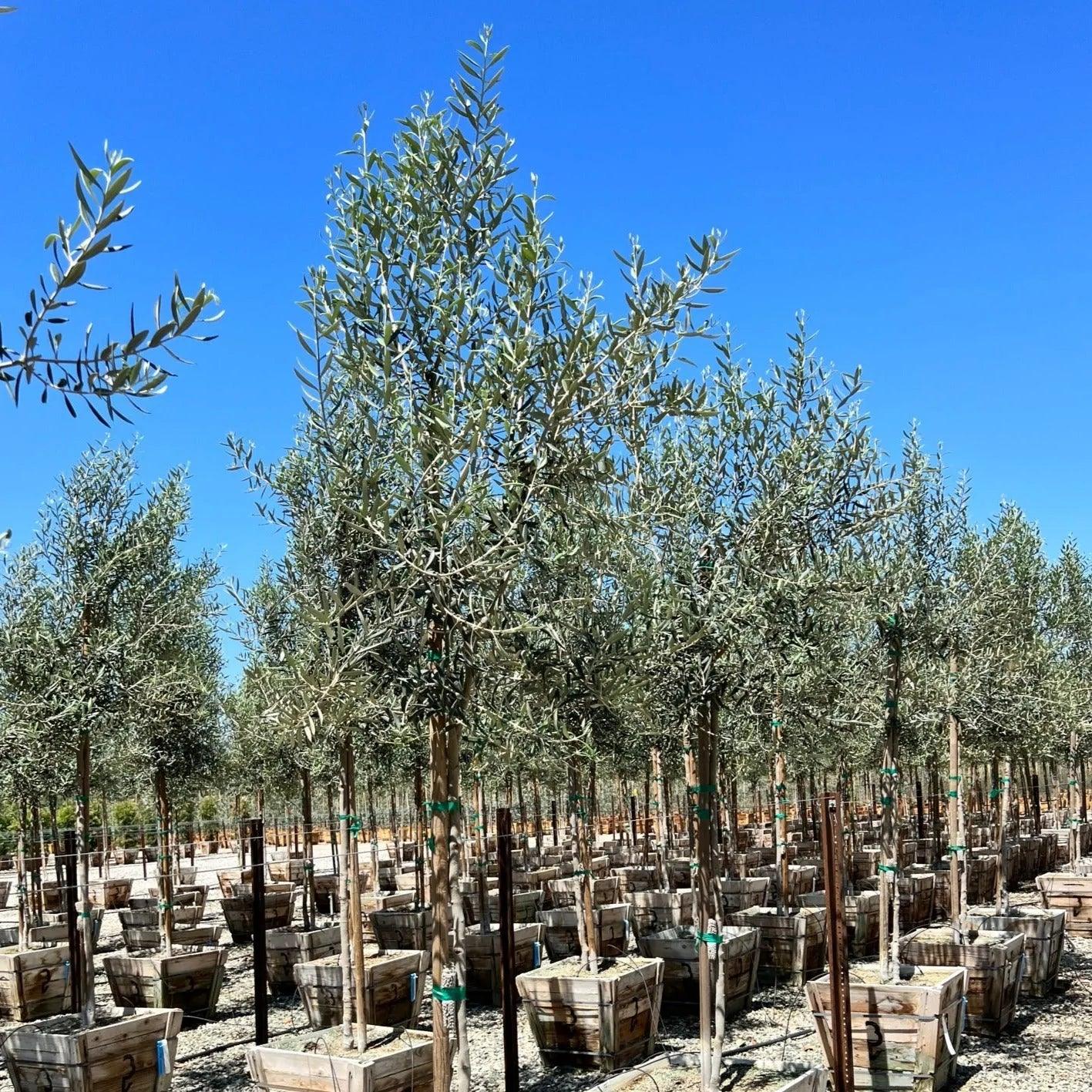
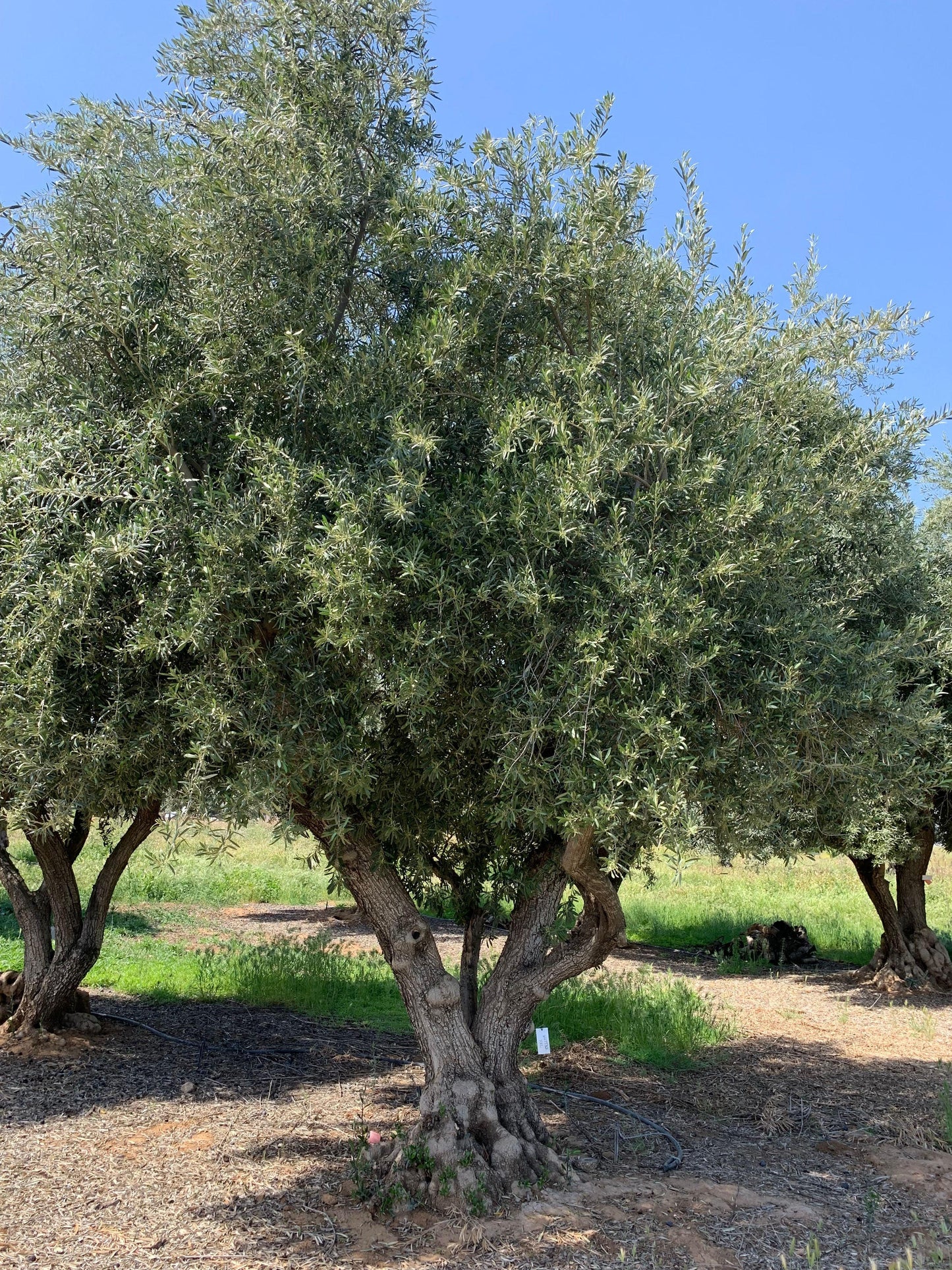
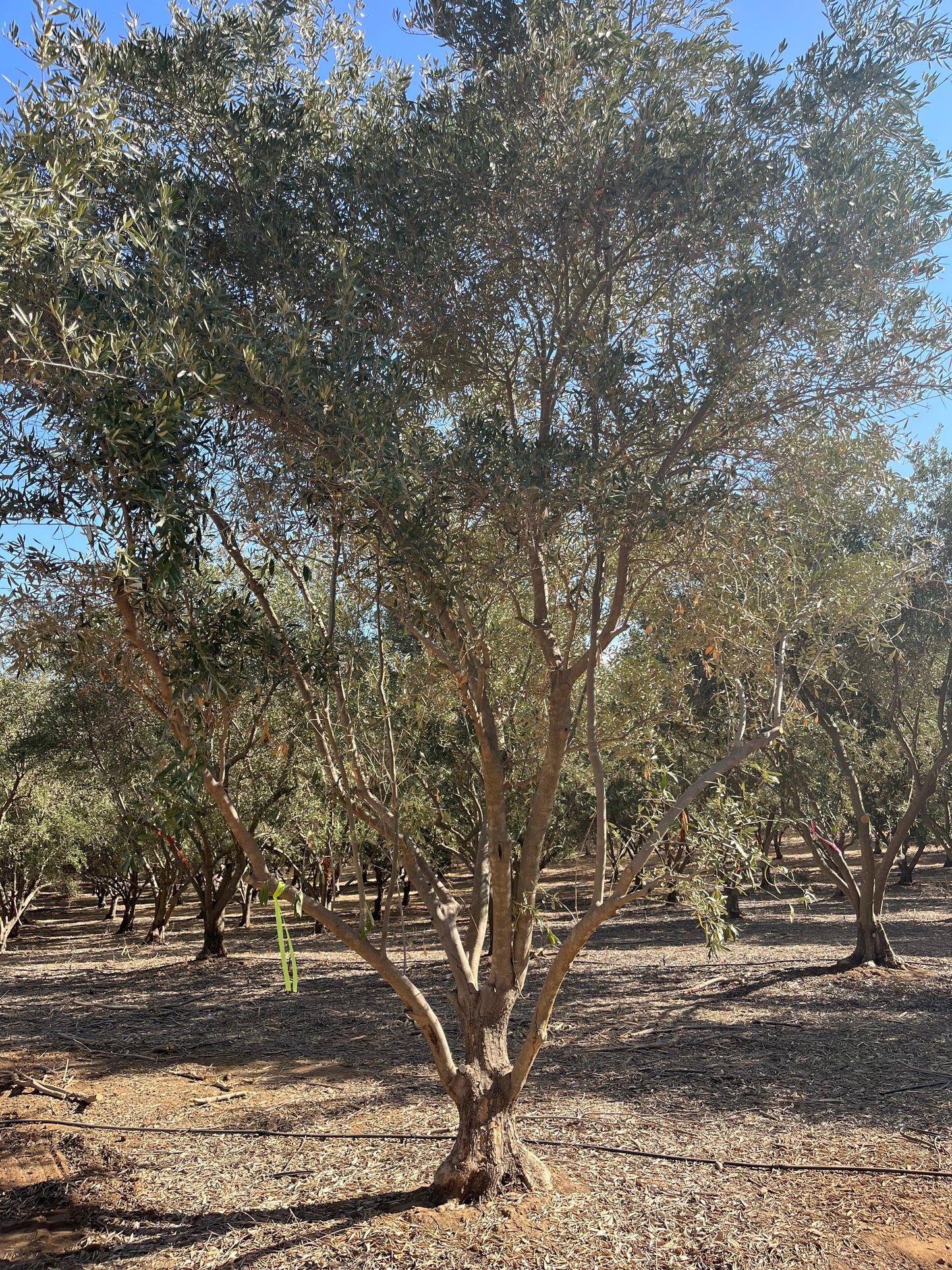
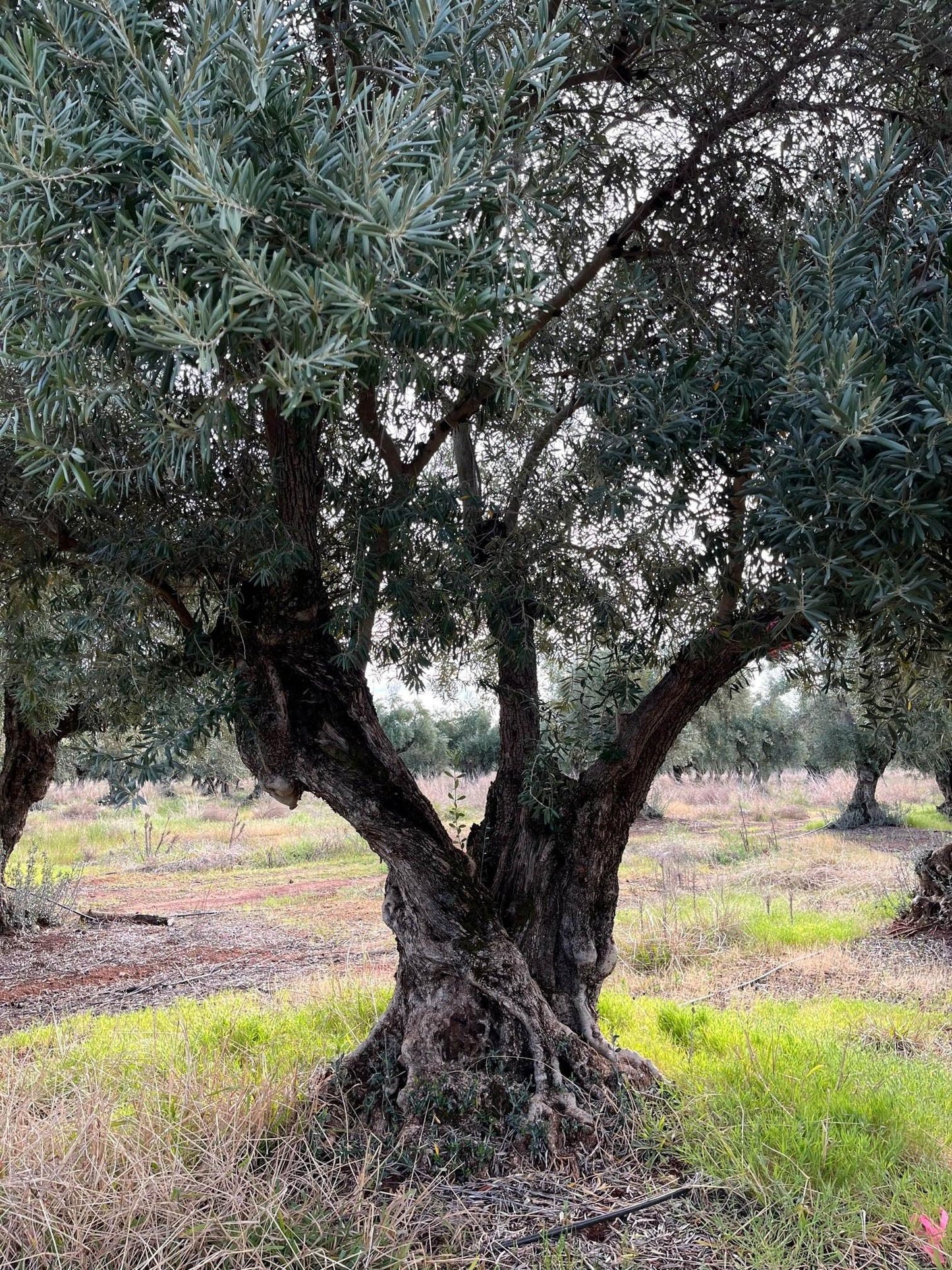
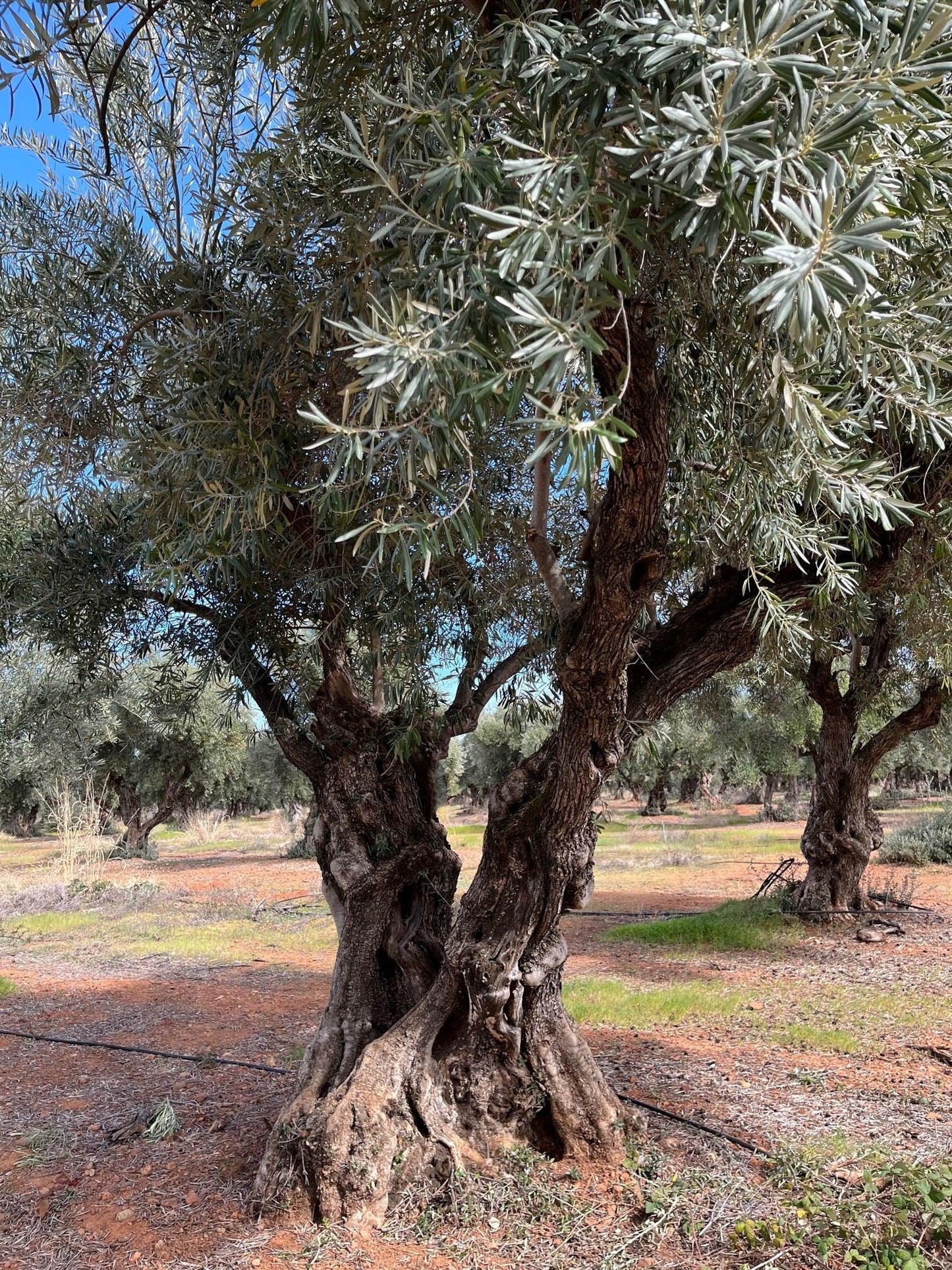
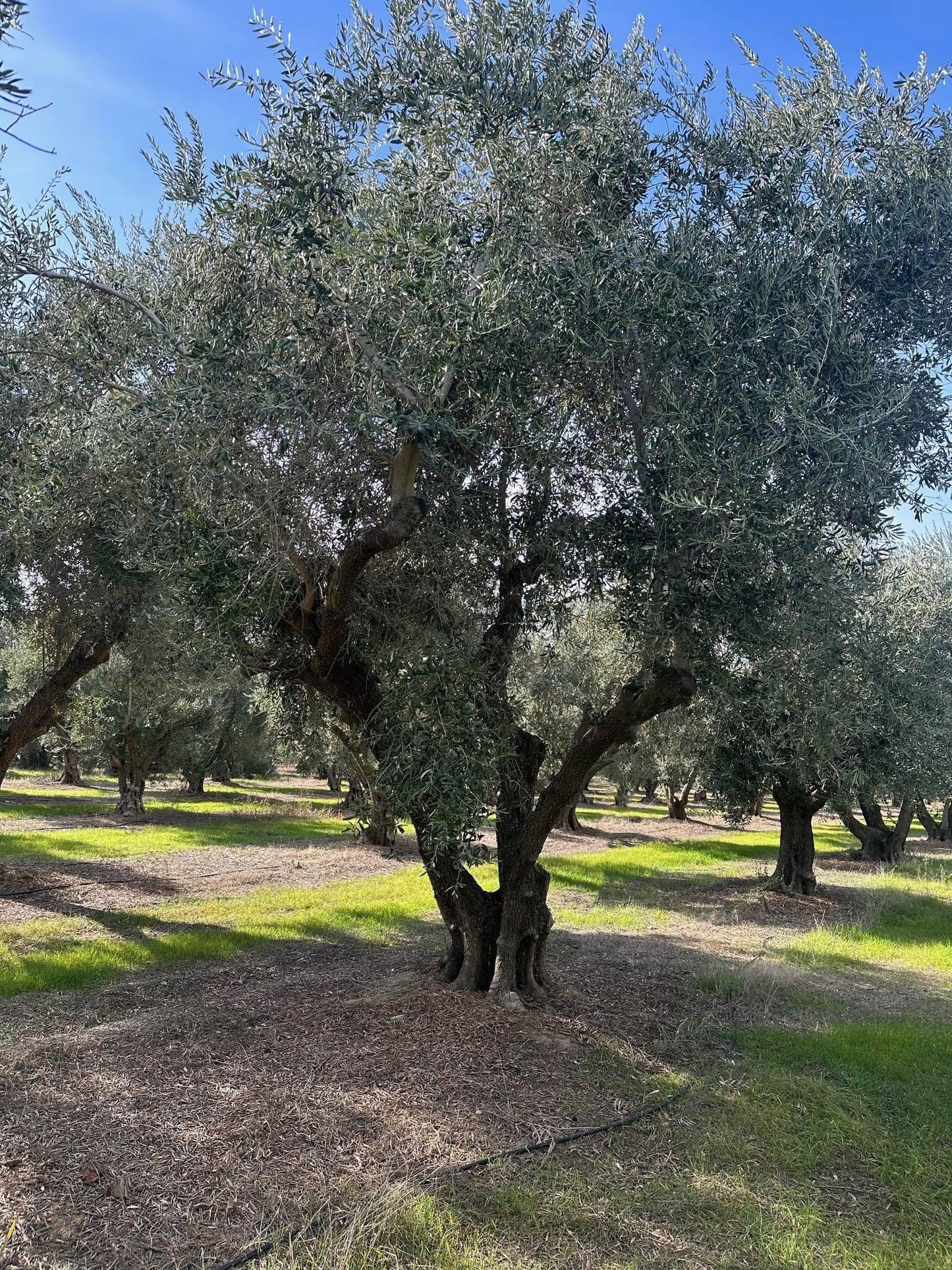
Looking for an olive tree that brings timeless Mediterranean beauty to your landscape? Choose from dwarf, standard, fruiting, fruitless, and mature trees suited to gardens, patios, dry slopes, and bright indoor spaces. At Yardwork, our olive tree collection brings together sculptural gnarled trunks, gray green leaves, and drought-tolerant performance for long-lasting ornamental value.
The olive tree, Olea europaea, is a cultivated olive species with deep roots in the mediterranean region. Fossil evidence indicates that the olive tree had its origins 20–40 million years ago in the Oligocene, in what now corresponds to Italy and the eastern Mediterranean Basin. The olive plant was first cultivated in the Mediterranean between 8,000 and 6,000 years ago, likely beginning in the Levant based on archaeological findings, and the olive tree was first domesticated in the Levant around 6000–4000 BC from wild oleasters.
Find your perfect olive tree and transform your outdoor space today.
An Olive Tree for Every Garden Purpose
Whether you’re creating an edible landscape or adding ornamental interest, there’s an olive tree for every garden vision. Olive tree cultivation has shaped mediterranean countries for thousands of years, from southern Europe and north Africa to southern Italy, the greek mainland, and mediterranean coastal areas.
Ornamental Landscape Olive Trees
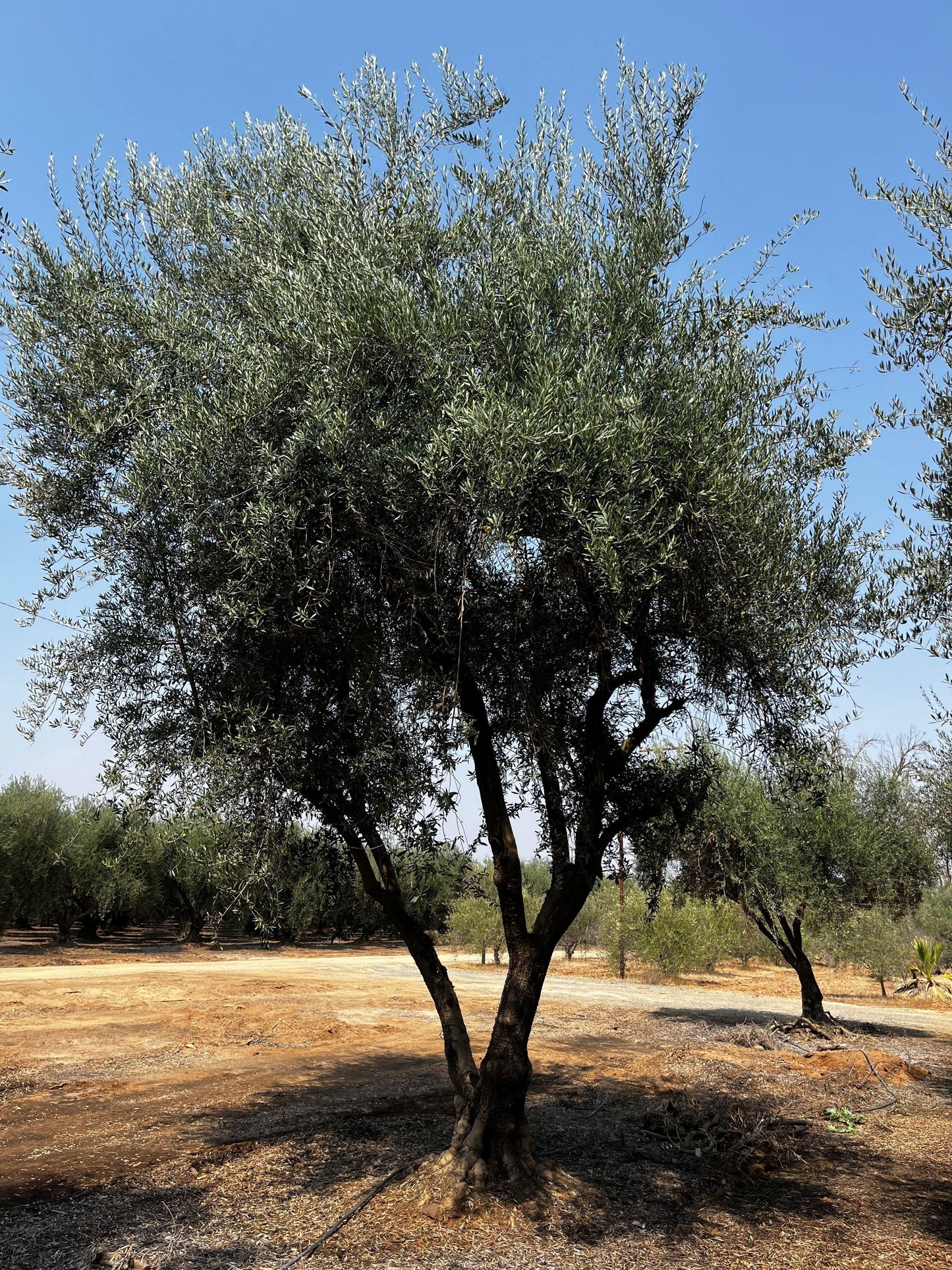
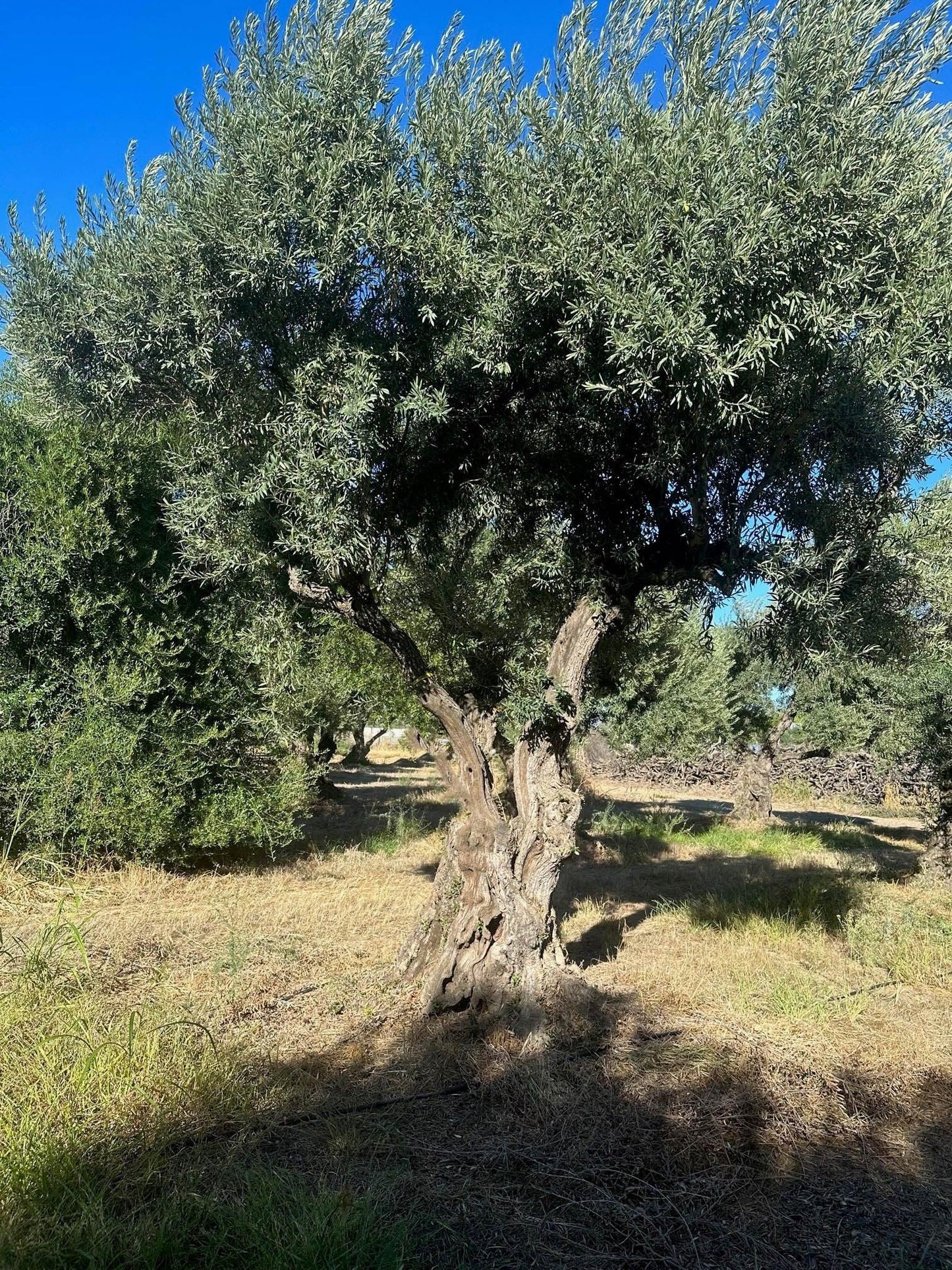
Choose sculptural specimens with gnarled trunks, silvery foliage, and evergreen tree structure for Mediterranean-style gardens, drought-resistant landscapes, dry slopes, and focal points. Olive trees are notably drought tolerant due to their deep and wide-spreading root systems, allowing them to access moisture deep in the soil, making them an excellent choice for low-water gardens and dry slopes.
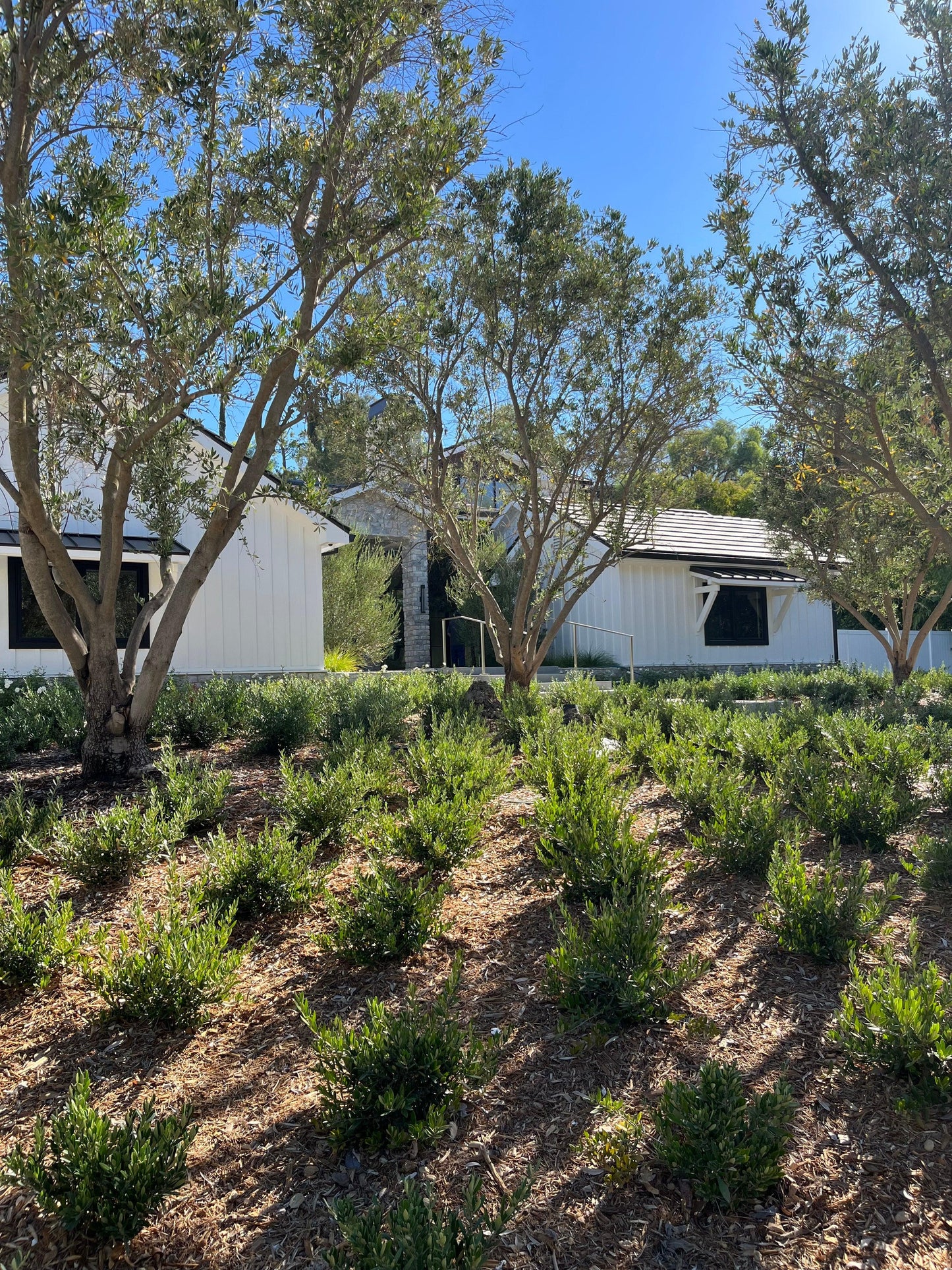
For patios, courtyards, and areas where fruit drop is undesirable, select fruitless varieties like ‘Wilsonii’. These non-fruiting selections offer the look of old trees and mature trees without the cleanup from fresh olives, green olives, or black olives. Pair olive trees with mediterranean plants such as lavender, rosemary, and ornamental grasses for an authentic garden design.
Olive trees also carry a remarkable cultural history. The olive tree has been vital to the agricultural, economic, and spiritual landscape of the Eastern Mediterranean for thousands of years, with nearly 97 percent of the world’s olives produced in the region, and modern gardeners can now buy olive trees online to bring that heritage into home landscapes. The olive tree symbolizes wisdom and prosperity in Greek mythology, where Athena gifted it to Athens. In ancient Olympic games, winners were crowned with a wreath made from wild olive branches, known as kotinos.
Fruit-Producing Olive Trees
Choose fruiting olive cultivars like ‘Picual’, ‘Frantoio’, or ‘Manzanilla’ if you want edible fruit for olive oil production, flavorful olives, or table olives. Olive trees typically begin producing fruit in about 3 to 5 years after planting, depending on variety, climate, and care. Because olives are primarily wind pollinated, many olive cultivars benefit from nearby compatible other trees to bear fruit reliably.
About 80% of all harvested olives are turned into oil, while about 20% are used as table olives. Olive oil is most commonly used for culinary purposes, such as frying, marinating, or flavoring food, and as a salad dressing. Olive oil is also utilized in cosmetics, pharmaceuticals, soaps, and as a fuel for traditional oil lamps.
If you plan on growing olives for oil production, consider harvest timing, cultivar flavor, and processing needs. The composition of olive oil varies with the cultivar, elevation, time of harvest, and extraction process, consisting mainly of oleic acid (up to 83%). Many growers harvest green olives earlier for table use, while darker fruit is often selected for specific oil profiles.
Container & Indoor Olive Trees
For patios, balconies, small gardens, and protected indoor locations, choose dwarf or compact varieties such as Little Ollie dwarf olive trees that keep their architectural form in a nursery pot or decorative container. Indoor olive trees need bright light, full sun, and several hours of direct sunlight daily; olive trees thrive in bright light to full sun conditions and are not suited for low light areas, making south and west facing windows ideal for indoor growth.
Use a well draining potting mix and containers with drainage holes to reduce the risk of root rot. Water olive trees every week, allowing the soil to dry out halfway down between waterings to prevent overwatering, which is a common cause of decline. Watch for leaf drop indoors, which often signals low light, poor drainage, or inconsistent watering.
Container olive planting works best when you maintain temperatures above damaging cold levels, move young trees out of extreme cold, and give indoor plants a seasonal rhythm. In suitable climates, container trees can spend warm summers outdoors in direct sunlight, then return to protection before hard freezes.
Choose the Right Olive Tree for Your Climate Zone
The right variety ensures long-term success and helps your first olive tree thrive in your specific growing conditions. Olive growing is easiest in warm climates with mild winters, hot weather tolerance, and full sun exposure.
For USDA Zones 8-10 (Mild Winter Areas)
In USDA Zones 8-10, plant heat-tolerant varieties such as ‘Arbequina’ and ‘Koroneiki’ that handle warm summers, direct sunlight, and mild freezes. These zones mirror many mediterranean basin conditions and are well suited to olive farming, edible olive production, and ornamental landscape use.
California’s diverse microclimates make cultivar choice important. In suitable climates, mature trees establish quickly when planted in full sun, with well-drained soil and protection from wet winters. For home olive oil, ‘Frantoio’, ‘Leccino’, ‘Picual’, and ‘Arbequina’ offer strong options, while fruitless selections provide clean evergreen structure where olive fruit fly or fruit mess is a concern.
The olive’s spread reflects its adaptability. The Phoenicians began disseminating the olive throughout the Mediterranean in the 16th century BC, introducing it to the Greek mainland between the 14th and 12th centuries BC. Olive cultivation reached its greatest extent during the Roman Empire, which propagated the olive for commercial and agricultural purposes across the Mediterranean.
For USDA Zones 6-7 (Cold-Hardy Selection)
In cooler climates, select cold-hardy cultivars and plan for protection. Varieties such as ‘Arbosana’ may tolerate occasional freezes with care, but extreme cold can damage young trees, olive branches, and older wood. Container growing, sheltered walls, mulch, and protected winter locations improve success.
Shorter growing seasons call for earlier ripening varieties and careful siting. Choose the warmest microclimate available, avoid low frost pockets, and make sure plants receive hours of direct sun during the growing season. In marginal regions, growing olives may be more ornamental than productive, and fruit yield can vary from year to year.
Spanish colonists brought the olive to the New World in the 18th century, where its cultivation prospered in present-day Peru, Chile, Uruguay, and Argentina. That history shows how adaptable the european olive can be, but climate fit still matters when selecting a tree for home gardens.
For Indoor and Container Growing
For indoor and container growing, pick compact, self-fertile varieties that adapt well to restricted root space, bright light, and seasonal movement. ‘Arbequina’ is often a strong choice for indoor olive trees because it stays relatively compact and can produce fruit with less complex pollination than many traditional cultivars.
Choose a large pot with drainage holes, fresh potting mix, and a location with direct sunlight daily. South and west facing windows are ideal for indoor growth because olive trees are not suited for low light areas. If growth slows or leaves yellow, check watering, root health, and light before adding more fertilizer.
Use slow release fertilizer sparingly in spring, then reduce feeding as growth slows. Indoor trees benefit from fresh air in warm weather, but they should be protected from extreme cold before early autumn temperatures drop.
Premium Olive Tree Varieties That Perform
Quality genetics and proven cultivars ensure your olive tree thrives for generations. Many olive cultivars differ in fruit size, oil content, flavor, cold tolerance, growth habit, and pollination needs.
Traditional Mediterranean Cultivars
Heritage varieties like ‘Frantoio’ and ‘Leccino’ offer authentic flavors and time-tested performance. ‘Frantoio’ is known for aromatic, high quality oil, while ‘Leccino’ produces a milder oil and is valued across mediterranean countries. These traditional cultivars suit olive oil production, table olives, and edible landscaping in warm climates.
Traditional varieties often need cross-pollination partners for optimal fruit production. Flowers form near leaf axils, and fruit set improves when compatible pollen is available from other trees. If your goal is dependable harvests of fresh olives, plan your olive planting around cultivar compatibility.
Olive products extend beyond food. Olive wood is prized for its durability and is commonly used to make kitchen utensils, carved wooden bowls, cutting boards, and fine furniture, and citrus companions such as Valencia orange treescan further enhance Mediterranean-style orchards and gardens. Olive oil was historically used to anoint kings and prophets in Judaism, Christianity, and Islam, showing why the tree has long held practical and spiritual importance.
Modern Self-Fertile Varieties
Self-pollinating cultivars like ‘Arbequina’ simplify growing for small gardens, patios, and first-time growers. These compact, productive trees can bear fruit without requiring multiple varieties, although yields may still improve with a compatible neighbor nearby.
Modern selections are valued for manageable size, earlier bearing, and reliable performance in container growing or small-space landscapes. ‘Koroneiki’ is prized for peppery oil character, while ‘Arbequina’ is known for a softer, buttery profile. For homeowners, the best variety balances taste, ornamental value, climate fit, and maintenance.
Olive tree cultivation has also been linked to promoting biodiversity, improving soil quality, and mitigating climate change through carbon sequestration. As long-lived perennial plants, olive trees absorb carbon dioxide over long time frames, with groves sequestering approximately 2.2 to 4.5 metric tons of carbon dioxide (CO2) per hectare annually.
Ornamental and Fruitless Selections
Fruitless olive selections provide the beauty of Olea europaea without the maintenance concerns of raw fruit, staining, and pest attraction. Compact options like Little Ollie olive trees are selected for trunk character, foliage density, canopy structure, and year-round evergreen form.
Choose ornamental varieties such as Swan Hill fruitless olive trees for commercial landscapes, high-traffic areas, poolside plantings, and patios where edible fruit is not the priority. Fruitless trees still need full sun, well-drained soil, and occasional pruning, but they reduce the workload associated with harvest, curing, and cleanup.
For a refined Mediterranean look, use fruitless olive trees as anchors among rosemary, lavender, stone, gravel, and grasses. Their gray green leaves, twisting trunks, and durable structure bring the presence of old trees even to newer landscapes.
How to Care for Your Olive Tree
Proper care ensures healthy growth, strong structure, and productive harvests for decades to come. Olive trees are resilient, but they perform best when planted with the right drainage, light, and pruning routine.
Planting and Establishment
Plant olive trees in well-draining soil with full sun exposure, avoiding areas with standing water. For containers, use a well draining potting mix and a pot with drainage holes. In the ground, raised planting areas can help in sites with wet winters or heavier soil.
Water deeply but infrequently during establishment, then gradually reduce irrigation as roots expand. Young trees need consistent moisture while they establish, but saturated soil can cause root rot. For most home settings, weekly watering with partial soil dry-down is safer than constant shallow watering.
Space trees for mature size and provide initial staking or wind protection when needed. Mature trees and standard forms need room for canopy spread, while dwarf varieties work better for small gardens, patios, and container designs.
Ongoing Maintenance and Pruning
Pruning olive trees is best done in late winter or early spring before new growth begins, focusing on removing suckers and thinning the canopy to allow light to reach inner branches. Remove dead wood, crossing branches, and crowded interior growth so air and sunlight can move through the tree.
For fruiting trees, pruning supports healthy growth and helps edible fruit ripen evenly. For ornamental trees, pruning maintains shape, reveals sculptural trunks, and limits unwanted growth. Avoid heavy pruning in hot weather, when exposed branches can suffer sun stress.
Apply balanced fertilizer sparingly in spring, with attention to soil health rather than excessive feeding. Monitor for scale, olive fruit fly, leaf spot, and signs of stress such as leaf drop. With bright light, careful watering, and routine pruning, an olive tree can become one of the most durable and rewarding mediterranean plants in your landscape.
Shop For An Olive Tree at Yardwork
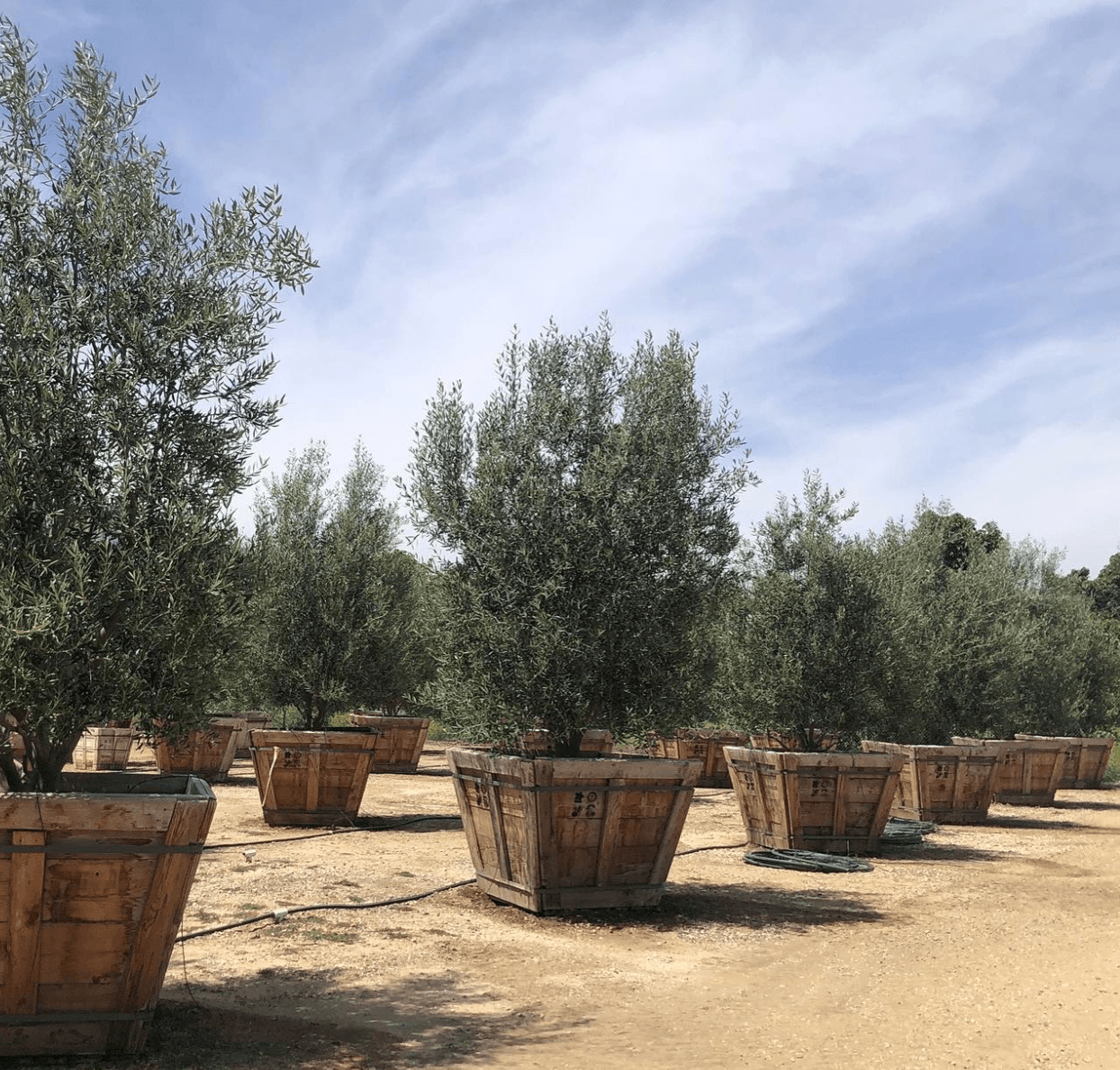
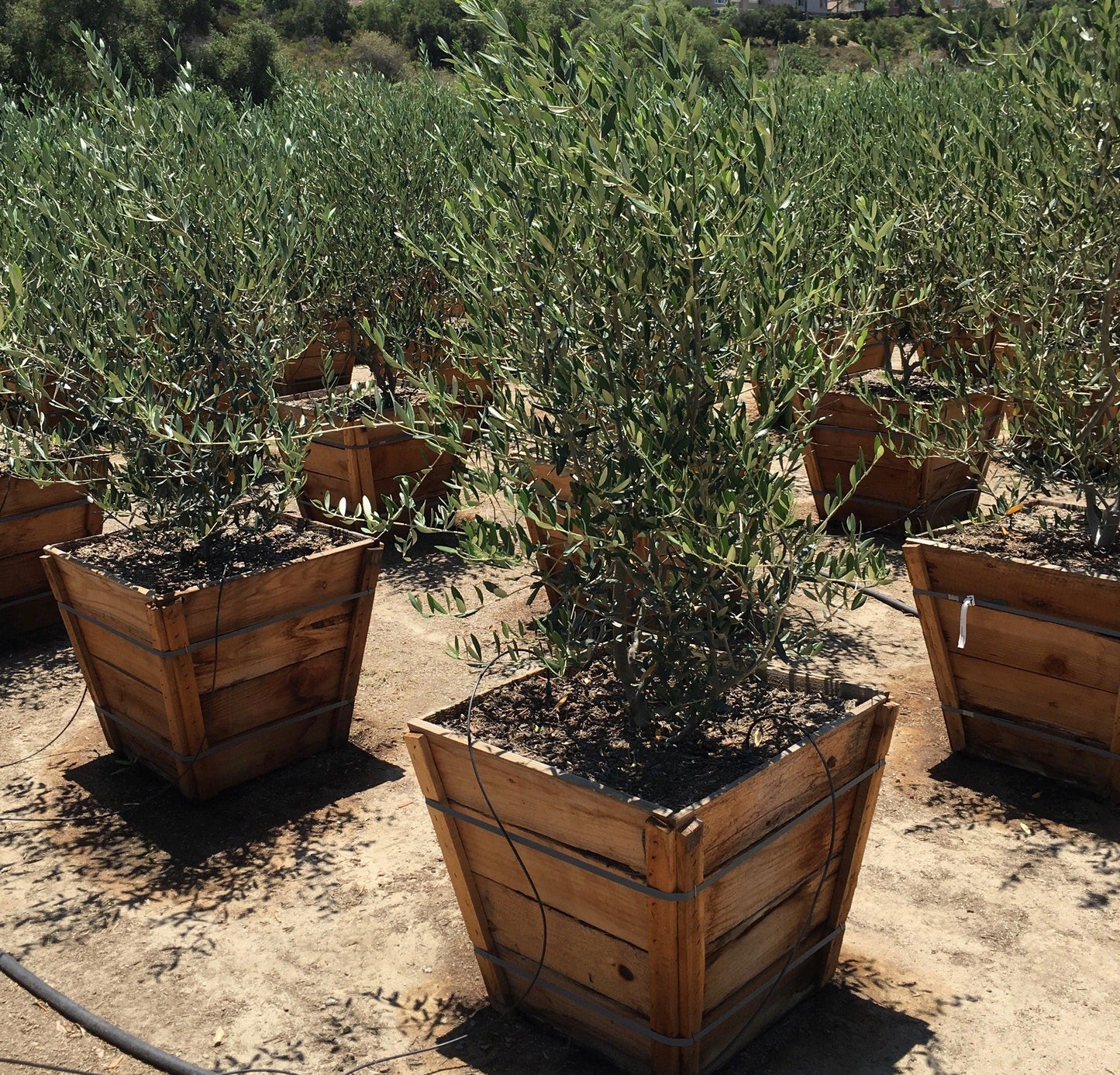
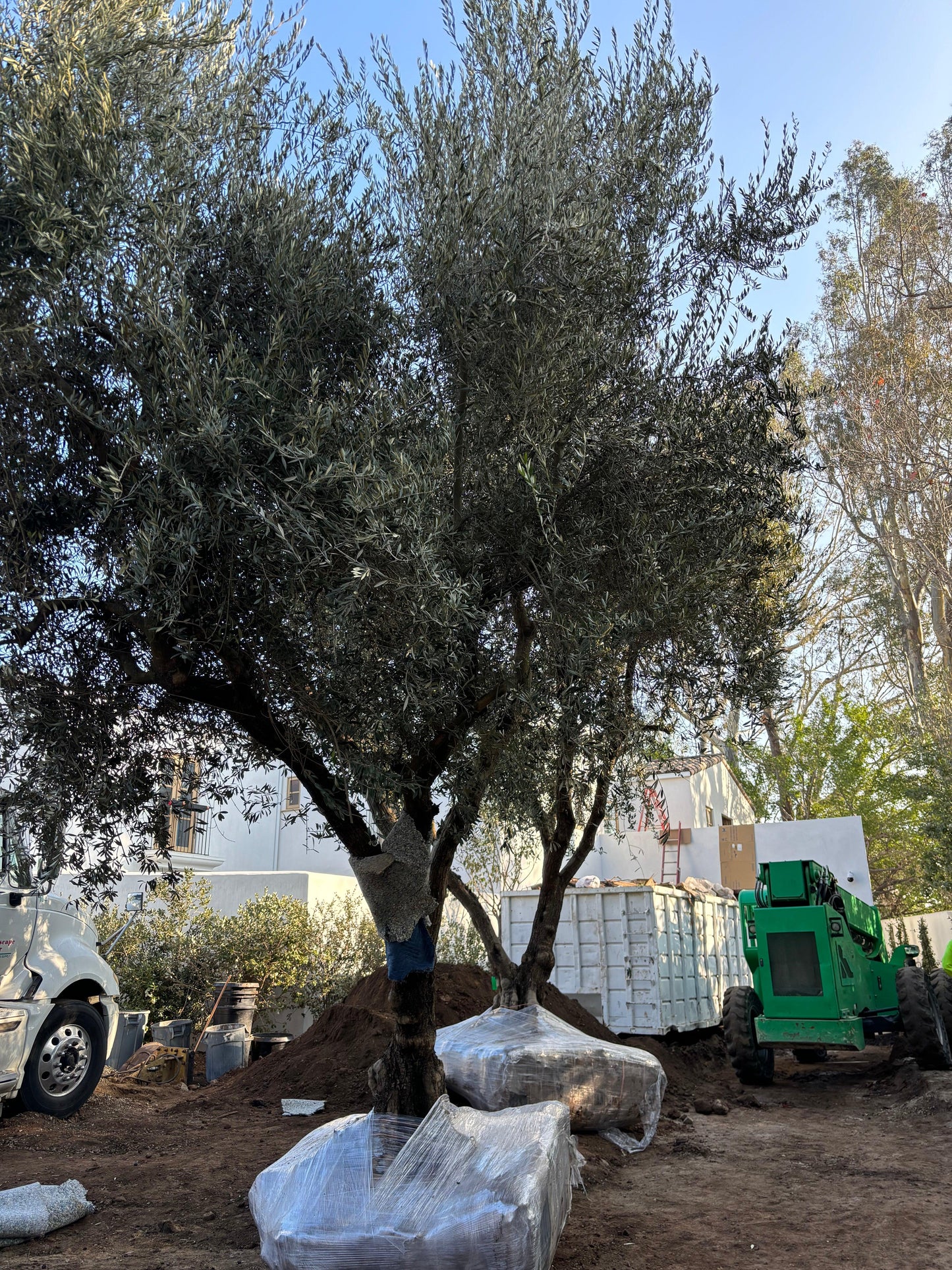
Explore Yardwork’s curated selection of olive trees, from compact container varieties to mature landscape specimens. Choose from proven olive cultivars and fruitless ornamentals, and expert-recommended trees selected for California’s diverse microclimates, warm summers, mild winters, and low-water garden needs.
Whether you want your first olive tree, a fruiting cultivar for olive oil, a clean ornamental evergreen tree for a patio or front yard, or complementary privacy trees and shrubs, Yardwork helps you select the right variety for your space.
Your perfect olive tree is ready for delivery today.