

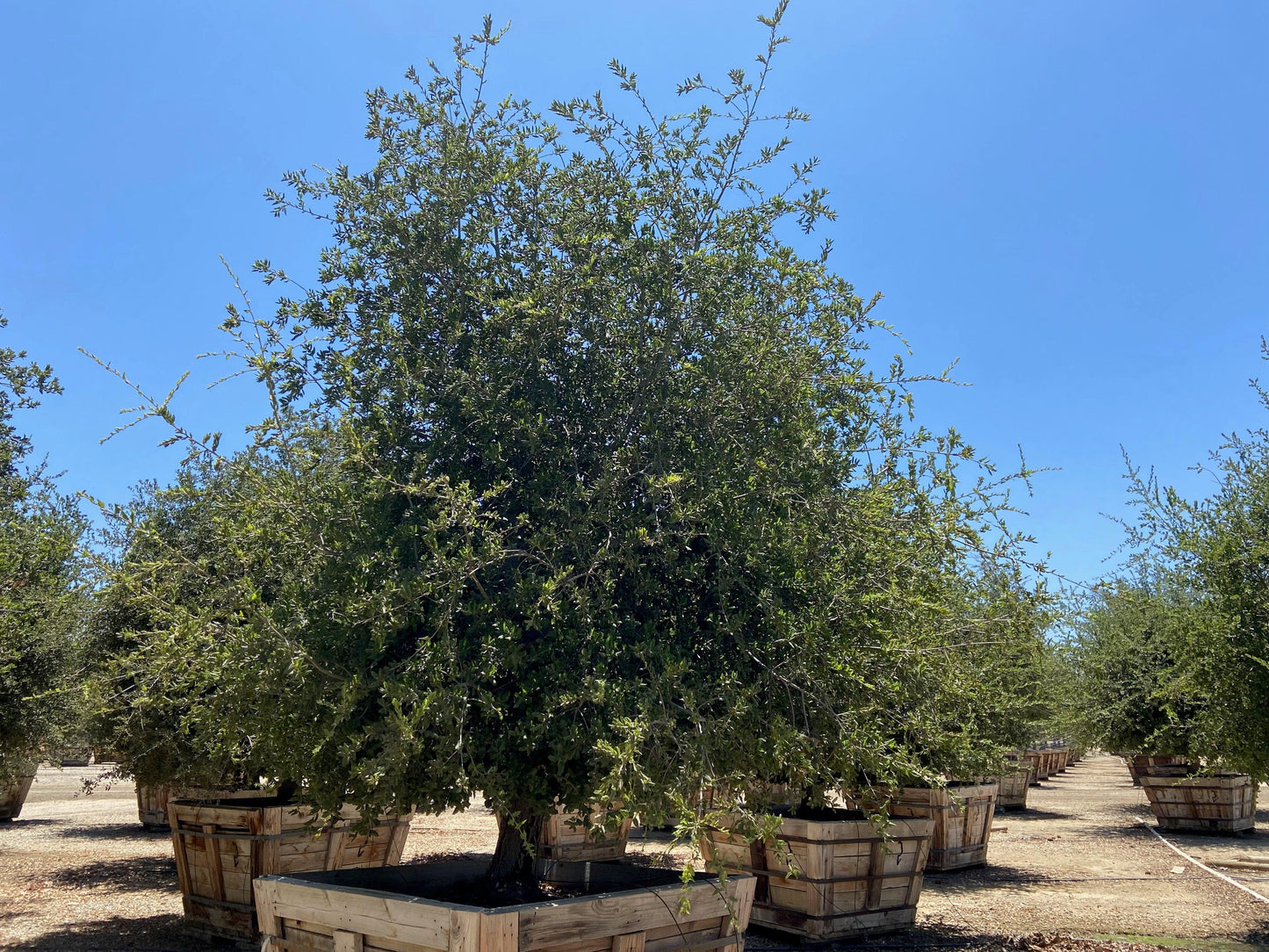
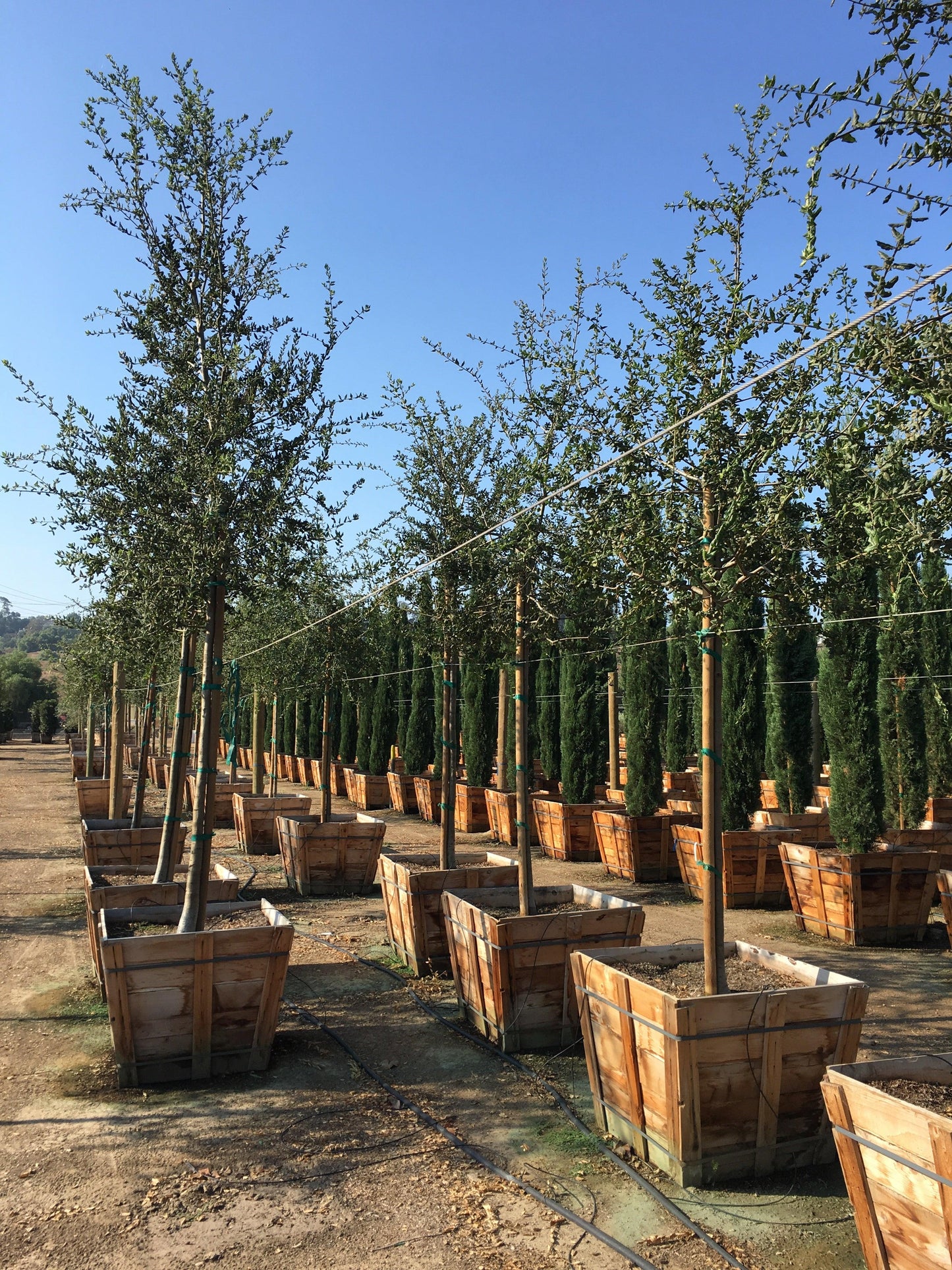
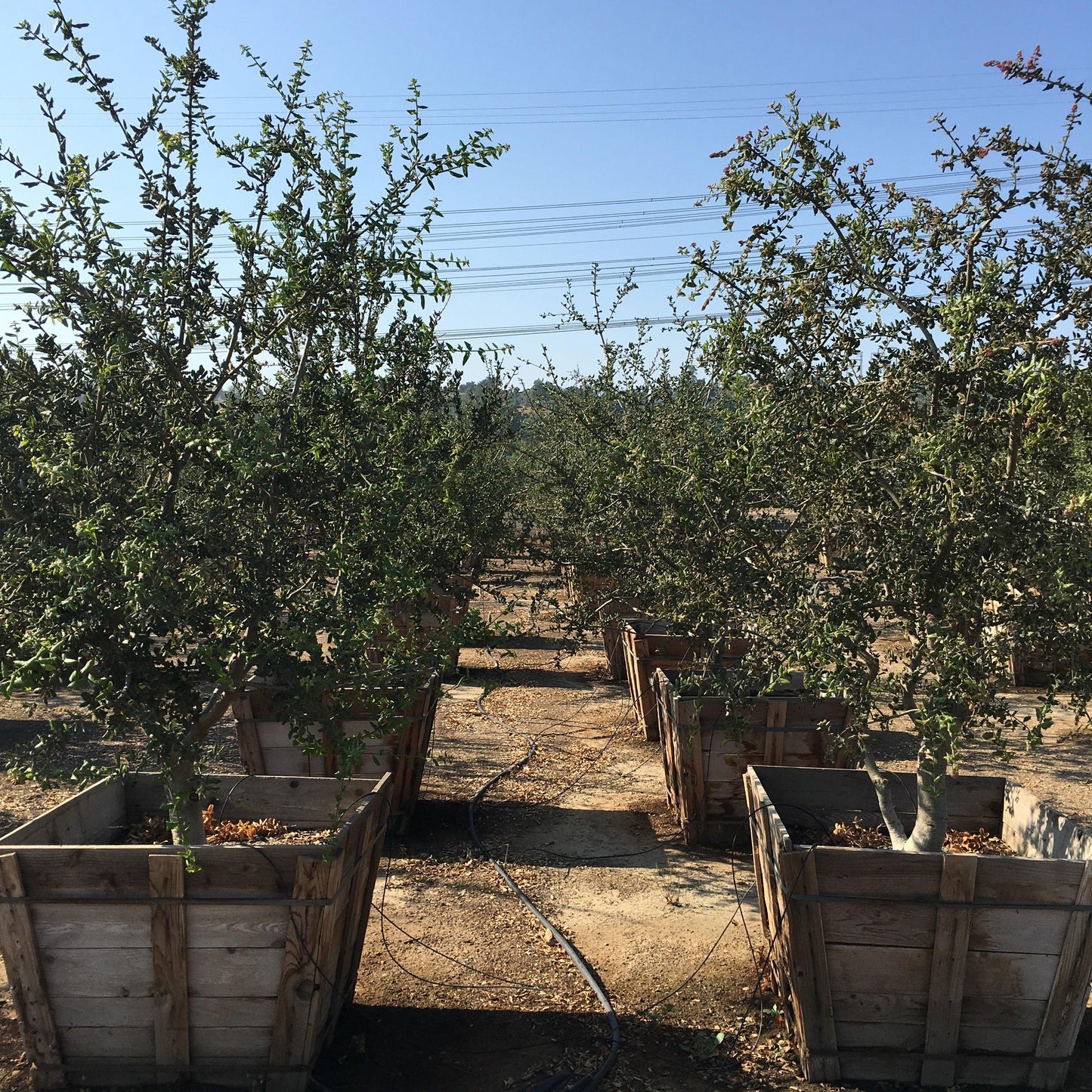
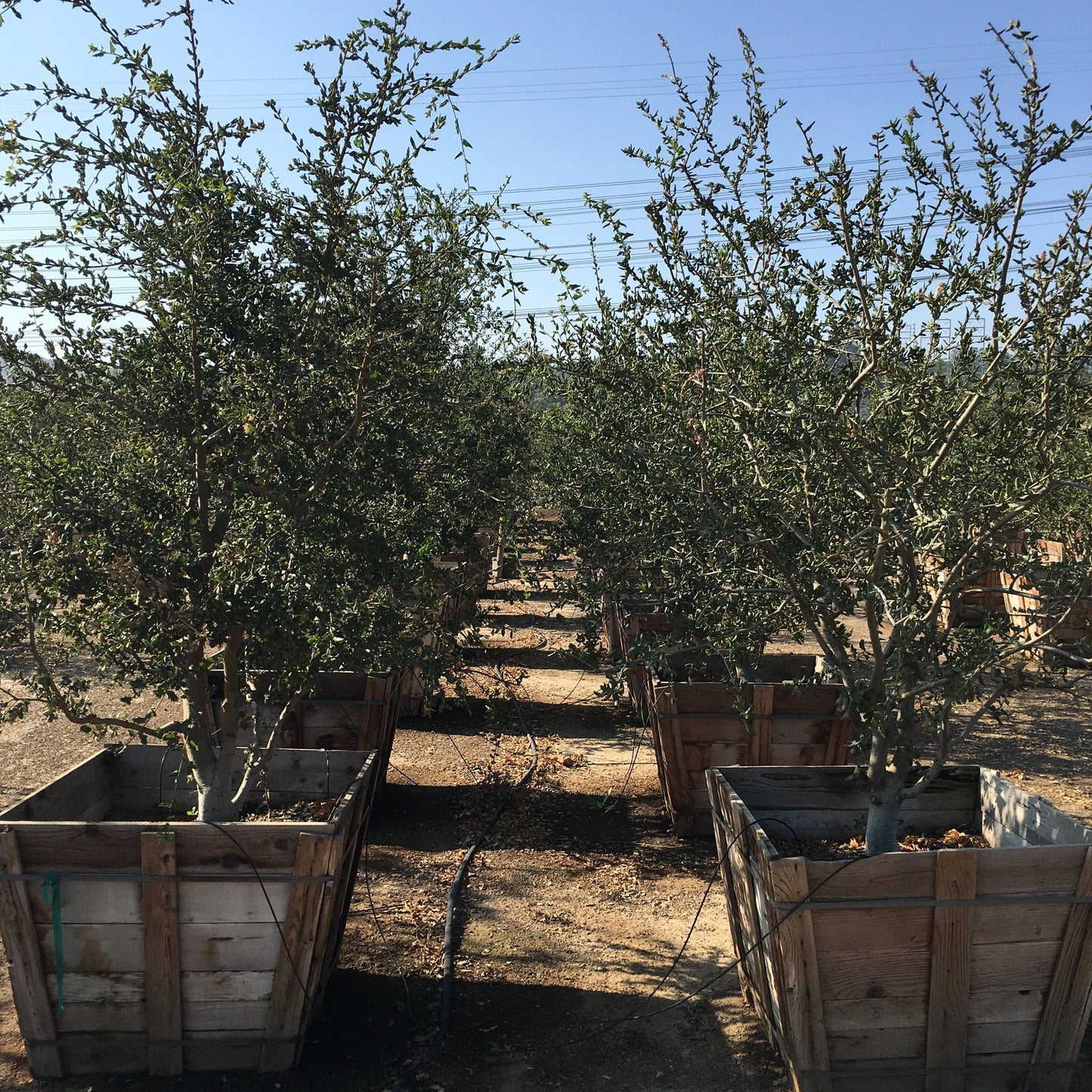
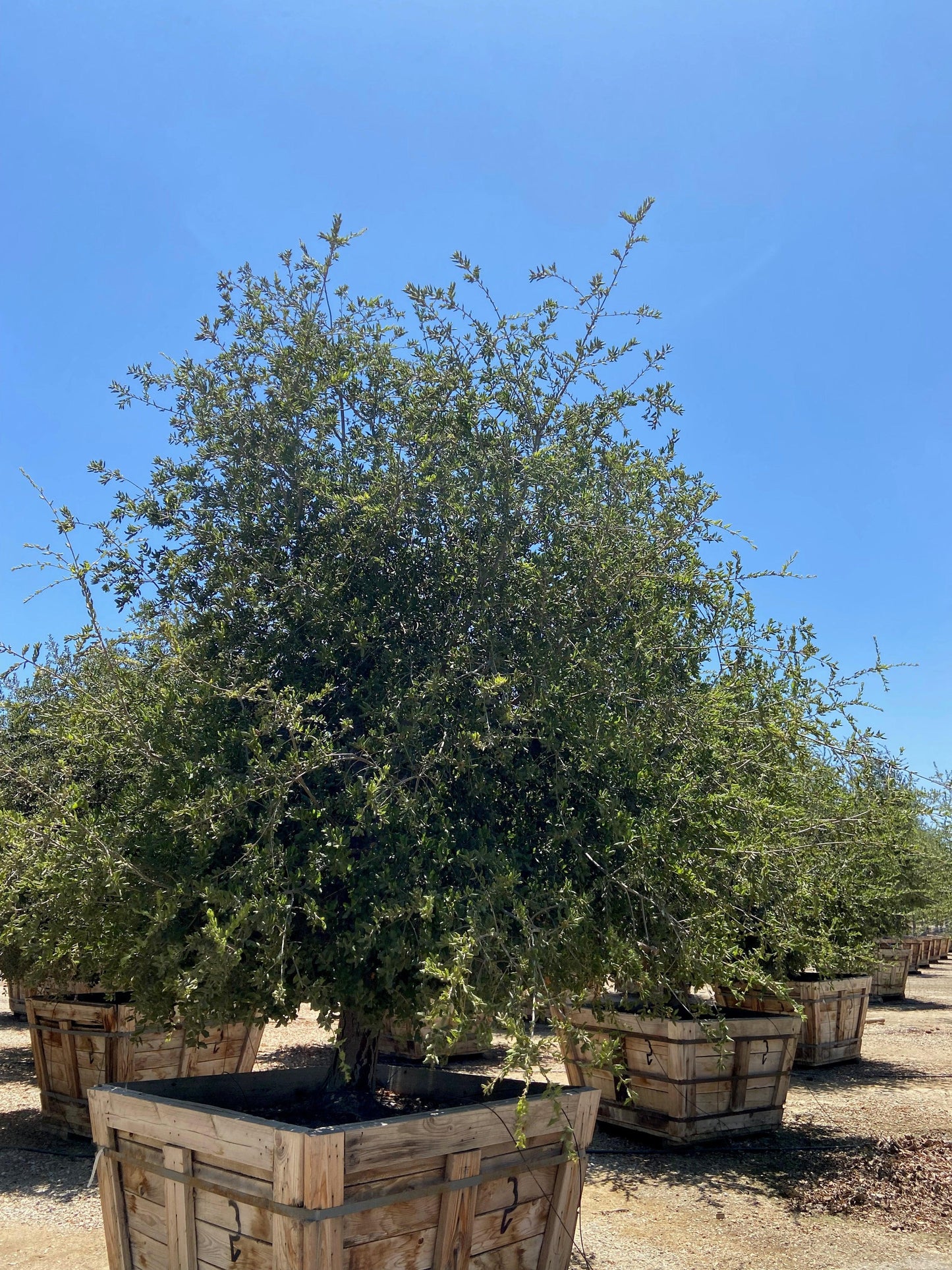
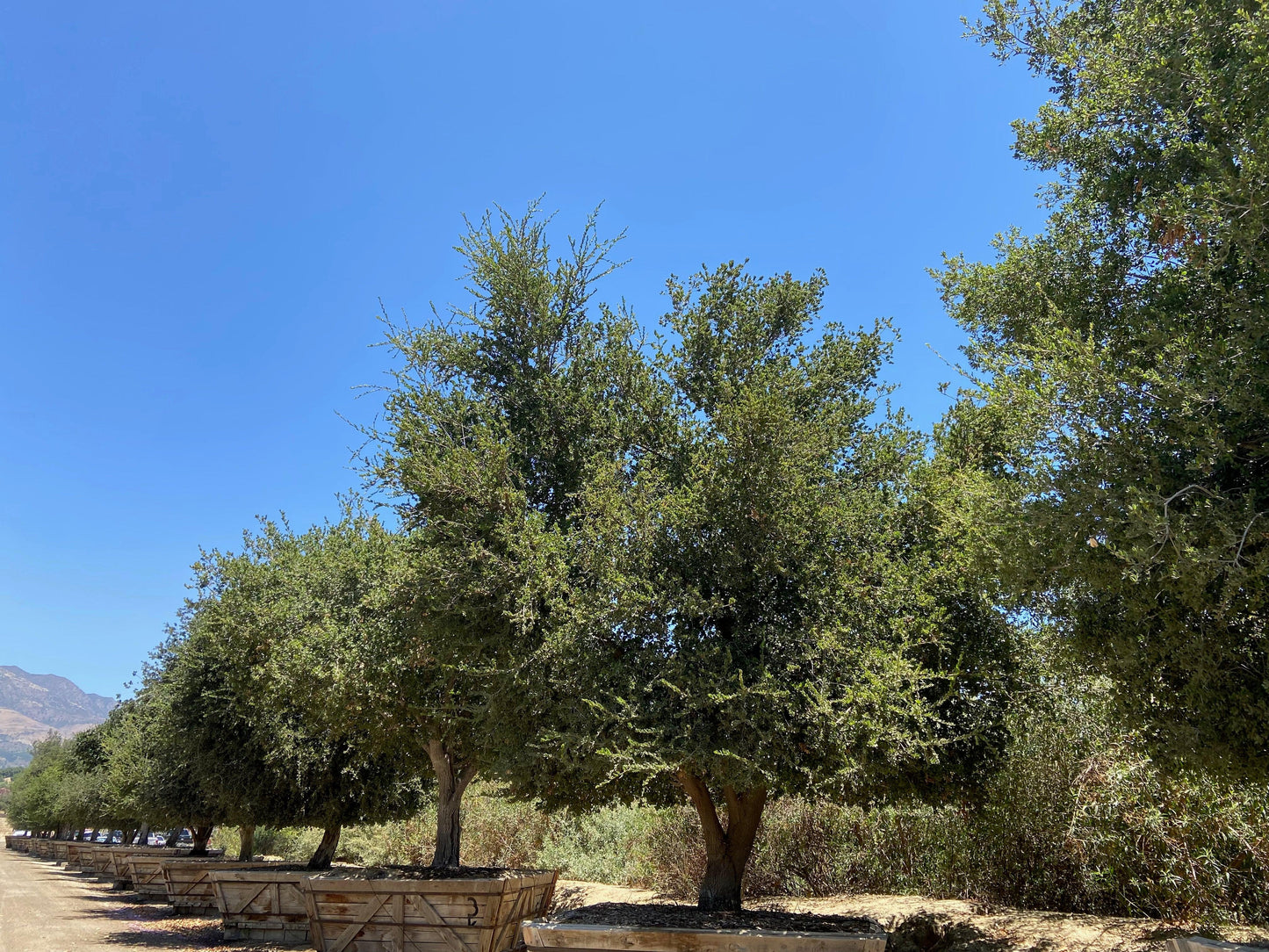
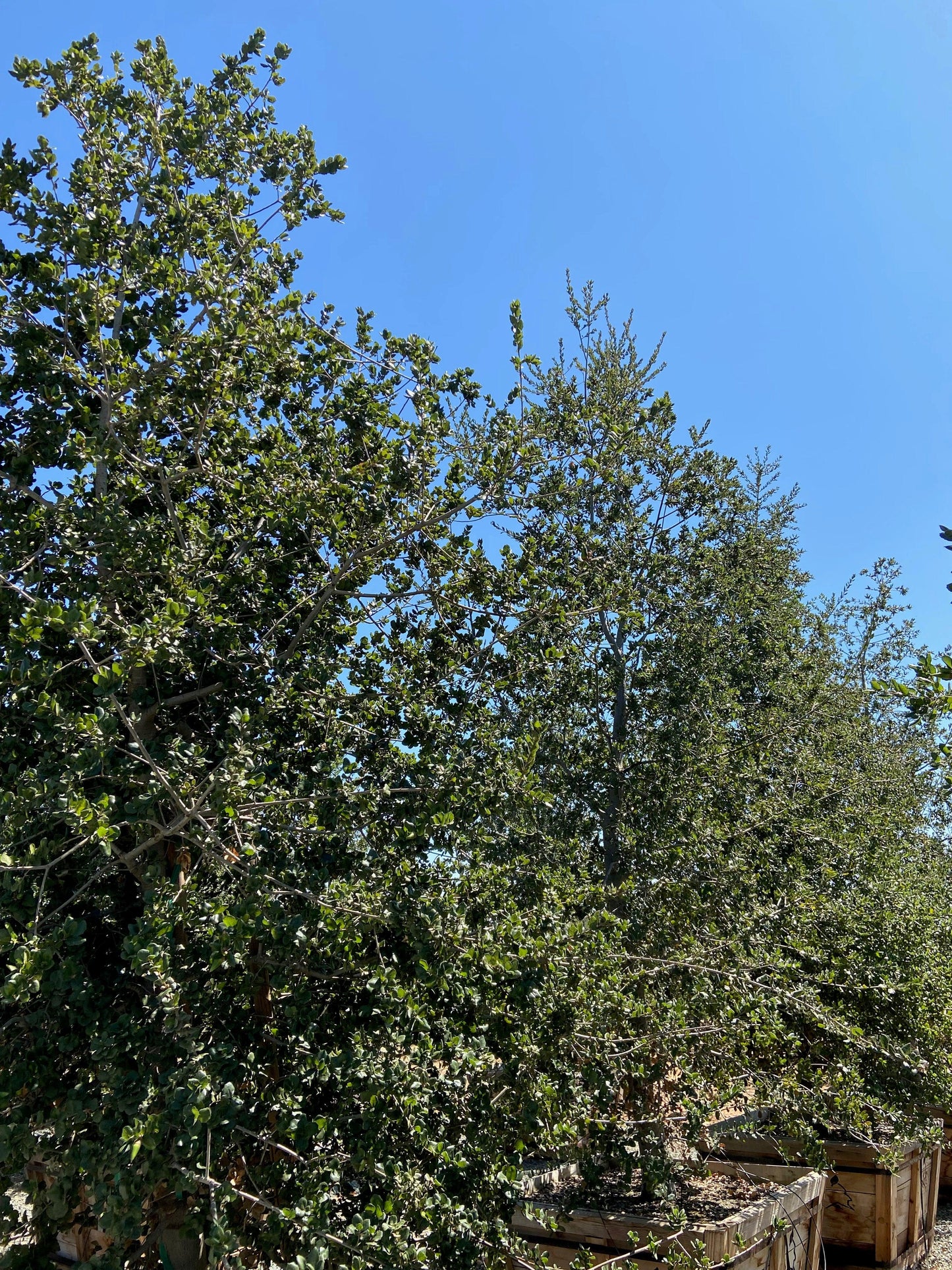
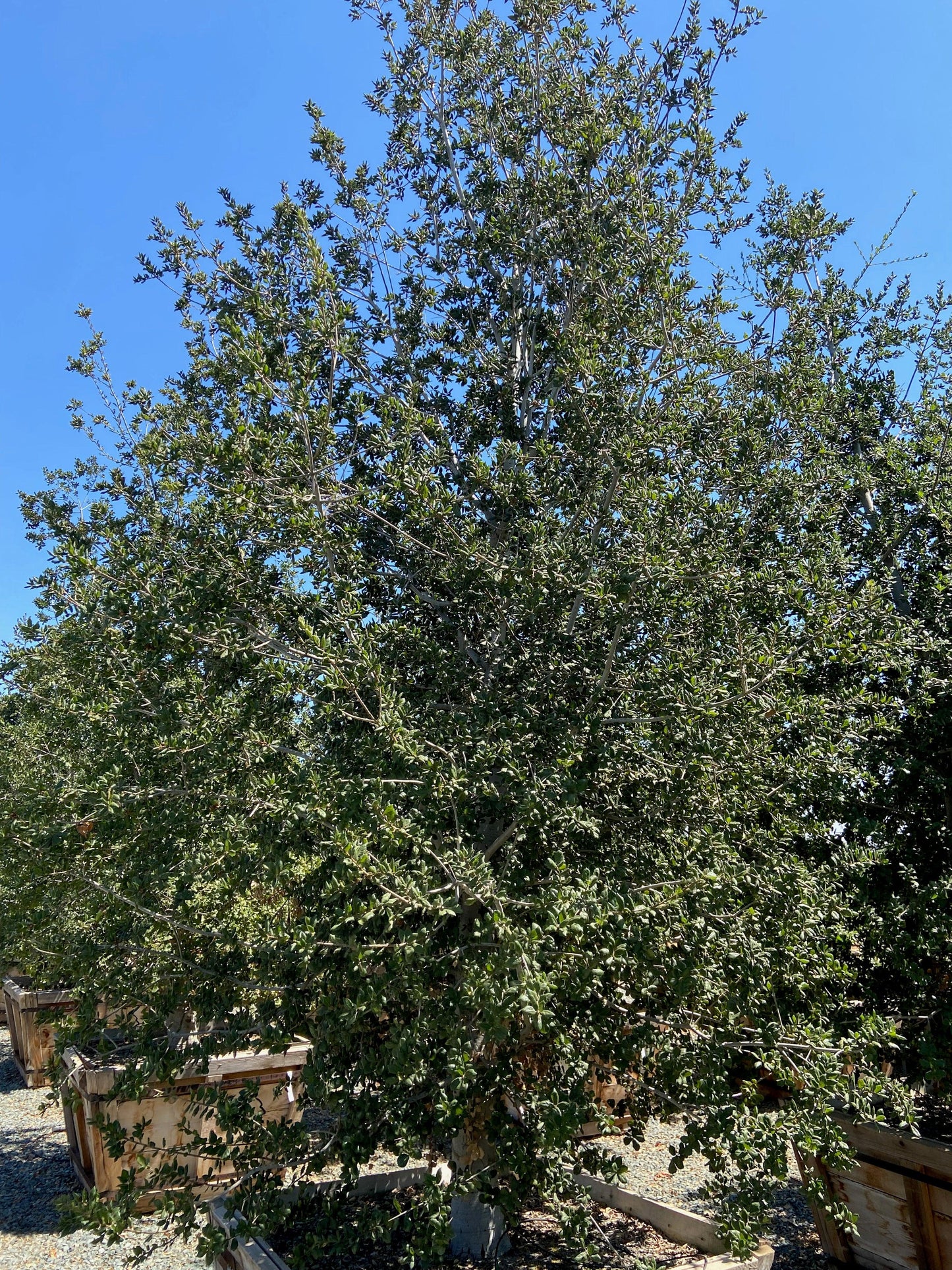
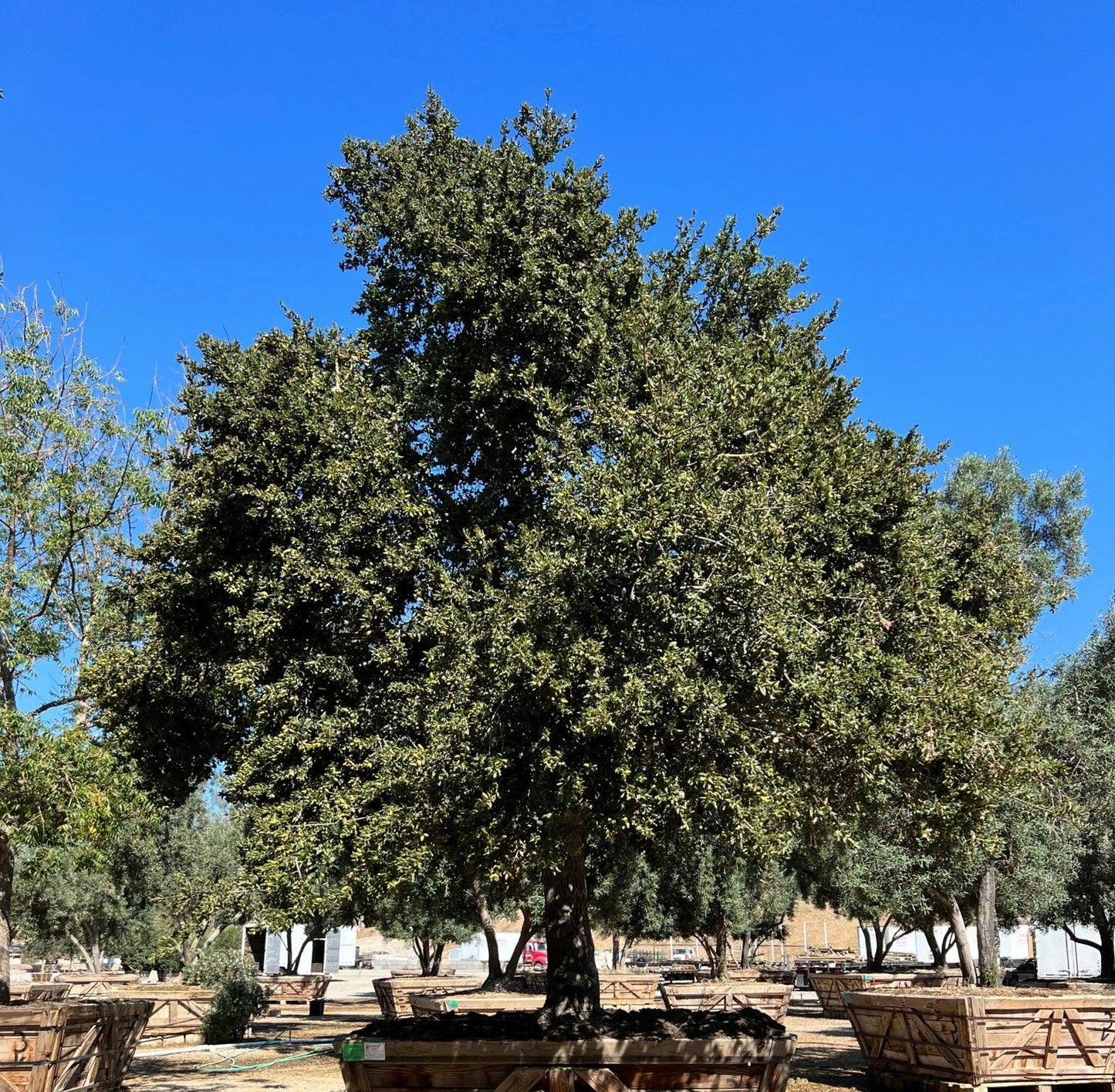
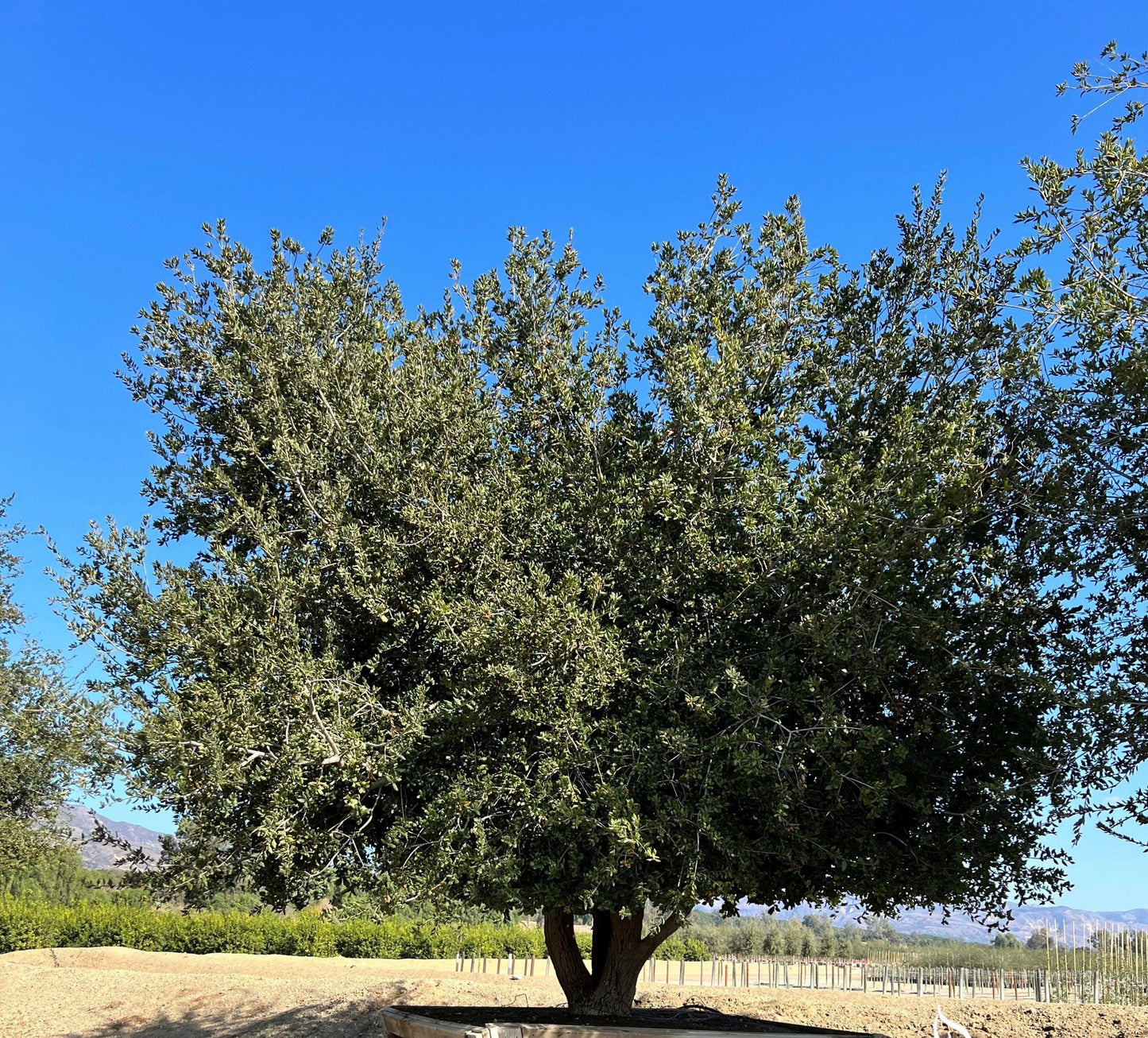
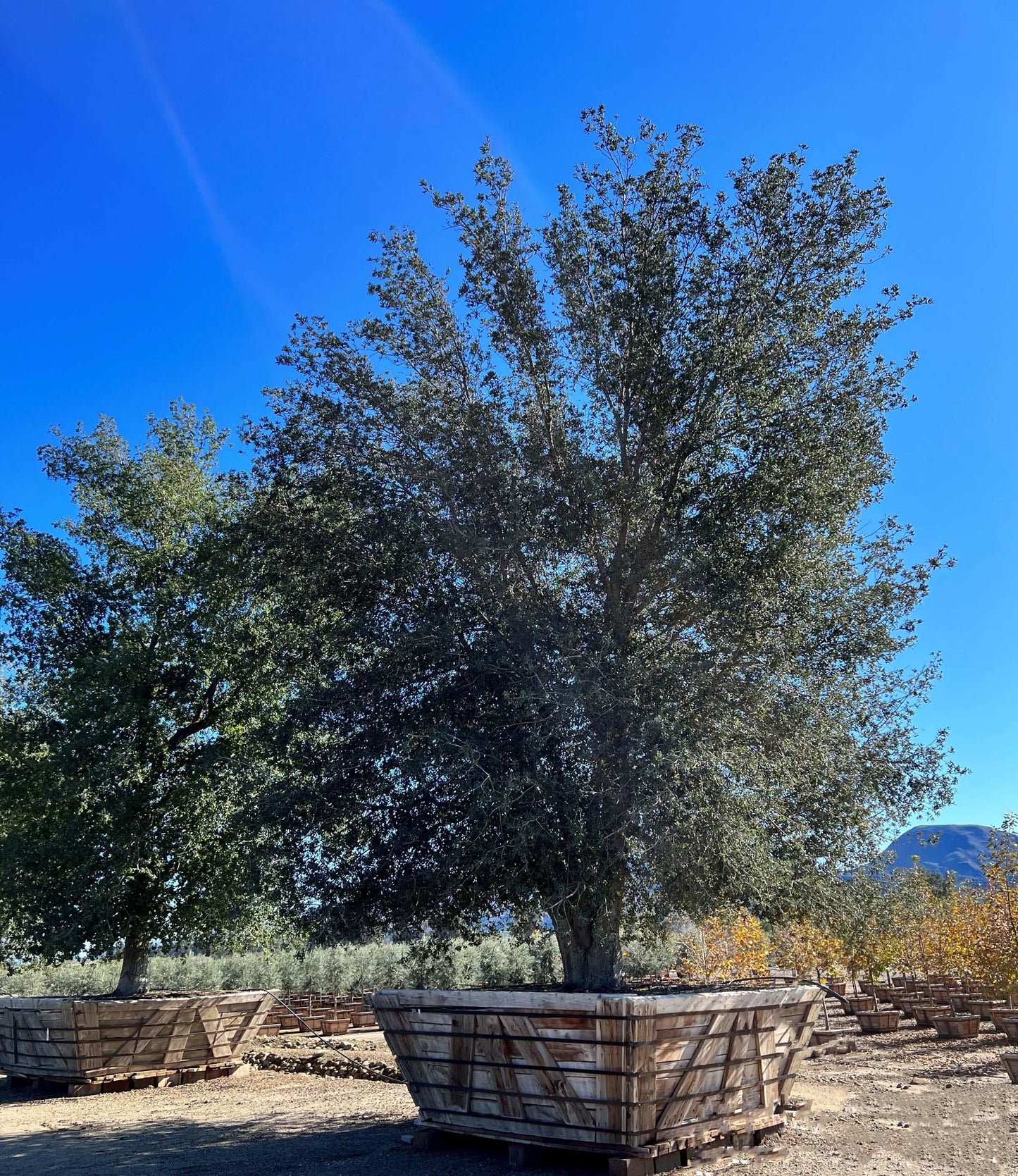
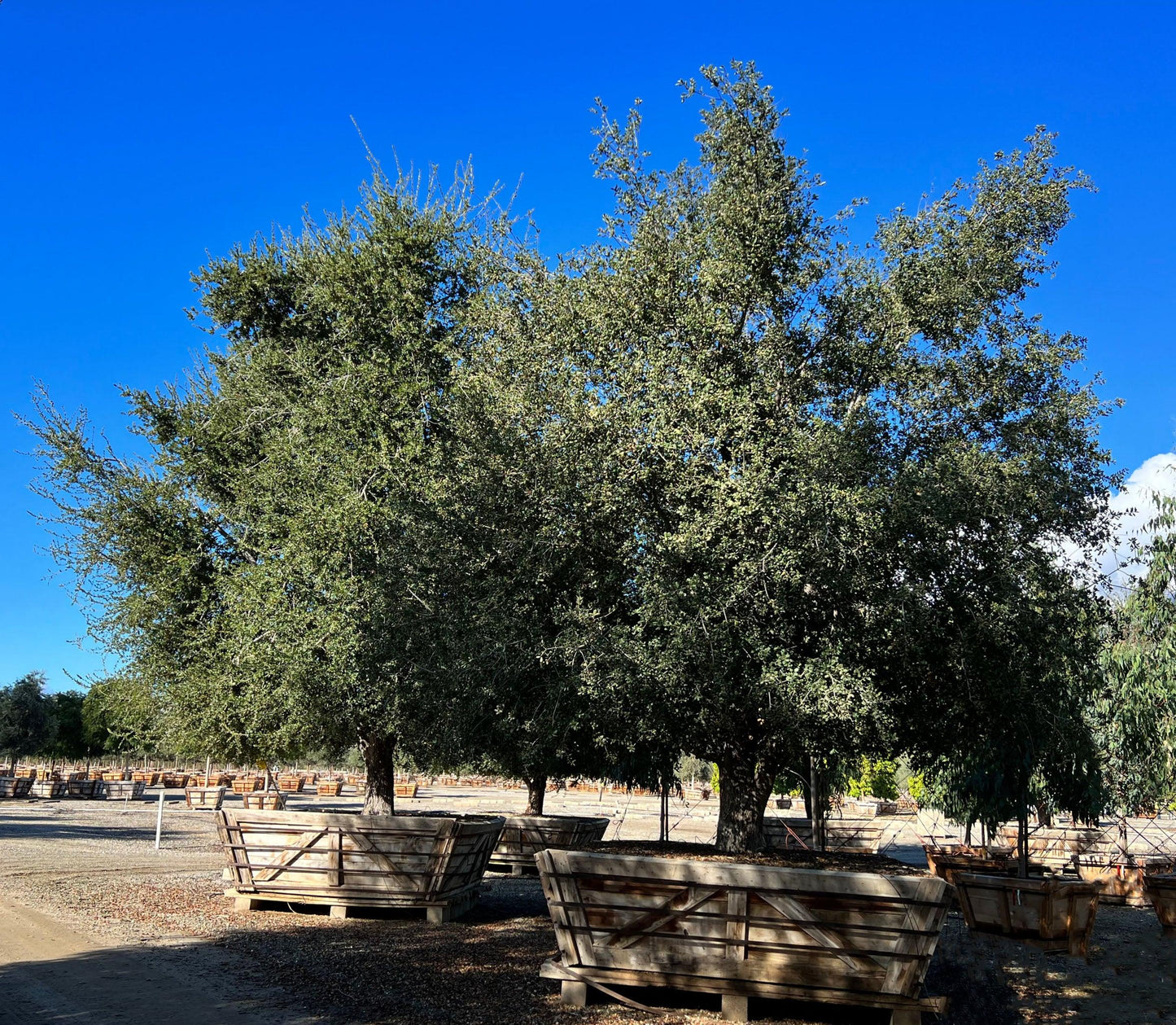
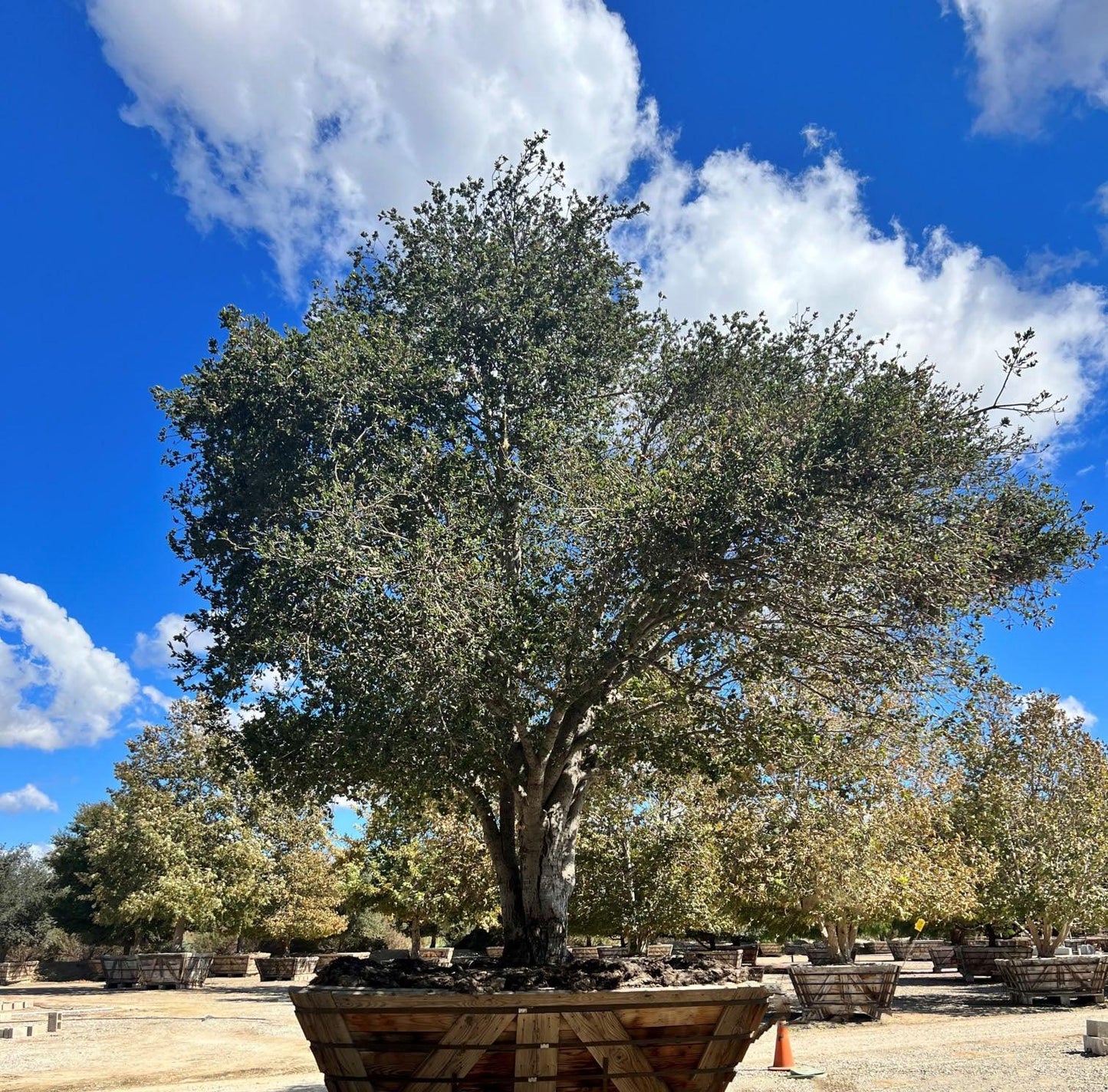
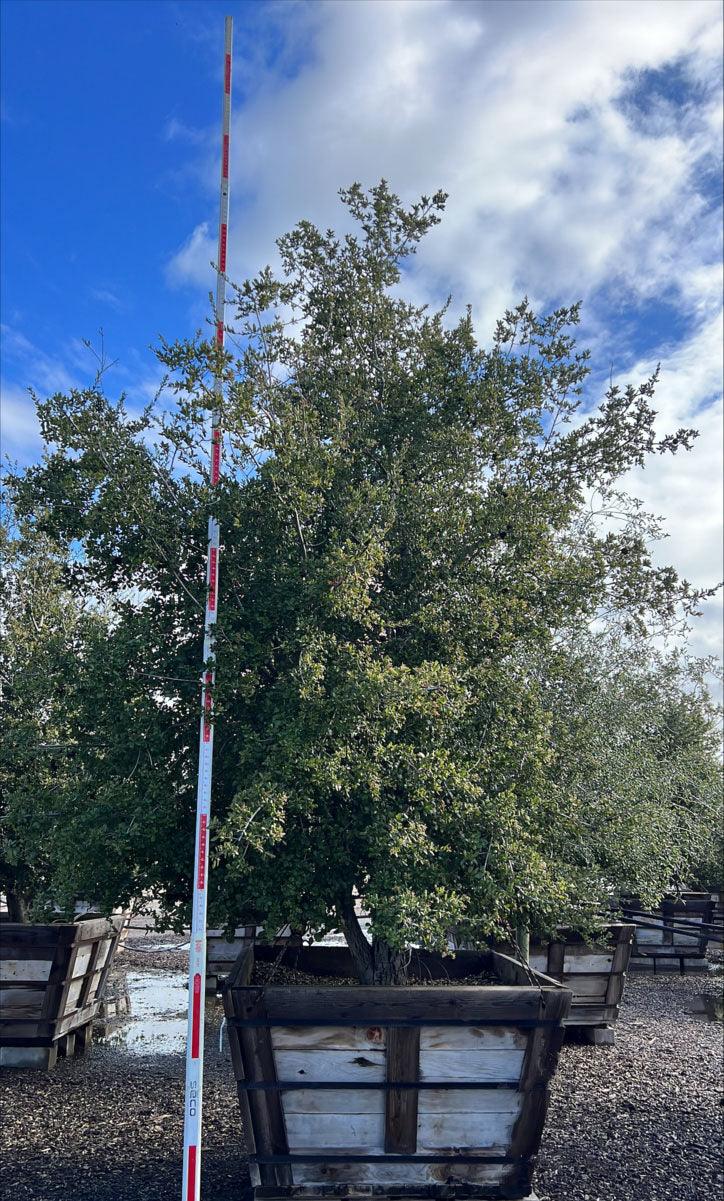
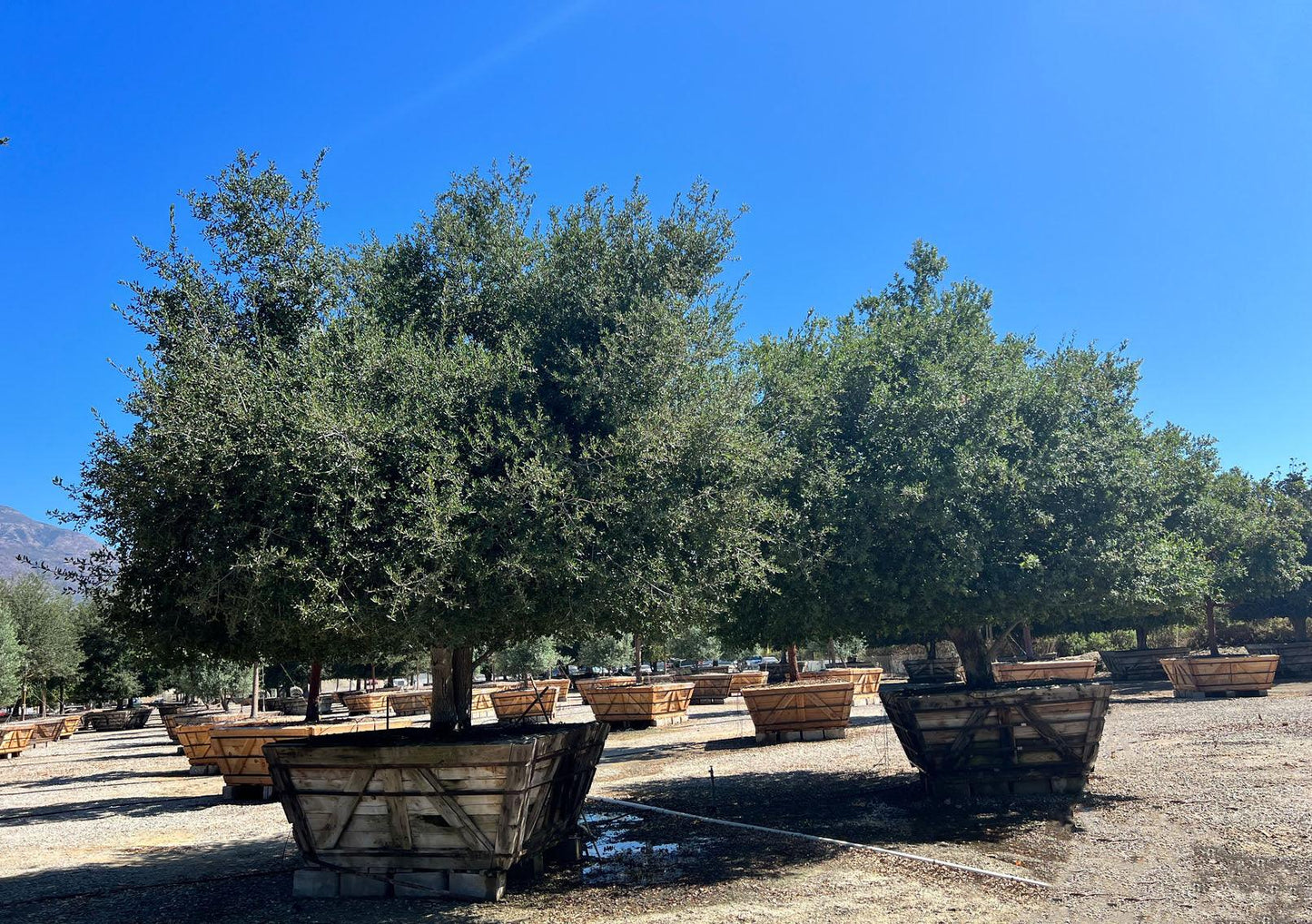
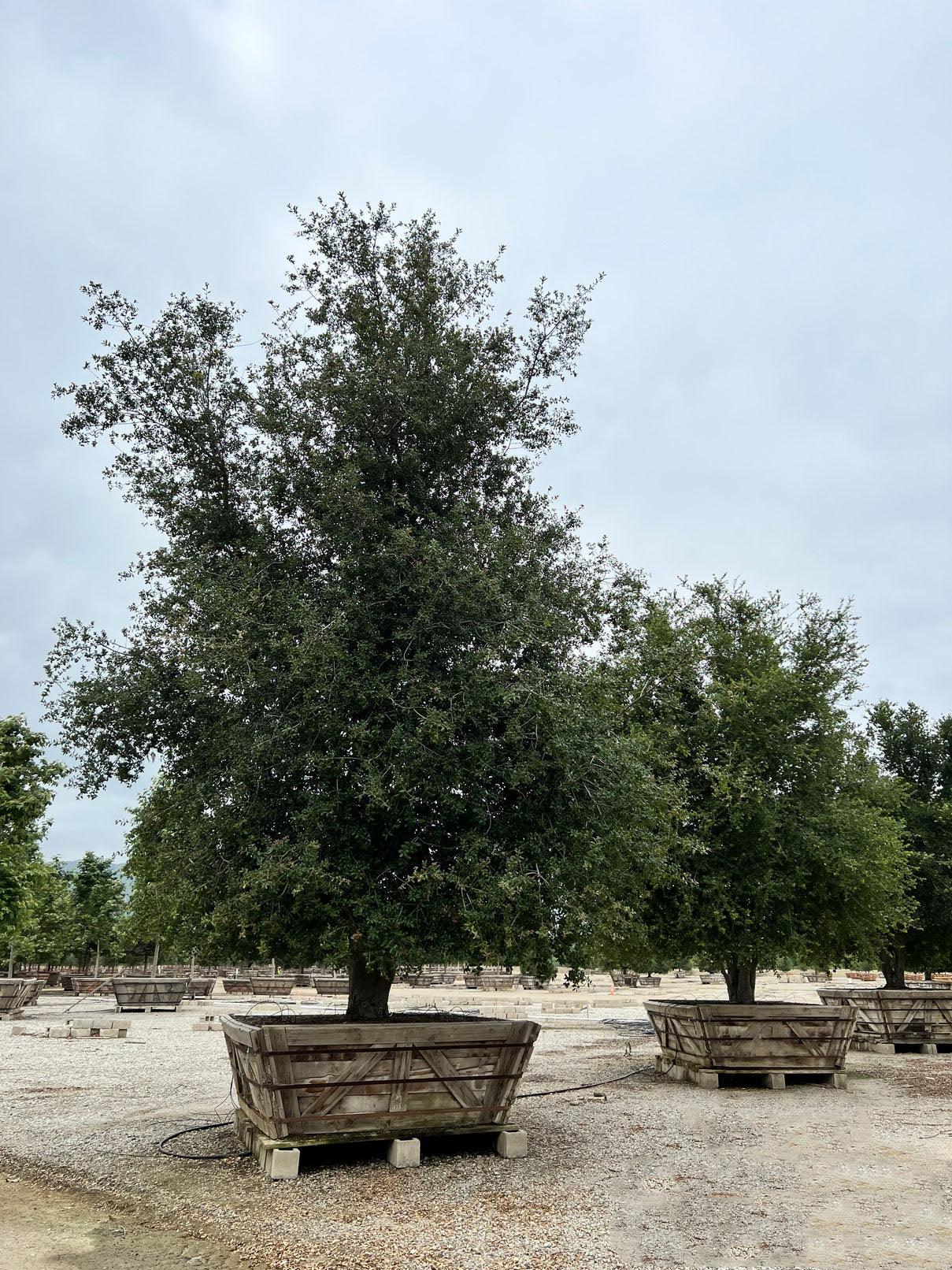
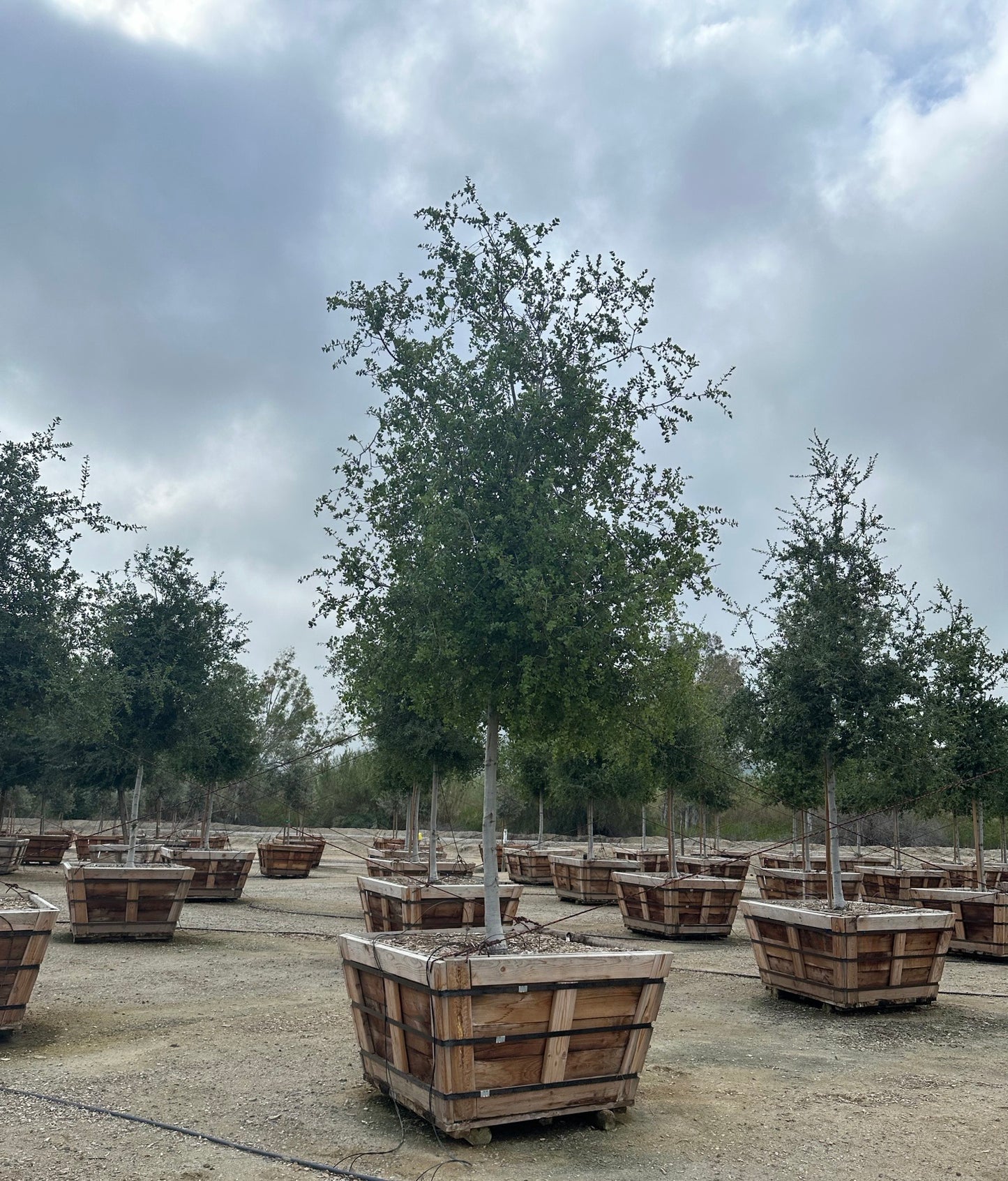


Coast Live Oak Tree (Quercus Agrifolia)
Regular price
$895.00
Size
Style
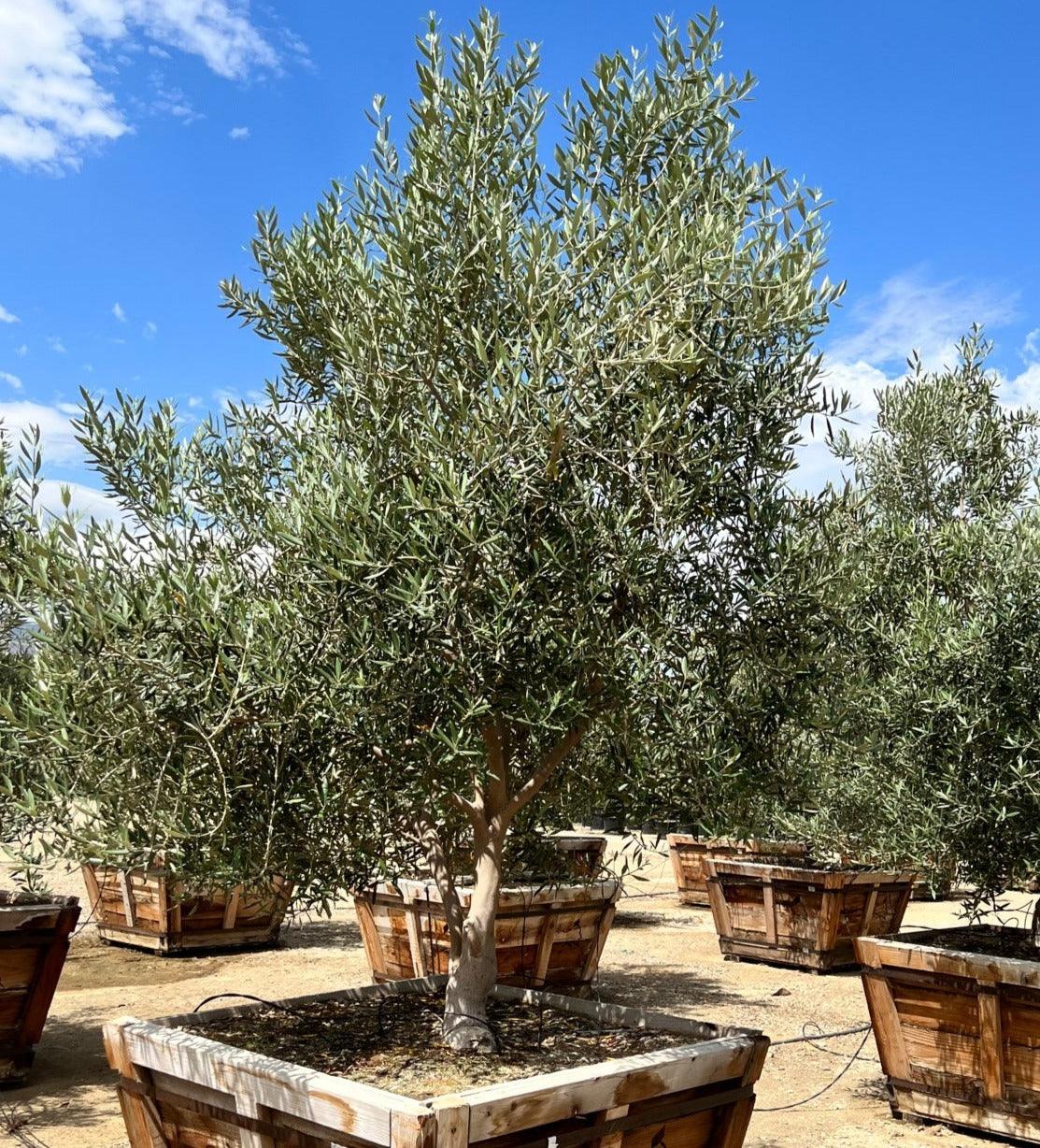
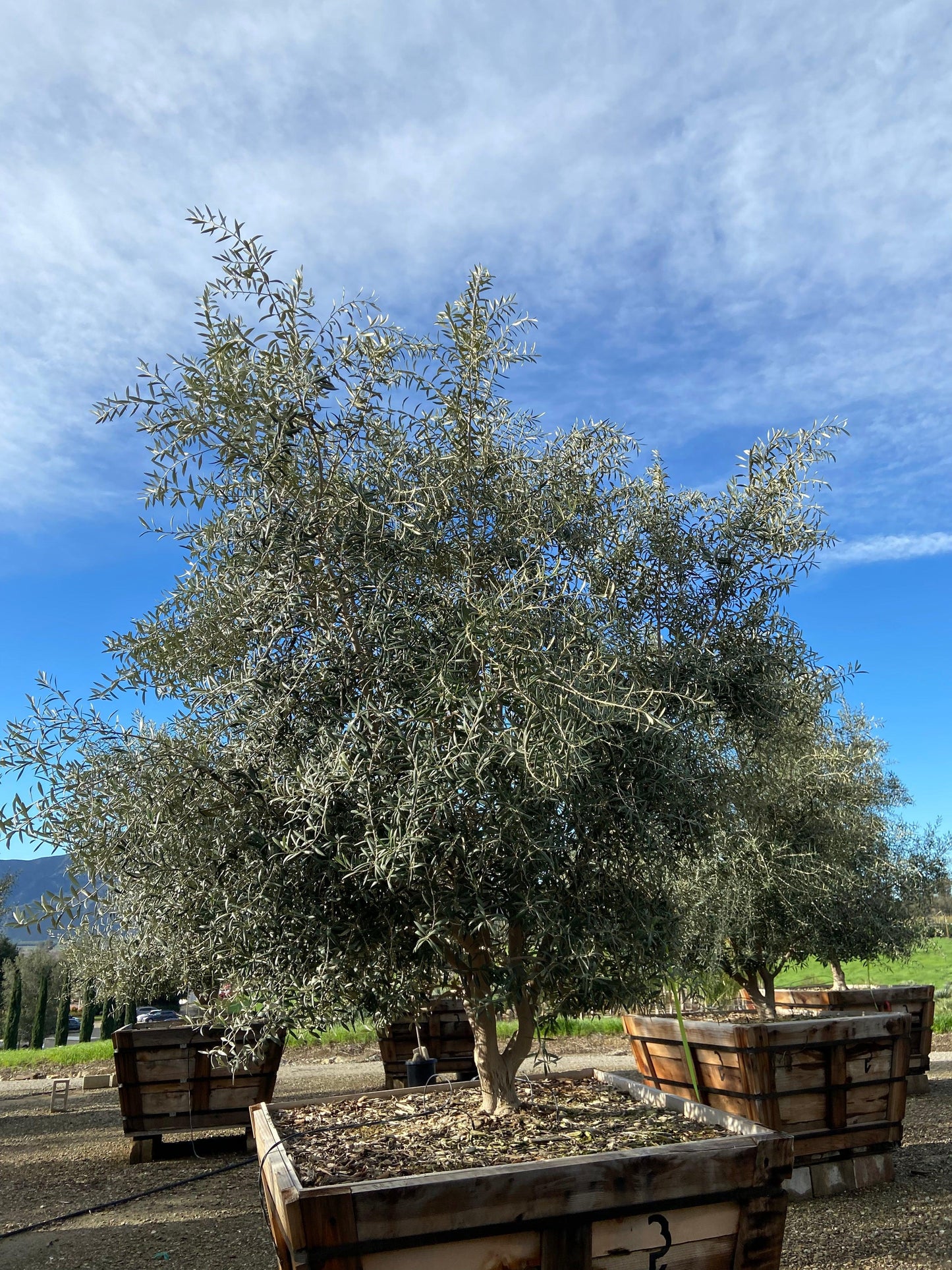
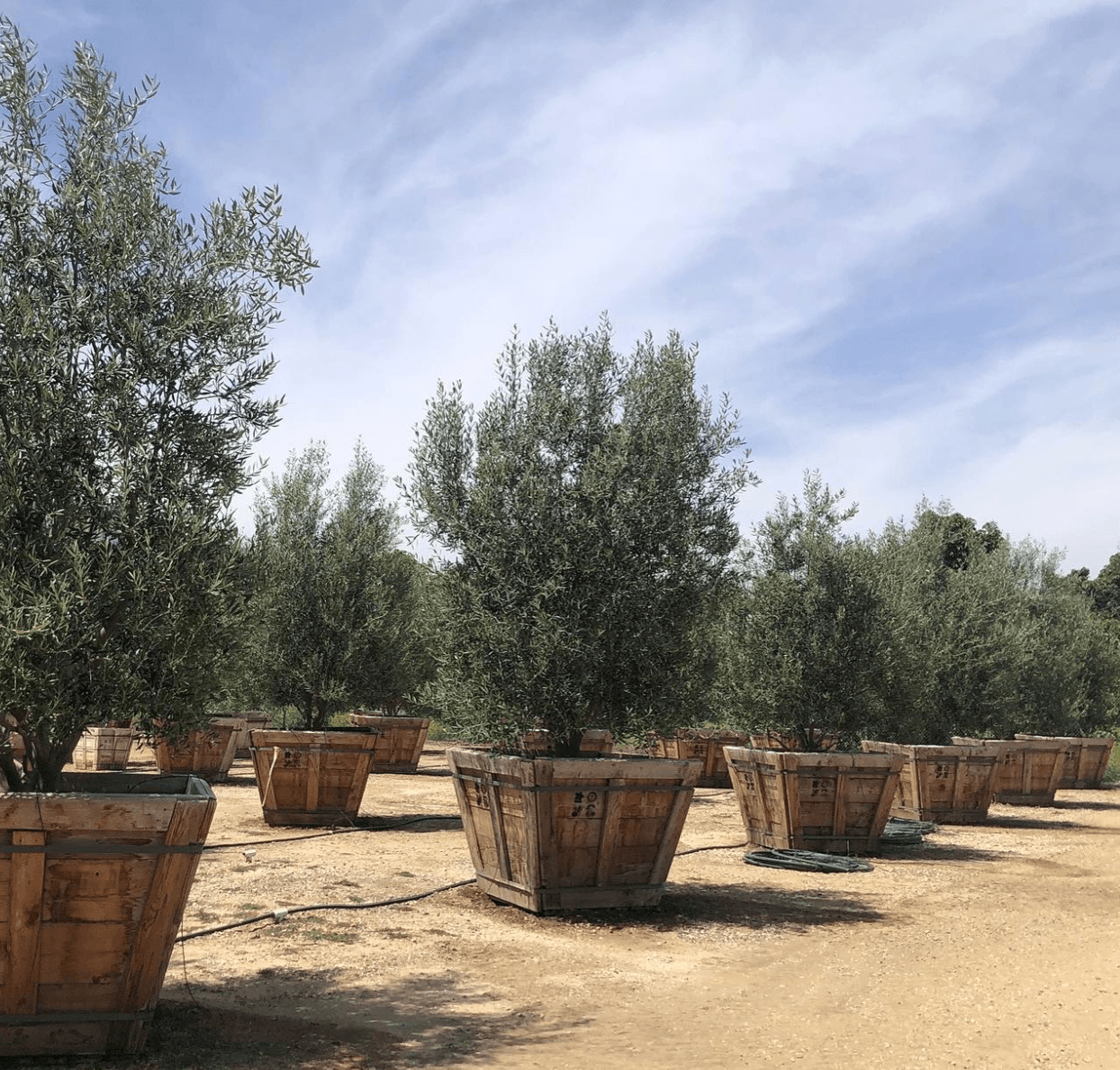
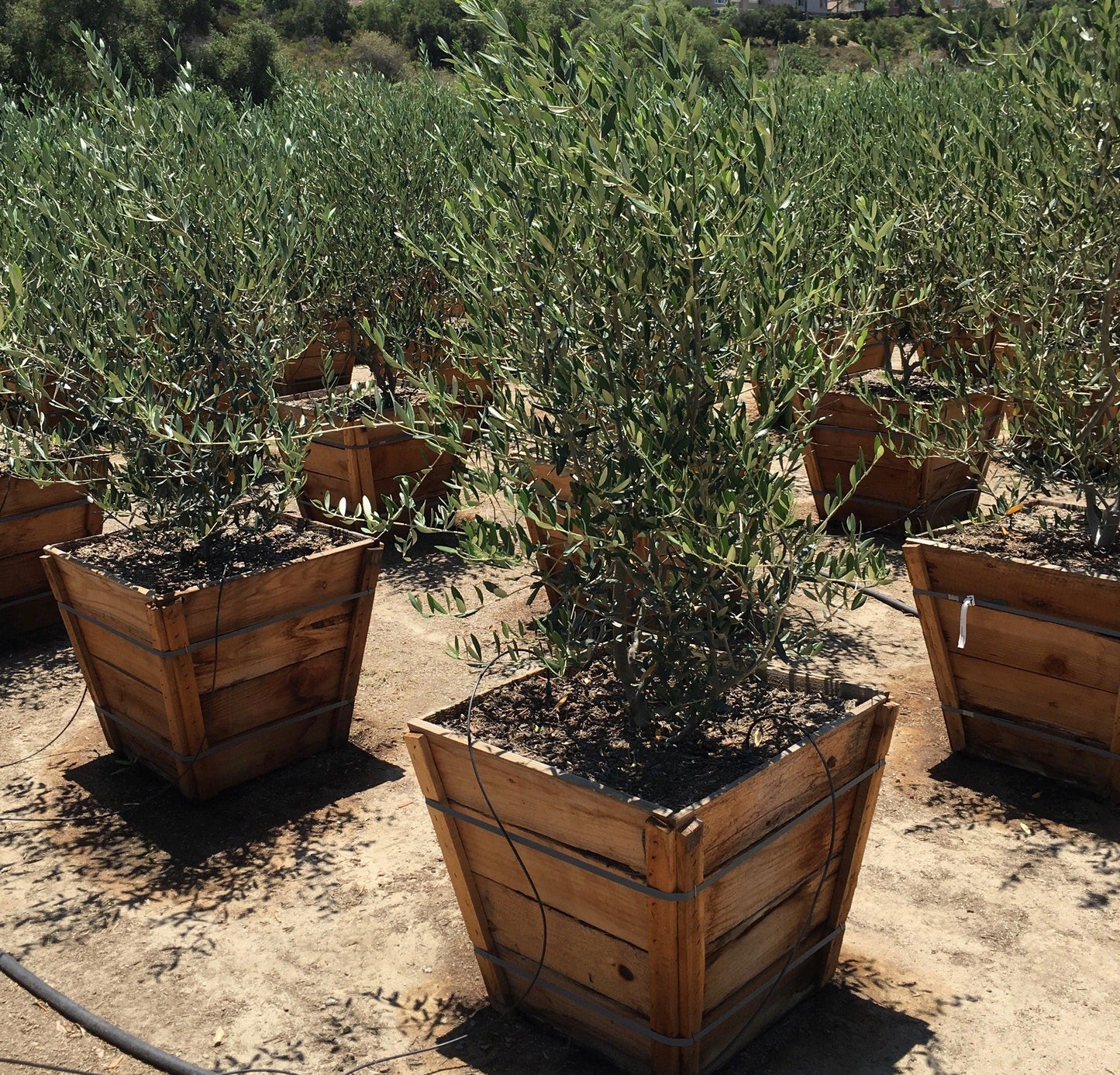
Coast Live Oak Trees (Quercus Agrifolia) grow slowly but last generations.
Despite its common name, the coast live oak is notable for its abundance in natural habitats, supporting local wildlife and ecosystems. It can be found growing naturally in habitats miles from the coast, even near the Sierra Nevadas, from lowlands up to elevations of around 5,000 feet, with elevation influencing its distribution. It is also the only oak that thrives near the ocean. Expected to eventually (but slowly) reach 70’ in height and 80’ in spread, the Coast Live Oak is a considerable but worthwhile commitment. In optimal conditions, coast live oaks (Quercus agrifolia) can grow up to 100 feet tall, with a crown spread that often exceeds their height, characterized by a short trunk and numerous large, crooked, spreading branches.
Coastal Live Oak is naturally round-headed and available as a single, multi-trunk or natural low-branching specimen.
This evergreen tree thrives in Sunset Garden zones 7-9 and 14-24. Coast live oaks thrive in coastal environments, typically within 100 kilometers of the Pacific Ocean, and can tolerate airborne salinity and coastal fog, which helps them survive dry summers. Full sun and adequate but deep water fulfill its requirements. Coast live oaks prefer well-drained soil and are often found in soils with good drainage. The leaves are alternate, evergreen, simple, and can be 1 to 2.5 inches long, with thick, leathery, shiny green surfaces and spiny margins resembling holly. Their shape is elliptical to oblong.
Coast Live Oak is prized for its attractive bark, deer and drought resistance and its ability to attract birds and butterflies.
The small and cone-shaped acorns (seeds) of the Coast Live Oak were a staple for Native Americans. The acorns of the coast live oak were a primary food source for tribes such as the Ohlone, Kameyaay, and Cahuilla, who ground them into a flour-like paste for cooking. Many Indigenous Californians still forage for acorns from the coast live oak as a food source, especially during special events, reflecting a return to traditional diets. Quercus agrifolia is Latin for “field” oak, with the genus name derived from Latin and Celtic roots—'fine' referring to a characteristic of the tree. Its Spanish name, “encino,” was used to name more than a few of the original land grants in California, and the coast live oak has influenced place names in California, with cities like Oakland and Encinitas and valleys named after oaks, reflecting its cultural and historical significance—get our coast live oak tree for sale today!
Coast Live Oak Trees (Quercus Agrifolia) grow slowly but last generations.
Despite its common name, it can be found growing naturally in habitats miles from the coast, even near the Sierra Nevadas. It is also the only oak that thrives near the ocean. Expected to eventually (but slowly) reach 70' in height and 80' in spread, the Coast Live Oak is a considerable but worthwhile commitment.
Coastal Live Oak is naturally round-headed and available as a single, multi-trunk or natural low-branching specimen.
This evergreen tree thrives in Sunset Garden zones 7-9 and 14-24. Full sun and adequate but deep water fulfill its requirements. Oval dark green leathery leaves have serrated edges and are 1-3 inches long.
Coast Live Oak is prized for its attractive bark, deer and drought resistance and its ability to attract birds and butterflies.
The small and cone-shaped acorns of the Coast Live Oak were a staple for Native Americans. Quercus agrifolia is Latin for “field” oak. Its Spanish name, “encino” was used to name more than a few of the original land grants in California – get our coast live oak tree for sale today!
You may also like...
Distribution and Habitat of Coast Live Oak
The coast live oak (Quercus agrifolia) is a defining species of California’s oak woodlands, stretching from the rolling coastal hills of Mendocino County in Northern California all the way down to San Diego County in Southern California, and even into Baja California, Mexico. This evergreen oak thrives in well-drained soils and is often found along perennial streams, where its deep roots can access reliable moisture, just as coast redwood trees (Sequoia sempervirens) flourish in moist, foggy habitats. Coast live oaks are a cornerstone of mixed evergreen forests and open plains, shaping the ecology of these communities by providing shade, shelter, and food for countless species.
Research by the US Forest Service and the Pacific Southwest Research Station underscores the coast live oak’s vital role in maintaining biodiversity across its range. It often grows alongside other oak species, such as the interior live oak and Shreve oak (Quercus parvula var. shrevei), and can even hybridize with them, contributing to the rich genetic diversity of California’s forests, much like cork oak (Quercus suber) in Mediterranean climates and Engelmann oak (Quercus engelmannii) in Southern California woodlands. Whether scattered across sun-drenched slopes or forming dense stands in valleys, the coast live oak’s gnarled branches and broad canopy are a familiar and cherished sight throughout the Pacific Southwest.
Ethnobotanical Significance of Live Oak
For centuries, the coast live oak has been woven into the daily lives and traditions of Native American communities in both Northern and Southern California. Its acorns were a staple food, gathered each fall and carefully processed—often ground into flour and leached in a cloth bag to remove bitterness—before being transformed into nourishing bread or used to thicken stews, a contrast to modern landscape trees like the Swan Hill Olives® fruitless olive tree that are selected specifically to avoid messy, edible fruit. This reliable food source helped sustain generations, making the coast live oak an essential part of California’s cultural heritage.
Beyond its acorns, the tree’s strong wood was prized for crafting tools, furniture, and even wagon wheels, while the bark found use in traditional medicine. The leaves and branches played roles in ceremonies and daily life, reflecting the deep connection between people and the land. Coast live oaks also support a vibrant web of wildlife: acorn woodpeckers, for example, depend on the tree’s annual bounty of acorns, storing them in granaries for year-round sustenance, while drought-adapted species like the Desert Ironwood tree (Olneya tesota) fill a similar ecological role in arid landscapes.
Today, coast live oaks face new challenges, most notably sudden oak death—a disease caused by the plant pathogen Phytophthora ramorum. This threat has impacted oak woodlands from San Luis Obispo to Oakland, prompting conservation efforts to protect these iconic trees and the communities, both human and wild, that rely on them. By planting and caring for coast live oaks, we help preserve a living legacy that enriches California’s landscapes and supports its unique biodiversity.
Coast Live Oak Trees (Quercus Agrifolia) grow slowly but last generations.
Despite its common name, the coast live oak is notable for its abundance in natural habitats, supporting local wildlife and ecosystems. It can be found growing naturally in habitats miles from the coast, even near the Sierra Nevadas, from lowlands up to elevations of around 5,000 feet, with elevation influencing its distribution. It is also the only oak that thrives near the ocean. Expected to eventually (but slowly) reach 70’ in height and 80’ in spread, the Coast Live Oak is a considerable but worthwhile commitment. In optimal conditions, coast live oaks (Quercus agrifolia) can grow up to 100 feet tall, with a crown spread that often exceeds their height, characterized by a short trunk and numerous large, crooked, spreading branches.
Coastal Live Oak is naturally round-headed and available as a single, multi-trunk or natural low-branching specimen.
This evergreen tree thrives in Sunset Garden zones 7-9 and 14-24. Coast live oaks thrive in coastal environments, typically within 100 kilometers of the Pacific Ocean, and can tolerate airborne salinity and coastal fog, which helps them survive dry summers. Full sun and adequate but deep water fulfill its requirements. Coast live oaks prefer well-drained soil and are often found in soils with good drainage. The leaves are alternate, evergreen, simple, and can be 1 to 2.5 inches long, with thick, leathery, shiny green surfaces and spiny margins resembling holly. Their shape is elliptical to oblong.
Coast Live Oak is prized for its attractive bark, deer and drought resistance and its ability to attract birds and butterflies.
The small and cone-shaped acorns (seeds) of the Coast Live Oak were a staple for Native Americans. The acorns of the coast live oak were a primary food source for tribes such as the Ohlone, Kameyaay, and Cahuilla, who ground them into a flour-like paste for cooking. Many Indigenous Californians still forage for acorns from the coast live oak as a food source, especially during special events, reflecting a return to traditional diets. Quercus agrifolia is Latin for “field” oak, with the genus name derived from Latin and Celtic roots—'fine' referring to a characteristic of the tree. Its Spanish name, “encino,” was used to name more than a few of the original land grants in California, and the coast live oak has influenced place names in California, with cities like Oakland and Encinitas and valleys named after oaks, reflecting its cultural and historical significance—get our coast live oak tree for sale today!
Coast Live Oak Trees (Quercus Agrifolia) grow slowly but last generations.
Despite its common name, it can be found growing naturally in habitats miles from the coast, even near the Sierra Nevadas. It is also the only oak that thrives near the ocean. Expected to eventually (but slowly) reach 70' in height and 80' in spread, the Coast Live Oak is a considerable but worthwhile commitment.
Coastal Live Oak is naturally round-headed and available as a single, multi-trunk or natural low-branching specimen.
This evergreen tree thrives in Sunset Garden zones 7-9 and 14-24. Full sun and adequate but deep water fulfill its requirements. Oval dark green leathery leaves have serrated edges and are 1-3 inches long.
Coast Live Oak is prized for its attractive bark, deer and drought resistance and its ability to attract birds and butterflies.
The small and cone-shaped acorns of the Coast Live Oak were a staple for Native Americans. Quercus agrifolia is Latin for “field” oak. Its Spanish name, “encino” was used to name more than a few of the original land grants in California – get our coast live oak tree for sale today!
You may also like...
Distribution and Habitat of Coast Live Oak
The coast live oak (Quercus agrifolia) is a defining species of California’s oak woodlands, stretching from the rolling coastal hills of Mendocino County in Northern California all the way down to San Diego County in Southern California, and even into Baja California, Mexico. This evergreen oak thrives in well-drained soils and is often found along perennial streams, where its deep roots can access reliable moisture, just as coast redwood trees (Sequoia sempervirens) flourish in moist, foggy habitats. Coast live oaks are a cornerstone of mixed evergreen forests and open plains, shaping the ecology of these communities by providing shade, shelter, and food for countless species.
Research by the US Forest Service and the Pacific Southwest Research Station underscores the coast live oak’s vital role in maintaining biodiversity across its range. It often grows alongside other oak species, such as the interior live oak and Shreve oak (Quercus parvula var. shrevei), and can even hybridize with them, contributing to the rich genetic diversity of California’s forests, much like cork oak (Quercus suber) in Mediterranean climates and Engelmann oak (Quercus engelmannii) in Southern California woodlands. Whether scattered across sun-drenched slopes or forming dense stands in valleys, the coast live oak’s gnarled branches and broad canopy are a familiar and cherished sight throughout the Pacific Southwest.
Ethnobotanical Significance of Live Oak
For centuries, the coast live oak has been woven into the daily lives and traditions of Native American communities in both Northern and Southern California. Its acorns were a staple food, gathered each fall and carefully processed—often ground into flour and leached in a cloth bag to remove bitterness—before being transformed into nourishing bread or used to thicken stews, a contrast to modern landscape trees like the Swan Hill Olives® fruitless olive tree that are selected specifically to avoid messy, edible fruit. This reliable food source helped sustain generations, making the coast live oak an essential part of California’s cultural heritage.
Beyond its acorns, the tree’s strong wood was prized for crafting tools, furniture, and even wagon wheels, while the bark found use in traditional medicine. The leaves and branches played roles in ceremonies and daily life, reflecting the deep connection between people and the land. Coast live oaks also support a vibrant web of wildlife: acorn woodpeckers, for example, depend on the tree’s annual bounty of acorns, storing them in granaries for year-round sustenance, while drought-adapted species like the Desert Ironwood tree (Olneya tesota) fill a similar ecological role in arid landscapes.
Today, coast live oaks face new challenges, most notably sudden oak death—a disease caused by the plant pathogen Phytophthora ramorum. This threat has impacted oak woodlands from San Luis Obispo to Oakland, prompting conservation efforts to protect these iconic trees and the communities, both human and wild, that rely on them. By planting and caring for coast live oaks, we help preserve a living legacy that enriches California’s landscapes and supports its unique biodiversity.
Plants vary greatly by type and no guarantees are made on sizing.
However here is a rough idea of sizes based on containers that are direct from our growing grounds.
15 Gallon Shrub 3-4 Ft. Tall
15 Gallon Tree 5-6 Ft. Tall
24" Box Shrub 5-6 Ft. Tall
24" Box Tree 6-7 Ft. Tall
36" Box Tree 8-10 Ft. Tall
48" Box Tree 10-12 Ft. Tall
Please note: Citrus and California Native plants such as Manzanita are smaller than traditional sizing.
Please contact us to confirm sizing of items before purchasing if this is a concern.
Plants vary greatly by type and no guarantees are made on sizing.
However here is a rough idea of sizes based on containers that are direct from our growing grounds.
15 Gallon Shrub 3-4 Ft. Tall
15 Gallon Tree 5-6 Ft. Tall
24" Box Shrub 5-6 Ft. Tall
24" Box Tree 6-7 Ft. Tall
36" Box Tree 8-10 Ft. Tall
48" Box Tree 10-12 Ft. Tall
Please note: Citrus and California Native plants such as Manzanita are smaller than traditional sizing.
Please contact us to confirm sizing of items before purchasing if this is a concern.
Delivery does not include unloading of trees and plants larger than a 24" box.
Trees and plants in smaller containers will be dropped curbside.
Delivery beyond a curbside drop will be charged extra.
Trees and plants that are sold in container sizes larger than a 24" box size will require equipment and an operator onsite to help unload from the truck.
Please reach out to our team PRIOR to placing your order to coordinate.
Our team can provide unloading assistance with equipment for an extra fee.
Delivery does not include unloading of trees and plants larger than a 24" box.
Trees and plants in smaller containers will be dropped curbside.
Delivery beyond a curbside drop will be charged extra.
Trees and plants that are sold in container sizes larger than a 24" box size will require equipment and an operator onsite to help unload from the truck.
Please reach out to our team PRIOR to placing your order to coordinate.
Our team can provide unloading assistance with equipment for an extra fee.
You may also like...


Coast Live Oak Tree (Quercus Agrifolia)
Regular price
$895.00
Size
Style
Coast Live Oak Trees (Quercus Agrifolia) grow slowly but last generations.
Despite its common name, the coast live oak is notable for its abundance in natural habitats, supporting local wildlife and ecosystems. It can be found growing naturally in habitats miles from the coast, even near the Sierra Nevadas, from lowlands up to elevations of around 5,000 feet, with elevation influencing its distribution. It is also the only oak that thrives near the ocean. Expected to eventually (but slowly) reach 70’ in height and 80’ in spread, the Coast Live Oak is a considerable but worthwhile commitment. In optimal conditions, coast live oaks (Quercus agrifolia) can grow up to 100 feet tall, with a crown spread that often exceeds their height, characterized by a short trunk and numerous large, crooked, spreading branches.
Coastal Live Oak is naturally round-headed and available as a single, multi-trunk or natural low-branching specimen.
This evergreen tree thrives in Sunset Garden zones 7-9 and 14-24. Coast live oaks thrive in coastal environments, typically within 100 kilometers of the Pacific Ocean, and can tolerate airborne salinity and coastal fog, which helps them survive dry summers. Full sun and adequate but deep water fulfill its requirements. Coast live oaks prefer well-drained soil and are often found in soils with good drainage. The leaves are alternate, evergreen, simple, and can be 1 to 2.5 inches long, with thick, leathery, shiny green surfaces and spiny margins resembling holly. Their shape is elliptical to oblong.
Coast Live Oak is prized for its attractive bark, deer and drought resistance and its ability to attract birds and butterflies.
The small and cone-shaped acorns (seeds) of the Coast Live Oak were a staple for Native Americans. The acorns of the coast live oak were a primary food source for tribes such as the Ohlone, Kameyaay, and Cahuilla, who ground them into a flour-like paste for cooking. Many Indigenous Californians still forage for acorns from the coast live oak as a food source, especially during special events, reflecting a return to traditional diets. Quercus agrifolia is Latin for “field” oak, with the genus name derived from Latin and Celtic roots—'fine' referring to a characteristic of the tree. Its Spanish name, “encino,” was used to name more than a few of the original land grants in California, and the coast live oak has influenced place names in California, with cities like Oakland and Encinitas and valleys named after oaks, reflecting its cultural and historical significance—get our coast live oak tree for sale today!
Coast Live Oak Trees (Quercus Agrifolia) grow slowly but last generations.
Despite its common name, it can be found growing naturally in habitats miles from the coast, even near the Sierra Nevadas. It is also the only oak that thrives near the ocean. Expected to eventually (but slowly) reach 70' in height and 80' in spread, the Coast Live Oak is a considerable but worthwhile commitment.
Coastal Live Oak is naturally round-headed and available as a single, multi-trunk or natural low-branching specimen.
This evergreen tree thrives in Sunset Garden zones 7-9 and 14-24. Full sun and adequate but deep water fulfill its requirements. Oval dark green leathery leaves have serrated edges and are 1-3 inches long.
Coast Live Oak is prized for its attractive bark, deer and drought resistance and its ability to attract birds and butterflies.
The small and cone-shaped acorns of the Coast Live Oak were a staple for Native Americans. Quercus agrifolia is Latin for “field” oak. Its Spanish name, “encino” was used to name more than a few of the original land grants in California – get our coast live oak tree for sale today!
You may also like...
Distribution and Habitat of Coast Live Oak
The coast live oak (Quercus agrifolia) is a defining species of California’s oak woodlands, stretching from the rolling coastal hills of Mendocino County in Northern California all the way down to San Diego County in Southern California, and even into Baja California, Mexico. This evergreen oak thrives in well-drained soils and is often found along perennial streams, where its deep roots can access reliable moisture, just as coast redwood trees (Sequoia sempervirens) flourish in moist, foggy habitats. Coast live oaks are a cornerstone of mixed evergreen forests and open plains, shaping the ecology of these communities by providing shade, shelter, and food for countless species.
Research by the US Forest Service and the Pacific Southwest Research Station underscores the coast live oak’s vital role in maintaining biodiversity across its range. It often grows alongside other oak species, such as the interior live oak and Shreve oak (Quercus parvula var. shrevei), and can even hybridize with them, contributing to the rich genetic diversity of California’s forests, much like cork oak (Quercus suber) in Mediterranean climates and Engelmann oak (Quercus engelmannii) in Southern California woodlands. Whether scattered across sun-drenched slopes or forming dense stands in valleys, the coast live oak’s gnarled branches and broad canopy are a familiar and cherished sight throughout the Pacific Southwest.
Ethnobotanical Significance of Live Oak
For centuries, the coast live oak has been woven into the daily lives and traditions of Native American communities in both Northern and Southern California. Its acorns were a staple food, gathered each fall and carefully processed—often ground into flour and leached in a cloth bag to remove bitterness—before being transformed into nourishing bread or used to thicken stews, a contrast to modern landscape trees like the Swan Hill Olives® fruitless olive tree that are selected specifically to avoid messy, edible fruit. This reliable food source helped sustain generations, making the coast live oak an essential part of California’s cultural heritage.
Beyond its acorns, the tree’s strong wood was prized for crafting tools, furniture, and even wagon wheels, while the bark found use in traditional medicine. The leaves and branches played roles in ceremonies and daily life, reflecting the deep connection between people and the land. Coast live oaks also support a vibrant web of wildlife: acorn woodpeckers, for example, depend on the tree’s annual bounty of acorns, storing them in granaries for year-round sustenance, while drought-adapted species like the Desert Ironwood tree (Olneya tesota) fill a similar ecological role in arid landscapes.
Today, coast live oaks face new challenges, most notably sudden oak death—a disease caused by the plant pathogen Phytophthora ramorum. This threat has impacted oak woodlands from San Luis Obispo to Oakland, prompting conservation efforts to protect these iconic trees and the communities, both human and wild, that rely on them. By planting and caring for coast live oaks, we help preserve a living legacy that enriches California’s landscapes and supports its unique biodiversity.
Coast Live Oak Trees (Quercus Agrifolia) grow slowly but last generations.
Despite its common name, the coast live oak is notable for its abundance in natural habitats, supporting local wildlife and ecosystems. It can be found growing naturally in habitats miles from the coast, even near the Sierra Nevadas, from lowlands up to elevations of around 5,000 feet, with elevation influencing its distribution. It is also the only oak that thrives near the ocean. Expected to eventually (but slowly) reach 70’ in height and 80’ in spread, the Coast Live Oak is a considerable but worthwhile commitment. In optimal conditions, coast live oaks (Quercus agrifolia) can grow up to 100 feet tall, with a crown spread that often exceeds their height, characterized by a short trunk and numerous large, crooked, spreading branches.
Coastal Live Oak is naturally round-headed and available as a single, multi-trunk or natural low-branching specimen.
This evergreen tree thrives in Sunset Garden zones 7-9 and 14-24. Coast live oaks thrive in coastal environments, typically within 100 kilometers of the Pacific Ocean, and can tolerate airborne salinity and coastal fog, which helps them survive dry summers. Full sun and adequate but deep water fulfill its requirements. Coast live oaks prefer well-drained soil and are often found in soils with good drainage. The leaves are alternate, evergreen, simple, and can be 1 to 2.5 inches long, with thick, leathery, shiny green surfaces and spiny margins resembling holly. Their shape is elliptical to oblong.
Coast Live Oak is prized for its attractive bark, deer and drought resistance and its ability to attract birds and butterflies.
The small and cone-shaped acorns (seeds) of the Coast Live Oak were a staple for Native Americans. The acorns of the coast live oak were a primary food source for tribes such as the Ohlone, Kameyaay, and Cahuilla, who ground them into a flour-like paste for cooking. Many Indigenous Californians still forage for acorns from the coast live oak as a food source, especially during special events, reflecting a return to traditional diets. Quercus agrifolia is Latin for “field” oak, with the genus name derived from Latin and Celtic roots—'fine' referring to a characteristic of the tree. Its Spanish name, “encino,” was used to name more than a few of the original land grants in California, and the coast live oak has influenced place names in California, with cities like Oakland and Encinitas and valleys named after oaks, reflecting its cultural and historical significance—get our coast live oak tree for sale today!
Coast Live Oak Trees (Quercus Agrifolia) grow slowly but last generations.
Despite its common name, it can be found growing naturally in habitats miles from the coast, even near the Sierra Nevadas. It is also the only oak that thrives near the ocean. Expected to eventually (but slowly) reach 70' in height and 80' in spread, the Coast Live Oak is a considerable but worthwhile commitment.
Coastal Live Oak is naturally round-headed and available as a single, multi-trunk or natural low-branching specimen.
This evergreen tree thrives in Sunset Garden zones 7-9 and 14-24. Full sun and adequate but deep water fulfill its requirements. Oval dark green leathery leaves have serrated edges and are 1-3 inches long.
Coast Live Oak is prized for its attractive bark, deer and drought resistance and its ability to attract birds and butterflies.
The small and cone-shaped acorns of the Coast Live Oak were a staple for Native Americans. Quercus agrifolia is Latin for “field” oak. Its Spanish name, “encino” was used to name more than a few of the original land grants in California – get our coast live oak tree for sale today!
You may also like...
Distribution and Habitat of Coast Live Oak
The coast live oak (Quercus agrifolia) is a defining species of California’s oak woodlands, stretching from the rolling coastal hills of Mendocino County in Northern California all the way down to San Diego County in Southern California, and even into Baja California, Mexico. This evergreen oak thrives in well-drained soils and is often found along perennial streams, where its deep roots can access reliable moisture, just as coast redwood trees (Sequoia sempervirens) flourish in moist, foggy habitats. Coast live oaks are a cornerstone of mixed evergreen forests and open plains, shaping the ecology of these communities by providing shade, shelter, and food for countless species.
Research by the US Forest Service and the Pacific Southwest Research Station underscores the coast live oak’s vital role in maintaining biodiversity across its range. It often grows alongside other oak species, such as the interior live oak and Shreve oak (Quercus parvula var. shrevei), and can even hybridize with them, contributing to the rich genetic diversity of California’s forests, much like cork oak (Quercus suber) in Mediterranean climates and Engelmann oak (Quercus engelmannii) in Southern California woodlands. Whether scattered across sun-drenched slopes or forming dense stands in valleys, the coast live oak’s gnarled branches and broad canopy are a familiar and cherished sight throughout the Pacific Southwest.
Ethnobotanical Significance of Live Oak
For centuries, the coast live oak has been woven into the daily lives and traditions of Native American communities in both Northern and Southern California. Its acorns were a staple food, gathered each fall and carefully processed—often ground into flour and leached in a cloth bag to remove bitterness—before being transformed into nourishing bread or used to thicken stews, a contrast to modern landscape trees like the Swan Hill Olives® fruitless olive tree that are selected specifically to avoid messy, edible fruit. This reliable food source helped sustain generations, making the coast live oak an essential part of California’s cultural heritage.
Beyond its acorns, the tree’s strong wood was prized for crafting tools, furniture, and even wagon wheels, while the bark found use in traditional medicine. The leaves and branches played roles in ceremonies and daily life, reflecting the deep connection between people and the land. Coast live oaks also support a vibrant web of wildlife: acorn woodpeckers, for example, depend on the tree’s annual bounty of acorns, storing them in granaries for year-round sustenance, while drought-adapted species like the Desert Ironwood tree (Olneya tesota) fill a similar ecological role in arid landscapes.
Today, coast live oaks face new challenges, most notably sudden oak death—a disease caused by the plant pathogen Phytophthora ramorum. This threat has impacted oak woodlands from San Luis Obispo to Oakland, prompting conservation efforts to protect these iconic trees and the communities, both human and wild, that rely on them. By planting and caring for coast live oaks, we help preserve a living legacy that enriches California’s landscapes and supports its unique biodiversity.
Plants vary greatly by type and no guarantees are made on sizing.
However here is a rough idea of sizes based on containers that are direct from our growing grounds.
15 Gallon Shrub 3-4 Ft. Tall
15 Gallon Tree 5-6 Ft. Tall
24" Box Shrub 5-6 Ft. Tall
24" Box Tree 6-7 Ft. Tall
36" Box Tree 8-10 Ft. Tall
48" Box Tree 10-12 Ft. Tall
Please note: Citrus and California Native plants such as Manzanita are smaller than traditional sizing.
Please contact us to confirm sizing of items before purchasing if this is a concern.
Plants vary greatly by type and no guarantees are made on sizing.
However here is a rough idea of sizes based on containers that are direct from our growing grounds.
15 Gallon Shrub 3-4 Ft. Tall
15 Gallon Tree 5-6 Ft. Tall
24" Box Shrub 5-6 Ft. Tall
24" Box Tree 6-7 Ft. Tall
36" Box Tree 8-10 Ft. Tall
48" Box Tree 10-12 Ft. Tall
Please note: Citrus and California Native plants such as Manzanita are smaller than traditional sizing.
Please contact us to confirm sizing of items before purchasing if this is a concern.
Delivery does not include unloading of trees and plants larger than a 24" box.
Trees and plants in smaller containers will be dropped curbside.
Delivery beyond a curbside drop will be charged extra.
Trees and plants that are sold in container sizes larger than a 24" box size will require equipment and an operator onsite to help unload from the truck.
Please reach out to our team PRIOR to placing your order to coordinate.
Our team can provide unloading assistance with equipment for an extra fee.
Delivery does not include unloading of trees and plants larger than a 24" box.
Trees and plants in smaller containers will be dropped curbside.
Delivery beyond a curbside drop will be charged extra.
Trees and plants that are sold in container sizes larger than a 24" box size will require equipment and an operator onsite to help unload from the truck.
Please reach out to our team PRIOR to placing your order to coordinate.
Our team can provide unloading assistance with equipment for an extra fee.
Recommended For You















Pairs Well With













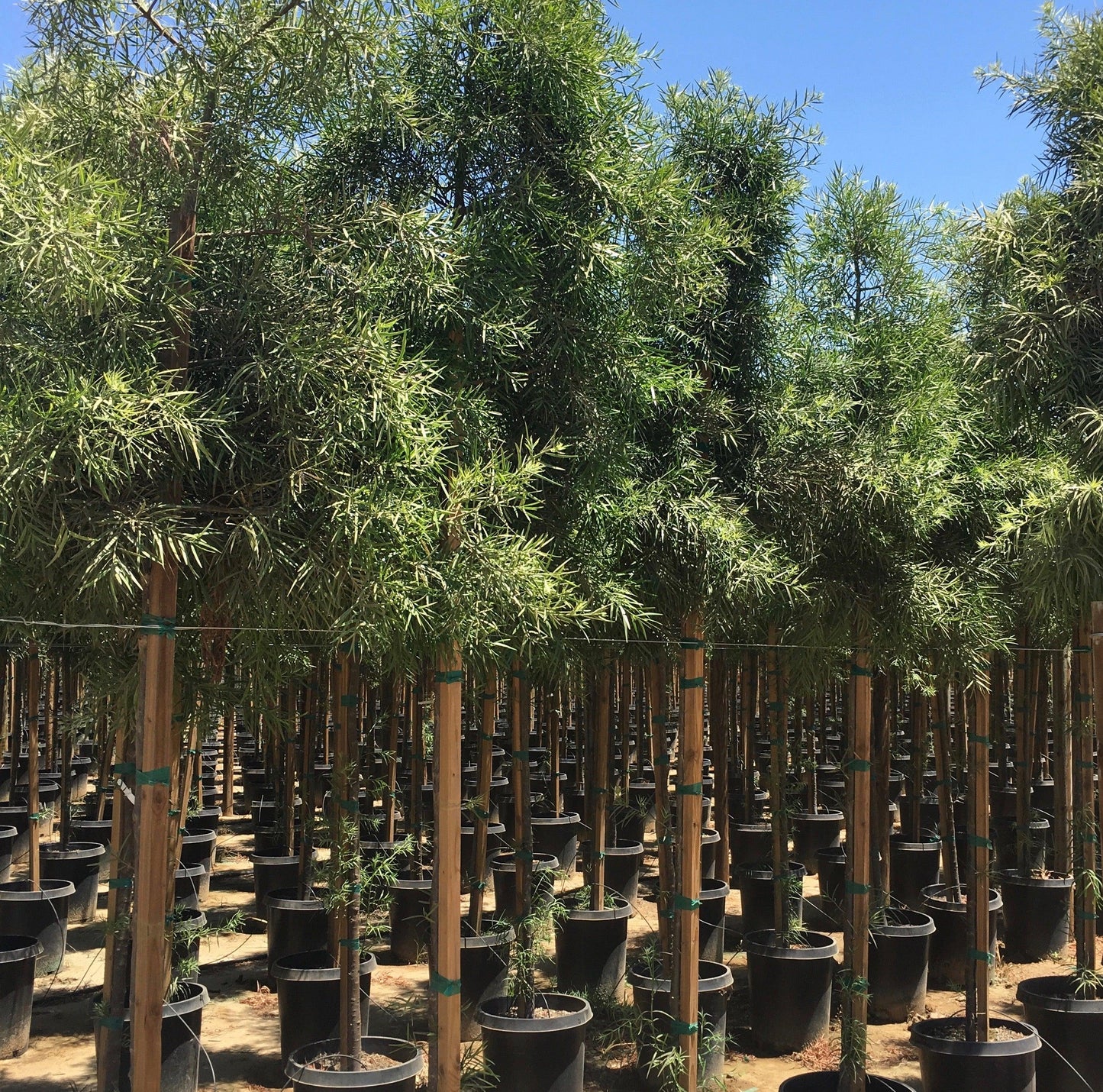
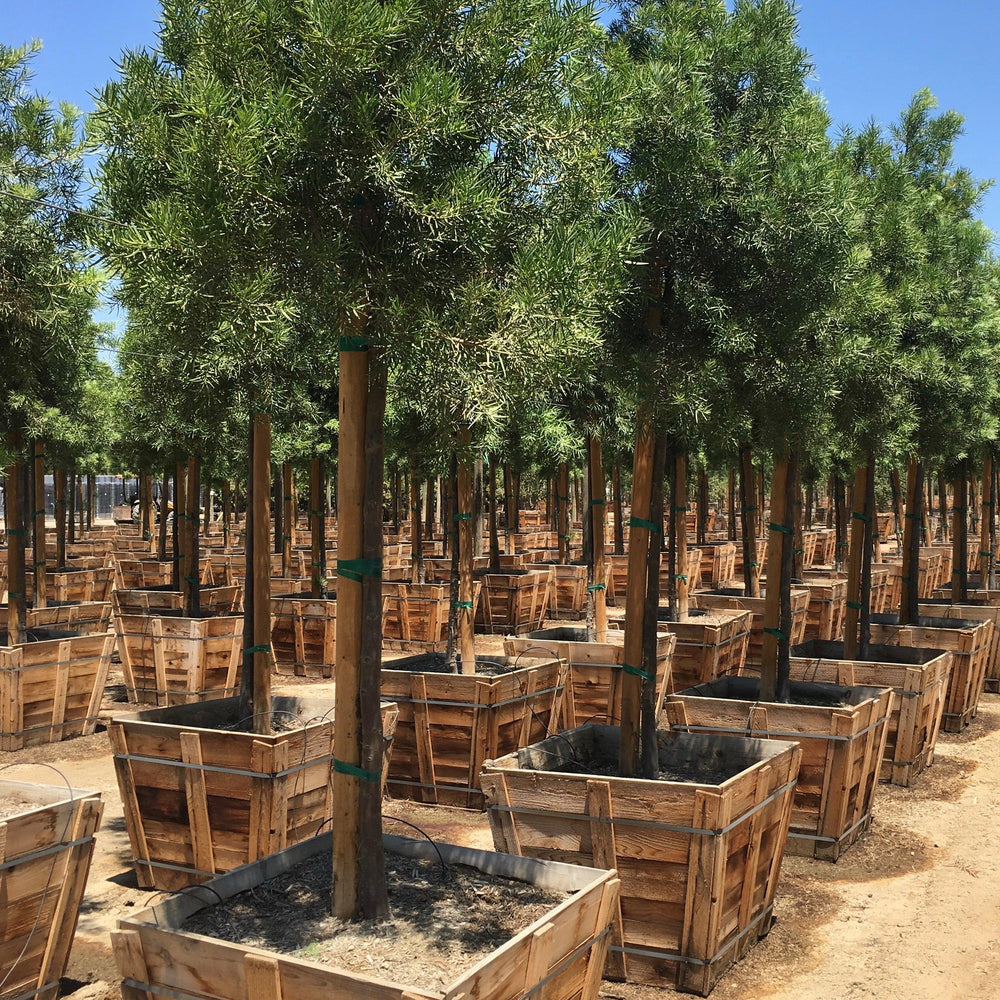
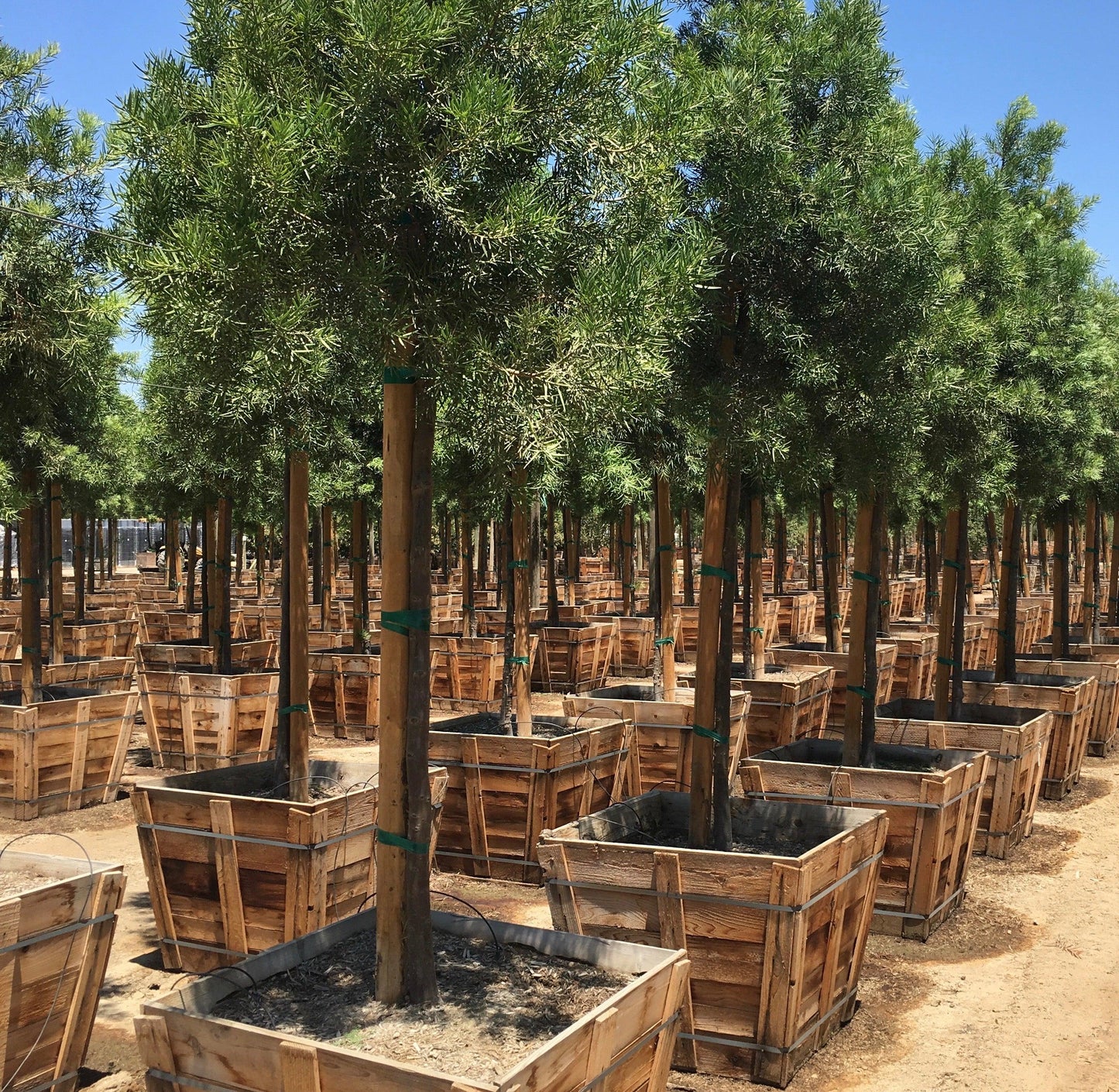
You May Also Like

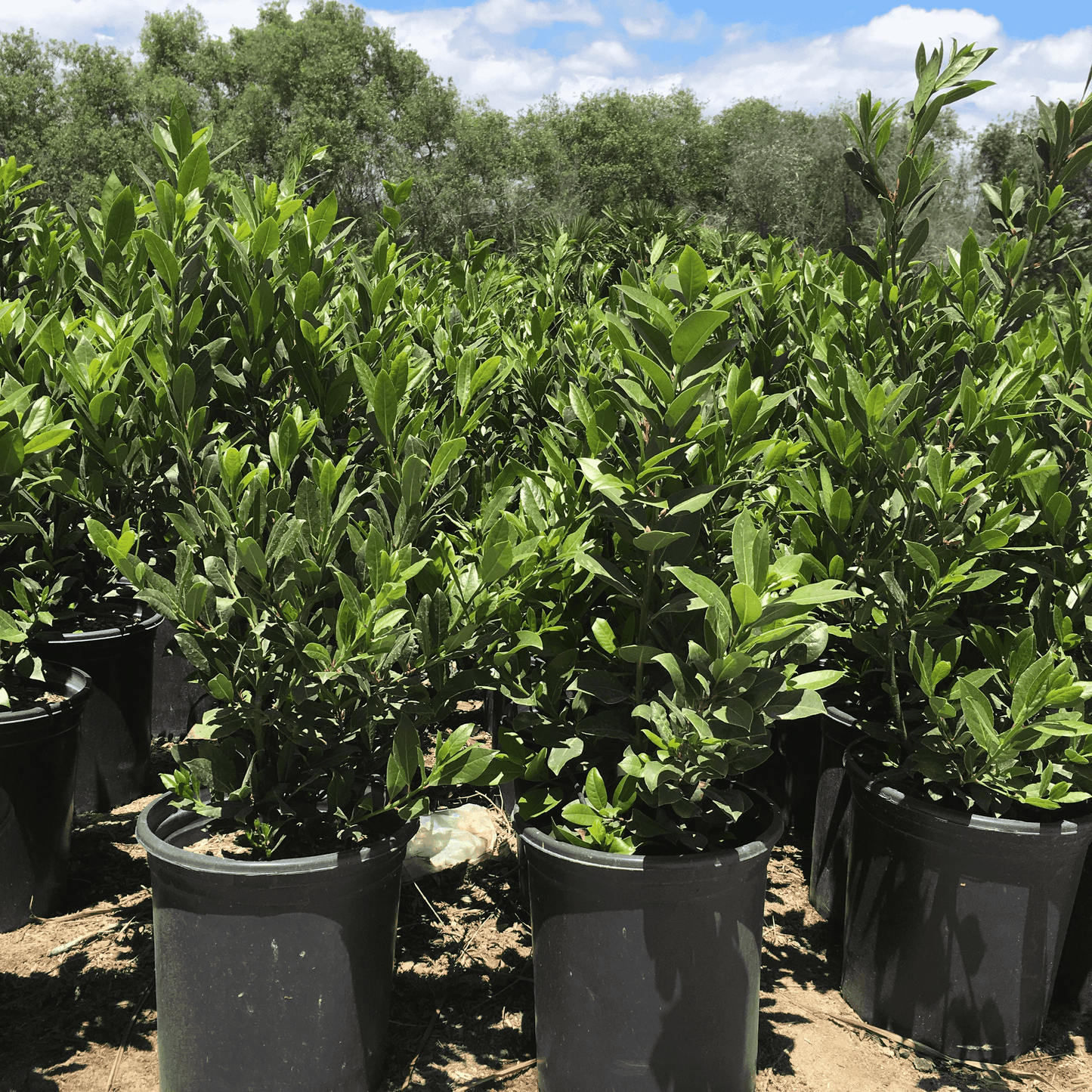

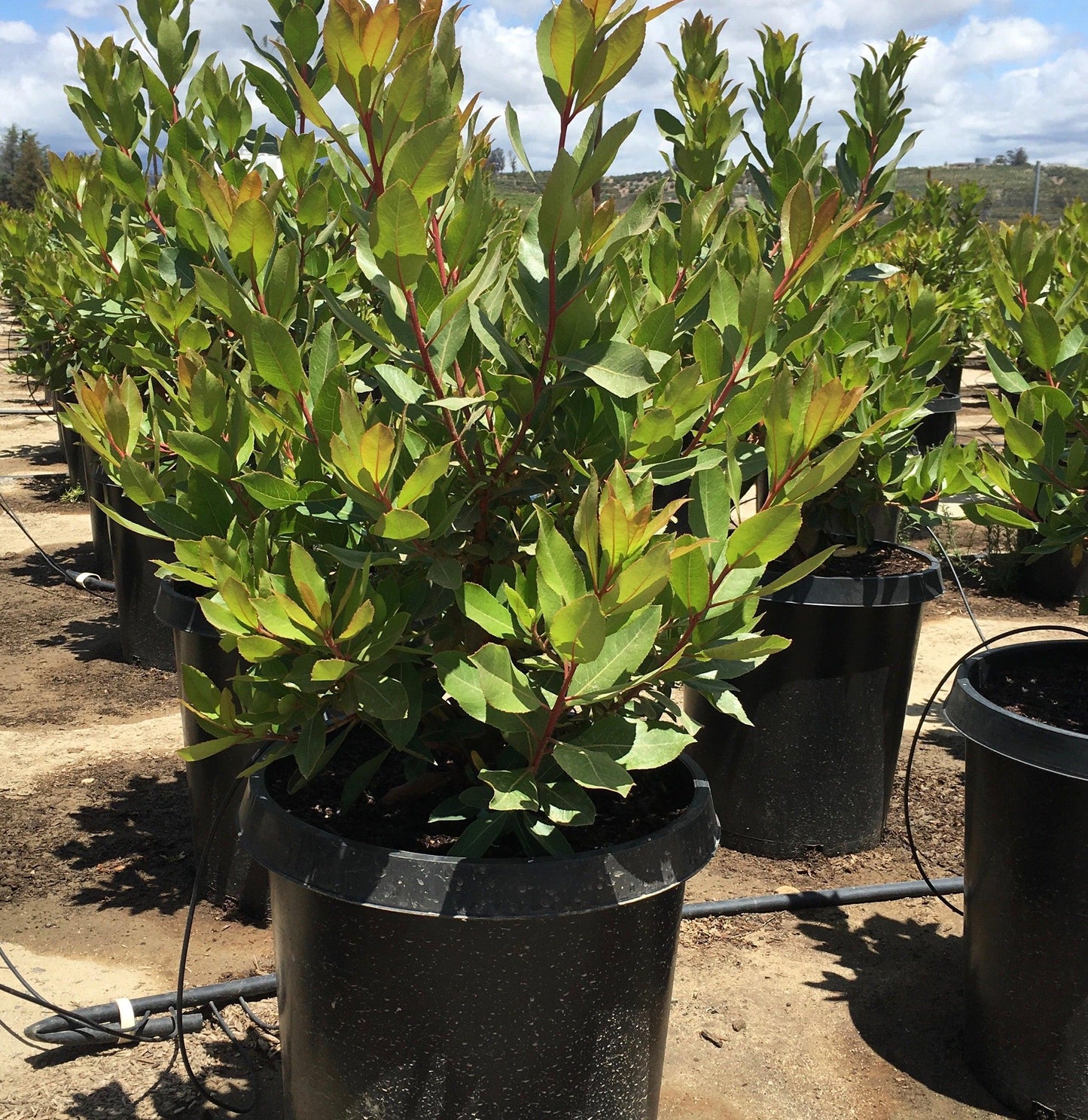

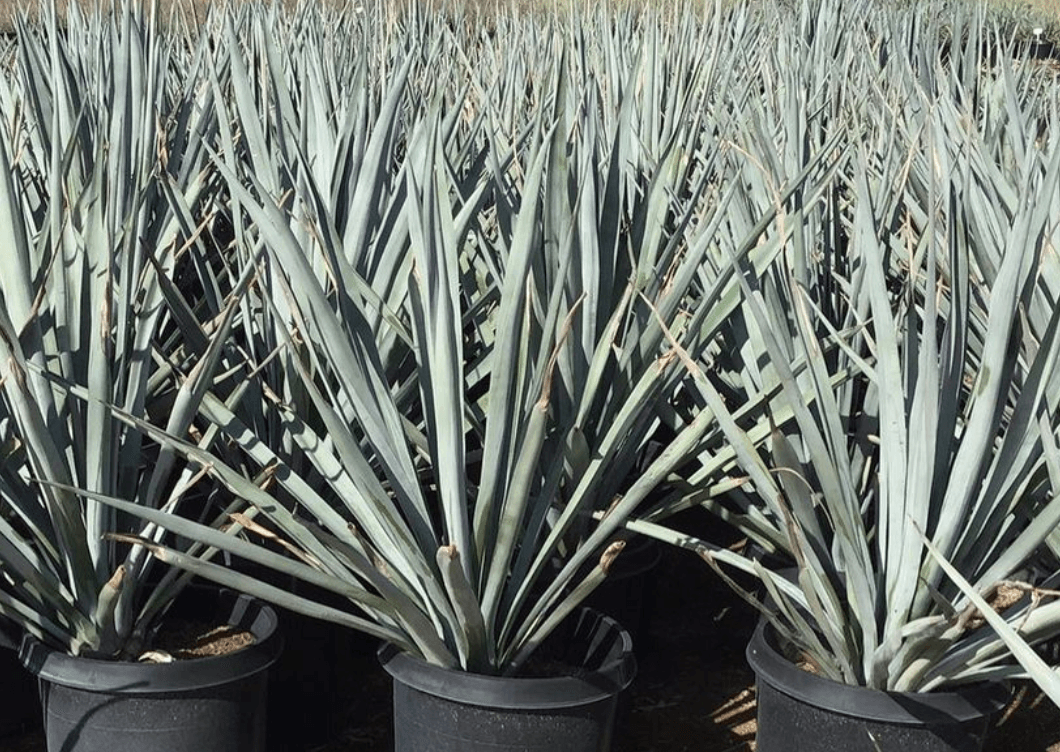

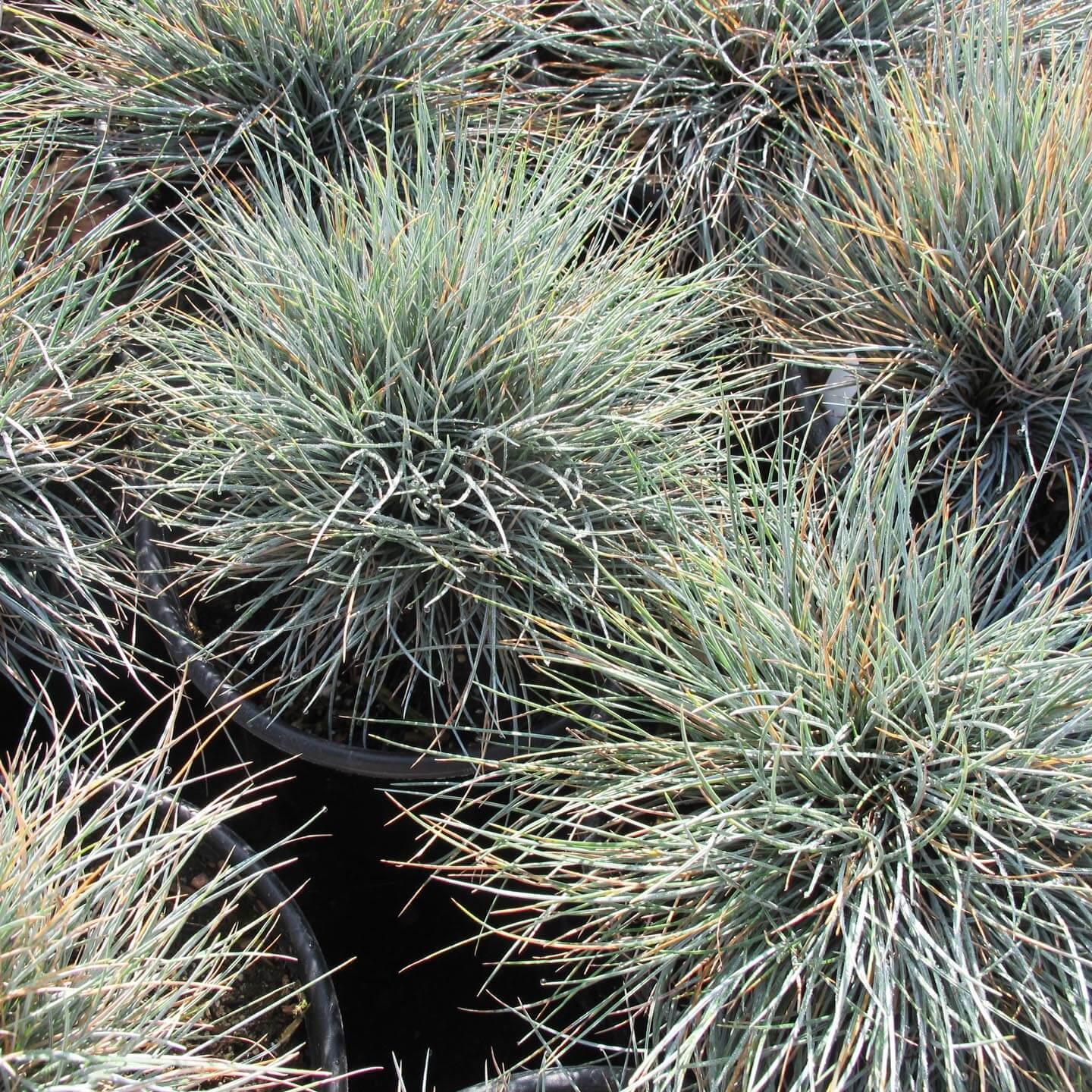

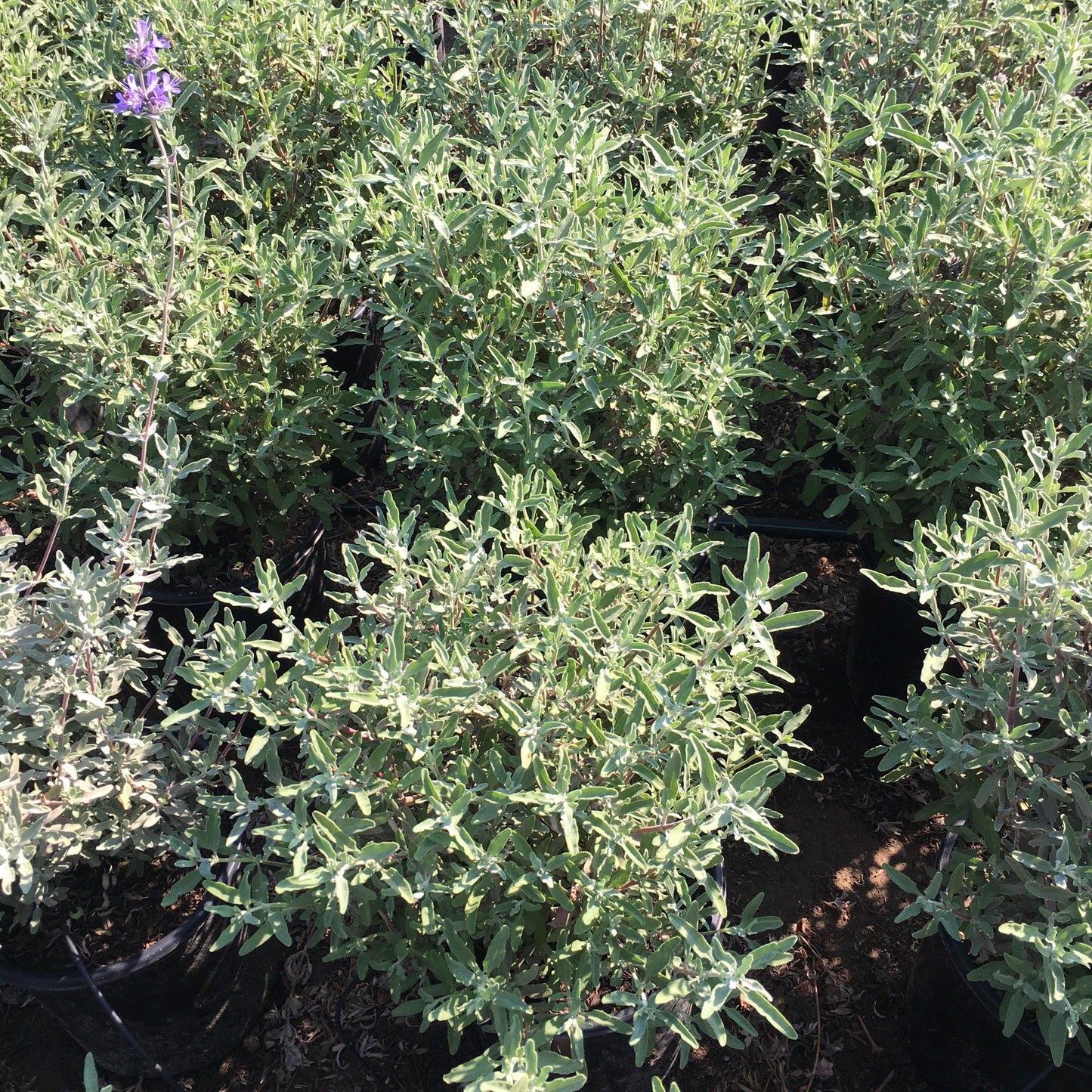

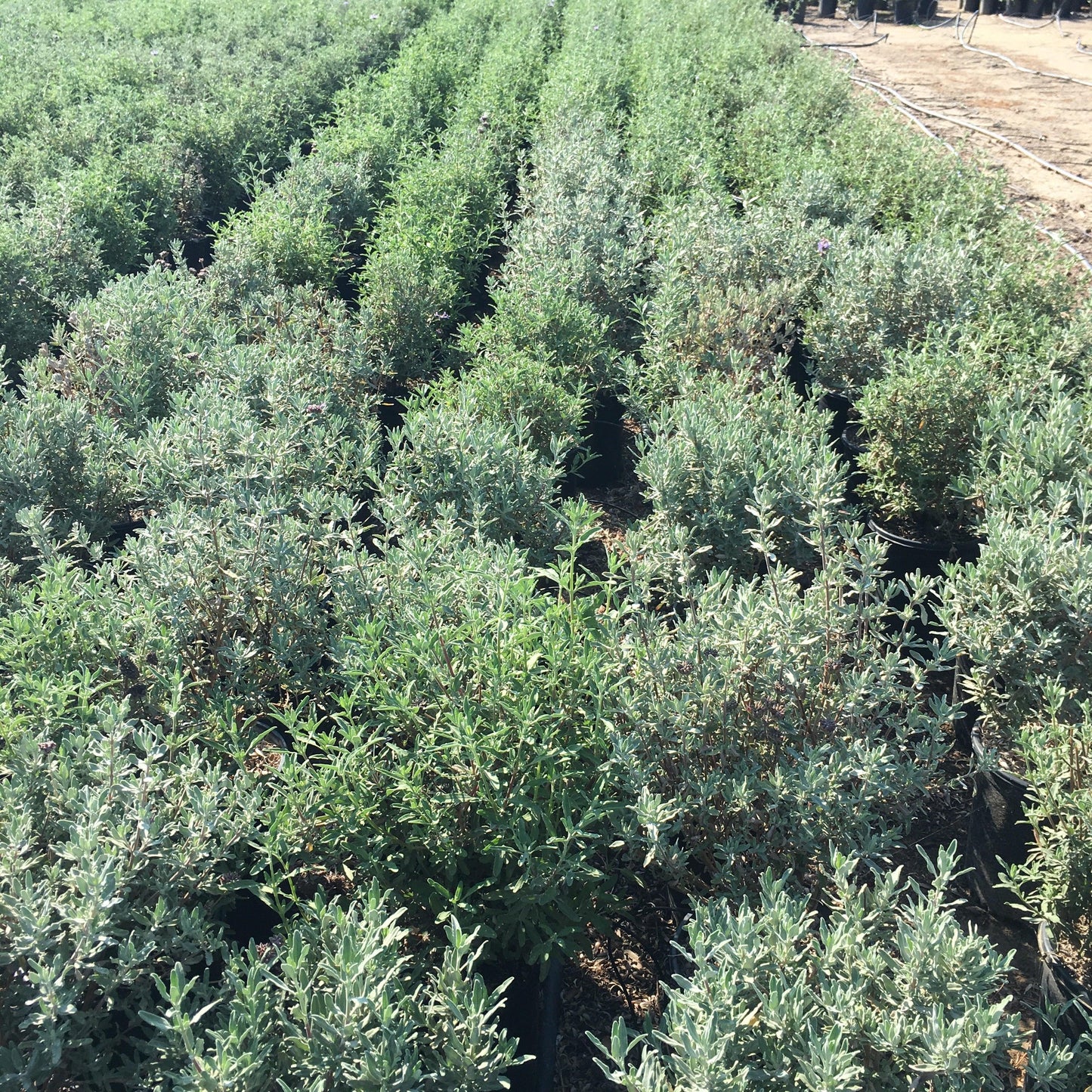

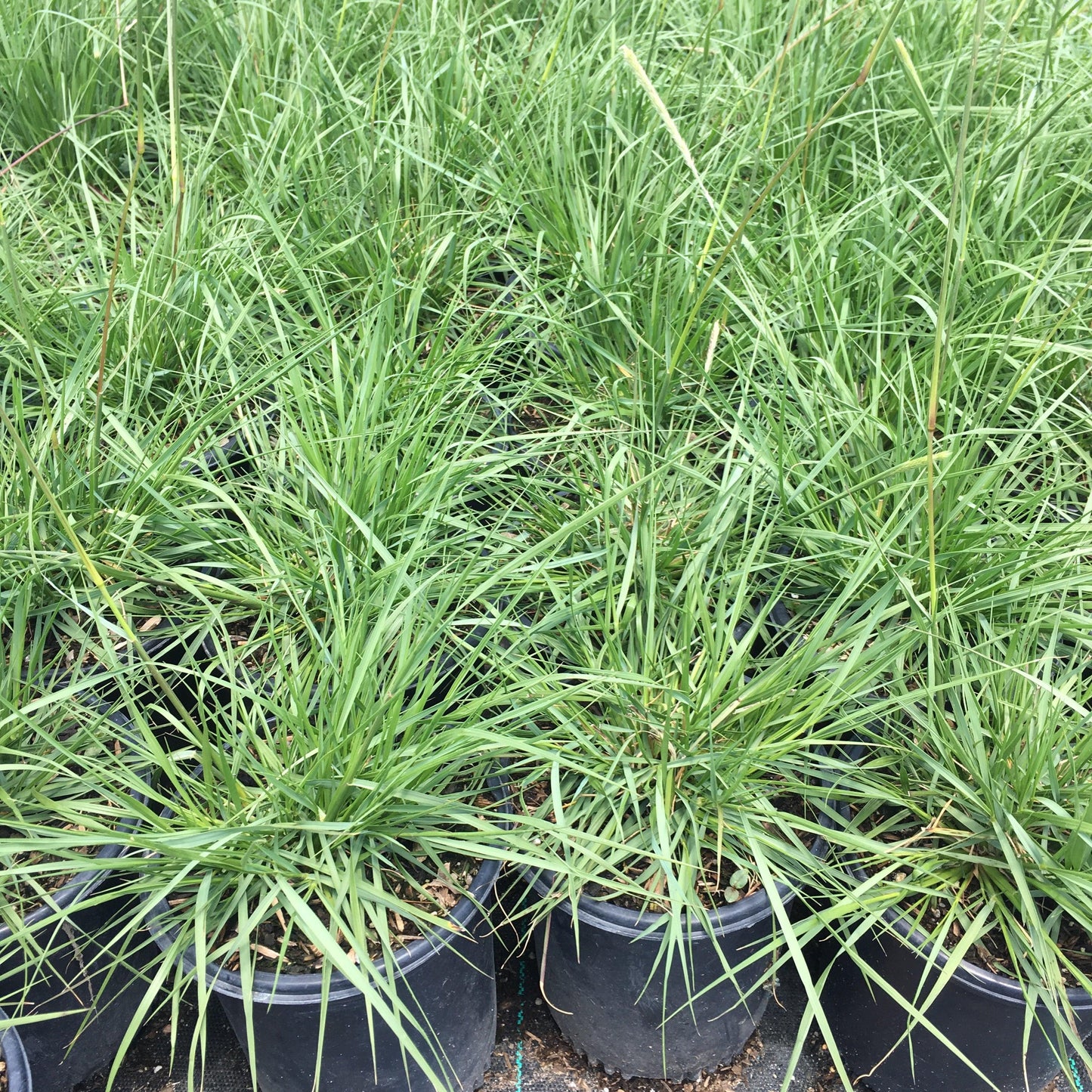

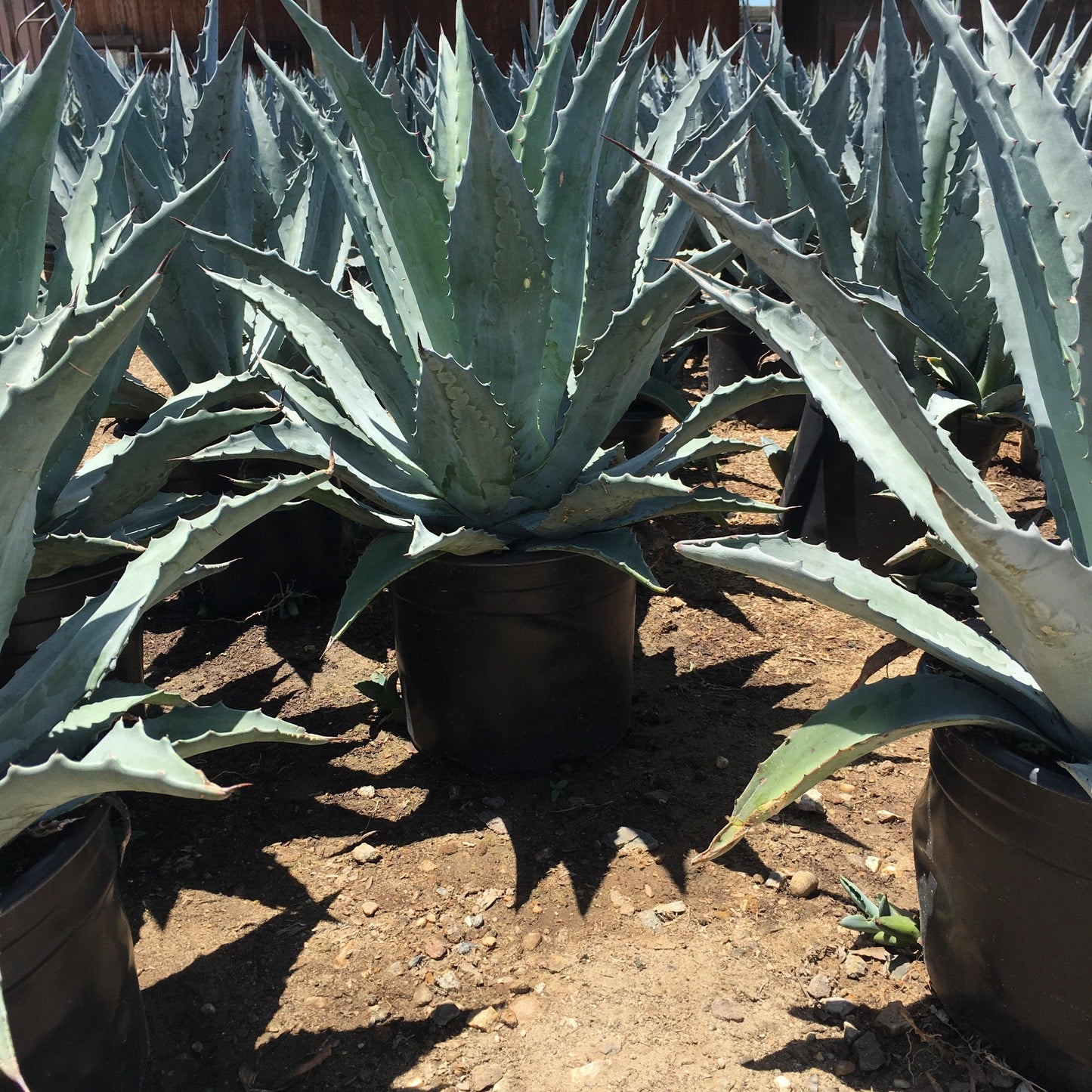

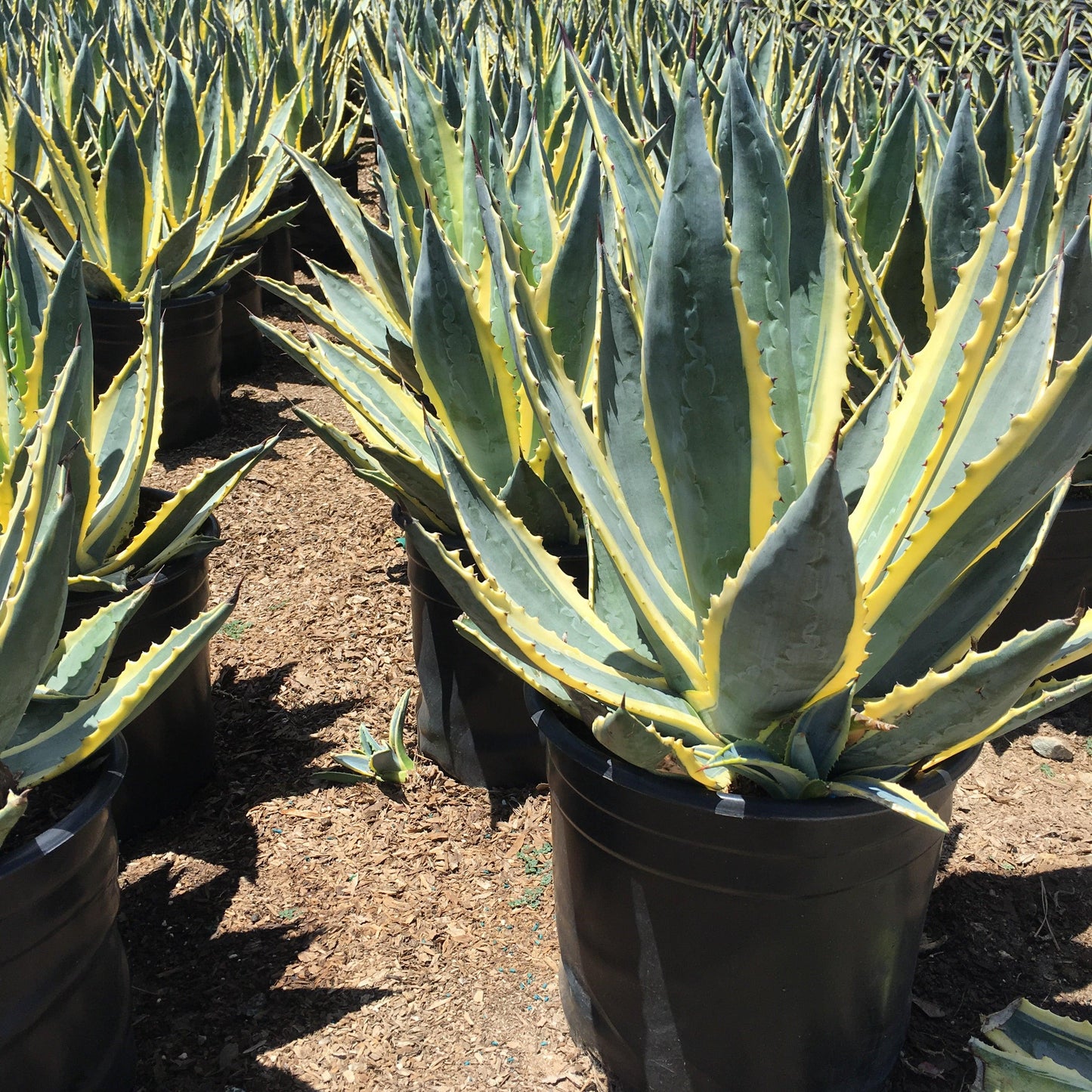


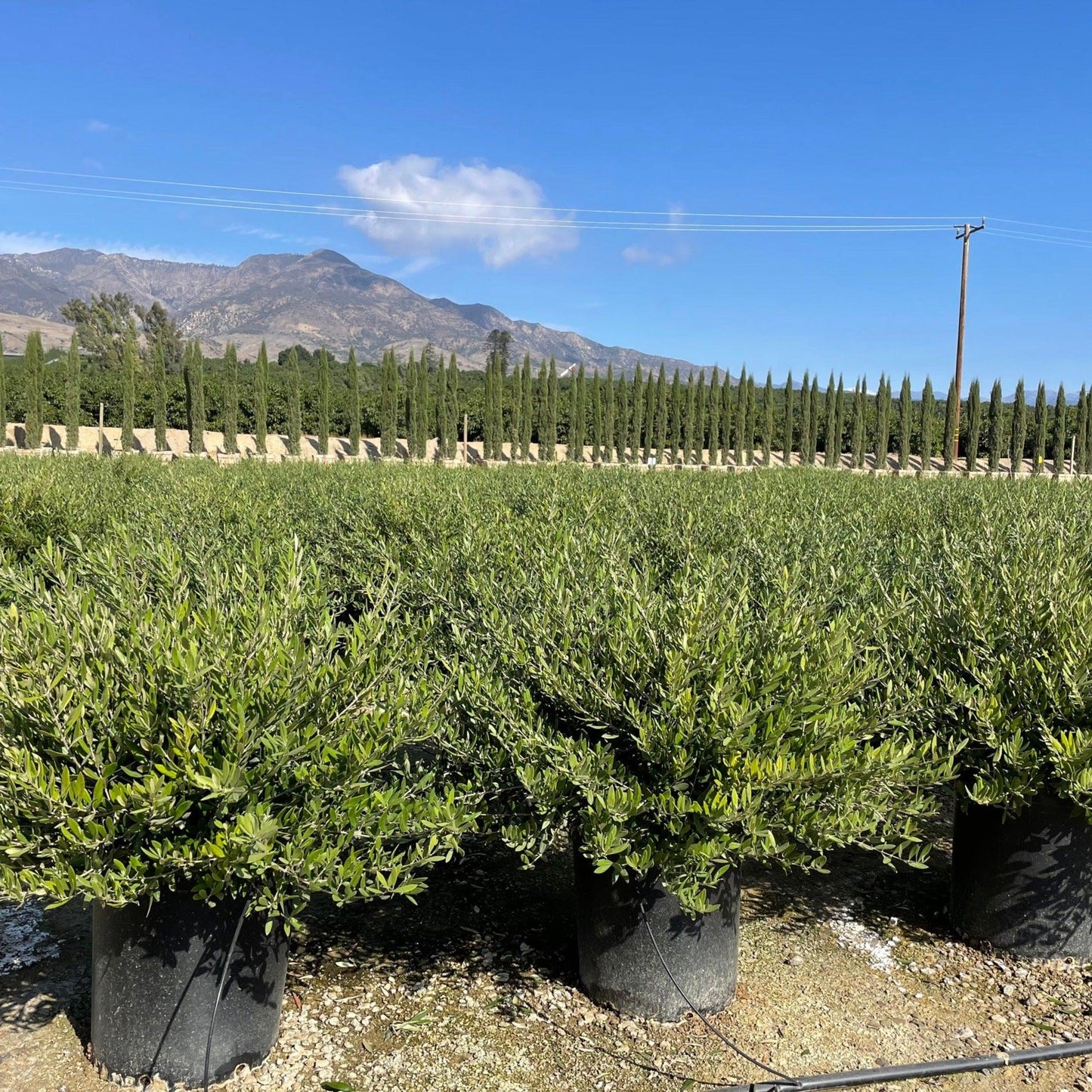

Thousands of Healthy Plants Delivered

Yardwork was so great to work with. First they had the Swan Hill olive trees that we had been searching for, we had contacted several other nurseries without any luck previously. Then they answered all of our questions in a timely matter prior to ordering and finally delivered within a few days of placing it. Their staff is incredibly knowledgeable; they delivered and planted our trees with expertise to ensure that they would do well in our yard. We would definitely work with them again for future projects.





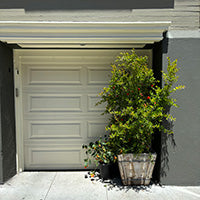

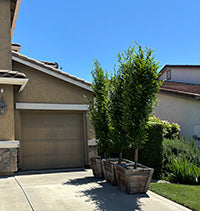

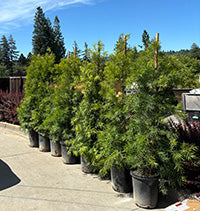

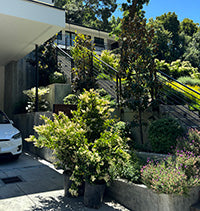

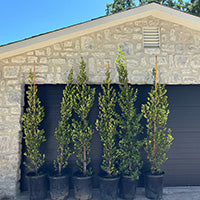

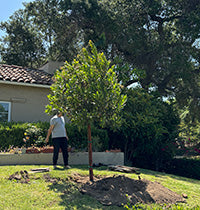

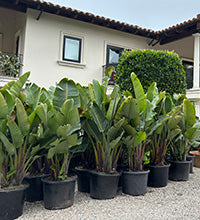
A Modern Experience
At Yardwork, we carefully curate thousands of plants, in all container sizes, to provide you with the best selection of the highest quality trees and plants at the best price, with the convenience of an online platform.
Uncompromised Quality
We choose only the finest specimens and hand select our plants just before delivery to ensure you receive the freshest and most robust specimens available for your landscape.
Industry Leading Warranties
Our 30, 90, and 365 extended warranties provide some of the best coverage to ensure our trees and plants thrive in your landscape.
Frequently Asked Questions
We're committed to changing everything about trees and plants - how they’re grown, how you shop for them, and how much they cost. We handle orders ourselves. No middlemen to get between us (or our prices) and you.
We're committed to changing everything about trees and plants - how they’re grown, how you shop for them, and how much they cost. We handle orders ourselves. No middlemen to get between us (or our prices) and you.
Delivery does not include unloading of trees and plants LARGER than a 24" box.
Trees and plants in smaller containers will be dropped curbside (usually on the driveway or near the front doorstep).
Delivery beyond a curbside drop will be charged extra.
Trees and plants that are sold in container sizes LARGER than a 24" box size will require equipment and/or enough manpower onsite to help unload from the truck.
Please reach out to our team PRIOR to placing your order to help coordinate.
Our team can provide unloading assistance with equipment for an extra fee as well.
Delivery does not include unloading of trees and plants LARGER than a 24" box.
Trees and plants in smaller containers will be dropped curbside (usually on the driveway or near the front doorstep).
Delivery beyond a curbside drop will be charged extra.
Trees and plants that are sold in container sizes LARGER than a 24" box size will require equipment and/or enough manpower onsite to help unload from the truck.
Please reach out to our team PRIOR to placing your order to help coordinate.
Our team can provide unloading assistance with equipment for an extra fee as well.
We ship locally within California within 7-10 days of your order being placed.
We ship nationally using carrier partners, based on order size. Our common order minimums for out of state shipping is $5,000.
Text or call 323-576-4159 for specific shipping details for your location.
We ship locally within California within 7-10 days of your order being placed.
We ship nationally using carrier partners, based on order size. Our common order minimums for out of state shipping is $5,000.
Text or call 323-576-4159 for specific shipping details for your location.
We are currently online only and don't have physical locations where you can view plants in person.
That's why we have photos direct from the growing grounds of the plants we will ship and we display pricing right in our store.
We do make sure to pick the very best trees and plants prior to shipping and make sure that they have gone through our multi-point inspection for health and structure.
We will always reach out prior to delivery if we find a quality issue or need to provide a substitute.
We are currently online only and don't have physical locations where you can view plants in person.
That's why we have photos direct from the growing grounds of the plants we will ship and we display pricing right in our store.
We do make sure to pick the very best trees and plants prior to shipping and make sure that they have gone through our multi-point inspection for health and structure.
We will always reach out prior to delivery if we find a quality issue or need to provide a substitute.
Plants vary greatly by type. Here is a rough idea of sizes based on containers that are direct from our growing grounds.
15 Gallon Shrub 3-4 Ft. Tall
15 Gallon Tree 5-6 Ft. Tall
24" Box Shrub 5-6 Ft. Tall
24" Box Tree 6-7 Ft. Tall
36" Box Shrub/Tree 7-9 Ft. Tall
48" Box Shrub/Tree 8-10 Ft. Tall
**Please note that we do not make guarantees of sizes. If you have questions or concerns, please call or text to request accurate sizing for the particular plant you're considering, prior to ordering.
Plants vary greatly by type. Here is a rough idea of sizes based on containers that are direct from our growing grounds.
15 Gallon Shrub 3-4 Ft. Tall
15 Gallon Tree 5-6 Ft. Tall
24" Box Shrub 5-6 Ft. Tall
24" Box Tree 6-7 Ft. Tall
36" Box Shrub/Tree 7-9 Ft. Tall
48" Box Shrub/Tree 8-10 Ft. Tall
**Please note that we do not make guarantees of sizes. If you have questions or concerns, please call or text to request accurate sizing for the particular plant you're considering, prior to ordering.
We offer a limited 30 day warranty for plants that are delivered and planted by someone else and a 90 day warranty for plants that we plant.
The limited warranty covers plants that die as a result of disease or fungus which was derived from our growing grounds or from root balls that were root bound.
The warranty does not cover damage due to watering, fertilizer, soils, or any other conditions beyond our control. Additionally, the warranty does not cover plants that are shipped out of the state of California or shipped into California from other states. Custom plant orders are also not covered under warranty. Plants must be planted within 24 hours after delivery to qualify.
We can assist you in recommending the right soils and fertilizers to help your plant thrive after you plant it.
Text or call 323-576-4159 for further warranty information.
We offer a limited 30 day warranty for plants that are delivered and planted by someone else and a 90 day warranty for plants that we plant.
The limited warranty covers plants that die as a result of disease or fungus which was derived from our growing grounds or from root balls that were root bound.
The warranty does not cover damage due to watering, fertilizer, soils, or any other conditions beyond our control. Additionally, the warranty does not cover plants that are shipped out of the state of California or shipped into California from other states. Custom plant orders are also not covered under warranty. Plants must be planted within 24 hours after delivery to qualify.
We can assist you in recommending the right soils and fertilizers to help your plant thrive after you plant it.
Text or call 323-576-4159 for further warranty information.
Our local delivery team covers most cities in California.
There are some exceptions, so please get in touch to confirm prior to ordering.
Additionally, we ship using semi trucks and trailers throughout the entire United States and even abroad for large orders over $5,000. Each shipment is custom, so please reach out to our team to coordinate.
Our local delivery team covers most cities in California.
There are some exceptions, so please get in touch to confirm prior to ordering.
Additionally, we ship using semi trucks and trailers throughout the entire United States and even abroad for large orders over $5,000. Each shipment is custom, so please reach out to our team to coordinate.