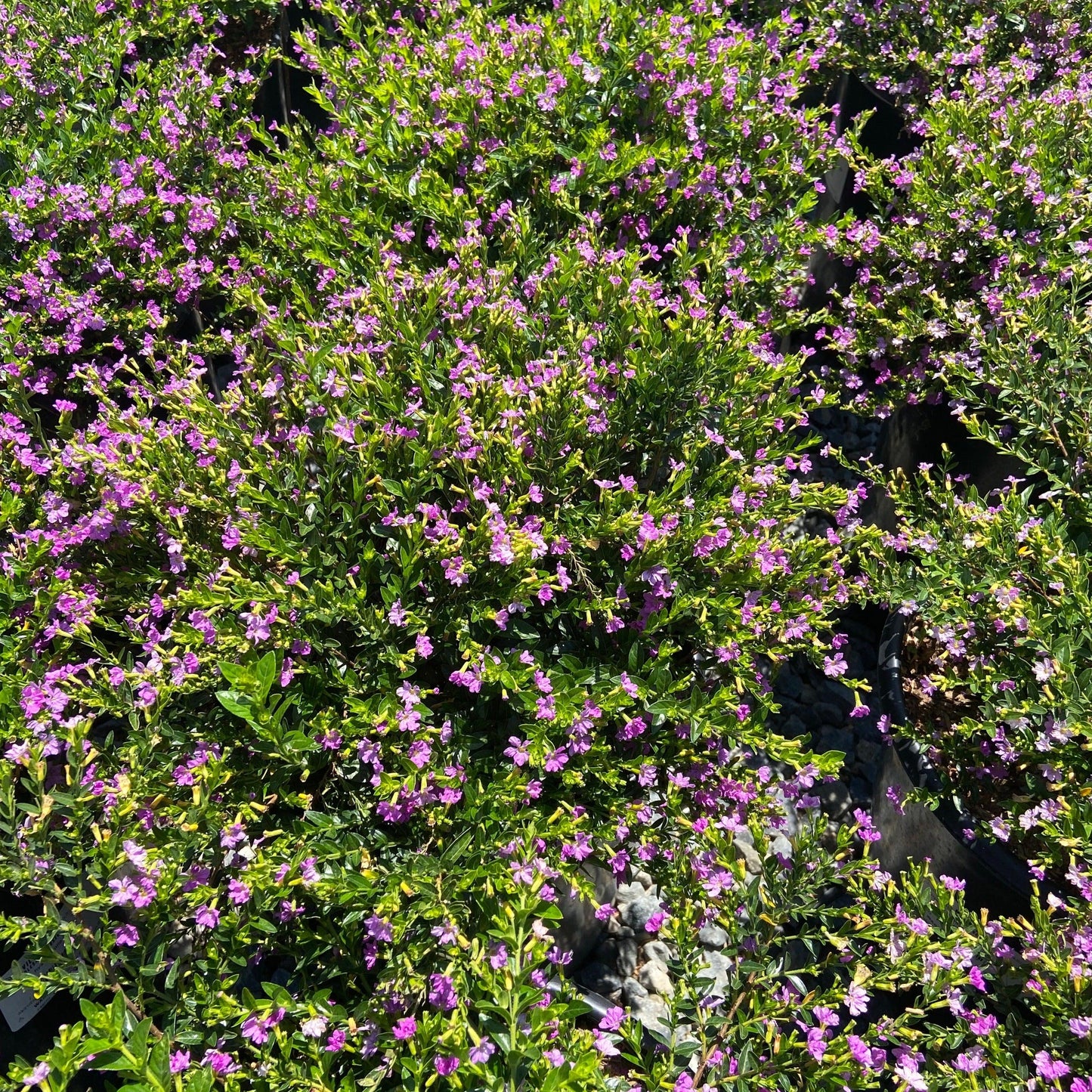
Lavender Plant – Discover the Perfect Variety for Your Garden
The right lavender plant brings fragrance, color, pollinators, and drought-wise structure to your garden with very little maintenance once established. From compact English lavender for herb beds to showy Spanish lavender for borders and containers, Yardwork helps you choose varieties that match your climate, soil, and design goals.
Explore lavender with silvery green foliage, upright flower spikes, highly fragrant flowers, and bloom times from late spring through summer. Whether you want dried lavender buds for sachets, lavender flowers for cooking, or a hardy plant for a water-wise landscape, the best results start with the right variety.
Lavender Plants for Every Garden Style
Different lavender varieties suit different garden purposes. The genus Lavandula belongs to the mint family and includes many garden-ready forms, from culinary true lavender to ornamental types with purple bracts, compact flower heads, and dramatic flower spike shapes.
Herb Garden Lavender
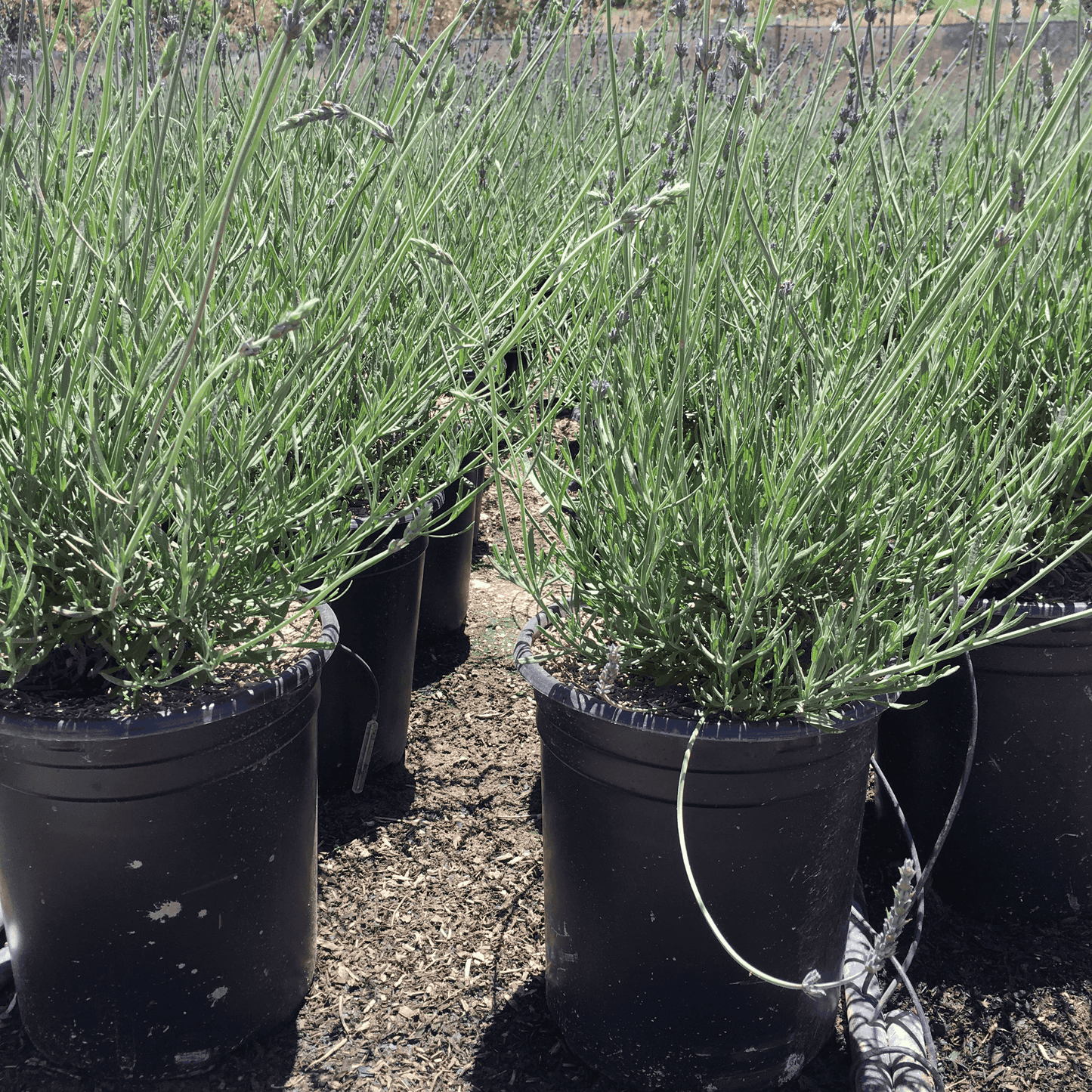
For cooking and classic english herb gardens, choose English lavender, also known as Lavandula angustifolia or true lavender. English lavender is one of the most cold-hardy varieties, growing 2-3 feet tall and thriving in USDA hardiness zones 5-10. Its low camphor content makes it the best variety for culinary purposes, lending a delicate floral essence to both sweet and savory dishes.
Compact English lavender varieties are ideal for herb garden borders, informal hedges, and small rock garden plantings. Many gardeners choose forms with violet blue, dark violet, pale purple flowers, or pale pink blooms for both fragrance and color. The flower buds can also be harvested for dried lavender, herbal filler inside sachets, and dried lavender buds that freshen linens and deter moths.
Landscape Design Lavender
For bold garden design, flowering trees, English Lavender, Spanish lavender, French lavender, Portuguese lavender, and woolly lavender each bring a different look. Lavender plants are categorized into a few main species, including English Lavender, French Lavender, and Spanish Lavender. Hybrid lavender, or Lavandula x intermedia, is a cross between English lavender and Portuguese lavender, combining cold hardiness with heat tolerance, and grows well in zones 5-11.
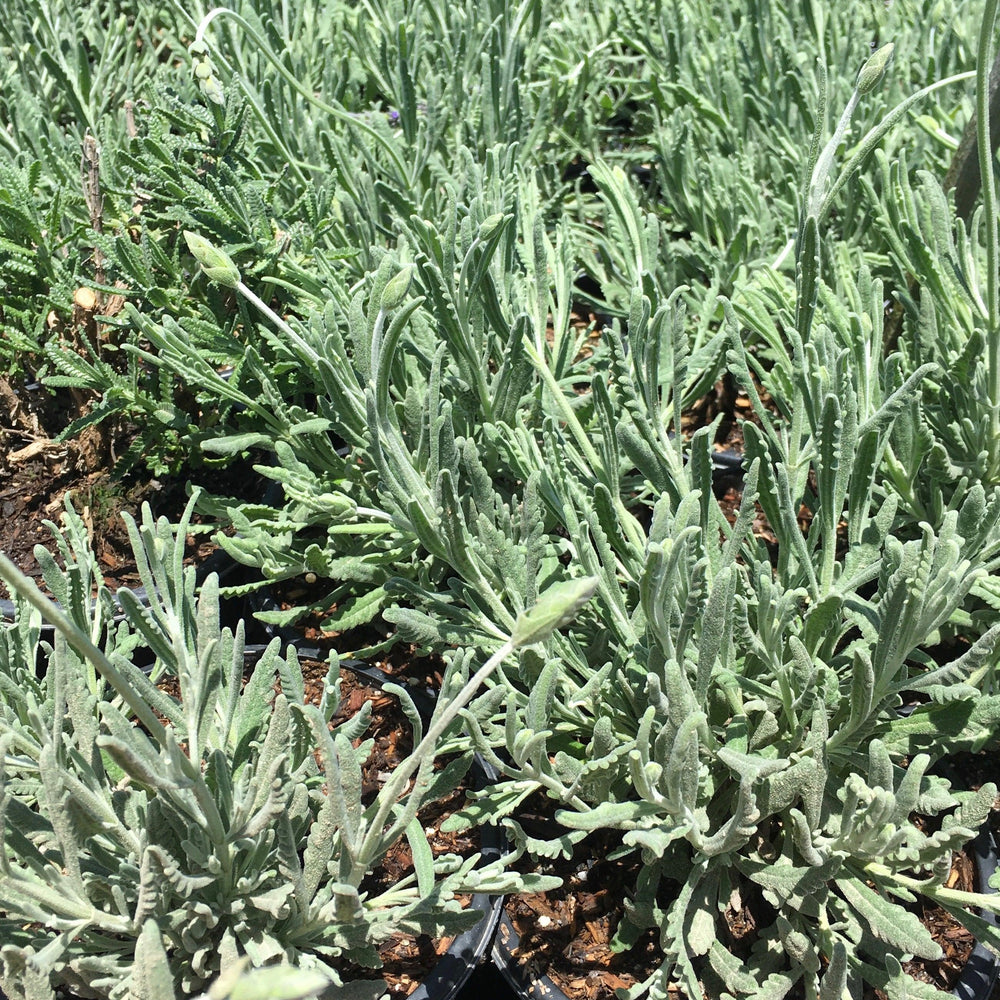
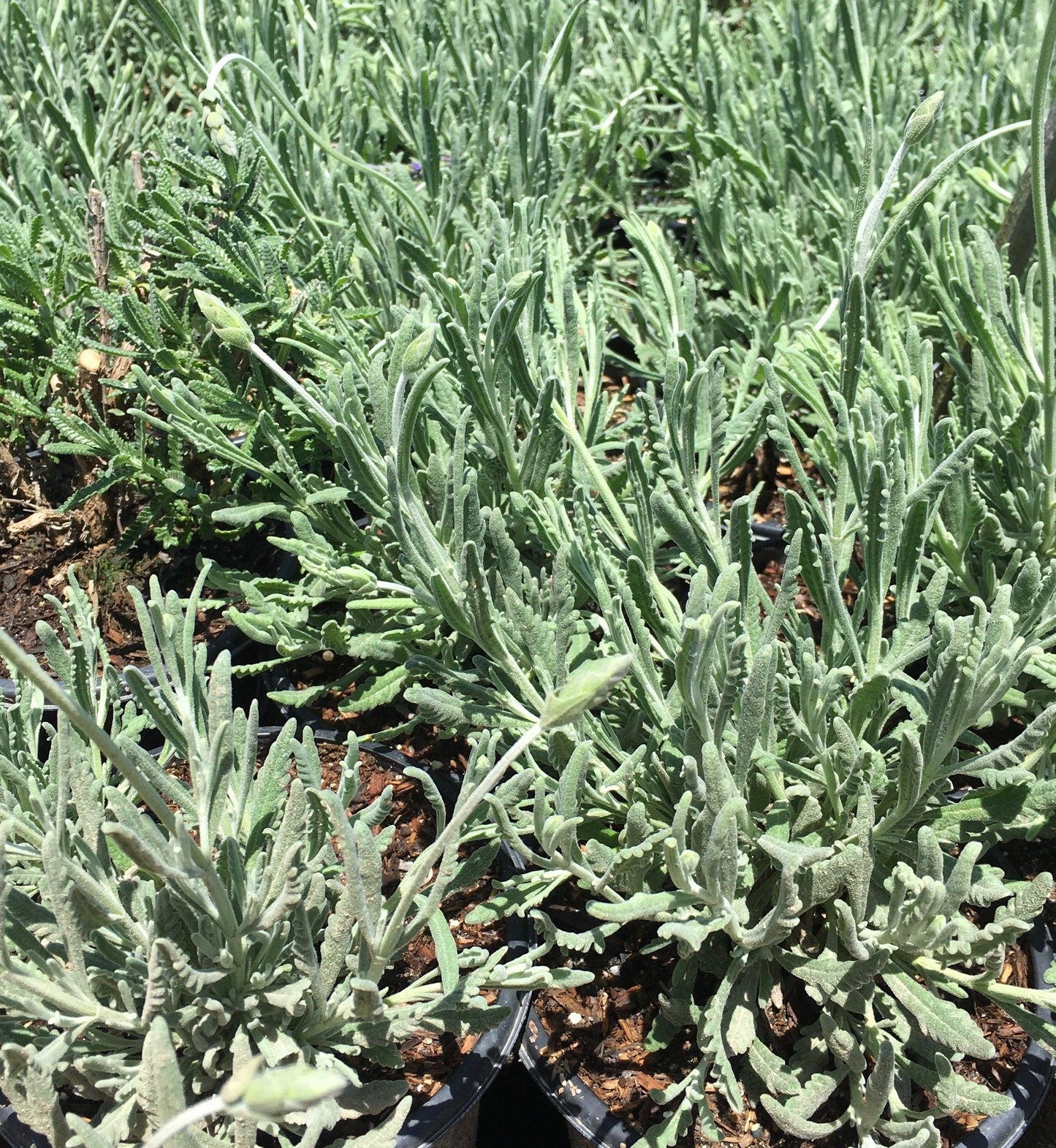
Lavander is excellent for mass planting in water-wise designs alongside California lilac (Ceanothus), long stems, essential oils, lavender oil, and dried bundles. Spanish lavender, or Lavandula stoechas, features distinctive “ear”-like flowers, often called bunny ears, and blooms from mid-spring to late summer, thriving in warmer climates and hardiness zones 7-9. Woolly lavender, or Lavandula lanata, is a drought-tolerant shrub with soft silver-white leaves and purple flowers, ideal for rock or gravel gardens, and attracts pollinators.
Container Garden Lavender
Container growing is ideal for patios, balconies, courtyards, and small spaces where drainage can be controlled, especially when paired with citrus like potted lemon trees. Dwarf and compact varieties grow well in pots, especially when planted in a gritty mix with pea gravel or other mineral material to improve drainage.
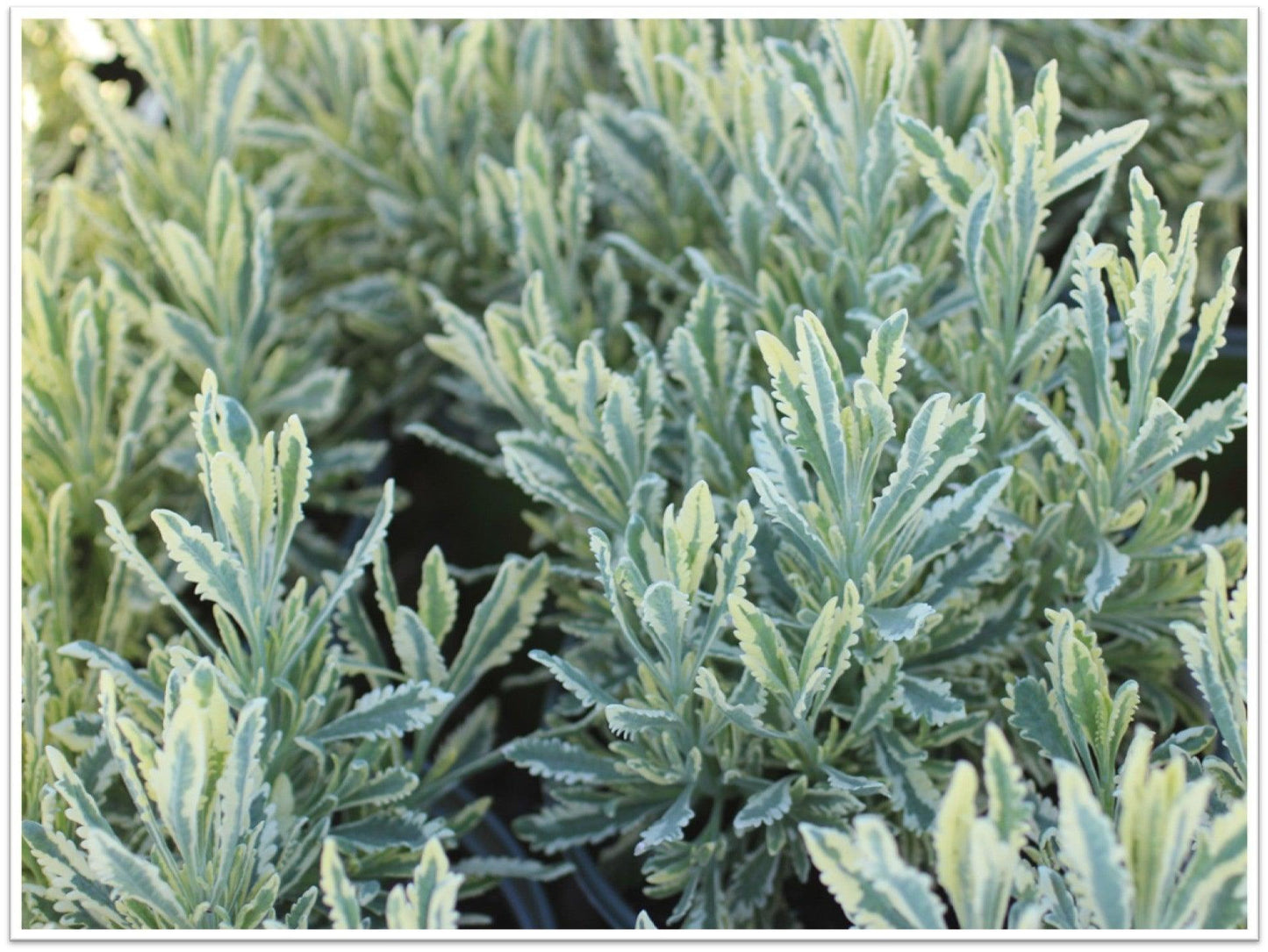
Containers are also useful in colder climates because plants can be moved to protected spots during winter. This is especially helpful for showy variety selections such as fringed lavender or tender ornamental types associated with warmer areas around the Mediterranean region, southern France, and the Canary Islands. With enough full sun and good drainage, growing lavender in containers can be both practical and highly decorative.
Choose the Right Lavender for Your Climate Zone
Choosing lavender by climate zone is the key to long-term success. Most species prefer warm, dry weather, full sun, and well drained soil, but cold hardiness, heat tolerance, and humidity tolerance vary widely between varieties.
For Cool Climate Zones (5-7)
In cool climate zones, English lavender and cold hardy varieties of lavandin are the safest choices. English lavender is one of the most cold hardy varieties and performs well where freezing temperatures are common, as long as winter soil does not stay wet.
For best results, plant lavender in spring after the soil has warmed up and the threat of frost has passed. Fall planting is also possible if there is enough time for root establishment before winter. In colder climates, protect crowns from excess moisture, avoid cutting into woody stems, and choose hardy plant selections such as ‘Hidcote’, ‘Munstead’, or cold-hardy lavandin types.
For Hot, Dry Climate Zones (8-10)
Lavender thrives in warm, dry climates with full sun, highly porous, well-draining soil, and infrequent watering, similar to other heat-loving ornamentals such as the Jacaranda tree. For California gardens in inland valleys, desert edges, and Mediterranean-style landscapes, Spanish lavender, French lavender, Portuguese lavender, lavandin, and woolly lavender can be strong choices.
French lavender, or Lavandula dentata, is known for its toothed leaves and compact flower heads, blooming from early summer to fall, and is best suited for zones 8-11. French Lavender features bright green, serrated leaves and pastel-purple blooms, primarily used in decorative sachets and potpourris. These types offer fresh fragrance, ornamental green foliage, and water-wise landscaping value.
For Humid Climate Areas
In humid climates, lavender needs excellent drainage and good air circulation. When planting lavender, it is recommended to space the plants 2 to 3 feet apart to ensure good air circulation, which is crucial for their health, especially in humid climates.
Spanish lavender and French lavender often handle humidity better than some English types if the soil drains quickly. Raised beds, containers, slopes, and open planting layouts all help prevent root rot. Avoid overhead watering because damp foliage can encourage fungal diseases, powdery mildew, and other moisture-related problems.
Growing Conditions That Ensure Thriving Lavender
Growing plants successfully starts with recreating lavender’s native conditions: sun, lean soil, dry roots, and moving air. These gardening tips are especially important for California homeowners and professional landscapers working across coastal, inland, mountain, and desert microclimates, and local support from a plant nursery near you can make plant selection easier.
Soil Requirements
Lavender grows best in sandy, nutrient-poor, alkaline soil that provides excellent drainage, and it is important to avoid heavy clay or low spots prone to standing water. Slightly alkaline soil, sandy loam, gravelly beds, and lean planting mixes are ideal because lavender plants tend to fail in rich, wet, compacted soil.
To improve drainage when planting lavender, consider using raised beds or planting on slopes, as good drainage is essential for preventing root rot and other moisture-related issues, particularly when combining lavender with low-growing companions like Lavender Mexican heather. Yardwork can help you assess soil texture, drainage, and planting location before you plant lavender, with recommendations for raised beds, amended soil, or gravel-based solutions.
Sunlight and Air Circulation
Lavender should be planted in a location that receives at least 6 hours of sunlight daily; insufficient sunlight can lead to poor blooming and reduced vigor. Full sun also helps produce stronger essential oils, better lavender flowers, and more compact growth.
Air circulation is just as important as sunlight. Space plants generously, avoid crowding near dense shrubs, and prune to keep the plant open. Good air circulation helps reduce fungal diseases and keeps gray green foliage, silvery foliage, and flower spikes clean and healthy.
Water and Drainage
Established lavender plants are extremely drought tolerant and only need to be watered during prolonged dry spells, avoiding overwatering to prevent root rot and fungal diseases. Water deeply but infrequently, then let the soil dry before watering again.
Standing water is one of the fastest ways to damage lavender. Use pea gravel mulch around the crown, plant on mounds or slopes, and avoid irrigation systems that keep foliage wet. These simple steps improve drainage, prevent root rot, and help lavender remain vigorous for years.
How to Care for Your Lavender Plant
Lavender is low maintenance, but it is not no maintenance. A simple care routine keeps plants compact, fragrant, and productive instead of woody, open, and leggy.
Pruning and Deadheading
Pruning is crucial to keep lavender from getting woody and leggy, with recommended pruning in early spring and after summer blooms fade, much like the regular shaping needed to maintain a dense English laurel hedge. Pruning lavender is essential for maintaining its health and beauty, with key techniques including cutting back by one-third and shaping the plant into a dome.
After first flowering, remove spent stems and deadhead faded flower spikes to encourage tidy regrowth and, in some varieties, additional blooms. Never cut deep into bare old wood with no green growth. Use clean, sharp pruning tools, and keep cuts above living foliage while reducing the plant’s height gradually.
Seasonal Maintenance
In spring, check for winter damage, prune lightly once new growth appears, and plant new lavender after frost danger has passed. In summer, harvest lavender flowers just before they fully open, allowing them to last longer in arrangements and for use in various crafts.
Lavender has few pest or disease problems but can be susceptible to root rot and powdery mildew, especially in damp, humid climates; good air circulation and avoiding overhead watering are crucial for prevention. Fertilizer is usually unnecessary because rich soil encourages soft growth, which differs from the moderate feeding often recommended for evergreen screening shrubs like English laurel or culinary bay trees such as Bay laurel. Keep the site open, dry, and sunny for the strongest fresh fragrance and longest plant life.
Shop Premium Lavender Plants With Yardwork
Shop Yardwork’s curated lavender plant selection for varieties chosen with real growing conditions in mind. Whether you need English lavender for cooking, Spanish lavender for purple bracts and bunny ears, French lavender for decorative sachets, or lavandin for essential oils and dried lavender, we help match the plant to the place.
Our plant recommendations consider California climate zones, bloom times, soil drainage, cold hardiness, heat tolerance, and garden design goals. Browse the lavender collection online or request a Yardwork consultation for expert plant selection, layout support, and practical growing lavender advice tailored to your garden.