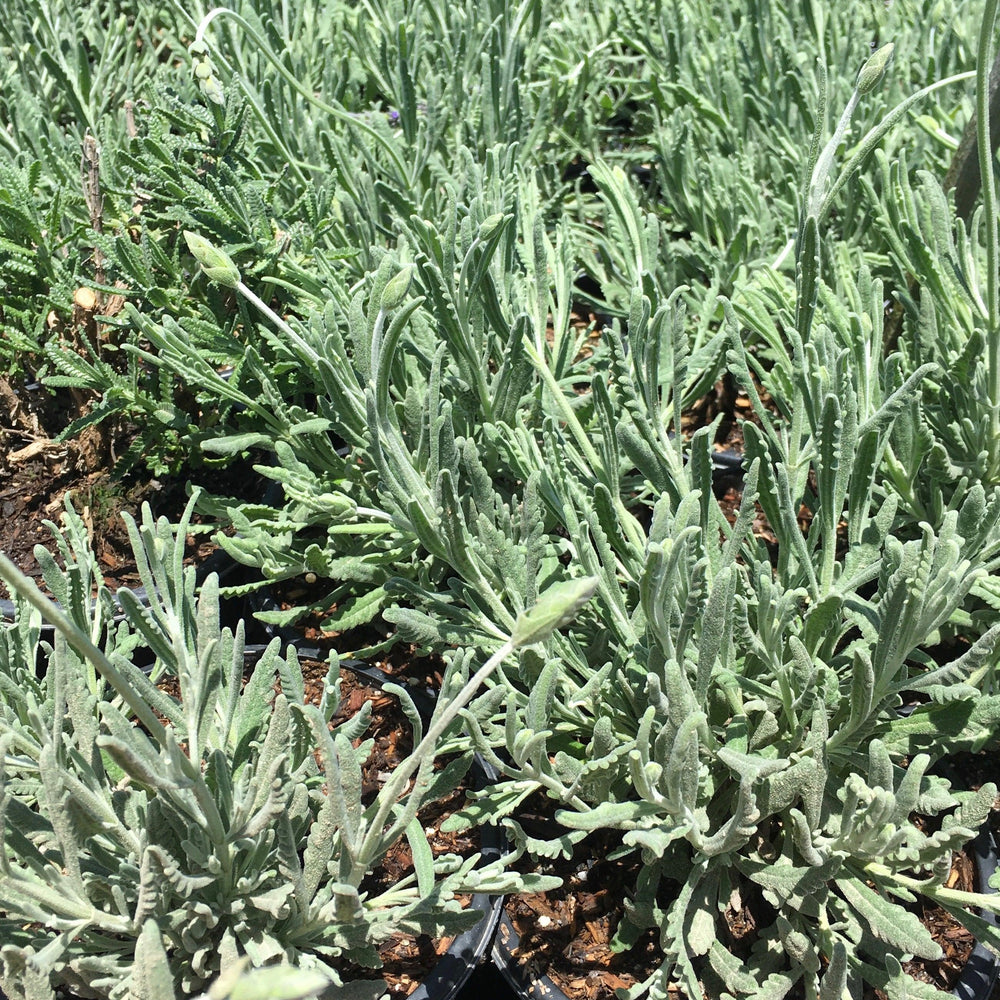
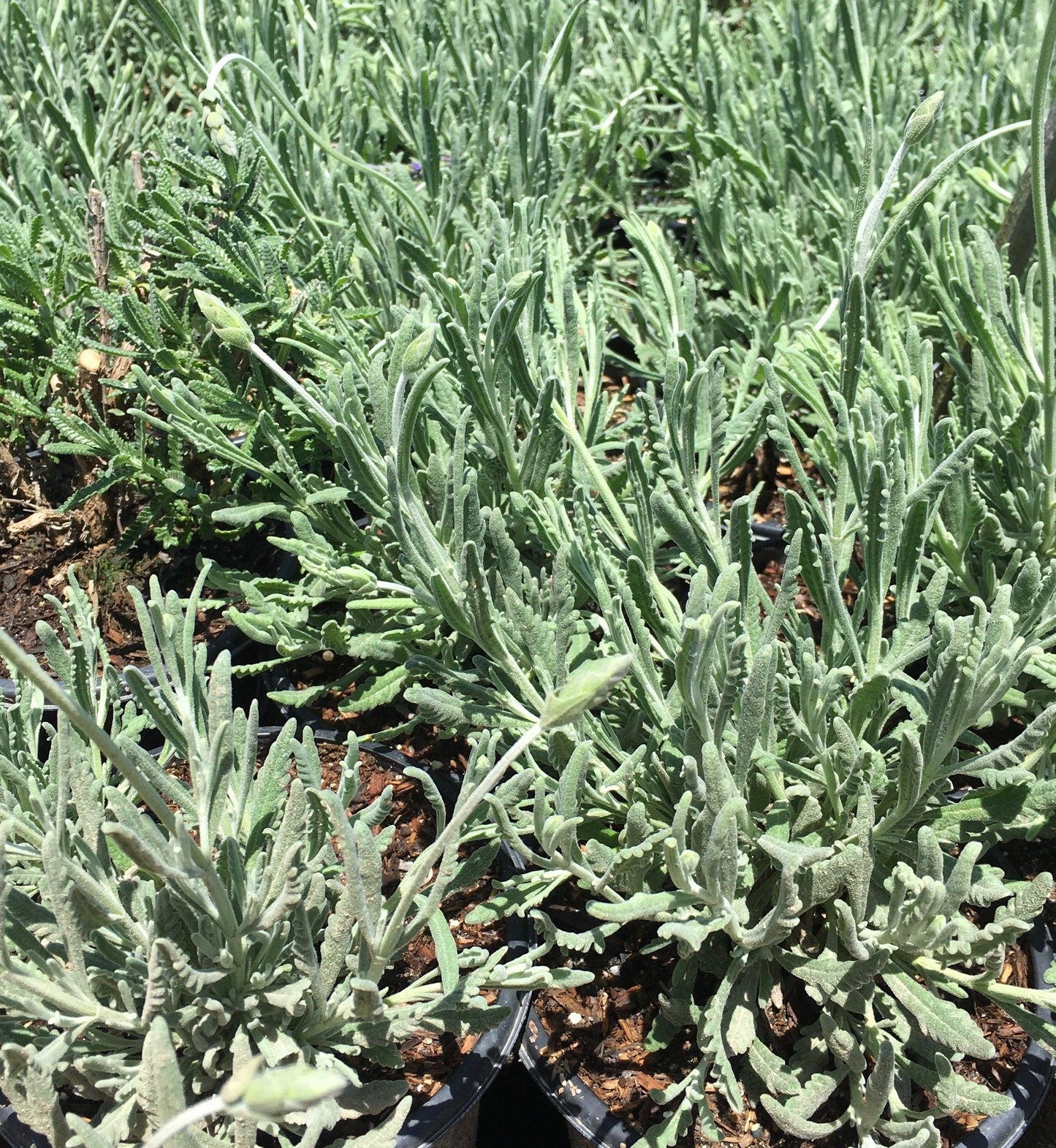
Shop Premium Varieties for Your Garden
Looking for fragrant lavender plants that thrive in your garden? Discover English, French, and Spanish lavender varieties perfect for every climate and garden style. From drought-tolerant perennials to aromatic herb gardens, our collection features hardy plants, premium quality, and expert-selected cultivars.
Lavender (Lavandula) is a hardy, aromatic perennial shrub famous for its fragrant purple flowers, therapeutic essential oils, and drought-tolerant nature. Lavender originates from the Mediterranean, thriving in hot, dry, and sunny environments.
Find your perfect lavender variety and transform your outdoor space today.
Lavender Plants for Every Garden Purpose
Whether you’re creating a sensory garden or adding Mediterranean charm, there’s a lavender variety for every garden vision. The genus Lavandula belongs to the mint family, and most species are valued for silvery green foliage, upright flower spikes, highly fragrant flowers, and reliable garden design performance, pairing beautifully with California lilac (Ceanothus) and other drought-tolerant shrubs.
Lavender is a versatile plant used across multiple industries, including aromatherapy, culinary, landscaping, and cosmetics. Lavender flowers attract pollinators like bees and butterflies while naturally deterring pests like deer and mosquitoes.
Herb Garden Lavandula Angustifolia
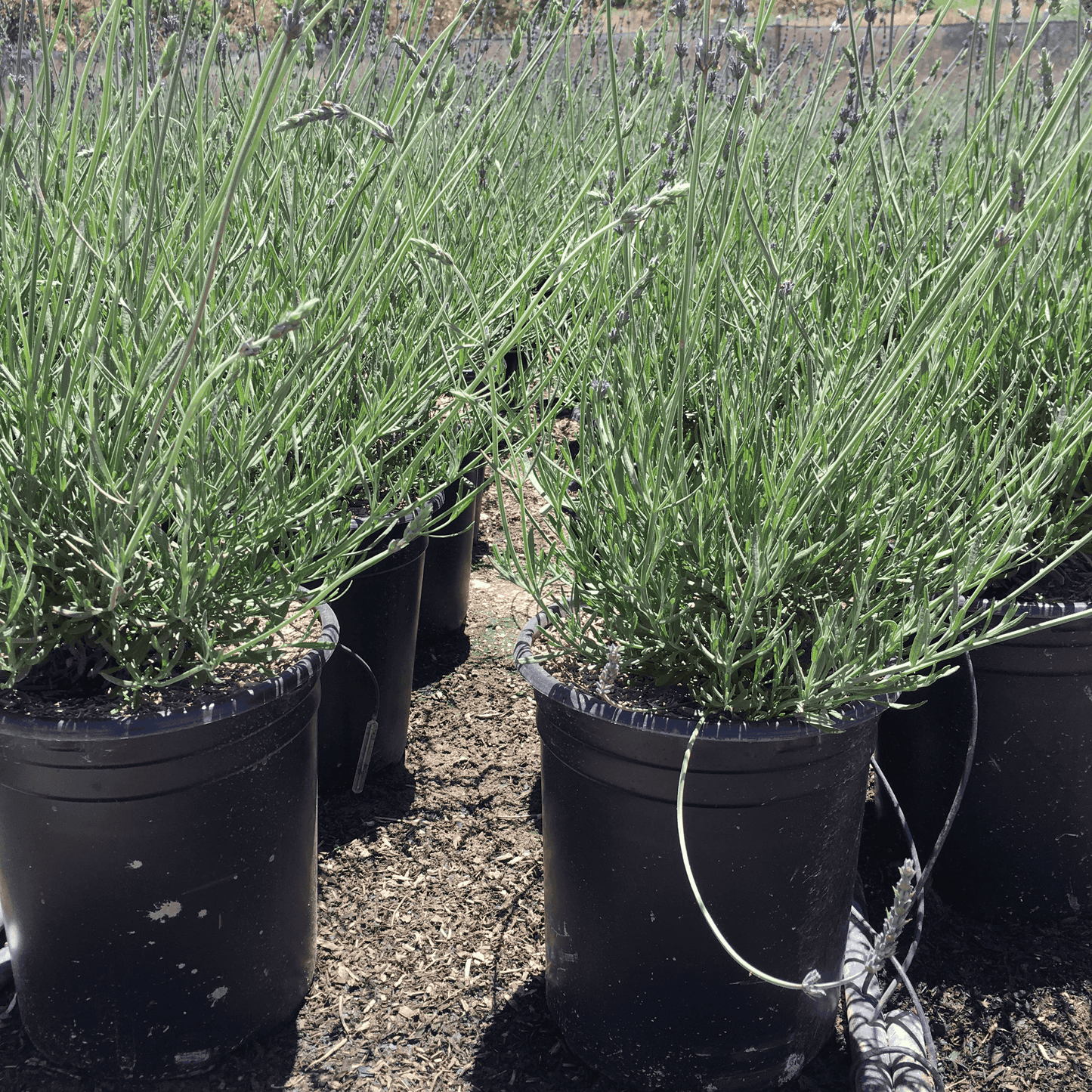
Choose English lavender (Lavandula angustifolia) varieties like ‘Hidcote’ and ‘Munstead’ for english herb gardens, culinary use, teas, dried lavender buds, and fragrant low borders near kitchen paths. English lavender (Lavandula angustifolia) is known for its cold hardiness and is popular in herb gardens, growing 2-3 feet tall with blue-purple to violet flowers.
True lavender offers a softer lavender oil profile with low camphor content, making it ideal when you want to grow lavender for cooking, sachets, or essential oils with a sweeter scent. ‘Hidcote’ brings dark violet flower buds, while ‘Munstead’ delivers classic violet blue bloom times in late spring to early summer.
Compact english lavender plants also work beautifully in informal hedges, a rock garden edge, or your own garden border where gray green foliage and compact form matter. Dried lavender flowers are ideal for potpourri, sachets, and DIY soaps, and serve as a natural repellent for moths and mosquitoes.
Landscape & Border French Lavender
Feature hybrid lavender for bold structure, long spikes, and high-impact planting schemes. Hybrid lavender (Lavandula x intermedia) is a cross between English lavender and Portuguese lavender, combining cold hardiness with heat tolerance, and produces long spikes of fragrant flowers.
Lavandin, also written as Lavandula intermedia, is ideal for mass plantings, informal hedges, privacy screens, cut flower harvests, and Mediterranean garden designs, especially when layered in front of evergreen screens like English laurel (Prunus laurocerasus). Its larger habit, longer flower spike display, and strong scent make it a favorite for essential oils and the perfume industry, while denser shrubs like English laurel hedges can provide year-round privacy structure behind fragrant borders.
Use lavandin when you want a showy variety with strong garden presence and extended bloom times. These growing plants bring scale to sunny beds, while english lavender remains better for detailed edging and compact herb garden spaces.
Container & Patio Lavender
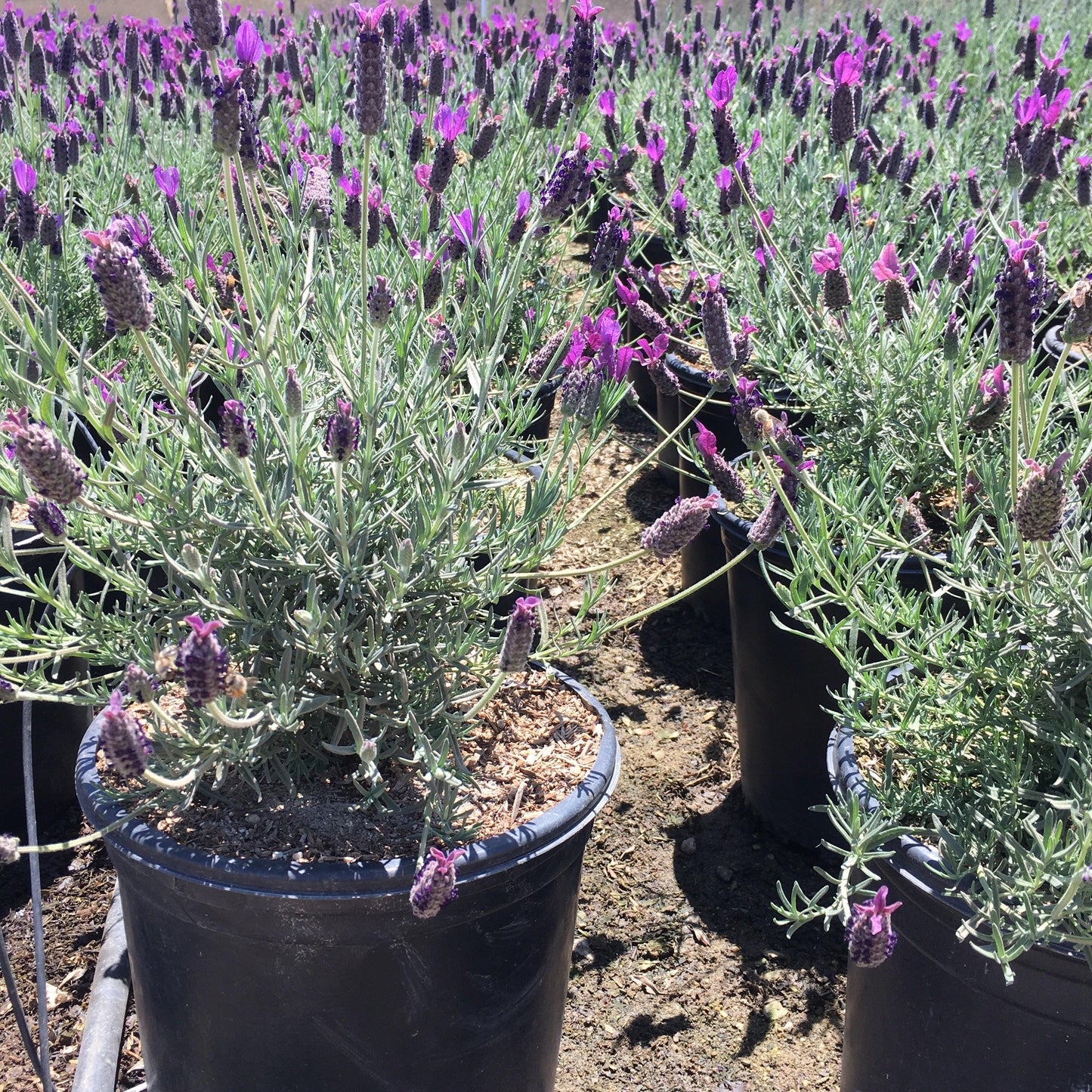
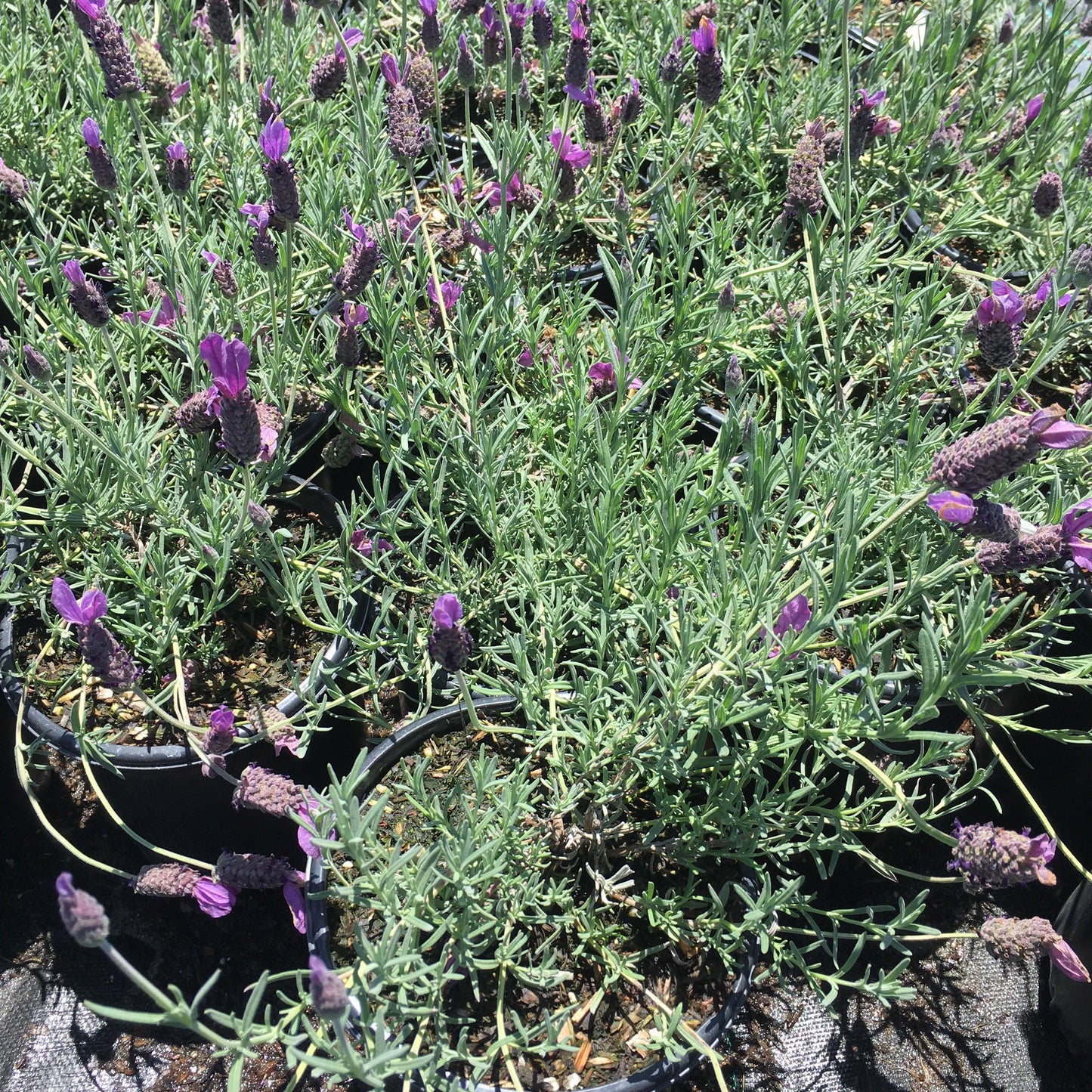
For container planting, patios, balconies, and small spaces, choose Spanish lavender (Lavandula stoechas) or compact french lavender forms. Spanish lavender (Lavandula stoechas) is recognized for its unique ‘ear’ shaped flowers and blooms from mid-spring to late summer, thriving in warmer climates with aromatic silvery foliage.
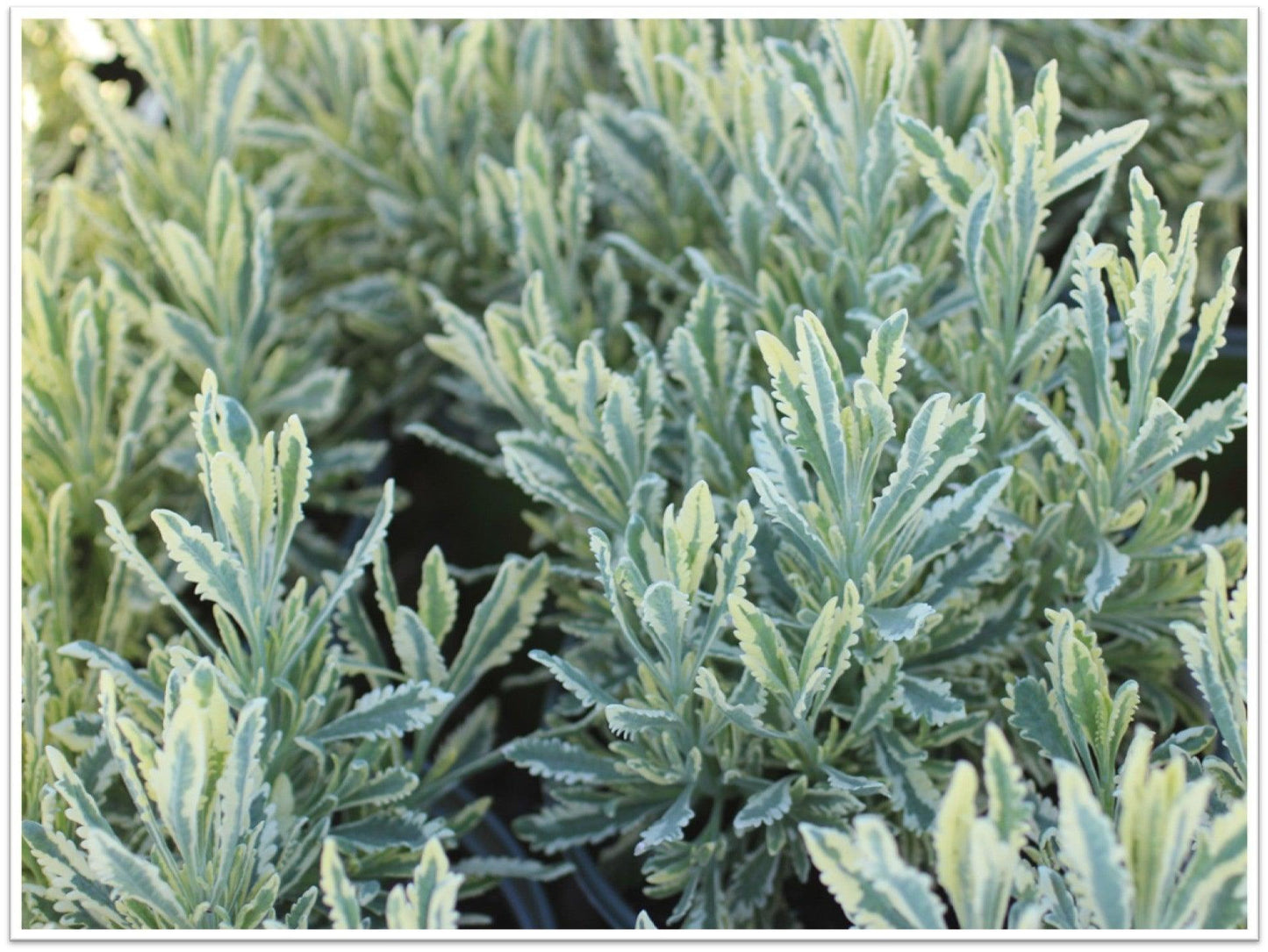
Spanish lavender is loved for its bunny ears, purple bracts, compact flower heads, and year-round interest in mild regions. French lavender is also chosen by many gardeners for its ornamental appeal and suitability for warm, sunny patios, while fringed lavender brings extra texture when toothed leaves, green foliage, and aromatic flowers are part of the design.
Containers make it easier to plant lavender where drainage, sun, or winter exposure must be controlled. They are also practical for renters, small patios, and gardeners in colder climates who want to move sensitive varieties into protected positions.
Choose the Right Lavender Variety for Your Climate
The right variety ensures your lavender thrives in your specific growing conditions and climate zone. Most lavender varieties are hardy in USDA Zones 5–9 and prefer arid, sunny environments.
Cold hardiness, heat tolerance, humidity, soil drainage, and winter wetness all affect success. The most cold hardy varieties are usually english lavender types, while spanish lavender and french lavender often suit warmer regions.
For California’s Mediterranean Climate
California gardens can be excellent places to plant lavender because the plant naturally suits dry summers, full sun, and well drained soil. For coastal areas and cooler regions, english lavender is a strong choice because cold hardy varieties of Lavandula angustifolia perform well with good drainage.
In inland valleys and warmer zones, french lavender can be a useful option. French lavender (Lavandula dentata) features toothed leaves and compact flower heads with purple bracts, blooming from early summer to fall, and is known for its rosemary-like scent.
Lavender fits California’s water-conscious landscapes because established plants need little irrigation once rooted. Its drought tolerant nature makes it ideal for borders, dry garden design, pollinator plantings, and low-water outdoor spaces, especially when combined with flowering trees that enhance curb appeal.
For Drought Tolerant, Hot, Dry Desert Conditions
For hot, dry desert conditions, choose heat tolerant Spanish lavender, lavandin, or selected woolly lavender. Woolly lavender (Lavandula lanata) is a drought-tolerant shrub with soft silver-white leaves and purple flowers, making it suitable for rock or gravel gardens and attracting pollinators, much like a Jacaranda tree with lavender-blue blooms can do on a larger scale.
Place lavender where it receives strong light but avoid heat traps that reflect extreme afternoon heat onto young roots. A raised bed, pea gravel mulch, and open spacing can improve drainage, reduce excess moisture, and protect the crown from standing water after rare storms.
Some ornamental types from the broader genus Lavandula, including forms associated with the Canary Islands or Portuguese lavender ancestry, are also valued by collectors. For most home gardens, however, the best choice is the plant that matches your local heat, soil, and watering habits.
For Coastal and Humid Areas
Coastal and humid climates require special attention to air circulation and drainage. High humidity can trigger root rot and fungal diseases in lavender.
Choose varieties with sturdy growth, space plants carefully, and use raised planting or container growing where soil stays damp. Good air circulation helps leaves and crowns dry quickly after fog, rain, or irrigation.
Avoid crowding lavender with thirsty companion plants. In humid climates, well drained soil, airflow, and careful watering are the difference between healthy lavender flowers and plants weakened by fungal diseases, and compact companions like Lavender Mexican heather groundcover can help fill gaps without overwhelming roots.
Premium Growing Conditions That Ensure Success
Quality lavender plants deserve optimal conditions to reach their full fragrant potential. Most species are easier to grow when you recreate their Mediterranean region preferences: sun, lean soil, good drainage, and minimal feeding.
If you want to grow lavender successfully, start by choosing the right site before you choose the variety. A hardy plant will still struggle if it sits in shade, heavy clay, or excess moisture.
Soil Requirements & Drainage
Lavender grows best in sandy, nutrient-poor, alkaline soil that provides excellent drainage, and it is important to avoid planting in heavy clay or low spots prone to standing water. Lavender grows best in sandy, nutrient-poor, alkaline soil that provides excellent drainage, and it is important to avoid heavy clay or low spots prone to standing water.
Aim for slightly alkaline soil with a pH around 6.5–7.5. If your soil is compacted or clay-heavy, improve drainage with coarse sand, pea gravel, mounding, or a raised bed.
Air pockets in loose, mineral soil help roots breathe and help prevent root rot. Avoid rich, wet planting holes that collect water around the crown, because standing water is one of the fastest ways to damage lavender.
Sunlight & Air Circulation
When planting lavender, it is recommended to place the plants in a site that receives at least 6 hours of sunlight daily, as shadier locations can lead to poor blooming and vigor. Full sun of 6–8 hours is even better for strong stems, abundant flowers, and better essential oils.
To ensure good air circulation, lavender plants should be spaced 2 to 3 feet apart, depending on their width at maturity, and they should be watered right after planting and every few days until established. This spacing allows mature silvery foliage to dry quickly and reduces disease pressure.
Give every plant enough room for its natural shape, whether you are growing compact english lavender, broader lavandin, or a showy spanish lavender. Crowded lavender may stretch, flower less, and become more vulnerable to fungal diseases.
Water Management
Established lavender plants are extremely drought tolerant and only need to be watered during prolonged dry spells, avoiding overwatering to prevent root rot and fungal diseases. New plants need more attention while roots are forming, but deep, infrequent watering is better than constant moisture.
Water right after planting, then water every few days until established, adjusting for weather, soil type, and container size. Once rooted, let soil dry between waterings and avoid wetting the crown.
In California’s dry summers, lavender may need occasional deep watering during extended heat. In winter or coastal conditions, reduce irrigation sharply because excess moisture is more dangerous than temporary dryness.
How to Care for Your Lavender Plant
Proper care keeps your lavender blooming beautifully year after year with minimal maintenance. The golden rule of lavender care is to avoid overwatering and overfertilizing.
Lavender is naturally resilient, aromatic, and pest resistant, but it performs best when treated like a Mediterranean shrub rather than a moisture-loving bedding plant. Keep care lean, sunny, and well drained.
Seasonal Pruning
Pruning lavender is essential for maintaining its health and beauty, with key techniques including cutting back by one-third and shaping the plant into a dome while avoiding cutting into old wood. The best major pruning time is spring after frost danger has passed.
Trim soft, leafy growth to maintain a rounded shape, improve air circulation, and prevent bare, woody centers. Never cut deeply into leafless old wood, because lavender often fails to regrow from those sections.
After flowering, remove spent flower spikes to keep the plant tidy and encourage additional blooms in some varieties. Harvest cut flower stems when flower buds are opening for fresh arrangements, dried lavender buds, sachets, or lavender oil projects.
Fertilizing & Feeding
A light layer of compost in spring is sufficient for lavender fertilization; heavy feeding minimizes flower production and weakens the plant. Lavender prefers lean soil, so more fertilizer does not mean more lavender flowers.
Use minimal compost or a gentle slow-release option only when plants show clear need. Avoid high-nitrogen feeding, which can push soft green foliage at the expense of fragrance, bloom quality, and essential oils.
Overfertilized lavender may become floppy, less aromatic, and more vulnerable to disease. For strong flowers and a concentrated scent, keep nutrition modest and sunlight high.
Pest & Disease Management
Lavender naturally resists many pests because its aromatic oils deter browsing and insects. Deer often avoid lavender, and mosquitoes are less attracted to areas where dried lavender flowers or aromatic plants are used.
The most common problems come from stress, especially overwatering, shade, and poor drainage. Root rot is the key issue to prevent, particularly where soil stays wet or humid climates keep foliage damp.
If aphids or spider mites appear, improve plant vigor first with better sun, spacing, and water control. Organic sprays or a strong rinse may help occasional outbreaks, but healthy lavender in full sun with good drainage usually needs very little intervention.
Shop Lavender Plants From Yardwork
Explore our carefully curated collection of lavender varieties perfect for California gardens. Each plant is nursery-grown, climate-tested, and ready to thrive in your outdoor space.
Choose english lavender for true lavender fragrance, herb gardens, pale pink or dark violet cultivars, and the most reliable cold hardiness. Select lavandin for long spikes, landscape impact, and bold essential oils. Pick spanish lavender or french lavender for compact flower heads, bunny ears, purple bracts, patio containers, and warm-climate color.
Your fragrant lavender garden is just a few clicks away – with expert support and California delivery included.