



Tuscarora Crape Myrtle - Lagerstroemia indica x fauriei 'Tuscarora'
Regular price
$295.00
Size
Form
The Tuscarora Crape Myrtle (Lagerstroemia indica 'Tuscarora') is a standout among flowering trees, prized for its vibrant color and adaptability in a variety of garden and yard settings. At maturity, these trees typically reach 16 to 25 feet tall and 15 to 20 feet wide, making them ideal for mid-sized residential gardens or as focal points in landscape design. Known for their fast growth, Tuscarora Crape Myrtles can grow up to 3 feet per year, eventually reaching up to 25 feet in height and 20 feet in width with proper care.
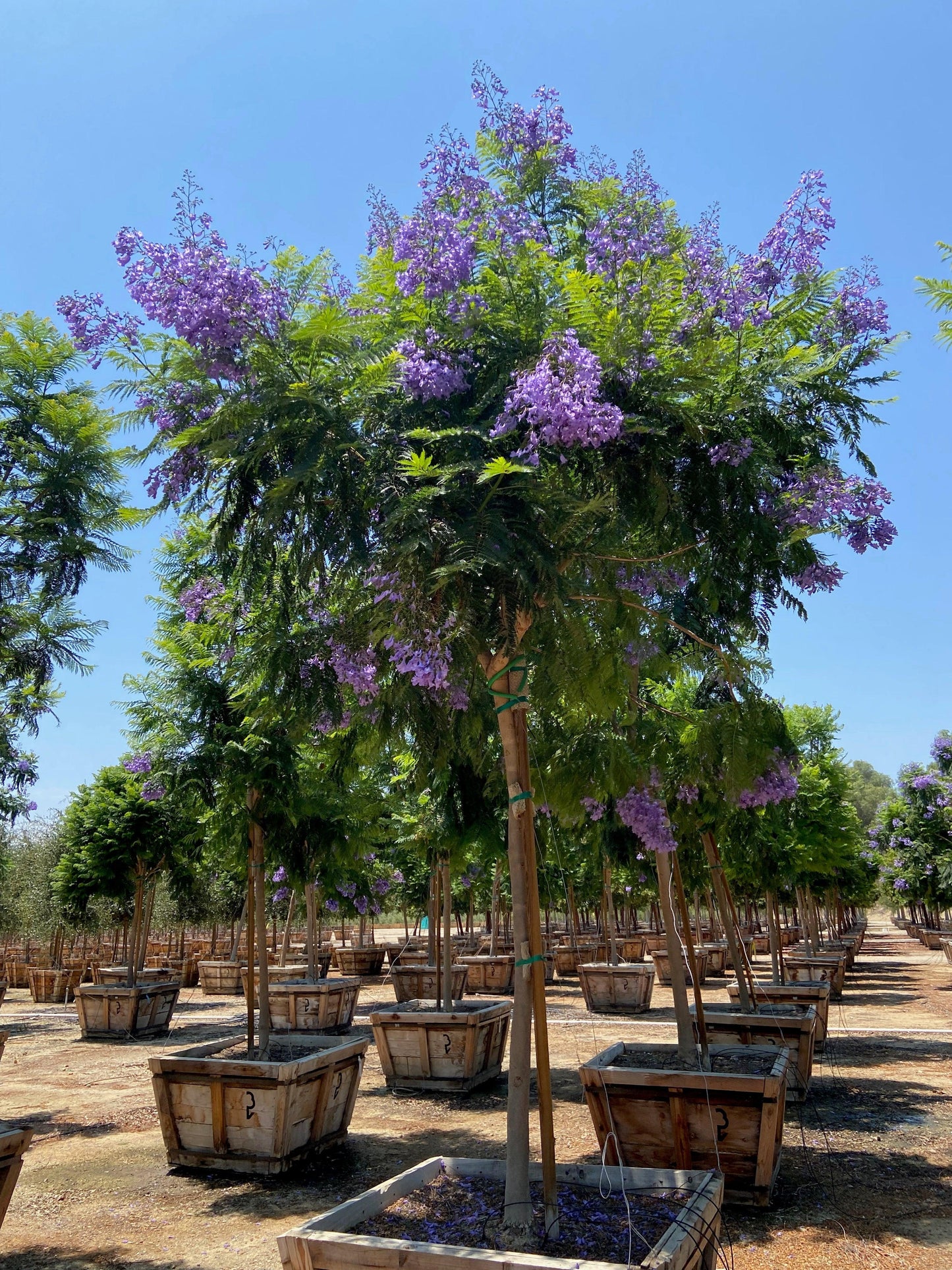
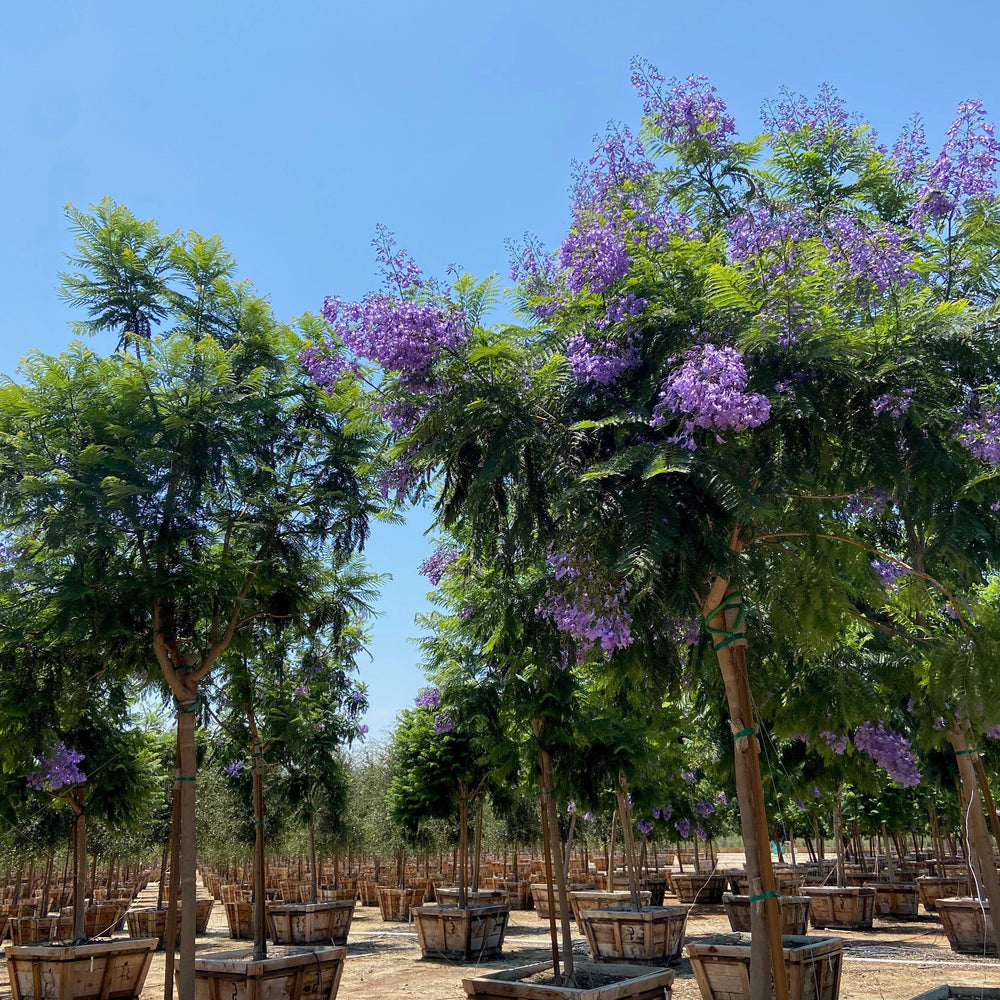
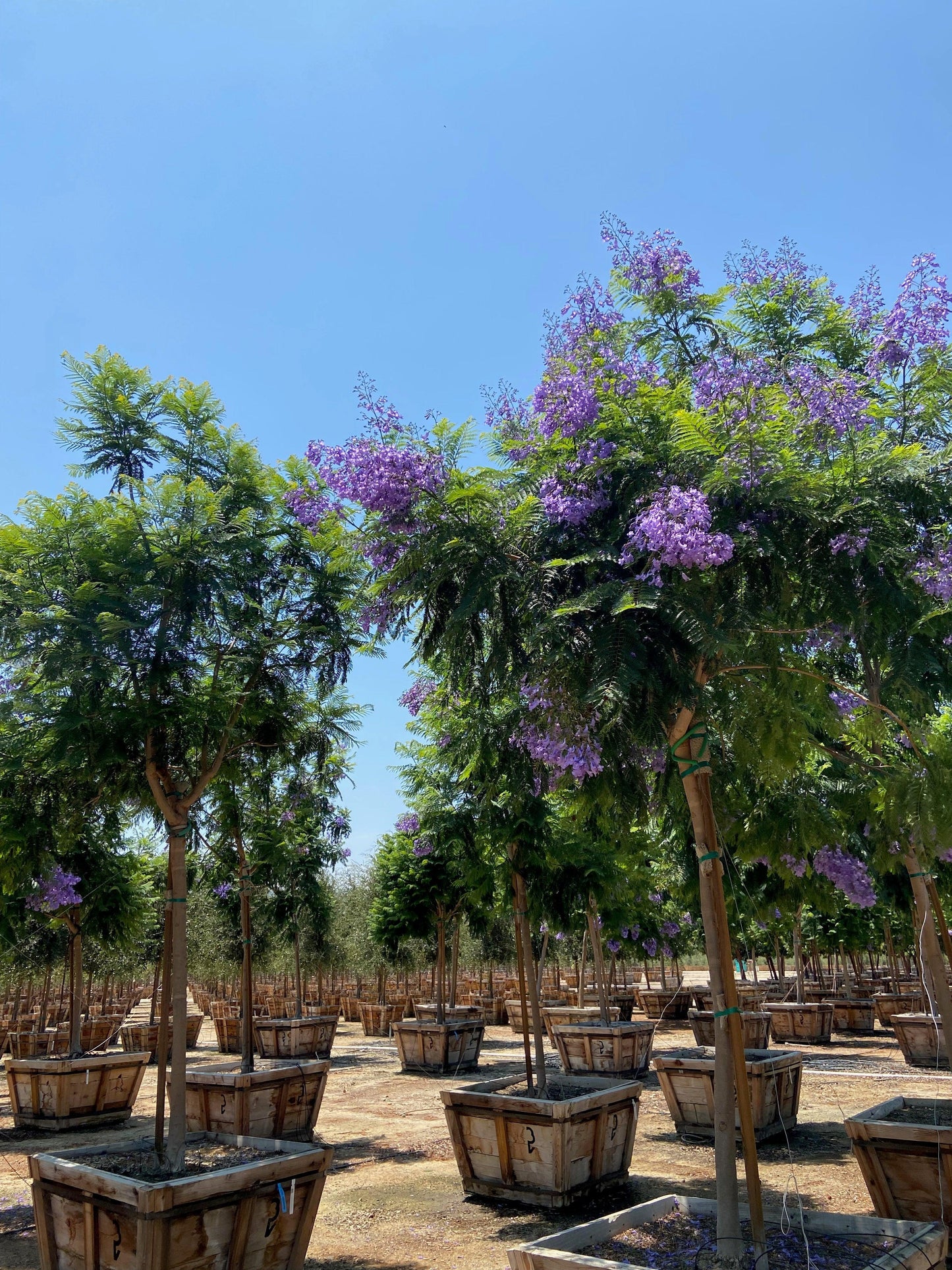
One of the most striking features of the Tuscarora Crape Myrtle is its abundant, watermelon red flowers. These flowers appear in large clusters—often exceeding 1 foot in length—creating a visually stunning display that enhances any garden or yard. The vibrant color of the blooms begins in late spring and continues reliably through fall, providing continuous color and seasonal interest.
Tuscarora Crape Myrtle trees thrive in USDA hardiness zones 7-11 and prefer full sun, though they can tolerate some shade. They are adaptable to a range of climates and will grow well in various well-draining soils, making them a versatile choice for many landscape designs. Whether you’re looking to add a splash of color to your garden, create a focal point in your yard, or enjoy the beauty of large, showy flower clusters, the Tuscarora Crape Myrtle is an excellent option.
Key Features of the Tuscarora Crape Myrtle (Lagerstroemia indica ‘Tuscarora’)
-
Produces vibrant, deep-pink to watermelon-red flower clusters throughout summer, delivering some of the best blooms among crape myrtles for maximum visual impact.
-
Features attractive exfoliating bark and striking orange-red fall foliage for year-round ornamental interest.
-
Fast-growing and highly disease resistant, this hardy tree thrives in USDA Zones 7–9 and is heat and drought tolerant once established.
-
Thrives in moist, well-drained soils with an optimal acidic pH of 5.0 to 6.5, but adapts well to a wide range of soil types—including clay and alkaline soils—as long as the soil is not soggy.
-
Reaches up to 25 feet tall and 20 feet wide, making it ideal as a specimen tree or planted in clusters for a dramatic landscape effect.
Buying and Size Options for Tuscarora Crape
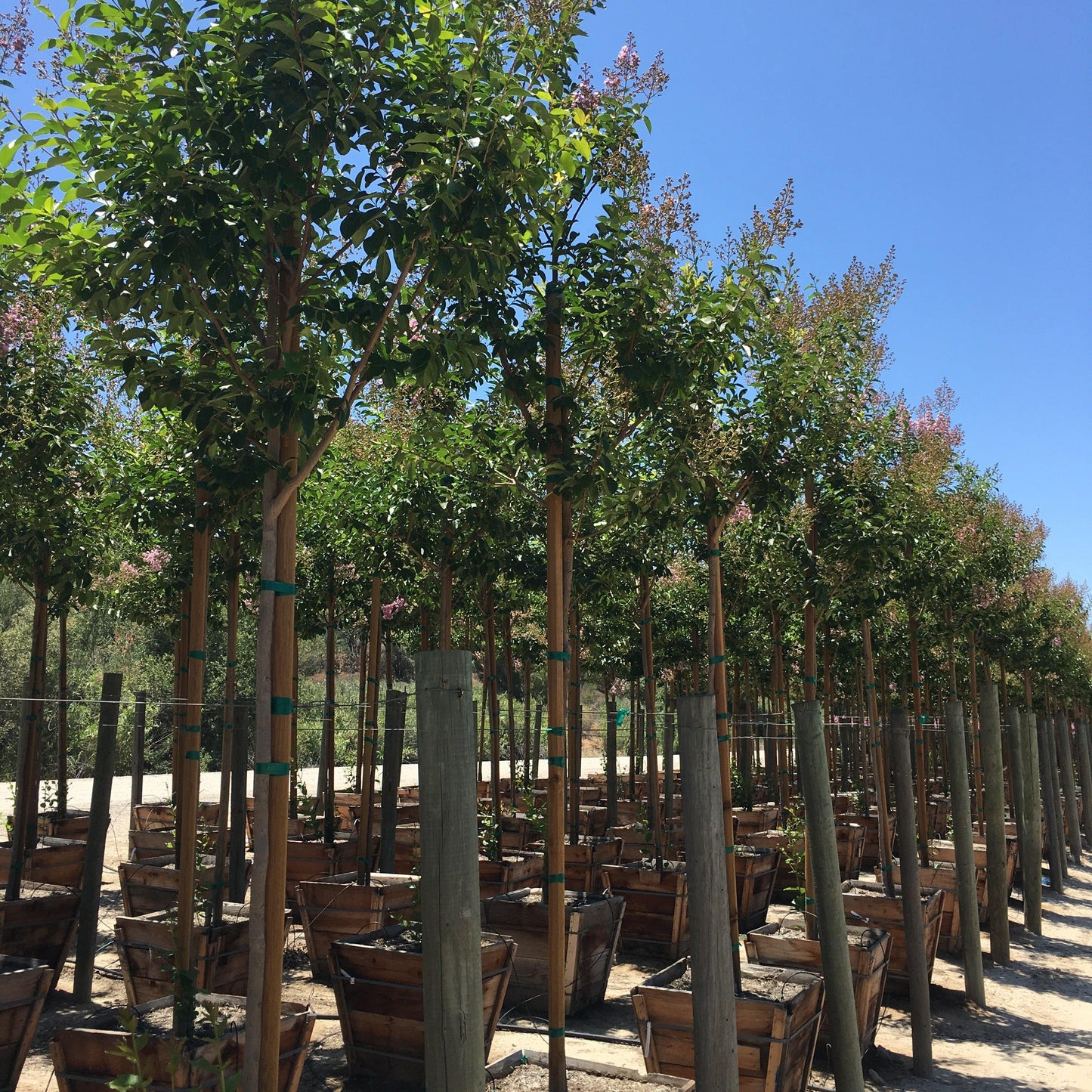
Tuscarora Crape Myrtles are available in a range of container sizes to suit your landscaping needs. Choose from 5-gallon (2-3 ft tall), 15-gallon (4-6 ft tall), and 24-inch box (6-8 ft tall) options, with mature or specimen stock available upon request for instant impact. Pricing is tiered by size, so you can select the best fit for your project and budget.
For optimal growth and stability, plant Tuscarora Crape Myrtles directly in the ground. If you’re looking to create a tall, living privacy screen, plant them in rows spaced about 15 feet apart. This spacing allows the trees to fill in and form a dense, attractive barrier.
Tuscarora Crape Myrtles are also highly suited for framing driveways, walkways, or city streets, thanks to its high tolerance for urban pollution, and they pair well with other popular privacy trees and shrubs in layered landscape designs. This makes it an excellent choice for both residential and urban landscapes.
Caring for Lagerstroemia indica Tuscarora
Tuscarora Crape Myrtles thrive when you plant them in a spot that receives full sun, at least 6 hours daily, to ensure the best flowering and vibrant color. Select a location with well-drained soil and a slightly acidic to neutral pH (5.5–7.0) for optimal root health and growth, and consider consulting a local plant nursery and landscaping team if you need help evaluating your site. When planting, make sure the roots are spread out in the planting hole and the plant is set at the same depth as it was in the nursery container. Healthy roots are essential for the tree to become established and flourish.
For watering, water deeply about twice a week for the first three months after planting to help the roots establish. Once the plant is established, water deeply once weekly during dry conditions to maintain healthy growth and abundant blooms. Consistent water is especially important during the first growing season.
Apply a 2–3 inch layer of mulch, such as pine straw or bark, around the base of the plant to retain soil moisture, regulate temperature, and suppress weeds. Be careful not to pile mulch against the trunk, as this can lead to rot or pest issues.
Fertilize in early spring using a balanced, slow release fertilizer formulated for acid-loving plants. This provides steady nutrients for healthy growth, disease resistance, and prolific flowering throughout the spring and summer. Avoid over-fertilizing, as this can encourage excessive leafy growth at the expense of blooms.
Prune in late winter or early spring to shape the tree, remove any crossing branches, and maintain a strong trunk structure. Proper trunk care and pruning help prevent disease and pests, and enhance the tree’s overall appearance.
Pruning, Pests, and Disease Management for Tuscarora Crape
Prune Tuscarora Crape Myrtles during the dormant season, focusing on removing dead, dying, or crowded branches. Proper pruning encourages healthy growth, prevents disease and pest problems, and promotes abundant blooms. Avoid topping or excessive cutting, as this can damage the tree’s natural shape and reduce flowering. Staking is generally unnecessary due to the tree’s strong, upright, multi-branched structure.
Tuscarora Crape Myrtles thrive in full sun for the best flower display, but it can tolerate some shade. In partial shade, the tree will still maintain health and produce vibrant blooms, though flowering may be less profuse than in full sun.
Monitor for pests such as aphids, which are common on crape myrtles. Aphids can be managed with a strong spray of water, insecticidal soap, or horticultural oil for severe infestations. Regularly check for powdery mildew, especially in humid conditions, and treat with appropriate fungicides if needed, particularly if your garden also includes other nursery-grown trees and shrubs that may be susceptible.
Landscaping Uses and Design Ideas with Crape Myrtles
-
As a single specimen, the Tuscarora Crape Myrtle can be used as a stunning focal point in gardens due to its beauty, vibrant pink blooms, and attractive vase-shaped form.
-
For grouping, Tuscarora Crape Myrtles are ideal for creating colorful hedges or framing entrances, as its dense flower clusters provide continuous color from late spring through fall.
-
Pair with drought-tolerant companion plants like lavender, salvia, ornamental grasses, or resilient trees such as African Sumac and other hardy landscape trees for a waterwise landscape that highlights the crape myrtle’s seasonal interest.
-
In the fall, the foliage transforms into stunning shades of red, orange, and yellow, further enhancing its beauty and visual appeal even after the blooming season.
Comparing Lagerstroemia indica Tuscarora to Other Crape Myrtles
|
Variety |
Mature Height |
Bloom Color |
Growth Rate |
Disease Resistance |
|---|---|---|---|---|
|
Tuscarora Crape Myrtle |
20-25 ft |
Watermelon Red |
Fast |
High |
|
Natchez |
20-30 ft |
White |
Fast |
High |
|
Muskogee |
20-25 ft |
Lavender |
Fast |
High |
|
Dynamite |
15-20 ft |
Cherry Red |
Moderate |
Moderate |
The Tuscarora Crape Myrtle (Lagerstroemia indica 'Tuscarora') is a standout among flowering trees, prized for its vibrant color and adaptability in a variety of garden and yard settings. At maturity, these trees typically reach 16 to 25 feet tall and 15 to 20 feet wide, making them ideal for mid-sized residential gardens or as focal points in landscape design. Known for their fast growth, Tuscarora Crape Myrtles can grow up to 3 feet per year, eventually reaching up to 25 feet in height and 20 feet in width with proper care.
One of the most striking features of the Tuscarora Crape Myrtle is its abundant, watermelon red flowers. These flowers appear in large clusters—often exceeding 1 foot in length—creating a visually stunning display that enhances any garden or yard. The vibrant color of the blooms begins in late spring and continues reliably through fall, providing continuous color and seasonal interest.
Tuscarora Crape Myrtle trees thrive in USDA hardiness zones 7-11 and prefer full sun, though they can tolerate some shade. They are adaptable to a range of climates and will grow well in various well-draining soils, making them a versatile choice for many landscape designs. Whether you’re looking to add a splash of color to your garden, create a focal point in your yard, or enjoy the beauty of large, showy flower clusters, the Tuscarora Crape Myrtle is an excellent option.
Key Features of the Tuscarora Crape Myrtle (Lagerstroemia indica ‘Tuscarora’)
-
Produces vibrant, deep-pink to watermelon-red flower clusters throughout summer, delivering some of the best blooms among crape myrtles for maximum visual impact.
-
Features attractive exfoliating bark and striking orange-red fall foliage for year-round ornamental interest.
-
Fast-growing and highly disease resistant, this hardy tree thrives in USDA Zones 7–9 and is heat and drought tolerant once established.
-
Thrives in moist, well-drained soils with an optimal acidic pH of 5.0 to 6.5, but adapts well to a wide range of soil types—including clay and alkaline soils—as long as the soil is not soggy.
-
Reaches up to 25 feet tall and 20 feet wide, making it ideal as a specimen tree or planted in clusters for a dramatic landscape effect.
Buying and Size Options for Tuscarora Crape
Tuscarora Crape Myrtles are available in a range of container sizes to suit your landscaping needs. Choose from 5-gallon (2-3 ft tall), 15-gallon (4-6 ft tall), and 24-inch box (6-8 ft tall) options, with mature or specimen stock available upon request for instant impact. Pricing is tiered by size, so you can select the best fit for your project and budget.
For optimal growth and stability, plant Tuscarora Crape Myrtles directly in the ground. If you’re looking to create a tall, living privacy screen, plant them in rows spaced about 15 feet apart. This spacing allows the trees to fill in and form a dense, attractive barrier.
Tuscarora Crape Myrtles are also highly suited for framing driveways, walkways, or city streets, thanks to its high tolerance for urban pollution, and they pair well with other popular privacy trees and shrubs in layered landscape designs. This makes it an excellent choice for both residential and urban landscapes.
Caring for Lagerstroemia indica Tuscarora
Tuscarora Crape Myrtles thrive when you plant them in a spot that receives full sun, at least 6 hours daily, to ensure the best flowering and vibrant color. Select a location with well-drained soil and a slightly acidic to neutral pH (5.5–7.0) for optimal root health and growth, and consider consulting a local plant nursery and landscaping team if you need help evaluating your site. When planting, make sure the roots are spread out in the planting hole and the plant is set at the same depth as it was in the nursery container. Healthy roots are essential for the tree to become established and flourish.
For watering, water deeply about twice a week for the first three months after planting to help the roots establish. Once the plant is established, water deeply once weekly during dry conditions to maintain healthy growth and abundant blooms. Consistent water is especially important during the first growing season.
Apply a 2–3 inch layer of mulch, such as pine straw or bark, around the base of the plant to retain soil moisture, regulate temperature, and suppress weeds. Be careful not to pile mulch against the trunk, as this can lead to rot or pest issues.
Fertilize in early spring using a balanced, slow release fertilizer formulated for acid-loving plants. This provides steady nutrients for healthy growth, disease resistance, and prolific flowering throughout the spring and summer. Avoid over-fertilizing, as this can encourage excessive leafy growth at the expense of blooms.
Prune in late winter or early spring to shape the tree, remove any crossing branches, and maintain a strong trunk structure. Proper trunk care and pruning help prevent disease and pests, and enhance the tree’s overall appearance.
Pruning, Pests, and Disease Management for Tuscarora Crape
Prune Tuscarora Crape Myrtles during the dormant season, focusing on removing dead, dying, or crowded branches. Proper pruning encourages healthy growth, prevents disease and pest problems, and promotes abundant blooms. Avoid topping or excessive cutting, as this can damage the tree’s natural shape and reduce flowering. Staking is generally unnecessary due to the tree’s strong, upright, multi-branched structure.
Tuscarora Crape Myrtles thrive in full sun for the best flower display, but it can tolerate some shade. In partial shade, the tree will still maintain health and produce vibrant blooms, though flowering may be less profuse than in full sun.
Monitor for pests such as aphids, which are common on crape myrtles. Aphids can be managed with a strong spray of water, insecticidal soap, or horticultural oil for severe infestations. Regularly check for powdery mildew, especially in humid conditions, and treat with appropriate fungicides if needed, particularly if your garden also includes other nursery-grown trees and shrubs that may be susceptible.
Landscaping Uses and Design Ideas with Crape Myrtles
-
As a single specimen, the Tuscarora Crape Myrtle can be used as a stunning focal point in gardens due to its beauty, vibrant pink blooms, and attractive vase-shaped form.
-
For grouping, Tuscarora Crape Myrtles are ideal for creating colorful hedges or framing entrances, as its dense flower clusters provide continuous color from late spring through fall.
-
Pair with drought-tolerant companion plants like lavender, salvia, ornamental grasses, or resilient trees such as African Sumac and other hardy landscape trees for a waterwise landscape that highlights the crape myrtle’s seasonal interest.
-
In the fall, the foliage transforms into stunning shades of red, orange, and yellow, further enhancing its beauty and visual appeal even after the blooming season.
Comparing Lagerstroemia indica Tuscarora to Other Crape Myrtles
|
Variety |
Mature Height |
Bloom Color |
Growth Rate |
Disease Resistance |
|---|---|---|---|---|
|
Tuscarora Crape Myrtle |
20-25 ft |
Watermelon Red |
Fast |
High |
|
Natchez |
20-30 ft |
White |
Fast |
High |
|
Muskogee |
20-25 ft |
Lavender |
Fast |
High |
|
Dynamite |
15-20 ft |
Cherry Red |
Moderate |
Moderate |
Plants vary greatly by type and no guarantees are made on sizing.
However here is a rough idea of sizes based on containers that are direct from our growing grounds.
15 Gallon Shrub 3-4 Ft. Tall
15 Gallon Tree 5-6 Ft. Tall
24" Box Shrub 5-6 Ft. Tall
24" Box Tree 6-7 Ft. Tall
36" Box Tree 8-10 Ft. Tall
48" Box Tree 10-12 Ft. Tall
Please note: Citrus and California Native plants such as Manzanita are smaller than traditional sizing.
Please contact us to confirm sizing of items before purchasing if this is a concern.
Plants vary greatly by type and no guarantees are made on sizing.
However here is a rough idea of sizes based on containers that are direct from our growing grounds.
15 Gallon Shrub 3-4 Ft. Tall
15 Gallon Tree 5-6 Ft. Tall
24" Box Shrub 5-6 Ft. Tall
24" Box Tree 6-7 Ft. Tall
36" Box Tree 8-10 Ft. Tall
48" Box Tree 10-12 Ft. Tall
Please note: Citrus and California Native plants such as Manzanita are smaller than traditional sizing.
Please contact us to confirm sizing of items before purchasing if this is a concern.
Delivery does not include unloading of trees and plants larger than a 24" box.
Trees and plants in smaller containers will be dropped curbside.
Delivery beyond a curbside drop will be charged extra.
Trees and plants that are sold in container sizes larger than a 24" box size will require equipment and an operator onsite to help unload from the truck.
Please reach out to our team PRIOR to placing your order to coordinate.
Our team can provide unloading assistance with equipment for an extra fee.
Delivery does not include unloading of trees and plants larger than a 24" box.
Trees and plants in smaller containers will be dropped curbside.
Delivery beyond a curbside drop will be charged extra.
Trees and plants that are sold in container sizes larger than a 24" box size will require equipment and an operator onsite to help unload from the truck.
Please reach out to our team PRIOR to placing your order to coordinate.
Our team can provide unloading assistance with equipment for an extra fee.
You may also like...


Tuscarora Crape Myrtle - Lagerstroemia indica x fauriei 'Tuscarora'
Regular price
$295.00
Size
Form
The Tuscarora Crape Myrtle (Lagerstroemia indica 'Tuscarora') is a standout among flowering trees, prized for its vibrant color and adaptability in a variety of garden and yard settings. At maturity, these trees typically reach 16 to 25 feet tall and 15 to 20 feet wide, making them ideal for mid-sized residential gardens or as focal points in landscape design. Known for their fast growth, Tuscarora Crape Myrtles can grow up to 3 feet per year, eventually reaching up to 25 feet in height and 20 feet in width with proper care.
One of the most striking features of the Tuscarora Crape Myrtle is its abundant, watermelon red flowers. These flowers appear in large clusters—often exceeding 1 foot in length—creating a visually stunning display that enhances any garden or yard. The vibrant color of the blooms begins in late spring and continues reliably through fall, providing continuous color and seasonal interest.
Tuscarora Crape Myrtle trees thrive in USDA hardiness zones 7-11 and prefer full sun, though they can tolerate some shade. They are adaptable to a range of climates and will grow well in various well-draining soils, making them a versatile choice for many landscape designs. Whether you’re looking to add a splash of color to your garden, create a focal point in your yard, or enjoy the beauty of large, showy flower clusters, the Tuscarora Crape Myrtle is an excellent option.
Key Features of the Tuscarora Crape Myrtle (Lagerstroemia indica ‘Tuscarora’)
-
Produces vibrant, deep-pink to watermelon-red flower clusters throughout summer, delivering some of the best blooms among crape myrtles for maximum visual impact.
-
Features attractive exfoliating bark and striking orange-red fall foliage for year-round ornamental interest.
-
Fast-growing and highly disease resistant, this hardy tree thrives in USDA Zones 7–9 and is heat and drought tolerant once established.
-
Thrives in moist, well-drained soils with an optimal acidic pH of 5.0 to 6.5, but adapts well to a wide range of soil types—including clay and alkaline soils—as long as the soil is not soggy.
-
Reaches up to 25 feet tall and 20 feet wide, making it ideal as a specimen tree or planted in clusters for a dramatic landscape effect.
Buying and Size Options for Tuscarora Crape
Tuscarora Crape Myrtles are available in a range of container sizes to suit your landscaping needs. Choose from 5-gallon (2-3 ft tall), 15-gallon (4-6 ft tall), and 24-inch box (6-8 ft tall) options, with mature or specimen stock available upon request for instant impact. Pricing is tiered by size, so you can select the best fit for your project and budget.
For optimal growth and stability, plant Tuscarora Crape Myrtles directly in the ground. If you’re looking to create a tall, living privacy screen, plant them in rows spaced about 15 feet apart. This spacing allows the trees to fill in and form a dense, attractive barrier.
Tuscarora Crape Myrtles are also highly suited for framing driveways, walkways, or city streets, thanks to its high tolerance for urban pollution, and they pair well with other popular privacy trees and shrubs in layered landscape designs. This makes it an excellent choice for both residential and urban landscapes.
Caring for Lagerstroemia indica Tuscarora
Tuscarora Crape Myrtles thrive when you plant them in a spot that receives full sun, at least 6 hours daily, to ensure the best flowering and vibrant color. Select a location with well-drained soil and a slightly acidic to neutral pH (5.5–7.0) for optimal root health and growth, and consider consulting a local plant nursery and landscaping team if you need help evaluating your site. When planting, make sure the roots are spread out in the planting hole and the plant is set at the same depth as it was in the nursery container. Healthy roots are essential for the tree to become established and flourish.
For watering, water deeply about twice a week for the first three months after planting to help the roots establish. Once the plant is established, water deeply once weekly during dry conditions to maintain healthy growth and abundant blooms. Consistent water is especially important during the first growing season.
Apply a 2–3 inch layer of mulch, such as pine straw or bark, around the base of the plant to retain soil moisture, regulate temperature, and suppress weeds. Be careful not to pile mulch against the trunk, as this can lead to rot or pest issues.
Fertilize in early spring using a balanced, slow release fertilizer formulated for acid-loving plants. This provides steady nutrients for healthy growth, disease resistance, and prolific flowering throughout the spring and summer. Avoid over-fertilizing, as this can encourage excessive leafy growth at the expense of blooms.
Prune in late winter or early spring to shape the tree, remove any crossing branches, and maintain a strong trunk structure. Proper trunk care and pruning help prevent disease and pests, and enhance the tree’s overall appearance.
Pruning, Pests, and Disease Management for Tuscarora Crape
Prune Tuscarora Crape Myrtles during the dormant season, focusing on removing dead, dying, or crowded branches. Proper pruning encourages healthy growth, prevents disease and pest problems, and promotes abundant blooms. Avoid topping or excessive cutting, as this can damage the tree’s natural shape and reduce flowering. Staking is generally unnecessary due to the tree’s strong, upright, multi-branched structure.
Tuscarora Crape Myrtles thrive in full sun for the best flower display, but it can tolerate some shade. In partial shade, the tree will still maintain health and produce vibrant blooms, though flowering may be less profuse than in full sun.
Monitor for pests such as aphids, which are common on crape myrtles. Aphids can be managed with a strong spray of water, insecticidal soap, or horticultural oil for severe infestations. Regularly check for powdery mildew, especially in humid conditions, and treat with appropriate fungicides if needed, particularly if your garden also includes other nursery-grown trees and shrubs that may be susceptible.
Landscaping Uses and Design Ideas with Crape Myrtles
-
As a single specimen, the Tuscarora Crape Myrtle can be used as a stunning focal point in gardens due to its beauty, vibrant pink blooms, and attractive vase-shaped form.
-
For grouping, Tuscarora Crape Myrtles are ideal for creating colorful hedges or framing entrances, as its dense flower clusters provide continuous color from late spring through fall.
-
Pair with drought-tolerant companion plants like lavender, salvia, ornamental grasses, or resilient trees such as African Sumac and other hardy landscape trees for a waterwise landscape that highlights the crape myrtle’s seasonal interest.
-
In the fall, the foliage transforms into stunning shades of red, orange, and yellow, further enhancing its beauty and visual appeal even after the blooming season.
Comparing Lagerstroemia indica Tuscarora to Other Crape Myrtles
|
Variety |
Mature Height |
Bloom Color |
Growth Rate |
Disease Resistance |
|---|---|---|---|---|
|
Tuscarora Crape Myrtle |
20-25 ft |
Watermelon Red |
Fast |
High |
|
Natchez |
20-30 ft |
White |
Fast |
High |
|
Muskogee |
20-25 ft |
Lavender |
Fast |
High |
|
Dynamite |
15-20 ft |
Cherry Red |
Moderate |
Moderate |
The Tuscarora Crape Myrtle (Lagerstroemia indica 'Tuscarora') is a standout among flowering trees, prized for its vibrant color and adaptability in a variety of garden and yard settings. At maturity, these trees typically reach 16 to 25 feet tall and 15 to 20 feet wide, making them ideal for mid-sized residential gardens or as focal points in landscape design. Known for their fast growth, Tuscarora Crape Myrtles can grow up to 3 feet per year, eventually reaching up to 25 feet in height and 20 feet in width with proper care.
One of the most striking features of the Tuscarora Crape Myrtle is its abundant, watermelon red flowers. These flowers appear in large clusters—often exceeding 1 foot in length—creating a visually stunning display that enhances any garden or yard. The vibrant color of the blooms begins in late spring and continues reliably through fall, providing continuous color and seasonal interest.
Tuscarora Crape Myrtle trees thrive in USDA hardiness zones 7-11 and prefer full sun, though they can tolerate some shade. They are adaptable to a range of climates and will grow well in various well-draining soils, making them a versatile choice for many landscape designs. Whether you’re looking to add a splash of color to your garden, create a focal point in your yard, or enjoy the beauty of large, showy flower clusters, the Tuscarora Crape Myrtle is an excellent option.
Key Features of the Tuscarora Crape Myrtle (Lagerstroemia indica ‘Tuscarora’)
-
Produces vibrant, deep-pink to watermelon-red flower clusters throughout summer, delivering some of the best blooms among crape myrtles for maximum visual impact.
-
Features attractive exfoliating bark and striking orange-red fall foliage for year-round ornamental interest.
-
Fast-growing and highly disease resistant, this hardy tree thrives in USDA Zones 7–9 and is heat and drought tolerant once established.
-
Thrives in moist, well-drained soils with an optimal acidic pH of 5.0 to 6.5, but adapts well to a wide range of soil types—including clay and alkaline soils—as long as the soil is not soggy.
-
Reaches up to 25 feet tall and 20 feet wide, making it ideal as a specimen tree or planted in clusters for a dramatic landscape effect.
Buying and Size Options for Tuscarora Crape
Tuscarora Crape Myrtles are available in a range of container sizes to suit your landscaping needs. Choose from 5-gallon (2-3 ft tall), 15-gallon (4-6 ft tall), and 24-inch box (6-8 ft tall) options, with mature or specimen stock available upon request for instant impact. Pricing is tiered by size, so you can select the best fit for your project and budget.
For optimal growth and stability, plant Tuscarora Crape Myrtles directly in the ground. If you’re looking to create a tall, living privacy screen, plant them in rows spaced about 15 feet apart. This spacing allows the trees to fill in and form a dense, attractive barrier.
Tuscarora Crape Myrtles are also highly suited for framing driveways, walkways, or city streets, thanks to its high tolerance for urban pollution, and they pair well with other popular privacy trees and shrubs in layered landscape designs. This makes it an excellent choice for both residential and urban landscapes.
Caring for Lagerstroemia indica Tuscarora
Tuscarora Crape Myrtles thrive when you plant them in a spot that receives full sun, at least 6 hours daily, to ensure the best flowering and vibrant color. Select a location with well-drained soil and a slightly acidic to neutral pH (5.5–7.0) for optimal root health and growth, and consider consulting a local plant nursery and landscaping team if you need help evaluating your site. When planting, make sure the roots are spread out in the planting hole and the plant is set at the same depth as it was in the nursery container. Healthy roots are essential for the tree to become established and flourish.
For watering, water deeply about twice a week for the first three months after planting to help the roots establish. Once the plant is established, water deeply once weekly during dry conditions to maintain healthy growth and abundant blooms. Consistent water is especially important during the first growing season.
Apply a 2–3 inch layer of mulch, such as pine straw or bark, around the base of the plant to retain soil moisture, regulate temperature, and suppress weeds. Be careful not to pile mulch against the trunk, as this can lead to rot or pest issues.
Fertilize in early spring using a balanced, slow release fertilizer formulated for acid-loving plants. This provides steady nutrients for healthy growth, disease resistance, and prolific flowering throughout the spring and summer. Avoid over-fertilizing, as this can encourage excessive leafy growth at the expense of blooms.
Prune in late winter or early spring to shape the tree, remove any crossing branches, and maintain a strong trunk structure. Proper trunk care and pruning help prevent disease and pests, and enhance the tree’s overall appearance.
Pruning, Pests, and Disease Management for Tuscarora Crape
Prune Tuscarora Crape Myrtles during the dormant season, focusing on removing dead, dying, or crowded branches. Proper pruning encourages healthy growth, prevents disease and pest problems, and promotes abundant blooms. Avoid topping or excessive cutting, as this can damage the tree’s natural shape and reduce flowering. Staking is generally unnecessary due to the tree’s strong, upright, multi-branched structure.
Tuscarora Crape Myrtles thrive in full sun for the best flower display, but it can tolerate some shade. In partial shade, the tree will still maintain health and produce vibrant blooms, though flowering may be less profuse than in full sun.
Monitor for pests such as aphids, which are common on crape myrtles. Aphids can be managed with a strong spray of water, insecticidal soap, or horticultural oil for severe infestations. Regularly check for powdery mildew, especially in humid conditions, and treat with appropriate fungicides if needed, particularly if your garden also includes other nursery-grown trees and shrubs that may be susceptible.
Landscaping Uses and Design Ideas with Crape Myrtles
-
As a single specimen, the Tuscarora Crape Myrtle can be used as a stunning focal point in gardens due to its beauty, vibrant pink blooms, and attractive vase-shaped form.
-
For grouping, Tuscarora Crape Myrtles are ideal for creating colorful hedges or framing entrances, as its dense flower clusters provide continuous color from late spring through fall.
-
Pair with drought-tolerant companion plants like lavender, salvia, ornamental grasses, or resilient trees such as African Sumac and other hardy landscape trees for a waterwise landscape that highlights the crape myrtle’s seasonal interest.
-
In the fall, the foliage transforms into stunning shades of red, orange, and yellow, further enhancing its beauty and visual appeal even after the blooming season.
Comparing Lagerstroemia indica Tuscarora to Other Crape Myrtles
|
Variety |
Mature Height |
Bloom Color |
Growth Rate |
Disease Resistance |
|---|---|---|---|---|
|
Tuscarora Crape Myrtle |
20-25 ft |
Watermelon Red |
Fast |
High |
|
Natchez |
20-30 ft |
White |
Fast |
High |
|
Muskogee |
20-25 ft |
Lavender |
Fast |
High |
|
Dynamite |
15-20 ft |
Cherry Red |
Moderate |
Moderate |
Plants vary greatly by type and no guarantees are made on sizing.
However here is a rough idea of sizes based on containers that are direct from our growing grounds.
15 Gallon Shrub 3-4 Ft. Tall
15 Gallon Tree 5-6 Ft. Tall
24" Box Shrub 5-6 Ft. Tall
24" Box Tree 6-7 Ft. Tall
36" Box Tree 8-10 Ft. Tall
48" Box Tree 10-12 Ft. Tall
Please note: Citrus and California Native plants such as Manzanita are smaller than traditional sizing.
Please contact us to confirm sizing of items before purchasing if this is a concern.
Plants vary greatly by type and no guarantees are made on sizing.
However here is a rough idea of sizes based on containers that are direct from our growing grounds.
15 Gallon Shrub 3-4 Ft. Tall
15 Gallon Tree 5-6 Ft. Tall
24" Box Shrub 5-6 Ft. Tall
24" Box Tree 6-7 Ft. Tall
36" Box Tree 8-10 Ft. Tall
48" Box Tree 10-12 Ft. Tall
Please note: Citrus and California Native plants such as Manzanita are smaller than traditional sizing.
Please contact us to confirm sizing of items before purchasing if this is a concern.
Delivery does not include unloading of trees and plants larger than a 24" box.
Trees and plants in smaller containers will be dropped curbside.
Delivery beyond a curbside drop will be charged extra.
Trees and plants that are sold in container sizes larger than a 24" box size will require equipment and an operator onsite to help unload from the truck.
Please reach out to our team PRIOR to placing your order to coordinate.
Our team can provide unloading assistance with equipment for an extra fee.
Delivery does not include unloading of trees and plants larger than a 24" box.
Trees and plants in smaller containers will be dropped curbside.
Delivery beyond a curbside drop will be charged extra.
Trees and plants that are sold in container sizes larger than a 24" box size will require equipment and an operator onsite to help unload from the truck.
Please reach out to our team PRIOR to placing your order to coordinate.
Our team can provide unloading assistance with equipment for an extra fee.
Recommended For You















Pairs Well With













You May Also Like











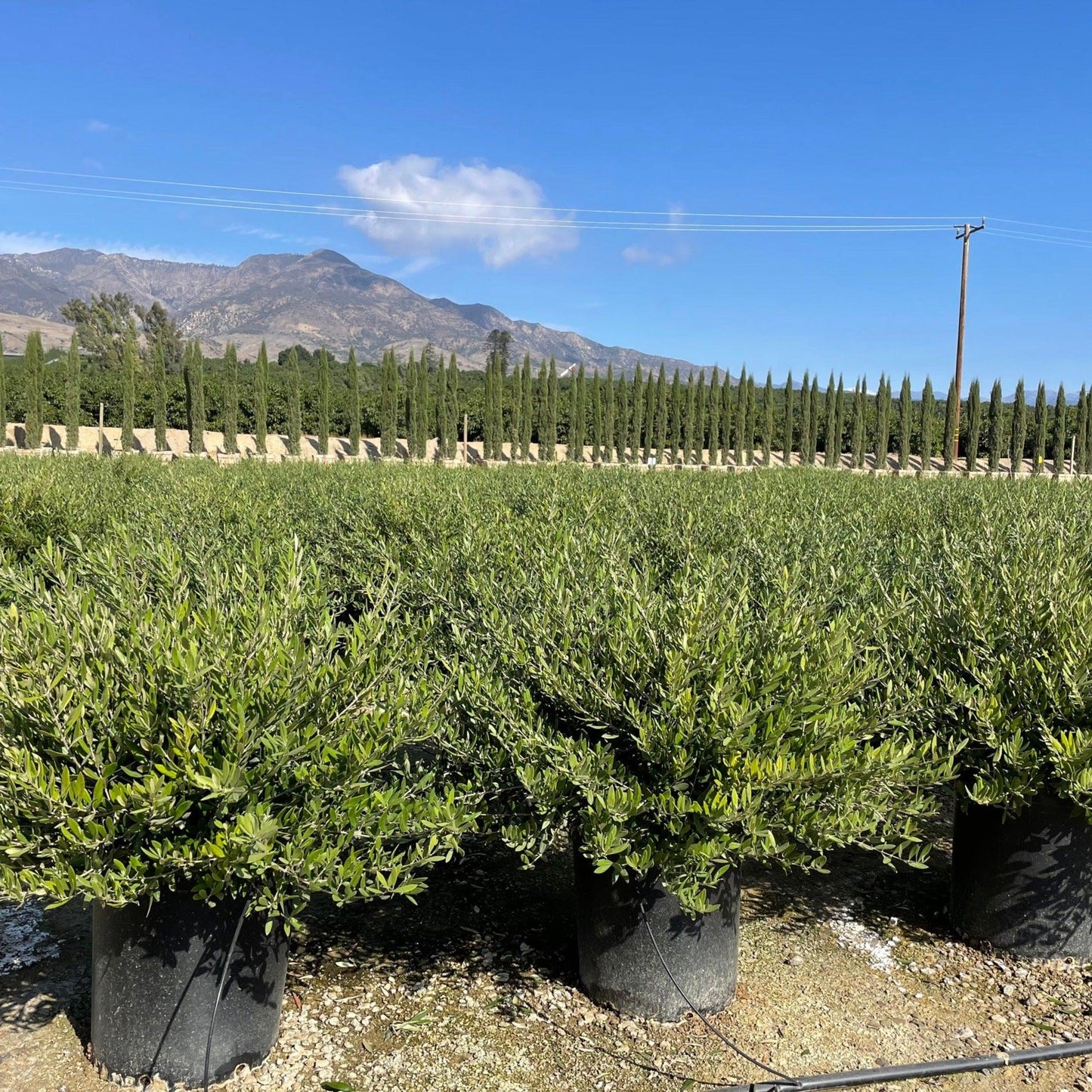

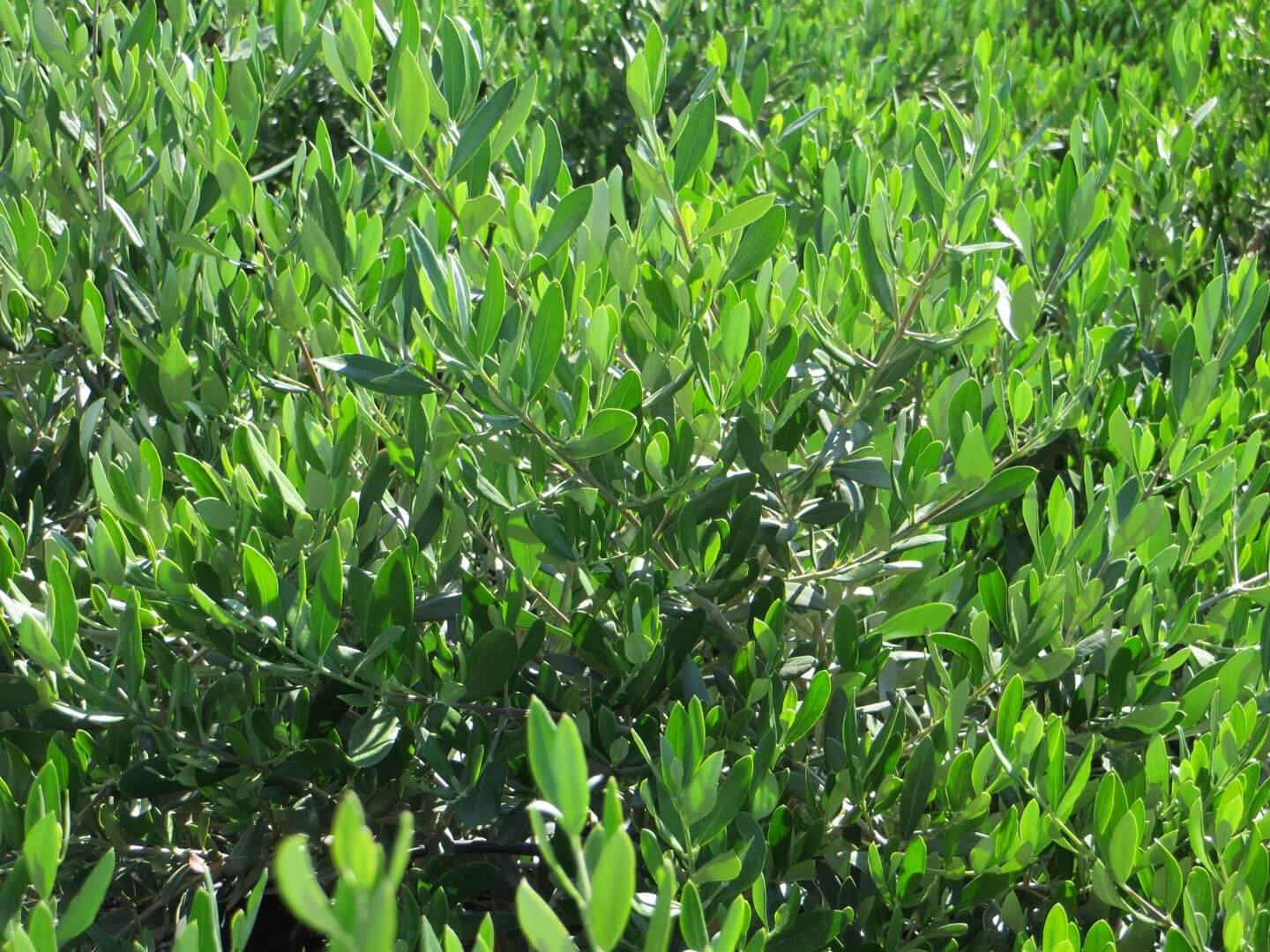
Thousands of Healthy Plants Delivered


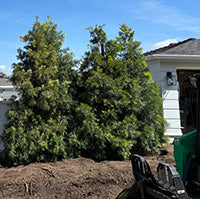
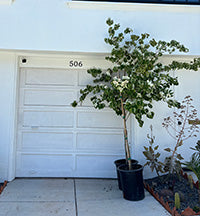
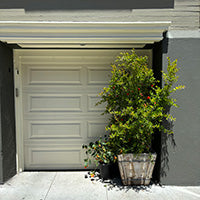
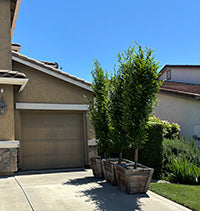
Yardwork was so great to work with. First they had the Swan Hill olive trees that we had been searching for, we had contacted several other nurseries without any luck previously. Then they answered all of our questions in a timely matter prior to ordering and finally delivered within a few days of placing it. Their staff is incredibly knowledgeable; they delivered and planted our trees with expertise to ensure that they would do well in our yard. We would definitely work with them again for future projects.











A Modern Experience
At Yardwork, we carefully curate thousands of plants, in all container sizes, to provide you with the best selection of the highest quality trees and plants at the best price, with the convenience of an online platform.
Uncompromised Quality
We choose only the finest specimens and hand select our plants just before delivery to ensure you receive the freshest and most robust specimens available for your landscape.
Industry Leading Warranties
Our 30, 90, and 365 extended warranties provide some of the best coverage to ensure our trees and plants thrive in your landscape.
Frequently Asked Questions
We're committed to changing everything about trees and plants - how they’re grown, how you shop for them, and how much they cost. We handle orders ourselves. No middlemen to get between us (or our prices) and you.
We're committed to changing everything about trees and plants - how they’re grown, how you shop for them, and how much they cost. We handle orders ourselves. No middlemen to get between us (or our prices) and you.
Delivery does not include unloading of trees and plants LARGER than a 24" box.
Trees and plants in smaller containers will be dropped curbside (usually on the driveway or near the front doorstep).
Delivery beyond a curbside drop will be charged extra.
Trees and plants that are sold in container sizes LARGER than a 24" box size will require equipment and/or enough manpower onsite to help unload from the truck.
Please reach out to our team PRIOR to placing your order to help coordinate.
Our team can provide unloading assistance with equipment for an extra fee as well.
Delivery does not include unloading of trees and plants LARGER than a 24" box.
Trees and plants in smaller containers will be dropped curbside (usually on the driveway or near the front doorstep).
Delivery beyond a curbside drop will be charged extra.
Trees and plants that are sold in container sizes LARGER than a 24" box size will require equipment and/or enough manpower onsite to help unload from the truck.
Please reach out to our team PRIOR to placing your order to help coordinate.
Our team can provide unloading assistance with equipment for an extra fee as well.
We ship locally within California within 7-10 days of your order being placed.
We ship nationally using carrier partners, based on order size. Our common order minimums for out of state shipping is $5,000.
Text or call 323-576-4159 for specific shipping details for your location.
We ship locally within California within 7-10 days of your order being placed.
We ship nationally using carrier partners, based on order size. Our common order minimums for out of state shipping is $5,000.
Text or call 323-576-4159 for specific shipping details for your location.
We are currently online only and don't have physical locations where you can view plants in person.
That's why we have photos direct from the growing grounds of the plants we will ship and we display pricing right in our store.
We do make sure to pick the very best trees and plants prior to shipping and make sure that they have gone through our multi-point inspection for health and structure.
We will always reach out prior to delivery if we find a quality issue or need to provide a substitute.
We are currently online only and don't have physical locations where you can view plants in person.
That's why we have photos direct from the growing grounds of the plants we will ship and we display pricing right in our store.
We do make sure to pick the very best trees and plants prior to shipping and make sure that they have gone through our multi-point inspection for health and structure.
We will always reach out prior to delivery if we find a quality issue or need to provide a substitute.
Plants vary greatly by type. Here is a rough idea of sizes based on containers that are direct from our growing grounds.
15 Gallon Shrub 3-4 Ft. Tall
15 Gallon Tree 5-6 Ft. Tall
24" Box Shrub 5-6 Ft. Tall
24" Box Tree 6-7 Ft. Tall
36" Box Shrub/Tree 7-9 Ft. Tall
48" Box Shrub/Tree 8-10 Ft. Tall
**Please note that we do not make guarantees of sizes. If you have questions or concerns, please call or text to request accurate sizing for the particular plant you're considering, prior to ordering.
Plants vary greatly by type. Here is a rough idea of sizes based on containers that are direct from our growing grounds.
15 Gallon Shrub 3-4 Ft. Tall
15 Gallon Tree 5-6 Ft. Tall
24" Box Shrub 5-6 Ft. Tall
24" Box Tree 6-7 Ft. Tall
36" Box Shrub/Tree 7-9 Ft. Tall
48" Box Shrub/Tree 8-10 Ft. Tall
**Please note that we do not make guarantees of sizes. If you have questions or concerns, please call or text to request accurate sizing for the particular plant you're considering, prior to ordering.
We offer a limited 30 day warranty for plants that are delivered and planted by someone else and a 90 day warranty for plants that we plant.
The limited warranty covers plants that die as a result of disease or fungus which was derived from our growing grounds or from root balls that were root bound.
The warranty does not cover damage due to watering, fertilizer, soils, or any other conditions beyond our control. Additionally, the warranty does not cover plants that are shipped out of the state of California or shipped into California from other states. Custom plant orders are also not covered under warranty. Plants must be planted within 24 hours after delivery to qualify.
We can assist you in recommending the right soils and fertilizers to help your plant thrive after you plant it.
Text or call 323-576-4159 for further warranty information.
We offer a limited 30 day warranty for plants that are delivered and planted by someone else and a 90 day warranty for plants that we plant.
The limited warranty covers plants that die as a result of disease or fungus which was derived from our growing grounds or from root balls that were root bound.
The warranty does not cover damage due to watering, fertilizer, soils, or any other conditions beyond our control. Additionally, the warranty does not cover plants that are shipped out of the state of California or shipped into California from other states. Custom plant orders are also not covered under warranty. Plants must be planted within 24 hours after delivery to qualify.
We can assist you in recommending the right soils and fertilizers to help your plant thrive after you plant it.
Text or call 323-576-4159 for further warranty information.
Our local delivery team covers most cities in California.
There are some exceptions, so please get in touch to confirm prior to ordering.
Additionally, we ship using semi trucks and trailers throughout the entire United States and even abroad for large orders over $5,000. Each shipment is custom, so please reach out to our team to coordinate.
Our local delivery team covers most cities in California.
There are some exceptions, so please get in touch to confirm prior to ordering.
Additionally, we ship using semi trucks and trailers throughout the entire United States and even abroad for large orders over $5,000. Each shipment is custom, so please reach out to our team to coordinate.