



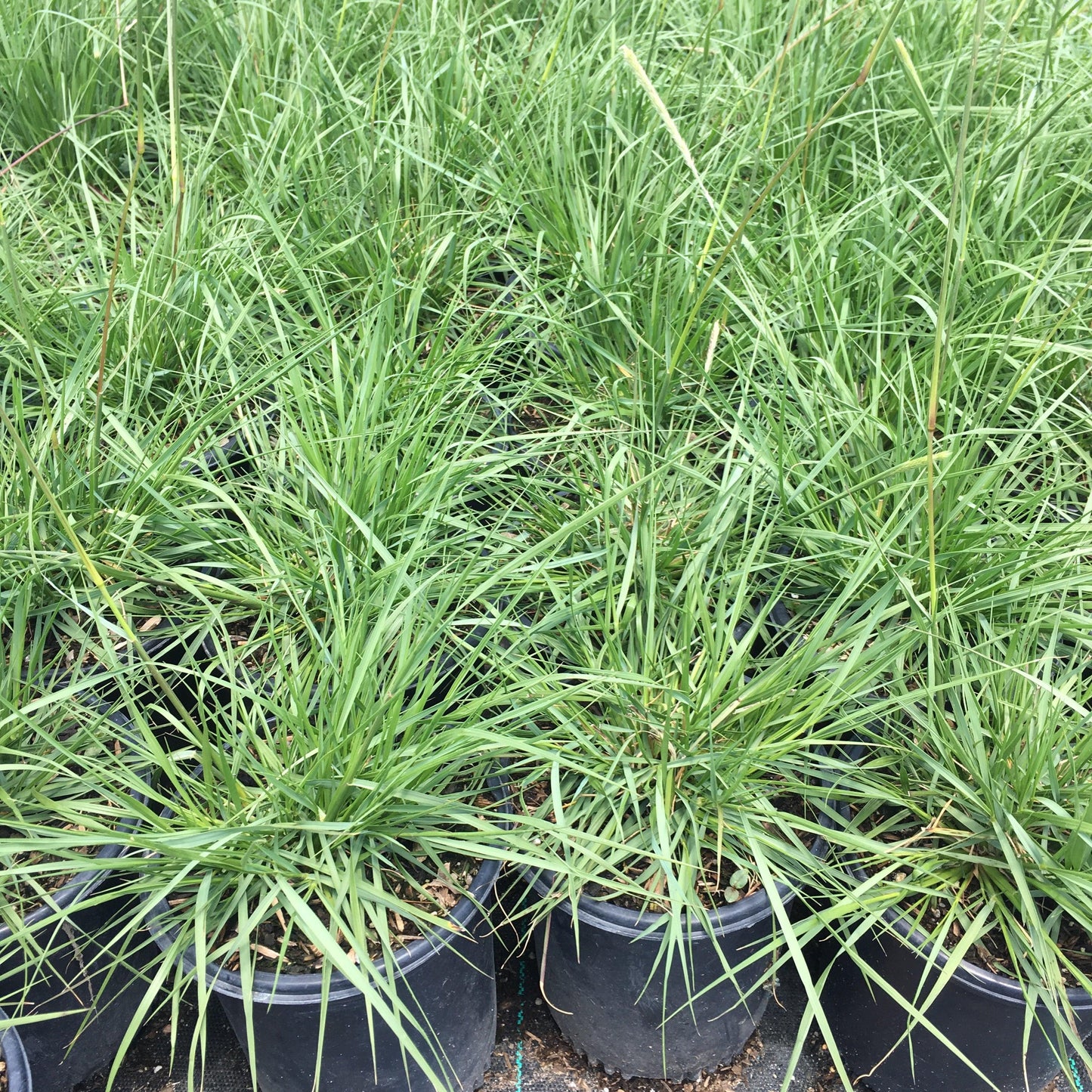
Karl Foerster Grass - Calamagrostis Karl Foerster
Regular price
$65.00
Size
Transform Your Garden with Stunning Year-Round Structure and Movement
Karl Foerster feather reed grass delivers dramatic vertical interest that few other ornamental grasses can match. This striking perennial plant sends up feathery plumes that sway gracefully in the slightest breeze, shifting color from pink-purple to bronze to golden wheat as the seasons progress. Named the 2001 Perennial Plant of the Year by the Perennial Plant Association, Calamagrostis acutiflora Karl Foerster has earned its reputation as one of the most reliable, beautiful, and easy care grasses available for home landscapes.
Why You'll Love It
-
Four-Season Interest – The grass features feathery plumes that change color seasonally, starting with red bronze flower spikes in late spring, deepening through summer, and maturing to golden seedheads that provide striking winter interest with rigid stalks and seed heads.
-
Extremely Low Maintenance – The grass requires minimal care including annual cutting in late winter or early spring. That's it. No fussy pruning schedules, no deadheading, no complicated fertilizing routines.
-
Drought Tolerant After Establishment – It is highly drought-tolerant once established, saving water and reducing garden upkeep throughout the growing season.
-
Deer Resistant and Trouble-Free – The grass is deer-resistant and salt-tolerant, and it rarely suffers from pest pressure, making it a worry-free addition to any landscape.
-
Instant Architectural Impact – Karl Foerster grass grows 4–5 feet tall with elegant, narrow clumps that create a clean vertical silhouette. Karl Foerster feather reed grass is prized for its distinct architectural form that elevates any garden setting.
What Makes It Different
Most other ornamental grasses either spread aggressively through underground runners, self-seed into unwanted areas, or lose their appeal once summer bloom fades.
Karl Foerster offers:
-
Non-Spreading Clumping Habit – It forms tight erect clumps unlike grasses that arch outward. This reed grass stays exactly where you plant it, year after year, with no creeping rhizomes to manage.
-
Cool Season Advantage – As one of the premier cool season grasses, foliage emerges in early spring-weeks earlier than warm-season varieties-delivering fresh green new growth when most of your garden is still waking up. It thrives during mild winters when other ornamental grasses go dormant.
-
Sterile and Non-Invasive – Hybrid seeds of Karl Foerster feather reed grass are sterile and non-invasive. Unlike the similar cultivar 'Stricta,' which may produce viable seed, Karl Foerster will never self-sow and colonize your landscape.
How To Grow Karl Foerster Grass Successfully
-
Plant in Spring or Fall Space Karl Foerster grass 24 to 36 inches apart in a full sun location with well drained soil. Plant crowns at soil level and water thoroughly.
-
Water Through the First Year Water Karl Foerster grass regularly until established. Keep moist soils during the first growing season to build a strong root system. After one full year, the grass becomes remarkably drought tolerant.
-
Enjoy Year-Round Beauty Feathery blooms appear in late spring with a pink-purple tint, maturing into golden seedheads by late fall. The dried feathery flower spikes persist through winter, delivering structure and movement until you cut clumps back to the ground in late winter to make way for vigorous new shoots; this dependable performance is why Karl Foerster feather reed grass is so widely used in modern landscapes.
Plant Details
-
Botanical Name: Calamagrostis × acutiflora 'Karl Foerster' (common feather reed grass)
-
Type: A natural hybrid of C. epigejos and C. arundinacea, this cool season perennial plant was discovered in the 1930s, introduced as an ornamental grass in 1950, and brought to the U.S. from Denmark in 1964; it’s often contrasted with warm-season options like Purple Fountain Grass (Pennisetum setaceum 'Rubrum').
-
Mature Size: 4–5 feet tall in bloom; foliage clumps 2–3 feet wide, making it an excellent backdrop for mid-sized shrubs such as Cheesewood (Pittosporum) selections
-
Hardiness Zones: This grass grows best in USDA zones 3–9 (check your zone map for confirmation-perfect for California gardens)
-
Sun Requirements: Karl Foerster grass thrives in full sun. It requires at least six hours of sunlight daily. Partial shade is tolerated, but plants may produce fewer flowers and develop weaker stems.
-
Soil Needs: It prefers well-drained, fertile soils. Karl Foerster grass can tolerate clay and heavy soils, and it can even tolerate wet soil in rain garden settings.
-
Bloom Time: Feathery flower spikes emerge in late spring to early summer; dried seedheads provide winter interest through very early spring cutback.
-
Additional Traits: Deer resistant, attracts birds, salt-tolerant, and combines well with compact, drought-tolerant grasses like Autumn Moor Grass (Sesleria autumnalis)
Who It's For
This foerster feather reed grass is the right choice for gardeners who want beauty without busywork:
-
Homeowners wanting low maintenance privacy screening or a tall backdrop plant. This grass can create permeable privacy screens when planted in rows, and it is ideal for borders and living screens; for denser evergreen coverage, consider an English Laurel hedge for privacy.
-
Garden Designers seeking reliable four-season structural elements. It provides structural and visual benefits in landscape design, whether used as a specimen plant or in mass plantings for dramatic effect. Pair it with perennials like russian sage, Echinacea, or Rudbeckia for stunning mixed borders, or add a Green Gem boxwood cube for crisp, formal structure.
-
California Gardeners looking for drought-tolerant alternatives to thirsty traditional shrubs. Karl Foerster grass is suitable for rain gardens and water features, bioswales, and modern urban landscapes where water conservation matters, and it pairs beautifully with native, pollinator-friendly shrubs like Black Sage (Salvia mellifera).
If you want a healthy, stunning garden with less effort, this grass fits your needs, and you can round out your planting palette with ornamental grasses that thrive in shade for lower-light areas.
Frequently Asked Questions
When should I cut back Karl Foerster grass? Cut back Karl Foerster grass in late winter or early spring, before new growth emerges. Leave the golden seedheads standing through fall and winter-they provide beautiful structure and winter interest. In very early spring, cut clumps down to about 4–6 inches from the ground in late winter to make room for fresh spring foliage.
How much water does it need once established? Very little. After the first growing season of regular watering, established Karl Foerster grass is highly drought tolerant. Occasional deep watering during extreme heat or extended dry spells will keep foliage healthy and plumes looking their best, but this grass won't punish you for missing a watering.
Will it spread and take over my garden? No. Karl Foerster is a clump-forming grass with sterile seeds-it does not self-seed or spread by runners. Clumps widen slowly over many years and can be managed by dividing. Divide Karl Foerster grass in spring or early fall every 3–7 years to maintain vigor and keep clumps at your preferred size.
Can I grow it in partial shade? It tolerates some shade, but plants in less than full sun may produce fewer flowers and develop stems that lean or flop. For the strongest vertical form and best bloom, plant in a location with at least six hours of direct sun.
Does it get any diseases? Karl Foerster is largely trouble-free. Occasional rust or powdery mildew can appear in humid conditions with poor air circulation. Ensure good spacing and full sun exposure to keep plants healthy.
Ready to Add Stunning Structure to Your Garden?
Karl Foerster feather reed grass delivers year-round presence-from the first flush of green foliage in early spring to the golden, swaying plumes of late fall and beyond. It can be used in mass plantings for dramatic effect, as a single specimen plant for a focal point, or in rows to create living screens. However you use it, this award-winning grass earns its place in your garden every single day of the year.
Transform Your Garden with Stunning Year-Round Structure and Movement
Karl Foerster feather reed grass delivers dramatic vertical interest that few other ornamental grasses can match. This striking perennial plant sends up feathery plumes that sway gracefully in the slightest breeze, shifting color from pink-purple to bronze to golden wheat as the seasons progress. Named the 2001 Perennial Plant of the Year by the Perennial Plant Association, Calamagrostis acutiflora Karl Foerster has earned its reputation as one of the most reliable, beautiful, and easy care grasses available for home landscapes.
Why You'll Love It
-
Four-Season Interest – The grass features feathery plumes that change color seasonally, starting with red bronze flower spikes in late spring, deepening through summer, and maturing to golden seedheads that provide striking winter interest with rigid stalks and seed heads.
-
Extremely Low Maintenance – The grass requires minimal care including annual cutting in late winter or early spring. That's it. No fussy pruning schedules, no deadheading, no complicated fertilizing routines.
-
Drought Tolerant After Establishment – It is highly drought-tolerant once established, saving water and reducing garden upkeep throughout the growing season.
-
Deer Resistant and Trouble-Free – The grass is deer-resistant and salt-tolerant, and it rarely suffers from pest pressure, making it a worry-free addition to any landscape.
-
Instant Architectural Impact – Karl Foerster grass grows 4–5 feet tall with elegant, narrow clumps that create a clean vertical silhouette. Karl Foerster feather reed grass is prized for its distinct architectural form that elevates any garden setting.
What Makes It Different
Most other ornamental grasses either spread aggressively through underground runners, self-seed into unwanted areas, or lose their appeal once summer bloom fades.
Karl Foerster offers:
-
Non-Spreading Clumping Habit – It forms tight erect clumps unlike grasses that arch outward. This reed grass stays exactly where you plant it, year after year, with no creeping rhizomes to manage.
-
Cool Season Advantage – As one of the premier cool season grasses, foliage emerges in early spring-weeks earlier than warm-season varieties-delivering fresh green new growth when most of your garden is still waking up. It thrives during mild winters when other ornamental grasses go dormant.
-
Sterile and Non-Invasive – Hybrid seeds of Karl Foerster feather reed grass are sterile and non-invasive. Unlike the similar cultivar 'Stricta,' which may produce viable seed, Karl Foerster will never self-sow and colonize your landscape.
How To Grow Karl Foerster Grass Successfully
-
Plant in Spring or Fall Space Karl Foerster grass 24 to 36 inches apart in a full sun location with well drained soil. Plant crowns at soil level and water thoroughly.
-
Water Through the First Year Water Karl Foerster grass regularly until established. Keep moist soils during the first growing season to build a strong root system. After one full year, the grass becomes remarkably drought tolerant.
-
Enjoy Year-Round Beauty Feathery blooms appear in late spring with a pink-purple tint, maturing into golden seedheads by late fall. The dried feathery flower spikes persist through winter, delivering structure and movement until you cut clumps back to the ground in late winter to make way for vigorous new shoots; this dependable performance is why Karl Foerster feather reed grass is so widely used in modern landscapes.
Plant Details
-
Botanical Name: Calamagrostis × acutiflora 'Karl Foerster' (common feather reed grass)
-
Type: A natural hybrid of C. epigejos and C. arundinacea, this cool season perennial plant was discovered in the 1930s, introduced as an ornamental grass in 1950, and brought to the U.S. from Denmark in 1964; it’s often contrasted with warm-season options like Purple Fountain Grass (Pennisetum setaceum 'Rubrum').
-
Mature Size: 4–5 feet tall in bloom; foliage clumps 2–3 feet wide, making it an excellent backdrop for mid-sized shrubs such as Cheesewood (Pittosporum) selections
-
Hardiness Zones: This grass grows best in USDA zones 3–9 (check your zone map for confirmation-perfect for California gardens)
-
Sun Requirements: Karl Foerster grass thrives in full sun. It requires at least six hours of sunlight daily. Partial shade is tolerated, but plants may produce fewer flowers and develop weaker stems.
-
Soil Needs: It prefers well-drained, fertile soils. Karl Foerster grass can tolerate clay and heavy soils, and it can even tolerate wet soil in rain garden settings.
-
Bloom Time: Feathery flower spikes emerge in late spring to early summer; dried seedheads provide winter interest through very early spring cutback.
-
Additional Traits: Deer resistant, attracts birds, salt-tolerant, and combines well with compact, drought-tolerant grasses like Autumn Moor Grass (Sesleria autumnalis)
Who It's For
This foerster feather reed grass is the right choice for gardeners who want beauty without busywork:
-
Homeowners wanting low maintenance privacy screening or a tall backdrop plant. This grass can create permeable privacy screens when planted in rows, and it is ideal for borders and living screens; for denser evergreen coverage, consider an English Laurel hedge for privacy.
-
Garden Designers seeking reliable four-season structural elements. It provides structural and visual benefits in landscape design, whether used as a specimen plant or in mass plantings for dramatic effect. Pair it with perennials like russian sage, Echinacea, or Rudbeckia for stunning mixed borders, or add a Green Gem boxwood cube for crisp, formal structure.
-
California Gardeners looking for drought-tolerant alternatives to thirsty traditional shrubs. Karl Foerster grass is suitable for rain gardens and water features, bioswales, and modern urban landscapes where water conservation matters, and it pairs beautifully with native, pollinator-friendly shrubs like Black Sage (Salvia mellifera).
If you want a healthy, stunning garden with less effort, this grass fits your needs, and you can round out your planting palette with ornamental grasses that thrive in shade for lower-light areas.
Frequently Asked Questions
When should I cut back Karl Foerster grass? Cut back Karl Foerster grass in late winter or early spring, before new growth emerges. Leave the golden seedheads standing through fall and winter-they provide beautiful structure and winter interest. In very early spring, cut clumps down to about 4–6 inches from the ground in late winter to make room for fresh spring foliage.
How much water does it need once established? Very little. After the first growing season of regular watering, established Karl Foerster grass is highly drought tolerant. Occasional deep watering during extreme heat or extended dry spells will keep foliage healthy and plumes looking their best, but this grass won't punish you for missing a watering.
Will it spread and take over my garden? No. Karl Foerster is a clump-forming grass with sterile seeds-it does not self-seed or spread by runners. Clumps widen slowly over many years and can be managed by dividing. Divide Karl Foerster grass in spring or early fall every 3–7 years to maintain vigor and keep clumps at your preferred size.
Can I grow it in partial shade? It tolerates some shade, but plants in less than full sun may produce fewer flowers and develop stems that lean or flop. For the strongest vertical form and best bloom, plant in a location with at least six hours of direct sun.
Does it get any diseases? Karl Foerster is largely trouble-free. Occasional rust or powdery mildew can appear in humid conditions with poor air circulation. Ensure good spacing and full sun exposure to keep plants healthy.
Ready to Add Stunning Structure to Your Garden?
Karl Foerster feather reed grass delivers year-round presence-from the first flush of green foliage in early spring to the golden, swaying plumes of late fall and beyond. It can be used in mass plantings for dramatic effect, as a single specimen plant for a focal point, or in rows to create living screens. However you use it, this award-winning grass earns its place in your garden every single day of the year.
Plants vary greatly by type and no guarantees are made on sizing.
However here is a rough idea of sizes based on containers that are direct from our growing grounds.
15 Gallon Shrub 3-4 Ft. Tall
15 Gallon Tree 5-6 Ft. Tall
24" Box Shrub 5-6 Ft. Tall
24" Box Tree 6-7 Ft. Tall
36" Box Tree 8-10 Ft. Tall
48" Box Tree 10-12 Ft. Tall
Please note: Citrus and California Native plants such as Manzanita are smaller than traditional sizing.
Please contact us to confirm sizing of items before purchasing if this is a concern.
Plants vary greatly by type and no guarantees are made on sizing.
However here is a rough idea of sizes based on containers that are direct from our growing grounds.
15 Gallon Shrub 3-4 Ft. Tall
15 Gallon Tree 5-6 Ft. Tall
24" Box Shrub 5-6 Ft. Tall
24" Box Tree 6-7 Ft. Tall
36" Box Tree 8-10 Ft. Tall
48" Box Tree 10-12 Ft. Tall
Please note: Citrus and California Native plants such as Manzanita are smaller than traditional sizing.
Please contact us to confirm sizing of items before purchasing if this is a concern.
Delivery does not include unloading of trees and plants larger than a 24" box.
Trees and plants in smaller containers will be dropped curbside.
Delivery beyond a curbside drop will be charged extra.
Trees and plants that are sold in container sizes larger than a 24" box size will require equipment and an operator onsite to help unload from the truck.
Please reach out to our team PRIOR to placing your order to coordinate.
Our team can provide unloading assistance with equipment for an extra fee.
Delivery does not include unloading of trees and plants larger than a 24" box.
Trees and plants in smaller containers will be dropped curbside.
Delivery beyond a curbside drop will be charged extra.
Trees and plants that are sold in container sizes larger than a 24" box size will require equipment and an operator onsite to help unload from the truck.
Please reach out to our team PRIOR to placing your order to coordinate.
Our team can provide unloading assistance with equipment for an extra fee.
You may also like...


Karl Foerster Grass - Calamagrostis Karl Foerster
Regular price
$65.00
Size
Transform Your Garden with Stunning Year-Round Structure and Movement
Karl Foerster feather reed grass delivers dramatic vertical interest that few other ornamental grasses can match. This striking perennial plant sends up feathery plumes that sway gracefully in the slightest breeze, shifting color from pink-purple to bronze to golden wheat as the seasons progress. Named the 2001 Perennial Plant of the Year by the Perennial Plant Association, Calamagrostis acutiflora Karl Foerster has earned its reputation as one of the most reliable, beautiful, and easy care grasses available for home landscapes.
Why You'll Love It
-
Four-Season Interest – The grass features feathery plumes that change color seasonally, starting with red bronze flower spikes in late spring, deepening through summer, and maturing to golden seedheads that provide striking winter interest with rigid stalks and seed heads.
-
Extremely Low Maintenance – The grass requires minimal care including annual cutting in late winter or early spring. That's it. No fussy pruning schedules, no deadheading, no complicated fertilizing routines.
-
Drought Tolerant After Establishment – It is highly drought-tolerant once established, saving water and reducing garden upkeep throughout the growing season.
-
Deer Resistant and Trouble-Free – The grass is deer-resistant and salt-tolerant, and it rarely suffers from pest pressure, making it a worry-free addition to any landscape.
-
Instant Architectural Impact – Karl Foerster grass grows 4–5 feet tall with elegant, narrow clumps that create a clean vertical silhouette. Karl Foerster feather reed grass is prized for its distinct architectural form that elevates any garden setting.
What Makes It Different
Most other ornamental grasses either spread aggressively through underground runners, self-seed into unwanted areas, or lose their appeal once summer bloom fades.
Karl Foerster offers:
-
Non-Spreading Clumping Habit – It forms tight erect clumps unlike grasses that arch outward. This reed grass stays exactly where you plant it, year after year, with no creeping rhizomes to manage.
-
Cool Season Advantage – As one of the premier cool season grasses, foliage emerges in early spring-weeks earlier than warm-season varieties-delivering fresh green new growth when most of your garden is still waking up. It thrives during mild winters when other ornamental grasses go dormant.
-
Sterile and Non-Invasive – Hybrid seeds of Karl Foerster feather reed grass are sterile and non-invasive. Unlike the similar cultivar 'Stricta,' which may produce viable seed, Karl Foerster will never self-sow and colonize your landscape.
How To Grow Karl Foerster Grass Successfully
-
Plant in Spring or Fall Space Karl Foerster grass 24 to 36 inches apart in a full sun location with well drained soil. Plant crowns at soil level and water thoroughly.
-
Water Through the First Year Water Karl Foerster grass regularly until established. Keep moist soils during the first growing season to build a strong root system. After one full year, the grass becomes remarkably drought tolerant.
-
Enjoy Year-Round Beauty Feathery blooms appear in late spring with a pink-purple tint, maturing into golden seedheads by late fall. The dried feathery flower spikes persist through winter, delivering structure and movement until you cut clumps back to the ground in late winter to make way for vigorous new shoots; this dependable performance is why Karl Foerster feather reed grass is so widely used in modern landscapes.
Plant Details
-
Botanical Name: Calamagrostis × acutiflora 'Karl Foerster' (common feather reed grass)
-
Type: A natural hybrid of C. epigejos and C. arundinacea, this cool season perennial plant was discovered in the 1930s, introduced as an ornamental grass in 1950, and brought to the U.S. from Denmark in 1964; it’s often contrasted with warm-season options like Purple Fountain Grass (Pennisetum setaceum 'Rubrum').
-
Mature Size: 4–5 feet tall in bloom; foliage clumps 2–3 feet wide, making it an excellent backdrop for mid-sized shrubs such as Cheesewood (Pittosporum) selections
-
Hardiness Zones: This grass grows best in USDA zones 3–9 (check your zone map for confirmation-perfect for California gardens)
-
Sun Requirements: Karl Foerster grass thrives in full sun. It requires at least six hours of sunlight daily. Partial shade is tolerated, but plants may produce fewer flowers and develop weaker stems.
-
Soil Needs: It prefers well-drained, fertile soils. Karl Foerster grass can tolerate clay and heavy soils, and it can even tolerate wet soil in rain garden settings.
-
Bloom Time: Feathery flower spikes emerge in late spring to early summer; dried seedheads provide winter interest through very early spring cutback.
-
Additional Traits: Deer resistant, attracts birds, salt-tolerant, and combines well with compact, drought-tolerant grasses like Autumn Moor Grass (Sesleria autumnalis)
Who It's For
This foerster feather reed grass is the right choice for gardeners who want beauty without busywork:
-
Homeowners wanting low maintenance privacy screening or a tall backdrop plant. This grass can create permeable privacy screens when planted in rows, and it is ideal for borders and living screens; for denser evergreen coverage, consider an English Laurel hedge for privacy.
-
Garden Designers seeking reliable four-season structural elements. It provides structural and visual benefits in landscape design, whether used as a specimen plant or in mass plantings for dramatic effect. Pair it with perennials like russian sage, Echinacea, or Rudbeckia for stunning mixed borders, or add a Green Gem boxwood cube for crisp, formal structure.
-
California Gardeners looking for drought-tolerant alternatives to thirsty traditional shrubs. Karl Foerster grass is suitable for rain gardens and water features, bioswales, and modern urban landscapes where water conservation matters, and it pairs beautifully with native, pollinator-friendly shrubs like Black Sage (Salvia mellifera).
If you want a healthy, stunning garden with less effort, this grass fits your needs, and you can round out your planting palette with ornamental grasses that thrive in shade for lower-light areas.
Frequently Asked Questions
When should I cut back Karl Foerster grass? Cut back Karl Foerster grass in late winter or early spring, before new growth emerges. Leave the golden seedheads standing through fall and winter-they provide beautiful structure and winter interest. In very early spring, cut clumps down to about 4–6 inches from the ground in late winter to make room for fresh spring foliage.
How much water does it need once established? Very little. After the first growing season of regular watering, established Karl Foerster grass is highly drought tolerant. Occasional deep watering during extreme heat or extended dry spells will keep foliage healthy and plumes looking their best, but this grass won't punish you for missing a watering.
Will it spread and take over my garden? No. Karl Foerster is a clump-forming grass with sterile seeds-it does not self-seed or spread by runners. Clumps widen slowly over many years and can be managed by dividing. Divide Karl Foerster grass in spring or early fall every 3–7 years to maintain vigor and keep clumps at your preferred size.
Can I grow it in partial shade? It tolerates some shade, but plants in less than full sun may produce fewer flowers and develop stems that lean or flop. For the strongest vertical form and best bloom, plant in a location with at least six hours of direct sun.
Does it get any diseases? Karl Foerster is largely trouble-free. Occasional rust or powdery mildew can appear in humid conditions with poor air circulation. Ensure good spacing and full sun exposure to keep plants healthy.
Ready to Add Stunning Structure to Your Garden?
Karl Foerster feather reed grass delivers year-round presence-from the first flush of green foliage in early spring to the golden, swaying plumes of late fall and beyond. It can be used in mass plantings for dramatic effect, as a single specimen plant for a focal point, or in rows to create living screens. However you use it, this award-winning grass earns its place in your garden every single day of the year.
Transform Your Garden with Stunning Year-Round Structure and Movement
Karl Foerster feather reed grass delivers dramatic vertical interest that few other ornamental grasses can match. This striking perennial plant sends up feathery plumes that sway gracefully in the slightest breeze, shifting color from pink-purple to bronze to golden wheat as the seasons progress. Named the 2001 Perennial Plant of the Year by the Perennial Plant Association, Calamagrostis acutiflora Karl Foerster has earned its reputation as one of the most reliable, beautiful, and easy care grasses available for home landscapes.
Why You'll Love It
-
Four-Season Interest – The grass features feathery plumes that change color seasonally, starting with red bronze flower spikes in late spring, deepening through summer, and maturing to golden seedheads that provide striking winter interest with rigid stalks and seed heads.
-
Extremely Low Maintenance – The grass requires minimal care including annual cutting in late winter or early spring. That's it. No fussy pruning schedules, no deadheading, no complicated fertilizing routines.
-
Drought Tolerant After Establishment – It is highly drought-tolerant once established, saving water and reducing garden upkeep throughout the growing season.
-
Deer Resistant and Trouble-Free – The grass is deer-resistant and salt-tolerant, and it rarely suffers from pest pressure, making it a worry-free addition to any landscape.
-
Instant Architectural Impact – Karl Foerster grass grows 4–5 feet tall with elegant, narrow clumps that create a clean vertical silhouette. Karl Foerster feather reed grass is prized for its distinct architectural form that elevates any garden setting.
What Makes It Different
Most other ornamental grasses either spread aggressively through underground runners, self-seed into unwanted areas, or lose their appeal once summer bloom fades.
Karl Foerster offers:
-
Non-Spreading Clumping Habit – It forms tight erect clumps unlike grasses that arch outward. This reed grass stays exactly where you plant it, year after year, with no creeping rhizomes to manage.
-
Cool Season Advantage – As one of the premier cool season grasses, foliage emerges in early spring-weeks earlier than warm-season varieties-delivering fresh green new growth when most of your garden is still waking up. It thrives during mild winters when other ornamental grasses go dormant.
-
Sterile and Non-Invasive – Hybrid seeds of Karl Foerster feather reed grass are sterile and non-invasive. Unlike the similar cultivar 'Stricta,' which may produce viable seed, Karl Foerster will never self-sow and colonize your landscape.
How To Grow Karl Foerster Grass Successfully
-
Plant in Spring or Fall Space Karl Foerster grass 24 to 36 inches apart in a full sun location with well drained soil. Plant crowns at soil level and water thoroughly.
-
Water Through the First Year Water Karl Foerster grass regularly until established. Keep moist soils during the first growing season to build a strong root system. After one full year, the grass becomes remarkably drought tolerant.
-
Enjoy Year-Round Beauty Feathery blooms appear in late spring with a pink-purple tint, maturing into golden seedheads by late fall. The dried feathery flower spikes persist through winter, delivering structure and movement until you cut clumps back to the ground in late winter to make way for vigorous new shoots; this dependable performance is why Karl Foerster feather reed grass is so widely used in modern landscapes.
Plant Details
-
Botanical Name: Calamagrostis × acutiflora 'Karl Foerster' (common feather reed grass)
-
Type: A natural hybrid of C. epigejos and C. arundinacea, this cool season perennial plant was discovered in the 1930s, introduced as an ornamental grass in 1950, and brought to the U.S. from Denmark in 1964; it’s often contrasted with warm-season options like Purple Fountain Grass (Pennisetum setaceum 'Rubrum').
-
Mature Size: 4–5 feet tall in bloom; foliage clumps 2–3 feet wide, making it an excellent backdrop for mid-sized shrubs such as Cheesewood (Pittosporum) selections
-
Hardiness Zones: This grass grows best in USDA zones 3–9 (check your zone map for confirmation-perfect for California gardens)
-
Sun Requirements: Karl Foerster grass thrives in full sun. It requires at least six hours of sunlight daily. Partial shade is tolerated, but plants may produce fewer flowers and develop weaker stems.
-
Soil Needs: It prefers well-drained, fertile soils. Karl Foerster grass can tolerate clay and heavy soils, and it can even tolerate wet soil in rain garden settings.
-
Bloom Time: Feathery flower spikes emerge in late spring to early summer; dried seedheads provide winter interest through very early spring cutback.
-
Additional Traits: Deer resistant, attracts birds, salt-tolerant, and combines well with compact, drought-tolerant grasses like Autumn Moor Grass (Sesleria autumnalis)
Who It's For
This foerster feather reed grass is the right choice for gardeners who want beauty without busywork:
-
Homeowners wanting low maintenance privacy screening or a tall backdrop plant. This grass can create permeable privacy screens when planted in rows, and it is ideal for borders and living screens; for denser evergreen coverage, consider an English Laurel hedge for privacy.
-
Garden Designers seeking reliable four-season structural elements. It provides structural and visual benefits in landscape design, whether used as a specimen plant or in mass plantings for dramatic effect. Pair it with perennials like russian sage, Echinacea, or Rudbeckia for stunning mixed borders, or add a Green Gem boxwood cube for crisp, formal structure.
-
California Gardeners looking for drought-tolerant alternatives to thirsty traditional shrubs. Karl Foerster grass is suitable for rain gardens and water features, bioswales, and modern urban landscapes where water conservation matters, and it pairs beautifully with native, pollinator-friendly shrubs like Black Sage (Salvia mellifera).
If you want a healthy, stunning garden with less effort, this grass fits your needs, and you can round out your planting palette with ornamental grasses that thrive in shade for lower-light areas.
Frequently Asked Questions
When should I cut back Karl Foerster grass? Cut back Karl Foerster grass in late winter or early spring, before new growth emerges. Leave the golden seedheads standing through fall and winter-they provide beautiful structure and winter interest. In very early spring, cut clumps down to about 4–6 inches from the ground in late winter to make room for fresh spring foliage.
How much water does it need once established? Very little. After the first growing season of regular watering, established Karl Foerster grass is highly drought tolerant. Occasional deep watering during extreme heat or extended dry spells will keep foliage healthy and plumes looking their best, but this grass won't punish you for missing a watering.
Will it spread and take over my garden? No. Karl Foerster is a clump-forming grass with sterile seeds-it does not self-seed or spread by runners. Clumps widen slowly over many years and can be managed by dividing. Divide Karl Foerster grass in spring or early fall every 3–7 years to maintain vigor and keep clumps at your preferred size.
Can I grow it in partial shade? It tolerates some shade, but plants in less than full sun may produce fewer flowers and develop stems that lean or flop. For the strongest vertical form and best bloom, plant in a location with at least six hours of direct sun.
Does it get any diseases? Karl Foerster is largely trouble-free. Occasional rust or powdery mildew can appear in humid conditions with poor air circulation. Ensure good spacing and full sun exposure to keep plants healthy.
Ready to Add Stunning Structure to Your Garden?
Karl Foerster feather reed grass delivers year-round presence-from the first flush of green foliage in early spring to the golden, swaying plumes of late fall and beyond. It can be used in mass plantings for dramatic effect, as a single specimen plant for a focal point, or in rows to create living screens. However you use it, this award-winning grass earns its place in your garden every single day of the year.
Plants vary greatly by type and no guarantees are made on sizing.
However here is a rough idea of sizes based on containers that are direct from our growing grounds.
15 Gallon Shrub 3-4 Ft. Tall
15 Gallon Tree 5-6 Ft. Tall
24" Box Shrub 5-6 Ft. Tall
24" Box Tree 6-7 Ft. Tall
36" Box Tree 8-10 Ft. Tall
48" Box Tree 10-12 Ft. Tall
Please note: Citrus and California Native plants such as Manzanita are smaller than traditional sizing.
Please contact us to confirm sizing of items before purchasing if this is a concern.
Plants vary greatly by type and no guarantees are made on sizing.
However here is a rough idea of sizes based on containers that are direct from our growing grounds.
15 Gallon Shrub 3-4 Ft. Tall
15 Gallon Tree 5-6 Ft. Tall
24" Box Shrub 5-6 Ft. Tall
24" Box Tree 6-7 Ft. Tall
36" Box Tree 8-10 Ft. Tall
48" Box Tree 10-12 Ft. Tall
Please note: Citrus and California Native plants such as Manzanita are smaller than traditional sizing.
Please contact us to confirm sizing of items before purchasing if this is a concern.
Delivery does not include unloading of trees and plants larger than a 24" box.
Trees and plants in smaller containers will be dropped curbside.
Delivery beyond a curbside drop will be charged extra.
Trees and plants that are sold in container sizes larger than a 24" box size will require equipment and an operator onsite to help unload from the truck.
Please reach out to our team PRIOR to placing your order to coordinate.
Our team can provide unloading assistance with equipment for an extra fee.
Delivery does not include unloading of trees and plants larger than a 24" box.
Trees and plants in smaller containers will be dropped curbside.
Delivery beyond a curbside drop will be charged extra.
Trees and plants that are sold in container sizes larger than a 24" box size will require equipment and an operator onsite to help unload from the truck.
Please reach out to our team PRIOR to placing your order to coordinate.
Our team can provide unloading assistance with equipment for an extra fee.
Recommended For You















Pairs Well With













You May Also Like











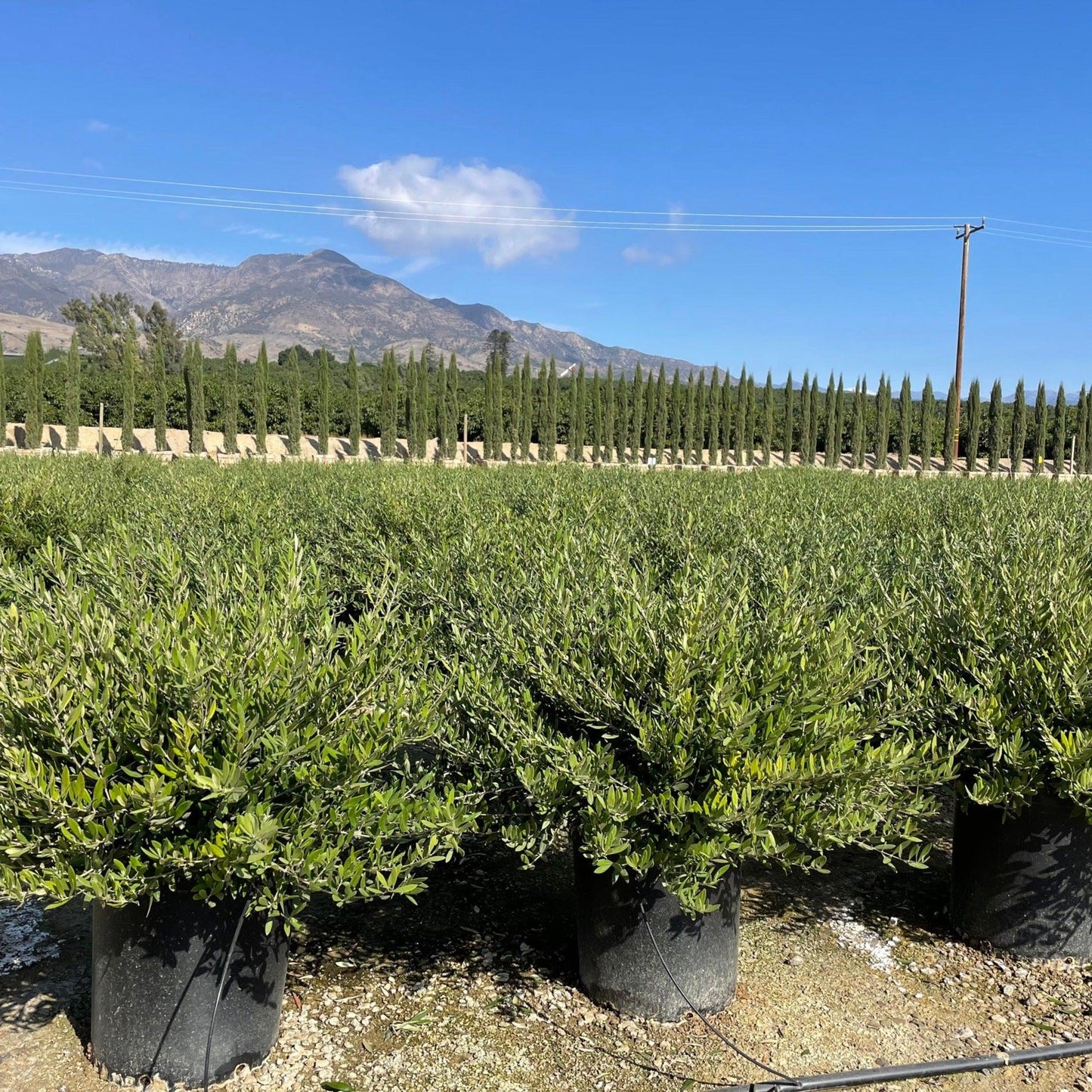

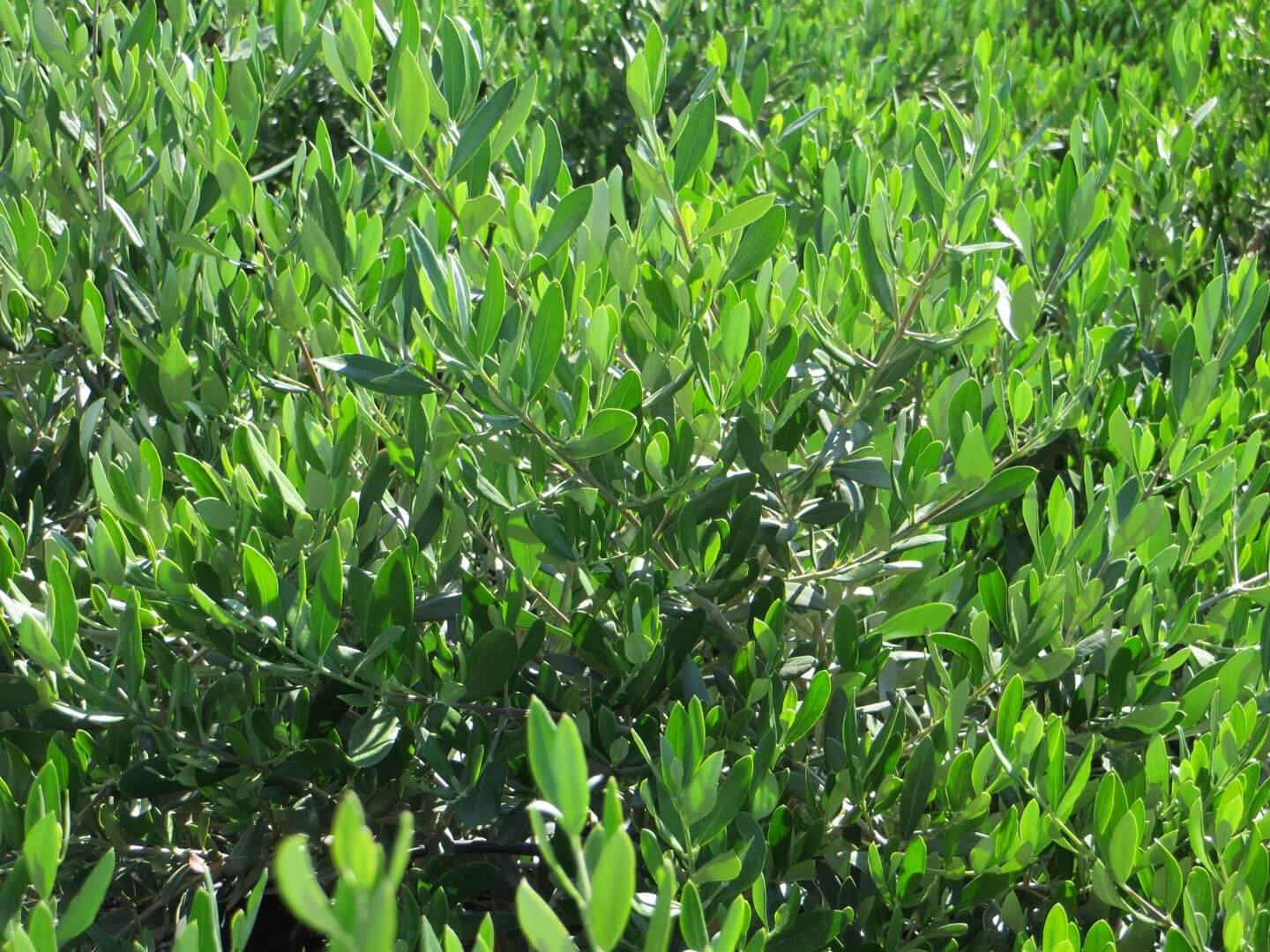
Thousands of Healthy Plants Delivered


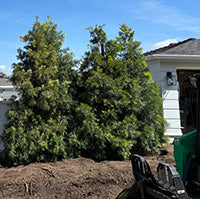
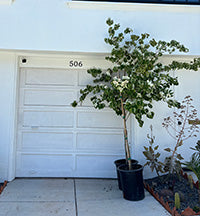
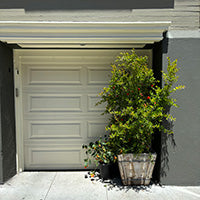
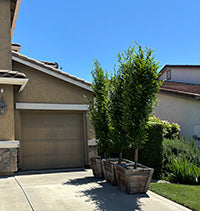
Yardwork was so great to work with. First they had the Swan Hill olive trees that we had been searching for, we had contacted several other nurseries without any luck previously. Then they answered all of our questions in a timely matter prior to ordering and finally delivered within a few days of placing it. Their staff is incredibly knowledgeable; they delivered and planted our trees with expertise to ensure that they would do well in our yard. We would definitely work with them again for future projects.











A Modern Experience
At Yardwork, we carefully curate thousands of plants, in all container sizes, to provide you with the best selection of the highest quality trees and plants at the best price, with the convenience of an online platform.
Uncompromised Quality
We choose only the finest specimens and hand select our plants just before delivery to ensure you receive the freshest and most robust specimens available for your landscape.
Industry Leading Warranties
Our 30, 90, and 365 extended warranties provide some of the best coverage to ensure our trees and plants thrive in your landscape.
Frequently Asked Questions
We're committed to changing everything about trees and plants - how they’re grown, how you shop for them, and how much they cost. We handle orders ourselves. No middlemen to get between us (or our prices) and you.
We're committed to changing everything about trees and plants - how they’re grown, how you shop for them, and how much they cost. We handle orders ourselves. No middlemen to get between us (or our prices) and you.
Delivery does not include unloading of trees and plants LARGER than a 24" box.
Trees and plants in smaller containers will be dropped curbside (usually on the driveway or near the front doorstep).
Delivery beyond a curbside drop will be charged extra.
Trees and plants that are sold in container sizes LARGER than a 24" box size will require equipment and/or enough manpower onsite to help unload from the truck.
Please reach out to our team PRIOR to placing your order to help coordinate.
Our team can provide unloading assistance with equipment for an extra fee as well.
Delivery does not include unloading of trees and plants LARGER than a 24" box.
Trees and plants in smaller containers will be dropped curbside (usually on the driveway or near the front doorstep).
Delivery beyond a curbside drop will be charged extra.
Trees and plants that are sold in container sizes LARGER than a 24" box size will require equipment and/or enough manpower onsite to help unload from the truck.
Please reach out to our team PRIOR to placing your order to help coordinate.
Our team can provide unloading assistance with equipment for an extra fee as well.
We ship locally within California within 7-10 days of your order being placed.
We ship nationally using carrier partners, based on order size. Our common order minimums for out of state shipping is $5,000.
Text or call 323-576-4159 for specific shipping details for your location.
We ship locally within California within 7-10 days of your order being placed.
We ship nationally using carrier partners, based on order size. Our common order minimums for out of state shipping is $5,000.
Text or call 323-576-4159 for specific shipping details for your location.
We are currently online only and don't have physical locations where you can view plants in person.
That's why we have photos direct from the growing grounds of the plants we will ship and we display pricing right in our store.
We do make sure to pick the very best trees and plants prior to shipping and make sure that they have gone through our multi-point inspection for health and structure.
We will always reach out prior to delivery if we find a quality issue or need to provide a substitute.
We are currently online only and don't have physical locations where you can view plants in person.
That's why we have photos direct from the growing grounds of the plants we will ship and we display pricing right in our store.
We do make sure to pick the very best trees and plants prior to shipping and make sure that they have gone through our multi-point inspection for health and structure.
We will always reach out prior to delivery if we find a quality issue or need to provide a substitute.
Plants vary greatly by type. Here is a rough idea of sizes based on containers that are direct from our growing grounds.
15 Gallon Shrub 3-4 Ft. Tall
15 Gallon Tree 5-6 Ft. Tall
24" Box Shrub 5-6 Ft. Tall
24" Box Tree 6-7 Ft. Tall
36" Box Shrub/Tree 7-9 Ft. Tall
48" Box Shrub/Tree 8-10 Ft. Tall
**Please note that we do not make guarantees of sizes. If you have questions or concerns, please call or text to request accurate sizing for the particular plant you're considering, prior to ordering.
Plants vary greatly by type. Here is a rough idea of sizes based on containers that are direct from our growing grounds.
15 Gallon Shrub 3-4 Ft. Tall
15 Gallon Tree 5-6 Ft. Tall
24" Box Shrub 5-6 Ft. Tall
24" Box Tree 6-7 Ft. Tall
36" Box Shrub/Tree 7-9 Ft. Tall
48" Box Shrub/Tree 8-10 Ft. Tall
**Please note that we do not make guarantees of sizes. If you have questions or concerns, please call or text to request accurate sizing for the particular plant you're considering, prior to ordering.
We offer a limited 30 day warranty for plants that are delivered and planted by someone else and a 90 day warranty for plants that we plant.
The limited warranty covers plants that die as a result of disease or fungus which was derived from our growing grounds or from root balls that were root bound.
The warranty does not cover damage due to watering, fertilizer, soils, or any other conditions beyond our control. Additionally, the warranty does not cover plants that are shipped out of the state of California or shipped into California from other states. Custom plant orders are also not covered under warranty. Plants must be planted within 24 hours after delivery to qualify.
We can assist you in recommending the right soils and fertilizers to help your plant thrive after you plant it.
Text or call 323-576-4159 for further warranty information.
We offer a limited 30 day warranty for plants that are delivered and planted by someone else and a 90 day warranty for plants that we plant.
The limited warranty covers plants that die as a result of disease or fungus which was derived from our growing grounds or from root balls that were root bound.
The warranty does not cover damage due to watering, fertilizer, soils, or any other conditions beyond our control. Additionally, the warranty does not cover plants that are shipped out of the state of California or shipped into California from other states. Custom plant orders are also not covered under warranty. Plants must be planted within 24 hours after delivery to qualify.
We can assist you in recommending the right soils and fertilizers to help your plant thrive after you plant it.
Text or call 323-576-4159 for further warranty information.
Our local delivery team covers most cities in California.
There are some exceptions, so please get in touch to confirm prior to ordering.
Additionally, we ship using semi trucks and trailers throughout the entire United States and even abroad for large orders over $5,000. Each shipment is custom, so please reach out to our team to coordinate.
Our local delivery team covers most cities in California.
There are some exceptions, so please get in touch to confirm prior to ordering.
Additionally, we ship using semi trucks and trailers throughout the entire United States and even abroad for large orders over $5,000. Each shipment is custom, so please reach out to our team to coordinate.