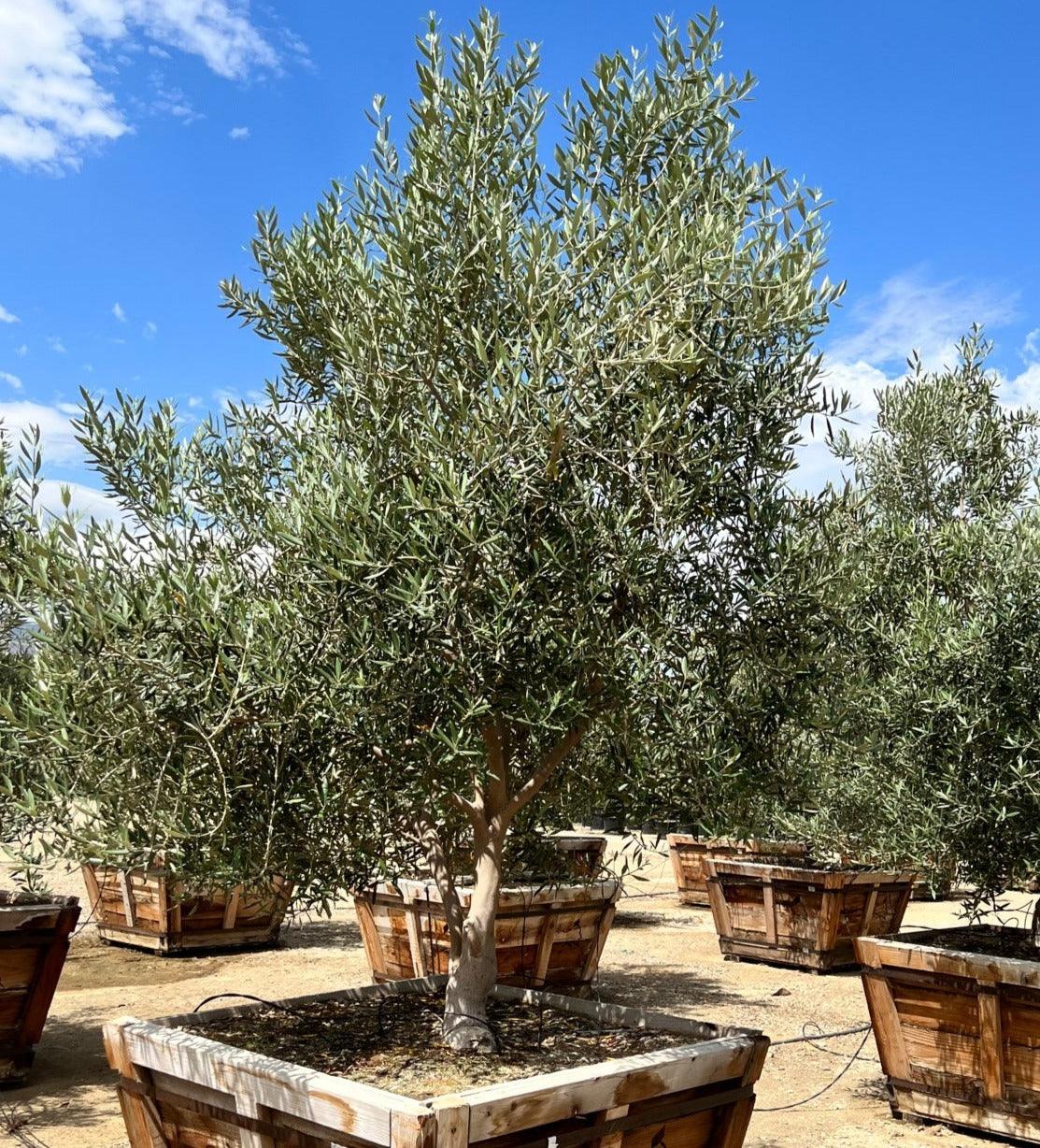
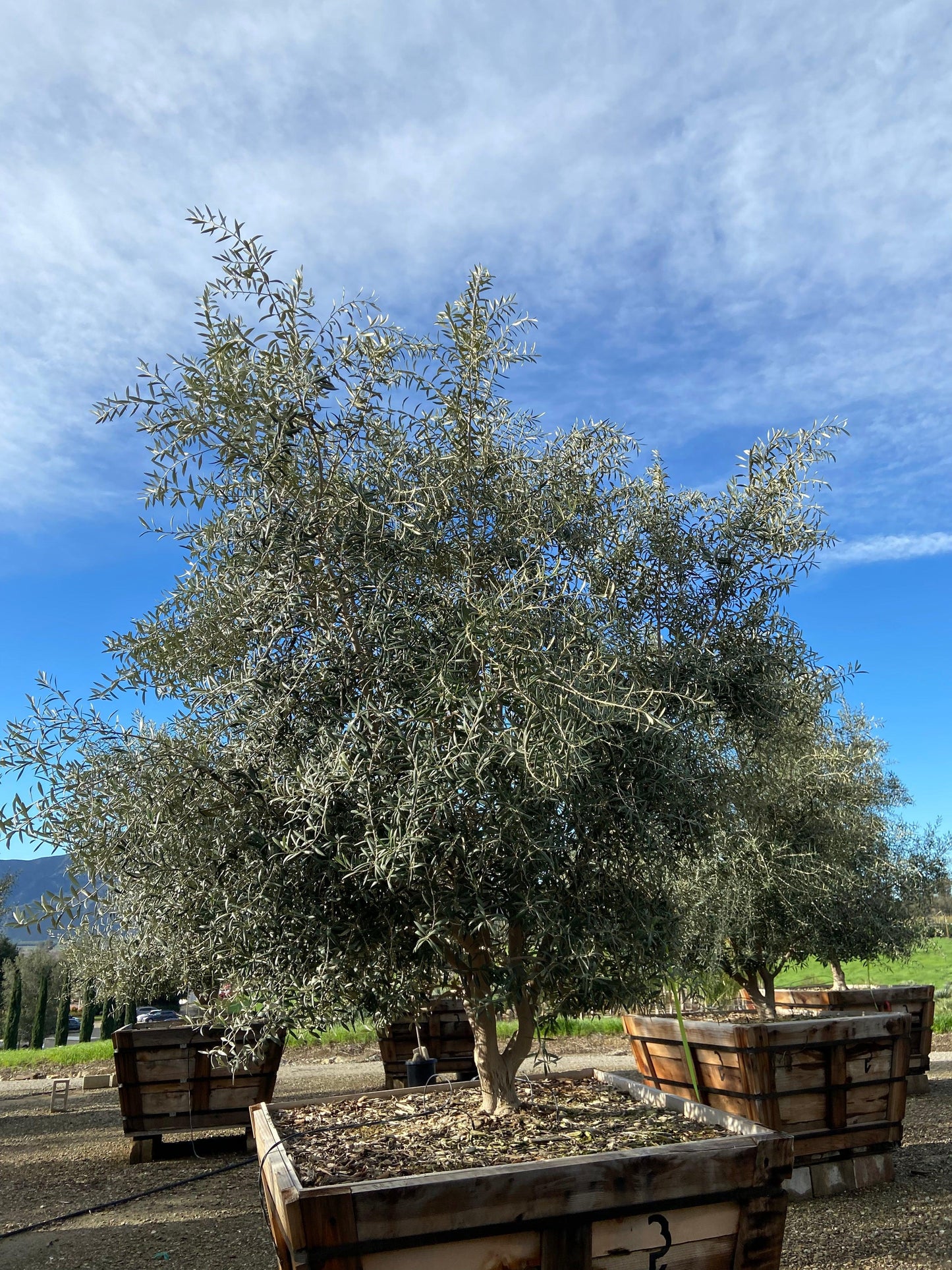
Full Grown Olive Tree – Find the Perfect Mature Tree for Your Landscape
A full grown olive tree gives your landscape immediate shade, structure, privacy and Mediterranean character without waiting years for a young tree to mature. Choose from ancient olive trees with sculptural trunks, mature olive trees for orchards, or fruitless olive trees for clean, low-maintenance landscape design.
Full grown olive trees thrive in full sun and well-draining soil, making them well-suited for warm, dry climates across California, including Orange County, San Diego, Napa Valley, San Francisco microclimates and parts of Northern California.
Full Grown Olive Trees for Every Landscape Purpose
Whether you’re creating a single statement tree, a productive orchard or an evergreen privacy screen, there is a mature olive tree suited to your yard, soil and location.
Landscape Feature Trees
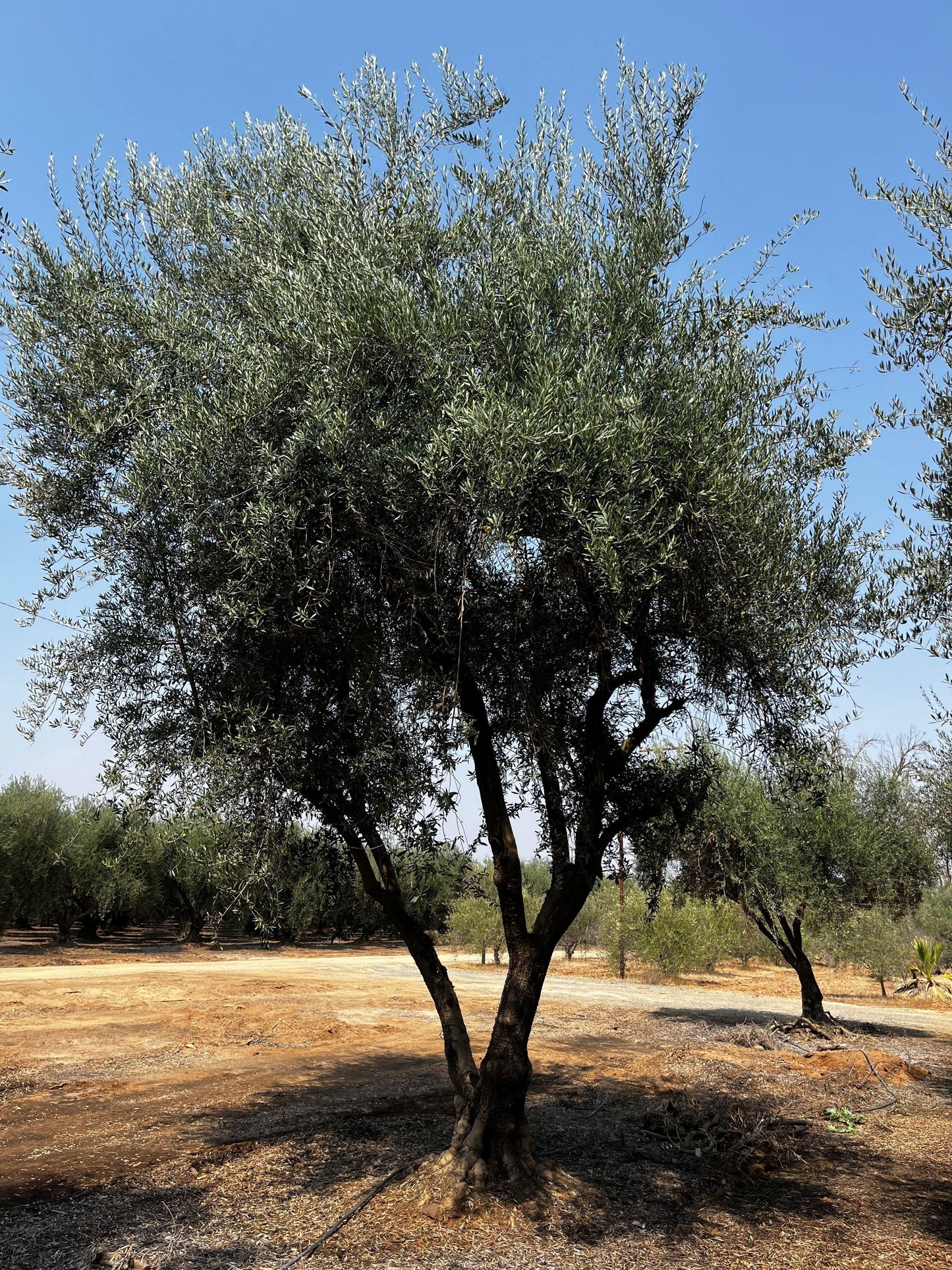
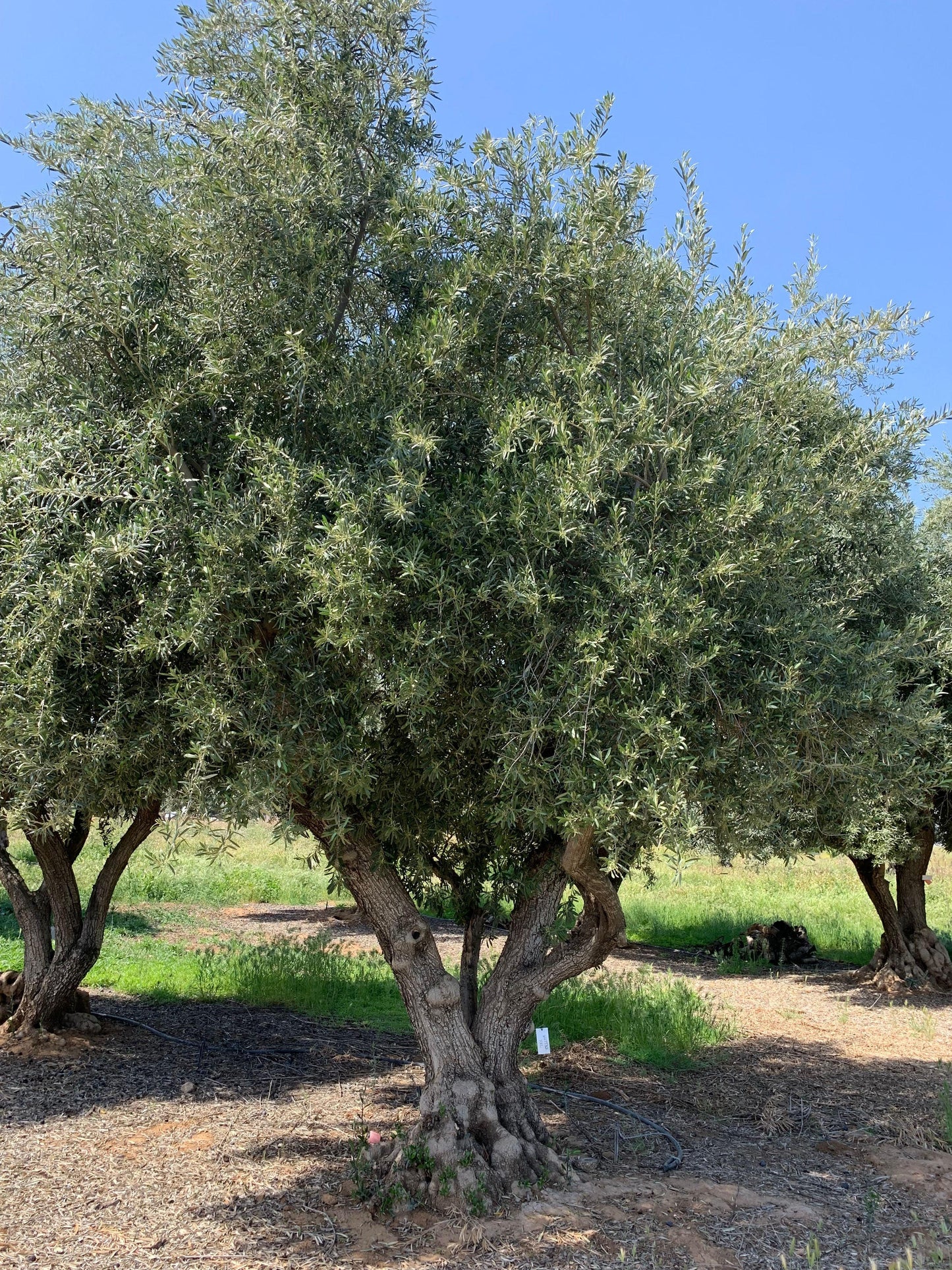
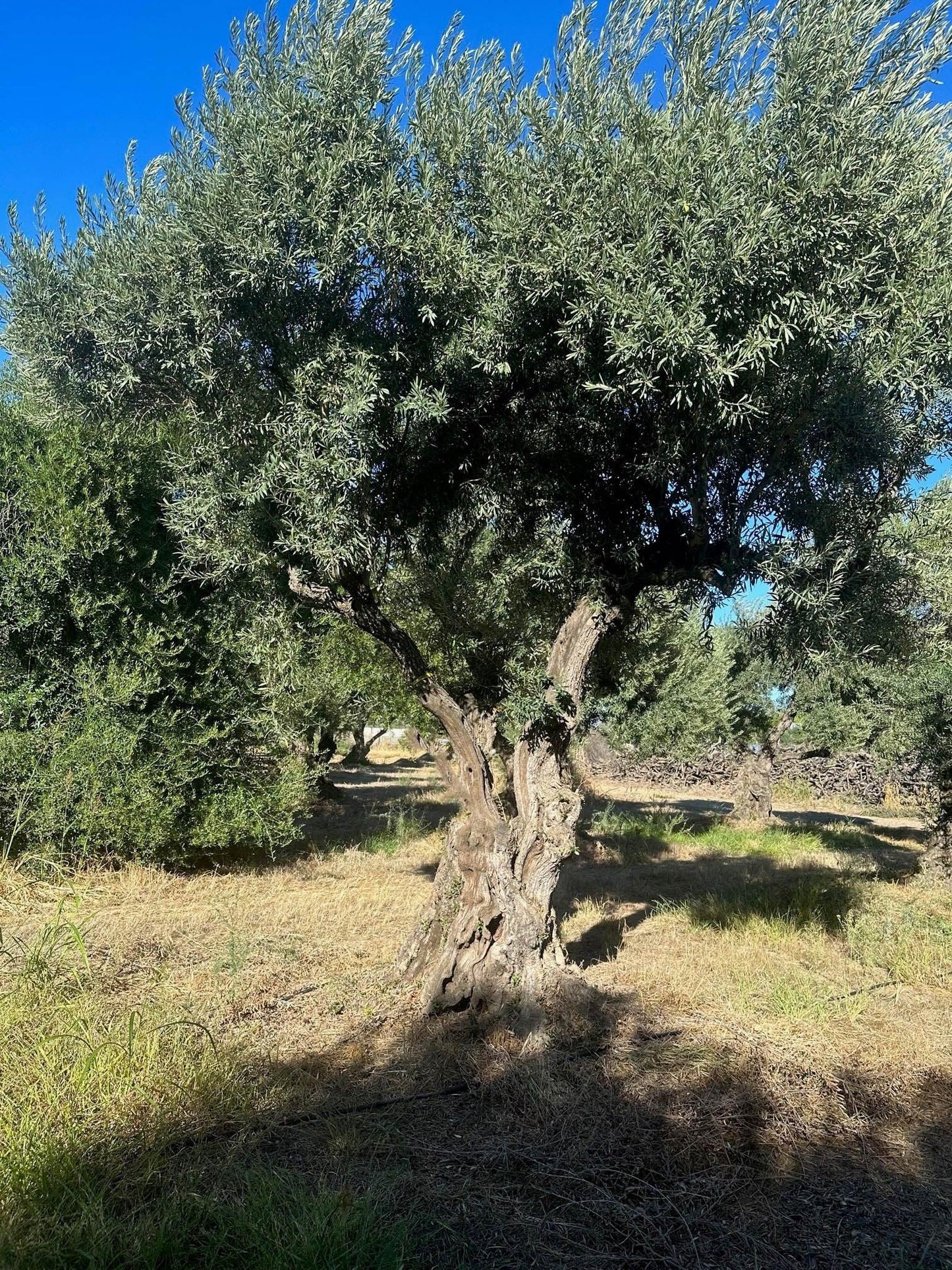
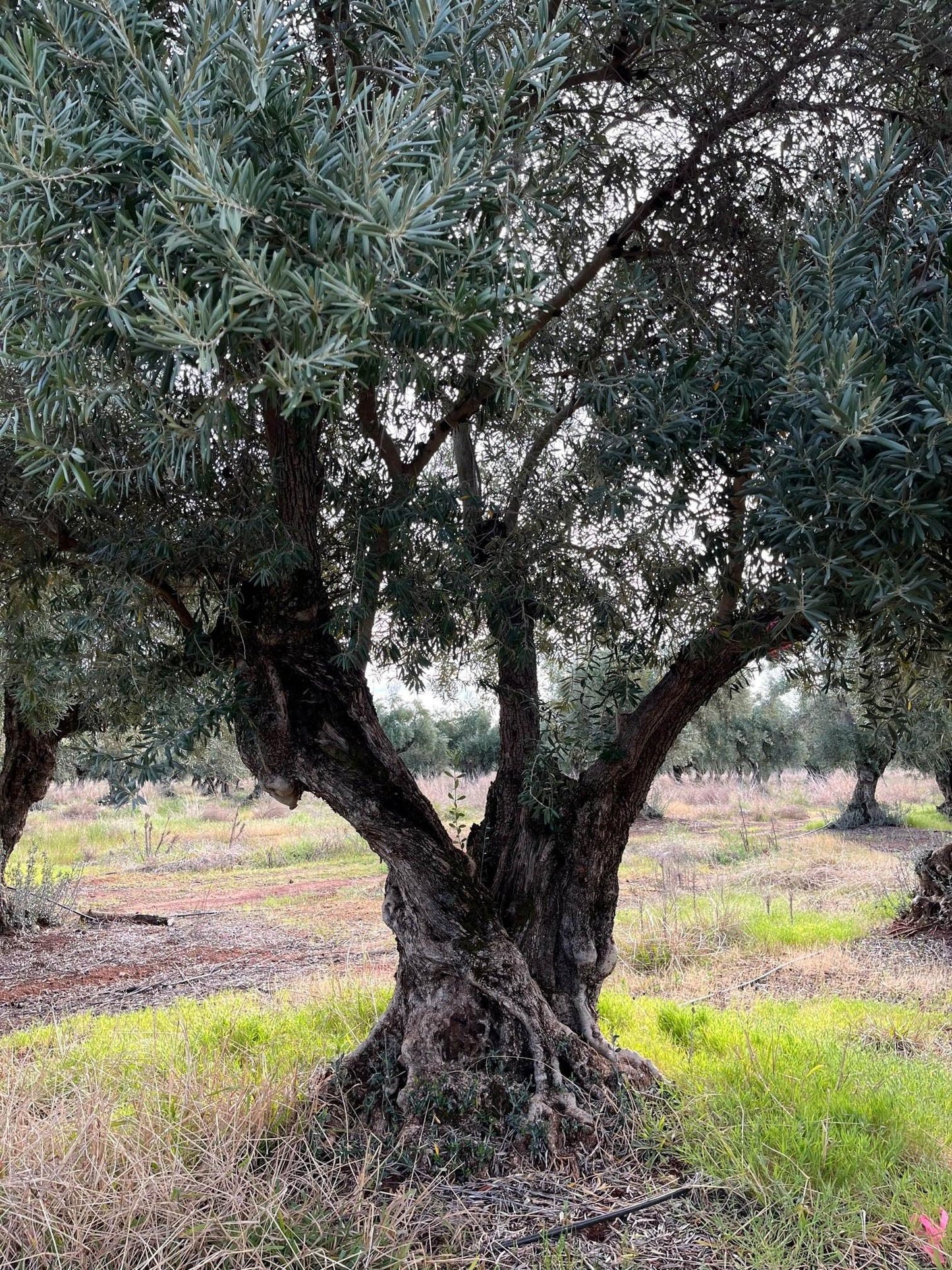
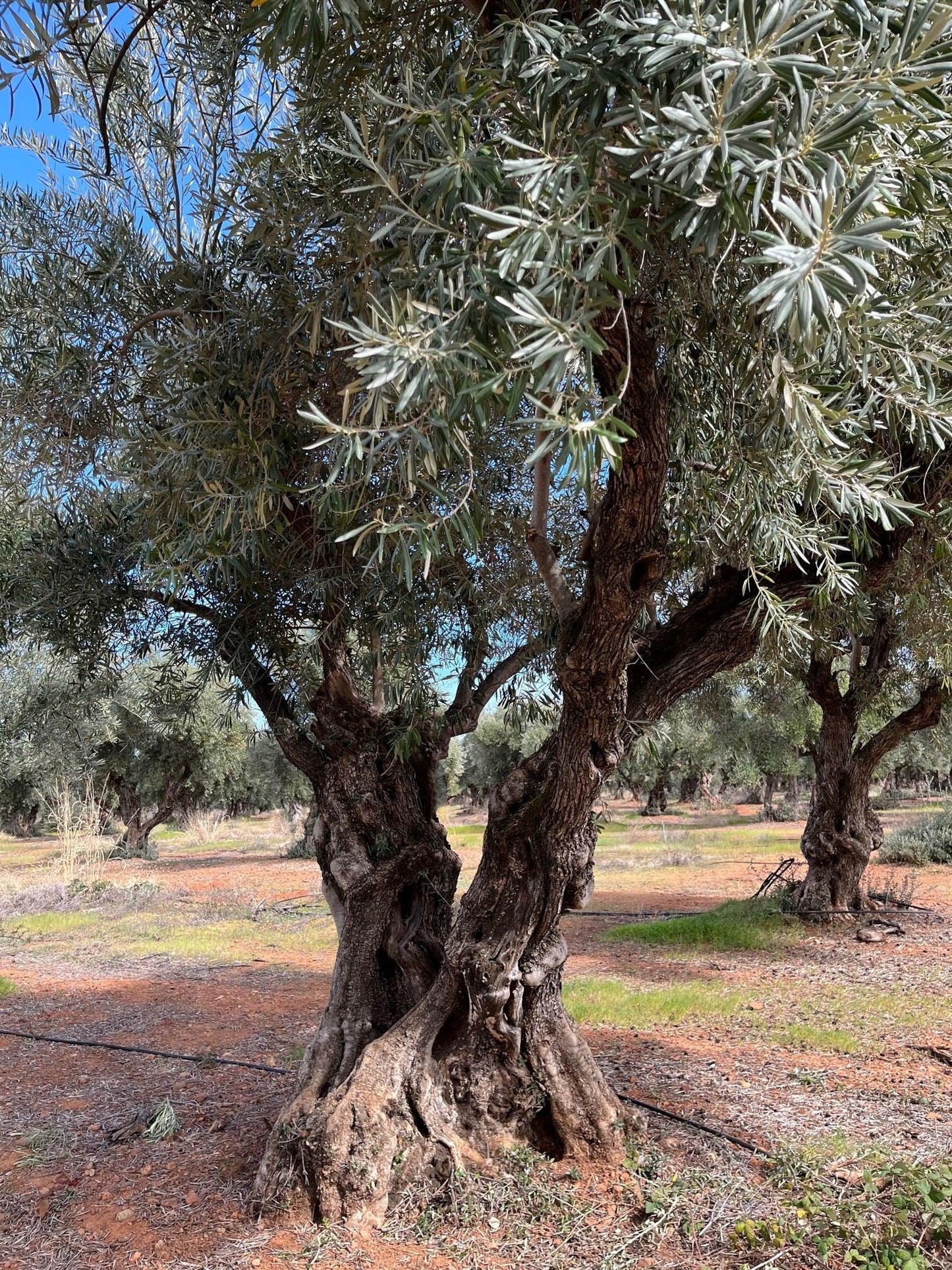
Ancient olive trees, mission olive tree specimens and sevillano olive trees are prized for their recognizable shape, structural beauty and majestic beauty. Young trees have smooth gray bark, but full-grown trees develop a distinctively gnarled, twisted, and deeply furrowed trunk that adds unique character to patios, entrances and poolside spaces, matching the classic description of what an olive tree looks like.
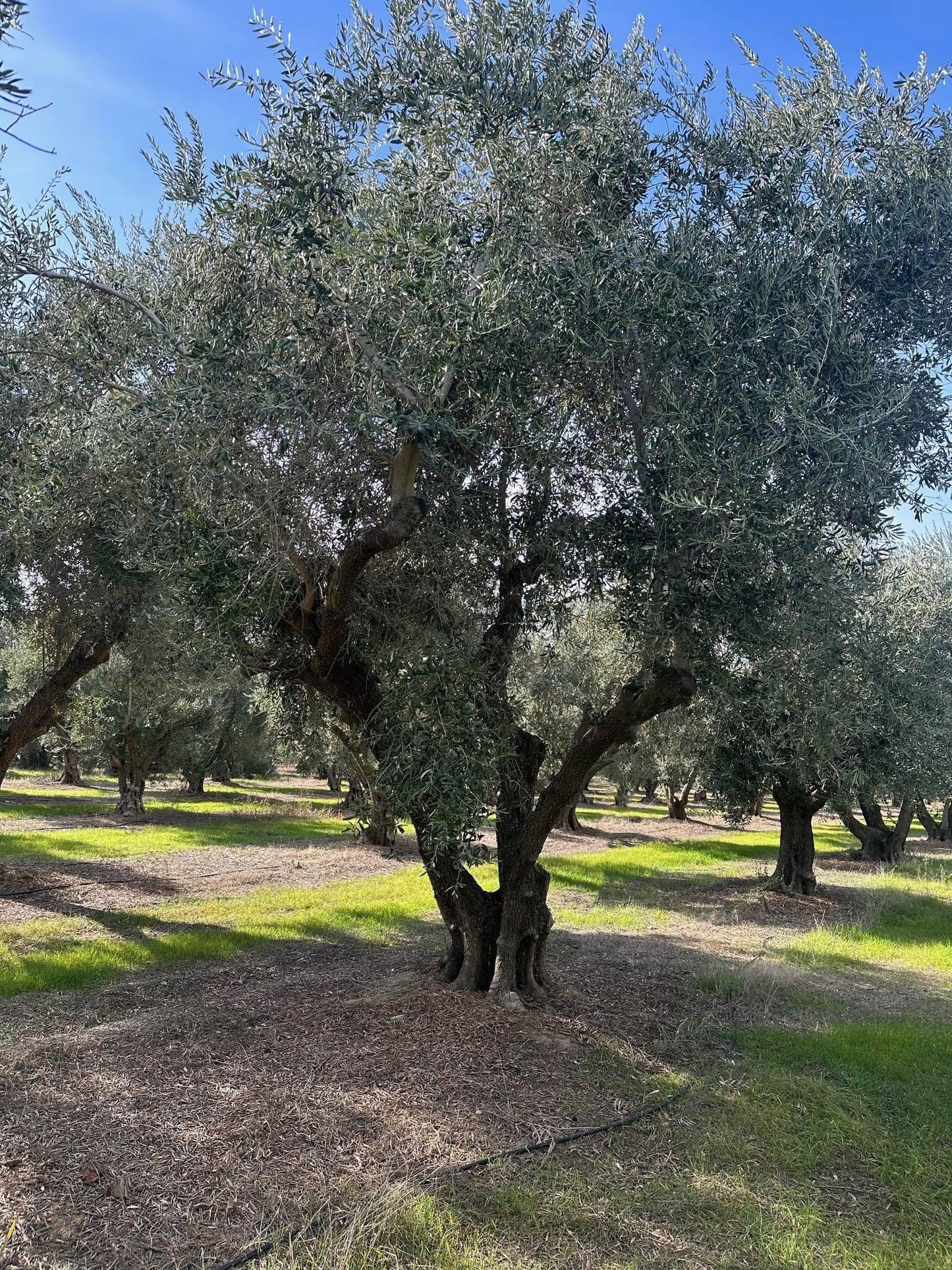
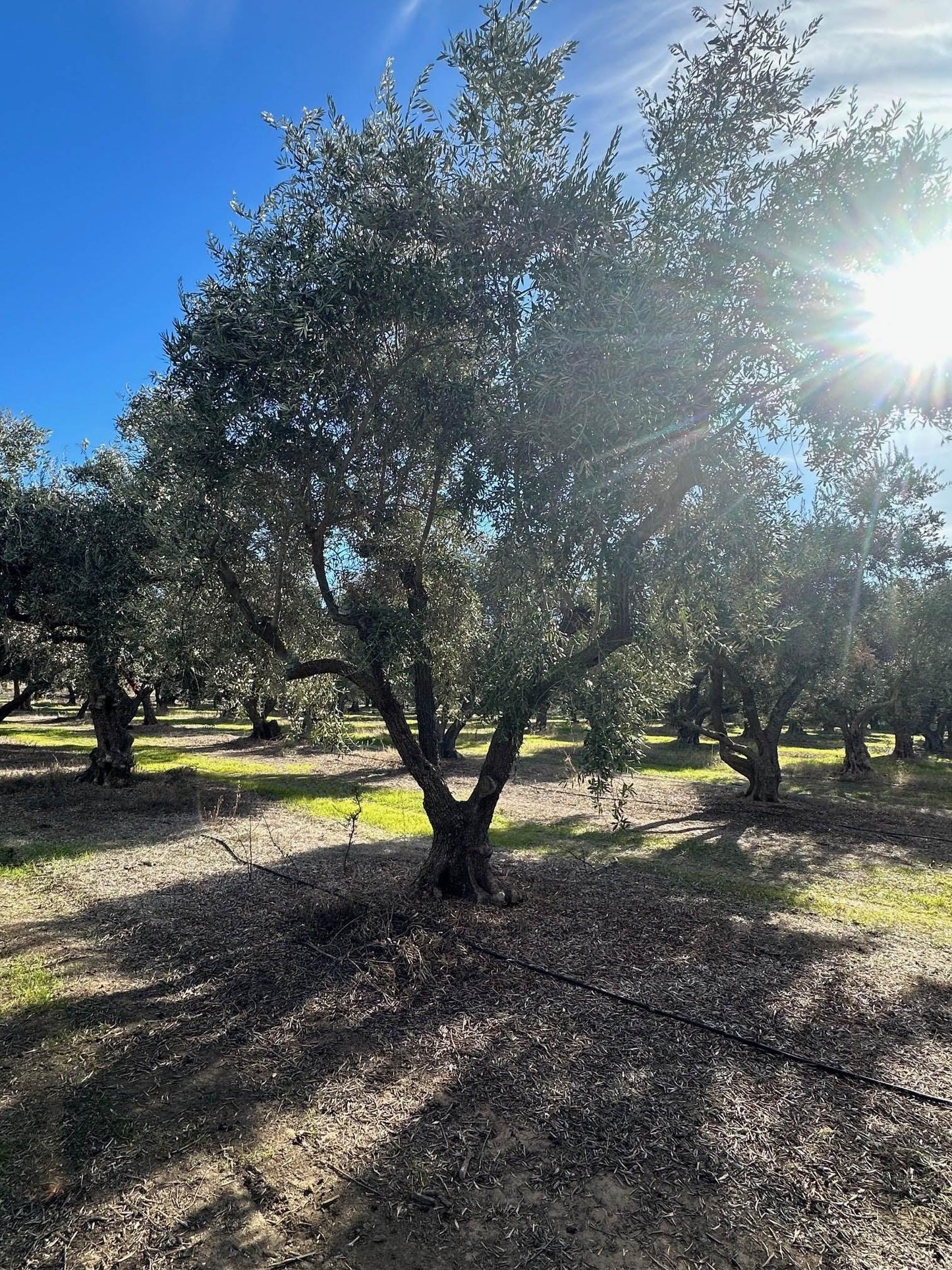
A mature tree typically reaches 15 to 30 feet tall with a comparable spread, though some wild variations can hit 50 feet. For larger landscapes, 25-35 foot specimens create instant shade, strong visual scale and architectural interest. Pair olive trees with gravel, stone, lavender, rosemary and other Mediterranean region plantings for a timeless, drought resistant landscape.
Productive Orchard Trees
Fruit-bearing olive tree varieties such as manzanillo olive trees, the arbequina olive tree and the mission olive are ideal for edible fruit, olive oil and table olives. Tiny, creamy-white flowers bloom in spring, producing green oblong drupes that ripen to a purplish-black color by late autumn.
The Arbequina olive tree is celebrated for its small, dark green leaves and rich, aromatic oil, making it well-suited to California’s diverse climates. The Manzanillo olive tree is recognized for producing the most common variety of Spanish edible olive, yielding smaller fruit with a higher oil content, and is well-suited for both hot and cold climates. The Mission olive tree is prized for its small pits and high cold resistance, making it a popular choice for both table olives and olive oil production in California.
For reliable fruit set, olive trees require a 2-month winter dormancy period with consistent temperatures between 40°F and 50°F to trigger spring flowering and fruit development. Fruiting varieties yield nutrient-rich olives perfect for home-brining or pressing into artisanal oil, while mature trees can produce a more immediate harvest than young container grown plants.
Low-Maintenance Privacy Trees
Fruitless olive trees, especially Swan Hill, are ideal when you want evergreen trees with the look of olives but without messy crop drop. Fruitless olive trees, such as the Swan Hill variety, are appreciated for their structural beauty and low maintenance requirements, making them ideal for landscaping without the mess of fallen fruit.
Olive trees provide dense, cooling shade, function as an effective windbreak, and act as a natural privacy screen. Once established, olive trees require minimal watering and can withstand long periods without rainfall, making them drought resistant and practical for water-conscious landscapes.
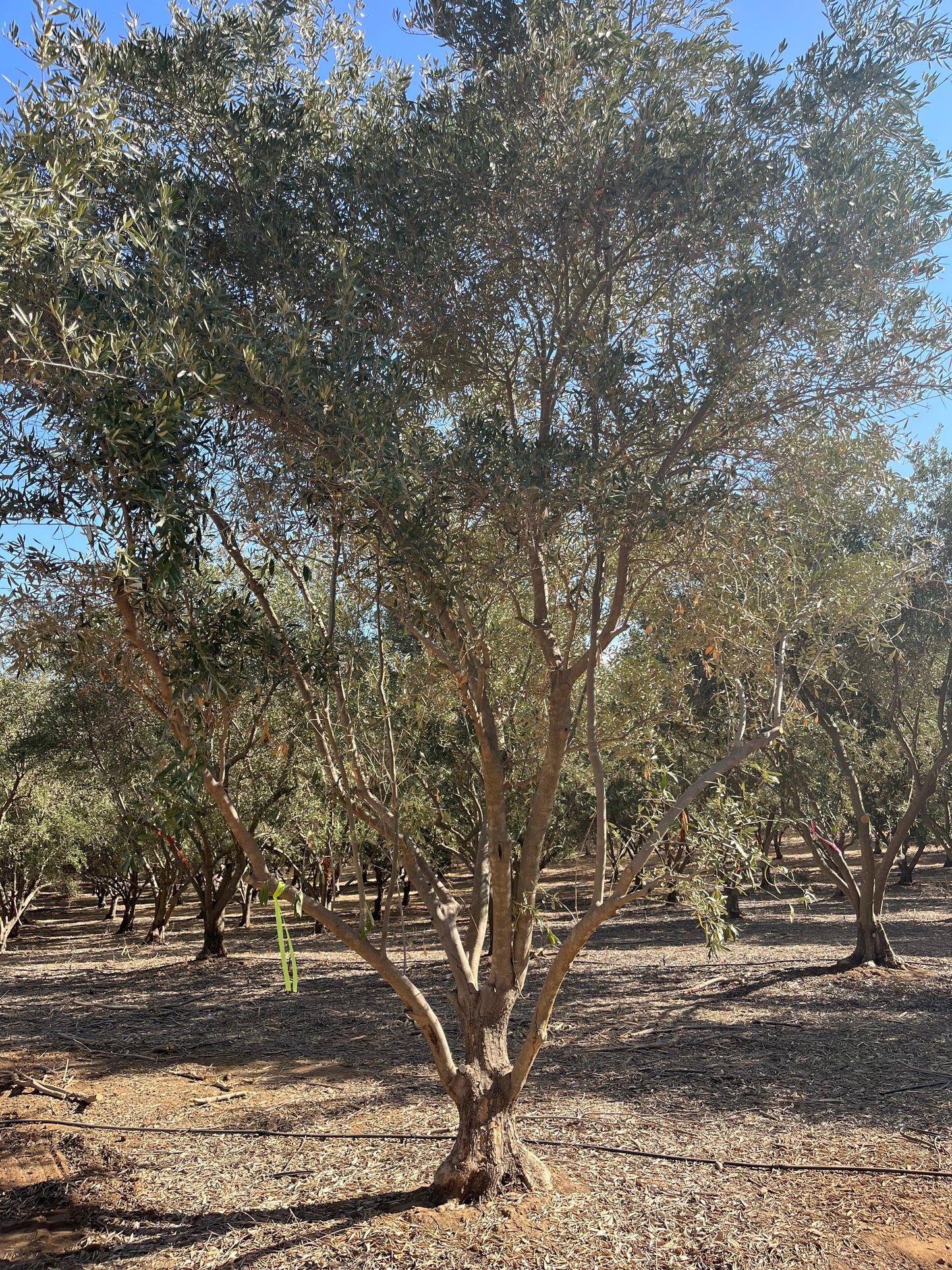
Fruitless olive trees can reach heights of up to 35 feet and are known for their unique multi-trunk structure and colorful foliage, which makes them a striking focal point in landscape designs. They are especially useful near pools, outdoor kitchens, courtyards and property lines where fallen olive fruit would be inconvenient.
Choose the Right Full Grown Olive Tree for Your Property Size
The best full grown olive tree should match the scale of your landscape, the amount of sun available, your maintenance expectations and whether you want fruit or a clean ornamental look.
For Large Estate Properties
Large estates can support ancient olive trees with wide canopies, massive trunks and strong presence. Mature olive trees can live for hundreds of years with minimal care, providing long-term beauty and structural interest in landscapes.
For estate orchards, the Sevillano olive tree is known for producing large black olives with low to moderate oil content, making it ideal for canning and appreciated for its gnarled trunk and robust character. Multiple trees can be planted to create groves, frame long drives or support small-scale olive oil production.
In warmer inland areas and agricultural properties, olive trees thrive in arid climates and hot, dry summers, making them a water-conscious choice once established. These trees are natural air purifiers, absorbing carbon dioxide and releasing oxygen, which contributes to improved air quality in gardens.
For Suburban Residential Lots
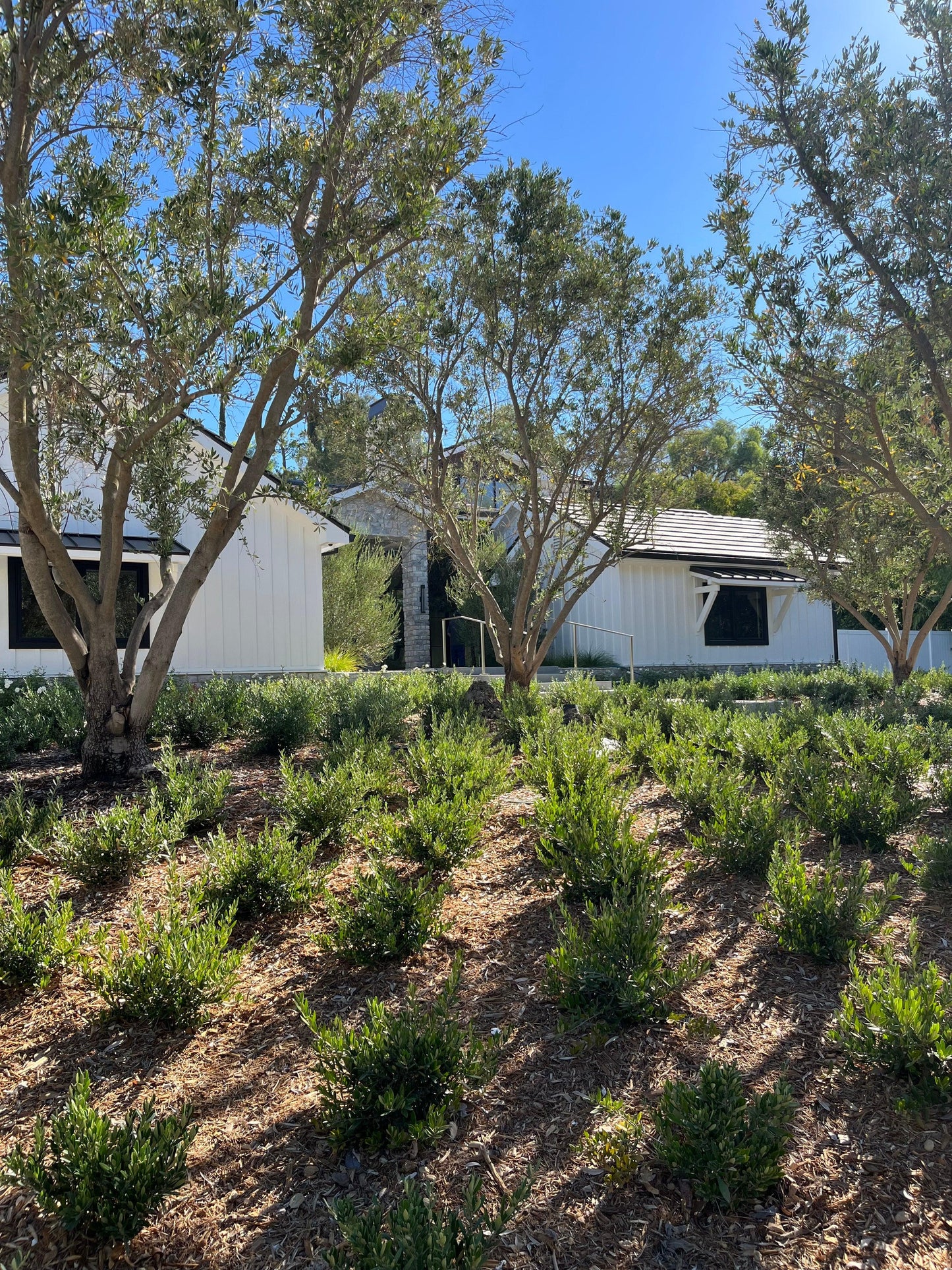
For suburban homes, 20-30 foot mature olive trees offer shade and structure without overwhelming the yard. Single-trunk trees provide a cleaner, more formal profile, while multi-trunk trees create a relaxed Mediterranean feel.
Fruitless olive trees are often the better option for residential walkways, patios and driveways because sterile fruitless varieties provide the same look without messy crop drop. Guides to the best fruitless olive trees for elegant landscapingcan help you compare varieties for specific spaces. They also reduce cleanup in family yards while still offering evergreen foliage, privacy and a beautiful open canopy.
Olive trees are known for their low-maintenance nature and exceptional drought tolerance, making them ideal for gardeners in areas with water restrictions. They are highly resistant to many common pests and diseases, requiring minimal pruning, usually just once a year, to maintain their shape and size.
For Compact Urban Spaces
Small gardens, courtyards, patios and rooftop landscapes can use sculpted mature olive trees or container grown plants to create impact in limited square footage. Choose a compact arbequina olive tree, a dwarf Little Ollie olive tree or carefully pruned specimen when ground space is limited.
Container olive trees need a large container with drainage holes, sharp-draining soil and full sun exposure. Olive trees require full sun exposure, meaning at least 6 to 8 hours of direct daily sunlight; insufficient light leads to severe leaf drop.
For tight urban locations, a multi-trunk tree can maximize visual interest, while a single statement tree can anchor the entire landscape. With proper care, even smaller mature olive trees can retain their recognizable shape and unique character for decades.
For Commercial and Hospitality Projects
Hotels, restaurants, offices and retail landscapes often choose uniform mature olive trees for consistent visual impact. Landscape designers use them to frame entrances, soften hardscaping, create outdoor dining shade and establish a premium Mediterranean atmosphere.
Fruitless olive trees are especially useful for commercial projects because they reduce maintenance, fallen fruit liability and cleanup costs. They also tolerate extended dry periods once established, making them practical for large landscapes where irrigation efficiency matters.
Best suited for USDA Zones 8–11, mature trees tolerate brief winter drops down to 20°F, but prolonged freezes cause severe bark and branch damage. In areas with extreme heat, dry summers or coastal exposure, olive trees remain a strong choice when planted in full sun and well-draining soil.
Premium Characteristics That Define Quality
A premium mature olive tree should show strong roots, healthy foliage, balanced branches and the structural signs of decades of growth.
Established Root Systems
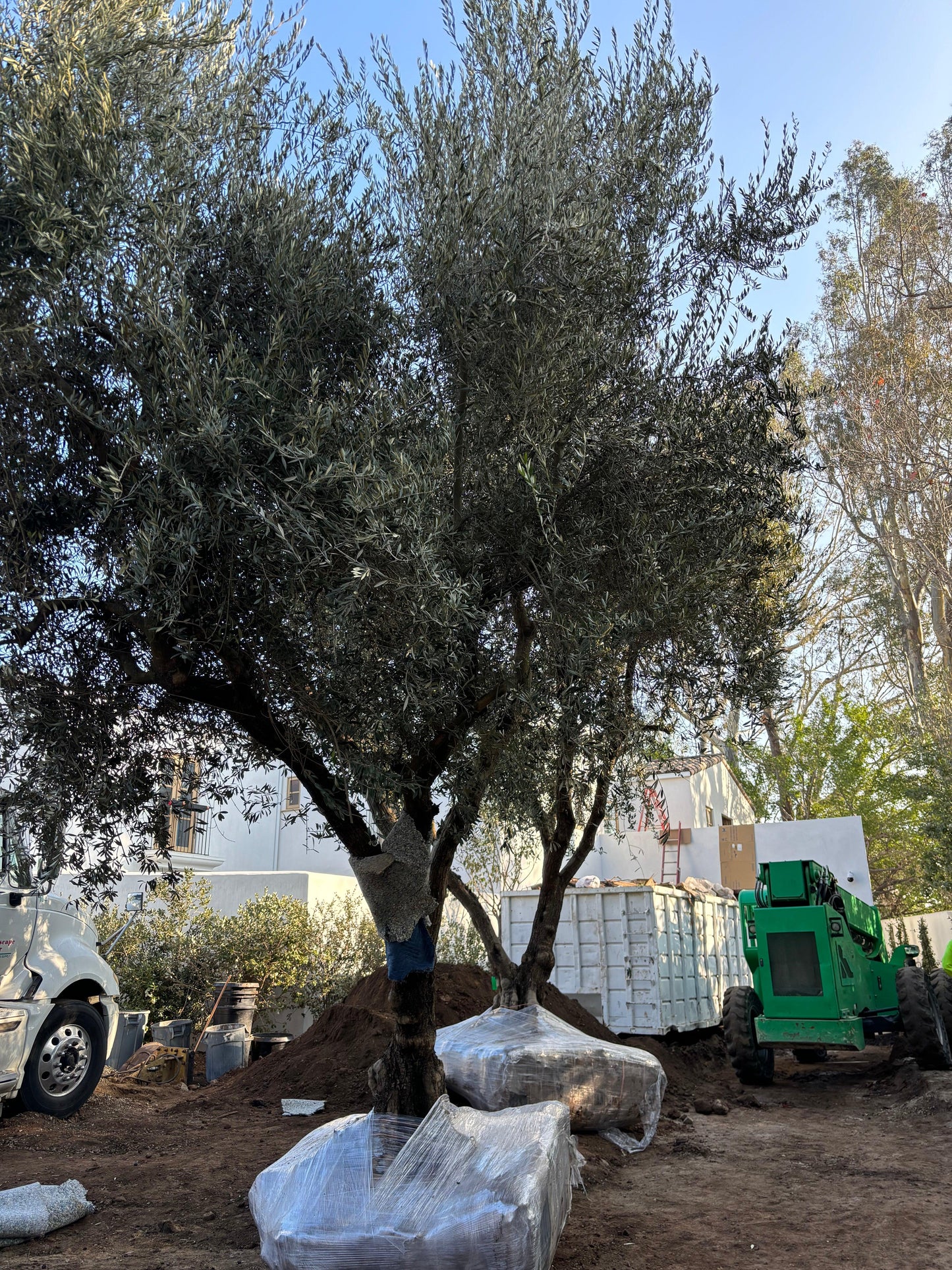
A quality full grown olive tree needs an extensive root system and a properly prepared root ball for successful transplanting. Roots are mostly concentrated in the top 2 feet of soil but spread laterally far beyond the tree’s drip line; in dry soils, roots can push downward up to 10 to 15 feet to find deep water.
Olive trees thrive in dry, gravelly, or chalky soils with an optimal pH range between 5.0 and 8.5; absolute sharp drainage is necessary as heavy, waterlogged clay soil triggers fatal root rot. These trees thrive in a variety of soil conditions and are drought resistant once established, making them suitable for California landscapes and other regions with similar climates.
The fragrant spring flowers of olive trees attract beneficial pollinators while their root systems help prevent soil erosion. Good nursery preparation, careful transport and correct planting depth help protect the roots and support long-term stability in the ground.
Distinctive Trunk Character
Trunk character is one of the main reasons full grown olive trees command the highest price compared with young nursery trees. Deep furrows, twisting movement, heavy trunk diameter and aged bark all signal maturity and give each tree a one-of-a-kind form.
Sevillano olive trees, mission olive specimens and ancient olive trees often show the most dramatic sculptural trunks. Their branches, open canopy and silvery foliage create the classic Mediterranean look that makes mature olive trees such a popular choice for landscape design.
When choosing olive trees for sale, inspect the trunk flare, bark condition and root-to-trunk transition. A strong trunk and healthy roots give the tree better stability after it is planted and help preserve the natural shape that makes mature olive trees so valuable.
Healthy Canopy Development
Healthy olive trees have leathery, feather-shaped leaves that are gray-green on top and shimmering silver underneath; these leaves retain their color year-round and drop every 2 to 3 years. A dense but open canopy gives shade while allowing sun and airflow through the branches.
Pruning is essential for maintaining the open canopy of olive trees, encouraging healthy airflow and sunlight penetration to prevent disease. Pruning should occur in late winter or early spring, removing low-growing root suckers, deadwood, and crossing inner branches to open up the center of the canopy for light penetration and air circulation.
Mature olive trees require moderate feeding, typically a balanced NPK fertilizer or a high-nitrogen blend in early spring with no feeding after late August to prevent soft growth. With proper care, balanced pruning and controlled watering, mature olive trees stay healthy with minimal care.
How to Integrate Full Grown Olive Trees
Mature olive trees anchor a landscape immediately, whether you want a bold focal point, a soft privacy screen or a grove that feels established from day one.
Focal Point Placement
Place an ancient olive tree where its trunk, canopy and shadow pattern can be appreciated from indoors and outdoors. Entry courts, central lawns, pool terraces and outdoor dining areas are excellent locations for a single statement tree.
Olive trees provide shade, reduce wind and bring structure to open spaces. In California landscapes, they work beautifully with gravel paths, stone walls, decomposed granite, native plants and Mediterranean herbs.
For fruiting areas, remember that olive fruit can drop as the harvest approaches. Choose fruitless olive trees near patios and pools, and reserve fruit-bearing varieties for orchards, garden edges or areas where green olives, table olives and oil production are part of the plan.
Integrated Landscape Design
Mature olive trees combine well with low-water planting palettes and architectural hardscapes. Use several trees to create a grove, or layer one large specimen with smaller olive tree varieties for depth and scale.
Olive trees thrive in full sun, tolerate extended dry periods and need less water once established. They are especially effective in landscape designs for San Diego, Orange County, Napa Valley, San Francisco-area microclimates and suitable parts of Northern California.
For best results, match each tree to the location. Choose a self fertile arbequina olive tree for smaller edible landscapes, mission olive for strong cold resistance, manzanillo olive trees for edible fruit and oil, and Swan Hill for clean, fruitless screening.
Shop Full Grown Olive Trees From Yardwork
Explore our curated collection of ancient, mature and specimen olive trees for sale, including fruit-bearing and fruitless olive trees selected for California landscapes. Choose from mission olive tree specimens, sevillano olive trees, manzanillo olive trees, arbequina olive tree options and Swan Hill fruitless varieties.
With the right variety, proper care and a suitable full sun location, your perfect full grown olive tree can bring shade, beauty, fruit or clean evergreen structure to your landscape for generations.