



Elberta Peach Tree
Regular price
$395.00
Size
America’s Most Beloved Peach Tree for Abundant Summer Harvests
Grow classic Elberta peaches in your own backyard with a proven, self fertile fruit tree known for sweet yellow flesh, reliable crops, and fragrant pink blossoms in early spring.
The Elberta peach tree (Prunus persica ‘Elberta’) is a heritage freestone peach variety developed in the 1870s, with historic roots often traced to Early Crawford and Chinese Cling parentage. It became one of America’s favorite peach tree varieties because it delivers delicious fruit that works beautifully for fresh eating, canning, freezing, and baking.
For California growers, Elberta is a strong choice when the site has the right chill hours, full sun, and well drained soils. Choosing the right peach tree involves considering your local climate and soil conditions to ensure successful growth and bountiful harvests.
Why You’ll Love It
-
Exceptional Fruit Quality – Large, golden-yellow freestone peaches with sweet, juicy yellow flesh and classic peach flavor for eating fresh, canning, baking, and freezing
-
Reliable Heavy Yields – Produces abundant harvests year after year with proper care; a mature Elberta peach tree can yield up to 150 pounds of fruit in a single season
-
Perfect Harvest Timing – The Elberta Peach Tree is known for its sweet and succulent flavor, producing medium-size yellow fruit that ripens from late July to August
-
Proven Cold Hardiness – Thrives in USDA zones 5 through 9 and requires approximately 800 to 950 winter chill hours to fruit
-
Self-Pollinating – Peach trees are self-pollinating, meaning they can produce fruit without needing pollen from another tree, but planting multiple varieties can enhance fruit set and yield
Elberta also brings beauty before harvest. Planting peach trees provides early spring blossoms that benefit local insect pollinators, enhancing the ecological balance in your garden. Peach trees produce beautiful pink flowers in the spring, adding aesthetic value and color to gardens, and Elberta peach trees feature fragrant pink blossoms in early spring, providing ornamental value in addition to fruit production.
What Makes It Different
Most peach trees make you choose between flavor, size, disease resistance, cold tolerance, or dependable production. Some modern peach tree varieties ship well but lack old-fashioned flavor, while some specialty fruit trees need more precise pollination or climate conditions to set fruit consistently.
Elberta Peach Tree stands apart with these advantages:
-
Historic Reliability – The Elberta peach tree (Prunus persica ‘Elberta’) is an heirloom variety developed in the 1870s, known for its large crops and striking spring blossoms
-
Superior Freestone Quality – Freestone fruit separates easily from the pit, making Elberta one of the best freestone peaches for slicing, fresh eating, canning, and preserves
-
Commercial-Grade Size – With proper thinning, Elberta peaches can reach large 3-4 inch fruit size that rivals store-bought peaches
-
Extended Storage Life – Firm flesh holds up well for fresh use, baking, freezing, and preserving without turning soft too quickly
If you are comparing several varieties, Elberta offers classic flavor and high yields. The Belle of Georgia Peach Tree produces medium-size yellow fruit with white flesh and red highlights, ideal for fresh eating and preserving, ripening in late summer. The Canadian Harmony Peach Tree is a cold-hardy variety that produces large golden fruit with a bright red blush, ripening from mid to late August. Reliance peaches, Early Elberta, nectarines, cherries, plums, and apricots can also help extend a home orchard season, but Elberta remains a standout for growers who want a flavorful, productive, old-fashioned peach.
How To Grow An Elberta Peach Tree
-
Year 1-2: Establishment
Plant your potted Elberta peach tree in full sun where it receives at least 6 to 8 hours of direct sunlight each day. Dig a wide hole, keep the roots spread naturally, backfill with native soil amended only as needed, and add a top layer of mulch, compost, wood chips, or fine bark away from the trunk. -
Year 3-4: First Harvest
The tree begins to bear fruit after the roots and branches are established. Once the peaches set in spring, thinning of fruit to 6 inches apart is recommended to prevent overproduction and ensure maximum fruit size. -
Year 5+: Peak Production
With full sun, well drained soils, regular pruning, and good watering, the tree moves into stronger production. Mature trees commonly deliver high yields, and under excellent conditions a mature Elberta peach tree can produce up to 150 pounds of peaches in one season. -
Every Season: Simple Care
Annual pruning in late winter is important for Elberta peach trees to maintain air circulation and prevent fungal diseases. Shape the tree with an open center shape, remove dead or crowded branches, renew fruiting wood, and watch spring buds after freezing weather in colder climates.
Short version: plant well, prune yearly, thin the fruit, and harvest sweet freestone peaches from late July into August.
Product Details
-
Tree Type: Elberta peach tree, Prunus persica ‘Elberta’
-
Fruit Type: Freestone peaches with sweet yellow flesh and classic peach flavor
-
Tree Size: 15-25 feet tall and wide at maturity, though regular pruning can keep the tree smaller
-
Fruit Season: Late July to early August harvest in many climates; harvest may shift later in colder climates
-
Hardiness: USDA zones 5-9, with strong performance where winter chill is reliable
-
Chill Hours: Approximately 800 to 950 winter chill hours required to fruit properly
-
Sun Requirements: Full sun with at least 6 to 8 hours of direct sunlight each day
-
Soil Requirements: Well-drained sandy loam with slightly acidic to neutral pH between 6.0 and 7.0
-
Pollination: Self pollinating and self fertile, but cross-pollination with multiple peach tree varieties can improve fruit set and yield
-
Pruning: Annual late winter pruning supports airflow, disease prevention, strong branches, and productive fruiting wood
-
Fruit Thinning: Thin young peaches to 6 inches apart once the peaches set in spring
When selecting a peach tree, consider the tree’s hardiness zone, as different varieties are suited to different climates, including cold-hardy options for northern regions. Elberta is hardy and productive in the right location, but like most peach trees, it performs best when climate, soil, watering, pruning, and planting depth are matched to the tree’s needs.
Who It’s For
Ideal for:
-
California homeowners who want reliable, high-quality peach production in their own backyard
-
Beginning fruit growers looking for a proven tree that can bear fruit without a second pollinator
-
Home canners and preservers who need firm freestone fruit that holds up well
-
Gardeners with space for a full-size fruit tree reaching 15-25 feet at maturity
-
Anyone who wants delicious, fresh, homegrown peaches for fresh eating, canning, baking, and freezing
-
Growers building a mixed home orchard with peaches, nectarines, plums, cherries, and apricots
Growing peach trees allows homeowners to enjoy fresh, homegrown fruit, which can be used for eating, canning, and baking, promoting a sustainable lifestyle. If you want bountiful harvests, fragrant flowers, and flavorful summer fruit from one tree, Elberta fits beautifully into a sunny garden.
Frequently Asked Questions
How long before I get peaches?
Elberta peach trees typically produce their first meaningful harvest in 3-4 years, with stronger production by year 5 and beyond. During the first season, focus on planting, root growth, watering, and shaping the young tree rather than forcing fruit production.
Do I need more than one tree?
No. Elberta is self pollinating and self fertile, so one tree can set fruit on its own. However, peach trees are self-pollinating, meaning they can produce fruit without needing pollen from another tree, but planting multiple varieties can enhance fruit set and yield.
How much sun does an Elberta peach tree need?
Elberta peach trees need full sun with at least 6 to 8 hours of direct sunlight each day for optimal fruit production. More sun usually means better flavor, stronger growth, and sweeter fruit.
What soil is best?
The soil conditions for Elberta peach trees should be well-drained, sandy loam with a slightly acidic to neutral pH between 6.0 and 7.0. Avoid soggy ground, compacted clay, and areas where water stands after rain.
Does Elberta need pruning?
Yes. Annual pruning in late winter is important for Elberta peach trees to maintain air circulation and prevent fungal diseases. Pruning also helps maintain an open center shape, renew fruiting wood, and reduce crowded branches.
What if it doesn’t thrive in my yard?
Yardwork offers plant consultations and soil testing to help match the tree to your native soil, chill hours, irrigation, and planting location before problems develop.
Ready to Grow Your Own Peach Paradise?
Stop buying expensive store-bought peaches with limited flavor. Choose the Elberta Peach Tree and enjoy homegrown, tree-ripened freestone peaches with sweet yellow flesh, fragrant spring flowers, and dependable summer harvests.
Add Yardwork’s consultation services for optimal planting success, including help with soil, chill hours, pruning, pollination, and variety selection.
America’s Most Beloved Peach Tree for Abundant Summer Harvests
Grow classic Elberta peaches in your own backyard with a proven, self fertile fruit tree known for sweet yellow flesh, reliable crops, and fragrant pink blossoms in early spring.
The Elberta peach tree (Prunus persica ‘Elberta’) is a heritage freestone peach variety developed in the 1870s, with historic roots often traced to Early Crawford and Chinese Cling parentage. It became one of America’s favorite peach tree varieties because it delivers delicious fruit that works beautifully for fresh eating, canning, freezing, and baking.
For California growers, Elberta is a strong choice when the site has the right chill hours, full sun, and well drained soils. Choosing the right peach tree involves considering your local climate and soil conditions to ensure successful growth and bountiful harvests.
Why You’ll Love It
-
Exceptional Fruit Quality – Large, golden-yellow freestone peaches with sweet, juicy yellow flesh and classic peach flavor for eating fresh, canning, baking, and freezing
-
Reliable Heavy Yields – Produces abundant harvests year after year with proper care; a mature Elberta peach tree can yield up to 150 pounds of fruit in a single season
-
Perfect Harvest Timing – The Elberta Peach Tree is known for its sweet and succulent flavor, producing medium-size yellow fruit that ripens from late July to August
-
Proven Cold Hardiness – Thrives in USDA zones 5 through 9 and requires approximately 800 to 950 winter chill hours to fruit
-
Self-Pollinating – Peach trees are self-pollinating, meaning they can produce fruit without needing pollen from another tree, but planting multiple varieties can enhance fruit set and yield
Elberta also brings beauty before harvest. Planting peach trees provides early spring blossoms that benefit local insect pollinators, enhancing the ecological balance in your garden. Peach trees produce beautiful pink flowers in the spring, adding aesthetic value and color to gardens, and Elberta peach trees feature fragrant pink blossoms in early spring, providing ornamental value in addition to fruit production.
What Makes It Different
Most peach trees make you choose between flavor, size, disease resistance, cold tolerance, or dependable production. Some modern peach tree varieties ship well but lack old-fashioned flavor, while some specialty fruit trees need more precise pollination or climate conditions to set fruit consistently.
Elberta Peach Tree stands apart with these advantages:
-
Historic Reliability – The Elberta peach tree (Prunus persica ‘Elberta’) is an heirloom variety developed in the 1870s, known for its large crops and striking spring blossoms
-
Superior Freestone Quality – Freestone fruit separates easily from the pit, making Elberta one of the best freestone peaches for slicing, fresh eating, canning, and preserves
-
Commercial-Grade Size – With proper thinning, Elberta peaches can reach large 3-4 inch fruit size that rivals store-bought peaches
-
Extended Storage Life – Firm flesh holds up well for fresh use, baking, freezing, and preserving without turning soft too quickly
If you are comparing several varieties, Elberta offers classic flavor and high yields. The Belle of Georgia Peach Tree produces medium-size yellow fruit with white flesh and red highlights, ideal for fresh eating and preserving, ripening in late summer. The Canadian Harmony Peach Tree is a cold-hardy variety that produces large golden fruit with a bright red blush, ripening from mid to late August. Reliance peaches, Early Elberta, nectarines, cherries, plums, and apricots can also help extend a home orchard season, but Elberta remains a standout for growers who want a flavorful, productive, old-fashioned peach.
How To Grow An Elberta Peach Tree
-
Year 1-2: Establishment
Plant your potted Elberta peach tree in full sun where it receives at least 6 to 8 hours of direct sunlight each day. Dig a wide hole, keep the roots spread naturally, backfill with native soil amended only as needed, and add a top layer of mulch, compost, wood chips, or fine bark away from the trunk. -
Year 3-4: First Harvest
The tree begins to bear fruit after the roots and branches are established. Once the peaches set in spring, thinning of fruit to 6 inches apart is recommended to prevent overproduction and ensure maximum fruit size. -
Year 5+: Peak Production
With full sun, well drained soils, regular pruning, and good watering, the tree moves into stronger production. Mature trees commonly deliver high yields, and under excellent conditions a mature Elberta peach tree can produce up to 150 pounds of peaches in one season. -
Every Season: Simple Care
Annual pruning in late winter is important for Elberta peach trees to maintain air circulation and prevent fungal diseases. Shape the tree with an open center shape, remove dead or crowded branches, renew fruiting wood, and watch spring buds after freezing weather in colder climates.
Short version: plant well, prune yearly, thin the fruit, and harvest sweet freestone peaches from late July into August.
Product Details
-
Tree Type: Elberta peach tree, Prunus persica ‘Elberta’
-
Fruit Type: Freestone peaches with sweet yellow flesh and classic peach flavor
-
Tree Size: 15-25 feet tall and wide at maturity, though regular pruning can keep the tree smaller
-
Fruit Season: Late July to early August harvest in many climates; harvest may shift later in colder climates
-
Hardiness: USDA zones 5-9, with strong performance where winter chill is reliable
-
Chill Hours: Approximately 800 to 950 winter chill hours required to fruit properly
-
Sun Requirements: Full sun with at least 6 to 8 hours of direct sunlight each day
-
Soil Requirements: Well-drained sandy loam with slightly acidic to neutral pH between 6.0 and 7.0
-
Pollination: Self pollinating and self fertile, but cross-pollination with multiple peach tree varieties can improve fruit set and yield
-
Pruning: Annual late winter pruning supports airflow, disease prevention, strong branches, and productive fruiting wood
-
Fruit Thinning: Thin young peaches to 6 inches apart once the peaches set in spring
When selecting a peach tree, consider the tree’s hardiness zone, as different varieties are suited to different climates, including cold-hardy options for northern regions. Elberta is hardy and productive in the right location, but like most peach trees, it performs best when climate, soil, watering, pruning, and planting depth are matched to the tree’s needs.
Who It’s For
Ideal for:
-
California homeowners who want reliable, high-quality peach production in their own backyard
-
Beginning fruit growers looking for a proven tree that can bear fruit without a second pollinator
-
Home canners and preservers who need firm freestone fruit that holds up well
-
Gardeners with space for a full-size fruit tree reaching 15-25 feet at maturity
-
Anyone who wants delicious, fresh, homegrown peaches for fresh eating, canning, baking, and freezing
-
Growers building a mixed home orchard with peaches, nectarines, plums, cherries, and apricots
Growing peach trees allows homeowners to enjoy fresh, homegrown fruit, which can be used for eating, canning, and baking, promoting a sustainable lifestyle. If you want bountiful harvests, fragrant flowers, and flavorful summer fruit from one tree, Elberta fits beautifully into a sunny garden.
Frequently Asked Questions
How long before I get peaches?
Elberta peach trees typically produce their first meaningful harvest in 3-4 years, with stronger production by year 5 and beyond. During the first season, focus on planting, root growth, watering, and shaping the young tree rather than forcing fruit production.
Do I need more than one tree?
No. Elberta is self pollinating and self fertile, so one tree can set fruit on its own. However, peach trees are self-pollinating, meaning they can produce fruit without needing pollen from another tree, but planting multiple varieties can enhance fruit set and yield.
How much sun does an Elberta peach tree need?
Elberta peach trees need full sun with at least 6 to 8 hours of direct sunlight each day for optimal fruit production. More sun usually means better flavor, stronger growth, and sweeter fruit.
What soil is best?
The soil conditions for Elberta peach trees should be well-drained, sandy loam with a slightly acidic to neutral pH between 6.0 and 7.0. Avoid soggy ground, compacted clay, and areas where water stands after rain.
Does Elberta need pruning?
Yes. Annual pruning in late winter is important for Elberta peach trees to maintain air circulation and prevent fungal diseases. Pruning also helps maintain an open center shape, renew fruiting wood, and reduce crowded branches.
What if it doesn’t thrive in my yard?
Yardwork offers plant consultations and soil testing to help match the tree to your native soil, chill hours, irrigation, and planting location before problems develop.
Ready to Grow Your Own Peach Paradise?
Stop buying expensive store-bought peaches with limited flavor. Choose the Elberta Peach Tree and enjoy homegrown, tree-ripened freestone peaches with sweet yellow flesh, fragrant spring flowers, and dependable summer harvests.
Add Yardwork’s consultation services for optimal planting success, including help with soil, chill hours, pruning, pollination, and variety selection.
Plants vary greatly by type and no guarantees are made on sizing.
However here is a rough idea of sizes based on containers that are direct from our growing grounds.
15 Gallon Shrub 3-4 Ft. Tall
15 Gallon Tree 5-6 Ft. Tall
24" Box Shrub 5-6 Ft. Tall
24" Box Tree 6-7 Ft. Tall
36" Box Tree 8-10 Ft. Tall
48" Box Tree 10-12 Ft. Tall
Please note: Citrus and California Native plants such as Manzanita are smaller than traditional sizing.
Please contact us to confirm sizing of items before purchasing if this is a concern.
Plants vary greatly by type and no guarantees are made on sizing.
However here is a rough idea of sizes based on containers that are direct from our growing grounds.
15 Gallon Shrub 3-4 Ft. Tall
15 Gallon Tree 5-6 Ft. Tall
24" Box Shrub 5-6 Ft. Tall
24" Box Tree 6-7 Ft. Tall
36" Box Tree 8-10 Ft. Tall
48" Box Tree 10-12 Ft. Tall
Please note: Citrus and California Native plants such as Manzanita are smaller than traditional sizing.
Please contact us to confirm sizing of items before purchasing if this is a concern.
Delivery does not include unloading of trees and plants larger than a 24" box.
Trees and plants in smaller containers will be dropped curbside.
Delivery beyond a curbside drop will be charged extra.
Trees and plants that are sold in container sizes larger than a 24" box size will require equipment and an operator onsite to help unload from the truck.
Please reach out to our team PRIOR to placing your order to coordinate.
Our team can provide unloading assistance with equipment for an extra fee.
Delivery does not include unloading of trees and plants larger than a 24" box.
Trees and plants in smaller containers will be dropped curbside.
Delivery beyond a curbside drop will be charged extra.
Trees and plants that are sold in container sizes larger than a 24" box size will require equipment and an operator onsite to help unload from the truck.
Please reach out to our team PRIOR to placing your order to coordinate.
Our team can provide unloading assistance with equipment for an extra fee.
You may also like...


Elberta Peach Tree
Regular price
$395.00
Size
America’s Most Beloved Peach Tree for Abundant Summer Harvests
Grow classic Elberta peaches in your own backyard with a proven, self fertile fruit tree known for sweet yellow flesh, reliable crops, and fragrant pink blossoms in early spring.
The Elberta peach tree (Prunus persica ‘Elberta’) is a heritage freestone peach variety developed in the 1870s, with historic roots often traced to Early Crawford and Chinese Cling parentage. It became one of America’s favorite peach tree varieties because it delivers delicious fruit that works beautifully for fresh eating, canning, freezing, and baking.
For California growers, Elberta is a strong choice when the site has the right chill hours, full sun, and well drained soils. Choosing the right peach tree involves considering your local climate and soil conditions to ensure successful growth and bountiful harvests.
Why You’ll Love It
-
Exceptional Fruit Quality – Large, golden-yellow freestone peaches with sweet, juicy yellow flesh and classic peach flavor for eating fresh, canning, baking, and freezing
-
Reliable Heavy Yields – Produces abundant harvests year after year with proper care; a mature Elberta peach tree can yield up to 150 pounds of fruit in a single season
-
Perfect Harvest Timing – The Elberta Peach Tree is known for its sweet and succulent flavor, producing medium-size yellow fruit that ripens from late July to August
-
Proven Cold Hardiness – Thrives in USDA zones 5 through 9 and requires approximately 800 to 950 winter chill hours to fruit
-
Self-Pollinating – Peach trees are self-pollinating, meaning they can produce fruit without needing pollen from another tree, but planting multiple varieties can enhance fruit set and yield
Elberta also brings beauty before harvest. Planting peach trees provides early spring blossoms that benefit local insect pollinators, enhancing the ecological balance in your garden. Peach trees produce beautiful pink flowers in the spring, adding aesthetic value and color to gardens, and Elberta peach trees feature fragrant pink blossoms in early spring, providing ornamental value in addition to fruit production.
What Makes It Different
Most peach trees make you choose between flavor, size, disease resistance, cold tolerance, or dependable production. Some modern peach tree varieties ship well but lack old-fashioned flavor, while some specialty fruit trees need more precise pollination or climate conditions to set fruit consistently.
Elberta Peach Tree stands apart with these advantages:
-
Historic Reliability – The Elberta peach tree (Prunus persica ‘Elberta’) is an heirloom variety developed in the 1870s, known for its large crops and striking spring blossoms
-
Superior Freestone Quality – Freestone fruit separates easily from the pit, making Elberta one of the best freestone peaches for slicing, fresh eating, canning, and preserves
-
Commercial-Grade Size – With proper thinning, Elberta peaches can reach large 3-4 inch fruit size that rivals store-bought peaches
-
Extended Storage Life – Firm flesh holds up well for fresh use, baking, freezing, and preserving without turning soft too quickly
If you are comparing several varieties, Elberta offers classic flavor and high yields. The Belle of Georgia Peach Tree produces medium-size yellow fruit with white flesh and red highlights, ideal for fresh eating and preserving, ripening in late summer. The Canadian Harmony Peach Tree is a cold-hardy variety that produces large golden fruit with a bright red blush, ripening from mid to late August. Reliance peaches, Early Elberta, nectarines, cherries, plums, and apricots can also help extend a home orchard season, but Elberta remains a standout for growers who want a flavorful, productive, old-fashioned peach.
How To Grow An Elberta Peach Tree
-
Year 1-2: Establishment
Plant your potted Elberta peach tree in full sun where it receives at least 6 to 8 hours of direct sunlight each day. Dig a wide hole, keep the roots spread naturally, backfill with native soil amended only as needed, and add a top layer of mulch, compost, wood chips, or fine bark away from the trunk. -
Year 3-4: First Harvest
The tree begins to bear fruit after the roots and branches are established. Once the peaches set in spring, thinning of fruit to 6 inches apart is recommended to prevent overproduction and ensure maximum fruit size. -
Year 5+: Peak Production
With full sun, well drained soils, regular pruning, and good watering, the tree moves into stronger production. Mature trees commonly deliver high yields, and under excellent conditions a mature Elberta peach tree can produce up to 150 pounds of peaches in one season. -
Every Season: Simple Care
Annual pruning in late winter is important for Elberta peach trees to maintain air circulation and prevent fungal diseases. Shape the tree with an open center shape, remove dead or crowded branches, renew fruiting wood, and watch spring buds after freezing weather in colder climates.
Short version: plant well, prune yearly, thin the fruit, and harvest sweet freestone peaches from late July into August.
Product Details
-
Tree Type: Elberta peach tree, Prunus persica ‘Elberta’
-
Fruit Type: Freestone peaches with sweet yellow flesh and classic peach flavor
-
Tree Size: 15-25 feet tall and wide at maturity, though regular pruning can keep the tree smaller
-
Fruit Season: Late July to early August harvest in many climates; harvest may shift later in colder climates
-
Hardiness: USDA zones 5-9, with strong performance where winter chill is reliable
-
Chill Hours: Approximately 800 to 950 winter chill hours required to fruit properly
-
Sun Requirements: Full sun with at least 6 to 8 hours of direct sunlight each day
-
Soil Requirements: Well-drained sandy loam with slightly acidic to neutral pH between 6.0 and 7.0
-
Pollination: Self pollinating and self fertile, but cross-pollination with multiple peach tree varieties can improve fruit set and yield
-
Pruning: Annual late winter pruning supports airflow, disease prevention, strong branches, and productive fruiting wood
-
Fruit Thinning: Thin young peaches to 6 inches apart once the peaches set in spring
When selecting a peach tree, consider the tree’s hardiness zone, as different varieties are suited to different climates, including cold-hardy options for northern regions. Elberta is hardy and productive in the right location, but like most peach trees, it performs best when climate, soil, watering, pruning, and planting depth are matched to the tree’s needs.
Who It’s For
Ideal for:
-
California homeowners who want reliable, high-quality peach production in their own backyard
-
Beginning fruit growers looking for a proven tree that can bear fruit without a second pollinator
-
Home canners and preservers who need firm freestone fruit that holds up well
-
Gardeners with space for a full-size fruit tree reaching 15-25 feet at maturity
-
Anyone who wants delicious, fresh, homegrown peaches for fresh eating, canning, baking, and freezing
-
Growers building a mixed home orchard with peaches, nectarines, plums, cherries, and apricots
Growing peach trees allows homeowners to enjoy fresh, homegrown fruit, which can be used for eating, canning, and baking, promoting a sustainable lifestyle. If you want bountiful harvests, fragrant flowers, and flavorful summer fruit from one tree, Elberta fits beautifully into a sunny garden.
Frequently Asked Questions
How long before I get peaches?
Elberta peach trees typically produce their first meaningful harvest in 3-4 years, with stronger production by year 5 and beyond. During the first season, focus on planting, root growth, watering, and shaping the young tree rather than forcing fruit production.
Do I need more than one tree?
No. Elberta is self pollinating and self fertile, so one tree can set fruit on its own. However, peach trees are self-pollinating, meaning they can produce fruit without needing pollen from another tree, but planting multiple varieties can enhance fruit set and yield.
How much sun does an Elberta peach tree need?
Elberta peach trees need full sun with at least 6 to 8 hours of direct sunlight each day for optimal fruit production. More sun usually means better flavor, stronger growth, and sweeter fruit.
What soil is best?
The soil conditions for Elberta peach trees should be well-drained, sandy loam with a slightly acidic to neutral pH between 6.0 and 7.0. Avoid soggy ground, compacted clay, and areas where water stands after rain.
Does Elberta need pruning?
Yes. Annual pruning in late winter is important for Elberta peach trees to maintain air circulation and prevent fungal diseases. Pruning also helps maintain an open center shape, renew fruiting wood, and reduce crowded branches.
What if it doesn’t thrive in my yard?
Yardwork offers plant consultations and soil testing to help match the tree to your native soil, chill hours, irrigation, and planting location before problems develop.
Ready to Grow Your Own Peach Paradise?
Stop buying expensive store-bought peaches with limited flavor. Choose the Elberta Peach Tree and enjoy homegrown, tree-ripened freestone peaches with sweet yellow flesh, fragrant spring flowers, and dependable summer harvests.
Add Yardwork’s consultation services for optimal planting success, including help with soil, chill hours, pruning, pollination, and variety selection.
America’s Most Beloved Peach Tree for Abundant Summer Harvests
Grow classic Elberta peaches in your own backyard with a proven, self fertile fruit tree known for sweet yellow flesh, reliable crops, and fragrant pink blossoms in early spring.
The Elberta peach tree (Prunus persica ‘Elberta’) is a heritage freestone peach variety developed in the 1870s, with historic roots often traced to Early Crawford and Chinese Cling parentage. It became one of America’s favorite peach tree varieties because it delivers delicious fruit that works beautifully for fresh eating, canning, freezing, and baking.
For California growers, Elberta is a strong choice when the site has the right chill hours, full sun, and well drained soils. Choosing the right peach tree involves considering your local climate and soil conditions to ensure successful growth and bountiful harvests.
Why You’ll Love It
-
Exceptional Fruit Quality – Large, golden-yellow freestone peaches with sweet, juicy yellow flesh and classic peach flavor for eating fresh, canning, baking, and freezing
-
Reliable Heavy Yields – Produces abundant harvests year after year with proper care; a mature Elberta peach tree can yield up to 150 pounds of fruit in a single season
-
Perfect Harvest Timing – The Elberta Peach Tree is known for its sweet and succulent flavor, producing medium-size yellow fruit that ripens from late July to August
-
Proven Cold Hardiness – Thrives in USDA zones 5 through 9 and requires approximately 800 to 950 winter chill hours to fruit
-
Self-Pollinating – Peach trees are self-pollinating, meaning they can produce fruit without needing pollen from another tree, but planting multiple varieties can enhance fruit set and yield
Elberta also brings beauty before harvest. Planting peach trees provides early spring blossoms that benefit local insect pollinators, enhancing the ecological balance in your garden. Peach trees produce beautiful pink flowers in the spring, adding aesthetic value and color to gardens, and Elberta peach trees feature fragrant pink blossoms in early spring, providing ornamental value in addition to fruit production.
What Makes It Different
Most peach trees make you choose between flavor, size, disease resistance, cold tolerance, or dependable production. Some modern peach tree varieties ship well but lack old-fashioned flavor, while some specialty fruit trees need more precise pollination or climate conditions to set fruit consistently.
Elberta Peach Tree stands apart with these advantages:
-
Historic Reliability – The Elberta peach tree (Prunus persica ‘Elberta’) is an heirloom variety developed in the 1870s, known for its large crops and striking spring blossoms
-
Superior Freestone Quality – Freestone fruit separates easily from the pit, making Elberta one of the best freestone peaches for slicing, fresh eating, canning, and preserves
-
Commercial-Grade Size – With proper thinning, Elberta peaches can reach large 3-4 inch fruit size that rivals store-bought peaches
-
Extended Storage Life – Firm flesh holds up well for fresh use, baking, freezing, and preserving without turning soft too quickly
If you are comparing several varieties, Elberta offers classic flavor and high yields. The Belle of Georgia Peach Tree produces medium-size yellow fruit with white flesh and red highlights, ideal for fresh eating and preserving, ripening in late summer. The Canadian Harmony Peach Tree is a cold-hardy variety that produces large golden fruit with a bright red blush, ripening from mid to late August. Reliance peaches, Early Elberta, nectarines, cherries, plums, and apricots can also help extend a home orchard season, but Elberta remains a standout for growers who want a flavorful, productive, old-fashioned peach.
How To Grow An Elberta Peach Tree
-
Year 1-2: Establishment
Plant your potted Elberta peach tree in full sun where it receives at least 6 to 8 hours of direct sunlight each day. Dig a wide hole, keep the roots spread naturally, backfill with native soil amended only as needed, and add a top layer of mulch, compost, wood chips, or fine bark away from the trunk. -
Year 3-4: First Harvest
The tree begins to bear fruit after the roots and branches are established. Once the peaches set in spring, thinning of fruit to 6 inches apart is recommended to prevent overproduction and ensure maximum fruit size. -
Year 5+: Peak Production
With full sun, well drained soils, regular pruning, and good watering, the tree moves into stronger production. Mature trees commonly deliver high yields, and under excellent conditions a mature Elberta peach tree can produce up to 150 pounds of peaches in one season. -
Every Season: Simple Care
Annual pruning in late winter is important for Elberta peach trees to maintain air circulation and prevent fungal diseases. Shape the tree with an open center shape, remove dead or crowded branches, renew fruiting wood, and watch spring buds after freezing weather in colder climates.
Short version: plant well, prune yearly, thin the fruit, and harvest sweet freestone peaches from late July into August.
Product Details
-
Tree Type: Elberta peach tree, Prunus persica ‘Elberta’
-
Fruit Type: Freestone peaches with sweet yellow flesh and classic peach flavor
-
Tree Size: 15-25 feet tall and wide at maturity, though regular pruning can keep the tree smaller
-
Fruit Season: Late July to early August harvest in many climates; harvest may shift later in colder climates
-
Hardiness: USDA zones 5-9, with strong performance where winter chill is reliable
-
Chill Hours: Approximately 800 to 950 winter chill hours required to fruit properly
-
Sun Requirements: Full sun with at least 6 to 8 hours of direct sunlight each day
-
Soil Requirements: Well-drained sandy loam with slightly acidic to neutral pH between 6.0 and 7.0
-
Pollination: Self pollinating and self fertile, but cross-pollination with multiple peach tree varieties can improve fruit set and yield
-
Pruning: Annual late winter pruning supports airflow, disease prevention, strong branches, and productive fruiting wood
-
Fruit Thinning: Thin young peaches to 6 inches apart once the peaches set in spring
When selecting a peach tree, consider the tree’s hardiness zone, as different varieties are suited to different climates, including cold-hardy options for northern regions. Elberta is hardy and productive in the right location, but like most peach trees, it performs best when climate, soil, watering, pruning, and planting depth are matched to the tree’s needs.
Who It’s For
Ideal for:
-
California homeowners who want reliable, high-quality peach production in their own backyard
-
Beginning fruit growers looking for a proven tree that can bear fruit without a second pollinator
-
Home canners and preservers who need firm freestone fruit that holds up well
-
Gardeners with space for a full-size fruit tree reaching 15-25 feet at maturity
-
Anyone who wants delicious, fresh, homegrown peaches for fresh eating, canning, baking, and freezing
-
Growers building a mixed home orchard with peaches, nectarines, plums, cherries, and apricots
Growing peach trees allows homeowners to enjoy fresh, homegrown fruit, which can be used for eating, canning, and baking, promoting a sustainable lifestyle. If you want bountiful harvests, fragrant flowers, and flavorful summer fruit from one tree, Elberta fits beautifully into a sunny garden.
Frequently Asked Questions
How long before I get peaches?
Elberta peach trees typically produce their first meaningful harvest in 3-4 years, with stronger production by year 5 and beyond. During the first season, focus on planting, root growth, watering, and shaping the young tree rather than forcing fruit production.
Do I need more than one tree?
No. Elberta is self pollinating and self fertile, so one tree can set fruit on its own. However, peach trees are self-pollinating, meaning they can produce fruit without needing pollen from another tree, but planting multiple varieties can enhance fruit set and yield.
How much sun does an Elberta peach tree need?
Elberta peach trees need full sun with at least 6 to 8 hours of direct sunlight each day for optimal fruit production. More sun usually means better flavor, stronger growth, and sweeter fruit.
What soil is best?
The soil conditions for Elberta peach trees should be well-drained, sandy loam with a slightly acidic to neutral pH between 6.0 and 7.0. Avoid soggy ground, compacted clay, and areas where water stands after rain.
Does Elberta need pruning?
Yes. Annual pruning in late winter is important for Elberta peach trees to maintain air circulation and prevent fungal diseases. Pruning also helps maintain an open center shape, renew fruiting wood, and reduce crowded branches.
What if it doesn’t thrive in my yard?
Yardwork offers plant consultations and soil testing to help match the tree to your native soil, chill hours, irrigation, and planting location before problems develop.
Ready to Grow Your Own Peach Paradise?
Stop buying expensive store-bought peaches with limited flavor. Choose the Elberta Peach Tree and enjoy homegrown, tree-ripened freestone peaches with sweet yellow flesh, fragrant spring flowers, and dependable summer harvests.
Add Yardwork’s consultation services for optimal planting success, including help with soil, chill hours, pruning, pollination, and variety selection.
Plants vary greatly by type and no guarantees are made on sizing.
However here is a rough idea of sizes based on containers that are direct from our growing grounds.
15 Gallon Shrub 3-4 Ft. Tall
15 Gallon Tree 5-6 Ft. Tall
24" Box Shrub 5-6 Ft. Tall
24" Box Tree 6-7 Ft. Tall
36" Box Tree 8-10 Ft. Tall
48" Box Tree 10-12 Ft. Tall
Please note: Citrus and California Native plants such as Manzanita are smaller than traditional sizing.
Please contact us to confirm sizing of items before purchasing if this is a concern.
Plants vary greatly by type and no guarantees are made on sizing.
However here is a rough idea of sizes based on containers that are direct from our growing grounds.
15 Gallon Shrub 3-4 Ft. Tall
15 Gallon Tree 5-6 Ft. Tall
24" Box Shrub 5-6 Ft. Tall
24" Box Tree 6-7 Ft. Tall
36" Box Tree 8-10 Ft. Tall
48" Box Tree 10-12 Ft. Tall
Please note: Citrus and California Native plants such as Manzanita are smaller than traditional sizing.
Please contact us to confirm sizing of items before purchasing if this is a concern.
Delivery does not include unloading of trees and plants larger than a 24" box.
Trees and plants in smaller containers will be dropped curbside.
Delivery beyond a curbside drop will be charged extra.
Trees and plants that are sold in container sizes larger than a 24" box size will require equipment and an operator onsite to help unload from the truck.
Please reach out to our team PRIOR to placing your order to coordinate.
Our team can provide unloading assistance with equipment for an extra fee.
Delivery does not include unloading of trees and plants larger than a 24" box.
Trees and plants in smaller containers will be dropped curbside.
Delivery beyond a curbside drop will be charged extra.
Trees and plants that are sold in container sizes larger than a 24" box size will require equipment and an operator onsite to help unload from the truck.
Please reach out to our team PRIOR to placing your order to coordinate.
Our team can provide unloading assistance with equipment for an extra fee.
Recommended For You















Pairs Well With






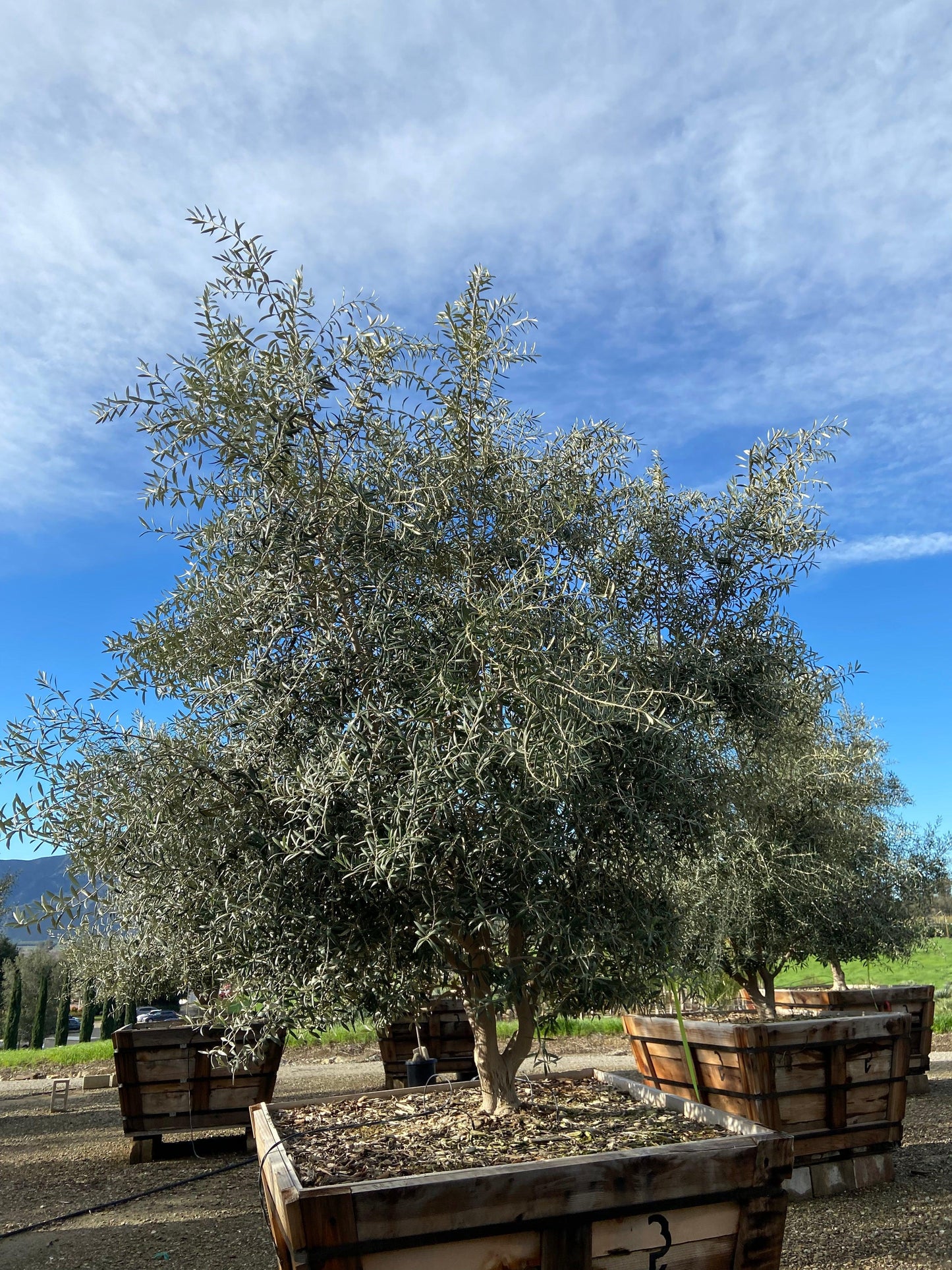

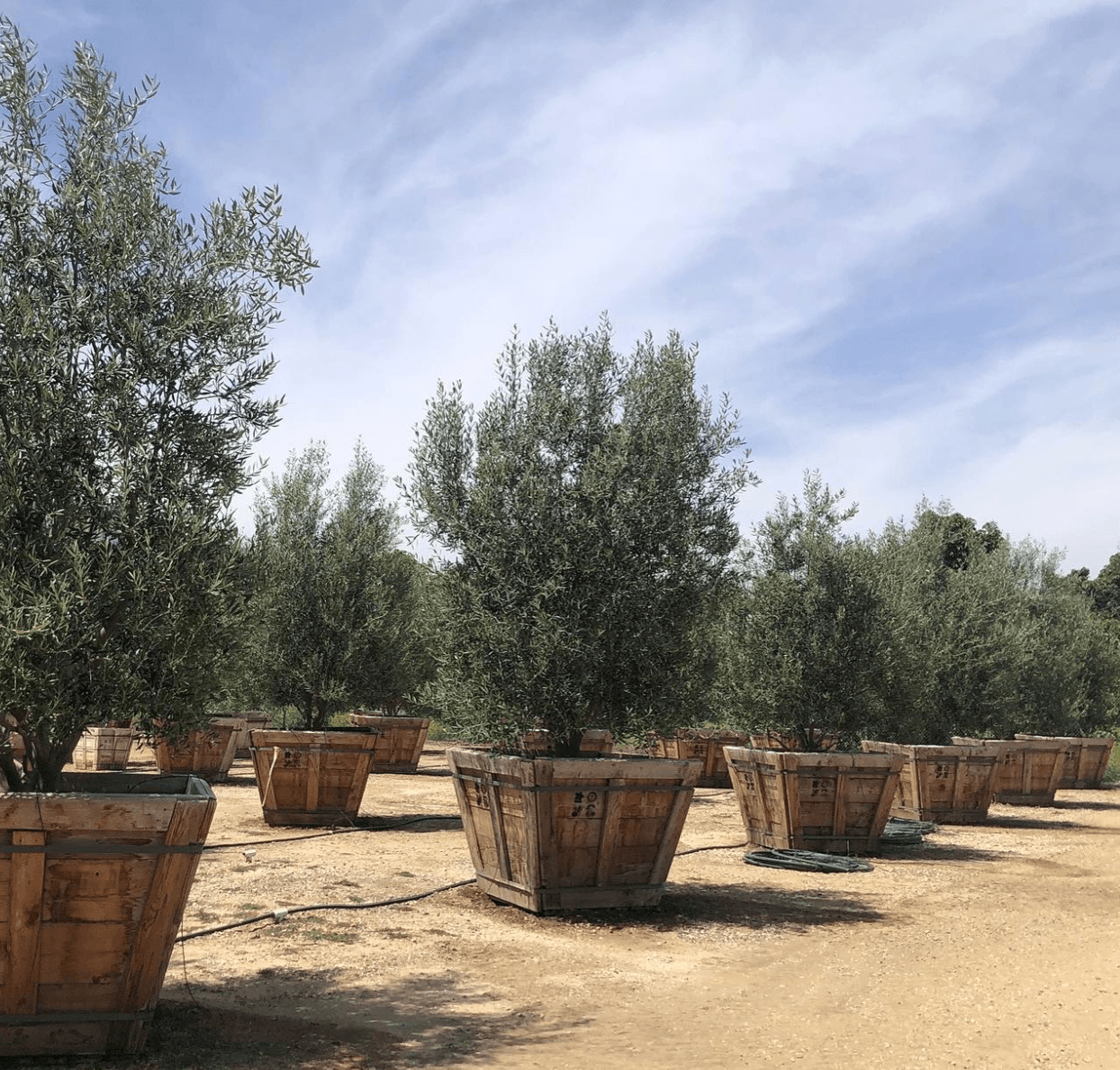

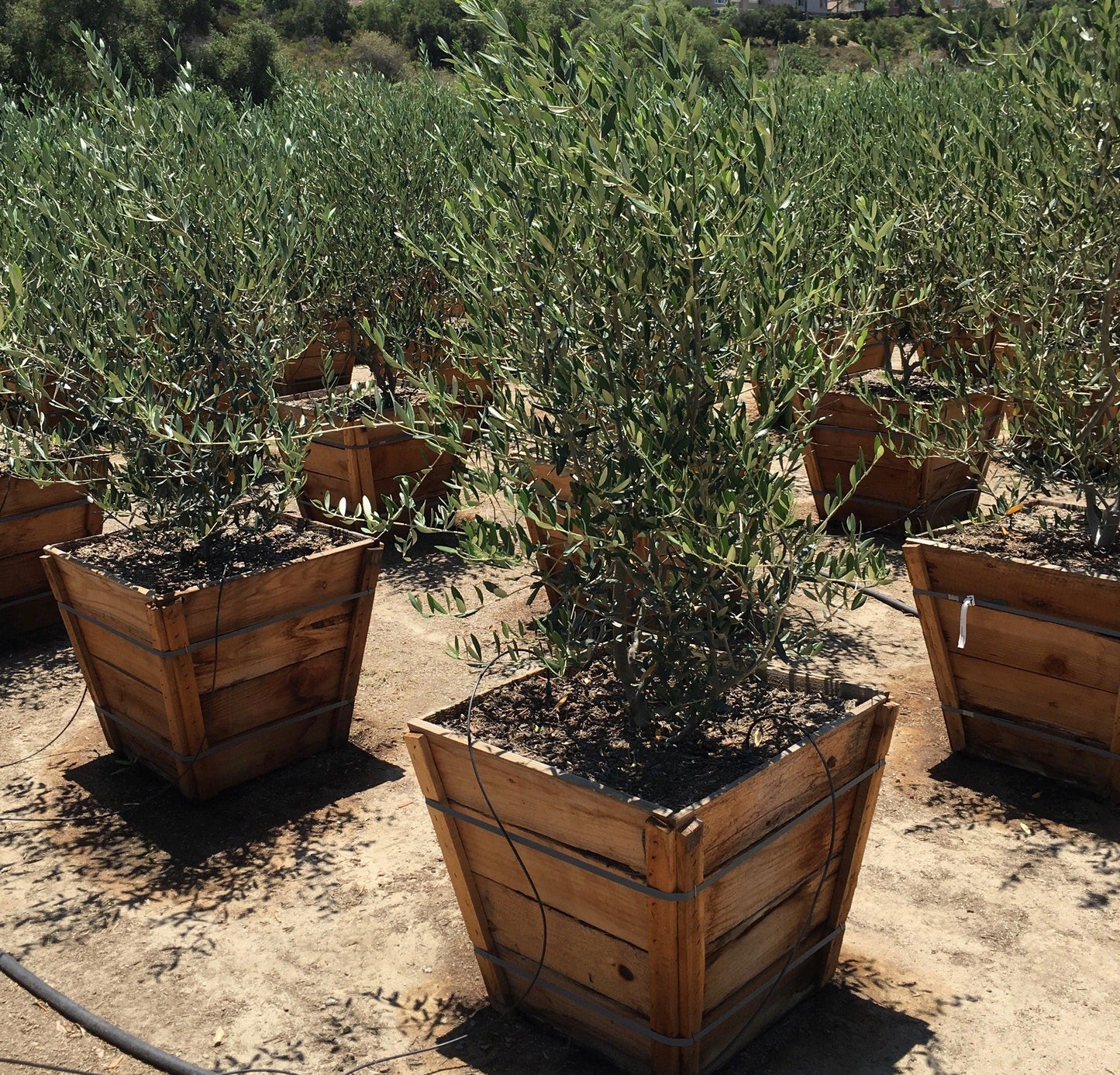

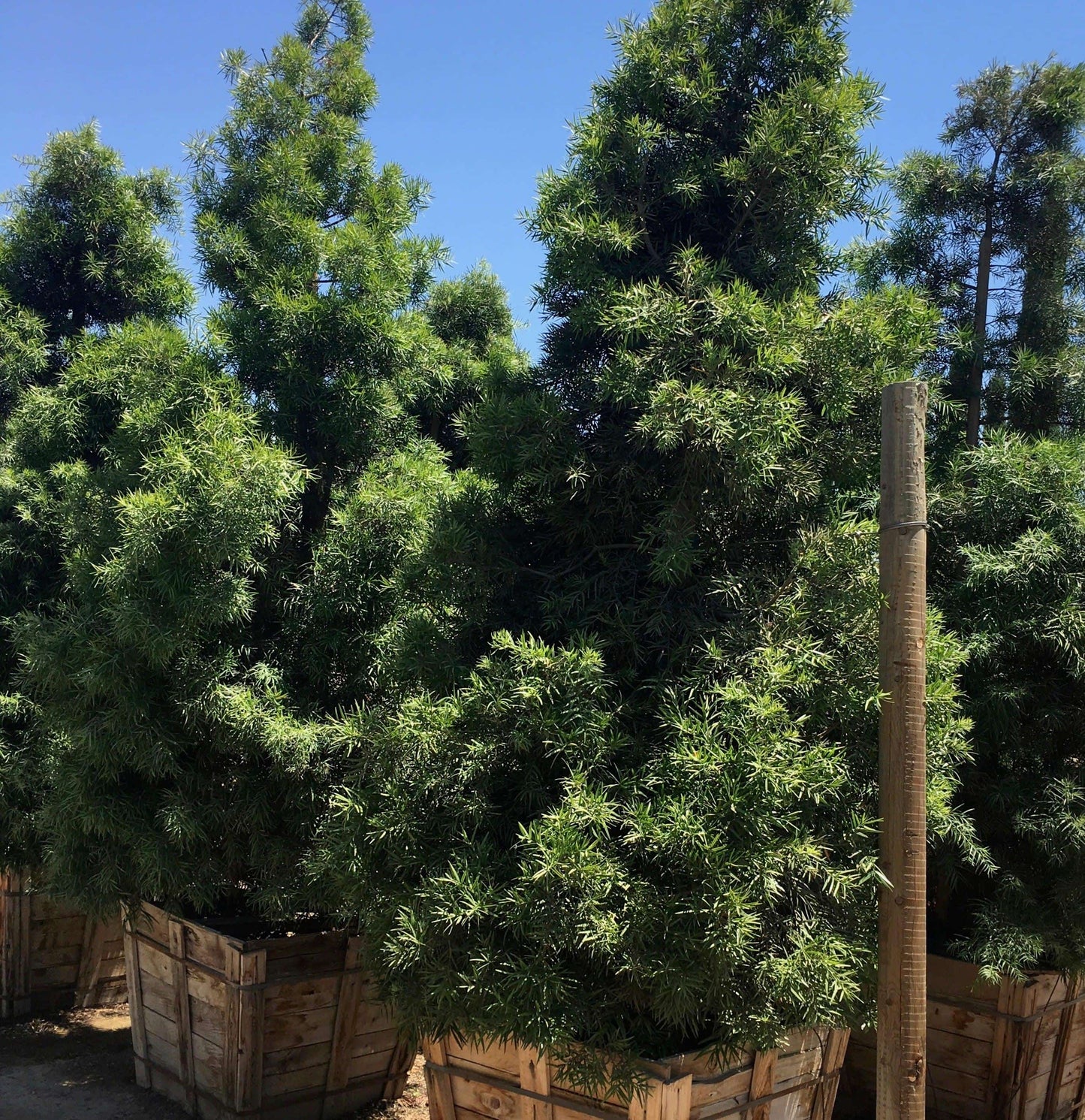




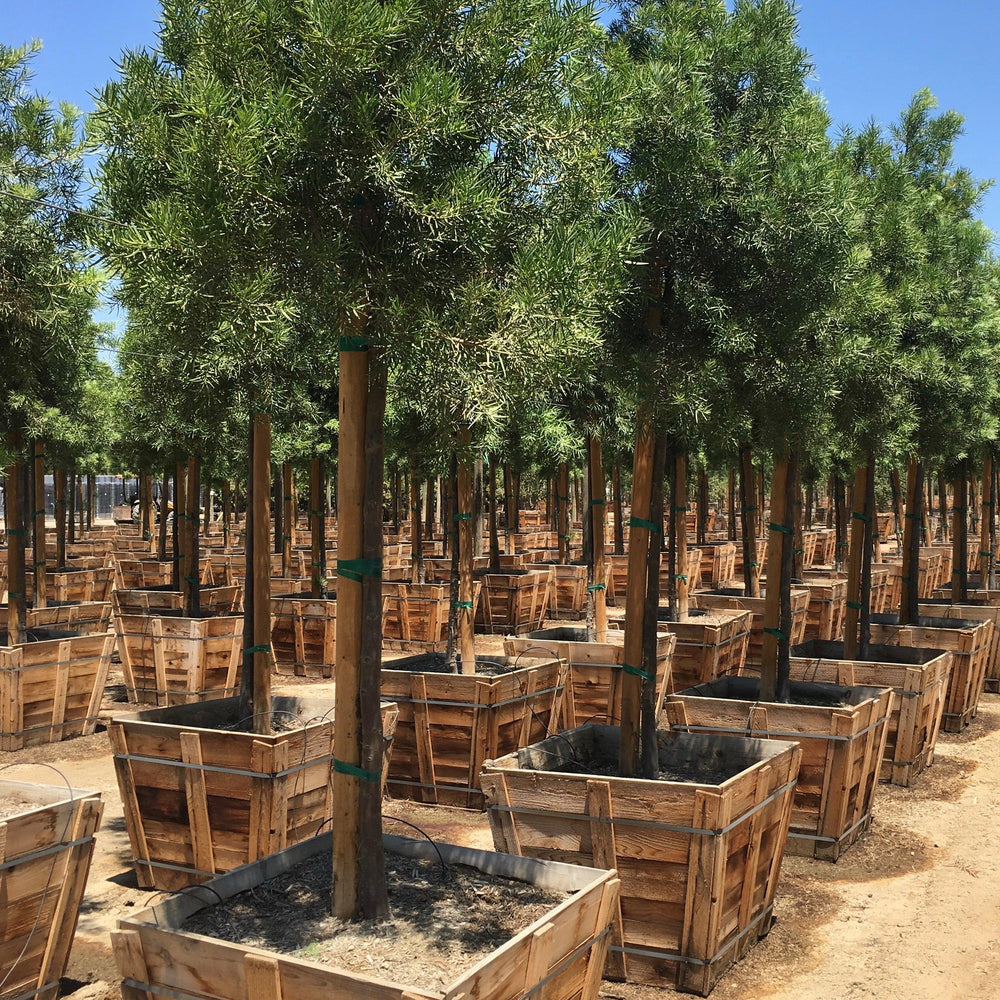
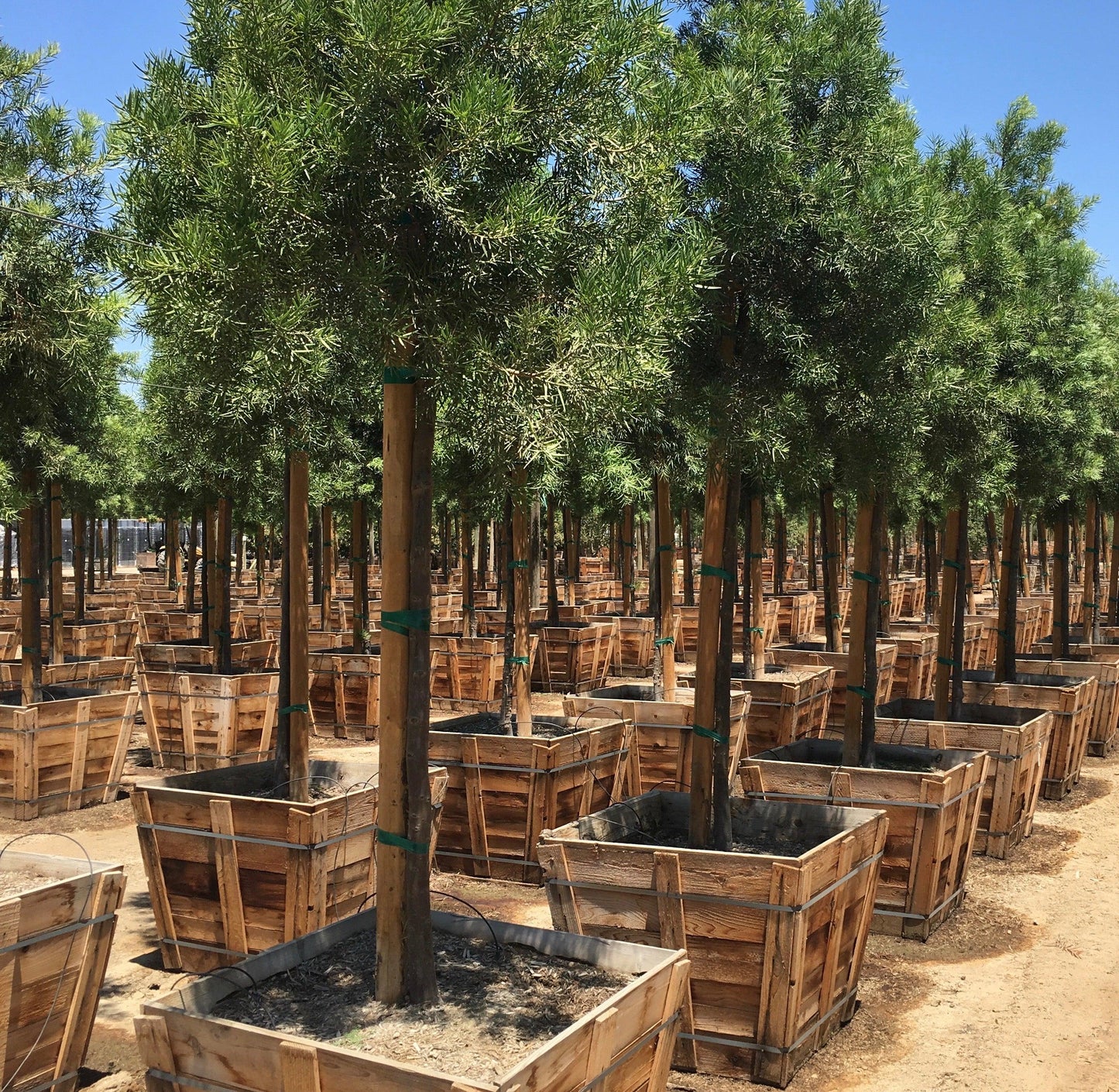
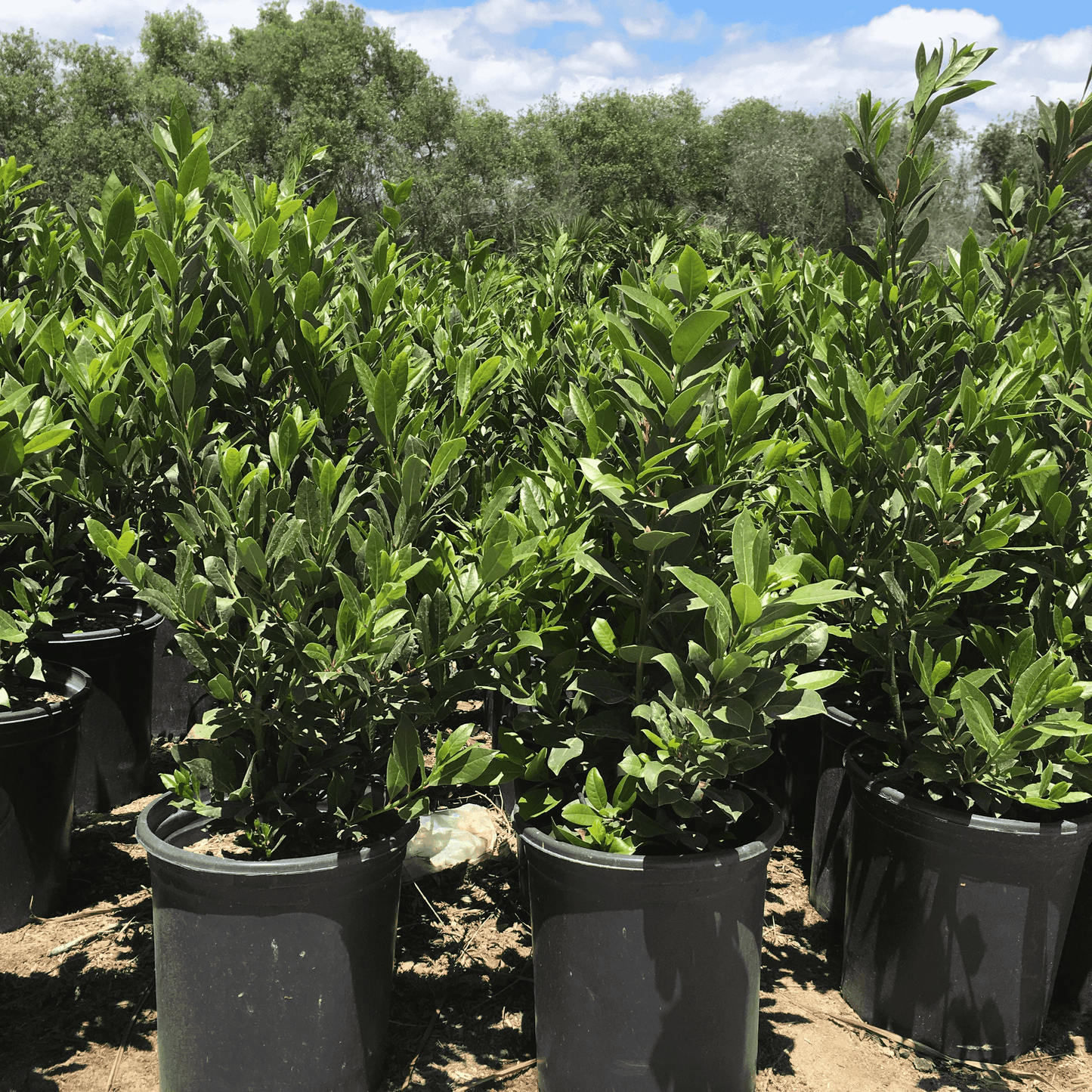
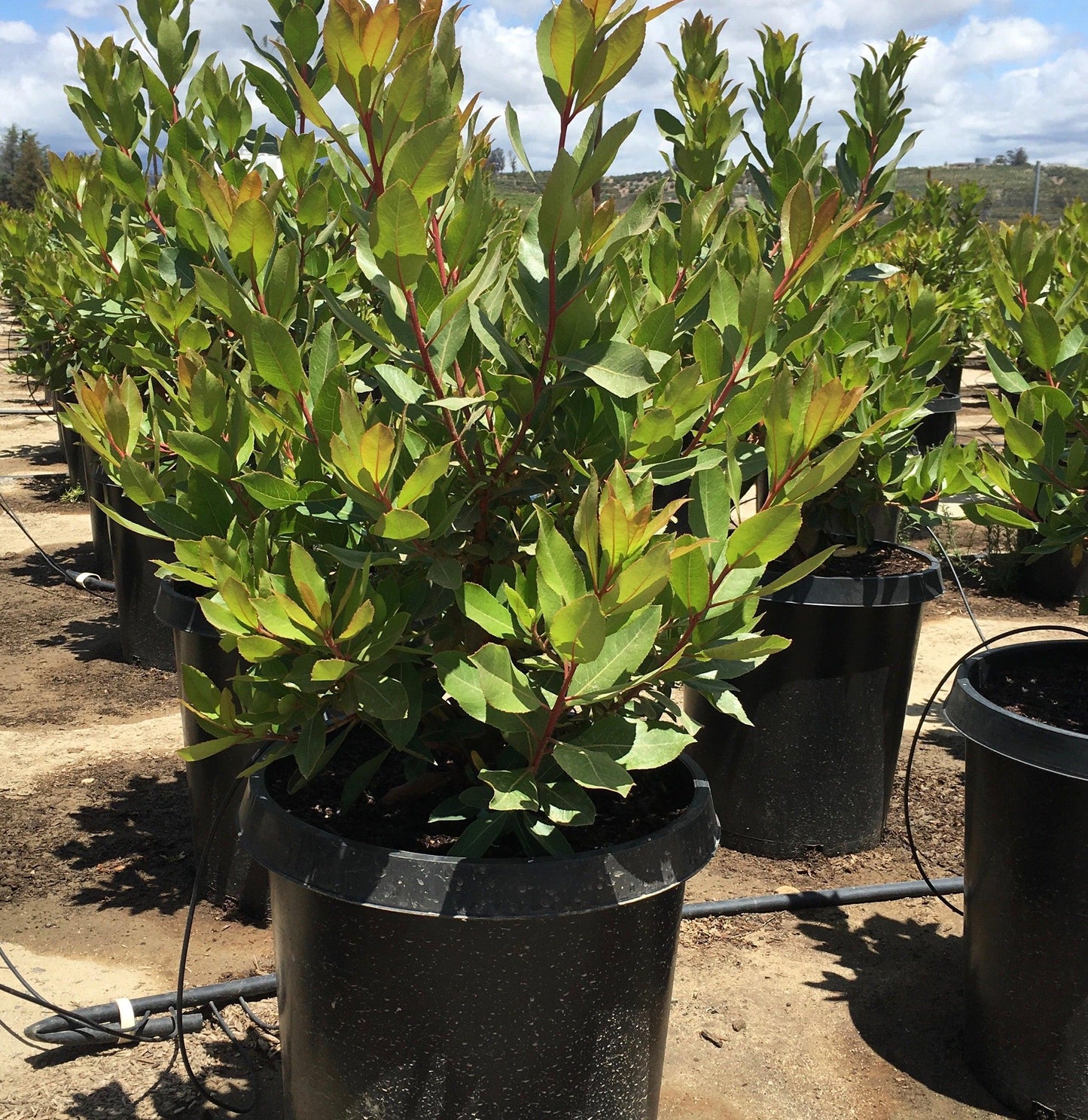
You May Also Like












Thousands of Healthy Plants Delivered


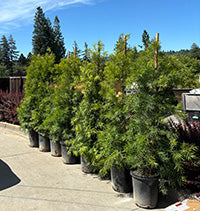
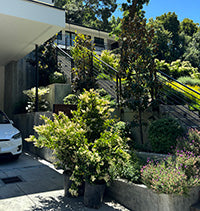
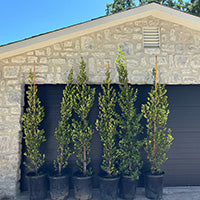
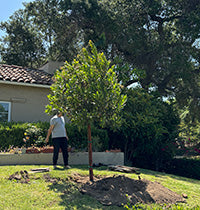
Yardwork was so great to work with. First they had the Swan Hill olive trees that we had been searching for, we had contacted several other nurseries without any luck previously. Then they answered all of our questions in a timely matter prior to ordering and finally delivered within a few days of placing it. Their staff is incredibly knowledgeable; they delivered and planted our trees with expertise to ensure that they would do well in our yard. We would definitely work with them again for future projects.











A Modern Experience
At Yardwork, we carefully curate thousands of plants, in all container sizes, to provide you with the best selection of the highest quality trees and plants at the best price, with the convenience of an online platform.
Uncompromised Quality
We choose only the finest specimens and hand select our plants just before delivery to ensure you receive the freshest and most robust specimens available for your landscape.
Industry Leading Warranties
Our 30, 90, and 365 extended warranties provide some of the best coverage to ensure our trees and plants thrive in your landscape.
Frequently Asked Questions
We're committed to changing everything about trees and plants - how they’re grown, how you shop for them, and how much they cost. We handle orders ourselves. No middlemen to get between us (or our prices) and you.
We're committed to changing everything about trees and plants - how they’re grown, how you shop for them, and how much they cost. We handle orders ourselves. No middlemen to get between us (or our prices) and you.
Delivery does not include unloading of trees and plants LARGER than a 24" box.
Trees and plants in smaller containers will be dropped curbside (usually on the driveway or near the front doorstep).
Delivery beyond a curbside drop will be charged extra.
Trees and plants that are sold in container sizes LARGER than a 24" box size will require equipment and/or enough manpower onsite to help unload from the truck.
Please reach out to our team PRIOR to placing your order to help coordinate.
Our team can provide unloading assistance with equipment for an extra fee as well.
Delivery does not include unloading of trees and plants LARGER than a 24" box.
Trees and plants in smaller containers will be dropped curbside (usually on the driveway or near the front doorstep).
Delivery beyond a curbside drop will be charged extra.
Trees and plants that are sold in container sizes LARGER than a 24" box size will require equipment and/or enough manpower onsite to help unload from the truck.
Please reach out to our team PRIOR to placing your order to help coordinate.
Our team can provide unloading assistance with equipment for an extra fee as well.
We ship locally within California within 7-10 days of your order being placed.
We ship nationally using carrier partners, based on order size. Our common order minimums for out of state shipping is $5,000.
Text or call 323-576-4159 for specific shipping details for your location.
We ship locally within California within 7-10 days of your order being placed.
We ship nationally using carrier partners, based on order size. Our common order minimums for out of state shipping is $5,000.
Text or call 323-576-4159 for specific shipping details for your location.
We are currently online only and don't have physical locations where you can view plants in person.
That's why we have photos direct from the growing grounds of the plants we will ship and we display pricing right in our store.
We do make sure to pick the very best trees and plants prior to shipping and make sure that they have gone through our multi-point inspection for health and structure.
We will always reach out prior to delivery if we find a quality issue or need to provide a substitute.
We are currently online only and don't have physical locations where you can view plants in person.
That's why we have photos direct from the growing grounds of the plants we will ship and we display pricing right in our store.
We do make sure to pick the very best trees and plants prior to shipping and make sure that they have gone through our multi-point inspection for health and structure.
We will always reach out prior to delivery if we find a quality issue or need to provide a substitute.
Plants vary greatly by type. Here is a rough idea of sizes based on containers that are direct from our growing grounds.
15 Gallon Shrub 3-4 Ft. Tall
15 Gallon Tree 5-6 Ft. Tall
24" Box Shrub 5-6 Ft. Tall
24" Box Tree 6-7 Ft. Tall
36" Box Shrub/Tree 7-9 Ft. Tall
48" Box Shrub/Tree 8-10 Ft. Tall
**Please note that we do not make guarantees of sizes. If you have questions or concerns, please call or text to request accurate sizing for the particular plant you're considering, prior to ordering.
Plants vary greatly by type. Here is a rough idea of sizes based on containers that are direct from our growing grounds.
15 Gallon Shrub 3-4 Ft. Tall
15 Gallon Tree 5-6 Ft. Tall
24" Box Shrub 5-6 Ft. Tall
24" Box Tree 6-7 Ft. Tall
36" Box Shrub/Tree 7-9 Ft. Tall
48" Box Shrub/Tree 8-10 Ft. Tall
**Please note that we do not make guarantees of sizes. If you have questions or concerns, please call or text to request accurate sizing for the particular plant you're considering, prior to ordering.
We offer a limited 30 day warranty for plants that are delivered and planted by someone else and a 90 day warranty for plants that we plant.
The limited warranty covers plants that die as a result of disease or fungus which was derived from our growing grounds or from root balls that were root bound.
The warranty does not cover damage due to watering, fertilizer, soils, or any other conditions beyond our control. Additionally, the warranty does not cover plants that are shipped out of the state of California or shipped into California from other states. Custom plant orders are also not covered under warranty. Plants must be planted within 24 hours after delivery to qualify.
We can assist you in recommending the right soils and fertilizers to help your plant thrive after you plant it.
Text or call 323-576-4159 for further warranty information.
We offer a limited 30 day warranty for plants that are delivered and planted by someone else and a 90 day warranty for plants that we plant.
The limited warranty covers plants that die as a result of disease or fungus which was derived from our growing grounds or from root balls that were root bound.
The warranty does not cover damage due to watering, fertilizer, soils, or any other conditions beyond our control. Additionally, the warranty does not cover plants that are shipped out of the state of California or shipped into California from other states. Custom plant orders are also not covered under warranty. Plants must be planted within 24 hours after delivery to qualify.
We can assist you in recommending the right soils and fertilizers to help your plant thrive after you plant it.
Text or call 323-576-4159 for further warranty information.
Our local delivery team covers most cities in California.
There are some exceptions, so please get in touch to confirm prior to ordering.
Additionally, we ship using semi trucks and trailers throughout the entire United States and even abroad for large orders over $5,000. Each shipment is custom, so please reach out to our team to coordinate.
Our local delivery team covers most cities in California.
There are some exceptions, so please get in touch to confirm prior to ordering.
Additionally, we ship using semi trucks and trailers throughout the entire United States and even abroad for large orders over $5,000. Each shipment is custom, so please reach out to our team to coordinate.