



Clementine Tree
Regular price
$1,150.00
Size
Sweet, Seedless Citrus Perfection for Your California Garden
Grow sweet, juicy, easy-to-peel clementines at home with a compact citrus tree made for California gardens, patios, and large containers. The Clementine Tree, botanically known as Citrus × clementina or citrus x clementina, is a clementine mandarin tree valued for delicious fruit, glossy evergreen foliage, and reliable winter harvests.
This clementine mandarin is a hybrid of the willowleaf mandarin and sweet orange, giving you the bright flavor of mandarin citrus fruits with easy to peel skin and low-seed convenience. Plant it in full sun, keep the soil consistently moist without waterlogging the tree roots, and enjoy homegrown fruit for fresh eating through the cooler months.
Why You’ll Love It
-
Sweet, Seedless Fruit – Harvest your own juicy, easy to peel fruit from late fall through winter. Clementines are typically seedless, though some varieties may contain a few seeds, especially when self pollinating or cross pollinated with other citrus varieties.
-
Compact Size – Smaller than standard oranges or grapefruit, clementine trees usually reach 6 to 15 feet tall, making them a smart citrus tree for small gardens, containers, patios, and sunny indoor spaces.
-
Fragrant Blooms – In spring and early spring growth cycles, white citrus blossoms add a sweet fragrance while supporting healthy fruit production.
-
Year-Round Beauty – Narrow, lance-shaped leaves in deep glossy green create a dense canopy, giving the tree more visual structure than many other citrus varieties while complementing flowering trees for California gardens.
-
Low Maintenance – With full sun, deep watering, good drainage holes in containers, and well-draining loamy soil, this hardy mandarin tree can maintain healthy growth with straightforward seasonal care.
What Makes It Different
Most citrus trees either need more space, struggle in pots, or produce fruit with more seeds than families want for everyday fresh eating. The Clementine Tree stays compact, tolerates heat, produces sweet citrus, and fits beautifully into California landscapes where gardeners want both ornamental value and delicious fruit, especially when paired with other citrus fruit trees for sale in a mixed backyard orchard.
-
Seedless Advantage – Unlike many tangerine or regular mandarin selections, clementines are usually seedless and known for easy to peel fruit. There are three main types of clementines: the common seedless variety, Monreal which has seeds and can self-pollinate, and Sweetclems which are known for their sweetness and typically have 10 segments.
-
Cold Hardy – Clementines can tolerate brief temperature drops down to 22°F–25°F, but they are sensitive to prolonged freezes. Protect young trees, container trees, and new growth during winter cold snaps.
-
Container Friendly – Because mature height is modest compared with larger citrus, container growing works well when the pot has drainage holes, the soil is slightly acidic, and watering keeps moisture even without causing root rot, much like many lemon trees for patios and gardens.
-
Quick Production – A healthy tree can bear fruit within about 2–3 years when planted and cared for properly, giving you faster homegrown fruit than many seed-grown citrus plants and pairing well with other premium citrus and fruit trees from Yardwork.
How To Grow Your Clementine Tree Successfully
-
Plant in Well-Draining Soil
Choose a location with full sun and at least 6–8 hours of direct sunlight daily. Clementine trees thrive in USDA hardiness zones 9–11 and should be planted where they receive at least 6 hours of direct sunlight daily. Use well-draining, sandy to loamy soil with a pH of 5.5–6.5, and amend the soil with organic compost to improve drainage and fertility. -
Water for Healthy Growth
Water regularly to keep the soil evenly moist, allowing the top 2 inches, or 5 cm, of soil to dry out before watering again. This is especially important for young trees and container-grown trees, where tree roots dry faster. Deep watering supports tree health and strong fruiting, just as it does for a long-lived pomegranate tree, while soggy soil can lead to phytophthora root rot. -
Enjoy Spring Blooms
Fragrant white flowers appear in spring, attracting pollinators and setting the stage for fruit production. To keep healthy plants, remove dead branches, remove suckers from below the graft, prune lightly after harvest, and keep weeds away from the base of the tree. -
Harvest Winter Fruit
Pick clementines when fruit maturity is reached, the peel is fully colored, and the fruit feels fragrant and juicy. In California, fresh clementines often ripen from November through February, giving you sweet citrus fruits for winter snacks, lunchboxes, and fresh eating.
Product Details
-
Botanical Name: Citrus × clementina, also called citrus clementina or citrus x clementina
-
Plant Type: Evergreen clementine mandarin tree
-
Fruit Type: Sweet, juicy, easy-to-peel clementine mandarin fruit
-
Parentage: Hybrid of willowleaf mandarin and sweet orange
-
Mature Height: Typically 6 to 15 feet, with many garden trees around 8–12 feet depending on variety, rootstock, and pruning
-
Mature Width: Commonly 6–8 feet wide in the ground
-
Hardiness Zone: USDA zones 9–11; container growing is suitable in zones 8–9 with winter protection
-
Cold Tolerance: Brief drops to 22°F–25°F; protect from prolonged freezes
-
Sunlight: Full sun; at least 6–8 hours of direct sunlight daily for optimal growth and fruit production
-
Soil Requirements: Well-draining, sandy to loamy soil; slightly acidic pH of 5.5–6.5
-
Planting Tip: Dig a hole three times larger than the pot the tree came in but the same depth, then water the tree thoroughly after planting
-
Watering: Keep soil consistently moist, but let the top 2 inches dry before watering again
-
Fruit Season: November through February in many California gardens
-
Pollination: Self pollinating, but cross pollinated trees may produce more fruit and may also develop seeds
-
Common Pests: Aphids, leaf miners, whiteflies, spider mites, scale insects, and mealybugs can weaken the tree and affect fruit quality
-
Common Diseases: Citrus canker, greasy spot, anthracnose, and phytophthora root rot can cause significant damage if not managed properly, reducing harvests on Clementines and other orange trees such as Valencia
-
Pest Care Tip: For spider mites, increasing humidity and applying neem oil can be effective; for scale insects, manual removal or horticultural oil is recommended
Who It’s For
Ideal for:
-
California homeowners who want fresh citrus fruits in the backyard
-
Container gardeners with patios, decks, balconies, or sunny indoor spaces
-
Families looking for healthy, kid-friendly, easy to peel snacks
-
Gardeners new to citrus who want a compact tree with straightforward care and support from a full-service plant nursery and landscaping team
-
Anyone who wants a beautiful evergreen garden tree that can also produce fruit, or who is exploring evergreen and privacy trees for their yard
If you want a mandarin tree that offers fragrant spring flowers, glossy foliage, manageable growth, and sweet winter fruit, the Clementine Tree fits your space and your routine.
Frequently Asked Questions
How long until my tree produces fruit?
A properly cared-for Clementine Tree typically begins to bear fruit in about 2–3 years. Strong sunlight, healthy growth, steady watering, and good soil all support better fruit production.
Can I grow it in a container?
Yes. Clementine trees are well suited to containers because they are significantly smaller than standard orange or grapefruit trees. Use a large pot with drainage holes, a slightly acidic citrus soil mix, and regular deep watering.
Do I need two trees for fruit?
No. Clementines are generally self pollinating, so one healthy tree can produce fruit. Planting near other citrus varieties may increase fruit set, but cross pollinated clementines are more likely to contain seeds.
How cold hardy are they?
Clementines tolerate brief cold down to about 22°F–25°F, but prolonged freezes can damage branches, fruit, and tree roots. In colder areas, grow the tree in a container and move it indoors during winter frost events.
When is harvest season?
Fresh clementines usually ripen from November through February in California. Harvest when the fruit has full color, sweet fragrance, and good flavor because citrus fruit does not continue to ripen much after picking.
What care keeps the tree healthy?
Give the tree full sun, 6–8 hours of direct sunlight daily, well-draining loamy soil, and consistent moisture. Prune lightly, remove dead wood, remove suckers, monitor pests like aphids and scale, and avoid soggy soil that can cause root rot.
Ready to Upgrade Your Garden?
Stop relying only on store-bought citrus with limited freshness, uncertain variety, and fruit that may have been picked before peak flavor. Choose a Clementine Tree and enjoy sweet, juicy, homegrown fruit from a compact citrus tree that looks beautiful in the ground or in containers.
We offer expert-selected, California-adapted citrus varieties, with plant experts available to help you choose the right clementine for your garden, pot, sunlight, and winter conditions, and to balance fruit trees with ornamental choices like the California Pepper Tree or a landscape-ready California Pepper Tree for sale.
Sweet, Seedless Citrus Perfection for Your California Garden
Grow sweet, juicy, easy-to-peel clementines at home with a compact citrus tree made for California gardens, patios, and large containers. The Clementine Tree, botanically known as Citrus × clementina or citrus x clementina, is a clementine mandarin tree valued for delicious fruit, glossy evergreen foliage, and reliable winter harvests.
This clementine mandarin is a hybrid of the willowleaf mandarin and sweet orange, giving you the bright flavor of mandarin citrus fruits with easy to peel skin and low-seed convenience. Plant it in full sun, keep the soil consistently moist without waterlogging the tree roots, and enjoy homegrown fruit for fresh eating through the cooler months.
Why You’ll Love It
-
Sweet, Seedless Fruit – Harvest your own juicy, easy to peel fruit from late fall through winter. Clementines are typically seedless, though some varieties may contain a few seeds, especially when self pollinating or cross pollinated with other citrus varieties.
-
Compact Size – Smaller than standard oranges or grapefruit, clementine trees usually reach 6 to 15 feet tall, making them a smart citrus tree for small gardens, containers, patios, and sunny indoor spaces.
-
Fragrant Blooms – In spring and early spring growth cycles, white citrus blossoms add a sweet fragrance while supporting healthy fruit production.
-
Year-Round Beauty – Narrow, lance-shaped leaves in deep glossy green create a dense canopy, giving the tree more visual structure than many other citrus varieties while complementing flowering trees for California gardens.
-
Low Maintenance – With full sun, deep watering, good drainage holes in containers, and well-draining loamy soil, this hardy mandarin tree can maintain healthy growth with straightforward seasonal care.
What Makes It Different
Most citrus trees either need more space, struggle in pots, or produce fruit with more seeds than families want for everyday fresh eating. The Clementine Tree stays compact, tolerates heat, produces sweet citrus, and fits beautifully into California landscapes where gardeners want both ornamental value and delicious fruit, especially when paired with other citrus fruit trees for sale in a mixed backyard orchard.
-
Seedless Advantage – Unlike many tangerine or regular mandarin selections, clementines are usually seedless and known for easy to peel fruit. There are three main types of clementines: the common seedless variety, Monreal which has seeds and can self-pollinate, and Sweetclems which are known for their sweetness and typically have 10 segments.
-
Cold Hardy – Clementines can tolerate brief temperature drops down to 22°F–25°F, but they are sensitive to prolonged freezes. Protect young trees, container trees, and new growth during winter cold snaps.
-
Container Friendly – Because mature height is modest compared with larger citrus, container growing works well when the pot has drainage holes, the soil is slightly acidic, and watering keeps moisture even without causing root rot, much like many lemon trees for patios and gardens.
-
Quick Production – A healthy tree can bear fruit within about 2–3 years when planted and cared for properly, giving you faster homegrown fruit than many seed-grown citrus plants and pairing well with other premium citrus and fruit trees from Yardwork.
How To Grow Your Clementine Tree Successfully
-
Plant in Well-Draining Soil
Choose a location with full sun and at least 6–8 hours of direct sunlight daily. Clementine trees thrive in USDA hardiness zones 9–11 and should be planted where they receive at least 6 hours of direct sunlight daily. Use well-draining, sandy to loamy soil with a pH of 5.5–6.5, and amend the soil with organic compost to improve drainage and fertility. -
Water for Healthy Growth
Water regularly to keep the soil evenly moist, allowing the top 2 inches, or 5 cm, of soil to dry out before watering again. This is especially important for young trees and container-grown trees, where tree roots dry faster. Deep watering supports tree health and strong fruiting, just as it does for a long-lived pomegranate tree, while soggy soil can lead to phytophthora root rot. -
Enjoy Spring Blooms
Fragrant white flowers appear in spring, attracting pollinators and setting the stage for fruit production. To keep healthy plants, remove dead branches, remove suckers from below the graft, prune lightly after harvest, and keep weeds away from the base of the tree. -
Harvest Winter Fruit
Pick clementines when fruit maturity is reached, the peel is fully colored, and the fruit feels fragrant and juicy. In California, fresh clementines often ripen from November through February, giving you sweet citrus fruits for winter snacks, lunchboxes, and fresh eating.
Product Details
-
Botanical Name: Citrus × clementina, also called citrus clementina or citrus x clementina
-
Plant Type: Evergreen clementine mandarin tree
-
Fruit Type: Sweet, juicy, easy-to-peel clementine mandarin fruit
-
Parentage: Hybrid of willowleaf mandarin and sweet orange
-
Mature Height: Typically 6 to 15 feet, with many garden trees around 8–12 feet depending on variety, rootstock, and pruning
-
Mature Width: Commonly 6–8 feet wide in the ground
-
Hardiness Zone: USDA zones 9–11; container growing is suitable in zones 8–9 with winter protection
-
Cold Tolerance: Brief drops to 22°F–25°F; protect from prolonged freezes
-
Sunlight: Full sun; at least 6–8 hours of direct sunlight daily for optimal growth and fruit production
-
Soil Requirements: Well-draining, sandy to loamy soil; slightly acidic pH of 5.5–6.5
-
Planting Tip: Dig a hole three times larger than the pot the tree came in but the same depth, then water the tree thoroughly after planting
-
Watering: Keep soil consistently moist, but let the top 2 inches dry before watering again
-
Fruit Season: November through February in many California gardens
-
Pollination: Self pollinating, but cross pollinated trees may produce more fruit and may also develop seeds
-
Common Pests: Aphids, leaf miners, whiteflies, spider mites, scale insects, and mealybugs can weaken the tree and affect fruit quality
-
Common Diseases: Citrus canker, greasy spot, anthracnose, and phytophthora root rot can cause significant damage if not managed properly, reducing harvests on Clementines and other orange trees such as Valencia
-
Pest Care Tip: For spider mites, increasing humidity and applying neem oil can be effective; for scale insects, manual removal or horticultural oil is recommended
Who It’s For
Ideal for:
-
California homeowners who want fresh citrus fruits in the backyard
-
Container gardeners with patios, decks, balconies, or sunny indoor spaces
-
Families looking for healthy, kid-friendly, easy to peel snacks
-
Gardeners new to citrus who want a compact tree with straightforward care and support from a full-service plant nursery and landscaping team
-
Anyone who wants a beautiful evergreen garden tree that can also produce fruit, or who is exploring evergreen and privacy trees for their yard
If you want a mandarin tree that offers fragrant spring flowers, glossy foliage, manageable growth, and sweet winter fruit, the Clementine Tree fits your space and your routine.
Frequently Asked Questions
How long until my tree produces fruit?
A properly cared-for Clementine Tree typically begins to bear fruit in about 2–3 years. Strong sunlight, healthy growth, steady watering, and good soil all support better fruit production.
Can I grow it in a container?
Yes. Clementine trees are well suited to containers because they are significantly smaller than standard orange or grapefruit trees. Use a large pot with drainage holes, a slightly acidic citrus soil mix, and regular deep watering.
Do I need two trees for fruit?
No. Clementines are generally self pollinating, so one healthy tree can produce fruit. Planting near other citrus varieties may increase fruit set, but cross pollinated clementines are more likely to contain seeds.
How cold hardy are they?
Clementines tolerate brief cold down to about 22°F–25°F, but prolonged freezes can damage branches, fruit, and tree roots. In colder areas, grow the tree in a container and move it indoors during winter frost events.
When is harvest season?
Fresh clementines usually ripen from November through February in California. Harvest when the fruit has full color, sweet fragrance, and good flavor because citrus fruit does not continue to ripen much after picking.
What care keeps the tree healthy?
Give the tree full sun, 6–8 hours of direct sunlight daily, well-draining loamy soil, and consistent moisture. Prune lightly, remove dead wood, remove suckers, monitor pests like aphids and scale, and avoid soggy soil that can cause root rot.
Ready to Upgrade Your Garden?
Stop relying only on store-bought citrus with limited freshness, uncertain variety, and fruit that may have been picked before peak flavor. Choose a Clementine Tree and enjoy sweet, juicy, homegrown fruit from a compact citrus tree that looks beautiful in the ground or in containers.
We offer expert-selected, California-adapted citrus varieties, with plant experts available to help you choose the right clementine for your garden, pot, sunlight, and winter conditions, and to balance fruit trees with ornamental choices like the California Pepper Tree or a landscape-ready California Pepper Tree for sale.
Plants vary greatly by type and no guarantees are made on sizing.
However here is a rough idea of sizes based on containers that are direct from our growing grounds.
15 Gallon Shrub 3-4 Ft. Tall
15 Gallon Tree 5-6 Ft. Tall
24" Box Shrub 5-6 Ft. Tall
24" Box Tree 6-7 Ft. Tall
36" Box Tree 8-10 Ft. Tall
48" Box Tree 10-12 Ft. Tall
Please note: Citrus and California Native plants such as Manzanita are smaller than traditional sizing.
Please contact us to confirm sizing of items before purchasing if this is a concern.
Plants vary greatly by type and no guarantees are made on sizing.
However here is a rough idea of sizes based on containers that are direct from our growing grounds.
15 Gallon Shrub 3-4 Ft. Tall
15 Gallon Tree 5-6 Ft. Tall
24" Box Shrub 5-6 Ft. Tall
24" Box Tree 6-7 Ft. Tall
36" Box Tree 8-10 Ft. Tall
48" Box Tree 10-12 Ft. Tall
Please note: Citrus and California Native plants such as Manzanita are smaller than traditional sizing.
Please contact us to confirm sizing of items before purchasing if this is a concern.
Delivery does not include unloading of trees and plants larger than a 24" box.
Trees and plants in smaller containers will be dropped curbside.
Delivery beyond a curbside drop will be charged extra.
Trees and plants that are sold in container sizes larger than a 24" box size will require equipment and an operator onsite to help unload from the truck.
Please reach out to our team PRIOR to placing your order to coordinate.
Our team can provide unloading assistance with equipment for an extra fee.
Delivery does not include unloading of trees and plants larger than a 24" box.
Trees and plants in smaller containers will be dropped curbside.
Delivery beyond a curbside drop will be charged extra.
Trees and plants that are sold in container sizes larger than a 24" box size will require equipment and an operator onsite to help unload from the truck.
Please reach out to our team PRIOR to placing your order to coordinate.
Our team can provide unloading assistance with equipment for an extra fee.
You may also like...


Clementine Tree
Regular price
$1,150.00
Size
Sweet, Seedless Citrus Perfection for Your California Garden
Grow sweet, juicy, easy-to-peel clementines at home with a compact citrus tree made for California gardens, patios, and large containers. The Clementine Tree, botanically known as Citrus × clementina or citrus x clementina, is a clementine mandarin tree valued for delicious fruit, glossy evergreen foliage, and reliable winter harvests.
This clementine mandarin is a hybrid of the willowleaf mandarin and sweet orange, giving you the bright flavor of mandarin citrus fruits with easy to peel skin and low-seed convenience. Plant it in full sun, keep the soil consistently moist without waterlogging the tree roots, and enjoy homegrown fruit for fresh eating through the cooler months.
Why You’ll Love It
-
Sweet, Seedless Fruit – Harvest your own juicy, easy to peel fruit from late fall through winter. Clementines are typically seedless, though some varieties may contain a few seeds, especially when self pollinating or cross pollinated with other citrus varieties.
-
Compact Size – Smaller than standard oranges or grapefruit, clementine trees usually reach 6 to 15 feet tall, making them a smart citrus tree for small gardens, containers, patios, and sunny indoor spaces.
-
Fragrant Blooms – In spring and early spring growth cycles, white citrus blossoms add a sweet fragrance while supporting healthy fruit production.
-
Year-Round Beauty – Narrow, lance-shaped leaves in deep glossy green create a dense canopy, giving the tree more visual structure than many other citrus varieties while complementing flowering trees for California gardens.
-
Low Maintenance – With full sun, deep watering, good drainage holes in containers, and well-draining loamy soil, this hardy mandarin tree can maintain healthy growth with straightforward seasonal care.
What Makes It Different
Most citrus trees either need more space, struggle in pots, or produce fruit with more seeds than families want for everyday fresh eating. The Clementine Tree stays compact, tolerates heat, produces sweet citrus, and fits beautifully into California landscapes where gardeners want both ornamental value and delicious fruit, especially when paired with other citrus fruit trees for sale in a mixed backyard orchard.
-
Seedless Advantage – Unlike many tangerine or regular mandarin selections, clementines are usually seedless and known for easy to peel fruit. There are three main types of clementines: the common seedless variety, Monreal which has seeds and can self-pollinate, and Sweetclems which are known for their sweetness and typically have 10 segments.
-
Cold Hardy – Clementines can tolerate brief temperature drops down to 22°F–25°F, but they are sensitive to prolonged freezes. Protect young trees, container trees, and new growth during winter cold snaps.
-
Container Friendly – Because mature height is modest compared with larger citrus, container growing works well when the pot has drainage holes, the soil is slightly acidic, and watering keeps moisture even without causing root rot, much like many lemon trees for patios and gardens.
-
Quick Production – A healthy tree can bear fruit within about 2–3 years when planted and cared for properly, giving you faster homegrown fruit than many seed-grown citrus plants and pairing well with other premium citrus and fruit trees from Yardwork.
How To Grow Your Clementine Tree Successfully
-
Plant in Well-Draining Soil
Choose a location with full sun and at least 6–8 hours of direct sunlight daily. Clementine trees thrive in USDA hardiness zones 9–11 and should be planted where they receive at least 6 hours of direct sunlight daily. Use well-draining, sandy to loamy soil with a pH of 5.5–6.5, and amend the soil with organic compost to improve drainage and fertility. -
Water for Healthy Growth
Water regularly to keep the soil evenly moist, allowing the top 2 inches, or 5 cm, of soil to dry out before watering again. This is especially important for young trees and container-grown trees, where tree roots dry faster. Deep watering supports tree health and strong fruiting, just as it does for a long-lived pomegranate tree, while soggy soil can lead to phytophthora root rot. -
Enjoy Spring Blooms
Fragrant white flowers appear in spring, attracting pollinators and setting the stage for fruit production. To keep healthy plants, remove dead branches, remove suckers from below the graft, prune lightly after harvest, and keep weeds away from the base of the tree. -
Harvest Winter Fruit
Pick clementines when fruit maturity is reached, the peel is fully colored, and the fruit feels fragrant and juicy. In California, fresh clementines often ripen from November through February, giving you sweet citrus fruits for winter snacks, lunchboxes, and fresh eating.
Product Details
-
Botanical Name: Citrus × clementina, also called citrus clementina or citrus x clementina
-
Plant Type: Evergreen clementine mandarin tree
-
Fruit Type: Sweet, juicy, easy-to-peel clementine mandarin fruit
-
Parentage: Hybrid of willowleaf mandarin and sweet orange
-
Mature Height: Typically 6 to 15 feet, with many garden trees around 8–12 feet depending on variety, rootstock, and pruning
-
Mature Width: Commonly 6–8 feet wide in the ground
-
Hardiness Zone: USDA zones 9–11; container growing is suitable in zones 8–9 with winter protection
-
Cold Tolerance: Brief drops to 22°F–25°F; protect from prolonged freezes
-
Sunlight: Full sun; at least 6–8 hours of direct sunlight daily for optimal growth and fruit production
-
Soil Requirements: Well-draining, sandy to loamy soil; slightly acidic pH of 5.5–6.5
-
Planting Tip: Dig a hole three times larger than the pot the tree came in but the same depth, then water the tree thoroughly after planting
-
Watering: Keep soil consistently moist, but let the top 2 inches dry before watering again
-
Fruit Season: November through February in many California gardens
-
Pollination: Self pollinating, but cross pollinated trees may produce more fruit and may also develop seeds
-
Common Pests: Aphids, leaf miners, whiteflies, spider mites, scale insects, and mealybugs can weaken the tree and affect fruit quality
-
Common Diseases: Citrus canker, greasy spot, anthracnose, and phytophthora root rot can cause significant damage if not managed properly, reducing harvests on Clementines and other orange trees such as Valencia
-
Pest Care Tip: For spider mites, increasing humidity and applying neem oil can be effective; for scale insects, manual removal or horticultural oil is recommended
Who It’s For
Ideal for:
-
California homeowners who want fresh citrus fruits in the backyard
-
Container gardeners with patios, decks, balconies, or sunny indoor spaces
-
Families looking for healthy, kid-friendly, easy to peel snacks
-
Gardeners new to citrus who want a compact tree with straightforward care and support from a full-service plant nursery and landscaping team
-
Anyone who wants a beautiful evergreen garden tree that can also produce fruit, or who is exploring evergreen and privacy trees for their yard
If you want a mandarin tree that offers fragrant spring flowers, glossy foliage, manageable growth, and sweet winter fruit, the Clementine Tree fits your space and your routine.
Frequently Asked Questions
How long until my tree produces fruit?
A properly cared-for Clementine Tree typically begins to bear fruit in about 2–3 years. Strong sunlight, healthy growth, steady watering, and good soil all support better fruit production.
Can I grow it in a container?
Yes. Clementine trees are well suited to containers because they are significantly smaller than standard orange or grapefruit trees. Use a large pot with drainage holes, a slightly acidic citrus soil mix, and regular deep watering.
Do I need two trees for fruit?
No. Clementines are generally self pollinating, so one healthy tree can produce fruit. Planting near other citrus varieties may increase fruit set, but cross pollinated clementines are more likely to contain seeds.
How cold hardy are they?
Clementines tolerate brief cold down to about 22°F–25°F, but prolonged freezes can damage branches, fruit, and tree roots. In colder areas, grow the tree in a container and move it indoors during winter frost events.
When is harvest season?
Fresh clementines usually ripen from November through February in California. Harvest when the fruit has full color, sweet fragrance, and good flavor because citrus fruit does not continue to ripen much after picking.
What care keeps the tree healthy?
Give the tree full sun, 6–8 hours of direct sunlight daily, well-draining loamy soil, and consistent moisture. Prune lightly, remove dead wood, remove suckers, monitor pests like aphids and scale, and avoid soggy soil that can cause root rot.
Ready to Upgrade Your Garden?
Stop relying only on store-bought citrus with limited freshness, uncertain variety, and fruit that may have been picked before peak flavor. Choose a Clementine Tree and enjoy sweet, juicy, homegrown fruit from a compact citrus tree that looks beautiful in the ground or in containers.
We offer expert-selected, California-adapted citrus varieties, with plant experts available to help you choose the right clementine for your garden, pot, sunlight, and winter conditions, and to balance fruit trees with ornamental choices like the California Pepper Tree or a landscape-ready California Pepper Tree for sale.
Sweet, Seedless Citrus Perfection for Your California Garden
Grow sweet, juicy, easy-to-peel clementines at home with a compact citrus tree made for California gardens, patios, and large containers. The Clementine Tree, botanically known as Citrus × clementina or citrus x clementina, is a clementine mandarin tree valued for delicious fruit, glossy evergreen foliage, and reliable winter harvests.
This clementine mandarin is a hybrid of the willowleaf mandarin and sweet orange, giving you the bright flavor of mandarin citrus fruits with easy to peel skin and low-seed convenience. Plant it in full sun, keep the soil consistently moist without waterlogging the tree roots, and enjoy homegrown fruit for fresh eating through the cooler months.
Why You’ll Love It
-
Sweet, Seedless Fruit – Harvest your own juicy, easy to peel fruit from late fall through winter. Clementines are typically seedless, though some varieties may contain a few seeds, especially when self pollinating or cross pollinated with other citrus varieties.
-
Compact Size – Smaller than standard oranges or grapefruit, clementine trees usually reach 6 to 15 feet tall, making them a smart citrus tree for small gardens, containers, patios, and sunny indoor spaces.
-
Fragrant Blooms – In spring and early spring growth cycles, white citrus blossoms add a sweet fragrance while supporting healthy fruit production.
-
Year-Round Beauty – Narrow, lance-shaped leaves in deep glossy green create a dense canopy, giving the tree more visual structure than many other citrus varieties while complementing flowering trees for California gardens.
-
Low Maintenance – With full sun, deep watering, good drainage holes in containers, and well-draining loamy soil, this hardy mandarin tree can maintain healthy growth with straightforward seasonal care.
What Makes It Different
Most citrus trees either need more space, struggle in pots, or produce fruit with more seeds than families want for everyday fresh eating. The Clementine Tree stays compact, tolerates heat, produces sweet citrus, and fits beautifully into California landscapes where gardeners want both ornamental value and delicious fruit, especially when paired with other citrus fruit trees for sale in a mixed backyard orchard.
-
Seedless Advantage – Unlike many tangerine or regular mandarin selections, clementines are usually seedless and known for easy to peel fruit. There are three main types of clementines: the common seedless variety, Monreal which has seeds and can self-pollinate, and Sweetclems which are known for their sweetness and typically have 10 segments.
-
Cold Hardy – Clementines can tolerate brief temperature drops down to 22°F–25°F, but they are sensitive to prolonged freezes. Protect young trees, container trees, and new growth during winter cold snaps.
-
Container Friendly – Because mature height is modest compared with larger citrus, container growing works well when the pot has drainage holes, the soil is slightly acidic, and watering keeps moisture even without causing root rot, much like many lemon trees for patios and gardens.
-
Quick Production – A healthy tree can bear fruit within about 2–3 years when planted and cared for properly, giving you faster homegrown fruit than many seed-grown citrus plants and pairing well with other premium citrus and fruit trees from Yardwork.
How To Grow Your Clementine Tree Successfully
-
Plant in Well-Draining Soil
Choose a location with full sun and at least 6–8 hours of direct sunlight daily. Clementine trees thrive in USDA hardiness zones 9–11 and should be planted where they receive at least 6 hours of direct sunlight daily. Use well-draining, sandy to loamy soil with a pH of 5.5–6.5, and amend the soil with organic compost to improve drainage and fertility. -
Water for Healthy Growth
Water regularly to keep the soil evenly moist, allowing the top 2 inches, or 5 cm, of soil to dry out before watering again. This is especially important for young trees and container-grown trees, where tree roots dry faster. Deep watering supports tree health and strong fruiting, just as it does for a long-lived pomegranate tree, while soggy soil can lead to phytophthora root rot. -
Enjoy Spring Blooms
Fragrant white flowers appear in spring, attracting pollinators and setting the stage for fruit production. To keep healthy plants, remove dead branches, remove suckers from below the graft, prune lightly after harvest, and keep weeds away from the base of the tree. -
Harvest Winter Fruit
Pick clementines when fruit maturity is reached, the peel is fully colored, and the fruit feels fragrant and juicy. In California, fresh clementines often ripen from November through February, giving you sweet citrus fruits for winter snacks, lunchboxes, and fresh eating.
Product Details
-
Botanical Name: Citrus × clementina, also called citrus clementina or citrus x clementina
-
Plant Type: Evergreen clementine mandarin tree
-
Fruit Type: Sweet, juicy, easy-to-peel clementine mandarin fruit
-
Parentage: Hybrid of willowleaf mandarin and sweet orange
-
Mature Height: Typically 6 to 15 feet, with many garden trees around 8–12 feet depending on variety, rootstock, and pruning
-
Mature Width: Commonly 6–8 feet wide in the ground
-
Hardiness Zone: USDA zones 9–11; container growing is suitable in zones 8–9 with winter protection
-
Cold Tolerance: Brief drops to 22°F–25°F; protect from prolonged freezes
-
Sunlight: Full sun; at least 6–8 hours of direct sunlight daily for optimal growth and fruit production
-
Soil Requirements: Well-draining, sandy to loamy soil; slightly acidic pH of 5.5–6.5
-
Planting Tip: Dig a hole three times larger than the pot the tree came in but the same depth, then water the tree thoroughly after planting
-
Watering: Keep soil consistently moist, but let the top 2 inches dry before watering again
-
Fruit Season: November through February in many California gardens
-
Pollination: Self pollinating, but cross pollinated trees may produce more fruit and may also develop seeds
-
Common Pests: Aphids, leaf miners, whiteflies, spider mites, scale insects, and mealybugs can weaken the tree and affect fruit quality
-
Common Diseases: Citrus canker, greasy spot, anthracnose, and phytophthora root rot can cause significant damage if not managed properly, reducing harvests on Clementines and other orange trees such as Valencia
-
Pest Care Tip: For spider mites, increasing humidity and applying neem oil can be effective; for scale insects, manual removal or horticultural oil is recommended
Who It’s For
Ideal for:
-
California homeowners who want fresh citrus fruits in the backyard
-
Container gardeners with patios, decks, balconies, or sunny indoor spaces
-
Families looking for healthy, kid-friendly, easy to peel snacks
-
Gardeners new to citrus who want a compact tree with straightforward care and support from a full-service plant nursery and landscaping team
-
Anyone who wants a beautiful evergreen garden tree that can also produce fruit, or who is exploring evergreen and privacy trees for their yard
If you want a mandarin tree that offers fragrant spring flowers, glossy foliage, manageable growth, and sweet winter fruit, the Clementine Tree fits your space and your routine.
Frequently Asked Questions
How long until my tree produces fruit?
A properly cared-for Clementine Tree typically begins to bear fruit in about 2–3 years. Strong sunlight, healthy growth, steady watering, and good soil all support better fruit production.
Can I grow it in a container?
Yes. Clementine trees are well suited to containers because they are significantly smaller than standard orange or grapefruit trees. Use a large pot with drainage holes, a slightly acidic citrus soil mix, and regular deep watering.
Do I need two trees for fruit?
No. Clementines are generally self pollinating, so one healthy tree can produce fruit. Planting near other citrus varieties may increase fruit set, but cross pollinated clementines are more likely to contain seeds.
How cold hardy are they?
Clementines tolerate brief cold down to about 22°F–25°F, but prolonged freezes can damage branches, fruit, and tree roots. In colder areas, grow the tree in a container and move it indoors during winter frost events.
When is harvest season?
Fresh clementines usually ripen from November through February in California. Harvest when the fruit has full color, sweet fragrance, and good flavor because citrus fruit does not continue to ripen much after picking.
What care keeps the tree healthy?
Give the tree full sun, 6–8 hours of direct sunlight daily, well-draining loamy soil, and consistent moisture. Prune lightly, remove dead wood, remove suckers, monitor pests like aphids and scale, and avoid soggy soil that can cause root rot.
Ready to Upgrade Your Garden?
Stop relying only on store-bought citrus with limited freshness, uncertain variety, and fruit that may have been picked before peak flavor. Choose a Clementine Tree and enjoy sweet, juicy, homegrown fruit from a compact citrus tree that looks beautiful in the ground or in containers.
We offer expert-selected, California-adapted citrus varieties, with plant experts available to help you choose the right clementine for your garden, pot, sunlight, and winter conditions, and to balance fruit trees with ornamental choices like the California Pepper Tree or a landscape-ready California Pepper Tree for sale.
Plants vary greatly by type and no guarantees are made on sizing.
However here is a rough idea of sizes based on containers that are direct from our growing grounds.
15 Gallon Shrub 3-4 Ft. Tall
15 Gallon Tree 5-6 Ft. Tall
24" Box Shrub 5-6 Ft. Tall
24" Box Tree 6-7 Ft. Tall
36" Box Tree 8-10 Ft. Tall
48" Box Tree 10-12 Ft. Tall
Please note: Citrus and California Native plants such as Manzanita are smaller than traditional sizing.
Please contact us to confirm sizing of items before purchasing if this is a concern.
Plants vary greatly by type and no guarantees are made on sizing.
However here is a rough idea of sizes based on containers that are direct from our growing grounds.
15 Gallon Shrub 3-4 Ft. Tall
15 Gallon Tree 5-6 Ft. Tall
24" Box Shrub 5-6 Ft. Tall
24" Box Tree 6-7 Ft. Tall
36" Box Tree 8-10 Ft. Tall
48" Box Tree 10-12 Ft. Tall
Please note: Citrus and California Native plants such as Manzanita are smaller than traditional sizing.
Please contact us to confirm sizing of items before purchasing if this is a concern.
Delivery does not include unloading of trees and plants larger than a 24" box.
Trees and plants in smaller containers will be dropped curbside.
Delivery beyond a curbside drop will be charged extra.
Trees and plants that are sold in container sizes larger than a 24" box size will require equipment and an operator onsite to help unload from the truck.
Please reach out to our team PRIOR to placing your order to coordinate.
Our team can provide unloading assistance with equipment for an extra fee.
Delivery does not include unloading of trees and plants larger than a 24" box.
Trees and plants in smaller containers will be dropped curbside.
Delivery beyond a curbside drop will be charged extra.
Trees and plants that are sold in container sizes larger than a 24" box size will require equipment and an operator onsite to help unload from the truck.
Please reach out to our team PRIOR to placing your order to coordinate.
Our team can provide unloading assistance with equipment for an extra fee.
Recommended For You















Pairs Well With













You May Also Like



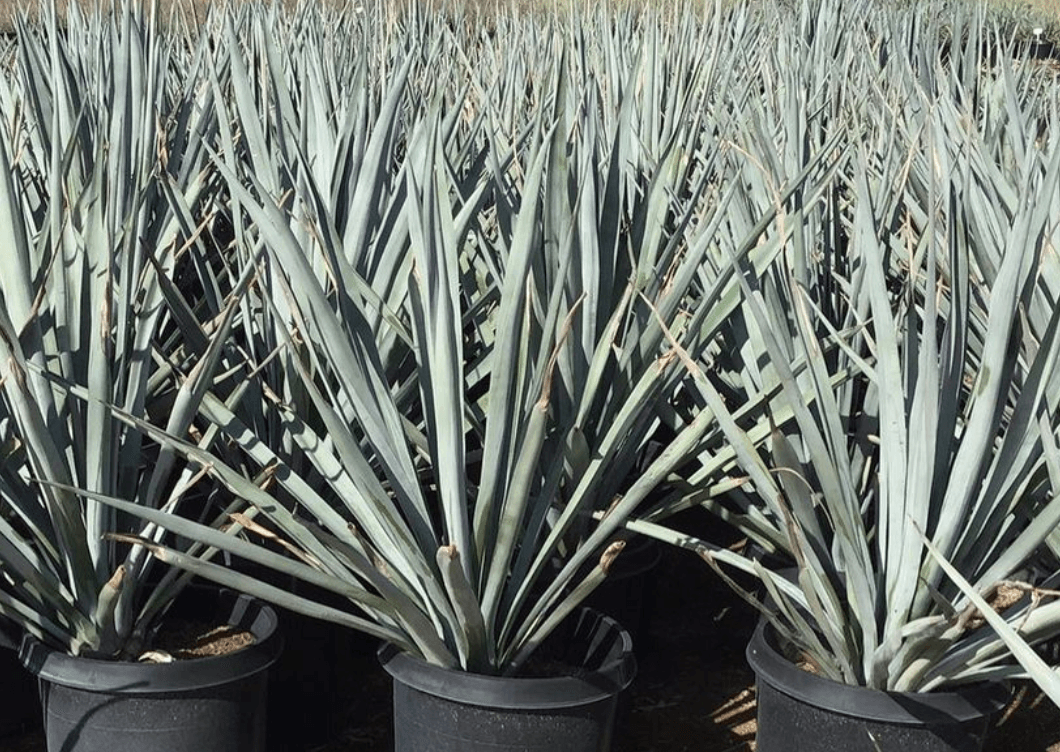

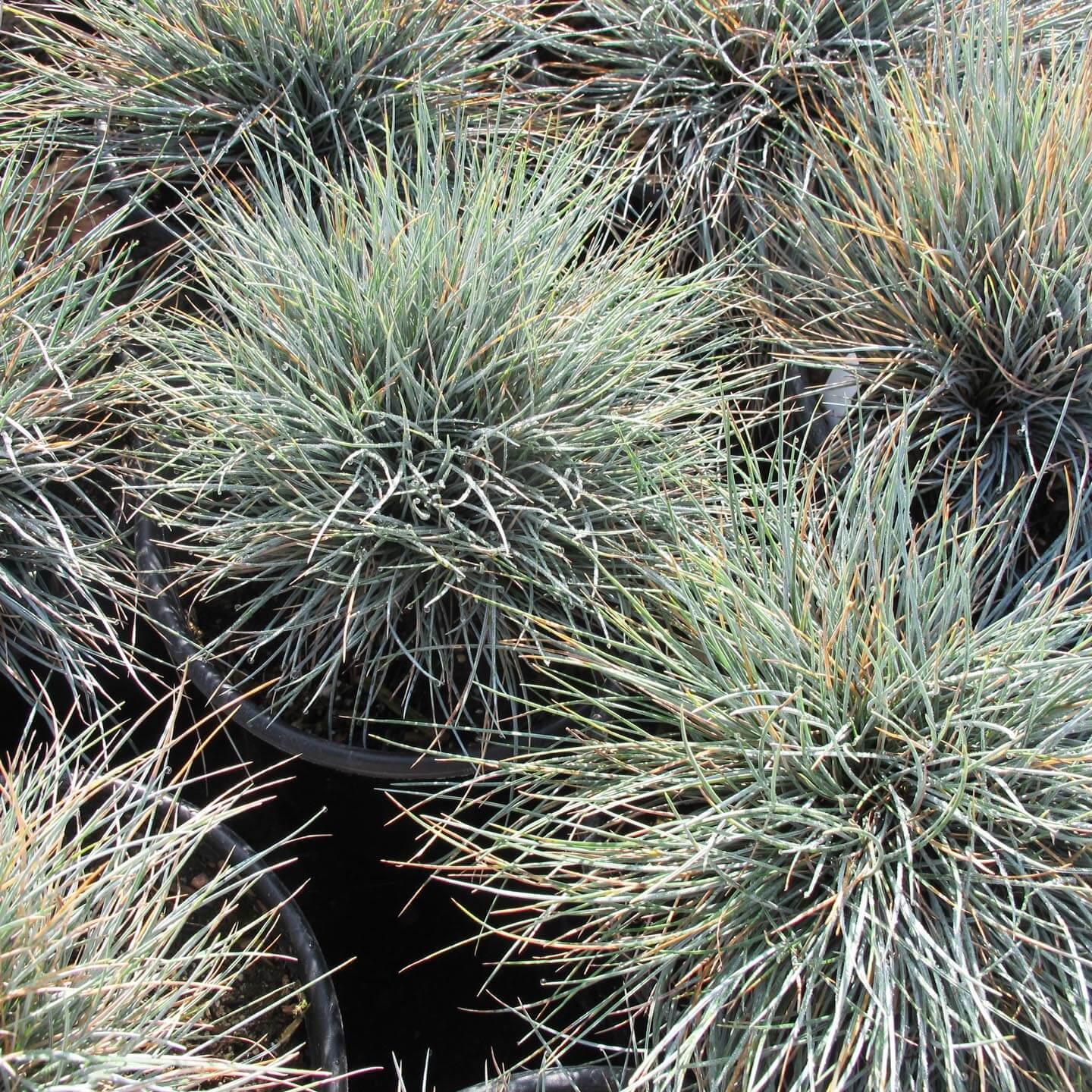

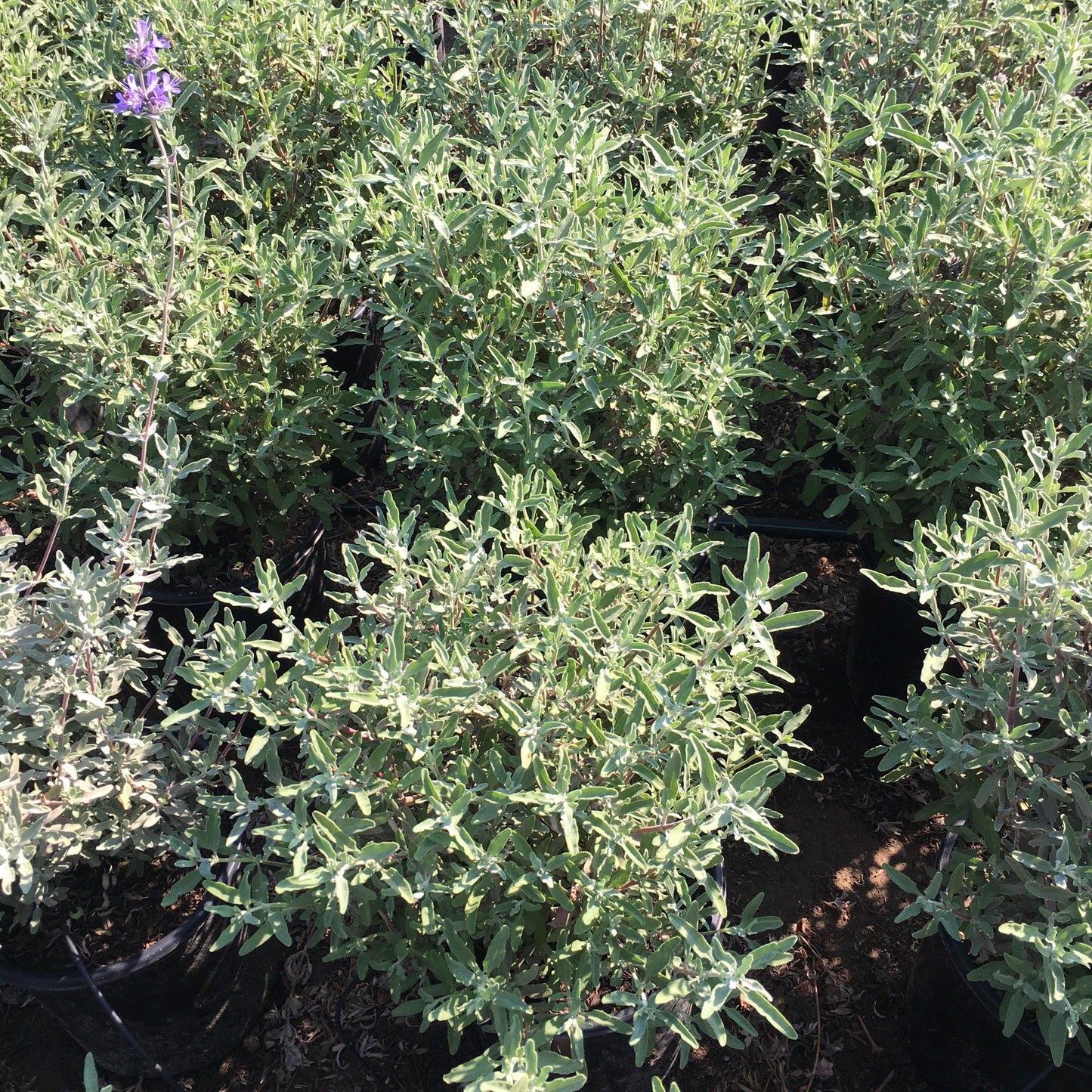

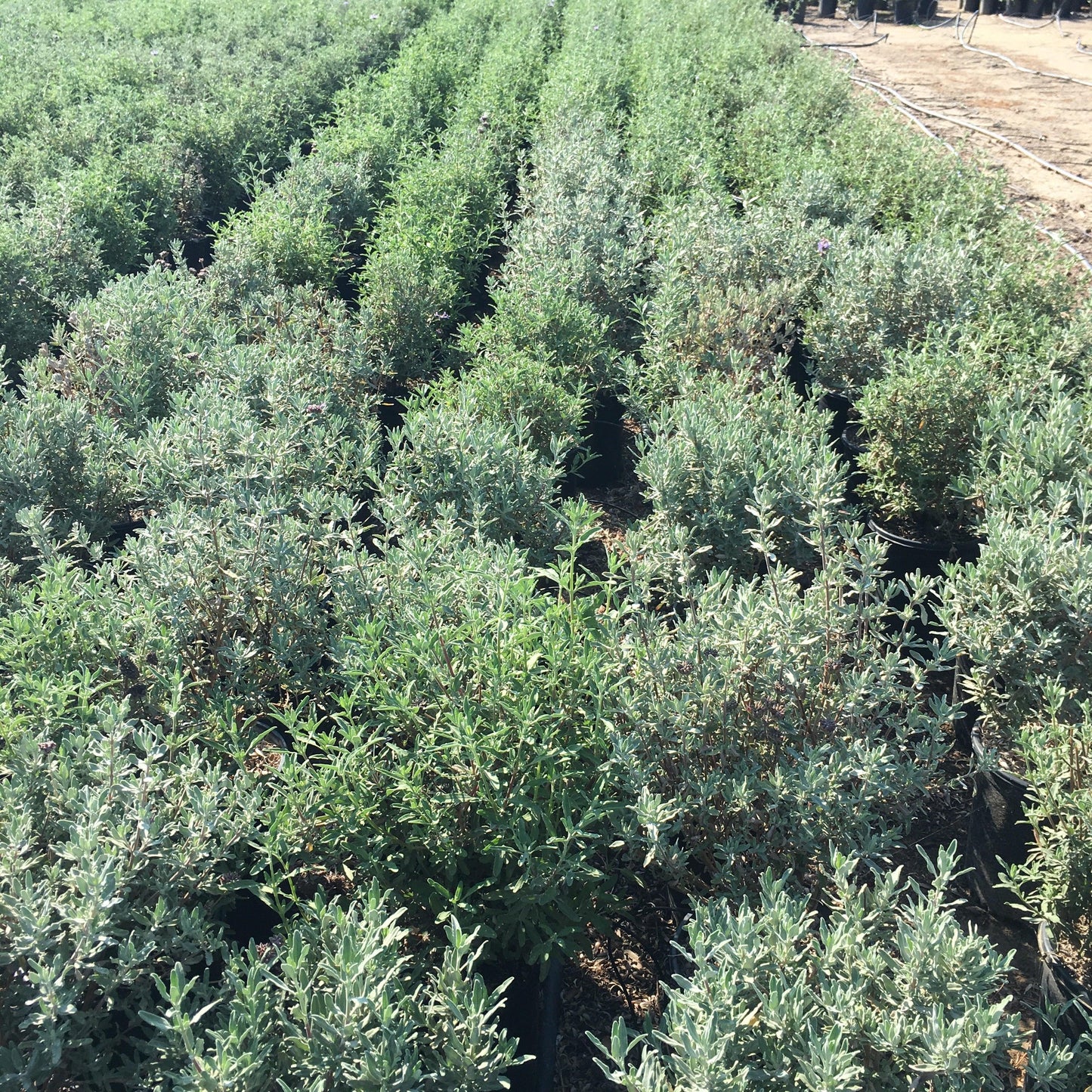






Thousands of Healthy Plants Delivered

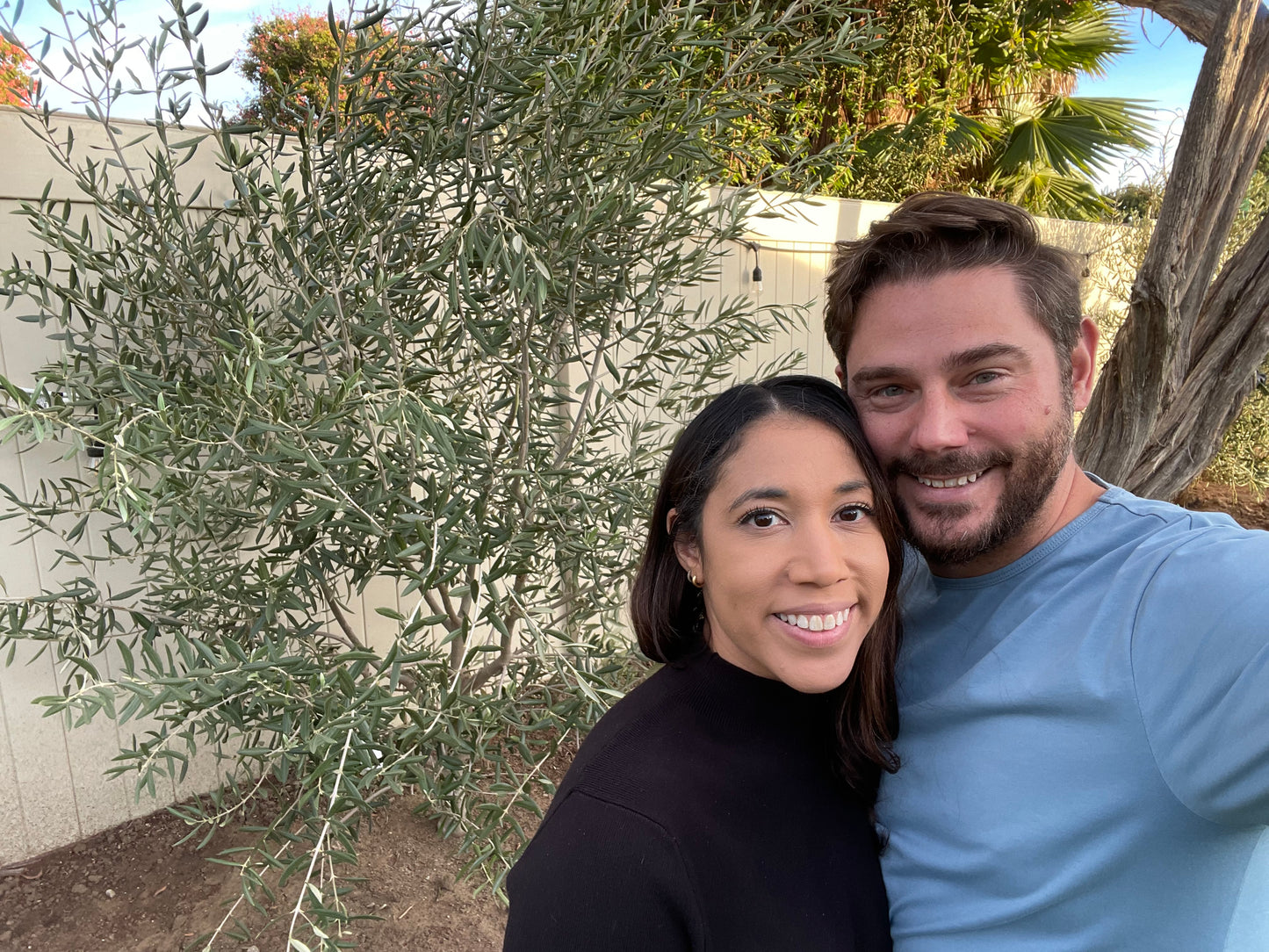
Yardwork was so great to work with. First they had the Swan Hill olive trees that we had been searching for, we had contacted several other nurseries without any luck previously. Then they answered all of our questions in a timely matter prior to ordering and finally delivered within a few days of placing it. Their staff is incredibly knowledgeable; they delivered and planted our trees with expertise to ensure that they would do well in our yard. We would definitely work with them again for future projects.











A Modern Experience
At Yardwork, we carefully curate thousands of plants, in all container sizes, to provide you with the best selection of the highest quality trees and plants at the best price, with the convenience of an online platform.
Uncompromised Quality
We choose only the finest specimens and hand select our plants just before delivery to ensure you receive the freshest and most robust specimens available for your landscape.
Industry Leading Warranties
Our 30, 90, and 365 extended warranties provide some of the best coverage to ensure our trees and plants thrive in your landscape.
Frequently Asked Questions
We're committed to changing everything about trees and plants - how they’re grown, how you shop for them, and how much they cost. We handle orders ourselves. No middlemen to get between us (or our prices) and you.
We're committed to changing everything about trees and plants - how they’re grown, how you shop for them, and how much they cost. We handle orders ourselves. No middlemen to get between us (or our prices) and you.
Delivery does not include unloading of trees and plants LARGER than a 24" box.
Trees and plants in smaller containers will be dropped curbside (usually on the driveway or near the front doorstep).
Delivery beyond a curbside drop will be charged extra.
Trees and plants that are sold in container sizes LARGER than a 24" box size will require equipment and/or enough manpower onsite to help unload from the truck.
Please reach out to our team PRIOR to placing your order to help coordinate.
Our team can provide unloading assistance with equipment for an extra fee as well.
Delivery does not include unloading of trees and plants LARGER than a 24" box.
Trees and plants in smaller containers will be dropped curbside (usually on the driveway or near the front doorstep).
Delivery beyond a curbside drop will be charged extra.
Trees and plants that are sold in container sizes LARGER than a 24" box size will require equipment and/or enough manpower onsite to help unload from the truck.
Please reach out to our team PRIOR to placing your order to help coordinate.
Our team can provide unloading assistance with equipment for an extra fee as well.
We ship locally within California within 7-10 days of your order being placed.
We ship nationally using carrier partners, based on order size. Our common order minimums for out of state shipping is $5,000.
Text or call 323-576-4159 for specific shipping details for your location.
We ship locally within California within 7-10 days of your order being placed.
We ship nationally using carrier partners, based on order size. Our common order minimums for out of state shipping is $5,000.
Text or call 323-576-4159 for specific shipping details for your location.
We are currently online only and don't have physical locations where you can view plants in person.
That's why we have photos direct from the growing grounds of the plants we will ship and we display pricing right in our store.
We do make sure to pick the very best trees and plants prior to shipping and make sure that they have gone through our multi-point inspection for health and structure.
We will always reach out prior to delivery if we find a quality issue or need to provide a substitute.
We are currently online only and don't have physical locations where you can view plants in person.
That's why we have photos direct from the growing grounds of the plants we will ship and we display pricing right in our store.
We do make sure to pick the very best trees and plants prior to shipping and make sure that they have gone through our multi-point inspection for health and structure.
We will always reach out prior to delivery if we find a quality issue or need to provide a substitute.
Plants vary greatly by type. Here is a rough idea of sizes based on containers that are direct from our growing grounds.
15 Gallon Shrub 3-4 Ft. Tall
15 Gallon Tree 5-6 Ft. Tall
24" Box Shrub 5-6 Ft. Tall
24" Box Tree 6-7 Ft. Tall
36" Box Shrub/Tree 7-9 Ft. Tall
48" Box Shrub/Tree 8-10 Ft. Tall
**Please note that we do not make guarantees of sizes. If you have questions or concerns, please call or text to request accurate sizing for the particular plant you're considering, prior to ordering.
Plants vary greatly by type. Here is a rough idea of sizes based on containers that are direct from our growing grounds.
15 Gallon Shrub 3-4 Ft. Tall
15 Gallon Tree 5-6 Ft. Tall
24" Box Shrub 5-6 Ft. Tall
24" Box Tree 6-7 Ft. Tall
36" Box Shrub/Tree 7-9 Ft. Tall
48" Box Shrub/Tree 8-10 Ft. Tall
**Please note that we do not make guarantees of sizes. If you have questions or concerns, please call or text to request accurate sizing for the particular plant you're considering, prior to ordering.
We offer a limited 30 day warranty for plants that are delivered and planted by someone else and a 90 day warranty for plants that we plant.
The limited warranty covers plants that die as a result of disease or fungus which was derived from our growing grounds or from root balls that were root bound.
The warranty does not cover damage due to watering, fertilizer, soils, or any other conditions beyond our control. Additionally, the warranty does not cover plants that are shipped out of the state of California or shipped into California from other states. Custom plant orders are also not covered under warranty. Plants must be planted within 24 hours after delivery to qualify.
We can assist you in recommending the right soils and fertilizers to help your plant thrive after you plant it.
Text or call 323-576-4159 for further warranty information.
We offer a limited 30 day warranty for plants that are delivered and planted by someone else and a 90 day warranty for plants that we plant.
The limited warranty covers plants that die as a result of disease or fungus which was derived from our growing grounds or from root balls that were root bound.
The warranty does not cover damage due to watering, fertilizer, soils, or any other conditions beyond our control. Additionally, the warranty does not cover plants that are shipped out of the state of California or shipped into California from other states. Custom plant orders are also not covered under warranty. Plants must be planted within 24 hours after delivery to qualify.
We can assist you in recommending the right soils and fertilizers to help your plant thrive after you plant it.
Text or call 323-576-4159 for further warranty information.
Our local delivery team covers most cities in California.
There are some exceptions, so please get in touch to confirm prior to ordering.
Additionally, we ship using semi trucks and trailers throughout the entire United States and even abroad for large orders over $5,000. Each shipment is custom, so please reach out to our team to coordinate.
Our local delivery team covers most cities in California.
There are some exceptions, so please get in touch to confirm prior to ordering.
Additionally, we ship using semi trucks and trailers throughout the entire United States and even abroad for large orders over $5,000. Each shipment is custom, so please reach out to our team to coordinate.