



Chinese Fringe Tree - Chionanthus retusus
Regular price
$2,450.00
Title
An Elegant Flowering Tree That Delivers Spring Drama Without Overwhelming Small Spaces
The Chinese Fringe Tree gives small and mid-sized landscapes a refined spring focal point: fragrant white blooms, graceful structure, and multi-season beauty without the oversized growth of many ornamental trees.
In mid to late spring, the Chinese Fringe Tree produces showy clusters of fragrant, white, fringe-like flowers that create a distinctive display in the landscape. Those airy flower clusters hang softly from the branches, bringing light, movement, and scent near patios, walkways, entry gardens, or the outdoor table where you dine in spring.
Known for its elegant, dome-shaped form and upright branching, the Chinese Fringe Tree is a polished choice for residential landscapes. It is particularly suitable for small yards and accent planting because its manageable size and refined structure add depth and property value without overwhelming the space.
Why You'll Love It
-
Fragrant white spring blooms – In mid to late spring, the Chinese Fringe Tree blooms with clusters of white, fringe-like flowers that are visually striking and fragrant, enhancing the sensory experience of spring gardens.
-
Perfect scale for residential yards – With a mature size around 15–20 feet tall and 12–15 feet wide, it creates a beautiful focal point without crowding homes, patios, or smaller urban gardens.
-
True four-season appeal – The tree provides multi-season interest with blooms in spring, dark green foliage in summer, vibrant fall color, and attractive bark in winter.
-
Glossy summer foliage – The Chinese Fringe Tree maintains its ornamental value throughout the summer with glossy green leaves that provide a tidy backdrop and contribute to its overall aesthetic appeal.
-
Soft yellow fall color – In the fall, the foliage of the Chinese Fringe Tree often turns soft yellow, adding seasonal interest and depth to the landscape before leaf drop.
-
Winter bark interest – The tree features attractive, exfoliating bark that provides winter interest after the leaves have fallen.
-
Low-maintenance once established – Regular watering is essential during the first few years after planting to establish a strong root system, but once established, the Chinese Fringe Tree is relatively drought-tolerant.
-
Wildlife-friendly beauty – The flowers support pollinator activity, and female plants can produce dark blue, olive-like fruits that attract birds when cross-pollinated.
This is the kind of flowering tree that fits into everyday life: it looks elegant from the window, adds fragrance where people gather, and maintains a tidy presence from spring through fall.
What Makes It Different
Most flowering trees force a compromise: they are either too large for small spaces, lack fragrance, or struggle with poor resilience. Our broader selection of flowering trees for sale can help you see how Chinese Fringe Tree compares. The Chinese Fringe Tree is different because it combines refined structure, memorable flowering, and dependable landscape performance.
Chinese Fringe Tree offers:
-
Distinctive fringe-like flowers – The blooming season of the Chinese Fringe Tree is characterized by airy flower clusters that hang softly from the branches, creating a display unlike the heavier blossoms of many cherries, crabapples, or magnolias.
-
Compact, elegant form – Its dome-shaped habit and upright branching give it a finished look, making it suitable for accent planting, courtyards, front yards, and narrow spaces where structure matters.
-
A resilient alternative – The tree is considered a suitable alternative to more popular but less resilient flowering trees like dogwoods, cherries, or the Chinese Pistache tree, which are often chosen for color but can be more prone to various pests and diseases or require different care.
-
Strong urban performance – It can be utilized as a focal point in landscapes and is ideal for urban environments due to its tolerance to pollution and compact root system.
-
Adaptable and durable – The Chinese fringe tree is exceptionally resilient, faces almost no serious insect or disease issues, and adapts well to various soil types and conditions.
-
Better heat tolerance – It performs well in many California settings and handles sun and summer warmth better than many ornamental flowering trees when soil moisture is managed.
A quick language note: the “Chinese” in Chinese Fringe Tree points to its botanical history in East Asia, including China and Taiwan. The word is easy to communicate in English, whether your garden vocabulary includes Mandarin Chinese, pinyin, traditional characters, or even recognition through Chinese characters, with no Chinese language learning required.
How To Grow The Chinese Fringe Tree Successfully
-
Site Selection – Choose the right light and space
Plant Chinese Fringe Tree where it receives full sun to partial shade. The Chinese fringe tree thrives in USDA Hardiness Zones 5 through 9 and prefers full sun for optimal flowering but can tolerate partial shade. In many California landscapes, morning sun with slightly filtered afternoon shade is ideal, especially in hotter inland areas, and pairing it with other landscape trees for sale can create layered shade and structure. -
Planting Process – Prepare soil with depth and drainage
The Chinese Fringe Tree prefers well-drained soil and can tolerate a range of soil types, including sandy and clay soils. Before planting, loosen the soil wider than the root ball, set the tree at the correct planting depth, and avoid burying the root flare. Moist but never waterlogged soil helps new roots expand into the surrounding area. -
Establishment Care – Water consistently for the first stage
Regular watering is essential during the first few years after planting to establish a strong root system. Once established, the Chinese Fringe Tree is relatively drought-tolerant, much like many of Yardwork’s mature trees for sale that are grown to deliver instant impact with manageable care. Mulch around the base, keep mulch away from the trunk, and pause before heavy pruning; the Chinese fringe tree is known for its low-maintenance requirements and rarely needs pruning unless training for a specific single-trunk form. -
Seasonal Enjoyment – Watch it mature gracefully
Expect spring flowering, glossy green summer foliage, soft yellow fall tones, and exfoliating bark in winter. Growth is measured and refined, not aggressive, which means the tree maintains its elegant structure without constant correction.
Product Details in Chinese Characters
-
Botanical name: Chionanthus retusus
-
Common name: Chinese Fringe Tree
-
Plant type: Deciduous ornamental flowering tree
-
Mature size: 15–20 feet tall, 12–15 feet wide
-
Form: Elegant, dome-shaped canopy with upright branching
-
Bloom time: Mid to late spring; often April–May in California
-
Flowers: Fragrant white, fringe-like clusters with an airy texture
-
Foliage: Glossy green leaves in summer; often soft yellow in fall
-
Winter interest: Attractive exfoliating bark provides structure after leaf drop
-
Growing zones: Thrives in USDA Hardiness Zones 5 through 9; Yardwork commonly recommends it for USDA zones 6–9 and many California climates, similar to climate-flexible shade options like Rocky Mountain Glow Maple
-
Sun exposure: Full sun to partial shade; full sun supports optimal flowering, while partial shade can help in hotter sites, especially when paired with sun-loving companions such as the California Pepper Tree
-
Soil requirements: Well-drained soil; tolerates various pH levels and can grow in sandy or clay soils when drainage is good
-
Water needs: Water regularly during the first few years; relatively drought-tolerant once established
-
Maintenance: Low-maintenance; rarely needs pruning unless creating a single-trunk form or removing crossing branches
-
Wildlife value: Supports pollinators; female plants may produce bird-attracting fruit
-
Plant sex note: The species is dioecious, meaning it has separate male and female plants; male plants typically have larger, showier flowers, while female plants produce dark blue, olive-like fruits if cross-pollinated.
Who It's For
Ideal for:
-
Homeowners with small to medium-sized yards who want spring flowering without a tree that takes over the landscape.
-
Property owners improving curb appeal with a refined focal point that adds beauty, depth, and long-term structure.
-
Gardeners who want fragrance near outdoor living areas such as patios, walkways, courtyards, and seating areas.
-
Landscape designers creating sophisticated residential plans where scale, texture, and seasonal interest matter.
-
Urban gardeners who need a compact ornamental tree with good pollution tolerance and a compact root system, and who may also be planning taller privacy trees and fast-growing evergreens along property lines.
-
Wildlife-focused gardeners who want blooms for pollinators and, with female plants, fruit that can serve birds.
-
Schools, universities, companies, and business properties looking for a polished ornamental tree for courtyards, entries, or outdoor gathering spaces, and who want an easy way to source trees and plants through Yardwork’s plant nursery and landscaping services.
If you want an elegant flowering tree that brings spring drama, summer polish, fall color, and winter bark interest, Chinese Fringe Tree fits the space beautifully.
Frequently Asked Questions
How long until it blooms?
Chinese Fringe Tree can bloom while still relatively young, though timing depends on tree size, growing conditions, and whether the plant is seed-grown or selected. In good conditions, many trees begin meaningful flowering within several years after planting.
Is it difficult to grow?
No. The Chinese fringe tree is known for its low-maintenance requirements and rarely needs pruning unless training for a specific single-trunk form. It is exceptionally resilient, faces almost no serious insect or disease issues, and adapts well to various soil types and conditions.
Will it work in my California climate?
In most suitable California regions, yes. The Chinese fringe tree thrives in USDA Hardiness Zones 5 through 9 and prefers full sun for optimal flowering but can tolerate partial shade. In hot inland areas, morning sun and afternoon shade are often a smart choice.
What about pests and diseases?
The Chinese Fringe Tree is considered more resilient than many popular flowering trees. It is a strong alternative to dogwoods and cherries, which are prone to various pests and diseases. Good drainage, proper watering, and healthy spacing reduce the risk of poor growth.
How much space does it need?
Plan for a mature size of about 15–20 feet tall and 12–15 feet wide. Give it enough room away from walls, rooflines, and competing shrubs so the dome-shaped form can develop naturally.
Does it produce fruit?
Sometimes. The species is dioecious, meaning it has separate male and female plants. Male plants typically have larger, showier flowers, while female plants produce dark blue, olive-like fruits if cross-pollinated.
Can Yardwork help me choose the right tree?
Yes. Yardwork’s expert consultation services can help with site selection, planting plans, watering guidance, and product details. For business account questions, delivery access, finance plans, or order changes, contact Yardwork support before shipment.
Ready to Transform Your Landscape?
Choose the Chinese Fringe Tree and experience fragrant spring flowers, elegant structure, glossy summer foliage, soft yellow fall color, and attractive winter bark in one manageable ornamental tree.
California delivery options, expert planting advice, and satisfaction support are available through Yardwork. Add Chinese Fringe Tree to your landscape plan and create a focal point that feels refined, resilient, and easy to enjoy year after year.
An Elegant Flowering Tree That Delivers Spring Drama Without Overwhelming Small Spaces
The Chinese Fringe Tree gives small and mid-sized landscapes a refined spring focal point: fragrant white blooms, graceful structure, and multi-season beauty without the oversized growth of many ornamental trees.
In mid to late spring, the Chinese Fringe Tree produces showy clusters of fragrant, white, fringe-like flowers that create a distinctive display in the landscape. Those airy flower clusters hang softly from the branches, bringing light, movement, and scent near patios, walkways, entry gardens, or the outdoor table where you dine in spring.
Known for its elegant, dome-shaped form and upright branching, the Chinese Fringe Tree is a polished choice for residential landscapes. It is particularly suitable for small yards and accent planting because its manageable size and refined structure add depth and property value without overwhelming the space.
Why You'll Love It
-
Fragrant white spring blooms – In mid to late spring, the Chinese Fringe Tree blooms with clusters of white, fringe-like flowers that are visually striking and fragrant, enhancing the sensory experience of spring gardens.
-
Perfect scale for residential yards – With a mature size around 15–20 feet tall and 12–15 feet wide, it creates a beautiful focal point without crowding homes, patios, or smaller urban gardens.
-
True four-season appeal – The tree provides multi-season interest with blooms in spring, dark green foliage in summer, vibrant fall color, and attractive bark in winter.
-
Glossy summer foliage – The Chinese Fringe Tree maintains its ornamental value throughout the summer with glossy green leaves that provide a tidy backdrop and contribute to its overall aesthetic appeal.
-
Soft yellow fall color – In the fall, the foliage of the Chinese Fringe Tree often turns soft yellow, adding seasonal interest and depth to the landscape before leaf drop.
-
Winter bark interest – The tree features attractive, exfoliating bark that provides winter interest after the leaves have fallen.
-
Low-maintenance once established – Regular watering is essential during the first few years after planting to establish a strong root system, but once established, the Chinese Fringe Tree is relatively drought-tolerant.
-
Wildlife-friendly beauty – The flowers support pollinator activity, and female plants can produce dark blue, olive-like fruits that attract birds when cross-pollinated.
This is the kind of flowering tree that fits into everyday life: it looks elegant from the window, adds fragrance where people gather, and maintains a tidy presence from spring through fall.
What Makes It Different
Most flowering trees force a compromise: they are either too large for small spaces, lack fragrance, or struggle with poor resilience. Our broader selection of flowering trees for sale can help you see how Chinese Fringe Tree compares. The Chinese Fringe Tree is different because it combines refined structure, memorable flowering, and dependable landscape performance.
Chinese Fringe Tree offers:
-
Distinctive fringe-like flowers – The blooming season of the Chinese Fringe Tree is characterized by airy flower clusters that hang softly from the branches, creating a display unlike the heavier blossoms of many cherries, crabapples, or magnolias.
-
Compact, elegant form – Its dome-shaped habit and upright branching give it a finished look, making it suitable for accent planting, courtyards, front yards, and narrow spaces where structure matters.
-
A resilient alternative – The tree is considered a suitable alternative to more popular but less resilient flowering trees like dogwoods, cherries, or the Chinese Pistache tree, which are often chosen for color but can be more prone to various pests and diseases or require different care.
-
Strong urban performance – It can be utilized as a focal point in landscapes and is ideal for urban environments due to its tolerance to pollution and compact root system.
-
Adaptable and durable – The Chinese fringe tree is exceptionally resilient, faces almost no serious insect or disease issues, and adapts well to various soil types and conditions.
-
Better heat tolerance – It performs well in many California settings and handles sun and summer warmth better than many ornamental flowering trees when soil moisture is managed.
A quick language note: the “Chinese” in Chinese Fringe Tree points to its botanical history in East Asia, including China and Taiwan. The word is easy to communicate in English, whether your garden vocabulary includes Mandarin Chinese, pinyin, traditional characters, or even recognition through Chinese characters, with no Chinese language learning required.
How To Grow The Chinese Fringe Tree Successfully
-
Site Selection – Choose the right light and space
Plant Chinese Fringe Tree where it receives full sun to partial shade. The Chinese fringe tree thrives in USDA Hardiness Zones 5 through 9 and prefers full sun for optimal flowering but can tolerate partial shade. In many California landscapes, morning sun with slightly filtered afternoon shade is ideal, especially in hotter inland areas, and pairing it with other landscape trees for sale can create layered shade and structure. -
Planting Process – Prepare soil with depth and drainage
The Chinese Fringe Tree prefers well-drained soil and can tolerate a range of soil types, including sandy and clay soils. Before planting, loosen the soil wider than the root ball, set the tree at the correct planting depth, and avoid burying the root flare. Moist but never waterlogged soil helps new roots expand into the surrounding area. -
Establishment Care – Water consistently for the first stage
Regular watering is essential during the first few years after planting to establish a strong root system. Once established, the Chinese Fringe Tree is relatively drought-tolerant, much like many of Yardwork’s mature trees for sale that are grown to deliver instant impact with manageable care. Mulch around the base, keep mulch away from the trunk, and pause before heavy pruning; the Chinese fringe tree is known for its low-maintenance requirements and rarely needs pruning unless training for a specific single-trunk form. -
Seasonal Enjoyment – Watch it mature gracefully
Expect spring flowering, glossy green summer foliage, soft yellow fall tones, and exfoliating bark in winter. Growth is measured and refined, not aggressive, which means the tree maintains its elegant structure without constant correction.
Product Details in Chinese Characters
-
Botanical name: Chionanthus retusus
-
Common name: Chinese Fringe Tree
-
Plant type: Deciduous ornamental flowering tree
-
Mature size: 15–20 feet tall, 12–15 feet wide
-
Form: Elegant, dome-shaped canopy with upright branching
-
Bloom time: Mid to late spring; often April–May in California
-
Flowers: Fragrant white, fringe-like clusters with an airy texture
-
Foliage: Glossy green leaves in summer; often soft yellow in fall
-
Winter interest: Attractive exfoliating bark provides structure after leaf drop
-
Growing zones: Thrives in USDA Hardiness Zones 5 through 9; Yardwork commonly recommends it for USDA zones 6–9 and many California climates, similar to climate-flexible shade options like Rocky Mountain Glow Maple
-
Sun exposure: Full sun to partial shade; full sun supports optimal flowering, while partial shade can help in hotter sites, especially when paired with sun-loving companions such as the California Pepper Tree
-
Soil requirements: Well-drained soil; tolerates various pH levels and can grow in sandy or clay soils when drainage is good
-
Water needs: Water regularly during the first few years; relatively drought-tolerant once established
-
Maintenance: Low-maintenance; rarely needs pruning unless creating a single-trunk form or removing crossing branches
-
Wildlife value: Supports pollinators; female plants may produce bird-attracting fruit
-
Plant sex note: The species is dioecious, meaning it has separate male and female plants; male plants typically have larger, showier flowers, while female plants produce dark blue, olive-like fruits if cross-pollinated.
Who It's For
Ideal for:
-
Homeowners with small to medium-sized yards who want spring flowering without a tree that takes over the landscape.
-
Property owners improving curb appeal with a refined focal point that adds beauty, depth, and long-term structure.
-
Gardeners who want fragrance near outdoor living areas such as patios, walkways, courtyards, and seating areas.
-
Landscape designers creating sophisticated residential plans where scale, texture, and seasonal interest matter.
-
Urban gardeners who need a compact ornamental tree with good pollution tolerance and a compact root system, and who may also be planning taller privacy trees and fast-growing evergreens along property lines.
-
Wildlife-focused gardeners who want blooms for pollinators and, with female plants, fruit that can serve birds.
-
Schools, universities, companies, and business properties looking for a polished ornamental tree for courtyards, entries, or outdoor gathering spaces, and who want an easy way to source trees and plants through Yardwork’s plant nursery and landscaping services.
If you want an elegant flowering tree that brings spring drama, summer polish, fall color, and winter bark interest, Chinese Fringe Tree fits the space beautifully.
Frequently Asked Questions
How long until it blooms?
Chinese Fringe Tree can bloom while still relatively young, though timing depends on tree size, growing conditions, and whether the plant is seed-grown or selected. In good conditions, many trees begin meaningful flowering within several years after planting.
Is it difficult to grow?
No. The Chinese fringe tree is known for its low-maintenance requirements and rarely needs pruning unless training for a specific single-trunk form. It is exceptionally resilient, faces almost no serious insect or disease issues, and adapts well to various soil types and conditions.
Will it work in my California climate?
In most suitable California regions, yes. The Chinese fringe tree thrives in USDA Hardiness Zones 5 through 9 and prefers full sun for optimal flowering but can tolerate partial shade. In hot inland areas, morning sun and afternoon shade are often a smart choice.
What about pests and diseases?
The Chinese Fringe Tree is considered more resilient than many popular flowering trees. It is a strong alternative to dogwoods and cherries, which are prone to various pests and diseases. Good drainage, proper watering, and healthy spacing reduce the risk of poor growth.
How much space does it need?
Plan for a mature size of about 15–20 feet tall and 12–15 feet wide. Give it enough room away from walls, rooflines, and competing shrubs so the dome-shaped form can develop naturally.
Does it produce fruit?
Sometimes. The species is dioecious, meaning it has separate male and female plants. Male plants typically have larger, showier flowers, while female plants produce dark blue, olive-like fruits if cross-pollinated.
Can Yardwork help me choose the right tree?
Yes. Yardwork’s expert consultation services can help with site selection, planting plans, watering guidance, and product details. For business account questions, delivery access, finance plans, or order changes, contact Yardwork support before shipment.
Ready to Transform Your Landscape?
Choose the Chinese Fringe Tree and experience fragrant spring flowers, elegant structure, glossy summer foliage, soft yellow fall color, and attractive winter bark in one manageable ornamental tree.
California delivery options, expert planting advice, and satisfaction support are available through Yardwork. Add Chinese Fringe Tree to your landscape plan and create a focal point that feels refined, resilient, and easy to enjoy year after year.
Plants vary greatly by type and no guarantees are made on sizing.
However here is a rough idea of sizes based on containers that are direct from our growing grounds.
15 Gallon Shrub 3-4 Ft. Tall
15 Gallon Tree 5-6 Ft. Tall
24" Box Shrub 5-6 Ft. Tall
24" Box Tree 6-7 Ft. Tall
36" Box Tree 8-10 Ft. Tall
48" Box Tree 10-12 Ft. Tall
Please note: Citrus and California Native plants such as Manzanita are smaller than traditional sizing.
Please contact us to confirm sizing of items before purchasing if this is a concern.
Plants vary greatly by type and no guarantees are made on sizing.
However here is a rough idea of sizes based on containers that are direct from our growing grounds.
15 Gallon Shrub 3-4 Ft. Tall
15 Gallon Tree 5-6 Ft. Tall
24" Box Shrub 5-6 Ft. Tall
24" Box Tree 6-7 Ft. Tall
36" Box Tree 8-10 Ft. Tall
48" Box Tree 10-12 Ft. Tall
Please note: Citrus and California Native plants such as Manzanita are smaller than traditional sizing.
Please contact us to confirm sizing of items before purchasing if this is a concern.
Delivery does not include unloading of trees and plants larger than a 24" box.
Trees and plants in smaller containers will be dropped curbside.
Delivery beyond a curbside drop will be charged extra.
Trees and plants that are sold in container sizes larger than a 24" box size will require equipment and an operator onsite to help unload from the truck.
Please reach out to our team PRIOR to placing your order to coordinate.
Our team can provide unloading assistance with equipment for an extra fee.
Delivery does not include unloading of trees and plants larger than a 24" box.
Trees and plants in smaller containers will be dropped curbside.
Delivery beyond a curbside drop will be charged extra.
Trees and plants that are sold in container sizes larger than a 24" box size will require equipment and an operator onsite to help unload from the truck.
Please reach out to our team PRIOR to placing your order to coordinate.
Our team can provide unloading assistance with equipment for an extra fee.
You may also like...


Chinese Fringe Tree - Chionanthus retusus
Regular price
$2,450.00
Title
An Elegant Flowering Tree That Delivers Spring Drama Without Overwhelming Small Spaces
The Chinese Fringe Tree gives small and mid-sized landscapes a refined spring focal point: fragrant white blooms, graceful structure, and multi-season beauty without the oversized growth of many ornamental trees.
In mid to late spring, the Chinese Fringe Tree produces showy clusters of fragrant, white, fringe-like flowers that create a distinctive display in the landscape. Those airy flower clusters hang softly from the branches, bringing light, movement, and scent near patios, walkways, entry gardens, or the outdoor table where you dine in spring.
Known for its elegant, dome-shaped form and upright branching, the Chinese Fringe Tree is a polished choice for residential landscapes. It is particularly suitable for small yards and accent planting because its manageable size and refined structure add depth and property value without overwhelming the space.
Why You'll Love It
-
Fragrant white spring blooms – In mid to late spring, the Chinese Fringe Tree blooms with clusters of white, fringe-like flowers that are visually striking and fragrant, enhancing the sensory experience of spring gardens.
-
Perfect scale for residential yards – With a mature size around 15–20 feet tall and 12–15 feet wide, it creates a beautiful focal point without crowding homes, patios, or smaller urban gardens.
-
True four-season appeal – The tree provides multi-season interest with blooms in spring, dark green foliage in summer, vibrant fall color, and attractive bark in winter.
-
Glossy summer foliage – The Chinese Fringe Tree maintains its ornamental value throughout the summer with glossy green leaves that provide a tidy backdrop and contribute to its overall aesthetic appeal.
-
Soft yellow fall color – In the fall, the foliage of the Chinese Fringe Tree often turns soft yellow, adding seasonal interest and depth to the landscape before leaf drop.
-
Winter bark interest – The tree features attractive, exfoliating bark that provides winter interest after the leaves have fallen.
-
Low-maintenance once established – Regular watering is essential during the first few years after planting to establish a strong root system, but once established, the Chinese Fringe Tree is relatively drought-tolerant.
-
Wildlife-friendly beauty – The flowers support pollinator activity, and female plants can produce dark blue, olive-like fruits that attract birds when cross-pollinated.
This is the kind of flowering tree that fits into everyday life: it looks elegant from the window, adds fragrance where people gather, and maintains a tidy presence from spring through fall.
What Makes It Different
Most flowering trees force a compromise: they are either too large for small spaces, lack fragrance, or struggle with poor resilience. Our broader selection of flowering trees for sale can help you see how Chinese Fringe Tree compares. The Chinese Fringe Tree is different because it combines refined structure, memorable flowering, and dependable landscape performance.
Chinese Fringe Tree offers:
-
Distinctive fringe-like flowers – The blooming season of the Chinese Fringe Tree is characterized by airy flower clusters that hang softly from the branches, creating a display unlike the heavier blossoms of many cherries, crabapples, or magnolias.
-
Compact, elegant form – Its dome-shaped habit and upright branching give it a finished look, making it suitable for accent planting, courtyards, front yards, and narrow spaces where structure matters.
-
A resilient alternative – The tree is considered a suitable alternative to more popular but less resilient flowering trees like dogwoods, cherries, or the Chinese Pistache tree, which are often chosen for color but can be more prone to various pests and diseases or require different care.
-
Strong urban performance – It can be utilized as a focal point in landscapes and is ideal for urban environments due to its tolerance to pollution and compact root system.
-
Adaptable and durable – The Chinese fringe tree is exceptionally resilient, faces almost no serious insect or disease issues, and adapts well to various soil types and conditions.
-
Better heat tolerance – It performs well in many California settings and handles sun and summer warmth better than many ornamental flowering trees when soil moisture is managed.
A quick language note: the “Chinese” in Chinese Fringe Tree points to its botanical history in East Asia, including China and Taiwan. The word is easy to communicate in English, whether your garden vocabulary includes Mandarin Chinese, pinyin, traditional characters, or even recognition through Chinese characters, with no Chinese language learning required.
How To Grow The Chinese Fringe Tree Successfully
-
Site Selection – Choose the right light and space
Plant Chinese Fringe Tree where it receives full sun to partial shade. The Chinese fringe tree thrives in USDA Hardiness Zones 5 through 9 and prefers full sun for optimal flowering but can tolerate partial shade. In many California landscapes, morning sun with slightly filtered afternoon shade is ideal, especially in hotter inland areas, and pairing it with other landscape trees for sale can create layered shade and structure. -
Planting Process – Prepare soil with depth and drainage
The Chinese Fringe Tree prefers well-drained soil and can tolerate a range of soil types, including sandy and clay soils. Before planting, loosen the soil wider than the root ball, set the tree at the correct planting depth, and avoid burying the root flare. Moist but never waterlogged soil helps new roots expand into the surrounding area. -
Establishment Care – Water consistently for the first stage
Regular watering is essential during the first few years after planting to establish a strong root system. Once established, the Chinese Fringe Tree is relatively drought-tolerant, much like many of Yardwork’s mature trees for sale that are grown to deliver instant impact with manageable care. Mulch around the base, keep mulch away from the trunk, and pause before heavy pruning; the Chinese fringe tree is known for its low-maintenance requirements and rarely needs pruning unless training for a specific single-trunk form. -
Seasonal Enjoyment – Watch it mature gracefully
Expect spring flowering, glossy green summer foliage, soft yellow fall tones, and exfoliating bark in winter. Growth is measured and refined, not aggressive, which means the tree maintains its elegant structure without constant correction.
Product Details in Chinese Characters
-
Botanical name: Chionanthus retusus
-
Common name: Chinese Fringe Tree
-
Plant type: Deciduous ornamental flowering tree
-
Mature size: 15–20 feet tall, 12–15 feet wide
-
Form: Elegant, dome-shaped canopy with upright branching
-
Bloom time: Mid to late spring; often April–May in California
-
Flowers: Fragrant white, fringe-like clusters with an airy texture
-
Foliage: Glossy green leaves in summer; often soft yellow in fall
-
Winter interest: Attractive exfoliating bark provides structure after leaf drop
-
Growing zones: Thrives in USDA Hardiness Zones 5 through 9; Yardwork commonly recommends it for USDA zones 6–9 and many California climates, similar to climate-flexible shade options like Rocky Mountain Glow Maple
-
Sun exposure: Full sun to partial shade; full sun supports optimal flowering, while partial shade can help in hotter sites, especially when paired with sun-loving companions such as the California Pepper Tree
-
Soil requirements: Well-drained soil; tolerates various pH levels and can grow in sandy or clay soils when drainage is good
-
Water needs: Water regularly during the first few years; relatively drought-tolerant once established
-
Maintenance: Low-maintenance; rarely needs pruning unless creating a single-trunk form or removing crossing branches
-
Wildlife value: Supports pollinators; female plants may produce bird-attracting fruit
-
Plant sex note: The species is dioecious, meaning it has separate male and female plants; male plants typically have larger, showier flowers, while female plants produce dark blue, olive-like fruits if cross-pollinated.
Who It's For
Ideal for:
-
Homeowners with small to medium-sized yards who want spring flowering without a tree that takes over the landscape.
-
Property owners improving curb appeal with a refined focal point that adds beauty, depth, and long-term structure.
-
Gardeners who want fragrance near outdoor living areas such as patios, walkways, courtyards, and seating areas.
-
Landscape designers creating sophisticated residential plans where scale, texture, and seasonal interest matter.
-
Urban gardeners who need a compact ornamental tree with good pollution tolerance and a compact root system, and who may also be planning taller privacy trees and fast-growing evergreens along property lines.
-
Wildlife-focused gardeners who want blooms for pollinators and, with female plants, fruit that can serve birds.
-
Schools, universities, companies, and business properties looking for a polished ornamental tree for courtyards, entries, or outdoor gathering spaces, and who want an easy way to source trees and plants through Yardwork’s plant nursery and landscaping services.
If you want an elegant flowering tree that brings spring drama, summer polish, fall color, and winter bark interest, Chinese Fringe Tree fits the space beautifully.
Frequently Asked Questions
How long until it blooms?
Chinese Fringe Tree can bloom while still relatively young, though timing depends on tree size, growing conditions, and whether the plant is seed-grown or selected. In good conditions, many trees begin meaningful flowering within several years after planting.
Is it difficult to grow?
No. The Chinese fringe tree is known for its low-maintenance requirements and rarely needs pruning unless training for a specific single-trunk form. It is exceptionally resilient, faces almost no serious insect or disease issues, and adapts well to various soil types and conditions.
Will it work in my California climate?
In most suitable California regions, yes. The Chinese fringe tree thrives in USDA Hardiness Zones 5 through 9 and prefers full sun for optimal flowering but can tolerate partial shade. In hot inland areas, morning sun and afternoon shade are often a smart choice.
What about pests and diseases?
The Chinese Fringe Tree is considered more resilient than many popular flowering trees. It is a strong alternative to dogwoods and cherries, which are prone to various pests and diseases. Good drainage, proper watering, and healthy spacing reduce the risk of poor growth.
How much space does it need?
Plan for a mature size of about 15–20 feet tall and 12–15 feet wide. Give it enough room away from walls, rooflines, and competing shrubs so the dome-shaped form can develop naturally.
Does it produce fruit?
Sometimes. The species is dioecious, meaning it has separate male and female plants. Male plants typically have larger, showier flowers, while female plants produce dark blue, olive-like fruits if cross-pollinated.
Can Yardwork help me choose the right tree?
Yes. Yardwork’s expert consultation services can help with site selection, planting plans, watering guidance, and product details. For business account questions, delivery access, finance plans, or order changes, contact Yardwork support before shipment.
Ready to Transform Your Landscape?
Choose the Chinese Fringe Tree and experience fragrant spring flowers, elegant structure, glossy summer foliage, soft yellow fall color, and attractive winter bark in one manageable ornamental tree.
California delivery options, expert planting advice, and satisfaction support are available through Yardwork. Add Chinese Fringe Tree to your landscape plan and create a focal point that feels refined, resilient, and easy to enjoy year after year.
An Elegant Flowering Tree That Delivers Spring Drama Without Overwhelming Small Spaces
The Chinese Fringe Tree gives small and mid-sized landscapes a refined spring focal point: fragrant white blooms, graceful structure, and multi-season beauty without the oversized growth of many ornamental trees.
In mid to late spring, the Chinese Fringe Tree produces showy clusters of fragrant, white, fringe-like flowers that create a distinctive display in the landscape. Those airy flower clusters hang softly from the branches, bringing light, movement, and scent near patios, walkways, entry gardens, or the outdoor table where you dine in spring.
Known for its elegant, dome-shaped form and upright branching, the Chinese Fringe Tree is a polished choice for residential landscapes. It is particularly suitable for small yards and accent planting because its manageable size and refined structure add depth and property value without overwhelming the space.
Why You'll Love It
-
Fragrant white spring blooms – In mid to late spring, the Chinese Fringe Tree blooms with clusters of white, fringe-like flowers that are visually striking and fragrant, enhancing the sensory experience of spring gardens.
-
Perfect scale for residential yards – With a mature size around 15–20 feet tall and 12–15 feet wide, it creates a beautiful focal point without crowding homes, patios, or smaller urban gardens.
-
True four-season appeal – The tree provides multi-season interest with blooms in spring, dark green foliage in summer, vibrant fall color, and attractive bark in winter.
-
Glossy summer foliage – The Chinese Fringe Tree maintains its ornamental value throughout the summer with glossy green leaves that provide a tidy backdrop and contribute to its overall aesthetic appeal.
-
Soft yellow fall color – In the fall, the foliage of the Chinese Fringe Tree often turns soft yellow, adding seasonal interest and depth to the landscape before leaf drop.
-
Winter bark interest – The tree features attractive, exfoliating bark that provides winter interest after the leaves have fallen.
-
Low-maintenance once established – Regular watering is essential during the first few years after planting to establish a strong root system, but once established, the Chinese Fringe Tree is relatively drought-tolerant.
-
Wildlife-friendly beauty – The flowers support pollinator activity, and female plants can produce dark blue, olive-like fruits that attract birds when cross-pollinated.
This is the kind of flowering tree that fits into everyday life: it looks elegant from the window, adds fragrance where people gather, and maintains a tidy presence from spring through fall.
What Makes It Different
Most flowering trees force a compromise: they are either too large for small spaces, lack fragrance, or struggle with poor resilience. Our broader selection of flowering trees for sale can help you see how Chinese Fringe Tree compares. The Chinese Fringe Tree is different because it combines refined structure, memorable flowering, and dependable landscape performance.
Chinese Fringe Tree offers:
-
Distinctive fringe-like flowers – The blooming season of the Chinese Fringe Tree is characterized by airy flower clusters that hang softly from the branches, creating a display unlike the heavier blossoms of many cherries, crabapples, or magnolias.
-
Compact, elegant form – Its dome-shaped habit and upright branching give it a finished look, making it suitable for accent planting, courtyards, front yards, and narrow spaces where structure matters.
-
A resilient alternative – The tree is considered a suitable alternative to more popular but less resilient flowering trees like dogwoods, cherries, or the Chinese Pistache tree, which are often chosen for color but can be more prone to various pests and diseases or require different care.
-
Strong urban performance – It can be utilized as a focal point in landscapes and is ideal for urban environments due to its tolerance to pollution and compact root system.
-
Adaptable and durable – The Chinese fringe tree is exceptionally resilient, faces almost no serious insect or disease issues, and adapts well to various soil types and conditions.
-
Better heat tolerance – It performs well in many California settings and handles sun and summer warmth better than many ornamental flowering trees when soil moisture is managed.
A quick language note: the “Chinese” in Chinese Fringe Tree points to its botanical history in East Asia, including China and Taiwan. The word is easy to communicate in English, whether your garden vocabulary includes Mandarin Chinese, pinyin, traditional characters, or even recognition through Chinese characters, with no Chinese language learning required.
How To Grow The Chinese Fringe Tree Successfully
-
Site Selection – Choose the right light and space
Plant Chinese Fringe Tree where it receives full sun to partial shade. The Chinese fringe tree thrives in USDA Hardiness Zones 5 through 9 and prefers full sun for optimal flowering but can tolerate partial shade. In many California landscapes, morning sun with slightly filtered afternoon shade is ideal, especially in hotter inland areas, and pairing it with other landscape trees for sale can create layered shade and structure. -
Planting Process – Prepare soil with depth and drainage
The Chinese Fringe Tree prefers well-drained soil and can tolerate a range of soil types, including sandy and clay soils. Before planting, loosen the soil wider than the root ball, set the tree at the correct planting depth, and avoid burying the root flare. Moist but never waterlogged soil helps new roots expand into the surrounding area. -
Establishment Care – Water consistently for the first stage
Regular watering is essential during the first few years after planting to establish a strong root system. Once established, the Chinese Fringe Tree is relatively drought-tolerant, much like many of Yardwork’s mature trees for sale that are grown to deliver instant impact with manageable care. Mulch around the base, keep mulch away from the trunk, and pause before heavy pruning; the Chinese fringe tree is known for its low-maintenance requirements and rarely needs pruning unless training for a specific single-trunk form. -
Seasonal Enjoyment – Watch it mature gracefully
Expect spring flowering, glossy green summer foliage, soft yellow fall tones, and exfoliating bark in winter. Growth is measured and refined, not aggressive, which means the tree maintains its elegant structure without constant correction.
Product Details in Chinese Characters
-
Botanical name: Chionanthus retusus
-
Common name: Chinese Fringe Tree
-
Plant type: Deciduous ornamental flowering tree
-
Mature size: 15–20 feet tall, 12–15 feet wide
-
Form: Elegant, dome-shaped canopy with upright branching
-
Bloom time: Mid to late spring; often April–May in California
-
Flowers: Fragrant white, fringe-like clusters with an airy texture
-
Foliage: Glossy green leaves in summer; often soft yellow in fall
-
Winter interest: Attractive exfoliating bark provides structure after leaf drop
-
Growing zones: Thrives in USDA Hardiness Zones 5 through 9; Yardwork commonly recommends it for USDA zones 6–9 and many California climates, similar to climate-flexible shade options like Rocky Mountain Glow Maple
-
Sun exposure: Full sun to partial shade; full sun supports optimal flowering, while partial shade can help in hotter sites, especially when paired with sun-loving companions such as the California Pepper Tree
-
Soil requirements: Well-drained soil; tolerates various pH levels and can grow in sandy or clay soils when drainage is good
-
Water needs: Water regularly during the first few years; relatively drought-tolerant once established
-
Maintenance: Low-maintenance; rarely needs pruning unless creating a single-trunk form or removing crossing branches
-
Wildlife value: Supports pollinators; female plants may produce bird-attracting fruit
-
Plant sex note: The species is dioecious, meaning it has separate male and female plants; male plants typically have larger, showier flowers, while female plants produce dark blue, olive-like fruits if cross-pollinated.
Who It's For
Ideal for:
-
Homeowners with small to medium-sized yards who want spring flowering without a tree that takes over the landscape.
-
Property owners improving curb appeal with a refined focal point that adds beauty, depth, and long-term structure.
-
Gardeners who want fragrance near outdoor living areas such as patios, walkways, courtyards, and seating areas.
-
Landscape designers creating sophisticated residential plans where scale, texture, and seasonal interest matter.
-
Urban gardeners who need a compact ornamental tree with good pollution tolerance and a compact root system, and who may also be planning taller privacy trees and fast-growing evergreens along property lines.
-
Wildlife-focused gardeners who want blooms for pollinators and, with female plants, fruit that can serve birds.
-
Schools, universities, companies, and business properties looking for a polished ornamental tree for courtyards, entries, or outdoor gathering spaces, and who want an easy way to source trees and plants through Yardwork’s plant nursery and landscaping services.
If you want an elegant flowering tree that brings spring drama, summer polish, fall color, and winter bark interest, Chinese Fringe Tree fits the space beautifully.
Frequently Asked Questions
How long until it blooms?
Chinese Fringe Tree can bloom while still relatively young, though timing depends on tree size, growing conditions, and whether the plant is seed-grown or selected. In good conditions, many trees begin meaningful flowering within several years after planting.
Is it difficult to grow?
No. The Chinese fringe tree is known for its low-maintenance requirements and rarely needs pruning unless training for a specific single-trunk form. It is exceptionally resilient, faces almost no serious insect or disease issues, and adapts well to various soil types and conditions.
Will it work in my California climate?
In most suitable California regions, yes. The Chinese fringe tree thrives in USDA Hardiness Zones 5 through 9 and prefers full sun for optimal flowering but can tolerate partial shade. In hot inland areas, morning sun and afternoon shade are often a smart choice.
What about pests and diseases?
The Chinese Fringe Tree is considered more resilient than many popular flowering trees. It is a strong alternative to dogwoods and cherries, which are prone to various pests and diseases. Good drainage, proper watering, and healthy spacing reduce the risk of poor growth.
How much space does it need?
Plan for a mature size of about 15–20 feet tall and 12–15 feet wide. Give it enough room away from walls, rooflines, and competing shrubs so the dome-shaped form can develop naturally.
Does it produce fruit?
Sometimes. The species is dioecious, meaning it has separate male and female plants. Male plants typically have larger, showier flowers, while female plants produce dark blue, olive-like fruits if cross-pollinated.
Can Yardwork help me choose the right tree?
Yes. Yardwork’s expert consultation services can help with site selection, planting plans, watering guidance, and product details. For business account questions, delivery access, finance plans, or order changes, contact Yardwork support before shipment.
Ready to Transform Your Landscape?
Choose the Chinese Fringe Tree and experience fragrant spring flowers, elegant structure, glossy summer foliage, soft yellow fall color, and attractive winter bark in one manageable ornamental tree.
California delivery options, expert planting advice, and satisfaction support are available through Yardwork. Add Chinese Fringe Tree to your landscape plan and create a focal point that feels refined, resilient, and easy to enjoy year after year.
Plants vary greatly by type and no guarantees are made on sizing.
However here is a rough idea of sizes based on containers that are direct from our growing grounds.
15 Gallon Shrub 3-4 Ft. Tall
15 Gallon Tree 5-6 Ft. Tall
24" Box Shrub 5-6 Ft. Tall
24" Box Tree 6-7 Ft. Tall
36" Box Tree 8-10 Ft. Tall
48" Box Tree 10-12 Ft. Tall
Please note: Citrus and California Native plants such as Manzanita are smaller than traditional sizing.
Please contact us to confirm sizing of items before purchasing if this is a concern.
Plants vary greatly by type and no guarantees are made on sizing.
However here is a rough idea of sizes based on containers that are direct from our growing grounds.
15 Gallon Shrub 3-4 Ft. Tall
15 Gallon Tree 5-6 Ft. Tall
24" Box Shrub 5-6 Ft. Tall
24" Box Tree 6-7 Ft. Tall
36" Box Tree 8-10 Ft. Tall
48" Box Tree 10-12 Ft. Tall
Please note: Citrus and California Native plants such as Manzanita are smaller than traditional sizing.
Please contact us to confirm sizing of items before purchasing if this is a concern.
Delivery does not include unloading of trees and plants larger than a 24" box.
Trees and plants in smaller containers will be dropped curbside.
Delivery beyond a curbside drop will be charged extra.
Trees and plants that are sold in container sizes larger than a 24" box size will require equipment and an operator onsite to help unload from the truck.
Please reach out to our team PRIOR to placing your order to coordinate.
Our team can provide unloading assistance with equipment for an extra fee.
Delivery does not include unloading of trees and plants larger than a 24" box.
Trees and plants in smaller containers will be dropped curbside.
Delivery beyond a curbside drop will be charged extra.
Trees and plants that are sold in container sizes larger than a 24" box size will require equipment and an operator onsite to help unload from the truck.
Please reach out to our team PRIOR to placing your order to coordinate.
Our team can provide unloading assistance with equipment for an extra fee.
Recommended For You















Pairs Well With













You May Also Like











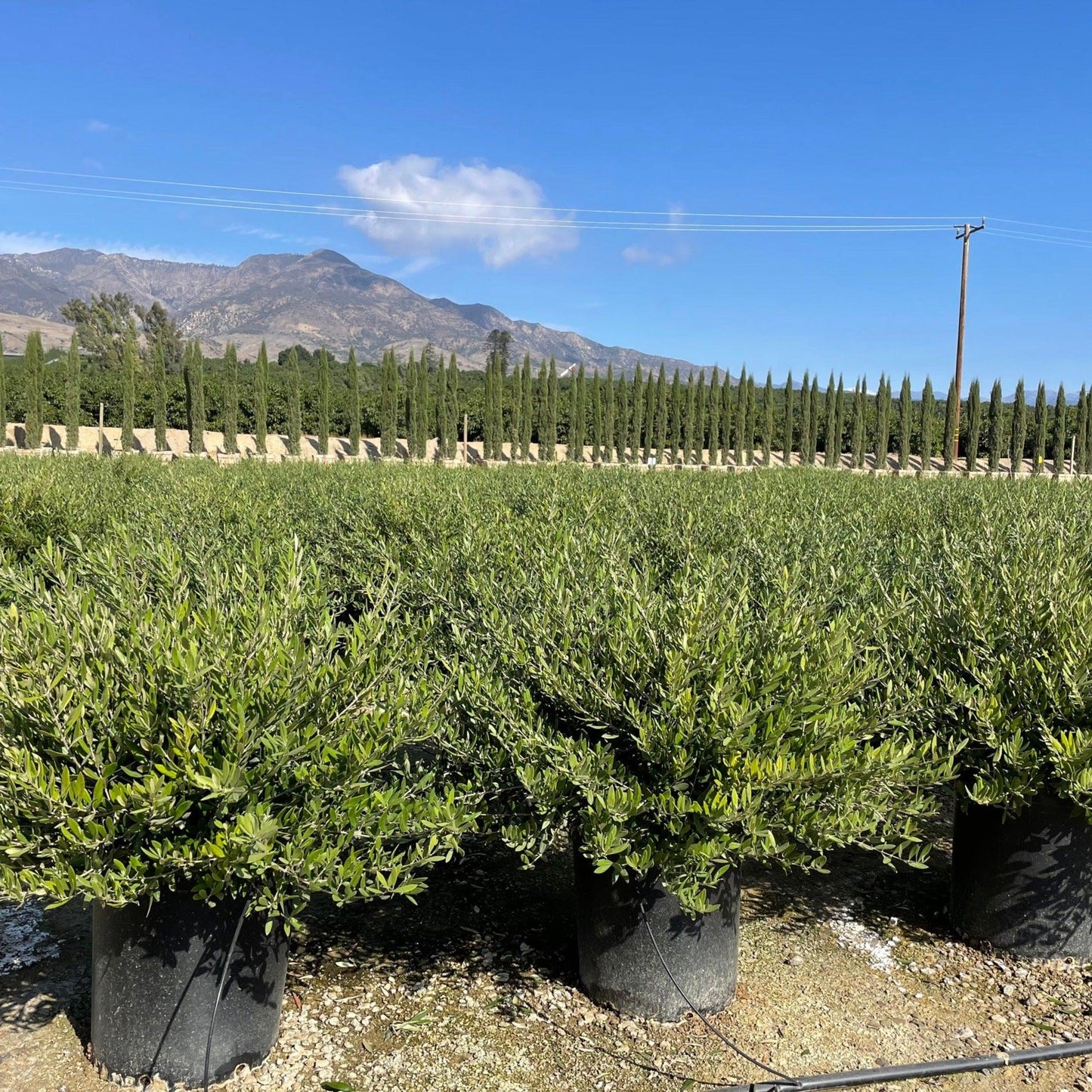

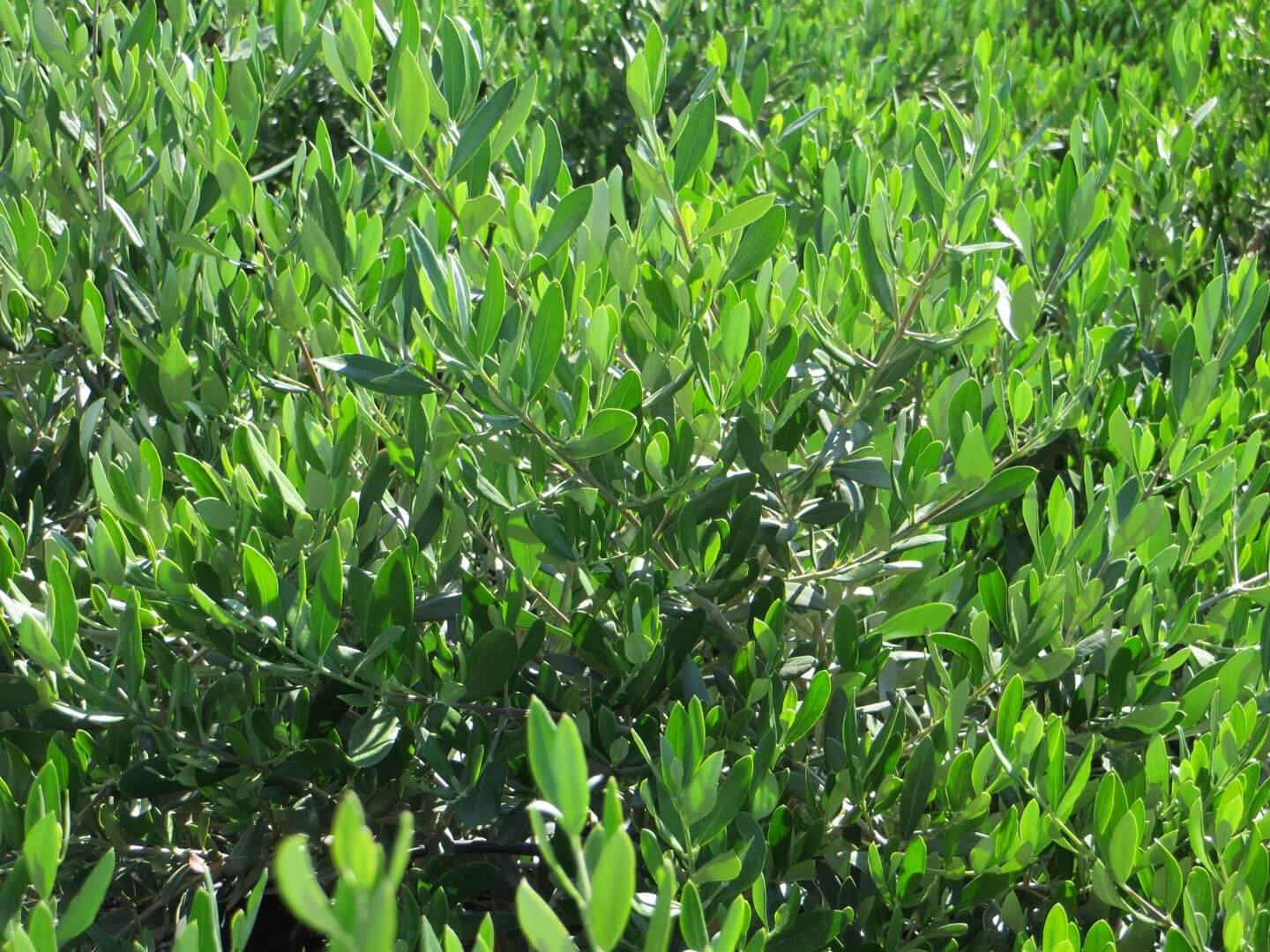
Thousands of Healthy Plants Delivered


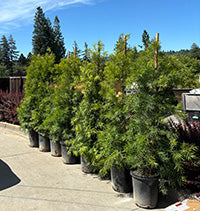
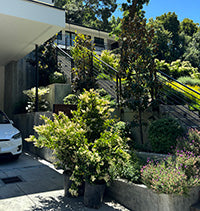
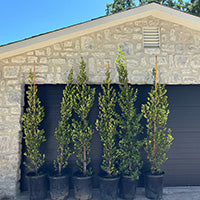
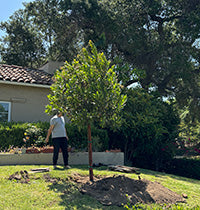
Yardwork was so great to work with. First they had the Swan Hill olive trees that we had been searching for, we had contacted several other nurseries without any luck previously. Then they answered all of our questions in a timely matter prior to ordering and finally delivered within a few days of placing it. Their staff is incredibly knowledgeable; they delivered and planted our trees with expertise to ensure that they would do well in our yard. We would definitely work with them again for future projects.











A Modern Experience
At Yardwork, we carefully curate thousands of plants, in all container sizes, to provide you with the best selection of the highest quality trees and plants at the best price, with the convenience of an online platform.
Uncompromised Quality
We choose only the finest specimens and hand select our plants just before delivery to ensure you receive the freshest and most robust specimens available for your landscape.
Industry Leading Warranties
Our 30, 90, and 365 extended warranties provide some of the best coverage to ensure our trees and plants thrive in your landscape.
Frequently Asked Questions
We're committed to changing everything about trees and plants - how they’re grown, how you shop for them, and how much they cost. We handle orders ourselves. No middlemen to get between us (or our prices) and you.
We're committed to changing everything about trees and plants - how they’re grown, how you shop for them, and how much they cost. We handle orders ourselves. No middlemen to get between us (or our prices) and you.
Delivery does not include unloading of trees and plants LARGER than a 24" box.
Trees and plants in smaller containers will be dropped curbside (usually on the driveway or near the front doorstep).
Delivery beyond a curbside drop will be charged extra.
Trees and plants that are sold in container sizes LARGER than a 24" box size will require equipment and/or enough manpower onsite to help unload from the truck.
Please reach out to our team PRIOR to placing your order to help coordinate.
Our team can provide unloading assistance with equipment for an extra fee as well.
Delivery does not include unloading of trees and plants LARGER than a 24" box.
Trees and plants in smaller containers will be dropped curbside (usually on the driveway or near the front doorstep).
Delivery beyond a curbside drop will be charged extra.
Trees and plants that are sold in container sizes LARGER than a 24" box size will require equipment and/or enough manpower onsite to help unload from the truck.
Please reach out to our team PRIOR to placing your order to help coordinate.
Our team can provide unloading assistance with equipment for an extra fee as well.
We ship locally within California within 7-10 days of your order being placed.
We ship nationally using carrier partners, based on order size. Our common order minimums for out of state shipping is $5,000.
Text or call 323-576-4159 for specific shipping details for your location.
We ship locally within California within 7-10 days of your order being placed.
We ship nationally using carrier partners, based on order size. Our common order minimums for out of state shipping is $5,000.
Text or call 323-576-4159 for specific shipping details for your location.
We are currently online only and don't have physical locations where you can view plants in person.
That's why we have photos direct from the growing grounds of the plants we will ship and we display pricing right in our store.
We do make sure to pick the very best trees and plants prior to shipping and make sure that they have gone through our multi-point inspection for health and structure.
We will always reach out prior to delivery if we find a quality issue or need to provide a substitute.
We are currently online only and don't have physical locations where you can view plants in person.
That's why we have photos direct from the growing grounds of the plants we will ship and we display pricing right in our store.
We do make sure to pick the very best trees and plants prior to shipping and make sure that they have gone through our multi-point inspection for health and structure.
We will always reach out prior to delivery if we find a quality issue or need to provide a substitute.
Plants vary greatly by type. Here is a rough idea of sizes based on containers that are direct from our growing grounds.
15 Gallon Shrub 3-4 Ft. Tall
15 Gallon Tree 5-6 Ft. Tall
24" Box Shrub 5-6 Ft. Tall
24" Box Tree 6-7 Ft. Tall
36" Box Shrub/Tree 7-9 Ft. Tall
48" Box Shrub/Tree 8-10 Ft. Tall
**Please note that we do not make guarantees of sizes. If you have questions or concerns, please call or text to request accurate sizing for the particular plant you're considering, prior to ordering.
Plants vary greatly by type. Here is a rough idea of sizes based on containers that are direct from our growing grounds.
15 Gallon Shrub 3-4 Ft. Tall
15 Gallon Tree 5-6 Ft. Tall
24" Box Shrub 5-6 Ft. Tall
24" Box Tree 6-7 Ft. Tall
36" Box Shrub/Tree 7-9 Ft. Tall
48" Box Shrub/Tree 8-10 Ft. Tall
**Please note that we do not make guarantees of sizes. If you have questions or concerns, please call or text to request accurate sizing for the particular plant you're considering, prior to ordering.
We offer a limited 30 day warranty for plants that are delivered and planted by someone else and a 90 day warranty for plants that we plant.
The limited warranty covers plants that die as a result of disease or fungus which was derived from our growing grounds or from root balls that were root bound.
The warranty does not cover damage due to watering, fertilizer, soils, or any other conditions beyond our control. Additionally, the warranty does not cover plants that are shipped out of the state of California or shipped into California from other states. Custom plant orders are also not covered under warranty. Plants must be planted within 24 hours after delivery to qualify.
We can assist you in recommending the right soils and fertilizers to help your plant thrive after you plant it.
Text or call 323-576-4159 for further warranty information.
We offer a limited 30 day warranty for plants that are delivered and planted by someone else and a 90 day warranty for plants that we plant.
The limited warranty covers plants that die as a result of disease or fungus which was derived from our growing grounds or from root balls that were root bound.
The warranty does not cover damage due to watering, fertilizer, soils, or any other conditions beyond our control. Additionally, the warranty does not cover plants that are shipped out of the state of California or shipped into California from other states. Custom plant orders are also not covered under warranty. Plants must be planted within 24 hours after delivery to qualify.
We can assist you in recommending the right soils and fertilizers to help your plant thrive after you plant it.
Text or call 323-576-4159 for further warranty information.
Our local delivery team covers most cities in California.
There are some exceptions, so please get in touch to confirm prior to ordering.
Additionally, we ship using semi trucks and trailers throughout the entire United States and even abroad for large orders over $5,000. Each shipment is custom, so please reach out to our team to coordinate.
Our local delivery team covers most cities in California.
There are some exceptions, so please get in touch to confirm prior to ordering.
Additionally, we ship using semi trucks and trailers throughout the entire United States and even abroad for large orders over $5,000. Each shipment is custom, so please reach out to our team to coordinate.