



Brown Turkey Fig Tree
Regular price
$395.00
Size
Sweet, Fresh Figs from Your Own Backyard in Just 3-5 Years
The Brown Turkey fig tree gives home gardeners a reliable way to grow sweet, edible fruit at home without complicated pollination, intensive care, or a large orchard setup. This self pollinating common fig produces fresh figs on its own, making it one of the most approachable fruit trees for backyard landscapes, containers, and warm-climate gardens, especially when paired with other fruiting trees like orange and citrus varieties.
With proper care, a Brown Turkey fig tree typically starts bearing fruit 3 to 5 years after planting. Once established, this cold hardy, heat tolerant turkey fig tree rewards you with delicious figs for fresh eating, preserves, drying, and seasonal harvests from early summer through early fall.
Why You’ll Love It
-
Two Harvests Per Year – Brown Turkey fig trees produce two crops of figs each year, with the first crop ripening early in the summer and the second larger crop ripening in late summer to early fall.
-
Self-Pollinating – Brown Turkey figs are self-pollinating, meaning they do not require another fig tree for fruit production. Plant one tree and still enjoy sweet fruit.
-
Cold Hardy – The Brown Turkey fig tree thrives best in USDA hardiness zones 7-9, making it suitable for the southern United States and many California landscapes.
-
Container Friendly – The Brown Turkey fig tree is considered a smaller variety of fig tree, making it suitable for container growth, patios, and gardens where space is limited.
-
Manageable Size – A fully mature Brown Turkey fig tree can reach a height of 15 to 30 feet and spread 10 to 20 feet wide, but pruning and container growing help maintain a smaller tree shape.
You’ll also love the fruit itself: the Brown Turkey fig is characterized by medium-to-large pear-shaped fruit with copper-brown skin and a soft, amber to light-pink interior flesh. The flavor of the Brown Turkey fig is mild and delicate, with subtle melon and honey notes. Figs are an excellent source of dietary fiber, potassium, calcium, and antioxidants.
What Makes It Different
Most fig trees either need warmer winter conditions, more specific care, or more careful pollination support to produce fruit consistently. The brown turkey fig is built for easier growing: it is self pollinating, adaptable, and well suited to home landscapes where gardeners want dependable fruit production without managing multiple fig varieties.
Brown Turkey is built differently:
-
Superior Cold Tolerance – The Brown Turkey fig tree is bred for enhanced climate adaptability and survives winter conditions better than many tender fig cultivars, though it falls in the middle tier of hardiness compared to other popular varieties.
-
Reliable Fruit Production – Unlike single-harvest options, Brown Turkey fig trees produce two crops each year: an early summer crop and a larger late summer to early fall crop.
-
Beginner-Friendly Growth – Ficus carica Brown Turkey thrives with full sun, well drained soil, regular watering while young, and annual pruning once established.
This deciduous shrub or small tree also adds attractive foliage to the garden. Its broad leaves, branching shape, and seasonal growth make it useful among edible fruit trees, ornamental shrubs, and productive backyard trees.
How To Grow A Brown Turkey Fig Tree
-
Plant in Full Sun
Plant your turkey fig in full sun with at least 6 hours of direct sunlight per day. Brown Turkey fig trees thrive best in full sun and well-drained soil, requiring at least 6 hours of direct sunlight per day to grow properly, although they can tolerate partial shade in extremely hot climates. -
Water and Establish
Set the root ball in well drained soil, backfill firmly, and remove air pockets around the roots. It is recommended to water Brown Turkey fig trees deeply but infrequently for about two weeks after planting to help establish new roots, and then to continue regular watering throughout the growing season. -
Support Strong Growth
The ideal soil for Brown Turkey fig trees is well-drained, loamy, and slightly acidic, often enhanced with organic matter like compost or manure. Proper soil moisture management is essential, especially when the fruit is developing; the tree is drought-tolerant once established. -
Harvest Fresh Figs
Fruits should be harvested when they change color from green to a rich brownish-purple, feel soft, and droop slightly on the stem. Avoid picking unripe fruit too early, because figs taste best when fully mature on the branches.
Annual pruning is recommended for Brown Turkey fig trees to improve air circulation, reduce disease, and control size, ideally performed during late winter when the tree is dormant.
Tree Specifications
-
Scientific Name: Ficus carica ‘Brown Turkey’
-
Common Names: Brown Turkey fig, turkey fig tree, turkey fig, common fig
-
Plant Type: Deciduous fruit tree / deciduous shrub
-
Mature Size: 15 to 30 feet tall, 10 to 20 feet wide
-
Growth Rate: The Brown Turkey fig tree grows at a rate of 13 to 24 inches each year.
-
Hardiness Zones: USDA zones 7-9
-
Sun Requirements: Full sun; at least 6 hours of direct sunlight daily
-
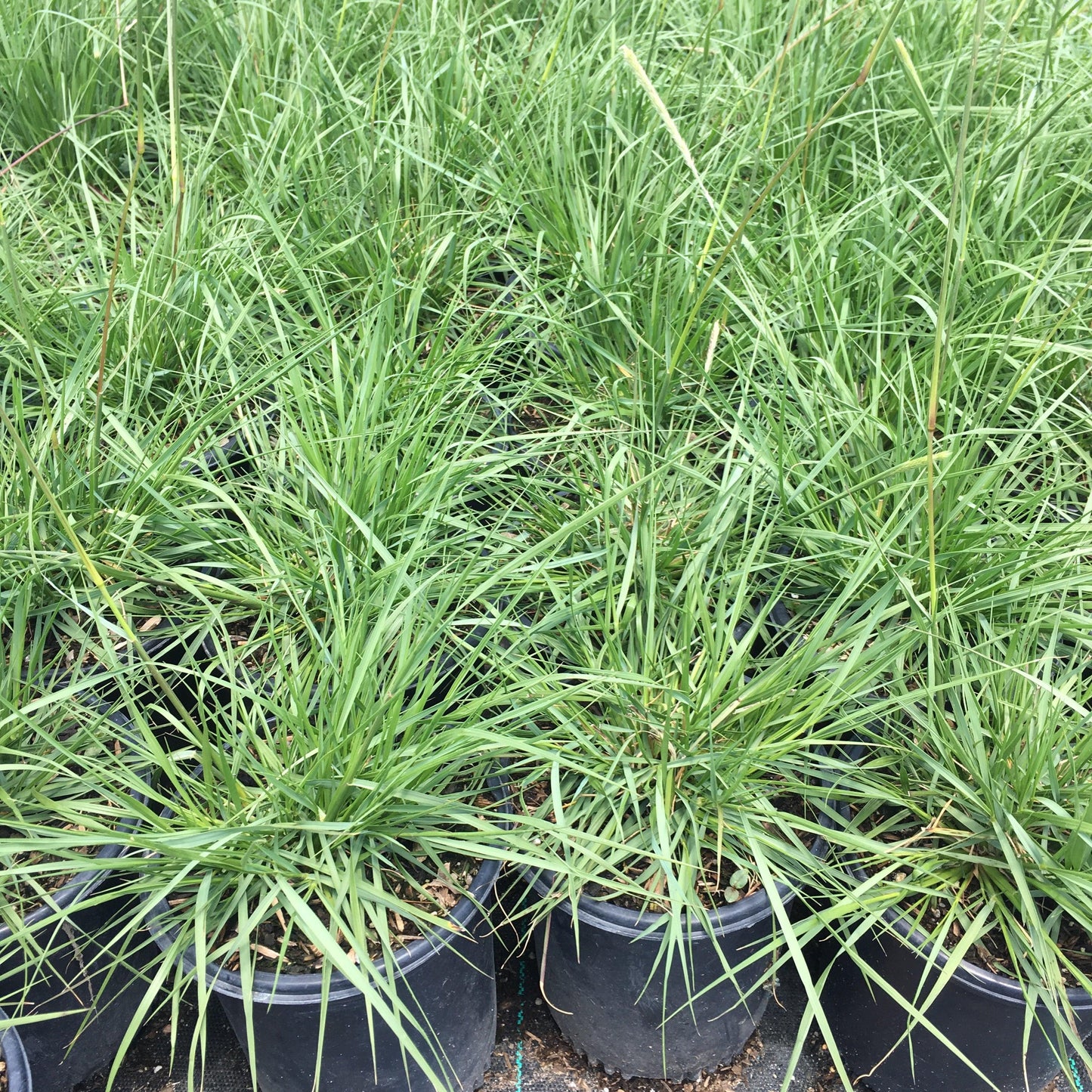
Soil: Well-drained, loamy, slightly acidic soil enhanced with compost or manure, pairing well with drought-tolerant ground covers like Autumn Moor Grass (Sesleria autumnalis)
-
Fruit: Medium-to-large pear-shaped figs with copper-brown skin and soft amber to light-pink flesh
-
Flavor: Mild, delicate, sweet, with subtle melon and honey notes
-
Harvest Season: Two harvests; early summer and late summer to early fall
-
Time to Fruit: Typically starts bearing fruit 3 to 5 years after planting
-
Watering: Water regularly during establishment and throughout the growing season
-
Pruning: Prune in late winter while dormant to shape the tree and improve airflow
-
Container Use: Suitable for containers and can be overwintered indoors in colder climates
-
Care Notes: In highly humid regions, the open ostiole of the Brown Turkey fig can cause splitting and pest issues.
For best results, plant in early spring after hard frost risk has passed, or in fall in mild climates where roots can settle before winter, and explore Yardwork’s trees, plants, and landscaping materials to complete your outdoor space.
Who It’s For
Ideal for:
-
California homeowners who want productive fruit trees with attractive foliage
-
Home gardeners in USDA zones 7-9 looking for fresh figs and reliable crops
-
Container gardeners who need a smaller fig tree that can be moved or overwintered indoors
-
Beginner growers interested in growing figs without complex pollination needs
-
Landscape owners who want edible fruit, shade, and seasonal structure from flowering trees and fruiting plants from one plant
The Brown Turkey fig tree is especially well suited for gardeners who want delicious figs for fresh eating, a manageable mature size, and dependable fruit production with straightforward care. With sun, well drained soil, regular water during establishment, and annual pruning, this brown turkey fig can become a long-lasting part of your edible landscape, complementing mature trees that provide instant shade and structure.
Frequently Asked Questions
When will my Brown Turkey fig tree start producing fruit?
The Brown Turkey fig tree typically starts bearing fruit 3 to 5 years after planting. Under good conditions, established trees produce two crops: one in early summer and a larger second crop in late summer to early fall.
Can I grow this tree in a container?
Yes. The Brown Turkey fig tree is considered a smaller variety of fig tree, making it suitable for container growth. Choose a large container with well drained soil, water regularly through the growing season, and move the plant to a protected location if it needs to be overwintered indoors.
How much sun does it need?
Brown Turkey fig trees require at least 6 hours of direct sunlight per day to thrive. Full sun gives the best fruit production and sweetest figs, though partial shade can help in extremely hot climates.
How do I know when the figs are ready to pick?
Harvest the fruit when it changes from green to rich brownish-purple, feels soft, and droops slightly on the stem. The best fresh figs are picked fully ripe, not while they are still firm or unripe.
What problems should I watch for?
Brown Turkey fig trees are generally dependable, but humid conditions can increase splitting and pest pressure because of the open ostiole. Watch for spider mites, leaf spot, root knot nematodes, and fruit damage in wet or humid areas. Good airflow, proper pruning, and balanced soil moisture help reduce issues.
What if the tree doesn’t thrive in my garden?
Yardwork can help with growing support, site selection, soil guidance, and care recommendations. If your soil, sun exposure, or watering schedule needs adjustment, our team can help you improve growing conditions before problems affect the tree.
Ready to Grow Your Own Figs?
Stop buying expensive figs at the grocery store and grow your own sweet harvest at home. Choose the Brown Turkey Fig Tree and enjoy fresh figs, attractive foliage, and productive growth for decades with the right care.
Sweet, Fresh Figs from Your Own Backyard in Just 3-5 Years
The Brown Turkey fig tree gives home gardeners a reliable way to grow sweet, edible fruit at home without complicated pollination, intensive care, or a large orchard setup. This self pollinating common fig produces fresh figs on its own, making it one of the most approachable fruit trees for backyard landscapes, containers, and warm-climate gardens, especially when paired with other fruiting trees like orange and citrus varieties.
With proper care, a Brown Turkey fig tree typically starts bearing fruit 3 to 5 years after planting. Once established, this cold hardy, heat tolerant turkey fig tree rewards you with delicious figs for fresh eating, preserves, drying, and seasonal harvests from early summer through early fall.
Why You’ll Love It
-
Two Harvests Per Year – Brown Turkey fig trees produce two crops of figs each year, with the first crop ripening early in the summer and the second larger crop ripening in late summer to early fall.
-
Self-Pollinating – Brown Turkey figs are self-pollinating, meaning they do not require another fig tree for fruit production. Plant one tree and still enjoy sweet fruit.
-
Cold Hardy – The Brown Turkey fig tree thrives best in USDA hardiness zones 7-9, making it suitable for the southern United States and many California landscapes.
-
Container Friendly – The Brown Turkey fig tree is considered a smaller variety of fig tree, making it suitable for container growth, patios, and gardens where space is limited.
-
Manageable Size – A fully mature Brown Turkey fig tree can reach a height of 15 to 30 feet and spread 10 to 20 feet wide, but pruning and container growing help maintain a smaller tree shape.
You’ll also love the fruit itself: the Brown Turkey fig is characterized by medium-to-large pear-shaped fruit with copper-brown skin and a soft, amber to light-pink interior flesh. The flavor of the Brown Turkey fig is mild and delicate, with subtle melon and honey notes. Figs are an excellent source of dietary fiber, potassium, calcium, and antioxidants.
What Makes It Different
Most fig trees either need warmer winter conditions, more specific care, or more careful pollination support to produce fruit consistently. The brown turkey fig is built for easier growing: it is self pollinating, adaptable, and well suited to home landscapes where gardeners want dependable fruit production without managing multiple fig varieties.
Brown Turkey is built differently:
-
Superior Cold Tolerance – The Brown Turkey fig tree is bred for enhanced climate adaptability and survives winter conditions better than many tender fig cultivars, though it falls in the middle tier of hardiness compared to other popular varieties.
-
Reliable Fruit Production – Unlike single-harvest options, Brown Turkey fig trees produce two crops each year: an early summer crop and a larger late summer to early fall crop.
-
Beginner-Friendly Growth – Ficus carica Brown Turkey thrives with full sun, well drained soil, regular watering while young, and annual pruning once established.
This deciduous shrub or small tree also adds attractive foliage to the garden. Its broad leaves, branching shape, and seasonal growth make it useful among edible fruit trees, ornamental shrubs, and productive backyard trees.
How To Grow A Brown Turkey Fig Tree
-
Plant in Full Sun
Plant your turkey fig in full sun with at least 6 hours of direct sunlight per day. Brown Turkey fig trees thrive best in full sun and well-drained soil, requiring at least 6 hours of direct sunlight per day to grow properly, although they can tolerate partial shade in extremely hot climates. -
Water and Establish
Set the root ball in well drained soil, backfill firmly, and remove air pockets around the roots. It is recommended to water Brown Turkey fig trees deeply but infrequently for about two weeks after planting to help establish new roots, and then to continue regular watering throughout the growing season. -
Support Strong Growth
The ideal soil for Brown Turkey fig trees is well-drained, loamy, and slightly acidic, often enhanced with organic matter like compost or manure. Proper soil moisture management is essential, especially when the fruit is developing; the tree is drought-tolerant once established. -
Harvest Fresh Figs
Fruits should be harvested when they change color from green to a rich brownish-purple, feel soft, and droop slightly on the stem. Avoid picking unripe fruit too early, because figs taste best when fully mature on the branches.
Annual pruning is recommended for Brown Turkey fig trees to improve air circulation, reduce disease, and control size, ideally performed during late winter when the tree is dormant.
Tree Specifications
-
Scientific Name: Ficus carica ‘Brown Turkey’
-
Common Names: Brown Turkey fig, turkey fig tree, turkey fig, common fig
-
Plant Type: Deciduous fruit tree / deciduous shrub
-
Mature Size: 15 to 30 feet tall, 10 to 20 feet wide
-
Growth Rate: The Brown Turkey fig tree grows at a rate of 13 to 24 inches each year.
-
Hardiness Zones: USDA zones 7-9
-
Sun Requirements: Full sun; at least 6 hours of direct sunlight daily
-
Soil: Well-drained, loamy, slightly acidic soil enhanced with compost or manure, pairing well with drought-tolerant ground covers like Autumn Moor Grass (Sesleria autumnalis)
-
Fruit: Medium-to-large pear-shaped figs with copper-brown skin and soft amber to light-pink flesh
-
Flavor: Mild, delicate, sweet, with subtle melon and honey notes
-
Harvest Season: Two harvests; early summer and late summer to early fall
-
Time to Fruit: Typically starts bearing fruit 3 to 5 years after planting
-
Watering: Water regularly during establishment and throughout the growing season
-
Pruning: Prune in late winter while dormant to shape the tree and improve airflow
-
Container Use: Suitable for containers and can be overwintered indoors in colder climates
-
Care Notes: In highly humid regions, the open ostiole of the Brown Turkey fig can cause splitting and pest issues.
For best results, plant in early spring after hard frost risk has passed, or in fall in mild climates where roots can settle before winter, and explore Yardwork’s trees, plants, and landscaping materials to complete your outdoor space.
Who It’s For
Ideal for:
-
California homeowners who want productive fruit trees with attractive foliage
-
Home gardeners in USDA zones 7-9 looking for fresh figs and reliable crops
-
Container gardeners who need a smaller fig tree that can be moved or overwintered indoors
-
Beginner growers interested in growing figs without complex pollination needs
-
Landscape owners who want edible fruit, shade, and seasonal structure from flowering trees and fruiting plants from one plant
The Brown Turkey fig tree is especially well suited for gardeners who want delicious figs for fresh eating, a manageable mature size, and dependable fruit production with straightforward care. With sun, well drained soil, regular water during establishment, and annual pruning, this brown turkey fig can become a long-lasting part of your edible landscape, complementing mature trees that provide instant shade and structure.
Frequently Asked Questions
When will my Brown Turkey fig tree start producing fruit?
The Brown Turkey fig tree typically starts bearing fruit 3 to 5 years after planting. Under good conditions, established trees produce two crops: one in early summer and a larger second crop in late summer to early fall.
Can I grow this tree in a container?
Yes. The Brown Turkey fig tree is considered a smaller variety of fig tree, making it suitable for container growth. Choose a large container with well drained soil, water regularly through the growing season, and move the plant to a protected location if it needs to be overwintered indoors.
How much sun does it need?
Brown Turkey fig trees require at least 6 hours of direct sunlight per day to thrive. Full sun gives the best fruit production and sweetest figs, though partial shade can help in extremely hot climates.
How do I know when the figs are ready to pick?
Harvest the fruit when it changes from green to rich brownish-purple, feels soft, and droops slightly on the stem. The best fresh figs are picked fully ripe, not while they are still firm or unripe.
What problems should I watch for?
Brown Turkey fig trees are generally dependable, but humid conditions can increase splitting and pest pressure because of the open ostiole. Watch for spider mites, leaf spot, root knot nematodes, and fruit damage in wet or humid areas. Good airflow, proper pruning, and balanced soil moisture help reduce issues.
What if the tree doesn’t thrive in my garden?
Yardwork can help with growing support, site selection, soil guidance, and care recommendations. If your soil, sun exposure, or watering schedule needs adjustment, our team can help you improve growing conditions before problems affect the tree.
Ready to Grow Your Own Figs?
Stop buying expensive figs at the grocery store and grow your own sweet harvest at home. Choose the Brown Turkey Fig Tree and enjoy fresh figs, attractive foliage, and productive growth for decades with the right care.
Plants vary greatly by type and no guarantees are made on sizing.
However here is a rough idea of sizes based on containers that are direct from our growing grounds.
15 Gallon Shrub 3-4 Ft. Tall
15 Gallon Tree 5-6 Ft. Tall
24" Box Shrub 5-6 Ft. Tall
24" Box Tree 6-7 Ft. Tall
36" Box Tree 8-10 Ft. Tall
48" Box Tree 10-12 Ft. Tall
Please note: Citrus and California Native plants such as Manzanita are smaller than traditional sizing.
Please contact us to confirm sizing of items before purchasing if this is a concern.
Plants vary greatly by type and no guarantees are made on sizing.
However here is a rough idea of sizes based on containers that are direct from our growing grounds.
15 Gallon Shrub 3-4 Ft. Tall
15 Gallon Tree 5-6 Ft. Tall
24" Box Shrub 5-6 Ft. Tall
24" Box Tree 6-7 Ft. Tall
36" Box Tree 8-10 Ft. Tall
48" Box Tree 10-12 Ft. Tall
Please note: Citrus and California Native plants such as Manzanita are smaller than traditional sizing.
Please contact us to confirm sizing of items before purchasing if this is a concern.
Delivery does not include unloading of trees and plants larger than a 24" box.
Trees and plants in smaller containers will be dropped curbside.
Delivery beyond a curbside drop will be charged extra.
Trees and plants that are sold in container sizes larger than a 24" box size will require equipment and an operator onsite to help unload from the truck.
Please reach out to our team PRIOR to placing your order to coordinate.
Our team can provide unloading assistance with equipment for an extra fee.
Delivery does not include unloading of trees and plants larger than a 24" box.
Trees and plants in smaller containers will be dropped curbside.
Delivery beyond a curbside drop will be charged extra.
Trees and plants that are sold in container sizes larger than a 24" box size will require equipment and an operator onsite to help unload from the truck.
Please reach out to our team PRIOR to placing your order to coordinate.
Our team can provide unloading assistance with equipment for an extra fee.
You may also like...


Brown Turkey Fig Tree
Regular price
$395.00
Size
Sweet, Fresh Figs from Your Own Backyard in Just 3-5 Years
The Brown Turkey fig tree gives home gardeners a reliable way to grow sweet, edible fruit at home without complicated pollination, intensive care, or a large orchard setup. This self pollinating common fig produces fresh figs on its own, making it one of the most approachable fruit trees for backyard landscapes, containers, and warm-climate gardens, especially when paired with other fruiting trees like orange and citrus varieties.
With proper care, a Brown Turkey fig tree typically starts bearing fruit 3 to 5 years after planting. Once established, this cold hardy, heat tolerant turkey fig tree rewards you with delicious figs for fresh eating, preserves, drying, and seasonal harvests from early summer through early fall.
Why You’ll Love It
-
Two Harvests Per Year – Brown Turkey fig trees produce two crops of figs each year, with the first crop ripening early in the summer and the second larger crop ripening in late summer to early fall.
-
Self-Pollinating – Brown Turkey figs are self-pollinating, meaning they do not require another fig tree for fruit production. Plant one tree and still enjoy sweet fruit.
-
Cold Hardy – The Brown Turkey fig tree thrives best in USDA hardiness zones 7-9, making it suitable for the southern United States and many California landscapes.
-
Container Friendly – The Brown Turkey fig tree is considered a smaller variety of fig tree, making it suitable for container growth, patios, and gardens where space is limited.
-
Manageable Size – A fully mature Brown Turkey fig tree can reach a height of 15 to 30 feet and spread 10 to 20 feet wide, but pruning and container growing help maintain a smaller tree shape.
You’ll also love the fruit itself: the Brown Turkey fig is characterized by medium-to-large pear-shaped fruit with copper-brown skin and a soft, amber to light-pink interior flesh. The flavor of the Brown Turkey fig is mild and delicate, with subtle melon and honey notes. Figs are an excellent source of dietary fiber, potassium, calcium, and antioxidants.
What Makes It Different
Most fig trees either need warmer winter conditions, more specific care, or more careful pollination support to produce fruit consistently. The brown turkey fig is built for easier growing: it is self pollinating, adaptable, and well suited to home landscapes where gardeners want dependable fruit production without managing multiple fig varieties.
Brown Turkey is built differently:
-
Superior Cold Tolerance – The Brown Turkey fig tree is bred for enhanced climate adaptability and survives winter conditions better than many tender fig cultivars, though it falls in the middle tier of hardiness compared to other popular varieties.
-
Reliable Fruit Production – Unlike single-harvest options, Brown Turkey fig trees produce two crops each year: an early summer crop and a larger late summer to early fall crop.
-
Beginner-Friendly Growth – Ficus carica Brown Turkey thrives with full sun, well drained soil, regular watering while young, and annual pruning once established.
This deciduous shrub or small tree also adds attractive foliage to the garden. Its broad leaves, branching shape, and seasonal growth make it useful among edible fruit trees, ornamental shrubs, and productive backyard trees.
How To Grow A Brown Turkey Fig Tree
-
Plant in Full Sun
Plant your turkey fig in full sun with at least 6 hours of direct sunlight per day. Brown Turkey fig trees thrive best in full sun and well-drained soil, requiring at least 6 hours of direct sunlight per day to grow properly, although they can tolerate partial shade in extremely hot climates. -
Water and Establish
Set the root ball in well drained soil, backfill firmly, and remove air pockets around the roots. It is recommended to water Brown Turkey fig trees deeply but infrequently for about two weeks after planting to help establish new roots, and then to continue regular watering throughout the growing season. -
Support Strong Growth
The ideal soil for Brown Turkey fig trees is well-drained, loamy, and slightly acidic, often enhanced with organic matter like compost or manure. Proper soil moisture management is essential, especially when the fruit is developing; the tree is drought-tolerant once established. -
Harvest Fresh Figs
Fruits should be harvested when they change color from green to a rich brownish-purple, feel soft, and droop slightly on the stem. Avoid picking unripe fruit too early, because figs taste best when fully mature on the branches.
Annual pruning is recommended for Brown Turkey fig trees to improve air circulation, reduce disease, and control size, ideally performed during late winter when the tree is dormant.
Tree Specifications
-
Scientific Name: Ficus carica ‘Brown Turkey’
-
Common Names: Brown Turkey fig, turkey fig tree, turkey fig, common fig
-
Plant Type: Deciduous fruit tree / deciduous shrub
-
Mature Size: 15 to 30 feet tall, 10 to 20 feet wide
-
Growth Rate: The Brown Turkey fig tree grows at a rate of 13 to 24 inches each year.
-
Hardiness Zones: USDA zones 7-9
-
Sun Requirements: Full sun; at least 6 hours of direct sunlight daily
-
Soil: Well-drained, loamy, slightly acidic soil enhanced with compost or manure, pairing well with drought-tolerant ground covers like Autumn Moor Grass (Sesleria autumnalis)
-
Fruit: Medium-to-large pear-shaped figs with copper-brown skin and soft amber to light-pink flesh
-
Flavor: Mild, delicate, sweet, with subtle melon and honey notes
-
Harvest Season: Two harvests; early summer and late summer to early fall
-
Time to Fruit: Typically starts bearing fruit 3 to 5 years after planting
-
Watering: Water regularly during establishment and throughout the growing season
-
Pruning: Prune in late winter while dormant to shape the tree and improve airflow
-
Container Use: Suitable for containers and can be overwintered indoors in colder climates
-
Care Notes: In highly humid regions, the open ostiole of the Brown Turkey fig can cause splitting and pest issues.
For best results, plant in early spring after hard frost risk has passed, or in fall in mild climates where roots can settle before winter, and explore Yardwork’s trees, plants, and landscaping materials to complete your outdoor space.
Who It’s For
Ideal for:
-
California homeowners who want productive fruit trees with attractive foliage
-
Home gardeners in USDA zones 7-9 looking for fresh figs and reliable crops
-
Container gardeners who need a smaller fig tree that can be moved or overwintered indoors
-
Beginner growers interested in growing figs without complex pollination needs
-
Landscape owners who want edible fruit, shade, and seasonal structure from flowering trees and fruiting plants from one plant
The Brown Turkey fig tree is especially well suited for gardeners who want delicious figs for fresh eating, a manageable mature size, and dependable fruit production with straightforward care. With sun, well drained soil, regular water during establishment, and annual pruning, this brown turkey fig can become a long-lasting part of your edible landscape, complementing mature trees that provide instant shade and structure.
Frequently Asked Questions
When will my Brown Turkey fig tree start producing fruit?
The Brown Turkey fig tree typically starts bearing fruit 3 to 5 years after planting. Under good conditions, established trees produce two crops: one in early summer and a larger second crop in late summer to early fall.
Can I grow this tree in a container?
Yes. The Brown Turkey fig tree is considered a smaller variety of fig tree, making it suitable for container growth. Choose a large container with well drained soil, water regularly through the growing season, and move the plant to a protected location if it needs to be overwintered indoors.
How much sun does it need?
Brown Turkey fig trees require at least 6 hours of direct sunlight per day to thrive. Full sun gives the best fruit production and sweetest figs, though partial shade can help in extremely hot climates.
How do I know when the figs are ready to pick?
Harvest the fruit when it changes from green to rich brownish-purple, feels soft, and droops slightly on the stem. The best fresh figs are picked fully ripe, not while they are still firm or unripe.
What problems should I watch for?
Brown Turkey fig trees are generally dependable, but humid conditions can increase splitting and pest pressure because of the open ostiole. Watch for spider mites, leaf spot, root knot nematodes, and fruit damage in wet or humid areas. Good airflow, proper pruning, and balanced soil moisture help reduce issues.
What if the tree doesn’t thrive in my garden?
Yardwork can help with growing support, site selection, soil guidance, and care recommendations. If your soil, sun exposure, or watering schedule needs adjustment, our team can help you improve growing conditions before problems affect the tree.
Ready to Grow Your Own Figs?
Stop buying expensive figs at the grocery store and grow your own sweet harvest at home. Choose the Brown Turkey Fig Tree and enjoy fresh figs, attractive foliage, and productive growth for decades with the right care.
Sweet, Fresh Figs from Your Own Backyard in Just 3-5 Years
The Brown Turkey fig tree gives home gardeners a reliable way to grow sweet, edible fruit at home without complicated pollination, intensive care, or a large orchard setup. This self pollinating common fig produces fresh figs on its own, making it one of the most approachable fruit trees for backyard landscapes, containers, and warm-climate gardens, especially when paired with other fruiting trees like orange and citrus varieties.
With proper care, a Brown Turkey fig tree typically starts bearing fruit 3 to 5 years after planting. Once established, this cold hardy, heat tolerant turkey fig tree rewards you with delicious figs for fresh eating, preserves, drying, and seasonal harvests from early summer through early fall.
Why You’ll Love It
-
Two Harvests Per Year – Brown Turkey fig trees produce two crops of figs each year, with the first crop ripening early in the summer and the second larger crop ripening in late summer to early fall.
-
Self-Pollinating – Brown Turkey figs are self-pollinating, meaning they do not require another fig tree for fruit production. Plant one tree and still enjoy sweet fruit.
-
Cold Hardy – The Brown Turkey fig tree thrives best in USDA hardiness zones 7-9, making it suitable for the southern United States and many California landscapes.
-
Container Friendly – The Brown Turkey fig tree is considered a smaller variety of fig tree, making it suitable for container growth, patios, and gardens where space is limited.
-
Manageable Size – A fully mature Brown Turkey fig tree can reach a height of 15 to 30 feet and spread 10 to 20 feet wide, but pruning and container growing help maintain a smaller tree shape.
You’ll also love the fruit itself: the Brown Turkey fig is characterized by medium-to-large pear-shaped fruit with copper-brown skin and a soft, amber to light-pink interior flesh. The flavor of the Brown Turkey fig is mild and delicate, with subtle melon and honey notes. Figs are an excellent source of dietary fiber, potassium, calcium, and antioxidants.
What Makes It Different
Most fig trees either need warmer winter conditions, more specific care, or more careful pollination support to produce fruit consistently. The brown turkey fig is built for easier growing: it is self pollinating, adaptable, and well suited to home landscapes where gardeners want dependable fruit production without managing multiple fig varieties.
Brown Turkey is built differently:
-
Superior Cold Tolerance – The Brown Turkey fig tree is bred for enhanced climate adaptability and survives winter conditions better than many tender fig cultivars, though it falls in the middle tier of hardiness compared to other popular varieties.
-
Reliable Fruit Production – Unlike single-harvest options, Brown Turkey fig trees produce two crops each year: an early summer crop and a larger late summer to early fall crop.
-
Beginner-Friendly Growth – Ficus carica Brown Turkey thrives with full sun, well drained soil, regular watering while young, and annual pruning once established.
This deciduous shrub or small tree also adds attractive foliage to the garden. Its broad leaves, branching shape, and seasonal growth make it useful among edible fruit trees, ornamental shrubs, and productive backyard trees.
How To Grow A Brown Turkey Fig Tree
-
Plant in Full Sun
Plant your turkey fig in full sun with at least 6 hours of direct sunlight per day. Brown Turkey fig trees thrive best in full sun and well-drained soil, requiring at least 6 hours of direct sunlight per day to grow properly, although they can tolerate partial shade in extremely hot climates. -
Water and Establish
Set the root ball in well drained soil, backfill firmly, and remove air pockets around the roots. It is recommended to water Brown Turkey fig trees deeply but infrequently for about two weeks after planting to help establish new roots, and then to continue regular watering throughout the growing season. -
Support Strong Growth
The ideal soil for Brown Turkey fig trees is well-drained, loamy, and slightly acidic, often enhanced with organic matter like compost or manure. Proper soil moisture management is essential, especially when the fruit is developing; the tree is drought-tolerant once established. -
Harvest Fresh Figs
Fruits should be harvested when they change color from green to a rich brownish-purple, feel soft, and droop slightly on the stem. Avoid picking unripe fruit too early, because figs taste best when fully mature on the branches.
Annual pruning is recommended for Brown Turkey fig trees to improve air circulation, reduce disease, and control size, ideally performed during late winter when the tree is dormant.
Tree Specifications
-
Scientific Name: Ficus carica ‘Brown Turkey’
-
Common Names: Brown Turkey fig, turkey fig tree, turkey fig, common fig
-
Plant Type: Deciduous fruit tree / deciduous shrub
-
Mature Size: 15 to 30 feet tall, 10 to 20 feet wide
-
Growth Rate: The Brown Turkey fig tree grows at a rate of 13 to 24 inches each year.
-
Hardiness Zones: USDA zones 7-9
-
Sun Requirements: Full sun; at least 6 hours of direct sunlight daily
-
Soil: Well-drained, loamy, slightly acidic soil enhanced with compost or manure, pairing well with drought-tolerant ground covers like Autumn Moor Grass (Sesleria autumnalis)
-
Fruit: Medium-to-large pear-shaped figs with copper-brown skin and soft amber to light-pink flesh
-
Flavor: Mild, delicate, sweet, with subtle melon and honey notes
-
Harvest Season: Two harvests; early summer and late summer to early fall
-
Time to Fruit: Typically starts bearing fruit 3 to 5 years after planting
-
Watering: Water regularly during establishment and throughout the growing season
-
Pruning: Prune in late winter while dormant to shape the tree and improve airflow
-
Container Use: Suitable for containers and can be overwintered indoors in colder climates
-
Care Notes: In highly humid regions, the open ostiole of the Brown Turkey fig can cause splitting and pest issues.
For best results, plant in early spring after hard frost risk has passed, or in fall in mild climates where roots can settle before winter, and explore Yardwork’s trees, plants, and landscaping materials to complete your outdoor space.
Who It’s For
Ideal for:
-
California homeowners who want productive fruit trees with attractive foliage
-
Home gardeners in USDA zones 7-9 looking for fresh figs and reliable crops
-
Container gardeners who need a smaller fig tree that can be moved or overwintered indoors
-
Beginner growers interested in growing figs without complex pollination needs
-
Landscape owners who want edible fruit, shade, and seasonal structure from flowering trees and fruiting plants from one plant
The Brown Turkey fig tree is especially well suited for gardeners who want delicious figs for fresh eating, a manageable mature size, and dependable fruit production with straightforward care. With sun, well drained soil, regular water during establishment, and annual pruning, this brown turkey fig can become a long-lasting part of your edible landscape, complementing mature trees that provide instant shade and structure.
Frequently Asked Questions
When will my Brown Turkey fig tree start producing fruit?
The Brown Turkey fig tree typically starts bearing fruit 3 to 5 years after planting. Under good conditions, established trees produce two crops: one in early summer and a larger second crop in late summer to early fall.
Can I grow this tree in a container?
Yes. The Brown Turkey fig tree is considered a smaller variety of fig tree, making it suitable for container growth. Choose a large container with well drained soil, water regularly through the growing season, and move the plant to a protected location if it needs to be overwintered indoors.
How much sun does it need?
Brown Turkey fig trees require at least 6 hours of direct sunlight per day to thrive. Full sun gives the best fruit production and sweetest figs, though partial shade can help in extremely hot climates.
How do I know when the figs are ready to pick?
Harvest the fruit when it changes from green to rich brownish-purple, feels soft, and droops slightly on the stem. The best fresh figs are picked fully ripe, not while they are still firm or unripe.
What problems should I watch for?
Brown Turkey fig trees are generally dependable, but humid conditions can increase splitting and pest pressure because of the open ostiole. Watch for spider mites, leaf spot, root knot nematodes, and fruit damage in wet or humid areas. Good airflow, proper pruning, and balanced soil moisture help reduce issues.
What if the tree doesn’t thrive in my garden?
Yardwork can help with growing support, site selection, soil guidance, and care recommendations. If your soil, sun exposure, or watering schedule needs adjustment, our team can help you improve growing conditions before problems affect the tree.
Ready to Grow Your Own Figs?
Stop buying expensive figs at the grocery store and grow your own sweet harvest at home. Choose the Brown Turkey Fig Tree and enjoy fresh figs, attractive foliage, and productive growth for decades with the right care.
Plants vary greatly by type and no guarantees are made on sizing.
However here is a rough idea of sizes based on containers that are direct from our growing grounds.
15 Gallon Shrub 3-4 Ft. Tall
15 Gallon Tree 5-6 Ft. Tall
24" Box Shrub 5-6 Ft. Tall
24" Box Tree 6-7 Ft. Tall
36" Box Tree 8-10 Ft. Tall
48" Box Tree 10-12 Ft. Tall
Please note: Citrus and California Native plants such as Manzanita are smaller than traditional sizing.
Please contact us to confirm sizing of items before purchasing if this is a concern.
Plants vary greatly by type and no guarantees are made on sizing.
However here is a rough idea of sizes based on containers that are direct from our growing grounds.
15 Gallon Shrub 3-4 Ft. Tall
15 Gallon Tree 5-6 Ft. Tall
24" Box Shrub 5-6 Ft. Tall
24" Box Tree 6-7 Ft. Tall
36" Box Tree 8-10 Ft. Tall
48" Box Tree 10-12 Ft. Tall
Please note: Citrus and California Native plants such as Manzanita are smaller than traditional sizing.
Please contact us to confirm sizing of items before purchasing if this is a concern.
Delivery does not include unloading of trees and plants larger than a 24" box.
Trees and plants in smaller containers will be dropped curbside.
Delivery beyond a curbside drop will be charged extra.
Trees and plants that are sold in container sizes larger than a 24" box size will require equipment and an operator onsite to help unload from the truck.
Please reach out to our team PRIOR to placing your order to coordinate.
Our team can provide unloading assistance with equipment for an extra fee.
Delivery does not include unloading of trees and plants larger than a 24" box.
Trees and plants in smaller containers will be dropped curbside.
Delivery beyond a curbside drop will be charged extra.
Trees and plants that are sold in container sizes larger than a 24" box size will require equipment and an operator onsite to help unload from the truck.
Please reach out to our team PRIOR to placing your order to coordinate.
Our team can provide unloading assistance with equipment for an extra fee.
Recommended For You















Pairs Well With













You May Also Like












Thousands of Healthy Plants Delivered


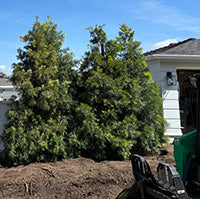
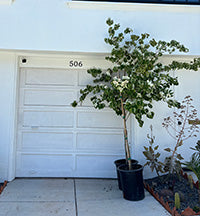
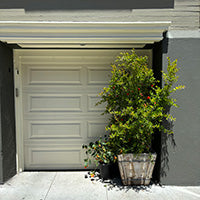
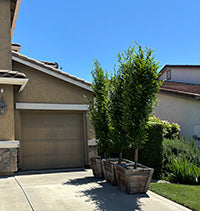
Yardwork was so great to work with. First they had the Swan Hill olive trees that we had been searching for, we had contacted several other nurseries without any luck previously. Then they answered all of our questions in a timely matter prior to ordering and finally delivered within a few days of placing it. Their staff is incredibly knowledgeable; they delivered and planted our trees with expertise to ensure that they would do well in our yard. We would definitely work with them again for future projects.











A Modern Experience
At Yardwork, we carefully curate thousands of plants, in all container sizes, to provide you with the best selection of the highest quality trees and plants at the best price, with the convenience of an online platform.
Uncompromised Quality
We choose only the finest specimens and hand select our plants just before delivery to ensure you receive the freshest and most robust specimens available for your landscape.
Industry Leading Warranties
Our 30, 90, and 365 extended warranties provide some of the best coverage to ensure our trees and plants thrive in your landscape.
Frequently Asked Questions
We're committed to changing everything about trees and plants - how they’re grown, how you shop for them, and how much they cost. We handle orders ourselves. No middlemen to get between us (or our prices) and you.
We're committed to changing everything about trees and plants - how they’re grown, how you shop for them, and how much they cost. We handle orders ourselves. No middlemen to get between us (or our prices) and you.
Delivery does not include unloading of trees and plants LARGER than a 24" box.
Trees and plants in smaller containers will be dropped curbside (usually on the driveway or near the front doorstep).
Delivery beyond a curbside drop will be charged extra.
Trees and plants that are sold in container sizes LARGER than a 24" box size will require equipment and/or enough manpower onsite to help unload from the truck.
Please reach out to our team PRIOR to placing your order to help coordinate.
Our team can provide unloading assistance with equipment for an extra fee as well.
Delivery does not include unloading of trees and plants LARGER than a 24" box.
Trees and plants in smaller containers will be dropped curbside (usually on the driveway or near the front doorstep).
Delivery beyond a curbside drop will be charged extra.
Trees and plants that are sold in container sizes LARGER than a 24" box size will require equipment and/or enough manpower onsite to help unload from the truck.
Please reach out to our team PRIOR to placing your order to help coordinate.
Our team can provide unloading assistance with equipment for an extra fee as well.
We ship locally within California within 7-10 days of your order being placed.
We ship nationally using carrier partners, based on order size. Our common order minimums for out of state shipping is $5,000.
Text or call 323-576-4159 for specific shipping details for your location.
We ship locally within California within 7-10 days of your order being placed.
We ship nationally using carrier partners, based on order size. Our common order minimums for out of state shipping is $5,000.
Text or call 323-576-4159 for specific shipping details for your location.
We are currently online only and don't have physical locations where you can view plants in person.
That's why we have photos direct from the growing grounds of the plants we will ship and we display pricing right in our store.
We do make sure to pick the very best trees and plants prior to shipping and make sure that they have gone through our multi-point inspection for health and structure.
We will always reach out prior to delivery if we find a quality issue or need to provide a substitute.
We are currently online only and don't have physical locations where you can view plants in person.
That's why we have photos direct from the growing grounds of the plants we will ship and we display pricing right in our store.
We do make sure to pick the very best trees and plants prior to shipping and make sure that they have gone through our multi-point inspection for health and structure.
We will always reach out prior to delivery if we find a quality issue or need to provide a substitute.
Plants vary greatly by type. Here is a rough idea of sizes based on containers that are direct from our growing grounds.
15 Gallon Shrub 3-4 Ft. Tall
15 Gallon Tree 5-6 Ft. Tall
24" Box Shrub 5-6 Ft. Tall
24" Box Tree 6-7 Ft. Tall
36" Box Shrub/Tree 7-9 Ft. Tall
48" Box Shrub/Tree 8-10 Ft. Tall
**Please note that we do not make guarantees of sizes. If you have questions or concerns, please call or text to request accurate sizing for the particular plant you're considering, prior to ordering.
Plants vary greatly by type. Here is a rough idea of sizes based on containers that are direct from our growing grounds.
15 Gallon Shrub 3-4 Ft. Tall
15 Gallon Tree 5-6 Ft. Tall
24" Box Shrub 5-6 Ft. Tall
24" Box Tree 6-7 Ft. Tall
36" Box Shrub/Tree 7-9 Ft. Tall
48" Box Shrub/Tree 8-10 Ft. Tall
**Please note that we do not make guarantees of sizes. If you have questions or concerns, please call or text to request accurate sizing for the particular plant you're considering, prior to ordering.
We offer a limited 30 day warranty for plants that are delivered and planted by someone else and a 90 day warranty for plants that we plant.
The limited warranty covers plants that die as a result of disease or fungus which was derived from our growing grounds or from root balls that were root bound.
The warranty does not cover damage due to watering, fertilizer, soils, or any other conditions beyond our control. Additionally, the warranty does not cover plants that are shipped out of the state of California or shipped into California from other states. Custom plant orders are also not covered under warranty. Plants must be planted within 24 hours after delivery to qualify.
We can assist you in recommending the right soils and fertilizers to help your plant thrive after you plant it.
Text or call 323-576-4159 for further warranty information.
We offer a limited 30 day warranty for plants that are delivered and planted by someone else and a 90 day warranty for plants that we plant.
The limited warranty covers plants that die as a result of disease or fungus which was derived from our growing grounds or from root balls that were root bound.
The warranty does not cover damage due to watering, fertilizer, soils, or any other conditions beyond our control. Additionally, the warranty does not cover plants that are shipped out of the state of California or shipped into California from other states. Custom plant orders are also not covered under warranty. Plants must be planted within 24 hours after delivery to qualify.
We can assist you in recommending the right soils and fertilizers to help your plant thrive after you plant it.
Text or call 323-576-4159 for further warranty information.
Our local delivery team covers most cities in California.
There are some exceptions, so please get in touch to confirm prior to ordering.
Additionally, we ship using semi trucks and trailers throughout the entire United States and even abroad for large orders over $5,000. Each shipment is custom, so please reach out to our team to coordinate.
Our local delivery team covers most cities in California.
There are some exceptions, so please get in touch to confirm prior to ordering.
Additionally, we ship using semi trucks and trailers throughout the entire United States and even abroad for large orders over $5,000. Each shipment is custom, so please reach out to our team to coordinate.