Fast Growing Trees Texas – Shop Premium Species
The best fast growing trees for Texas are species that combine rapid growth with heat tolerance, drought resilience, and the right fit for your local soil. Choose Live Oak for dense shade, Loblolly Pine for quick evergreen height, Eastern Red Cedar for privacy screens, Bald Cypress for moist conditions, Chinese Pistache for brilliant fall colors, and Texas Red Oak for native beauty.
Looking for fast growing trees that thrive in Texas heat and diverse climates? Discover native oaks, adaptable shade trees, and drought tolerant species designed for rapid establishment. From East Texas pine forests to South Texas plains, our curated collection combines proven growth rates, climate adaptability, and long-term value.
Transform your Texas landscape with trees that deliver results quickly.
Fast Growing Trees for Every Texas Landscape Need
Whether you need instant shade or long-term privacy, there’s a fast growing tree perfect for your Texas property.
Shade and Cooling Trees
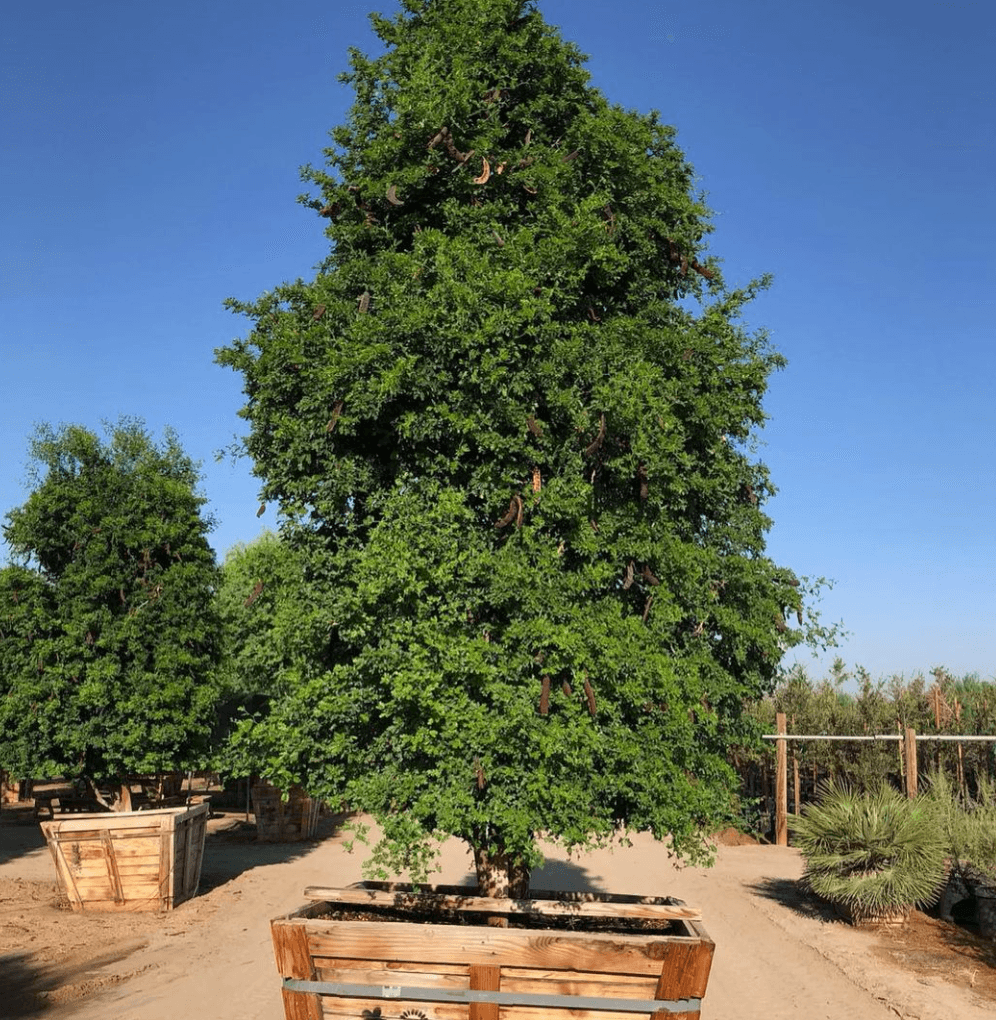
Live Oak, Bald Cypress, Chinese Pistache, Mexican Sycamore, and Monterey Oak are among the best trees for providing shade in a Texas yard. The Live Oak (Quercus virginiana) is a popular evergreen tree in Texas, known for its majestic canopy and ability to grow 2 to 3 feet per year under optimal conditions, providing year-round shade. The Live Oak is known for its sprawling canopy and can grow 2 to 3 feet per year, providing dense, year-round shade that significantly reduces cooling costs for homes and businesses. The Live Oak (Quercus virginiana) can grow 2 to 3 feet per year in its youth, providing a dense shade canopy that significantly reduces cooling costs for homes and businesses.
For broad, long-term shade, Live Oak remains a cornerstone of Texas landscapes. The Live Oak (Quercus virginiana) is a cornerstone of Texas landscapes, known for its sprawling canopy that can reach widths of 80 to 100 feet, providing dense shade and cultural significance. Live oaks need room to mature, so allow generous spacing away from foundations, drives, and utility lines. When planted in full sun with consistent watering through the first few years, new growth develops quickly and the canopy becomes a big advantage for reducing heat around a front yard, patio, or commercial property.
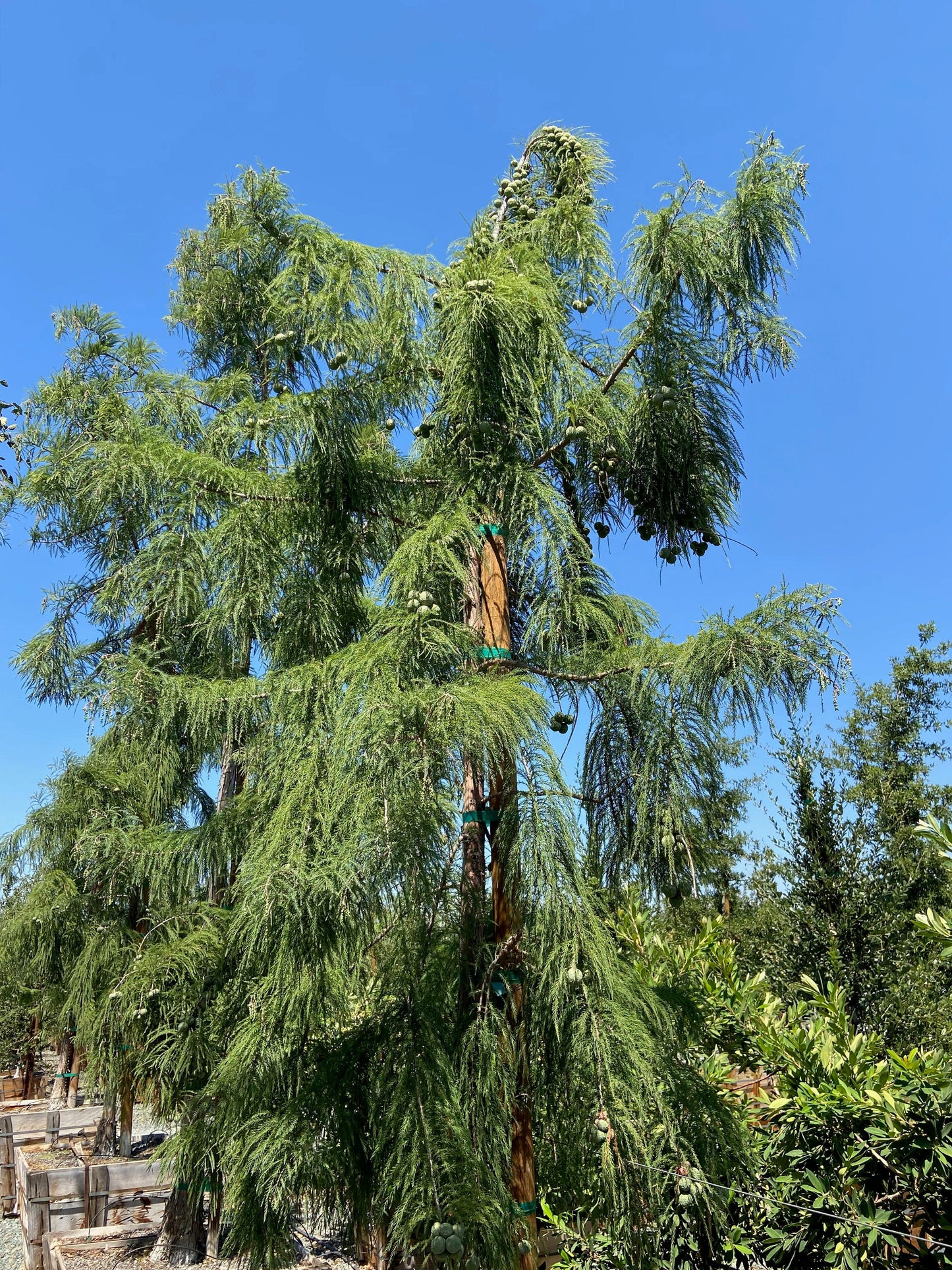
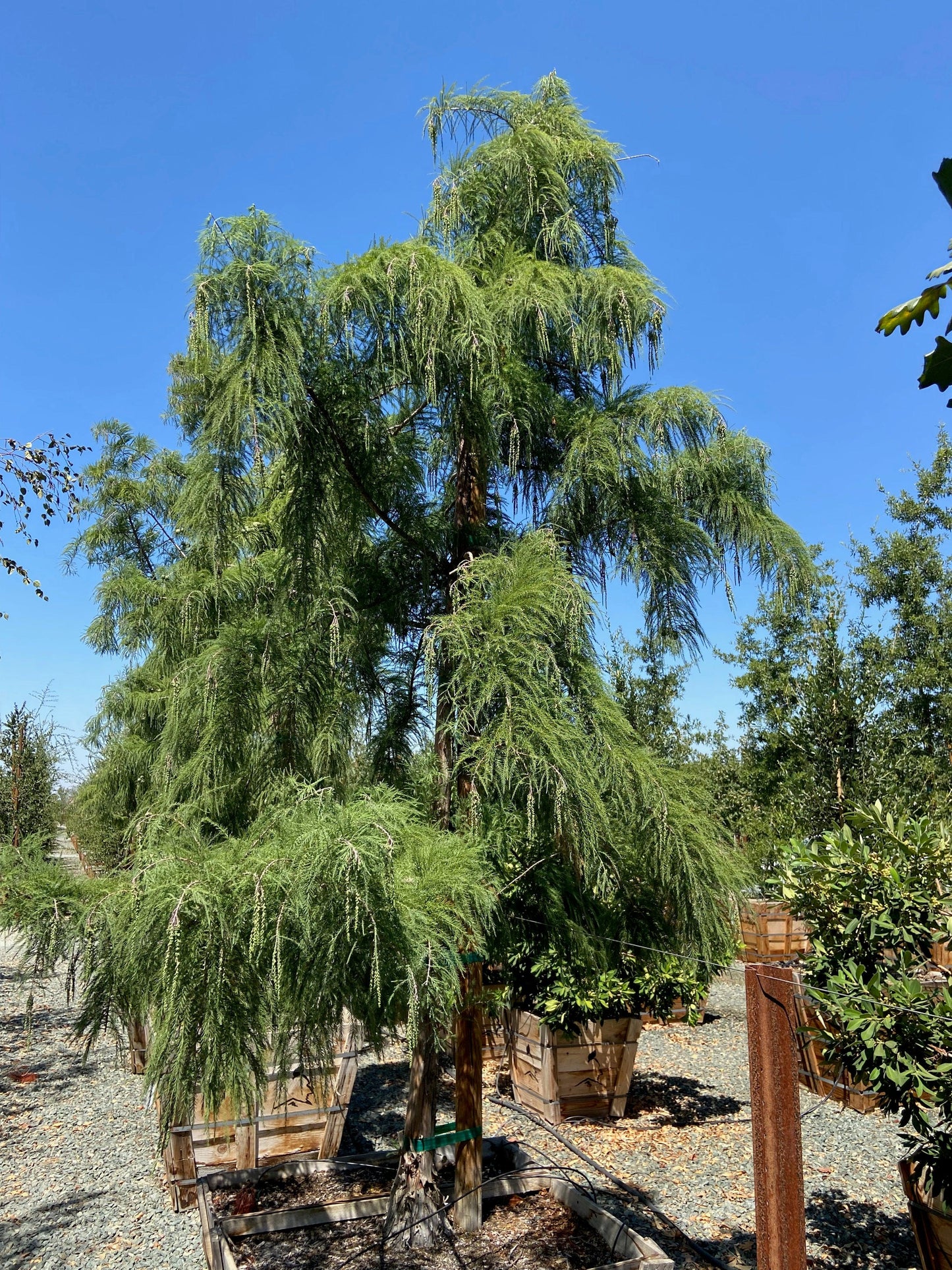
Bald Cypress is another excellent choice when moisture is available. The Bald Cypress is a majestic tree that grows rapidly in moist conditions, often adding 1 to 2 feet of height per year, and can reach significant heights, making it a long-term landscape investment. The Bald Cypress (Taxodium distichum) is a native Texas tree that thrives in moist conditions and can grow up to 50-70 feet tall, providing significant shade and visual appeal with its feathery leaves that turn bronze-orange in the fall. For a faster shade effect, Mexican Sycamore grows 3 to 6 feet per year and showcases iconic, smooth, exfoliating white-and-tan bark and massive leaves that offer dense cooling shade.
Privacy and Screening Trees
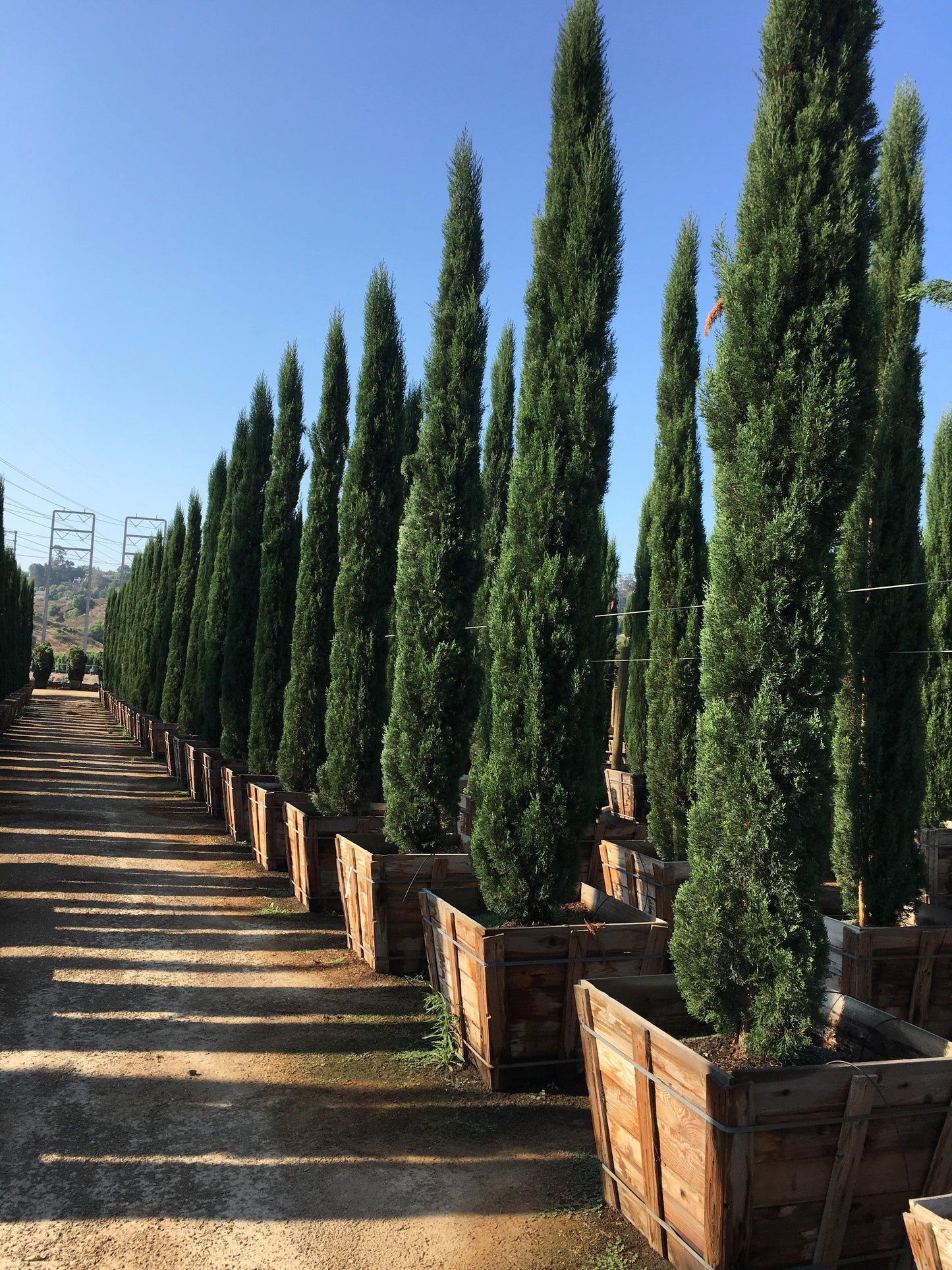
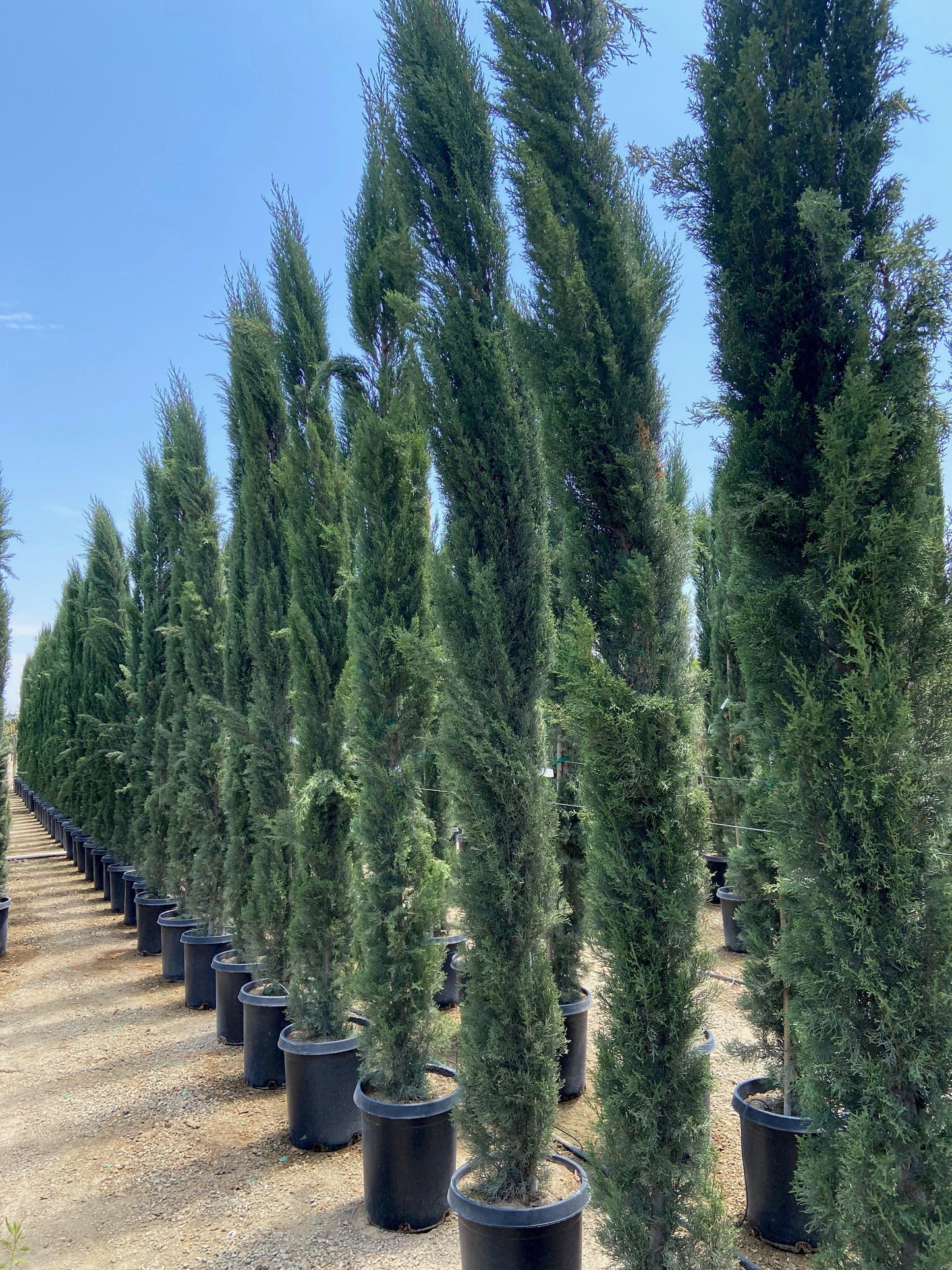
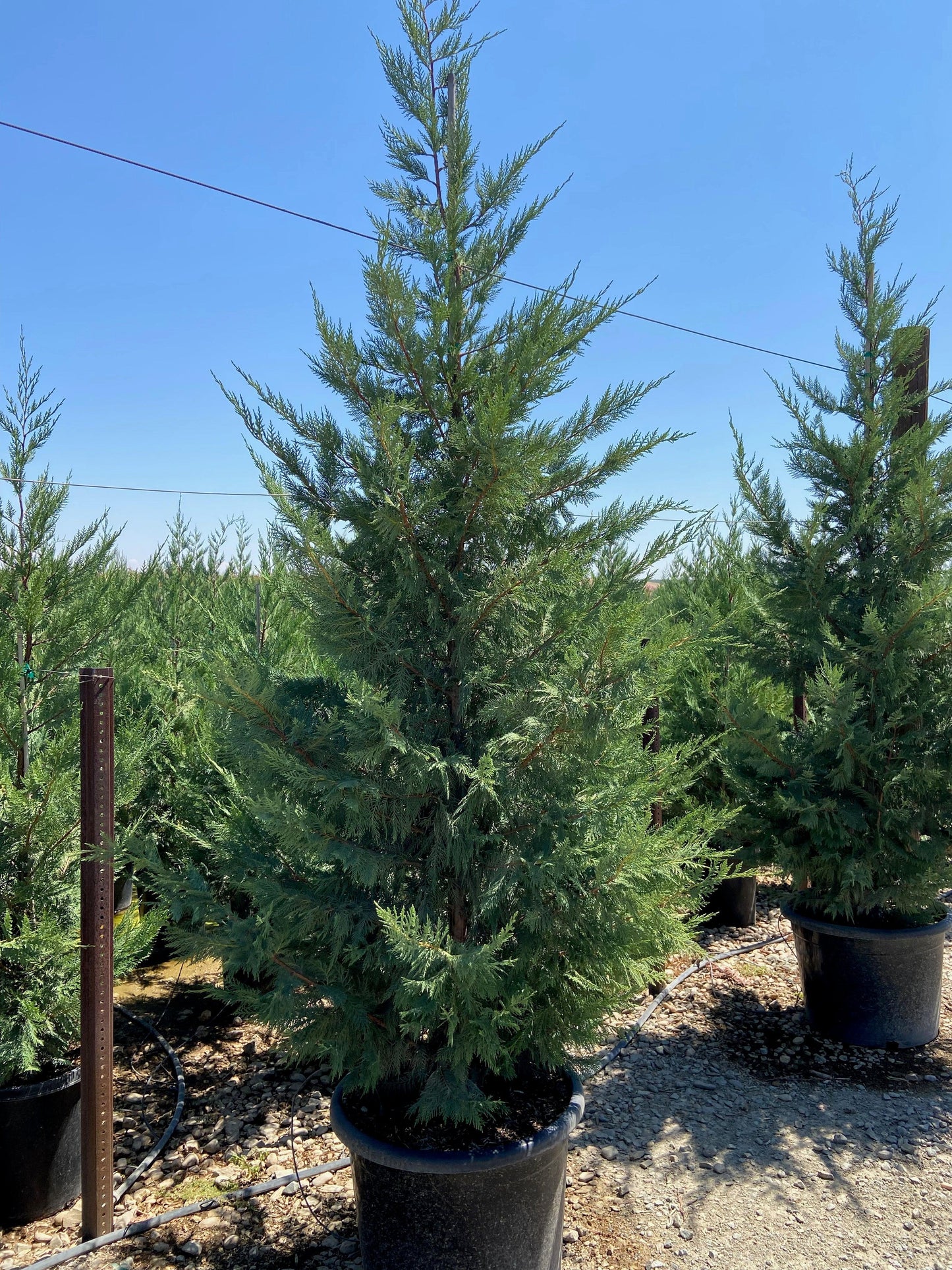
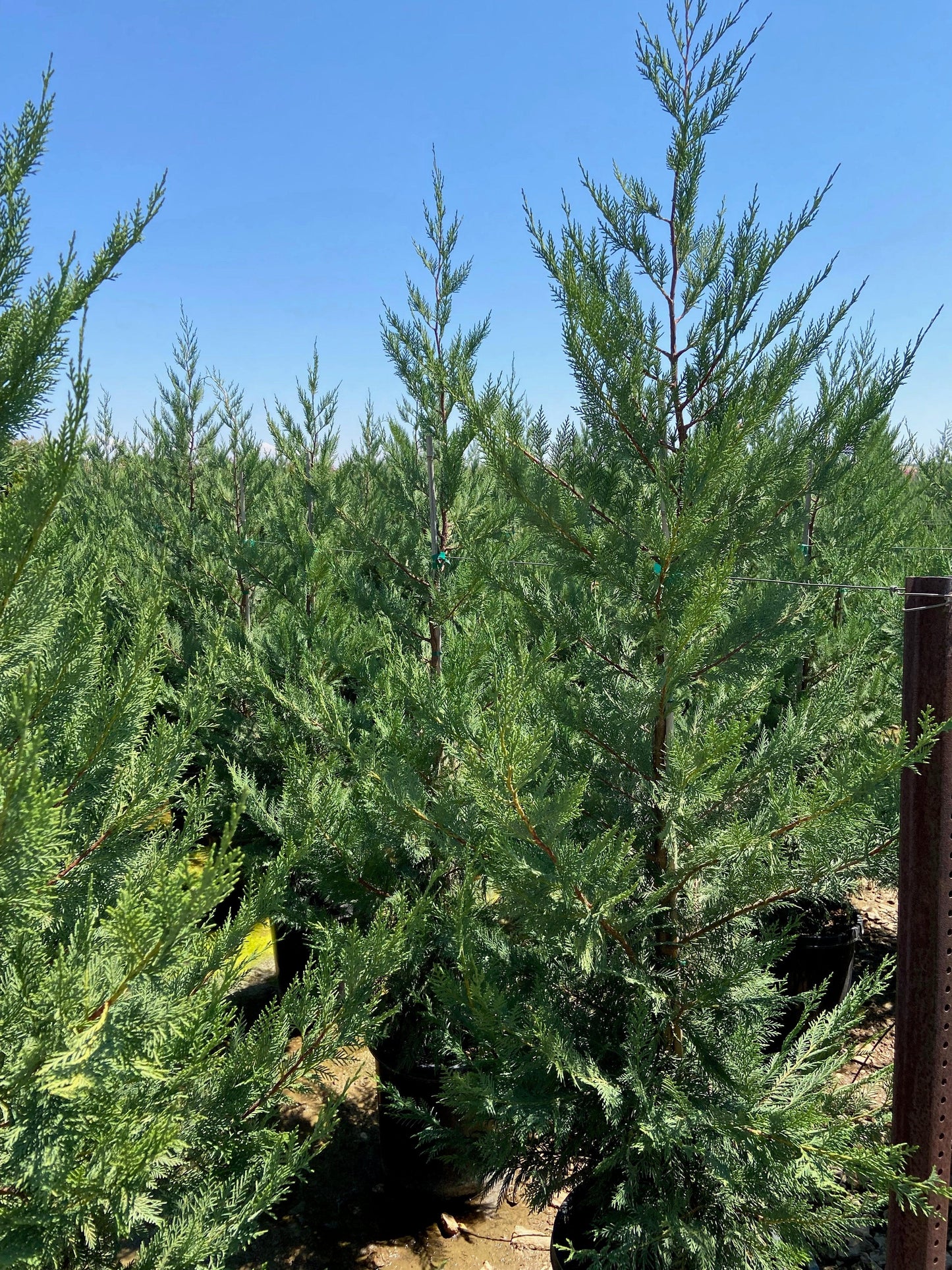
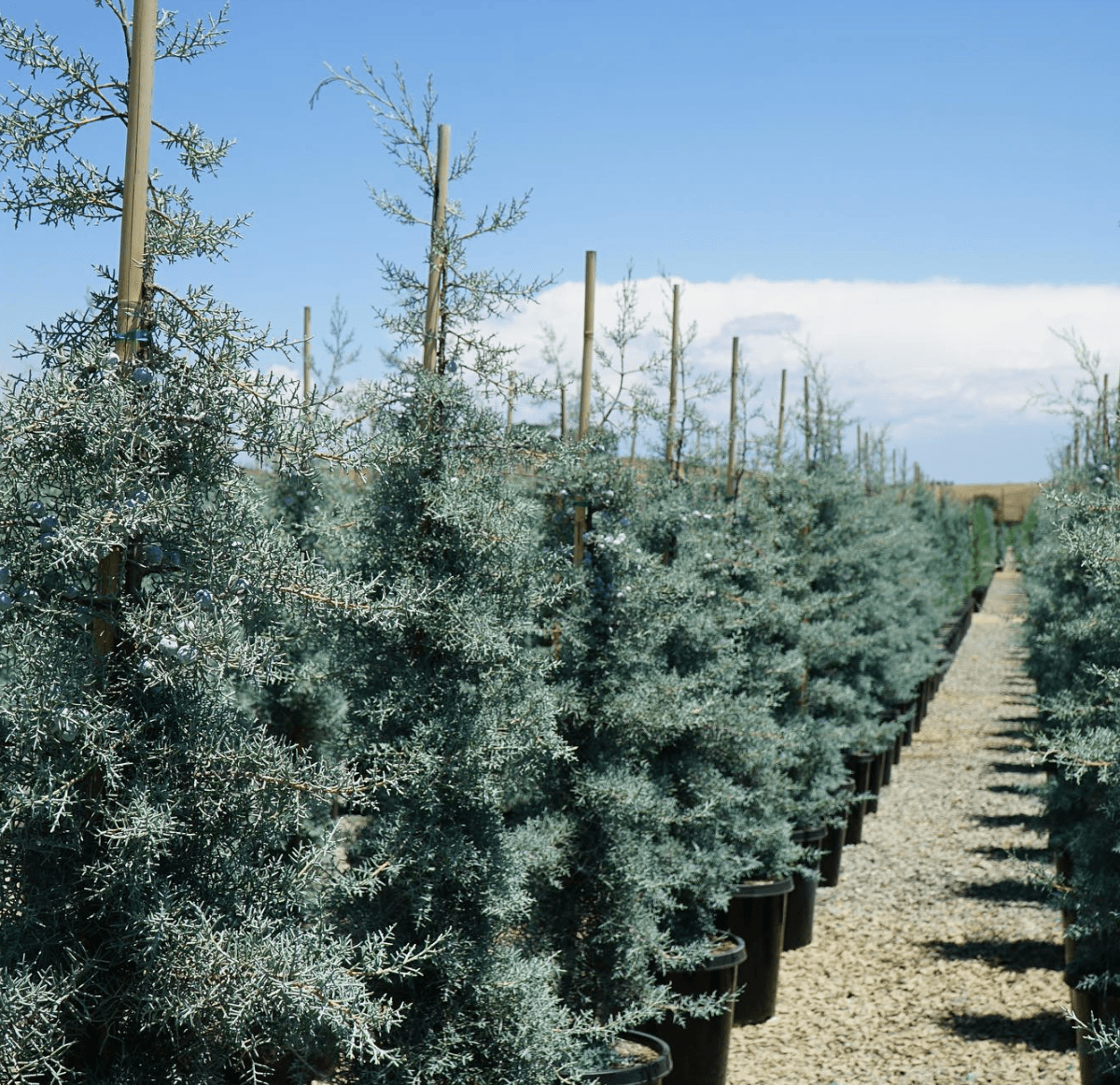
For privacy screens, living fences, and windbreaks, choose dense evergreen trees with steady vertical growth. The Eastern Red Cedar (Juniperus virginiana) is a resilient evergreen tree that can grow 1 to 2 feet per year and is well-suited for Texas landscapes due to its adaptability to challenging conditions. The Eastern Red Cedar is known for its dense foliage and pyramidal shape, making it an effective visual barrier for privacy screens and living fences.
The Loblolly Pine (Pinus taeda) is recognized as one of the fastest-growing evergreen trees in Texas, capable of reaching heights of 3 to 5 feet per year in suitable conditions, making it ideal for quick landscape establishment. The Loblolly Pine (Pinus taeda) is considered one of the fastest-growing tree species in Texas, capable of growing 3 to 5 feet per year in suitable conditions, making it ideal for establishing mature landscapes quickly. Use loblolly pine where soil is more acidic and well drained, especially in East Texas and other areas with enough rainfall.
Evergreen options give year-round screening, while deciduous species can provide seasonal privacy with more ornamental value. The Bald Cypress, with its unique pyramidal structure and lush green canopy, provides an elegant option for privacy while adapting well to various soil types in Texas. Chinese Pistache is popular for its rapid growth and stunning fall color, making it a favored choice for property owners seeking both privacy and aesthetic appeal in their landscapes. For noise reduction and wind protection, plant trees in staggered rows and allow enough mature width so each species can thrive without crowding other trees.
Ornamental and Accent Trees
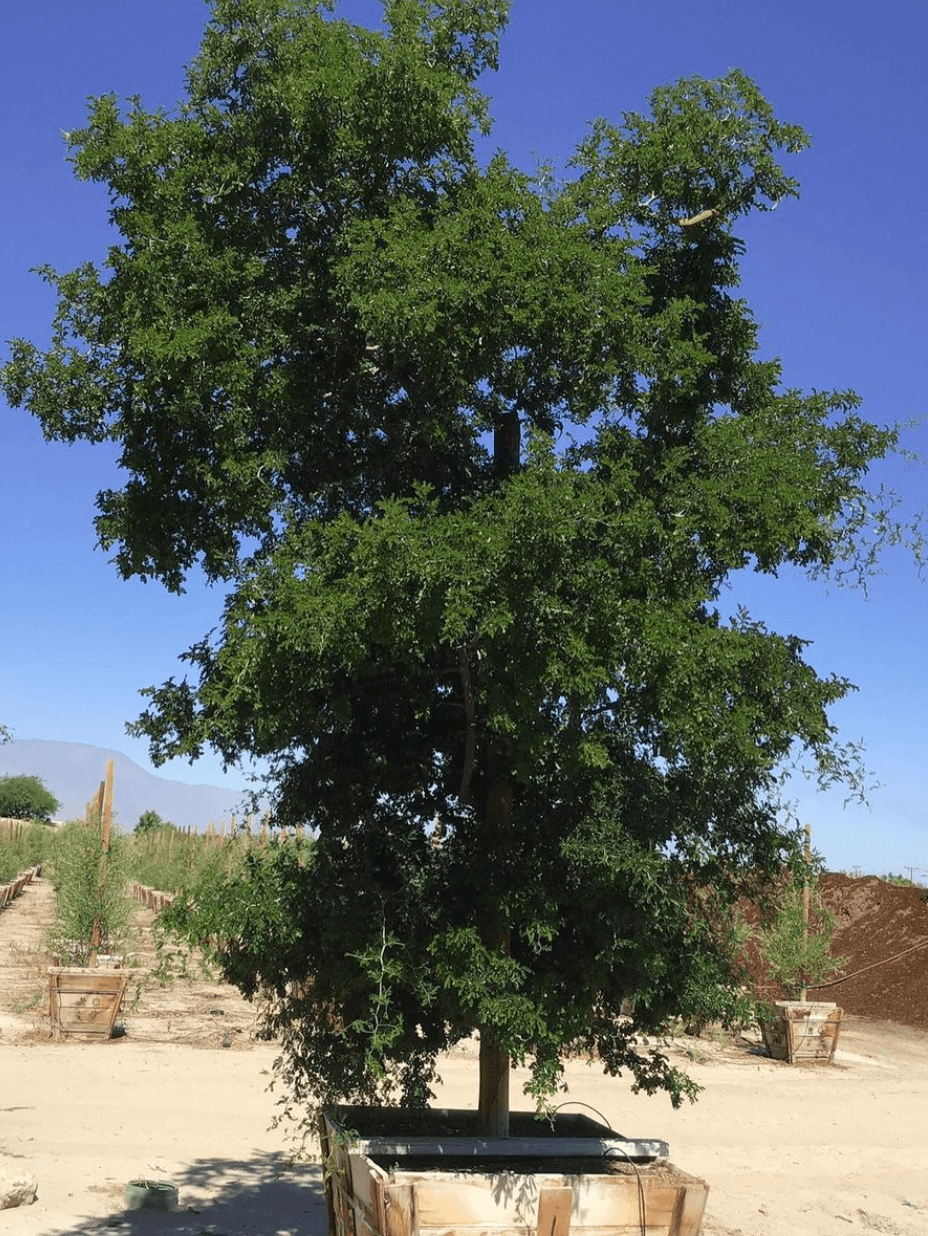
Fast-growing ornamental flowering trees add natural beauty, flowers, fall color, and architectural interest while still improving shade. Fast-growing trees provide quick shade, aesthetic appeal, and privacy in Texas gardens, with species like Monterey Oak, Shumard Oak, Chinese Pistache, and Mexican Sycamore being highly recommended options. Monterey Oak, sometimes searched as Monterrey Oak, is a semi-evergreen shade tree that tolerates heat and drought very well while growing rapidly.
Texas Red Oak is a standout specimen tree for residential yards. The Texas Red Oak is a native deciduous oak that can grow 2 to 3 feet per year, providing dense summer shade and vibrant red foliage in autumn, making it an excellent choice for residential yards. The Texas Red Oak (Quercus buckleyi) is well-suited to the state’s alkaline soils and can grow 2 to 3 feet per year, offering a vibrant display of red and orange foliage in the fall, making it an excellent choice for residential landscapes. Red oak selections, including texas red oak, bring brilliant fall colors ranging from yellow and orange to deep red.
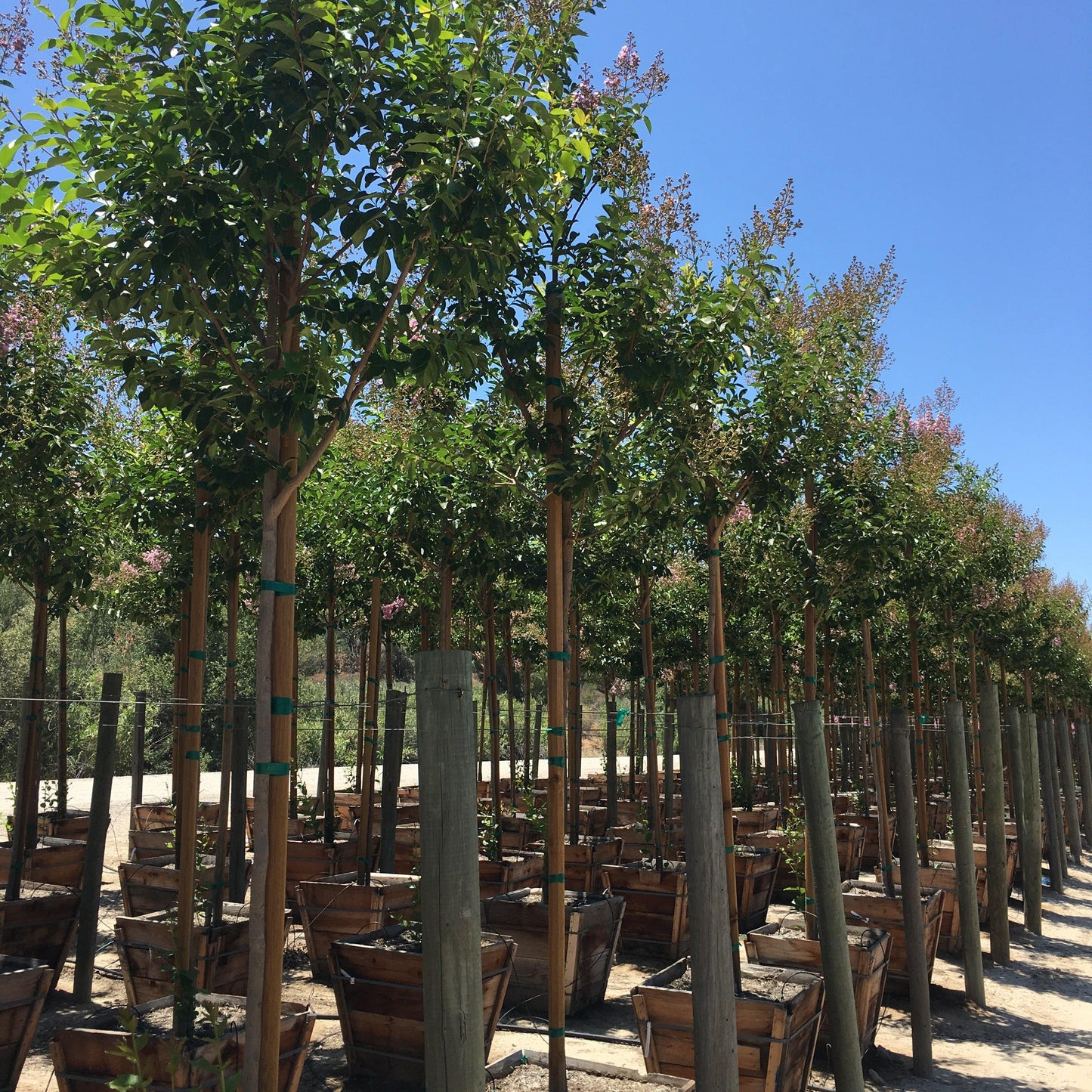
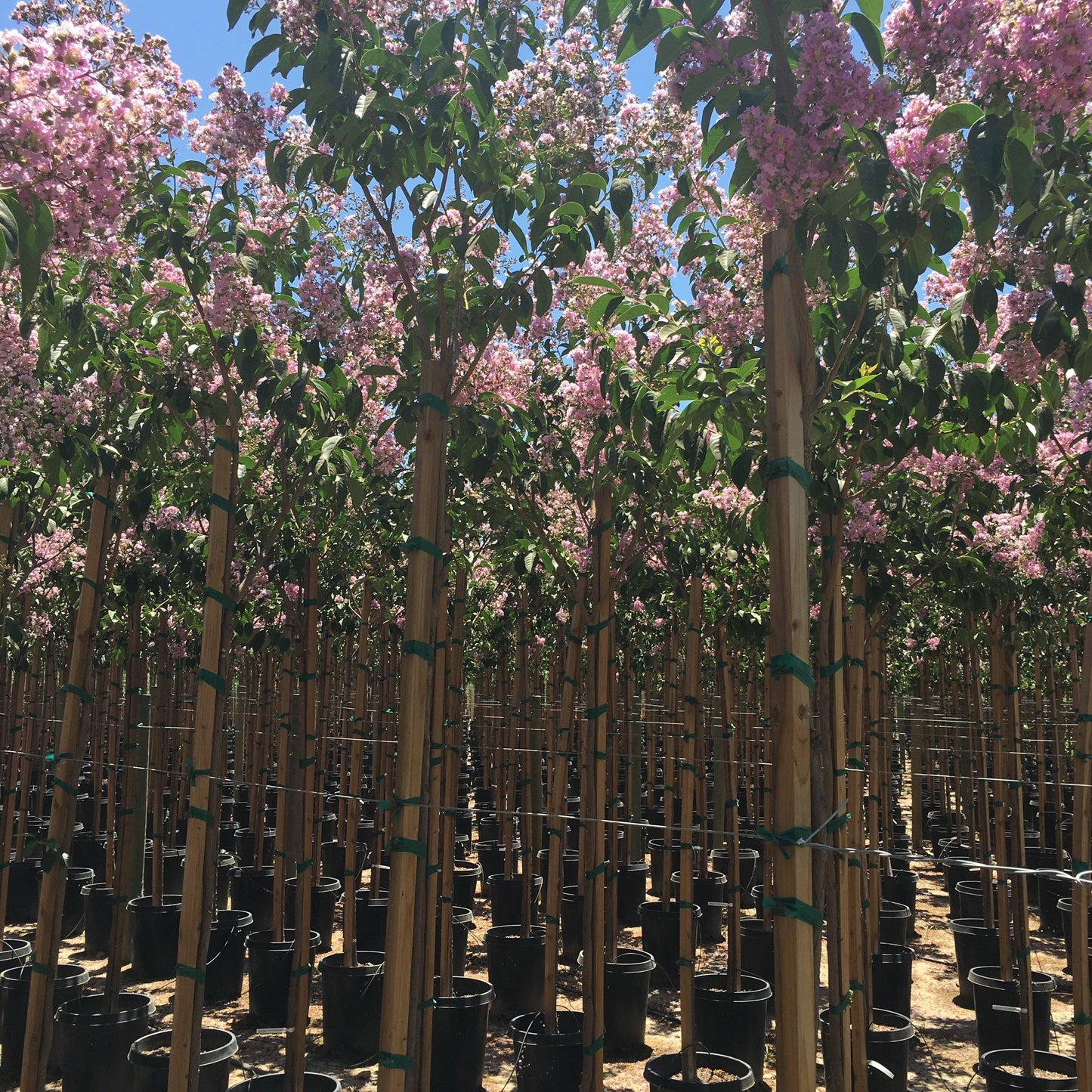
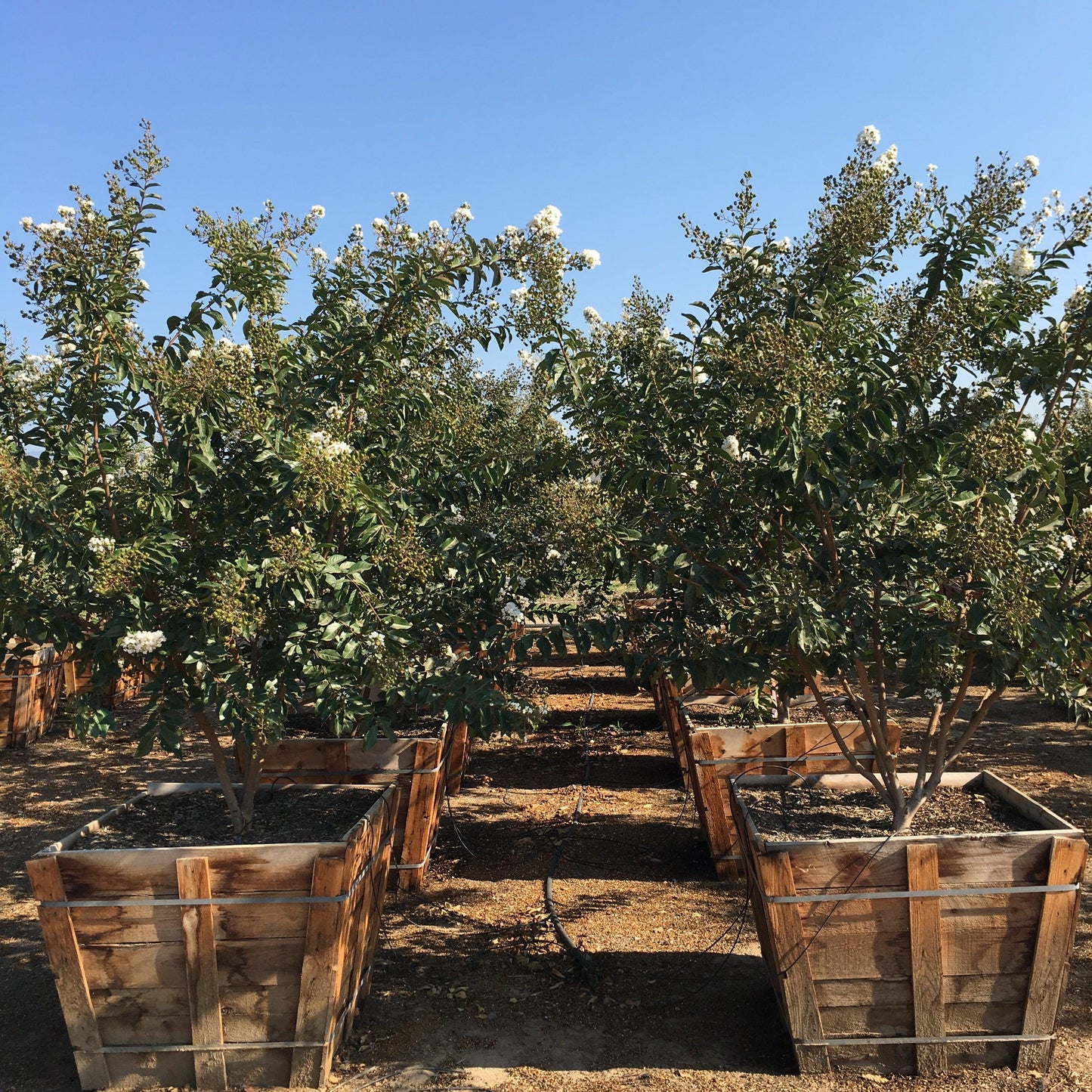
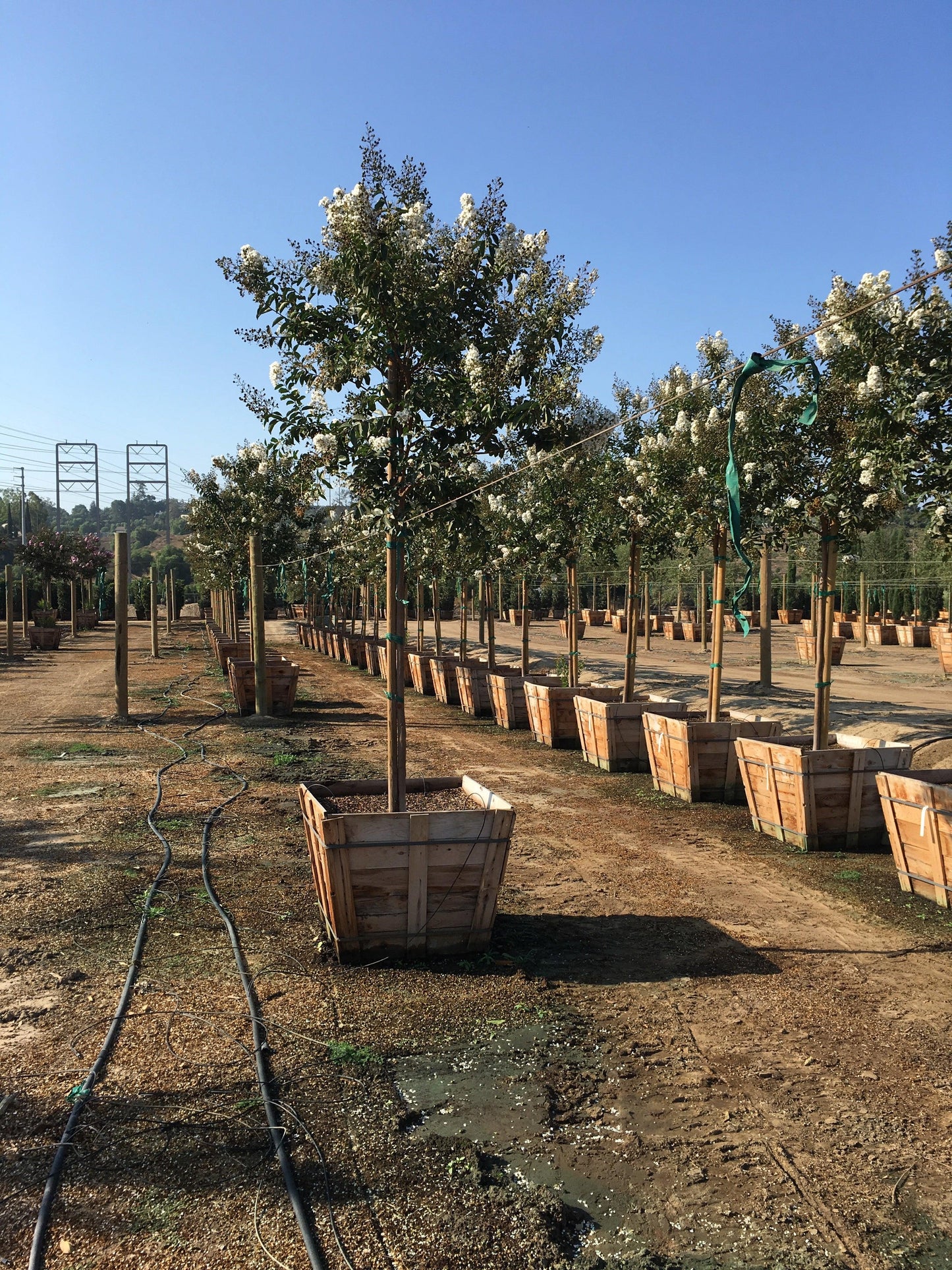
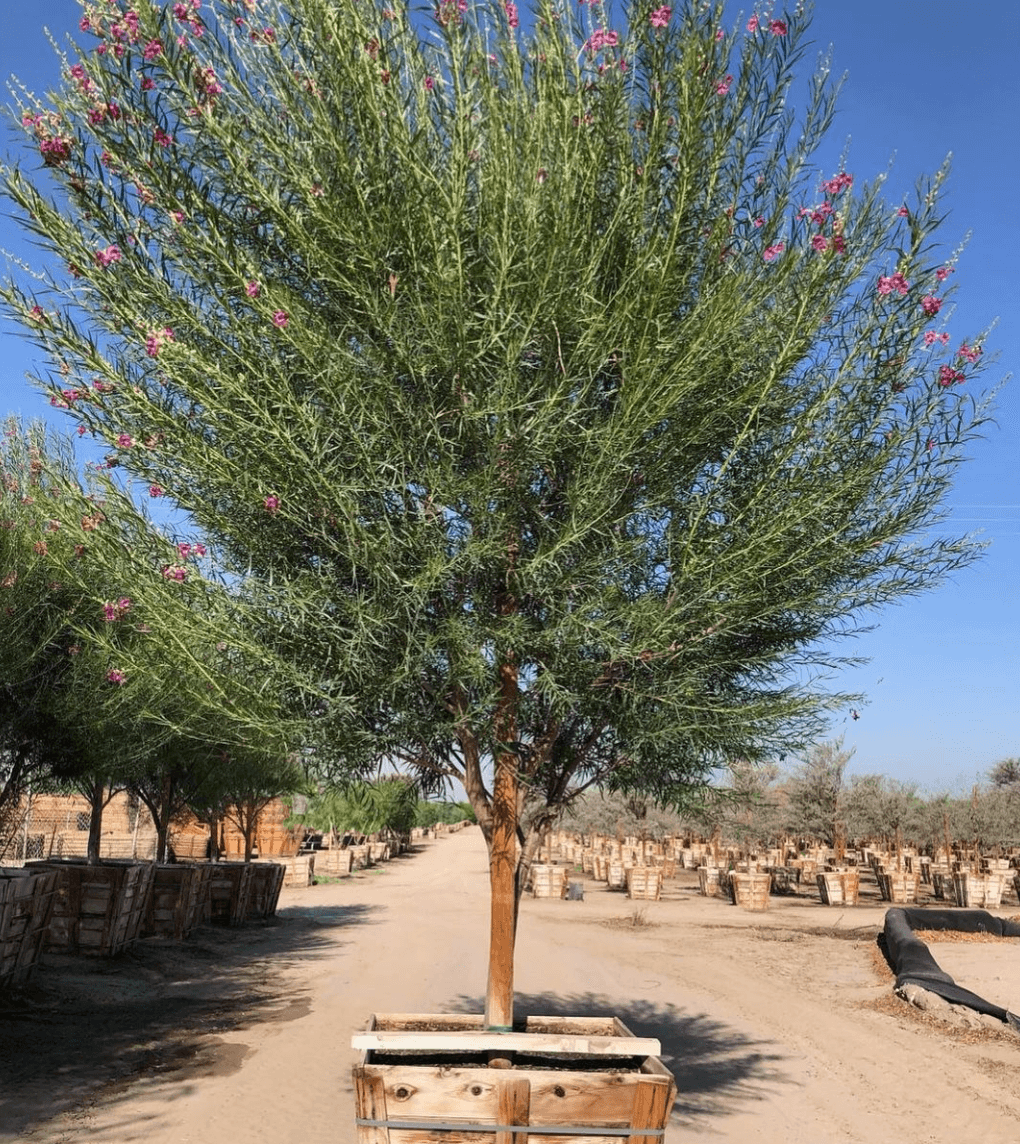
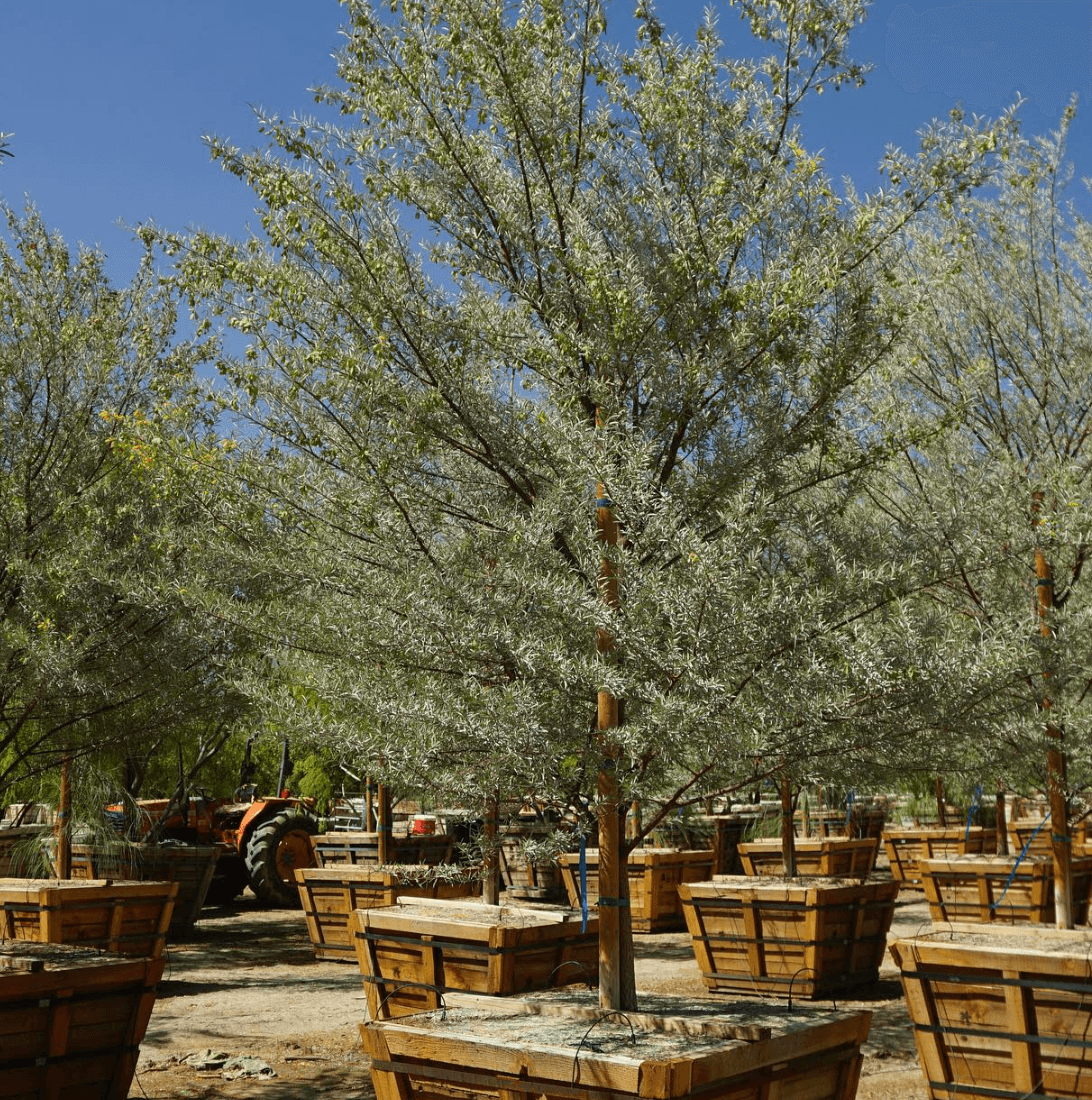
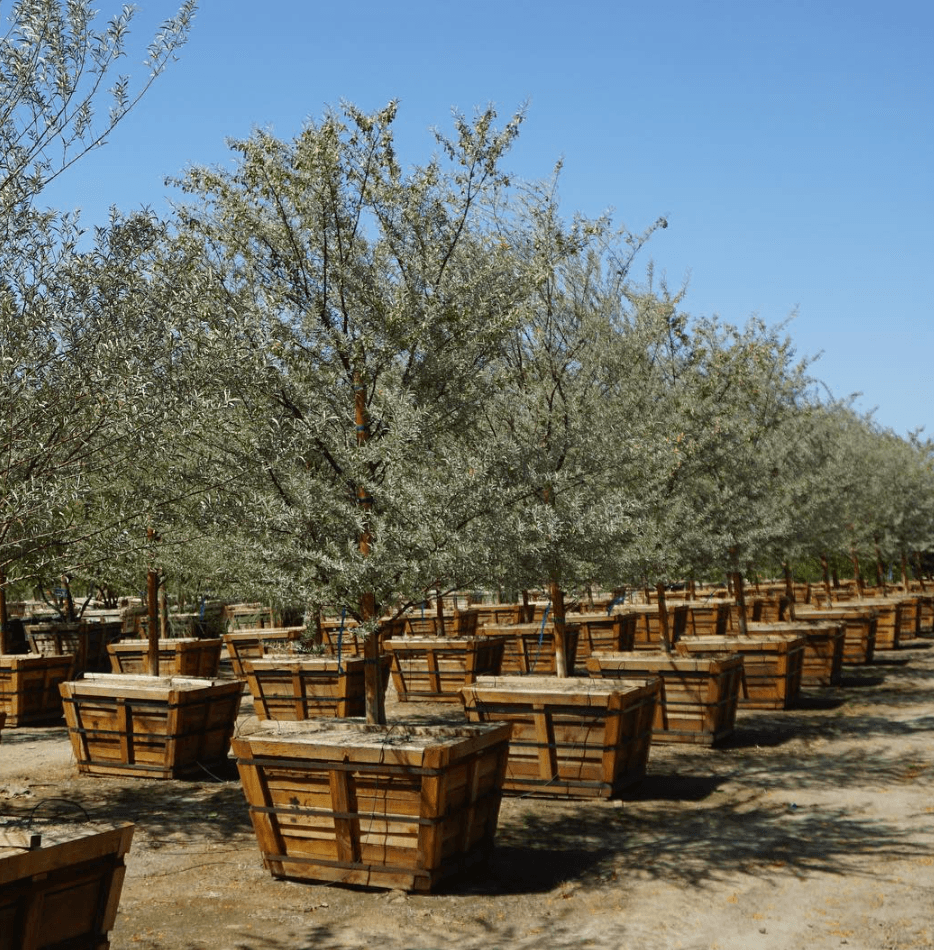
Chinese Pistache trees also deliver strong ornamental value. The Chinese Pistache (Pistacia chinensis) is known for its rapid growth rate of 2 to 3 feet per year and its excellent drought tolerance, making it a popular choice for Texas landscapes. Crape Myrtle, Mexican Plum, Desert Willow, and Mexican Buckeye work well where flowers are part of the dream yard plan. Desert Willow grows fast to 15 to 25 feet and thrives in hyper-arid conditions, producing orchid-like pink blossoms. When choosing female trees, especially ornamental species that may fruit, consider maintenance needs near sidewalks, patios, and driveways.
Choose the Right Fast Growing Tree for Your Texas Climate Zone
Texas spans multiple climate zones, each requiring specific tree selections for optimal growth and survival, much like choosing versatile landscape trees that can handle a range of site conditions.
East Texas (Humid Subtropical)
East Texas supports some of the fastest growing trees because rainfall, humidity, acidic soil, and moist conditions encourage rapid growth. Loblolly Pine, Bald Cypress, Green Ash, Live Oak, and selected native trees are well adapted here. The Loblolly Pine (Pinus taeda) can reach 3 to 5 feet per year in suitable conditions, while Bald Cypress performs beautifully in wetter sites, stream edges, and low areas.
The Bald Cypress (Taxodium distichum) is a fast-growing native tree in Texas, adding 1 to 2 feet of height per year and adapting well to various soil types as long as it receives adequate moisture during establishment. The Green Ash (Fraxinus pennsylvanica) can grow 2 to 4 feet per year under ideal conditions, providing significant shade and aesthetic value, although its popularity has declined due to the threat of the Emerald Ash Borer. If considering green ash or texas ash, check local guidance for emerald ash borer risk before planting.
Clay and sandy loam soils both need proper preparation. In heavier clay, avoid planting too deep and prevent standing water around species that dislike wet roots. In sandy soils, mulch and deep watering help maintain moisture around the root zone. Matching the tree species to specific regions, such as the alkaline soils of Central Texas or the damp conditions of East Texas, ensures long-term landscaping success.
Central Texas (Hot Semi-Arid)
Central Texas, including the Hill Country and San Antonio area, demands trees that tolerate full sun, limestone-based soil, heat, and variable rainfall. Live Oak, Texas Red Oak, Monterey Oak, Cedar Elm, Mexican Buckeye, Chinese Pistache, and Shumard Oak are strong choices for a durable Texas landscape. These species are well suited to alkaline soil and can maintain a strong growth rate when watered correctly during the first few years.
Live Oak and Texas Red Oak can provide 2 to 3 feet of annual growth under good care, while Chinese Pistache typically grows 2 to 3 feet per year and offers vibrant fall color. Once established, Shumard Oak is highly drought-tolerant. Cedar Elm is another practical native option for Central Texas because it is highly adaptable, attractive, and low maintenance, and it is often discussed as a tough alternative in areas where dutch elm disease concerns make tree selection more important.
Urban sites need special attention. Soil compaction, reflected heat, limited rooting space, and inconsistent irrigation can slow even a fast grower. Several fast-growing tree species thrive across Texas, providing rapid shade, privacy, and vibrant color while tolerating the state’s intense heat and unpredictable soils, but the right species must be matched to sun exposure, mature height, and available soil volume.
South Texas (Hot Semi-Arid to Subtropical)
South Texas landscapes need heat-tolerant trees that can handle strong sun, seasonal drought, coastal influence, and occasional storm winds, similar to resilient desert trees used in arid landscapes. Chinese Pistache, Live Oak, Shumard Oak, Monterey Oak, Desert Willow, and selected Mexican Sycamore plantings are effective where irrigation is available during establishment. In south texas coastal areas, consider salt exposure, wind movement, and drainage before choosing a plant.
Live Oak offers year-round shade and strong long-term structure when given enough room. Chinese Pistache brings rapid growth, excellent drought tolerance, and fall color even in hot climates. Shumard Oak offers shade and, once established, becomes highly drought-tolerant. Desert Willow is useful in hyper-arid South Texas and inland valley conditions because it grows fast to 15 to 25 feet and produces orchid-like pink blossoms.
For consistent growth, irrigate deeply during the first few years, especially through the first summer. Fast-growing trees often push more new growth when water is reliable, but shallow watering can create weak roots. Because fast-growing trees are often weaker wood and more susceptible to wind breakage during heavy storms compared to slower-growing species, structural pruning and correct spacing matter in hurricane-prone or exposed areas.
West Texas (Arid Desert)
West Texas requires water-wise selections more than maximum speed, and some property owners may even prefer mature trees that provide immediate impact without years of establishment. Eastern Red Cedar, mesquite varieties, Desert Willow, and other highly drought tolerant species are often better choices than trees that grow quickly only with heavy irrigation. In arid sites, the best trees are those that survive heat, drought, wind, and poor soil while producing steady growth over time.
Eastern Red Cedar remains valuable because Juniperus virginiana is resilient, adaptable, dense, and effective for privacy screens. Desert Willow is another strong option because it thrives in hyper-arid conditions, reaches 15 to 25 feet, and produces attractive orchid-like pink blossoms. Mesquite varieties can also work where the landscape plan accepts open canopies, wildlife value, and a more native desert look.
Soil improvement should focus on broad planting areas rather than a heavily amended hole. Add organic matter where appropriate, mulch widely, and water deeply but infrequently to encourage roots to move outward. In West Texas, even the fastest growing species may slow down, so prioritize drought tolerance, mature height, and long-term survival over advertised growth rate.
Premium Tree Varieties That Deliver Results
Quality genetics and proper cultivation ensure your fast growing trees establish quickly and thrive long-term.
Native Texas Species
Native species are often the most reliable choice for Texas because they are naturally adapted to regional heat, drought cycles, pests, soil types, and wildlife relationships. Live Oak, Texas Red Oak, Eastern Red Cedar, Bald Cypress, Loblolly Pine, Cedar Elm, Texas Ash, Mexican Plum, and selected red oak species all support a resilient landscape when planted in the right region, and they share some characteristics with coastal natives like Coast Live Oak trees in other parts of the country.
Live Oak delivers ample shade, cultural value, and a majestic evergreen canopy. Texas Red Oak provides vibrant fall color and dense summer shade. Eastern Red Cedar creates dense evergreen structure for privacy. Bald Cypress thrives in moist conditions and adds graceful texture. Loblolly Pine, or Pinus taeda, is especially valuable in East Texas where quick evergreen height is desired.
Native trees also support birds, pollinators, and local ecosystems. Many are low maintenance once established and can be highly resistant to local stress when matched correctly to soil and climate. Still, every native tree has limits: red oak selections may face oak wilt risk in some areas, ash selections face emerald ash borer concerns, and even durable oaks need proper planting depth and watering to thrive.
Adapted Non-Native Varieties
Adapted non-native trees can be excellent choices when they have a long record of successful cultivation in Texas conditions. Chinese Pistache, Crape Myrtle, Desert Willow, Mexican Sycamore, Fern Pine trees, and Mexican Buckeye are valued for rapid growth, flowers, distinctive bark, brilliant fall colors, or compact size. These trees can add ornamental value that complements native shade and screening species.
Chinese Pistache is one of the most popular adapted choices because it grows 2 to 3 feet per year, handles drought well once established, and produces stunning fall color. Mexican Sycamore is a fast grower with bold leaves and exfoliating white-and-tan bark, making it a strong specimen tree for larger properties. Crape Myrtle adds summer flowers and fits smaller front yard spaces where large oaks would eventually outgrow the site.
Non-native and adapted trees still need proper placement. Some prefer full sun, others need moisture, and some require pruning to develop strong branch structure. Before planting, consider whether the species fits the mature space, whether female trees may create fruit litter, and whether the tree is suitable for the local soil.
Drought-Tolerant Selections
Drought tolerant trees are essential for sustainable Texas landscaping, and structured options like a Fern Pine hedgeillustrate how evergreens can combine water-wise performance with privacy. Live Oak, Eastern Red Cedar, Chinese Pistache, Monterey Oak, Shumard Oak, Desert Willow, and many native oak species can deliver shade and beauty with lower long-term water use. Monterey Oak is a semi-evergreen shade tree that tolerates heat and drought very well while growing rapidly, making it especially attractive for hot regions.
The establishment period is different from mature drought tolerance. Even highly drought tolerant trees need regular water during the first few years so roots can expand into surrounding soil. After establishment, many selections transition to reduced irrigation and can survive dry periods with only occasional deep watering.
Drought-adapted species also fit xeriscaping plans. Use mulch, group trees with plants that have similar water needs, and avoid over-fertilizing, which can force weak growth. A water-wise tree may grow more slowly during drought, but it will be far more reliable than a thirsty fast grower planted in the wrong region.
How to Establish Fast Growing Trees in Texas
Proper planting and early care maximize growth rates and ensure successful establishment in challenging Texas conditions.
Planting and Site Preparation
The best planting window in Texas is fall through early spring, generally October through March. Planting in fall, winter, or early spring gives roots time to establish before extreme summer heat arrives. Before you plant, confirm sun exposure, drainage, mature height, mature canopy width, and distance from buildings, fences, sidewalks, septic systems, and overhead utilities.
Prepare the planting hole no deeper than the root ball height and at least 1.5 to 2 times wider than the root ball. Keep the root flare at or slightly above grade, remove containers or wrapping, and backfill mostly with native soil so roots move into the surrounding area instead of staying trapped in a soft amended pocket. Soil testing is especially useful in Texas because alkaline Hill Country soils, acidic East Texas soils, clay, sandy loam, and compacted urban fill all affect species performance, and working with a specialized nursery near you can help match tree choices to those conditions.
Spacing depends on the tree’s final size. Live oaks need wide spacing because their canopies can eventually reach 80 to 100 feet. Eastern Red Cedar can be planted closer for privacy screens, but still needs room for airflow. Loblolly Pine, Bald Cypress, and Mexican Sycamore need enough space for vertical growth and root expansion. Stake only when needed for stability, and remove stakes once the tree can stand securely.
Watering and Maintenance
Watering determines whether fast growing trees actually grow fast. After planting, deep soak the root ball and surrounding soil to remove air pockets. A practical guideline is about 6 to 8 gallons of water per inch of trunk diameter per week, adjusted for rainfall, heat, soil drainage, and species. Deep watering is better than frequent shallow watering because it encourages stronger roots.
During the first growing season, water 2 to 3 times per week in hot or dry weather. During the second growing season, reduce to 1 to 2 deep waterings per week or every 7 to 10 days as the root system expands. After about three years, many drought tolerant species need supplemental water mainly during extended drought. Mulch with 2 to 4 inches of organic material, keeping mulch 3 to 6 inches away from the trunk.
Prune lightly to correct weak angles, crossing limbs, or storm-risk branches, especially because fast-growing trees are often weaker wood and more susceptible to wind breakage during heavy storms compared to slower-growing species. Monitor for pests and disease, including oak wilt in susceptible oaks, emerald ash borer in ash species, and dutch elm disease concerns in elm selections. With proper care, your trees can develop strong structure, rapid growth, and lasting shade.
Shop Fast Growing Trees for Texas Properties
Explore our curated selection of fast growing trees proven successful in Texas climates. From native Live Oaks to ornamental Crape Myrtles, choose species that deliver rapid growth, lasting beauty, and climate resilience.
Whether you want ample shade for a front yard, dense evergreen privacy screens, vibrant fall color, or a low maintenance specimen tree, the right species can transform your property into a dream yard. Fast-growing trees provide quick shade, aesthetic appeal, and privacy in Texas gardens, and the strongest results come from matching each tree to your region, soil, water access, and long-term landscape goals.
Contact our experts for large Texas orders over $5,000 and professional consultation services.