Fast Growing Trees for Privacy – Create Your Natural Screen Today
Fast growing trees for privacy give your yard a natural screen that blocks prying eyes, softens noise and creates a more comfortable outdoor space within just a few seasons. The best choice depends on your space, sun exposure, soil, water needs and how quickly you want coverage.
At Yardwork, we help California homeowners choose privacy trees that fit real landscapes - from narrow front yard boundaries to tall backyard living fences and poolside screens. Explore fast growing privacy trees that deliver height, density and year round coverage without overwhelming your garden.
Fast Growing Privacy Trees for Every Need
Different privacy problems need different tree solutions. A backyard may need a tall lush screen, while a front yard may need a narrow tree with a columnar shape that stays tidy near paths, foundation plantings or power lines.
Backyard Privacy Screens
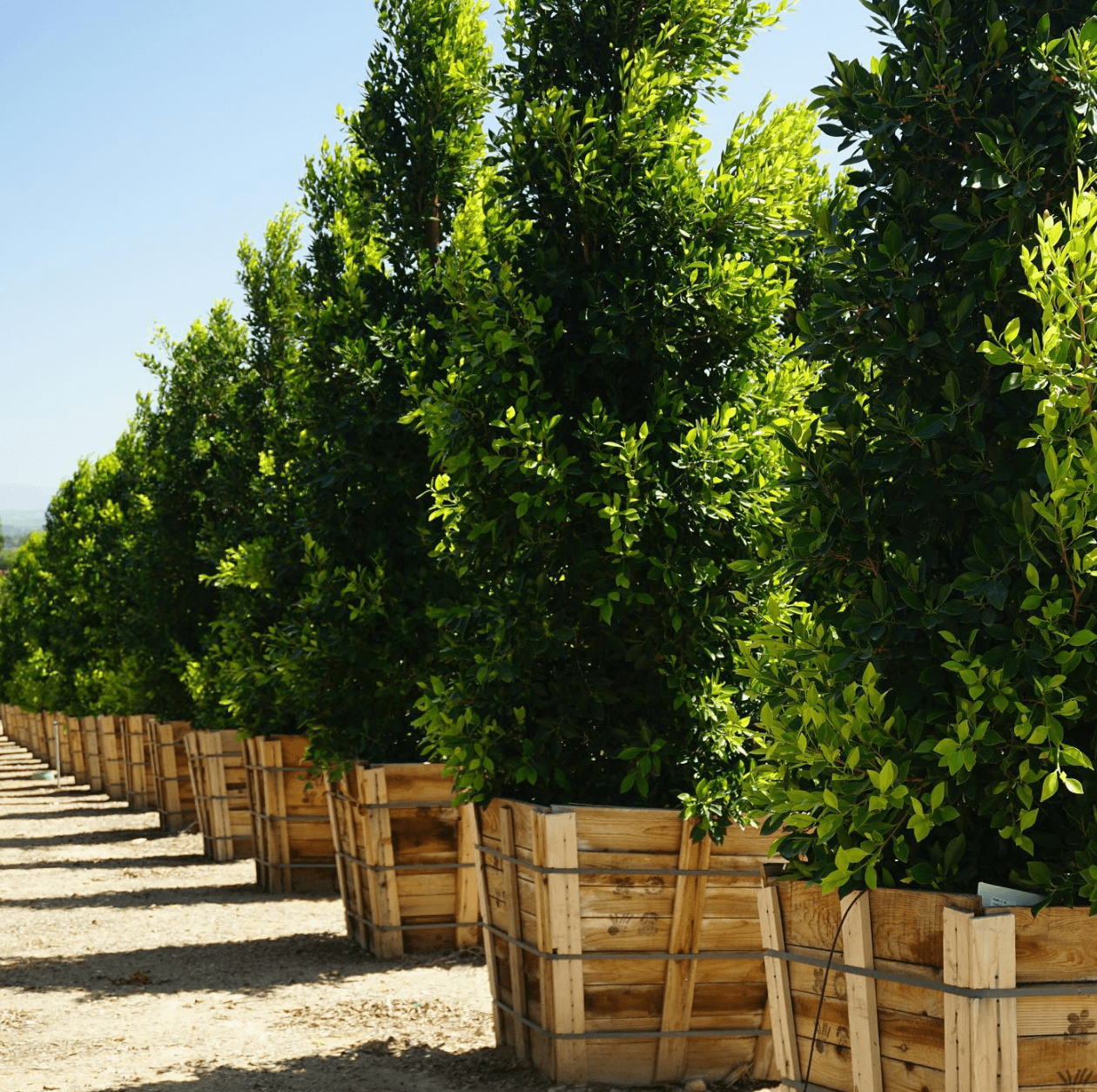
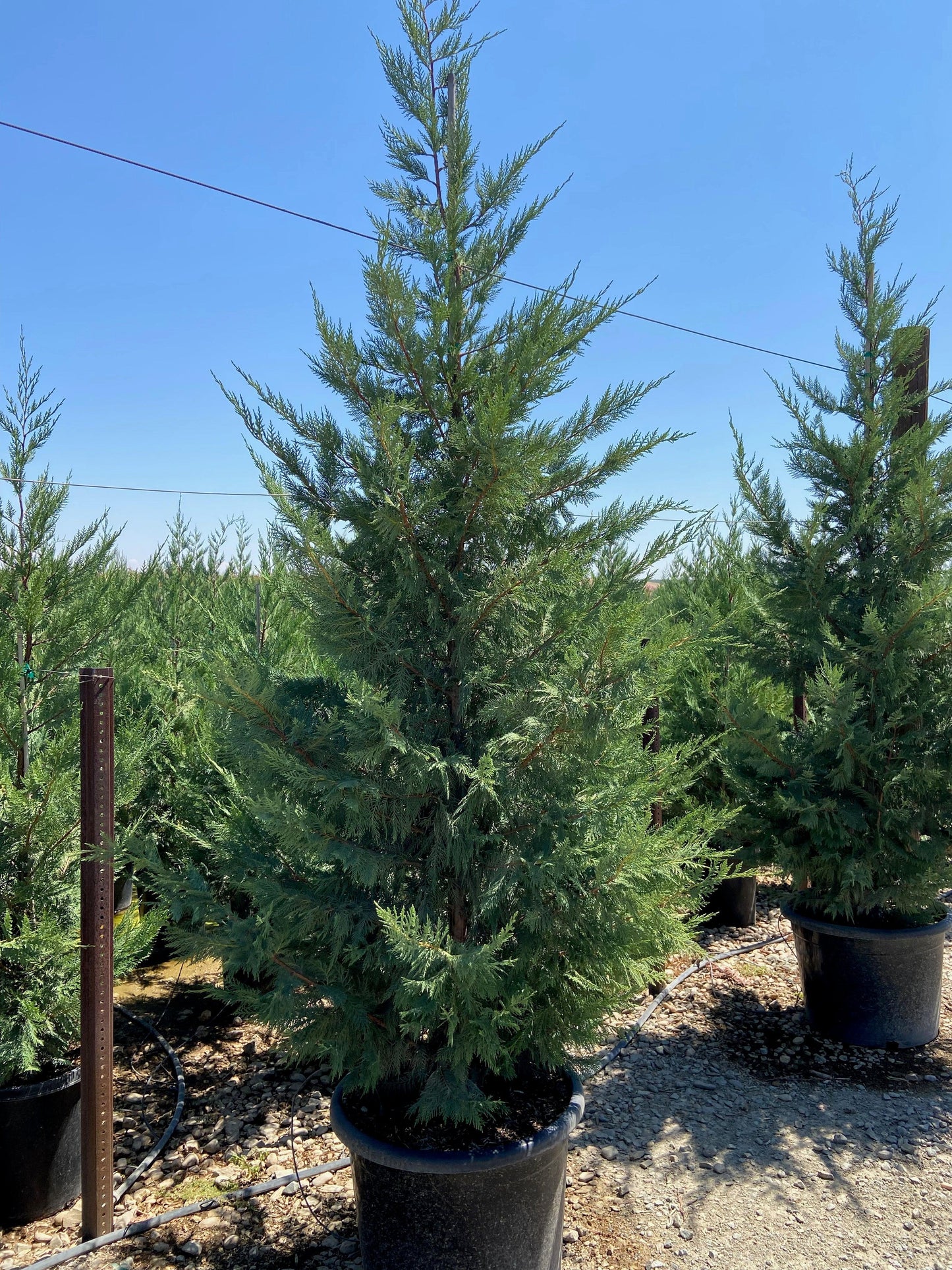
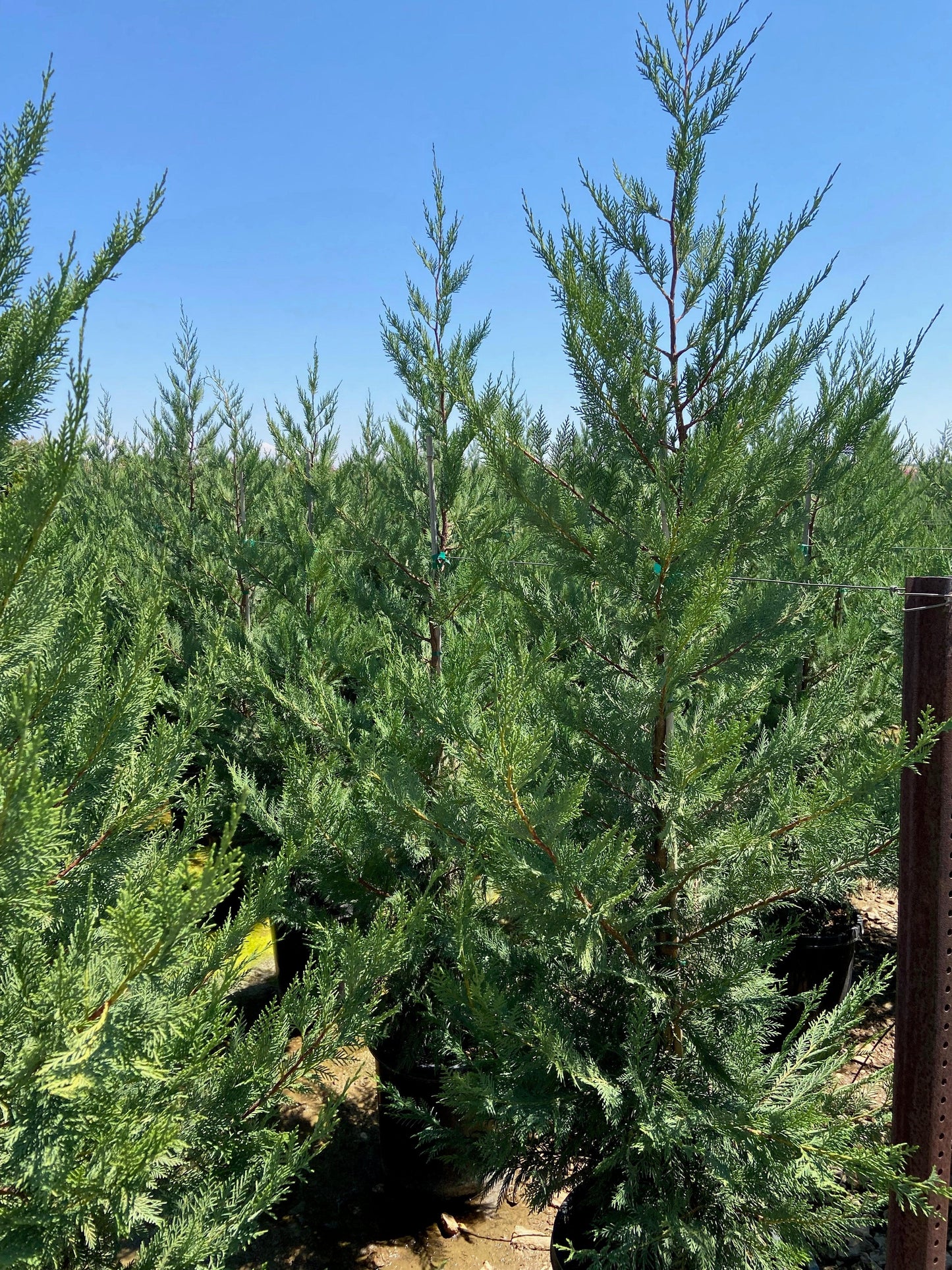
For blocking views from neighbors, Thuja Green Giant and leyland cypress are two of the best trees for quick height and dense branching. Evergreen conifers provide rapid growth and dense, year-round coverage for backyard privacy, and evergreen trees for privacy are commonly used for privacy screens due to their ability to provide year-round coverage and dense foliage.
Thuja green giant can grow about 3 to 5 feet per year in good conditions, forming dark green foliage from top to bottom. Green giant arborvitae is a great choice where there is ample space, well drained soil and full sun. Leyland cypress trees can grow 3 to 4 feet annually and are often used for creating dense shade and privacy barriers. Leyland cypress is known for its rapid growth, achieving heights of 3 to 4 feet per year, making it an effective option for creating a dense privacy barrier.
For full coverage within 3 to 5 years, spacing matters. Plant green giant trees about 8 to 10 feet apart for a single row, or use a staggered pattern when you need a faster, thicker screen. Avoid crowding young trees too tightly, because poor airflow can increase disease problems and cause thinning at the base.
Front Yard Boundary Trees
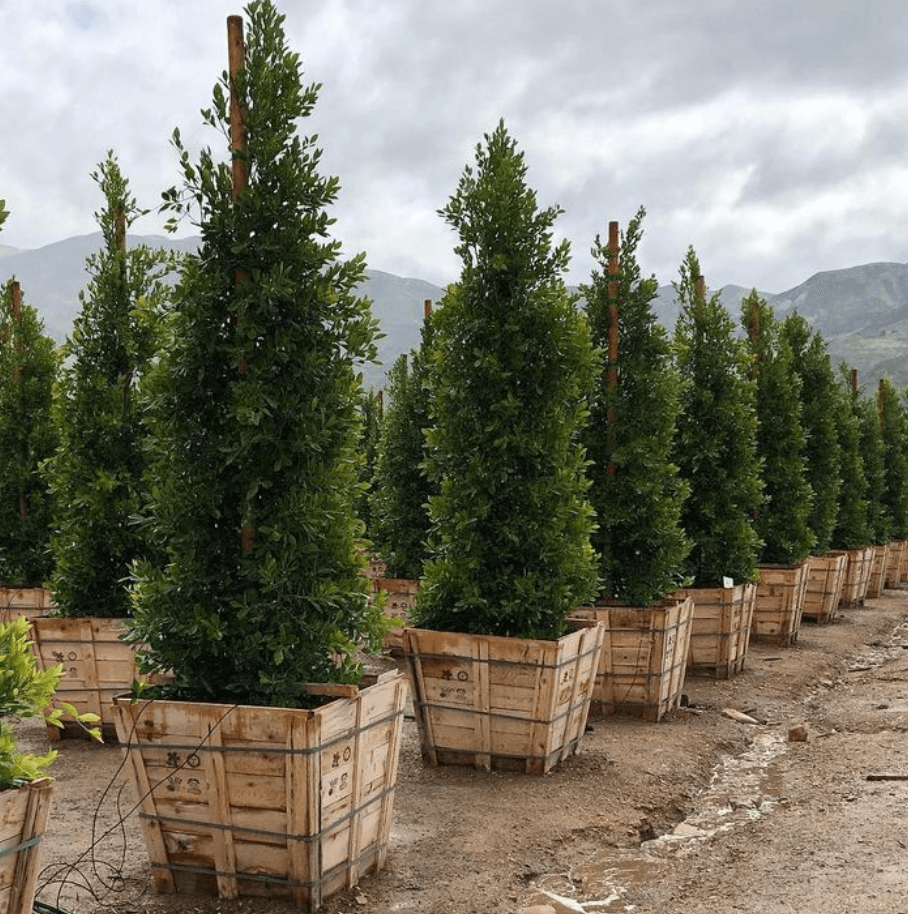
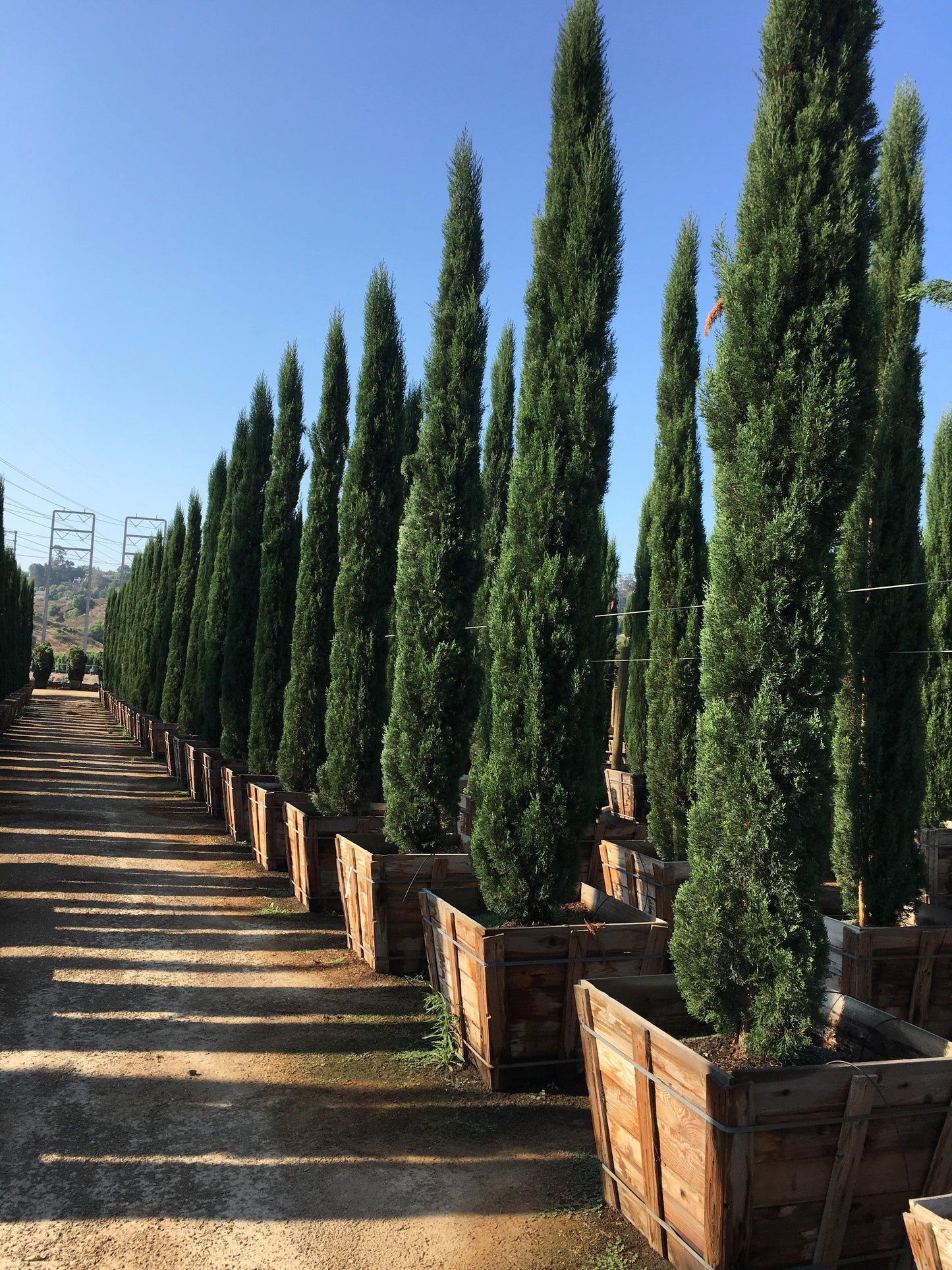
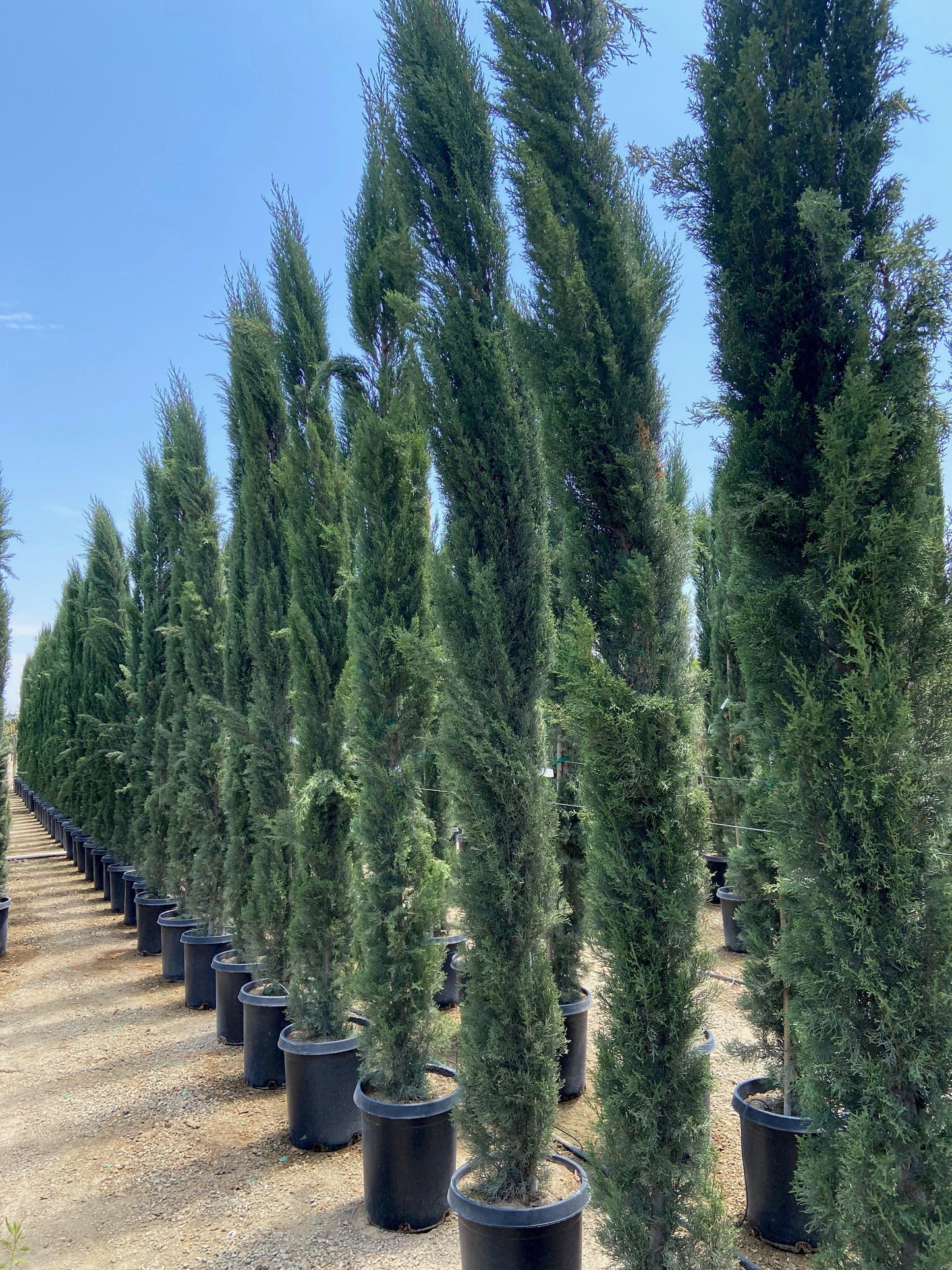
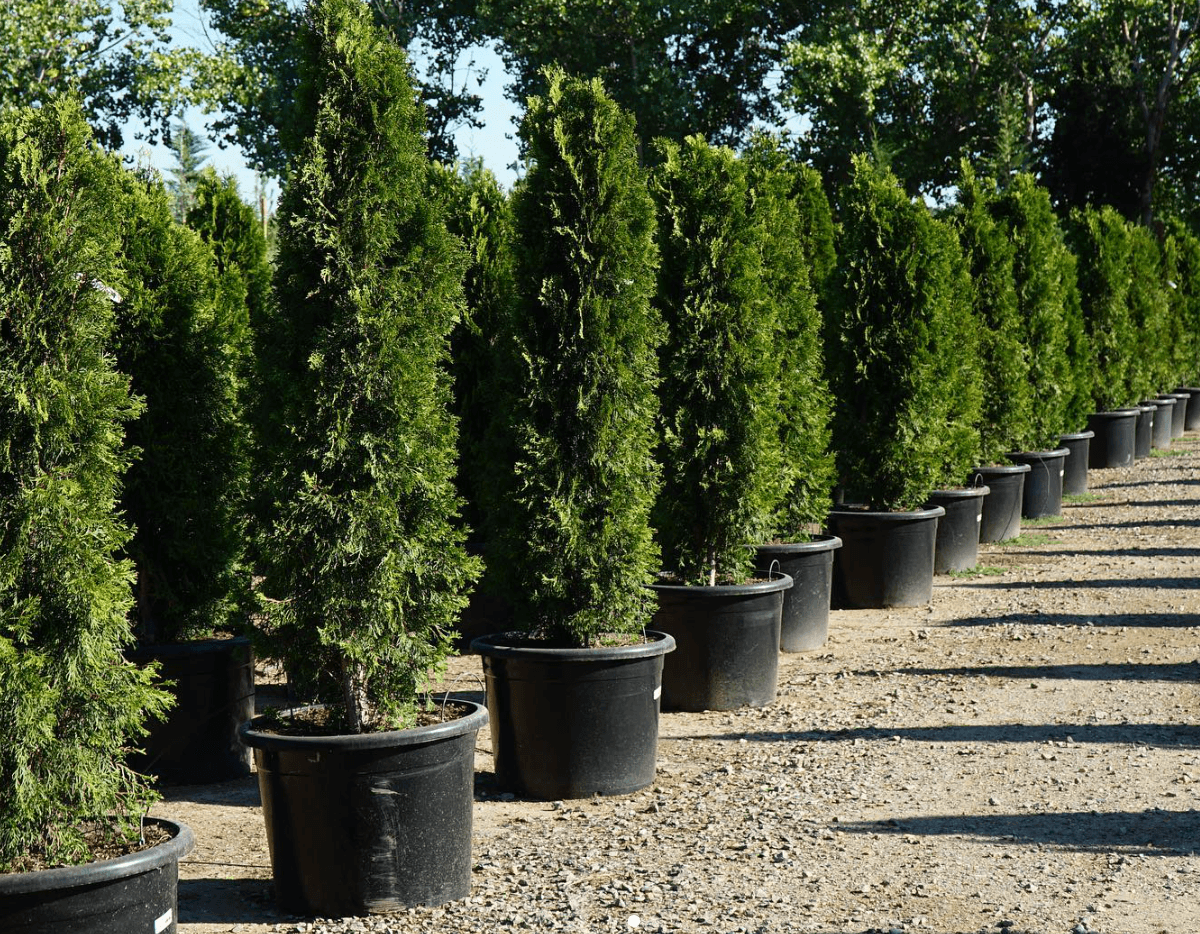
Front yard boundary trees need height without taking over the yard. Italian cypress, Columnar Arborvitae, Emerald Green Arborvitae and columnar juniper work well where space is limited and a slender form is important.
Emerald Green Arborvitae is good for compact spaces and has a slower growth rate compared to other privacy trees. Arborvitae, a popular evergreen choice, can grow 1 to 2 feet per year and typically reaches a height of 12 to 14 feet, making it suitable for small privacy screens. Arborvitae is a popular choice for fast-growing privacy trees, capable of growing 1 to 2 feet per year and reaching a mature height of 12 to 14 feet. Arborvitae (Thuja occidentalis) is a compact tree that grows about 1 to 2 feet (30-60 cm) per year and reaches a height of 12 to 14 feet (3.5-4 m), making it a popular choice for small privacy screens.
Columnar juniper is another effective evergreen for privacy, growing 12 to 18 inches per year and reaching heights of 15 to 20 feet, while remaining narrow enough for tight spaces. Columnar Juniper (Juniperus chinensis) grows 12 to 18 inches (30-45 cm) per year and matures at 15 to 20 feet (4.5-6 m) tall, making it suitable for narrow spaces while providing year-round privacy. Many narrow forms stay around 3 to 4 feet wide, making them useful along driveways, walkways and small front gardens.
Pool Area and Entertainment Spaces
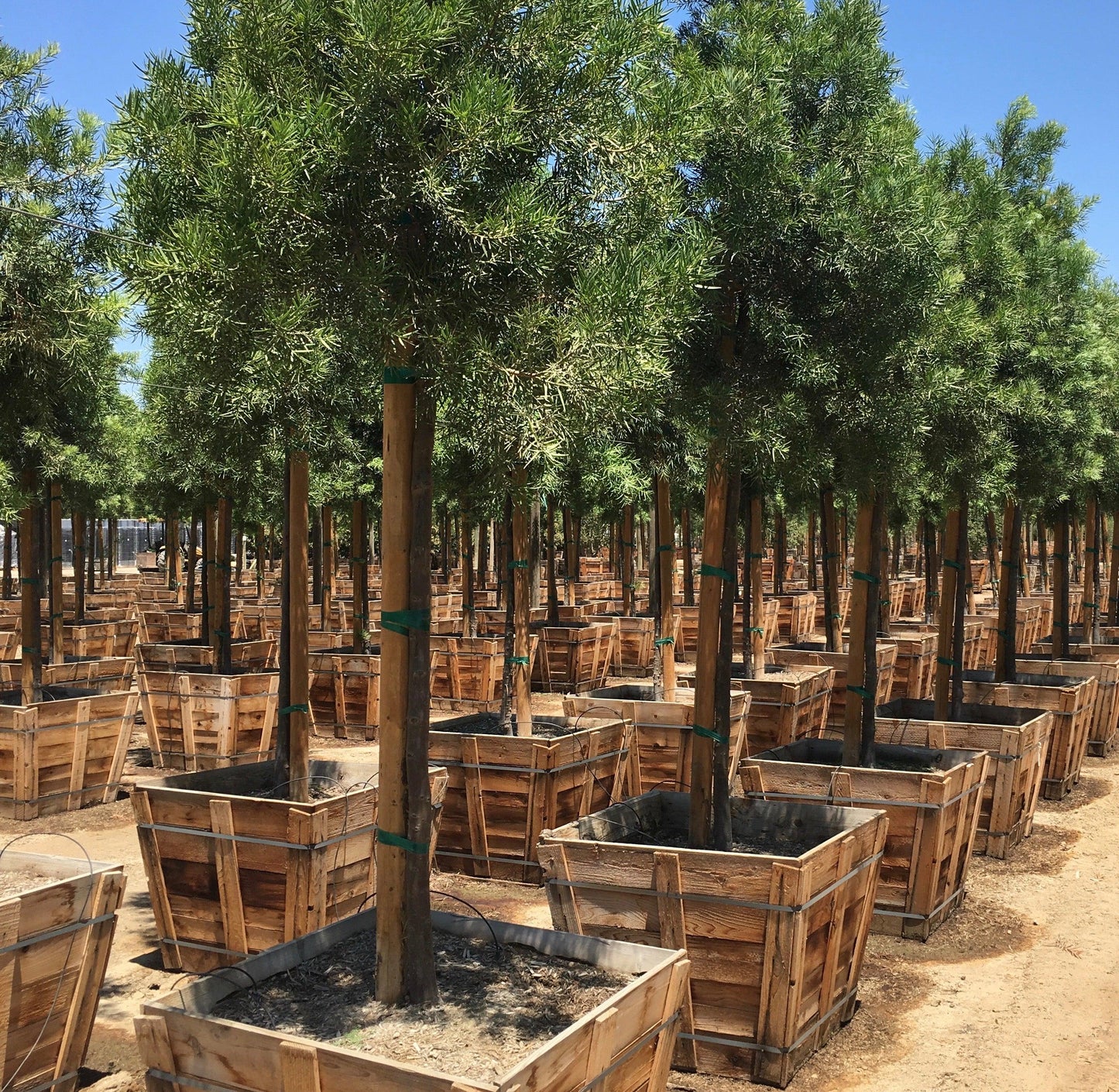
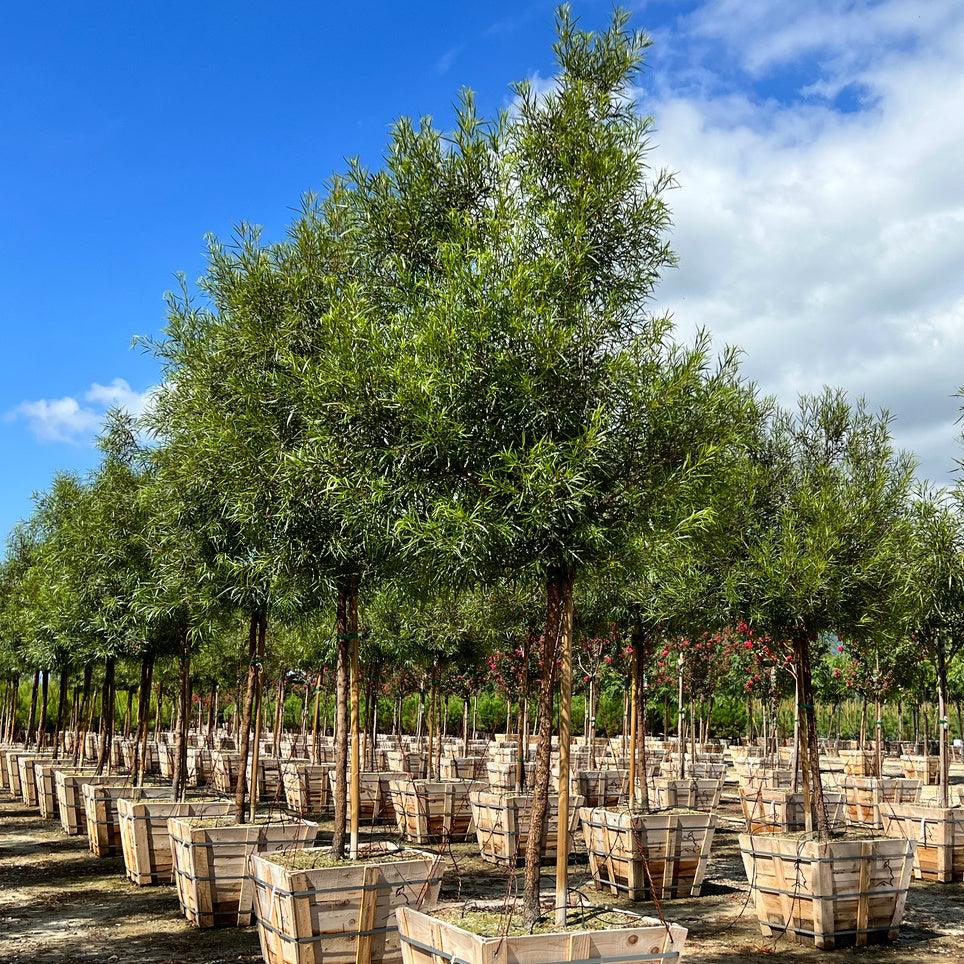
Pool areas and entertainment spaces need privacy trees that stay attractive year round, tolerate reflected heat and handle occasional moisture or salt exposure. Podocarpus, cherry laurel, wax myrtle and selected juniper species can create a polished living wall around patios, pools and outdoor dining areas.
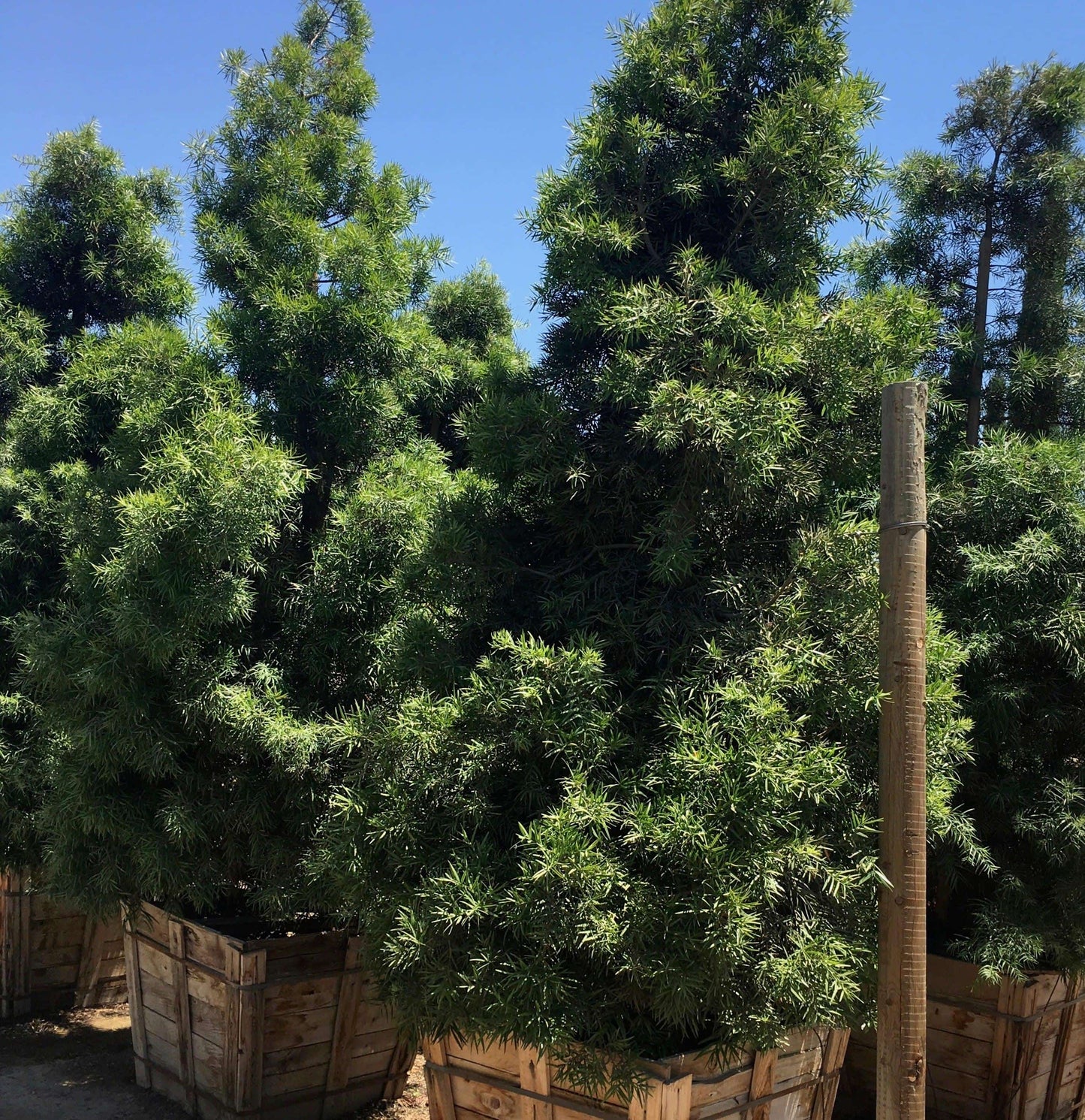
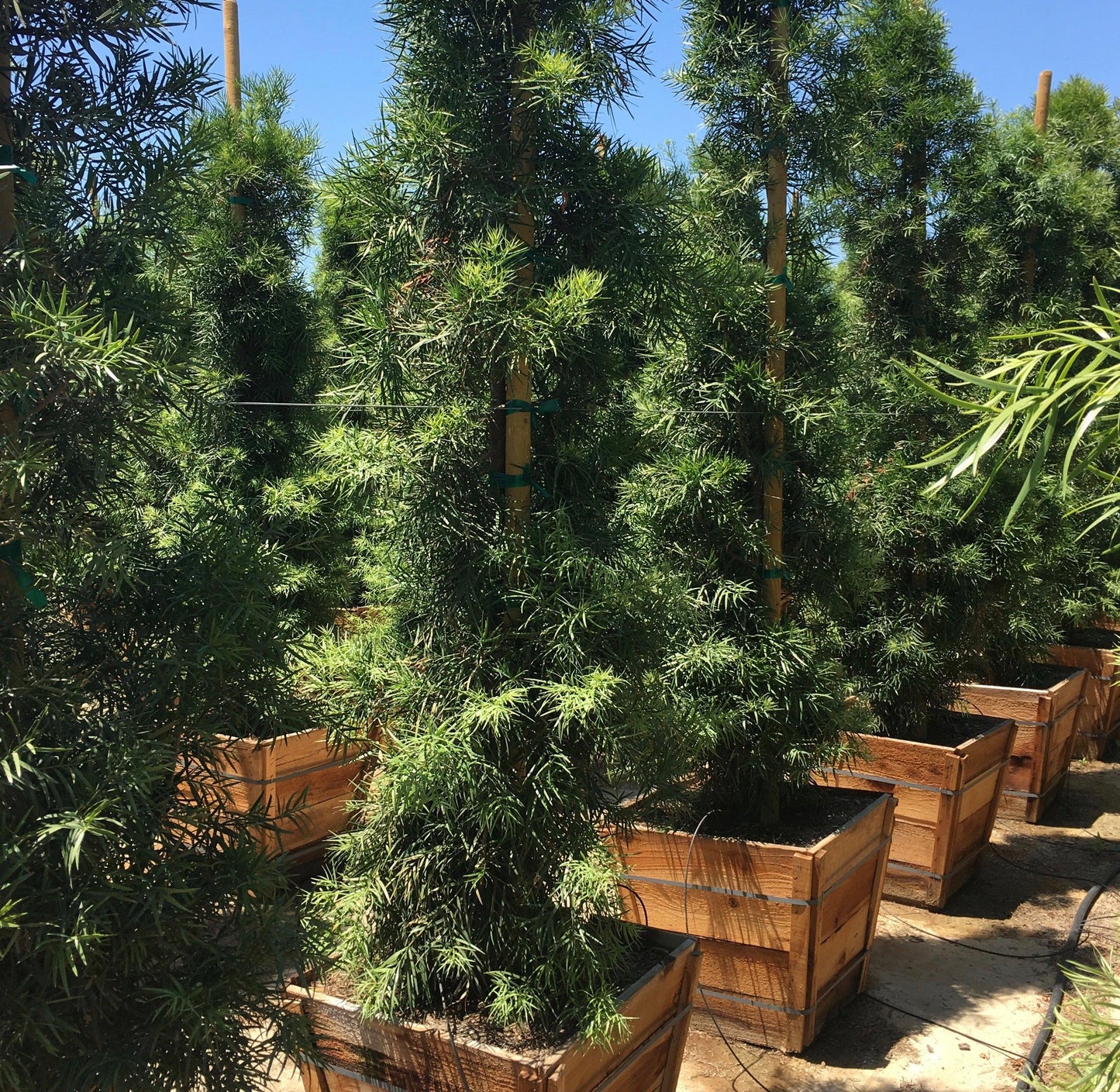
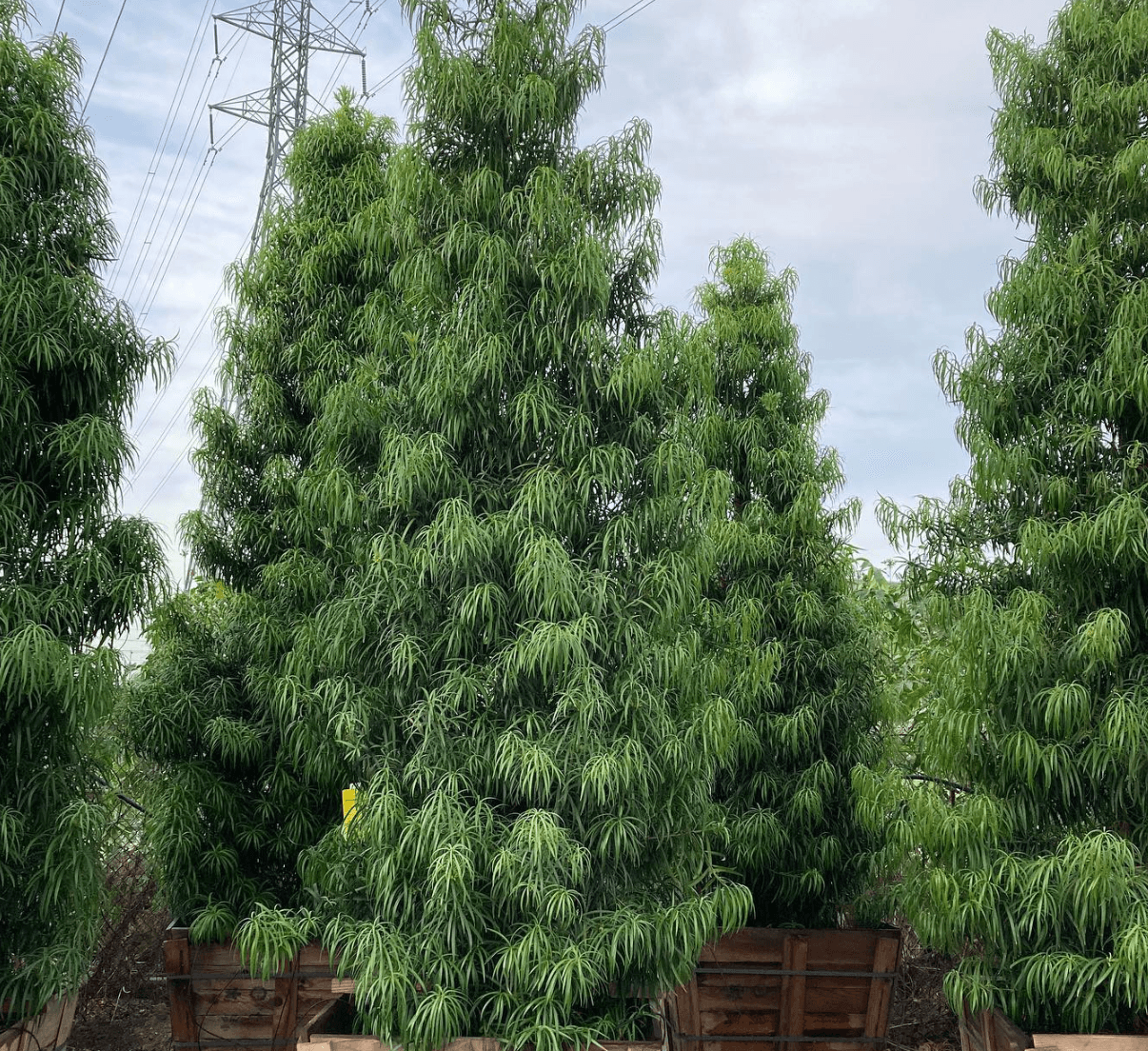
Cherry Laurel (Prunus laurocerasus) can grow 2 to 3 feet (60-90 cm) annually and matures around 10 to 15 feet (3-4.5 m) high, making it a great option for shaded areas where other privacy trees may struggle, especially when used as an English laurel hedge. Cherry laurel offers glossy green leaves, tolerates partial shade and responds well to pruning, which makes it useful for shaping a dense hedge. Fern Pine (Podocarpus gracilior) hedges have glossy leaves, a refined texture and good performance in mild California climates.
For poolside privacy screens, choose trees with good drought tolerance, wind resistance and manageable litter. Female trees of some species may produce berries - hollies can add red berries, while wax myrtle offers blue green foliage and a natural look - so consider fruit drop before planting near paving or water.
Choose the Right Tree for Your Space
The right privacy tree should match the scale of your yard, the climate, the soil and your long-term maintenance expectations. Fast growth is valuable, but a tree that requires ample space can become a problem if planted too close to walls, fences, foundations or power lines.
Small Yards and Narrow Spaces
Small yards need narrow, upright trees that grow tall without spreading too wide. Sky Pencil Holly, Spartan Juniper, Columnar Juniper, Emerald Green Arborvitae and Italian Cypress are strong options for tight spaces because they keep a columnar shape and create vertical privacy.
Many narrow privacy trees mature around 2 to 4 feet wide, which makes them suitable for side yards, entry gardens and foundation plantings. Columnar Juniper (Juniperus chinensis) grows 12 to 18 inches (30-45 cm) per year and matures at 15 to 20 feet (4.5-6 m) tall, making it suitable for narrow spaces while providing year-round privacy. Italian cypress also performs best in full sun and well drained soil, especially in Mediterranean-style California landscapes.
For a privacy wall in limited space, plant according to mature width rather than the size of young trees. Spacing narrow trees 3 to 5 feet apart can create a clean screen, but always leave enough room for airflow, pruning access and healthy root growth.
Large Properties and Acreage
Large properties can use large trees and faster-growing species for windbreaks, border planting and long privacy lines. Hybrid poplar, Royal Paulownia, live oak, Texas Red Oak and some evergreens such as Monterey cypress can cover more space quickly when the landscape allows for mature height and spread.
Hybrid poplar trees can grow up to 8 feet per year, making them one of the fastest-growing shade trees available. Fast-growing privacy trees can add several feet of height per year, with some species like hybrid poplar growing up to 8 feet annually under optimal conditions. Hybrid poplar is useful where fast coverage matters, but it requires more space and careful placement because large, fast growing trees may have aggressive roots or weaker wood.
Fast-growing shade trees like the Royal Poinciana require ample space due to their large spread and grow well in full sun with moderate moisture. These trees are not for every California yard, but on properties with more space they can provide shade, seasonal color and broad screening. Use generous spacing for natural windbreaks and property borders so each tree has room to mature.
Challenging Soil and Climate Conditions
California landscapes vary from coastal salt exposure to inland heat, clay soil, alkaline soil and difficult sites with poor soil. It is important to verify the local USDA Hardiness Zone to choose trees that can survive specific regional climates. Many California properties fall into Zones 8 to 10, but local microclimates can change what will thrive.
For drought tolerant privacy, consider Italian cypress, thuja green giant once established, selected junipers, Texas Red Oak and live oak. Texas Red Oak and live oak are better for larger spaces, where dense branching and broad canopies can create long-term privacy and shade.
For clay-heavy areas or wet winter soil, Dawn Redwood and Bald Cypress may be better adapted than species that demand sharp drainage. Most soils can be improved, but good drainage is essential for many evergreen privacy trees because soggy soil can lead to root rot and slow growth.
Growth Characteristics That Deliver Results
Fast privacy depends on more than the label “fast growing.” Annual growth rates, mature width, evergreen density, soil quality, irrigation and pruning all determine how quickly a screen becomes useful.
Annual Growth Rates and Timeline
Growth rates vary widely. Moderate privacy trees may grow 1 to 2 feet per year, fast growing trees may add 2 to 5 feet per year, and very fast species may reach 6+ feet annually in ideal conditions. Hybrid poplar trees can grow up to 8 feet per year, making them one of the fastest-growing shade trees available.
For an 8-foot privacy screen, starting with 5- to 6-foot young trees can often provide solid coverage in about 2 to 3 years when the species grows fast and receives proper care. For a 12-foot to 15-foot screen, green giant arborvitae, Thuja Green Giant and leyland cypress may reach the target in about 4 to 5 years under strong growing conditions.
Green Giant Arborvitae reaching about 12 feet in 4 to 5 years is realistic when planted in full sun, watered deeply during establishment and grown in well drained soil. Slower options like Emerald Green Arborvitae take longer, but they remain more compact for small privacy screens.
Mature Size and Density
Mature size controls spacing, long-term privacy and maintenance. A tree that looks perfect at planting can become too wide if mature dimensions are ignored. Thuja green giant may become a tall, broad evergreen screen, while Italian cypress stays narrow and vertical.
Evergreen density creates year round privacy. Dark green foliage, blue green foliage and dense branching help block sightlines in winter as well as summer. A deciduous tree may grow fast and provide shade, but deciduous screening becomes thinner in winter after leaf drop.
Mixing different tree species prevents total screen loss caused by localized pests or diseases. Instead of planting many trees of only one species, combine compatible evergreens and adapted trees where space allows. This reduces risk from pests, disease and climate stress.
Seasonal Performance and Maintenance
Evergreen trees provide the most reliable privacy because they keep foliage through winter. Deciduous trees can still be useful for summer shade and seasonal blocking, but they may not protect against prying eyes year round.
Fast growth usually means more pruning. Cherry laurel tolerates frequent shaping, while Italian cypress should be pruned carefully because cutting into old brown wood can leave permanent gaps. Leyland cypress grows fast but needs space, airflow and monitoring for disease.
Once established, drought tolerant trees usually need less summer irrigation, but new plantings still require steady water. Mulch, deep watering and early spring or fall planting help young trees establish faster and reduce heat stress in California landscapes.
How to Plant for Maximum Privacy
Proper planting makes the difference between a thin row of struggling trees and a full, lush screen. The goal is to give each tree enough space, sun, soil quality and water to achieve its best growth.
Spacing for Quick Coverage
Spacing should be based on mature width and how quickly you need coverage. For a slower but healthier long-term screen, space trees near their expected mature spread. For quicker coverage, reduce spacing slightly while still allowing airflow and pruning access.
For the fastest screen, plant trees in a diagonal, zigzagging staggered row rather than a single straight line. A staggered double row fills gaps faster, blocks views from more angles and creates a deeper privacy barrier than a single row.
As a practical example, plant Green Giants 8 to 10 feet apart for 3-year fill-in in many backyard settings. Narrow trees such as Italian cypress, Tiny Tower Italian cypress, Columnar Arborvitae and columnar juniper can be planted closer, often around 3 to 5 feet apart depending on mature width and desired density.
Site Preparation and Soil Considerations
Start with soil testing before planting privacy trees. Soil pH, drainage, compaction and nutrient levels all affect fast growth, especially for evergreens that need strong root systems before they can push several feet of top growth each year.
Well drained soil is critical for thuja, leyland cypress, Italian cypress and many conifers. If the planting area has poor soil or compacted clay, amend carefully, improve drainage and choose species that tolerate various soils. For difficult sites, Bald Cypress, Dawn Redwood or selected oaks may outperform trees that dislike wet roots.
Yardwork offers soil testing service for California customers who want a better match between tree species and actual site conditions, and as a plant nursery serving local homeowners we can also help source the right trees. This helps you choose privacy trees that fit your sun exposure, irrigation limits, drainage and USDA Hardiness Zone.
First Year Care for Rapid Establishment
The first year determines long-term performance. Young trees need deep watering, mulch and protection from wind and sun stress while roots expand into the surrounding soil. Water slowly and deeply rather than giving frequent shallow watering.
Fertilize only when needed and avoid pushing too much soft growth before roots are established. Early spring is often a good time for light feeding, while fall planting can reduce heat stress and give roots time to develop before summer.
Keep mulch a few inches away from the trunk, check irrigation regularly and prune only to remove damaged branches or guide shape. Healthy establishment is what allows fast growing privacy trees to reach their expected growth rates.
Shop Fast Growing Privacy Trees
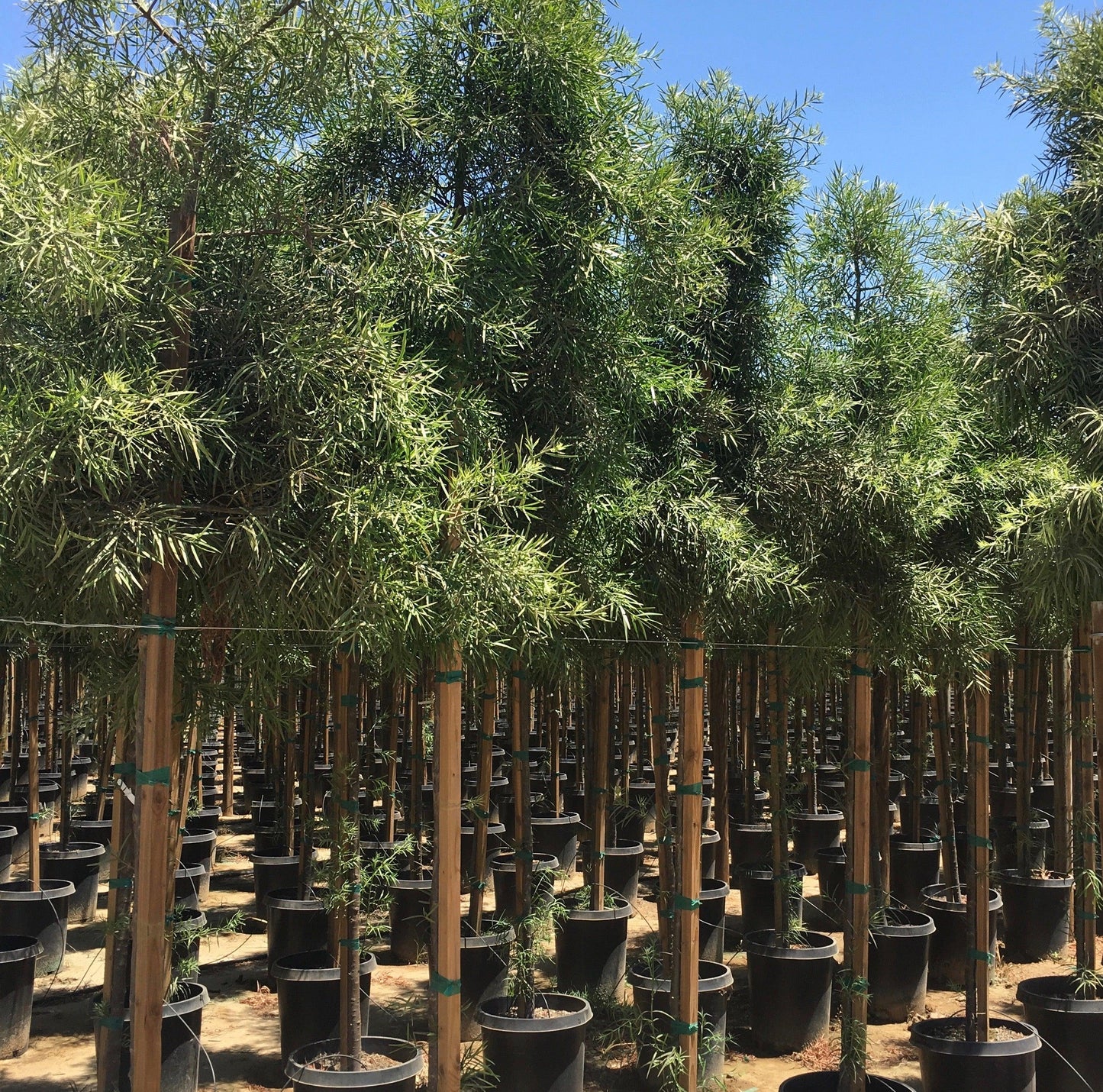
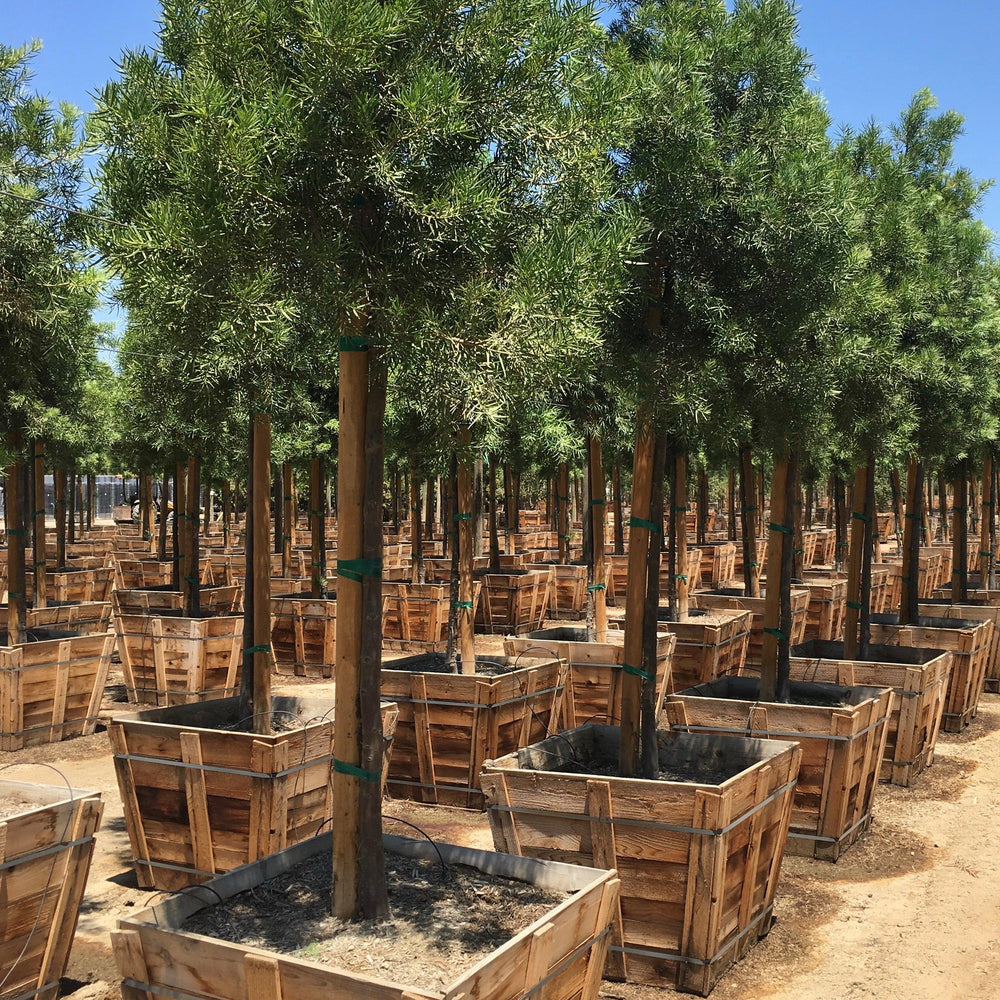
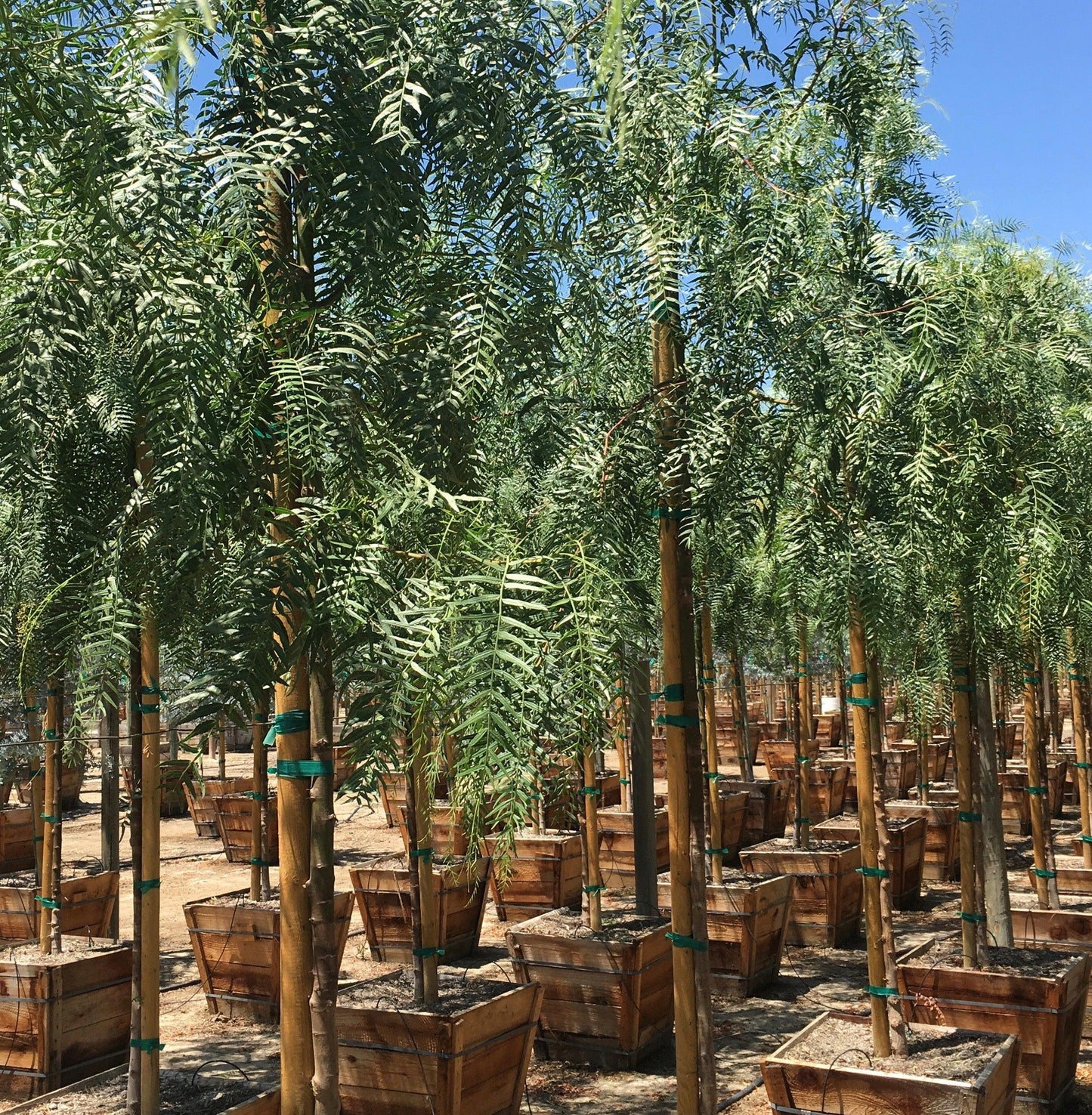
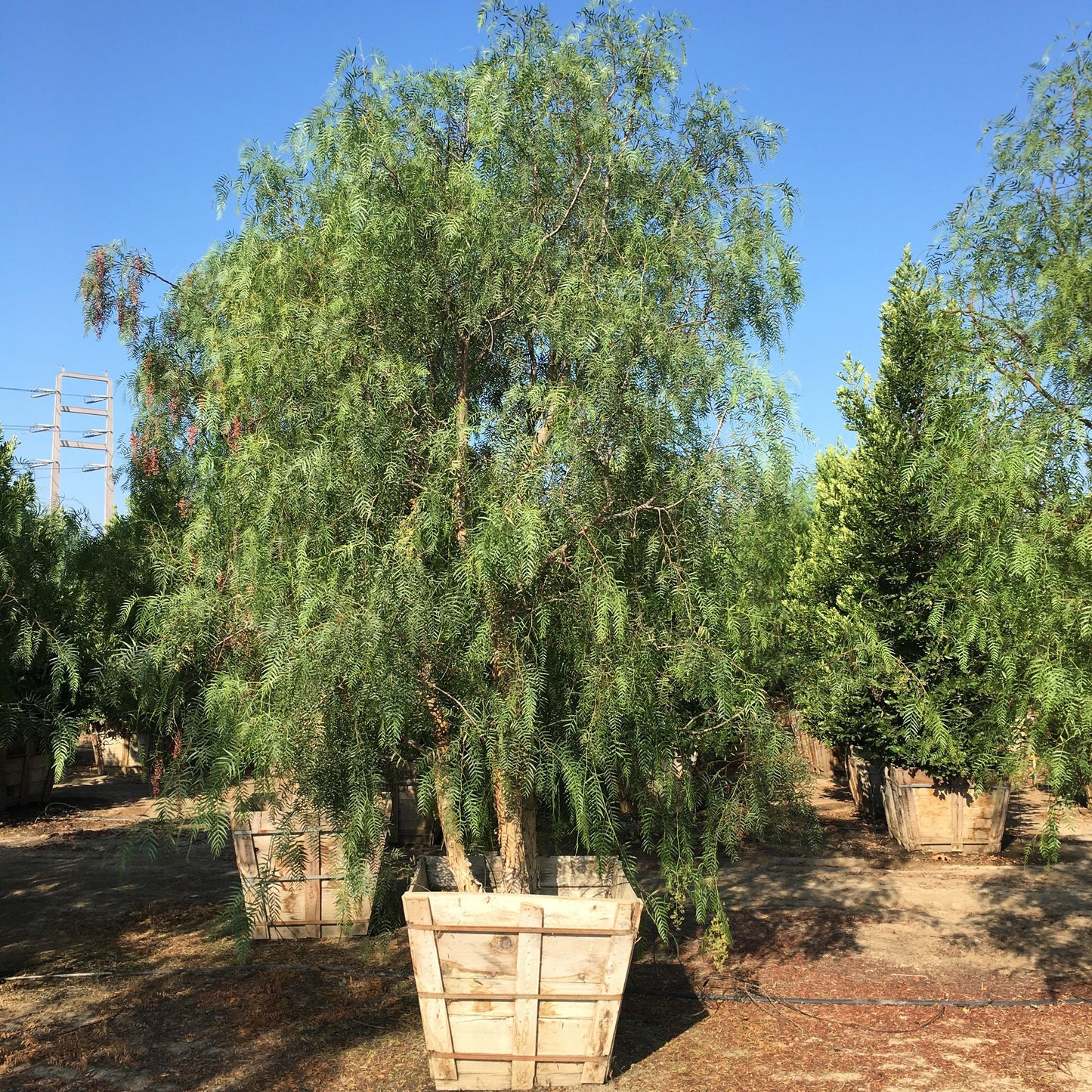
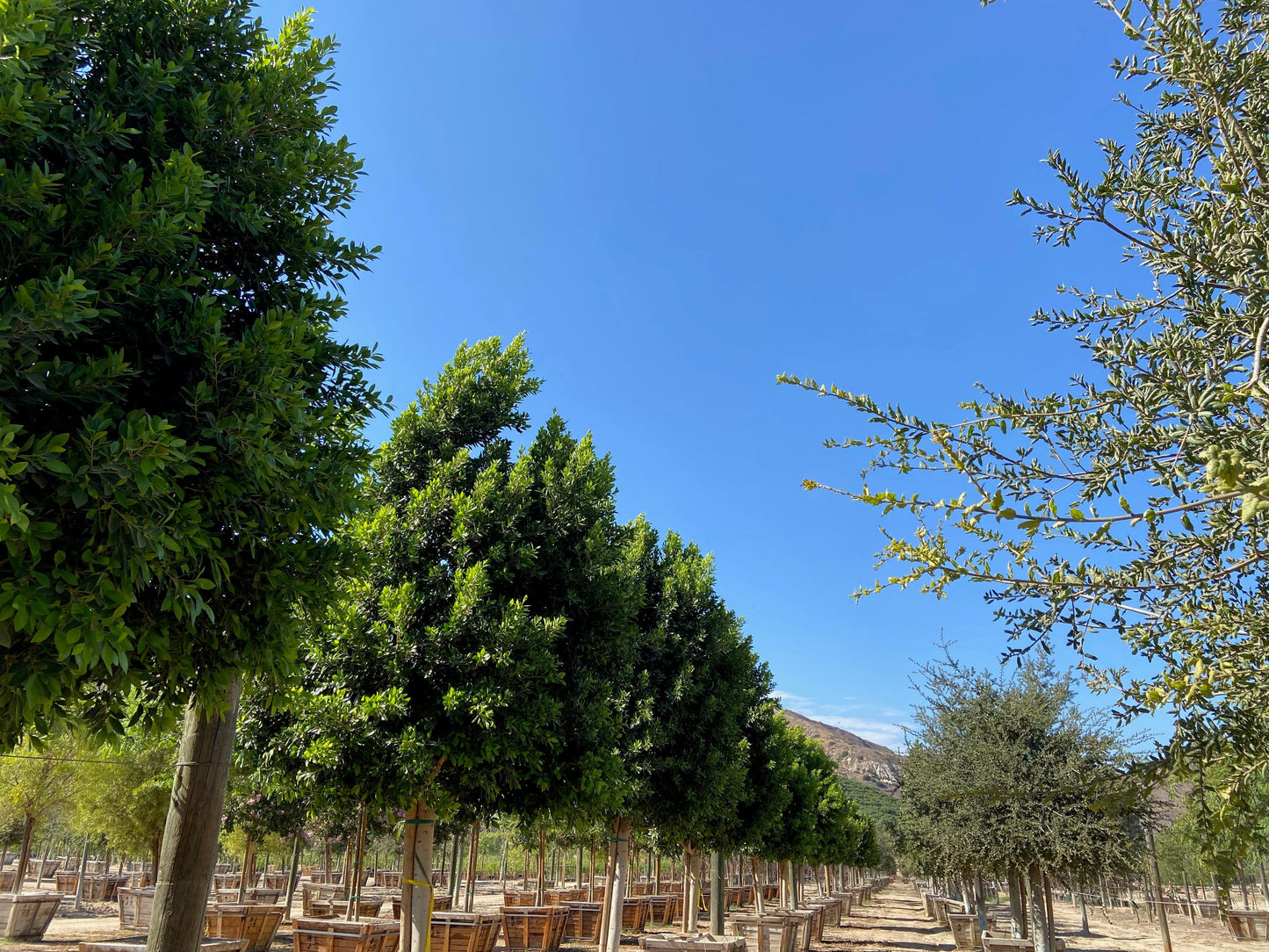
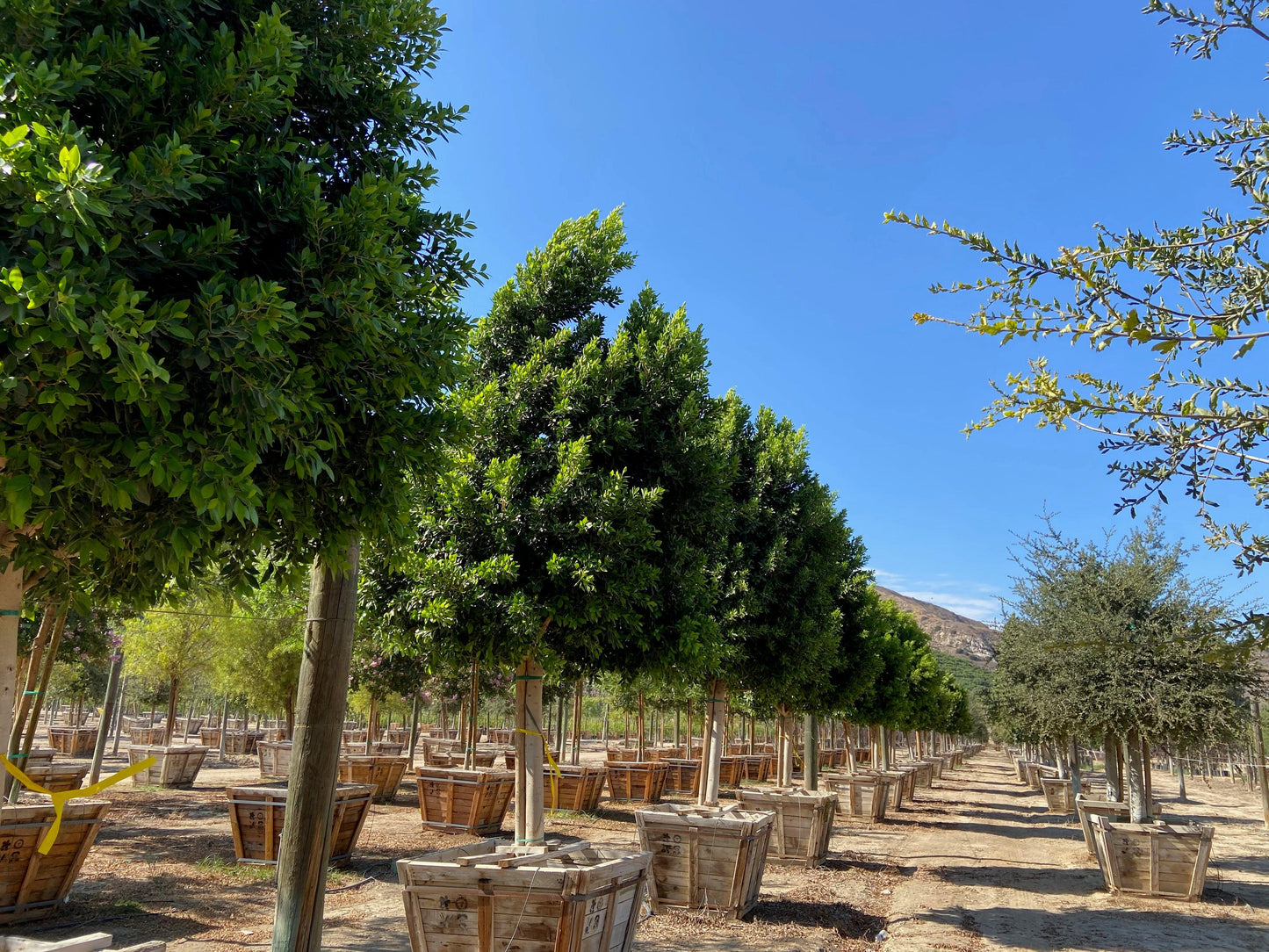
Shop Yardwork’s selection of mature trees for sale for California delivery and create a natural screen faster. Choose from green giant, leyland cypress, Italian cypress, cherry laurel, podocarpus, arborvitae, juniper and other fast growing trees suited to California yards.
Yardwork offers free shipping over $600 within most areas of California, helping you bring large privacy trees directly to your property. Larger specimens cost more than small tree starts, but they deliver instant structure and reduce the wait for privacy.
Need help choosing the right species, spacing and layout? Explore our nursery privacy tree selection and request expert recommendations from Yardwork for a custom privacy solution based on your yard, soil, sun exposure, space and screening goals.