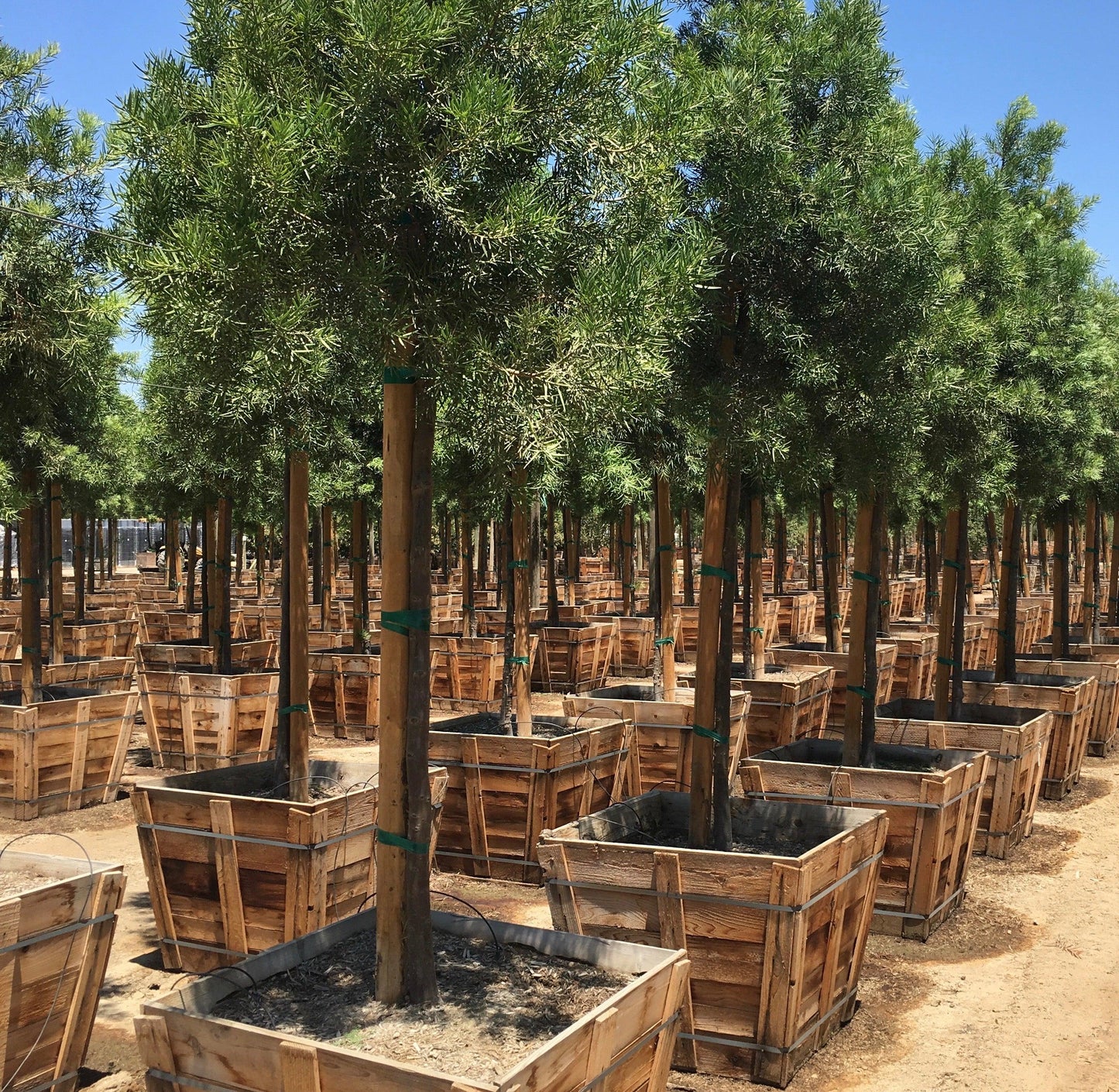
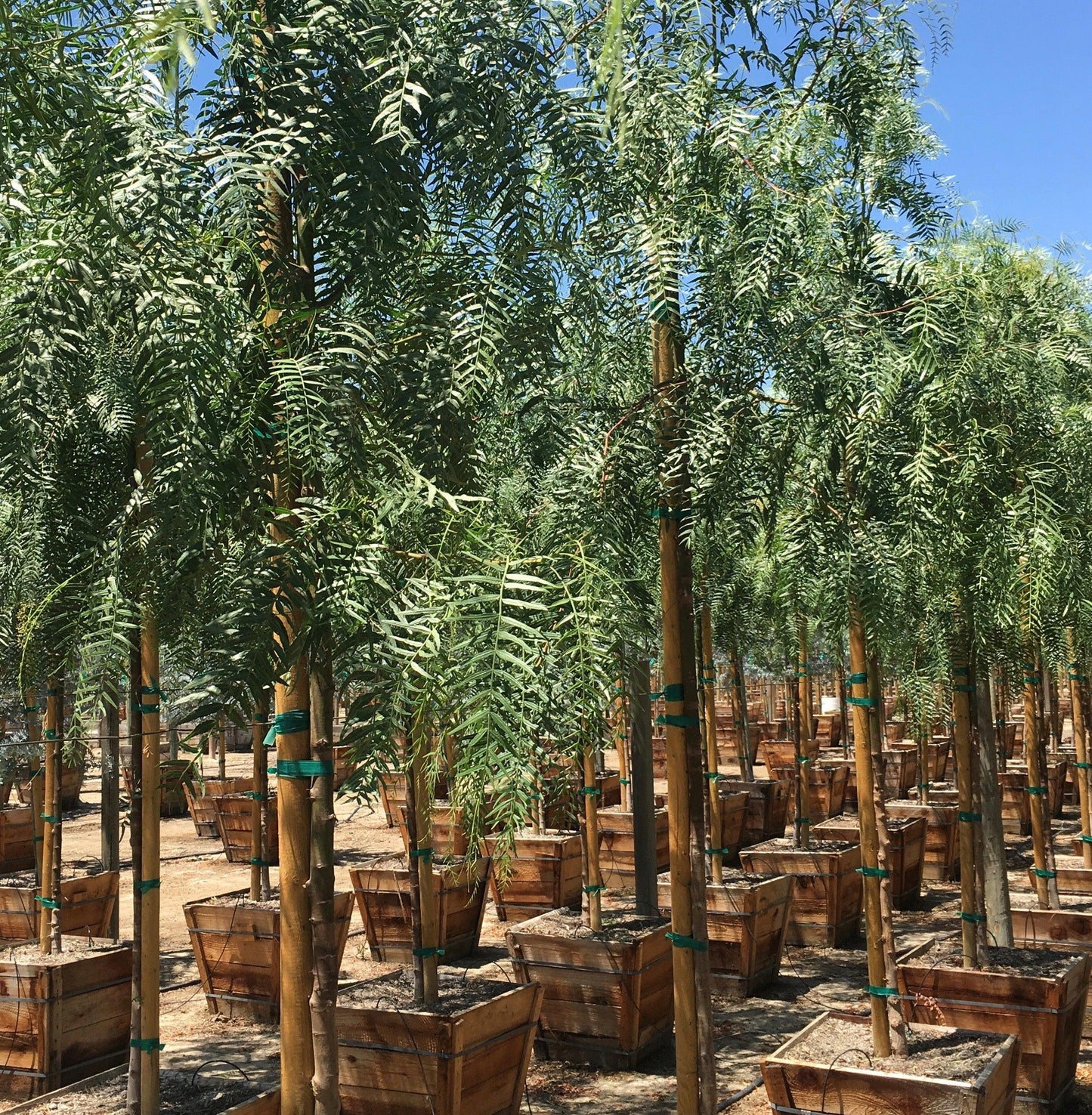
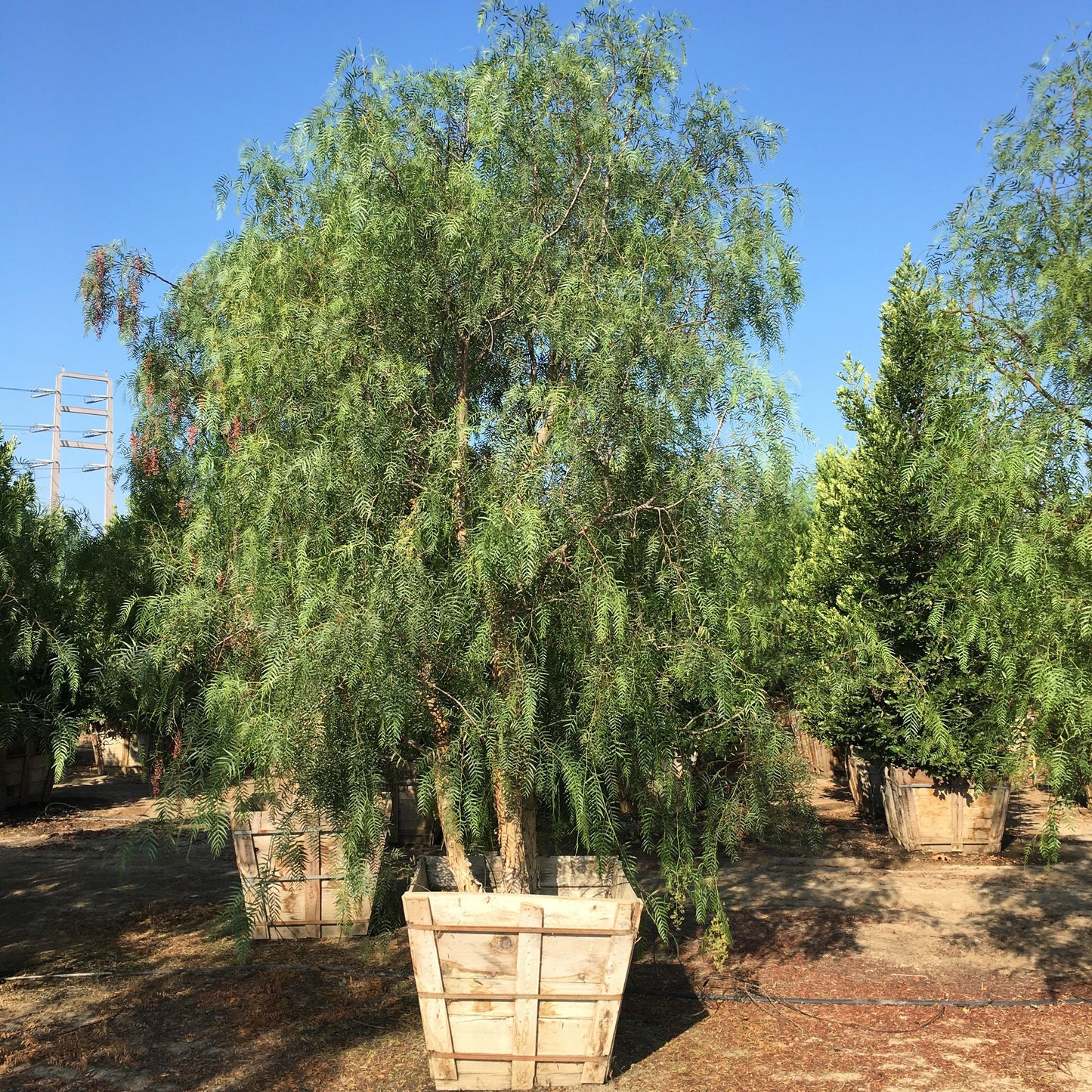
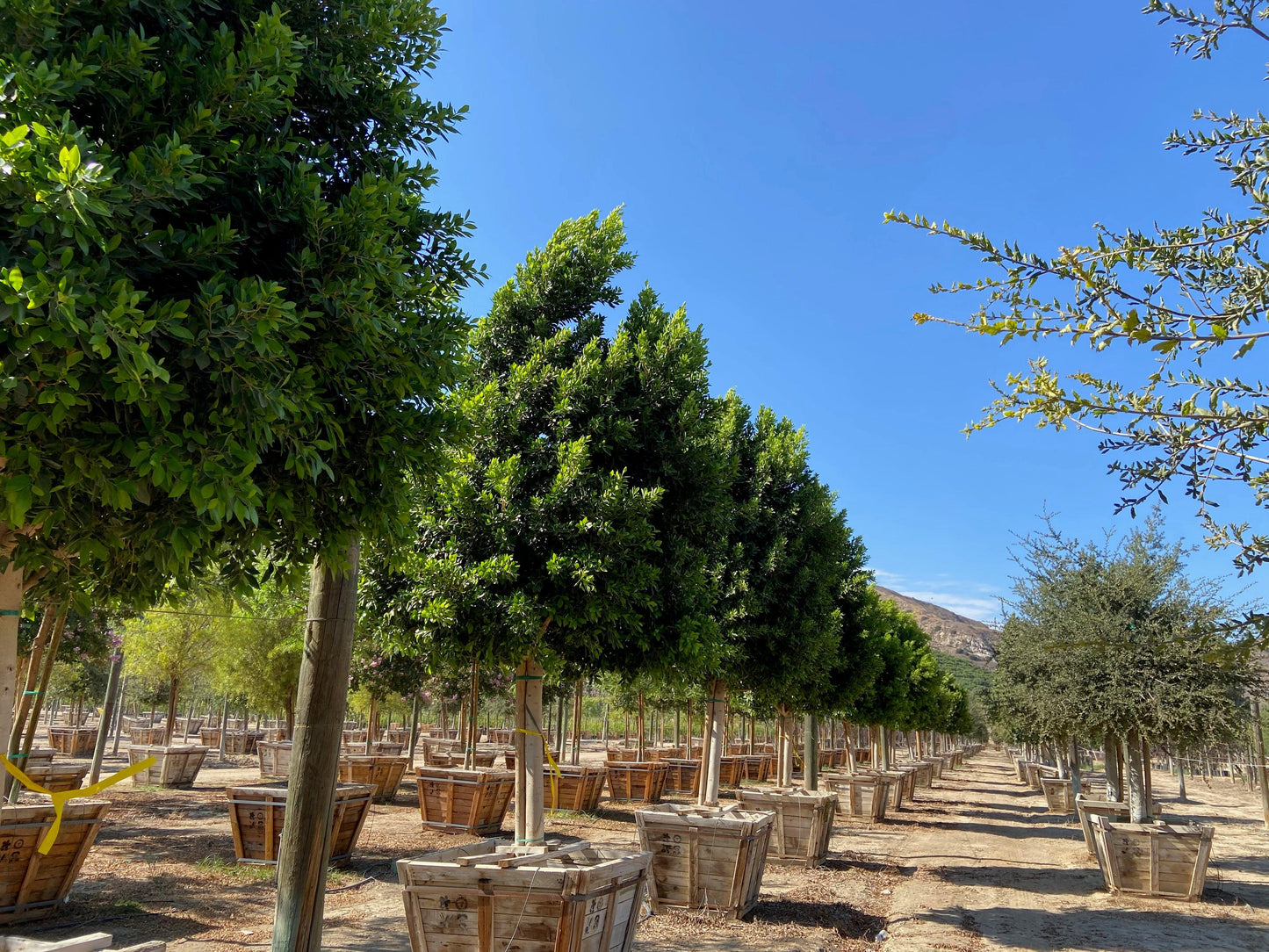
Fast Growing Privacy Trees – Create Natural Screens Quickly
Fast growing privacy trees help you block unwanted views, soften noise, add cooling shade and create a greener yard in just a few seasons. Fast-growing trees typically add 2 feet or more in height per year, making them ideal for quick shade and visual impact.
The best fast-growing trees for privacy quickly establish a thick, dense barrier to block unwanted views and reduce noise. With the right species for your specific climate zone, soil, sun exposure and available space, you can enjoy privacy faster without waiting decades.
Fast Growing Privacy Trees for Every Property Need
Different properties need different privacy screens. A narrow side yard, an open backyard, a windy property line and a pool patio all require different tree solutions.
Fast-growing shade trees can help solve functional problems quickly, such as providing relief from harsh afternoon sun and enhancing privacy in open backyards. Many fast growing trees can deliver visible results within 2-3 years rather than decades, especially when planted in full sun, well drained soil and the right growing zones.
Property Line Privacy Screens
For year round coverage along a property line, evergreen privacy trees such as Thuja Green Giant and Leyland Cypress are a great choice. Green Giant Arborvitae creates a dense green wall, while Leyland Cypress grows fast and is one of the fastest-growing tree options, adding up to 3 to 4 feet per year.
Fast-growing privacy trees like Green Giant Arborvitae can grow up to 5 feet per year, forming dense, evergreen barriers in just a few years. For continuous living fences, spacing trees 4 to 6 feet apart allows them to fill in and create a solid living wall without overcrowding. Larger trees such as Leyland Cypress may need closer to 6-8 feet apart, depending on mature width and desired density.
Windbreak and Noise Barriers
For wind, noise and blocking views across larger areas, choose tall, dense fast growers such as Murray Cypress, Hybrid Poplar and selected hardy evergreens. Hybrid Poplar grows very quickly and can be useful when you need instant privacy or a temporary screen while long term trees mature.
Multiple rows create better windbreaks than a single row. Staggering trees in a zigzag pattern creates a thicker barrier more quickly than planting in a straight line, and planting a staggered or mixed-species screen can prevent widespread loss if a particular pest or disease affects one type of tree.
Some fast-growing trees, like hybrid poplar and certain willows, are known for extremely rapid annual growth under good conditions, but they may have weaker wood or higher storm risk if not properly maintained. For windy sites, look for species with strong roots, good structure and manageable pruning needs.
Pool and Patio Privacy
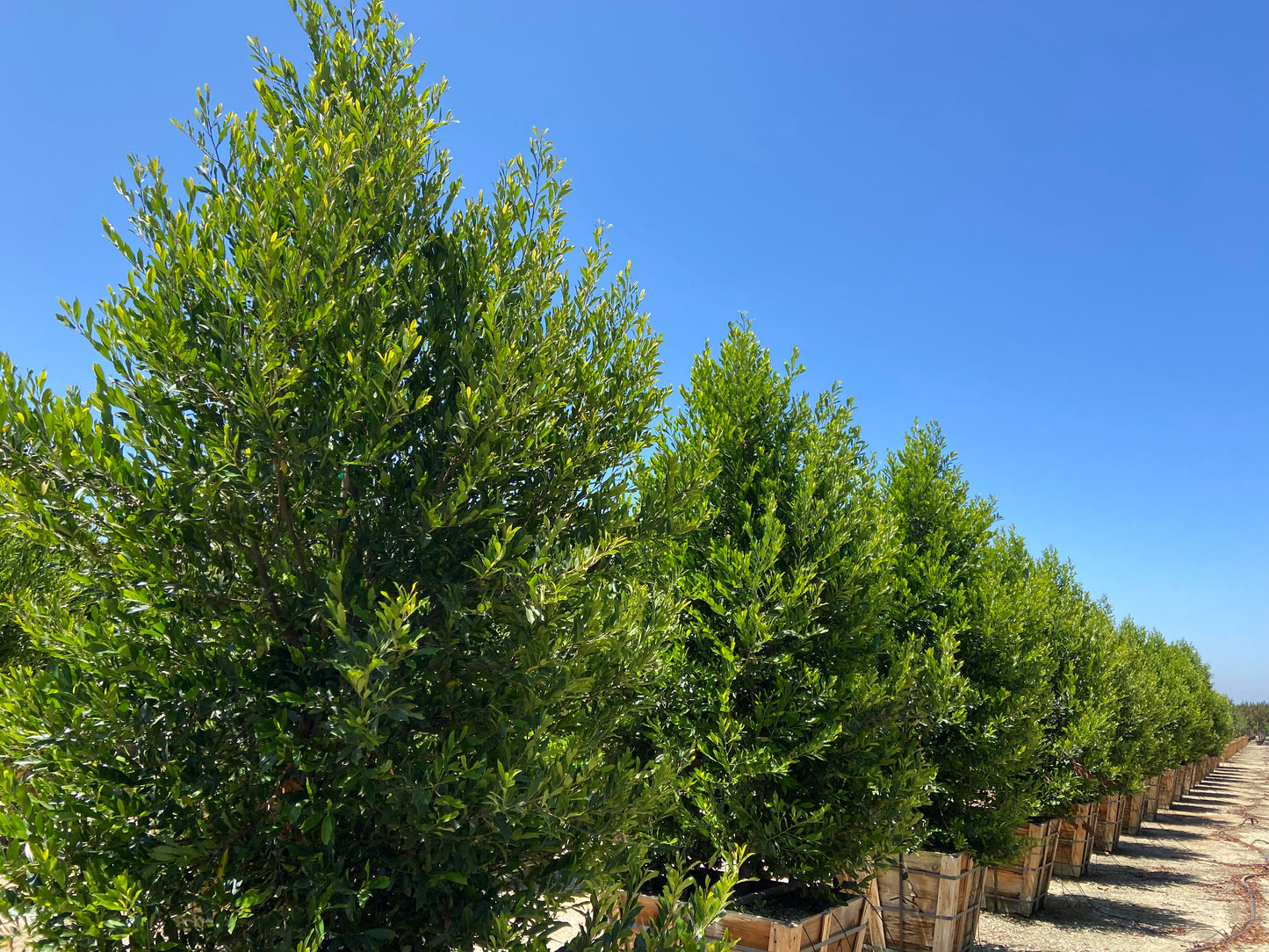
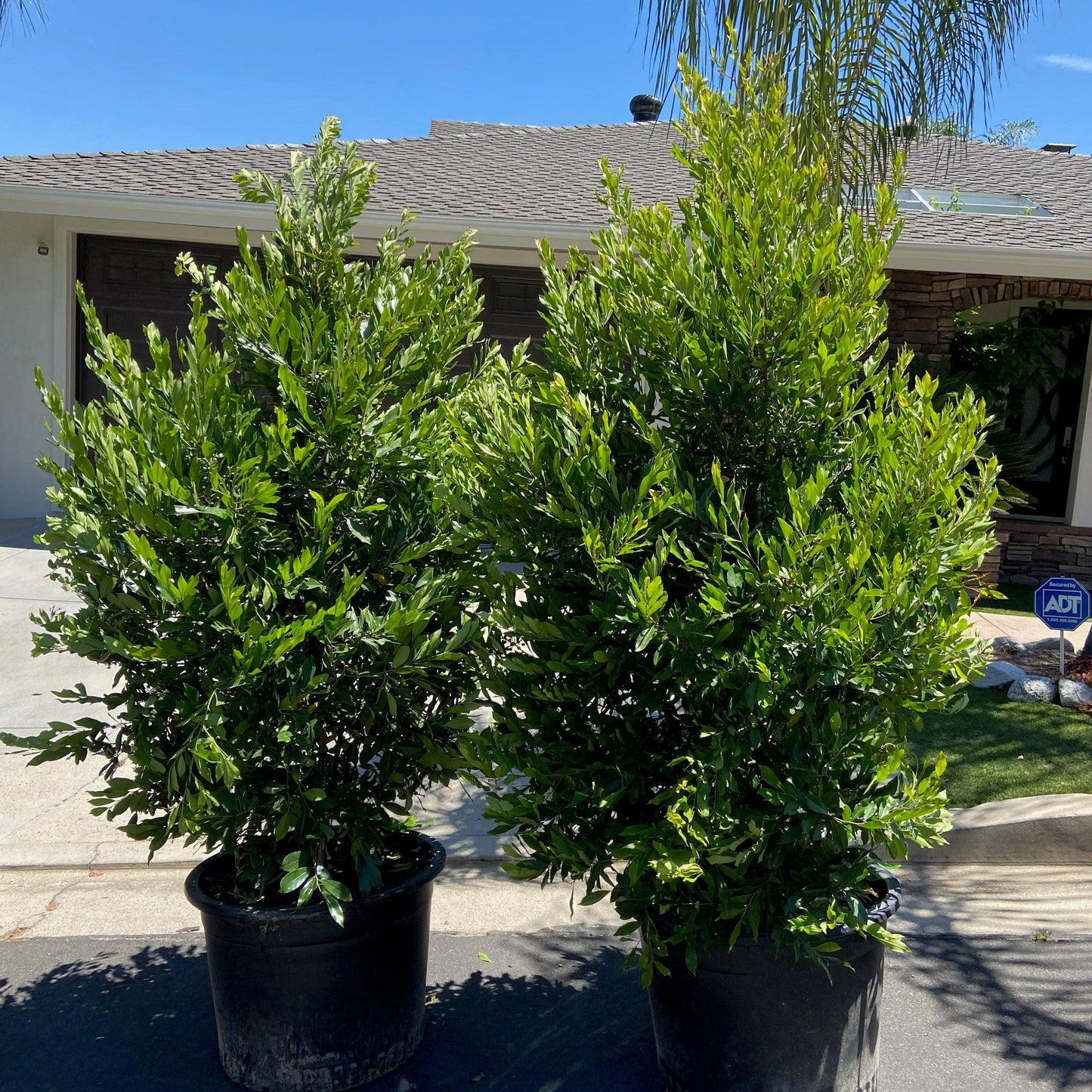
Around pools, patios and outdoor dining areas, choose medium-height privacy trees that provide screening without blocking too much sunlight. Emerald Green Arborvitae, Wax Myrtle, upright hollies and compact shrubs can create privacy while keeping the space open and comfortable.
Emerald Green Arborvitae is suitable for smaller yards and requires very little maintenance once established. Wax Myrtle is another fast growing evergreen option for mild climates, but it should be placed thoughtfully in fire-prone landscapes.
Near water features, avoid trees that drop excessive flowers, fruit, branches or cones. For poolside privacy, the best trees are clean, dense, narrow where needed and tall enough to screen sightlines without overwhelming the garden.
Choose the Right Privacy Tree for Your Growing Conditions
Fast growing privacy depends on choosing trees that match your yard. Growth rates for trees can vary significantly, with some able to grow several feet per year depending on species and conditions.
Before you plant, consider sun, shade, soil moisture, mature height, mature size, mature width, local zone, nearby power lines and how much pruning you can manage over the long term.
Full Sun Locations
Most fast growing privacy trees perform best in full sun. Sun-loving options such as Italian Cypress, Photinia, Thuja Green Giant and Leyland Cypress usually establish quickly when they receive at least six hours of sun per day.
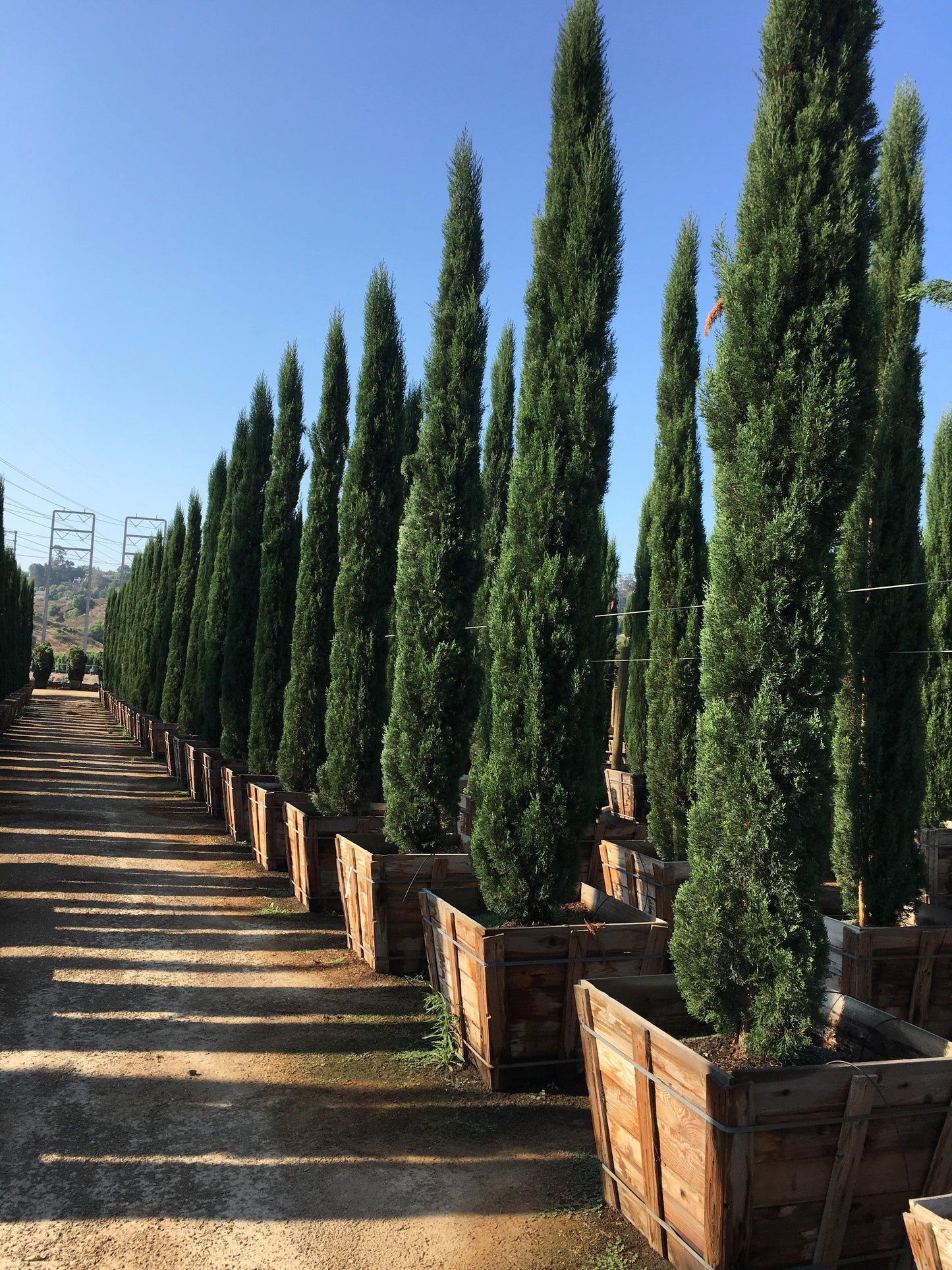
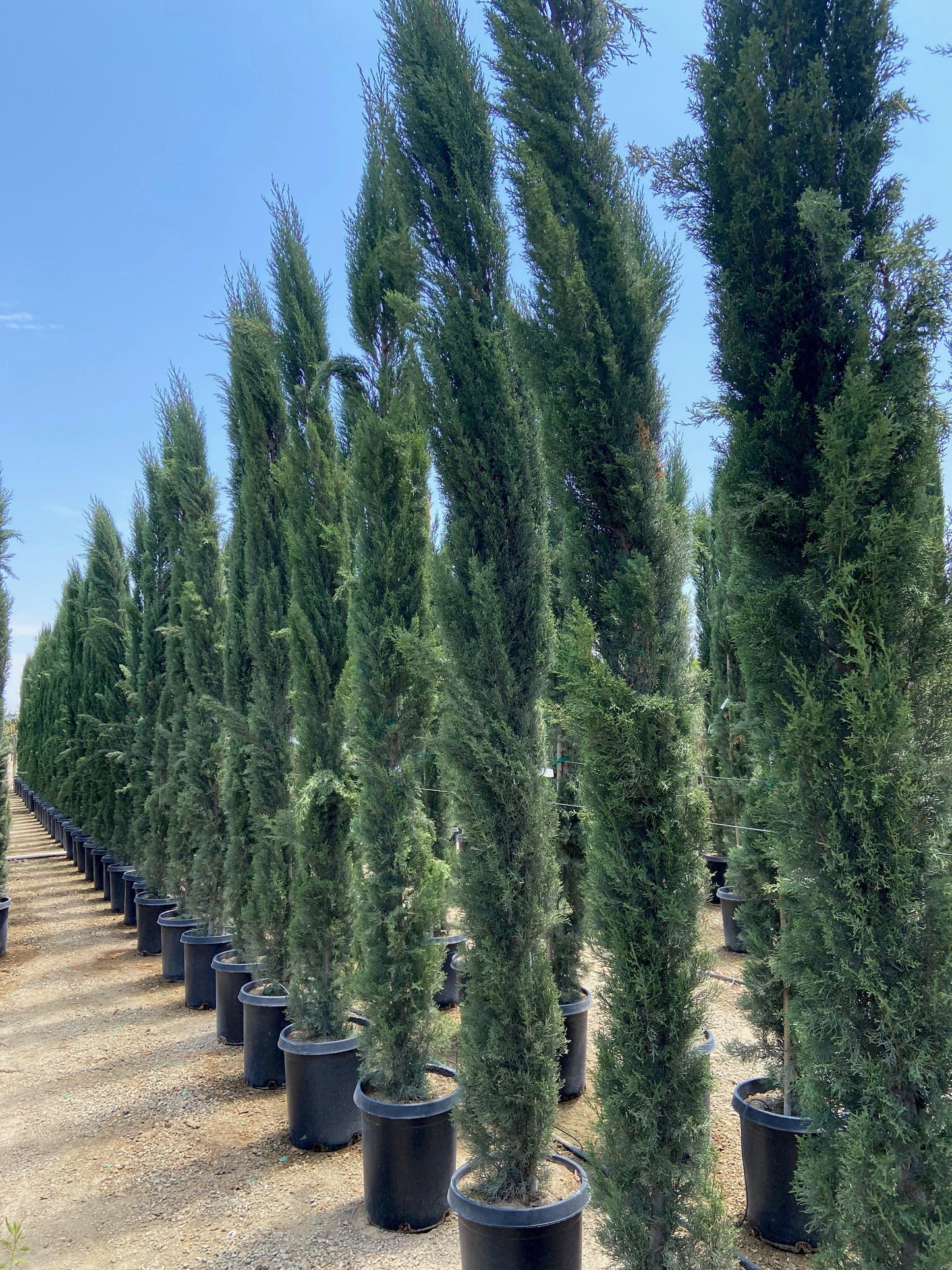
Full sun helps maximize fast growth, keeps foliage dense and reduces some disease problems. In California climates, heat tolerance matters too, especially in inland valleys and warm southern regions. Italian Cypress is a strong option for smaller spaces because its columnar shape stays narrow while still growing tall.
For hot yards, choose species that suit your growing zones and water availability. Even drought-tolerant trees need moisture during establishment, especially during the first few seasons.
Partial Shade Areas
Shadier locations need privacy trees that can handle lower light without becoming thin. Cherry Laurel, Upright Holly and some broadleaf evergreens are reliable choices for areas with limited sunlight.
Cherry Laurel is a fast-growing privacy tree that can grow 2 to 3 feet (60-90 cm) a year and matures around 10 to 15 feet (3-4.5 m) high, making it suitable for shaded areas. Cherry Laurel (Prunus laurocerasus) evergreen hedge is an evergreen that can grow 2 to 3 feet (60-90 cm) annually, maturing at 10 to 15 feet (3-4.5 m) high, and is known for its shade tolerance, making it ideal for areas with limited sunlight.
Growth is usually slower in shade than in full sun, so give each plant enough space for airflow and light. Wider spacing may be better in partial shade because crowded trees compete for moisture, soil nutrients and available sun.
Small Yards and Tight Spaces
For smaller spaces, narrow and compact trees are often better than large trees with aggressive roots. Columnar Arborvitae, Sky Pencil Holly, Columnar Juniper and Italian Cypress can provide privacy screens without taking over the yard.
Columnar Juniper grows 12 to 18 inches (30-45 cm) per year and reaches a mature height of 15 to 20 feet (4.5-6 m), making it ideal for narrow spaces. Columnar Juniper (Juniperus chinensis) is an evergreen tree that grows 12 to 18 inches (30-45 cm) per year and can reach heights of 15 to 20 feet (4.5-6 m), making it suitable for narrow spaces.
Arborvitae (Thuja occidentalis) is a popular evergreen privacy tree that can grow 1 to 2 feet (30-60 cm) per year and reaches a mature height of 12 to 14 feet (3.5-4 m). In very tight spots, compact columnar forms such as the Tiny Tower Italian Cypress offer strong vertical privacy without taking up much horizontal space. When planting near foundations, walkways, utilities or power lines, choose trees with controlled roots and a mature width of 2-4 feet where space is limited.
Large Properties with Room to Spread
Large properties can use wider, faster-growing trees such as Weeping Willow, Hybrid Poplar, California Sycamore and other mature landscape trees that need more space. These species can create shade, privacy and a strong landscape presence.
The Weeping Willow is one of the best fast-growing shade trees, reaching heights of 30–50 feet and spreading wide to provide lush, cooling shade. Hybrid Poplar is another fast growing choice when quick coverage matters, especially for open backyards, rural boundaries and layered screens.
For the best long term privacy, combine fast growers with slower, stronger trees. A mixed planting can give fast results now while more durable species mature behind them. Plan for maintenance too: larger specimens need pruning, room for roots and enough distance from structures, roads and power lines.
Top Performing Privacy Tree Varieties
The best privacy trees combine fast growth, dense foliage, reliable structure and suitability for your climate. Fast-growing trees typically add 2 feet or more in height per year, making them ideal for quick shade or privacy solutions.
Some species deliver dramatic growth rates, while others grow more steadily but stay compact, cold hardy or easier to maintain.
Evergreen Champions
Thuja Green Giant is one of the most popular fast growing privacy trees. Green Giant Arborvitae can add 3-5 feet per year in good conditions, grows dense from top to bottom and performs well in zones 5-9. Green Giant is ideal for year round privacy screens where there is enough space for its mature size.
Leyland Cypress is another classic choice for fast growing privacy. The Leyland Cypress is one of the fastest-growing tree options, adding up to 3 to 4 feet per year. It likes full sun, well drained soil and regular pruning when young to maintain structure.
Emerald Green Arborvitae offers a narrower, slower-growing solution for smaller yards. It stays compact, maintains a clean green shape through winter and works well where many trees would grow too wide. Nellie Stevens Holly is a broadleaf evergreen that provides security and privacy while producing red winter berries.
Deciduous Fast Growers
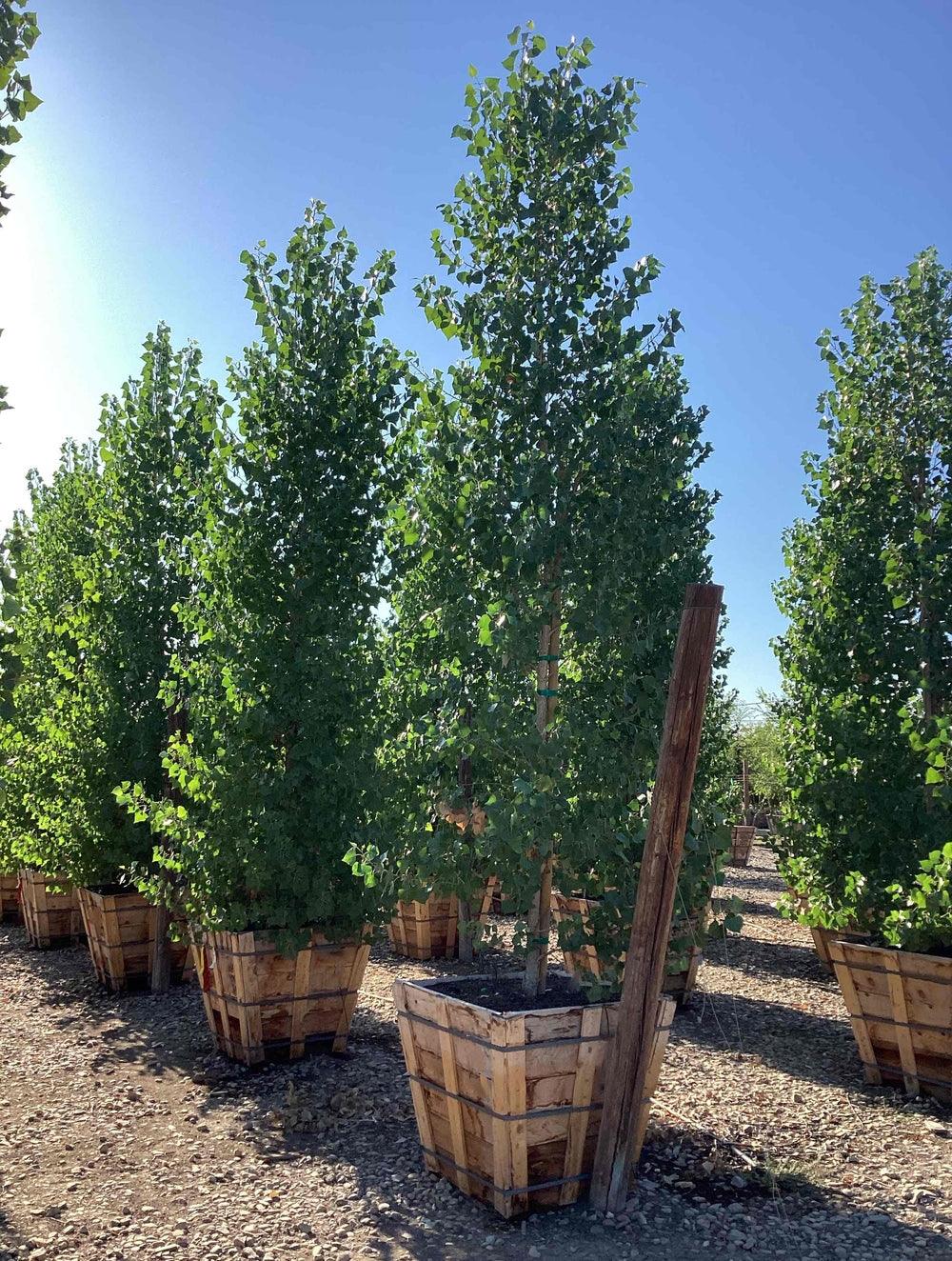
Hybrid Poplar is one of the quickest deciduous trees for fast results, often growing several feet per year under good conditions. It is useful for quick shade, temporary screening and large properties where winter leaf loss is acceptable.
Weeping Willow is best for moisture-rich ground and wide landscapes where its roots and canopy have room to spread. It grows fast, creates cooling shade and adds movement to the landscape, but it should not be planted too close to foundations, pipes or confined spaces.
Flowering options such as Cleveland Pear add seasonal beauty with spring flowers and a neat upright form. Homeowners often pair fast-growing privacy trees with flowering trees for curb appeal. These deciduous trees can help with summer privacy and shade, but they lose leaves in winter, so they are not the best choice when year round screening is essential.
Specialty and Unique Options
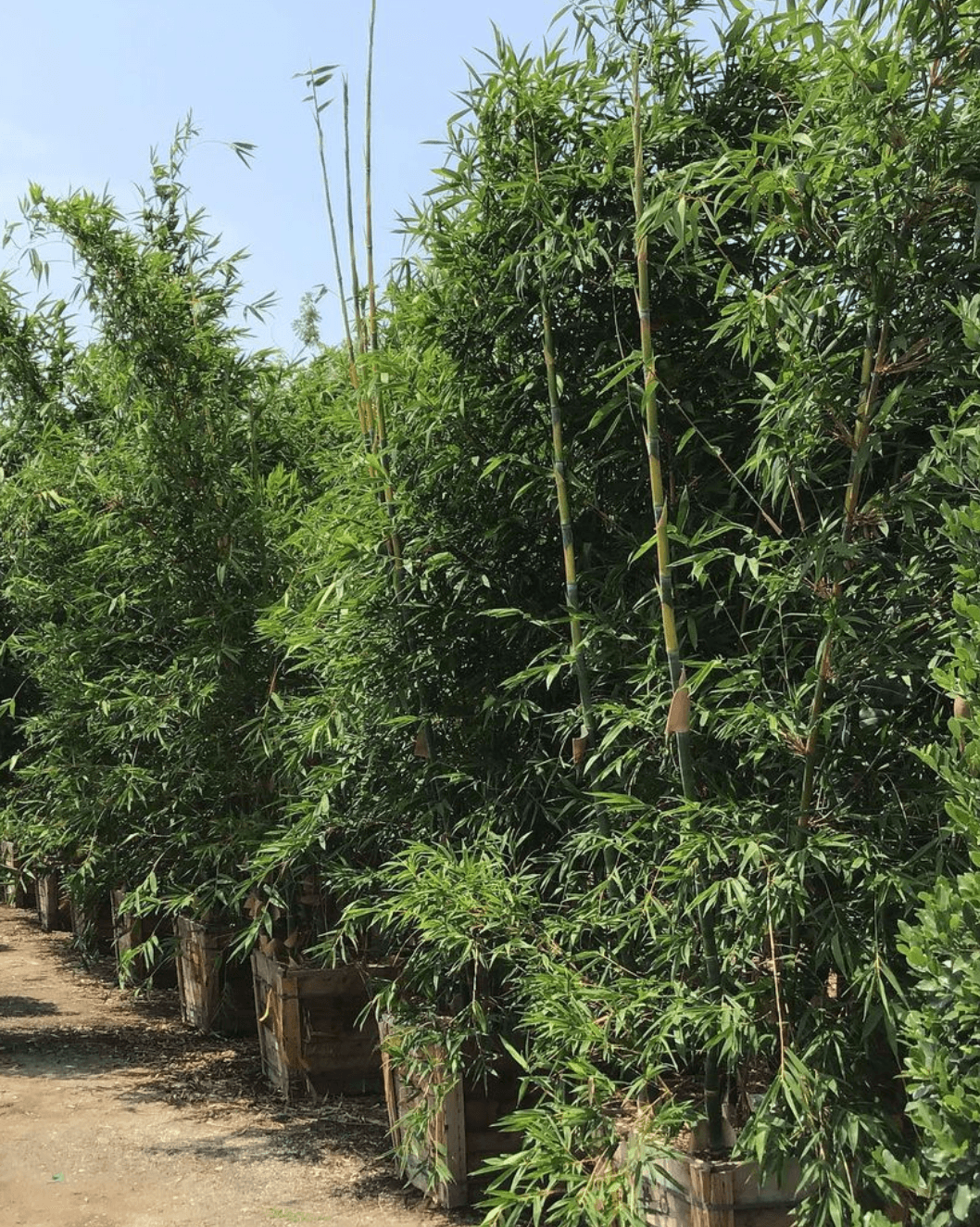
Bamboo varieties can create tall, tropical-looking privacy screens in a narrow footprint. Choose clumping bamboo rather than running types where invasiveness is a concern.
Dwarf varieties are useful for foundation plantings, entries and compact garden areas. Small arborvitae, compact hollies, dwarf conifers and selected shrubs can create soft privacy without overpowering the property, especially when you mix them with evergreen trees for year-round privacy.
For water-wise landscaping, consider drought-resistant options suited to your specific climate zone. Italian Cypress, certain junipers, native California trees and Mediterranean species can be strong choices when matched to soil, sun and local moisture conditions.
How to Plant and Establish Fast Growing Privacy Trees
Proper planting is the difference between fast growth and slow recovery. Even the best trees need good soil, correct spacing, deep watering and early care to establish quickly.
Fast growing trees perform best when roots are encouraged to grow deep and strong from the start. Plan before you plant, especially if you need privacy faster along a fence, driveway, pool or property boundary.
Timing Your Planting
The ideal time to plant fast-growing trees is during early spring or fall when the weather is cooler and moisture levels are higher, allowing for strong root establishment before summer heat or winter chill. In California, fall is often excellent because soil stays warm while air temperatures cool, and working with a local nursery specializing in privacy trees can help you time installation around regional conditions.
Early spring planting also works well before summer heat arrives. This gives new privacy trees time to establish roots before the most stressful part of the year.
Avoid planting during extreme summer heat unless you can provide consistent irrigation and protection. Young trees under heat stress grow slowly, drop foliage and may fail before they establish strong roots.
Soil Preparation and Spacing
Start with soil testing whenever possible. Good soil preparation helps determine pH, drainage, nutrients and whether amendments are needed. Most privacy trees prefer well drained soil, although willows and some other species tolerate more moisture.
Spacing depends on mature width and how quickly you want the screen to fill. For dense hedges, plant many trees closer together; for individual specimens, allow more space. Spacing trees 4 to 6 feet apart works well for many living fences, while larger varieties may need 6-8 feet or more.
Check soil depth, drainage and nearby utilities before planting. Avoid aggressive-rooted fast growers near foundations, driveways and power lines, and choose narrow or compact species where space is limited.
Watering and Early Care
Deep watering is essential during the first two years. Water less often but more deeply so moisture reaches the root zone instead of encouraging shallow roots near the ground surface.
Mulch helps conserve moisture, regulate soil temperature and protect roots. Apply a 2-4 inch layer around the tree, but keep mulch away from the trunk to reduce rot and pest issues.
Fertilize only when needed and avoid pushing too much soft growth too quickly. Light pruning helps maintain shape, remove damaged branches and keep lower foliage dense for better privacy screens.
Shop Fast Growing Privacy Trees Online
Browse fast growing privacy trees designed to create dense living fences, year round screening, cooling shade and natural noise reduction. Choose from Green Giant Arborvitae, Thuja Green Giant, Leyland Cypress, Italian Cypress, Emerald Green Arborvitae, Wax Myrtle, Hybrid Poplar and other proven fast growers, or explore a full-service plant nursery for trees and landscaping.
Our selection includes mature, field-grown privacy trees for customers who want instant privacy and fast results, along with hedge-forming evergreens like Carolina Cherry Laurel privacy shrubs. Need help choosing the best trees for your yard, growing zones, soil and sun exposure? Expert consultation services can help you design a custom privacy solution for your property.
California delivery and large order capabilities are available for landscape projects, community plantings and full property screens, including popular hedge species such as English Laurel (Prunus laurocerasus). Add soil testing services before you plant to improve establishment, support strong roots and get the best possible growth rates from your fast growing privacy trees.