The best fast growing hedging plants are evergreen shrubs, narrow trees and vigorous flowering shrubs that add around 2 to 5 feet of growth per year, helping you create privacy, structure and year-round interest in less time.
Choose from dense privacy hedges such as Leyland Cypress and Green Giant Arborvitae, colorful flowering hedges such as Forsythia and Weigela, or low maintenance hedge plants such as Privet, Photinia and Cherry Laurel. With the right hedge for your garden, you can add privacy, define property boundaries and shape a beautiful hedge that suits your space.
Fast Growing Hedges for Every Purpose
Different hedge plants serve different garden needs. Some provide privacy quickly, some attract pollinators, and others create a formal hedge or clipped hedge with less maintenance.
Privacy Hedges
For instant privacy and a dense hedge, choose fast growing evergreen shrubs with a strong vertical habit.
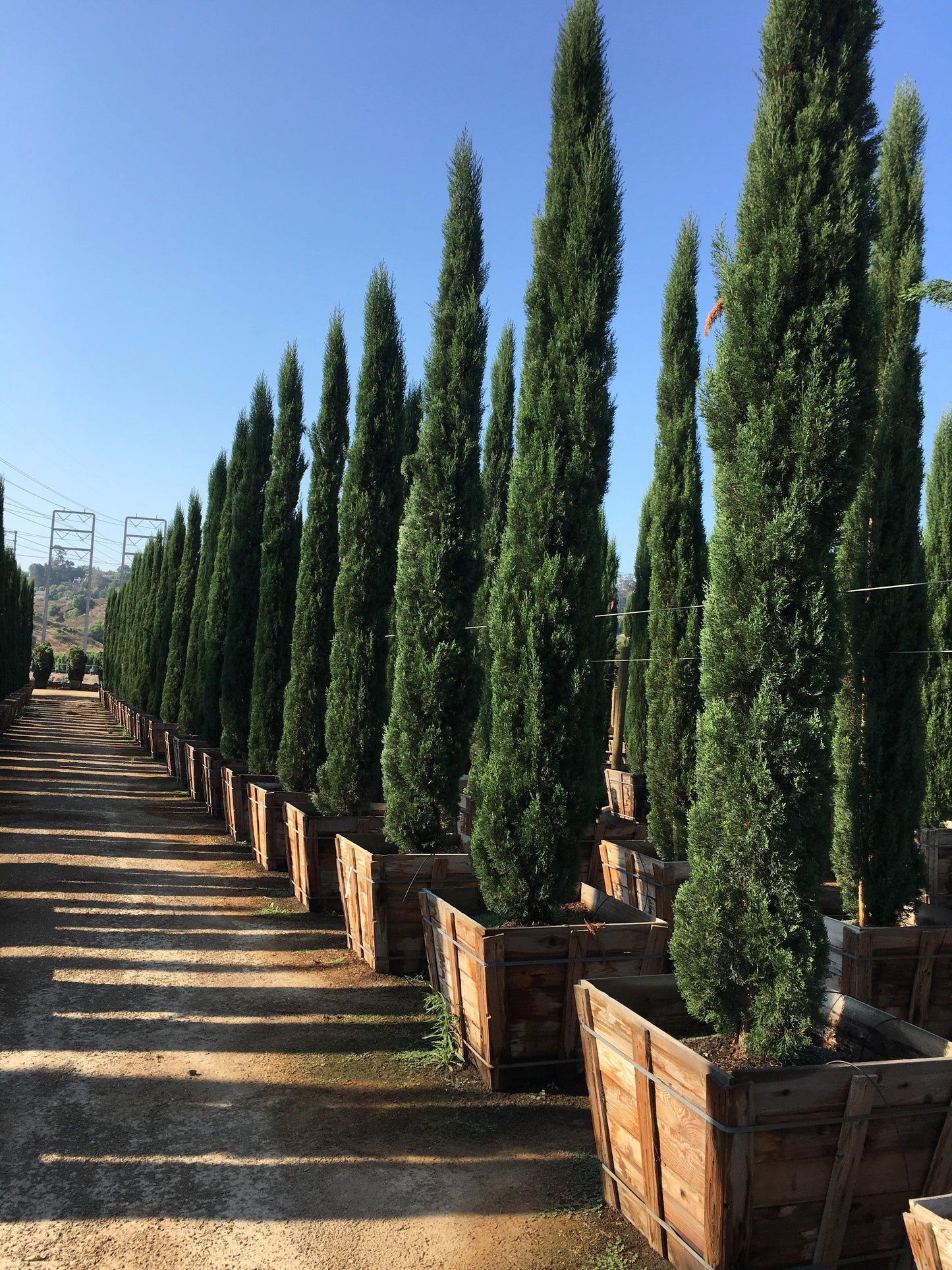
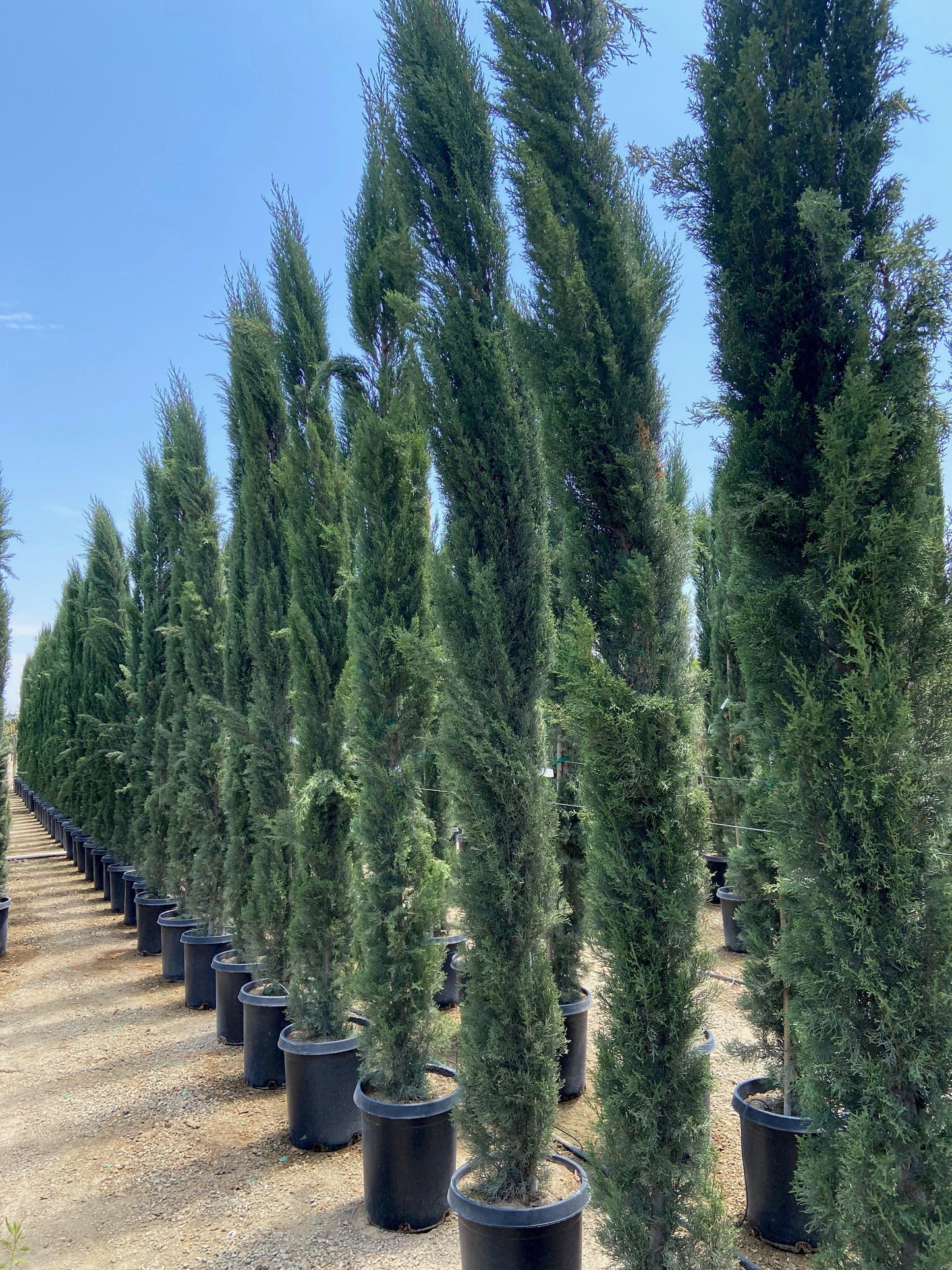
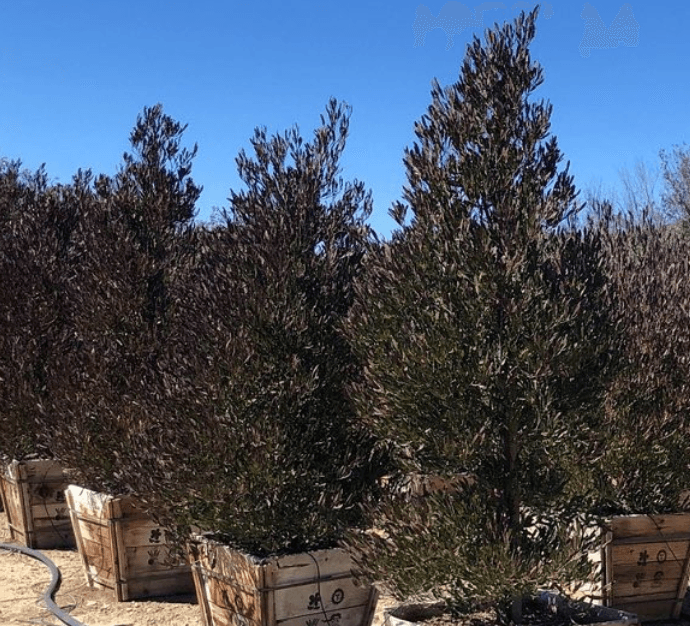
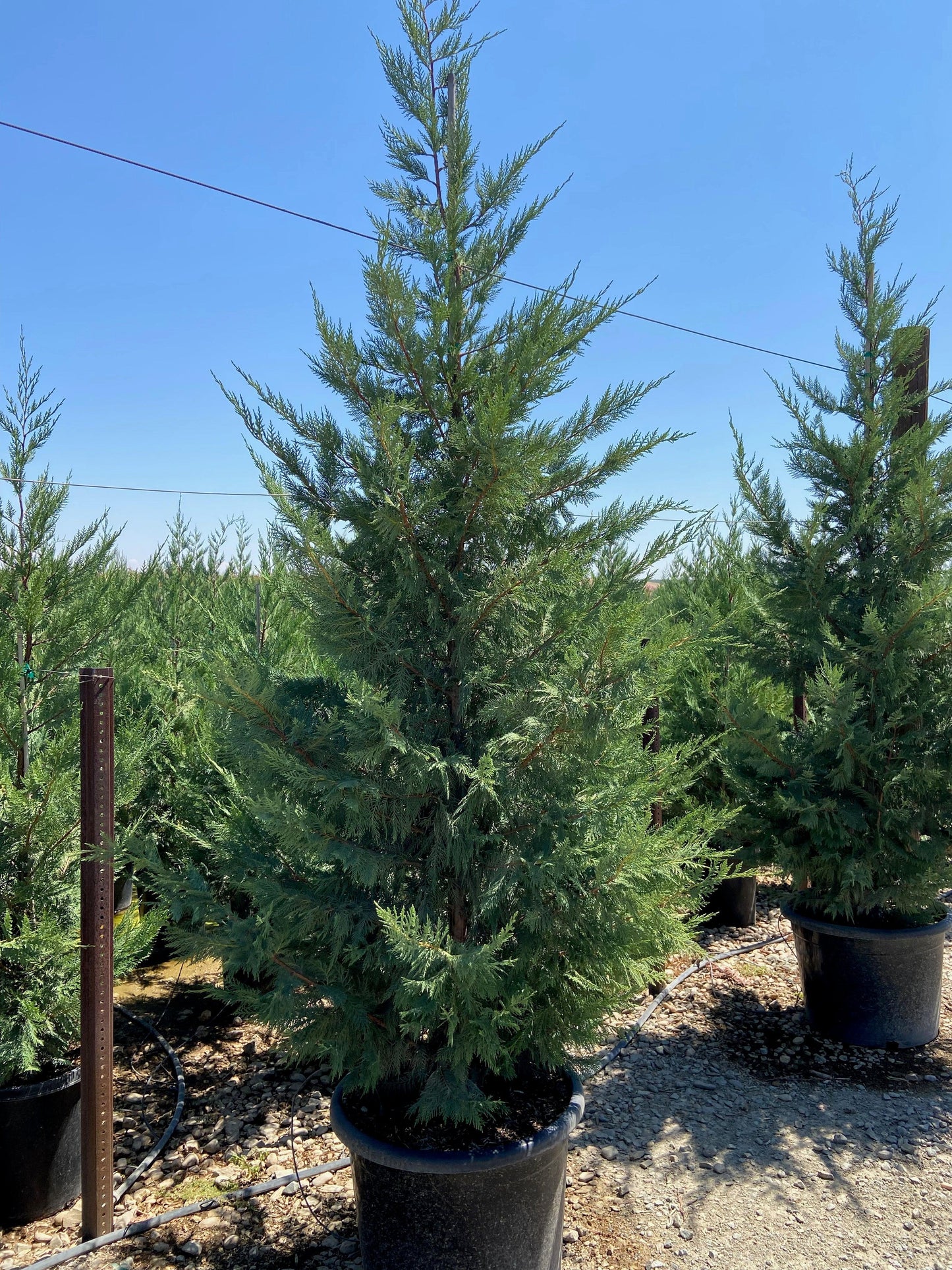
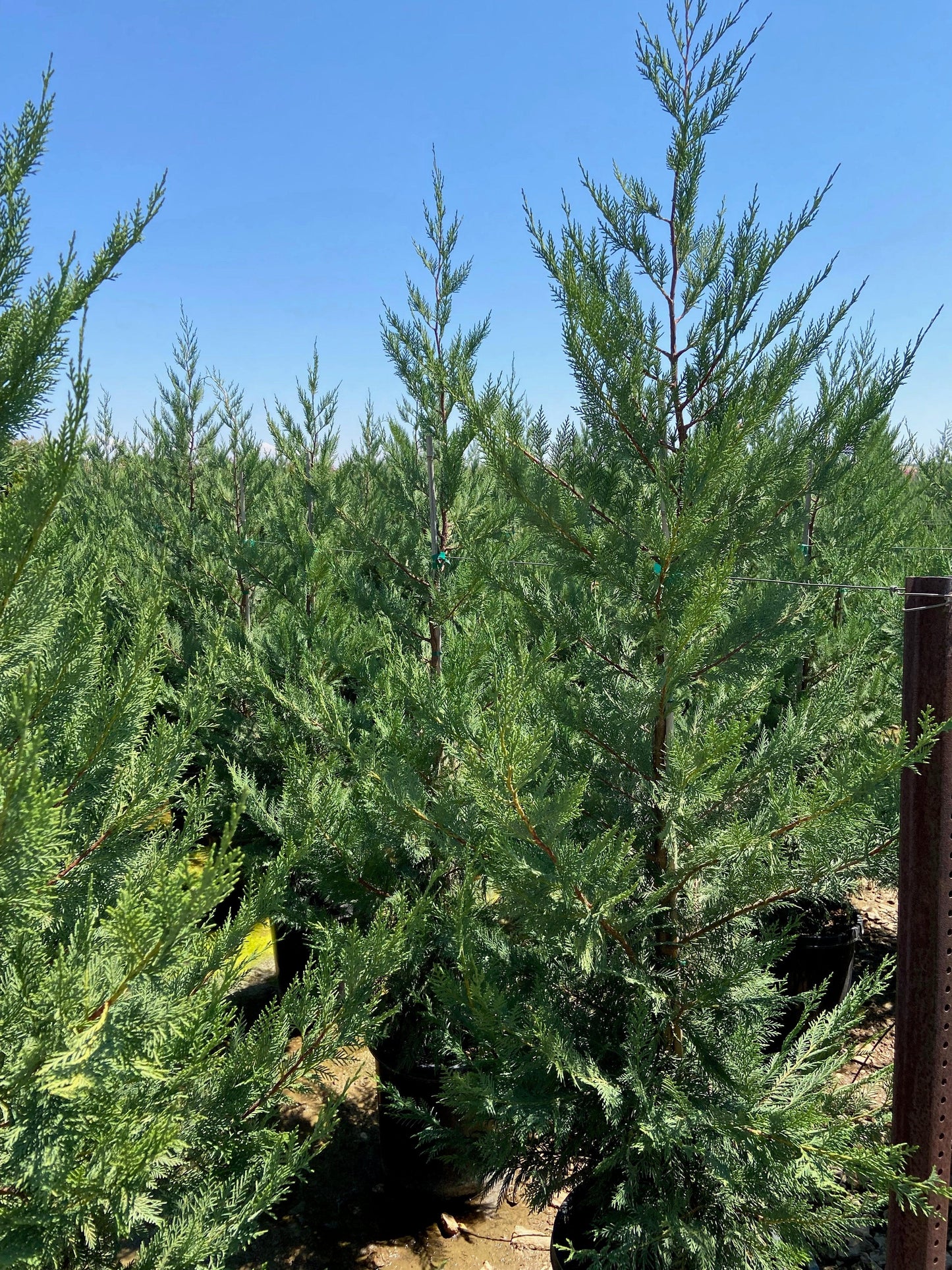
Leyland Cypress gains 3 to 4 feet annually and creates a dense, tall barrier quickly. It is one of the best hedges for a fast privacy screen, especially where larger plants and a tall evergreen hedge are suitable.
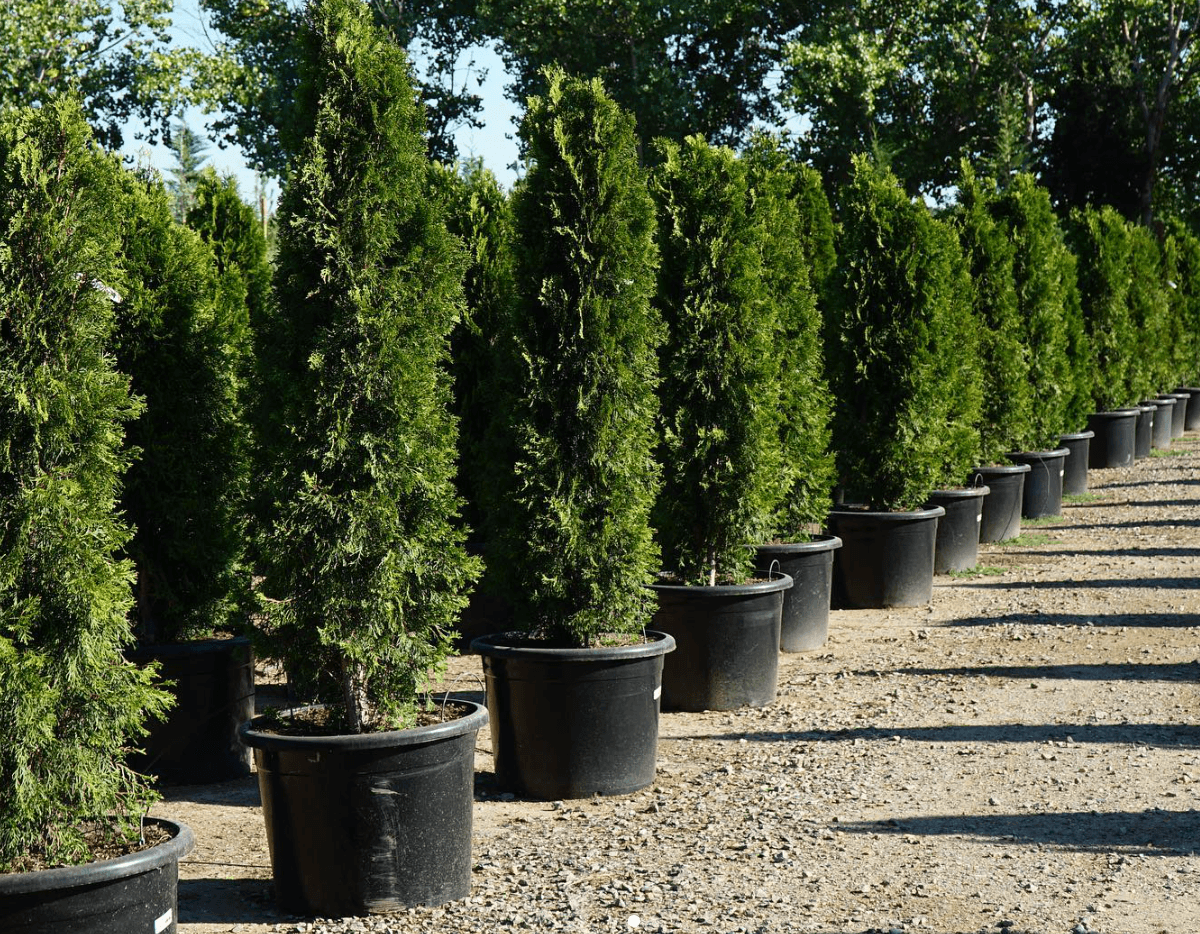
Green Giant Arborvitae (Thuja x ‘Green Giant’) is known for its rapid growth, typically reaching heights of 3 to 5 feet per year, making it a popular choice for privacy hedges. Planning for rapid, dense garden privacy often involves selecting evergreen shrubs or narrow trees that add 2 to 5 feet of growth per year.
English laurel (Prunus laurocerasus) can grow up to 3 feet per year and is known for its glossy evergreen foliage, making it a popular choice for a fast-growing privacy hedge. Cherry Laurel grows 2 feet per year and features large, glossy green leaves, while English laurel (Prunus laurocerasus) can grow up to 3 feet per year under optimal conditions, making it one of the fastest-growing hedge options available.
For spacing, plant Thuja Green Giant around 5 to 6 feet apart for a solid privacy screen of evergreen trees. Wider spacing gives a softer windbreak, while closer spacing creates a faster dense hedge with more pruning needed as mature width develops.
Flowering Hedges
Flowering hedges are ideal when you want privacy, seasonal color and wildlife value in one hedge.
Forsythia grows around 2 to 3 feet per year and brings bright yellow flowers in early spring before foliage appears. Its arching branches create a relaxed, deciduous hedge, but pruning must be timed carefully because Forsythia flowers on older wood.
Weigela is another fast growing shrub that establishes quickly, often growing around 2 feet per year. It produces colorful spring and summer flowering displays and can attract pollinators, making it well suited to mixed garden borders.
Viburnum is a diverse group of shrubs that can reach heights of 10 feet, making them effective for creating attractive flowering privacy screens. Many varieties offer flowers, berries, fragrance and strong foliage, with Chindo Sweet Viburnum and Carolina Cherry Laurel also valued among evergreen shrubs for rapid privacy in various climates and soil types.
For the best flowering, prune spring-blooming shrubs immediately after flowering rather than in late summer or fall. This avoids cutting away next year’s buds and keeps the hedge full, balanced and healthy.
Low Maintenance Hedges
Low maintenance hedge plants are best for gardeners who want fast growing shrubs without constant attention.
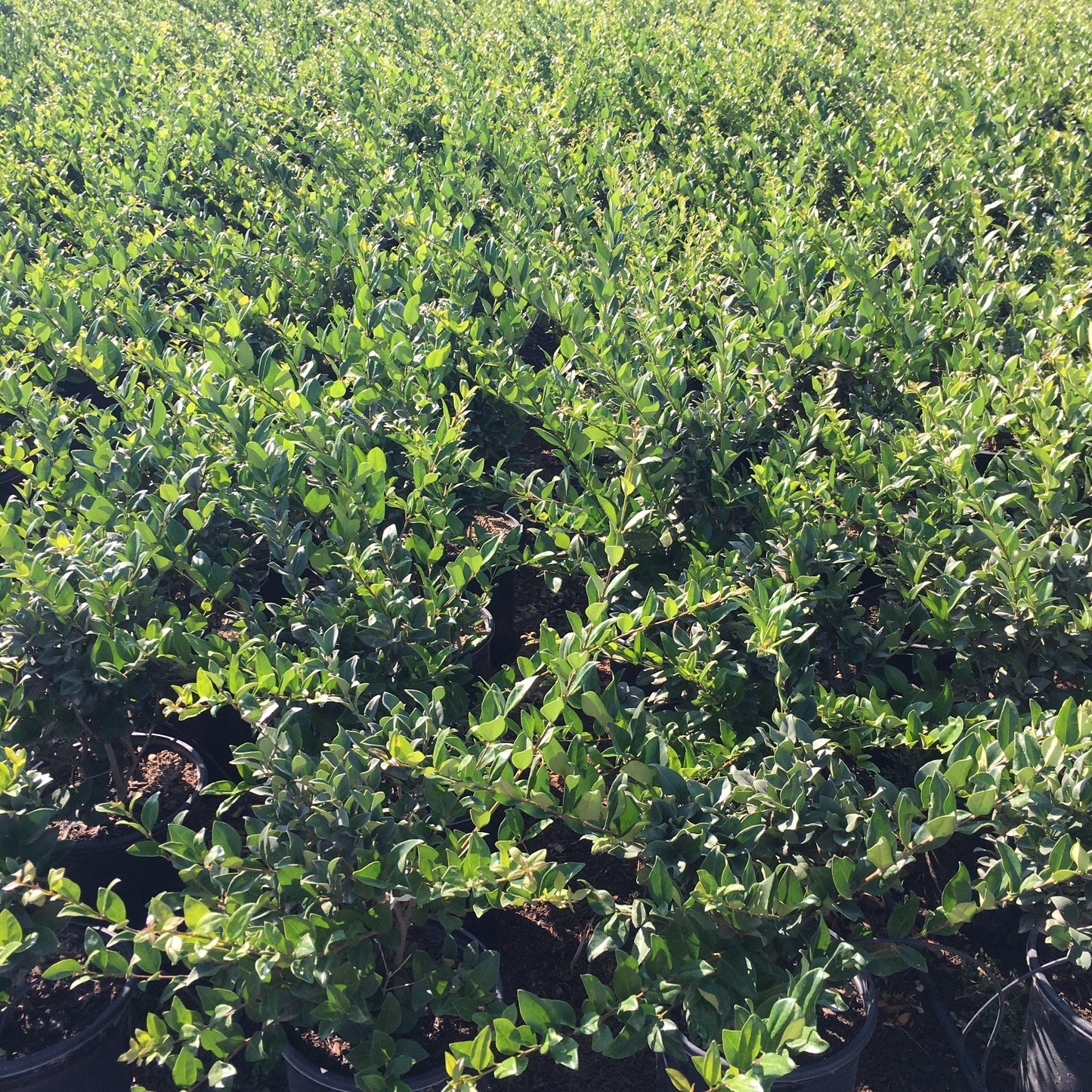
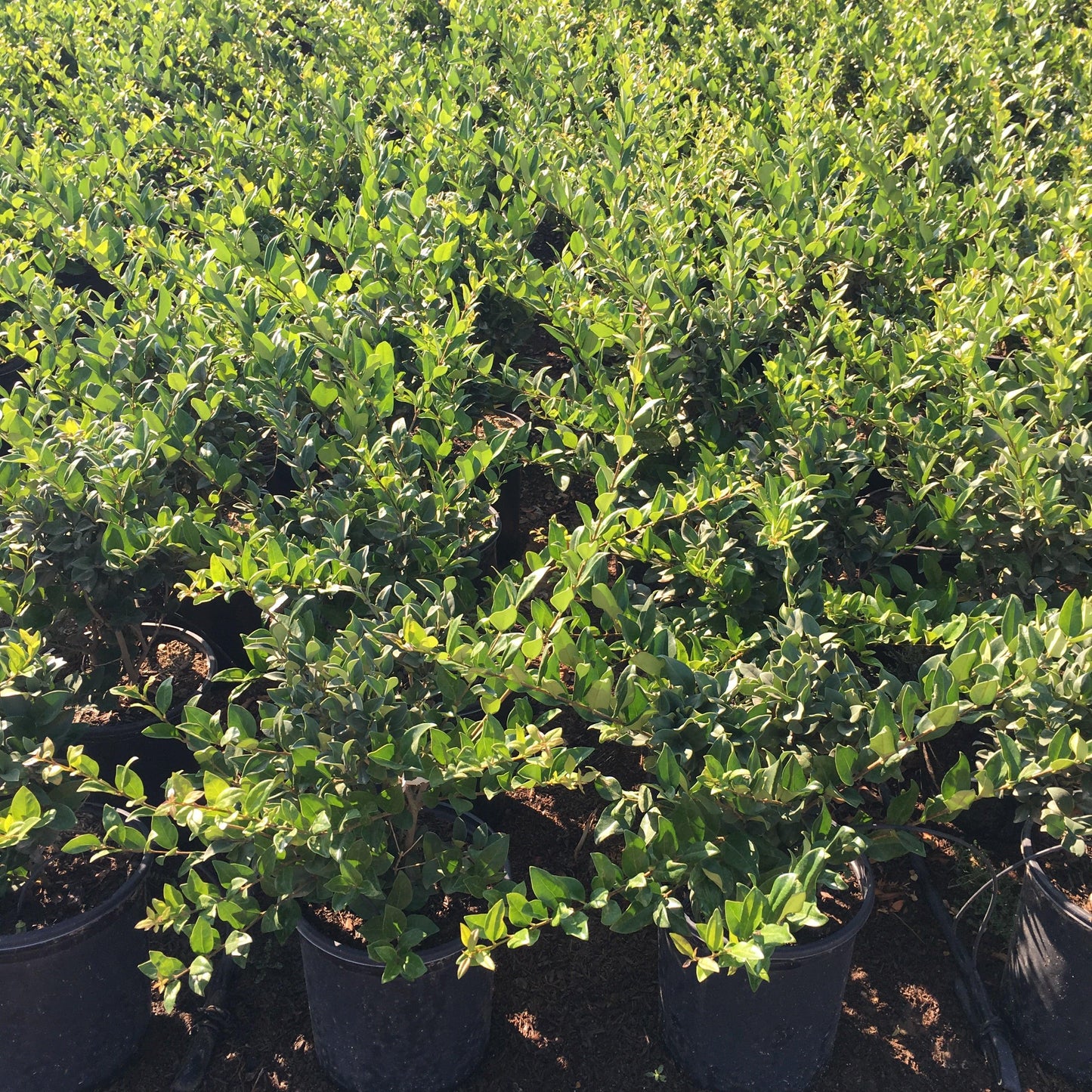
Privet (Ligustrum) adds 2 to 3 feet of growth annually and responds exceptionally well to frequent, tight pruning. Waxleaf privet hedges are a reliable choice for a formal hedge, clipped hedge or boundary hedge because they grow quickly and recover well from shaping.
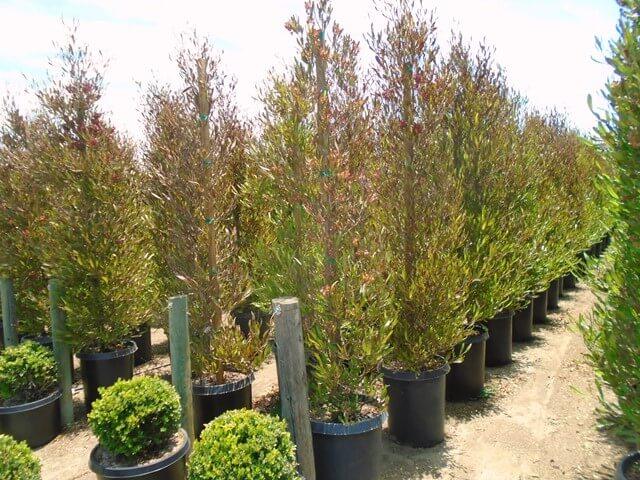
Red Robin (Photinia) adds up to 2 feet annually with vibrant red new leaf growth in spring. Its glossy foliage, semi evergreen habit and bright red young leaves make it a beautiful hedge for warm climates, though good airflow helps reduce leaf disease, similar to the Photinia tree (Photinia fraseri) used in larger hedging and screening.
American Arborvitae (Thuja occidentalis) is a low-maintenance evergreen shrub that can grow up to 1-2 feet per year and is particularly suitable for creating privacy hedges in colder climates. Emerald Green Arborvitae has rapid growth and is tolerant of various environmental stressors, making it useful where a narrow evergreen screen is preferred.
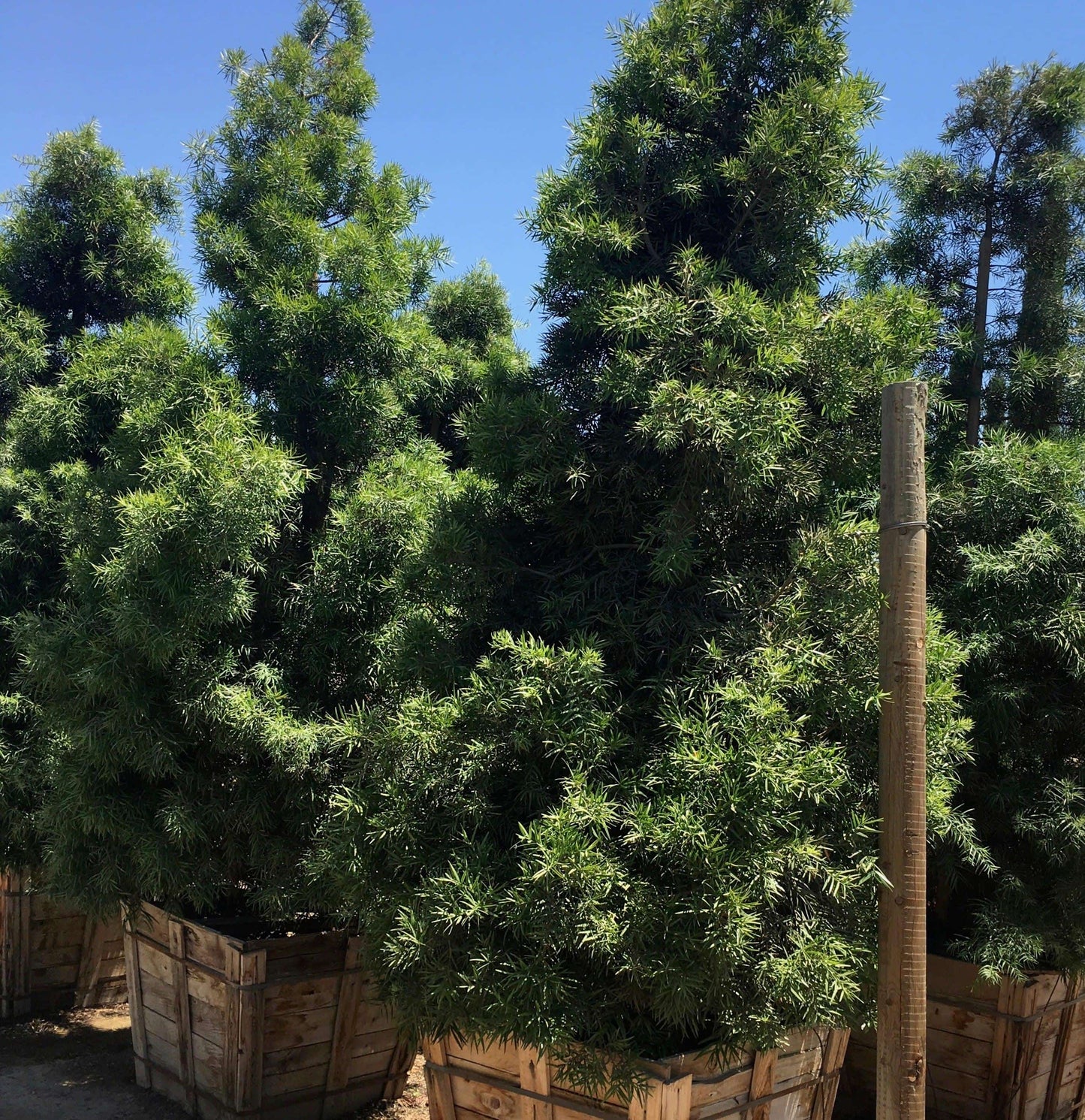
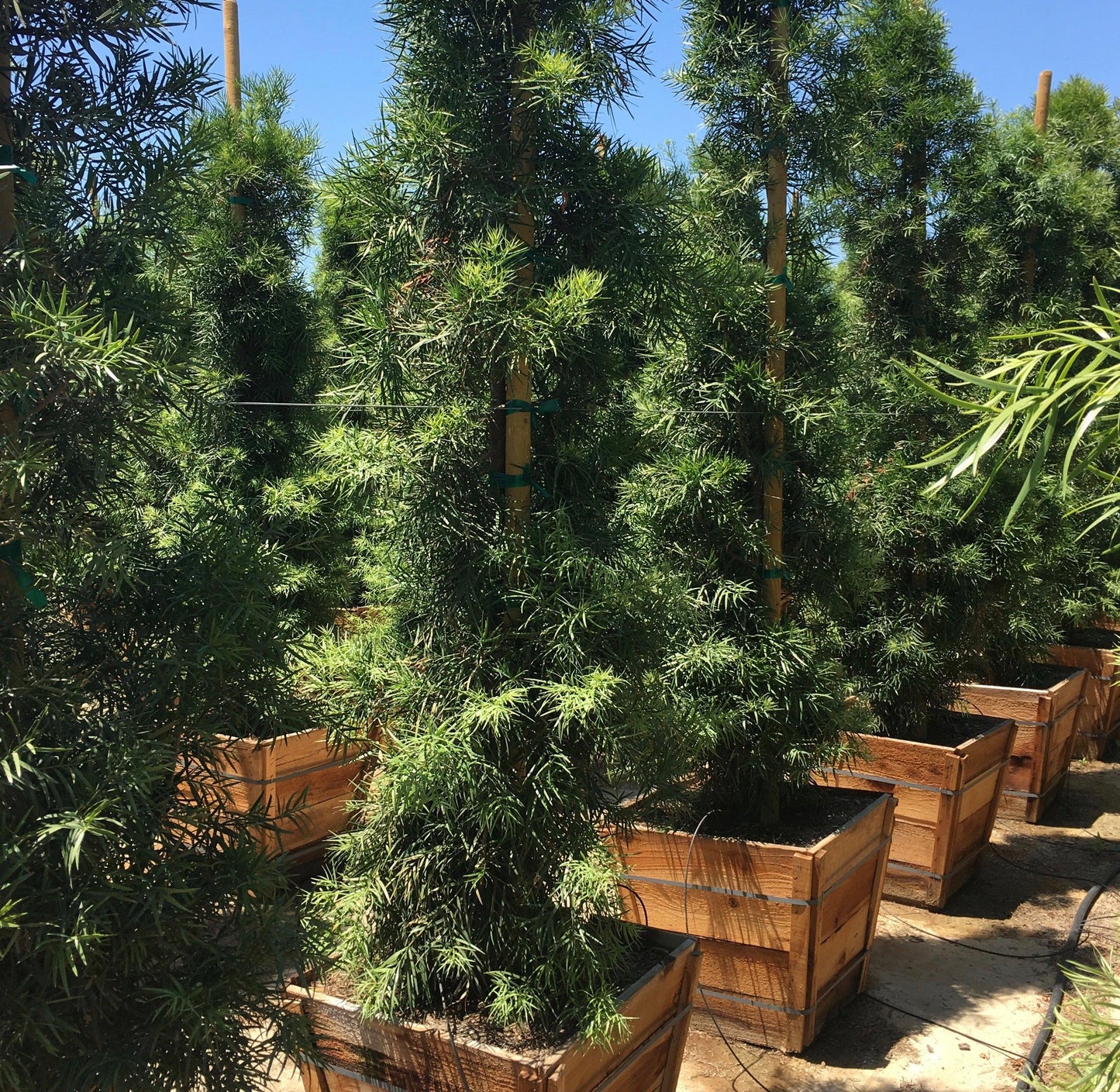
Nellie R. Stevens Holly grows 2 feet per year and bears bright red winter berries. This cold hardy evergreen adds privacy, structure and food for birds, while providing less maintenance once established, much like a Fern Pine hedge (Podocarpus gracilior) in suitable climates.
Choose the Right Fast Growing Hedge for Your Garden
The right hedge depends on sun, shade, soil, mature width, desired height and the desired effect in your landscape.
For Full Sun Locations
Full sun positions are ideal for many fast growing hedges, especially where strong growth and dense foliage are needed.
Escallonia thrives in bright conditions and produces summer flowers, making it useful for warm climates and coastal gardens. It usually grows around 1 to 2 feet per year and forms a dense hedge when pruned after flowering.
Eleagnus, also known as Silverberry, tolerates hot, sunny sites, wind and poor soils. Lavender and Silverberry (Elaeagnus) thrive in fast-draining, nutrient-poor soil and are drought-tolerant once established, as does Brush Cherry (Eugenia myrtifolia) when used as a dense evergreen hedge in warm regions.
In sunny areas, regular watering is important while plants establish. After several years, many species become drought tolerant, but even established hedge plants grow best with support during dry weather and drought.
For Partial Shade Areas
Some hedge plants perform well in partial shade and even difficult low-light corners of the yard.
Cherry laurel is one of the most dependable choices for shade. English laurel (Prunus laurocerasus) can grow up to 3 feet per year under optimal conditions, while cherry laurel also grows strongly in partial shade with glossy evergreen foliage.
Viburnum varieties adapt to lower light and provide flowering interest, foliage and berries. Japanese Holly and English Yew remain dense and healthy in areas with very little sunlight, making them useful where other shrubs become thin.
Portuguese laurel (Prunus lusitanica) is another evergreen option for partial shade, with a refined look and dense growth. Space shade plantings carefully so foliage can receive airflow and light, usually allowing more room than in full sun.
For Small Garden Spaces
Small gardens need hedge plants that grow fast without becoming too wide.
Compact Pyracantha varieties often reach 4 to 6 feet tall and can be trained into narrow hedges. They offer flowering, bright red berries or orange berries, dense branching and valuable cover for birds, but the thorny stems need careful pruning, whereas glossy privet (Ligustrum lucidum) offers a smoother, evergreen alternative where non-thorny hedges are preferred.
Dwarf Leylandii varieties and columnar evergreen shrubs suit narrow borders where mature width matters. They give the fast growing hedge effect without taking over the garden as quickly as standard large conifers.
Annual trimming helps maintain desired height and shape. Remove dead or damaged branches, shorten damaged branches cleanly, and keep the base slightly wider than the top so light reaches the lower foliage.
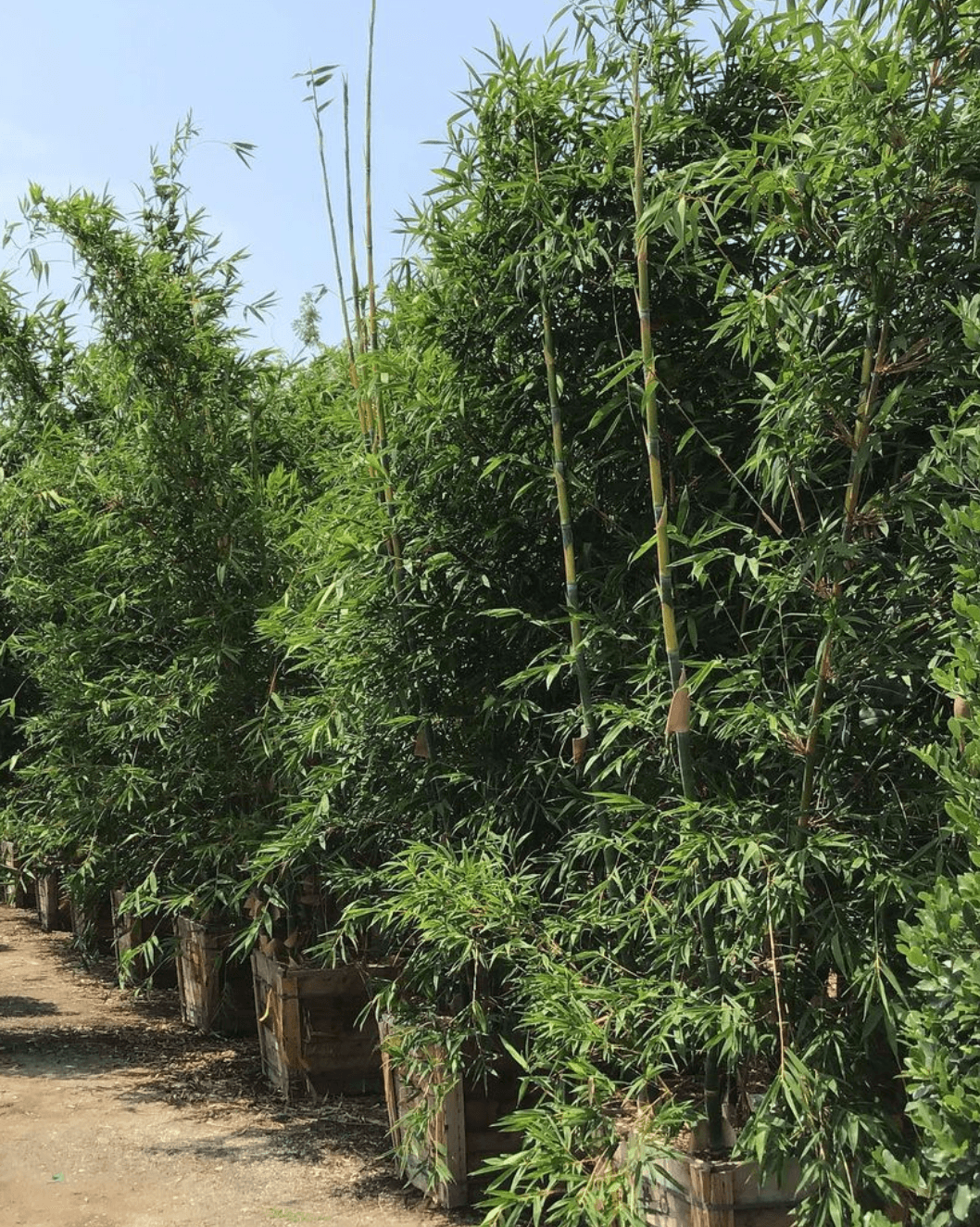
Clumping Bamboo gains over 3 feet per year and non-invasive varieties provide a modern, tropical texture. It is a strong option where you want rapid growth and a contemporary privacy screen without a traditional clipped hedge look.
For Coastal and Windy Sites
Coastal and windy gardens need resilient species that can handle salt, exposure and dry weather.
Griselinia has bright green evergreen foliage and withstands salt spray and wind once established. It is well suited to coastal property boundaries and can provide privacy while also filtering wind.
Tamarix tolerates harsh coastal conditions, saline soil and exposed sites. It can help with wind protection and soil stabilization, although local guidance is important because some Tamarix species can be invasive in certain regions.
Eleagnus is also valuable in windy gardens because it tolerates salt, poor soils and drought. Water well during establishment, mulch the root zone and protect young plants until roots anchor firmly.
Growth Conditions That Maximize Hedge Development
Fast growing hedges only grow fast when soil, water and nutrition support strong root establishment and new growth.
Soil Preparation and Quality
Well-draining soil is essential for rapid growth because roots need oxygen as much as moisture.
Improve planting areas with compost or aged organic matter before you start planting. This supports nutrition, soil structure and moisture retention without creating waterlogged conditions.
Most evergreen shrubs prefer a slightly acidic to neutral pH, often around 6.0 to 7.5. However, some plants tolerate poor soils better than others, including Silverberry, Lavender, Hornbeam and Hawthorn.
Hornbeam (Carpinus betulus) and Hawthorn are resilient options for heavy clay soil. European Hornbeam grows 3 to 5 feet per year and adapts to clay and damp soils, making it a strong deciduous choice for difficult ground.
Watering and Irrigation
Providing ample water during the first 1-2 growing seasons after planting is crucial for the establishment of hedges.
Deep watering is better than frequent shallow watering because it encourages roots to grow down into the soil. This is especially important for larger plants, evergreen shrubs and fast growing hedges planted for immediate privacy needs.
Drip irrigation systems or soaker hoses keep moisture consistent while reducing wet foliage, which can lower disease pressure on plants such as Photinia. Mulch also helps conserve water during summer and dry weather.
Once established, many hedge plants become more drought tolerant. Even so, supplemental water during drought helps maintain dense foliage, steady growth rate and a healthy privacy screen.
Fertilization Programs
Fast growing shrubs need nutrients to support leaf, root and stem growth.
High-nitrogen fertilizers can promote rapid growth in spring, especially for evergreen privacy hedges such as Thuja, Leyland Cypress and Cherry Laurel. Slow-release formulations provide sustained feeding and reduce the risk of nutrient burn.
Apply fertilizer in spring as new growth begins, then reassess in early summer if growth slows. Avoid heavy late summer feeding, as soft new growth may be more vulnerable in winter.
Organic options such as compost, manure-based feeds and natural soil conditioners improve long-term soil health. Synthetic fertilizers offer precise control, but both approaches work when matched to the hedge, soil and garden conditions.
How to Plant and Care for Fast Growing Hedges
Correct planting and pruning make the difference between a thin row of shrubs and a dense, beautiful hedge.
Optimal Planting Times
Planting hedges in the fall, when the plants are dormant, is ideal as it reduces stress and allows roots to establish better.
Spring planting is also effective because it gives hedge plants a full active growing season. Early spring is especially useful for deciduous shrubs and evergreen shrubs before heat increases water demand.
Avoid planting during high summer heat where possible. New plants struggle in dry weather, and even drought tolerant species need consistent moisture until established.
Winter planting can work for some evergreens if the soil is not frozen or waterlogged. Keep roots moist, firm plants well after planting and protect exposed sites from drying winds.
Professional Pruning Techniques
Pruning hedges in early spring before new growth begins is recommended to promote healthy growth and maintain shape.
For evergreen hedges and formal hedge styles, light annual spring pruning helps stimulate dense branching. Young hedges should be shaped early so they fill from the base rather than becoming tall and bare below.
For flowering hedges such as Forsythia and Weigela, timing is different. Prune immediately after flowering to avoid removing flower buds, then lightly shape later only if needed.
Use clean, sharp tools for clean cuts. Remove dead or damaged branches first, then trim for shape, desired height and mature width. Regular light pruning is better than severe cutting, especially for conifers that may not regrow from old bare wood.
Start Your Fast Growing Hedge Today
The fastest growing options for quick privacy include Green Giant Arborvitae at 3 to 5 feet per year, Leyland Cypress at 3 to 4 feet per year, English Laurel at up to 3 feet per year and Clumping Bamboo at over 3 feet per year.
Fast-growing hedges can grow at impressive rates of 40–60 cm (approximately 16–24 inches) per year or more, making them ideal for quick privacy solutions. For rapid garden privacy, evergreen shrubs like Chindo Sweet Viburnum, Cherry Laurel, and Emerald Green Arborvitae provide rapid privacy in various climates and soil types.
Before you start planting, plan the desired height, mature width, spacing, soil preparation and pruning schedule. Choose professional installation for large hedges, difficult soil or immediate structure, or select DIY planting if you are confident preparing the ground and watering consistently.
Create a fast growing hedge that suits your garden, adds privacy and improves your landscape for years to come, or explore a specialized nursery for privacy trees and shrubs if you need help choosing and sourcing plants.