Fast Growing Fruit Trees – Shop Premium Varieties for Quick Harvests
Looking for fruit trees that produce delicious harvests in just 1-3 years? Choose grafted trees, dwarf varieties and climate-matched cultivars that are selected to bear fruit sooner than seed-grown trees. From container-friendly citrus to backyard peach trees, Yardwork’s collection is built around proven rootstock, strong roots and reliable early fruit production.
Start your home orchard today and enjoy fresh fruit faster than ever.
Fast Growing Fruit Trees for Every Garden
Whether you’re working with limited space or planning a full orchard, there’s a fast growing fruit tree for every garden setup.
Container Gardens & Small Spaces
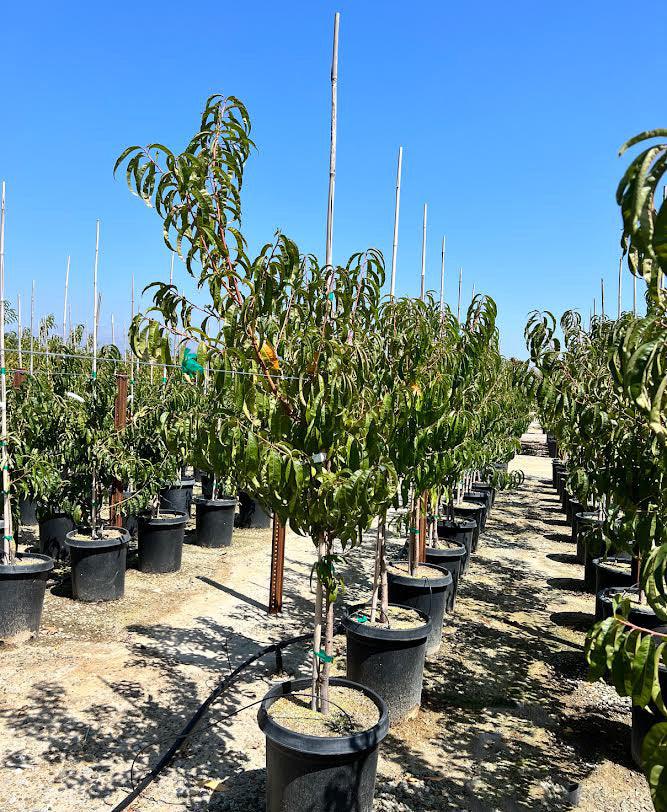
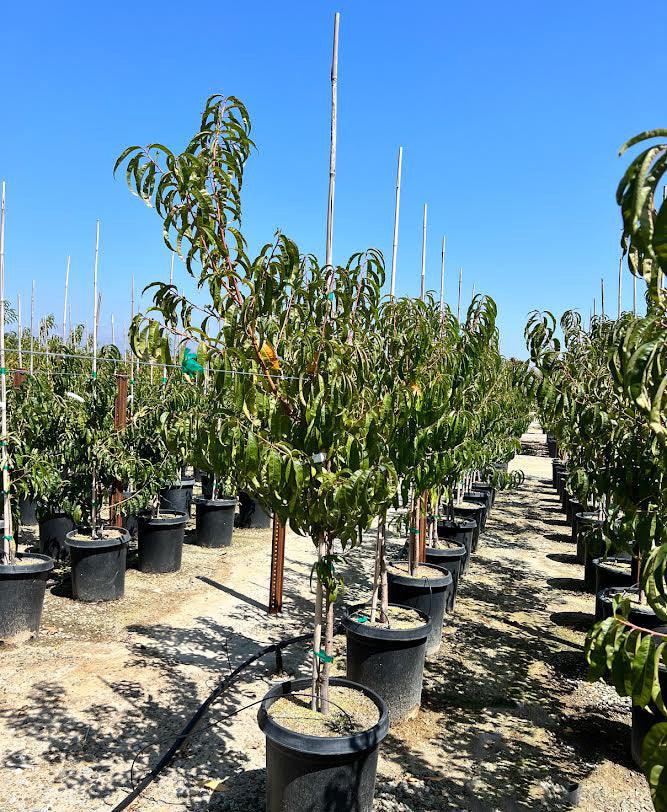
Small gardens, patios and balconies are ideal for dwarf fruit trees that stay compact while still producing delicious fruit. Dwarf Meyer lemons, fig trees and dwarf peach varieties are especially useful for pots and containers because they offer strong growth without overwhelming a small yard or balcony. Home growers who want fragrant, productive citrus can choose from a wide range of citrus fruit trees for sale, including mature Meyer lemon trees that are already primed for heavy harvests. Dwarf peach varieties typically grow to 5–8 feet tall, making them ideal for backyard cultivation or container gardening.
Peach, fig, and citrus trees are among the fastest-growing and earliest-fruiting options for home orchards. Meyer lemon and key lime trees frequently produce fruit within 2 to 3 years. Dwarf citrus trees can fruit within their first year of planting and often bear fruit year-round in suitable climates. Fig trees can begin to develop fruit in as little as two to three years after planting, making them ideal for impatient gardeners.
Container growing also gives home gardeners more control over sun, soil and winter protection. Fast-growing fruit trees require at least 6 to 8 hours of direct sunlight daily to thrive, and pots make it easier to move sensitive citrus indoors when temperatures drop. Yardwork offers container-suitable varieties and delivery options that make it easier to start growing fruit trees in small yards, patios and home gardens.
Backyard Orchards & Large Gardens
For larger backyards and home orchards, semi dwarf apple trees, pear trees, peach trees, apricot and sweet cherries provide a strong balance of manageable size and long-term harvest potential. Compact options like the Honey Babe Dwarf Peach Tree are ideal when you want full-size flavor on a tree that fits smaller spaces. Selecting fast-growing varieties on dwarf rootstocks can yield fruit in as little as one to three years. Dwarf apple trees typically start producing usable fruit within two to three years of planting, which is significantly faster than standard-sized apple trees.
Dwarf apple trees (Malus domestica) generally start producing usable fruit within three years of planting, which is several years faster than standard-sized apple trees. Fast growing apple trees on dwarf or semi dwarf rootstock are easier to prune, harvest and manage than standard trees. Standard or slower-growing fruit trees can take up to seven years to bear a harvest compared to faster-growing varieties, so rootstock choice matters when your goal is an early first harvest.
Backyard planning should also include spacing and pollination, especially if you are mixing young plantings with mature trees for instant impact. Apple trees and many pear trees often benefit from planting two trees for cross-pollination, while many peaches and citrus cultivars are self pollinating. Yardwork’s mature tree selection helps create immediate impact in the ground, while our experts can help you choose cold hardy varieties, low chill varieties or warmer climates selections that fit your zones and available space.
Indoor Growing & Year-Round Production
Indoor growing works best with compact citrus and tropical fruit trees that can handle life in pots, and fast-establishing choices like a mature avocado tree can bridge indoor-outdoor spaces in mild climates. Calamansi, mandarin, Meyer lemons and other fragrant citrus varieties can produce fruit indoors when they receive enough full sun, warmth and consistent watering. Dwarf citrus trees can fruit within their first year of planting and often bear fruit year-round in suitable climates, especially when grown in bright indoor spaces or protected outdoor areas.
Papaya trees can grow from a small plant to fruiting within six to ten months, making them one of the fastest fruiting options available. Papaya (Carica papaya) can grow from a small plant to fruiting in the same year, often within six to ten months, making it one of the fastest fruiting trees. Guava trees can begin to produce fruit within one to two years of planting, making them a forgiving and quick-growing option for gardeners.
Indoor success depends on light, temperature and drainage. Place trees near the brightest window available, protect them from cold winter drafts and avoid wet roots. Yardwork consultation services can help you match indoor fruit trees to your gardening experience, from easy citrus to fast growing fruit options for heated sunrooms, greenhouses and bright apartments.
Choose the Right Fast Growing Fruit Tree for Your Climate Zone
The right variety thrives in your specific growing conditions and delivers consistent, early harvests.
Mediterranean & Warm Climates (Zones 9-11)
Warmer climates are ideal for citrus, loquat, pomegranate, guava, fig and some low chill varieties of peaches and apples. These trees thrive in long seasons with abundant sun and can reward home gardeners quickly when planted in well-draining soil. Loquat trees (Eriobotrya japonica) can fruit in as little as one to two years after planting, especially when grown from cuttings.
Guava (Psidium guajava) trees can begin fruiting within one to two years of planting, making them a quick and forgiving option for gardeners. Mulberry trees can start producing fruit within one to two years after planting, making them one of the easiest fruit trees to maintain. Mulberry trees (Morus spp.) grow quickly and can start producing fruit within one to two years, making them one of the easiest fruit trees to maintain.
Yardwork’s California-adapted selections focus on heat tolerance, drought awareness and fast establishment, with classic citrus choices such as the Valencia orange tree thriving in long, hot seasons. Citrus, figs and pomegranates are strong choices for many Mediterranean gardens, while low chill peaches and dwarf apple cultivars can also work when matched correctly. In optimal warm conditions, some fast growing fruit trees can produce in one or two years, especially when planted as grafted, container-grown trees.
Temperate Zones (Zones 6-8)
Temperate zones are well suited to apple trees, pear trees, peach trees, apricot and many stone fruits, provided the variety matches local chill hours. Versatile broadleaf evergreens like the dwarf strawberry tree Arbutus unedo 'Compacta' can also complement fruit plantings with ornamental berries and year-round structure. Peach trees can produce fruit within 1 to 3 years from planting. Some varieties of peach trees can produce fruit in just 1 to 2 years. These timelines make peaches one of the most rewarding choices for home gardeners who want an early summer harvest.
Apricot, including Prunus armeniaca, can be highly productive in the right site but should be selected carefully for chill requirements and spring frost risk. Apples and pears often need compatible pollination partners, so planting two trees can improve fruit set for most varieties. Sweet cherries and black cherry trees may need more space and careful cultivar choice, but they can be excellent long-term additions to a backyard orchard.
Winter protection helps trees establish faster. Mulch the root zone, water deeply before dry winter periods and protect early flowers from late frost where possible. Grafted trees in temperate zones often deliver a first harvest in 2-4 years, especially when planted in full sun and managed with proper pruning, fertilization and watering.
Cool Climate Growing (Zones 4-6)
Cool climate growing requires cold hardy fruit trees and realistic timelines, and many gardeners also integrate fast growing privacy trees to shield orchards from wind and create protected microclimates. Cold hardy varieties such as Montmorency cherry, hardy apple cultivars, select pear trees and certain plum or apricot varieties can thrive where winters are long. In challenging zones, expect many grafted trees to produce fruit in around 3-5 years, depending on the cultivar, planting site and spring weather.
Soil testing is especially useful in cool climates because poor drainage and compacted ground can delay establishment. Heavy clay soil should be amended with organic compost to prevent root rot in fruit trees. Fruit trees generally require well-draining soil and should not be overwatered, as many varieties are sensitive to wet roots.
For the best results, choose a protected sunny yard location, avoid frost pockets and select trees with rootstock suited to your local conditions. Yardwork can help home gardeners compare bare root and container-grown options, plan spacing and choose cultivars that are cold hardy enough to bear reliably after winter.
Premium Grafted Trees That Deliver Results
A quality fruit tree should produce reliably and quickly. Our grafted varieties skip the juvenile phase and start producing years ahead of seed-grown trees.
Grafted trees can bear fruit much sooner than seedlings, often within 2-4 years, depending on the rootstock used, while seedlings may take 8-10 years to produce fruit. The rootstock of grafted trees not only influences the time to fruiting but also affects the tree’s size and disease resistance, allowing for more controlled growth compared to seedlings. While seedlings are generally less expensive than grafted trees, they may not exhibit the same flavor characteristics as the parent variety, which can be a disadvantage for some growers.
Rootstock also helps determine whether a tree stays dwarf, semi dwarf or standard. Dwarf apple, peach, citrus and other grafted trees can fruit earlier because the selected rootstock limits excessive vegetative growth and directs more energy toward flowers and fruit buds. Training young branches to a wider angle can help focus the tree’s energy into producing fruit buds.
Yardwork selects grafted trees for strong roots, healthy structure and proven performance in real gardens. Our expert selection process considers climate, mature size, disease resistance, chill requirements and expected years after planting until first harvest. That means you receive fruit trees chosen not only to grow fast, but to produce delicious fruit with dependable quality.
How to Plant and Care for Fast Growing Fruit Trees
Proper planting and early care ensure your trees establish quickly and begin producing fruit on schedule.
Site Preparation & Planting
Start with full sun, healthy soil and enough space for the mature tree. Fast-growing fruit trees require at least 6 to 8 hours of direct sunlight daily to thrive, so avoid shaded corners and crowded planting sites. If your garden has heavy clay soil, amend it with organic compost to prevent root rot in fruit trees.
Plant with the graft union above the soil line, spread the roots carefully and water deeply after planting. Young fruit trees should be watered deeply at the base rather than through overhead spraying to avoid fungal diseases. Mulching helps conserve moisture, but keep mulch away from the trunk to protect bark and roots.
Yardwork’s consultation services can help with soil testing, amendment recommendations, proper spacing and planting depth, connecting you with a full-service plant nursery and landscaping team to support long-term orchard health. Whether you choose bare root trees, potted trees or larger nursery-grown options, careful planting gives fast growing fruit trees the best chance to bear fruit on schedule.
Early Season Care
The first spring sets the foundation for future harvests. Regular fertilization with a fruit tree-specific fertilizer in early spring encourages vigorous growth for fruit trees. Fertilizing fruit trees regularly with appropriate nutrients is crucial for their growth and fruit production, especially during the growing season.
Early pruning builds the framework that supports future fruit. Pruning helps remove dead or diseased wood and encourages airflow in fruit trees. Regular pruning is essential for maintaining the health and productivity of fruit trees, helping to shape the tree and improve air circulation. For very young trees, removing a heavy first-year crop can also help roots and branches establish before the tree carries larger harvests.
Monitor for pests, fungal issues and water stress throughout the season. Peaches can be vigorous and rewarding, but they still benefit from attentive care, especially in wet spring weather. A consistent routine of watering, feeding and pruning helps trees move from early growth to productive fruiting wood.
Maximizing Production
To maximize production, match each tree to its pollination needs. Some citrus, peaches and figs are self pollinating, while many apple trees, pear trees and sweet cherries need a compatible partner nearby. In many home gardens, planting two trees can increase pollination and improve the amount of fruit produced.
Seasonal timing matters. Fertilize in early spring, prune at the correct time for the species, thin fruit when needed and keep the root zone evenly moist during summer. After harvest, continue watering during dry weather so the tree can store energy for next year’s flowers and fruit.
Long-term planning is the key to sustained production, and many home orchards pair fruiting trees with ornamental flowering trees to extend seasonal interest and support pollinators. A fast first harvest is valuable, but healthy roots, open structure, disease prevention and proper spacing keep trees productive for years. Yardwork can help you build a care schedule for citrus, peaches, figs, apples, pears, apricot and other cultivars so your backyard orchard continues to produce sweet, delicious fruit season after season.
Shop Fast Growing Fruit Trees Online
Explore our expertly selected collection of grafted fruit trees, chosen specifically for quick production and California growing conditions. Each tree is grown with care and shipped directly from our nursery to ensure healthy establishment in your garden.
Choose dwarf varieties for containers, semi dwarf trees for small yards or larger fruit trees for a full backyard orchard. From meyer lemons and peaches to dwarf apple trees, fig trees, guava, loquat, mulberry and citrus, Yardwork helps you find fast growing fruit trees matched to your zones, space and harvest goals.
Your home orchard is just a consultation away – let our experts help you choose the perfect varieties for your space and goals.