

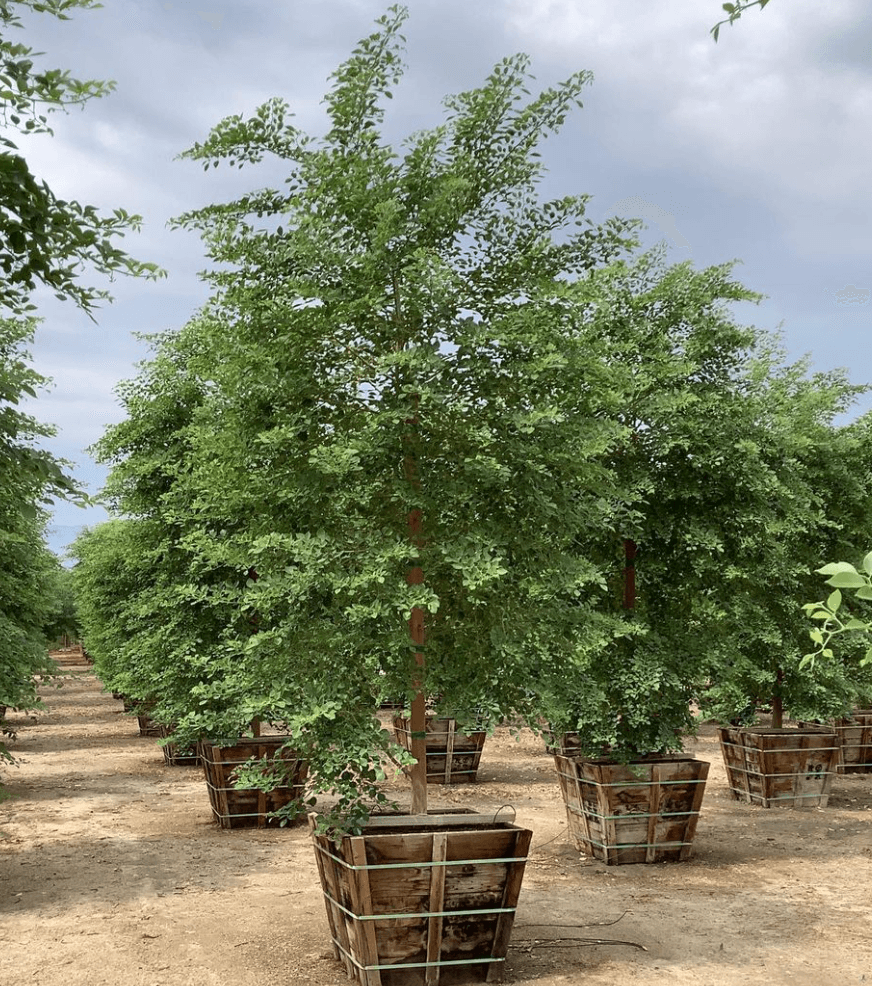
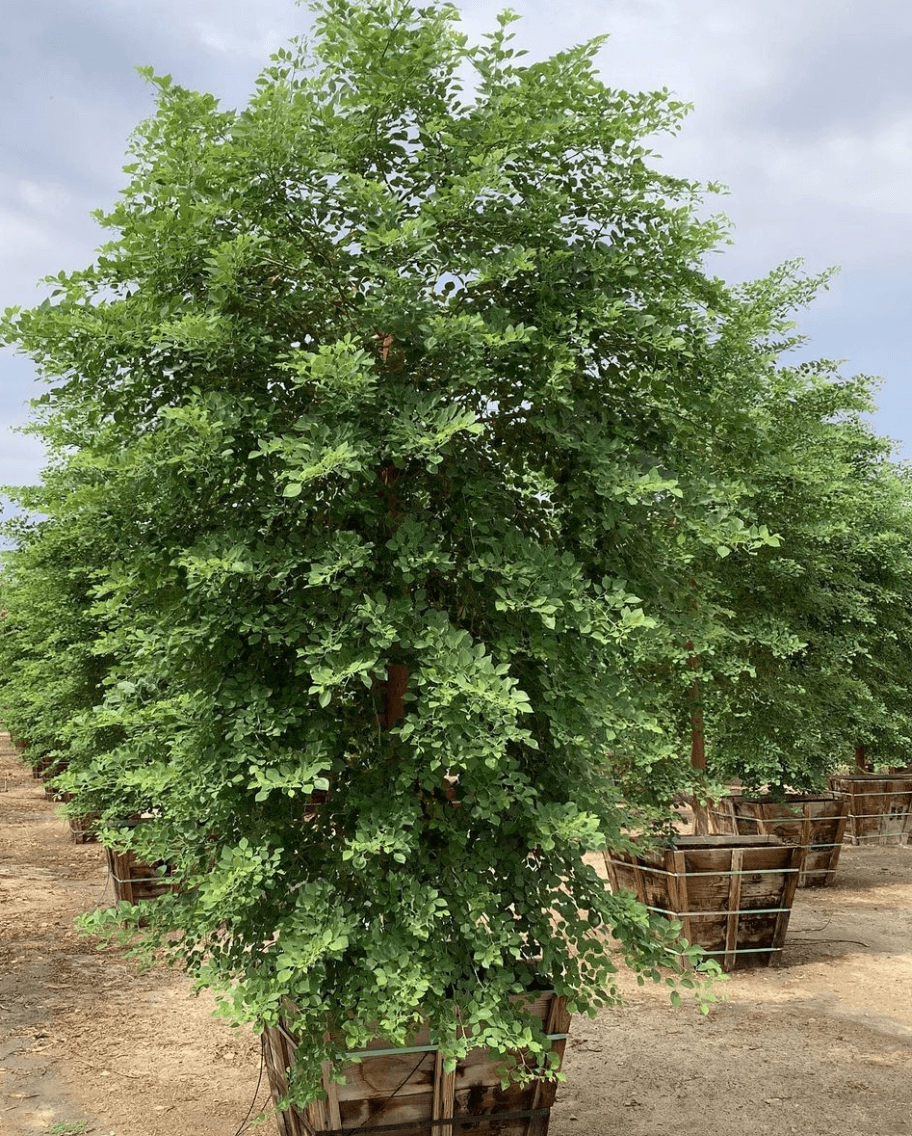
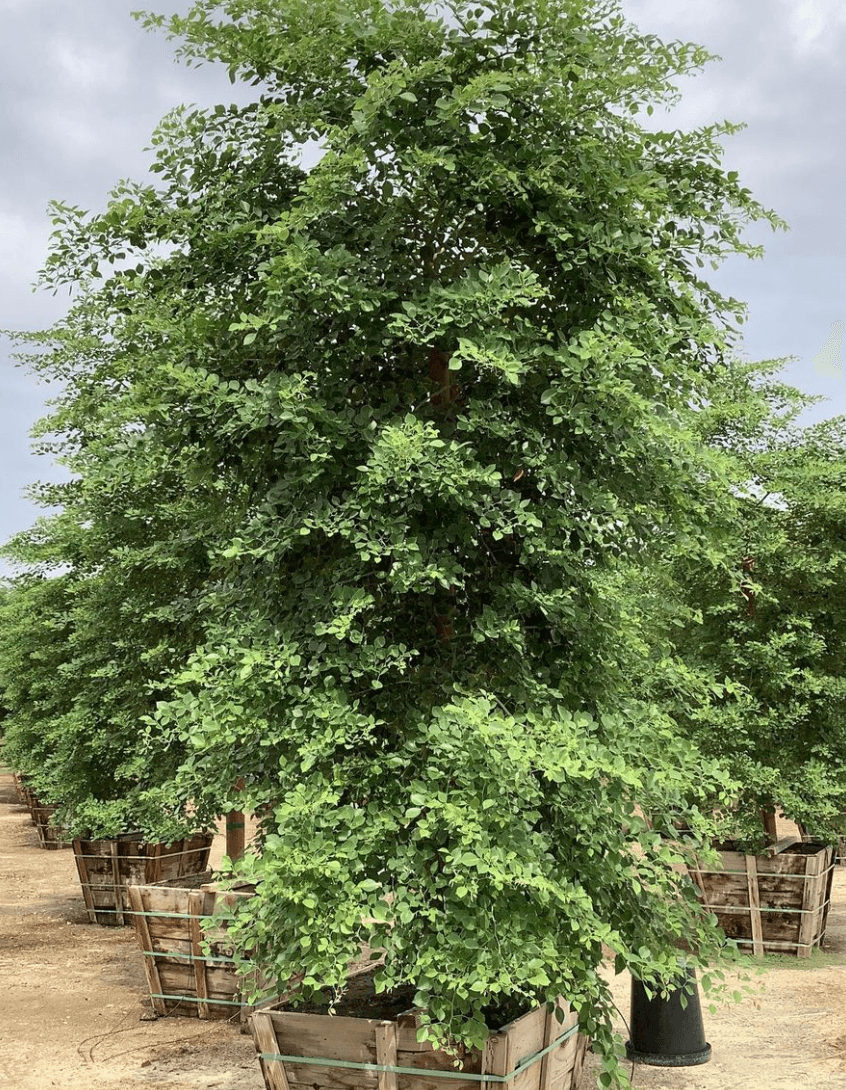


Indian Rosewood Trees - Dalbergia Sissoo
Regular price
$1,150.00
Size
Transform Your Landscape with Premium Hardwood Beauty
Indian Rosewood trees give large California landscapes premium shade, fragrant seasonal beauty, and the long-term prestige of one of the most valued timber species in the world-without needing to harvest the tree to enjoy its presence.
Known botanically as Dalbergia sissoo, Indian rosewood is a medium to large-sized tree that can grow up to 30 meters tall and develop a trunk diameter of up to 1 meter. Native to the Indian subcontinent, including regions of India, Pakistan, and wider Asia, this hardwood species has a long history in fine woodworking, acoustic instruments, and landscape planting.
For homeowners, the value is simple: a living Indian Rosewood tree can add shade, structure, cultural meaning, and visual power to the land over time. Its premium hardwood reputation-rich coloring, strength, and exceptional acoustic properties-makes it far more than an ordinary shade tree.
Why You'll Love It
-
Exceptional shade coverage – A dense, spreading canopy helps cool outdoor living areas, giving people living in hot regions a more comfortable way to enjoy the home landscape.
-
Seasonal fragrance and beauty – Indian Rosewood produces small, fragrant flowers that add a refined presence and can attract beneficial pollinators.
-
Drought-tolerant once established – After the first establishment years, the tree can handle drier periods better than many large canopy trees, helping reduce long-term water demand.
-
Premium hardwood prestige – Indian rosewood has a high Janka hardness rating, around 1,780 lbf, making it significantly harder than standard hardwoods like oak or maple.
-
Long-term property value – As the tree develops size, shade, and character, it becomes a valuable landscape feature with historic and aesthetic appeal.
The heartwood of Indian rosewood displays a dramatic color palette ranging from golden brown to deep purplish-brown, accented by sharp, dark streaks. The wood also features rich, deep hues that develop a classic patina as it ages, enhancing its aesthetic appeal. Even while the tree remains alive and unharvested, that reputation gives the planting a rare, high-end identity.
Indian rosewood is utilized in high-end furniture manufacturing and is often used as an alternative to rarer varieties like Brazilian rosewood. Beyond its role as a hardwood, it offers seasonal floral interest similar to other flowering trees suited to California landscapes. It is also a premier tonewood, commonly used for the fretboards, bridges, backs, and sides of acoustic guitars.
What Makes It Different
Most shade trees are grown only for canopy, growth rate, or seasonal color, and many homeowners consider a range of landscape trees for structure, shade, and value. Indian Rosewood is different because it combines landscape performance with the legacy of a globally prized hardwood.
-
Hardwood value ordinary shade trees do not offer – The wood of Indian rosewood is known for its durability and resistance to decay, making it a popular choice for furniture and flooring.
-
Distinctive natural character – Indian rosewood has a rich, dark brown color with darker streaks, and its grain is often interlocked, which adds to its aesthetic appeal in woodworking.
-
Resilience in the right climate – The wood is rich in natural oils that make it highly resistant to dry-wood termites, fungal decay, and boring insects.
-
Cultural depth – This is not a generic ornamental. Indian Rosewood has roles in craft, music, furniture, and regional history across the east and west of the Indian subcontinent.
-
Sustainable living presence – Planting a tree lets you enjoy the meaning, shade, and beauty of the species without contributing to unnecessary timber demand.
Once properly seasoned and dried, Indian rosewood is highly stable and resists warping, splitting, or expanding under fluctuating temperature and humidity levels. Due to its density, Indian rosewood furniture is exceptionally heavy, making it difficult to move or rearrange-one reason a living tree is such a practical way to appreciate the species’ strength without handling heavy finished pieces.
Because of historic overharvesting and high demand, Indian rosewood is heavily protected and is currently listed under CITES Appendix II. Environmental trade regulations impede the availability of Indian rosewood, making ethically sourced, certified plantation wood a preferred choice. International trade of Indian rosewood requires strict permits to ensure it is harvested legally and sustainably.
How To Grow Indian Rosewood Trees
-
Choose the right planting location
Yardwork helps evaluate sun exposure, land size, drainage, frost risk, and available growing space. Indian Rosewood performs best in warm locations with room for a broad canopy and strong root development. Proper placement is important because this tree can become a large, long-lived feature. -
Establish the tree with correct care
During the establishment phase, regular deep watering, mulch, and careful monitoring help the tree develop a healthy root system. Soil should drain well, and irrigation should be adjusted as temperatures rise or drop through the season. -
Develop long-term shade and structure
Over time, the canopy expands and creates meaningful shade for patios, gardens, driveways, and open yard areas. For homeowners who want immediate impact, Yardwork also offers mature trees for instant shade and privacy. With good care, Indian Rosewood can develop into a signature landscape tree with the strength, performance, and beauty that made the species important across the woodworking world.
This is a long-term planting, not a disposable accessory. Yardwork’s broader plant nursery and landscape support services make it easier to plan complementary plantings and long-term care. In order to get the best result, Yardwork can help you watch early growth, apply proper pruning, and develop a maintenance plan that supports healthy structure from trunk to canopy.
Product Details
-
Product: Indian Rosewood Tree
-
Scientific name: Dalbergia sissoo
-
Common names: Indian rosewood, sissoo, shisham
-
Native region: India, Pakistan, and surrounding parts of Asia
-
Mature size: Can grow up to 30 meters tall with a trunk diameter of up to 1 meter
-
Landscape use: Premium shade tree, specimen tree, large-property planting, sustainable hardwood species cultivation alongside other versatile options like African Sumac and companion landscape trees
-
Wood reputation: One of the most valued timber species in the world due to its rich coloring, strength, and exceptional acoustic properties
-
Hardness: High Janka hardness rating, around 1,780 lbf
-
Wood color: Golden brown to deep purplish-brown heartwood with sharp, dark streaks
-
Grain: Often interlocked, adding visual depth in woodworking applications
-
Durability: Naturally resistant to dry-wood termites, fungal decay, boring insects, and general decay when properly seasoned, much like resilient conifers such as Incense Cedar used in California landscapes
-
Common wood uses: High-end furniture, flooring, acoustic guitars, fretboards, bridges, backs, and sides
-
Soil needs: Deep, well-drained soil is preferred; soil testing is recommended for California locations
-
Water needs: Regular establishment watering, then improved drought tolerance once established
-
Climate fit: Best for warm locations with protection from cold stress during young growth, similar to other warm-climate shade choices like the Indian Laurel Tree for Southern California yards
-
Availability: Indian rosewood, also known as Dalbergia sissoo, is commonly available at online nurseries and garden supply stores, including dedicated listings for North Indian Rosewood in online garden centers, making it accessible for gardening enthusiasts.
-
Yardwork services: Expert planting consultation, soil testing guidance, delivery coordination, and establishment recommendations
-
Available sizes: Current container size and delivery options vary by season and location
-
Guarantee terms: Yardwork’s quality guarantee and official service terms are confirmed at the time of order
Authentic Indian rosewood is significantly more expensive than alternatives like teak or mango wood due to its scarcity and high international demand. For living trees, that scarcity makes source verification especially important. Yardwork can help confirm what is being offered before you add the tree to your landscape plan.
Who It's For
Ideal for:
-
California homeowners with large properties who want premium shade, long-term beauty, and a tree with heritage, and who may also compare options like Rocky Mountain Glow Maple for seasonal color.
-
Landscape designers creating high-end residential spaces where ordinary shade trees feel too common and who may pair Indian Rosewood with evergreen privacy and fast-growing screening trees.
-
Property investors looking to increase land value through mature tree planting and strong visual identity.
-
Sustainable gardening enthusiasts interested in hardwood tree cultivation without supporting irresponsible harvesting.
-
People who value craft history and understand why Indian Rosewood has played such an important role in furniture, flooring, and acoustic guitar production.
If you want a shade tree with deeper meaning, strong performance, and the presence of a prized hardwood species, Indian Rosewood fits your needs. It is especially well suited for warm, spacious locations where the tree has time and room to develop properly.
Frequently Asked Questions
How long does Indian Rosewood take to provide substantial shade coverage?
In warm growing conditions, Indian Rosewood can begin creating useful shade within several years, with more impressive canopy coverage developing as the tree matures. The exact time depends on planting size, soil quality, watering, temperatures, and site exposure.
What are the specific soil and water requirements for California growing conditions?
Indian Rosewood prefers deep, well-drained soil and consistent watering during establishment. In hot California locations, mulch and deep irrigation help reduce stress. Poor drainage should be corrected before planting because long-term root health is critical.
Does Yardwork provide professional planting and establishment services?
Yes. Yardwork can help with planting location selection, soil testing guidance, delivery planning, and establishment care recommendations. For large orders or high-end landscape projects, consultation can be added before finalizing the order.
What maintenance is required during the first few years after planting?
The first years are focused on watering, mulching, monitoring growth, and training structure through selective pruning. This helps the tree develop a stronger trunk, balanced canopy, and healthier long-term form.
Why is Indian Rosewood considered so valuable?
Indian Rosewood is valued for its hard, durable wood; rich dark color; interlocked grain; natural resistance; and exceptional acoustic performance. It is used in high-end furniture and acoustic guitars, and its scarcity has made legal, sustainable sourcing especially important.
Ready to Transform Your Landscape?
Choose Indian Rosewood Trees from Yardwork for premium shade, refined seasonal interest, and expert guidance from selection through establishment. Yardwork can help with consultation, delivery options, California planting recommendations, soil testing, and landscape design support for individual trees or large orders.
Transform Your Landscape with Premium Hardwood Beauty
Indian Rosewood trees give large California landscapes premium shade, fragrant seasonal beauty, and the long-term prestige of one of the most valued timber species in the world-without needing to harvest the tree to enjoy its presence.
Known botanically as Dalbergia sissoo, Indian rosewood is a medium to large-sized tree that can grow up to 30 meters tall and develop a trunk diameter of up to 1 meter. Native to the Indian subcontinent, including regions of India, Pakistan, and wider Asia, this hardwood species has a long history in fine woodworking, acoustic instruments, and landscape planting.
For homeowners, the value is simple: a living Indian Rosewood tree can add shade, structure, cultural meaning, and visual power to the land over time. Its premium hardwood reputation-rich coloring, strength, and exceptional acoustic properties-makes it far more than an ordinary shade tree.
Why You'll Love It
-
Exceptional shade coverage – A dense, spreading canopy helps cool outdoor living areas, giving people living in hot regions a more comfortable way to enjoy the home landscape.
-
Seasonal fragrance and beauty – Indian Rosewood produces small, fragrant flowers that add a refined presence and can attract beneficial pollinators.
-
Drought-tolerant once established – After the first establishment years, the tree can handle drier periods better than many large canopy trees, helping reduce long-term water demand.
-
Premium hardwood prestige – Indian rosewood has a high Janka hardness rating, around 1,780 lbf, making it significantly harder than standard hardwoods like oak or maple.
-
Long-term property value – As the tree develops size, shade, and character, it becomes a valuable landscape feature with historic and aesthetic appeal.
The heartwood of Indian rosewood displays a dramatic color palette ranging from golden brown to deep purplish-brown, accented by sharp, dark streaks. The wood also features rich, deep hues that develop a classic patina as it ages, enhancing its aesthetic appeal. Even while the tree remains alive and unharvested, that reputation gives the planting a rare, high-end identity.
Indian rosewood is utilized in high-end furniture manufacturing and is often used as an alternative to rarer varieties like Brazilian rosewood. Beyond its role as a hardwood, it offers seasonal floral interest similar to other flowering trees suited to California landscapes. It is also a premier tonewood, commonly used for the fretboards, bridges, backs, and sides of acoustic guitars.
What Makes It Different
Most shade trees are grown only for canopy, growth rate, or seasonal color, and many homeowners consider a range of landscape trees for structure, shade, and value. Indian Rosewood is different because it combines landscape performance with the legacy of a globally prized hardwood.
-
Hardwood value ordinary shade trees do not offer – The wood of Indian rosewood is known for its durability and resistance to decay, making it a popular choice for furniture and flooring.
-
Distinctive natural character – Indian rosewood has a rich, dark brown color with darker streaks, and its grain is often interlocked, which adds to its aesthetic appeal in woodworking.
-
Resilience in the right climate – The wood is rich in natural oils that make it highly resistant to dry-wood termites, fungal decay, and boring insects.
-
Cultural depth – This is not a generic ornamental. Indian Rosewood has roles in craft, music, furniture, and regional history across the east and west of the Indian subcontinent.
-
Sustainable living presence – Planting a tree lets you enjoy the meaning, shade, and beauty of the species without contributing to unnecessary timber demand.
Once properly seasoned and dried, Indian rosewood is highly stable and resists warping, splitting, or expanding under fluctuating temperature and humidity levels. Due to its density, Indian rosewood furniture is exceptionally heavy, making it difficult to move or rearrange-one reason a living tree is such a practical way to appreciate the species’ strength without handling heavy finished pieces.
Because of historic overharvesting and high demand, Indian rosewood is heavily protected and is currently listed under CITES Appendix II. Environmental trade regulations impede the availability of Indian rosewood, making ethically sourced, certified plantation wood a preferred choice. International trade of Indian rosewood requires strict permits to ensure it is harvested legally and sustainably.
How To Grow Indian Rosewood Trees
-
Choose the right planting location
Yardwork helps evaluate sun exposure, land size, drainage, frost risk, and available growing space. Indian Rosewood performs best in warm locations with room for a broad canopy and strong root development. Proper placement is important because this tree can become a large, long-lived feature. -
Establish the tree with correct care
During the establishment phase, regular deep watering, mulch, and careful monitoring help the tree develop a healthy root system. Soil should drain well, and irrigation should be adjusted as temperatures rise or drop through the season. -
Develop long-term shade and structure
Over time, the canopy expands and creates meaningful shade for patios, gardens, driveways, and open yard areas. For homeowners who want immediate impact, Yardwork also offers mature trees for instant shade and privacy. With good care, Indian Rosewood can develop into a signature landscape tree with the strength, performance, and beauty that made the species important across the woodworking world.
This is a long-term planting, not a disposable accessory. Yardwork’s broader plant nursery and landscape support services make it easier to plan complementary plantings and long-term care. In order to get the best result, Yardwork can help you watch early growth, apply proper pruning, and develop a maintenance plan that supports healthy structure from trunk to canopy.
Product Details
-
Product: Indian Rosewood Tree
-
Scientific name: Dalbergia sissoo
-
Common names: Indian rosewood, sissoo, shisham
-
Native region: India, Pakistan, and surrounding parts of Asia
-
Mature size: Can grow up to 30 meters tall with a trunk diameter of up to 1 meter
-
Landscape use: Premium shade tree, specimen tree, large-property planting, sustainable hardwood species cultivation alongside other versatile options like African Sumac and companion landscape trees
-
Wood reputation: One of the most valued timber species in the world due to its rich coloring, strength, and exceptional acoustic properties
-
Hardness: High Janka hardness rating, around 1,780 lbf
-
Wood color: Golden brown to deep purplish-brown heartwood with sharp, dark streaks
-
Grain: Often interlocked, adding visual depth in woodworking applications
-
Durability: Naturally resistant to dry-wood termites, fungal decay, boring insects, and general decay when properly seasoned, much like resilient conifers such as Incense Cedar used in California landscapes
-
Common wood uses: High-end furniture, flooring, acoustic guitars, fretboards, bridges, backs, and sides
-
Soil needs: Deep, well-drained soil is preferred; soil testing is recommended for California locations
-
Water needs: Regular establishment watering, then improved drought tolerance once established
-
Climate fit: Best for warm locations with protection from cold stress during young growth, similar to other warm-climate shade choices like the Indian Laurel Tree for Southern California yards
-
Availability: Indian rosewood, also known as Dalbergia sissoo, is commonly available at online nurseries and garden supply stores, including dedicated listings for North Indian Rosewood in online garden centers, making it accessible for gardening enthusiasts.
-
Yardwork services: Expert planting consultation, soil testing guidance, delivery coordination, and establishment recommendations
-
Available sizes: Current container size and delivery options vary by season and location
-
Guarantee terms: Yardwork’s quality guarantee and official service terms are confirmed at the time of order
Authentic Indian rosewood is significantly more expensive than alternatives like teak or mango wood due to its scarcity and high international demand. For living trees, that scarcity makes source verification especially important. Yardwork can help confirm what is being offered before you add the tree to your landscape plan.
Who It's For
Ideal for:
-
California homeowners with large properties who want premium shade, long-term beauty, and a tree with heritage, and who may also compare options like Rocky Mountain Glow Maple for seasonal color.
-
Landscape designers creating high-end residential spaces where ordinary shade trees feel too common and who may pair Indian Rosewood with evergreen privacy and fast-growing screening trees.
-
Property investors looking to increase land value through mature tree planting and strong visual identity.
-
Sustainable gardening enthusiasts interested in hardwood tree cultivation without supporting irresponsible harvesting.
-
People who value craft history and understand why Indian Rosewood has played such an important role in furniture, flooring, and acoustic guitar production.
If you want a shade tree with deeper meaning, strong performance, and the presence of a prized hardwood species, Indian Rosewood fits your needs. It is especially well suited for warm, spacious locations where the tree has time and room to develop properly.
Frequently Asked Questions
How long does Indian Rosewood take to provide substantial shade coverage?
In warm growing conditions, Indian Rosewood can begin creating useful shade within several years, with more impressive canopy coverage developing as the tree matures. The exact time depends on planting size, soil quality, watering, temperatures, and site exposure.
What are the specific soil and water requirements for California growing conditions?
Indian Rosewood prefers deep, well-drained soil and consistent watering during establishment. In hot California locations, mulch and deep irrigation help reduce stress. Poor drainage should be corrected before planting because long-term root health is critical.
Does Yardwork provide professional planting and establishment services?
Yes. Yardwork can help with planting location selection, soil testing guidance, delivery planning, and establishment care recommendations. For large orders or high-end landscape projects, consultation can be added before finalizing the order.
What maintenance is required during the first few years after planting?
The first years are focused on watering, mulching, monitoring growth, and training structure through selective pruning. This helps the tree develop a stronger trunk, balanced canopy, and healthier long-term form.
Why is Indian Rosewood considered so valuable?
Indian Rosewood is valued for its hard, durable wood; rich dark color; interlocked grain; natural resistance; and exceptional acoustic performance. It is used in high-end furniture and acoustic guitars, and its scarcity has made legal, sustainable sourcing especially important.
Ready to Transform Your Landscape?
Choose Indian Rosewood Trees from Yardwork for premium shade, refined seasonal interest, and expert guidance from selection through establishment. Yardwork can help with consultation, delivery options, California planting recommendations, soil testing, and landscape design support for individual trees or large orders.
Plants vary greatly by type and no guarantees are made on sizing.
However here is a rough idea of sizes based on containers that are direct from our growing grounds.
15 Gallon Shrub 3-4 Ft. Tall
15 Gallon Tree 5-6 Ft. Tall
24" Box Shrub 5-6 Ft. Tall
24" Box Tree 6-7 Ft. Tall
36" Box Tree 8-10 Ft. Tall
48" Box Tree 10-12 Ft. Tall
Please note: Citrus and California Native plants such as Manzanita are smaller than traditional sizing.
Please contact us to confirm sizing of items before purchasing if this is a concern.
Plants vary greatly by type and no guarantees are made on sizing.
However here is a rough idea of sizes based on containers that are direct from our growing grounds.
15 Gallon Shrub 3-4 Ft. Tall
15 Gallon Tree 5-6 Ft. Tall
24" Box Shrub 5-6 Ft. Tall
24" Box Tree 6-7 Ft. Tall
36" Box Tree 8-10 Ft. Tall
48" Box Tree 10-12 Ft. Tall
Please note: Citrus and California Native plants such as Manzanita are smaller than traditional sizing.
Please contact us to confirm sizing of items before purchasing if this is a concern.
Delivery does not include unloading of trees and plants larger than a 24" box.
Trees and plants in smaller containers will be dropped curbside.
Delivery beyond a curbside drop will be charged extra.
Trees and plants that are sold in container sizes larger than a 24" box size will require equipment and an operator onsite to help unload from the truck.
Please reach out to our team PRIOR to placing your order to coordinate.
Our team can provide unloading assistance with equipment for an extra fee.
Delivery does not include unloading of trees and plants larger than a 24" box.
Trees and plants in smaller containers will be dropped curbside.
Delivery beyond a curbside drop will be charged extra.
Trees and plants that are sold in container sizes larger than a 24" box size will require equipment and an operator onsite to help unload from the truck.
Please reach out to our team PRIOR to placing your order to coordinate.
Our team can provide unloading assistance with equipment for an extra fee.
You may also like...


Indian Rosewood Trees - Dalbergia Sissoo
Regular price
$1,150.00
Size
Transform Your Landscape with Premium Hardwood Beauty
Indian Rosewood trees give large California landscapes premium shade, fragrant seasonal beauty, and the long-term prestige of one of the most valued timber species in the world-without needing to harvest the tree to enjoy its presence.
Known botanically as Dalbergia sissoo, Indian rosewood is a medium to large-sized tree that can grow up to 30 meters tall and develop a trunk diameter of up to 1 meter. Native to the Indian subcontinent, including regions of India, Pakistan, and wider Asia, this hardwood species has a long history in fine woodworking, acoustic instruments, and landscape planting.
For homeowners, the value is simple: a living Indian Rosewood tree can add shade, structure, cultural meaning, and visual power to the land over time. Its premium hardwood reputation-rich coloring, strength, and exceptional acoustic properties-makes it far more than an ordinary shade tree.
Why You'll Love It
-
Exceptional shade coverage – A dense, spreading canopy helps cool outdoor living areas, giving people living in hot regions a more comfortable way to enjoy the home landscape.
-
Seasonal fragrance and beauty – Indian Rosewood produces small, fragrant flowers that add a refined presence and can attract beneficial pollinators.
-
Drought-tolerant once established – After the first establishment years, the tree can handle drier periods better than many large canopy trees, helping reduce long-term water demand.
-
Premium hardwood prestige – Indian rosewood has a high Janka hardness rating, around 1,780 lbf, making it significantly harder than standard hardwoods like oak or maple.
-
Long-term property value – As the tree develops size, shade, and character, it becomes a valuable landscape feature with historic and aesthetic appeal.
The heartwood of Indian rosewood displays a dramatic color palette ranging from golden brown to deep purplish-brown, accented by sharp, dark streaks. The wood also features rich, deep hues that develop a classic patina as it ages, enhancing its aesthetic appeal. Even while the tree remains alive and unharvested, that reputation gives the planting a rare, high-end identity.
Indian rosewood is utilized in high-end furniture manufacturing and is often used as an alternative to rarer varieties like Brazilian rosewood. Beyond its role as a hardwood, it offers seasonal floral interest similar to other flowering trees suited to California landscapes. It is also a premier tonewood, commonly used for the fretboards, bridges, backs, and sides of acoustic guitars.
What Makes It Different
Most shade trees are grown only for canopy, growth rate, or seasonal color, and many homeowners consider a range of landscape trees for structure, shade, and value. Indian Rosewood is different because it combines landscape performance with the legacy of a globally prized hardwood.
-
Hardwood value ordinary shade trees do not offer – The wood of Indian rosewood is known for its durability and resistance to decay, making it a popular choice for furniture and flooring.
-
Distinctive natural character – Indian rosewood has a rich, dark brown color with darker streaks, and its grain is often interlocked, which adds to its aesthetic appeal in woodworking.
-
Resilience in the right climate – The wood is rich in natural oils that make it highly resistant to dry-wood termites, fungal decay, and boring insects.
-
Cultural depth – This is not a generic ornamental. Indian Rosewood has roles in craft, music, furniture, and regional history across the east and west of the Indian subcontinent.
-
Sustainable living presence – Planting a tree lets you enjoy the meaning, shade, and beauty of the species without contributing to unnecessary timber demand.
Once properly seasoned and dried, Indian rosewood is highly stable and resists warping, splitting, or expanding under fluctuating temperature and humidity levels. Due to its density, Indian rosewood furniture is exceptionally heavy, making it difficult to move or rearrange-one reason a living tree is such a practical way to appreciate the species’ strength without handling heavy finished pieces.
Because of historic overharvesting and high demand, Indian rosewood is heavily protected and is currently listed under CITES Appendix II. Environmental trade regulations impede the availability of Indian rosewood, making ethically sourced, certified plantation wood a preferred choice. International trade of Indian rosewood requires strict permits to ensure it is harvested legally and sustainably.
How To Grow Indian Rosewood Trees
-
Choose the right planting location
Yardwork helps evaluate sun exposure, land size, drainage, frost risk, and available growing space. Indian Rosewood performs best in warm locations with room for a broad canopy and strong root development. Proper placement is important because this tree can become a large, long-lived feature. -
Establish the tree with correct care
During the establishment phase, regular deep watering, mulch, and careful monitoring help the tree develop a healthy root system. Soil should drain well, and irrigation should be adjusted as temperatures rise or drop through the season. -
Develop long-term shade and structure
Over time, the canopy expands and creates meaningful shade for patios, gardens, driveways, and open yard areas. For homeowners who want immediate impact, Yardwork also offers mature trees for instant shade and privacy. With good care, Indian Rosewood can develop into a signature landscape tree with the strength, performance, and beauty that made the species important across the woodworking world.
This is a long-term planting, not a disposable accessory. Yardwork’s broader plant nursery and landscape support services make it easier to plan complementary plantings and long-term care. In order to get the best result, Yardwork can help you watch early growth, apply proper pruning, and develop a maintenance plan that supports healthy structure from trunk to canopy.
Product Details
-
Product: Indian Rosewood Tree
-
Scientific name: Dalbergia sissoo
-
Common names: Indian rosewood, sissoo, shisham
-
Native region: India, Pakistan, and surrounding parts of Asia
-
Mature size: Can grow up to 30 meters tall with a trunk diameter of up to 1 meter
-
Landscape use: Premium shade tree, specimen tree, large-property planting, sustainable hardwood species cultivation alongside other versatile options like African Sumac and companion landscape trees
-
Wood reputation: One of the most valued timber species in the world due to its rich coloring, strength, and exceptional acoustic properties
-
Hardness: High Janka hardness rating, around 1,780 lbf
-
Wood color: Golden brown to deep purplish-brown heartwood with sharp, dark streaks
-
Grain: Often interlocked, adding visual depth in woodworking applications
-
Durability: Naturally resistant to dry-wood termites, fungal decay, boring insects, and general decay when properly seasoned, much like resilient conifers such as Incense Cedar used in California landscapes
-
Common wood uses: High-end furniture, flooring, acoustic guitars, fretboards, bridges, backs, and sides
-
Soil needs: Deep, well-drained soil is preferred; soil testing is recommended for California locations
-
Water needs: Regular establishment watering, then improved drought tolerance once established
-
Climate fit: Best for warm locations with protection from cold stress during young growth, similar to other warm-climate shade choices like the Indian Laurel Tree for Southern California yards
-
Availability: Indian rosewood, also known as Dalbergia sissoo, is commonly available at online nurseries and garden supply stores, including dedicated listings for North Indian Rosewood in online garden centers, making it accessible for gardening enthusiasts.
-
Yardwork services: Expert planting consultation, soil testing guidance, delivery coordination, and establishment recommendations
-
Available sizes: Current container size and delivery options vary by season and location
-
Guarantee terms: Yardwork’s quality guarantee and official service terms are confirmed at the time of order
Authentic Indian rosewood is significantly more expensive than alternatives like teak or mango wood due to its scarcity and high international demand. For living trees, that scarcity makes source verification especially important. Yardwork can help confirm what is being offered before you add the tree to your landscape plan.
Who It's For
Ideal for:
-
California homeowners with large properties who want premium shade, long-term beauty, and a tree with heritage, and who may also compare options like Rocky Mountain Glow Maple for seasonal color.
-
Landscape designers creating high-end residential spaces where ordinary shade trees feel too common and who may pair Indian Rosewood with evergreen privacy and fast-growing screening trees.
-
Property investors looking to increase land value through mature tree planting and strong visual identity.
-
Sustainable gardening enthusiasts interested in hardwood tree cultivation without supporting irresponsible harvesting.
-
People who value craft history and understand why Indian Rosewood has played such an important role in furniture, flooring, and acoustic guitar production.
If you want a shade tree with deeper meaning, strong performance, and the presence of a prized hardwood species, Indian Rosewood fits your needs. It is especially well suited for warm, spacious locations where the tree has time and room to develop properly.
Frequently Asked Questions
How long does Indian Rosewood take to provide substantial shade coverage?
In warm growing conditions, Indian Rosewood can begin creating useful shade within several years, with more impressive canopy coverage developing as the tree matures. The exact time depends on planting size, soil quality, watering, temperatures, and site exposure.
What are the specific soil and water requirements for California growing conditions?
Indian Rosewood prefers deep, well-drained soil and consistent watering during establishment. In hot California locations, mulch and deep irrigation help reduce stress. Poor drainage should be corrected before planting because long-term root health is critical.
Does Yardwork provide professional planting and establishment services?
Yes. Yardwork can help with planting location selection, soil testing guidance, delivery planning, and establishment care recommendations. For large orders or high-end landscape projects, consultation can be added before finalizing the order.
What maintenance is required during the first few years after planting?
The first years are focused on watering, mulching, monitoring growth, and training structure through selective pruning. This helps the tree develop a stronger trunk, balanced canopy, and healthier long-term form.
Why is Indian Rosewood considered so valuable?
Indian Rosewood is valued for its hard, durable wood; rich dark color; interlocked grain; natural resistance; and exceptional acoustic performance. It is used in high-end furniture and acoustic guitars, and its scarcity has made legal, sustainable sourcing especially important.
Ready to Transform Your Landscape?
Choose Indian Rosewood Trees from Yardwork for premium shade, refined seasonal interest, and expert guidance from selection through establishment. Yardwork can help with consultation, delivery options, California planting recommendations, soil testing, and landscape design support for individual trees or large orders.
Transform Your Landscape with Premium Hardwood Beauty
Indian Rosewood trees give large California landscapes premium shade, fragrant seasonal beauty, and the long-term prestige of one of the most valued timber species in the world-without needing to harvest the tree to enjoy its presence.
Known botanically as Dalbergia sissoo, Indian rosewood is a medium to large-sized tree that can grow up to 30 meters tall and develop a trunk diameter of up to 1 meter. Native to the Indian subcontinent, including regions of India, Pakistan, and wider Asia, this hardwood species has a long history in fine woodworking, acoustic instruments, and landscape planting.
For homeowners, the value is simple: a living Indian Rosewood tree can add shade, structure, cultural meaning, and visual power to the land over time. Its premium hardwood reputation-rich coloring, strength, and exceptional acoustic properties-makes it far more than an ordinary shade tree.
Why You'll Love It
-
Exceptional shade coverage – A dense, spreading canopy helps cool outdoor living areas, giving people living in hot regions a more comfortable way to enjoy the home landscape.
-
Seasonal fragrance and beauty – Indian Rosewood produces small, fragrant flowers that add a refined presence and can attract beneficial pollinators.
-
Drought-tolerant once established – After the first establishment years, the tree can handle drier periods better than many large canopy trees, helping reduce long-term water demand.
-
Premium hardwood prestige – Indian rosewood has a high Janka hardness rating, around 1,780 lbf, making it significantly harder than standard hardwoods like oak or maple.
-
Long-term property value – As the tree develops size, shade, and character, it becomes a valuable landscape feature with historic and aesthetic appeal.
The heartwood of Indian rosewood displays a dramatic color palette ranging from golden brown to deep purplish-brown, accented by sharp, dark streaks. The wood also features rich, deep hues that develop a classic patina as it ages, enhancing its aesthetic appeal. Even while the tree remains alive and unharvested, that reputation gives the planting a rare, high-end identity.
Indian rosewood is utilized in high-end furniture manufacturing and is often used as an alternative to rarer varieties like Brazilian rosewood. Beyond its role as a hardwood, it offers seasonal floral interest similar to other flowering trees suited to California landscapes. It is also a premier tonewood, commonly used for the fretboards, bridges, backs, and sides of acoustic guitars.
What Makes It Different
Most shade trees are grown only for canopy, growth rate, or seasonal color, and many homeowners consider a range of landscape trees for structure, shade, and value. Indian Rosewood is different because it combines landscape performance with the legacy of a globally prized hardwood.
-
Hardwood value ordinary shade trees do not offer – The wood of Indian rosewood is known for its durability and resistance to decay, making it a popular choice for furniture and flooring.
-
Distinctive natural character – Indian rosewood has a rich, dark brown color with darker streaks, and its grain is often interlocked, which adds to its aesthetic appeal in woodworking.
-
Resilience in the right climate – The wood is rich in natural oils that make it highly resistant to dry-wood termites, fungal decay, and boring insects.
-
Cultural depth – This is not a generic ornamental. Indian Rosewood has roles in craft, music, furniture, and regional history across the east and west of the Indian subcontinent.
-
Sustainable living presence – Planting a tree lets you enjoy the meaning, shade, and beauty of the species without contributing to unnecessary timber demand.
Once properly seasoned and dried, Indian rosewood is highly stable and resists warping, splitting, or expanding under fluctuating temperature and humidity levels. Due to its density, Indian rosewood furniture is exceptionally heavy, making it difficult to move or rearrange-one reason a living tree is such a practical way to appreciate the species’ strength without handling heavy finished pieces.
Because of historic overharvesting and high demand, Indian rosewood is heavily protected and is currently listed under CITES Appendix II. Environmental trade regulations impede the availability of Indian rosewood, making ethically sourced, certified plantation wood a preferred choice. International trade of Indian rosewood requires strict permits to ensure it is harvested legally and sustainably.
How To Grow Indian Rosewood Trees
-
Choose the right planting location
Yardwork helps evaluate sun exposure, land size, drainage, frost risk, and available growing space. Indian Rosewood performs best in warm locations with room for a broad canopy and strong root development. Proper placement is important because this tree can become a large, long-lived feature. -
Establish the tree with correct care
During the establishment phase, regular deep watering, mulch, and careful monitoring help the tree develop a healthy root system. Soil should drain well, and irrigation should be adjusted as temperatures rise or drop through the season. -
Develop long-term shade and structure
Over time, the canopy expands and creates meaningful shade for patios, gardens, driveways, and open yard areas. For homeowners who want immediate impact, Yardwork also offers mature trees for instant shade and privacy. With good care, Indian Rosewood can develop into a signature landscape tree with the strength, performance, and beauty that made the species important across the woodworking world.
This is a long-term planting, not a disposable accessory. Yardwork’s broader plant nursery and landscape support services make it easier to plan complementary plantings and long-term care. In order to get the best result, Yardwork can help you watch early growth, apply proper pruning, and develop a maintenance plan that supports healthy structure from trunk to canopy.
Product Details
-
Product: Indian Rosewood Tree
-
Scientific name: Dalbergia sissoo
-
Common names: Indian rosewood, sissoo, shisham
-
Native region: India, Pakistan, and surrounding parts of Asia
-
Mature size: Can grow up to 30 meters tall with a trunk diameter of up to 1 meter
-
Landscape use: Premium shade tree, specimen tree, large-property planting, sustainable hardwood species cultivation alongside other versatile options like African Sumac and companion landscape trees
-
Wood reputation: One of the most valued timber species in the world due to its rich coloring, strength, and exceptional acoustic properties
-
Hardness: High Janka hardness rating, around 1,780 lbf
-
Wood color: Golden brown to deep purplish-brown heartwood with sharp, dark streaks
-
Grain: Often interlocked, adding visual depth in woodworking applications
-
Durability: Naturally resistant to dry-wood termites, fungal decay, boring insects, and general decay when properly seasoned, much like resilient conifers such as Incense Cedar used in California landscapes
-
Common wood uses: High-end furniture, flooring, acoustic guitars, fretboards, bridges, backs, and sides
-
Soil needs: Deep, well-drained soil is preferred; soil testing is recommended for California locations
-
Water needs: Regular establishment watering, then improved drought tolerance once established
-
Climate fit: Best for warm locations with protection from cold stress during young growth, similar to other warm-climate shade choices like the Indian Laurel Tree for Southern California yards
-
Availability: Indian rosewood, also known as Dalbergia sissoo, is commonly available at online nurseries and garden supply stores, including dedicated listings for North Indian Rosewood in online garden centers, making it accessible for gardening enthusiasts.
-
Yardwork services: Expert planting consultation, soil testing guidance, delivery coordination, and establishment recommendations
-
Available sizes: Current container size and delivery options vary by season and location
-
Guarantee terms: Yardwork’s quality guarantee and official service terms are confirmed at the time of order
Authentic Indian rosewood is significantly more expensive than alternatives like teak or mango wood due to its scarcity and high international demand. For living trees, that scarcity makes source verification especially important. Yardwork can help confirm what is being offered before you add the tree to your landscape plan.
Who It's For
Ideal for:
-
California homeowners with large properties who want premium shade, long-term beauty, and a tree with heritage, and who may also compare options like Rocky Mountain Glow Maple for seasonal color.
-
Landscape designers creating high-end residential spaces where ordinary shade trees feel too common and who may pair Indian Rosewood with evergreen privacy and fast-growing screening trees.
-
Property investors looking to increase land value through mature tree planting and strong visual identity.
-
Sustainable gardening enthusiasts interested in hardwood tree cultivation without supporting irresponsible harvesting.
-
People who value craft history and understand why Indian Rosewood has played such an important role in furniture, flooring, and acoustic guitar production.
If you want a shade tree with deeper meaning, strong performance, and the presence of a prized hardwood species, Indian Rosewood fits your needs. It is especially well suited for warm, spacious locations where the tree has time and room to develop properly.
Frequently Asked Questions
How long does Indian Rosewood take to provide substantial shade coverage?
In warm growing conditions, Indian Rosewood can begin creating useful shade within several years, with more impressive canopy coverage developing as the tree matures. The exact time depends on planting size, soil quality, watering, temperatures, and site exposure.
What are the specific soil and water requirements for California growing conditions?
Indian Rosewood prefers deep, well-drained soil and consistent watering during establishment. In hot California locations, mulch and deep irrigation help reduce stress. Poor drainage should be corrected before planting because long-term root health is critical.
Does Yardwork provide professional planting and establishment services?
Yes. Yardwork can help with planting location selection, soil testing guidance, delivery planning, and establishment care recommendations. For large orders or high-end landscape projects, consultation can be added before finalizing the order.
What maintenance is required during the first few years after planting?
The first years are focused on watering, mulching, monitoring growth, and training structure through selective pruning. This helps the tree develop a stronger trunk, balanced canopy, and healthier long-term form.
Why is Indian Rosewood considered so valuable?
Indian Rosewood is valued for its hard, durable wood; rich dark color; interlocked grain; natural resistance; and exceptional acoustic performance. It is used in high-end furniture and acoustic guitars, and its scarcity has made legal, sustainable sourcing especially important.
Ready to Transform Your Landscape?
Choose Indian Rosewood Trees from Yardwork for premium shade, refined seasonal interest, and expert guidance from selection through establishment. Yardwork can help with consultation, delivery options, California planting recommendations, soil testing, and landscape design support for individual trees or large orders.
Plants vary greatly by type and no guarantees are made on sizing.
However here is a rough idea of sizes based on containers that are direct from our growing grounds.
15 Gallon Shrub 3-4 Ft. Tall
15 Gallon Tree 5-6 Ft. Tall
24" Box Shrub 5-6 Ft. Tall
24" Box Tree 6-7 Ft. Tall
36" Box Tree 8-10 Ft. Tall
48" Box Tree 10-12 Ft. Tall
Please note: Citrus and California Native plants such as Manzanita are smaller than traditional sizing.
Please contact us to confirm sizing of items before purchasing if this is a concern.
Plants vary greatly by type and no guarantees are made on sizing.
However here is a rough idea of sizes based on containers that are direct from our growing grounds.
15 Gallon Shrub 3-4 Ft. Tall
15 Gallon Tree 5-6 Ft. Tall
24" Box Shrub 5-6 Ft. Tall
24" Box Tree 6-7 Ft. Tall
36" Box Tree 8-10 Ft. Tall
48" Box Tree 10-12 Ft. Tall
Please note: Citrus and California Native plants such as Manzanita are smaller than traditional sizing.
Please contact us to confirm sizing of items before purchasing if this is a concern.
Delivery does not include unloading of trees and plants larger than a 24" box.
Trees and plants in smaller containers will be dropped curbside.
Delivery beyond a curbside drop will be charged extra.
Trees and plants that are sold in container sizes larger than a 24" box size will require equipment and an operator onsite to help unload from the truck.
Please reach out to our team PRIOR to placing your order to coordinate.
Our team can provide unloading assistance with equipment for an extra fee.
Delivery does not include unloading of trees and plants larger than a 24" box.
Trees and plants in smaller containers will be dropped curbside.
Delivery beyond a curbside drop will be charged extra.
Trees and plants that are sold in container sizes larger than a 24" box size will require equipment and an operator onsite to help unload from the truck.
Please reach out to our team PRIOR to placing your order to coordinate.
Our team can provide unloading assistance with equipment for an extra fee.
Recommended For You

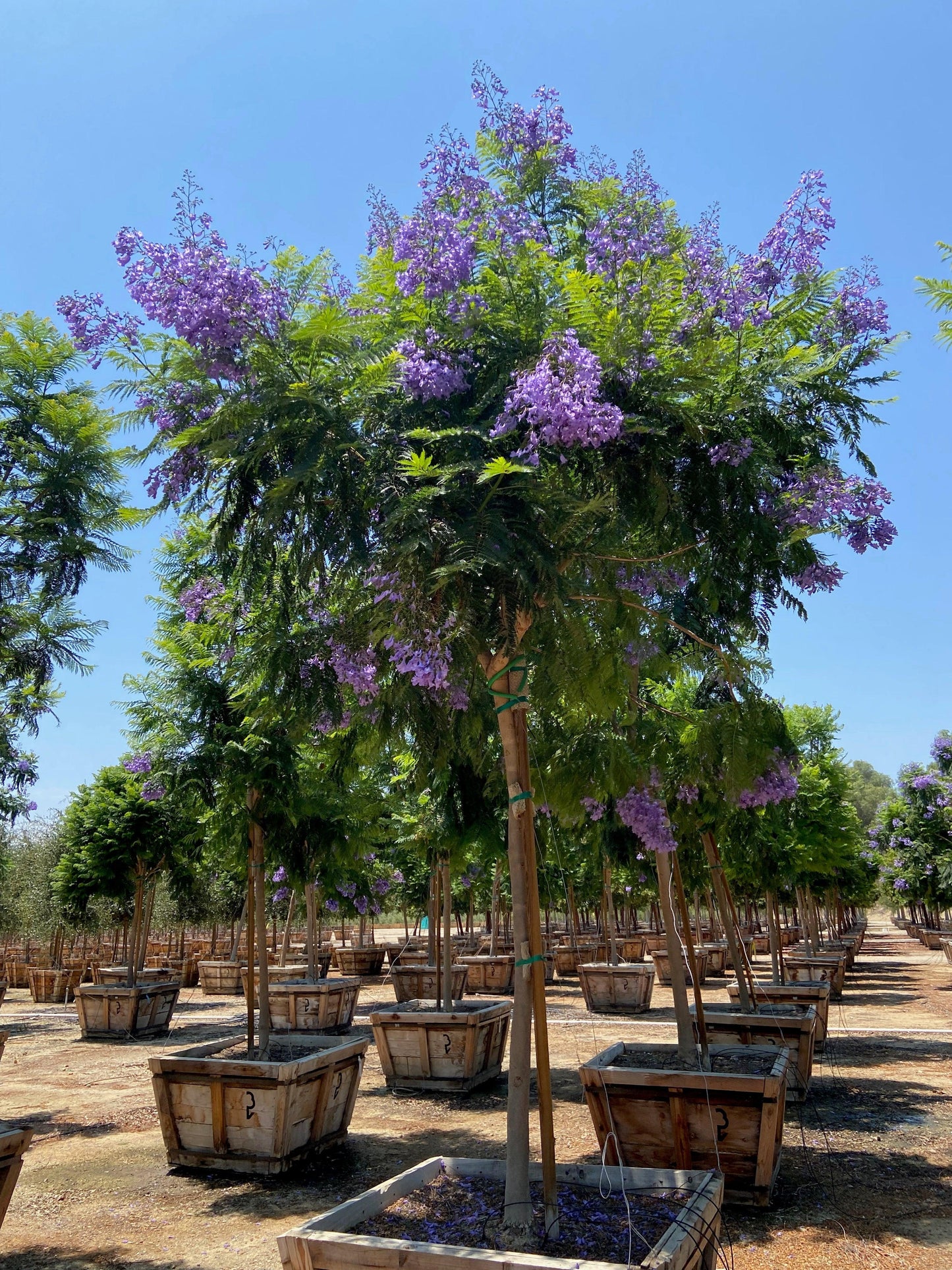














Pairs Well With











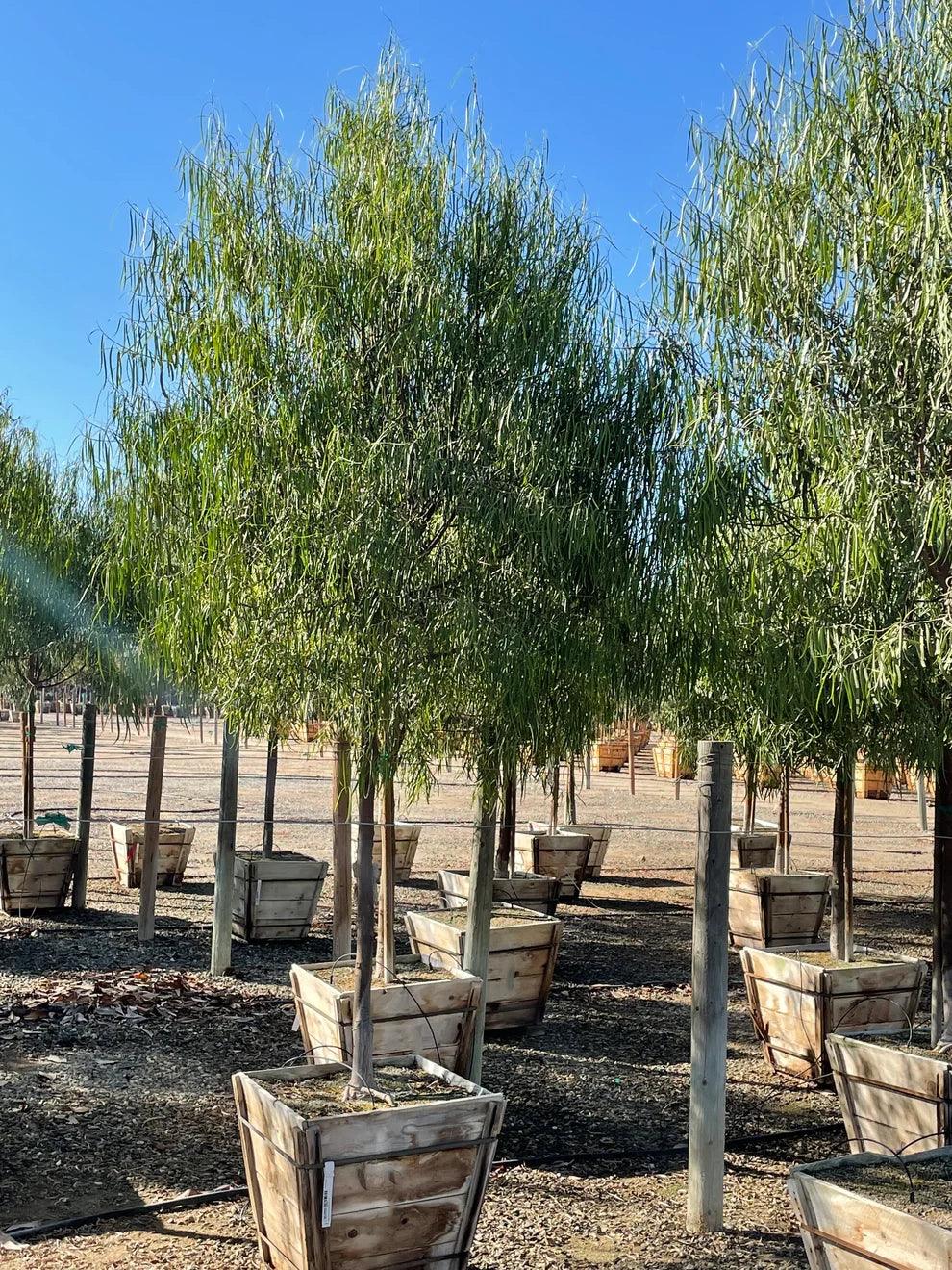

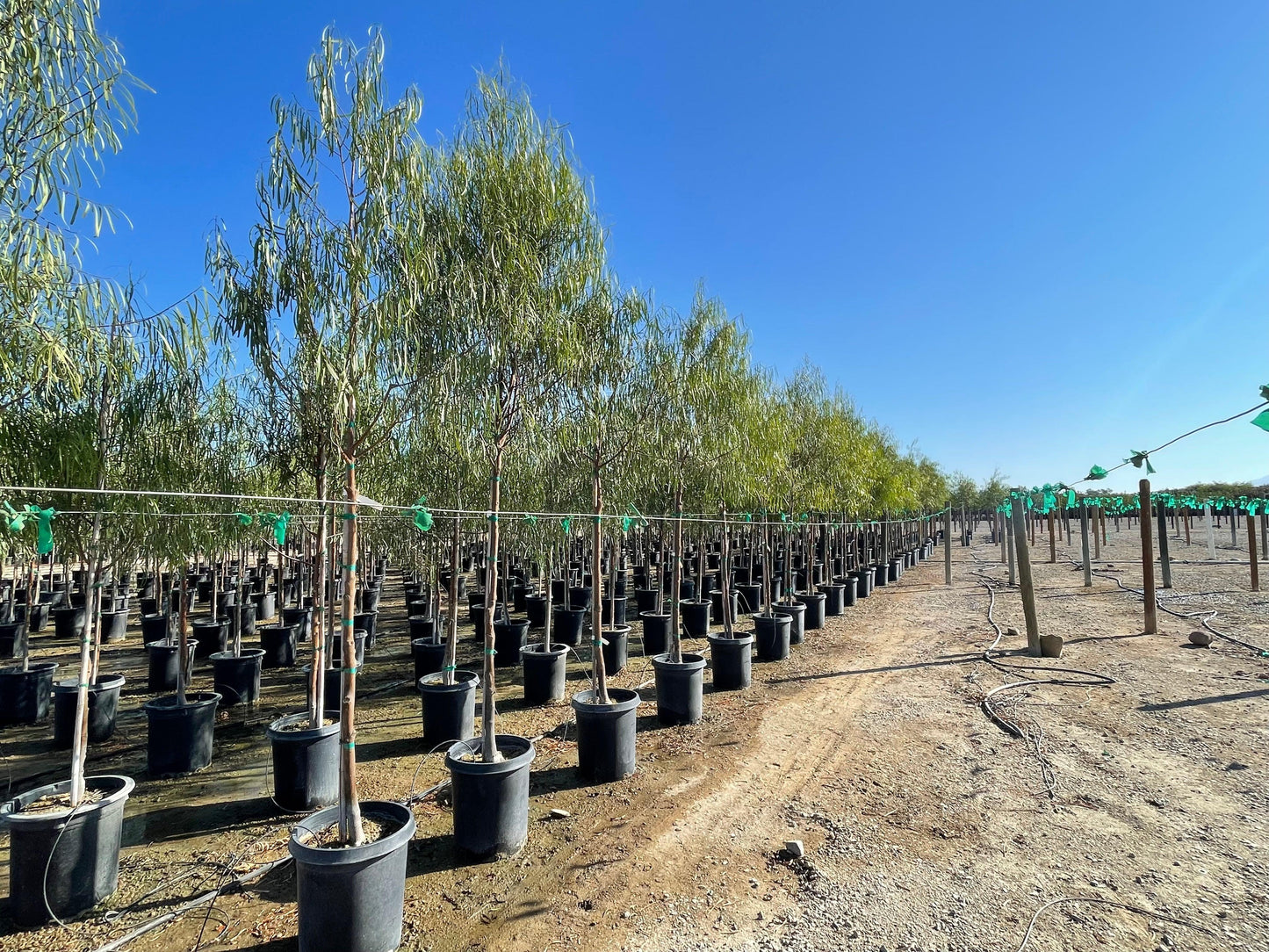

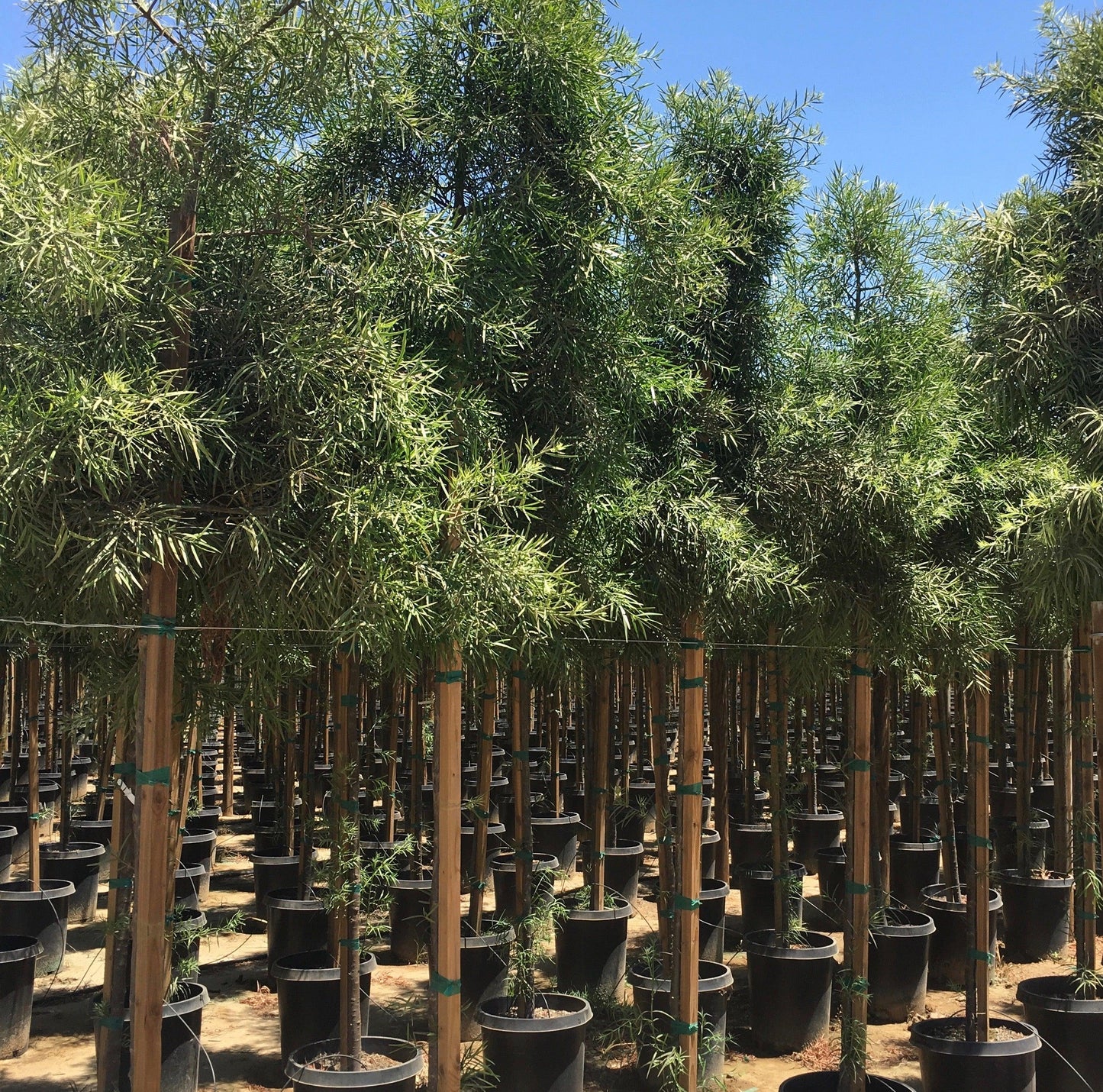
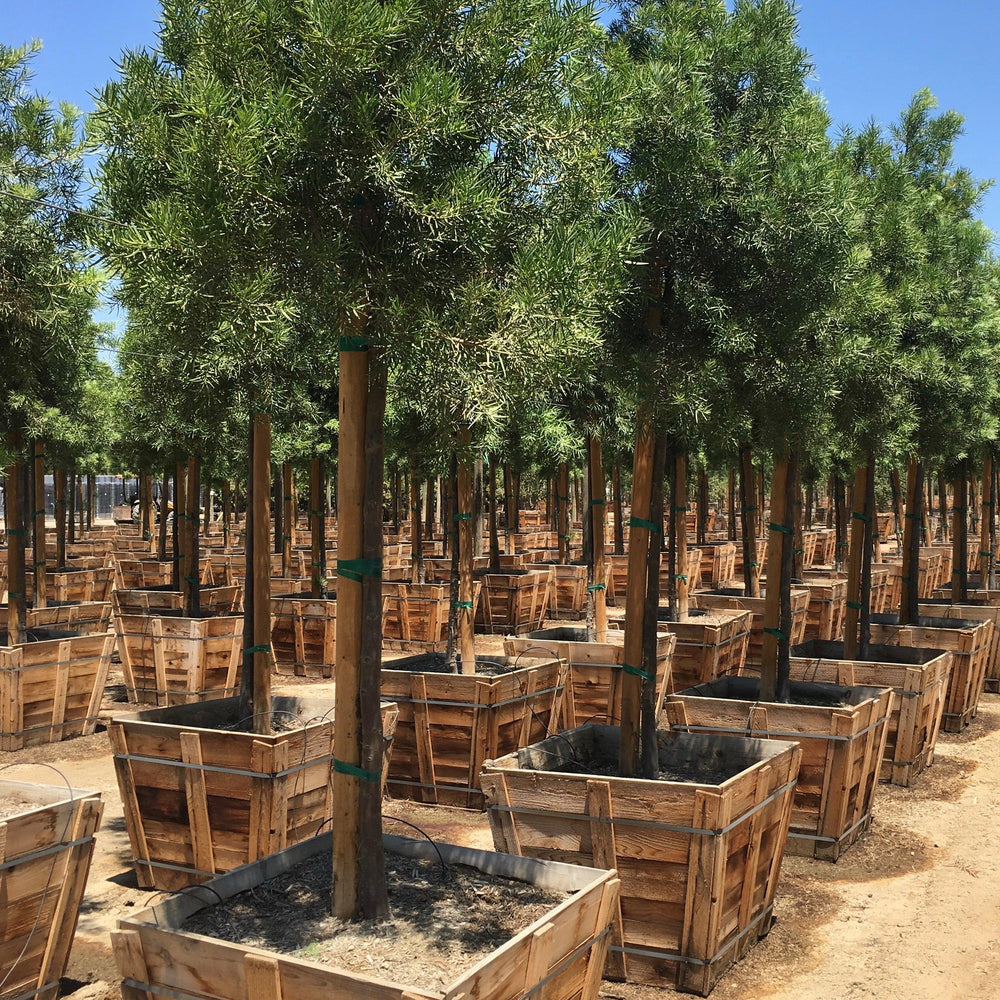
You May Also Like












Thousands of Healthy Plants Delivered


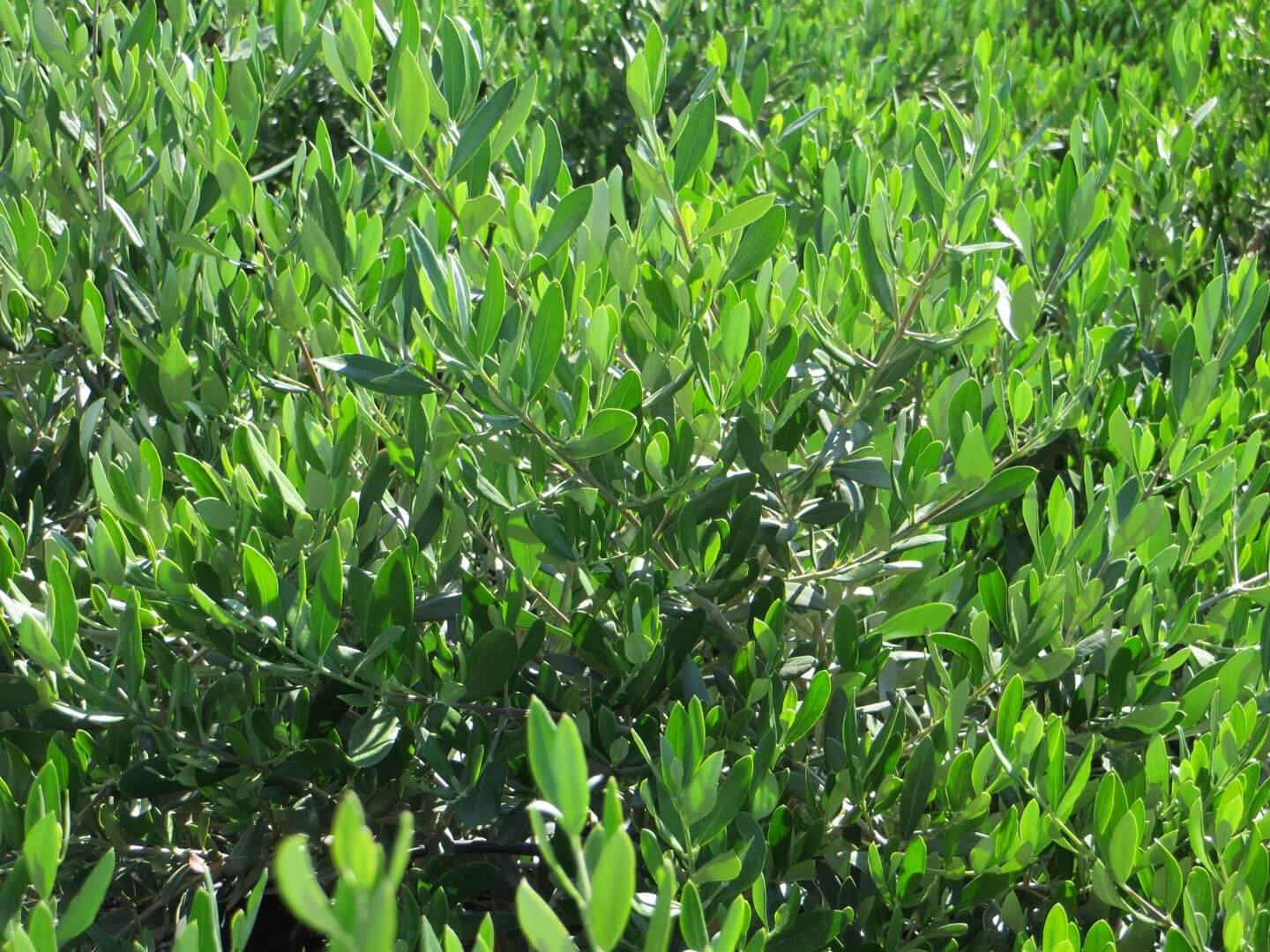
Yardwork was so great to work with. First they had the Swan Hill olive trees that we had been searching for, we had contacted several other nurseries without any luck previously. Then they answered all of our questions in a timely matter prior to ordering and finally delivered within a few days of placing it. Their staff is incredibly knowledgeable; they delivered and planted our trees with expertise to ensure that they would do well in our yard. We would definitely work with them again for future projects.











A Modern Experience
At Yardwork, we carefully curate thousands of plants, in all container sizes, to provide you with the best selection of the highest quality trees and plants at the best price, with the convenience of an online platform.
Uncompromised Quality
We choose only the finest specimens and hand select our plants just before delivery to ensure you receive the freshest and most robust specimens available for your landscape.
Industry Leading Warranties
Our 30, 90, and 365 extended warranties provide some of the best coverage to ensure our trees and plants thrive in your landscape.
Frequently Asked Questions
We're committed to changing everything about trees and plants - how they’re grown, how you shop for them, and how much they cost. We handle orders ourselves. No middlemen to get between us (or our prices) and you.
We're committed to changing everything about trees and plants - how they’re grown, how you shop for them, and how much they cost. We handle orders ourselves. No middlemen to get between us (or our prices) and you.
Delivery does not include unloading of trees and plants LARGER than a 24" box.
Trees and plants in smaller containers will be dropped curbside (usually on the driveway or near the front doorstep).
Delivery beyond a curbside drop will be charged extra.
Trees and plants that are sold in container sizes LARGER than a 24" box size will require equipment and/or enough manpower onsite to help unload from the truck.
Please reach out to our team PRIOR to placing your order to help coordinate.
Our team can provide unloading assistance with equipment for an extra fee as well.
Delivery does not include unloading of trees and plants LARGER than a 24" box.
Trees and plants in smaller containers will be dropped curbside (usually on the driveway or near the front doorstep).
Delivery beyond a curbside drop will be charged extra.
Trees and plants that are sold in container sizes LARGER than a 24" box size will require equipment and/or enough manpower onsite to help unload from the truck.
Please reach out to our team PRIOR to placing your order to help coordinate.
Our team can provide unloading assistance with equipment for an extra fee as well.
We ship locally within California within 7-10 days of your order being placed.
We ship nationally using carrier partners, based on order size. Our common order minimums for out of state shipping is $5,000.
Text or call 323-576-4159 for specific shipping details for your location.
We ship locally within California within 7-10 days of your order being placed.
We ship nationally using carrier partners, based on order size. Our common order minimums for out of state shipping is $5,000.
Text or call 323-576-4159 for specific shipping details for your location.
We are currently online only and don't have physical locations where you can view plants in person.
That's why we have photos direct from the growing grounds of the plants we will ship and we display pricing right in our store.
We do make sure to pick the very best trees and plants prior to shipping and make sure that they have gone through our multi-point inspection for health and structure.
We will always reach out prior to delivery if we find a quality issue or need to provide a substitute.
We are currently online only and don't have physical locations where you can view plants in person.
That's why we have photos direct from the growing grounds of the plants we will ship and we display pricing right in our store.
We do make sure to pick the very best trees and plants prior to shipping and make sure that they have gone through our multi-point inspection for health and structure.
We will always reach out prior to delivery if we find a quality issue or need to provide a substitute.
Plants vary greatly by type. Here is a rough idea of sizes based on containers that are direct from our growing grounds.
15 Gallon Shrub 3-4 Ft. Tall
15 Gallon Tree 5-6 Ft. Tall
24" Box Shrub 5-6 Ft. Tall
24" Box Tree 6-7 Ft. Tall
36" Box Shrub/Tree 7-9 Ft. Tall
48" Box Shrub/Tree 8-10 Ft. Tall
**Please note that we do not make guarantees of sizes. If you have questions or concerns, please call or text to request accurate sizing for the particular plant you're considering, prior to ordering.
Plants vary greatly by type. Here is a rough idea of sizes based on containers that are direct from our growing grounds.
15 Gallon Shrub 3-4 Ft. Tall
15 Gallon Tree 5-6 Ft. Tall
24" Box Shrub 5-6 Ft. Tall
24" Box Tree 6-7 Ft. Tall
36" Box Shrub/Tree 7-9 Ft. Tall
48" Box Shrub/Tree 8-10 Ft. Tall
**Please note that we do not make guarantees of sizes. If you have questions or concerns, please call or text to request accurate sizing for the particular plant you're considering, prior to ordering.
We offer a limited 30 day warranty for plants that are delivered and planted by someone else and a 90 day warranty for plants that we plant.
The limited warranty covers plants that die as a result of disease or fungus which was derived from our growing grounds or from root balls that were root bound.
The warranty does not cover damage due to watering, fertilizer, soils, or any other conditions beyond our control. Additionally, the warranty does not cover plants that are shipped out of the state of California or shipped into California from other states. Custom plant orders are also not covered under warranty. Plants must be planted within 24 hours after delivery to qualify.
We can assist you in recommending the right soils and fertilizers to help your plant thrive after you plant it.
Text or call 323-576-4159 for further warranty information.
We offer a limited 30 day warranty for plants that are delivered and planted by someone else and a 90 day warranty for plants that we plant.
The limited warranty covers plants that die as a result of disease or fungus which was derived from our growing grounds or from root balls that were root bound.
The warranty does not cover damage due to watering, fertilizer, soils, or any other conditions beyond our control. Additionally, the warranty does not cover plants that are shipped out of the state of California or shipped into California from other states. Custom plant orders are also not covered under warranty. Plants must be planted within 24 hours after delivery to qualify.
We can assist you in recommending the right soils and fertilizers to help your plant thrive after you plant it.
Text or call 323-576-4159 for further warranty information.
Our local delivery team covers most cities in California.
There are some exceptions, so please get in touch to confirm prior to ordering.
Additionally, we ship using semi trucks and trailers throughout the entire United States and even abroad for large orders over $5,000. Each shipment is custom, so please reach out to our team to coordinate.
Our local delivery team covers most cities in California.
There are some exceptions, so please get in touch to confirm prior to ordering.
Additionally, we ship using semi trucks and trailers throughout the entire United States and even abroad for large orders over $5,000. Each shipment is custom, so please reach out to our team to coordinate.