



Carolina Cherry (Prunus Caroliniana Compacta)
Regular price
$295.00
Size
Create Instant Privacy and Year-Round Beauty
Carolina Cherry Laurel gives homeowners a fast, natural way to build a dense evergreen privacy hedge without the seasonal bare spots common with deciduous trees and shrubs, similar to other evergreen trees for year-round privacy.
Also known as carolina cherry laurel, cherry laurel, or carolina laurelcherry, Prunus caroliniana is a native evergreen species valued for glossy dark green foliage, fragrant spring flowers, and a compact-to-medium tree shape that works beautifully in California and Texas landscapes. It is especially useful where you want privacy, structure, wildlife benefits, and a more sustainable alternative to invasive screening plants.
Why You’ll Love It
-
Fast Privacy – Due to its dense foliage, the Carolina cherry tree is often used for privacy screens, windbreaks, and noise barriers. With good sun, well drained soil, and regular water during establishment, it can fill in as a privacy hedge in about 2-3 years.
-
Year-Round Beauty – This evergreen plant keeps its dark green foliage through winter, so your landscape stays covered and attractive in every season.
-
Low Maintenance – The Carolina cherry tree’s adaptability allows it to thrive in USDA Hardiness Zones 7 through 10, tolerating heat, drought, and urban pollutants. Yardwork typically recommends it for USDA zones 8-10 for the strongest performance in many California and Texas landscapes.
-
Wildlife Friendly – The Carolina cherry tree supports local wildlife by providing nectar for early pollinators and winter berries for birds. The spring flowers support bees, butterflies, and other insects, while the fruits may be eaten by robins, songbirds, foxes, raccoons, and small mammals.
-
Climate Adapted – Carolina Cherry Laurel (Prunus caroliniana) is an evergreen tree native to the Southeastern United States, typically growing from 20 to 35 feet high and up to 20 feet wide. Its native range includes woodland areas, riparian edges, and mixed landscapes where durable, wildlife-supporting trees are expected to perform.
What Makes It Different
Most privacy trees are either non-native, slow-growing, or prone to leaving gaps. Some common hedges, especially Privet, solve the privacy problem while creating a bigger ecological one.
Carolina Cherry (Prunus caroliniana) provides:
-
Native Texas Species – Privet (Ligustrum) is highly invasive and can create monocultures that displace native plants, severely impacting local ecosystems. To effectively combat invasive plants like Privet, homeowners and landscapers should replace them with native species that support local wildlife and ecosystems.
-
Dense Evergreen Growth – Carolina Cherry Laurel (Prunus caroliniana) is an evergreen tree that can grow between 20 to 35 feet high and up to 20 feet wide, making it an excellent choice for providing privacy in landscaping, much like a Fern Pine hedge for adaptable evergreen screening.
-
Fragrant Spring Blooms – The Carolina cherry tree produces dense clusters of fragrant white-to-cream flowers in late winter to early spring, followed by small black drupes that persist through winter. The leaves of the Carolina cherry tree release a fragrance resembling maraschino cherries or almond extract when crushed.
-
Multi-Season Interest – This plant produces fragrant white flowers in the spring and is a host plant for various butterflies, contributing to a diverse ecosystem, similar to how a Brush Cherry hedge provides colorful, evergreen privacy. It may support species such as eastern tiger swallowtail, red spotted purple, and coral hairstreak, while also adding flowers, fruits, and evergreen structure to gardens.
A study by the US Forest Service found that removing Privets from a forested area led to a nearly fourfold increase in native bee species and a twelvefold increase in total bee populations within two years, which is important to consider when planting Glossy Privet and other Ligustrum species or even a more controlled Waxleaf Privet hedge for structured landscapes.
How To Have Success In Your Garden
-
Plant in Well-Drained Soil
Choose a location with full sun to partial shade. This tree requires full sun to thrive but can tolerate partial shade, preferring moist, well-draining loamy soils. It adapts to different soil types, but the best results come from moist, well drained soils rather than soggy or compacted sites. -
Establish Strong Roots
The Carolina Cherry Laurel is adaptable, tolerating sun to part shade, and prefers moist soil but can withstand minor drought conditions. Water regularly during the first growing season so the plant can develop a strong root system; after establishment, Carolina Cherry becomes more drought-tolerant. -
Watch It Grow
The Carolina cherry tree grows typically between 15 to 40 feet tall and develops a dense, naturally pyramidal or rounded canopy. In many landscapes, Prunus caroliniana is expected to reach 20-35 feet tall and about 15-20 feet wide, making it a strong small tree, ornamental tree, hedge, or specimen, comparable in versatility to a Fern Pine tree used for privacy and shade. -
Enjoy Privacy and Beauty
It responds exceptionally well to heavy pruning, making it versatile for shaping and maintaining desired plant forms. Use it as a formal hedge, natural screen, windbreak, noise barrier, or clipped evergreen backdrop that still offers spring flowers, pollen, nectar, fruits, and habitat benefits.
Product Details
-
Botanical Name: Prunus caroliniana
-
Common Names: Carolina Cherry Laurel, Carolina Laurelcherry, Cherry Laurel, Carolina Cherry
-
Plant Family: The Carolina cherry tree belongs to the Rosaceae family, which is closely related to plums, peaches, and almonds.
-
Plant Type: Evergreen small tree, ornamental tree, large shrub, hedge, privacy screen, or specimen tree
-
Mature Size: Carolina Cherry Laurel (Prunus caroliniana) is an evergreen tree native to the Southeastern United States, typically growing from 20 to 35 feet high and up to 20 feet wide.
-
Additional Size Range: The Carolina cherry tree grows typically between 15 to 40 feet tall and develops a dense, naturally pyramidal or rounded canopy.
-
Growth Rate: Moderate to fast
-
Light Requirements: Full sun to partial shade
-
Soil Preference: Moist, well-draining loamy soils; adaptable to several soil types when drainage is good
-
Water Needs: Low to moderate after establishment; tolerates minor drought conditions
-
Bloom Time: Late winter to early spring
-
Flowers: Fragrant white-to-cream spring flowers in dense clusters
-
Fruit: Small black drupes that can persist through winter and feed birds
-
Wildlife Value: Host plant for various butterflies and a food source for birds and small mammals
-
USDA Zones: Adaptable in USDA Hardiness Zones 7 through 10; commonly recommended for zones 8-10 in warm-climate landscapes
-
Pruning: Responds exceptionally well to heavy pruning for hedges, screens, and shaped forms
-
Safety Note: All parts of the Carolina cherry tree, particularly the leaves and seeds, contain hydrocyanic acid (cyanide) and are highly toxic if ingested.
-
Compact Option: Prunus caroliniana compacta Carolina Cherry Laurel is a good option where a smaller, tighter hedge shape is preferred.
-
Availability: Available container sizes, current pricing, and stock may vary by Yardwork inventory and delivery location.
Who It’s For
Ideal for:
-
California and Texas homeowners who want a natural privacy hedge with year-round evergreen coverage
-
Landscape designers creating native plant projects with stronger wildlife benefits
-
Property owners replacing invasive species like Privet with native alternatives or considering non-invasive options such as an English Laurel hedge for evergreen privacy
-
Gardeners who want spring flowers, glossy foliage, and winter fruit interest
-
Homeowners looking for trees and shrubs that can be clipped into hedges or grown as a specimen
-
Environmental gardeners who want to support bees, butterflies, pollinators, songbirds, and small mammals
If you want a dense, attractive, low-maintenance screen that supports a healthier landscape, Carolina Cherry Laurel is a strong choice, and Yardwork’s nursery selection of privacy trees and shrubs also includes options like English Laurel (Prunus laurocerasus) for classic hedging.
Frequently Asked Questions
How fast does Carolina Cherry grow for privacy?
Under favorable conditions, Carolina Cherry grows at a moderate to fast pace. With full sun, well drained soil, and regular water during establishment, a row can create meaningful privacy in about 2-3 years.
Is it safe around children and pets?
All parts of the Carolina cherry tree, particularly the leaves and seeds, contain hydrocyanic acid (cyanide) and are highly toxic if ingested. Keep children, pets, livestock, and grazing animals from eating the leaves, seeds, twigs, or fruits.
How much space do I need between trees?
For a privacy hedge, space Carolina Cherry trees close enough for their mature canopies to fill together, commonly about 6-10 feet apart depending on plant size and desired density. For a specimen tree, allow room for a mature spread up to about 20 feet wide.
Does it require pruning?
Carolina Cherry does not require heavy pruning if you want a natural pyramidal or rounded shape. It responds exceptionally well to heavy pruning, making it versatile for shaping and maintaining desired plant forms, including formal hedges, screens, and small tree forms.
What soil conditions does it prefer?
This plant is adaptable to various light conditions, thriving in sun to part shade, and prefers moist soil but can tolerate minor drought conditions, making it versatile for different landscaping environments. Avoid poorly drained soils, standing water, and compacted planting areas.
Will it attract wildlife to my yard?
Yes. Carolina Cherry Laurel produces fragrant white flowers in the spring, adding aesthetic value to landscapes while also serving as a host plant for various butterfly species, thus promoting biodiversity. The flowers support early pollinators, and the winter fruits support birds and small mammals.
Ready to Transform Your Landscape?
Stop settling for invasive hedges, seasonal gaps, and high-maintenance privacy plants.
Choose Carolina Cherry (Prunus caroliniana) for dense evergreen coverage, native landscape benefits, fragrant early spring flowers, and a privacy screen that looks good through winter. Yardwork can help you select the right size, confirm current stock, plan spacing, and design a California- or Texas-ready landscape with native plants that support local ecosystems.
Create Instant Privacy and Year-Round Beauty
Carolina Cherry Laurel gives homeowners a fast, natural way to build a dense evergreen privacy hedge without the seasonal bare spots common with deciduous trees and shrubs, similar to other evergreen trees for year-round privacy.
Also known as carolina cherry laurel, cherry laurel, or carolina laurelcherry, Prunus caroliniana is a native evergreen species valued for glossy dark green foliage, fragrant spring flowers, and a compact-to-medium tree shape that works beautifully in California and Texas landscapes. It is especially useful where you want privacy, structure, wildlife benefits, and a more sustainable alternative to invasive screening plants.
Why You’ll Love It
-
Fast Privacy – Due to its dense foliage, the Carolina cherry tree is often used for privacy screens, windbreaks, and noise barriers. With good sun, well drained soil, and regular water during establishment, it can fill in as a privacy hedge in about 2-3 years.
-
Year-Round Beauty – This evergreen plant keeps its dark green foliage through winter, so your landscape stays covered and attractive in every season.
-
Low Maintenance – The Carolina cherry tree’s adaptability allows it to thrive in USDA Hardiness Zones 7 through 10, tolerating heat, drought, and urban pollutants. Yardwork typically recommends it for USDA zones 8-10 for the strongest performance in many California and Texas landscapes.
-
Wildlife Friendly – The Carolina cherry tree supports local wildlife by providing nectar for early pollinators and winter berries for birds. The spring flowers support bees, butterflies, and other insects, while the fruits may be eaten by robins, songbirds, foxes, raccoons, and small mammals.
-
Climate Adapted – Carolina Cherry Laurel (Prunus caroliniana) is an evergreen tree native to the Southeastern United States, typically growing from 20 to 35 feet high and up to 20 feet wide. Its native range includes woodland areas, riparian edges, and mixed landscapes where durable, wildlife-supporting trees are expected to perform.
What Makes It Different
Most privacy trees are either non-native, slow-growing, or prone to leaving gaps. Some common hedges, especially Privet, solve the privacy problem while creating a bigger ecological one.
Carolina Cherry (Prunus caroliniana) provides:
-
Native Texas Species – Privet (Ligustrum) is highly invasive and can create monocultures that displace native plants, severely impacting local ecosystems. To effectively combat invasive plants like Privet, homeowners and landscapers should replace them with native species that support local wildlife and ecosystems.
-
Dense Evergreen Growth – Carolina Cherry Laurel (Prunus caroliniana) is an evergreen tree that can grow between 20 to 35 feet high and up to 20 feet wide, making it an excellent choice for providing privacy in landscaping, much like a Fern Pine hedge for adaptable evergreen screening.
-
Fragrant Spring Blooms – The Carolina cherry tree produces dense clusters of fragrant white-to-cream flowers in late winter to early spring, followed by small black drupes that persist through winter. The leaves of the Carolina cherry tree release a fragrance resembling maraschino cherries or almond extract when crushed.
-
Multi-Season Interest – This plant produces fragrant white flowers in the spring and is a host plant for various butterflies, contributing to a diverse ecosystem, similar to how a Brush Cherry hedge provides colorful, evergreen privacy. It may support species such as eastern tiger swallowtail, red spotted purple, and coral hairstreak, while also adding flowers, fruits, and evergreen structure to gardens.
A study by the US Forest Service found that removing Privets from a forested area led to a nearly fourfold increase in native bee species and a twelvefold increase in total bee populations within two years, which is important to consider when planting Glossy Privet and other Ligustrum species or even a more controlled Waxleaf Privet hedge for structured landscapes.
How To Have Success In Your Garden
-
Plant in Well-Drained Soil
Choose a location with full sun to partial shade. This tree requires full sun to thrive but can tolerate partial shade, preferring moist, well-draining loamy soils. It adapts to different soil types, but the best results come from moist, well drained soils rather than soggy or compacted sites. -
Establish Strong Roots
The Carolina Cherry Laurel is adaptable, tolerating sun to part shade, and prefers moist soil but can withstand minor drought conditions. Water regularly during the first growing season so the plant can develop a strong root system; after establishment, Carolina Cherry becomes more drought-tolerant. -
Watch It Grow
The Carolina cherry tree grows typically between 15 to 40 feet tall and develops a dense, naturally pyramidal or rounded canopy. In many landscapes, Prunus caroliniana is expected to reach 20-35 feet tall and about 15-20 feet wide, making it a strong small tree, ornamental tree, hedge, or specimen, comparable in versatility to a Fern Pine tree used for privacy and shade. -
Enjoy Privacy and Beauty
It responds exceptionally well to heavy pruning, making it versatile for shaping and maintaining desired plant forms. Use it as a formal hedge, natural screen, windbreak, noise barrier, or clipped evergreen backdrop that still offers spring flowers, pollen, nectar, fruits, and habitat benefits.
Product Details
-
Botanical Name: Prunus caroliniana
-
Common Names: Carolina Cherry Laurel, Carolina Laurelcherry, Cherry Laurel, Carolina Cherry
-
Plant Family: The Carolina cherry tree belongs to the Rosaceae family, which is closely related to plums, peaches, and almonds.
-
Plant Type: Evergreen small tree, ornamental tree, large shrub, hedge, privacy screen, or specimen tree
-
Mature Size: Carolina Cherry Laurel (Prunus caroliniana) is an evergreen tree native to the Southeastern United States, typically growing from 20 to 35 feet high and up to 20 feet wide.
-
Additional Size Range: The Carolina cherry tree grows typically between 15 to 40 feet tall and develops a dense, naturally pyramidal or rounded canopy.
-
Growth Rate: Moderate to fast
-
Light Requirements: Full sun to partial shade
-
Soil Preference: Moist, well-draining loamy soils; adaptable to several soil types when drainage is good
-
Water Needs: Low to moderate after establishment; tolerates minor drought conditions
-
Bloom Time: Late winter to early spring
-
Flowers: Fragrant white-to-cream spring flowers in dense clusters
-
Fruit: Small black drupes that can persist through winter and feed birds
-
Wildlife Value: Host plant for various butterflies and a food source for birds and small mammals
-
USDA Zones: Adaptable in USDA Hardiness Zones 7 through 10; commonly recommended for zones 8-10 in warm-climate landscapes
-
Pruning: Responds exceptionally well to heavy pruning for hedges, screens, and shaped forms
-
Safety Note: All parts of the Carolina cherry tree, particularly the leaves and seeds, contain hydrocyanic acid (cyanide) and are highly toxic if ingested.
-
Compact Option: Prunus caroliniana compacta Carolina Cherry Laurel is a good option where a smaller, tighter hedge shape is preferred.
-
Availability: Available container sizes, current pricing, and stock may vary by Yardwork inventory and delivery location.
Who It’s For
Ideal for:
-
California and Texas homeowners who want a natural privacy hedge with year-round evergreen coverage
-
Landscape designers creating native plant projects with stronger wildlife benefits
-
Property owners replacing invasive species like Privet with native alternatives or considering non-invasive options such as an English Laurel hedge for evergreen privacy
-
Gardeners who want spring flowers, glossy foliage, and winter fruit interest
-
Homeowners looking for trees and shrubs that can be clipped into hedges or grown as a specimen
-
Environmental gardeners who want to support bees, butterflies, pollinators, songbirds, and small mammals
If you want a dense, attractive, low-maintenance screen that supports a healthier landscape, Carolina Cherry Laurel is a strong choice, and Yardwork’s nursery selection of privacy trees and shrubs also includes options like English Laurel (Prunus laurocerasus) for classic hedging.
Frequently Asked Questions
How fast does Carolina Cherry grow for privacy?
Under favorable conditions, Carolina Cherry grows at a moderate to fast pace. With full sun, well drained soil, and regular water during establishment, a row can create meaningful privacy in about 2-3 years.
Is it safe around children and pets?
All parts of the Carolina cherry tree, particularly the leaves and seeds, contain hydrocyanic acid (cyanide) and are highly toxic if ingested. Keep children, pets, livestock, and grazing animals from eating the leaves, seeds, twigs, or fruits.
How much space do I need between trees?
For a privacy hedge, space Carolina Cherry trees close enough for their mature canopies to fill together, commonly about 6-10 feet apart depending on plant size and desired density. For a specimen tree, allow room for a mature spread up to about 20 feet wide.
Does it require pruning?
Carolina Cherry does not require heavy pruning if you want a natural pyramidal or rounded shape. It responds exceptionally well to heavy pruning, making it versatile for shaping and maintaining desired plant forms, including formal hedges, screens, and small tree forms.
What soil conditions does it prefer?
This plant is adaptable to various light conditions, thriving in sun to part shade, and prefers moist soil but can tolerate minor drought conditions, making it versatile for different landscaping environments. Avoid poorly drained soils, standing water, and compacted planting areas.
Will it attract wildlife to my yard?
Yes. Carolina Cherry Laurel produces fragrant white flowers in the spring, adding aesthetic value to landscapes while also serving as a host plant for various butterfly species, thus promoting biodiversity. The flowers support early pollinators, and the winter fruits support birds and small mammals.
Ready to Transform Your Landscape?
Stop settling for invasive hedges, seasonal gaps, and high-maintenance privacy plants.
Choose Carolina Cherry (Prunus caroliniana) for dense evergreen coverage, native landscape benefits, fragrant early spring flowers, and a privacy screen that looks good through winter. Yardwork can help you select the right size, confirm current stock, plan spacing, and design a California- or Texas-ready landscape with native plants that support local ecosystems.
Plants vary greatly by type and no guarantees are made on sizing.
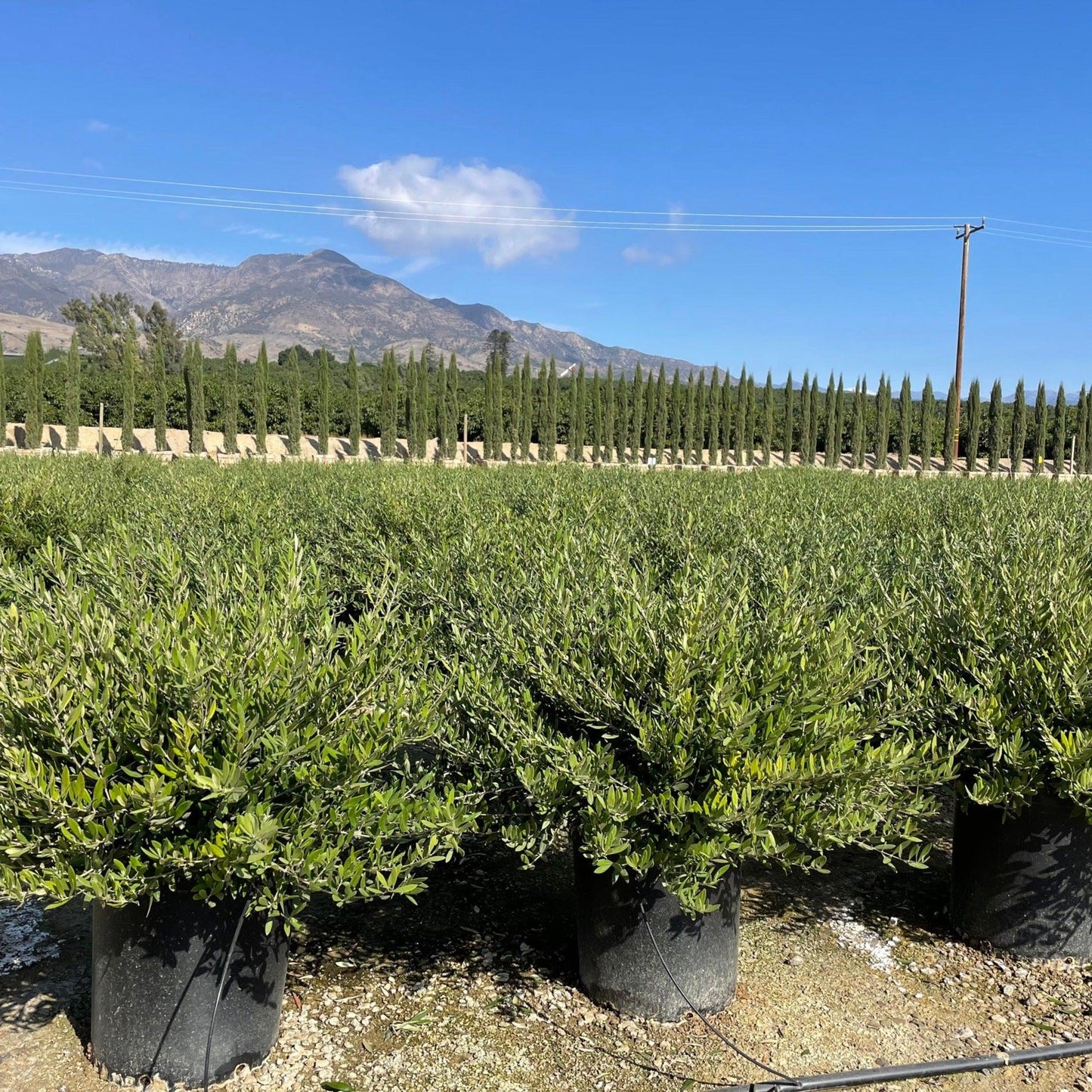
However here is a rough idea of sizes based on containers that are direct from our growing grounds.
15 Gallon Shrub 3-4 Ft. Tall
15 Gallon Tree 5-6 Ft. Tall
24" Box Shrub 5-6 Ft. Tall
24" Box Tree 6-7 Ft. Tall
36" Box Tree 8-10 Ft. Tall
48" Box Tree 10-12 Ft. Tall
Please note: Citrus and California Native plants such as Manzanita are smaller than traditional sizing.
Please contact us to confirm sizing of items before purchasing if this is a concern.
Plants vary greatly by type and no guarantees are made on sizing.
However here is a rough idea of sizes based on containers that are direct from our growing grounds.
15 Gallon Shrub 3-4 Ft. Tall
15 Gallon Tree 5-6 Ft. Tall
24" Box Shrub 5-6 Ft. Tall
24" Box Tree 6-7 Ft. Tall
36" Box Tree 8-10 Ft. Tall
48" Box Tree 10-12 Ft. Tall
Please note: Citrus and California Native plants such as Manzanita are smaller than traditional sizing.
Please contact us to confirm sizing of items before purchasing if this is a concern.
Delivery does not include unloading of trees and plants larger than a 24" box.
Trees and plants in smaller containers will be dropped curbside.
Delivery beyond a curbside drop will be charged extra.
Trees and plants that are sold in container sizes larger than a 24" box size will require equipment and an operator onsite to help unload from the truck.
Please reach out to our team PRIOR to placing your order to coordinate.
Our team can provide unloading assistance with equipment for an extra fee.
Delivery does not include unloading of trees and plants larger than a 24" box.
Trees and plants in smaller containers will be dropped curbside.
Delivery beyond a curbside drop will be charged extra.
Trees and plants that are sold in container sizes larger than a 24" box size will require equipment and an operator onsite to help unload from the truck.
Please reach out to our team PRIOR to placing your order to coordinate.
Our team can provide unloading assistance with equipment for an extra fee.
You may also like...


Carolina Cherry (Prunus Caroliniana Compacta)
Regular price
$295.00
Size
Create Instant Privacy and Year-Round Beauty
Carolina Cherry Laurel gives homeowners a fast, natural way to build a dense evergreen privacy hedge without the seasonal bare spots common with deciduous trees and shrubs, similar to other evergreen trees for year-round privacy.
Also known as carolina cherry laurel, cherry laurel, or carolina laurelcherry, Prunus caroliniana is a native evergreen species valued for glossy dark green foliage, fragrant spring flowers, and a compact-to-medium tree shape that works beautifully in California and Texas landscapes. It is especially useful where you want privacy, structure, wildlife benefits, and a more sustainable alternative to invasive screening plants.
Why You’ll Love It
-
Fast Privacy – Due to its dense foliage, the Carolina cherry tree is often used for privacy screens, windbreaks, and noise barriers. With good sun, well drained soil, and regular water during establishment, it can fill in as a privacy hedge in about 2-3 years.
-
Year-Round Beauty – This evergreen plant keeps its dark green foliage through winter, so your landscape stays covered and attractive in every season.
-
Low Maintenance – The Carolina cherry tree’s adaptability allows it to thrive in USDA Hardiness Zones 7 through 10, tolerating heat, drought, and urban pollutants. Yardwork typically recommends it for USDA zones 8-10 for the strongest performance in many California and Texas landscapes.
-
Wildlife Friendly – The Carolina cherry tree supports local wildlife by providing nectar for early pollinators and winter berries for birds. The spring flowers support bees, butterflies, and other insects, while the fruits may be eaten by robins, songbirds, foxes, raccoons, and small mammals.
-
Climate Adapted – Carolina Cherry Laurel (Prunus caroliniana) is an evergreen tree native to the Southeastern United States, typically growing from 20 to 35 feet high and up to 20 feet wide. Its native range includes woodland areas, riparian edges, and mixed landscapes where durable, wildlife-supporting trees are expected to perform.
What Makes It Different
Most privacy trees are either non-native, slow-growing, or prone to leaving gaps. Some common hedges, especially Privet, solve the privacy problem while creating a bigger ecological one.
Carolina Cherry (Prunus caroliniana) provides:
-
Native Texas Species – Privet (Ligustrum) is highly invasive and can create monocultures that displace native plants, severely impacting local ecosystems. To effectively combat invasive plants like Privet, homeowners and landscapers should replace them with native species that support local wildlife and ecosystems.
-
Dense Evergreen Growth – Carolina Cherry Laurel (Prunus caroliniana) is an evergreen tree that can grow between 20 to 35 feet high and up to 20 feet wide, making it an excellent choice for providing privacy in landscaping, much like a Fern Pine hedge for adaptable evergreen screening.
-
Fragrant Spring Blooms – The Carolina cherry tree produces dense clusters of fragrant white-to-cream flowers in late winter to early spring, followed by small black drupes that persist through winter. The leaves of the Carolina cherry tree release a fragrance resembling maraschino cherries or almond extract when crushed.
-
Multi-Season Interest – This plant produces fragrant white flowers in the spring and is a host plant for various butterflies, contributing to a diverse ecosystem, similar to how a Brush Cherry hedge provides colorful, evergreen privacy. It may support species such as eastern tiger swallowtail, red spotted purple, and coral hairstreak, while also adding flowers, fruits, and evergreen structure to gardens.
A study by the US Forest Service found that removing Privets from a forested area led to a nearly fourfold increase in native bee species and a twelvefold increase in total bee populations within two years, which is important to consider when planting Glossy Privet and other Ligustrum species or even a more controlled Waxleaf Privet hedge for structured landscapes.
How To Have Success In Your Garden
-
Plant in Well-Drained Soil
Choose a location with full sun to partial shade. This tree requires full sun to thrive but can tolerate partial shade, preferring moist, well-draining loamy soils. It adapts to different soil types, but the best results come from moist, well drained soils rather than soggy or compacted sites. -
Establish Strong Roots
The Carolina Cherry Laurel is adaptable, tolerating sun to part shade, and prefers moist soil but can withstand minor drought conditions. Water regularly during the first growing season so the plant can develop a strong root system; after establishment, Carolina Cherry becomes more drought-tolerant. -
Watch It Grow
The Carolina cherry tree grows typically between 15 to 40 feet tall and develops a dense, naturally pyramidal or rounded canopy. In many landscapes, Prunus caroliniana is expected to reach 20-35 feet tall and about 15-20 feet wide, making it a strong small tree, ornamental tree, hedge, or specimen, comparable in versatility to a Fern Pine tree used for privacy and shade. -
Enjoy Privacy and Beauty
It responds exceptionally well to heavy pruning, making it versatile for shaping and maintaining desired plant forms. Use it as a formal hedge, natural screen, windbreak, noise barrier, or clipped evergreen backdrop that still offers spring flowers, pollen, nectar, fruits, and habitat benefits.
Product Details
-
Botanical Name: Prunus caroliniana
-
Common Names: Carolina Cherry Laurel, Carolina Laurelcherry, Cherry Laurel, Carolina Cherry
-
Plant Family: The Carolina cherry tree belongs to the Rosaceae family, which is closely related to plums, peaches, and almonds.
-
Plant Type: Evergreen small tree, ornamental tree, large shrub, hedge, privacy screen, or specimen tree
-
Mature Size: Carolina Cherry Laurel (Prunus caroliniana) is an evergreen tree native to the Southeastern United States, typically growing from 20 to 35 feet high and up to 20 feet wide.
-
Additional Size Range: The Carolina cherry tree grows typically between 15 to 40 feet tall and develops a dense, naturally pyramidal or rounded canopy.
-
Growth Rate: Moderate to fast
-
Light Requirements: Full sun to partial shade
-
Soil Preference: Moist, well-draining loamy soils; adaptable to several soil types when drainage is good
-
Water Needs: Low to moderate after establishment; tolerates minor drought conditions
-
Bloom Time: Late winter to early spring
-
Flowers: Fragrant white-to-cream spring flowers in dense clusters
-
Fruit: Small black drupes that can persist through winter and feed birds
-
Wildlife Value: Host plant for various butterflies and a food source for birds and small mammals
-
USDA Zones: Adaptable in USDA Hardiness Zones 7 through 10; commonly recommended for zones 8-10 in warm-climate landscapes
-
Pruning: Responds exceptionally well to heavy pruning for hedges, screens, and shaped forms
-
Safety Note: All parts of the Carolina cherry tree, particularly the leaves and seeds, contain hydrocyanic acid (cyanide) and are highly toxic if ingested.
-
Compact Option: Prunus caroliniana compacta Carolina Cherry Laurel is a good option where a smaller, tighter hedge shape is preferred.
-
Availability: Available container sizes, current pricing, and stock may vary by Yardwork inventory and delivery location.
Who It’s For
Ideal for:
-
California and Texas homeowners who want a natural privacy hedge with year-round evergreen coverage
-
Landscape designers creating native plant projects with stronger wildlife benefits
-
Property owners replacing invasive species like Privet with native alternatives or considering non-invasive options such as an English Laurel hedge for evergreen privacy
-
Gardeners who want spring flowers, glossy foliage, and winter fruit interest
-
Homeowners looking for trees and shrubs that can be clipped into hedges or grown as a specimen
-
Environmental gardeners who want to support bees, butterflies, pollinators, songbirds, and small mammals
If you want a dense, attractive, low-maintenance screen that supports a healthier landscape, Carolina Cherry Laurel is a strong choice, and Yardwork’s nursery selection of privacy trees and shrubs also includes options like English Laurel (Prunus laurocerasus) for classic hedging.
Frequently Asked Questions
How fast does Carolina Cherry grow for privacy?
Under favorable conditions, Carolina Cherry grows at a moderate to fast pace. With full sun, well drained soil, and regular water during establishment, a row can create meaningful privacy in about 2-3 years.
Is it safe around children and pets?
All parts of the Carolina cherry tree, particularly the leaves and seeds, contain hydrocyanic acid (cyanide) and are highly toxic if ingested. Keep children, pets, livestock, and grazing animals from eating the leaves, seeds, twigs, or fruits.
How much space do I need between trees?
For a privacy hedge, space Carolina Cherry trees close enough for their mature canopies to fill together, commonly about 6-10 feet apart depending on plant size and desired density. For a specimen tree, allow room for a mature spread up to about 20 feet wide.
Does it require pruning?
Carolina Cherry does not require heavy pruning if you want a natural pyramidal or rounded shape. It responds exceptionally well to heavy pruning, making it versatile for shaping and maintaining desired plant forms, including formal hedges, screens, and small tree forms.
What soil conditions does it prefer?
This plant is adaptable to various light conditions, thriving in sun to part shade, and prefers moist soil but can tolerate minor drought conditions, making it versatile for different landscaping environments. Avoid poorly drained soils, standing water, and compacted planting areas.
Will it attract wildlife to my yard?
Yes. Carolina Cherry Laurel produces fragrant white flowers in the spring, adding aesthetic value to landscapes while also serving as a host plant for various butterfly species, thus promoting biodiversity. The flowers support early pollinators, and the winter fruits support birds and small mammals.
Ready to Transform Your Landscape?
Stop settling for invasive hedges, seasonal gaps, and high-maintenance privacy plants.
Choose Carolina Cherry (Prunus caroliniana) for dense evergreen coverage, native landscape benefits, fragrant early spring flowers, and a privacy screen that looks good through winter. Yardwork can help you select the right size, confirm current stock, plan spacing, and design a California- or Texas-ready landscape with native plants that support local ecosystems.
Create Instant Privacy and Year-Round Beauty
Carolina Cherry Laurel gives homeowners a fast, natural way to build a dense evergreen privacy hedge without the seasonal bare spots common with deciduous trees and shrubs, similar to other evergreen trees for year-round privacy.
Also known as carolina cherry laurel, cherry laurel, or carolina laurelcherry, Prunus caroliniana is a native evergreen species valued for glossy dark green foliage, fragrant spring flowers, and a compact-to-medium tree shape that works beautifully in California and Texas landscapes. It is especially useful where you want privacy, structure, wildlife benefits, and a more sustainable alternative to invasive screening plants.
Why You’ll Love It
-
Fast Privacy – Due to its dense foliage, the Carolina cherry tree is often used for privacy screens, windbreaks, and noise barriers. With good sun, well drained soil, and regular water during establishment, it can fill in as a privacy hedge in about 2-3 years.
-
Year-Round Beauty – This evergreen plant keeps its dark green foliage through winter, so your landscape stays covered and attractive in every season.
-
Low Maintenance – The Carolina cherry tree’s adaptability allows it to thrive in USDA Hardiness Zones 7 through 10, tolerating heat, drought, and urban pollutants. Yardwork typically recommends it for USDA zones 8-10 for the strongest performance in many California and Texas landscapes.
-
Wildlife Friendly – The Carolina cherry tree supports local wildlife by providing nectar for early pollinators and winter berries for birds. The spring flowers support bees, butterflies, and other insects, while the fruits may be eaten by robins, songbirds, foxes, raccoons, and small mammals.
-
Climate Adapted – Carolina Cherry Laurel (Prunus caroliniana) is an evergreen tree native to the Southeastern United States, typically growing from 20 to 35 feet high and up to 20 feet wide. Its native range includes woodland areas, riparian edges, and mixed landscapes where durable, wildlife-supporting trees are expected to perform.
What Makes It Different
Most privacy trees are either non-native, slow-growing, or prone to leaving gaps. Some common hedges, especially Privet, solve the privacy problem while creating a bigger ecological one.
Carolina Cherry (Prunus caroliniana) provides:
-
Native Texas Species – Privet (Ligustrum) is highly invasive and can create monocultures that displace native plants, severely impacting local ecosystems. To effectively combat invasive plants like Privet, homeowners and landscapers should replace them with native species that support local wildlife and ecosystems.
-
Dense Evergreen Growth – Carolina Cherry Laurel (Prunus caroliniana) is an evergreen tree that can grow between 20 to 35 feet high and up to 20 feet wide, making it an excellent choice for providing privacy in landscaping, much like a Fern Pine hedge for adaptable evergreen screening.
-
Fragrant Spring Blooms – The Carolina cherry tree produces dense clusters of fragrant white-to-cream flowers in late winter to early spring, followed by small black drupes that persist through winter. The leaves of the Carolina cherry tree release a fragrance resembling maraschino cherries or almond extract when crushed.
-
Multi-Season Interest – This plant produces fragrant white flowers in the spring and is a host plant for various butterflies, contributing to a diverse ecosystem, similar to how a Brush Cherry hedge provides colorful, evergreen privacy. It may support species such as eastern tiger swallowtail, red spotted purple, and coral hairstreak, while also adding flowers, fruits, and evergreen structure to gardens.
A study by the US Forest Service found that removing Privets from a forested area led to a nearly fourfold increase in native bee species and a twelvefold increase in total bee populations within two years, which is important to consider when planting Glossy Privet and other Ligustrum species or even a more controlled Waxleaf Privet hedge for structured landscapes.
How To Have Success In Your Garden
-
Plant in Well-Drained Soil
Choose a location with full sun to partial shade. This tree requires full sun to thrive but can tolerate partial shade, preferring moist, well-draining loamy soils. It adapts to different soil types, but the best results come from moist, well drained soils rather than soggy or compacted sites. -
Establish Strong Roots
The Carolina Cherry Laurel is adaptable, tolerating sun to part shade, and prefers moist soil but can withstand minor drought conditions. Water regularly during the first growing season so the plant can develop a strong root system; after establishment, Carolina Cherry becomes more drought-tolerant. -
Watch It Grow
The Carolina cherry tree grows typically between 15 to 40 feet tall and develops a dense, naturally pyramidal or rounded canopy. In many landscapes, Prunus caroliniana is expected to reach 20-35 feet tall and about 15-20 feet wide, making it a strong small tree, ornamental tree, hedge, or specimen, comparable in versatility to a Fern Pine tree used for privacy and shade. -
Enjoy Privacy and Beauty
It responds exceptionally well to heavy pruning, making it versatile for shaping and maintaining desired plant forms. Use it as a formal hedge, natural screen, windbreak, noise barrier, or clipped evergreen backdrop that still offers spring flowers, pollen, nectar, fruits, and habitat benefits.
Product Details
-
Botanical Name: Prunus caroliniana
-
Common Names: Carolina Cherry Laurel, Carolina Laurelcherry, Cherry Laurel, Carolina Cherry
-
Plant Family: The Carolina cherry tree belongs to the Rosaceae family, which is closely related to plums, peaches, and almonds.
-
Plant Type: Evergreen small tree, ornamental tree, large shrub, hedge, privacy screen, or specimen tree
-
Mature Size: Carolina Cherry Laurel (Prunus caroliniana) is an evergreen tree native to the Southeastern United States, typically growing from 20 to 35 feet high and up to 20 feet wide.
-
Additional Size Range: The Carolina cherry tree grows typically between 15 to 40 feet tall and develops a dense, naturally pyramidal or rounded canopy.
-
Growth Rate: Moderate to fast
-
Light Requirements: Full sun to partial shade
-
Soil Preference: Moist, well-draining loamy soils; adaptable to several soil types when drainage is good
-
Water Needs: Low to moderate after establishment; tolerates minor drought conditions
-
Bloom Time: Late winter to early spring
-
Flowers: Fragrant white-to-cream spring flowers in dense clusters
-
Fruit: Small black drupes that can persist through winter and feed birds
-
Wildlife Value: Host plant for various butterflies and a food source for birds and small mammals
-
USDA Zones: Adaptable in USDA Hardiness Zones 7 through 10; commonly recommended for zones 8-10 in warm-climate landscapes
-
Pruning: Responds exceptionally well to heavy pruning for hedges, screens, and shaped forms
-
Safety Note: All parts of the Carolina cherry tree, particularly the leaves and seeds, contain hydrocyanic acid (cyanide) and are highly toxic if ingested.
-
Compact Option: Prunus caroliniana compacta Carolina Cherry Laurel is a good option where a smaller, tighter hedge shape is preferred.
-
Availability: Available container sizes, current pricing, and stock may vary by Yardwork inventory and delivery location.
Who It’s For
Ideal for:
-
California and Texas homeowners who want a natural privacy hedge with year-round evergreen coverage
-
Landscape designers creating native plant projects with stronger wildlife benefits
-
Property owners replacing invasive species like Privet with native alternatives or considering non-invasive options such as an English Laurel hedge for evergreen privacy
-
Gardeners who want spring flowers, glossy foliage, and winter fruit interest
-
Homeowners looking for trees and shrubs that can be clipped into hedges or grown as a specimen
-
Environmental gardeners who want to support bees, butterflies, pollinators, songbirds, and small mammals
If you want a dense, attractive, low-maintenance screen that supports a healthier landscape, Carolina Cherry Laurel is a strong choice, and Yardwork’s nursery selection of privacy trees and shrubs also includes options like English Laurel (Prunus laurocerasus) for classic hedging.
Frequently Asked Questions
How fast does Carolina Cherry grow for privacy?
Under favorable conditions, Carolina Cherry grows at a moderate to fast pace. With full sun, well drained soil, and regular water during establishment, a row can create meaningful privacy in about 2-3 years.
Is it safe around children and pets?
All parts of the Carolina cherry tree, particularly the leaves and seeds, contain hydrocyanic acid (cyanide) and are highly toxic if ingested. Keep children, pets, livestock, and grazing animals from eating the leaves, seeds, twigs, or fruits.
How much space do I need between trees?
For a privacy hedge, space Carolina Cherry trees close enough for their mature canopies to fill together, commonly about 6-10 feet apart depending on plant size and desired density. For a specimen tree, allow room for a mature spread up to about 20 feet wide.
Does it require pruning?
Carolina Cherry does not require heavy pruning if you want a natural pyramidal or rounded shape. It responds exceptionally well to heavy pruning, making it versatile for shaping and maintaining desired plant forms, including formal hedges, screens, and small tree forms.
What soil conditions does it prefer?
This plant is adaptable to various light conditions, thriving in sun to part shade, and prefers moist soil but can tolerate minor drought conditions, making it versatile for different landscaping environments. Avoid poorly drained soils, standing water, and compacted planting areas.
Will it attract wildlife to my yard?
Yes. Carolina Cherry Laurel produces fragrant white flowers in the spring, adding aesthetic value to landscapes while also serving as a host plant for various butterfly species, thus promoting biodiversity. The flowers support early pollinators, and the winter fruits support birds and small mammals.
Ready to Transform Your Landscape?
Stop settling for invasive hedges, seasonal gaps, and high-maintenance privacy plants.
Choose Carolina Cherry (Prunus caroliniana) for dense evergreen coverage, native landscape benefits, fragrant early spring flowers, and a privacy screen that looks good through winter. Yardwork can help you select the right size, confirm current stock, plan spacing, and design a California- or Texas-ready landscape with native plants that support local ecosystems.
Plants vary greatly by type and no guarantees are made on sizing.
However here is a rough idea of sizes based on containers that are direct from our growing grounds.
15 Gallon Shrub 3-4 Ft. Tall
15 Gallon Tree 5-6 Ft. Tall
24" Box Shrub 5-6 Ft. Tall
24" Box Tree 6-7 Ft. Tall
36" Box Tree 8-10 Ft. Tall
48" Box Tree 10-12 Ft. Tall
Please note: Citrus and California Native plants such as Manzanita are smaller than traditional sizing.
Please contact us to confirm sizing of items before purchasing if this is a concern.
Plants vary greatly by type and no guarantees are made on sizing.
However here is a rough idea of sizes based on containers that are direct from our growing grounds.
15 Gallon Shrub 3-4 Ft. Tall
15 Gallon Tree 5-6 Ft. Tall
24" Box Shrub 5-6 Ft. Tall
24" Box Tree 6-7 Ft. Tall
36" Box Tree 8-10 Ft. Tall
48" Box Tree 10-12 Ft. Tall
Please note: Citrus and California Native plants such as Manzanita are smaller than traditional sizing.
Please contact us to confirm sizing of items before purchasing if this is a concern.
Delivery does not include unloading of trees and plants larger than a 24" box.
Trees and plants in smaller containers will be dropped curbside.
Delivery beyond a curbside drop will be charged extra.
Trees and plants that are sold in container sizes larger than a 24" box size will require equipment and an operator onsite to help unload from the truck.
Please reach out to our team PRIOR to placing your order to coordinate.
Our team can provide unloading assistance with equipment for an extra fee.
Delivery does not include unloading of trees and plants larger than a 24" box.
Trees and plants in smaller containers will be dropped curbside.
Delivery beyond a curbside drop will be charged extra.
Trees and plants that are sold in container sizes larger than a 24" box size will require equipment and an operator onsite to help unload from the truck.
Please reach out to our team PRIOR to placing your order to coordinate.
Our team can provide unloading assistance with equipment for an extra fee.
Recommended For You















Pairs Well With













You May Also Like












Thousands of Healthy Plants Delivered

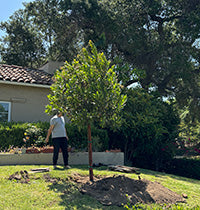
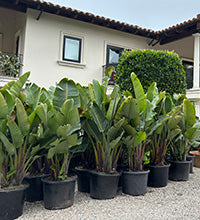
Yardwork was so great to work with. First they had the Swan Hill olive trees that we had been searching for, we had contacted several other nurseries without any luck previously. Then they answered all of our questions in a timely matter prior to ordering and finally delivered within a few days of placing it. Their staff is incredibly knowledgeable; they delivered and planted our trees with expertise to ensure that they would do well in our yard. We would definitely work with them again for future projects.











A Modern Experience
At Yardwork, we carefully curate thousands of plants, in all container sizes, to provide you with the best selection of the highest quality trees and plants at the best price, with the convenience of an online platform.
Uncompromised Quality
We choose only the finest specimens and hand select our plants just before delivery to ensure you receive the freshest and most robust specimens available for your landscape.
Industry Leading Warranties
Our 30, 90, and 365 extended warranties provide some of the best coverage to ensure our trees and plants thrive in your landscape.
Frequently Asked Questions
We're committed to changing everything about trees and plants - how they’re grown, how you shop for them, and how much they cost. We handle orders ourselves. No middlemen to get between us (or our prices) and you.
We're committed to changing everything about trees and plants - how they’re grown, how you shop for them, and how much they cost. We handle orders ourselves. No middlemen to get between us (or our prices) and you.
Delivery does not include unloading of trees and plants LARGER than a 24" box.
Trees and plants in smaller containers will be dropped curbside (usually on the driveway or near the front doorstep).
Delivery beyond a curbside drop will be charged extra.
Trees and plants that are sold in container sizes LARGER than a 24" box size will require equipment and/or enough manpower onsite to help unload from the truck.
Please reach out to our team PRIOR to placing your order to help coordinate.
Our team can provide unloading assistance with equipment for an extra fee as well.
Delivery does not include unloading of trees and plants LARGER than a 24" box.
Trees and plants in smaller containers will be dropped curbside (usually on the driveway or near the front doorstep).
Delivery beyond a curbside drop will be charged extra.
Trees and plants that are sold in container sizes LARGER than a 24" box size will require equipment and/or enough manpower onsite to help unload from the truck.
Please reach out to our team PRIOR to placing your order to help coordinate.
Our team can provide unloading assistance with equipment for an extra fee as well.
We ship locally within California within 7-10 days of your order being placed.
We ship nationally using carrier partners, based on order size. Our common order minimums for out of state shipping is $5,000.
Text or call 323-576-4159 for specific shipping details for your location.
We ship locally within California within 7-10 days of your order being placed.
We ship nationally using carrier partners, based on order size. Our common order minimums for out of state shipping is $5,000.
Text or call 323-576-4159 for specific shipping details for your location.
We are currently online only and don't have physical locations where you can view plants in person.
That's why we have photos direct from the growing grounds of the plants we will ship and we display pricing right in our store.
We do make sure to pick the very best trees and plants prior to shipping and make sure that they have gone through our multi-point inspection for health and structure.
We will always reach out prior to delivery if we find a quality issue or need to provide a substitute.
We are currently online only and don't have physical locations where you can view plants in person.
That's why we have photos direct from the growing grounds of the plants we will ship and we display pricing right in our store.
We do make sure to pick the very best trees and plants prior to shipping and make sure that they have gone through our multi-point inspection for health and structure.
We will always reach out prior to delivery if we find a quality issue or need to provide a substitute.
Plants vary greatly by type. Here is a rough idea of sizes based on containers that are direct from our growing grounds.
15 Gallon Shrub 3-4 Ft. Tall
15 Gallon Tree 5-6 Ft. Tall
24" Box Shrub 5-6 Ft. Tall
24" Box Tree 6-7 Ft. Tall
36" Box Shrub/Tree 7-9 Ft. Tall
48" Box Shrub/Tree 8-10 Ft. Tall
**Please note that we do not make guarantees of sizes. If you have questions or concerns, please call or text to request accurate sizing for the particular plant you're considering, prior to ordering.
Plants vary greatly by type. Here is a rough idea of sizes based on containers that are direct from our growing grounds.
15 Gallon Shrub 3-4 Ft. Tall
15 Gallon Tree 5-6 Ft. Tall
24" Box Shrub 5-6 Ft. Tall
24" Box Tree 6-7 Ft. Tall
36" Box Shrub/Tree 7-9 Ft. Tall
48" Box Shrub/Tree 8-10 Ft. Tall
**Please note that we do not make guarantees of sizes. If you have questions or concerns, please call or text to request accurate sizing for the particular plant you're considering, prior to ordering.
We offer a limited 30 day warranty for plants that are delivered and planted by someone else and a 90 day warranty for plants that we plant.
The limited warranty covers plants that die as a result of disease or fungus which was derived from our growing grounds or from root balls that were root bound.
The warranty does not cover damage due to watering, fertilizer, soils, or any other conditions beyond our control. Additionally, the warranty does not cover plants that are shipped out of the state of California or shipped into California from other states. Custom plant orders are also not covered under warranty. Plants must be planted within 24 hours after delivery to qualify.
We can assist you in recommending the right soils and fertilizers to help your plant thrive after you plant it.
Text or call 323-576-4159 for further warranty information.
We offer a limited 30 day warranty for plants that are delivered and planted by someone else and a 90 day warranty for plants that we plant.
The limited warranty covers plants that die as a result of disease or fungus which was derived from our growing grounds or from root balls that were root bound.
The warranty does not cover damage due to watering, fertilizer, soils, or any other conditions beyond our control. Additionally, the warranty does not cover plants that are shipped out of the state of California or shipped into California from other states. Custom plant orders are also not covered under warranty. Plants must be planted within 24 hours after delivery to qualify.
We can assist you in recommending the right soils and fertilizers to help your plant thrive after you plant it.
Text or call 323-576-4159 for further warranty information.
Our local delivery team covers most cities in California.
There are some exceptions, so please get in touch to confirm prior to ordering.
Additionally, we ship using semi trucks and trailers throughout the entire United States and even abroad for large orders over $5,000. Each shipment is custom, so please reach out to our team to coordinate.
Our local delivery team covers most cities in California.
There are some exceptions, so please get in touch to confirm prior to ordering.
Additionally, we ship using semi trucks and trailers throughout the entire United States and even abroad for large orders over $5,000. Each shipment is custom, so please reach out to our team to coordinate.