



Red Yucca - Hesperaloe parviflora
Regular price
$65.00
Size
Transform Your Garden Into a Drought-Tolerant Oasis
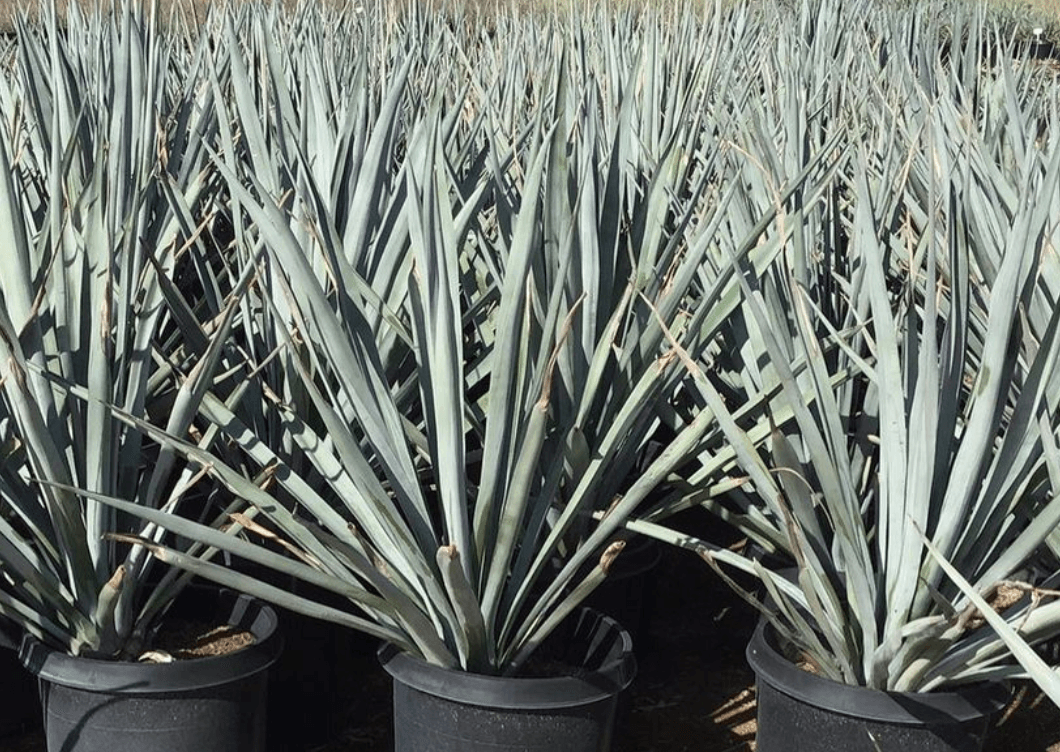
Red Yucca gives you stunning coral-red blooms, evergreen structure, and hummingbird activity without the high water demands of traditional flowering landscape plants. Also known by the common name hummingbird yucca or false yucca, Hesperaloe parviflora is a drought tolerant, low maintenance plant built for California yards, rock gardens, desert gardens, and water-wise landscapes.
Once established, Red Yucca can survive on natural rainfall without supplemental watering, although it benefits from occasional watering during hot summers. Its wand like flower stalks rise above blue green foliage on arching pink stems, bringing tubular flowers from late spring through summer and often into fall.
Why You’ll Love It
-
Drought Champion – Red yucca thrives with minimal water once established, making it perfect for California’s dry summers, xeriscaping, and water-wise gardens.
-
Hummingbird Magnet – Coral-red tubular flowers attract hummingbirds and butterflies, serving as an important nectar source for pollinators.
-
Year-Round Beauty – Evergreen, blue green, sword-shaped leaves form dense clumps of foliage and may take on plum tones in winter.
-
Extremely Low Maintenance – Red Yucca is low-maintenance, rarely suffering from pests or diseases and requiring minimal trimming.
-
Heat and Cold Tough – Red Yucca can withstand extreme heat and is cold hardy down to -20°F, suitable for USDA Zones 5–13; it is also commonly listed as hardy in USDA Zones 5-10.
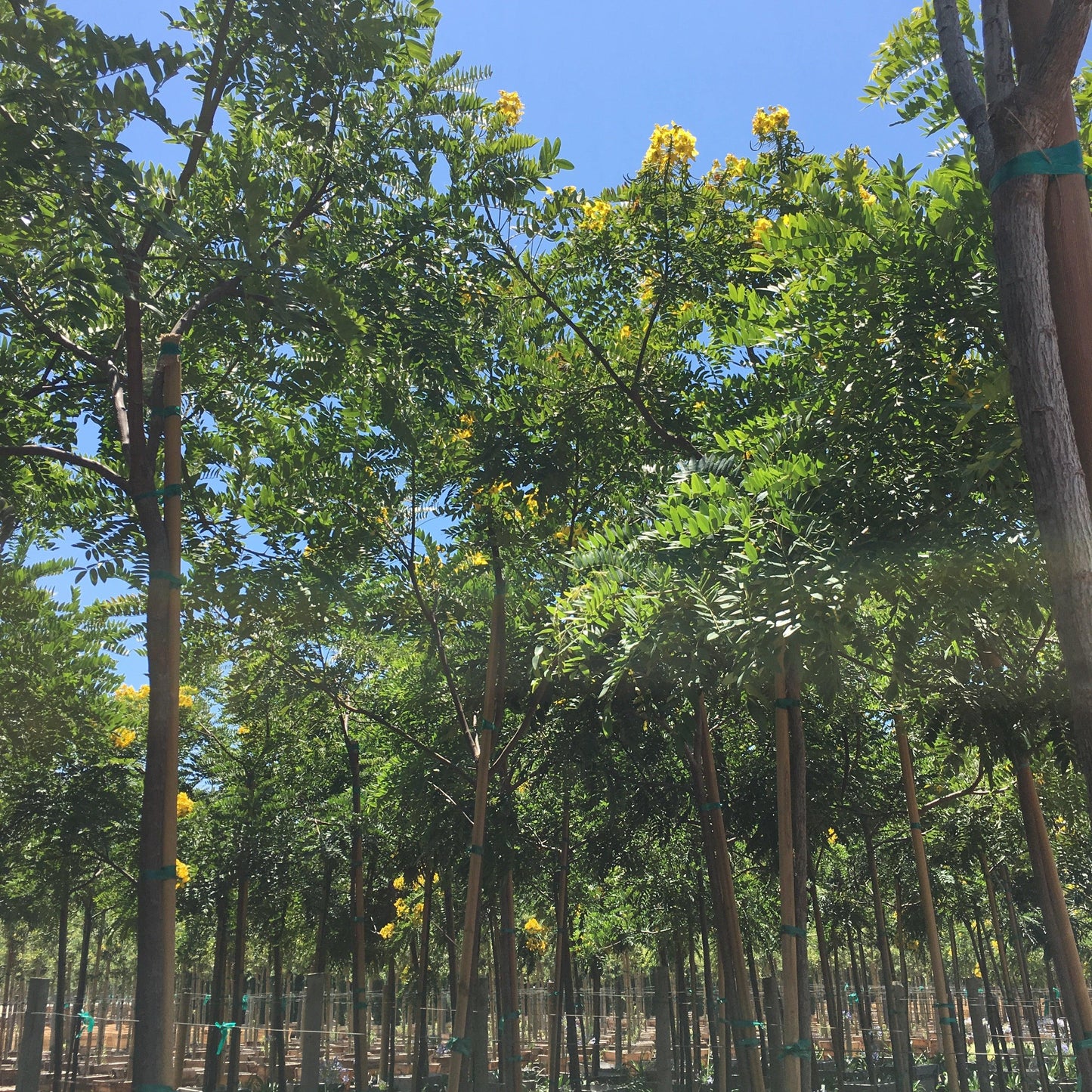
It adds dramatic vertical interest and fine texture when planted as a specimen or in mass plantings alongside pathways, patios, trees, and open garden beds, and pairs beautifully with other drought-tolerant flowering trees like Desert Willow.
What Makes It Different
Most desert plants either deliver strong structure with few flowers or need more water than gardeners expect. Red Yucca plants are different because they combine architectural form, long bloom performance, wildlife value, and resilient drought tolerance in one beautiful plant.
Red Yucca has these unique characteristics:
-
Not Actually a Yucca – Red Yucca belongs to the Agavaceae family and lacks the sharp tips typical of true yuccas. Its spineless leaves are soft to the touch, making the plant suitable for planting near walkways and patios.
-
Continuous Blooming – Red Yucca forms dense clumps of foliage and can produce flower spikes up to 6 feet tall, blooming from spring through autumn. The plant features tall flower spikes that can reach up to 5 feet in height, bearing tubular, coral-red flowers that bloom from late spring through summer, attracting hummingbirds and other pollinators.
-
Wildlife Friendly – The plant’s flowers attract hummingbirds and butterflies, serving as an important nectar source, while the foliage is deer-resistant. Deer may still browse tender flower stalks in spring, so be careful in high-pressure deer areas.
Red Yucca is highly valued for its architectural interest and ecosystem benefits in xeriscaping and desert gardens, especially when combined with colorful, drought-tolerant shrubs like purple bougainvillea.
How To Grow Red Yucca
-
Plant in Full Sun
Red yucca thrives in well-draining soil and requires full sun exposure to grow optimally. Choose a sunny yard location with 6+ hours of direct sun, especially in rock gardens, desert landscapes, and open planting areas where water drains quickly. -
Establish with Minimal Water
Water regularly during the first growing season so the plant can develop a strong root system. Once established, Red Yucca can survive on natural rainfall without supplemental watering, although it benefits from occasional watering during hot summers, much like California-native, drought-tolerant trees such as California Sycamore. -
Enjoy the Show
Watch tall, wand like stalks rise from the base of the plant with coral-red flowers on pink stems. The bloom display attracts hummingbirds, butterflies, birds, and other pollinators from late spring through summer, with many plants continuing into October or fall in warm climates, and can be complemented by flowering trees that extend seasonal color in your yard.
Short on maintenance? Wait until flowers fade, then remove the spent stalks for a clean look and to encourage new growth.
Plant Details
-
Botanical Name: Red Yucca (Hesperaloe parviflora)
-
Common Name: Red yucca, hummingbird yucca, false yucca
-
Plant Type: Perennial succulent species
-
Native Range: Red Yucca (Hesperaloe parviflora) is a perennial succulent native to the Chihuahuan desert regions of Texas and northeastern Mexico.
-
Mature Size: Attractive rosettes of narrow, sword-shaped leaves can grow up to 3 to 4 feet tall and wide.
-
Flower Stalks: Flower spikes can reach up to 5 feet in height, and mature plants can produce flower spikes up to 6 feet tall.
-
Bloom Time: Late spring through summer, often spring through autumn in favorable climates; bloom may continue into October.
-
Flower Color: Coral-red tubular flowers on arching pink stems; yellow forms are sometimes available.
-
Foliage: Blue green, narrow, spineless leaves with a fine fringe along the edges; foliage is evergreen and soft to the touch.
-
Sun Exposure: Full sun for best growth and flowering.
-
Soil: Well-draining soil is essential. This plant is drought-tolerant and can adapt to a variety of soil types, making it suitable for xeriscaping and water-wise gardens and for pairing with privacy trees and evergreen screens in structured landscapes.
-
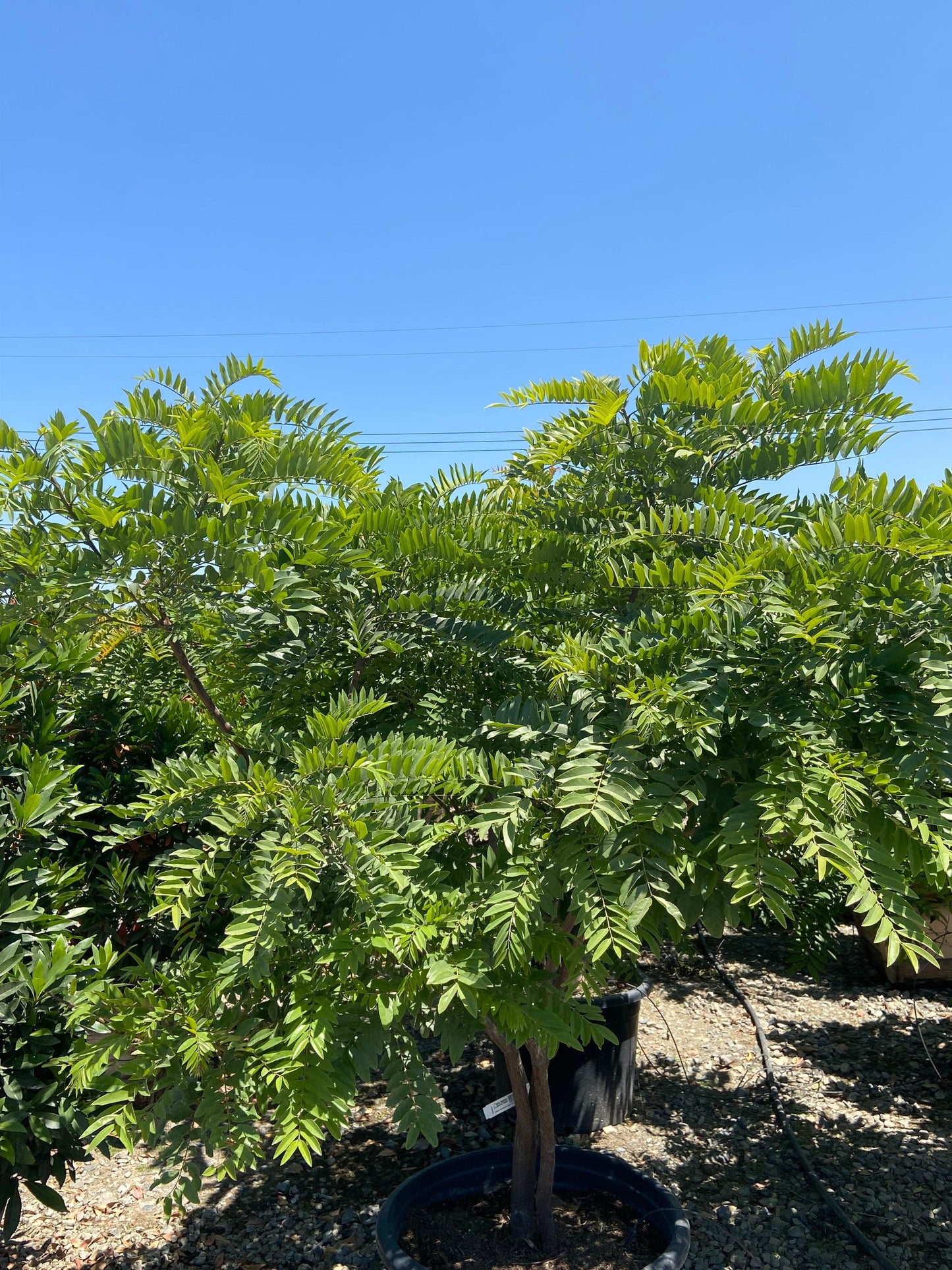
Water Needs: Once established, survives on rainfall in many climates; occasional deep water during hot summer periods can improve flowering, similar to the low, occasional watering needs of tough landscape trees like African Sumac.
-
Hardiness: Red yucca is hardy in USDA Zones 5-10, indicating its ability to withstand a range of temperatures and conditions. Red Yucca can also withstand extreme heat and is cold hardy down to -20°F, suitable for USDA Zones 5–13.
-
Maintenance: Low maintenance plant with minimal pruning needs. Remove damaged leaves in spring if needed.
-
Seeds: After flowers fade, plants may form seeds; remove spent stalks if you want to reduce reseeding and keep the garden tidy.
-
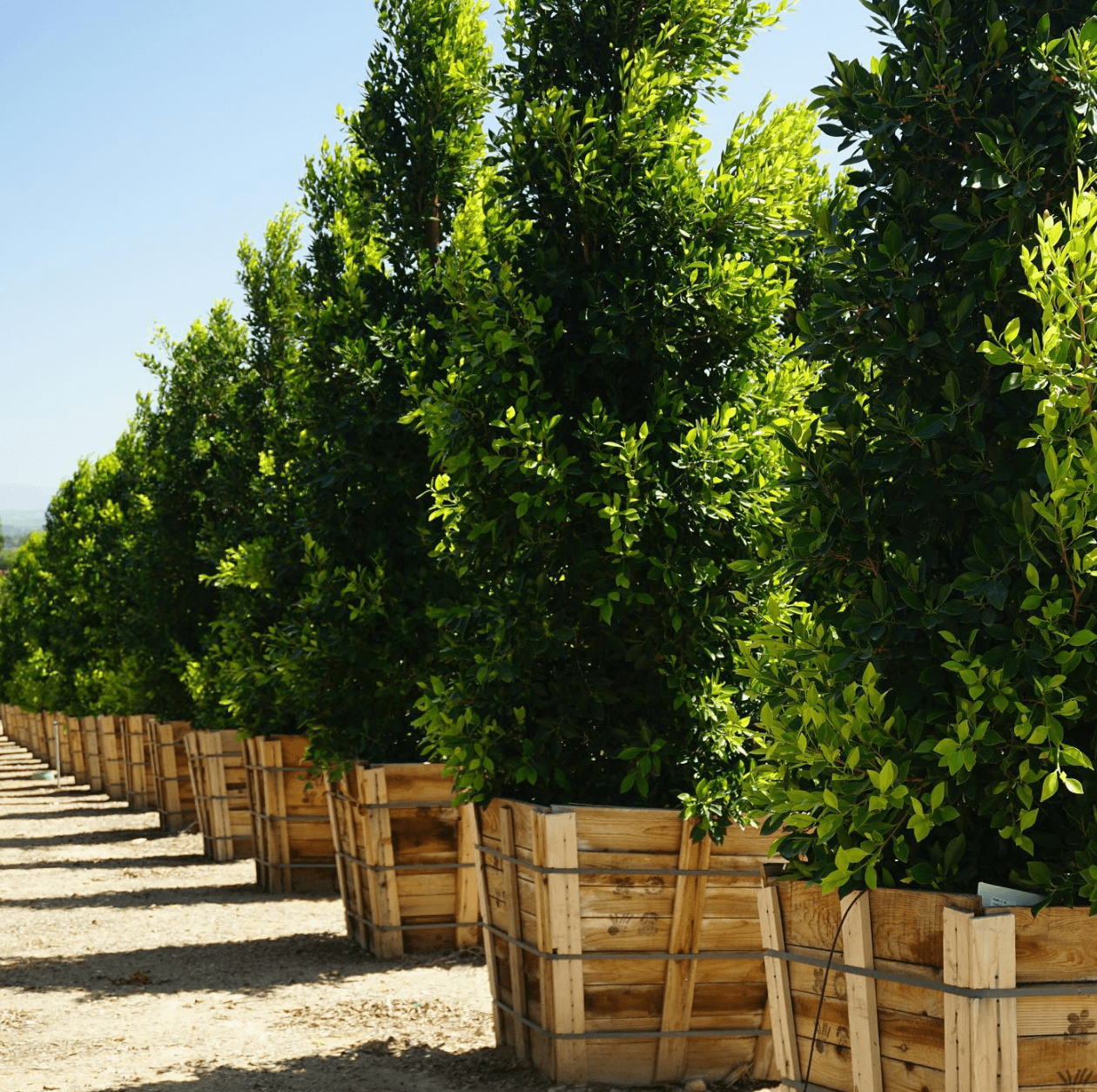
Containers: Can grow in large containers with excellent drainage, or be combined with compact evergreen shrubs like Cheesewood and Pittosporum to create layered container groupings.
Who It’s For
Ideal for:
-
California homeowners looking to reduce water usage without sacrificing beautiful flowers.
-
Xeriscaping enthusiasts creating sustainable desert landscapes and rock gardens.
-
Hummingbird lovers who want a plant that attracts hummingbirds and supports butterflies.
-
Busy gardeners who want a low maintenance, drought tolerant perennial.
-
Designers who need evergreen structure, vertical flower stalks, and fine foliage texture along pathways can also lean on local plant nursery and landscape support services to round out their designs.
-
Homeowners planting near patios or walkways who want softer leaves than a true yucca may also be interested in other patio-friendly plants, citrus, and shrubs from our online nursery selection.
If you want a resilient plant that can handle sun, heat, cold, limited rainfall, and California’s water-conscious landscape needs, Red Yucca fits your garden.
Frequently Asked Questions
Is it really drought tolerant?
Yes. Red Yucca is known for its drought tolerance and adaptability to various soil types, making it a popular choice for xeriscaping and water-wise gardens. Water during establishment, then shift to occasional deep watering; once established, Red Yucca can survive on natural rainfall without supplemental watering, although it benefits from occasional watering during hot summers.
Will it attract hummingbirds in my area?
Yes. The tubular flowers are a strong nectar source, and Red Yucca attracts hummingbirds as well as butterflies and other pollinators. Its coral-red flowers are especially visible to hummingbirds during the late spring, summer, and fall bloom season.
How do I prune it?
Prune Red Yucca plants after the flowers have faded, typically in late summer or early fall, to maintain a tidy appearance and encourage new growth. When pruning Red Yucca, trim back the flowering stalks to the base of the plant using clean and sharp pruning shears to promote quicker healing and reduce the risk of disease transmission.
Should I cut the leaves to shape the plant?
No. Avoid cutting the tops of Red Yucca leaves during pruning, as this can make the plant look unattractive and slow down its growth recovery. Only remove damaged leaves or dead foliage when needed, usually in spring.
Is it deer resistant?
Yes, the plant is deer-resistant, but it may attract wildlife that eat its tender flower stalks in spring. The foliage is generally avoided because of its texture, though no plant is completely deer-proof.
Can I grow it in containers?
Yes. Red Yucca can grow in containers if the pot is wide, stable, and drains quickly. Use well-draining soil, place it in full sun, and watch watering carefully so the roots do not sit wet in winter.
Ready to Create Your Desert Oasis?
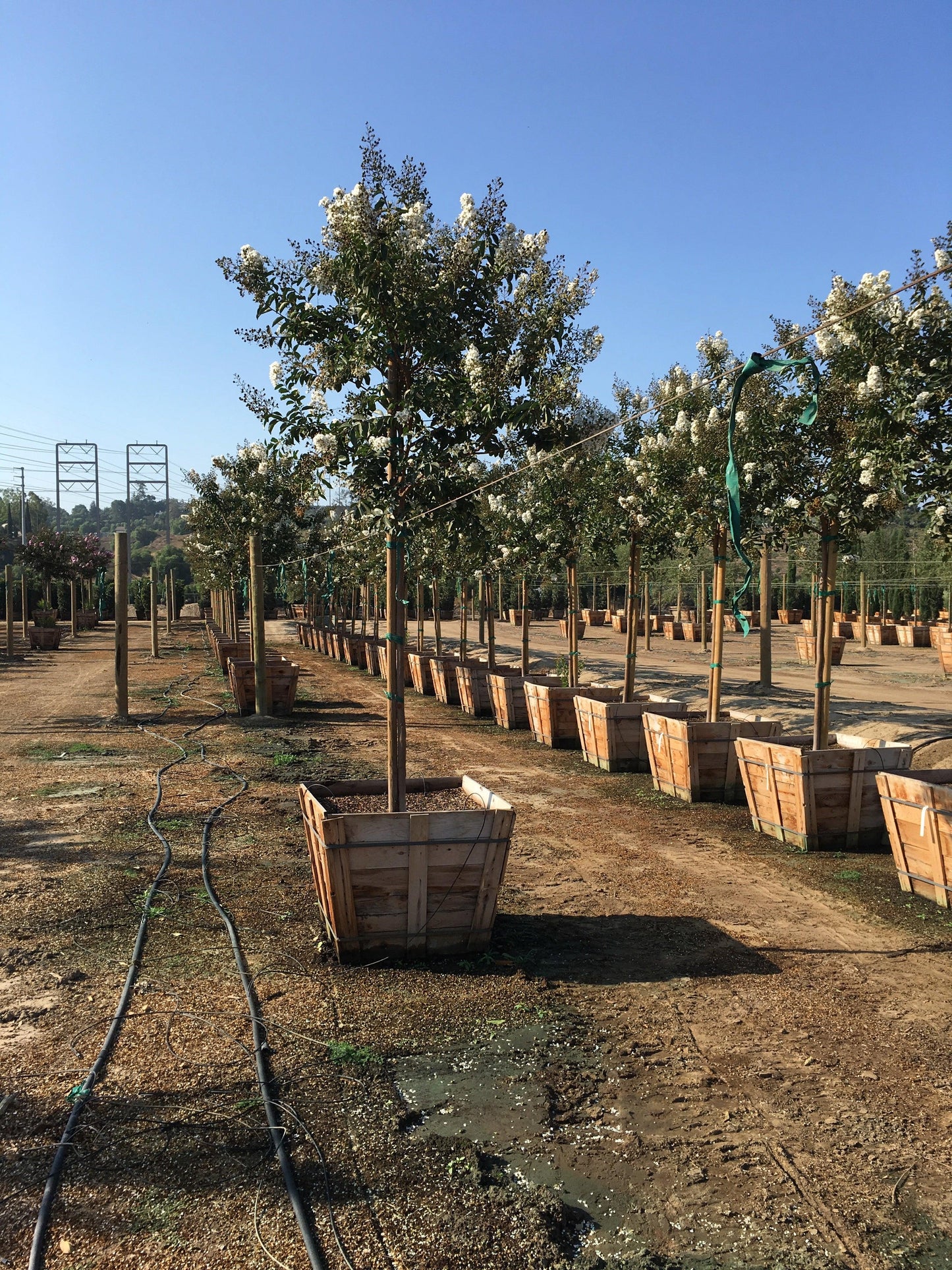
Stop struggling with high-maintenance, water-hungry plants. Choose Red Yucca and enjoy stunning coral-red blooms, evergreen blue green foliage, hummingbirds, butterflies, and a clean architectural look with minimal effort, and consider pairing it with vibrant flowering trees like Tuscarora Crape Myrtle for multi-layered color.
Yardwork can help you bring Red Yucca into your landscape with plant delivery, soil testing, and landscaping consultation services for California gardens. Free shipping is available over $600 for most orders in California.
Transform Your Garden Into a Drought-Tolerant Oasis
Red Yucca gives you stunning coral-red blooms, evergreen structure, and hummingbird activity without the high water demands of traditional flowering landscape plants. Also known by the common name hummingbird yucca or false yucca, Hesperaloe parviflora is a drought tolerant, low maintenance plant built for California yards, rock gardens, desert gardens, and water-wise landscapes.
Once established, Red Yucca can survive on natural rainfall without supplemental watering, although it benefits from occasional watering during hot summers. Its wand like flower stalks rise above blue green foliage on arching pink stems, bringing tubular flowers from late spring through summer and often into fall.
Why You’ll Love It
-
Drought Champion – Red yucca thrives with minimal water once established, making it perfect for California’s dry summers, xeriscaping, and water-wise gardens.
-
Hummingbird Magnet – Coral-red tubular flowers attract hummingbirds and butterflies, serving as an important nectar source for pollinators.
-
Year-Round Beauty – Evergreen, blue green, sword-shaped leaves form dense clumps of foliage and may take on plum tones in winter.
-
Extremely Low Maintenance – Red Yucca is low-maintenance, rarely suffering from pests or diseases and requiring minimal trimming.
-
Heat and Cold Tough – Red Yucca can withstand extreme heat and is cold hardy down to -20°F, suitable for USDA Zones 5–13; it is also commonly listed as hardy in USDA Zones 5-10.
It adds dramatic vertical interest and fine texture when planted as a specimen or in mass plantings alongside pathways, patios, trees, and open garden beds, and pairs beautifully with other drought-tolerant flowering trees like Desert Willow.
What Makes It Different
Most desert plants either deliver strong structure with few flowers or need more water than gardeners expect. Red Yucca plants are different because they combine architectural form, long bloom performance, wildlife value, and resilient drought tolerance in one beautiful plant.
Red Yucca has these unique characteristics:
-
Not Actually a Yucca – Red Yucca belongs to the Agavaceae family and lacks the sharp tips typical of true yuccas. Its spineless leaves are soft to the touch, making the plant suitable for planting near walkways and patios.
-
Continuous Blooming – Red Yucca forms dense clumps of foliage and can produce flower spikes up to 6 feet tall, blooming from spring through autumn. The plant features tall flower spikes that can reach up to 5 feet in height, bearing tubular, coral-red flowers that bloom from late spring through summer, attracting hummingbirds and other pollinators.
-
Wildlife Friendly – The plant’s flowers attract hummingbirds and butterflies, serving as an important nectar source, while the foliage is deer-resistant. Deer may still browse tender flower stalks in spring, so be careful in high-pressure deer areas.
Red Yucca is highly valued for its architectural interest and ecosystem benefits in xeriscaping and desert gardens, especially when combined with colorful, drought-tolerant shrubs like purple bougainvillea.
How To Grow Red Yucca
-
Plant in Full Sun
Red yucca thrives in well-draining soil and requires full sun exposure to grow optimally. Choose a sunny yard location with 6+ hours of direct sun, especially in rock gardens, desert landscapes, and open planting areas where water drains quickly. -
Establish with Minimal Water
Water regularly during the first growing season so the plant can develop a strong root system. Once established, Red Yucca can survive on natural rainfall without supplemental watering, although it benefits from occasional watering during hot summers, much like California-native, drought-tolerant trees such as California Sycamore. -
Enjoy the Show
Watch tall, wand like stalks rise from the base of the plant with coral-red flowers on pink stems. The bloom display attracts hummingbirds, butterflies, birds, and other pollinators from late spring through summer, with many plants continuing into October or fall in warm climates, and can be complemented by flowering trees that extend seasonal color in your yard.
Short on maintenance? Wait until flowers fade, then remove the spent stalks for a clean look and to encourage new growth.
Plant Details
-
Botanical Name: Red Yucca (Hesperaloe parviflora)
-
Common Name: Red yucca, hummingbird yucca, false yucca
-
Plant Type: Perennial succulent species
-
Native Range: Red Yucca (Hesperaloe parviflora) is a perennial succulent native to the Chihuahuan desert regions of Texas and northeastern Mexico.
-
Mature Size: Attractive rosettes of narrow, sword-shaped leaves can grow up to 3 to 4 feet tall and wide.
-
Flower Stalks: Flower spikes can reach up to 5 feet in height, and mature plants can produce flower spikes up to 6 feet tall.
-
Bloom Time: Late spring through summer, often spring through autumn in favorable climates; bloom may continue into October.
-
Flower Color: Coral-red tubular flowers on arching pink stems; yellow forms are sometimes available.
-
Foliage: Blue green, narrow, spineless leaves with a fine fringe along the edges; foliage is evergreen and soft to the touch.
-
Sun Exposure: Full sun for best growth and flowering.
-
Soil: Well-draining soil is essential. This plant is drought-tolerant and can adapt to a variety of soil types, making it suitable for xeriscaping and water-wise gardens and for pairing with privacy trees and evergreen screens in structured landscapes.
-
Water Needs: Once established, survives on rainfall in many climates; occasional deep water during hot summer periods can improve flowering, similar to the low, occasional watering needs of tough landscape trees like African Sumac.
-
Hardiness: Red yucca is hardy in USDA Zones 5-10, indicating its ability to withstand a range of temperatures and conditions. Red Yucca can also withstand extreme heat and is cold hardy down to -20°F, suitable for USDA Zones 5–13.
-
Maintenance: Low maintenance plant with minimal pruning needs. Remove damaged leaves in spring if needed.
-
Seeds: After flowers fade, plants may form seeds; remove spent stalks if you want to reduce reseeding and keep the garden tidy.
-
Containers: Can grow in large containers with excellent drainage, or be combined with compact evergreen shrubs like Cheesewood and Pittosporum to create layered container groupings.
Who It’s For
Ideal for:
-
California homeowners looking to reduce water usage without sacrificing beautiful flowers.
-
Xeriscaping enthusiasts creating sustainable desert landscapes and rock gardens.
-
Hummingbird lovers who want a plant that attracts hummingbirds and supports butterflies.
-
Busy gardeners who want a low maintenance, drought tolerant perennial.
-
Designers who need evergreen structure, vertical flower stalks, and fine foliage texture along pathways can also lean on local plant nursery and landscape support services to round out their designs.
-
Homeowners planting near patios or walkways who want softer leaves than a true yucca may also be interested in other patio-friendly plants, citrus, and shrubs from our online nursery selection.
If you want a resilient plant that can handle sun, heat, cold, limited rainfall, and California’s water-conscious landscape needs, Red Yucca fits your garden.
Frequently Asked Questions
Is it really drought tolerant?
Yes. Red Yucca is known for its drought tolerance and adaptability to various soil types, making it a popular choice for xeriscaping and water-wise gardens. Water during establishment, then shift to occasional deep watering; once established, Red Yucca can survive on natural rainfall without supplemental watering, although it benefits from occasional watering during hot summers.
Will it attract hummingbirds in my area?
Yes. The tubular flowers are a strong nectar source, and Red Yucca attracts hummingbirds as well as butterflies and other pollinators. Its coral-red flowers are especially visible to hummingbirds during the late spring, summer, and fall bloom season.
How do I prune it?
Prune Red Yucca plants after the flowers have faded, typically in late summer or early fall, to maintain a tidy appearance and encourage new growth. When pruning Red Yucca, trim back the flowering stalks to the base of the plant using clean and sharp pruning shears to promote quicker healing and reduce the risk of disease transmission.
Should I cut the leaves to shape the plant?
No. Avoid cutting the tops of Red Yucca leaves during pruning, as this can make the plant look unattractive and slow down its growth recovery. Only remove damaged leaves or dead foliage when needed, usually in spring.
Is it deer resistant?
Yes, the plant is deer-resistant, but it may attract wildlife that eat its tender flower stalks in spring. The foliage is generally avoided because of its texture, though no plant is completely deer-proof.
Can I grow it in containers?
Yes. Red Yucca can grow in containers if the pot is wide, stable, and drains quickly. Use well-draining soil, place it in full sun, and watch watering carefully so the roots do not sit wet in winter.
Ready to Create Your Desert Oasis?
Stop struggling with high-maintenance, water-hungry plants. Choose Red Yucca and enjoy stunning coral-red blooms, evergreen blue green foliage, hummingbirds, butterflies, and a clean architectural look with minimal effort, and consider pairing it with vibrant flowering trees like Tuscarora Crape Myrtle for multi-layered color.
Yardwork can help you bring Red Yucca into your landscape with plant delivery, soil testing, and landscaping consultation services for California gardens. Free shipping is available over $600 for most orders in California.
Plants vary greatly by type and no guarantees are made on sizing.
However here is a rough idea of sizes based on containers that are direct from our growing grounds.
15 Gallon Shrub 3-4 Ft. Tall
15 Gallon Tree 5-6 Ft. Tall
24" Box Shrub 5-6 Ft. Tall
24" Box Tree 6-7 Ft. Tall
36" Box Tree 8-10 Ft. Tall
48" Box Tree 10-12 Ft. Tall
Please note: Citrus and California Native plants such as Manzanita are smaller than traditional sizing.
Please contact us to confirm sizing of items before purchasing if this is a concern.
Plants vary greatly by type and no guarantees are made on sizing.
However here is a rough idea of sizes based on containers that are direct from our growing grounds.
15 Gallon Shrub 3-4 Ft. Tall
15 Gallon Tree 5-6 Ft. Tall
24" Box Shrub 5-6 Ft. Tall
24" Box Tree 6-7 Ft. Tall
36" Box Tree 8-10 Ft. Tall
48" Box Tree 10-12 Ft. Tall
Please note: Citrus and California Native plants such as Manzanita are smaller than traditional sizing.
Please contact us to confirm sizing of items before purchasing if this is a concern.
Delivery does not include unloading of trees and plants larger than a 24" box.
Trees and plants in smaller containers will be dropped curbside.
Delivery beyond a curbside drop will be charged extra.
Trees and plants that are sold in container sizes larger than a 24" box size will require equipment and an operator onsite to help unload from the truck.
Please reach out to our team PRIOR to placing your order to coordinate.
Our team can provide unloading assistance with equipment for an extra fee.
Delivery does not include unloading of trees and plants larger than a 24" box.
Trees and plants in smaller containers will be dropped curbside.
Delivery beyond a curbside drop will be charged extra.
Trees and plants that are sold in container sizes larger than a 24" box size will require equipment and an operator onsite to help unload from the truck.
Please reach out to our team PRIOR to placing your order to coordinate.
Our team can provide unloading assistance with equipment for an extra fee.
You may also like...


Red Yucca - Hesperaloe parviflora
Regular price
$65.00
Size
Transform Your Garden Into a Drought-Tolerant Oasis
Red Yucca gives you stunning coral-red blooms, evergreen structure, and hummingbird activity without the high water demands of traditional flowering landscape plants. Also known by the common name hummingbird yucca or false yucca, Hesperaloe parviflora is a drought tolerant, low maintenance plant built for California yards, rock gardens, desert gardens, and water-wise landscapes.
Once established, Red Yucca can survive on natural rainfall without supplemental watering, although it benefits from occasional watering during hot summers. Its wand like flower stalks rise above blue green foliage on arching pink stems, bringing tubular flowers from late spring through summer and often into fall.
Why You’ll Love It
-
Drought Champion – Red yucca thrives with minimal water once established, making it perfect for California’s dry summers, xeriscaping, and water-wise gardens.
-
Hummingbird Magnet – Coral-red tubular flowers attract hummingbirds and butterflies, serving as an important nectar source for pollinators.
-
Year-Round Beauty – Evergreen, blue green, sword-shaped leaves form dense clumps of foliage and may take on plum tones in winter.
-
Extremely Low Maintenance – Red Yucca is low-maintenance, rarely suffering from pests or diseases and requiring minimal trimming.
-
Heat and Cold Tough – Red Yucca can withstand extreme heat and is cold hardy down to -20°F, suitable for USDA Zones 5–13; it is also commonly listed as hardy in USDA Zones 5-10.
It adds dramatic vertical interest and fine texture when planted as a specimen or in mass plantings alongside pathways, patios, trees, and open garden beds, and pairs beautifully with other drought-tolerant flowering trees like Desert Willow.
What Makes It Different
Most desert plants either deliver strong structure with few flowers or need more water than gardeners expect. Red Yucca plants are different because they combine architectural form, long bloom performance, wildlife value, and resilient drought tolerance in one beautiful plant.
Red Yucca has these unique characteristics:
-
Not Actually a Yucca – Red Yucca belongs to the Agavaceae family and lacks the sharp tips typical of true yuccas. Its spineless leaves are soft to the touch, making the plant suitable for planting near walkways and patios.
-
Continuous Blooming – Red Yucca forms dense clumps of foliage and can produce flower spikes up to 6 feet tall, blooming from spring through autumn. The plant features tall flower spikes that can reach up to 5 feet in height, bearing tubular, coral-red flowers that bloom from late spring through summer, attracting hummingbirds and other pollinators.
-
Wildlife Friendly – The plant’s flowers attract hummingbirds and butterflies, serving as an important nectar source, while the foliage is deer-resistant. Deer may still browse tender flower stalks in spring, so be careful in high-pressure deer areas.
Red Yucca is highly valued for its architectural interest and ecosystem benefits in xeriscaping and desert gardens, especially when combined with colorful, drought-tolerant shrubs like purple bougainvillea.
How To Grow Red Yucca
-
Plant in Full Sun
Red yucca thrives in well-draining soil and requires full sun exposure to grow optimally. Choose a sunny yard location with 6+ hours of direct sun, especially in rock gardens, desert landscapes, and open planting areas where water drains quickly. -
Establish with Minimal Water
Water regularly during the first growing season so the plant can develop a strong root system. Once established, Red Yucca can survive on natural rainfall without supplemental watering, although it benefits from occasional watering during hot summers, much like California-native, drought-tolerant trees such as California Sycamore. -
Enjoy the Show
Watch tall, wand like stalks rise from the base of the plant with coral-red flowers on pink stems. The bloom display attracts hummingbirds, butterflies, birds, and other pollinators from late spring through summer, with many plants continuing into October or fall in warm climates, and can be complemented by flowering trees that extend seasonal color in your yard.
Short on maintenance? Wait until flowers fade, then remove the spent stalks for a clean look and to encourage new growth.
Plant Details
-
Botanical Name: Red Yucca (Hesperaloe parviflora)
-
Common Name: Red yucca, hummingbird yucca, false yucca
-
Plant Type: Perennial succulent species
-
Native Range: Red Yucca (Hesperaloe parviflora) is a perennial succulent native to the Chihuahuan desert regions of Texas and northeastern Mexico.
-
Mature Size: Attractive rosettes of narrow, sword-shaped leaves can grow up to 3 to 4 feet tall and wide.
-
Flower Stalks: Flower spikes can reach up to 5 feet in height, and mature plants can produce flower spikes up to 6 feet tall.
-
Bloom Time: Late spring through summer, often spring through autumn in favorable climates; bloom may continue into October.
-
Flower Color: Coral-red tubular flowers on arching pink stems; yellow forms are sometimes available.
-
Foliage: Blue green, narrow, spineless leaves with a fine fringe along the edges; foliage is evergreen and soft to the touch.
-
Sun Exposure: Full sun for best growth and flowering.
-
Soil: Well-draining soil is essential. This plant is drought-tolerant and can adapt to a variety of soil types, making it suitable for xeriscaping and water-wise gardens and for pairing with privacy trees and evergreen screens in structured landscapes.
-
Water Needs: Once established, survives on rainfall in many climates; occasional deep water during hot summer periods can improve flowering, similar to the low, occasional watering needs of tough landscape trees like African Sumac.
-
Hardiness: Red yucca is hardy in USDA Zones 5-10, indicating its ability to withstand a range of temperatures and conditions. Red Yucca can also withstand extreme heat and is cold hardy down to -20°F, suitable for USDA Zones 5–13.
-
Maintenance: Low maintenance plant with minimal pruning needs. Remove damaged leaves in spring if needed.
-
Seeds: After flowers fade, plants may form seeds; remove spent stalks if you want to reduce reseeding and keep the garden tidy.
-
Containers: Can grow in large containers with excellent drainage, or be combined with compact evergreen shrubs like Cheesewood and Pittosporum to create layered container groupings.
Who It’s For
Ideal for:
-
California homeowners looking to reduce water usage without sacrificing beautiful flowers.
-
Xeriscaping enthusiasts creating sustainable desert landscapes and rock gardens.
-
Hummingbird lovers who want a plant that attracts hummingbirds and supports butterflies.
-
Busy gardeners who want a low maintenance, drought tolerant perennial.
-
Designers who need evergreen structure, vertical flower stalks, and fine foliage texture along pathways can also lean on local plant nursery and landscape support services to round out their designs.
-
Homeowners planting near patios or walkways who want softer leaves than a true yucca may also be interested in other patio-friendly plants, citrus, and shrubs from our online nursery selection.
If you want a resilient plant that can handle sun, heat, cold, limited rainfall, and California’s water-conscious landscape needs, Red Yucca fits your garden.
Frequently Asked Questions
Is it really drought tolerant?
Yes. Red Yucca is known for its drought tolerance and adaptability to various soil types, making it a popular choice for xeriscaping and water-wise gardens. Water during establishment, then shift to occasional deep watering; once established, Red Yucca can survive on natural rainfall without supplemental watering, although it benefits from occasional watering during hot summers.
Will it attract hummingbirds in my area?
Yes. The tubular flowers are a strong nectar source, and Red Yucca attracts hummingbirds as well as butterflies and other pollinators. Its coral-red flowers are especially visible to hummingbirds during the late spring, summer, and fall bloom season.
How do I prune it?
Prune Red Yucca plants after the flowers have faded, typically in late summer or early fall, to maintain a tidy appearance and encourage new growth. When pruning Red Yucca, trim back the flowering stalks to the base of the plant using clean and sharp pruning shears to promote quicker healing and reduce the risk of disease transmission.
Should I cut the leaves to shape the plant?
No. Avoid cutting the tops of Red Yucca leaves during pruning, as this can make the plant look unattractive and slow down its growth recovery. Only remove damaged leaves or dead foliage when needed, usually in spring.
Is it deer resistant?
Yes, the plant is deer-resistant, but it may attract wildlife that eat its tender flower stalks in spring. The foliage is generally avoided because of its texture, though no plant is completely deer-proof.
Can I grow it in containers?
Yes. Red Yucca can grow in containers if the pot is wide, stable, and drains quickly. Use well-draining soil, place it in full sun, and watch watering carefully so the roots do not sit wet in winter.
Ready to Create Your Desert Oasis?
Stop struggling with high-maintenance, water-hungry plants. Choose Red Yucca and enjoy stunning coral-red blooms, evergreen blue green foliage, hummingbirds, butterflies, and a clean architectural look with minimal effort, and consider pairing it with vibrant flowering trees like Tuscarora Crape Myrtle for multi-layered color.
Yardwork can help you bring Red Yucca into your landscape with plant delivery, soil testing, and landscaping consultation services for California gardens. Free shipping is available over $600 for most orders in California.
Transform Your Garden Into a Drought-Tolerant Oasis
Red Yucca gives you stunning coral-red blooms, evergreen structure, and hummingbird activity without the high water demands of traditional flowering landscape plants. Also known by the common name hummingbird yucca or false yucca, Hesperaloe parviflora is a drought tolerant, low maintenance plant built for California yards, rock gardens, desert gardens, and water-wise landscapes.
Once established, Red Yucca can survive on natural rainfall without supplemental watering, although it benefits from occasional watering during hot summers. Its wand like flower stalks rise above blue green foliage on arching pink stems, bringing tubular flowers from late spring through summer and often into fall.
Why You’ll Love It
-
Drought Champion – Red yucca thrives with minimal water once established, making it perfect for California’s dry summers, xeriscaping, and water-wise gardens.
-
Hummingbird Magnet – Coral-red tubular flowers attract hummingbirds and butterflies, serving as an important nectar source for pollinators.
-
Year-Round Beauty – Evergreen, blue green, sword-shaped leaves form dense clumps of foliage and may take on plum tones in winter.
-
Extremely Low Maintenance – Red Yucca is low-maintenance, rarely suffering from pests or diseases and requiring minimal trimming.
-
Heat and Cold Tough – Red Yucca can withstand extreme heat and is cold hardy down to -20°F, suitable for USDA Zones 5–13; it is also commonly listed as hardy in USDA Zones 5-10.
It adds dramatic vertical interest and fine texture when planted as a specimen or in mass plantings alongside pathways, patios, trees, and open garden beds, and pairs beautifully with other drought-tolerant flowering trees like Desert Willow.
What Makes It Different
Most desert plants either deliver strong structure with few flowers or need more water than gardeners expect. Red Yucca plants are different because they combine architectural form, long bloom performance, wildlife value, and resilient drought tolerance in one beautiful plant.
Red Yucca has these unique characteristics:
-
Not Actually a Yucca – Red Yucca belongs to the Agavaceae family and lacks the sharp tips typical of true yuccas. Its spineless leaves are soft to the touch, making the plant suitable for planting near walkways and patios.
-
Continuous Blooming – Red Yucca forms dense clumps of foliage and can produce flower spikes up to 6 feet tall, blooming from spring through autumn. The plant features tall flower spikes that can reach up to 5 feet in height, bearing tubular, coral-red flowers that bloom from late spring through summer, attracting hummingbirds and other pollinators.
-
Wildlife Friendly – The plant’s flowers attract hummingbirds and butterflies, serving as an important nectar source, while the foliage is deer-resistant. Deer may still browse tender flower stalks in spring, so be careful in high-pressure deer areas.
Red Yucca is highly valued for its architectural interest and ecosystem benefits in xeriscaping and desert gardens, especially when combined with colorful, drought-tolerant shrubs like purple bougainvillea.
How To Grow Red Yucca
-
Plant in Full Sun
Red yucca thrives in well-draining soil and requires full sun exposure to grow optimally. Choose a sunny yard location with 6+ hours of direct sun, especially in rock gardens, desert landscapes, and open planting areas where water drains quickly. -
Establish with Minimal Water
Water regularly during the first growing season so the plant can develop a strong root system. Once established, Red Yucca can survive on natural rainfall without supplemental watering, although it benefits from occasional watering during hot summers, much like California-native, drought-tolerant trees such as California Sycamore. -
Enjoy the Show
Watch tall, wand like stalks rise from the base of the plant with coral-red flowers on pink stems. The bloom display attracts hummingbirds, butterflies, birds, and other pollinators from late spring through summer, with many plants continuing into October or fall in warm climates, and can be complemented by flowering trees that extend seasonal color in your yard.
Short on maintenance? Wait until flowers fade, then remove the spent stalks for a clean look and to encourage new growth.
Plant Details
-
Botanical Name: Red Yucca (Hesperaloe parviflora)
-
Common Name: Red yucca, hummingbird yucca, false yucca
-
Plant Type: Perennial succulent species
-
Native Range: Red Yucca (Hesperaloe parviflora) is a perennial succulent native to the Chihuahuan desert regions of Texas and northeastern Mexico.
-
Mature Size: Attractive rosettes of narrow, sword-shaped leaves can grow up to 3 to 4 feet tall and wide.
-
Flower Stalks: Flower spikes can reach up to 5 feet in height, and mature plants can produce flower spikes up to 6 feet tall.
-
Bloom Time: Late spring through summer, often spring through autumn in favorable climates; bloom may continue into October.
-
Flower Color: Coral-red tubular flowers on arching pink stems; yellow forms are sometimes available.
-
Foliage: Blue green, narrow, spineless leaves with a fine fringe along the edges; foliage is evergreen and soft to the touch.
-
Sun Exposure: Full sun for best growth and flowering.
-
Soil: Well-draining soil is essential. This plant is drought-tolerant and can adapt to a variety of soil types, making it suitable for xeriscaping and water-wise gardens and for pairing with privacy trees and evergreen screens in structured landscapes.
-
Water Needs: Once established, survives on rainfall in many climates; occasional deep water during hot summer periods can improve flowering, similar to the low, occasional watering needs of tough landscape trees like African Sumac.
-
Hardiness: Red yucca is hardy in USDA Zones 5-10, indicating its ability to withstand a range of temperatures and conditions. Red Yucca can also withstand extreme heat and is cold hardy down to -20°F, suitable for USDA Zones 5–13.
-
Maintenance: Low maintenance plant with minimal pruning needs. Remove damaged leaves in spring if needed.
-
Seeds: After flowers fade, plants may form seeds; remove spent stalks if you want to reduce reseeding and keep the garden tidy.
-
Containers: Can grow in large containers with excellent drainage, or be combined with compact evergreen shrubs like Cheesewood and Pittosporum to create layered container groupings.
Who It’s For
Ideal for:
-
California homeowners looking to reduce water usage without sacrificing beautiful flowers.
-
Xeriscaping enthusiasts creating sustainable desert landscapes and rock gardens.
-
Hummingbird lovers who want a plant that attracts hummingbirds and supports butterflies.
-
Busy gardeners who want a low maintenance, drought tolerant perennial.
-
Designers who need evergreen structure, vertical flower stalks, and fine foliage texture along pathways can also lean on local plant nursery and landscape support services to round out their designs.
-
Homeowners planting near patios or walkways who want softer leaves than a true yucca may also be interested in other patio-friendly plants, citrus, and shrubs from our online nursery selection.
If you want a resilient plant that can handle sun, heat, cold, limited rainfall, and California’s water-conscious landscape needs, Red Yucca fits your garden.
Frequently Asked Questions
Is it really drought tolerant?
Yes. Red Yucca is known for its drought tolerance and adaptability to various soil types, making it a popular choice for xeriscaping and water-wise gardens. Water during establishment, then shift to occasional deep watering; once established, Red Yucca can survive on natural rainfall without supplemental watering, although it benefits from occasional watering during hot summers.
Will it attract hummingbirds in my area?
Yes. The tubular flowers are a strong nectar source, and Red Yucca attracts hummingbirds as well as butterflies and other pollinators. Its coral-red flowers are especially visible to hummingbirds during the late spring, summer, and fall bloom season.
How do I prune it?
Prune Red Yucca plants after the flowers have faded, typically in late summer or early fall, to maintain a tidy appearance and encourage new growth. When pruning Red Yucca, trim back the flowering stalks to the base of the plant using clean and sharp pruning shears to promote quicker healing and reduce the risk of disease transmission.
Should I cut the leaves to shape the plant?
No. Avoid cutting the tops of Red Yucca leaves during pruning, as this can make the plant look unattractive and slow down its growth recovery. Only remove damaged leaves or dead foliage when needed, usually in spring.
Is it deer resistant?
Yes, the plant is deer-resistant, but it may attract wildlife that eat its tender flower stalks in spring. The foliage is generally avoided because of its texture, though no plant is completely deer-proof.
Can I grow it in containers?
Yes. Red Yucca can grow in containers if the pot is wide, stable, and drains quickly. Use well-draining soil, place it in full sun, and watch watering carefully so the roots do not sit wet in winter.
Ready to Create Your Desert Oasis?
Stop struggling with high-maintenance, water-hungry plants. Choose Red Yucca and enjoy stunning coral-red blooms, evergreen blue green foliage, hummingbirds, butterflies, and a clean architectural look with minimal effort, and consider pairing it with vibrant flowering trees like Tuscarora Crape Myrtle for multi-layered color.
Yardwork can help you bring Red Yucca into your landscape with plant delivery, soil testing, and landscaping consultation services for California gardens. Free shipping is available over $600 for most orders in California.
Plants vary greatly by type and no guarantees are made on sizing.
However here is a rough idea of sizes based on containers that are direct from our growing grounds.
15 Gallon Shrub 3-4 Ft. Tall
15 Gallon Tree 5-6 Ft. Tall
24" Box Shrub 5-6 Ft. Tall
24" Box Tree 6-7 Ft. Tall
36" Box Tree 8-10 Ft. Tall
48" Box Tree 10-12 Ft. Tall
Please note: Citrus and California Native plants such as Manzanita are smaller than traditional sizing.
Please contact us to confirm sizing of items before purchasing if this is a concern.
Plants vary greatly by type and no guarantees are made on sizing.
However here is a rough idea of sizes based on containers that are direct from our growing grounds.
15 Gallon Shrub 3-4 Ft. Tall
15 Gallon Tree 5-6 Ft. Tall
24" Box Shrub 5-6 Ft. Tall
24" Box Tree 6-7 Ft. Tall
36" Box Tree 8-10 Ft. Tall
48" Box Tree 10-12 Ft. Tall
Please note: Citrus and California Native plants such as Manzanita are smaller than traditional sizing.
Please contact us to confirm sizing of items before purchasing if this is a concern.
Delivery does not include unloading of trees and plants larger than a 24" box.
Trees and plants in smaller containers will be dropped curbside.
Delivery beyond a curbside drop will be charged extra.
Trees and plants that are sold in container sizes larger than a 24" box size will require equipment and an operator onsite to help unload from the truck.
Please reach out to our team PRIOR to placing your order to coordinate.
Our team can provide unloading assistance with equipment for an extra fee.
Delivery does not include unloading of trees and plants larger than a 24" box.
Trees and plants in smaller containers will be dropped curbside.
Delivery beyond a curbside drop will be charged extra.
Trees and plants that are sold in container sizes larger than a 24" box size will require equipment and an operator onsite to help unload from the truck.
Please reach out to our team PRIOR to placing your order to coordinate.
Our team can provide unloading assistance with equipment for an extra fee.
Recommended For You

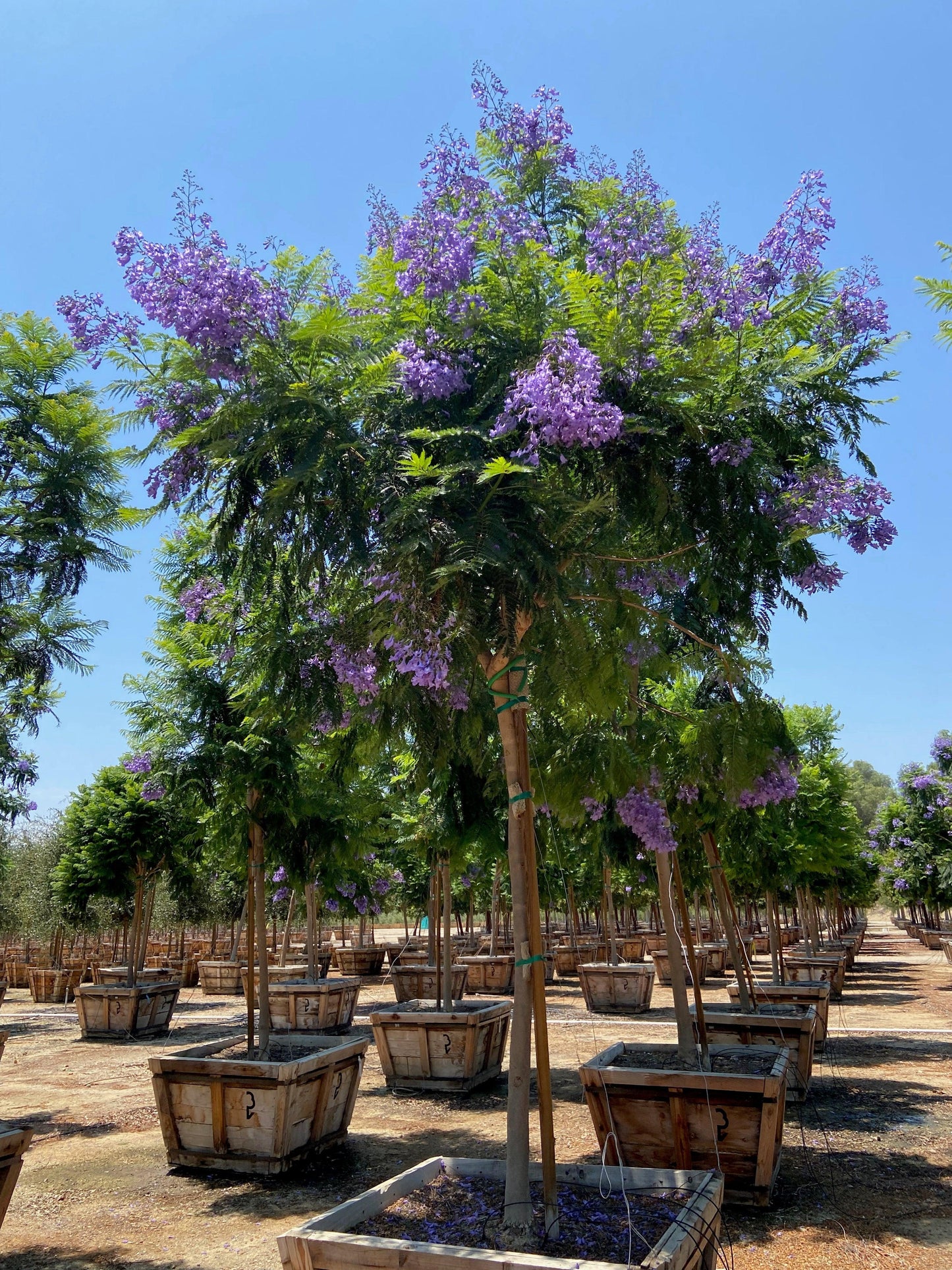
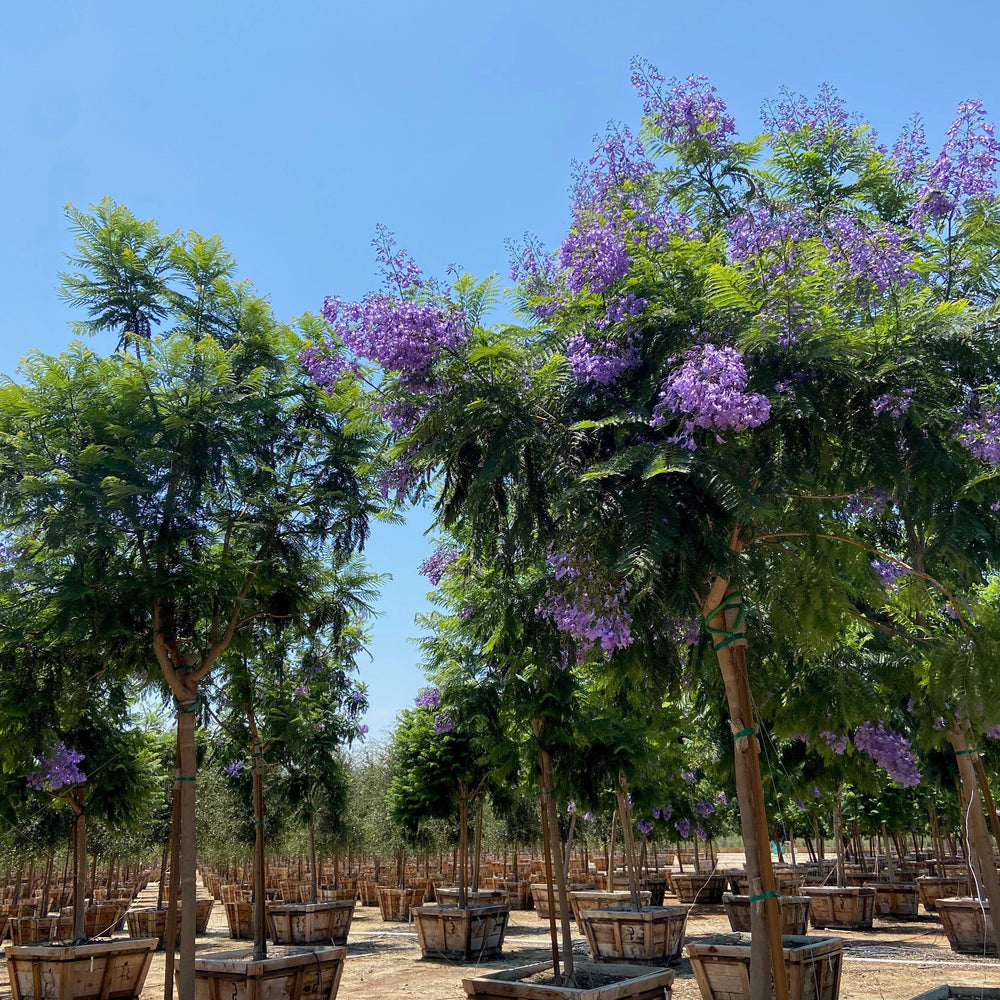
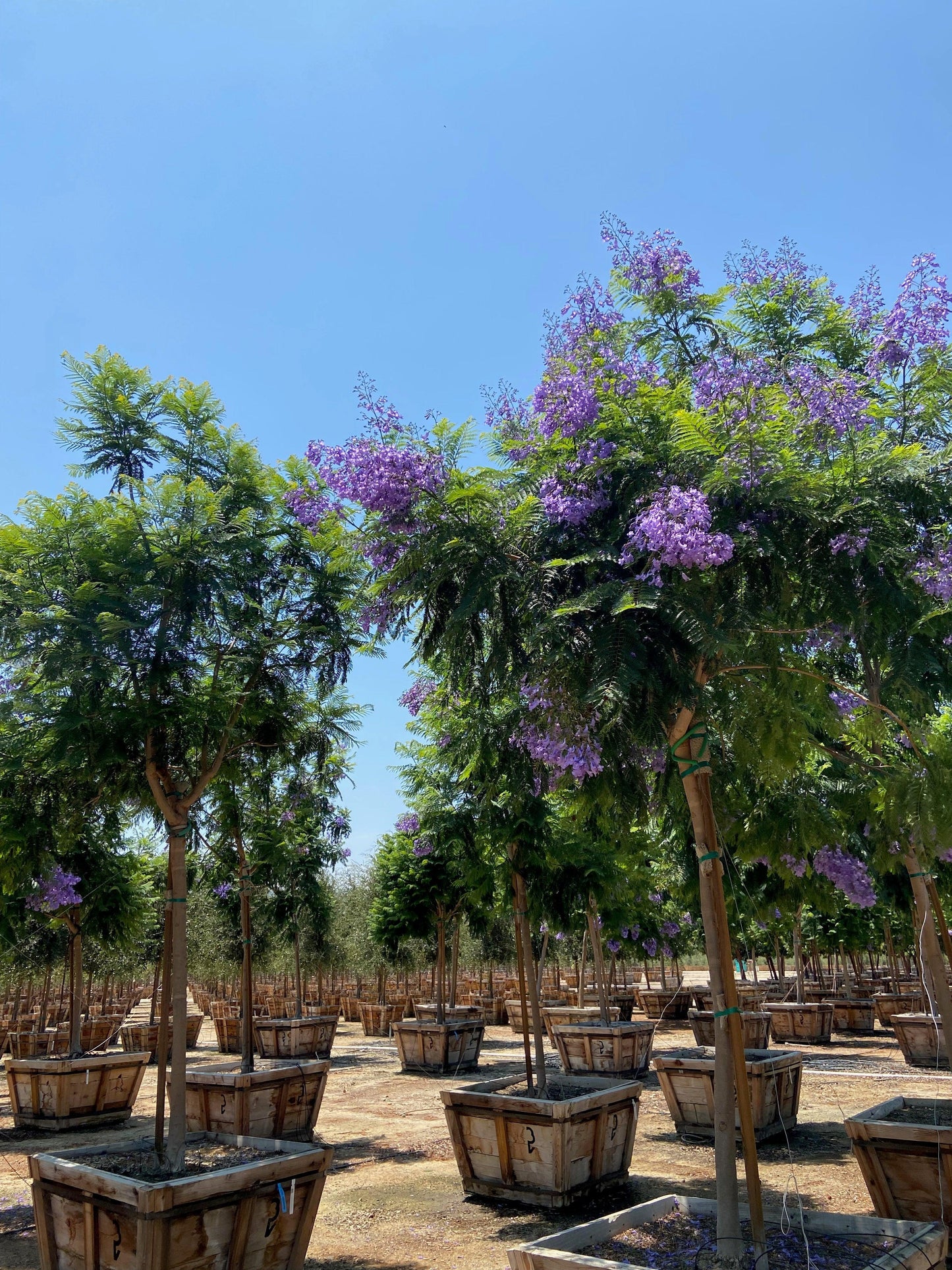

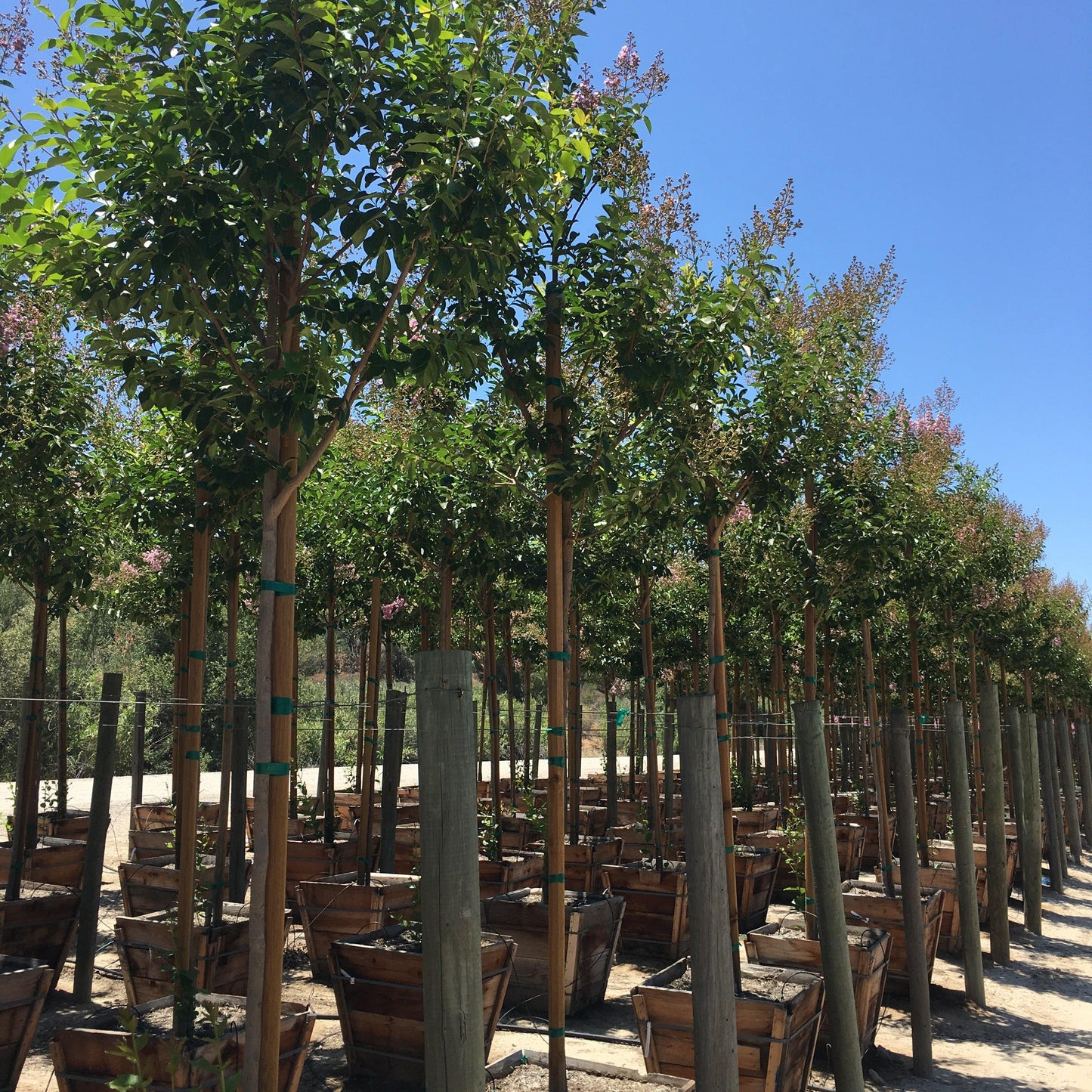

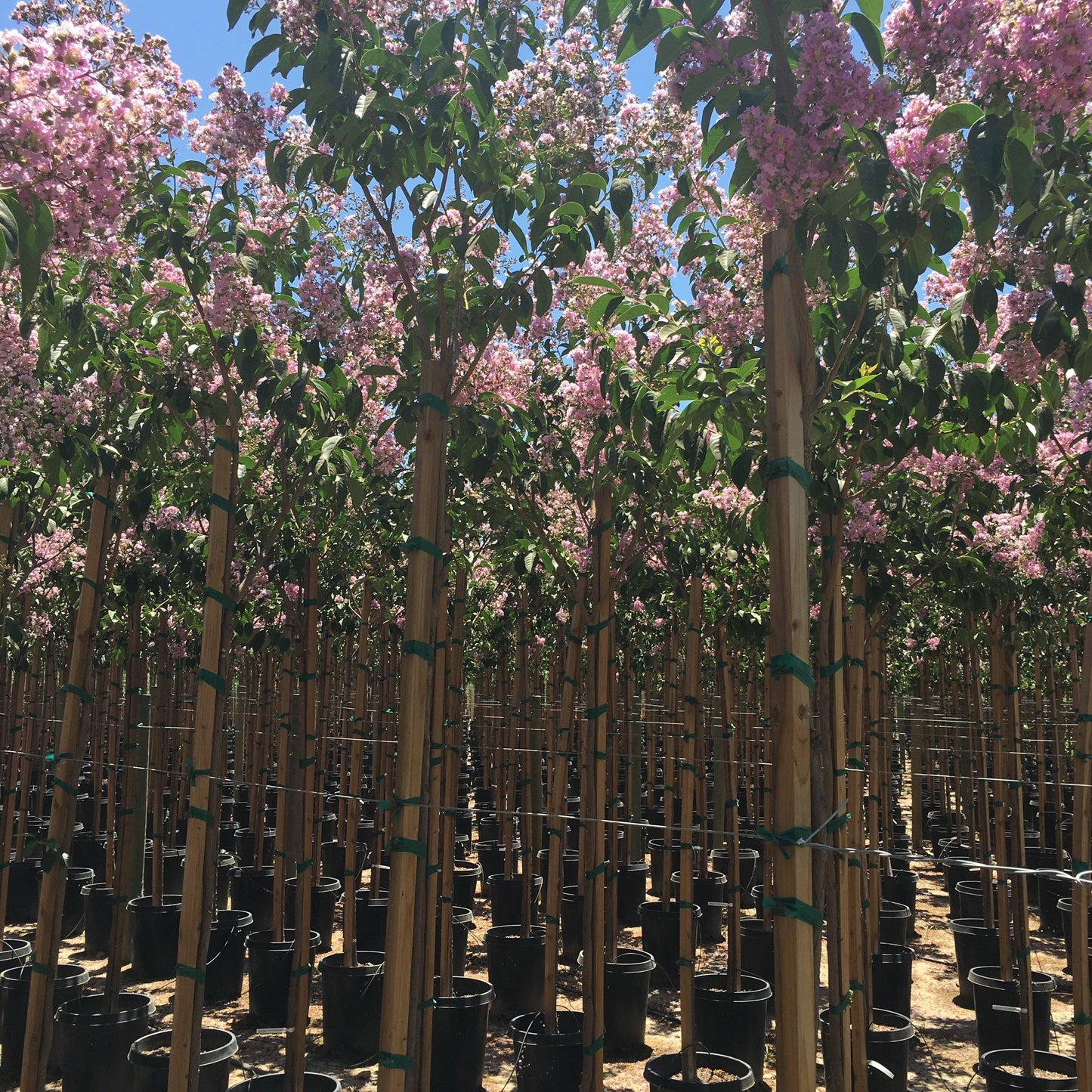

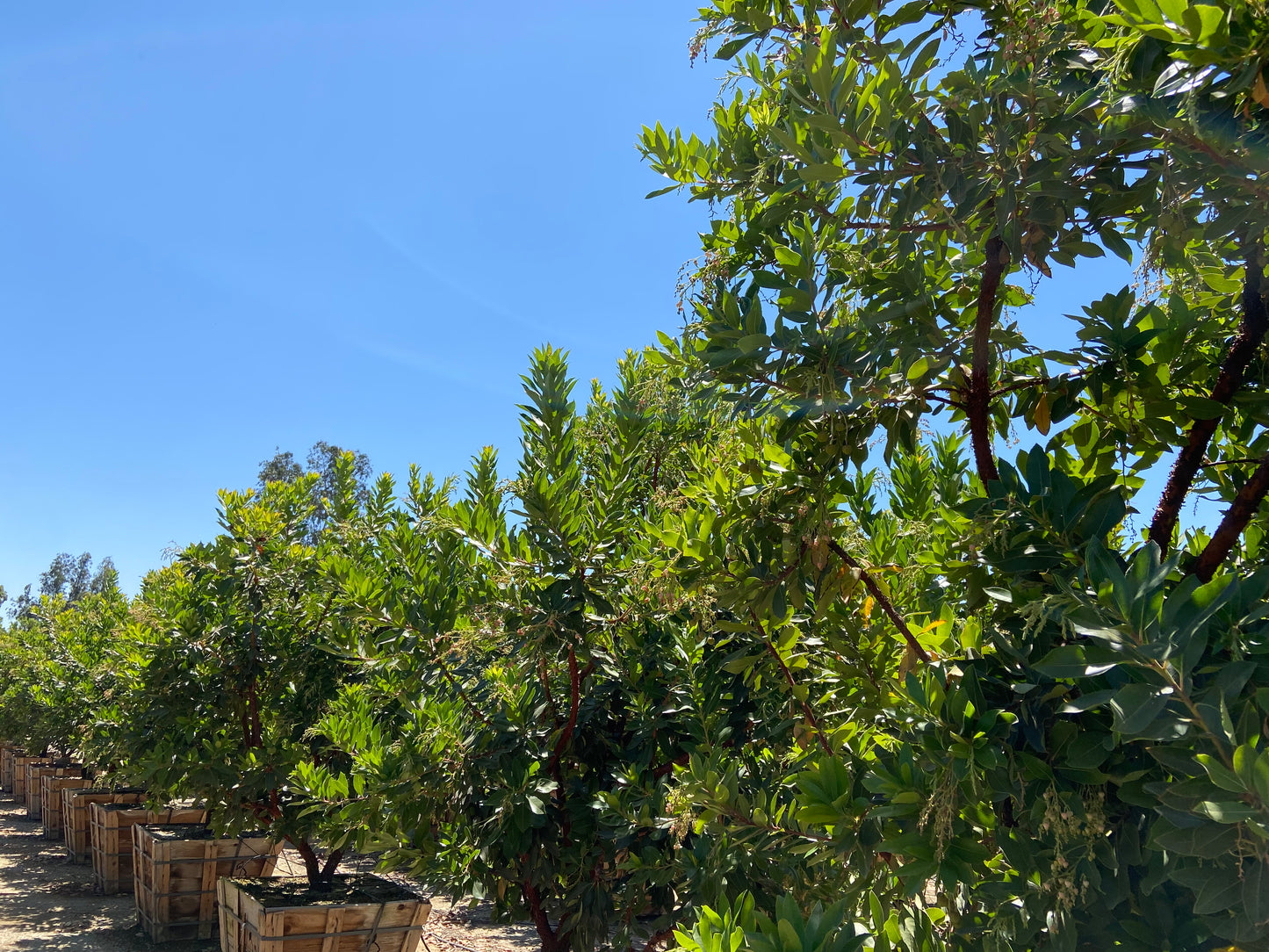

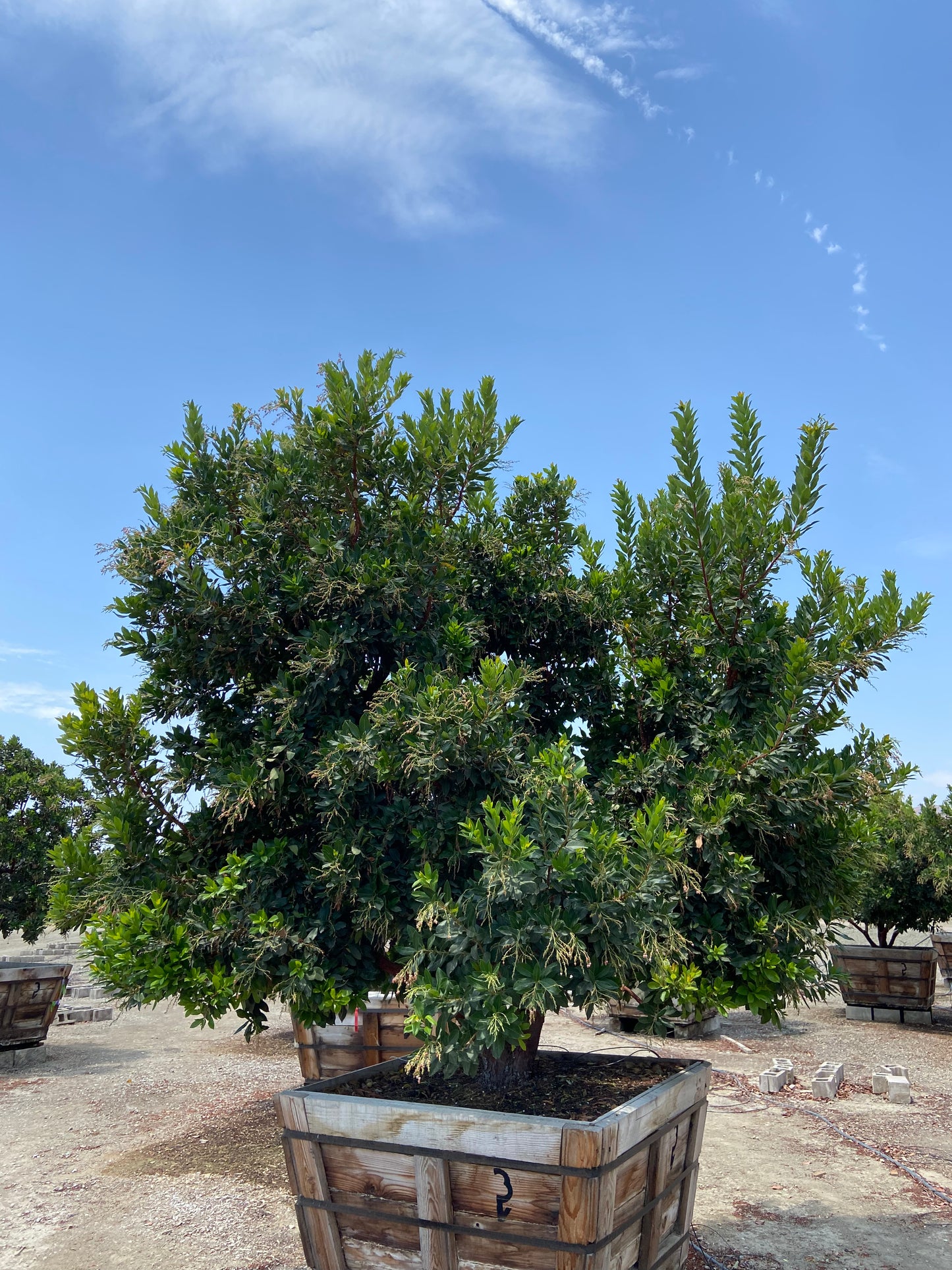

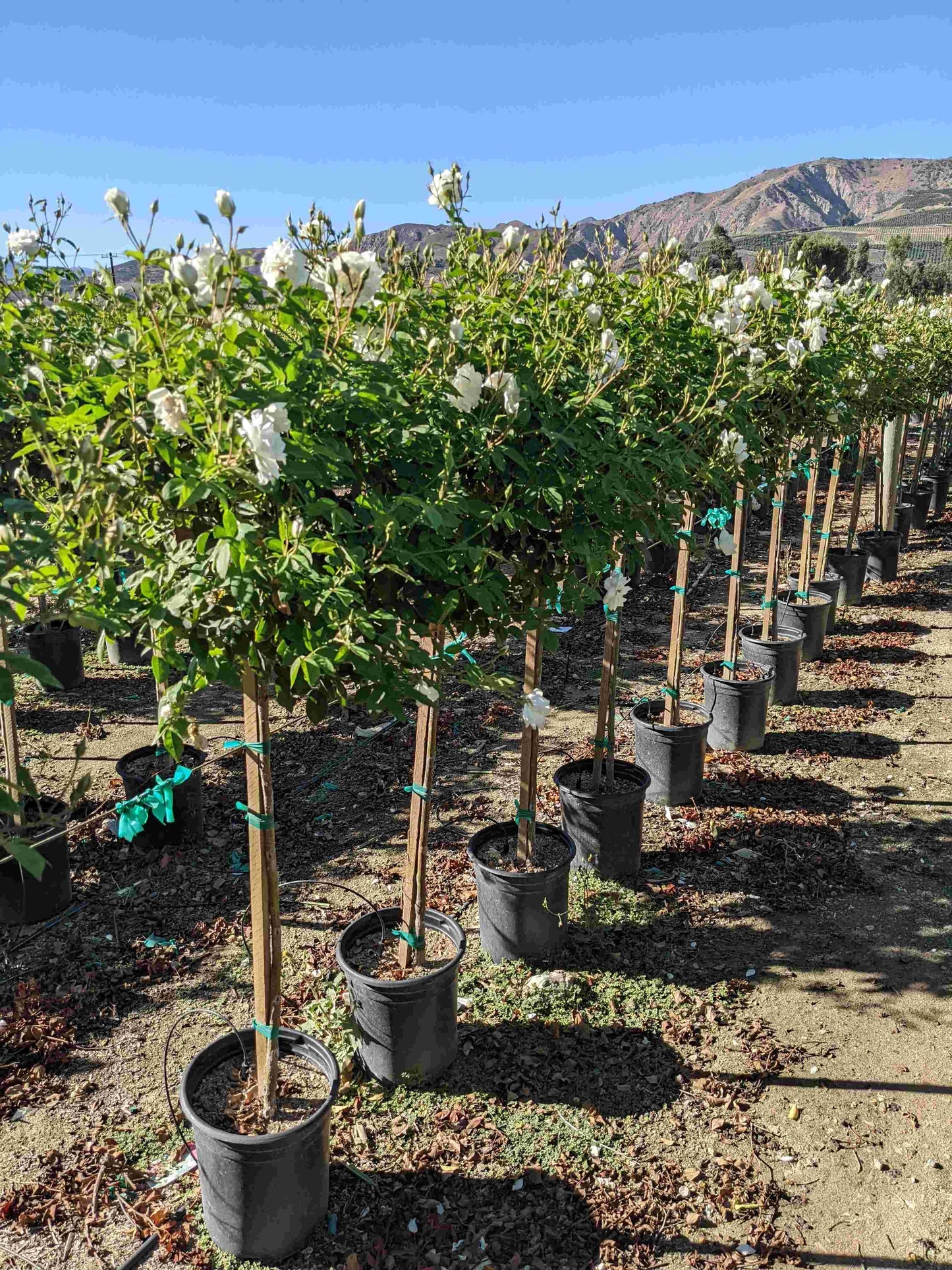









Pairs Well With













You May Also Like











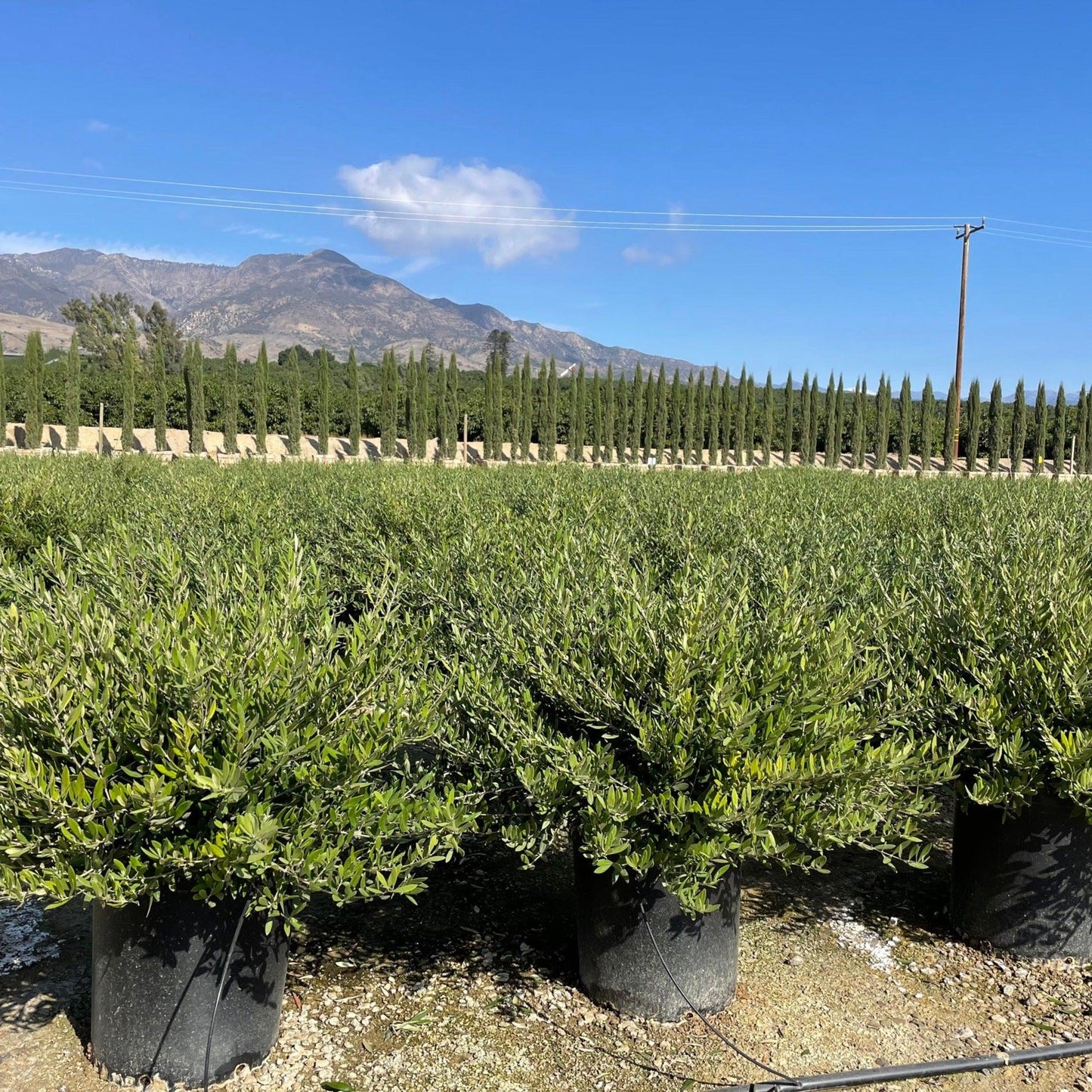

Thousands of Healthy Plants Delivered

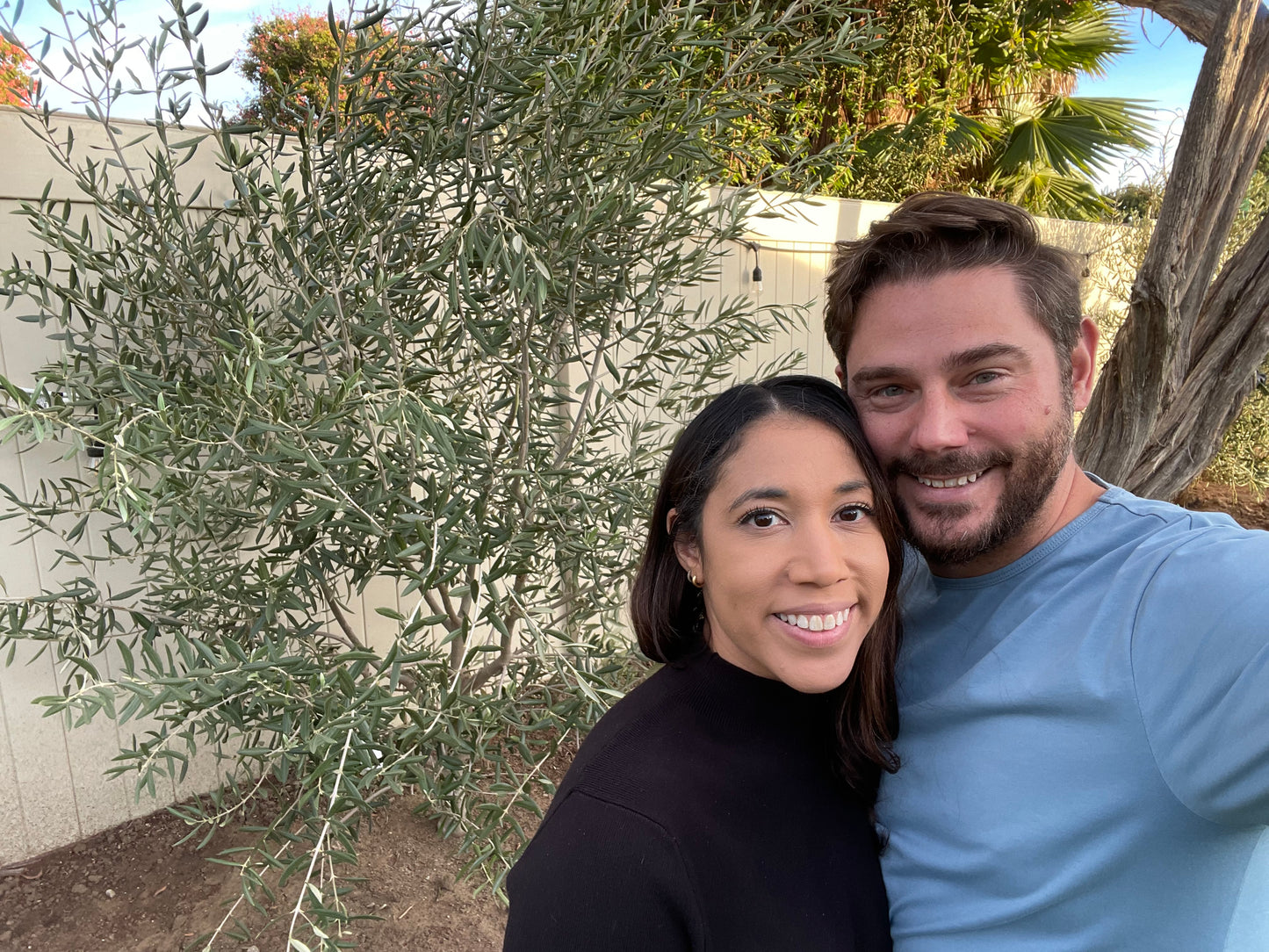
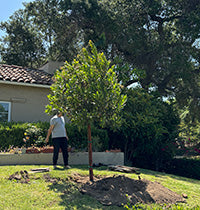
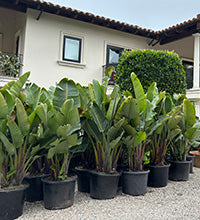
Yardwork was so great to work with. First they had the Swan Hill olive trees that we had been searching for, we had contacted several other nurseries without any luck previously. Then they answered all of our questions in a timely matter prior to ordering and finally delivered within a few days of placing it. Their staff is incredibly knowledgeable; they delivered and planted our trees with expertise to ensure that they would do well in our yard. We would definitely work with them again for future projects.











A Modern Experience
At Yardwork, we carefully curate thousands of plants, in all container sizes, to provide you with the best selection of the highest quality trees and plants at the best price, with the convenience of an online platform.
Uncompromised Quality
We choose only the finest specimens and hand select our plants just before delivery to ensure you receive the freshest and most robust specimens available for your landscape.
Industry Leading Warranties
Our 30, 90, and 365 extended warranties provide some of the best coverage to ensure our trees and plants thrive in your landscape.
Frequently Asked Questions
We're committed to changing everything about trees and plants - how they’re grown, how you shop for them, and how much they cost. We handle orders ourselves. No middlemen to get between us (or our prices) and you.
We're committed to changing everything about trees and plants - how they’re grown, how you shop for them, and how much they cost. We handle orders ourselves. No middlemen to get between us (or our prices) and you.
Delivery does not include unloading of trees and plants LARGER than a 24" box.
Trees and plants in smaller containers will be dropped curbside (usually on the driveway or near the front doorstep).
Delivery beyond a curbside drop will be charged extra.
Trees and plants that are sold in container sizes LARGER than a 24" box size will require equipment and/or enough manpower onsite to help unload from the truck.
Please reach out to our team PRIOR to placing your order to help coordinate.
Our team can provide unloading assistance with equipment for an extra fee as well.
Delivery does not include unloading of trees and plants LARGER than a 24" box.
Trees and plants in smaller containers will be dropped curbside (usually on the driveway or near the front doorstep).
Delivery beyond a curbside drop will be charged extra.
Trees and plants that are sold in container sizes LARGER than a 24" box size will require equipment and/or enough manpower onsite to help unload from the truck.
Please reach out to our team PRIOR to placing your order to help coordinate.
Our team can provide unloading assistance with equipment for an extra fee as well.
We ship locally within California within 7-10 days of your order being placed.
We ship nationally using carrier partners, based on order size. Our common order minimums for out of state shipping is $5,000.
Text or call 323-576-4159 for specific shipping details for your location.
We ship locally within California within 7-10 days of your order being placed.
We ship nationally using carrier partners, based on order size. Our common order minimums for out of state shipping is $5,000.
Text or call 323-576-4159 for specific shipping details for your location.
We are currently online only and don't have physical locations where you can view plants in person.
That's why we have photos direct from the growing grounds of the plants we will ship and we display pricing right in our store.
We do make sure to pick the very best trees and plants prior to shipping and make sure that they have gone through our multi-point inspection for health and structure.
We will always reach out prior to delivery if we find a quality issue or need to provide a substitute.
We are currently online only and don't have physical locations where you can view plants in person.
That's why we have photos direct from the growing grounds of the plants we will ship and we display pricing right in our store.
We do make sure to pick the very best trees and plants prior to shipping and make sure that they have gone through our multi-point inspection for health and structure.
We will always reach out prior to delivery if we find a quality issue or need to provide a substitute.
Plants vary greatly by type. Here is a rough idea of sizes based on containers that are direct from our growing grounds.
15 Gallon Shrub 3-4 Ft. Tall
15 Gallon Tree 5-6 Ft. Tall
24" Box Shrub 5-6 Ft. Tall
24" Box Tree 6-7 Ft. Tall
36" Box Shrub/Tree 7-9 Ft. Tall
48" Box Shrub/Tree 8-10 Ft. Tall
**Please note that we do not make guarantees of sizes. If you have questions or concerns, please call or text to request accurate sizing for the particular plant you're considering, prior to ordering.
Plants vary greatly by type. Here is a rough idea of sizes based on containers that are direct from our growing grounds.
15 Gallon Shrub 3-4 Ft. Tall
15 Gallon Tree 5-6 Ft. Tall
24" Box Shrub 5-6 Ft. Tall
24" Box Tree 6-7 Ft. Tall
36" Box Shrub/Tree 7-9 Ft. Tall
48" Box Shrub/Tree 8-10 Ft. Tall
**Please note that we do not make guarantees of sizes. If you have questions or concerns, please call or text to request accurate sizing for the particular plant you're considering, prior to ordering.
We offer a limited 30 day warranty for plants that are delivered and planted by someone else and a 90 day warranty for plants that we plant.
The limited warranty covers plants that die as a result of disease or fungus which was derived from our growing grounds or from root balls that were root bound.
The warranty does not cover damage due to watering, fertilizer, soils, or any other conditions beyond our control. Additionally, the warranty does not cover plants that are shipped out of the state of California or shipped into California from other states. Custom plant orders are also not covered under warranty. Plants must be planted within 24 hours after delivery to qualify.
We can assist you in recommending the right soils and fertilizers to help your plant thrive after you plant it.
Text or call 323-576-4159 for further warranty information.
We offer a limited 30 day warranty for plants that are delivered and planted by someone else and a 90 day warranty for plants that we plant.
The limited warranty covers plants that die as a result of disease or fungus which was derived from our growing grounds or from root balls that were root bound.
The warranty does not cover damage due to watering, fertilizer, soils, or any other conditions beyond our control. Additionally, the warranty does not cover plants that are shipped out of the state of California or shipped into California from other states. Custom plant orders are also not covered under warranty. Plants must be planted within 24 hours after delivery to qualify.
We can assist you in recommending the right soils and fertilizers to help your plant thrive after you plant it.
Text or call 323-576-4159 for further warranty information.
Our local delivery team covers most cities in California.
There are some exceptions, so please get in touch to confirm prior to ordering.
Additionally, we ship using semi trucks and trailers throughout the entire United States and even abroad for large orders over $5,000. Each shipment is custom, so please reach out to our team to coordinate.
Our local delivery team covers most cities in California.
There are some exceptions, so please get in touch to confirm prior to ordering.
Additionally, we ship using semi trucks and trailers throughout the entire United States and even abroad for large orders over $5,000. Each shipment is custom, so please reach out to our team to coordinate.