



Mexican Lime Tree (Citrus aurantifolia)
Regular price
$1,150.00
Size
Fresh, Authentic Key Limes Right from Your Garden
Grow your own Mexican lime tree for small, juicy, distinctively aromatic key lime fruit with the bright acidity home cooks, bakers, and cocktail makers actually want.
Also known as key lime, West Indian lime, or bartender's lime, Citrus aurantifolia produces small, round, highly acidic fruit with a thin, smooth, greenish-yellow rind at maturity. Mexican limes have a distinct floral bouquet and a higher citric acid and sugar content than standard limes and lemons, giving fresh lime juice a sharper, more balanced flavor than many store-bought options.
Designed for warm California gardens, patios, and protected backyard spaces, Mexican key lime trees offer year-round usefulness in the kitchen-from Margaritas, Mojitos, and Daiquiris to ceviche, sopa de lima, salads, vegetables, fish, meats, baking, and desserts.
Why You'll Love Growing Mexican Lime Trees
-
Continuous Harvest – In tropical and subtropical climates, Mexican lime trees can flower and fruit through much of the year, with strong flushes from early spring through late summer and harvests that may continue into early winter with proper care.
-
Compact Size – Semi-dwarf mexican key lime trees are moderately sized and well suited to small gardens, patios, and container growing, while standard lime trees can be planted directly in the ground where temperatures stay mild.
-
Culinary Excellence – Mexican limes are a cornerstone of Mexican, Southeast Asian, and Caribbean cuisines. Lime juice is an essential ingredient in Mexican cuisine, used in ceviche, soups, salads, and desserts, while lime zest adds flavor and aroma to traditional Mexican recipes.
-
Authentic Cocktail Flavor – Freshly squeezed Mexican lime juice is essential for flavor balance in classic cocktails. Mexican limes are preferred in Margaritas, Daiquiris, and Mojitos because of their intense flavor, though their stronger acidity compared to Persian limes means cocktail ratios may need careful adjustment.
-
Ceviche-Ready Acidity – The high acidity of Mexican limes denatures the proteins in raw fish and shrimp, making them ideal for ceviche. The juice also acts as a natural antimicrobial agent and helps prevent enzymatic browning in fresh ingredients.
-
Ornamental Beauty – Glossy dark green foliage, fragrant white flowers, and aromatic blossoms make this tree as attractive as it is productive, especially when paired with other flowering trees suited to California gardens. Crushed leaves, zested peel, and thin skin release bright essential oils with a potent fragrance.
-
Fast Production – Yardwork-selected citrus fruit trees are chosen for reliable establishment and earlier fruiting. Seed-grown Mexican lime trees typically take 4 to 8 years to produce a harvest, while trees propagated from cuttings or air layering can bear fruit much sooner, sometimes within a year.
What Makes Mexican Lime Trees Special
Most common grocery-store limes are Persian lime types, including Tahitian lime and Bearss lime. They are useful, but they are not the same fruit.
Mexican Lime Tree (Citrus aurantifolia) offers:
-
True Key Lime Genetics – This is the authentic mexican key, also called West Indian lime or bartender's lime. Mexican limes, also known as Key limes, are characterized by their small size, round shape, and highly acidic flavor, making them ideal for enhancing the taste of food and beverages.
-
Superior Aroma – The skin of Mexican limes contains volatile essential oils that release a potent fragrance when zested. That is why the peel, rind, and juice are valued in drinks, desserts, seafood, and traditional cooking.
-
Distinct from Persian Lime – Persian limes, or Tahitian limes, are larger and oval-shaped with a thicker rind compared to Mexican limes, and they are less acidic and easier to grow commercially. Mexican limes are smaller, thinner-skinned, more tart, and more aromatic.
-
Recognized Culinary Value – The majority of Mexican limes produced in Mexico come from states such as Guerrero, Colima, Oaxaca, Michoacán, Jalisco, Tabasco, and Veracruz, and they are often labeled as Key limes or West Indian limes in the United States.
-
Grower-Friendly Options – Thornless varieties and other selections make pruning, harvesting, and patio maintenance easier. Modern grafted trees, including compact options like the Nagami kumquat tree, can also be selected for stronger roots, improved shoot growth, and better resilience against common citrus stress.
How to Successfully Grow Mexican Lime Trees
-
Site Selection Choose a full-sun location with at least 6 hours of direct sunlight. Mexican lime trees thrive in warm climates and are sensitive to cold, making them suitable for tropical and subtropical regions such as Mexico, Florida, and California. Protect the tree from cold wind, frost pockets, and freezing temperatures.
-
Planting Process Plant in well-draining soil with the root flare slightly above grade. Dig a hole wider than the root ball, keep roots moist during planting, and water deeply after placing the tree. If growing from seed, seed propagation requires seeds to be kept moist until planting. Vegetative methods like cuttings and air layering can also be used and may yield fruit within a year.
-
Care & Maintenance Keep soil consistently moist but never waterlogged. Feed with a citrus fertilizer during active growth, especially from early spring into late summer. Light pruning helps shape the branches, remove damaged wood, manage thorns, and improve airflow around flowers and fruit.
-
Seasonal Protection Mexican lime is cold sensitive. In colder climates or during winter cold snaps, move container trees to a protected spot or cover in-ground trees before frost. Young trees are especially sensitive to freezing temperatures and should be protected when temperatures approach the low 30s °F, or you might choose more cold-tolerant lemon trees for your garden instead.
-
Harvest Timing Mexican limes turn from pale green when unripe to a light greenish-yellow when fully ripe. Pick fruit when it feels heavy, juicy, and slightly softened. For classic key lime flavor, many growers harvest when the rind is green to greenish yellow, before the fruit fully turns yellow.
Tree Specifications & Details
-
Botanical Name: Citrus aurantifolia
-
Common Names: Mexican lime, key lime, West Indian lime, bartender's lime
-
Fruit Size: Mexican limes measure between 2.5 to 5 centimeters in diameter and have a thin skin with numerous small seeds. Fruit is often around golf ball size.
-
Fruit Appearance: Small, round, smooth, thin-rinded, pale green when unripe, and light greenish-yellow to yellow when ripe.
-
Flavor: Tart, acidic, juicy, aromatic, and fine grained, with a floral bouquet and concentrated lime juice.
-
Mature Tree Size: Standard trees commonly reach 6–13 feet tall; semi-dwarf trees often stay around 4–6 feet with pruning and container culture.
-
Hardiness: Best for USDA zones 9–11. Protect from frost, cold wind, and freezing temperatures.
-
Climate Fit: Performs well in warm California regions, Mexico, Florida, Texas, the West Indies, and other tropical or subtropical climates.
-
Soil: Well-draining soil, ideally slightly acidic to neutral, around pH 6.0–7.5.
-
Water: Regular watering during establishment; avoid soggy ground and root rot.
-
Sunlight: Full sun is best for flowering, fruit production, and healthy dark green foliage.
-
Pollination: Self-fertile; one tree can produce fruit without another lime tree nearby.
-
Container Growing: Use a large container with drainage, typically 15–20 gallons or larger for patio cultivation.
-
Propagation: Can be cultivated from seed, cuttings, air layering, or grafted nursery stock.
-
Origin: Mexican lime is historically associated with southeastern Asia, including regions near India, and later became widely cultivated through the West Indies, Mexico, Florida, California, and other warm regions.
-
Commercial Value: Persian lime dominates large commercial markets because it ships more easily, but Mexican lime carries premium culinary value for authentic flavor, much like premium Valencia orange trees for fresh juice.
Perfect for These California Gardeners
Ideal for:
-
Homeowners who want authentic Mexican, Key West, Southeast Asian, and Caribbean ingredients in the backyard and may also want hardy shade from a thornless South American hybrid mesquite tree
-
Cocktail enthusiasts who want fresh lime juice for Margaritas, Mojitos, Daiquiris, and other drinks
-
Cooks who prepare ceviche, sopa de lima, salads, vegetables, fish, meats, baking recipes, and desserts
-
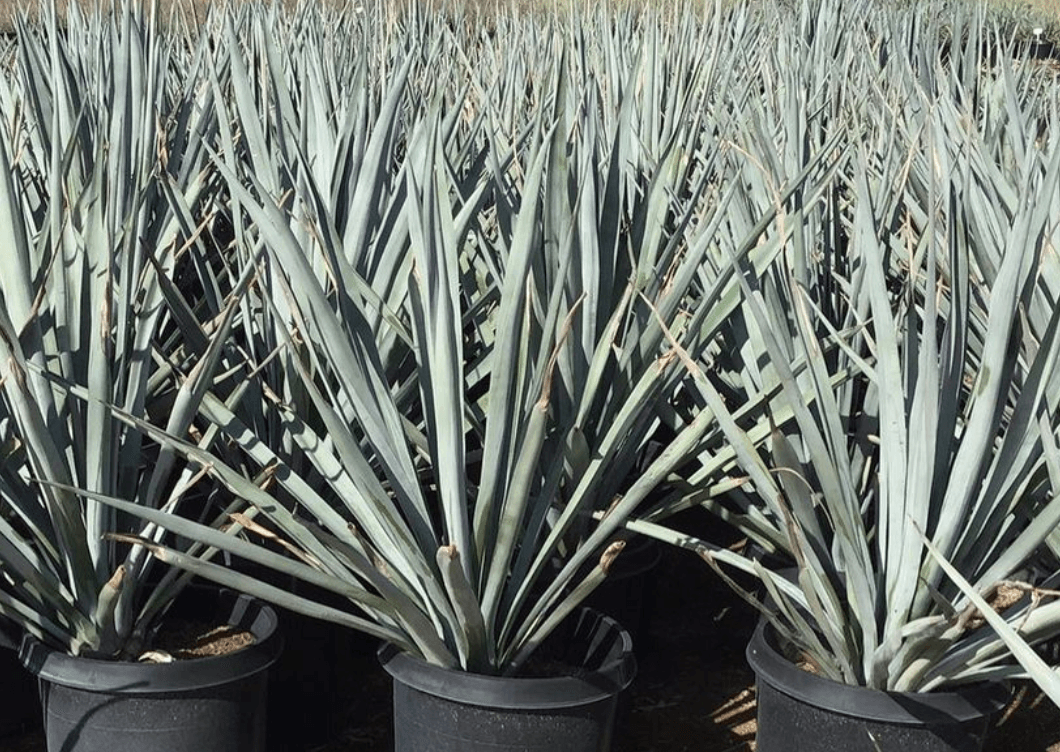
Small-space gardeners growing citrus in patios, courtyards, and containers alongside drought-tolerant accents like the Mexican Grass Tree (Dasylirion longissimum)
-
Experienced citrus growers expanding beyond Persian lime, Bearss lime, and other selections by adding specimen trees like the California Pepper Tree and other landscape trees
-
Landscape designers creating edible ornamental gardens with fragrant blossoms, glossy foliage, and useful fruit, or mixing citrus with fruitless olive trees for elegant landscaping
If you want a compact citrus tree with stronger flavor, aromatic peel, and real key lime character, the Mexican lime tree fits beautifully into many California gardens with the right sun, drainage, and cold protection.
Frequently Asked Questions
How cold can Mexican lime trees tolerate?
Mexican lime trees are sensitive to cold. They grow best in warm tropical and subtropical climates and should be protected from frost and freezing temperatures. Brief cold exposure may damage leaves, flowers, and fruit, while extended freezes can seriously harm the tree.
When do the trees start producing fruit?
Seedling Mexican lime trees typically take 4 to 8 years to produce a harvest. Trees propagated from cuttings or air layering can bear fruit much sooner, sometimes within a year. High-quality nursery trees may begin producing earlier than seed-grown plants depending on size, age, and care.
Can I grow them in containers?
Yes. Semi-dwarf Mexican key lime trees are excellent for containers. Use a large pot with drainage, place the plant in full sunlight, water consistently, and move it to a protected location during winter cold snaps or in colder climates.
What's the difference between Mexican limes and Persian limes?
Mexican limes are smaller, rounder, thinner-skinned, more acidic, more aromatic, and contain more seeds. Persian limes, also called Tahitian limes, are larger, oval-shaped, thicker-rinded, less acidic, and easier to grow commercially.
Do I need multiple trees for fruit production?
No. Mexican lime trees are self-fertile, so a single tree can produce fruit. Good sunlight, proper watering, citrus fertilizer, and healthy shoot growth are more important than planting multiple trees.
Ready to Grow Authentic Key Limes?
Choose a Mexican Lime Tree from Yardwork for authentic key lime juice, fragrant blossoms, aromatic zest, and a productive citrus tree selected for California gardens. Browse Yardwork’s citrus trees, browse our online nursery for evergreen and privacy trees, or request a consultation to choose the right variety, container setup, and planting plan for your space.
Fresh, Authentic Key Limes Right from Your Garden
Grow your own Mexican lime tree for small, juicy, distinctively aromatic key lime fruit with the bright acidity home cooks, bakers, and cocktail makers actually want.
Also known as key lime, West Indian lime, or bartender's lime, Citrus aurantifolia produces small, round, highly acidic fruit with a thin, smooth, greenish-yellow rind at maturity. Mexican limes have a distinct floral bouquet and a higher citric acid and sugar content than standard limes and lemons, giving fresh lime juice a sharper, more balanced flavor than many store-bought options.
Designed for warm California gardens, patios, and protected backyard spaces, Mexican key lime trees offer year-round usefulness in the kitchen-from Margaritas, Mojitos, and Daiquiris to ceviche, sopa de lima, salads, vegetables, fish, meats, baking, and desserts.
Why You'll Love Growing Mexican Lime Trees
-
Continuous Harvest – In tropical and subtropical climates, Mexican lime trees can flower and fruit through much of the year, with strong flushes from early spring through late summer and harvests that may continue into early winter with proper care.
-
Compact Size – Semi-dwarf mexican key lime trees are moderately sized and well suited to small gardens, patios, and container growing, while standard lime trees can be planted directly in the ground where temperatures stay mild.
-
Culinary Excellence – Mexican limes are a cornerstone of Mexican, Southeast Asian, and Caribbean cuisines. Lime juice is an essential ingredient in Mexican cuisine, used in ceviche, soups, salads, and desserts, while lime zest adds flavor and aroma to traditional Mexican recipes.
-
Authentic Cocktail Flavor – Freshly squeezed Mexican lime juice is essential for flavor balance in classic cocktails. Mexican limes are preferred in Margaritas, Daiquiris, and Mojitos because of their intense flavor, though their stronger acidity compared to Persian limes means cocktail ratios may need careful adjustment.
-
Ceviche-Ready Acidity – The high acidity of Mexican limes denatures the proteins in raw fish and shrimp, making them ideal for ceviche. The juice also acts as a natural antimicrobial agent and helps prevent enzymatic browning in fresh ingredients.
-
Ornamental Beauty – Glossy dark green foliage, fragrant white flowers, and aromatic blossoms make this tree as attractive as it is productive, especially when paired with other flowering trees suited to California gardens. Crushed leaves, zested peel, and thin skin release bright essential oils with a potent fragrance.
-
Fast Production – Yardwork-selected citrus fruit trees are chosen for reliable establishment and earlier fruiting. Seed-grown Mexican lime trees typically take 4 to 8 years to produce a harvest, while trees propagated from cuttings or air layering can bear fruit much sooner, sometimes within a year.
What Makes Mexican Lime Trees Special
Most common grocery-store limes are Persian lime types, including Tahitian lime and Bearss lime. They are useful, but they are not the same fruit.
Mexican Lime Tree (Citrus aurantifolia) offers:
-
True Key Lime Genetics – This is the authentic mexican key, also called West Indian lime or bartender's lime. Mexican limes, also known as Key limes, are characterized by their small size, round shape, and highly acidic flavor, making them ideal for enhancing the taste of food and beverages.
-
Superior Aroma – The skin of Mexican limes contains volatile essential oils that release a potent fragrance when zested. That is why the peel, rind, and juice are valued in drinks, desserts, seafood, and traditional cooking.
-
Distinct from Persian Lime – Persian limes, or Tahitian limes, are larger and oval-shaped with a thicker rind compared to Mexican limes, and they are less acidic and easier to grow commercially. Mexican limes are smaller, thinner-skinned, more tart, and more aromatic.
-
Recognized Culinary Value – The majority of Mexican limes produced in Mexico come from states such as Guerrero, Colima, Oaxaca, Michoacán, Jalisco, Tabasco, and Veracruz, and they are often labeled as Key limes or West Indian limes in the United States.
-
Grower-Friendly Options – Thornless varieties and other selections make pruning, harvesting, and patio maintenance easier. Modern grafted trees, including compact options like the Nagami kumquat tree, can also be selected for stronger roots, improved shoot growth, and better resilience against common citrus stress.
How to Successfully Grow Mexican Lime Trees
-
Site Selection Choose a full-sun location with at least 6 hours of direct sunlight. Mexican lime trees thrive in warm climates and are sensitive to cold, making them suitable for tropical and subtropical regions such as Mexico, Florida, and California. Protect the tree from cold wind, frost pockets, and freezing temperatures.
-
Planting Process Plant in well-draining soil with the root flare slightly above grade. Dig a hole wider than the root ball, keep roots moist during planting, and water deeply after placing the tree. If growing from seed, seed propagation requires seeds to be kept moist until planting. Vegetative methods like cuttings and air layering can also be used and may yield fruit within a year.
-
Care & Maintenance Keep soil consistently moist but never waterlogged. Feed with a citrus fertilizer during active growth, especially from early spring into late summer. Light pruning helps shape the branches, remove damaged wood, manage thorns, and improve airflow around flowers and fruit.
-
Seasonal Protection Mexican lime is cold sensitive. In colder climates or during winter cold snaps, move container trees to a protected spot or cover in-ground trees before frost. Young trees are especially sensitive to freezing temperatures and should be protected when temperatures approach the low 30s °F, or you might choose more cold-tolerant lemon trees for your garden instead.
-
Harvest Timing Mexican limes turn from pale green when unripe to a light greenish-yellow when fully ripe. Pick fruit when it feels heavy, juicy, and slightly softened. For classic key lime flavor, many growers harvest when the rind is green to greenish yellow, before the fruit fully turns yellow.
Tree Specifications & Details
-
Botanical Name: Citrus aurantifolia
-
Common Names: Mexican lime, key lime, West Indian lime, bartender's lime
-
Fruit Size: Mexican limes measure between 2.5 to 5 centimeters in diameter and have a thin skin with numerous small seeds. Fruit is often around golf ball size.
-
Fruit Appearance: Small, round, smooth, thin-rinded, pale green when unripe, and light greenish-yellow to yellow when ripe.
-
Flavor: Tart, acidic, juicy, aromatic, and fine grained, with a floral bouquet and concentrated lime juice.
-
Mature Tree Size: Standard trees commonly reach 6–13 feet tall; semi-dwarf trees often stay around 4–6 feet with pruning and container culture.
-
Hardiness: Best for USDA zones 9–11. Protect from frost, cold wind, and freezing temperatures.
-
Climate Fit: Performs well in warm California regions, Mexico, Florida, Texas, the West Indies, and other tropical or subtropical climates.
-
Soil: Well-draining soil, ideally slightly acidic to neutral, around pH 6.0–7.5.
-
Water: Regular watering during establishment; avoid soggy ground and root rot.
-
Sunlight: Full sun is best for flowering, fruit production, and healthy dark green foliage.
-
Pollination: Self-fertile; one tree can produce fruit without another lime tree nearby.
-
Container Growing: Use a large container with drainage, typically 15–20 gallons or larger for patio cultivation.
-
Propagation: Can be cultivated from seed, cuttings, air layering, or grafted nursery stock.
-
Origin: Mexican lime is historically associated with southeastern Asia, including regions near India, and later became widely cultivated through the West Indies, Mexico, Florida, California, and other warm regions.
-
Commercial Value: Persian lime dominates large commercial markets because it ships more easily, but Mexican lime carries premium culinary value for authentic flavor, much like premium Valencia orange trees for fresh juice.
Perfect for These California Gardeners
Ideal for:
-
Homeowners who want authentic Mexican, Key West, Southeast Asian, and Caribbean ingredients in the backyard and may also want hardy shade from a thornless South American hybrid mesquite tree
-
Cocktail enthusiasts who want fresh lime juice for Margaritas, Mojitos, Daiquiris, and other drinks
-
Cooks who prepare ceviche, sopa de lima, salads, vegetables, fish, meats, baking recipes, and desserts
-
Small-space gardeners growing citrus in patios, courtyards, and containers alongside drought-tolerant accents like the Mexican Grass Tree (Dasylirion longissimum)
-
Experienced citrus growers expanding beyond Persian lime, Bearss lime, and other selections by adding specimen trees like the California Pepper Tree and other landscape trees
-
Landscape designers creating edible ornamental gardens with fragrant blossoms, glossy foliage, and useful fruit, or mixing citrus with fruitless olive trees for elegant landscaping
If you want a compact citrus tree with stronger flavor, aromatic peel, and real key lime character, the Mexican lime tree fits beautifully into many California gardens with the right sun, drainage, and cold protection.
Frequently Asked Questions
How cold can Mexican lime trees tolerate?
Mexican lime trees are sensitive to cold. They grow best in warm tropical and subtropical climates and should be protected from frost and freezing temperatures. Brief cold exposure may damage leaves, flowers, and fruit, while extended freezes can seriously harm the tree.
When do the trees start producing fruit?
Seedling Mexican lime trees typically take 4 to 8 years to produce a harvest. Trees propagated from cuttings or air layering can bear fruit much sooner, sometimes within a year. High-quality nursery trees may begin producing earlier than seed-grown plants depending on size, age, and care.
Can I grow them in containers?
Yes. Semi-dwarf Mexican key lime trees are excellent for containers. Use a large pot with drainage, place the plant in full sunlight, water consistently, and move it to a protected location during winter cold snaps or in colder climates.
What's the difference between Mexican limes and Persian limes?
Mexican limes are smaller, rounder, thinner-skinned, more acidic, more aromatic, and contain more seeds. Persian limes, also called Tahitian limes, are larger, oval-shaped, thicker-rinded, less acidic, and easier to grow commercially.
Do I need multiple trees for fruit production?
No. Mexican lime trees are self-fertile, so a single tree can produce fruit. Good sunlight, proper watering, citrus fertilizer, and healthy shoot growth are more important than planting multiple trees.
Ready to Grow Authentic Key Limes?
Choose a Mexican Lime Tree from Yardwork for authentic key lime juice, fragrant blossoms, aromatic zest, and a productive citrus tree selected for California gardens. Browse Yardwork’s citrus trees, browse our online nursery for evergreen and privacy trees, or request a consultation to choose the right variety, container setup, and planting plan for your space.
Plants vary greatly by type and no guarantees are made on sizing.
However here is a rough idea of sizes based on containers that are direct from our growing grounds.
15 Gallon Shrub 3-4 Ft. Tall
15 Gallon Tree 5-6 Ft. Tall
24" Box Shrub 5-6 Ft. Tall
24" Box Tree 6-7 Ft. Tall
36" Box Tree 8-10 Ft. Tall
48" Box Tree 10-12 Ft. Tall
Please note: Citrus and California Native plants such as Manzanita are smaller than traditional sizing.
Please contact us to confirm sizing of items before purchasing if this is a concern.
Plants vary greatly by type and no guarantees are made on sizing.
However here is a rough idea of sizes based on containers that are direct from our growing grounds.
15 Gallon Shrub 3-4 Ft. Tall
15 Gallon Tree 5-6 Ft. Tall
24" Box Shrub 5-6 Ft. Tall
24" Box Tree 6-7 Ft. Tall
36" Box Tree 8-10 Ft. Tall
48" Box Tree 10-12 Ft. Tall
Please note: Citrus and California Native plants such as Manzanita are smaller than traditional sizing.
Please contact us to confirm sizing of items before purchasing if this is a concern.
Delivery does not include unloading of trees and plants larger than a 24" box.
Trees and plants in smaller containers will be dropped curbside.
Delivery beyond a curbside drop will be charged extra.
Trees and plants that are sold in container sizes larger than a 24" box size will require equipment and an operator onsite to help unload from the truck.
Please reach out to our team PRIOR to placing your order to coordinate.
Our team can provide unloading assistance with equipment for an extra fee.
Delivery does not include unloading of trees and plants larger than a 24" box.
Trees and plants in smaller containers will be dropped curbside.
Delivery beyond a curbside drop will be charged extra.
Trees and plants that are sold in container sizes larger than a 24" box size will require equipment and an operator onsite to help unload from the truck.
Please reach out to our team PRIOR to placing your order to coordinate.
Our team can provide unloading assistance with equipment for an extra fee.
You may also like...


Mexican Lime Tree (Citrus aurantifolia)
Regular price
$1,150.00
Size
Fresh, Authentic Key Limes Right from Your Garden
Grow your own Mexican lime tree for small, juicy, distinctively aromatic key lime fruit with the bright acidity home cooks, bakers, and cocktail makers actually want.
Also known as key lime, West Indian lime, or bartender's lime, Citrus aurantifolia produces small, round, highly acidic fruit with a thin, smooth, greenish-yellow rind at maturity. Mexican limes have a distinct floral bouquet and a higher citric acid and sugar content than standard limes and lemons, giving fresh lime juice a sharper, more balanced flavor than many store-bought options.
Designed for warm California gardens, patios, and protected backyard spaces, Mexican key lime trees offer year-round usefulness in the kitchen-from Margaritas, Mojitos, and Daiquiris to ceviche, sopa de lima, salads, vegetables, fish, meats, baking, and desserts.
Why You'll Love Growing Mexican Lime Trees
-
Continuous Harvest – In tropical and subtropical climates, Mexican lime trees can flower and fruit through much of the year, with strong flushes from early spring through late summer and harvests that may continue into early winter with proper care.
-
Compact Size – Semi-dwarf mexican key lime trees are moderately sized and well suited to small gardens, patios, and container growing, while standard lime trees can be planted directly in the ground where temperatures stay mild.
-
Culinary Excellence – Mexican limes are a cornerstone of Mexican, Southeast Asian, and Caribbean cuisines. Lime juice is an essential ingredient in Mexican cuisine, used in ceviche, soups, salads, and desserts, while lime zest adds flavor and aroma to traditional Mexican recipes.
-
Authentic Cocktail Flavor – Freshly squeezed Mexican lime juice is essential for flavor balance in classic cocktails. Mexican limes are preferred in Margaritas, Daiquiris, and Mojitos because of their intense flavor, though their stronger acidity compared to Persian limes means cocktail ratios may need careful adjustment.
-
Ceviche-Ready Acidity – The high acidity of Mexican limes denatures the proteins in raw fish and shrimp, making them ideal for ceviche. The juice also acts as a natural antimicrobial agent and helps prevent enzymatic browning in fresh ingredients.
-
Ornamental Beauty – Glossy dark green foliage, fragrant white flowers, and aromatic blossoms make this tree as attractive as it is productive, especially when paired with other flowering trees suited to California gardens. Crushed leaves, zested peel, and thin skin release bright essential oils with a potent fragrance.
-
Fast Production – Yardwork-selected citrus fruit trees are chosen for reliable establishment and earlier fruiting. Seed-grown Mexican lime trees typically take 4 to 8 years to produce a harvest, while trees propagated from cuttings or air layering can bear fruit much sooner, sometimes within a year.
What Makes Mexican Lime Trees Special
Most common grocery-store limes are Persian lime types, including Tahitian lime and Bearss lime. They are useful, but they are not the same fruit.
Mexican Lime Tree (Citrus aurantifolia) offers:
-
True Key Lime Genetics – This is the authentic mexican key, also called West Indian lime or bartender's lime. Mexican limes, also known as Key limes, are characterized by their small size, round shape, and highly acidic flavor, making them ideal for enhancing the taste of food and beverages.
-
Superior Aroma – The skin of Mexican limes contains volatile essential oils that release a potent fragrance when zested. That is why the peel, rind, and juice are valued in drinks, desserts, seafood, and traditional cooking.
-
Distinct from Persian Lime – Persian limes, or Tahitian limes, are larger and oval-shaped with a thicker rind compared to Mexican limes, and they are less acidic and easier to grow commercially. Mexican limes are smaller, thinner-skinned, more tart, and more aromatic.
-
Recognized Culinary Value – The majority of Mexican limes produced in Mexico come from states such as Guerrero, Colima, Oaxaca, Michoacán, Jalisco, Tabasco, and Veracruz, and they are often labeled as Key limes or West Indian limes in the United States.
-
Grower-Friendly Options – Thornless varieties and other selections make pruning, harvesting, and patio maintenance easier. Modern grafted trees, including compact options like the Nagami kumquat tree, can also be selected for stronger roots, improved shoot growth, and better resilience against common citrus stress.
How to Successfully Grow Mexican Lime Trees
-
Site Selection Choose a full-sun location with at least 6 hours of direct sunlight. Mexican lime trees thrive in warm climates and are sensitive to cold, making them suitable for tropical and subtropical regions such as Mexico, Florida, and California. Protect the tree from cold wind, frost pockets, and freezing temperatures.
-
Planting Process Plant in well-draining soil with the root flare slightly above grade. Dig a hole wider than the root ball, keep roots moist during planting, and water deeply after placing the tree. If growing from seed, seed propagation requires seeds to be kept moist until planting. Vegetative methods like cuttings and air layering can also be used and may yield fruit within a year.
-
Care & Maintenance Keep soil consistently moist but never waterlogged. Feed with a citrus fertilizer during active growth, especially from early spring into late summer. Light pruning helps shape the branches, remove damaged wood, manage thorns, and improve airflow around flowers and fruit.
-
Seasonal Protection Mexican lime is cold sensitive. In colder climates or during winter cold snaps, move container trees to a protected spot or cover in-ground trees before frost. Young trees are especially sensitive to freezing temperatures and should be protected when temperatures approach the low 30s °F, or you might choose more cold-tolerant lemon trees for your garden instead.
-
Harvest Timing Mexican limes turn from pale green when unripe to a light greenish-yellow when fully ripe. Pick fruit when it feels heavy, juicy, and slightly softened. For classic key lime flavor, many growers harvest when the rind is green to greenish yellow, before the fruit fully turns yellow.
Tree Specifications & Details
-
Botanical Name: Citrus aurantifolia
-
Common Names: Mexican lime, key lime, West Indian lime, bartender's lime
-
Fruit Size: Mexican limes measure between 2.5 to 5 centimeters in diameter and have a thin skin with numerous small seeds. Fruit is often around golf ball size.
-
Fruit Appearance: Small, round, smooth, thin-rinded, pale green when unripe, and light greenish-yellow to yellow when ripe.
-
Flavor: Tart, acidic, juicy, aromatic, and fine grained, with a floral bouquet and concentrated lime juice.
-
Mature Tree Size: Standard trees commonly reach 6–13 feet tall; semi-dwarf trees often stay around 4–6 feet with pruning and container culture.
-
Hardiness: Best for USDA zones 9–11. Protect from frost, cold wind, and freezing temperatures.
-
Climate Fit: Performs well in warm California regions, Mexico, Florida, Texas, the West Indies, and other tropical or subtropical climates.
-
Soil: Well-draining soil, ideally slightly acidic to neutral, around pH 6.0–7.5.
-
Water: Regular watering during establishment; avoid soggy ground and root rot.
-
Sunlight: Full sun is best for flowering, fruit production, and healthy dark green foliage.
-
Pollination: Self-fertile; one tree can produce fruit without another lime tree nearby.
-
Container Growing: Use a large container with drainage, typically 15–20 gallons or larger for patio cultivation.
-
Propagation: Can be cultivated from seed, cuttings, air layering, or grafted nursery stock.
-
Origin: Mexican lime is historically associated with southeastern Asia, including regions near India, and later became widely cultivated through the West Indies, Mexico, Florida, California, and other warm regions.
-
Commercial Value: Persian lime dominates large commercial markets because it ships more easily, but Mexican lime carries premium culinary value for authentic flavor, much like premium Valencia orange trees for fresh juice.
Perfect for These California Gardeners
Ideal for:
-
Homeowners who want authentic Mexican, Key West, Southeast Asian, and Caribbean ingredients in the backyard and may also want hardy shade from a thornless South American hybrid mesquite tree
-
Cocktail enthusiasts who want fresh lime juice for Margaritas, Mojitos, Daiquiris, and other drinks
-
Cooks who prepare ceviche, sopa de lima, salads, vegetables, fish, meats, baking recipes, and desserts
-
Small-space gardeners growing citrus in patios, courtyards, and containers alongside drought-tolerant accents like the Mexican Grass Tree (Dasylirion longissimum)
-
Experienced citrus growers expanding beyond Persian lime, Bearss lime, and other selections by adding specimen trees like the California Pepper Tree and other landscape trees
-
Landscape designers creating edible ornamental gardens with fragrant blossoms, glossy foliage, and useful fruit, or mixing citrus with fruitless olive trees for elegant landscaping
If you want a compact citrus tree with stronger flavor, aromatic peel, and real key lime character, the Mexican lime tree fits beautifully into many California gardens with the right sun, drainage, and cold protection.
Frequently Asked Questions
How cold can Mexican lime trees tolerate?
Mexican lime trees are sensitive to cold. They grow best in warm tropical and subtropical climates and should be protected from frost and freezing temperatures. Brief cold exposure may damage leaves, flowers, and fruit, while extended freezes can seriously harm the tree.
When do the trees start producing fruit?
Seedling Mexican lime trees typically take 4 to 8 years to produce a harvest. Trees propagated from cuttings or air layering can bear fruit much sooner, sometimes within a year. High-quality nursery trees may begin producing earlier than seed-grown plants depending on size, age, and care.
Can I grow them in containers?
Yes. Semi-dwarf Mexican key lime trees are excellent for containers. Use a large pot with drainage, place the plant in full sunlight, water consistently, and move it to a protected location during winter cold snaps or in colder climates.
What's the difference between Mexican limes and Persian limes?
Mexican limes are smaller, rounder, thinner-skinned, more acidic, more aromatic, and contain more seeds. Persian limes, also called Tahitian limes, are larger, oval-shaped, thicker-rinded, less acidic, and easier to grow commercially.
Do I need multiple trees for fruit production?
No. Mexican lime trees are self-fertile, so a single tree can produce fruit. Good sunlight, proper watering, citrus fertilizer, and healthy shoot growth are more important than planting multiple trees.
Ready to Grow Authentic Key Limes?
Choose a Mexican Lime Tree from Yardwork for authentic key lime juice, fragrant blossoms, aromatic zest, and a productive citrus tree selected for California gardens. Browse Yardwork’s citrus trees, browse our online nursery for evergreen and privacy trees, or request a consultation to choose the right variety, container setup, and planting plan for your space.
Fresh, Authentic Key Limes Right from Your Garden
Grow your own Mexican lime tree for small, juicy, distinctively aromatic key lime fruit with the bright acidity home cooks, bakers, and cocktail makers actually want.
Also known as key lime, West Indian lime, or bartender's lime, Citrus aurantifolia produces small, round, highly acidic fruit with a thin, smooth, greenish-yellow rind at maturity. Mexican limes have a distinct floral bouquet and a higher citric acid and sugar content than standard limes and lemons, giving fresh lime juice a sharper, more balanced flavor than many store-bought options.
Designed for warm California gardens, patios, and protected backyard spaces, Mexican key lime trees offer year-round usefulness in the kitchen-from Margaritas, Mojitos, and Daiquiris to ceviche, sopa de lima, salads, vegetables, fish, meats, baking, and desserts.
Why You'll Love Growing Mexican Lime Trees
-
Continuous Harvest – In tropical and subtropical climates, Mexican lime trees can flower and fruit through much of the year, with strong flushes from early spring through late summer and harvests that may continue into early winter with proper care.
-
Compact Size – Semi-dwarf mexican key lime trees are moderately sized and well suited to small gardens, patios, and container growing, while standard lime trees can be planted directly in the ground where temperatures stay mild.
-
Culinary Excellence – Mexican limes are a cornerstone of Mexican, Southeast Asian, and Caribbean cuisines. Lime juice is an essential ingredient in Mexican cuisine, used in ceviche, soups, salads, and desserts, while lime zest adds flavor and aroma to traditional Mexican recipes.
-
Authentic Cocktail Flavor – Freshly squeezed Mexican lime juice is essential for flavor balance in classic cocktails. Mexican limes are preferred in Margaritas, Daiquiris, and Mojitos because of their intense flavor, though their stronger acidity compared to Persian limes means cocktail ratios may need careful adjustment.
-
Ceviche-Ready Acidity – The high acidity of Mexican limes denatures the proteins in raw fish and shrimp, making them ideal for ceviche. The juice also acts as a natural antimicrobial agent and helps prevent enzymatic browning in fresh ingredients.
-
Ornamental Beauty – Glossy dark green foliage, fragrant white flowers, and aromatic blossoms make this tree as attractive as it is productive, especially when paired with other flowering trees suited to California gardens. Crushed leaves, zested peel, and thin skin release bright essential oils with a potent fragrance.
-
Fast Production – Yardwork-selected citrus fruit trees are chosen for reliable establishment and earlier fruiting. Seed-grown Mexican lime trees typically take 4 to 8 years to produce a harvest, while trees propagated from cuttings or air layering can bear fruit much sooner, sometimes within a year.
What Makes Mexican Lime Trees Special
Most common grocery-store limes are Persian lime types, including Tahitian lime and Bearss lime. They are useful, but they are not the same fruit.
Mexican Lime Tree (Citrus aurantifolia) offers:
-
True Key Lime Genetics – This is the authentic mexican key, also called West Indian lime or bartender's lime. Mexican limes, also known as Key limes, are characterized by their small size, round shape, and highly acidic flavor, making them ideal for enhancing the taste of food and beverages.
-
Superior Aroma – The skin of Mexican limes contains volatile essential oils that release a potent fragrance when zested. That is why the peel, rind, and juice are valued in drinks, desserts, seafood, and traditional cooking.
-
Distinct from Persian Lime – Persian limes, or Tahitian limes, are larger and oval-shaped with a thicker rind compared to Mexican limes, and they are less acidic and easier to grow commercially. Mexican limes are smaller, thinner-skinned, more tart, and more aromatic.
-
Recognized Culinary Value – The majority of Mexican limes produced in Mexico come from states such as Guerrero, Colima, Oaxaca, Michoacán, Jalisco, Tabasco, and Veracruz, and they are often labeled as Key limes or West Indian limes in the United States.
-
Grower-Friendly Options – Thornless varieties and other selections make pruning, harvesting, and patio maintenance easier. Modern grafted trees, including compact options like the Nagami kumquat tree, can also be selected for stronger roots, improved shoot growth, and better resilience against common citrus stress.
How to Successfully Grow Mexican Lime Trees
-
Site Selection Choose a full-sun location with at least 6 hours of direct sunlight. Mexican lime trees thrive in warm climates and are sensitive to cold, making them suitable for tropical and subtropical regions such as Mexico, Florida, and California. Protect the tree from cold wind, frost pockets, and freezing temperatures.
-
Planting Process Plant in well-draining soil with the root flare slightly above grade. Dig a hole wider than the root ball, keep roots moist during planting, and water deeply after placing the tree. If growing from seed, seed propagation requires seeds to be kept moist until planting. Vegetative methods like cuttings and air layering can also be used and may yield fruit within a year.
-
Care & Maintenance Keep soil consistently moist but never waterlogged. Feed with a citrus fertilizer during active growth, especially from early spring into late summer. Light pruning helps shape the branches, remove damaged wood, manage thorns, and improve airflow around flowers and fruit.
-
Seasonal Protection Mexican lime is cold sensitive. In colder climates or during winter cold snaps, move container trees to a protected spot or cover in-ground trees before frost. Young trees are especially sensitive to freezing temperatures and should be protected when temperatures approach the low 30s °F, or you might choose more cold-tolerant lemon trees for your garden instead.
-
Harvest Timing Mexican limes turn from pale green when unripe to a light greenish-yellow when fully ripe. Pick fruit when it feels heavy, juicy, and slightly softened. For classic key lime flavor, many growers harvest when the rind is green to greenish yellow, before the fruit fully turns yellow.
Tree Specifications & Details
-
Botanical Name: Citrus aurantifolia
-
Common Names: Mexican lime, key lime, West Indian lime, bartender's lime
-
Fruit Size: Mexican limes measure between 2.5 to 5 centimeters in diameter and have a thin skin with numerous small seeds. Fruit is often around golf ball size.
-
Fruit Appearance: Small, round, smooth, thin-rinded, pale green when unripe, and light greenish-yellow to yellow when ripe.
-
Flavor: Tart, acidic, juicy, aromatic, and fine grained, with a floral bouquet and concentrated lime juice.
-
Mature Tree Size: Standard trees commonly reach 6–13 feet tall; semi-dwarf trees often stay around 4–6 feet with pruning and container culture.
-
Hardiness: Best for USDA zones 9–11. Protect from frost, cold wind, and freezing temperatures.
-
Climate Fit: Performs well in warm California regions, Mexico, Florida, Texas, the West Indies, and other tropical or subtropical climates.
-
Soil: Well-draining soil, ideally slightly acidic to neutral, around pH 6.0–7.5.
-
Water: Regular watering during establishment; avoid soggy ground and root rot.
-
Sunlight: Full sun is best for flowering, fruit production, and healthy dark green foliage.
-
Pollination: Self-fertile; one tree can produce fruit without another lime tree nearby.
-
Container Growing: Use a large container with drainage, typically 15–20 gallons or larger for patio cultivation.
-
Propagation: Can be cultivated from seed, cuttings, air layering, or grafted nursery stock.
-
Origin: Mexican lime is historically associated with southeastern Asia, including regions near India, and later became widely cultivated through the West Indies, Mexico, Florida, California, and other warm regions.
-
Commercial Value: Persian lime dominates large commercial markets because it ships more easily, but Mexican lime carries premium culinary value for authentic flavor, much like premium Valencia orange trees for fresh juice.
Perfect for These California Gardeners
Ideal for:
-
Homeowners who want authentic Mexican, Key West, Southeast Asian, and Caribbean ingredients in the backyard and may also want hardy shade from a thornless South American hybrid mesquite tree
-
Cocktail enthusiasts who want fresh lime juice for Margaritas, Mojitos, Daiquiris, and other drinks
-
Cooks who prepare ceviche, sopa de lima, salads, vegetables, fish, meats, baking recipes, and desserts
-
Small-space gardeners growing citrus in patios, courtyards, and containers alongside drought-tolerant accents like the Mexican Grass Tree (Dasylirion longissimum)
-
Experienced citrus growers expanding beyond Persian lime, Bearss lime, and other selections by adding specimen trees like the California Pepper Tree and other landscape trees
-
Landscape designers creating edible ornamental gardens with fragrant blossoms, glossy foliage, and useful fruit, or mixing citrus with fruitless olive trees for elegant landscaping
If you want a compact citrus tree with stronger flavor, aromatic peel, and real key lime character, the Mexican lime tree fits beautifully into many California gardens with the right sun, drainage, and cold protection.
Frequently Asked Questions
How cold can Mexican lime trees tolerate?
Mexican lime trees are sensitive to cold. They grow best in warm tropical and subtropical climates and should be protected from frost and freezing temperatures. Brief cold exposure may damage leaves, flowers, and fruit, while extended freezes can seriously harm the tree.
When do the trees start producing fruit?
Seedling Mexican lime trees typically take 4 to 8 years to produce a harvest. Trees propagated from cuttings or air layering can bear fruit much sooner, sometimes within a year. High-quality nursery trees may begin producing earlier than seed-grown plants depending on size, age, and care.
Can I grow them in containers?
Yes. Semi-dwarf Mexican key lime trees are excellent for containers. Use a large pot with drainage, place the plant in full sunlight, water consistently, and move it to a protected location during winter cold snaps or in colder climates.
What's the difference between Mexican limes and Persian limes?
Mexican limes are smaller, rounder, thinner-skinned, more acidic, more aromatic, and contain more seeds. Persian limes, also called Tahitian limes, are larger, oval-shaped, thicker-rinded, less acidic, and easier to grow commercially.
Do I need multiple trees for fruit production?
No. Mexican lime trees are self-fertile, so a single tree can produce fruit. Good sunlight, proper watering, citrus fertilizer, and healthy shoot growth are more important than planting multiple trees.
Ready to Grow Authentic Key Limes?
Choose a Mexican Lime Tree from Yardwork for authentic key lime juice, fragrant blossoms, aromatic zest, and a productive citrus tree selected for California gardens. Browse Yardwork’s citrus trees, browse our online nursery for evergreen and privacy trees, or request a consultation to choose the right variety, container setup, and planting plan for your space.
Plants vary greatly by type and no guarantees are made on sizing.
However here is a rough idea of sizes based on containers that are direct from our growing grounds.
15 Gallon Shrub 3-4 Ft. Tall
15 Gallon Tree 5-6 Ft. Tall
24" Box Shrub 5-6 Ft. Tall
24" Box Tree 6-7 Ft. Tall
36" Box Tree 8-10 Ft. Tall
48" Box Tree 10-12 Ft. Tall
Please note: Citrus and California Native plants such as Manzanita are smaller than traditional sizing.
Please contact us to confirm sizing of items before purchasing if this is a concern.
Plants vary greatly by type and no guarantees are made on sizing.
However here is a rough idea of sizes based on containers that are direct from our growing grounds.
15 Gallon Shrub 3-4 Ft. Tall
15 Gallon Tree 5-6 Ft. Tall
24" Box Shrub 5-6 Ft. Tall
24" Box Tree 6-7 Ft. Tall
36" Box Tree 8-10 Ft. Tall
48" Box Tree 10-12 Ft. Tall
Please note: Citrus and California Native plants such as Manzanita are smaller than traditional sizing.
Please contact us to confirm sizing of items before purchasing if this is a concern.
Delivery does not include unloading of trees and plants larger than a 24" box.
Trees and plants in smaller containers will be dropped curbside.
Delivery beyond a curbside drop will be charged extra.
Trees and plants that are sold in container sizes larger than a 24" box size will require equipment and an operator onsite to help unload from the truck.
Please reach out to our team PRIOR to placing your order to coordinate.
Our team can provide unloading assistance with equipment for an extra fee.
Delivery does not include unloading of trees and plants larger than a 24" box.
Trees and plants in smaller containers will be dropped curbside.
Delivery beyond a curbside drop will be charged extra.
Trees and plants that are sold in container sizes larger than a 24" box size will require equipment and an operator onsite to help unload from the truck.
Please reach out to our team PRIOR to placing your order to coordinate.
Our team can provide unloading assistance with equipment for an extra fee.
Recommended For You















Pairs Well With













You May Also Like












Thousands of Healthy Plants Delivered


Yardwork was so great to work with. First they had the Swan Hill olive trees that we had been searching for, we had contacted several other nurseries without any luck previously. Then they answered all of our questions in a timely matter prior to ordering and finally delivered within a few days of placing it. Their staff is incredibly knowledgeable; they delivered and planted our trees with expertise to ensure that they would do well in our yard. We would definitely work with them again for future projects.













A Modern Experience
At Yardwork, we carefully curate thousands of plants, in all container sizes, to provide you with the best selection of the highest quality trees and plants at the best price, with the convenience of an online platform.
Uncompromised Quality
We choose only the finest specimens and hand select our plants just before delivery to ensure you receive the freshest and most robust specimens available for your landscape.
Industry Leading Warranties
Our 30, 90, and 365 extended warranties provide some of the best coverage to ensure our trees and plants thrive in your landscape.
Frequently Asked Questions
We're committed to changing everything about trees and plants - how they’re grown, how you shop for them, and how much they cost. We handle orders ourselves. No middlemen to get between us (or our prices) and you.
We're committed to changing everything about trees and plants - how they’re grown, how you shop for them, and how much they cost. We handle orders ourselves. No middlemen to get between us (or our prices) and you.
Delivery does not include unloading of trees and plants LARGER than a 24" box.
Trees and plants in smaller containers will be dropped curbside (usually on the driveway or near the front doorstep).
Delivery beyond a curbside drop will be charged extra.
Trees and plants that are sold in container sizes LARGER than a 24" box size will require equipment and/or enough manpower onsite to help unload from the truck.
Please reach out to our team PRIOR to placing your order to help coordinate.
Our team can provide unloading assistance with equipment for an extra fee as well.
Delivery does not include unloading of trees and plants LARGER than a 24" box.
Trees and plants in smaller containers will be dropped curbside (usually on the driveway or near the front doorstep).
Delivery beyond a curbside drop will be charged extra.
Trees and plants that are sold in container sizes LARGER than a 24" box size will require equipment and/or enough manpower onsite to help unload from the truck.
Please reach out to our team PRIOR to placing your order to help coordinate.
Our team can provide unloading assistance with equipment for an extra fee as well.
We ship locally within California within 7-10 days of your order being placed.
We ship nationally using carrier partners, based on order size. Our common order minimums for out of state shipping is $5,000.
Text or call 323-576-4159 for specific shipping details for your location.
We ship locally within California within 7-10 days of your order being placed.
We ship nationally using carrier partners, based on order size. Our common order minimums for out of state shipping is $5,000.
Text or call 323-576-4159 for specific shipping details for your location.
We are currently online only and don't have physical locations where you can view plants in person.
That's why we have photos direct from the growing grounds of the plants we will ship and we display pricing right in our store.
We do make sure to pick the very best trees and plants prior to shipping and make sure that they have gone through our multi-point inspection for health and structure.
We will always reach out prior to delivery if we find a quality issue or need to provide a substitute.
We are currently online only and don't have physical locations where you can view plants in person.
That's why we have photos direct from the growing grounds of the plants we will ship and we display pricing right in our store.
We do make sure to pick the very best trees and plants prior to shipping and make sure that they have gone through our multi-point inspection for health and structure.
We will always reach out prior to delivery if we find a quality issue or need to provide a substitute.
Plants vary greatly by type. Here is a rough idea of sizes based on containers that are direct from our growing grounds.
15 Gallon Shrub 3-4 Ft. Tall
15 Gallon Tree 5-6 Ft. Tall
24" Box Shrub 5-6 Ft. Tall
24" Box Tree 6-7 Ft. Tall
36" Box Shrub/Tree 7-9 Ft. Tall
48" Box Shrub/Tree 8-10 Ft. Tall
**Please note that we do not make guarantees of sizes. If you have questions or concerns, please call or text to request accurate sizing for the particular plant you're considering, prior to ordering.
Plants vary greatly by type. Here is a rough idea of sizes based on containers that are direct from our growing grounds.
15 Gallon Shrub 3-4 Ft. Tall
15 Gallon Tree 5-6 Ft. Tall
24" Box Shrub 5-6 Ft. Tall
24" Box Tree 6-7 Ft. Tall
36" Box Shrub/Tree 7-9 Ft. Tall
48" Box Shrub/Tree 8-10 Ft. Tall
**Please note that we do not make guarantees of sizes. If you have questions or concerns, please call or text to request accurate sizing for the particular plant you're considering, prior to ordering.
We offer a limited 30 day warranty for plants that are delivered and planted by someone else and a 90 day warranty for plants that we plant.
The limited warranty covers plants that die as a result of disease or fungus which was derived from our growing grounds or from root balls that were root bound.
The warranty does not cover damage due to watering, fertilizer, soils, or any other conditions beyond our control. Additionally, the warranty does not cover plants that are shipped out of the state of California or shipped into California from other states. Custom plant orders are also not covered under warranty. Plants must be planted within 24 hours after delivery to qualify.
We can assist you in recommending the right soils and fertilizers to help your plant thrive after you plant it.
Text or call 323-576-4159 for further warranty information.
We offer a limited 30 day warranty for plants that are delivered and planted by someone else and a 90 day warranty for plants that we plant.
The limited warranty covers plants that die as a result of disease or fungus which was derived from our growing grounds or from root balls that were root bound.
The warranty does not cover damage due to watering, fertilizer, soils, or any other conditions beyond our control. Additionally, the warranty does not cover plants that are shipped out of the state of California or shipped into California from other states. Custom plant orders are also not covered under warranty. Plants must be planted within 24 hours after delivery to qualify.
We can assist you in recommending the right soils and fertilizers to help your plant thrive after you plant it.
Text or call 323-576-4159 for further warranty information.
Our local delivery team covers most cities in California.
There are some exceptions, so please get in touch to confirm prior to ordering.
Additionally, we ship using semi trucks and trailers throughout the entire United States and even abroad for large orders over $5,000. Each shipment is custom, so please reach out to our team to coordinate.
Our local delivery team covers most cities in California.
There are some exceptions, so please get in touch to confirm prior to ordering.
Additionally, we ship using semi trucks and trailers throughout the entire United States and even abroad for large orders over $5,000. Each shipment is custom, so please reach out to our team to coordinate.