



Red Flowering Currant (Ribes sanguineum)
Regular price
$35.00
Size
Transform Your Garden with Early Spring Color and Wildlife Habitat
Red Flowering Currant is a native ornamental shrub that brings vivid pink-red flowers to the garden in early spring while feeding hummingbirds, bees, butterflies, and other wildlife when few other flowers are available.
Also known as flowering currant, flowering currant or Ribes sanguineum, this deciduous shrub is native to western North America, including the Pacific Northwest and California. It produces hanging clusters of spring blossoms in shades of pale pink, bright magenta, and deep carmine red, with bloom timing that can range from January to June depending on climate and location, and commonly peaks around March, April, and May.
Plant it where you want beauty with purpose: spring floral color, early-season nectar for migrating hummingbirds and queen bumblebees, summer berries for birds and small mammals, and dense branches that create useful cover in habitat gardens, hedgerows, and naturalistic plantings.
Why You’ll Love Red Flowering Currant
-
Early Spring Drama – Spectacular pink flowers and red flowering clusters appear when many gardens are still dormant, bringing color before most shrubs reach full bloom.
-
Hummingbird Magnet – The flowers provide critical early nectar for hummingbirds, bumblebees, bees, butterflies, and many other pollinators during a low-food season.
-
Low Maintenance – Once established, this perennial shrub thrives with minimal care and works well in native plants gardens, informal hedges, woodland edges, and restoration-style landscapes.
-
Drought Tolerant – These shrubs require regular watering for the first two to three years, especially during hot summers, but become drought-tolerant once established.
-
Wildlife Food Source – The berries mature into dark purple to blue-black colors coated in wax by mid-to-late summer, providing food for local songbirds and small mammals through late summer and fall.
Red-flowering currants are a staple for habitat gardens and are effective for informal hedges, while an English Laurel hedge can provide a taller, evergreen privacy screen in more structured designs. Their dense branches offer excellent nesting sites and cover for birds, especially when grown as part of hedgerows or thickets, enhancing biodiversity in the area.
What Makes It Different
Most spring shrubs bloom later, need richer soil, or offer beauty without much ecological value. Red Flowering Currant looks good, supports wildlife, and handles California’s dry-season rhythm better than many non-native alternatives, especially when combined with other drought-tolerant natives like California lilac (Ceanothus).
-
Native Advantage – The red flowering currant (Ribes sanguineum) is native to western North America and is well adapted to Pacific Coast conditions, including dry summers and well drained soils.
-
Extended Interest – It offers spring flowers, matte green foliage, edible berries in summer, and autumn color before winter dormancy.
-
Ecological Impact – The flowers attract a variety of wildlife, including butterflies, bees, and hummingbirds, while berries feed birds and small mammals later in the season.
The leaves are matte green, 3-to-5-lobed, palmately lobed, and alternately arranged on the stems. When crushed, the foliage has a spicy, resinous smell that adds another sensory layer to the garden. This shrub is also useful for erosion control on suitable slopes where the ground drains well, especially when paired with upright ornamental grasses such as Karl Foerster feather reed grass.
Unlike a red currant or blackcurrant grown mainly for fruit, red flowering currant is primarily an ornamental shrub and wildlife plant. It combines well with other California natives like black sage (Salvia mellifera) to create a layered habitat planting. The berries are edible, but their taste can range from bland to sweet depending on growing conditions.
How Red Flowering Currant Grows Best
-
Year 1-2: Establishment
Plant in full sun, part sun, or partial shade, then water regularly while roots develop. Red-flowering currants thrive in well-draining soils and do not tolerate soggy conditions, making them suitable for dry, rocky spots alongside drought-tolerant trees such as the California pepper tree. -
Year 3+: Maturity
With proper care, the shrub typically grows between 4 to 12 feet tall and 3 to 10 feet wide. Many garden plants settle around 6 to 10 feet tall and 4 to 8 feet wide, producing more abundant flower clusters as they reach maturity. -
Annual Cycle
Flower buds form on older wood, individual flowers open in spring, berries develop through summer, and the plant goes dormant in winter. The berries provide food for local songbirds and small mammals during late summer. -
Simple Seasonal Care
Pruning red-flowering currants by up to one-third of their height after flowering can promote a bushy form and encourage more blooms in the following season. Avoid heavy fall or winter pruning, because that can remove next spring’s flower buds.
For fruit harvest, pick berries in late summer to early fall when they are purple-black, plump, and just beginning to soften. The berries of the red-flowering currant are edible and can be used fresh or dried, with their flavor ranging from bland to sweet depending on growing conditions. They can be made into jams, jellies, syrups, cordial, wine, and even dried into “currant raisins” to enhance their sweetness; combine fruity berries with sugar for better flavour in jelly, syrup, or pies.
Plant Details
-
Mature Size: Typically 4-12 feet tall and 3-10 feet wide; commonly 6-10 feet tall and 4-8 feet wide in gardens
-
Plant Type: Deciduous native ornamental shrub / perennial bush
-
Botanical Name: Ribes sanguineum
-
Common Names: Red flowering currant, flowering currant, red-flowering currant
-
Native Range: Western North America, including the Pacific Northwest and parts of California
-
Hardiness Zones: USDA 6-10; these shrubs can survive winter temperatures as low as -4 degrees Fahrenheit and prefer milder, dry climates with low humidity
-
Sun Requirements: Full sun to partial shade; inland areas benefit from some afternoon shade to prevent heat stress
-
Soil Needs: Well drained soils; tolerates poor soils, dry rocky spots, and woodland edges, but not soggy ground
-
Bloom Time: January-June depending on region; often March-May, with strong early spring bloom in many California gardens
-
Flower Color: Pale pink, bright magenta, deep carmine red, and some lighter cultivars
-
Water Needs: Regular first 2-3 years, especially during hot summers; drought tolerant once established
-
Wildlife Value: Nectar for hummingbirds, queen bumblebees, bees, butterflies, and pollinators; berries for birds and small mammals; cover for songbirds
-
Fruit: Edible berries mature dark purple to blue-black with a waxy coating by mid-to-late summer
-
Pruning: Prune just after flowering, up to one-third of height if needed, to shape stems and encourage future bloom
-
Notes: Local agricultural agencies may prohibit planting currants in areas prone to white pine blister rust
Some cultivars offer deeper red flowers, pale pink flowers, white forms, or more compact growth. If you want to sow seeds for future use, expect more variation than with named cultivars; for predictable garden performance, choose a nursery-grown plant or pair it with carefully selected flowering trees for seasonal color.
Who It’s For
Ideal for:
-
California homeowners who want low-maintenance early spring color
-
Wildlife gardeners who want to attract hummingbirds, native bees, butterflies, songbirds, and other wildlife
-
Landscapers designing drought tolerant, naturalistic plantings, hedgerows, thickets, and erosion control areas that might also include compact pollinator plants like Autumn Sage (Salvia greggii)
-
Gardeners who prefer native plants that support the local ecosystem and may want to layer in ornamental natives like Cherokee Brave flowering dogwood
-
Anyone looking for a flowering currant with ornamental value, edible berries, and seasonal interest from spring through fall, perhaps combined with a red crape myrtle tree for additional summer bloom
If you want a shrub that can handle sun or part sun, support pollinators, survive dry summers after establishment, and still look fine in a relaxed garden setting, Red Flowering Currant fits beautifully alongside bold, drought-tolerant accents like purple bougainvillea.
Frequently Asked Questions
How quickly does it grow?
Red Flowering Currant is fast-growing once settled and often reaches maturity in 3-5 years with proper care. In the first two to three years, regular watering helps the roots establish, especially during hot summers.
Will it survive California droughts?
Yes. These shrubs require regular watering for the first two to three years, but they become drought tolerant once established. They perform best in well drained soils and should not sit in soggy conditions.
Do the berries attract unwanted wildlife?
The berries mainly benefit birds, songbirds, and small mammals. They are edible for people too, though the taste may be bland, lightly sweet, or variable. For best harvest, collect purple-black, plump fruit in late summer to early fall.
Can I prune it?
Yes. Prune after flowering, not in fall or winter. Cutting back by up to one-third of the shrub’s height after bloom can help create a bushy form and encourage more flowers the following season.
Can I eat the berries?
Yes, the edible berries can be eaten fresh or dried, though they are usually better processed than eaten raw. Use them for jelly, syrup, cordial, dried “currant raisins,” or other recipes where sugar can improve flavour.
Where should I plant it?
Plant it in full sun to partial shade. Coastal and cooler gardens can use more sun, while inland gardens often benefit from afternoon shade. Avoid soggy ground, high humidity pockets, and areas where local agricultural agencies restrict currant planting because of white pine blister rust concerns.
Ready to Add Wildlife Magic to Your Garden?
Choose Red Flowering Currant for early spring bloom, hummingbird nectar, summer berries, and a native shrub that supports wildlife year after year.
Yardwork selects California-appropriate plants with practical care needs, strong landscape value, and reliable performance in real gardens. Add Red Flowering Currant to your habitat garden, informal hedge, woodland edge, or drought tolerant planting plan, and enjoy a plant that delivers beauty and ecological benefit from its first season into maturity.
Transform Your Garden with Early Spring Color and Wildlife Habitat
Red Flowering Currant is a native ornamental shrub that brings vivid pink-red flowers to the garden in early spring while feeding hummingbirds, bees, butterflies, and other wildlife when few other flowers are available.
Also known as flowering currant, flowering currant or Ribes sanguineum, this deciduous shrub is native to western North America, including the Pacific Northwest and California. It produces hanging clusters of spring blossoms in shades of pale pink, bright magenta, and deep carmine red, with bloom timing that can range from January to June depending on climate and location, and commonly peaks around March, April, and May.
Plant it where you want beauty with purpose: spring floral color, early-season nectar for migrating hummingbirds and queen bumblebees, summer berries for birds and small mammals, and dense branches that create useful cover in habitat gardens, hedgerows, and naturalistic plantings.
Why You’ll Love Red Flowering Currant
-
Early Spring Drama – Spectacular pink flowers and red flowering clusters appear when many gardens are still dormant, bringing color before most shrubs reach full bloom.
-
Hummingbird Magnet – The flowers provide critical early nectar for hummingbirds, bumblebees, bees, butterflies, and many other pollinators during a low-food season.
-
Low Maintenance – Once established, this perennial shrub thrives with minimal care and works well in native plants gardens, informal hedges, woodland edges, and restoration-style landscapes.
-
Drought Tolerant – These shrubs require regular watering for the first two to three years, especially during hot summers, but become drought-tolerant once established.
-
Wildlife Food Source – The berries mature into dark purple to blue-black colors coated in wax by mid-to-late summer, providing food for local songbirds and small mammals through late summer and fall.
Red-flowering currants are a staple for habitat gardens and are effective for informal hedges, while an English Laurel hedge can provide a taller, evergreen privacy screen in more structured designs. Their dense branches offer excellent nesting sites and cover for birds, especially when grown as part of hedgerows or thickets, enhancing biodiversity in the area.
What Makes It Different
Most spring shrubs bloom later, need richer soil, or offer beauty without much ecological value. Red Flowering Currant looks good, supports wildlife, and handles California’s dry-season rhythm better than many non-native alternatives, especially when combined with other drought-tolerant natives like California lilac (Ceanothus).
-
Native Advantage – The red flowering currant (Ribes sanguineum) is native to western North America and is well adapted to Pacific Coast conditions, including dry summers and well drained soils.
-
Extended Interest – It offers spring flowers, matte green foliage, edible berries in summer, and autumn color before winter dormancy.
-
Ecological Impact – The flowers attract a variety of wildlife, including butterflies, bees, and hummingbirds, while berries feed birds and small mammals later in the season.
The leaves are matte green, 3-to-5-lobed, palmately lobed, and alternately arranged on the stems. When crushed, the foliage has a spicy, resinous smell that adds another sensory layer to the garden. This shrub is also useful for erosion control on suitable slopes where the ground drains well, especially when paired with upright ornamental grasses such as Karl Foerster feather reed grass.
Unlike a red currant or blackcurrant grown mainly for fruit, red flowering currant is primarily an ornamental shrub and wildlife plant. It combines well with other California natives like black sage (Salvia mellifera) to create a layered habitat planting. The berries are edible, but their taste can range from bland to sweet depending on growing conditions.
How Red Flowering Currant Grows Best
-
Year 1-2: Establishment
Plant in full sun, part sun, or partial shade, then water regularly while roots develop. Red-flowering currants thrive in well-draining soils and do not tolerate soggy conditions, making them suitable for dry, rocky spots alongside drought-tolerant trees such as the California pepper tree. -
Year 3+: Maturity
With proper care, the shrub typically grows between 4 to 12 feet tall and 3 to 10 feet wide. Many garden plants settle around 6 to 10 feet tall and 4 to 8 feet wide, producing more abundant flower clusters as they reach maturity. -
Annual Cycle
Flower buds form on older wood, individual flowers open in spring, berries develop through summer, and the plant goes dormant in winter. The berries provide food for local songbirds and small mammals during late summer. -
Simple Seasonal Care
Pruning red-flowering currants by up to one-third of their height after flowering can promote a bushy form and encourage more blooms in the following season. Avoid heavy fall or winter pruning, because that can remove next spring’s flower buds.
For fruit harvest, pick berries in late summer to early fall when they are purple-black, plump, and just beginning to soften. The berries of the red-flowering currant are edible and can be used fresh or dried, with their flavor ranging from bland to sweet depending on growing conditions. They can be made into jams, jellies, syrups, cordial, wine, and even dried into “currant raisins” to enhance their sweetness; combine fruity berries with sugar for better flavour in jelly, syrup, or pies.
Plant Details
-
Mature Size: Typically 4-12 feet tall and 3-10 feet wide; commonly 6-10 feet tall and 4-8 feet wide in gardens
-
Plant Type: Deciduous native ornamental shrub / perennial bush
-
Botanical Name: Ribes sanguineum
-
Common Names: Red flowering currant, flowering currant, red-flowering currant
-
Native Range: Western North America, including the Pacific Northwest and parts of California
-
Hardiness Zones: USDA 6-10; these shrubs can survive winter temperatures as low as -4 degrees Fahrenheit and prefer milder, dry climates with low humidity
-
Sun Requirements: Full sun to partial shade; inland areas benefit from some afternoon shade to prevent heat stress
-
Soil Needs: Well drained soils; tolerates poor soils, dry rocky spots, and woodland edges, but not soggy ground
-
Bloom Time: January-June depending on region; often March-May, with strong early spring bloom in many California gardens
-
Flower Color: Pale pink, bright magenta, deep carmine red, and some lighter cultivars
-
Water Needs: Regular first 2-3 years, especially during hot summers; drought tolerant once established
-
Wildlife Value: Nectar for hummingbirds, queen bumblebees, bees, butterflies, and pollinators; berries for birds and small mammals; cover for songbirds
-
Fruit: Edible berries mature dark purple to blue-black with a waxy coating by mid-to-late summer
-
Pruning: Prune just after flowering, up to one-third of height if needed, to shape stems and encourage future bloom
-
Notes: Local agricultural agencies may prohibit planting currants in areas prone to white pine blister rust
Some cultivars offer deeper red flowers, pale pink flowers, white forms, or more compact growth. If you want to sow seeds for future use, expect more variation than with named cultivars; for predictable garden performance, choose a nursery-grown plant or pair it with carefully selected flowering trees for seasonal color.
Who It’s For
Ideal for:
-
California homeowners who want low-maintenance early spring color
-
Wildlife gardeners who want to attract hummingbirds, native bees, butterflies, songbirds, and other wildlife
-
Landscapers designing drought tolerant, naturalistic plantings, hedgerows, thickets, and erosion control areas that might also include compact pollinator plants like Autumn Sage (Salvia greggii)
-
Gardeners who prefer native plants that support the local ecosystem and may want to layer in ornamental natives like Cherokee Brave flowering dogwood
-
Anyone looking for a flowering currant with ornamental value, edible berries, and seasonal interest from spring through fall, perhaps combined with a red crape myrtle tree for additional summer bloom
If you want a shrub that can handle sun or part sun, support pollinators, survive dry summers after establishment, and still look fine in a relaxed garden setting, Red Flowering Currant fits beautifully alongside bold, drought-tolerant accents like purple bougainvillea.
Frequently Asked Questions
How quickly does it grow?
Red Flowering Currant is fast-growing once settled and often reaches maturity in 3-5 years with proper care. In the first two to three years, regular watering helps the roots establish, especially during hot summers.
Will it survive California droughts?
Yes. These shrubs require regular watering for the first two to three years, but they become drought tolerant once established. They perform best in well drained soils and should not sit in soggy conditions.
Do the berries attract unwanted wildlife?
The berries mainly benefit birds, songbirds, and small mammals. They are edible for people too, though the taste may be bland, lightly sweet, or variable. For best harvest, collect purple-black, plump fruit in late summer to early fall.
Can I prune it?
Yes. Prune after flowering, not in fall or winter. Cutting back by up to one-third of the shrub’s height after bloom can help create a bushy form and encourage more flowers the following season.
Can I eat the berries?
Yes, the edible berries can be eaten fresh or dried, though they are usually better processed than eaten raw. Use them for jelly, syrup, cordial, dried “currant raisins,” or other recipes where sugar can improve flavour.
Where should I plant it?
Plant it in full sun to partial shade. Coastal and cooler gardens can use more sun, while inland gardens often benefit from afternoon shade. Avoid soggy ground, high humidity pockets, and areas where local agricultural agencies restrict currant planting because of white pine blister rust concerns.
Ready to Add Wildlife Magic to Your Garden?
Choose Red Flowering Currant for early spring bloom, hummingbird nectar, summer berries, and a native shrub that supports wildlife year after year.
Yardwork selects California-appropriate plants with practical care needs, strong landscape value, and reliable performance in real gardens. Add Red Flowering Currant to your habitat garden, informal hedge, woodland edge, or drought tolerant planting plan, and enjoy a plant that delivers beauty and ecological benefit from its first season into maturity.
Plants vary greatly by type and no guarantees are made on sizing.
However here is a rough idea of sizes based on containers that are direct from our growing grounds.
15 Gallon Shrub 3-4 Ft. Tall
15 Gallon Tree 5-6 Ft. Tall
24" Box Shrub 5-6 Ft. Tall
24" Box Tree 6-7 Ft. Tall
36" Box Tree 8-10 Ft. Tall
48" Box Tree 10-12 Ft. Tall
Please note: Citrus and California Native plants such as Manzanita are smaller than traditional sizing.
Please contact us to confirm sizing of items before purchasing if this is a concern.
Plants vary greatly by type and no guarantees are made on sizing.
However here is a rough idea of sizes based on containers that are direct from our growing grounds.
15 Gallon Shrub 3-4 Ft. Tall
15 Gallon Tree 5-6 Ft. Tall
24" Box Shrub 5-6 Ft. Tall
24" Box Tree 6-7 Ft. Tall
36" Box Tree 8-10 Ft. Tall
48" Box Tree 10-12 Ft. Tall
Please note: Citrus and California Native plants such as Manzanita are smaller than traditional sizing.
Please contact us to confirm sizing of items before purchasing if this is a concern.
Delivery does not include unloading of trees and plants larger than a 24" box.
Trees and plants in smaller containers will be dropped curbside.
Delivery beyond a curbside drop will be charged extra.
Trees and plants that are sold in container sizes larger than a 24" box size will require equipment and an operator onsite to help unload from the truck.
Please reach out to our team PRIOR to placing your order to coordinate.
Our team can provide unloading assistance with equipment for an extra fee.
Delivery does not include unloading of trees and plants larger than a 24" box.
Trees and plants in smaller containers will be dropped curbside.
Delivery beyond a curbside drop will be charged extra.
Trees and plants that are sold in container sizes larger than a 24" box size will require equipment and an operator onsite to help unload from the truck.
Please reach out to our team PRIOR to placing your order to coordinate.
Our team can provide unloading assistance with equipment for an extra fee.
You may also like...


Red Flowering Currant (Ribes sanguineum)
Regular price
$35.00
Size
Transform Your Garden with Early Spring Color and Wildlife Habitat
Red Flowering Currant is a native ornamental shrub that brings vivid pink-red flowers to the garden in early spring while feeding hummingbirds, bees, butterflies, and other wildlife when few other flowers are available.
Also known as flowering currant, flowering currant or Ribes sanguineum, this deciduous shrub is native to western North America, including the Pacific Northwest and California. It produces hanging clusters of spring blossoms in shades of pale pink, bright magenta, and deep carmine red, with bloom timing that can range from January to June depending on climate and location, and commonly peaks around March, April, and May.
Plant it where you want beauty with purpose: spring floral color, early-season nectar for migrating hummingbirds and queen bumblebees, summer berries for birds and small mammals, and dense branches that create useful cover in habitat gardens, hedgerows, and naturalistic plantings.
Why You’ll Love Red Flowering Currant
-
Early Spring Drama – Spectacular pink flowers and red flowering clusters appear when many gardens are still dormant, bringing color before most shrubs reach full bloom.
-
Hummingbird Magnet – The flowers provide critical early nectar for hummingbirds, bumblebees, bees, butterflies, and many other pollinators during a low-food season.
-
Low Maintenance – Once established, this perennial shrub thrives with minimal care and works well in native plants gardens, informal hedges, woodland edges, and restoration-style landscapes.
-
Drought Tolerant – These shrubs require regular watering for the first two to three years, especially during hot summers, but become drought-tolerant once established.
-
Wildlife Food Source – The berries mature into dark purple to blue-black colors coated in wax by mid-to-late summer, providing food for local songbirds and small mammals through late summer and fall.
Red-flowering currants are a staple for habitat gardens and are effective for informal hedges, while an English Laurel hedge can provide a taller, evergreen privacy screen in more structured designs. Their dense branches offer excellent nesting sites and cover for birds, especially when grown as part of hedgerows or thickets, enhancing biodiversity in the area.
What Makes It Different
Most spring shrubs bloom later, need richer soil, or offer beauty without much ecological value. Red Flowering Currant looks good, supports wildlife, and handles California’s dry-season rhythm better than many non-native alternatives, especially when combined with other drought-tolerant natives like California lilac (Ceanothus).
-
Native Advantage – The red flowering currant (Ribes sanguineum) is native to western North America and is well adapted to Pacific Coast conditions, including dry summers and well drained soils.
-
Extended Interest – It offers spring flowers, matte green foliage, edible berries in summer, and autumn color before winter dormancy.
-
Ecological Impact – The flowers attract a variety of wildlife, including butterflies, bees, and hummingbirds, while berries feed birds and small mammals later in the season.
The leaves are matte green, 3-to-5-lobed, palmately lobed, and alternately arranged on the stems. When crushed, the foliage has a spicy, resinous smell that adds another sensory layer to the garden. This shrub is also useful for erosion control on suitable slopes where the ground drains well, especially when paired with upright ornamental grasses such as Karl Foerster feather reed grass.
Unlike a red currant or blackcurrant grown mainly for fruit, red flowering currant is primarily an ornamental shrub and wildlife plant. It combines well with other California natives like black sage (Salvia mellifera) to create a layered habitat planting. The berries are edible, but their taste can range from bland to sweet depending on growing conditions.
How Red Flowering Currant Grows Best
-
Year 1-2: Establishment
Plant in full sun, part sun, or partial shade, then water regularly while roots develop. Red-flowering currants thrive in well-draining soils and do not tolerate soggy conditions, making them suitable for dry, rocky spots alongside drought-tolerant trees such as the California pepper tree. -
Year 3+: Maturity
With proper care, the shrub typically grows between 4 to 12 feet tall and 3 to 10 feet wide. Many garden plants settle around 6 to 10 feet tall and 4 to 8 feet wide, producing more abundant flower clusters as they reach maturity. -
Annual Cycle
Flower buds form on older wood, individual flowers open in spring, berries develop through summer, and the plant goes dormant in winter. The berries provide food for local songbirds and small mammals during late summer. -
Simple Seasonal Care
Pruning red-flowering currants by up to one-third of their height after flowering can promote a bushy form and encourage more blooms in the following season. Avoid heavy fall or winter pruning, because that can remove next spring’s flower buds.
For fruit harvest, pick berries in late summer to early fall when they are purple-black, plump, and just beginning to soften. The berries of the red-flowering currant are edible and can be used fresh or dried, with their flavor ranging from bland to sweet depending on growing conditions. They can be made into jams, jellies, syrups, cordial, wine, and even dried into “currant raisins” to enhance their sweetness; combine fruity berries with sugar for better flavour in jelly, syrup, or pies.
Plant Details
-
Mature Size: Typically 4-12 feet tall and 3-10 feet wide; commonly 6-10 feet tall and 4-8 feet wide in gardens
-
Plant Type: Deciduous native ornamental shrub / perennial bush
-
Botanical Name: Ribes sanguineum
-
Common Names: Red flowering currant, flowering currant, red-flowering currant
-
Native Range: Western North America, including the Pacific Northwest and parts of California
-
Hardiness Zones: USDA 6-10; these shrubs can survive winter temperatures as low as -4 degrees Fahrenheit and prefer milder, dry climates with low humidity
-
Sun Requirements: Full sun to partial shade; inland areas benefit from some afternoon shade to prevent heat stress
-
Soil Needs: Well drained soils; tolerates poor soils, dry rocky spots, and woodland edges, but not soggy ground
-
Bloom Time: January-June depending on region; often March-May, with strong early spring bloom in many California gardens
-
Flower Color: Pale pink, bright magenta, deep carmine red, and some lighter cultivars
-
Water Needs: Regular first 2-3 years, especially during hot summers; drought tolerant once established
-
Wildlife Value: Nectar for hummingbirds, queen bumblebees, bees, butterflies, and pollinators; berries for birds and small mammals; cover for songbirds
-
Fruit: Edible berries mature dark purple to blue-black with a waxy coating by mid-to-late summer
-
Pruning: Prune just after flowering, up to one-third of height if needed, to shape stems and encourage future bloom
-
Notes: Local agricultural agencies may prohibit planting currants in areas prone to white pine blister rust
Some cultivars offer deeper red flowers, pale pink flowers, white forms, or more compact growth. If you want to sow seeds for future use, expect more variation than with named cultivars; for predictable garden performance, choose a nursery-grown plant or pair it with carefully selected flowering trees for seasonal color.
Who It’s For
Ideal for:
-
California homeowners who want low-maintenance early spring color
-
Wildlife gardeners who want to attract hummingbirds, native bees, butterflies, songbirds, and other wildlife
-
Landscapers designing drought tolerant, naturalistic plantings, hedgerows, thickets, and erosion control areas that might also include compact pollinator plants like Autumn Sage (Salvia greggii)
-
Gardeners who prefer native plants that support the local ecosystem and may want to layer in ornamental natives like Cherokee Brave flowering dogwood
-
Anyone looking for a flowering currant with ornamental value, edible berries, and seasonal interest from spring through fall, perhaps combined with a red crape myrtle tree for additional summer bloom
If you want a shrub that can handle sun or part sun, support pollinators, survive dry summers after establishment, and still look fine in a relaxed garden setting, Red Flowering Currant fits beautifully alongside bold, drought-tolerant accents like purple bougainvillea.
Frequently Asked Questions
How quickly does it grow?
Red Flowering Currant is fast-growing once settled and often reaches maturity in 3-5 years with proper care. In the first two to three years, regular watering helps the roots establish, especially during hot summers.
Will it survive California droughts?
Yes. These shrubs require regular watering for the first two to three years, but they become drought tolerant once established. They perform best in well drained soils and should not sit in soggy conditions.
Do the berries attract unwanted wildlife?
The berries mainly benefit birds, songbirds, and small mammals. They are edible for people too, though the taste may be bland, lightly sweet, or variable. For best harvest, collect purple-black, plump fruit in late summer to early fall.
Can I prune it?
Yes. Prune after flowering, not in fall or winter. Cutting back by up to one-third of the shrub’s height after bloom can help create a bushy form and encourage more flowers the following season.
Can I eat the berries?
Yes, the edible berries can be eaten fresh or dried, though they are usually better processed than eaten raw. Use them for jelly, syrup, cordial, dried “currant raisins,” or other recipes where sugar can improve flavour.
Where should I plant it?
Plant it in full sun to partial shade. Coastal and cooler gardens can use more sun, while inland gardens often benefit from afternoon shade. Avoid soggy ground, high humidity pockets, and areas where local agricultural agencies restrict currant planting because of white pine blister rust concerns.
Ready to Add Wildlife Magic to Your Garden?
Choose Red Flowering Currant for early spring bloom, hummingbird nectar, summer berries, and a native shrub that supports wildlife year after year.
Yardwork selects California-appropriate plants with practical care needs, strong landscape value, and reliable performance in real gardens. Add Red Flowering Currant to your habitat garden, informal hedge, woodland edge, or drought tolerant planting plan, and enjoy a plant that delivers beauty and ecological benefit from its first season into maturity.
Transform Your Garden with Early Spring Color and Wildlife Habitat
Red Flowering Currant is a native ornamental shrub that brings vivid pink-red flowers to the garden in early spring while feeding hummingbirds, bees, butterflies, and other wildlife when few other flowers are available.
Also known as flowering currant, flowering currant or Ribes sanguineum, this deciduous shrub is native to western North America, including the Pacific Northwest and California. It produces hanging clusters of spring blossoms in shades of pale pink, bright magenta, and deep carmine red, with bloom timing that can range from January to June depending on climate and location, and commonly peaks around March, April, and May.
Plant it where you want beauty with purpose: spring floral color, early-season nectar for migrating hummingbirds and queen bumblebees, summer berries for birds and small mammals, and dense branches that create useful cover in habitat gardens, hedgerows, and naturalistic plantings.
Why You’ll Love Red Flowering Currant
-
Early Spring Drama – Spectacular pink flowers and red flowering clusters appear when many gardens are still dormant, bringing color before most shrubs reach full bloom.
-
Hummingbird Magnet – The flowers provide critical early nectar for hummingbirds, bumblebees, bees, butterflies, and many other pollinators during a low-food season.
-
Low Maintenance – Once established, this perennial shrub thrives with minimal care and works well in native plants gardens, informal hedges, woodland edges, and restoration-style landscapes.
-
Drought Tolerant – These shrubs require regular watering for the first two to three years, especially during hot summers, but become drought-tolerant once established.
-
Wildlife Food Source – The berries mature into dark purple to blue-black colors coated in wax by mid-to-late summer, providing food for local songbirds and small mammals through late summer and fall.
Red-flowering currants are a staple for habitat gardens and are effective for informal hedges, while an English Laurel hedge can provide a taller, evergreen privacy screen in more structured designs. Their dense branches offer excellent nesting sites and cover for birds, especially when grown as part of hedgerows or thickets, enhancing biodiversity in the area.
What Makes It Different
Most spring shrubs bloom later, need richer soil, or offer beauty without much ecological value. Red Flowering Currant looks good, supports wildlife, and handles California’s dry-season rhythm better than many non-native alternatives, especially when combined with other drought-tolerant natives like California lilac (Ceanothus).
-
Native Advantage – The red flowering currant (Ribes sanguineum) is native to western North America and is well adapted to Pacific Coast conditions, including dry summers and well drained soils.
-
Extended Interest – It offers spring flowers, matte green foliage, edible berries in summer, and autumn color before winter dormancy.
-
Ecological Impact – The flowers attract a variety of wildlife, including butterflies, bees, and hummingbirds, while berries feed birds and small mammals later in the season.
The leaves are matte green, 3-to-5-lobed, palmately lobed, and alternately arranged on the stems. When crushed, the foliage has a spicy, resinous smell that adds another sensory layer to the garden. This shrub is also useful for erosion control on suitable slopes where the ground drains well, especially when paired with upright ornamental grasses such as Karl Foerster feather reed grass.
Unlike a red currant or blackcurrant grown mainly for fruit, red flowering currant is primarily an ornamental shrub and wildlife plant. It combines well with other California natives like black sage (Salvia mellifera) to create a layered habitat planting. The berries are edible, but their taste can range from bland to sweet depending on growing conditions.
How Red Flowering Currant Grows Best
-
Year 1-2: Establishment
Plant in full sun, part sun, or partial shade, then water regularly while roots develop. Red-flowering currants thrive in well-draining soils and do not tolerate soggy conditions, making them suitable for dry, rocky spots alongside drought-tolerant trees such as the California pepper tree. -
Year 3+: Maturity
With proper care, the shrub typically grows between 4 to 12 feet tall and 3 to 10 feet wide. Many garden plants settle around 6 to 10 feet tall and 4 to 8 feet wide, producing more abundant flower clusters as they reach maturity. -
Annual Cycle
Flower buds form on older wood, individual flowers open in spring, berries develop through summer, and the plant goes dormant in winter. The berries provide food for local songbirds and small mammals during late summer. -
Simple Seasonal Care
Pruning red-flowering currants by up to one-third of their height after flowering can promote a bushy form and encourage more blooms in the following season. Avoid heavy fall or winter pruning, because that can remove next spring’s flower buds.
For fruit harvest, pick berries in late summer to early fall when they are purple-black, plump, and just beginning to soften. The berries of the red-flowering currant are edible and can be used fresh or dried, with their flavor ranging from bland to sweet depending on growing conditions. They can be made into jams, jellies, syrups, cordial, wine, and even dried into “currant raisins” to enhance their sweetness; combine fruity berries with sugar for better flavour in jelly, syrup, or pies.
Plant Details
-
Mature Size: Typically 4-12 feet tall and 3-10 feet wide; commonly 6-10 feet tall and 4-8 feet wide in gardens
-
Plant Type: Deciduous native ornamental shrub / perennial bush
-
Botanical Name: Ribes sanguineum
-
Common Names: Red flowering currant, flowering currant, red-flowering currant
-
Native Range: Western North America, including the Pacific Northwest and parts of California
-
Hardiness Zones: USDA 6-10; these shrubs can survive winter temperatures as low as -4 degrees Fahrenheit and prefer milder, dry climates with low humidity
-
Sun Requirements: Full sun to partial shade; inland areas benefit from some afternoon shade to prevent heat stress
-
Soil Needs: Well drained soils; tolerates poor soils, dry rocky spots, and woodland edges, but not soggy ground
-
Bloom Time: January-June depending on region; often March-May, with strong early spring bloom in many California gardens
-
Flower Color: Pale pink, bright magenta, deep carmine red, and some lighter cultivars
-
Water Needs: Regular first 2-3 years, especially during hot summers; drought tolerant once established
-
Wildlife Value: Nectar for hummingbirds, queen bumblebees, bees, butterflies, and pollinators; berries for birds and small mammals; cover for songbirds
-
Fruit: Edible berries mature dark purple to blue-black with a waxy coating by mid-to-late summer
-
Pruning: Prune just after flowering, up to one-third of height if needed, to shape stems and encourage future bloom
-
Notes: Local agricultural agencies may prohibit planting currants in areas prone to white pine blister rust
Some cultivars offer deeper red flowers, pale pink flowers, white forms, or more compact growth. If you want to sow seeds for future use, expect more variation than with named cultivars; for predictable garden performance, choose a nursery-grown plant or pair it with carefully selected flowering trees for seasonal color.
Who It’s For
Ideal for:
-
California homeowners who want low-maintenance early spring color
-
Wildlife gardeners who want to attract hummingbirds, native bees, butterflies, songbirds, and other wildlife
-
Landscapers designing drought tolerant, naturalistic plantings, hedgerows, thickets, and erosion control areas that might also include compact pollinator plants like Autumn Sage (Salvia greggii)
-
Gardeners who prefer native plants that support the local ecosystem and may want to layer in ornamental natives like Cherokee Brave flowering dogwood
-
Anyone looking for a flowering currant with ornamental value, edible berries, and seasonal interest from spring through fall, perhaps combined with a red crape myrtle tree for additional summer bloom
If you want a shrub that can handle sun or part sun, support pollinators, survive dry summers after establishment, and still look fine in a relaxed garden setting, Red Flowering Currant fits beautifully alongside bold, drought-tolerant accents like purple bougainvillea.
Frequently Asked Questions
How quickly does it grow?
Red Flowering Currant is fast-growing once settled and often reaches maturity in 3-5 years with proper care. In the first two to three years, regular watering helps the roots establish, especially during hot summers.
Will it survive California droughts?
Yes. These shrubs require regular watering for the first two to three years, but they become drought tolerant once established. They perform best in well drained soils and should not sit in soggy conditions.
Do the berries attract unwanted wildlife?
The berries mainly benefit birds, songbirds, and small mammals. They are edible for people too, though the taste may be bland, lightly sweet, or variable. For best harvest, collect purple-black, plump fruit in late summer to early fall.
Can I prune it?
Yes. Prune after flowering, not in fall or winter. Cutting back by up to one-third of the shrub’s height after bloom can help create a bushy form and encourage more flowers the following season.
Can I eat the berries?
Yes, the edible berries can be eaten fresh or dried, though they are usually better processed than eaten raw. Use them for jelly, syrup, cordial, dried “currant raisins,” or other recipes where sugar can improve flavour.
Where should I plant it?
Plant it in full sun to partial shade. Coastal and cooler gardens can use more sun, while inland gardens often benefit from afternoon shade. Avoid soggy ground, high humidity pockets, and areas where local agricultural agencies restrict currant planting because of white pine blister rust concerns.
Ready to Add Wildlife Magic to Your Garden?
Choose Red Flowering Currant for early spring bloom, hummingbird nectar, summer berries, and a native shrub that supports wildlife year after year.
Yardwork selects California-appropriate plants with practical care needs, strong landscape value, and reliable performance in real gardens. Add Red Flowering Currant to your habitat garden, informal hedge, woodland edge, or drought tolerant planting plan, and enjoy a plant that delivers beauty and ecological benefit from its first season into maturity.
Plants vary greatly by type and no guarantees are made on sizing.
However here is a rough idea of sizes based on containers that are direct from our growing grounds.
15 Gallon Shrub 3-4 Ft. Tall
15 Gallon Tree 5-6 Ft. Tall
24" Box Shrub 5-6 Ft. Tall
24" Box Tree 6-7 Ft. Tall
36" Box Tree 8-10 Ft. Tall
48" Box Tree 10-12 Ft. Tall
Please note: Citrus and California Native plants such as Manzanita are smaller than traditional sizing.
Please contact us to confirm sizing of items before purchasing if this is a concern.
Plants vary greatly by type and no guarantees are made on sizing.
However here is a rough idea of sizes based on containers that are direct from our growing grounds.
15 Gallon Shrub 3-4 Ft. Tall
15 Gallon Tree 5-6 Ft. Tall
24" Box Shrub 5-6 Ft. Tall
24" Box Tree 6-7 Ft. Tall
36" Box Tree 8-10 Ft. Tall
48" Box Tree 10-12 Ft. Tall
Please note: Citrus and California Native plants such as Manzanita are smaller than traditional sizing.
Please contact us to confirm sizing of items before purchasing if this is a concern.
Delivery does not include unloading of trees and plants larger than a 24" box.
Trees and plants in smaller containers will be dropped curbside.
Delivery beyond a curbside drop will be charged extra.
Trees and plants that are sold in container sizes larger than a 24" box size will require equipment and an operator onsite to help unload from the truck.
Please reach out to our team PRIOR to placing your order to coordinate.
Our team can provide unloading assistance with equipment for an extra fee.
Delivery does not include unloading of trees and plants larger than a 24" box.
Trees and plants in smaller containers will be dropped curbside.
Delivery beyond a curbside drop will be charged extra.
Trees and plants that are sold in container sizes larger than a 24" box size will require equipment and an operator onsite to help unload from the truck.
Please reach out to our team PRIOR to placing your order to coordinate.
Our team can provide unloading assistance with equipment for an extra fee.
Recommended For You







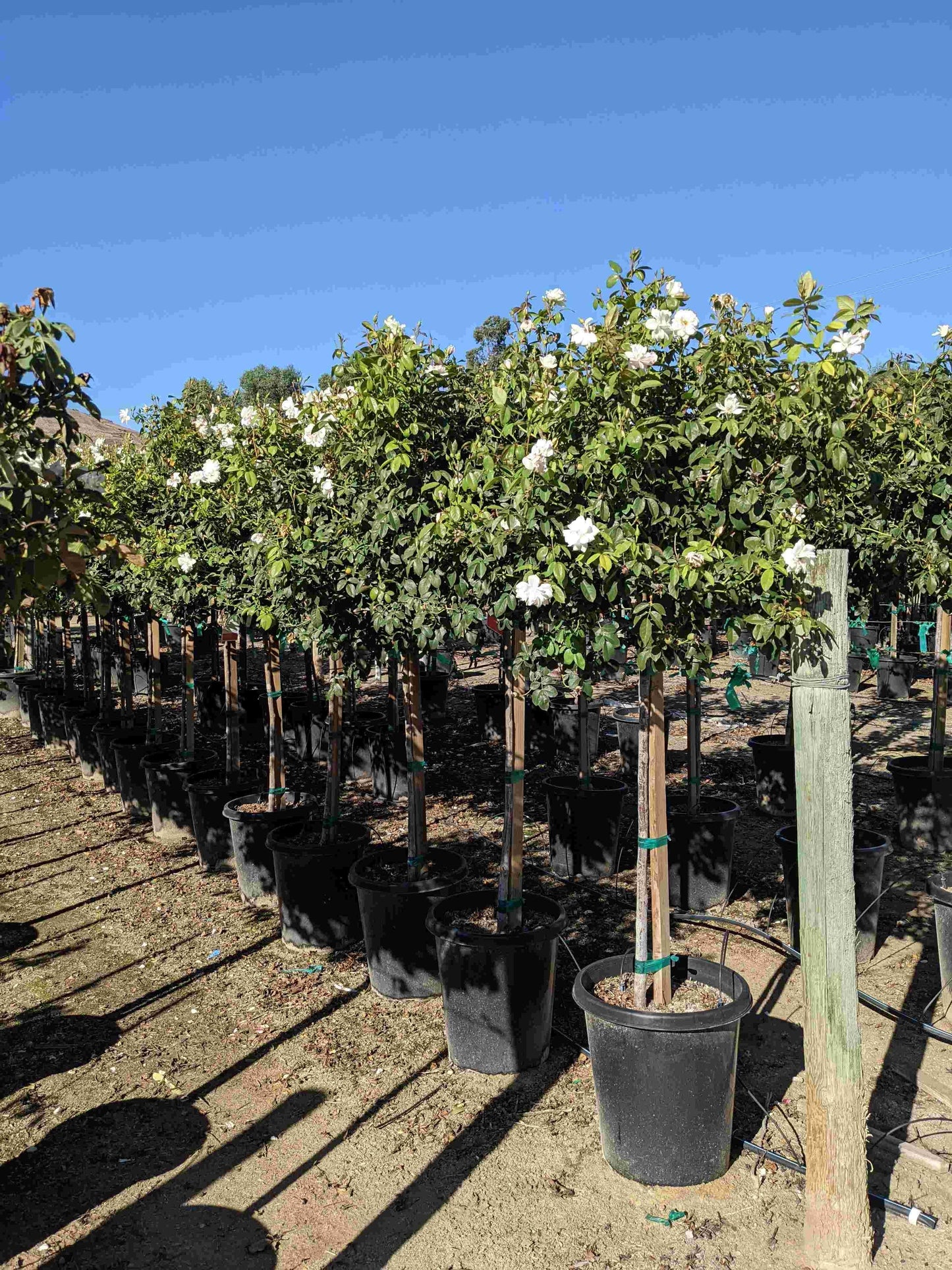

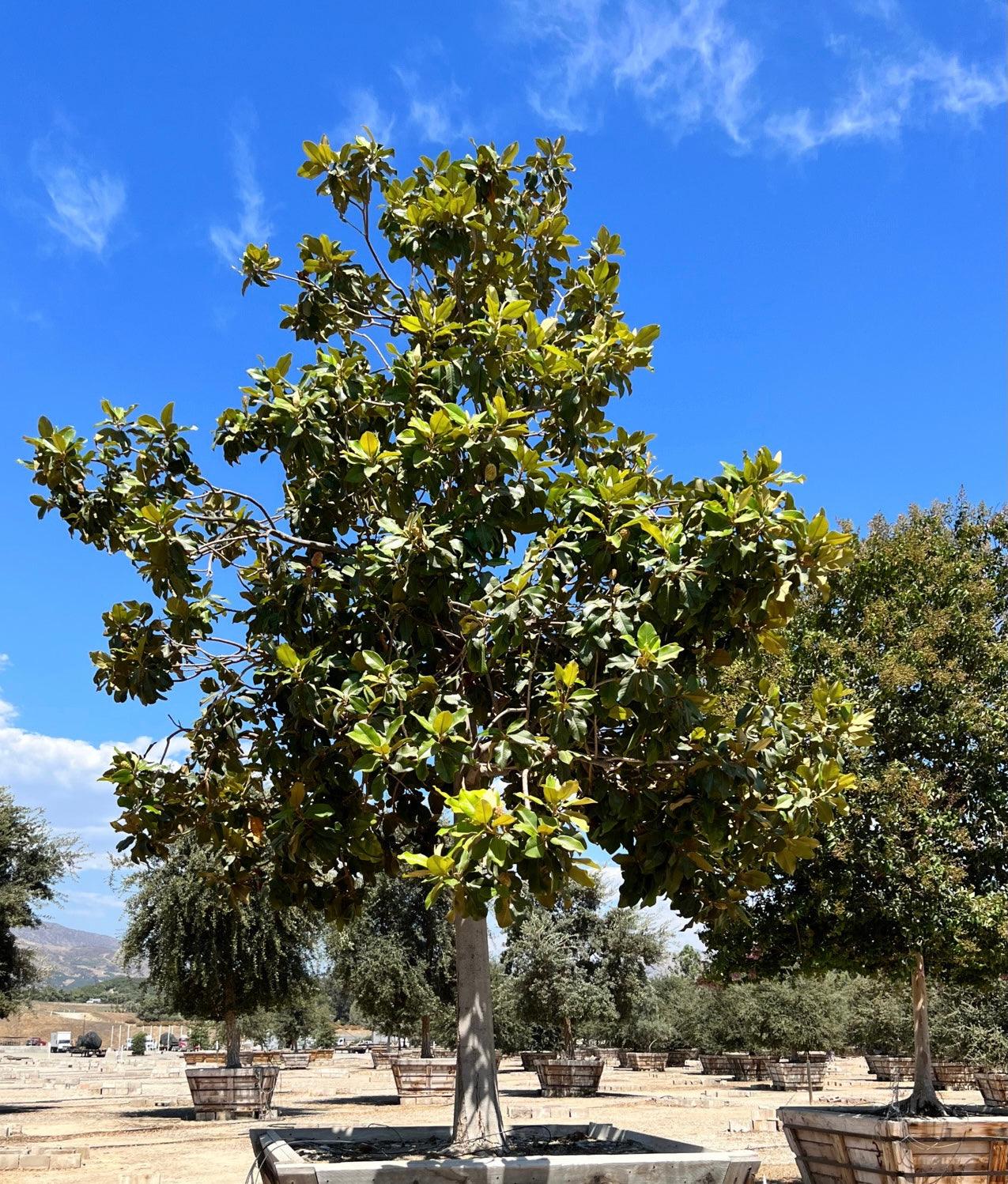

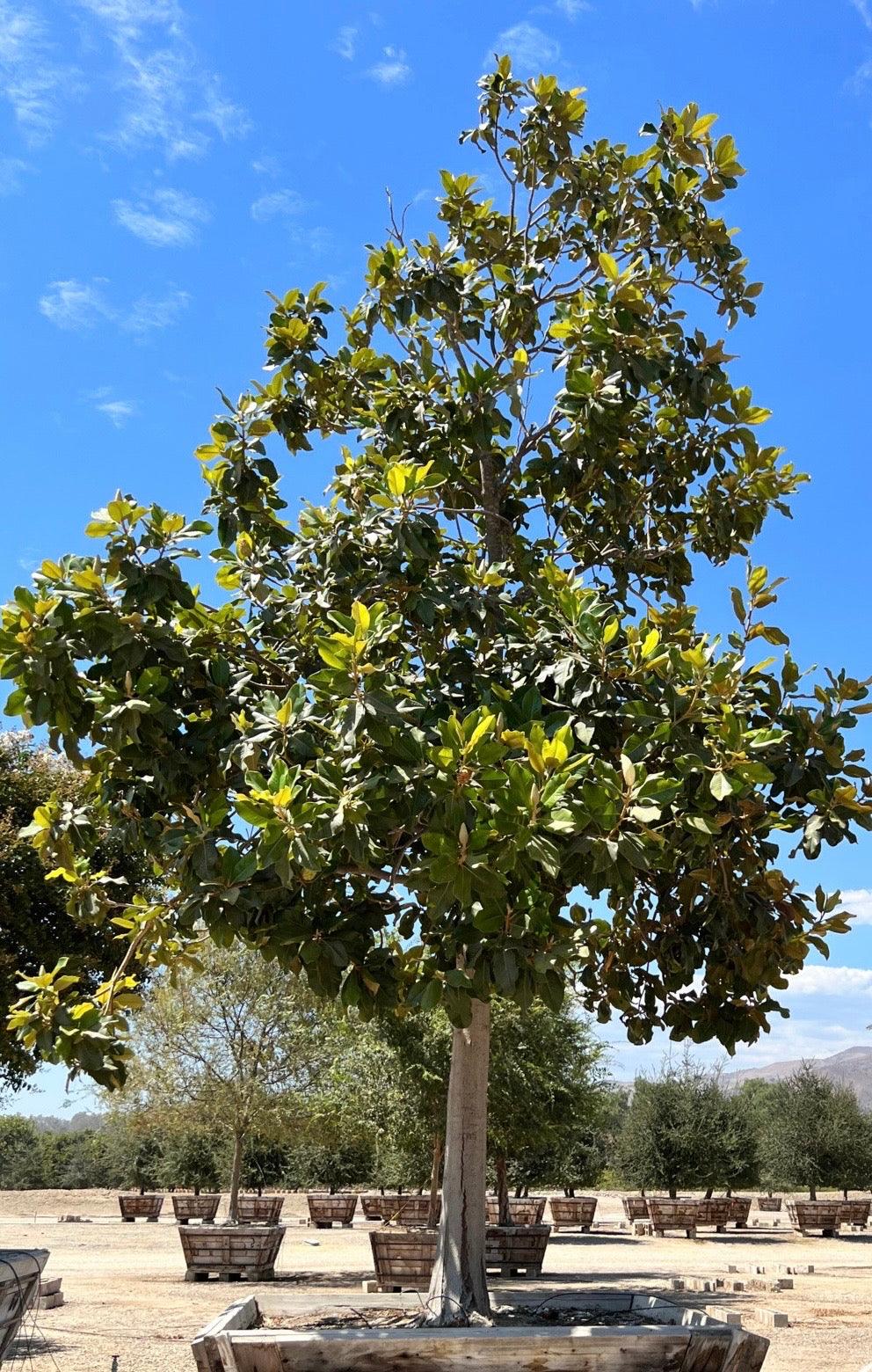

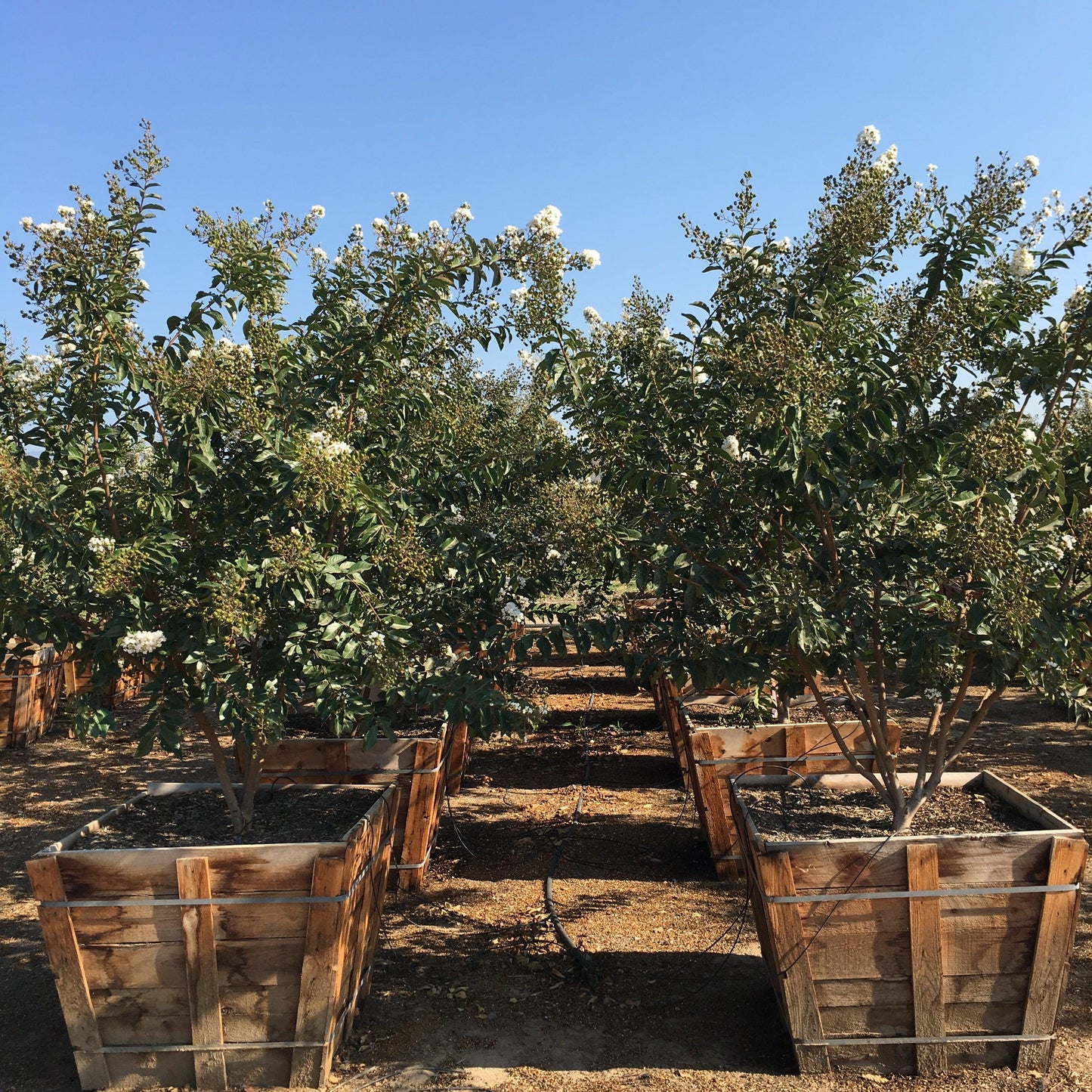





Pairs Well With













You May Also Like











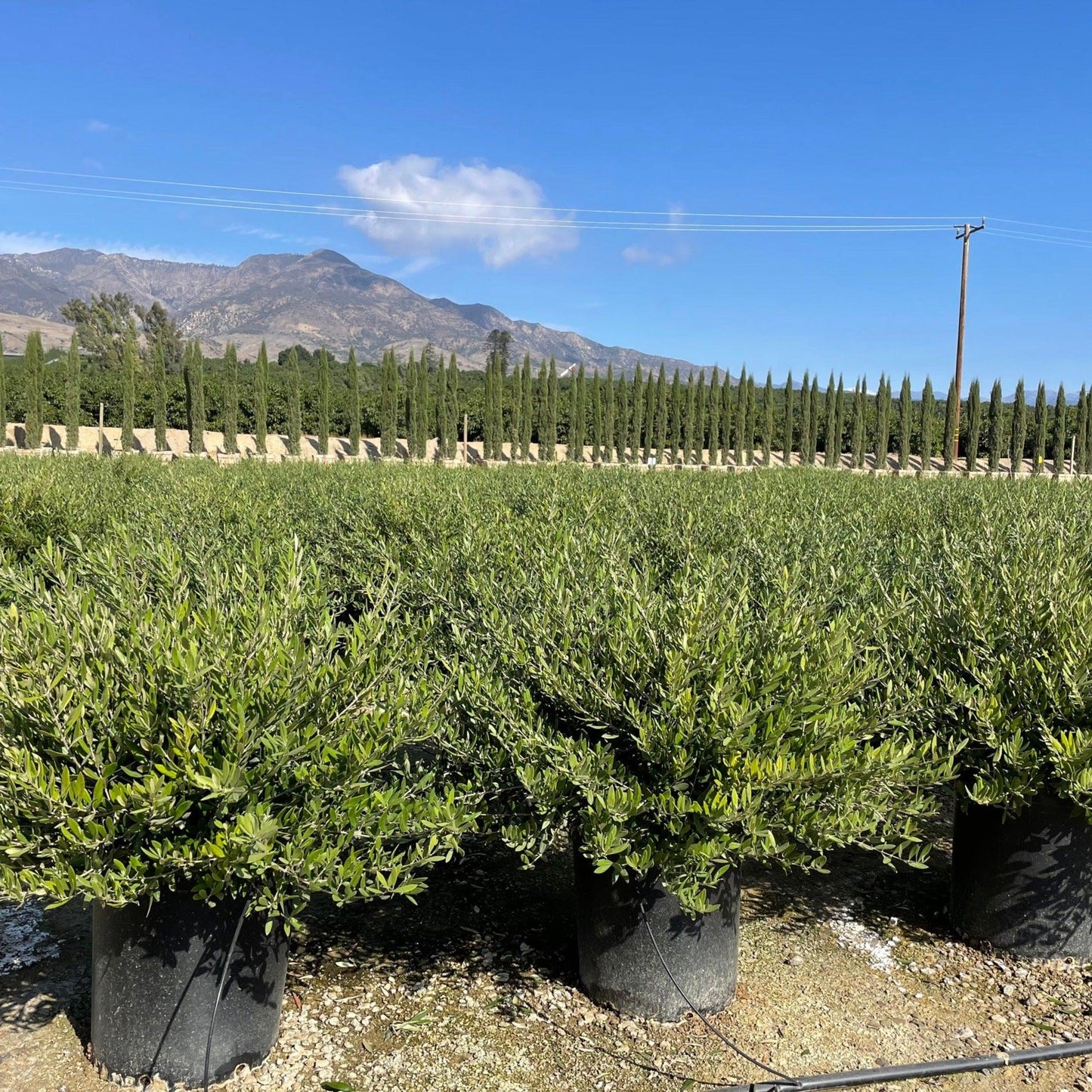

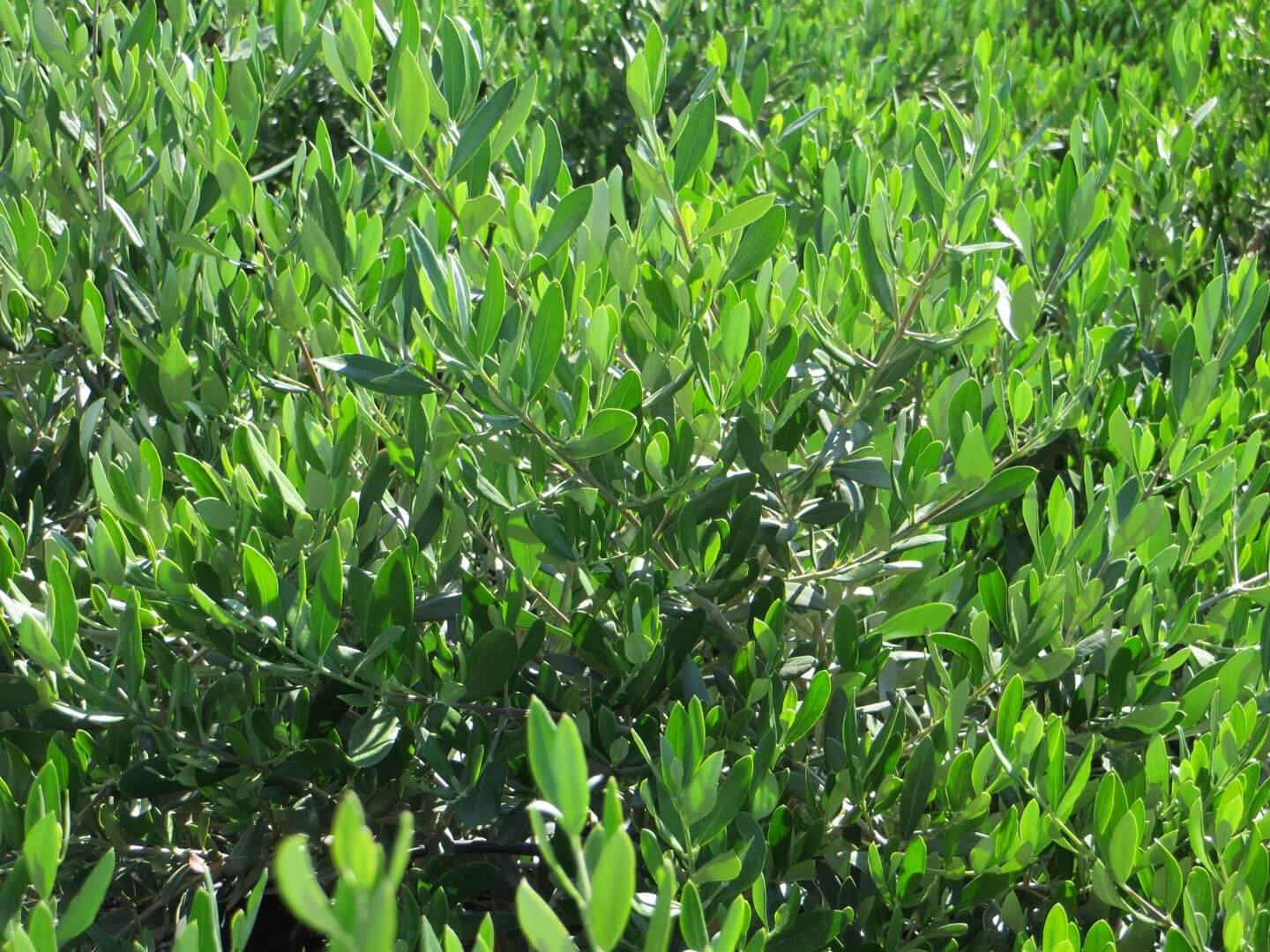
Thousands of Healthy Plants Delivered

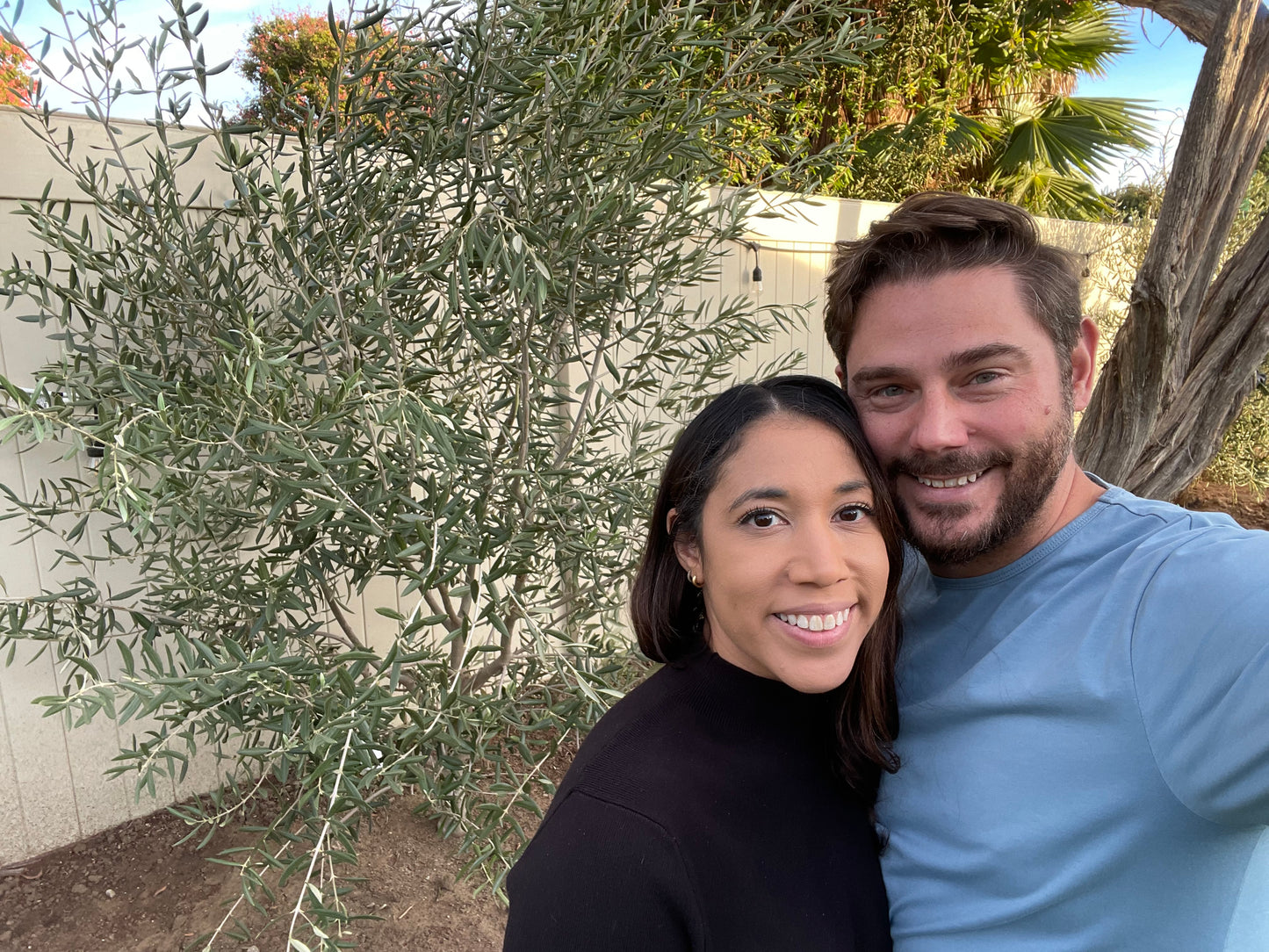
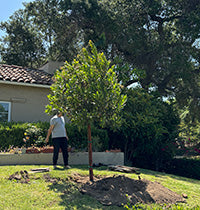
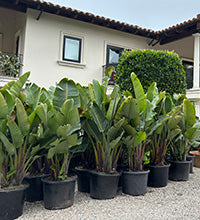
Yardwork was so great to work with. First they had the Swan Hill olive trees that we had been searching for, we had contacted several other nurseries without any luck previously. Then they answered all of our questions in a timely matter prior to ordering and finally delivered within a few days of placing it. Their staff is incredibly knowledgeable; they delivered and planted our trees with expertise to ensure that they would do well in our yard. We would definitely work with them again for future projects.











A Modern Experience
At Yardwork, we carefully curate thousands of plants, in all container sizes, to provide you with the best selection of the highest quality trees and plants at the best price, with the convenience of an online platform.
Uncompromised Quality
We choose only the finest specimens and hand select our plants just before delivery to ensure you receive the freshest and most robust specimens available for your landscape.
Industry Leading Warranties
Our 30, 90, and 365 extended warranties provide some of the best coverage to ensure our trees and plants thrive in your landscape.
Frequently Asked Questions
We're committed to changing everything about trees and plants - how they’re grown, how you shop for them, and how much they cost. We handle orders ourselves. No middlemen to get between us (or our prices) and you.
We're committed to changing everything about trees and plants - how they’re grown, how you shop for them, and how much they cost. We handle orders ourselves. No middlemen to get between us (or our prices) and you.
Delivery does not include unloading of trees and plants LARGER than a 24" box.
Trees and plants in smaller containers will be dropped curbside (usually on the driveway or near the front doorstep).
Delivery beyond a curbside drop will be charged extra.
Trees and plants that are sold in container sizes LARGER than a 24" box size will require equipment and/or enough manpower onsite to help unload from the truck.
Please reach out to our team PRIOR to placing your order to help coordinate.
Our team can provide unloading assistance with equipment for an extra fee as well.
Delivery does not include unloading of trees and plants LARGER than a 24" box.
Trees and plants in smaller containers will be dropped curbside (usually on the driveway or near the front doorstep).
Delivery beyond a curbside drop will be charged extra.
Trees and plants that are sold in container sizes LARGER than a 24" box size will require equipment and/or enough manpower onsite to help unload from the truck.
Please reach out to our team PRIOR to placing your order to help coordinate.
Our team can provide unloading assistance with equipment for an extra fee as well.
We ship locally within California within 7-10 days of your order being placed.
We ship nationally using carrier partners, based on order size. Our common order minimums for out of state shipping is $5,000.
Text or call 323-576-4159 for specific shipping details for your location.
We ship locally within California within 7-10 days of your order being placed.
We ship nationally using carrier partners, based on order size. Our common order minimums for out of state shipping is $5,000.
Text or call 323-576-4159 for specific shipping details for your location.
We are currently online only and don't have physical locations where you can view plants in person.
That's why we have photos direct from the growing grounds of the plants we will ship and we display pricing right in our store.
We do make sure to pick the very best trees and plants prior to shipping and make sure that they have gone through our multi-point inspection for health and structure.
We will always reach out prior to delivery if we find a quality issue or need to provide a substitute.
We are currently online only and don't have physical locations where you can view plants in person.
That's why we have photos direct from the growing grounds of the plants we will ship and we display pricing right in our store.
We do make sure to pick the very best trees and plants prior to shipping and make sure that they have gone through our multi-point inspection for health and structure.
We will always reach out prior to delivery if we find a quality issue or need to provide a substitute.
Plants vary greatly by type. Here is a rough idea of sizes based on containers that are direct from our growing grounds.
15 Gallon Shrub 3-4 Ft. Tall
15 Gallon Tree 5-6 Ft. Tall
24" Box Shrub 5-6 Ft. Tall
24" Box Tree 6-7 Ft. Tall
36" Box Shrub/Tree 7-9 Ft. Tall
48" Box Shrub/Tree 8-10 Ft. Tall
**Please note that we do not make guarantees of sizes. If you have questions or concerns, please call or text to request accurate sizing for the particular plant you're considering, prior to ordering.
Plants vary greatly by type. Here is a rough idea of sizes based on containers that are direct from our growing grounds.
15 Gallon Shrub 3-4 Ft. Tall
15 Gallon Tree 5-6 Ft. Tall
24" Box Shrub 5-6 Ft. Tall
24" Box Tree 6-7 Ft. Tall
36" Box Shrub/Tree 7-9 Ft. Tall
48" Box Shrub/Tree 8-10 Ft. Tall
**Please note that we do not make guarantees of sizes. If you have questions or concerns, please call or text to request accurate sizing for the particular plant you're considering, prior to ordering.
We offer a limited 30 day warranty for plants that are delivered and planted by someone else and a 90 day warranty for plants that we plant.
The limited warranty covers plants that die as a result of disease or fungus which was derived from our growing grounds or from root balls that were root bound.
The warranty does not cover damage due to watering, fertilizer, soils, or any other conditions beyond our control. Additionally, the warranty does not cover plants that are shipped out of the state of California or shipped into California from other states. Custom plant orders are also not covered under warranty. Plants must be planted within 24 hours after delivery to qualify.
We can assist you in recommending the right soils and fertilizers to help your plant thrive after you plant it.
Text or call 323-576-4159 for further warranty information.
We offer a limited 30 day warranty for plants that are delivered and planted by someone else and a 90 day warranty for plants that we plant.
The limited warranty covers plants that die as a result of disease or fungus which was derived from our growing grounds or from root balls that were root bound.
The warranty does not cover damage due to watering, fertilizer, soils, or any other conditions beyond our control. Additionally, the warranty does not cover plants that are shipped out of the state of California or shipped into California from other states. Custom plant orders are also not covered under warranty. Plants must be planted within 24 hours after delivery to qualify.
We can assist you in recommending the right soils and fertilizers to help your plant thrive after you plant it.
Text or call 323-576-4159 for further warranty information.
Our local delivery team covers most cities in California.
There are some exceptions, so please get in touch to confirm prior to ordering.
Additionally, we ship using semi trucks and trailers throughout the entire United States and even abroad for large orders over $5,000. Each shipment is custom, so please reach out to our team to coordinate.
Our local delivery team covers most cities in California.
There are some exceptions, so please get in touch to confirm prior to ordering.
Additionally, we ship using semi trucks and trailers throughout the entire United States and even abroad for large orders over $5,000. Each shipment is custom, so please reach out to our team to coordinate.