



Island Pink Yarrow - Achillea millefolium 'Island Pink'
Regular price
$25.00
Title
Transform Your Garden with Vibrant Pink Blooms Year After Year
Pink yarrow gives your garden long-lasting pink blooms, feathery foliage, and dependable perennial color without the constant watering that many flowering plants require.
Also known as Achillea millefolium var. Island Pink, pink yarrow is a drought tolerant form of common yarrow in the aster family. It thrives in full sun, handles California heat once established, and brings a soft pale rose to pink appearance to borders, meadows, rock gardens, and low-water yard designs.
Designed for gardeners who want attractive flowers, pollinators, and less maintenance, this perennial delivers color from spring into summer and fall with proper deadheading.
Why You’ll Love Pink Yarrow
-
Long-lasting pink blooms – Clusters of tiny flowers create a dense umbel-like arrangement that adds soft color through the growing season.
-
Drought tolerant once established – Once established, yarrow is drought-tolerant and prefers to be under-watered rather than over-watered to prevent fungal diseases.
-
Attracts pollinators – Pink yarrow attracts pollinators including bees, butterflies, and beneficial insects.
-
Built for California gardens – Hardy in USDA zones 3-9, this yarrow adapts well to many temperate regions and drought-tolerant California landscapes.
-
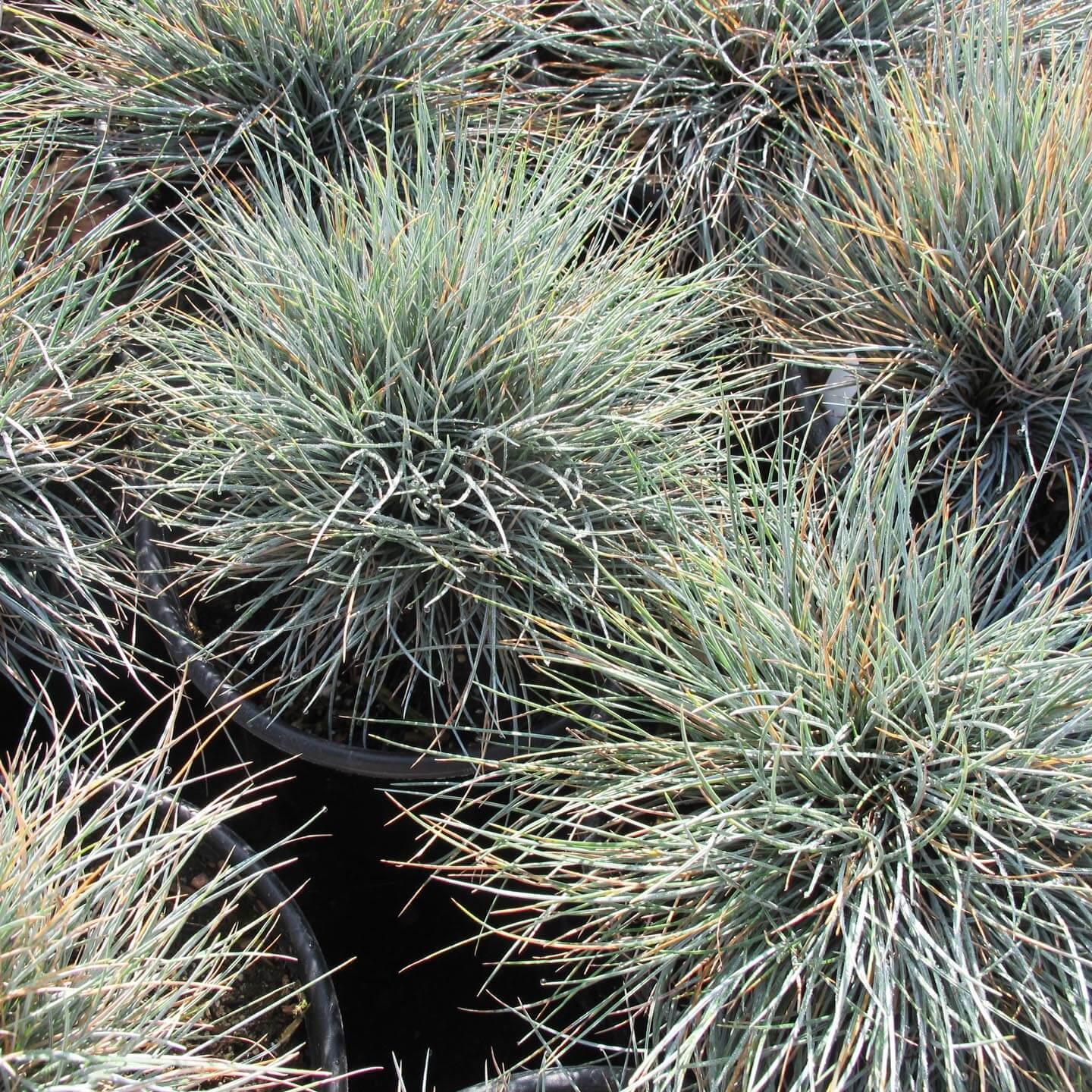
Easy to naturalize – Pink yarrow grows 1 to 3 feet tall and spreads 1 to 3 feet wide, forming dense mounding clumps that pair well with Karl Foerster Feather Reed Grass and other structural perennials.
-
Useful beyond the garden bed – Yarrow is commonly valued for cut flowers, dried flowers, borders, slopes, meadows, and rock gardens, and combines beautifully with purple bougainvillea for Mediterranean-style designs.
Pink yarrow adapts to almost any soil type but grows best in well-draining soil and tolerates poor, rocky, or sandy soils. Give it full sun, good drainage, and enough room to spread, and it will reward you with a fragrant, fern like texture that works beautifully among other plants.
What Makes It Different
Most garden flowers need frequent irrigation, rich soil, and constant attention to stay attractive through summer. Pink yarrow is built differently.
-
Feathery aromatic foliage – The finely divided foliage has a fragrant quality and a soft, fern like form. The lower leaves and upper leaves are narrow and deeply cut, with a lighter, airy appearance that contrasts well with purple, yellow, orange, apricot, and brown-toned companion plants.
-
Tough root system – Yarrow thrives in full sun and requires good drainage, tolerating various soil types but flourishing best in well-drained conditions.
-
Natural spreading habit – Yarrow’s tendency to spread by rhizomes can lead to it naturalizing in gardens, making it important to monitor its growth and take action if it becomes aggressive.
-
Pollinator-friendly blooms – The pink flowers attract bees, butterflies, and other insects while adding a soft pale rose color from early to mid season and beyond.
-
Compact cultivar options – Pink Grapefruit Yarrow is known for its compact growth habit, which typically eliminates the need for staking. This cultivar thrives in hardiness zones 5 to 8 and prefers full sun with well-drained soil.
Pink yarrow belongs to the Achillea millefolium species, a common yarrow group with native and naturalized forms across North America, Europe, western Asia, and other temperate regions. Some cultivars may fade as flowers mature, shifting from brighter pink to softer pale rose tones, which gives the garden a natural, meadow-style look, especially when paired with help from a full-service California plant nursery and landscape team.
How To Grow Pink Yarrow
-
Plant in the right place
Plant in spring in full sun with well-draining soil. Pink yarrow can handle poor soil, sandy soil, and rocky soil, making it a strong choice for rock gardens, borders, meadows, roadsides-style plantings, and low-water California native plantings. It also fits seamlessly into Mediterranean-style, drought-tolerant gardens. -
Water to establish, then reduce irrigation
Water regularly during the first season so the root system can settle in. After establishment, yarrow becomes drought tolerant and generally performs better with less water than with excessive moisture, much like a California pepper tree in a low-water landscape. -
Deadhead for more blooms
To manage yarrow’s growth, it is advisable to deadhead the flowers before they go to seed, which can help control its spread. Deadheading also encourages more blooms from spring through summer and into fall. -
Let it fill in naturally
Yarrow can be propagated by division in spring, taking advantage of its tendency to spread, or by sowing seeds indoors or outdoors after the last frost. Its rhizomes help it fill open garden space, but yarrow can be invasive in the right conditions, and it is recommended to plant it with caution to prevent it from spreading uncontrollably, especially when combined with fast-growing privacy trees and shrubs. -
Maintain airflow and drainage
Yarrow is susceptible to fungal diseases such as stem rot and powdery mildew, which can be managed by ensuring good air circulation and avoiding excessive moisture.
Product Details
-
Botanical Name: Achillea millefolium Island Pink
-
Common Name: Pink yarrow, pink grapefruit yarrow, common yarrow
-
Plant Type: Herbaceous perennial
-
Family: Aster family
-
Mature Size: Pink yarrow grows 1 to 3 feet tall and spreads 1 to 3 feet wide; Yardwork’s selected pink forms are typically 16-20 inches tall in garden use
-
Growth Habit: Dense mounding clumps that spread via underground rhizomes
-
Bloom Color: Pink to pale rose; some cultivars may fade softly with age
-
Bloom Time: Spring through fall with deadheading
-
Sun Exposure: Full sun preferred; light shade may be tolerated, but too much shade can reduce flowers
-
Soil: Pink yarrow adapts to almost any soil type but grows best in well-draining soil and tolerates poor, rocky, or sandy soils
-
Drainage: Good drainage is essential
-
Water Needs: Low once established
-
Hardiness: USDA zones 3-9; Pink Grapefruit Yarrow thrives in hardiness zones 5 to 8
-
Spacing: Yarrow cultivars, including Pink Grapefruit, can be planted closely together, with a recommended spacing of 20-24 inches apart for optimal impact in garden designs
-
Container Sizes: Available in quart pots to 5-gallon containers, similar to many ornamental grasses like Purple Fountain Grass offered in various sizes
-
Wildlife Notes: Attracts pollinators including bees and butterflies; generally avoided by deer and rabbit once established, and pairs nicely beneath flowering trees that boost curb appeal
-
Cut Flower Use: Suitable for fresh cut flowers and dried arrangements
Who It’s For
Ideal for:
-
California homeowners who want low-maintenance perennial color
-
Water-conscious gardeners replacing thirsty annual flowers
-
Gardeners who want to attract pollinators, bees, butterflies, and beneficial insects
-
Landscape designers creating sustainable, naturalized plantings
-
Homeowners planting sunny borders, rock gardens, slopes, meadows, and open yard spaces
-
Gardeners who enjoy cut flowers and a natural, fragrant garden appearance
If you want pink blooms, finely divided feathery foliage, and a plant that can handle heat, sun, and lean soil, pink yarrow fits your garden. It is especially useful where other plants struggle with poor soil or low summer water, and it layers well with mature trees that provide instant structure and shade.
Frequently Asked Questions
Is pink yarrow easy to grow?
Yes. Pink yarrow is easy to grow in full sun and well-draining soil. It tolerates poor, rocky, or sandy soil and performs best when not overwatered.
How long does it take to establish?
Pink yarrow can bloom in the first year, but it usually becomes fuller, stronger, and more floriferous by the second season.
Will it spread in my garden?
Yes. Pink yarrow spreads naturally by rhizomes and may also spread by seeds. This is useful for naturalized plantings, but it should be monitored if planted near more delicate plants.
How do I control the spread?
Deadhead spent flowers before they go to seed, divide clumps in spring, and remove unwanted stems or rhizomes when needed. Planting with 20-24 inches of spacing helps reduce overcrowding and supports airflow.
Can pink yarrow get powdery mildew?
Yes. Powdery mildew and stem rot can occur when airflow is poor or soil stays too wet. Good drainage, full sun, and avoiding excessive moisture help reduce disease pressure.
Is Pink Grapefruit Yarrow the same as pink yarrow?
Pink Grapefruit Yarrow is a compact pink yarrow cultivar with a tidy habit that typically does not need staking. It is especially useful where a more compact form is desired.
Ready to Transform Your Garden?
Choose Pink Yarrow for long-lasting pink blooms, drought tolerant performance, feathery foliage, and a pollinator-friendly garden that comes back year after year.
Transform Your Garden with Vibrant Pink Blooms Year After Year
Pink yarrow gives your garden long-lasting pink blooms, feathery foliage, and dependable perennial color without the constant watering that many flowering plants require.
Also known as Achillea millefolium var. Island Pink, pink yarrow is a drought tolerant form of common yarrow in the aster family. It thrives in full sun, handles California heat once established, and brings a soft pale rose to pink appearance to borders, meadows, rock gardens, and low-water yard designs.
Designed for gardeners who want attractive flowers, pollinators, and less maintenance, this perennial delivers color from spring into summer and fall with proper deadheading.
Why You’ll Love Pink Yarrow
-
Long-lasting pink blooms – Clusters of tiny flowers create a dense umbel-like arrangement that adds soft color through the growing season.
-
Drought tolerant once established – Once established, yarrow is drought-tolerant and prefers to be under-watered rather than over-watered to prevent fungal diseases.
-
Attracts pollinators – Pink yarrow attracts pollinators including bees, butterflies, and beneficial insects.
-
Built for California gardens – Hardy in USDA zones 3-9, this yarrow adapts well to many temperate regions and drought-tolerant California landscapes.
-
Easy to naturalize – Pink yarrow grows 1 to 3 feet tall and spreads 1 to 3 feet wide, forming dense mounding clumps that pair well with Karl Foerster Feather Reed Grass and other structural perennials.
-
Useful beyond the garden bed – Yarrow is commonly valued for cut flowers, dried flowers, borders, slopes, meadows, and rock gardens, and combines beautifully with purple bougainvillea for Mediterranean-style designs.
Pink yarrow adapts to almost any soil type but grows best in well-draining soil and tolerates poor, rocky, or sandy soils. Give it full sun, good drainage, and enough room to spread, and it will reward you with a fragrant, fern like texture that works beautifully among other plants.
What Makes It Different
Most garden flowers need frequent irrigation, rich soil, and constant attention to stay attractive through summer. Pink yarrow is built differently.
-
Feathery aromatic foliage – The finely divided foliage has a fragrant quality and a soft, fern like form. The lower leaves and upper leaves are narrow and deeply cut, with a lighter, airy appearance that contrasts well with purple, yellow, orange, apricot, and brown-toned companion plants.
-
Tough root system – Yarrow thrives in full sun and requires good drainage, tolerating various soil types but flourishing best in well-drained conditions.
-
Natural spreading habit – Yarrow’s tendency to spread by rhizomes can lead to it naturalizing in gardens, making it important to monitor its growth and take action if it becomes aggressive.
-
Pollinator-friendly blooms – The pink flowers attract bees, butterflies, and other insects while adding a soft pale rose color from early to mid season and beyond.
-
Compact cultivar options – Pink Grapefruit Yarrow is known for its compact growth habit, which typically eliminates the need for staking. This cultivar thrives in hardiness zones 5 to 8 and prefers full sun with well-drained soil.
Pink yarrow belongs to the Achillea millefolium species, a common yarrow group with native and naturalized forms across North America, Europe, western Asia, and other temperate regions. Some cultivars may fade as flowers mature, shifting from brighter pink to softer pale rose tones, which gives the garden a natural, meadow-style look, especially when paired with help from a full-service California plant nursery and landscape team.
How To Grow Pink Yarrow
-
Plant in the right place
Plant in spring in full sun with well-draining soil. Pink yarrow can handle poor soil, sandy soil, and rocky soil, making it a strong choice for rock gardens, borders, meadows, roadsides-style plantings, and low-water California native plantings. It also fits seamlessly into Mediterranean-style, drought-tolerant gardens. -
Water to establish, then reduce irrigation
Water regularly during the first season so the root system can settle in. After establishment, yarrow becomes drought tolerant and generally performs better with less water than with excessive moisture, much like a California pepper tree in a low-water landscape. -
Deadhead for more blooms
To manage yarrow’s growth, it is advisable to deadhead the flowers before they go to seed, which can help control its spread. Deadheading also encourages more blooms from spring through summer and into fall. -
Let it fill in naturally
Yarrow can be propagated by division in spring, taking advantage of its tendency to spread, or by sowing seeds indoors or outdoors after the last frost. Its rhizomes help it fill open garden space, but yarrow can be invasive in the right conditions, and it is recommended to plant it with caution to prevent it from spreading uncontrollably, especially when combined with fast-growing privacy trees and shrubs. -
Maintain airflow and drainage
Yarrow is susceptible to fungal diseases such as stem rot and powdery mildew, which can be managed by ensuring good air circulation and avoiding excessive moisture.
Product Details
-
Botanical Name: Achillea millefolium Island Pink
-
Common Name: Pink yarrow, pink grapefruit yarrow, common yarrow
-
Plant Type: Herbaceous perennial
-
Family: Aster family
-
Mature Size: Pink yarrow grows 1 to 3 feet tall and spreads 1 to 3 feet wide; Yardwork’s selected pink forms are typically 16-20 inches tall in garden use
-
Growth Habit: Dense mounding clumps that spread via underground rhizomes
-
Bloom Color: Pink to pale rose; some cultivars may fade softly with age
-
Bloom Time: Spring through fall with deadheading
-
Sun Exposure: Full sun preferred; light shade may be tolerated, but too much shade can reduce flowers
-
Soil: Pink yarrow adapts to almost any soil type but grows best in well-draining soil and tolerates poor, rocky, or sandy soils
-
Drainage: Good drainage is essential
-
Water Needs: Low once established
-
Hardiness: USDA zones 3-9; Pink Grapefruit Yarrow thrives in hardiness zones 5 to 8
-
Spacing: Yarrow cultivars, including Pink Grapefruit, can be planted closely together, with a recommended spacing of 20-24 inches apart for optimal impact in garden designs
-
Container Sizes: Available in quart pots to 5-gallon containers, similar to many ornamental grasses like Purple Fountain Grass offered in various sizes
-
Wildlife Notes: Attracts pollinators including bees and butterflies; generally avoided by deer and rabbit once established, and pairs nicely beneath flowering trees that boost curb appeal
-
Cut Flower Use: Suitable for fresh cut flowers and dried arrangements
Who It’s For
Ideal for:
-
California homeowners who want low-maintenance perennial color
-
Water-conscious gardeners replacing thirsty annual flowers
-
Gardeners who want to attract pollinators, bees, butterflies, and beneficial insects
-
Landscape designers creating sustainable, naturalized plantings
-
Homeowners planting sunny borders, rock gardens, slopes, meadows, and open yard spaces
-
Gardeners who enjoy cut flowers and a natural, fragrant garden appearance
If you want pink blooms, finely divided feathery foliage, and a plant that can handle heat, sun, and lean soil, pink yarrow fits your garden. It is especially useful where other plants struggle with poor soil or low summer water, and it layers well with mature trees that provide instant structure and shade.
Frequently Asked Questions
Is pink yarrow easy to grow?
Yes. Pink yarrow is easy to grow in full sun and well-draining soil. It tolerates poor, rocky, or sandy soil and performs best when not overwatered.
How long does it take to establish?
Pink yarrow can bloom in the first year, but it usually becomes fuller, stronger, and more floriferous by the second season.
Will it spread in my garden?
Yes. Pink yarrow spreads naturally by rhizomes and may also spread by seeds. This is useful for naturalized plantings, but it should be monitored if planted near more delicate plants.
How do I control the spread?
Deadhead spent flowers before they go to seed, divide clumps in spring, and remove unwanted stems or rhizomes when needed. Planting with 20-24 inches of spacing helps reduce overcrowding and supports airflow.
Can pink yarrow get powdery mildew?
Yes. Powdery mildew and stem rot can occur when airflow is poor or soil stays too wet. Good drainage, full sun, and avoiding excessive moisture help reduce disease pressure.
Is Pink Grapefruit Yarrow the same as pink yarrow?
Pink Grapefruit Yarrow is a compact pink yarrow cultivar with a tidy habit that typically does not need staking. It is especially useful where a more compact form is desired.
Ready to Transform Your Garden?
Choose Pink Yarrow for long-lasting pink blooms, drought tolerant performance, feathery foliage, and a pollinator-friendly garden that comes back year after year.
Plants vary greatly by type and no guarantees are made on sizing.
However here is a rough idea of sizes based on containers that are direct from our growing grounds.
15 Gallon Shrub 3-4 Ft. Tall
15 Gallon Tree 5-6 Ft. Tall
24" Box Shrub 5-6 Ft. Tall
24" Box Tree 6-7 Ft. Tall
36" Box Tree 8-10 Ft. Tall
48" Box Tree 10-12 Ft. Tall
Please note: Citrus and California Native plants such as Manzanita are smaller than traditional sizing.
Please contact us to confirm sizing of items before purchasing if this is a concern.
Plants vary greatly by type and no guarantees are made on sizing.
However here is a rough idea of sizes based on containers that are direct from our growing grounds.
15 Gallon Shrub 3-4 Ft. Tall
15 Gallon Tree 5-6 Ft. Tall
24" Box Shrub 5-6 Ft. Tall
24" Box Tree 6-7 Ft. Tall
36" Box Tree 8-10 Ft. Tall
48" Box Tree 10-12 Ft. Tall
Please note: Citrus and California Native plants such as Manzanita are smaller than traditional sizing.
Please contact us to confirm sizing of items before purchasing if this is a concern.
Delivery does not include unloading of trees and plants larger than a 24" box.
Trees and plants in smaller containers will be dropped curbside.
Delivery beyond a curbside drop will be charged extra.
Trees and plants that are sold in container sizes larger than a 24" box size will require equipment and an operator onsite to help unload from the truck.
Please reach out to our team PRIOR to placing your order to coordinate.
Our team can provide unloading assistance with equipment for an extra fee.
Delivery does not include unloading of trees and plants larger than a 24" box.
Trees and plants in smaller containers will be dropped curbside.
Delivery beyond a curbside drop will be charged extra.
Trees and plants that are sold in container sizes larger than a 24" box size will require equipment and an operator onsite to help unload from the truck.
Please reach out to our team PRIOR to placing your order to coordinate.
Our team can provide unloading assistance with equipment for an extra fee.
You may also like...


Island Pink Yarrow - Achillea millefolium 'Island Pink'
Regular price
$25.00
Title
Transform Your Garden with Vibrant Pink Blooms Year After Year
Pink yarrow gives your garden long-lasting pink blooms, feathery foliage, and dependable perennial color without the constant watering that many flowering plants require.
Also known as Achillea millefolium var. Island Pink, pink yarrow is a drought tolerant form of common yarrow in the aster family. It thrives in full sun, handles California heat once established, and brings a soft pale rose to pink appearance to borders, meadows, rock gardens, and low-water yard designs.
Designed for gardeners who want attractive flowers, pollinators, and less maintenance, this perennial delivers color from spring into summer and fall with proper deadheading.
Why You’ll Love Pink Yarrow
-
Long-lasting pink blooms – Clusters of tiny flowers create a dense umbel-like arrangement that adds soft color through the growing season.
-
Drought tolerant once established – Once established, yarrow is drought-tolerant and prefers to be under-watered rather than over-watered to prevent fungal diseases.
-
Attracts pollinators – Pink yarrow attracts pollinators including bees, butterflies, and beneficial insects.
-
Built for California gardens – Hardy in USDA zones 3-9, this yarrow adapts well to many temperate regions and drought-tolerant California landscapes.
-
Easy to naturalize – Pink yarrow grows 1 to 3 feet tall and spreads 1 to 3 feet wide, forming dense mounding clumps that pair well with Karl Foerster Feather Reed Grass and other structural perennials.
-
Useful beyond the garden bed – Yarrow is commonly valued for cut flowers, dried flowers, borders, slopes, meadows, and rock gardens, and combines beautifully with purple bougainvillea for Mediterranean-style designs.
Pink yarrow adapts to almost any soil type but grows best in well-draining soil and tolerates poor, rocky, or sandy soils. Give it full sun, good drainage, and enough room to spread, and it will reward you with a fragrant, fern like texture that works beautifully among other plants.
What Makes It Different
Most garden flowers need frequent irrigation, rich soil, and constant attention to stay attractive through summer. Pink yarrow is built differently.
-
Feathery aromatic foliage – The finely divided foliage has a fragrant quality and a soft, fern like form. The lower leaves and upper leaves are narrow and deeply cut, with a lighter, airy appearance that contrasts well with purple, yellow, orange, apricot, and brown-toned companion plants.
-
Tough root system – Yarrow thrives in full sun and requires good drainage, tolerating various soil types but flourishing best in well-drained conditions.
-
Natural spreading habit – Yarrow’s tendency to spread by rhizomes can lead to it naturalizing in gardens, making it important to monitor its growth and take action if it becomes aggressive.
-
Pollinator-friendly blooms – The pink flowers attract bees, butterflies, and other insects while adding a soft pale rose color from early to mid season and beyond.
-
Compact cultivar options – Pink Grapefruit Yarrow is known for its compact growth habit, which typically eliminates the need for staking. This cultivar thrives in hardiness zones 5 to 8 and prefers full sun with well-drained soil.
Pink yarrow belongs to the Achillea millefolium species, a common yarrow group with native and naturalized forms across North America, Europe, western Asia, and other temperate regions. Some cultivars may fade as flowers mature, shifting from brighter pink to softer pale rose tones, which gives the garden a natural, meadow-style look, especially when paired with help from a full-service California plant nursery and landscape team.
How To Grow Pink Yarrow
-
Plant in the right place
Plant in spring in full sun with well-draining soil. Pink yarrow can handle poor soil, sandy soil, and rocky soil, making it a strong choice for rock gardens, borders, meadows, roadsides-style plantings, and low-water California native plantings. It also fits seamlessly into Mediterranean-style, drought-tolerant gardens. -
Water to establish, then reduce irrigation
Water regularly during the first season so the root system can settle in. After establishment, yarrow becomes drought tolerant and generally performs better with less water than with excessive moisture, much like a California pepper tree in a low-water landscape. -
Deadhead for more blooms
To manage yarrow’s growth, it is advisable to deadhead the flowers before they go to seed, which can help control its spread. Deadheading also encourages more blooms from spring through summer and into fall. -
Let it fill in naturally
Yarrow can be propagated by division in spring, taking advantage of its tendency to spread, or by sowing seeds indoors or outdoors after the last frost. Its rhizomes help it fill open garden space, but yarrow can be invasive in the right conditions, and it is recommended to plant it with caution to prevent it from spreading uncontrollably, especially when combined with fast-growing privacy trees and shrubs. -
Maintain airflow and drainage
Yarrow is susceptible to fungal diseases such as stem rot and powdery mildew, which can be managed by ensuring good air circulation and avoiding excessive moisture.
Product Details
-
Botanical Name: Achillea millefolium Island Pink
-
Common Name: Pink yarrow, pink grapefruit yarrow, common yarrow
-
Plant Type: Herbaceous perennial
-
Family: Aster family
-
Mature Size: Pink yarrow grows 1 to 3 feet tall and spreads 1 to 3 feet wide; Yardwork’s selected pink forms are typically 16-20 inches tall in garden use
-
Growth Habit: Dense mounding clumps that spread via underground rhizomes
-
Bloom Color: Pink to pale rose; some cultivars may fade softly with age
-
Bloom Time: Spring through fall with deadheading
-
Sun Exposure: Full sun preferred; light shade may be tolerated, but too much shade can reduce flowers
-
Soil: Pink yarrow adapts to almost any soil type but grows best in well-draining soil and tolerates poor, rocky, or sandy soils
-
Drainage: Good drainage is essential
-
Water Needs: Low once established
-
Hardiness: USDA zones 3-9; Pink Grapefruit Yarrow thrives in hardiness zones 5 to 8
-
Spacing: Yarrow cultivars, including Pink Grapefruit, can be planted closely together, with a recommended spacing of 20-24 inches apart for optimal impact in garden designs
-
Container Sizes: Available in quart pots to 5-gallon containers, similar to many ornamental grasses like Purple Fountain Grass offered in various sizes
-
Wildlife Notes: Attracts pollinators including bees and butterflies; generally avoided by deer and rabbit once established, and pairs nicely beneath flowering trees that boost curb appeal
-
Cut Flower Use: Suitable for fresh cut flowers and dried arrangements
Who It’s For
Ideal for:
-
California homeowners who want low-maintenance perennial color
-
Water-conscious gardeners replacing thirsty annual flowers
-
Gardeners who want to attract pollinators, bees, butterflies, and beneficial insects
-
Landscape designers creating sustainable, naturalized plantings
-
Homeowners planting sunny borders, rock gardens, slopes, meadows, and open yard spaces
-
Gardeners who enjoy cut flowers and a natural, fragrant garden appearance
If you want pink blooms, finely divided feathery foliage, and a plant that can handle heat, sun, and lean soil, pink yarrow fits your garden. It is especially useful where other plants struggle with poor soil or low summer water, and it layers well with mature trees that provide instant structure and shade.
Frequently Asked Questions
Is pink yarrow easy to grow?
Yes. Pink yarrow is easy to grow in full sun and well-draining soil. It tolerates poor, rocky, or sandy soil and performs best when not overwatered.
How long does it take to establish?
Pink yarrow can bloom in the first year, but it usually becomes fuller, stronger, and more floriferous by the second season.
Will it spread in my garden?
Yes. Pink yarrow spreads naturally by rhizomes and may also spread by seeds. This is useful for naturalized plantings, but it should be monitored if planted near more delicate plants.
How do I control the spread?
Deadhead spent flowers before they go to seed, divide clumps in spring, and remove unwanted stems or rhizomes when needed. Planting with 20-24 inches of spacing helps reduce overcrowding and supports airflow.
Can pink yarrow get powdery mildew?
Yes. Powdery mildew and stem rot can occur when airflow is poor or soil stays too wet. Good drainage, full sun, and avoiding excessive moisture help reduce disease pressure.
Is Pink Grapefruit Yarrow the same as pink yarrow?
Pink Grapefruit Yarrow is a compact pink yarrow cultivar with a tidy habit that typically does not need staking. It is especially useful where a more compact form is desired.
Ready to Transform Your Garden?
Choose Pink Yarrow for long-lasting pink blooms, drought tolerant performance, feathery foliage, and a pollinator-friendly garden that comes back year after year.
Transform Your Garden with Vibrant Pink Blooms Year After Year
Pink yarrow gives your garden long-lasting pink blooms, feathery foliage, and dependable perennial color without the constant watering that many flowering plants require.
Also known as Achillea millefolium var. Island Pink, pink yarrow is a drought tolerant form of common yarrow in the aster family. It thrives in full sun, handles California heat once established, and brings a soft pale rose to pink appearance to borders, meadows, rock gardens, and low-water yard designs.
Designed for gardeners who want attractive flowers, pollinators, and less maintenance, this perennial delivers color from spring into summer and fall with proper deadheading.
Why You’ll Love Pink Yarrow
-
Long-lasting pink blooms – Clusters of tiny flowers create a dense umbel-like arrangement that adds soft color through the growing season.
-
Drought tolerant once established – Once established, yarrow is drought-tolerant and prefers to be under-watered rather than over-watered to prevent fungal diseases.
-
Attracts pollinators – Pink yarrow attracts pollinators including bees, butterflies, and beneficial insects.
-
Built for California gardens – Hardy in USDA zones 3-9, this yarrow adapts well to many temperate regions and drought-tolerant California landscapes.
-
Easy to naturalize – Pink yarrow grows 1 to 3 feet tall and spreads 1 to 3 feet wide, forming dense mounding clumps that pair well with Karl Foerster Feather Reed Grass and other structural perennials.
-
Useful beyond the garden bed – Yarrow is commonly valued for cut flowers, dried flowers, borders, slopes, meadows, and rock gardens, and combines beautifully with purple bougainvillea for Mediterranean-style designs.
Pink yarrow adapts to almost any soil type but grows best in well-draining soil and tolerates poor, rocky, or sandy soils. Give it full sun, good drainage, and enough room to spread, and it will reward you with a fragrant, fern like texture that works beautifully among other plants.
What Makes It Different
Most garden flowers need frequent irrigation, rich soil, and constant attention to stay attractive through summer. Pink yarrow is built differently.
-
Feathery aromatic foliage – The finely divided foliage has a fragrant quality and a soft, fern like form. The lower leaves and upper leaves are narrow and deeply cut, with a lighter, airy appearance that contrasts well with purple, yellow, orange, apricot, and brown-toned companion plants.
-
Tough root system – Yarrow thrives in full sun and requires good drainage, tolerating various soil types but flourishing best in well-drained conditions.
-
Natural spreading habit – Yarrow’s tendency to spread by rhizomes can lead to it naturalizing in gardens, making it important to monitor its growth and take action if it becomes aggressive.
-
Pollinator-friendly blooms – The pink flowers attract bees, butterflies, and other insects while adding a soft pale rose color from early to mid season and beyond.
-
Compact cultivar options – Pink Grapefruit Yarrow is known for its compact growth habit, which typically eliminates the need for staking. This cultivar thrives in hardiness zones 5 to 8 and prefers full sun with well-drained soil.
Pink yarrow belongs to the Achillea millefolium species, a common yarrow group with native and naturalized forms across North America, Europe, western Asia, and other temperate regions. Some cultivars may fade as flowers mature, shifting from brighter pink to softer pale rose tones, which gives the garden a natural, meadow-style look, especially when paired with help from a full-service California plant nursery and landscape team.
How To Grow Pink Yarrow
-
Plant in the right place
Plant in spring in full sun with well-draining soil. Pink yarrow can handle poor soil, sandy soil, and rocky soil, making it a strong choice for rock gardens, borders, meadows, roadsides-style plantings, and low-water California native plantings. It also fits seamlessly into Mediterranean-style, drought-tolerant gardens. -
Water to establish, then reduce irrigation
Water regularly during the first season so the root system can settle in. After establishment, yarrow becomes drought tolerant and generally performs better with less water than with excessive moisture, much like a California pepper tree in a low-water landscape. -
Deadhead for more blooms
To manage yarrow’s growth, it is advisable to deadhead the flowers before they go to seed, which can help control its spread. Deadheading also encourages more blooms from spring through summer and into fall. -
Let it fill in naturally
Yarrow can be propagated by division in spring, taking advantage of its tendency to spread, or by sowing seeds indoors or outdoors after the last frost. Its rhizomes help it fill open garden space, but yarrow can be invasive in the right conditions, and it is recommended to plant it with caution to prevent it from spreading uncontrollably, especially when combined with fast-growing privacy trees and shrubs. -
Maintain airflow and drainage
Yarrow is susceptible to fungal diseases such as stem rot and powdery mildew, which can be managed by ensuring good air circulation and avoiding excessive moisture.
Product Details
-
Botanical Name: Achillea millefolium Island Pink
-
Common Name: Pink yarrow, pink grapefruit yarrow, common yarrow
-
Plant Type: Herbaceous perennial
-
Family: Aster family
-
Mature Size: Pink yarrow grows 1 to 3 feet tall and spreads 1 to 3 feet wide; Yardwork’s selected pink forms are typically 16-20 inches tall in garden use
-
Growth Habit: Dense mounding clumps that spread via underground rhizomes
-
Bloom Color: Pink to pale rose; some cultivars may fade softly with age
-
Bloom Time: Spring through fall with deadheading
-
Sun Exposure: Full sun preferred; light shade may be tolerated, but too much shade can reduce flowers
-
Soil: Pink yarrow adapts to almost any soil type but grows best in well-draining soil and tolerates poor, rocky, or sandy soils
-
Drainage: Good drainage is essential
-
Water Needs: Low once established
-
Hardiness: USDA zones 3-9; Pink Grapefruit Yarrow thrives in hardiness zones 5 to 8
-
Spacing: Yarrow cultivars, including Pink Grapefruit, can be planted closely together, with a recommended spacing of 20-24 inches apart for optimal impact in garden designs
-
Container Sizes: Available in quart pots to 5-gallon containers, similar to many ornamental grasses like Purple Fountain Grass offered in various sizes
-
Wildlife Notes: Attracts pollinators including bees and butterflies; generally avoided by deer and rabbit once established, and pairs nicely beneath flowering trees that boost curb appeal
-
Cut Flower Use: Suitable for fresh cut flowers and dried arrangements
Who It’s For
Ideal for:
-
California homeowners who want low-maintenance perennial color
-
Water-conscious gardeners replacing thirsty annual flowers
-
Gardeners who want to attract pollinators, bees, butterflies, and beneficial insects
-
Landscape designers creating sustainable, naturalized plantings
-
Homeowners planting sunny borders, rock gardens, slopes, meadows, and open yard spaces
-
Gardeners who enjoy cut flowers and a natural, fragrant garden appearance
If you want pink blooms, finely divided feathery foliage, and a plant that can handle heat, sun, and lean soil, pink yarrow fits your garden. It is especially useful where other plants struggle with poor soil or low summer water, and it layers well with mature trees that provide instant structure and shade.
Frequently Asked Questions
Is pink yarrow easy to grow?
Yes. Pink yarrow is easy to grow in full sun and well-draining soil. It tolerates poor, rocky, or sandy soil and performs best when not overwatered.
How long does it take to establish?
Pink yarrow can bloom in the first year, but it usually becomes fuller, stronger, and more floriferous by the second season.
Will it spread in my garden?
Yes. Pink yarrow spreads naturally by rhizomes and may also spread by seeds. This is useful for naturalized plantings, but it should be monitored if planted near more delicate plants.
How do I control the spread?
Deadhead spent flowers before they go to seed, divide clumps in spring, and remove unwanted stems or rhizomes when needed. Planting with 20-24 inches of spacing helps reduce overcrowding and supports airflow.
Can pink yarrow get powdery mildew?
Yes. Powdery mildew and stem rot can occur when airflow is poor or soil stays too wet. Good drainage, full sun, and avoiding excessive moisture help reduce disease pressure.
Is Pink Grapefruit Yarrow the same as pink yarrow?
Pink Grapefruit Yarrow is a compact pink yarrow cultivar with a tidy habit that typically does not need staking. It is especially useful where a more compact form is desired.
Ready to Transform Your Garden?
Choose Pink Yarrow for long-lasting pink blooms, drought tolerant performance, feathery foliage, and a pollinator-friendly garden that comes back year after year.
Plants vary greatly by type and no guarantees are made on sizing.
However here is a rough idea of sizes based on containers that are direct from our growing grounds.
15 Gallon Shrub 3-4 Ft. Tall
15 Gallon Tree 5-6 Ft. Tall
24" Box Shrub 5-6 Ft. Tall
24" Box Tree 6-7 Ft. Tall
36" Box Tree 8-10 Ft. Tall
48" Box Tree 10-12 Ft. Tall
Please note: Citrus and California Native plants such as Manzanita are smaller than traditional sizing.
Please contact us to confirm sizing of items before purchasing if this is a concern.
Plants vary greatly by type and no guarantees are made on sizing.
However here is a rough idea of sizes based on containers that are direct from our growing grounds.
15 Gallon Shrub 3-4 Ft. Tall
15 Gallon Tree 5-6 Ft. Tall
24" Box Shrub 5-6 Ft. Tall
24" Box Tree 6-7 Ft. Tall
36" Box Tree 8-10 Ft. Tall
48" Box Tree 10-12 Ft. Tall
Please note: Citrus and California Native plants such as Manzanita are smaller than traditional sizing.
Please contact us to confirm sizing of items before purchasing if this is a concern.
Delivery does not include unloading of trees and plants larger than a 24" box.
Trees and plants in smaller containers will be dropped curbside.
Delivery beyond a curbside drop will be charged extra.
Trees and plants that are sold in container sizes larger than a 24" box size will require equipment and an operator onsite to help unload from the truck.
Please reach out to our team PRIOR to placing your order to coordinate.
Our team can provide unloading assistance with equipment for an extra fee.
Delivery does not include unloading of trees and plants larger than a 24" box.
Trees and plants in smaller containers will be dropped curbside.
Delivery beyond a curbside drop will be charged extra.
Trees and plants that are sold in container sizes larger than a 24" box size will require equipment and an operator onsite to help unload from the truck.
Please reach out to our team PRIOR to placing your order to coordinate.
Our team can provide unloading assistance with equipment for an extra fee.
Recommended For You

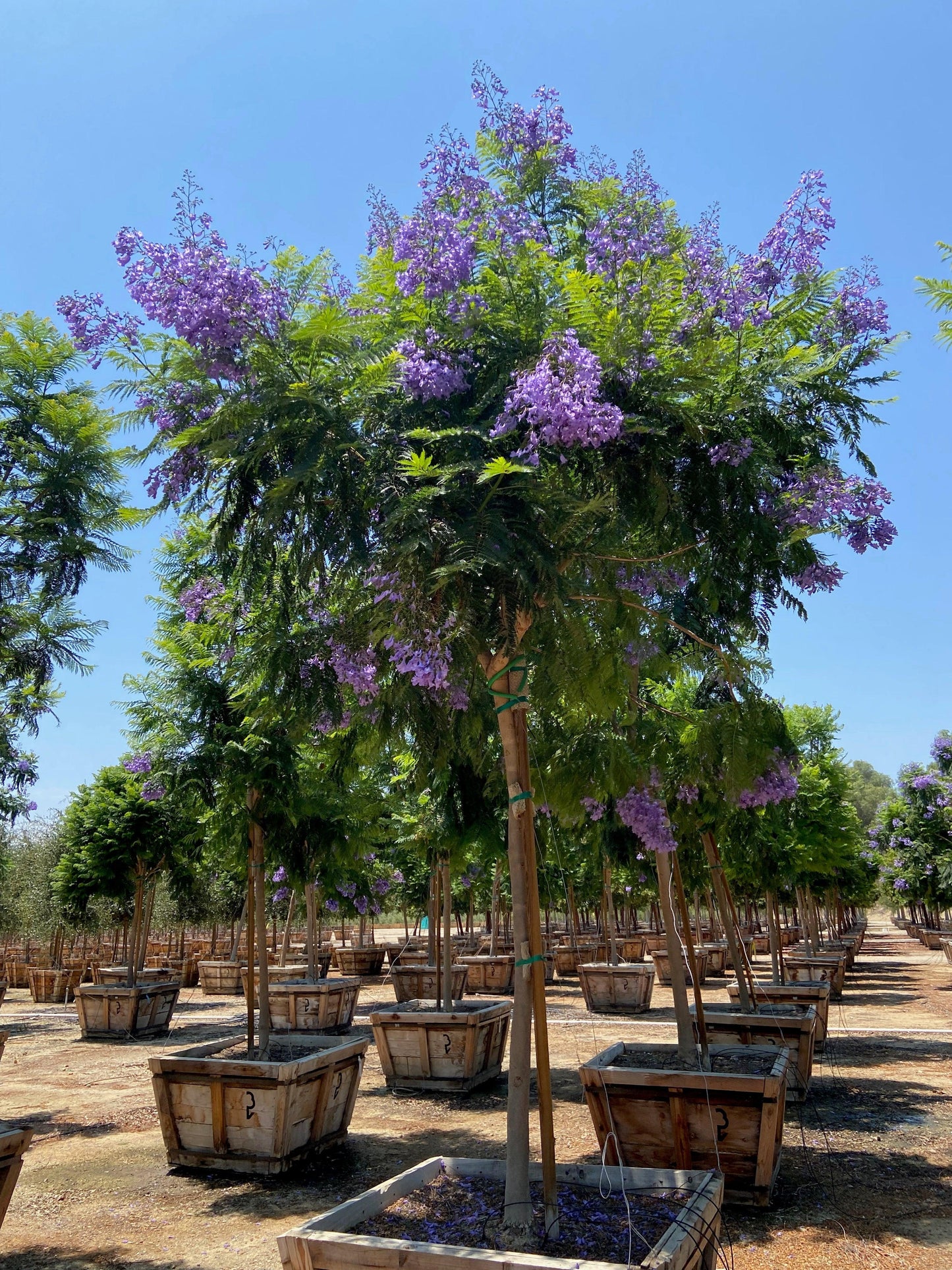
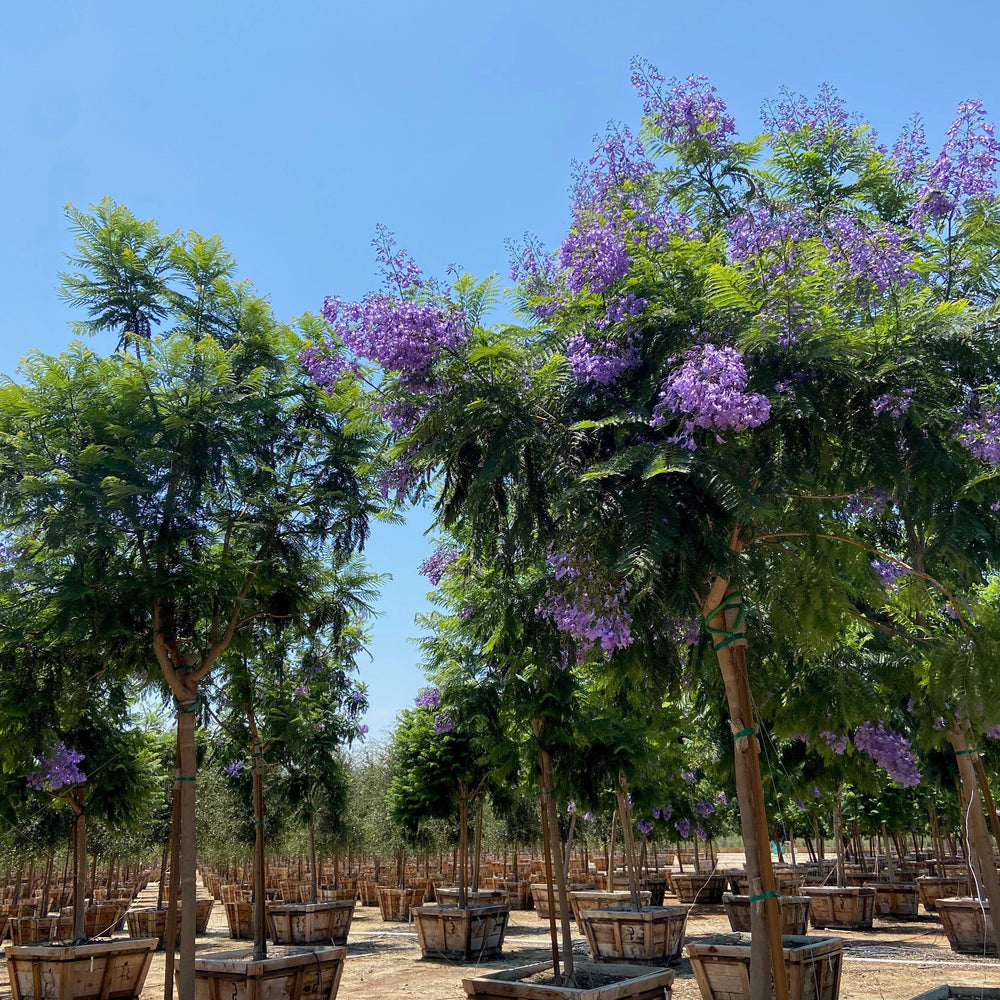
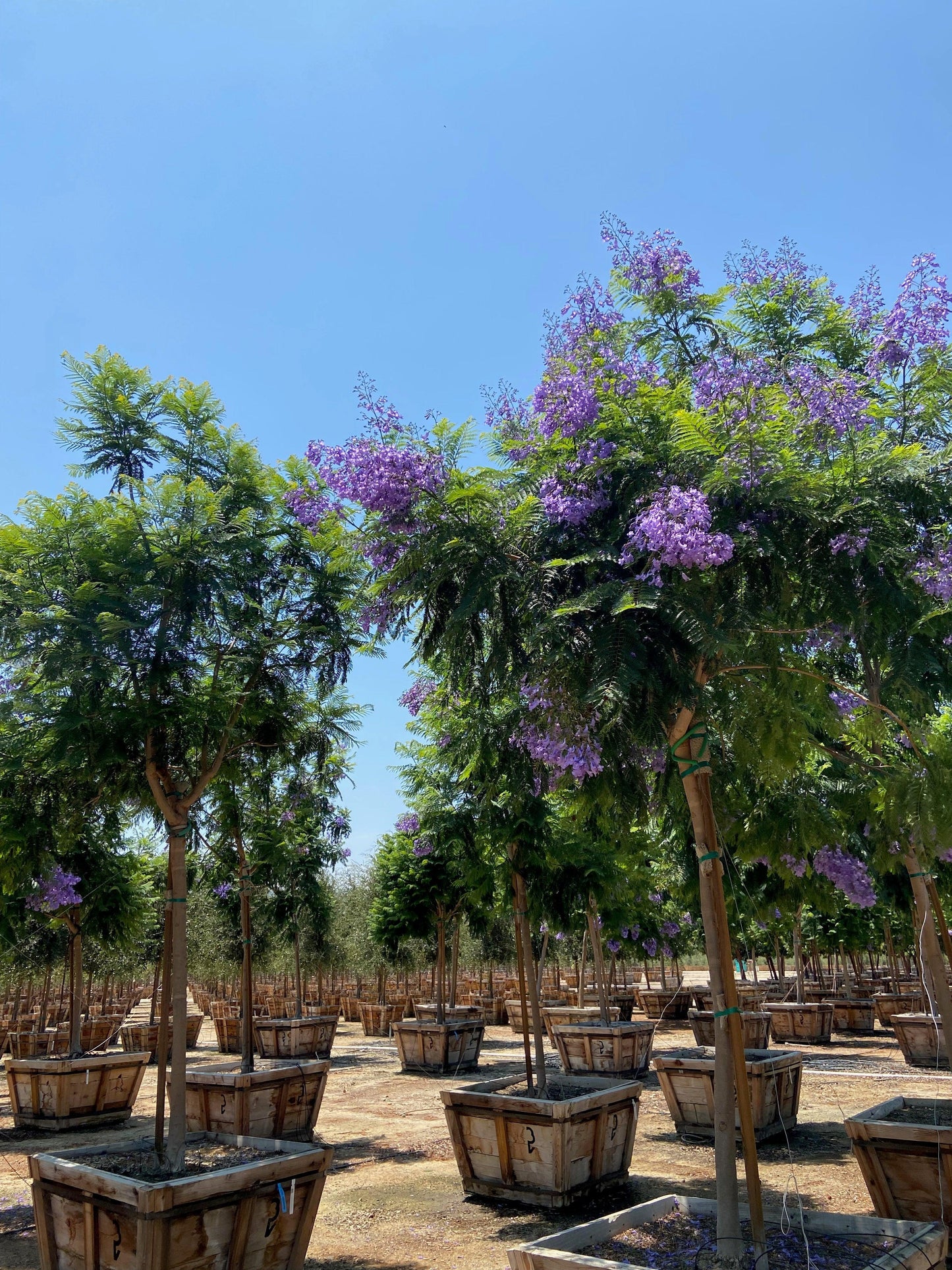

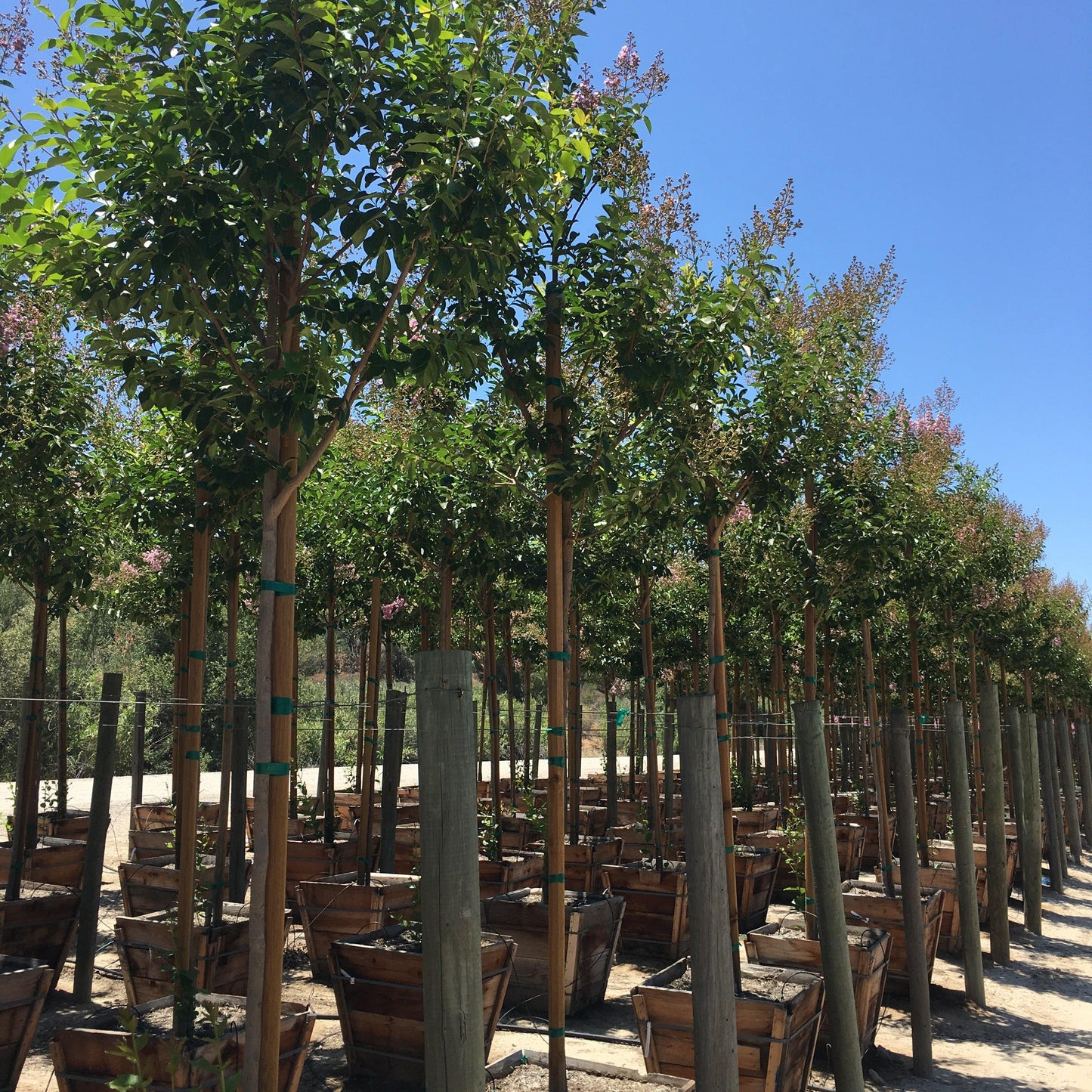













Pairs Well With













You May Also Like












Thousands of Healthy Plants Delivered


Yardwork was so great to work with. First they had the Swan Hill olive trees that we had been searching for, we had contacted several other nurseries without any luck previously. Then they answered all of our questions in a timely matter prior to ordering and finally delivered within a few days of placing it. Their staff is incredibly knowledgeable; they delivered and planted our trees with expertise to ensure that they would do well in our yard. We would definitely work with them again for future projects.











A Modern Experience
At Yardwork, we carefully curate thousands of plants, in all container sizes, to provide you with the best selection of the highest quality trees and plants at the best price, with the convenience of an online platform.
Uncompromised Quality
We choose only the finest specimens and hand select our plants just before delivery to ensure you receive the freshest and most robust specimens available for your landscape.
Industry Leading Warranties
Our 30, 90, and 365 extended warranties provide some of the best coverage to ensure our trees and plants thrive in your landscape.
Frequently Asked Questions
We're committed to changing everything about trees and plants - how they’re grown, how you shop for them, and how much they cost. We handle orders ourselves. No middlemen to get between us (or our prices) and you.
We're committed to changing everything about trees and plants - how they’re grown, how you shop for them, and how much they cost. We handle orders ourselves. No middlemen to get between us (or our prices) and you.
Delivery does not include unloading of trees and plants LARGER than a 24" box.
Trees and plants in smaller containers will be dropped curbside (usually on the driveway or near the front doorstep).
Delivery beyond a curbside drop will be charged extra.
Trees and plants that are sold in container sizes LARGER than a 24" box size will require equipment and/or enough manpower onsite to help unload from the truck.
Please reach out to our team PRIOR to placing your order to help coordinate.
Our team can provide unloading assistance with equipment for an extra fee as well.
Delivery does not include unloading of trees and plants LARGER than a 24" box.
Trees and plants in smaller containers will be dropped curbside (usually on the driveway or near the front doorstep).
Delivery beyond a curbside drop will be charged extra.
Trees and plants that are sold in container sizes LARGER than a 24" box size will require equipment and/or enough manpower onsite to help unload from the truck.
Please reach out to our team PRIOR to placing your order to help coordinate.
Our team can provide unloading assistance with equipment for an extra fee as well.
We ship locally within California within 7-10 days of your order being placed.
We ship nationally using carrier partners, based on order size. Our common order minimums for out of state shipping is $5,000.
Text or call 323-576-4159 for specific shipping details for your location.
We ship locally within California within 7-10 days of your order being placed.
We ship nationally using carrier partners, based on order size. Our common order minimums for out of state shipping is $5,000.
Text or call 323-576-4159 for specific shipping details for your location.
We are currently online only and don't have physical locations where you can view plants in person.
That's why we have photos direct from the growing grounds of the plants we will ship and we display pricing right in our store.
We do make sure to pick the very best trees and plants prior to shipping and make sure that they have gone through our multi-point inspection for health and structure.
We will always reach out prior to delivery if we find a quality issue or need to provide a substitute.
We are currently online only and don't have physical locations where you can view plants in person.
That's why we have photos direct from the growing grounds of the plants we will ship and we display pricing right in our store.
We do make sure to pick the very best trees and plants prior to shipping and make sure that they have gone through our multi-point inspection for health and structure.
We will always reach out prior to delivery if we find a quality issue or need to provide a substitute.
Plants vary greatly by type. Here is a rough idea of sizes based on containers that are direct from our growing grounds.
15 Gallon Shrub 3-4 Ft. Tall
15 Gallon Tree 5-6 Ft. Tall
24" Box Shrub 5-6 Ft. Tall
24" Box Tree 6-7 Ft. Tall
36" Box Shrub/Tree 7-9 Ft. Tall
48" Box Shrub/Tree 8-10 Ft. Tall
**Please note that we do not make guarantees of sizes. If you have questions or concerns, please call or text to request accurate sizing for the particular plant you're considering, prior to ordering.
Plants vary greatly by type. Here is a rough idea of sizes based on containers that are direct from our growing grounds.
15 Gallon Shrub 3-4 Ft. Tall
15 Gallon Tree 5-6 Ft. Tall
24" Box Shrub 5-6 Ft. Tall
24" Box Tree 6-7 Ft. Tall
36" Box Shrub/Tree 7-9 Ft. Tall
48" Box Shrub/Tree 8-10 Ft. Tall
**Please note that we do not make guarantees of sizes. If you have questions or concerns, please call or text to request accurate sizing for the particular plant you're considering, prior to ordering.
We offer a limited 30 day warranty for plants that are delivered and planted by someone else and a 90 day warranty for plants that we plant.
The limited warranty covers plants that die as a result of disease or fungus which was derived from our growing grounds or from root balls that were root bound.
The warranty does not cover damage due to watering, fertilizer, soils, or any other conditions beyond our control. Additionally, the warranty does not cover plants that are shipped out of the state of California or shipped into California from other states. Custom plant orders are also not covered under warranty. Plants must be planted within 24 hours after delivery to qualify.
We can assist you in recommending the right soils and fertilizers to help your plant thrive after you plant it.
Text or call 323-576-4159 for further warranty information.
We offer a limited 30 day warranty for plants that are delivered and planted by someone else and a 90 day warranty for plants that we plant.
The limited warranty covers plants that die as a result of disease or fungus which was derived from our growing grounds or from root balls that were root bound.
The warranty does not cover damage due to watering, fertilizer, soils, or any other conditions beyond our control. Additionally, the warranty does not cover plants that are shipped out of the state of California or shipped into California from other states. Custom plant orders are also not covered under warranty. Plants must be planted within 24 hours after delivery to qualify.
We can assist you in recommending the right soils and fertilizers to help your plant thrive after you plant it.
Text or call 323-576-4159 for further warranty information.
Our local delivery team covers most cities in California.
There are some exceptions, so please get in touch to confirm prior to ordering.
Additionally, we ship using semi trucks and trailers throughout the entire United States and even abroad for large orders over $5,000. Each shipment is custom, so please reach out to our team to coordinate.
Our local delivery team covers most cities in California.
There are some exceptions, so please get in touch to confirm prior to ordering.
Additionally, we ship using semi trucks and trailers throughout the entire United States and even abroad for large orders over $5,000. Each shipment is custom, so please reach out to our team to coordinate.