



Garrya Elliptica (Coast Silk Tassel)
Regular price
$65.00
Size
Transform Your Winter Garden with Spectacular Cascading Catkins
Garrya elliptica gives California gardens dramatic winter structure when most garden plants are quiet. This evergreen shrub, also called coast silk tassel, silk tassel bush, silktassel, or coast tassel bush, is prized for long, pendent catkins that cascade over dark green evergreen leaves from mid winter into early spring.
The effect is simple and striking: silvery-green tassels against dense, leathery leaves with wavy margins and rounded ends. Instead of a flat, bare winter landscape, you get movement, texture, and year-round screening from a native species adapted to the coastal ranges of California and southern Oregon.
Why You’ll Love It
-
Spectacular winter display – Male Garrya elliptica plants produce showy catkins from December through March, with selected cultivars such as James Roof capable of tassels up to 30 cm, or about 12 inches, long.
-
Low-maintenance evergreen structure – This large evergreen shrub has a neat, dense, upright growth habit and leathery, dark green leaves, making it widely used for landscape purposes.
-
Excellent privacy and wind protection – Garrya elliptica typically grows 8 to 12 feet tall and wide, commonly reaches 10 to 15 feet in gardens, and can reach 15 to 20 feet in favourable conditions, making it an appealing alternative to other evergreen trees for year-round privacy.
-
Water-wise once established – Once established, Garrya elliptica is highly drought-tolerant and requires minimal watering during summer months, though young plants benefit from moderate irrigation.
-
Native wildlife value – Native to the coastal regions of California and southern Oregon, this plant supports birds with fruits on female plants and offers dense evergreen cover for wildlife.
Garrya elliptica is also highly salt tolerant, making it suitable for seaside gardens, coastal windbreaks, and properties near San Francisco or other Pacific-influenced areas.
What Makes It Different
Most winter-flowering shrubs offer a brief bloom, lose their structure, or require more care than many gardeners want. Garrya elliptica is built differently: it combines evergreen leaves, architectural branches, and a long winter tassel display in one hardy native shrub.
-
Evergreen backbone all year – The oval leaves are leathery, glossy dark green on top, and woolly white beneath, creating a clean backdrop even outside the winter flower season.
-
Male plants deliver the biggest show – Garrya elliptica is dioecious, meaning male and female flowers are borne on separate plants. Male plants typically produce longer, more attractive catkins, while female plants produce shorter female flowers and, when pollinated, grape like clusters of fruits for birds.
-
Better coastal performance – This evergreen shrub is native to the coastal regions of California and southern Oregon, typically found within 20 miles of the Pacific Ocean, and can grow at elevations above 200 meters. It thrives in coastal sage, chaparral ecoregions, and other coastal plant communities, pairing naturally with iconic natives like the Coast Live Oak tree.
-
Tough where many ornamentals struggle – It tolerates salt air, coastal wind, clay or serpentine soils when drainage is good, and the dry summer pattern of its native range, similar to other drought-tolerant evergreens such as the California Pepper Tree.
-
A proven ornamental – Garrya elliptica has long been appreciated by gardeners, from California collections such as the Regional Parks Botanic Garden to horticultural references recognized by institutions like the Royal Horticultural Society.
We focus on male cultivars such as James Roof because the male catkins are the longest and most dramatic. If your goal is fruit, you need male and female plants, with female flowers on separate plants from the male flowers.
How To Grow Garrya Elliptica
-
Plant in fall or early spring Choose full sun to partial shade. Garrya elliptica thrives in full sun in coastal areas and benefits from afternoon shade in hot inland locations. A sheltered spot is recommended where frost damage is possible, especially for young seedlings or exposed plants.
-
Establish the root system in year one Growth can feel slow at first because the plant is building root strength. Provide moderate irrigation while it settles in, but never leave it in wet soil. Excellent drainage is critical for Garrya elliptica, as it is susceptible to root rot if left in waterlogged soil.
-
Watch it develop from years two to three Once established, growth improves and the shrub begins forming a dense, rounded shape. First catkins often appear within 2 to 3 years under good growing conditions.
-
Enjoy a stronger show from years four and beyond The winter display becomes fuller each season, especially on male plants. Mature branches carry pendent catkins in late winter and early spring, while female plants can set fruits that mature into grape like clusters.
-
Prune at the right time only if needed Pruning is not necessary for Garrya elliptica to reach maturity, as it naturally assumes a rounded shape when well-established. If you want to shape it, prune immediately after flowering to encourage future blooms. Garrya elliptica also responds well to hard pruning, which can stimulate new growth even from old wood.
Plant Details
-
Botanical name: Garrya elliptica
-
Common names: Coast silk tassel, silk tassel bush, silktassel, coast tassel bush
-
Plant type: Large evergreen shrub; can be trained as a small tree
-
Mature size: Typically 8 to 12 feet tall and wide; often used at 10 to 15 feet tall and wide; can reach 15 to 20 feet in ideal conditions
-
Growth habit: Dense, upright, naturally rounded when established
-
Hardiness: USDA Zones 7–10; tolerates cold temperatures down to roughly 10°F to 15°F (-12°C to -9°C)
-
Cold protection: Hardy to about 15°F (−9°C), but often recommended for planting in sheltered spots to protect from frost damage
-
Sun exposure: Full sun to partial shade; full sun along the coast, afternoon shade inland
-
Soil: Well drained soil of nearly any type, including clay and serpentine, with a preferred pH range of 6 to 8
-
Drainage note: Excellent drainage is critical because waterlogged soil can cause root rot
-
Water needs: Moderate irrigation during establishment; once established, minimal summer watering
-
Rainfall fit: Moderately drought tolerant and benefits from approximately 25 inches of rainfall per year
-
Bloom time: December through March, from winter into early spring
-
Flowers: Dioecious; male and female flowers occur on separate plants
-
Male catkins: Longer and more showy, often 8 to 30 cm, with four stamens in the male flowers
-
Female flowers: Shorter and more erect; female plants may produce fruits if pollinated
-
Fruit: Small green fruits that mature darker, often in grape like clusters attractive to birds
-
Foliage: Leathery, oval evergreen leaves with wavy margins, glossy dark green tops, and woolly white undersides
-
Coastal tolerance: Highly tolerant of salt air and suitable for seaside gardens
-
Native range: Coastal regions of California and southern Oregon, usually within 20 miles of the Pacific Ocean
-
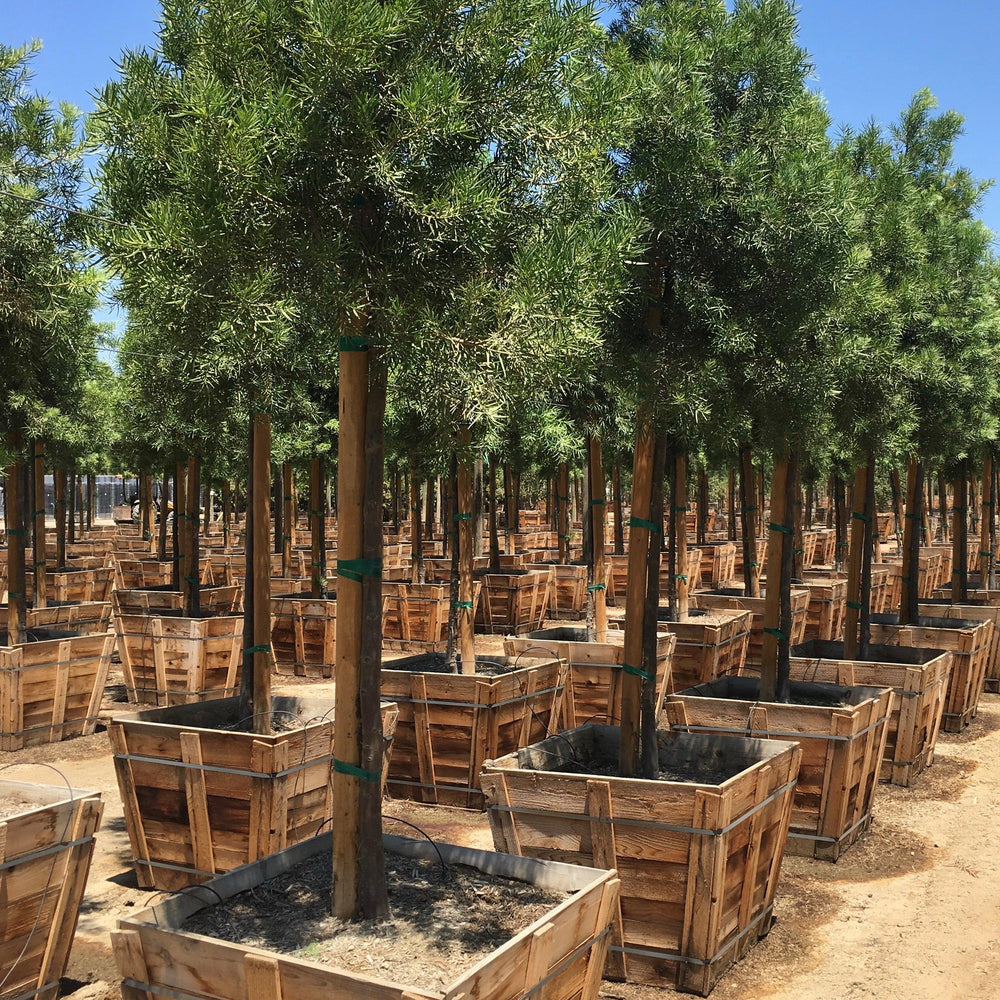
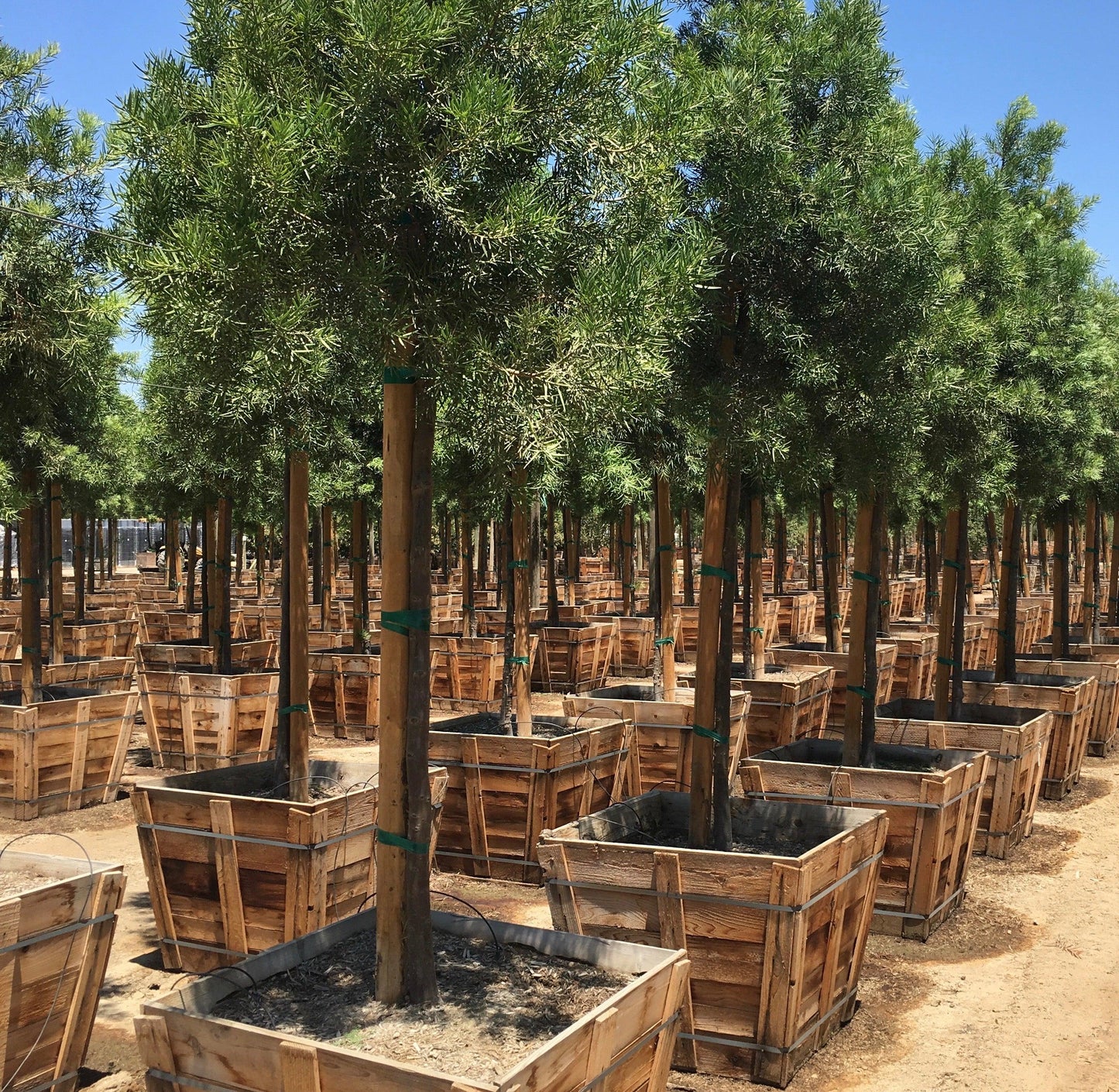
Landscape uses: Privacy screen, hedge, windbreak, wall-side planting, native garden, wildlife planting, winter specimen, or combined with a Fern Pine hedge for taller, formal screening
-
Included: Detailed planting and care instructions from Yardwork
This species is often seen growing against a wall because it is low-maintenance, architectural, and useful where wind exposure is present. Its bark and older wood add structure with age, while its evergreen canopy stays present through summer and winter, much like Carolina Cherry Laurel privacy hedges in more formal landscapes.
Who It’s Perfect For
Ideal for:
-
California homeowners seeking year-round privacy screening
-
Gardeners who want dramatic winter interest without high maintenance
-
Landscape designers creating native plant gardens with durable structure, complemented by flowering trees suited to California gardens
-
Property owners with coastal wind, salt air, or challenging clay soil conditions who may also benefit from adaptable options like the Fern Pine tree for privacy and shade
-
Homeowners looking for a water-wise evergreen shrub that still feels showy
-
Wildlife-minded gardeners who want fruits for birds from female plants
-
Coastal properties needing a living windbreak instead of a hard barrier, or pairing Garrya with Silver Sheen Pittosporum hedges for layered screening
If you want a hardy, native, evergreen shrub that solves the problem of a boring winter garden, Garrya elliptica fits beautifully-especially in coastal California, southern Oregon, and mild gardens influenced by the Pacific, and Yardwork’s nursery with privacy and evergreen trees can help you round out the rest of your landscape.
Frequently Asked Questions
How long until it produces catkins?
Garrya elliptica often produces its first catkins within 2 to 3 years under favourable conditions. The display usually improves noticeably by years 4 and 5 as the plant becomes more established.
Does it need special soil preparation?
It does not need rich soil, but it does need excellent drainage. Garrya elliptica thrives in well-drained soil of any type, including clay and serpentine, and prefers a pH range of 6 to 8. If your planting area holds winter water, improve drainage before planting to reduce the risk of root rot.
How much water does it need once established?
Once established, Garrya elliptica is highly drought-tolerant and requires minimal watering during summer months. During the first year, use moderate irrigation to help the root system establish. In long droughts, occasional deep watering helps preserve leaf quality.
Can it be pruned to control size?
Yes. Pruning is not necessary for maturity because Garrya elliptica naturally assumes a rounded shape when well-established, but it can be shaped as a shrub, hedge, or small tree. Prune immediately after flowering in late winter or early spring to avoid removing next season’s bloom potential. It responds well to hard pruning and can push new growth from old wood, similar to other versatile screening shrubs such as Glossy Privet.
What’s the difference between male and female plants?
Garrya elliptica is dioecious, so male and female flowers are on separate plants. Male plants produce the longest, most attractive catkins, which is why male cultivars such as James Roof are preferred for ornamental winter display. Female plants have shorter female flowers and can produce fruits in grape like clusters when pollinated by a nearby male plant.
Ready to Add Winter Drama to Your Garden?
Stop letting winter leave your landscape bare and flat. Choose Garrya Elliptica (Coast Silk Tassel) for cascading catkins, dark green evergreen structure, coastal toughness, and a refined native presence that works as a specimen, screen, hedge, or windbreak.
Yardwork can help you decide whether Garrya elliptica belongs in full sun, partial shade, a sheltered spot, or a coastal exposure on your property. Our expert consultation services make it easier to place the plant correctly the first time.
Transform Your Winter Garden with Spectacular Cascading Catkins
Garrya elliptica gives California gardens dramatic winter structure when most garden plants are quiet. This evergreen shrub, also called coast silk tassel, silk tassel bush, silktassel, or coast tassel bush, is prized for long, pendent catkins that cascade over dark green evergreen leaves from mid winter into early spring.
The effect is simple and striking: silvery-green tassels against dense, leathery leaves with wavy margins and rounded ends. Instead of a flat, bare winter landscape, you get movement, texture, and year-round screening from a native species adapted to the coastal ranges of California and southern Oregon.
Why You’ll Love It
-
Spectacular winter display – Male Garrya elliptica plants produce showy catkins from December through March, with selected cultivars such as James Roof capable of tassels up to 30 cm, or about 12 inches, long.
-
Low-maintenance evergreen structure – This large evergreen shrub has a neat, dense, upright growth habit and leathery, dark green leaves, making it widely used for landscape purposes.
-
Excellent privacy and wind protection – Garrya elliptica typically grows 8 to 12 feet tall and wide, commonly reaches 10 to 15 feet in gardens, and can reach 15 to 20 feet in favourable conditions, making it an appealing alternative to other evergreen trees for year-round privacy.
-
Water-wise once established – Once established, Garrya elliptica is highly drought-tolerant and requires minimal watering during summer months, though young plants benefit from moderate irrigation.
-
Native wildlife value – Native to the coastal regions of California and southern Oregon, this plant supports birds with fruits on female plants and offers dense evergreen cover for wildlife.
Garrya elliptica is also highly salt tolerant, making it suitable for seaside gardens, coastal windbreaks, and properties near San Francisco or other Pacific-influenced areas.
What Makes It Different
Most winter-flowering shrubs offer a brief bloom, lose their structure, or require more care than many gardeners want. Garrya elliptica is built differently: it combines evergreen leaves, architectural branches, and a long winter tassel display in one hardy native shrub.
-
Evergreen backbone all year – The oval leaves are leathery, glossy dark green on top, and woolly white beneath, creating a clean backdrop even outside the winter flower season.
-
Male plants deliver the biggest show – Garrya elliptica is dioecious, meaning male and female flowers are borne on separate plants. Male plants typically produce longer, more attractive catkins, while female plants produce shorter female flowers and, when pollinated, grape like clusters of fruits for birds.
-
Better coastal performance – This evergreen shrub is native to the coastal regions of California and southern Oregon, typically found within 20 miles of the Pacific Ocean, and can grow at elevations above 200 meters. It thrives in coastal sage, chaparral ecoregions, and other coastal plant communities, pairing naturally with iconic natives like the Coast Live Oak tree.
-
Tough where many ornamentals struggle – It tolerates salt air, coastal wind, clay or serpentine soils when drainage is good, and the dry summer pattern of its native range, similar to other drought-tolerant evergreens such as the California Pepper Tree.
-
A proven ornamental – Garrya elliptica has long been appreciated by gardeners, from California collections such as the Regional Parks Botanic Garden to horticultural references recognized by institutions like the Royal Horticultural Society.
We focus on male cultivars such as James Roof because the male catkins are the longest and most dramatic. If your goal is fruit, you need male and female plants, with female flowers on separate plants from the male flowers.
How To Grow Garrya Elliptica
-
Plant in fall or early spring Choose full sun to partial shade. Garrya elliptica thrives in full sun in coastal areas and benefits from afternoon shade in hot inland locations. A sheltered spot is recommended where frost damage is possible, especially for young seedlings or exposed plants.
-
Establish the root system in year one Growth can feel slow at first because the plant is building root strength. Provide moderate irrigation while it settles in, but never leave it in wet soil. Excellent drainage is critical for Garrya elliptica, as it is susceptible to root rot if left in waterlogged soil.
-
Watch it develop from years two to three Once established, growth improves and the shrub begins forming a dense, rounded shape. First catkins often appear within 2 to 3 years under good growing conditions.
-
Enjoy a stronger show from years four and beyond The winter display becomes fuller each season, especially on male plants. Mature branches carry pendent catkins in late winter and early spring, while female plants can set fruits that mature into grape like clusters.
-
Prune at the right time only if needed Pruning is not necessary for Garrya elliptica to reach maturity, as it naturally assumes a rounded shape when well-established. If you want to shape it, prune immediately after flowering to encourage future blooms. Garrya elliptica also responds well to hard pruning, which can stimulate new growth even from old wood.
Plant Details
-
Botanical name: Garrya elliptica
-
Common names: Coast silk tassel, silk tassel bush, silktassel, coast tassel bush
-
Plant type: Large evergreen shrub; can be trained as a small tree
-
Mature size: Typically 8 to 12 feet tall and wide; often used at 10 to 15 feet tall and wide; can reach 15 to 20 feet in ideal conditions
-
Growth habit: Dense, upright, naturally rounded when established
-
Hardiness: USDA Zones 7–10; tolerates cold temperatures down to roughly 10°F to 15°F (-12°C to -9°C)
-
Cold protection: Hardy to about 15°F (−9°C), but often recommended for planting in sheltered spots to protect from frost damage
-
Sun exposure: Full sun to partial shade; full sun along the coast, afternoon shade inland
-
Soil: Well drained soil of nearly any type, including clay and serpentine, with a preferred pH range of 6 to 8
-
Drainage note: Excellent drainage is critical because waterlogged soil can cause root rot
-
Water needs: Moderate irrigation during establishment; once established, minimal summer watering
-
Rainfall fit: Moderately drought tolerant and benefits from approximately 25 inches of rainfall per year
-
Bloom time: December through March, from winter into early spring
-
Flowers: Dioecious; male and female flowers occur on separate plants
-
Male catkins: Longer and more showy, often 8 to 30 cm, with four stamens in the male flowers
-
Female flowers: Shorter and more erect; female plants may produce fruits if pollinated
-
Fruit: Small green fruits that mature darker, often in grape like clusters attractive to birds
-
Foliage: Leathery, oval evergreen leaves with wavy margins, glossy dark green tops, and woolly white undersides
-
Coastal tolerance: Highly tolerant of salt air and suitable for seaside gardens
-
Native range: Coastal regions of California and southern Oregon, usually within 20 miles of the Pacific Ocean
-
Landscape uses: Privacy screen, hedge, windbreak, wall-side planting, native garden, wildlife planting, winter specimen, or combined with a Fern Pine hedge for taller, formal screening
-
Included: Detailed planting and care instructions from Yardwork
This species is often seen growing against a wall because it is low-maintenance, architectural, and useful where wind exposure is present. Its bark and older wood add structure with age, while its evergreen canopy stays present through summer and winter, much like Carolina Cherry Laurel privacy hedges in more formal landscapes.
Who It’s Perfect For
Ideal for:
-
California homeowners seeking year-round privacy screening
-
Gardeners who want dramatic winter interest without high maintenance
-
Landscape designers creating native plant gardens with durable structure, complemented by flowering trees suited to California gardens
-
Property owners with coastal wind, salt air, or challenging clay soil conditions who may also benefit from adaptable options like the Fern Pine tree for privacy and shade
-
Homeowners looking for a water-wise evergreen shrub that still feels showy
-
Wildlife-minded gardeners who want fruits for birds from female plants
-
Coastal properties needing a living windbreak instead of a hard barrier, or pairing Garrya with Silver Sheen Pittosporum hedges for layered screening
If you want a hardy, native, evergreen shrub that solves the problem of a boring winter garden, Garrya elliptica fits beautifully-especially in coastal California, southern Oregon, and mild gardens influenced by the Pacific, and Yardwork’s nursery with privacy and evergreen trees can help you round out the rest of your landscape.
Frequently Asked Questions
How long until it produces catkins?
Garrya elliptica often produces its first catkins within 2 to 3 years under favourable conditions. The display usually improves noticeably by years 4 and 5 as the plant becomes more established.
Does it need special soil preparation?
It does not need rich soil, but it does need excellent drainage. Garrya elliptica thrives in well-drained soil of any type, including clay and serpentine, and prefers a pH range of 6 to 8. If your planting area holds winter water, improve drainage before planting to reduce the risk of root rot.
How much water does it need once established?
Once established, Garrya elliptica is highly drought-tolerant and requires minimal watering during summer months. During the first year, use moderate irrigation to help the root system establish. In long droughts, occasional deep watering helps preserve leaf quality.
Can it be pruned to control size?
Yes. Pruning is not necessary for maturity because Garrya elliptica naturally assumes a rounded shape when well-established, but it can be shaped as a shrub, hedge, or small tree. Prune immediately after flowering in late winter or early spring to avoid removing next season’s bloom potential. It responds well to hard pruning and can push new growth from old wood, similar to other versatile screening shrubs such as Glossy Privet.
What’s the difference between male and female plants?
Garrya elliptica is dioecious, so male and female flowers are on separate plants. Male plants produce the longest, most attractive catkins, which is why male cultivars such as James Roof are preferred for ornamental winter display. Female plants have shorter female flowers and can produce fruits in grape like clusters when pollinated by a nearby male plant.
Ready to Add Winter Drama to Your Garden?
Stop letting winter leave your landscape bare and flat. Choose Garrya Elliptica (Coast Silk Tassel) for cascading catkins, dark green evergreen structure, coastal toughness, and a refined native presence that works as a specimen, screen, hedge, or windbreak.
Yardwork can help you decide whether Garrya elliptica belongs in full sun, partial shade, a sheltered spot, or a coastal exposure on your property. Our expert consultation services make it easier to place the plant correctly the first time.
Plants vary greatly by type and no guarantees are made on sizing.
However here is a rough idea of sizes based on containers that are direct from our growing grounds.
15 Gallon Shrub 3-4 Ft. Tall
15 Gallon Tree 5-6 Ft. Tall
24" Box Shrub 5-6 Ft. Tall
24" Box Tree 6-7 Ft. Tall
36" Box Tree 8-10 Ft. Tall
48" Box Tree 10-12 Ft. Tall
Please note: Citrus and California Native plants such as Manzanita are smaller than traditional sizing.
Please contact us to confirm sizing of items before purchasing if this is a concern.
Plants vary greatly by type and no guarantees are made on sizing.
However here is a rough idea of sizes based on containers that are direct from our growing grounds.
15 Gallon Shrub 3-4 Ft. Tall
15 Gallon Tree 5-6 Ft. Tall
24" Box Shrub 5-6 Ft. Tall
24" Box Tree 6-7 Ft. Tall
36" Box Tree 8-10 Ft. Tall
48" Box Tree 10-12 Ft. Tall
Please note: Citrus and California Native plants such as Manzanita are smaller than traditional sizing.
Please contact us to confirm sizing of items before purchasing if this is a concern.
Delivery does not include unloading of trees and plants larger than a 24" box.
Trees and plants in smaller containers will be dropped curbside.
Delivery beyond a curbside drop will be charged extra.
Trees and plants that are sold in container sizes larger than a 24" box size will require equipment and an operator onsite to help unload from the truck.
Please reach out to our team PRIOR to placing your order to coordinate.
Our team can provide unloading assistance with equipment for an extra fee.
Delivery does not include unloading of trees and plants larger than a 24" box.
Trees and plants in smaller containers will be dropped curbside.
Delivery beyond a curbside drop will be charged extra.
Trees and plants that are sold in container sizes larger than a 24" box size will require equipment and an operator onsite to help unload from the truck.
Please reach out to our team PRIOR to placing your order to coordinate.
Our team can provide unloading assistance with equipment for an extra fee.
You may also like...


Garrya Elliptica (Coast Silk Tassel)
Regular price
$65.00
Size
Transform Your Winter Garden with Spectacular Cascading Catkins
Garrya elliptica gives California gardens dramatic winter structure when most garden plants are quiet. This evergreen shrub, also called coast silk tassel, silk tassel bush, silktassel, or coast tassel bush, is prized for long, pendent catkins that cascade over dark green evergreen leaves from mid winter into early spring.
The effect is simple and striking: silvery-green tassels against dense, leathery leaves with wavy margins and rounded ends. Instead of a flat, bare winter landscape, you get movement, texture, and year-round screening from a native species adapted to the coastal ranges of California and southern Oregon.
Why You’ll Love It
-
Spectacular winter display – Male Garrya elliptica plants produce showy catkins from December through March, with selected cultivars such as James Roof capable of tassels up to 30 cm, or about 12 inches, long.
-
Low-maintenance evergreen structure – This large evergreen shrub has a neat, dense, upright growth habit and leathery, dark green leaves, making it widely used for landscape purposes.
-
Excellent privacy and wind protection – Garrya elliptica typically grows 8 to 12 feet tall and wide, commonly reaches 10 to 15 feet in gardens, and can reach 15 to 20 feet in favourable conditions, making it an appealing alternative to other evergreen trees for year-round privacy.
-
Water-wise once established – Once established, Garrya elliptica is highly drought-tolerant and requires minimal watering during summer months, though young plants benefit from moderate irrigation.
-
Native wildlife value – Native to the coastal regions of California and southern Oregon, this plant supports birds with fruits on female plants and offers dense evergreen cover for wildlife.
Garrya elliptica is also highly salt tolerant, making it suitable for seaside gardens, coastal windbreaks, and properties near San Francisco or other Pacific-influenced areas.
What Makes It Different
Most winter-flowering shrubs offer a brief bloom, lose their structure, or require more care than many gardeners want. Garrya elliptica is built differently: it combines evergreen leaves, architectural branches, and a long winter tassel display in one hardy native shrub.
-
Evergreen backbone all year – The oval leaves are leathery, glossy dark green on top, and woolly white beneath, creating a clean backdrop even outside the winter flower season.
-
Male plants deliver the biggest show – Garrya elliptica is dioecious, meaning male and female flowers are borne on separate plants. Male plants typically produce longer, more attractive catkins, while female plants produce shorter female flowers and, when pollinated, grape like clusters of fruits for birds.
-
Better coastal performance – This evergreen shrub is native to the coastal regions of California and southern Oregon, typically found within 20 miles of the Pacific Ocean, and can grow at elevations above 200 meters. It thrives in coastal sage, chaparral ecoregions, and other coastal plant communities, pairing naturally with iconic natives like the Coast Live Oak tree.
-
Tough where many ornamentals struggle – It tolerates salt air, coastal wind, clay or serpentine soils when drainage is good, and the dry summer pattern of its native range, similar to other drought-tolerant evergreens such as the California Pepper Tree.
-
A proven ornamental – Garrya elliptica has long been appreciated by gardeners, from California collections such as the Regional Parks Botanic Garden to horticultural references recognized by institutions like the Royal Horticultural Society.
We focus on male cultivars such as James Roof because the male catkins are the longest and most dramatic. If your goal is fruit, you need male and female plants, with female flowers on separate plants from the male flowers.
How To Grow Garrya Elliptica
-
Plant in fall or early spring Choose full sun to partial shade. Garrya elliptica thrives in full sun in coastal areas and benefits from afternoon shade in hot inland locations. A sheltered spot is recommended where frost damage is possible, especially for young seedlings or exposed plants.
-
Establish the root system in year one Growth can feel slow at first because the plant is building root strength. Provide moderate irrigation while it settles in, but never leave it in wet soil. Excellent drainage is critical for Garrya elliptica, as it is susceptible to root rot if left in waterlogged soil.
-
Watch it develop from years two to three Once established, growth improves and the shrub begins forming a dense, rounded shape. First catkins often appear within 2 to 3 years under good growing conditions.
-
Enjoy a stronger show from years four and beyond The winter display becomes fuller each season, especially on male plants. Mature branches carry pendent catkins in late winter and early spring, while female plants can set fruits that mature into grape like clusters.
-
Prune at the right time only if needed Pruning is not necessary for Garrya elliptica to reach maturity, as it naturally assumes a rounded shape when well-established. If you want to shape it, prune immediately after flowering to encourage future blooms. Garrya elliptica also responds well to hard pruning, which can stimulate new growth even from old wood.
Plant Details
-
Botanical name: Garrya elliptica
-
Common names: Coast silk tassel, silk tassel bush, silktassel, coast tassel bush
-
Plant type: Large evergreen shrub; can be trained as a small tree
-
Mature size: Typically 8 to 12 feet tall and wide; often used at 10 to 15 feet tall and wide; can reach 15 to 20 feet in ideal conditions
-
Growth habit: Dense, upright, naturally rounded when established
-
Hardiness: USDA Zones 7–10; tolerates cold temperatures down to roughly 10°F to 15°F (-12°C to -9°C)
-
Cold protection: Hardy to about 15°F (−9°C), but often recommended for planting in sheltered spots to protect from frost damage
-
Sun exposure: Full sun to partial shade; full sun along the coast, afternoon shade inland
-
Soil: Well drained soil of nearly any type, including clay and serpentine, with a preferred pH range of 6 to 8
-
Drainage note: Excellent drainage is critical because waterlogged soil can cause root rot
-
Water needs: Moderate irrigation during establishment; once established, minimal summer watering
-
Rainfall fit: Moderately drought tolerant and benefits from approximately 25 inches of rainfall per year
-
Bloom time: December through March, from winter into early spring
-
Flowers: Dioecious; male and female flowers occur on separate plants
-
Male catkins: Longer and more showy, often 8 to 30 cm, with four stamens in the male flowers
-
Female flowers: Shorter and more erect; female plants may produce fruits if pollinated
-
Fruit: Small green fruits that mature darker, often in grape like clusters attractive to birds
-
Foliage: Leathery, oval evergreen leaves with wavy margins, glossy dark green tops, and woolly white undersides
-
Coastal tolerance: Highly tolerant of salt air and suitable for seaside gardens
-
Native range: Coastal regions of California and southern Oregon, usually within 20 miles of the Pacific Ocean
-
Landscape uses: Privacy screen, hedge, windbreak, wall-side planting, native garden, wildlife planting, winter specimen, or combined with a Fern Pine hedge for taller, formal screening
-
Included: Detailed planting and care instructions from Yardwork
This species is often seen growing against a wall because it is low-maintenance, architectural, and useful where wind exposure is present. Its bark and older wood add structure with age, while its evergreen canopy stays present through summer and winter, much like Carolina Cherry Laurel privacy hedges in more formal landscapes.
Who It’s Perfect For
Ideal for:
-
California homeowners seeking year-round privacy screening
-
Gardeners who want dramatic winter interest without high maintenance
-
Landscape designers creating native plant gardens with durable structure, complemented by flowering trees suited to California gardens
-
Property owners with coastal wind, salt air, or challenging clay soil conditions who may also benefit from adaptable options like the Fern Pine tree for privacy and shade
-
Homeowners looking for a water-wise evergreen shrub that still feels showy
-
Wildlife-minded gardeners who want fruits for birds from female plants
-
Coastal properties needing a living windbreak instead of a hard barrier, or pairing Garrya with Silver Sheen Pittosporum hedges for layered screening
If you want a hardy, native, evergreen shrub that solves the problem of a boring winter garden, Garrya elliptica fits beautifully-especially in coastal California, southern Oregon, and mild gardens influenced by the Pacific, and Yardwork’s nursery with privacy and evergreen trees can help you round out the rest of your landscape.
Frequently Asked Questions
How long until it produces catkins?
Garrya elliptica often produces its first catkins within 2 to 3 years under favourable conditions. The display usually improves noticeably by years 4 and 5 as the plant becomes more established.
Does it need special soil preparation?
It does not need rich soil, but it does need excellent drainage. Garrya elliptica thrives in well-drained soil of any type, including clay and serpentine, and prefers a pH range of 6 to 8. If your planting area holds winter water, improve drainage before planting to reduce the risk of root rot.
How much water does it need once established?
Once established, Garrya elliptica is highly drought-tolerant and requires minimal watering during summer months. During the first year, use moderate irrigation to help the root system establish. In long droughts, occasional deep watering helps preserve leaf quality.
Can it be pruned to control size?
Yes. Pruning is not necessary for maturity because Garrya elliptica naturally assumes a rounded shape when well-established, but it can be shaped as a shrub, hedge, or small tree. Prune immediately after flowering in late winter or early spring to avoid removing next season’s bloom potential. It responds well to hard pruning and can push new growth from old wood, similar to other versatile screening shrubs such as Glossy Privet.
What’s the difference between male and female plants?
Garrya elliptica is dioecious, so male and female flowers are on separate plants. Male plants produce the longest, most attractive catkins, which is why male cultivars such as James Roof are preferred for ornamental winter display. Female plants have shorter female flowers and can produce fruits in grape like clusters when pollinated by a nearby male plant.
Ready to Add Winter Drama to Your Garden?
Stop letting winter leave your landscape bare and flat. Choose Garrya Elliptica (Coast Silk Tassel) for cascading catkins, dark green evergreen structure, coastal toughness, and a refined native presence that works as a specimen, screen, hedge, or windbreak.
Yardwork can help you decide whether Garrya elliptica belongs in full sun, partial shade, a sheltered spot, or a coastal exposure on your property. Our expert consultation services make it easier to place the plant correctly the first time.
Transform Your Winter Garden with Spectacular Cascading Catkins
Garrya elliptica gives California gardens dramatic winter structure when most garden plants are quiet. This evergreen shrub, also called coast silk tassel, silk tassel bush, silktassel, or coast tassel bush, is prized for long, pendent catkins that cascade over dark green evergreen leaves from mid winter into early spring.
The effect is simple and striking: silvery-green tassels against dense, leathery leaves with wavy margins and rounded ends. Instead of a flat, bare winter landscape, you get movement, texture, and year-round screening from a native species adapted to the coastal ranges of California and southern Oregon.
Why You’ll Love It
-
Spectacular winter display – Male Garrya elliptica plants produce showy catkins from December through March, with selected cultivars such as James Roof capable of tassels up to 30 cm, or about 12 inches, long.
-
Low-maintenance evergreen structure – This large evergreen shrub has a neat, dense, upright growth habit and leathery, dark green leaves, making it widely used for landscape purposes.
-
Excellent privacy and wind protection – Garrya elliptica typically grows 8 to 12 feet tall and wide, commonly reaches 10 to 15 feet in gardens, and can reach 15 to 20 feet in favourable conditions, making it an appealing alternative to other evergreen trees for year-round privacy.
-
Water-wise once established – Once established, Garrya elliptica is highly drought-tolerant and requires minimal watering during summer months, though young plants benefit from moderate irrigation.
-
Native wildlife value – Native to the coastal regions of California and southern Oregon, this plant supports birds with fruits on female plants and offers dense evergreen cover for wildlife.
Garrya elliptica is also highly salt tolerant, making it suitable for seaside gardens, coastal windbreaks, and properties near San Francisco or other Pacific-influenced areas.
What Makes It Different
Most winter-flowering shrubs offer a brief bloom, lose their structure, or require more care than many gardeners want. Garrya elliptica is built differently: it combines evergreen leaves, architectural branches, and a long winter tassel display in one hardy native shrub.
-
Evergreen backbone all year – The oval leaves are leathery, glossy dark green on top, and woolly white beneath, creating a clean backdrop even outside the winter flower season.
-
Male plants deliver the biggest show – Garrya elliptica is dioecious, meaning male and female flowers are borne on separate plants. Male plants typically produce longer, more attractive catkins, while female plants produce shorter female flowers and, when pollinated, grape like clusters of fruits for birds.
-
Better coastal performance – This evergreen shrub is native to the coastal regions of California and southern Oregon, typically found within 20 miles of the Pacific Ocean, and can grow at elevations above 200 meters. It thrives in coastal sage, chaparral ecoregions, and other coastal plant communities, pairing naturally with iconic natives like the Coast Live Oak tree.
-
Tough where many ornamentals struggle – It tolerates salt air, coastal wind, clay or serpentine soils when drainage is good, and the dry summer pattern of its native range, similar to other drought-tolerant evergreens such as the California Pepper Tree.
-
A proven ornamental – Garrya elliptica has long been appreciated by gardeners, from California collections such as the Regional Parks Botanic Garden to horticultural references recognized by institutions like the Royal Horticultural Society.
We focus on male cultivars such as James Roof because the male catkins are the longest and most dramatic. If your goal is fruit, you need male and female plants, with female flowers on separate plants from the male flowers.
How To Grow Garrya Elliptica
-
Plant in fall or early spring Choose full sun to partial shade. Garrya elliptica thrives in full sun in coastal areas and benefits from afternoon shade in hot inland locations. A sheltered spot is recommended where frost damage is possible, especially for young seedlings or exposed plants.
-
Establish the root system in year one Growth can feel slow at first because the plant is building root strength. Provide moderate irrigation while it settles in, but never leave it in wet soil. Excellent drainage is critical for Garrya elliptica, as it is susceptible to root rot if left in waterlogged soil.
-
Watch it develop from years two to three Once established, growth improves and the shrub begins forming a dense, rounded shape. First catkins often appear within 2 to 3 years under good growing conditions.
-
Enjoy a stronger show from years four and beyond The winter display becomes fuller each season, especially on male plants. Mature branches carry pendent catkins in late winter and early spring, while female plants can set fruits that mature into grape like clusters.
-
Prune at the right time only if needed Pruning is not necessary for Garrya elliptica to reach maturity, as it naturally assumes a rounded shape when well-established. If you want to shape it, prune immediately after flowering to encourage future blooms. Garrya elliptica also responds well to hard pruning, which can stimulate new growth even from old wood.
Plant Details
-
Botanical name: Garrya elliptica
-
Common names: Coast silk tassel, silk tassel bush, silktassel, coast tassel bush
-
Plant type: Large evergreen shrub; can be trained as a small tree
-
Mature size: Typically 8 to 12 feet tall and wide; often used at 10 to 15 feet tall and wide; can reach 15 to 20 feet in ideal conditions
-
Growth habit: Dense, upright, naturally rounded when established
-
Hardiness: USDA Zones 7–10; tolerates cold temperatures down to roughly 10°F to 15°F (-12°C to -9°C)
-
Cold protection: Hardy to about 15°F (−9°C), but often recommended for planting in sheltered spots to protect from frost damage
-
Sun exposure: Full sun to partial shade; full sun along the coast, afternoon shade inland
-
Soil: Well drained soil of nearly any type, including clay and serpentine, with a preferred pH range of 6 to 8
-
Drainage note: Excellent drainage is critical because waterlogged soil can cause root rot
-
Water needs: Moderate irrigation during establishment; once established, minimal summer watering
-
Rainfall fit: Moderately drought tolerant and benefits from approximately 25 inches of rainfall per year
-
Bloom time: December through March, from winter into early spring
-
Flowers: Dioecious; male and female flowers occur on separate plants
-
Male catkins: Longer and more showy, often 8 to 30 cm, with four stamens in the male flowers
-
Female flowers: Shorter and more erect; female plants may produce fruits if pollinated
-
Fruit: Small green fruits that mature darker, often in grape like clusters attractive to birds
-
Foliage: Leathery, oval evergreen leaves with wavy margins, glossy dark green tops, and woolly white undersides
-
Coastal tolerance: Highly tolerant of salt air and suitable for seaside gardens
-
Native range: Coastal regions of California and southern Oregon, usually within 20 miles of the Pacific Ocean
-
Landscape uses: Privacy screen, hedge, windbreak, wall-side planting, native garden, wildlife planting, winter specimen, or combined with a Fern Pine hedge for taller, formal screening
-
Included: Detailed planting and care instructions from Yardwork
This species is often seen growing against a wall because it is low-maintenance, architectural, and useful where wind exposure is present. Its bark and older wood add structure with age, while its evergreen canopy stays present through summer and winter, much like Carolina Cherry Laurel privacy hedges in more formal landscapes.
Who It’s Perfect For
Ideal for:
-
California homeowners seeking year-round privacy screening
-
Gardeners who want dramatic winter interest without high maintenance
-
Landscape designers creating native plant gardens with durable structure, complemented by flowering trees suited to California gardens
-
Property owners with coastal wind, salt air, or challenging clay soil conditions who may also benefit from adaptable options like the Fern Pine tree for privacy and shade
-
Homeowners looking for a water-wise evergreen shrub that still feels showy
-
Wildlife-minded gardeners who want fruits for birds from female plants
-
Coastal properties needing a living windbreak instead of a hard barrier, or pairing Garrya with Silver Sheen Pittosporum hedges for layered screening
If you want a hardy, native, evergreen shrub that solves the problem of a boring winter garden, Garrya elliptica fits beautifully-especially in coastal California, southern Oregon, and mild gardens influenced by the Pacific, and Yardwork’s nursery with privacy and evergreen trees can help you round out the rest of your landscape.
Frequently Asked Questions
How long until it produces catkins?
Garrya elliptica often produces its first catkins within 2 to 3 years under favourable conditions. The display usually improves noticeably by years 4 and 5 as the plant becomes more established.
Does it need special soil preparation?
It does not need rich soil, but it does need excellent drainage. Garrya elliptica thrives in well-drained soil of any type, including clay and serpentine, and prefers a pH range of 6 to 8. If your planting area holds winter water, improve drainage before planting to reduce the risk of root rot.
How much water does it need once established?
Once established, Garrya elliptica is highly drought-tolerant and requires minimal watering during summer months. During the first year, use moderate irrigation to help the root system establish. In long droughts, occasional deep watering helps preserve leaf quality.
Can it be pruned to control size?
Yes. Pruning is not necessary for maturity because Garrya elliptica naturally assumes a rounded shape when well-established, but it can be shaped as a shrub, hedge, or small tree. Prune immediately after flowering in late winter or early spring to avoid removing next season’s bloom potential. It responds well to hard pruning and can push new growth from old wood, similar to other versatile screening shrubs such as Glossy Privet.
What’s the difference between male and female plants?
Garrya elliptica is dioecious, so male and female flowers are on separate plants. Male plants produce the longest, most attractive catkins, which is why male cultivars such as James Roof are preferred for ornamental winter display. Female plants have shorter female flowers and can produce fruits in grape like clusters when pollinated by a nearby male plant.
Ready to Add Winter Drama to Your Garden?
Stop letting winter leave your landscape bare and flat. Choose Garrya Elliptica (Coast Silk Tassel) for cascading catkins, dark green evergreen structure, coastal toughness, and a refined native presence that works as a specimen, screen, hedge, or windbreak.
Yardwork can help you decide whether Garrya elliptica belongs in full sun, partial shade, a sheltered spot, or a coastal exposure on your property. Our expert consultation services make it easier to place the plant correctly the first time.
Plants vary greatly by type and no guarantees are made on sizing.
However here is a rough idea of sizes based on containers that are direct from our growing grounds.
15 Gallon Shrub 3-4 Ft. Tall
15 Gallon Tree 5-6 Ft. Tall
24" Box Shrub 5-6 Ft. Tall
24" Box Tree 6-7 Ft. Tall
36" Box Tree 8-10 Ft. Tall
48" Box Tree 10-12 Ft. Tall
Please note: Citrus and California Native plants such as Manzanita are smaller than traditional sizing.
Please contact us to confirm sizing of items before purchasing if this is a concern.
Plants vary greatly by type and no guarantees are made on sizing.
However here is a rough idea of sizes based on containers that are direct from our growing grounds.
15 Gallon Shrub 3-4 Ft. Tall
15 Gallon Tree 5-6 Ft. Tall
24" Box Shrub 5-6 Ft. Tall
24" Box Tree 6-7 Ft. Tall
36" Box Tree 8-10 Ft. Tall
48" Box Tree 10-12 Ft. Tall
Please note: Citrus and California Native plants such as Manzanita are smaller than traditional sizing.
Please contact us to confirm sizing of items before purchasing if this is a concern.
Delivery does not include unloading of trees and plants larger than a 24" box.
Trees and plants in smaller containers will be dropped curbside.
Delivery beyond a curbside drop will be charged extra.
Trees and plants that are sold in container sizes larger than a 24" box size will require equipment and an operator onsite to help unload from the truck.
Please reach out to our team PRIOR to placing your order to coordinate.
Our team can provide unloading assistance with equipment for an extra fee.
Delivery does not include unloading of trees and plants larger than a 24" box.
Trees and plants in smaller containers will be dropped curbside.
Delivery beyond a curbside drop will be charged extra.
Trees and plants that are sold in container sizes larger than a 24" box size will require equipment and an operator onsite to help unload from the truck.
Please reach out to our team PRIOR to placing your order to coordinate.
Our team can provide unloading assistance with equipment for an extra fee.
Recommended For You















Pairs Well With


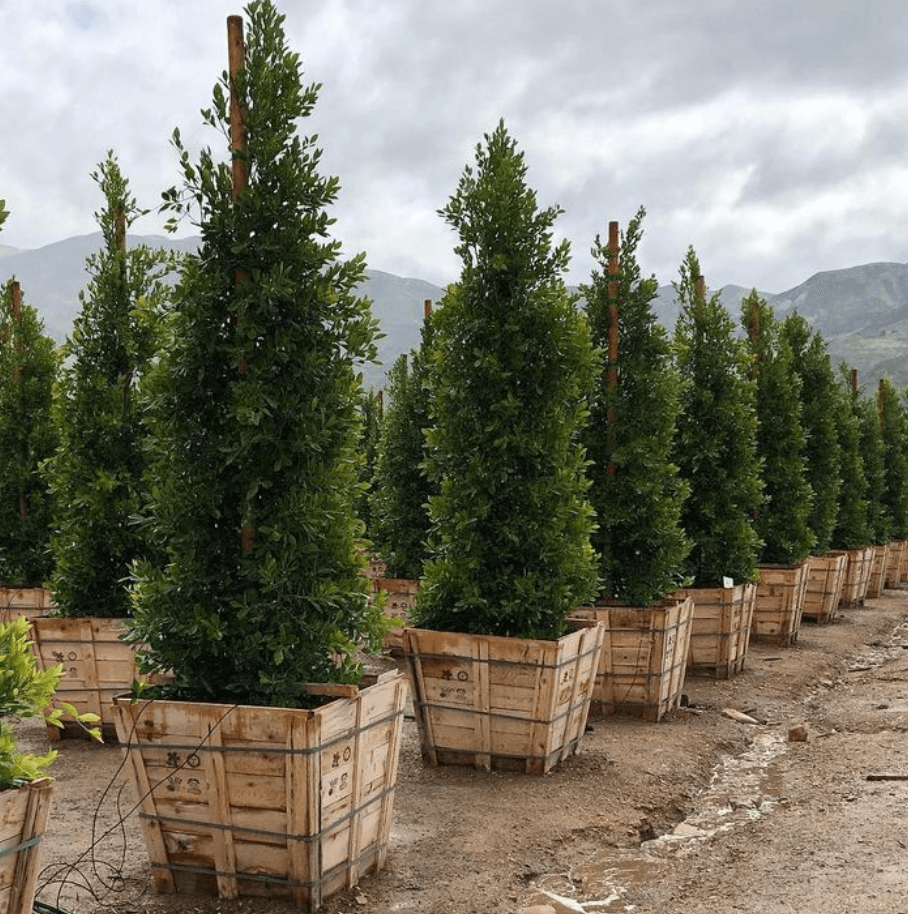

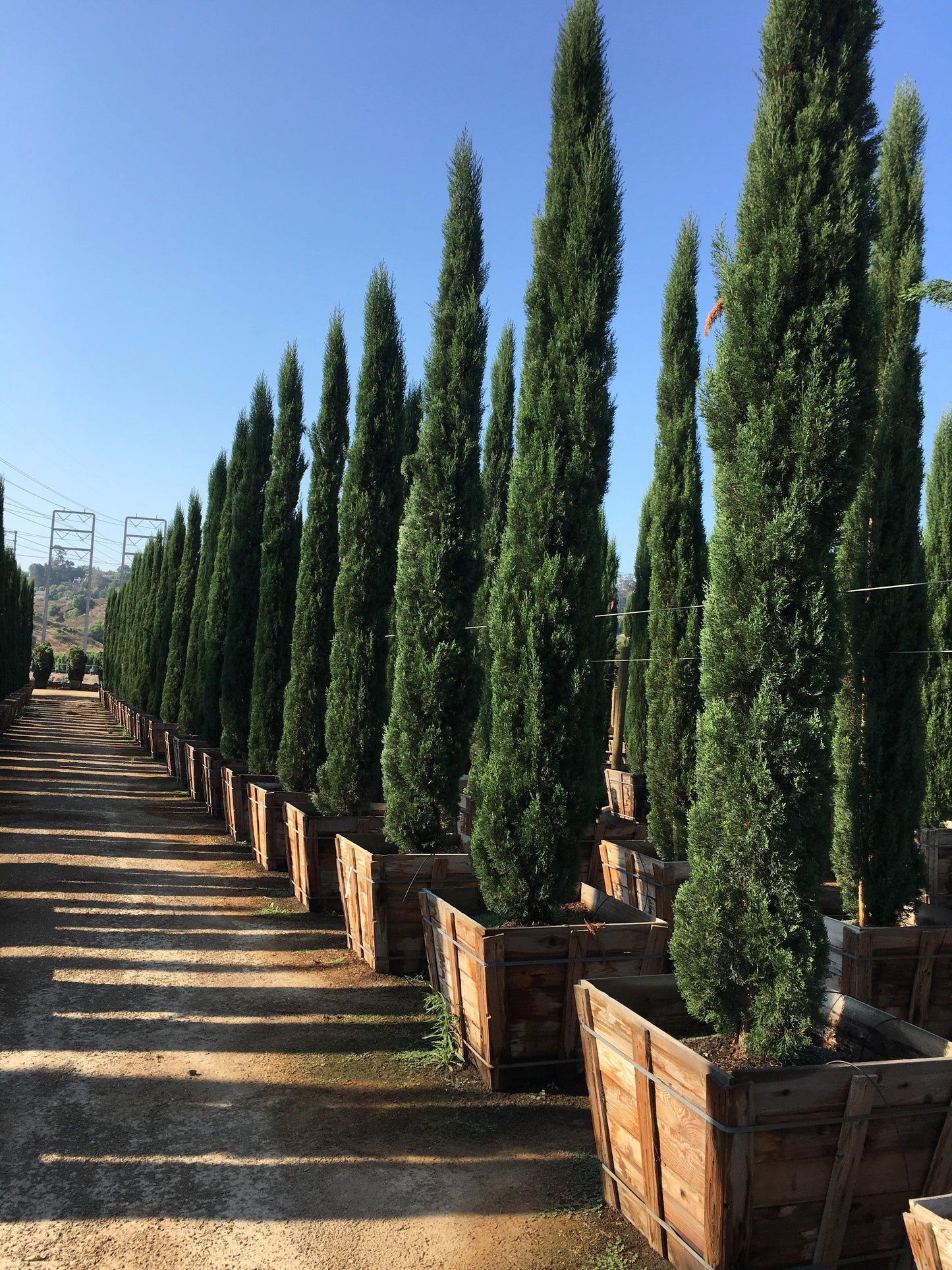

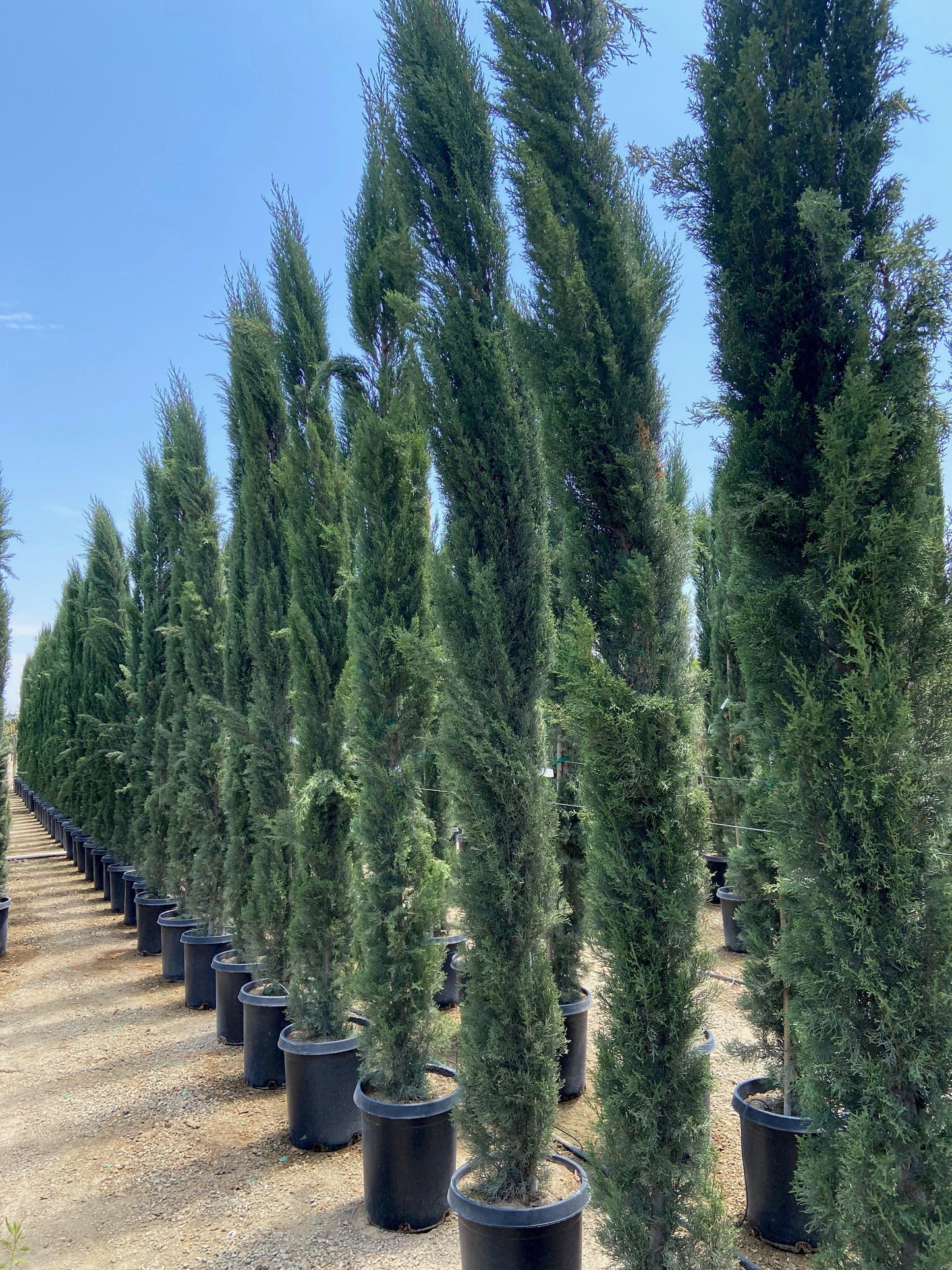

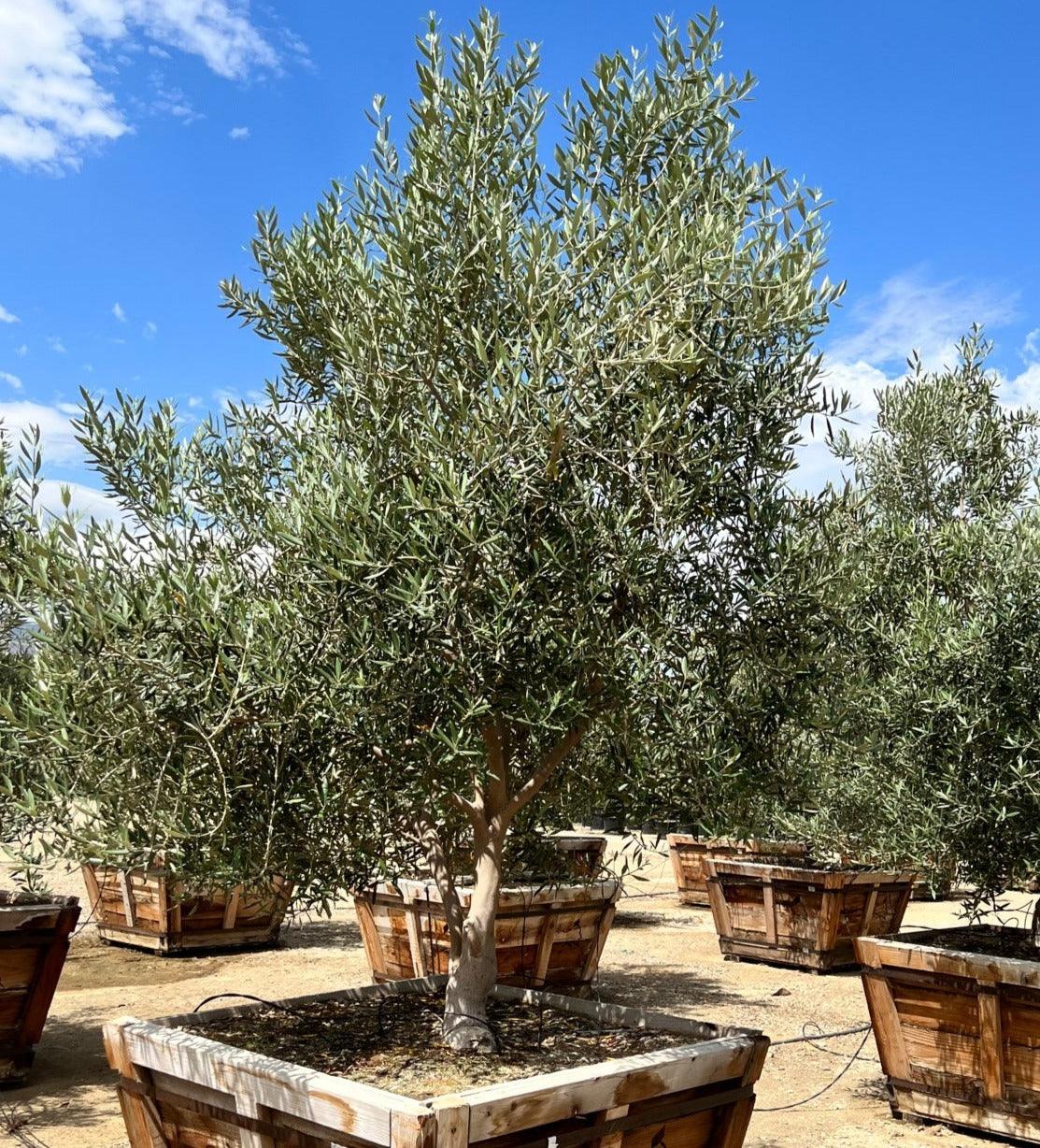








You May Also Like












Thousands of Healthy Plants Delivered


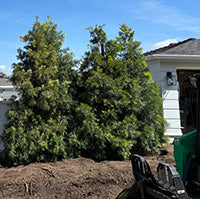
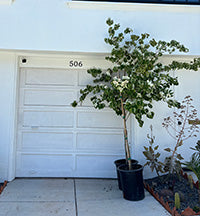
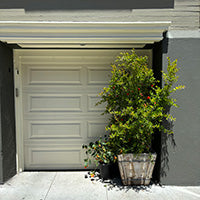
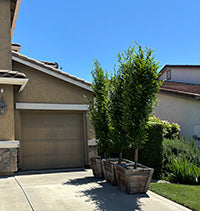
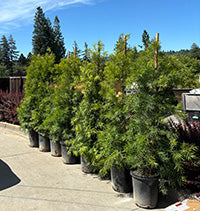
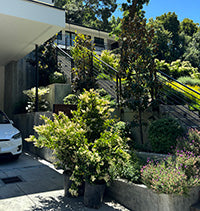
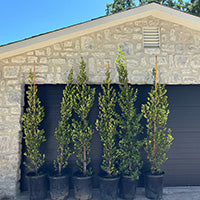
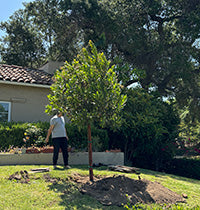
Yardwork was so great to work with. First they had the Swan Hill olive trees that we had been searching for, we had contacted several other nurseries without any luck previously. Then they answered all of our questions in a timely matter prior to ordering and finally delivered within a few days of placing it. Their staff is incredibly knowledgeable; they delivered and planted our trees with expertise to ensure that they would do well in our yard. We would definitely work with them again for future projects.











A Modern Experience
At Yardwork, we carefully curate thousands of plants, in all container sizes, to provide you with the best selection of the highest quality trees and plants at the best price, with the convenience of an online platform.
Uncompromised Quality
We choose only the finest specimens and hand select our plants just before delivery to ensure you receive the freshest and most robust specimens available for your landscape.
Industry Leading Warranties
Our 30, 90, and 365 extended warranties provide some of the best coverage to ensure our trees and plants thrive in your landscape.
Frequently Asked Questions
We're committed to changing everything about trees and plants - how they’re grown, how you shop for them, and how much they cost. We handle orders ourselves. No middlemen to get between us (or our prices) and you.
We're committed to changing everything about trees and plants - how they’re grown, how you shop for them, and how much they cost. We handle orders ourselves. No middlemen to get between us (or our prices) and you.
Delivery does not include unloading of trees and plants LARGER than a 24" box.
Trees and plants in smaller containers will be dropped curbside (usually on the driveway or near the front doorstep).
Delivery beyond a curbside drop will be charged extra.
Trees and plants that are sold in container sizes LARGER than a 24" box size will require equipment and/or enough manpower onsite to help unload from the truck.
Please reach out to our team PRIOR to placing your order to help coordinate.
Our team can provide unloading assistance with equipment for an extra fee as well.
Delivery does not include unloading of trees and plants LARGER than a 24" box.
Trees and plants in smaller containers will be dropped curbside (usually on the driveway or near the front doorstep).
Delivery beyond a curbside drop will be charged extra.
Trees and plants that are sold in container sizes LARGER than a 24" box size will require equipment and/or enough manpower onsite to help unload from the truck.
Please reach out to our team PRIOR to placing your order to help coordinate.
Our team can provide unloading assistance with equipment for an extra fee as well.
We ship locally within California within 7-10 days of your order being placed.
We ship nationally using carrier partners, based on order size. Our common order minimums for out of state shipping is $5,000.
Text or call 323-576-4159 for specific shipping details for your location.
We ship locally within California within 7-10 days of your order being placed.
We ship nationally using carrier partners, based on order size. Our common order minimums for out of state shipping is $5,000.
Text or call 323-576-4159 for specific shipping details for your location.
We are currently online only and don't have physical locations where you can view plants in person.
That's why we have photos direct from the growing grounds of the plants we will ship and we display pricing right in our store.
We do make sure to pick the very best trees and plants prior to shipping and make sure that they have gone through our multi-point inspection for health and structure.
We will always reach out prior to delivery if we find a quality issue or need to provide a substitute.
We are currently online only and don't have physical locations where you can view plants in person.
That's why we have photos direct from the growing grounds of the plants we will ship and we display pricing right in our store.
We do make sure to pick the very best trees and plants prior to shipping and make sure that they have gone through our multi-point inspection for health and structure.
We will always reach out prior to delivery if we find a quality issue or need to provide a substitute.
Plants vary greatly by type. Here is a rough idea of sizes based on containers that are direct from our growing grounds.
15 Gallon Shrub 3-4 Ft. Tall
15 Gallon Tree 5-6 Ft. Tall
24" Box Shrub 5-6 Ft. Tall
24" Box Tree 6-7 Ft. Tall
36" Box Shrub/Tree 7-9 Ft. Tall
48" Box Shrub/Tree 8-10 Ft. Tall
**Please note that we do not make guarantees of sizes. If you have questions or concerns, please call or text to request accurate sizing for the particular plant you're considering, prior to ordering.
Plants vary greatly by type. Here is a rough idea of sizes based on containers that are direct from our growing grounds.
15 Gallon Shrub 3-4 Ft. Tall
15 Gallon Tree 5-6 Ft. Tall
24" Box Shrub 5-6 Ft. Tall
24" Box Tree 6-7 Ft. Tall
36" Box Shrub/Tree 7-9 Ft. Tall
48" Box Shrub/Tree 8-10 Ft. Tall
**Please note that we do not make guarantees of sizes. If you have questions or concerns, please call or text to request accurate sizing for the particular plant you're considering, prior to ordering.
We offer a limited 30 day warranty for plants that are delivered and planted by someone else and a 90 day warranty for plants that we plant.
The limited warranty covers plants that die as a result of disease or fungus which was derived from our growing grounds or from root balls that were root bound.
The warranty does not cover damage due to watering, fertilizer, soils, or any other conditions beyond our control. Additionally, the warranty does not cover plants that are shipped out of the state of California or shipped into California from other states. Custom plant orders are also not covered under warranty. Plants must be planted within 24 hours after delivery to qualify.
We can assist you in recommending the right soils and fertilizers to help your plant thrive after you plant it.
Text or call 323-576-4159 for further warranty information.
We offer a limited 30 day warranty for plants that are delivered and planted by someone else and a 90 day warranty for plants that we plant.
The limited warranty covers plants that die as a result of disease or fungus which was derived from our growing grounds or from root balls that were root bound.
The warranty does not cover damage due to watering, fertilizer, soils, or any other conditions beyond our control. Additionally, the warranty does not cover plants that are shipped out of the state of California or shipped into California from other states. Custom plant orders are also not covered under warranty. Plants must be planted within 24 hours after delivery to qualify.
We can assist you in recommending the right soils and fertilizers to help your plant thrive after you plant it.
Text or call 323-576-4159 for further warranty information.
Our local delivery team covers most cities in California.
There are some exceptions, so please get in touch to confirm prior to ordering.
Additionally, we ship using semi trucks and trailers throughout the entire United States and even abroad for large orders over $5,000. Each shipment is custom, so please reach out to our team to coordinate.
Our local delivery team covers most cities in California.
There are some exceptions, so please get in touch to confirm prior to ordering.
Additionally, we ship using semi trucks and trailers throughout the entire United States and even abroad for large orders over $5,000. Each shipment is custom, so please reach out to our team to coordinate.