Cactus Plants For Sale
Explore our collection of cactus plants for bold structure, low water needs and long-lasting visual impact in your garden.
This store requires javascript to be enabled for some features to work correctly.
Explore our collection of cactus plants for bold structure, low water needs and long-lasting visual impact in your garden.
Cactus plants are the ideal choice if you want bold structure, low water needs and long-lasting visual impact indoors or outdoors. From a small cactus for a sunny desk to a tall columnar cactus for a California landscape, Yardwork offers premium cactus species selected for health, form and reliable performance.
Cacti come in a wide variety of shapes, colors and sizes, making them suitable for different decor styles and personal preferences. Many cacti store large amounts of water in their stems, require simple seasonal care and bring sculptural beauty to spaces where other plants may struggle.
Cacti are divided into desert cacti, which thrive in hot, dry conditions, and jungle cacti, which grow as epiphytes in tropical forests. That diversity makes cactus plants useful for bright interiors, patios, offices and outdoor drought-tolerant gardens.
Most cacti are valued for their low-maintenance growth and striking appearance. Their thickened stems store water efficiently, and cacti have evolved to have a high surface area-to-volume ratio, which helps them minimize water loss by having thickened stems instead of leaves. Many species also use ribbed or fluted stems that shrink during drought and swell when water is available, aiding water storage and conservation.
Indoor cactus plants work beautifully on windowsills, shelves and bright home office desks. Compact varieties such as Mammillaria, Parodia, nipple cactus and little nipple cactus offer rounded forms, soft clusters of spines and seasonal blooms without taking up much space.
Cacti can store large amounts of water in their stems, making them suitable for low-maintenance indoor decor. Indoor cacti can also act as air purifiers by absorbing carbon dioxide and releasing oxygen, and cactus plants can enhance productivity in home office environments thanks to their unique visual variety.
Choose small to medium houseplants such as barrel cactus, pincushion varieties and other compact species with white flowers, pink flowers, yellow flowers, orange flowers or even green flowers depending on the type. Desert cacti require full, direct sunlight for at least 6 hours daily, while jungle cacti such as christmas cactus, mistletoe cactus and other epiphytic cactus types prefer bright but indirect light.
Outdoor garden cactus varieties add permanent structure to California landscapes. Larger columnar types, prickly pear cactus and bold barrel forms are excellent for sunny beds, rock gardens and water-wise designs where heat resistance and drought tolerance matter.
Many outdoor cactus species provide strong architectural value through cylindrical shape, globe shaped cactus forms, upright stems, large clumps and dramatic silhouettes. Prickly pear and opuntia varieties can spread into living fences or ground-covering displays, often producing yellow flowers, pinkish flowers, orange blooms or edible fruit.
For outdoor success, match the plant to the site. Most cacti thrive in bright, sunny locations and tolerate high light levels, while many species generally prefer warm temperatures between 70 to 90°F (21 to 32°C) and should be protected from frost.
For offices and lower-light rooms, choose tolerant cactus plants that can handle bright artificial light or filtered natural light. Grafted cacti, certain Mammillaria species and jungle cactus varieties are often better suited to these spaces than full-sun desert species.
Most species still need a bright position, but office-friendly cacti are forgiving when watering is minimal. Cacti generally thrive in temperatures between 65°F and 85°F and prefer low humidity environments, which makes many cactus varieties practical for desks, reception areas and home workspaces.
Jungle cacti typically lack sharp spines and have flat, leaf-like stems, in contrast to the spiny varieties of desert cacti. They are a good option when you want cactus character without long spines, thorns or intense full-sun requirements.
The right cactus depends on light, winter temperature, humidity, soil and exposure. California includes coastal fog zones, warm southern areas, inland valleys and desert climates, so choosing the correct cactus species is essential for long-term growth, especially when you’re planning an entire yard through a plant nursery and landscape service.
The United States is home to 194 native cactus species, with the majority found in the desert Southwest. Many familiar plants come from the american southwest, southwestern united states, southern texas, northern mexico, northwestern mexico and regions around the rio grande, where strong sun, dry soil and seasonal extremes shape their care needs.
Coastal California gardens need cactus varieties that can handle marine influence, cooler temperatures and occasional humidity, and they pair well with other drought-tolerant natives such as California lilac (Ceanothus). Opuntia varieties, prickly pear and certain Cereus species can work well when planted in a raised sunny spot with excellent drainage.
Humidity is the main concern near the coast. Cacti require well-draining soil to prevent root rot, and a mixture of commercial soilless growing medium with inorganic materials like pumice or perlite is often recommended. In garden beds, mineral-rich soil, gravel mulch and raised planting areas help protect stems and roots through winter.
Look for species that tolerate cool nights and bright but softened coastal light. Some opuntia varieties produce colorful flowers and edible fruit, while tall Cereus types add vertical structure without demanding frequent irrigation.
Desert and inland areas are ideal for heat-loving barrel cacti, Ferocactus, Echinocactus and tall Cereus varieties, especially when combined with other sun-loving shrubs like Conebush (Leucodendron). These plants thrive in bright exposure, intense summer light and dry air once established.
Cacti utilize a specialized form of photosynthesis called Crassulacean Acid Metabolism (CAM), which allows them to open their stomata at night to minimize water loss during the hotter daytime hours. This adaptation helps many cacti handle extreme heat and limited water.
Choose varieties with proven heat tolerance, strong stems and protective spines. Golden spines, hair like spines, sharp spines and long spines all contribute to the plant’s appearance while also helping protect the cactus in harsh conditions. Protect tender species from frost in winter, especially in colder inland pockets.
Container growing is ideal for patios, balconies, entryways and spaces where seasonal protection is useful, and you can use the same approach for potted citrus fruit trees when you want edible harvests on a small patio. Compact Mammillaria, Parodia and small Opuntia varieties grow well in pots and planters when the container drains freely.
Containers make it easier to move cactus plants into shade during extreme summer heat or indoors during frost threats. They also allow collectors to grow rare plants, unusual grafted forms and small cactus varieties with purple, pink, yellowish flowers or large flowers in controlled conditions.
Use terracotta or other breathable containers when possible. Let the soil dry thoroughly, rotate plants for even growth and place them where they receive enough bright light for healthy new spines and flowering.
Cactus plants range from soft-looking, white-haired specimens to tall living sculptures covered in spines, and they can be dramatic companions to mature landscape trees that provide instant structure and shade. Common cactus varieties available for sale include Cereus, Echinocactus, Ferocactus, Mammillaria and Opuntia, each with unique features and care requirements.
Most species bring something distinct to a garden or interior: spherical geometry, vertical height, edible fruit, vivid flowers, dense clusters or a wild desert appearance. Some blooms are white, yellow, orange, pink, green or red, while others produce large flowers that open dramatically in summer or fall.
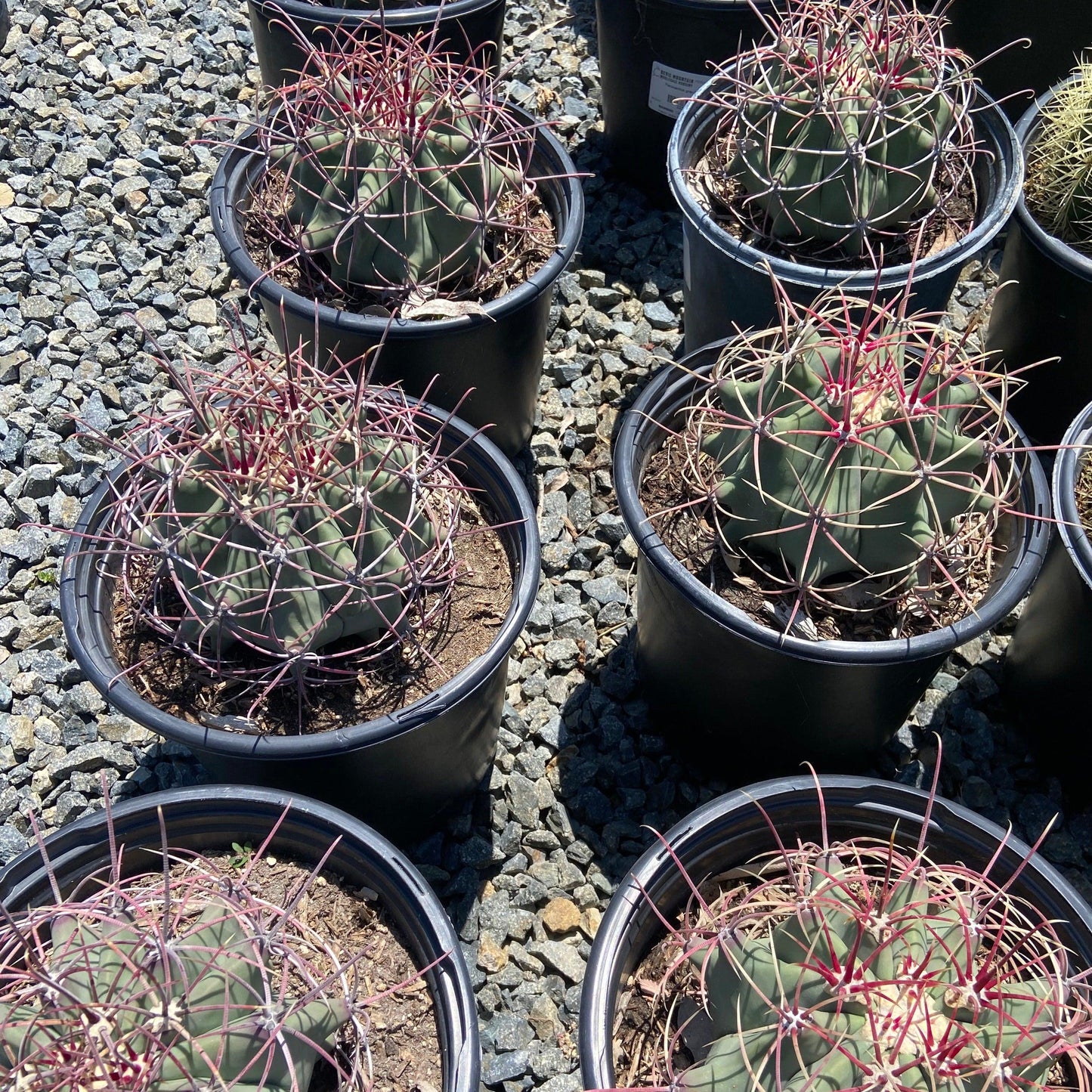
Barrel cactus varieties are loved for their rounded bodies, bold ribs and dramatic spine displays, and they contrast beautifully with wind-tolerant evergreens like Monterey Cypress in coastal or exposed gardens. Golden Barrel, Blue Barrel and Ferocactus species create strong focal points in rock gardens, containers and dry landscapes.
The Golden Barrel Cactus (Echinocactus grusonii) is a popular choice for its round shape and golden-yellow spines, growing over 36 inches tall and wide. Its globe shaped cactus form develops slowly, making it a long-term garden investment with excellent sculptural value.
Ferocactus species often produce yellow flowers, orange flowers or red-toned blooms, depending on the species. Their slow growth, firm stems and sharp spines make them ideal for sunny, low-water landscapes where year-round structure matters.
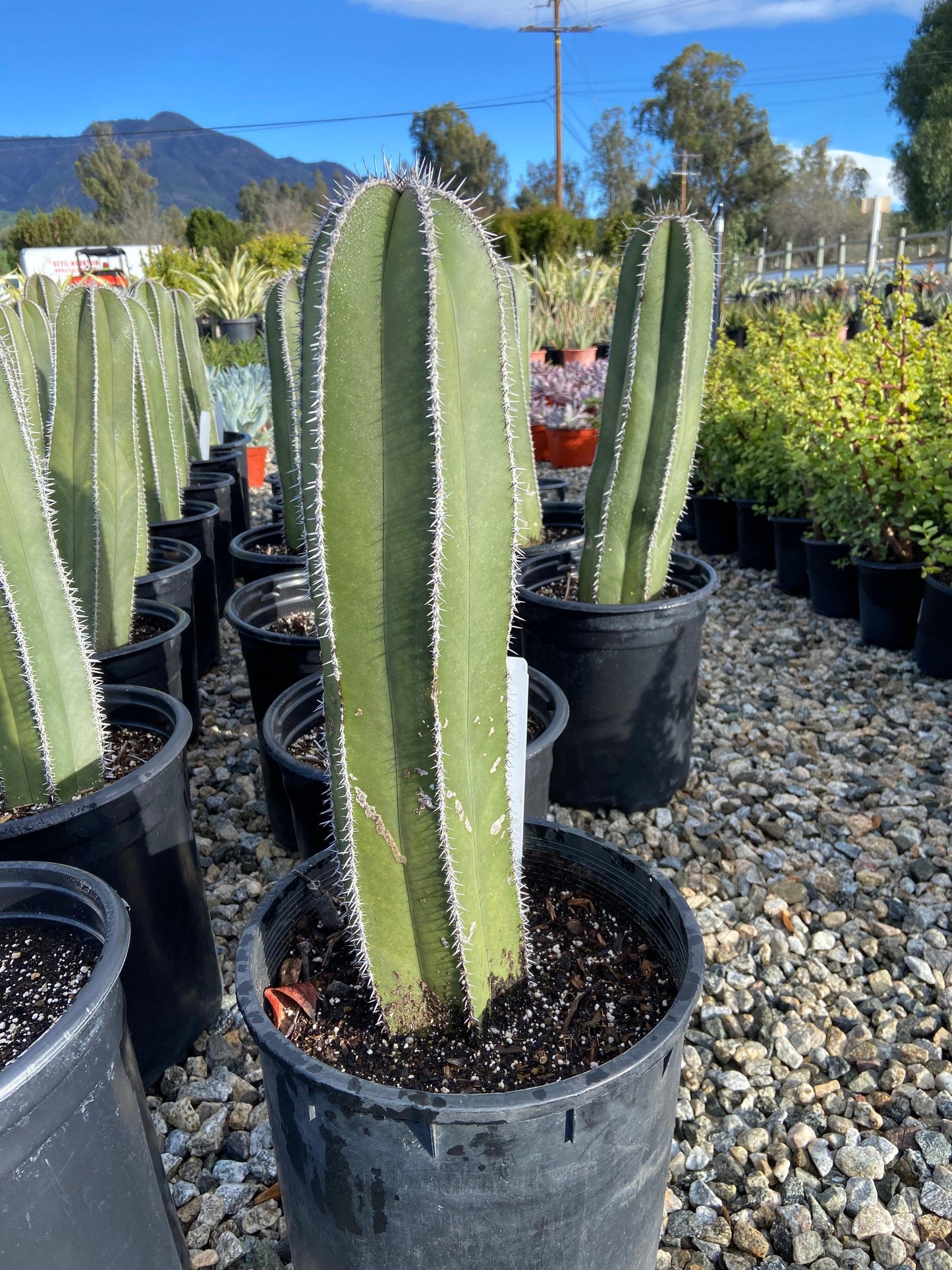
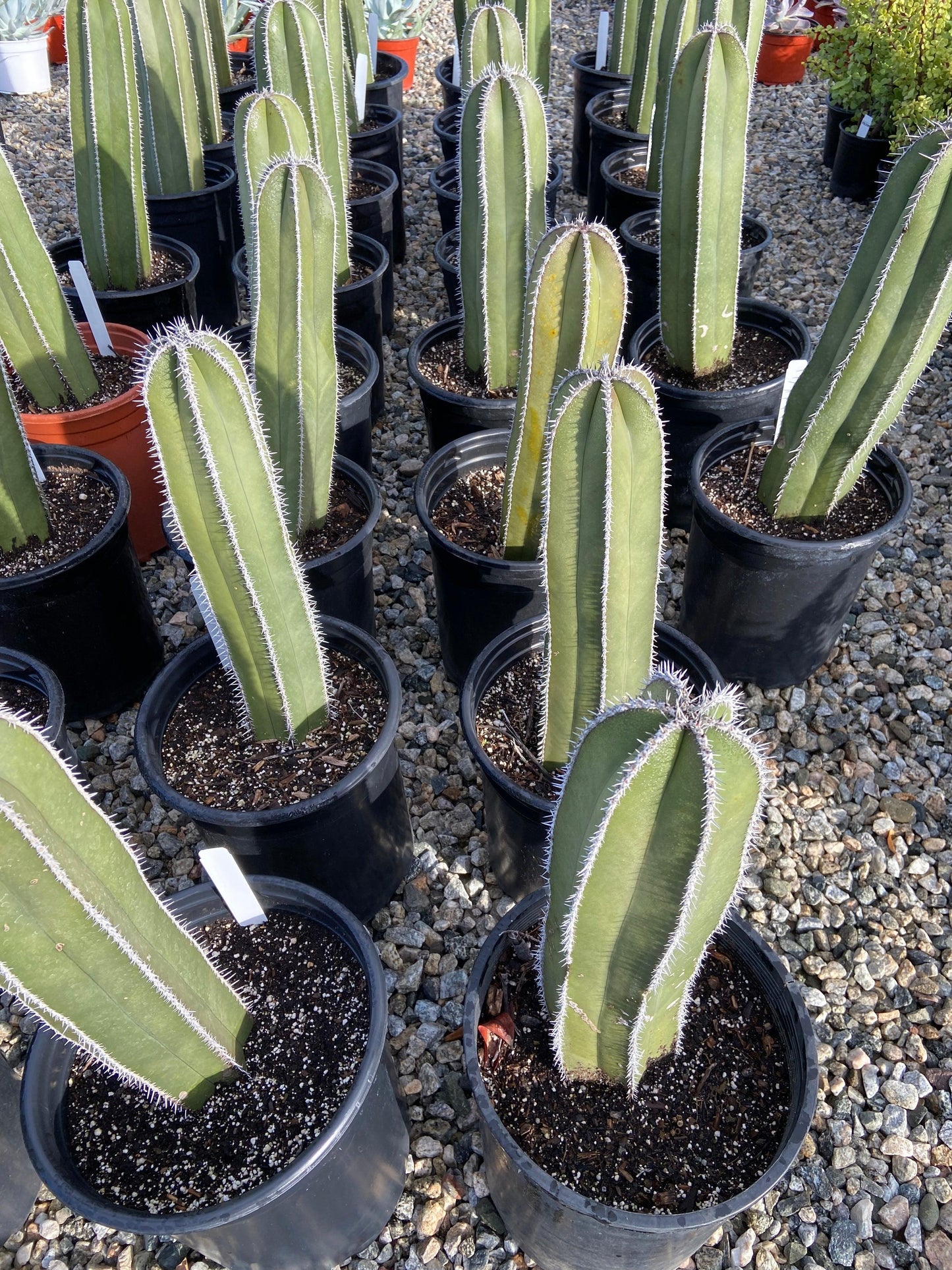
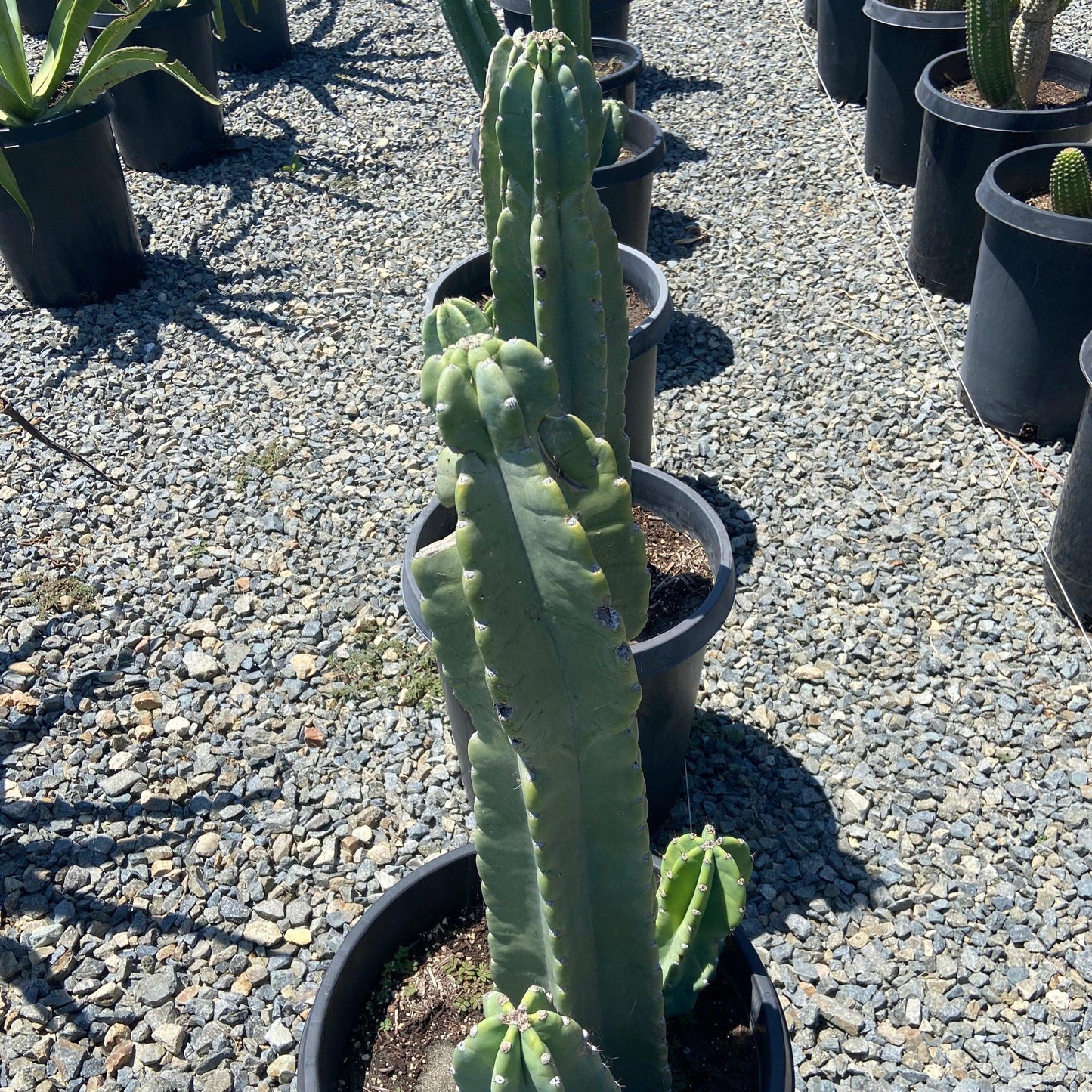
Columnar and tree cacti create height, rhythm and bold vertical lines, much like dedicated privacy and fast-growing trees that frame property lines or screen views. Mexican Fencepost, Organ Pipe and tall Cereus varieties can become living sculptures, privacy screens or dramatic anchors in large beds.
The Organ Pipe Cactus (Stenocereus thurberi) can grow up to 25 feet tall and is primarily found in Baja California and Sonora, with a small population in Arizona. The Saguaro cactus (Carnegiea gigantea) is an iconic symbol of the Sonoran Desert and can live for over 150 years, providing habitat for various desert wildlife.
Plan carefully before planting tall cactus varieties. Mature size, distance from walkways, sun exposure and access for maintenance all matter when a cactus can grow many feet tall over time.
Prickly pear and paddle cacti are instantly recognizable by their flat pad segments, and they can be combined with flowering trees for seasonal bloom to create layered interest in larger landscapes. Opuntia varieties are useful for ground coverage, informal hedges, wildlife-friendly plantings and edible landscapes.
Many prickly pear cactus types produce bright flowers followed by edible fruit. Depending on the species, blooms may be yellow, orange, pink or even yellowish flowers, and the fruit can add seasonal color as well as edible value where applicable.
Opuntia can form large clumps and spread more quickly than many cacti, so placement matters. Use them where their growth habit is an advantage, and allow space around pads covered with glochids, thorns or sharp spines.
Cactus care is simple when you focus on drainage, light and seasonal rhythm, just as with tough conifers like Incense Cedar that reward proper siting and consistent care. The most common mistakes are overwatering, poor soil, sudden sun exposure and ignoring winter dormancy.
Healthy cactus growth depends on matching the plant’s natural environment, just as success with adaptable landscape trees like Carrotwood (Cupaniopsis anacardioides) starts with choosing the right spot and soil conditions. Desert cactus species need more sun and drier conditions, while jungle cactus species prefer indirect light, slightly more humidity and protection from harsh direct afternoon sun.
Cacti should be watered thoroughly but allowed to dry out between waterings, especially during their dormant winter season, to avoid overwatering. This “soak and dry” method encourages strong roots while preventing rot.
During the growing season in spring and summer, water deeply only when the soil is dry. In winter, reduce watering significantly, especially for outdoor plants exposed to cool weather. Overwatering is the primary cause of cactus problems, particularly when damp soil combines with low temperatures.
Watch for pests while watering. Common pests for cacti include mealybugs and scale insects, which should be treated early with neem oil or insecticidal soap before insects spread into clusters around areoles, stems or roots.
Most cacti thrive in bright, sunny locations and can tolerate high light levels, making them suitable for indoor environments with ample sunlight or artificial light. Place indoor desert cacti near a south- or west-facing window whenever possible.
Outdoor cactus plants should be acclimated gradually before moving into full sun. A plant grown in filtered light can scorch if placed suddenly in intense summer exposure, so increase light slowly over several days or weeks.
Remember the difference between desert and jungle types. Desert cacti need at least 6 hours of direct sun daily, while jungle cacti prefer bright but indirect light and may bloom best with cooler nights and careful seasonal watering.
Explore our curated selection of premium cactus plants for indoor decor, outdoor gardens, containers and California-ready landscapes. Our collection includes healthy, carefully selected varieties with strong roots, clean growth and distinctive forms.
Choose from compact Mammillaria, sculptural Echinocactus, bold Ferocactus, upright Cereus and versatile Opuntia varieties. Whether you want a small cactus for a desk, a prickly pear for edible fruit, a barrel cactus with golden spines or a tall columnar specimen for landscape structure, Yardwork helps you select the right plant for your space.
Our team supports you with expert plant selection, cactus care guidance, California delivery and consultation services for landscape planning with cacti and succulents. Shop premium cactus plants online and bring home durable, beautiful plants built to thrive.