

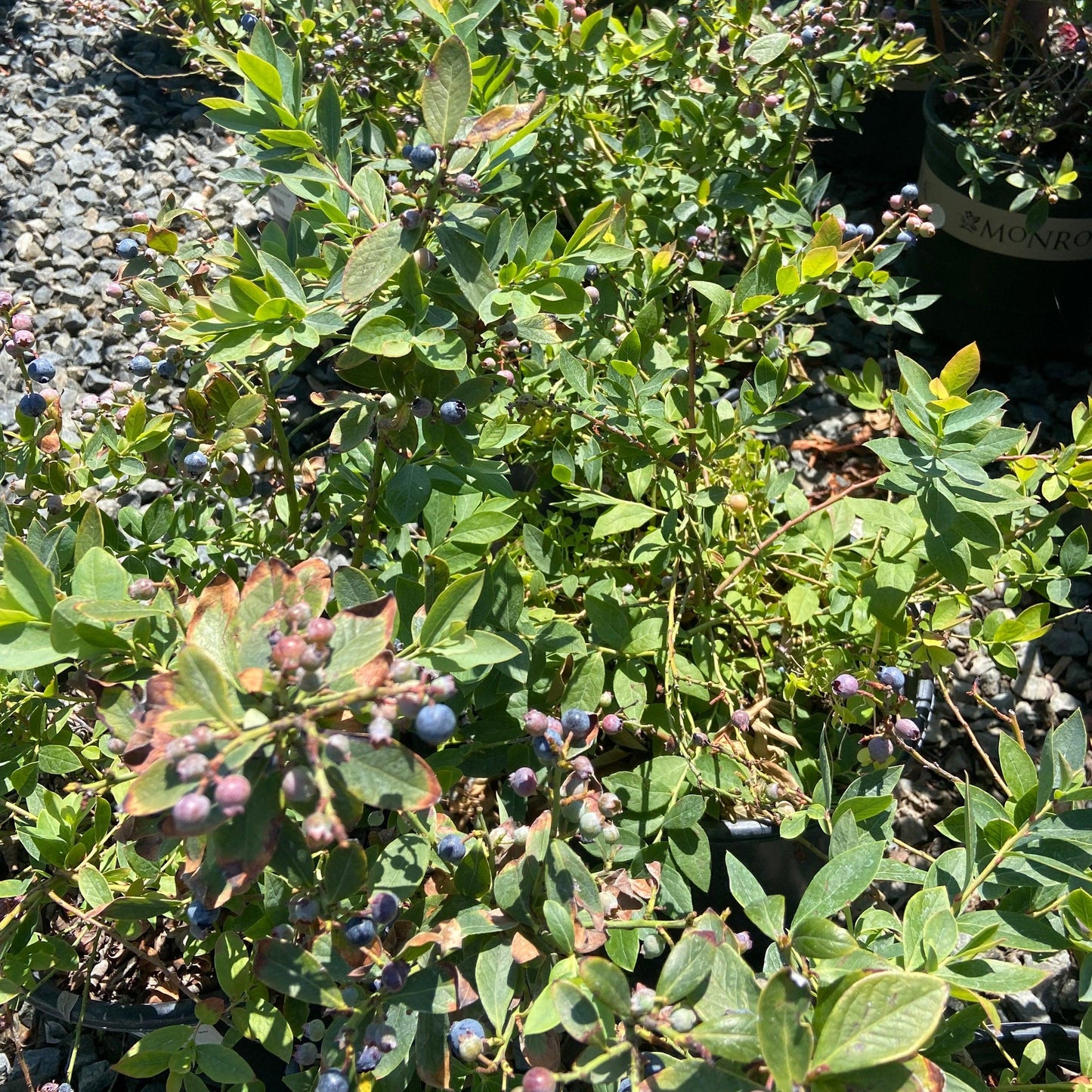

Sunshine Blue Blueberry
Regular price
$75.00
Size
Compact Blueberry Powerhouse for Year-Round Garden Beauty
Sunshine Blue Blueberry gives you fresh sweet berries, spring flowers, blue green foliage, and compact landscape structure in a shrub that fits easily into a patio pot, small yard, or edible border. It is a good choice when you want real fruit production without dedicating a large garden bed to blueberry plants.
This southern highbush blue blueberry is known for high ornamental value and compact growth, reaching about 3–4 feet tall and wide at maturity. With the right acidic soil, full sun, and steady moisture, Sunshine Blue can produce attractive flowers in spring, dime-sized berries in summer, and appealing fall color as the season changes.
Why You'll Love It
-
Exceptional Container Performance – Thrives in pots and is ideal for container gardening due to its compact root system, making it perfect for patios, balconies, and small yards, especially when paired with other dwarf fruit trees for containers like Honey Babe Peach.
-
Extended Harvest Season – A mature plant can produce 5–10 pounds of sweet berries annually once established, with berries ripening through the summer harvest window.
-
Low Maintenance Beauty – Semi-evergreen to evergreen foliage, pink bell shaped flowers in mid-spring, and seasonal fall color provide interest beyond the fruit.
-
Climate Adaptable – Sunshine Blue requires only 150 chill hours during winter, making it easier to grow in mild climates from Southern California to Oregon and the Pacific Northwest, where evergreen ornamentals such as the Japanese Blueberry Tree for California landscapes are also popular.
-
Bird and Pollinator Magnet – Hot-pink flower buds open into white blossoms that attract butterflies and pollinators, while the ripening berries may also attract birds, so netting helps protect your harvest.
Sunshine Blue is highly recommended for beginner gardeners due to its adaptability. It performs well as long as you give it sun, acidic soil, good drainage, and consistent moisture without standing water.
What Makes It Different
Most other blueberries need colder winters, larger growing space, and more precise soil conditions to set fruit reliably. Sunshine Blue is primarily grown for small-space fruit production and ornamental landscape value, especially in warm and mild-winter climates.
-
Ultra-Low Chill Requirements – Sunshine Blue requires only 150 chill hours during winter, unlike many traditional northern blueberry plants that need much more cold.
-
Dwarf Growth Habit – Sunshine Blue Blueberry grows 3–4 feet tall and wide, staying compact compared to standard shrubs that can become much larger.
-
Self-Fertile Nature – Sunshine Blue Blueberry is partially self-fertile and can set fruit on its own, though planting two varieties increases fruit production and improves pollination.
-
Evergreen Character – In mild climates, the bush can hold evergreen or semi-evergreen leaves through winter, giving the yard structure even after summer harvest is finished.
Sunshine Blue can also tolerate soil pH levels up to 6.5 better than many acid loving plants, but blueberries prefer a soil pH of 4.5–5.5 for healthy growth, strong yields, and quality fruit.
How To Grow Sunshine Blue Blueberry Successfully
-
Plant in Acidic, Well-Draining Location
Choose a sunny spot with 8+ hours of sunlight daily. Soil pH for blueberries should be 4.5–5.5, and this variety requires sandy, acidic soil for success. Prepare a 24-inch diameter hole at least 12 inches deep, or use a well-draining, organic potting mix for container planting with peat moss, bark, and other acidic materials. -
Enjoy Spring Flower Display
Sunshine Blue produces hot-pink flower buds that open into white blossoms. The shrub also features pink bell-shaped flowers in mid-spring, often around April, attracting butterflies and other pollinators during the early spring growing season. -
Harvest July Through August
Dime-sized, light blue berries ripen gradually for an extended picking season. Sunshine Blue produces dime-sized, sweet berries in mid-summer, and in warmer climates Sunshine Blue yields fruit from mid-spring through early summer. Once mature, expect stronger harvests as the plant reaches full maturity. -
Maintain for Long-Term Production
Water blueberries weekly to keep soil consistently moist, but avoid standing water. Using mulch helps retain soil moisture and stabilize root temperatures. Fertilize blueberries in early spring with acid fertilizers made for azaleas, camellia, rhododendrons, and other acid loving plants. Prune blueberries in late winter to remove dead branches and encourage healthy new growth.
Plant Specifications
-
Mature Size: 3–4 feet tall and wide; can be maintained close to 3 feet with pruning and container culture
-
Growth Rate: Medium, reaching full size in 2–3 years under good care
-
Sunlight Requirements: Sunshine Blue Blueberry requires 8+ hours of sunlight daily; plant blueberries in a sunny spot with 8+ hours of sunlight for best yields
-
Soil Needs: Acidic soil with pH 4.5–5.5; it requires acidic soil with a pH of 4.5–5.5 and sandy, acidic soil for success
-
Drainage Needs: Good drainage is essential; blueberries require consistent moisture but avoid standing water
-
Hardiness Zones: Thrives in USDA Hardiness Zones 5 through 10; especially suitable for most California climates
-
Cold Tolerance: Sunshine Blue Blueberry is hardy to 0°F, though colder usda zone locations may need winter protection
-
Chill Requirement: Low chilling requirement of only 150 chill hours during winter
-
Container Size: Minimum 20-gallon pot for optimal growth, using a well-draining, organic potting mix
-
Flower Color: Hot-pink flower buds open into white blossoms; pink bell shaped flowers appear in mid-spring
-
Fruit: Dime sized, sweet berries with a light blue bloom, generally harvested in mid-summer
-
Time to Bear: Sunshine Blue Blueberry bears fruit 1–2 years after planting
-
Pollination: Partially self fertile; planting two varieties increases fruit production
For best results, mulch the ground or container surface, keep the soil evenly moist, monitor for yellowing leaves that may signal pH issues, and protect ripening berries from birds with netting before fruit is lost.
Perfect For These Gardeners
Ideal for:
-
Container gardeners wanting fresh blueberries in limited space
-
Southern California homeowners seeking low-chill fruit varieties
-
Landscape designers incorporating edible ornamentals into shrubs, borders, and patio plantings
-
Beginning fruit growers looking for an easy-care, productive plant
-
Growers in California, Oregon, and mild climates who want fruit without a large yard and may also be exploring local nurseries for privacy trees and evergreens
If you want homegrown berries without a large garden commitment, Sunshine Blue fits perfectly. It combines compact growth, ornamental flowers, blue green foliage, reliable pollination potential, and quality fruit in one manageable bush.
It is also a good choice if you have purchased blueberry plants before and struggled with low chill, limited sun, higher pH soils, pests, diseases, or poor drainage. Sunshine Blue is forgiving for a blueberry, but it still performs best when treated like other acid loving plants: acidic soil, steady moisture, full sun, and careful late winter prune work.
Frequently Asked Questions
How many berries will one plant produce?
Once established, Sunshine Blue can produce 5–10 pounds of fruit annually in good conditions. Young plants may produce less at first, but yields increase as the plant reaches maturity.
Do I need multiple plants for fruit?
Sunshine Blue Blueberry is partially self-fertile, so one plant can set fruit. However, planting two varieties increases fruit production because cross-pollination encourages heavier yields.
Will it survive California winters?
Yes. Sunshine Blue thrives in USDA Hardiness Zones 5 through 10 and is hardy to 0°F. In California and much of the south, it usually needs minimal winter protection, though containers in colder climates should be protected from root freeze.
When should I plant it?
Plant in early spring or fall when temperatures are moderate. Early spring planting gives the roots time to establish before summer heat, while fall planting works well in mild climates where winter conditions are not severe.
How do I maintain soil acidity?
Keep soil pH at 4.5–5.5. Use peat moss, pine bark, sulfur when needed, and acid fertilizers in early spring. Fertilizers for azaleas, camellia, and other acid loving plants are often appropriate. If leaves show yellowing, test the soil because pH may be too high.
Ready to Grow Your Own Superfood?
Sunshine Blue Blueberry delivers a rare combination of compact size, ornamental beauty, low chilling requirement, and productive summer harvest.
Choose Yardwork for healthy Sunshine Blue stock, California delivery, and expert consultation support before and after your plant arrives. Finally, with our quality guarantee and grower guidance, you can plant with confidence and enjoy a stronger start.
Compact Blueberry Powerhouse for Year-Round Garden Beauty
Sunshine Blue Blueberry gives you fresh sweet berries, spring flowers, blue green foliage, and compact landscape structure in a shrub that fits easily into a patio pot, small yard, or edible border. It is a good choice when you want real fruit production without dedicating a large garden bed to blueberry plants.
This southern highbush blue blueberry is known for high ornamental value and compact growth, reaching about 3–4 feet tall and wide at maturity. With the right acidic soil, full sun, and steady moisture, Sunshine Blue can produce attractive flowers in spring, dime-sized berries in summer, and appealing fall color as the season changes.
Why You'll Love It
-
Exceptional Container Performance – Thrives in pots and is ideal for container gardening due to its compact root system, making it perfect for patios, balconies, and small yards, especially when paired with other dwarf fruit trees for containers like Honey Babe Peach.
-
Extended Harvest Season – A mature plant can produce 5–10 pounds of sweet berries annually once established, with berries ripening through the summer harvest window.
-
Low Maintenance Beauty – Semi-evergreen to evergreen foliage, pink bell shaped flowers in mid-spring, and seasonal fall color provide interest beyond the fruit.
-
Climate Adaptable – Sunshine Blue requires only 150 chill hours during winter, making it easier to grow in mild climates from Southern California to Oregon and the Pacific Northwest, where evergreen ornamentals such as the Japanese Blueberry Tree for California landscapes are also popular.
-
Bird and Pollinator Magnet – Hot-pink flower buds open into white blossoms that attract butterflies and pollinators, while the ripening berries may also attract birds, so netting helps protect your harvest.
Sunshine Blue is highly recommended for beginner gardeners due to its adaptability. It performs well as long as you give it sun, acidic soil, good drainage, and consistent moisture without standing water.
What Makes It Different
Most other blueberries need colder winters, larger growing space, and more precise soil conditions to set fruit reliably. Sunshine Blue is primarily grown for small-space fruit production and ornamental landscape value, especially in warm and mild-winter climates.
-
Ultra-Low Chill Requirements – Sunshine Blue requires only 150 chill hours during winter, unlike many traditional northern blueberry plants that need much more cold.
-
Dwarf Growth Habit – Sunshine Blue Blueberry grows 3–4 feet tall and wide, staying compact compared to standard shrubs that can become much larger.
-
Self-Fertile Nature – Sunshine Blue Blueberry is partially self-fertile and can set fruit on its own, though planting two varieties increases fruit production and improves pollination.
-
Evergreen Character – In mild climates, the bush can hold evergreen or semi-evergreen leaves through winter, giving the yard structure even after summer harvest is finished.
Sunshine Blue can also tolerate soil pH levels up to 6.5 better than many acid loving plants, but blueberries prefer a soil pH of 4.5–5.5 for healthy growth, strong yields, and quality fruit.
How To Grow Sunshine Blue Blueberry Successfully
-
Plant in Acidic, Well-Draining Location
Choose a sunny spot with 8+ hours of sunlight daily. Soil pH for blueberries should be 4.5–5.5, and this variety requires sandy, acidic soil for success. Prepare a 24-inch diameter hole at least 12 inches deep, or use a well-draining, organic potting mix for container planting with peat moss, bark, and other acidic materials. -
Enjoy Spring Flower Display
Sunshine Blue produces hot-pink flower buds that open into white blossoms. The shrub also features pink bell-shaped flowers in mid-spring, often around April, attracting butterflies and other pollinators during the early spring growing season. -
Harvest July Through August
Dime-sized, light blue berries ripen gradually for an extended picking season. Sunshine Blue produces dime-sized, sweet berries in mid-summer, and in warmer climates Sunshine Blue yields fruit from mid-spring through early summer. Once mature, expect stronger harvests as the plant reaches full maturity. -
Maintain for Long-Term Production
Water blueberries weekly to keep soil consistently moist, but avoid standing water. Using mulch helps retain soil moisture and stabilize root temperatures. Fertilize blueberries in early spring with acid fertilizers made for azaleas, camellia, rhododendrons, and other acid loving plants. Prune blueberries in late winter to remove dead branches and encourage healthy new growth.
Plant Specifications
-
Mature Size: 3–4 feet tall and wide; can be maintained close to 3 feet with pruning and container culture
-
Growth Rate: Medium, reaching full size in 2–3 years under good care
-
Sunlight Requirements: Sunshine Blue Blueberry requires 8+ hours of sunlight daily; plant blueberries in a sunny spot with 8+ hours of sunlight for best yields
-
Soil Needs: Acidic soil with pH 4.5–5.5; it requires acidic soil with a pH of 4.5–5.5 and sandy, acidic soil for success
-
Drainage Needs: Good drainage is essential; blueberries require consistent moisture but avoid standing water
-
Hardiness Zones: Thrives in USDA Hardiness Zones 5 through 10; especially suitable for most California climates
-
Cold Tolerance: Sunshine Blue Blueberry is hardy to 0°F, though colder usda zone locations may need winter protection
-
Chill Requirement: Low chilling requirement of only 150 chill hours during winter
-
Container Size: Minimum 20-gallon pot for optimal growth, using a well-draining, organic potting mix
-
Flower Color: Hot-pink flower buds open into white blossoms; pink bell shaped flowers appear in mid-spring
-
Fruit: Dime sized, sweet berries with a light blue bloom, generally harvested in mid-summer
-
Time to Bear: Sunshine Blue Blueberry bears fruit 1–2 years after planting
-
Pollination: Partially self fertile; planting two varieties increases fruit production
For best results, mulch the ground or container surface, keep the soil evenly moist, monitor for yellowing leaves that may signal pH issues, and protect ripening berries from birds with netting before fruit is lost.
Perfect For These Gardeners
Ideal for:
-
Container gardeners wanting fresh blueberries in limited space
-
Southern California homeowners seeking low-chill fruit varieties
-
Landscape designers incorporating edible ornamentals into shrubs, borders, and patio plantings
-
Beginning fruit growers looking for an easy-care, productive plant
-
Growers in California, Oregon, and mild climates who want fruit without a large yard and may also be exploring local nurseries for privacy trees and evergreens
If you want homegrown berries without a large garden commitment, Sunshine Blue fits perfectly. It combines compact growth, ornamental flowers, blue green foliage, reliable pollination potential, and quality fruit in one manageable bush.
It is also a good choice if you have purchased blueberry plants before and struggled with low chill, limited sun, higher pH soils, pests, diseases, or poor drainage. Sunshine Blue is forgiving for a blueberry, but it still performs best when treated like other acid loving plants: acidic soil, steady moisture, full sun, and careful late winter prune work.
Frequently Asked Questions
How many berries will one plant produce?
Once established, Sunshine Blue can produce 5–10 pounds of fruit annually in good conditions. Young plants may produce less at first, but yields increase as the plant reaches maturity.
Do I need multiple plants for fruit?
Sunshine Blue Blueberry is partially self-fertile, so one plant can set fruit. However, planting two varieties increases fruit production because cross-pollination encourages heavier yields.
Will it survive California winters?
Yes. Sunshine Blue thrives in USDA Hardiness Zones 5 through 10 and is hardy to 0°F. In California and much of the south, it usually needs minimal winter protection, though containers in colder climates should be protected from root freeze.
When should I plant it?
Plant in early spring or fall when temperatures are moderate. Early spring planting gives the roots time to establish before summer heat, while fall planting works well in mild climates where winter conditions are not severe.
How do I maintain soil acidity?
Keep soil pH at 4.5–5.5. Use peat moss, pine bark, sulfur when needed, and acid fertilizers in early spring. Fertilizers for azaleas, camellia, and other acid loving plants are often appropriate. If leaves show yellowing, test the soil because pH may be too high.
Ready to Grow Your Own Superfood?
Sunshine Blue Blueberry delivers a rare combination of compact size, ornamental beauty, low chilling requirement, and productive summer harvest.
Choose Yardwork for healthy Sunshine Blue stock, California delivery, and expert consultation support before and after your plant arrives. Finally, with our quality guarantee and grower guidance, you can plant with confidence and enjoy a stronger start.
Plants vary greatly by type and no guarantees are made on sizing.
However here is a rough idea of sizes based on containers that are direct from our growing grounds.
15 Gallon Shrub 3-4 Ft. Tall
15 Gallon Tree 5-6 Ft. Tall
24" Box Shrub 5-6 Ft. Tall
24" Box Tree 6-7 Ft. Tall
36" Box Tree 8-10 Ft. Tall
48" Box Tree 10-12 Ft. Tall
Please note: Citrus and California Native plants such as Manzanita are smaller than traditional sizing.
Please contact us to confirm sizing of items before purchasing if this is a concern.
Plants vary greatly by type and no guarantees are made on sizing.
However here is a rough idea of sizes based on containers that are direct from our growing grounds.
15 Gallon Shrub 3-4 Ft. Tall
15 Gallon Tree 5-6 Ft. Tall
24" Box Shrub 5-6 Ft. Tall
24" Box Tree 6-7 Ft. Tall
36" Box Tree 8-10 Ft. Tall
48" Box Tree 10-12 Ft. Tall
Please note: Citrus and California Native plants such as Manzanita are smaller than traditional sizing.
Please contact us to confirm sizing of items before purchasing if this is a concern.
Delivery does not include unloading of trees and plants larger than a 24" box.
Trees and plants in smaller containers will be dropped curbside.
Delivery beyond a curbside drop will be charged extra.
Trees and plants that are sold in container sizes larger than a 24" box size will require equipment and an operator onsite to help unload from the truck.
Please reach out to our team PRIOR to placing your order to coordinate.
Our team can provide unloading assistance with equipment for an extra fee.
Delivery does not include unloading of trees and plants larger than a 24" box.
Trees and plants in smaller containers will be dropped curbside.
Delivery beyond a curbside drop will be charged extra.
Trees and plants that are sold in container sizes larger than a 24" box size will require equipment and an operator onsite to help unload from the truck.
Please reach out to our team PRIOR to placing your order to coordinate.
Our team can provide unloading assistance with equipment for an extra fee.
You may also like...


Sunshine Blue Blueberry
Regular price
$75.00
Size
Compact Blueberry Powerhouse for Year-Round Garden Beauty
Sunshine Blue Blueberry gives you fresh sweet berries, spring flowers, blue green foliage, and compact landscape structure in a shrub that fits easily into a patio pot, small yard, or edible border. It is a good choice when you want real fruit production without dedicating a large garden bed to blueberry plants.
This southern highbush blue blueberry is known for high ornamental value and compact growth, reaching about 3–4 feet tall and wide at maturity. With the right acidic soil, full sun, and steady moisture, Sunshine Blue can produce attractive flowers in spring, dime-sized berries in summer, and appealing fall color as the season changes.
Why You'll Love It
-
Exceptional Container Performance – Thrives in pots and is ideal for container gardening due to its compact root system, making it perfect for patios, balconies, and small yards, especially when paired with other dwarf fruit trees for containers like Honey Babe Peach.
-
Extended Harvest Season – A mature plant can produce 5–10 pounds of sweet berries annually once established, with berries ripening through the summer harvest window.
-
Low Maintenance Beauty – Semi-evergreen to evergreen foliage, pink bell shaped flowers in mid-spring, and seasonal fall color provide interest beyond the fruit.
-
Climate Adaptable – Sunshine Blue requires only 150 chill hours during winter, making it easier to grow in mild climates from Southern California to Oregon and the Pacific Northwest, where evergreen ornamentals such as the Japanese Blueberry Tree for California landscapes are also popular.
-
Bird and Pollinator Magnet – Hot-pink flower buds open into white blossoms that attract butterflies and pollinators, while the ripening berries may also attract birds, so netting helps protect your harvest.
Sunshine Blue is highly recommended for beginner gardeners due to its adaptability. It performs well as long as you give it sun, acidic soil, good drainage, and consistent moisture without standing water.
What Makes It Different
Most other blueberries need colder winters, larger growing space, and more precise soil conditions to set fruit reliably. Sunshine Blue is primarily grown for small-space fruit production and ornamental landscape value, especially in warm and mild-winter climates.
-
Ultra-Low Chill Requirements – Sunshine Blue requires only 150 chill hours during winter, unlike many traditional northern blueberry plants that need much more cold.
-
Dwarf Growth Habit – Sunshine Blue Blueberry grows 3–4 feet tall and wide, staying compact compared to standard shrubs that can become much larger.
-
Self-Fertile Nature – Sunshine Blue Blueberry is partially self-fertile and can set fruit on its own, though planting two varieties increases fruit production and improves pollination.
-
Evergreen Character – In mild climates, the bush can hold evergreen or semi-evergreen leaves through winter, giving the yard structure even after summer harvest is finished.
Sunshine Blue can also tolerate soil pH levels up to 6.5 better than many acid loving plants, but blueberries prefer a soil pH of 4.5–5.5 for healthy growth, strong yields, and quality fruit.
How To Grow Sunshine Blue Blueberry Successfully
-
Plant in Acidic, Well-Draining Location
Choose a sunny spot with 8+ hours of sunlight daily. Soil pH for blueberries should be 4.5–5.5, and this variety requires sandy, acidic soil for success. Prepare a 24-inch diameter hole at least 12 inches deep, or use a well-draining, organic potting mix for container planting with peat moss, bark, and other acidic materials. -
Enjoy Spring Flower Display
Sunshine Blue produces hot-pink flower buds that open into white blossoms. The shrub also features pink bell-shaped flowers in mid-spring, often around April, attracting butterflies and other pollinators during the early spring growing season. -
Harvest July Through August
Dime-sized, light blue berries ripen gradually for an extended picking season. Sunshine Blue produces dime-sized, sweet berries in mid-summer, and in warmer climates Sunshine Blue yields fruit from mid-spring through early summer. Once mature, expect stronger harvests as the plant reaches full maturity. -
Maintain for Long-Term Production
Water blueberries weekly to keep soil consistently moist, but avoid standing water. Using mulch helps retain soil moisture and stabilize root temperatures. Fertilize blueberries in early spring with acid fertilizers made for azaleas, camellia, rhododendrons, and other acid loving plants. Prune blueberries in late winter to remove dead branches and encourage healthy new growth.
Plant Specifications
-
Mature Size: 3–4 feet tall and wide; can be maintained close to 3 feet with pruning and container culture
-
Growth Rate: Medium, reaching full size in 2–3 years under good care
-
Sunlight Requirements: Sunshine Blue Blueberry requires 8+ hours of sunlight daily; plant blueberries in a sunny spot with 8+ hours of sunlight for best yields
-
Soil Needs: Acidic soil with pH 4.5–5.5; it requires acidic soil with a pH of 4.5–5.5 and sandy, acidic soil for success
-
Drainage Needs: Good drainage is essential; blueberries require consistent moisture but avoid standing water
-
Hardiness Zones: Thrives in USDA Hardiness Zones 5 through 10; especially suitable for most California climates
-
Cold Tolerance: Sunshine Blue Blueberry is hardy to 0°F, though colder usda zone locations may need winter protection
-
Chill Requirement: Low chilling requirement of only 150 chill hours during winter
-
Container Size: Minimum 20-gallon pot for optimal growth, using a well-draining, organic potting mix
-
Flower Color: Hot-pink flower buds open into white blossoms; pink bell shaped flowers appear in mid-spring
-
Fruit: Dime sized, sweet berries with a light blue bloom, generally harvested in mid-summer
-
Time to Bear: Sunshine Blue Blueberry bears fruit 1–2 years after planting
-
Pollination: Partially self fertile; planting two varieties increases fruit production
For best results, mulch the ground or container surface, keep the soil evenly moist, monitor for yellowing leaves that may signal pH issues, and protect ripening berries from birds with netting before fruit is lost.
Perfect For These Gardeners
Ideal for:
-
Container gardeners wanting fresh blueberries in limited space
-
Southern California homeowners seeking low-chill fruit varieties
-
Landscape designers incorporating edible ornamentals into shrubs, borders, and patio plantings
-
Beginning fruit growers looking for an easy-care, productive plant
-
Growers in California, Oregon, and mild climates who want fruit without a large yard and may also be exploring local nurseries for privacy trees and evergreens
If you want homegrown berries without a large garden commitment, Sunshine Blue fits perfectly. It combines compact growth, ornamental flowers, blue green foliage, reliable pollination potential, and quality fruit in one manageable bush.
It is also a good choice if you have purchased blueberry plants before and struggled with low chill, limited sun, higher pH soils, pests, diseases, or poor drainage. Sunshine Blue is forgiving for a blueberry, but it still performs best when treated like other acid loving plants: acidic soil, steady moisture, full sun, and careful late winter prune work.
Frequently Asked Questions
How many berries will one plant produce?
Once established, Sunshine Blue can produce 5–10 pounds of fruit annually in good conditions. Young plants may produce less at first, but yields increase as the plant reaches maturity.
Do I need multiple plants for fruit?
Sunshine Blue Blueberry is partially self-fertile, so one plant can set fruit. However, planting two varieties increases fruit production because cross-pollination encourages heavier yields.
Will it survive California winters?
Yes. Sunshine Blue thrives in USDA Hardiness Zones 5 through 10 and is hardy to 0°F. In California and much of the south, it usually needs minimal winter protection, though containers in colder climates should be protected from root freeze.
When should I plant it?
Plant in early spring or fall when temperatures are moderate. Early spring planting gives the roots time to establish before summer heat, while fall planting works well in mild climates where winter conditions are not severe.
How do I maintain soil acidity?
Keep soil pH at 4.5–5.5. Use peat moss, pine bark, sulfur when needed, and acid fertilizers in early spring. Fertilizers for azaleas, camellia, and other acid loving plants are often appropriate. If leaves show yellowing, test the soil because pH may be too high.
Ready to Grow Your Own Superfood?
Sunshine Blue Blueberry delivers a rare combination of compact size, ornamental beauty, low chilling requirement, and productive summer harvest.
Choose Yardwork for healthy Sunshine Blue stock, California delivery, and expert consultation support before and after your plant arrives. Finally, with our quality guarantee and grower guidance, you can plant with confidence and enjoy a stronger start.
Compact Blueberry Powerhouse for Year-Round Garden Beauty
Sunshine Blue Blueberry gives you fresh sweet berries, spring flowers, blue green foliage, and compact landscape structure in a shrub that fits easily into a patio pot, small yard, or edible border. It is a good choice when you want real fruit production without dedicating a large garden bed to blueberry plants.
This southern highbush blue blueberry is known for high ornamental value and compact growth, reaching about 3–4 feet tall and wide at maturity. With the right acidic soil, full sun, and steady moisture, Sunshine Blue can produce attractive flowers in spring, dime-sized berries in summer, and appealing fall color as the season changes.
Why You'll Love It
-
Exceptional Container Performance – Thrives in pots and is ideal for container gardening due to its compact root system, making it perfect for patios, balconies, and small yards, especially when paired with other dwarf fruit trees for containers like Honey Babe Peach.
-
Extended Harvest Season – A mature plant can produce 5–10 pounds of sweet berries annually once established, with berries ripening through the summer harvest window.
-
Low Maintenance Beauty – Semi-evergreen to evergreen foliage, pink bell shaped flowers in mid-spring, and seasonal fall color provide interest beyond the fruit.
-
Climate Adaptable – Sunshine Blue requires only 150 chill hours during winter, making it easier to grow in mild climates from Southern California to Oregon and the Pacific Northwest, where evergreen ornamentals such as the Japanese Blueberry Tree for California landscapes are also popular.
-
Bird and Pollinator Magnet – Hot-pink flower buds open into white blossoms that attract butterflies and pollinators, while the ripening berries may also attract birds, so netting helps protect your harvest.
Sunshine Blue is highly recommended for beginner gardeners due to its adaptability. It performs well as long as you give it sun, acidic soil, good drainage, and consistent moisture without standing water.
What Makes It Different
Most other blueberries need colder winters, larger growing space, and more precise soil conditions to set fruit reliably. Sunshine Blue is primarily grown for small-space fruit production and ornamental landscape value, especially in warm and mild-winter climates.
-
Ultra-Low Chill Requirements – Sunshine Blue requires only 150 chill hours during winter, unlike many traditional northern blueberry plants that need much more cold.
-
Dwarf Growth Habit – Sunshine Blue Blueberry grows 3–4 feet tall and wide, staying compact compared to standard shrubs that can become much larger.
-
Self-Fertile Nature – Sunshine Blue Blueberry is partially self-fertile and can set fruit on its own, though planting two varieties increases fruit production and improves pollination.
-
Evergreen Character – In mild climates, the bush can hold evergreen or semi-evergreen leaves through winter, giving the yard structure even after summer harvest is finished.
Sunshine Blue can also tolerate soil pH levels up to 6.5 better than many acid loving plants, but blueberries prefer a soil pH of 4.5–5.5 for healthy growth, strong yields, and quality fruit.
How To Grow Sunshine Blue Blueberry Successfully
-
Plant in Acidic, Well-Draining Location
Choose a sunny spot with 8+ hours of sunlight daily. Soil pH for blueberries should be 4.5–5.5, and this variety requires sandy, acidic soil for success. Prepare a 24-inch diameter hole at least 12 inches deep, or use a well-draining, organic potting mix for container planting with peat moss, bark, and other acidic materials. -
Enjoy Spring Flower Display
Sunshine Blue produces hot-pink flower buds that open into white blossoms. The shrub also features pink bell-shaped flowers in mid-spring, often around April, attracting butterflies and other pollinators during the early spring growing season. -
Harvest July Through August
Dime-sized, light blue berries ripen gradually for an extended picking season. Sunshine Blue produces dime-sized, sweet berries in mid-summer, and in warmer climates Sunshine Blue yields fruit from mid-spring through early summer. Once mature, expect stronger harvests as the plant reaches full maturity. -
Maintain for Long-Term Production
Water blueberries weekly to keep soil consistently moist, but avoid standing water. Using mulch helps retain soil moisture and stabilize root temperatures. Fertilize blueberries in early spring with acid fertilizers made for azaleas, camellia, rhododendrons, and other acid loving plants. Prune blueberries in late winter to remove dead branches and encourage healthy new growth.
Plant Specifications
-
Mature Size: 3–4 feet tall and wide; can be maintained close to 3 feet with pruning and container culture
-
Growth Rate: Medium, reaching full size in 2–3 years under good care
-
Sunlight Requirements: Sunshine Blue Blueberry requires 8+ hours of sunlight daily; plant blueberries in a sunny spot with 8+ hours of sunlight for best yields
-
Soil Needs: Acidic soil with pH 4.5–5.5; it requires acidic soil with a pH of 4.5–5.5 and sandy, acidic soil for success
-
Drainage Needs: Good drainage is essential; blueberries require consistent moisture but avoid standing water
-
Hardiness Zones: Thrives in USDA Hardiness Zones 5 through 10; especially suitable for most California climates
-
Cold Tolerance: Sunshine Blue Blueberry is hardy to 0°F, though colder usda zone locations may need winter protection
-
Chill Requirement: Low chilling requirement of only 150 chill hours during winter
-
Container Size: Minimum 20-gallon pot for optimal growth, using a well-draining, organic potting mix
-
Flower Color: Hot-pink flower buds open into white blossoms; pink bell shaped flowers appear in mid-spring
-
Fruit: Dime sized, sweet berries with a light blue bloom, generally harvested in mid-summer
-
Time to Bear: Sunshine Blue Blueberry bears fruit 1–2 years after planting
-
Pollination: Partially self fertile; planting two varieties increases fruit production
For best results, mulch the ground or container surface, keep the soil evenly moist, monitor for yellowing leaves that may signal pH issues, and protect ripening berries from birds with netting before fruit is lost.
Perfect For These Gardeners
Ideal for:
-
Container gardeners wanting fresh blueberries in limited space
-
Southern California homeowners seeking low-chill fruit varieties
-
Landscape designers incorporating edible ornamentals into shrubs, borders, and patio plantings
-
Beginning fruit growers looking for an easy-care, productive plant
-
Growers in California, Oregon, and mild climates who want fruit without a large yard and may also be exploring local nurseries for privacy trees and evergreens
If you want homegrown berries without a large garden commitment, Sunshine Blue fits perfectly. It combines compact growth, ornamental flowers, blue green foliage, reliable pollination potential, and quality fruit in one manageable bush.
It is also a good choice if you have purchased blueberry plants before and struggled with low chill, limited sun, higher pH soils, pests, diseases, or poor drainage. Sunshine Blue is forgiving for a blueberry, but it still performs best when treated like other acid loving plants: acidic soil, steady moisture, full sun, and careful late winter prune work.
Frequently Asked Questions
How many berries will one plant produce?
Once established, Sunshine Blue can produce 5–10 pounds of fruit annually in good conditions. Young plants may produce less at first, but yields increase as the plant reaches maturity.
Do I need multiple plants for fruit?
Sunshine Blue Blueberry is partially self-fertile, so one plant can set fruit. However, planting two varieties increases fruit production because cross-pollination encourages heavier yields.
Will it survive California winters?
Yes. Sunshine Blue thrives in USDA Hardiness Zones 5 through 10 and is hardy to 0°F. In California and much of the south, it usually needs minimal winter protection, though containers in colder climates should be protected from root freeze.
When should I plant it?
Plant in early spring or fall when temperatures are moderate. Early spring planting gives the roots time to establish before summer heat, while fall planting works well in mild climates where winter conditions are not severe.
How do I maintain soil acidity?
Keep soil pH at 4.5–5.5. Use peat moss, pine bark, sulfur when needed, and acid fertilizers in early spring. Fertilizers for azaleas, camellia, and other acid loving plants are often appropriate. If leaves show yellowing, test the soil because pH may be too high.
Ready to Grow Your Own Superfood?
Sunshine Blue Blueberry delivers a rare combination of compact size, ornamental beauty, low chilling requirement, and productive summer harvest.
Choose Yardwork for healthy Sunshine Blue stock, California delivery, and expert consultation support before and after your plant arrives. Finally, with our quality guarantee and grower guidance, you can plant with confidence and enjoy a stronger start.
Plants vary greatly by type and no guarantees are made on sizing.
However here is a rough idea of sizes based on containers that are direct from our growing grounds.
15 Gallon Shrub 3-4 Ft. Tall
15 Gallon Tree 5-6 Ft. Tall
24" Box Shrub 5-6 Ft. Tall
24" Box Tree 6-7 Ft. Tall
36" Box Tree 8-10 Ft. Tall
48" Box Tree 10-12 Ft. Tall
Please note: Citrus and California Native plants such as Manzanita are smaller than traditional sizing.
Please contact us to confirm sizing of items before purchasing if this is a concern.
Plants vary greatly by type and no guarantees are made on sizing.
However here is a rough idea of sizes based on containers that are direct from our growing grounds.
15 Gallon Shrub 3-4 Ft. Tall
15 Gallon Tree 5-6 Ft. Tall
24" Box Shrub 5-6 Ft. Tall
24" Box Tree 6-7 Ft. Tall
36" Box Tree 8-10 Ft. Tall
48" Box Tree 10-12 Ft. Tall
Please note: Citrus and California Native plants such as Manzanita are smaller than traditional sizing.
Please contact us to confirm sizing of items before purchasing if this is a concern.
Delivery does not include unloading of trees and plants larger than a 24" box.
Trees and plants in smaller containers will be dropped curbside.
Delivery beyond a curbside drop will be charged extra.
Trees and plants that are sold in container sizes larger than a 24" box size will require equipment and an operator onsite to help unload from the truck.
Please reach out to our team PRIOR to placing your order to coordinate.
Our team can provide unloading assistance with equipment for an extra fee.
Delivery does not include unloading of trees and plants larger than a 24" box.
Trees and plants in smaller containers will be dropped curbside.
Delivery beyond a curbside drop will be charged extra.
Trees and plants that are sold in container sizes larger than a 24" box size will require equipment and an operator onsite to help unload from the truck.
Please reach out to our team PRIOR to placing your order to coordinate.
Our team can provide unloading assistance with equipment for an extra fee.
Recommended For You















Pairs Well With













You May Also Like












Thousands of Healthy Plants Delivered

Yardwork was so great to work with. First they had the Swan Hill olive trees that we had been searching for, we had contacted several other nurseries without any luck previously. Then they answered all of our questions in a timely matter prior to ordering and finally delivered within a few days of placing it. Their staff is incredibly knowledgeable; they delivered and planted our trees with expertise to ensure that they would do well in our yard. We would definitely work with them again for future projects.

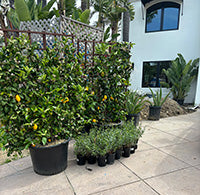


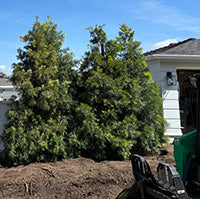

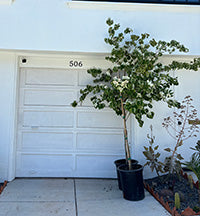





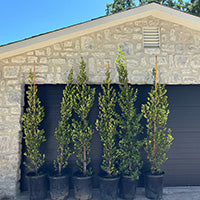

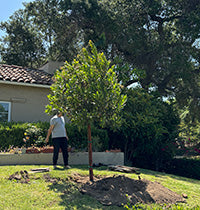

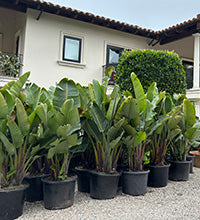
A Modern Experience
At Yardwork, we carefully curate thousands of plants, in all container sizes, to provide you with the best selection of the highest quality trees and plants at the best price, with the convenience of an online platform.
Uncompromised Quality
We choose only the finest specimens and hand select our plants just before delivery to ensure you receive the freshest and most robust specimens available for your landscape.
Industry Leading Warranties
Our 30, 90, and 365 extended warranties provide some of the best coverage to ensure our trees and plants thrive in your landscape.
Frequently Asked Questions
We're committed to changing everything about trees and plants - how they’re grown, how you shop for them, and how much they cost. We handle orders ourselves. No middlemen to get between us (or our prices) and you.
We're committed to changing everything about trees and plants - how they’re grown, how you shop for them, and how much they cost. We handle orders ourselves. No middlemen to get between us (or our prices) and you.
Delivery does not include unloading of trees and plants LARGER than a 24" box.
Trees and plants in smaller containers will be dropped curbside (usually on the driveway or near the front doorstep).
Delivery beyond a curbside drop will be charged extra.
Trees and plants that are sold in container sizes LARGER than a 24" box size will require equipment and/or enough manpower onsite to help unload from the truck.
Please reach out to our team PRIOR to placing your order to help coordinate.
Our team can provide unloading assistance with equipment for an extra fee as well.
Delivery does not include unloading of trees and plants LARGER than a 24" box.
Trees and plants in smaller containers will be dropped curbside (usually on the driveway or near the front doorstep).
Delivery beyond a curbside drop will be charged extra.
Trees and plants that are sold in container sizes LARGER than a 24" box size will require equipment and/or enough manpower onsite to help unload from the truck.
Please reach out to our team PRIOR to placing your order to help coordinate.
Our team can provide unloading assistance with equipment for an extra fee as well.
We ship locally within California within 7-10 days of your order being placed.
We ship nationally using carrier partners, based on order size.
Text or call 323-576-4159 for specific shipping details for your location.
We ship locally within California within 7-10 days of your order being placed.
We ship nationally using carrier partners, based on order size.
Text or call 323-576-4159 for specific shipping details for your location.
We are currently online only and don't have physical locations where you can view plants in person.
That's why we have photos direct from the growing grounds of the plants we will ship and we display pricing right in our store.
We do make sure to pick the very best trees and plants prior to shipping and make sure that they have gone through our multi-point inspection for health and structure.
We will always reach out prior to delivery if we find a quality issue or need to provide a substitute.
We are currently online only and don't have physical locations where you can view plants in person.
That's why we have photos direct from the growing grounds of the plants we will ship and we display pricing right in our store.
We do make sure to pick the very best trees and plants prior to shipping and make sure that they have gone through our multi-point inspection for health and structure.
We will always reach out prior to delivery if we find a quality issue or need to provide a substitute.
Plants vary greatly by type. Here is a rough idea of sizes based on containers that are direct from our growing grounds.
15 Gallon Shrub 3-4 Ft. Tall
15 Gallon Tree 5-6 Ft. Tall
24" Box Shrub 5-6 Ft. Tall
24" Box Tree 6-7 Ft. Tall
36" Box Shrub/Tree 7-9 Ft. Tall
48" Box Shrub/Tree 8-10 Ft. Tall
**Please note that we do not make guarantees of sizes. If you have questions or concerns, please call or text to request accurate sizing for the particular plant you're considering, prior to ordering.
Plants vary greatly by type. Here is a rough idea of sizes based on containers that are direct from our growing grounds.
15 Gallon Shrub 3-4 Ft. Tall
15 Gallon Tree 5-6 Ft. Tall
24" Box Shrub 5-6 Ft. Tall
24" Box Tree 6-7 Ft. Tall
36" Box Shrub/Tree 7-9 Ft. Tall
48" Box Shrub/Tree 8-10 Ft. Tall
**Please note that we do not make guarantees of sizes. If you have questions or concerns, please call or text to request accurate sizing for the particular plant you're considering, prior to ordering.
We offer a limited 30 day warranty for plants that are delivered and a 90 day warranty for plants that we plant.
The limited warranty covers plants that die as a result of disease or fungus which was derived from our growing grounds or from root balls that were root bound.
The warranty does not cover damage due to watering, fertilizer, soils, or any other conditions beyond our control. Additionally, the warranty does not cover certain plants that are shipped out of the state of California or shipped into California from other states. Custom plant orders are also not covered under warranty. Plants must be planted within 24 hours after delivery to qualify.
We can assist you in recommending the right soils and fertilizers to help your plant thrive after you plant it.
Text or call 323-576-4159 for further warranty information.
We offer a limited 30 day warranty for plants that are delivered and a 90 day warranty for plants that we plant.
The limited warranty covers plants that die as a result of disease or fungus which was derived from our growing grounds or from root balls that were root bound.
The warranty does not cover damage due to watering, fertilizer, soils, or any other conditions beyond our control. Additionally, the warranty does not cover certain plants that are shipped out of the state of California or shipped into California from other states. Custom plant orders are also not covered under warranty. Plants must be planted within 24 hours after delivery to qualify.
We can assist you in recommending the right soils and fertilizers to help your plant thrive after you plant it.
Text or call 323-576-4159 for further warranty information.
Our local delivery team covers most cities in California.
There are some exceptions, so please get in touch to confirm prior to ordering.
Additionally, we ship throughout the entire United States and even internationally. Each shipment is custom, so please reach out to our team to coordinate.
Our local delivery team covers most cities in California.
There are some exceptions, so please get in touch to confirm prior to ordering.
Additionally, we ship throughout the entire United States and even internationally. Each shipment is custom, so please reach out to our team to coordinate.