



Northern Highbush Blueberry
Regular price
$2,250.00
Title
Transform Your Yard into a Productive Wildlife Haven That Feeds Your Family for Decades
Northern highbush blueberry is a long-lived edible shrub that gives you sweet summer fruit, spring flowers for pollinators, colorful fall foliage, and real wildlife value from one beautiful plant.
Also known as highbush blueberry or Vaccinium corymbosum, this native North American bush can become a self-sustaining food source for home gardeners when planted in the right acidic soil. With proper soil pH, mulch, water, pruning, and cultivar selection, northern highbush blueberries can keep producing for decades, often 20+ years.
The payoff is practical and ecological: fresh blueberries for humans, nectar for bees, berries for birds and mammals, and leaves that support caterpillars, butterflies, and the broader garden food web.
Why You'll Love It
-
Abundant Harvest – Mature plants produce handful after handful of medium to large, sweet berries for fresh eating, pies, jams, freezing, and everyday summer fruit.
-
Wildlife Magnet – Northern highbush blueberries attract native pollinators and provide food for wildlife; over 200 species of caterpillars feed on blueberry leaves, and blueberries provide food for over 40 bird species.
-
Four-Season Beauty – Expect white to light pink spring flowers, blue summer fruit, green foliage that turns orange, yellow, red, or purple in fall, and attractive winter branches.
-
Low Maintenance – Once established, this productive perennial needs basic seasonal care: mulch, consistent moisture, annual early spring pruning, and soil ph monitoring.
-
Premium Quality – Homegrown blueberries are sweet, rich, and fresh in a way store-bought berries rarely match, especially when picked at full ripeness from your own garden.
Blueberry bushes support a wildlife-friendly ecosystem. Bees visit the spring bloom, birds feed on ripening berries, and bears, deer, and small mammals eat blueberry berries where wildlife access is available.
What Makes It Different
Most fruit plants either need heavy spraying, take up too much space, or produce only a short-lived ornamental effect. Northern Highbush Blueberry is different because it combines fruit, flowers, native habitat, and landscape structure in one vigorous plant.
-
Native Heritage – Vaccinium corymbosum has a long history in northern and eastern North America, from places such as Maine into southeastern regions, making it more naturally integrated than many imported fruit varieties.
-
Ecological Integration – This is not just a berry bush; over 200 species of caterpillars feed on blueberry leaves, including wildlife-linked species such as spring azure, helping feed birds and beneficial insects.
-
Better Fruit with Cross Pollination – Many cultivars are partly self-fertile, but northern highbush blueberries require cross-pollination for better yields; planting two varieties increases fruit set and berry size.
-
Climate Resilience When Properly Matched – Northern highbush cultivars thrive in USDA Zones 3 to 7 and perform best where winter chill is sufficient, unlike low-chill southern types or rabbiteye blueberry selections that are often better for Florida or very mild southeastern climates.
For California gardens, the key is matching the site. Cooler inland areas, foothills, higher elevations, and cold microclimates may suit northern highbush cultivars. Warmer coastal or low-chill locations may need a different blueberry type, and Yardwork can help you choose correctly.
How To Grow Northern Highbush Blueberry Successfully
-
Year 1-2: Establishment
Plant in acidic, well-draining soil rich in organic matter, ideally with a soil pH of 4.5 to 5.5. Remove all blossoms during the first year to promote growth, and many growers also pinch flowers during the first two years so roots and branches develop first. -
Year 3-4: First Harvest
Begin enjoying modest berries as the plant matures. Pruning is necessary to stimulate productive growth after the plants reach 3 years of age, and bird netting is recommended to protect ripening blueberries from birds during harvest. -
Year 5+: Peak Production
With full sun, consistent moisture, mulch, and the right cultivars, established bushes become highly productive. Expect dependable harvests from mid-summer onward, with early, mid, and late cultivars extending the season.
Short version: prepare the soil, protect the shallow roots, prune while dormant, and let the bush mature. The reward is decades of fruit and ornamental value.
Plant Details
-
Scientific name: Vaccinium corymbosum
-
Common name: Northern highbush blueberry
-
Plant type: Deciduous fruiting shrub
-
Mature size: Typically 5 to 8 feet tall and wide; Vaccinium corymbosum can grow up to 12 feet tall in favorable conditions
-
Fruit: Medium to large sweet berries; the berries are recognized for being rich in antioxidants and vitamins
-
Soil requirements: Blueberries require acidic soil with a pH of 4.5 to 5.5
-
Soil correction: Soil pH above 5.0 requires adding finely ground sulfur
-
Soil texture: Blueberries thrive in well-drained sandy loam rich in organic matter
-
Soil testing: Test soil pH before planting blueberries using a $10 kit
-
Fertilizer: Using acid-forming fertilizers can support the growth of northern highbush blueberries
-
Mulch: Mulch blueberries with 3 to 4 inches of organic material; applying mulch around the base can help retain moisture and suppress weeds
-
Water: These plants have shallow, fibrous root systems sensitive to water fluctuations and drought; blueberries prefer consistent moisture but not waterlogged soil
-
Sun exposure: They require full sun exposure of at least 6 to 8 hours of direct light daily for optimal yields, though part sun can work with reduced production
-
Hardiness: Northern Highbush Blueberries thrive in USDA Zones 3 to 7
-
Chill requirement: Most northern highbush varieties need 800 to 1,000 chill hours annually, and most Northern Highbush varieties need 800 to 1,000+ chill hours
-
Spacing: Plant blueberries at least 5 feet apart; standard spacing is often 5 to 6 feet between plants
-
Pollination: Blueberries bloom best when planted within 10 to 15 feet apart for cross pollination
-
Pruning: Prune blueberries annually in early spring while dormant; remove dead, weak, or crowded branches to encourage productive new growth
-
Harvest season: Mid-summer, varying by cultivar
-
Cultivar timing: Duke blueberries ripen in June, Bluecrop in July, Elliott in August
-
Available cultivars: Bluecrop, Patriot, Jersey, Duke, Elliott, Spartan, and other proven varieties
-
Notable cultivars: Duke and Spartan cultivars have Royal Horticultural Society's award
-
Bluecrop trait: Bluecrop blueberries are known for their large, firm berries
-
Ornamental value: They feature distinctive ornamental appeal with spring blossoms and colorful autumn foliage
For containers or raised beds, use an acidic potting mix designed for blueberries, azaleas, camellias, or other acid-loving plants.
Who It's For
Ideal for:
-
California homeowners with acidic soil or a willingness to amend soil pH before planting
-
Families who want fresh, organic-style blueberries without paying grocery store prices
-
Home gardeners who want edible landscaping that looks ornamental in spring, summer, fall, and winter, often combining berry bushes with flowering trees chosen for California climates
-
Wildlife gardeners creating habitat for native birds, butterflies, pollinators, and caterpillars, sometimes pairing blueberries with structurally diverse trees like the California pepper tree for added canopy and habitat
-
Sustainable gardeners seeking a productive perennial that can feed humans and wildlife for decades
-
Landscapers designing sunny edible gardens, blueberry hedges, or mixed-cultivar plantings alongside evergreen structure from Japanese blueberry trees used as hedges or screens who may also be planning privacy trees and fast-growing evergreen screens
-
Gardeners with full sun to part sun and patience for a plant that becomes more productive over time, perhaps mixing blueberries with purple bougainvillea for drought-tolerant color
If your garden has moist but well-drained acidic soil, steady sun, and enough chill hours, northern highbush blueberry is one of the most rewarding fruiting shrubs you can plant.
Frequently Asked Questions
Do I need multiple plants for fruit production?
Many northern highbush blueberry cultivars can produce some fruit on their own, but northern highbush blueberries require cross-pollination for better yields. Planting two varieties increases fruit set and berry size, especially when bushes bloom at the same time and are within 10 to 15 feet apart.
How long until I get berries?
You may see a small harvest around year 3, but the first two years are mainly for root and branch development. Remove all blossoms during the first year to promote growth, then expect stronger harvests as the bush matures.
Will they grow in California soil?
Yes, if the site is right and the soil is prepared. Many California soils are not naturally acidic, so test soil pH before planting blueberries using a $10 kit. Blueberries need acidic soil with a pH of 4.5 to 5.5, and soil pH above 5.0 requires adding finely ground sulfur.
How much maintenance do they require?
They are low maintenance once established, not no maintenance. Prune blueberries annually in early spring while dormant, remove dead canes and weak branches, refresh mulch, monitor moisture, and use acid-forming fertilizers as needed.
What if my soil isn't acidic?
Plant in a raised bed, large container, or amended garden site with acidic potting mix and organic matter. Mulch blueberries with 3 to 4 inches of organic material to help retain moisture, suppress weeds, and protect their shallow roots.
Do birds steal all the berries?
Birds love blueberries, and blueberries provide food for over 40 bird species. If you want to harvest most of the crop yourself, bird netting is recommended to protect ripening blueberries from birds during harvest.
Are northern highbush blueberries different from rabbiteye blueberry plants?
Yes. Northern highbush cultivars are best for cooler climates with enough chill hours, while rabbiteye blueberry and southern highbush types are often better for hotter or lower-chill regions. Extension resources, including North Carolina State University guidance, often separate blueberry types by climate, chill hours, and pollination needs.
Ready to Plant Your Berry Paradise?
Stop buying expensive berries at the grocery store and start growing premium fruit in your own yard. Alongside blueberries, many gardeners also enjoy other edible or aromatic shrubs like Bay Laurel and related landscape trees. Choose Northern Highbush Blueberry for sweet harvests, native pollinators, birds, butterflies, ornamental foliage, and decades of productive beauty.
Yardwork can help you match the right cultivars to your California site, test and adjust soil pH, and plan the spacing, mulch, irrigation, and cross pollination strategy for stronger fruit set.
Transform Your Yard into a Productive Wildlife Haven That Feeds Your Family for Decades
Northern highbush blueberry is a long-lived edible shrub that gives you sweet summer fruit, spring flowers for pollinators, colorful fall foliage, and real wildlife value from one beautiful plant.
Also known as highbush blueberry or Vaccinium corymbosum, this native North American bush can become a self-sustaining food source for home gardeners when planted in the right acidic soil. With proper soil pH, mulch, water, pruning, and cultivar selection, northern highbush blueberries can keep producing for decades, often 20+ years.
The payoff is practical and ecological: fresh blueberries for humans, nectar for bees, berries for birds and mammals, and leaves that support caterpillars, butterflies, and the broader garden food web.
Why You'll Love It
-
Abundant Harvest – Mature plants produce handful after handful of medium to large, sweet berries for fresh eating, pies, jams, freezing, and everyday summer fruit.
-
Wildlife Magnet – Northern highbush blueberries attract native pollinators and provide food for wildlife; over 200 species of caterpillars feed on blueberry leaves, and blueberries provide food for over 40 bird species.
-
Four-Season Beauty – Expect white to light pink spring flowers, blue summer fruit, green foliage that turns orange, yellow, red, or purple in fall, and attractive winter branches.
-
Low Maintenance – Once established, this productive perennial needs basic seasonal care: mulch, consistent moisture, annual early spring pruning, and soil ph monitoring.
-
Premium Quality – Homegrown blueberries are sweet, rich, and fresh in a way store-bought berries rarely match, especially when picked at full ripeness from your own garden.
Blueberry bushes support a wildlife-friendly ecosystem. Bees visit the spring bloom, birds feed on ripening berries, and bears, deer, and small mammals eat blueberry berries where wildlife access is available.
What Makes It Different
Most fruit plants either need heavy spraying, take up too much space, or produce only a short-lived ornamental effect. Northern Highbush Blueberry is different because it combines fruit, flowers, native habitat, and landscape structure in one vigorous plant.
-
Native Heritage – Vaccinium corymbosum has a long history in northern and eastern North America, from places such as Maine into southeastern regions, making it more naturally integrated than many imported fruit varieties.
-
Ecological Integration – This is not just a berry bush; over 200 species of caterpillars feed on blueberry leaves, including wildlife-linked species such as spring azure, helping feed birds and beneficial insects.
-
Better Fruit with Cross Pollination – Many cultivars are partly self-fertile, but northern highbush blueberries require cross-pollination for better yields; planting two varieties increases fruit set and berry size.
-
Climate Resilience When Properly Matched – Northern highbush cultivars thrive in USDA Zones 3 to 7 and perform best where winter chill is sufficient, unlike low-chill southern types or rabbiteye blueberry selections that are often better for Florida or very mild southeastern climates.
For California gardens, the key is matching the site. Cooler inland areas, foothills, higher elevations, and cold microclimates may suit northern highbush cultivars. Warmer coastal or low-chill locations may need a different blueberry type, and Yardwork can help you choose correctly.
How To Grow Northern Highbush Blueberry Successfully
-
Year 1-2: Establishment
Plant in acidic, well-draining soil rich in organic matter, ideally with a soil pH of 4.5 to 5.5. Remove all blossoms during the first year to promote growth, and many growers also pinch flowers during the first two years so roots and branches develop first. -
Year 3-4: First Harvest
Begin enjoying modest berries as the plant matures. Pruning is necessary to stimulate productive growth after the plants reach 3 years of age, and bird netting is recommended to protect ripening blueberries from birds during harvest. -
Year 5+: Peak Production
With full sun, consistent moisture, mulch, and the right cultivars, established bushes become highly productive. Expect dependable harvests from mid-summer onward, with early, mid, and late cultivars extending the season.
Short version: prepare the soil, protect the shallow roots, prune while dormant, and let the bush mature. The reward is decades of fruit and ornamental value.
Plant Details
-
Scientific name: Vaccinium corymbosum
-
Common name: Northern highbush blueberry
-
Plant type: Deciduous fruiting shrub
-
Mature size: Typically 5 to 8 feet tall and wide; Vaccinium corymbosum can grow up to 12 feet tall in favorable conditions
-
Fruit: Medium to large sweet berries; the berries are recognized for being rich in antioxidants and vitamins
-
Soil requirements: Blueberries require acidic soil with a pH of 4.5 to 5.5
-
Soil correction: Soil pH above 5.0 requires adding finely ground sulfur
-
Soil texture: Blueberries thrive in well-drained sandy loam rich in organic matter
-
Soil testing: Test soil pH before planting blueberries using a $10 kit
-
Fertilizer: Using acid-forming fertilizers can support the growth of northern highbush blueberries
-
Mulch: Mulch blueberries with 3 to 4 inches of organic material; applying mulch around the base can help retain moisture and suppress weeds
-
Water: These plants have shallow, fibrous root systems sensitive to water fluctuations and drought; blueberries prefer consistent moisture but not waterlogged soil
-
Sun exposure: They require full sun exposure of at least 6 to 8 hours of direct light daily for optimal yields, though part sun can work with reduced production
-
Hardiness: Northern Highbush Blueberries thrive in USDA Zones 3 to 7
-
Chill requirement: Most northern highbush varieties need 800 to 1,000 chill hours annually, and most Northern Highbush varieties need 800 to 1,000+ chill hours
-
Spacing: Plant blueberries at least 5 feet apart; standard spacing is often 5 to 6 feet between plants
-
Pollination: Blueberries bloom best when planted within 10 to 15 feet apart for cross pollination
-
Pruning: Prune blueberries annually in early spring while dormant; remove dead, weak, or crowded branches to encourage productive new growth
-
Harvest season: Mid-summer, varying by cultivar
-
Cultivar timing: Duke blueberries ripen in June, Bluecrop in July, Elliott in August
-
Available cultivars: Bluecrop, Patriot, Jersey, Duke, Elliott, Spartan, and other proven varieties
-
Notable cultivars: Duke and Spartan cultivars have Royal Horticultural Society's award
-
Bluecrop trait: Bluecrop blueberries are known for their large, firm berries
-
Ornamental value: They feature distinctive ornamental appeal with spring blossoms and colorful autumn foliage
For containers or raised beds, use an acidic potting mix designed for blueberries, azaleas, camellias, or other acid-loving plants.
Who It's For
Ideal for:
-
California homeowners with acidic soil or a willingness to amend soil pH before planting
-
Families who want fresh, organic-style blueberries without paying grocery store prices
-
Home gardeners who want edible landscaping that looks ornamental in spring, summer, fall, and winter, often combining berry bushes with flowering trees chosen for California climates
-
Wildlife gardeners creating habitat for native birds, butterflies, pollinators, and caterpillars, sometimes pairing blueberries with structurally diverse trees like the California pepper tree for added canopy and habitat
-
Sustainable gardeners seeking a productive perennial that can feed humans and wildlife for decades
-
Landscapers designing sunny edible gardens, blueberry hedges, or mixed-cultivar plantings alongside evergreen structure from Japanese blueberry trees used as hedges or screens who may also be planning privacy trees and fast-growing evergreen screens
-
Gardeners with full sun to part sun and patience for a plant that becomes more productive over time, perhaps mixing blueberries with purple bougainvillea for drought-tolerant color
If your garden has moist but well-drained acidic soil, steady sun, and enough chill hours, northern highbush blueberry is one of the most rewarding fruiting shrubs you can plant.
Frequently Asked Questions
Do I need multiple plants for fruit production?
Many northern highbush blueberry cultivars can produce some fruit on their own, but northern highbush blueberries require cross-pollination for better yields. Planting two varieties increases fruit set and berry size, especially when bushes bloom at the same time and are within 10 to 15 feet apart.
How long until I get berries?
You may see a small harvest around year 3, but the first two years are mainly for root and branch development. Remove all blossoms during the first year to promote growth, then expect stronger harvests as the bush matures.
Will they grow in California soil?
Yes, if the site is right and the soil is prepared. Many California soils are not naturally acidic, so test soil pH before planting blueberries using a $10 kit. Blueberries need acidic soil with a pH of 4.5 to 5.5, and soil pH above 5.0 requires adding finely ground sulfur.
How much maintenance do they require?
They are low maintenance once established, not no maintenance. Prune blueberries annually in early spring while dormant, remove dead canes and weak branches, refresh mulch, monitor moisture, and use acid-forming fertilizers as needed.
What if my soil isn't acidic?
Plant in a raised bed, large container, or amended garden site with acidic potting mix and organic matter. Mulch blueberries with 3 to 4 inches of organic material to help retain moisture, suppress weeds, and protect their shallow roots.
Do birds steal all the berries?
Birds love blueberries, and blueberries provide food for over 40 bird species. If you want to harvest most of the crop yourself, bird netting is recommended to protect ripening blueberries from birds during harvest.
Are northern highbush blueberries different from rabbiteye blueberry plants?
Yes. Northern highbush cultivars are best for cooler climates with enough chill hours, while rabbiteye blueberry and southern highbush types are often better for hotter or lower-chill regions. Extension resources, including North Carolina State University guidance, often separate blueberry types by climate, chill hours, and pollination needs.
Ready to Plant Your Berry Paradise?
Stop buying expensive berries at the grocery store and start growing premium fruit in your own yard. Alongside blueberries, many gardeners also enjoy other edible or aromatic shrubs like Bay Laurel and related landscape trees. Choose Northern Highbush Blueberry for sweet harvests, native pollinators, birds, butterflies, ornamental foliage, and decades of productive beauty.
Yardwork can help you match the right cultivars to your California site, test and adjust soil pH, and plan the spacing, mulch, irrigation, and cross pollination strategy for stronger fruit set.
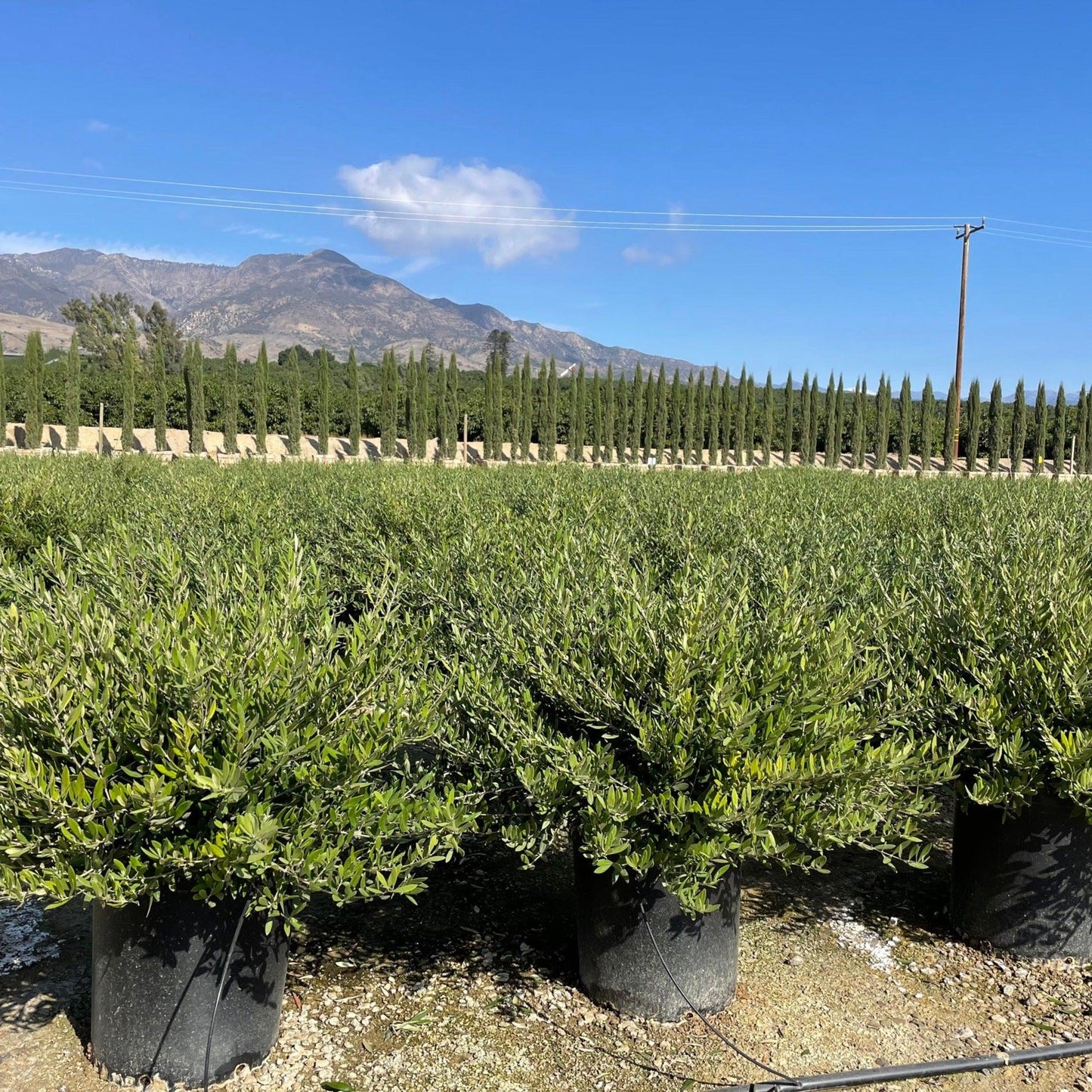
Plants vary greatly by type and no guarantees are made on sizing.
However here is a rough idea of sizes based on containers that are direct from our growing grounds.
15 Gallon Shrub 3-4 Ft. Tall
15 Gallon Tree 5-6 Ft. Tall
24" Box Shrub 5-6 Ft. Tall
24" Box Tree 6-7 Ft. Tall
36" Box Tree 8-10 Ft. Tall
48" Box Tree 10-12 Ft. Tall
Please note: Citrus and California Native plants such as Manzanita are smaller than traditional sizing.
Please contact us to confirm sizing of items before purchasing if this is a concern.
Plants vary greatly by type and no guarantees are made on sizing.
However here is a rough idea of sizes based on containers that are direct from our growing grounds.
15 Gallon Shrub 3-4 Ft. Tall
15 Gallon Tree 5-6 Ft. Tall
24" Box Shrub 5-6 Ft. Tall
24" Box Tree 6-7 Ft. Tall
36" Box Tree 8-10 Ft. Tall
48" Box Tree 10-12 Ft. Tall
Please note: Citrus and California Native plants such as Manzanita are smaller than traditional sizing.
Please contact us to confirm sizing of items before purchasing if this is a concern.
Delivery does not include unloading of trees and plants larger than a 24" box.
Trees and plants in smaller containers will be dropped curbside.
Delivery beyond a curbside drop will be charged extra.
Trees and plants that are sold in container sizes larger than a 24" box size will require equipment and an operator onsite to help unload from the truck.
Please reach out to our team PRIOR to placing your order to coordinate.
Our team can provide unloading assistance with equipment for an extra fee.
Delivery does not include unloading of trees and plants larger than a 24" box.
Trees and plants in smaller containers will be dropped curbside.
Delivery beyond a curbside drop will be charged extra.
Trees and plants that are sold in container sizes larger than a 24" box size will require equipment and an operator onsite to help unload from the truck.
Please reach out to our team PRIOR to placing your order to coordinate.
Our team can provide unloading assistance with equipment for an extra fee.
You may also like...


Northern Highbush Blueberry
Regular price
$2,250.00
Title
Transform Your Yard into a Productive Wildlife Haven That Feeds Your Family for Decades
Northern highbush blueberry is a long-lived edible shrub that gives you sweet summer fruit, spring flowers for pollinators, colorful fall foliage, and real wildlife value from one beautiful plant.
Also known as highbush blueberry or Vaccinium corymbosum, this native North American bush can become a self-sustaining food source for home gardeners when planted in the right acidic soil. With proper soil pH, mulch, water, pruning, and cultivar selection, northern highbush blueberries can keep producing for decades, often 20+ years.
The payoff is practical and ecological: fresh blueberries for humans, nectar for bees, berries for birds and mammals, and leaves that support caterpillars, butterflies, and the broader garden food web.
Why You'll Love It
-
Abundant Harvest – Mature plants produce handful after handful of medium to large, sweet berries for fresh eating, pies, jams, freezing, and everyday summer fruit.
-
Wildlife Magnet – Northern highbush blueberries attract native pollinators and provide food for wildlife; over 200 species of caterpillars feed on blueberry leaves, and blueberries provide food for over 40 bird species.
-
Four-Season Beauty – Expect white to light pink spring flowers, blue summer fruit, green foliage that turns orange, yellow, red, or purple in fall, and attractive winter branches.
-
Low Maintenance – Once established, this productive perennial needs basic seasonal care: mulch, consistent moisture, annual early spring pruning, and soil ph monitoring.
-
Premium Quality – Homegrown blueberries are sweet, rich, and fresh in a way store-bought berries rarely match, especially when picked at full ripeness from your own garden.
Blueberry bushes support a wildlife-friendly ecosystem. Bees visit the spring bloom, birds feed on ripening berries, and bears, deer, and small mammals eat blueberry berries where wildlife access is available.
What Makes It Different
Most fruit plants either need heavy spraying, take up too much space, or produce only a short-lived ornamental effect. Northern Highbush Blueberry is different because it combines fruit, flowers, native habitat, and landscape structure in one vigorous plant.
-
Native Heritage – Vaccinium corymbosum has a long history in northern and eastern North America, from places such as Maine into southeastern regions, making it more naturally integrated than many imported fruit varieties.
-
Ecological Integration – This is not just a berry bush; over 200 species of caterpillars feed on blueberry leaves, including wildlife-linked species such as spring azure, helping feed birds and beneficial insects.
-
Better Fruit with Cross Pollination – Many cultivars are partly self-fertile, but northern highbush blueberries require cross-pollination for better yields; planting two varieties increases fruit set and berry size.
-
Climate Resilience When Properly Matched – Northern highbush cultivars thrive in USDA Zones 3 to 7 and perform best where winter chill is sufficient, unlike low-chill southern types or rabbiteye blueberry selections that are often better for Florida or very mild southeastern climates.
For California gardens, the key is matching the site. Cooler inland areas, foothills, higher elevations, and cold microclimates may suit northern highbush cultivars. Warmer coastal or low-chill locations may need a different blueberry type, and Yardwork can help you choose correctly.
How To Grow Northern Highbush Blueberry Successfully
-
Year 1-2: Establishment
Plant in acidic, well-draining soil rich in organic matter, ideally with a soil pH of 4.5 to 5.5. Remove all blossoms during the first year to promote growth, and many growers also pinch flowers during the first two years so roots and branches develop first. -
Year 3-4: First Harvest
Begin enjoying modest berries as the plant matures. Pruning is necessary to stimulate productive growth after the plants reach 3 years of age, and bird netting is recommended to protect ripening blueberries from birds during harvest. -
Year 5+: Peak Production
With full sun, consistent moisture, mulch, and the right cultivars, established bushes become highly productive. Expect dependable harvests from mid-summer onward, with early, mid, and late cultivars extending the season.
Short version: prepare the soil, protect the shallow roots, prune while dormant, and let the bush mature. The reward is decades of fruit and ornamental value.
Plant Details
-
Scientific name: Vaccinium corymbosum
-
Common name: Northern highbush blueberry
-
Plant type: Deciduous fruiting shrub
-
Mature size: Typically 5 to 8 feet tall and wide; Vaccinium corymbosum can grow up to 12 feet tall in favorable conditions
-
Fruit: Medium to large sweet berries; the berries are recognized for being rich in antioxidants and vitamins
-
Soil requirements: Blueberries require acidic soil with a pH of 4.5 to 5.5
-
Soil correction: Soil pH above 5.0 requires adding finely ground sulfur
-
Soil texture: Blueberries thrive in well-drained sandy loam rich in organic matter
-
Soil testing: Test soil pH before planting blueberries using a $10 kit
-
Fertilizer: Using acid-forming fertilizers can support the growth of northern highbush blueberries
-
Mulch: Mulch blueberries with 3 to 4 inches of organic material; applying mulch around the base can help retain moisture and suppress weeds
-
Water: These plants have shallow, fibrous root systems sensitive to water fluctuations and drought; blueberries prefer consistent moisture but not waterlogged soil
-
Sun exposure: They require full sun exposure of at least 6 to 8 hours of direct light daily for optimal yields, though part sun can work with reduced production
-
Hardiness: Northern Highbush Blueberries thrive in USDA Zones 3 to 7
-
Chill requirement: Most northern highbush varieties need 800 to 1,000 chill hours annually, and most Northern Highbush varieties need 800 to 1,000+ chill hours
-
Spacing: Plant blueberries at least 5 feet apart; standard spacing is often 5 to 6 feet between plants
-
Pollination: Blueberries bloom best when planted within 10 to 15 feet apart for cross pollination
-
Pruning: Prune blueberries annually in early spring while dormant; remove dead, weak, or crowded branches to encourage productive new growth
-
Harvest season: Mid-summer, varying by cultivar
-
Cultivar timing: Duke blueberries ripen in June, Bluecrop in July, Elliott in August
-
Available cultivars: Bluecrop, Patriot, Jersey, Duke, Elliott, Spartan, and other proven varieties
-
Notable cultivars: Duke and Spartan cultivars have Royal Horticultural Society's award
-
Bluecrop trait: Bluecrop blueberries are known for their large, firm berries
-
Ornamental value: They feature distinctive ornamental appeal with spring blossoms and colorful autumn foliage
For containers or raised beds, use an acidic potting mix designed for blueberries, azaleas, camellias, or other acid-loving plants.
Who It's For
Ideal for:
-
California homeowners with acidic soil or a willingness to amend soil pH before planting
-
Families who want fresh, organic-style blueberries without paying grocery store prices
-
Home gardeners who want edible landscaping that looks ornamental in spring, summer, fall, and winter, often combining berry bushes with flowering trees chosen for California climates
-
Wildlife gardeners creating habitat for native birds, butterflies, pollinators, and caterpillars, sometimes pairing blueberries with structurally diverse trees like the California pepper tree for added canopy and habitat
-
Sustainable gardeners seeking a productive perennial that can feed humans and wildlife for decades
-
Landscapers designing sunny edible gardens, blueberry hedges, or mixed-cultivar plantings alongside evergreen structure from Japanese blueberry trees used as hedges or screens who may also be planning privacy trees and fast-growing evergreen screens
-
Gardeners with full sun to part sun and patience for a plant that becomes more productive over time, perhaps mixing blueberries with purple bougainvillea for drought-tolerant color
If your garden has moist but well-drained acidic soil, steady sun, and enough chill hours, northern highbush blueberry is one of the most rewarding fruiting shrubs you can plant.
Frequently Asked Questions
Do I need multiple plants for fruit production?
Many northern highbush blueberry cultivars can produce some fruit on their own, but northern highbush blueberries require cross-pollination for better yields. Planting two varieties increases fruit set and berry size, especially when bushes bloom at the same time and are within 10 to 15 feet apart.
How long until I get berries?
You may see a small harvest around year 3, but the first two years are mainly for root and branch development. Remove all blossoms during the first year to promote growth, then expect stronger harvests as the bush matures.
Will they grow in California soil?
Yes, if the site is right and the soil is prepared. Many California soils are not naturally acidic, so test soil pH before planting blueberries using a $10 kit. Blueberries need acidic soil with a pH of 4.5 to 5.5, and soil pH above 5.0 requires adding finely ground sulfur.
How much maintenance do they require?
They are low maintenance once established, not no maintenance. Prune blueberries annually in early spring while dormant, remove dead canes and weak branches, refresh mulch, monitor moisture, and use acid-forming fertilizers as needed.
What if my soil isn't acidic?
Plant in a raised bed, large container, or amended garden site with acidic potting mix and organic matter. Mulch blueberries with 3 to 4 inches of organic material to help retain moisture, suppress weeds, and protect their shallow roots.
Do birds steal all the berries?
Birds love blueberries, and blueberries provide food for over 40 bird species. If you want to harvest most of the crop yourself, bird netting is recommended to protect ripening blueberries from birds during harvest.
Are northern highbush blueberries different from rabbiteye blueberry plants?
Yes. Northern highbush cultivars are best for cooler climates with enough chill hours, while rabbiteye blueberry and southern highbush types are often better for hotter or lower-chill regions. Extension resources, including North Carolina State University guidance, often separate blueberry types by climate, chill hours, and pollination needs.
Ready to Plant Your Berry Paradise?
Stop buying expensive berries at the grocery store and start growing premium fruit in your own yard. Alongside blueberries, many gardeners also enjoy other edible or aromatic shrubs like Bay Laurel and related landscape trees. Choose Northern Highbush Blueberry for sweet harvests, native pollinators, birds, butterflies, ornamental foliage, and decades of productive beauty.
Yardwork can help you match the right cultivars to your California site, test and adjust soil pH, and plan the spacing, mulch, irrigation, and cross pollination strategy for stronger fruit set.
Transform Your Yard into a Productive Wildlife Haven That Feeds Your Family for Decades
Northern highbush blueberry is a long-lived edible shrub that gives you sweet summer fruit, spring flowers for pollinators, colorful fall foliage, and real wildlife value from one beautiful plant.
Also known as highbush blueberry or Vaccinium corymbosum, this native North American bush can become a self-sustaining food source for home gardeners when planted in the right acidic soil. With proper soil pH, mulch, water, pruning, and cultivar selection, northern highbush blueberries can keep producing for decades, often 20+ years.
The payoff is practical and ecological: fresh blueberries for humans, nectar for bees, berries for birds and mammals, and leaves that support caterpillars, butterflies, and the broader garden food web.
Why You'll Love It
-
Abundant Harvest – Mature plants produce handful after handful of medium to large, sweet berries for fresh eating, pies, jams, freezing, and everyday summer fruit.
-
Wildlife Magnet – Northern highbush blueberries attract native pollinators and provide food for wildlife; over 200 species of caterpillars feed on blueberry leaves, and blueberries provide food for over 40 bird species.
-
Four-Season Beauty – Expect white to light pink spring flowers, blue summer fruit, green foliage that turns orange, yellow, red, or purple in fall, and attractive winter branches.
-
Low Maintenance – Once established, this productive perennial needs basic seasonal care: mulch, consistent moisture, annual early spring pruning, and soil ph monitoring.
-
Premium Quality – Homegrown blueberries are sweet, rich, and fresh in a way store-bought berries rarely match, especially when picked at full ripeness from your own garden.
Blueberry bushes support a wildlife-friendly ecosystem. Bees visit the spring bloom, birds feed on ripening berries, and bears, deer, and small mammals eat blueberry berries where wildlife access is available.
What Makes It Different
Most fruit plants either need heavy spraying, take up too much space, or produce only a short-lived ornamental effect. Northern Highbush Blueberry is different because it combines fruit, flowers, native habitat, and landscape structure in one vigorous plant.
-
Native Heritage – Vaccinium corymbosum has a long history in northern and eastern North America, from places such as Maine into southeastern regions, making it more naturally integrated than many imported fruit varieties.
-
Ecological Integration – This is not just a berry bush; over 200 species of caterpillars feed on blueberry leaves, including wildlife-linked species such as spring azure, helping feed birds and beneficial insects.
-
Better Fruit with Cross Pollination – Many cultivars are partly self-fertile, but northern highbush blueberries require cross-pollination for better yields; planting two varieties increases fruit set and berry size.
-
Climate Resilience When Properly Matched – Northern highbush cultivars thrive in USDA Zones 3 to 7 and perform best where winter chill is sufficient, unlike low-chill southern types or rabbiteye blueberry selections that are often better for Florida or very mild southeastern climates.
For California gardens, the key is matching the site. Cooler inland areas, foothills, higher elevations, and cold microclimates may suit northern highbush cultivars. Warmer coastal or low-chill locations may need a different blueberry type, and Yardwork can help you choose correctly.
How To Grow Northern Highbush Blueberry Successfully
-
Year 1-2: Establishment
Plant in acidic, well-draining soil rich in organic matter, ideally with a soil pH of 4.5 to 5.5. Remove all blossoms during the first year to promote growth, and many growers also pinch flowers during the first two years so roots and branches develop first. -
Year 3-4: First Harvest
Begin enjoying modest berries as the plant matures. Pruning is necessary to stimulate productive growth after the plants reach 3 years of age, and bird netting is recommended to protect ripening blueberries from birds during harvest. -
Year 5+: Peak Production
With full sun, consistent moisture, mulch, and the right cultivars, established bushes become highly productive. Expect dependable harvests from mid-summer onward, with early, mid, and late cultivars extending the season.
Short version: prepare the soil, protect the shallow roots, prune while dormant, and let the bush mature. The reward is decades of fruit and ornamental value.
Plant Details
-
Scientific name: Vaccinium corymbosum
-
Common name: Northern highbush blueberry
-
Plant type: Deciduous fruiting shrub
-
Mature size: Typically 5 to 8 feet tall and wide; Vaccinium corymbosum can grow up to 12 feet tall in favorable conditions
-
Fruit: Medium to large sweet berries; the berries are recognized for being rich in antioxidants and vitamins
-
Soil requirements: Blueberries require acidic soil with a pH of 4.5 to 5.5
-
Soil correction: Soil pH above 5.0 requires adding finely ground sulfur
-
Soil texture: Blueberries thrive in well-drained sandy loam rich in organic matter
-
Soil testing: Test soil pH before planting blueberries using a $10 kit
-
Fertilizer: Using acid-forming fertilizers can support the growth of northern highbush blueberries
-
Mulch: Mulch blueberries with 3 to 4 inches of organic material; applying mulch around the base can help retain moisture and suppress weeds
-
Water: These plants have shallow, fibrous root systems sensitive to water fluctuations and drought; blueberries prefer consistent moisture but not waterlogged soil
-
Sun exposure: They require full sun exposure of at least 6 to 8 hours of direct light daily for optimal yields, though part sun can work with reduced production
-
Hardiness: Northern Highbush Blueberries thrive in USDA Zones 3 to 7
-
Chill requirement: Most northern highbush varieties need 800 to 1,000 chill hours annually, and most Northern Highbush varieties need 800 to 1,000+ chill hours
-
Spacing: Plant blueberries at least 5 feet apart; standard spacing is often 5 to 6 feet between plants
-
Pollination: Blueberries bloom best when planted within 10 to 15 feet apart for cross pollination
-
Pruning: Prune blueberries annually in early spring while dormant; remove dead, weak, or crowded branches to encourage productive new growth
-
Harvest season: Mid-summer, varying by cultivar
-
Cultivar timing: Duke blueberries ripen in June, Bluecrop in July, Elliott in August
-
Available cultivars: Bluecrop, Patriot, Jersey, Duke, Elliott, Spartan, and other proven varieties
-
Notable cultivars: Duke and Spartan cultivars have Royal Horticultural Society's award
-
Bluecrop trait: Bluecrop blueberries are known for their large, firm berries
-
Ornamental value: They feature distinctive ornamental appeal with spring blossoms and colorful autumn foliage
For containers or raised beds, use an acidic potting mix designed for blueberries, azaleas, camellias, or other acid-loving plants.
Who It's For
Ideal for:
-
California homeowners with acidic soil or a willingness to amend soil pH before planting
-
Families who want fresh, organic-style blueberries without paying grocery store prices
-
Home gardeners who want edible landscaping that looks ornamental in spring, summer, fall, and winter, often combining berry bushes with flowering trees chosen for California climates
-
Wildlife gardeners creating habitat for native birds, butterflies, pollinators, and caterpillars, sometimes pairing blueberries with structurally diverse trees like the California pepper tree for added canopy and habitat
-
Sustainable gardeners seeking a productive perennial that can feed humans and wildlife for decades
-
Landscapers designing sunny edible gardens, blueberry hedges, or mixed-cultivar plantings alongside evergreen structure from Japanese blueberry trees used as hedges or screens who may also be planning privacy trees and fast-growing evergreen screens
-
Gardeners with full sun to part sun and patience for a plant that becomes more productive over time, perhaps mixing blueberries with purple bougainvillea for drought-tolerant color
If your garden has moist but well-drained acidic soil, steady sun, and enough chill hours, northern highbush blueberry is one of the most rewarding fruiting shrubs you can plant.
Frequently Asked Questions
Do I need multiple plants for fruit production?
Many northern highbush blueberry cultivars can produce some fruit on their own, but northern highbush blueberries require cross-pollination for better yields. Planting two varieties increases fruit set and berry size, especially when bushes bloom at the same time and are within 10 to 15 feet apart.
How long until I get berries?
You may see a small harvest around year 3, but the first two years are mainly for root and branch development. Remove all blossoms during the first year to promote growth, then expect stronger harvests as the bush matures.
Will they grow in California soil?
Yes, if the site is right and the soil is prepared. Many California soils are not naturally acidic, so test soil pH before planting blueberries using a $10 kit. Blueberries need acidic soil with a pH of 4.5 to 5.5, and soil pH above 5.0 requires adding finely ground sulfur.
How much maintenance do they require?
They are low maintenance once established, not no maintenance. Prune blueberries annually in early spring while dormant, remove dead canes and weak branches, refresh mulch, monitor moisture, and use acid-forming fertilizers as needed.
What if my soil isn't acidic?
Plant in a raised bed, large container, or amended garden site with acidic potting mix and organic matter. Mulch blueberries with 3 to 4 inches of organic material to help retain moisture, suppress weeds, and protect their shallow roots.
Do birds steal all the berries?
Birds love blueberries, and blueberries provide food for over 40 bird species. If you want to harvest most of the crop yourself, bird netting is recommended to protect ripening blueberries from birds during harvest.
Are northern highbush blueberries different from rabbiteye blueberry plants?
Yes. Northern highbush cultivars are best for cooler climates with enough chill hours, while rabbiteye blueberry and southern highbush types are often better for hotter or lower-chill regions. Extension resources, including North Carolina State University guidance, often separate blueberry types by climate, chill hours, and pollination needs.
Ready to Plant Your Berry Paradise?
Stop buying expensive berries at the grocery store and start growing premium fruit in your own yard. Alongside blueberries, many gardeners also enjoy other edible or aromatic shrubs like Bay Laurel and related landscape trees. Choose Northern Highbush Blueberry for sweet harvests, native pollinators, birds, butterflies, ornamental foliage, and decades of productive beauty.
Yardwork can help you match the right cultivars to your California site, test and adjust soil pH, and plan the spacing, mulch, irrigation, and cross pollination strategy for stronger fruit set.
Plants vary greatly by type and no guarantees are made on sizing.
However here is a rough idea of sizes based on containers that are direct from our growing grounds.
15 Gallon Shrub 3-4 Ft. Tall
15 Gallon Tree 5-6 Ft. Tall
24" Box Shrub 5-6 Ft. Tall
24" Box Tree 6-7 Ft. Tall
36" Box Tree 8-10 Ft. Tall
48" Box Tree 10-12 Ft. Tall
Please note: Citrus and California Native plants such as Manzanita are smaller than traditional sizing.
Please contact us to confirm sizing of items before purchasing if this is a concern.
Plants vary greatly by type and no guarantees are made on sizing.
However here is a rough idea of sizes based on containers that are direct from our growing grounds.
15 Gallon Shrub 3-4 Ft. Tall
15 Gallon Tree 5-6 Ft. Tall
24" Box Shrub 5-6 Ft. Tall
24" Box Tree 6-7 Ft. Tall
36" Box Tree 8-10 Ft. Tall
48" Box Tree 10-12 Ft. Tall
Please note: Citrus and California Native plants such as Manzanita are smaller than traditional sizing.
Please contact us to confirm sizing of items before purchasing if this is a concern.
Delivery does not include unloading of trees and plants larger than a 24" box.
Trees and plants in smaller containers will be dropped curbside.
Delivery beyond a curbside drop will be charged extra.
Trees and plants that are sold in container sizes larger than a 24" box size will require equipment and an operator onsite to help unload from the truck.
Please reach out to our team PRIOR to placing your order to coordinate.
Our team can provide unloading assistance with equipment for an extra fee.
Delivery does not include unloading of trees and plants larger than a 24" box.
Trees and plants in smaller containers will be dropped curbside.
Delivery beyond a curbside drop will be charged extra.
Trees and plants that are sold in container sizes larger than a 24" box size will require equipment and an operator onsite to help unload from the truck.
Please reach out to our team PRIOR to placing your order to coordinate.
Our team can provide unloading assistance with equipment for an extra fee.
Recommended For You















Pairs Well With













You May Also Like












Thousands of Healthy Plants Delivered


Yardwork was so great to work with. First they had the Swan Hill olive trees that we had been searching for, we had contacted several other nurseries without any luck previously. Then they answered all of our questions in a timely matter prior to ordering and finally delivered within a few days of placing it. Their staff is incredibly knowledgeable; they delivered and planted our trees with expertise to ensure that they would do well in our yard. We would definitely work with them again for future projects.











A Modern Experience
At Yardwork, we carefully curate thousands of plants, in all container sizes, to provide you with the best selection of the highest quality trees and plants at the best price, with the convenience of an online platform.
Uncompromised Quality
We choose only the finest specimens and hand select our plants just before delivery to ensure you receive the freshest and most robust specimens available for your landscape.
Industry Leading Warranties
Our 30, 90, and 365 extended warranties provide some of the best coverage to ensure our trees and plants thrive in your landscape.
Frequently Asked Questions
We're committed to changing everything about trees and plants - how they’re grown, how you shop for them, and how much they cost. We handle orders ourselves. No middlemen to get between us (or our prices) and you.
We're committed to changing everything about trees and plants - how they’re grown, how you shop for them, and how much they cost. We handle orders ourselves. No middlemen to get between us (or our prices) and you.
Delivery does not include unloading of trees and plants LARGER than a 24" box.
Trees and plants in smaller containers will be dropped curbside (usually on the driveway or near the front doorstep).
Delivery beyond a curbside drop will be charged extra.
Trees and plants that are sold in container sizes LARGER than a 24" box size will require equipment and/or enough manpower onsite to help unload from the truck.
Please reach out to our team PRIOR to placing your order to help coordinate.
Our team can provide unloading assistance with equipment for an extra fee as well.
Delivery does not include unloading of trees and plants LARGER than a 24" box.
Trees and plants in smaller containers will be dropped curbside (usually on the driveway or near the front doorstep).
Delivery beyond a curbside drop will be charged extra.
Trees and plants that are sold in container sizes LARGER than a 24" box size will require equipment and/or enough manpower onsite to help unload from the truck.
Please reach out to our team PRIOR to placing your order to help coordinate.
Our team can provide unloading assistance with equipment for an extra fee as well.
We ship locally within California within 7-10 days of your order being placed.
We ship nationally using carrier partners, based on order size.
Text or call 323-576-4159 for specific shipping details for your location.
We ship locally within California within 7-10 days of your order being placed.
We ship nationally using carrier partners, based on order size.
Text or call 323-576-4159 for specific shipping details for your location.
We are currently online only and don't have physical locations where you can view plants in person.
That's why we have photos direct from the growing grounds of the plants we will ship and we display pricing right in our store.
We do make sure to pick the very best trees and plants prior to shipping and make sure that they have gone through our multi-point inspection for health and structure.
We will always reach out prior to delivery if we find a quality issue or need to provide a substitute.
We are currently online only and don't have physical locations where you can view plants in person.
That's why we have photos direct from the growing grounds of the plants we will ship and we display pricing right in our store.
We do make sure to pick the very best trees and plants prior to shipping and make sure that they have gone through our multi-point inspection for health and structure.
We will always reach out prior to delivery if we find a quality issue or need to provide a substitute.
Plants vary greatly by type. Here is a rough idea of sizes based on containers that are direct from our growing grounds.
15 Gallon Shrub 3-4 Ft. Tall
15 Gallon Tree 5-6 Ft. Tall
24" Box Shrub 5-6 Ft. Tall
24" Box Tree 6-7 Ft. Tall
36" Box Shrub/Tree 7-9 Ft. Tall
48" Box Shrub/Tree 8-10 Ft. Tall
**Please note that we do not make guarantees of sizes. If you have questions or concerns, please call or text to request accurate sizing for the particular plant you're considering, prior to ordering.
Plants vary greatly by type. Here is a rough idea of sizes based on containers that are direct from our growing grounds.
15 Gallon Shrub 3-4 Ft. Tall
15 Gallon Tree 5-6 Ft. Tall
24" Box Shrub 5-6 Ft. Tall
24" Box Tree 6-7 Ft. Tall
36" Box Shrub/Tree 7-9 Ft. Tall
48" Box Shrub/Tree 8-10 Ft. Tall
**Please note that we do not make guarantees of sizes. If you have questions or concerns, please call or text to request accurate sizing for the particular plant you're considering, prior to ordering.
We offer a limited 30 day warranty for plants that are delivered and a 90 day warranty for plants that we plant.
The limited warranty covers plants that die as a result of disease or fungus which was derived from our growing grounds or from root balls that were root bound.
The warranty does not cover damage due to watering, fertilizer, soils, or any other conditions beyond our control. Additionally, the warranty does not cover certain plants that are shipped out of the state of California or shipped into California from other states. Custom plant orders are also not covered under warranty. Plants must be planted within 24 hours after delivery to qualify.
We can assist you in recommending the right soils and fertilizers to help your plant thrive after you plant it.
Text or call 323-576-4159 for further warranty information.
We offer a limited 30 day warranty for plants that are delivered and a 90 day warranty for plants that we plant.
The limited warranty covers plants that die as a result of disease or fungus which was derived from our growing grounds or from root balls that were root bound.
The warranty does not cover damage due to watering, fertilizer, soils, or any other conditions beyond our control. Additionally, the warranty does not cover certain plants that are shipped out of the state of California or shipped into California from other states. Custom plant orders are also not covered under warranty. Plants must be planted within 24 hours after delivery to qualify.
We can assist you in recommending the right soils and fertilizers to help your plant thrive after you plant it.
Text or call 323-576-4159 for further warranty information.
Our local delivery team covers most cities in California.
There are some exceptions, so please get in touch to confirm prior to ordering.
Additionally, we ship throughout the entire United States and even internationally. Each shipment is custom, so please reach out to our team to coordinate.
Our local delivery team covers most cities in California.
There are some exceptions, so please get in touch to confirm prior to ordering.
Additionally, we ship throughout the entire United States and even internationally. Each shipment is custom, so please reach out to our team to coordinate.