



Verbena bonariensis (Purple Top Vervain)
Regular price
$35.00
Size
Creates Stunning Height and Pollinator Magic Without Blocking Your Garden Views
Verbena bonariensis gives your garden tall, airy purple flowers, steady butterfly activity, and a long bloom period from mid summer until first frost-without creating a solid wall of foliage.
Also known as purpletop verbena, purpletop vervain, tall verbena, Brazilian vervain, south American vervain, and clustertop vervain, this slender tender perennial grows above other plants on wiry stems, letting light, movement, and garden views pass through. Its rounded clusters of small purple flowers attract butterflies, bees, hummingbirds, and other pollinators, making it a standout choice for a butterfly garden, cottage garden, or low-water California landscape.
Why You’ll Love It
-
Butterfly Magnet – Verbena bonariensis, also known as purpletop verbena, is highly attractive to a variety of pollinators, including butterflies, hummingbirds, and bees, making it an excellent choice for pollinator gardens. The flat-topped clusters of lavender-purple flowers serve as effective landing pads for pollinators such as butterflies and bees.
-
See-Through Structure – Verbena bonariensis is a tall, slender, and airy tender perennial celebrated for its striking purple flower clusters and exceptional ability to attract pollinators. It features a unique “see-through” growth habit that allows it to be planted without blocking the view of neighboring plants.
-
Long-Lasting Blooms – The long bloom period of Verbena bonariensis extends from mid-summer until the first frost, providing a consistent nectar source for pollinators well into the fall. Its individual flowers gather into rounded clusters that keep color high in the garden when many summer flowers begin to fade.
-
Self-Seeding Wonder – This plant is known for its ability to reseed itself in favorable conditions, allowing volunteer seedlings to emerge in the garden without much disturbance to the soil. The plant is known for its ability to reseed itself readily, making it a low-maintenance option for gardeners, as it can self-propagate in favorable conditions.
-
Drought Tolerant – Verbena bonariensis thrives in full sun and well-drained soil, and it is fairly drought-tolerant once established, requiring little to no watering except during prolonged dry spells. It prefers average, moderately fertile, and well-drained soil but adapts well to poor, sandy, or gravelly soils, much like California lilac (Ceanothus) in water-wise landscapes.
What Makes It Different
Most tall plants create solid barriers in the garden. Dense shrubs, bulky perennials, and many upright flowers can hide the plants behind them. Verbena bonariensis brings height, purple blooms, and pollinator value while keeping the planting open and layered.
-
Transparent Architecture – Unlike dense shrubs or solid perennials, this verbena creates height without visual weight. Verbena bonariensis, also known as purpletop verbena, is a tender perennial that typically grows 3 to 6 feet tall and 1 to 3 feet wide, with a clump-forming habit and sturdy, square stems.
-
Movement and Texture – The plant features strong, square, rough-textured stems that withstand high winds without staking. These tall stems sway gracefully in the breeze, adding movement above dark green leaves, a mounded rosette at the base, and nearby lavender, salvia, grasses, or other plants, including purple bougainvillea for vibrant, drought-tolerant color.
-
Late Season Interest – The plant features lance-shaped, serrated leaves that form a rosette at the base, with few leaves on the stems, and produces clusters of small purple flowers that bloom from mid-summer until the first frost. Leaving the dried seed heads intact over the winter provides a rich source of seeds for small foraging songbirds, particularly goldfinches.
This is not lemon verbena, which is commonly grown for fragrant foliage, and it is not Verbena officinalis, a different verbena species. Verbena bonariensis is prized as an ornamental garden plant with airy purple flowers, cut flowers, nectar value, and a strong vertical habit native to South America, including the Buenos Aires region.
How To Grow Verbena Bonariensis
-
Plant in Spring
Set transplants after the last frost in a full sun location with well drained soil. This plant thrives in full sun and requires at least 6 hours of direct sunlight daily to develop strong stems and heavy blooms. Partial shade is tolerated, but too little sun can reduce flowering and increase disease problems such as powdery mildew. -
Minimal Care Required
Water regularly during establishment, then let the plant settle into its drought tolerant habit. Verbena bonariensis is known for its drought tolerance and ability to thrive in poor soils, making it a low-maintenance option for gardeners, as it does not require regular watering once established. Avoid wet, heavy soil around the roots. -
Enjoy Continuous Blooms
Purple flower clusters appear in mid summer and continue into fall, often until frost. The flat-topped clusters of lavender-purple flowers serve as landing pads for pollinators, while the small purple flowers provide nectar for butterflies, bees, hummingbirds, and other pollinators. -
Let It Reseed-or Keep It Tidy
Deadheading can reduce volunteer seedlings if you want a neater garden. If you enjoy natural verbena growing, allow some seeds to mature. When transplanting volunteer seedlings of Verbena bonariensis, it is important to keep as many roots intact as possible to ensure successful establishment in their new location.
Plant Details
-
Botanical Name: Verbena bonariensis
-
Common Names: Purpletop verbena, purpletop vervain, tall verbena, Brazilian vervain, south American vervain, clustertop vervain
-
Plant Type: Tender perennial; commonly grown as an annual in cooler climates
-
Mature Size: Typically 3 to 6 feet tall and 1 to 3 feet wide; often listed for garden spacing around 18 to 24 inches wide
-
Habit: Tall, slender, airy, clump-forming plants with strong square stems and few upper leaves
-
Leaves: Lance shaped, serrated leaves forming a basal mounded rosette, with sparse foliage along each stem
-
Flowers: Rounded clusters of small purple flowers; individual flowers are small, tubular, and lavender-purple
-
Bloom Time: Mid summer through late summer, fall, and first frost
-
Light: Full sun is best; provide at least 6 hours of direct sunlight daily
-
Soil: Average, moderately fertile, well drained soil; adapts to poor, sandy, gravelly, and varied soil types
-
Water: Water to establish; drought tolerant afterward except during prolonged dry spells
-
Hardiness: Can be grown as a tender perennial in USDA zones 7 to 11, but it is often treated as an annual in cooler climates, where it may not survive the winter
-
Propagation: Verbena bonariensis can be easily propagated from seed, which can be started indoors 8 to 12 weeks before the last frost date, as the seeds require darkness to germinate
-
Seed Starting Note: Verbena bonariensis is easy to grow from seed, with seeds needing to be started indoors 8 to 12 weeks before the last frost date, and they require darkness to germinate
-
Pests and Disease: Verbena bonariensis has few pest or disease issues, although it can be susceptible to powdery mildew, particularly in wet conditions; it usually has no serious insect problems
-
Wildlife: Attracts butterflies, bees, hummingbirds, beneficial insect visitors, and other pollinators; deer and rabbits generally leave it alone
-
Special Wildlife Value: This plant serves as a host for Buckeye butterfly caterpillars, supporting both adult butterflies with nectar and their larvae with essential foliage, making it a dual-purpose addition to butterfly gardens
-
Maintenance: Low fertilizer needs; avoid rich, soggy soil that can push weak growth or harm roots
-
Winter Interest: Dried seed heads can feed small songbirds, especially goldfinches
-
Regional Note: Native to South America and now naturalized in some mild-climate regions, including parts of southern Africa and other warm areas, so manage seed heads if volunteer seedlings are unwanted; pair it with resilient natives like the California Sycamore for Western landscapes to create a layered, climate-adapted garden.
Who It’s For
Ideal for:
-
California homeowners creating pollinator-friendly landscapes with nectar-rich verbena flowers, drought tolerance, and long fall color.
-
Gardeners wanting height in narrow spaces or borders without blocking views of other plants.
-
Anyone seeking low-maintenance perennials with high impact in full sun and well drained soil.
-
Cottage garden and naturalistic landscape enthusiasts who like movement, informal structure, purple flowers, and a relaxed self-seeding habit, and may also want to add flowering trees for seasonal color and structure.
-
Beginning and experienced gardeners who want plants that are easy to grow, adaptable to different soil types, and rewarding through summer and fall, whether they’re planting perennials like verbena or small ornamental trees such as the California Pepper Tree for warm, dry gardens.
If you want a tall plant that feels light instead of heavy, Verbena bonariensis fits beautifully. It works behind lower perennials, woven through ornamental grasses, near lavender and sages, in meadow-style plantings, and in larger containers where vertical stems can rise above mounded companion plants.
Frequently Asked Questions
Will it come back next year?
In USDA zones 7 to 11, Verbena bonariensis can behave as a perennial or tender perennial. In cooler climates, it is often grown as an annual because frost may kill the parent plant. However, it often returns through seeds when conditions are favorable, with seedlings appearing in spring.
How do I control the height?
Plant in full sun, avoid excessive fertilizer, and cut plants back in mid-spring if you want more branching and slightly shorter growth. You can also choose more compact cultivars for containers or tighter garden spaces.
Does it spread aggressively?
It does not spread by running roots like an aggressive weed, but it does reseed readily. In managed gardens, volunteer seedlings are usually easy to edit out or move. In mild regions where the plant has naturalized, remove seed heads before they drop seeds if you want tighter control, especially when combining it with adaptable trees like the California Pepper Tree and other landscape staples.
What plants pair well with it?
Pair Verbena bonariensis with lavender, salvia, ornamental grasses, rudbeckia, echinacea, nepeta, California native sages, ceanothus, and other drought tolerant plants. Its see-through stems make it especially useful near other plants you still want to see, and it can sit in front of taller evergreen privacy trees for backyard screening.
Ready to Transform Your Garden?
Add Verbena bonariensis (Purple Top Vervain) to create tall purple color, a lively butterfly garden, and lasting nectar from summer into fall-without sacrificing visibility across your beds.
Yardwork selects quality plants suited to California gardens, including full sun, low-water, pollinator-friendly choices that perform in real outdoor conditions. Explore their plant nursery and landscaping support in California, plus a wide range of fruiting citrus like Cara Cara navel oranges and Valencia orange trees and other garden plants. Order for California shipping, or ask Yardwork for expert advice on placement, spacing, soil drainage, and companion planting.
Creates Stunning Height and Pollinator Magic Without Blocking Your Garden Views
Verbena bonariensis gives your garden tall, airy purple flowers, steady butterfly activity, and a long bloom period from mid summer until first frost-without creating a solid wall of foliage.
Also known as purpletop verbena, purpletop vervain, tall verbena, Brazilian vervain, south American vervain, and clustertop vervain, this slender tender perennial grows above other plants on wiry stems, letting light, movement, and garden views pass through. Its rounded clusters of small purple flowers attract butterflies, bees, hummingbirds, and other pollinators, making it a standout choice for a butterfly garden, cottage garden, or low-water California landscape.
Why You’ll Love It
-
Butterfly Magnet – Verbena bonariensis, also known as purpletop verbena, is highly attractive to a variety of pollinators, including butterflies, hummingbirds, and bees, making it an excellent choice for pollinator gardens. The flat-topped clusters of lavender-purple flowers serve as effective landing pads for pollinators such as butterflies and bees.
-
See-Through Structure – Verbena bonariensis is a tall, slender, and airy tender perennial celebrated for its striking purple flower clusters and exceptional ability to attract pollinators. It features a unique “see-through” growth habit that allows it to be planted without blocking the view of neighboring plants.
-
Long-Lasting Blooms – The long bloom period of Verbena bonariensis extends from mid-summer until the first frost, providing a consistent nectar source for pollinators well into the fall. Its individual flowers gather into rounded clusters that keep color high in the garden when many summer flowers begin to fade.
-
Self-Seeding Wonder – This plant is known for its ability to reseed itself in favorable conditions, allowing volunteer seedlings to emerge in the garden without much disturbance to the soil. The plant is known for its ability to reseed itself readily, making it a low-maintenance option for gardeners, as it can self-propagate in favorable conditions.
-
Drought Tolerant – Verbena bonariensis thrives in full sun and well-drained soil, and it is fairly drought-tolerant once established, requiring little to no watering except during prolonged dry spells. It prefers average, moderately fertile, and well-drained soil but adapts well to poor, sandy, or gravelly soils, much like California lilac (Ceanothus) in water-wise landscapes.
What Makes It Different
Most tall plants create solid barriers in the garden. Dense shrubs, bulky perennials, and many upright flowers can hide the plants behind them. Verbena bonariensis brings height, purple blooms, and pollinator value while keeping the planting open and layered.
-
Transparent Architecture – Unlike dense shrubs or solid perennials, this verbena creates height without visual weight. Verbena bonariensis, also known as purpletop verbena, is a tender perennial that typically grows 3 to 6 feet tall and 1 to 3 feet wide, with a clump-forming habit and sturdy, square stems.
-
Movement and Texture – The plant features strong, square, rough-textured stems that withstand high winds without staking. These tall stems sway gracefully in the breeze, adding movement above dark green leaves, a mounded rosette at the base, and nearby lavender, salvia, grasses, or other plants, including purple bougainvillea for vibrant, drought-tolerant color.
-
Late Season Interest – The plant features lance-shaped, serrated leaves that form a rosette at the base, with few leaves on the stems, and produces clusters of small purple flowers that bloom from mid-summer until the first frost. Leaving the dried seed heads intact over the winter provides a rich source of seeds for small foraging songbirds, particularly goldfinches.
This is not lemon verbena, which is commonly grown for fragrant foliage, and it is not Verbena officinalis, a different verbena species. Verbena bonariensis is prized as an ornamental garden plant with airy purple flowers, cut flowers, nectar value, and a strong vertical habit native to South America, including the Buenos Aires region.
How To Grow Verbena Bonariensis
-
Plant in Spring
Set transplants after the last frost in a full sun location with well drained soil. This plant thrives in full sun and requires at least 6 hours of direct sunlight daily to develop strong stems and heavy blooms. Partial shade is tolerated, but too little sun can reduce flowering and increase disease problems such as powdery mildew. -
Minimal Care Required
Water regularly during establishment, then let the plant settle into its drought tolerant habit. Verbena bonariensis is known for its drought tolerance and ability to thrive in poor soils, making it a low-maintenance option for gardeners, as it does not require regular watering once established. Avoid wet, heavy soil around the roots. -
Enjoy Continuous Blooms
Purple flower clusters appear in mid summer and continue into fall, often until frost. The flat-topped clusters of lavender-purple flowers serve as landing pads for pollinators, while the small purple flowers provide nectar for butterflies, bees, hummingbirds, and other pollinators. -
Let It Reseed-or Keep It Tidy
Deadheading can reduce volunteer seedlings if you want a neater garden. If you enjoy natural verbena growing, allow some seeds to mature. When transplanting volunteer seedlings of Verbena bonariensis, it is important to keep as many roots intact as possible to ensure successful establishment in their new location.
Plant Details
-
Botanical Name: Verbena bonariensis
-
Common Names: Purpletop verbena, purpletop vervain, tall verbena, Brazilian vervain, south American vervain, clustertop vervain
-
Plant Type: Tender perennial; commonly grown as an annual in cooler climates
-
Mature Size: Typically 3 to 6 feet tall and 1 to 3 feet wide; often listed for garden spacing around 18 to 24 inches wide
-
Habit: Tall, slender, airy, clump-forming plants with strong square stems and few upper leaves
-
Leaves: Lance shaped, serrated leaves forming a basal mounded rosette, with sparse foliage along each stem
-
Flowers: Rounded clusters of small purple flowers; individual flowers are small, tubular, and lavender-purple
-
Bloom Time: Mid summer through late summer, fall, and first frost
-
Light: Full sun is best; provide at least 6 hours of direct sunlight daily
-
Soil: Average, moderately fertile, well drained soil; adapts to poor, sandy, gravelly, and varied soil types
-
Water: Water to establish; drought tolerant afterward except during prolonged dry spells
-
Hardiness: Can be grown as a tender perennial in USDA zones 7 to 11, but it is often treated as an annual in cooler climates, where it may not survive the winter
-
Propagation: Verbena bonariensis can be easily propagated from seed, which can be started indoors 8 to 12 weeks before the last frost date, as the seeds require darkness to germinate
-
Seed Starting Note: Verbena bonariensis is easy to grow from seed, with seeds needing to be started indoors 8 to 12 weeks before the last frost date, and they require darkness to germinate
-
Pests and Disease: Verbena bonariensis has few pest or disease issues, although it can be susceptible to powdery mildew, particularly in wet conditions; it usually has no serious insect problems
-
Wildlife: Attracts butterflies, bees, hummingbirds, beneficial insect visitors, and other pollinators; deer and rabbits generally leave it alone
-
Special Wildlife Value: This plant serves as a host for Buckeye butterfly caterpillars, supporting both adult butterflies with nectar and their larvae with essential foliage, making it a dual-purpose addition to butterfly gardens
-
Maintenance: Low fertilizer needs; avoid rich, soggy soil that can push weak growth or harm roots
-
Winter Interest: Dried seed heads can feed small songbirds, especially goldfinches
-
Regional Note: Native to South America and now naturalized in some mild-climate regions, including parts of southern Africa and other warm areas, so manage seed heads if volunteer seedlings are unwanted; pair it with resilient natives like the California Sycamore for Western landscapes to create a layered, climate-adapted garden.
Who It’s For
Ideal for:
-
California homeowners creating pollinator-friendly landscapes with nectar-rich verbena flowers, drought tolerance, and long fall color.
-
Gardeners wanting height in narrow spaces or borders without blocking views of other plants.
-
Anyone seeking low-maintenance perennials with high impact in full sun and well drained soil.
-
Cottage garden and naturalistic landscape enthusiasts who like movement, informal structure, purple flowers, and a relaxed self-seeding habit, and may also want to add flowering trees for seasonal color and structure.
-
Beginning and experienced gardeners who want plants that are easy to grow, adaptable to different soil types, and rewarding through summer and fall, whether they’re planting perennials like verbena or small ornamental trees such as the California Pepper Tree for warm, dry gardens.
If you want a tall plant that feels light instead of heavy, Verbena bonariensis fits beautifully. It works behind lower perennials, woven through ornamental grasses, near lavender and sages, in meadow-style plantings, and in larger containers where vertical stems can rise above mounded companion plants.
Frequently Asked Questions
Will it come back next year?
In USDA zones 7 to 11, Verbena bonariensis can behave as a perennial or tender perennial. In cooler climates, it is often grown as an annual because frost may kill the parent plant. However, it often returns through seeds when conditions are favorable, with seedlings appearing in spring.
How do I control the height?
Plant in full sun, avoid excessive fertilizer, and cut plants back in mid-spring if you want more branching and slightly shorter growth. You can also choose more compact cultivars for containers or tighter garden spaces.
Does it spread aggressively?
It does not spread by running roots like an aggressive weed, but it does reseed readily. In managed gardens, volunteer seedlings are usually easy to edit out or move. In mild regions where the plant has naturalized, remove seed heads before they drop seeds if you want tighter control, especially when combining it with adaptable trees like the California Pepper Tree and other landscape staples.
What plants pair well with it?
Pair Verbena bonariensis with lavender, salvia, ornamental grasses, rudbeckia, echinacea, nepeta, California native sages, ceanothus, and other drought tolerant plants. Its see-through stems make it especially useful near other plants you still want to see, and it can sit in front of taller evergreen privacy trees for backyard screening.
Ready to Transform Your Garden?
Add Verbena bonariensis (Purple Top Vervain) to create tall purple color, a lively butterfly garden, and lasting nectar from summer into fall-without sacrificing visibility across your beds.
Yardwork selects quality plants suited to California gardens, including full sun, low-water, pollinator-friendly choices that perform in real outdoor conditions. Explore their plant nursery and landscaping support in California, plus a wide range of fruiting citrus like Cara Cara navel oranges and Valencia orange trees and other garden plants. Order for California shipping, or ask Yardwork for expert advice on placement, spacing, soil drainage, and companion planting.
Plants vary greatly by type and no guarantees are made on sizing.
However here is a rough idea of sizes based on containers that are direct from our growing grounds.
15 Gallon Shrub 3-4 Ft. Tall
15 Gallon Tree 5-6 Ft. Tall
24" Box Shrub 5-6 Ft. Tall
24" Box Tree 6-7 Ft. Tall
36" Box Tree 8-10 Ft. Tall
48" Box Tree 10-12 Ft. Tall
Please note: Citrus and California Native plants such as Manzanita are smaller than traditional sizing.
Please contact us to confirm sizing of items before purchasing if this is a concern.
Plants vary greatly by type and no guarantees are made on sizing.
However here is a rough idea of sizes based on containers that are direct from our growing grounds.
15 Gallon Shrub 3-4 Ft. Tall
15 Gallon Tree 5-6 Ft. Tall
24" Box Shrub 5-6 Ft. Tall
24" Box Tree 6-7 Ft. Tall
36" Box Tree 8-10 Ft. Tall
48" Box Tree 10-12 Ft. Tall
Please note: Citrus and California Native plants such as Manzanita are smaller than traditional sizing.
Please contact us to confirm sizing of items before purchasing if this is a concern.
Delivery does not include unloading of trees and plants larger than a 24" box.
Trees and plants in smaller containers will be dropped curbside.
Delivery beyond a curbside drop will be charged extra.
Trees and plants that are sold in container sizes larger than a 24" box size will require equipment and an operator onsite to help unload from the truck.
Please reach out to our team PRIOR to placing your order to coordinate.
Our team can provide unloading assistance with equipment for an extra fee.
Delivery does not include unloading of trees and plants larger than a 24" box.
Trees and plants in smaller containers will be dropped curbside.
Delivery beyond a curbside drop will be charged extra.
Trees and plants that are sold in container sizes larger than a 24" box size will require equipment and an operator onsite to help unload from the truck.
Please reach out to our team PRIOR to placing your order to coordinate.
Our team can provide unloading assistance with equipment for an extra fee.
You may also like...


Verbena bonariensis (Purple Top Vervain)
Regular price
$35.00
Size
Creates Stunning Height and Pollinator Magic Without Blocking Your Garden Views
Verbena bonariensis gives your garden tall, airy purple flowers, steady butterfly activity, and a long bloom period from mid summer until first frost-without creating a solid wall of foliage.
Also known as purpletop verbena, purpletop vervain, tall verbena, Brazilian vervain, south American vervain, and clustertop vervain, this slender tender perennial grows above other plants on wiry stems, letting light, movement, and garden views pass through. Its rounded clusters of small purple flowers attract butterflies, bees, hummingbirds, and other pollinators, making it a standout choice for a butterfly garden, cottage garden, or low-water California landscape.
Why You’ll Love It
-
Butterfly Magnet – Verbena bonariensis, also known as purpletop verbena, is highly attractive to a variety of pollinators, including butterflies, hummingbirds, and bees, making it an excellent choice for pollinator gardens. The flat-topped clusters of lavender-purple flowers serve as effective landing pads for pollinators such as butterflies and bees.
-
See-Through Structure – Verbena bonariensis is a tall, slender, and airy tender perennial celebrated for its striking purple flower clusters and exceptional ability to attract pollinators. It features a unique “see-through” growth habit that allows it to be planted without blocking the view of neighboring plants.
-
Long-Lasting Blooms – The long bloom period of Verbena bonariensis extends from mid-summer until the first frost, providing a consistent nectar source for pollinators well into the fall. Its individual flowers gather into rounded clusters that keep color high in the garden when many summer flowers begin to fade.
-
Self-Seeding Wonder – This plant is known for its ability to reseed itself in favorable conditions, allowing volunteer seedlings to emerge in the garden without much disturbance to the soil. The plant is known for its ability to reseed itself readily, making it a low-maintenance option for gardeners, as it can self-propagate in favorable conditions.
-
Drought Tolerant – Verbena bonariensis thrives in full sun and well-drained soil, and it is fairly drought-tolerant once established, requiring little to no watering except during prolonged dry spells. It prefers average, moderately fertile, and well-drained soil but adapts well to poor, sandy, or gravelly soils, much like California lilac (Ceanothus) in water-wise landscapes.
What Makes It Different
Most tall plants create solid barriers in the garden. Dense shrubs, bulky perennials, and many upright flowers can hide the plants behind them. Verbena bonariensis brings height, purple blooms, and pollinator value while keeping the planting open and layered.
-
Transparent Architecture – Unlike dense shrubs or solid perennials, this verbena creates height without visual weight. Verbena bonariensis, also known as purpletop verbena, is a tender perennial that typically grows 3 to 6 feet tall and 1 to 3 feet wide, with a clump-forming habit and sturdy, square stems.
-
Movement and Texture – The plant features strong, square, rough-textured stems that withstand high winds without staking. These tall stems sway gracefully in the breeze, adding movement above dark green leaves, a mounded rosette at the base, and nearby lavender, salvia, grasses, or other plants, including purple bougainvillea for vibrant, drought-tolerant color.
-
Late Season Interest – The plant features lance-shaped, serrated leaves that form a rosette at the base, with few leaves on the stems, and produces clusters of small purple flowers that bloom from mid-summer until the first frost. Leaving the dried seed heads intact over the winter provides a rich source of seeds for small foraging songbirds, particularly goldfinches.
This is not lemon verbena, which is commonly grown for fragrant foliage, and it is not Verbena officinalis, a different verbena species. Verbena bonariensis is prized as an ornamental garden plant with airy purple flowers, cut flowers, nectar value, and a strong vertical habit native to South America, including the Buenos Aires region.
How To Grow Verbena Bonariensis
-
Plant in Spring
Set transplants after the last frost in a full sun location with well drained soil. This plant thrives in full sun and requires at least 6 hours of direct sunlight daily to develop strong stems and heavy blooms. Partial shade is tolerated, but too little sun can reduce flowering and increase disease problems such as powdery mildew. -
Minimal Care Required
Water regularly during establishment, then let the plant settle into its drought tolerant habit. Verbena bonariensis is known for its drought tolerance and ability to thrive in poor soils, making it a low-maintenance option for gardeners, as it does not require regular watering once established. Avoid wet, heavy soil around the roots. -
Enjoy Continuous Blooms
Purple flower clusters appear in mid summer and continue into fall, often until frost. The flat-topped clusters of lavender-purple flowers serve as landing pads for pollinators, while the small purple flowers provide nectar for butterflies, bees, hummingbirds, and other pollinators. -
Let It Reseed-or Keep It Tidy
Deadheading can reduce volunteer seedlings if you want a neater garden. If you enjoy natural verbena growing, allow some seeds to mature. When transplanting volunteer seedlings of Verbena bonariensis, it is important to keep as many roots intact as possible to ensure successful establishment in their new location.
Plant Details
-
Botanical Name: Verbena bonariensis
-
Common Names: Purpletop verbena, purpletop vervain, tall verbena, Brazilian vervain, south American vervain, clustertop vervain
-
Plant Type: Tender perennial; commonly grown as an annual in cooler climates
-
Mature Size: Typically 3 to 6 feet tall and 1 to 3 feet wide; often listed for garden spacing around 18 to 24 inches wide
-
Habit: Tall, slender, airy, clump-forming plants with strong square stems and few upper leaves
-
Leaves: Lance shaped, serrated leaves forming a basal mounded rosette, with sparse foliage along each stem
-
Flowers: Rounded clusters of small purple flowers; individual flowers are small, tubular, and lavender-purple
-
Bloom Time: Mid summer through late summer, fall, and first frost
-
Light: Full sun is best; provide at least 6 hours of direct sunlight daily
-
Soil: Average, moderately fertile, well drained soil; adapts to poor, sandy, gravelly, and varied soil types
-
Water: Water to establish; drought tolerant afterward except during prolonged dry spells
-
Hardiness: Can be grown as a tender perennial in USDA zones 7 to 11, but it is often treated as an annual in cooler climates, where it may not survive the winter
-
Propagation: Verbena bonariensis can be easily propagated from seed, which can be started indoors 8 to 12 weeks before the last frost date, as the seeds require darkness to germinate
-
Seed Starting Note: Verbena bonariensis is easy to grow from seed, with seeds needing to be started indoors 8 to 12 weeks before the last frost date, and they require darkness to germinate
-
Pests and Disease: Verbena bonariensis has few pest or disease issues, although it can be susceptible to powdery mildew, particularly in wet conditions; it usually has no serious insect problems
-
Wildlife: Attracts butterflies, bees, hummingbirds, beneficial insect visitors, and other pollinators; deer and rabbits generally leave it alone
-
Special Wildlife Value: This plant serves as a host for Buckeye butterfly caterpillars, supporting both adult butterflies with nectar and their larvae with essential foliage, making it a dual-purpose addition to butterfly gardens
-
Maintenance: Low fertilizer needs; avoid rich, soggy soil that can push weak growth or harm roots
-
Winter Interest: Dried seed heads can feed small songbirds, especially goldfinches
-
Regional Note: Native to South America and now naturalized in some mild-climate regions, including parts of southern Africa and other warm areas, so manage seed heads if volunteer seedlings are unwanted; pair it with resilient natives like the California Sycamore for Western landscapes to create a layered, climate-adapted garden.
Who It’s For
Ideal for:
-
California homeowners creating pollinator-friendly landscapes with nectar-rich verbena flowers, drought tolerance, and long fall color.
-
Gardeners wanting height in narrow spaces or borders without blocking views of other plants.
-
Anyone seeking low-maintenance perennials with high impact in full sun and well drained soil.
-
Cottage garden and naturalistic landscape enthusiasts who like movement, informal structure, purple flowers, and a relaxed self-seeding habit, and may also want to add flowering trees for seasonal color and structure.
-
Beginning and experienced gardeners who want plants that are easy to grow, adaptable to different soil types, and rewarding through summer and fall, whether they’re planting perennials like verbena or small ornamental trees such as the California Pepper Tree for warm, dry gardens.
If you want a tall plant that feels light instead of heavy, Verbena bonariensis fits beautifully. It works behind lower perennials, woven through ornamental grasses, near lavender and sages, in meadow-style plantings, and in larger containers where vertical stems can rise above mounded companion plants.
Frequently Asked Questions
Will it come back next year?
In USDA zones 7 to 11, Verbena bonariensis can behave as a perennial or tender perennial. In cooler climates, it is often grown as an annual because frost may kill the parent plant. However, it often returns through seeds when conditions are favorable, with seedlings appearing in spring.
How do I control the height?
Plant in full sun, avoid excessive fertilizer, and cut plants back in mid-spring if you want more branching and slightly shorter growth. You can also choose more compact cultivars for containers or tighter garden spaces.
Does it spread aggressively?
It does not spread by running roots like an aggressive weed, but it does reseed readily. In managed gardens, volunteer seedlings are usually easy to edit out or move. In mild regions where the plant has naturalized, remove seed heads before they drop seeds if you want tighter control, especially when combining it with adaptable trees like the California Pepper Tree and other landscape staples.
What plants pair well with it?
Pair Verbena bonariensis with lavender, salvia, ornamental grasses, rudbeckia, echinacea, nepeta, California native sages, ceanothus, and other drought tolerant plants. Its see-through stems make it especially useful near other plants you still want to see, and it can sit in front of taller evergreen privacy trees for backyard screening.
Ready to Transform Your Garden?
Add Verbena bonariensis (Purple Top Vervain) to create tall purple color, a lively butterfly garden, and lasting nectar from summer into fall-without sacrificing visibility across your beds.
Yardwork selects quality plants suited to California gardens, including full sun, low-water, pollinator-friendly choices that perform in real outdoor conditions. Explore their plant nursery and landscaping support in California, plus a wide range of fruiting citrus like Cara Cara navel oranges and Valencia orange trees and other garden plants. Order for California shipping, or ask Yardwork for expert advice on placement, spacing, soil drainage, and companion planting.
Creates Stunning Height and Pollinator Magic Without Blocking Your Garden Views
Verbena bonariensis gives your garden tall, airy purple flowers, steady butterfly activity, and a long bloom period from mid summer until first frost-without creating a solid wall of foliage.
Also known as purpletop verbena, purpletop vervain, tall verbena, Brazilian vervain, south American vervain, and clustertop vervain, this slender tender perennial grows above other plants on wiry stems, letting light, movement, and garden views pass through. Its rounded clusters of small purple flowers attract butterflies, bees, hummingbirds, and other pollinators, making it a standout choice for a butterfly garden, cottage garden, or low-water California landscape.
Why You’ll Love It
-
Butterfly Magnet – Verbena bonariensis, also known as purpletop verbena, is highly attractive to a variety of pollinators, including butterflies, hummingbirds, and bees, making it an excellent choice for pollinator gardens. The flat-topped clusters of lavender-purple flowers serve as effective landing pads for pollinators such as butterflies and bees.
-
See-Through Structure – Verbena bonariensis is a tall, slender, and airy tender perennial celebrated for its striking purple flower clusters and exceptional ability to attract pollinators. It features a unique “see-through” growth habit that allows it to be planted without blocking the view of neighboring plants.
-
Long-Lasting Blooms – The long bloom period of Verbena bonariensis extends from mid-summer until the first frost, providing a consistent nectar source for pollinators well into the fall. Its individual flowers gather into rounded clusters that keep color high in the garden when many summer flowers begin to fade.
-
Self-Seeding Wonder – This plant is known for its ability to reseed itself in favorable conditions, allowing volunteer seedlings to emerge in the garden without much disturbance to the soil. The plant is known for its ability to reseed itself readily, making it a low-maintenance option for gardeners, as it can self-propagate in favorable conditions.
-
Drought Tolerant – Verbena bonariensis thrives in full sun and well-drained soil, and it is fairly drought-tolerant once established, requiring little to no watering except during prolonged dry spells. It prefers average, moderately fertile, and well-drained soil but adapts well to poor, sandy, or gravelly soils, much like California lilac (Ceanothus) in water-wise landscapes.
What Makes It Different
Most tall plants create solid barriers in the garden. Dense shrubs, bulky perennials, and many upright flowers can hide the plants behind them. Verbena bonariensis brings height, purple blooms, and pollinator value while keeping the planting open and layered.
-
Transparent Architecture – Unlike dense shrubs or solid perennials, this verbena creates height without visual weight. Verbena bonariensis, also known as purpletop verbena, is a tender perennial that typically grows 3 to 6 feet tall and 1 to 3 feet wide, with a clump-forming habit and sturdy, square stems.
-
Movement and Texture – The plant features strong, square, rough-textured stems that withstand high winds without staking. These tall stems sway gracefully in the breeze, adding movement above dark green leaves, a mounded rosette at the base, and nearby lavender, salvia, grasses, or other plants, including purple bougainvillea for vibrant, drought-tolerant color.
-
Late Season Interest – The plant features lance-shaped, serrated leaves that form a rosette at the base, with few leaves on the stems, and produces clusters of small purple flowers that bloom from mid-summer until the first frost. Leaving the dried seed heads intact over the winter provides a rich source of seeds for small foraging songbirds, particularly goldfinches.
This is not lemon verbena, which is commonly grown for fragrant foliage, and it is not Verbena officinalis, a different verbena species. Verbena bonariensis is prized as an ornamental garden plant with airy purple flowers, cut flowers, nectar value, and a strong vertical habit native to South America, including the Buenos Aires region.
How To Grow Verbena Bonariensis
-
Plant in Spring
Set transplants after the last frost in a full sun location with well drained soil. This plant thrives in full sun and requires at least 6 hours of direct sunlight daily to develop strong stems and heavy blooms. Partial shade is tolerated, but too little sun can reduce flowering and increase disease problems such as powdery mildew. -
Minimal Care Required
Water regularly during establishment, then let the plant settle into its drought tolerant habit. Verbena bonariensis is known for its drought tolerance and ability to thrive in poor soils, making it a low-maintenance option for gardeners, as it does not require regular watering once established. Avoid wet, heavy soil around the roots. -
Enjoy Continuous Blooms
Purple flower clusters appear in mid summer and continue into fall, often until frost. The flat-topped clusters of lavender-purple flowers serve as landing pads for pollinators, while the small purple flowers provide nectar for butterflies, bees, hummingbirds, and other pollinators. -
Let It Reseed-or Keep It Tidy
Deadheading can reduce volunteer seedlings if you want a neater garden. If you enjoy natural verbena growing, allow some seeds to mature. When transplanting volunteer seedlings of Verbena bonariensis, it is important to keep as many roots intact as possible to ensure successful establishment in their new location.
Plant Details
-
Botanical Name: Verbena bonariensis
-
Common Names: Purpletop verbena, purpletop vervain, tall verbena, Brazilian vervain, south American vervain, clustertop vervain
-
Plant Type: Tender perennial; commonly grown as an annual in cooler climates
-
Mature Size: Typically 3 to 6 feet tall and 1 to 3 feet wide; often listed for garden spacing around 18 to 24 inches wide
-
Habit: Tall, slender, airy, clump-forming plants with strong square stems and few upper leaves
-
Leaves: Lance shaped, serrated leaves forming a basal mounded rosette, with sparse foliage along each stem
-
Flowers: Rounded clusters of small purple flowers; individual flowers are small, tubular, and lavender-purple
-
Bloom Time: Mid summer through late summer, fall, and first frost
-
Light: Full sun is best; provide at least 6 hours of direct sunlight daily
-
Soil: Average, moderately fertile, well drained soil; adapts to poor, sandy, gravelly, and varied soil types
-
Water: Water to establish; drought tolerant afterward except during prolonged dry spells
-
Hardiness: Can be grown as a tender perennial in USDA zones 7 to 11, but it is often treated as an annual in cooler climates, where it may not survive the winter
-
Propagation: Verbena bonariensis can be easily propagated from seed, which can be started indoors 8 to 12 weeks before the last frost date, as the seeds require darkness to germinate
-
Seed Starting Note: Verbena bonariensis is easy to grow from seed, with seeds needing to be started indoors 8 to 12 weeks before the last frost date, and they require darkness to germinate
-
Pests and Disease: Verbena bonariensis has few pest or disease issues, although it can be susceptible to powdery mildew, particularly in wet conditions; it usually has no serious insect problems
-
Wildlife: Attracts butterflies, bees, hummingbirds, beneficial insect visitors, and other pollinators; deer and rabbits generally leave it alone
-
Special Wildlife Value: This plant serves as a host for Buckeye butterfly caterpillars, supporting both adult butterflies with nectar and their larvae with essential foliage, making it a dual-purpose addition to butterfly gardens
-
Maintenance: Low fertilizer needs; avoid rich, soggy soil that can push weak growth or harm roots
-
Winter Interest: Dried seed heads can feed small songbirds, especially goldfinches
-
Regional Note: Native to South America and now naturalized in some mild-climate regions, including parts of southern Africa and other warm areas, so manage seed heads if volunteer seedlings are unwanted; pair it with resilient natives like the California Sycamore for Western landscapes to create a layered, climate-adapted garden.
Who It’s For
Ideal for:
-
California homeowners creating pollinator-friendly landscapes with nectar-rich verbena flowers, drought tolerance, and long fall color.
-
Gardeners wanting height in narrow spaces or borders without blocking views of other plants.
-
Anyone seeking low-maintenance perennials with high impact in full sun and well drained soil.
-
Cottage garden and naturalistic landscape enthusiasts who like movement, informal structure, purple flowers, and a relaxed self-seeding habit, and may also want to add flowering trees for seasonal color and structure.
-
Beginning and experienced gardeners who want plants that are easy to grow, adaptable to different soil types, and rewarding through summer and fall, whether they’re planting perennials like verbena or small ornamental trees such as the California Pepper Tree for warm, dry gardens.
If you want a tall plant that feels light instead of heavy, Verbena bonariensis fits beautifully. It works behind lower perennials, woven through ornamental grasses, near lavender and sages, in meadow-style plantings, and in larger containers where vertical stems can rise above mounded companion plants.
Frequently Asked Questions
Will it come back next year?
In USDA zones 7 to 11, Verbena bonariensis can behave as a perennial or tender perennial. In cooler climates, it is often grown as an annual because frost may kill the parent plant. However, it often returns through seeds when conditions are favorable, with seedlings appearing in spring.
How do I control the height?
Plant in full sun, avoid excessive fertilizer, and cut plants back in mid-spring if you want more branching and slightly shorter growth. You can also choose more compact cultivars for containers or tighter garden spaces.
Does it spread aggressively?
It does not spread by running roots like an aggressive weed, but it does reseed readily. In managed gardens, volunteer seedlings are usually easy to edit out or move. In mild regions where the plant has naturalized, remove seed heads before they drop seeds if you want tighter control, especially when combining it with adaptable trees like the California Pepper Tree and other landscape staples.
What plants pair well with it?
Pair Verbena bonariensis with lavender, salvia, ornamental grasses, rudbeckia, echinacea, nepeta, California native sages, ceanothus, and other drought tolerant plants. Its see-through stems make it especially useful near other plants you still want to see, and it can sit in front of taller evergreen privacy trees for backyard screening.
Ready to Transform Your Garden?
Add Verbena bonariensis (Purple Top Vervain) to create tall purple color, a lively butterfly garden, and lasting nectar from summer into fall-without sacrificing visibility across your beds.
Yardwork selects quality plants suited to California gardens, including full sun, low-water, pollinator-friendly choices that perform in real outdoor conditions. Explore their plant nursery and landscaping support in California, plus a wide range of fruiting citrus like Cara Cara navel oranges and Valencia orange trees and other garden plants. Order for California shipping, or ask Yardwork for expert advice on placement, spacing, soil drainage, and companion planting.
Plants vary greatly by type and no guarantees are made on sizing.
However here is a rough idea of sizes based on containers that are direct from our growing grounds.
15 Gallon Shrub 3-4 Ft. Tall
15 Gallon Tree 5-6 Ft. Tall
24" Box Shrub 5-6 Ft. Tall
24" Box Tree 6-7 Ft. Tall
36" Box Tree 8-10 Ft. Tall
48" Box Tree 10-12 Ft. Tall
Please note: Citrus and California Native plants such as Manzanita are smaller than traditional sizing.
Please contact us to confirm sizing of items before purchasing if this is a concern.
Plants vary greatly by type and no guarantees are made on sizing.
However here is a rough idea of sizes based on containers that are direct from our growing grounds.
15 Gallon Shrub 3-4 Ft. Tall
15 Gallon Tree 5-6 Ft. Tall
24" Box Shrub 5-6 Ft. Tall
24" Box Tree 6-7 Ft. Tall
36" Box Tree 8-10 Ft. Tall
48" Box Tree 10-12 Ft. Tall
Please note: Citrus and California Native plants such as Manzanita are smaller than traditional sizing.
Please contact us to confirm sizing of items before purchasing if this is a concern.
Delivery does not include unloading of trees and plants larger than a 24" box.
Trees and plants in smaller containers will be dropped curbside.
Delivery beyond a curbside drop will be charged extra.
Trees and plants that are sold in container sizes larger than a 24" box size will require equipment and an operator onsite to help unload from the truck.
Please reach out to our team PRIOR to placing your order to coordinate.
Our team can provide unloading assistance with equipment for an extra fee.
Delivery does not include unloading of trees and plants larger than a 24" box.
Trees and plants in smaller containers will be dropped curbside.
Delivery beyond a curbside drop will be charged extra.
Trees and plants that are sold in container sizes larger than a 24" box size will require equipment and an operator onsite to help unload from the truck.
Please reach out to our team PRIOR to placing your order to coordinate.
Our team can provide unloading assistance with equipment for an extra fee.
Recommended For You















Pairs Well With










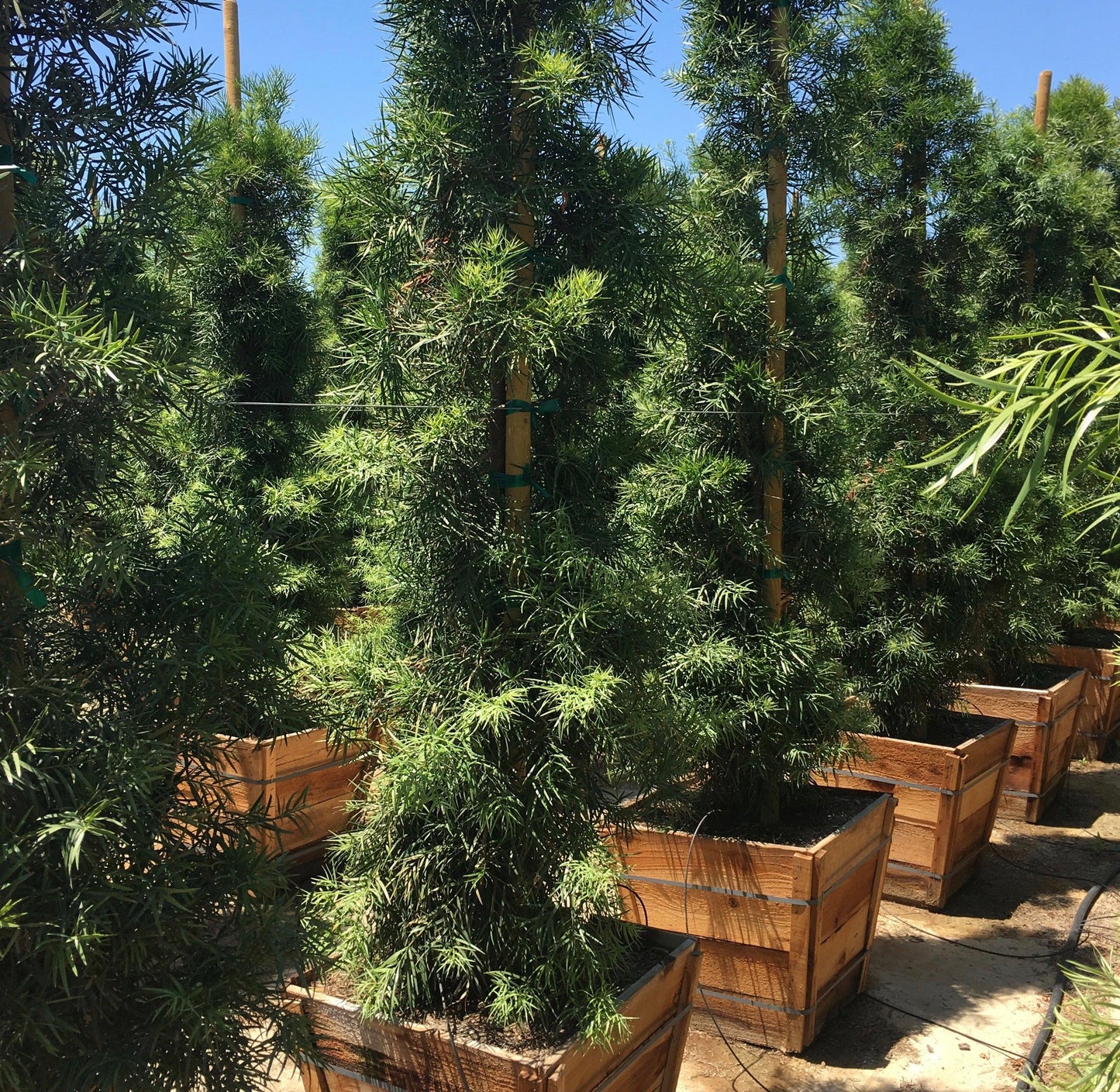

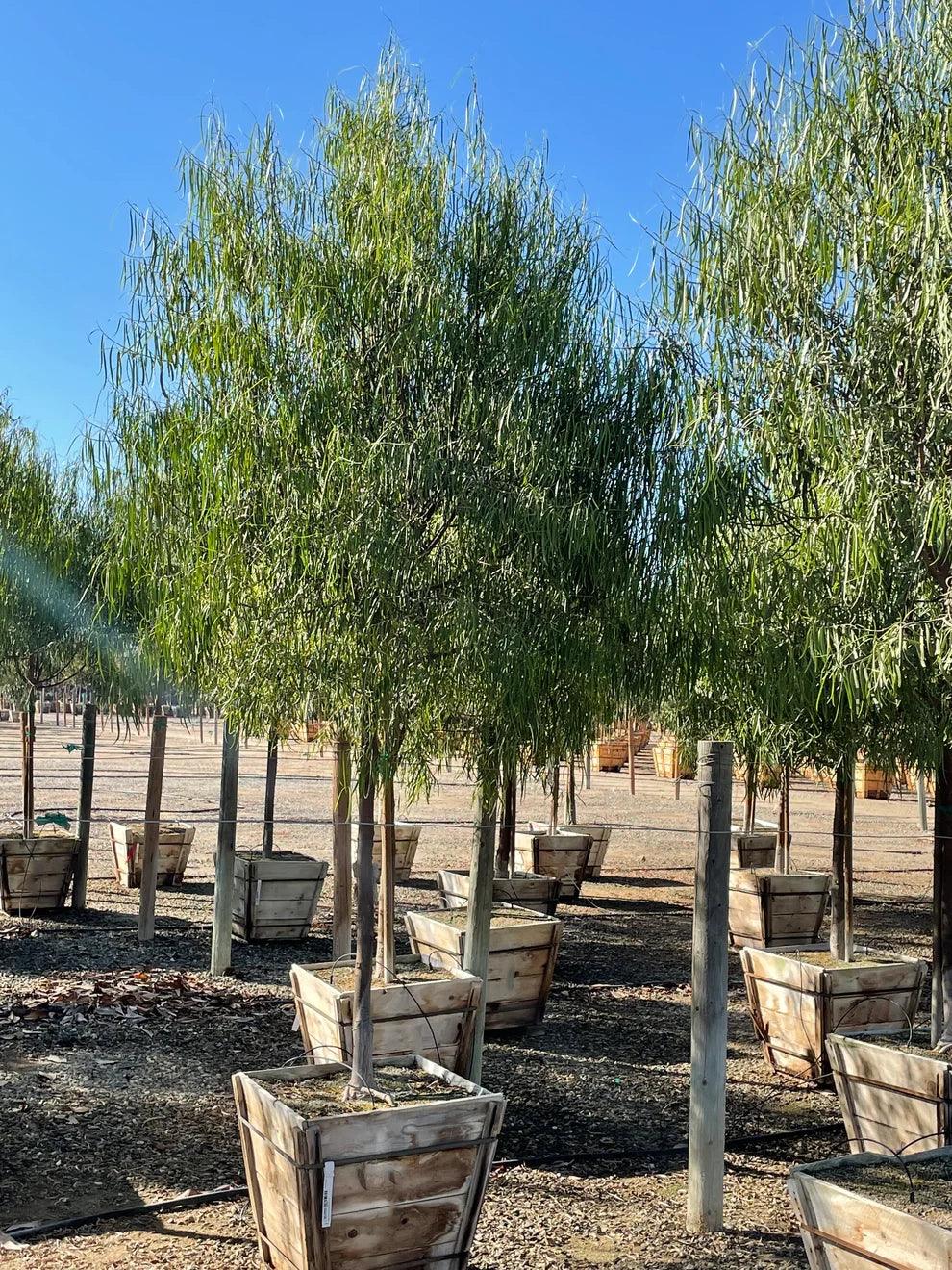

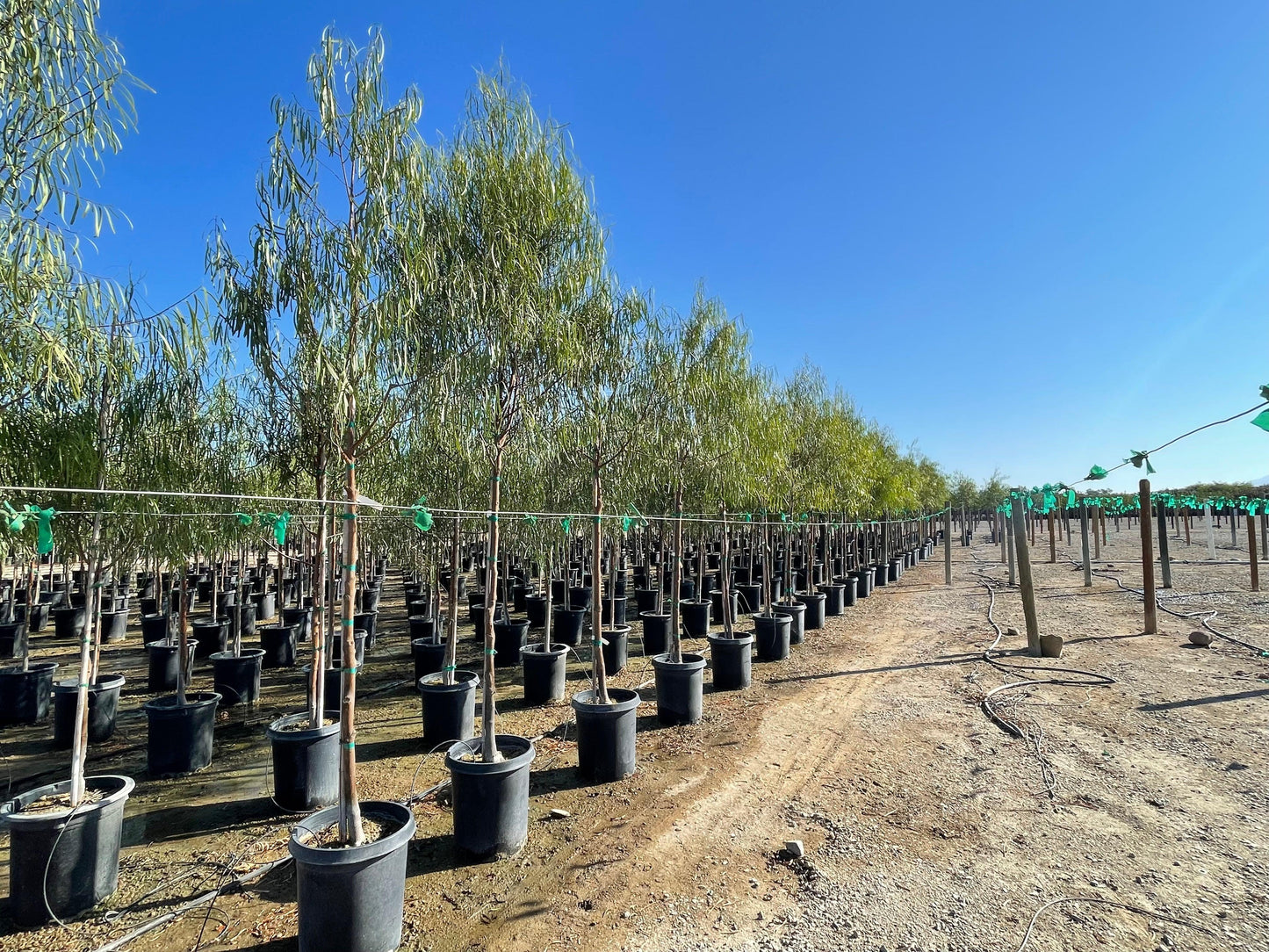

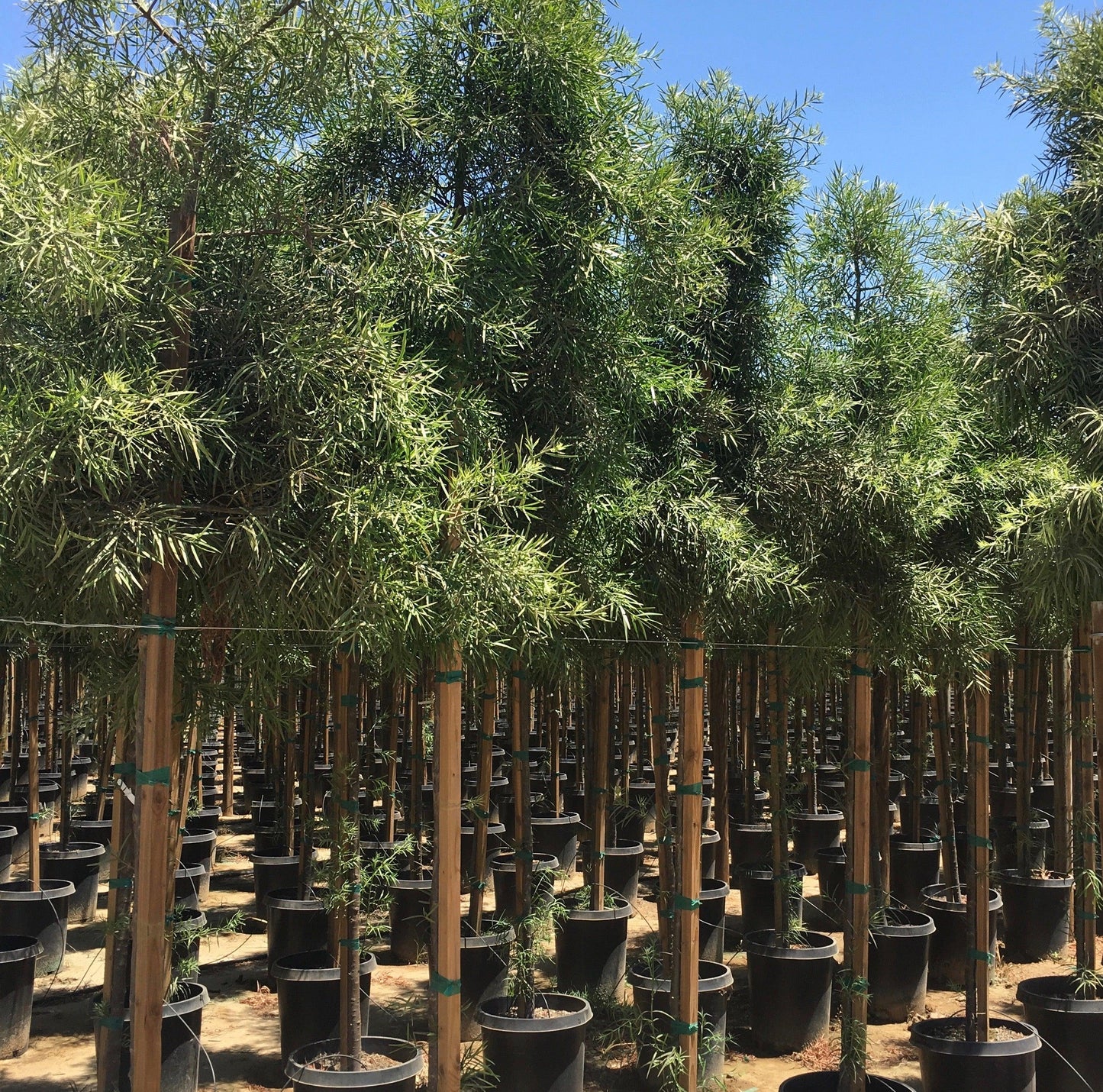
You May Also Like












Thousands of Healthy Plants Delivered

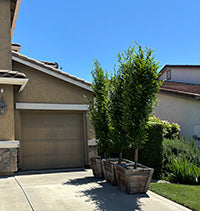
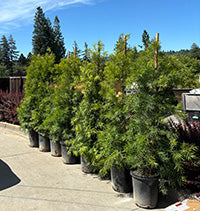
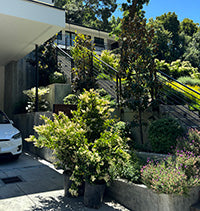
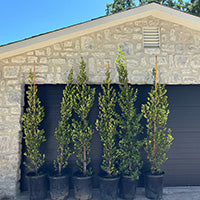
Yardwork was so great to work with. First they had the Swan Hill olive trees that we had been searching for, we had contacted several other nurseries without any luck previously. Then they answered all of our questions in a timely matter prior to ordering and finally delivered within a few days of placing it. Their staff is incredibly knowledgeable; they delivered and planted our trees with expertise to ensure that they would do well in our yard. We would definitely work with them again for future projects.











A Modern Experience
At Yardwork, we carefully curate thousands of plants, in all container sizes, to provide you with the best selection of the highest quality trees and plants at the best price, with the convenience of an online platform.
Uncompromised Quality
We choose only the finest specimens and hand select our plants just before delivery to ensure you receive the freshest and most robust specimens available for your landscape.
Industry Leading Warranties
Our 30, 90, and 365 extended warranties provide some of the best coverage to ensure our trees and plants thrive in your landscape.
Frequently Asked Questions
We're committed to changing everything about trees and plants - how they’re grown, how you shop for them, and how much they cost. We handle orders ourselves. No middlemen to get between us (or our prices) and you.
We're committed to changing everything about trees and plants - how they’re grown, how you shop for them, and how much they cost. We handle orders ourselves. No middlemen to get between us (or our prices) and you.
Delivery does not include unloading of trees and plants LARGER than a 24" box.
Trees and plants in smaller containers will be dropped curbside (usually on the driveway or near the front doorstep).
Delivery beyond a curbside drop will be charged extra.
Trees and plants that are sold in container sizes LARGER than a 24" box size will require equipment and/or enough manpower onsite to help unload from the truck.
Please reach out to our team PRIOR to placing your order to help coordinate.
Our team can provide unloading assistance with equipment for an extra fee as well.
Delivery does not include unloading of trees and plants LARGER than a 24" box.
Trees and plants in smaller containers will be dropped curbside (usually on the driveway or near the front doorstep).
Delivery beyond a curbside drop will be charged extra.
Trees and plants that are sold in container sizes LARGER than a 24" box size will require equipment and/or enough manpower onsite to help unload from the truck.
Please reach out to our team PRIOR to placing your order to help coordinate.
Our team can provide unloading assistance with equipment for an extra fee as well.
We ship locally within California within 7-10 days of your order being placed.
We ship nationally using carrier partners, based on order size.
Text or call 323-576-4159 for specific shipping details for your location.
We ship locally within California within 7-10 days of your order being placed.
We ship nationally using carrier partners, based on order size.
Text or call 323-576-4159 for specific shipping details for your location.
We are currently online only and don't have physical locations where you can view plants in person.
That's why we have photos direct from the growing grounds of the plants we will ship and we display pricing right in our store.
We do make sure to pick the very best trees and plants prior to shipping and make sure that they have gone through our multi-point inspection for health and structure.
We will always reach out prior to delivery if we find a quality issue or need to provide a substitute.
We are currently online only and don't have physical locations where you can view plants in person.
That's why we have photos direct from the growing grounds of the plants we will ship and we display pricing right in our store.
We do make sure to pick the very best trees and plants prior to shipping and make sure that they have gone through our multi-point inspection for health and structure.
We will always reach out prior to delivery if we find a quality issue or need to provide a substitute.
Plants vary greatly by type. Here is a rough idea of sizes based on containers that are direct from our growing grounds.
15 Gallon Shrub 3-4 Ft. Tall
15 Gallon Tree 5-6 Ft. Tall
24" Box Shrub 5-6 Ft. Tall
24" Box Tree 6-7 Ft. Tall
36" Box Shrub/Tree 7-9 Ft. Tall
48" Box Shrub/Tree 8-10 Ft. Tall
**Please note that we do not make guarantees of sizes. If you have questions or concerns, please call or text to request accurate sizing for the particular plant you're considering, prior to ordering.
Plants vary greatly by type. Here is a rough idea of sizes based on containers that are direct from our growing grounds.
15 Gallon Shrub 3-4 Ft. Tall
15 Gallon Tree 5-6 Ft. Tall
24" Box Shrub 5-6 Ft. Tall
24" Box Tree 6-7 Ft. Tall
36" Box Shrub/Tree 7-9 Ft. Tall
48" Box Shrub/Tree 8-10 Ft. Tall
**Please note that we do not make guarantees of sizes. If you have questions or concerns, please call or text to request accurate sizing for the particular plant you're considering, prior to ordering.
We offer a limited 30 day warranty for plants that are delivered and a 90 day warranty for plants that we plant.
The limited warranty covers plants that die as a result of disease or fungus which was derived from our growing grounds or from root balls that were root bound.
The warranty does not cover damage due to watering, fertilizer, soils, or any other conditions beyond our control. Additionally, the warranty does not cover certain plants that are shipped out of the state of California or shipped into California from other states. Custom plant orders are also not covered under warranty. Plants must be planted within 24 hours after delivery to qualify.
We can assist you in recommending the right soils and fertilizers to help your plant thrive after you plant it.
Text or call 323-576-4159 for further warranty information.
We offer a limited 30 day warranty for plants that are delivered and a 90 day warranty for plants that we plant.
The limited warranty covers plants that die as a result of disease or fungus which was derived from our growing grounds or from root balls that were root bound.
The warranty does not cover damage due to watering, fertilizer, soils, or any other conditions beyond our control. Additionally, the warranty does not cover certain plants that are shipped out of the state of California or shipped into California from other states. Custom plant orders are also not covered under warranty. Plants must be planted within 24 hours after delivery to qualify.
We can assist you in recommending the right soils and fertilizers to help your plant thrive after you plant it.
Text or call 323-576-4159 for further warranty information.
Our local delivery team covers most cities in California.
There are some exceptions, so please get in touch to confirm prior to ordering.
Additionally, we ship throughout the entire United States and even internationally. Each shipment is custom, so please reach out to our team to coordinate.
Our local delivery team covers most cities in California.
There are some exceptions, so please get in touch to confirm prior to ordering.
Additionally, we ship throughout the entire United States and even internationally. Each shipment is custom, so please reach out to our team to coordinate.