



Southern Wax Myrtle For Sale
Sale price
$99.95
Regular price $79.95Height
Fast-Growing Privacy Solution for Year-Round Screening
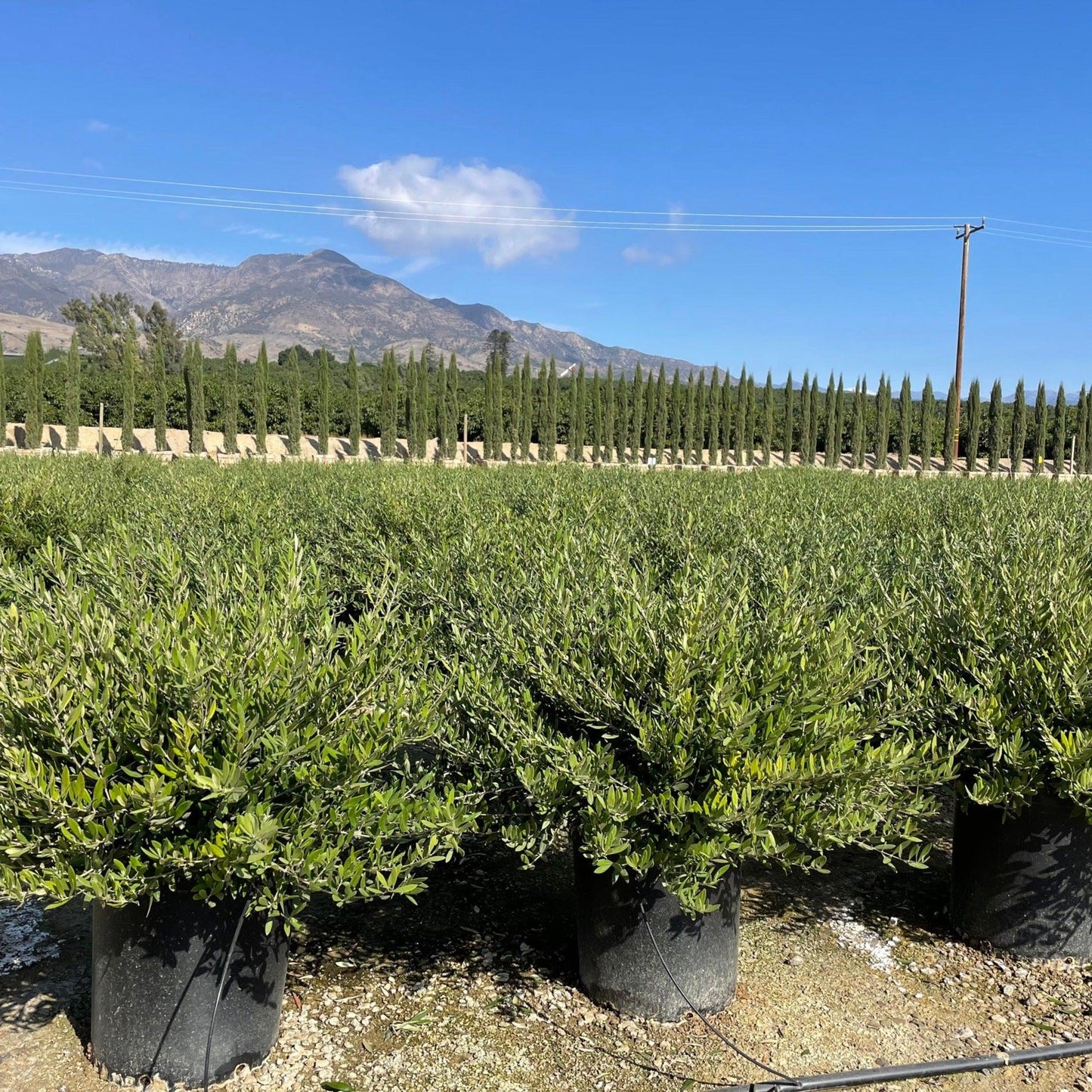
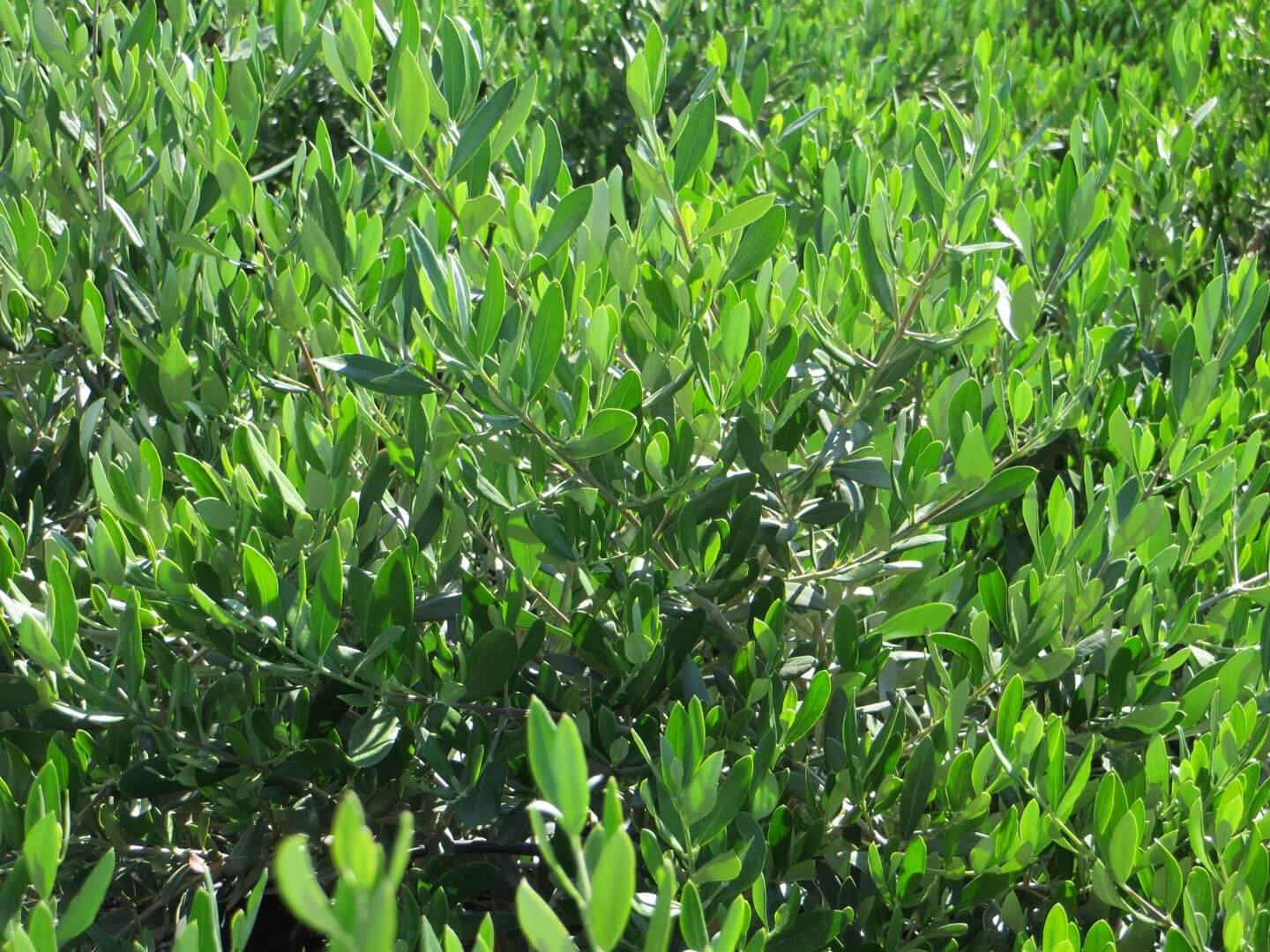
Wax myrtle delivers dense, evergreen screening faster than almost any other privacy plant on the market. This fast growing evergreen shrub or small tree can add up to 5 feet of new growth annually, transforming an exposed yard into a secluded retreat in just a few seasons. With its aromatic, glossy foliage and year-round greenery, wax myrtle is a hardy plant built for homeowners who need privacy now-not five years from now.
Why You'll Love It
-
Rapid Growth – Wax Myrtles can grow up to 5 feet annually under optimal conditions, filling in your screen or hedge line far quicker than most competing evergreen species.
-
Drought Tolerant & Low Maintenance – Once established, this is a remarkably tough, drought tolerant plant that asks very little of you. It thrives with minimal supplemental watering and rarely needs fertilizing thanks to its nitrogen-fixing roots.
-
Salt & Coastal Tough – The plant is drought-tolerant and salt-tolerant, making it an outstanding choice for beach-adjacent and coastal California properties where salt spray and sandy soil conditions challenge other plants.
-
Wildlife Magnet – Female wax myrtle plants produce blue-white waxy berries in fall and winter that serve as a critical winter food source for birds. The flowers also attract butterflies and beneficial insects seeking nectar.
-
Versatile Landscape Use – Use it as a privacy hedge, windbreak, specimen tree, or foundation shrub. Wax Myrtles can be pruned for a multi trunk tree form or left to grow naturally as a dense shrub-whatever your landscape calls for.
What Makes It Different
Most privacy plants struggle when conditions aren't perfect. Heavy clay, sandy soil, salty wind, periodic drought-pick your challenge, and most evergreens will show stress.
Wax myrtle offers:
-
Thrives in Wet and Dry Extremes – Wax myrtle is highly adaptable and can thrive in various soil conditions, from seasonally flooded lowlands to well-drained sandy sites. Few screening plants handle this range.
-
Performs in Full Sun and Partial Shade – Best dense foliage develops in full sun, but wax myrtle trees also tolerate partial shade without losing their screening value entirely. Compare that to alternatives like Leyland Cypress, which demands consistent sun.
-
Naturally Resistant – The plant generally resists pests and deer, due to its aromatic foliage. You won't spend weekends battling deer damage, scale insects, or fungal infections the way you might with Red Tip Photinia or privet hedges.
How To Grow The Wax Myrtle Successfully
-
Plant with Proper Spacing Plant Wax Myrtles 5 to 6 feet apart for a hedge. For specimen use or a more open screen, space them 8–12 feet apart. Space Wax Myrtles at least 5 feet from property lines to allow for mature spread. Position in full sun for the densest foliage, though partial shade works for less demanding applications.
-
Establish and Watch It Grow Water deeply and consistently through the first one to two growing seasons. A 2-inch layer of organic mulch helps keep roots moist and suppresses weeds. During this establishment window, expect vigorous vertical and lateral growth-young plants will begin forming a visible screen within the first two to three years.
-
Enjoy Year-Round Screening At maturity, wax myrtle can reach 10 to 25 feet in height with similarly broad spread, delivering dense foliage that blocks views, buffers wind, and provides habitat for birds and pollinators. Wax myrtle has dense cover and provides year-round greenery, so your privacy never takes a seasonal break. They are ideal for creating privacy screens in gardens of all sizes.
Plant Details
-
Mature Size: Wax myrtle can reach 10 to 25 feet in height with a similar spread. Compact cultivars like 'Fairfax' stay at 4–5 feet tall for tighter spaces.
-
Growth Rate: Wax Myrtles can grow up to 5 feet annually in favorable conditions (USDA zones 7–10, full sun, adequate moisture during establishment).
-
Seasonal Characteristics: Evergreen year-round. Female plants produce clusters of blue-gray waxy berries in fall and winter; wax myrtles are dioecious, meaning female plants require male plants nearby for berry production through pollination. The wax from the berries can be used to make traditionally-scented candles-a historical use dating back to the colonial era.
-
Soil & Water: Tolerates a broad range of soil types-sandy, loamy, or clay. Preferred soil pH is 6.0–8.0. They tolerate drought, salt, and sandy soils once established. Wax myrtles are nitrogen-fixing plants, improving soil quality in poor or depleted ground.
-
Hardiness: Wax Myrtles thrive in planting zones 7 to 11. Pacific wax myrtle (Myrica californica) is the native species best suited for California's coastal and inland climates.
-
Light: Full sun produces the most dense foliage and heaviest berry set. Tolerates partial shade, though growth may become more open and thin in deep shade.
-
Form: Naturally grows as a multi-stemmed shrub. Wax myrtles may be pruned to create small ornamental trees or shrubs, including an attractive multi trunk tree silhouette.
-
Available Sizes: Container-grown plants from Yardwork in multiple sizes for faster establishment and quicker screening results.
Who It's For
Ideal for:
-
California homeowners seeking fast growing privacy hedges that establish quickly along a property line
-
Coastal properties where salt spray, sand, and wind eliminate most other screening options
-
Challenging sites with poor soil conditions, intermittent flooding, or drought-anywhere other tall evergreen hedging plants have failed
-
Landscapers working on large privacy or environmental restoration projects-the plant is used in environmental restoration for erosion control along coastlines and disturbed sites
-
Wildlife-friendly gardeners who want to attract birds, butterflies, and pollinators while still achieving a functional screen
If you want a deer resistant, low-maintenance evergreen that handles whatever your soil type and climate throw at it, wax myrtle fits your needs.
Frequently Asked Questions
How fast will I get privacy? Wax Myrtles can grow up to 5 feet annually under ideal conditions. Planting larger container specimens (15-gallon) in spring gives you a noticeable screen within 2–3 years. Smaller containers take slightly longer but still outpace most tall hedges for privacy.
When and how should I prune? Prune Wax Myrtles in late winter or early spring before new growth emerges. Avoid removing more than one-third of the canopy in a single season. You can shear for a formal hedge shape, thin interior stems for better airflow, or selectively prune to create a smooth, clean multi trunk tree form. Wax myrtle is known for its aromatic foliage and waxy blue-gray berries-light pruning keeps both on full display.
What soil and light does it need? Wax myrtle tolerates virtually any soil type from sand to clay, with a pH range of 6.0–8.0. Full sun is best for dense growth, but partial shade is fine. The leaves of wax myrtle can even be used as a culinary seasoning-a bonus for the green thumb with a kitchen garden.
Do I need both male and female plants? Wax myrtles are dioecious, so you need both male and female plants if you want berry production. Male plants provide pollen; female plants produce the waxy berries that birds rely on through winter. For a pure privacy hedge where berries aren't a priority, either sex works.
Does Yardwork deliver and help with planting?Our team can help with plant spacing guidance, soil testing recommendations, and choosing the best privacy bushes for your specific site.
Ready to Create Your Privacy Screen?
Stop waiting seasons for slow-growing hedges to fill in. Wax myrtle delivers the dense, evergreen screening your property needs-fast.
Fast-Growing Privacy Solution for Year-Round Screening
Wax myrtle delivers dense, evergreen screening faster than almost any other privacy plant on the market. This fast growing evergreen shrub or small tree can add up to 5 feet of new growth annually, transforming an exposed yard into a secluded retreat in just a few seasons. With its aromatic, glossy foliage and year-round greenery, wax myrtle is a hardy plant built for homeowners who need privacy now-not five years from now.
Why You'll Love It
-
Rapid Growth – Wax Myrtles can grow up to 5 feet annually under optimal conditions, filling in your screen or hedge line far quicker than most competing evergreen species.
-
Drought Tolerant & Low Maintenance – Once established, this is a remarkably tough, drought tolerant plant that asks very little of you. It thrives with minimal supplemental watering and rarely needs fertilizing thanks to its nitrogen-fixing roots.
-
Salt & Coastal Tough – The plant is drought-tolerant and salt-tolerant, making it an outstanding choice for beach-adjacent and coastal California properties where salt spray and sandy soil conditions challenge other plants.
-
Wildlife Magnet – Female wax myrtle plants produce blue-white waxy berries in fall and winter that serve as a critical winter food source for birds. The flowers also attract butterflies and beneficial insects seeking nectar.
-
Versatile Landscape Use – Use it as a privacy hedge, windbreak, specimen tree, or foundation shrub. Wax Myrtles can be pruned for a multi trunk tree form or left to grow naturally as a dense shrub-whatever your landscape calls for.
What Makes It Different
Most privacy plants struggle when conditions aren't perfect. Heavy clay, sandy soil, salty wind, periodic drought-pick your challenge, and most evergreens will show stress.
Wax myrtle offers:
-
Thrives in Wet and Dry Extremes – Wax myrtle is highly adaptable and can thrive in various soil conditions, from seasonally flooded lowlands to well-drained sandy sites. Few screening plants handle this range.
-
Performs in Full Sun and Partial Shade – Best dense foliage develops in full sun, but wax myrtle trees also tolerate partial shade without losing their screening value entirely. Compare that to alternatives like Leyland Cypress, which demands consistent sun.
-
Naturally Resistant – The plant generally resists pests and deer, due to its aromatic foliage. You won't spend weekends battling deer damage, scale insects, or fungal infections the way you might with Red Tip Photinia or privet hedges.
How To Grow The Wax Myrtle Successfully
-
Plant with Proper Spacing Plant Wax Myrtles 5 to 6 feet apart for a hedge. For specimen use or a more open screen, space them 8–12 feet apart. Space Wax Myrtles at least 5 feet from property lines to allow for mature spread. Position in full sun for the densest foliage, though partial shade works for less demanding applications.
-
Establish and Watch It Grow Water deeply and consistently through the first one to two growing seasons. A 2-inch layer of organic mulch helps keep roots moist and suppresses weeds. During this establishment window, expect vigorous vertical and lateral growth-young plants will begin forming a visible screen within the first two to three years.
-
Enjoy Year-Round Screening At maturity, wax myrtle can reach 10 to 25 feet in height with similarly broad spread, delivering dense foliage that blocks views, buffers wind, and provides habitat for birds and pollinators. Wax myrtle has dense cover and provides year-round greenery, so your privacy never takes a seasonal break. They are ideal for creating privacy screens in gardens of all sizes.
Plant Details
-
Mature Size: Wax myrtle can reach 10 to 25 feet in height with a similar spread. Compact cultivars like 'Fairfax' stay at 4–5 feet tall for tighter spaces.
-
Growth Rate: Wax Myrtles can grow up to 5 feet annually in favorable conditions (USDA zones 7–10, full sun, adequate moisture during establishment).
-
Seasonal Characteristics: Evergreen year-round. Female plants produce clusters of blue-gray waxy berries in fall and winter; wax myrtles are dioecious, meaning female plants require male plants nearby for berry production through pollination. The wax from the berries can be used to make traditionally-scented candles-a historical use dating back to the colonial era.
-
Soil & Water: Tolerates a broad range of soil types-sandy, loamy, or clay. Preferred soil pH is 6.0–8.0. They tolerate drought, salt, and sandy soils once established. Wax myrtles are nitrogen-fixing plants, improving soil quality in poor or depleted ground.
-
Hardiness: Wax Myrtles thrive in planting zones 7 to 11. Pacific wax myrtle (Myrica californica) is the native species best suited for California's coastal and inland climates.
-
Light: Full sun produces the most dense foliage and heaviest berry set. Tolerates partial shade, though growth may become more open and thin in deep shade.
-
Form: Naturally grows as a multi-stemmed shrub. Wax myrtles may be pruned to create small ornamental trees or shrubs, including an attractive multi trunk tree silhouette.
-
Available Sizes: Container-grown plants from Yardwork in multiple sizes for faster establishment and quicker screening results.
Who It's For
Ideal for:
-
California homeowners seeking fast growing privacy hedges that establish quickly along a property line
-
Coastal properties where salt spray, sand, and wind eliminate most other screening options
-
Challenging sites with poor soil conditions, intermittent flooding, or drought-anywhere other tall evergreen hedging plants have failed
-
Landscapers working on large privacy or environmental restoration projects-the plant is used in environmental restoration for erosion control along coastlines and disturbed sites
-
Wildlife-friendly gardeners who want to attract birds, butterflies, and pollinators while still achieving a functional screen
If you want a deer resistant, low-maintenance evergreen that handles whatever your soil type and climate throw at it, wax myrtle fits your needs.
Frequently Asked Questions
How fast will I get privacy? Wax Myrtles can grow up to 5 feet annually under ideal conditions. Planting larger container specimens (15-gallon) in spring gives you a noticeable screen within 2–3 years. Smaller containers take slightly longer but still outpace most tall hedges for privacy.
When and how should I prune? Prune Wax Myrtles in late winter or early spring before new growth emerges. Avoid removing more than one-third of the canopy in a single season. You can shear for a formal hedge shape, thin interior stems for better airflow, or selectively prune to create a smooth, clean multi trunk tree form. Wax myrtle is known for its aromatic foliage and waxy blue-gray berries-light pruning keeps both on full display.
What soil and light does it need? Wax myrtle tolerates virtually any soil type from sand to clay, with a pH range of 6.0–8.0. Full sun is best for dense growth, but partial shade is fine. The leaves of wax myrtle can even be used as a culinary seasoning-a bonus for the green thumb with a kitchen garden.
Do I need both male and female plants? Wax myrtles are dioecious, so you need both male and female plants if you want berry production. Male plants provide pollen; female plants produce the waxy berries that birds rely on through winter. For a pure privacy hedge where berries aren't a priority, either sex works.
Does Yardwork deliver and help with planting?Our team can help with plant spacing guidance, soil testing recommendations, and choosing the best privacy bushes for your specific site.
Ready to Create Your Privacy Screen?
Stop waiting seasons for slow-growing hedges to fill in. Wax myrtle delivers the dense, evergreen screening your property needs-fast.
Plants vary greatly by type and no guarantees are made on sizing.
However here is a rough idea of sizes based on containers that are direct from our growing grounds.
15 Gallon Shrub 3-4 Ft. Tall
15 Gallon Tree 5-6 Ft. Tall
24" Box Shrub 5-6 Ft. Tall
24" Box Tree 6-7 Ft. Tall
36" Box Tree 8-10 Ft. Tall
48" Box Tree 10-12 Ft. Tall
Please note: Citrus and California Native plants such as Manzanita are smaller than traditional sizing.
Please contact us to confirm sizing of items before purchasing if this is a concern.
Plants vary greatly by type and no guarantees are made on sizing.
However here is a rough idea of sizes based on containers that are direct from our growing grounds.
15 Gallon Shrub 3-4 Ft. Tall
15 Gallon Tree 5-6 Ft. Tall
24" Box Shrub 5-6 Ft. Tall
24" Box Tree 6-7 Ft. Tall
36" Box Tree 8-10 Ft. Tall
48" Box Tree 10-12 Ft. Tall
Please note: Citrus and California Native plants such as Manzanita are smaller than traditional sizing.
Please contact us to confirm sizing of items before purchasing if this is a concern.
Delivery does not include unloading of trees and plants larger than a 24" box.
Trees and plants in smaller containers will be dropped curbside.
Delivery beyond a curbside drop will be charged extra.
Trees and plants that are sold in container sizes larger than a 24" box size will require equipment and an operator onsite to help unload from the truck.
Please reach out to our team PRIOR to placing your order to coordinate.
Our team can provide unloading assistance with equipment for an extra fee.
Delivery does not include unloading of trees and plants larger than a 24" box.
Trees and plants in smaller containers will be dropped curbside.
Delivery beyond a curbside drop will be charged extra.
Trees and plants that are sold in container sizes larger than a 24" box size will require equipment and an operator onsite to help unload from the truck.
Please reach out to our team PRIOR to placing your order to coordinate.
Our team can provide unloading assistance with equipment for an extra fee.
You may also like...


Southern Wax Myrtle For Sale
Sale price
$99.95
Regular price $79.95Height
Fast-Growing Privacy Solution for Year-Round Screening
Wax myrtle delivers dense, evergreen screening faster than almost any other privacy plant on the market. This fast growing evergreen shrub or small tree can add up to 5 feet of new growth annually, transforming an exposed yard into a secluded retreat in just a few seasons. With its aromatic, glossy foliage and year-round greenery, wax myrtle is a hardy plant built for homeowners who need privacy now-not five years from now.
Why You'll Love It
-
Rapid Growth – Wax Myrtles can grow up to 5 feet annually under optimal conditions, filling in your screen or hedge line far quicker than most competing evergreen species.
-
Drought Tolerant & Low Maintenance – Once established, this is a remarkably tough, drought tolerant plant that asks very little of you. It thrives with minimal supplemental watering and rarely needs fertilizing thanks to its nitrogen-fixing roots.
-
Salt & Coastal Tough – The plant is drought-tolerant and salt-tolerant, making it an outstanding choice for beach-adjacent and coastal California properties where salt spray and sandy soil conditions challenge other plants.
-
Wildlife Magnet – Female wax myrtle plants produce blue-white waxy berries in fall and winter that serve as a critical winter food source for birds. The flowers also attract butterflies and beneficial insects seeking nectar.
-
Versatile Landscape Use – Use it as a privacy hedge, windbreak, specimen tree, or foundation shrub. Wax Myrtles can be pruned for a multi trunk tree form or left to grow naturally as a dense shrub-whatever your landscape calls for.
What Makes It Different
Most privacy plants struggle when conditions aren't perfect. Heavy clay, sandy soil, salty wind, periodic drought-pick your challenge, and most evergreens will show stress.
Wax myrtle offers:
-
Thrives in Wet and Dry Extremes – Wax myrtle is highly adaptable and can thrive in various soil conditions, from seasonally flooded lowlands to well-drained sandy sites. Few screening plants handle this range.
-
Performs in Full Sun and Partial Shade – Best dense foliage develops in full sun, but wax myrtle trees also tolerate partial shade without losing their screening value entirely. Compare that to alternatives like Leyland Cypress, which demands consistent sun.
-
Naturally Resistant – The plant generally resists pests and deer, due to its aromatic foliage. You won't spend weekends battling deer damage, scale insects, or fungal infections the way you might with Red Tip Photinia or privet hedges.
How To Grow The Wax Myrtle Successfully
-
Plant with Proper Spacing Plant Wax Myrtles 5 to 6 feet apart for a hedge. For specimen use or a more open screen, space them 8–12 feet apart. Space Wax Myrtles at least 5 feet from property lines to allow for mature spread. Position in full sun for the densest foliage, though partial shade works for less demanding applications.
-
Establish and Watch It Grow Water deeply and consistently through the first one to two growing seasons. A 2-inch layer of organic mulch helps keep roots moist and suppresses weeds. During this establishment window, expect vigorous vertical and lateral growth-young plants will begin forming a visible screen within the first two to three years.
-
Enjoy Year-Round Screening At maturity, wax myrtle can reach 10 to 25 feet in height with similarly broad spread, delivering dense foliage that blocks views, buffers wind, and provides habitat for birds and pollinators. Wax myrtle has dense cover and provides year-round greenery, so your privacy never takes a seasonal break. They are ideal for creating privacy screens in gardens of all sizes.
Plant Details
-
Mature Size: Wax myrtle can reach 10 to 25 feet in height with a similar spread. Compact cultivars like 'Fairfax' stay at 4–5 feet tall for tighter spaces.
-
Growth Rate: Wax Myrtles can grow up to 5 feet annually in favorable conditions (USDA zones 7–10, full sun, adequate moisture during establishment).
-
Seasonal Characteristics: Evergreen year-round. Female plants produce clusters of blue-gray waxy berries in fall and winter; wax myrtles are dioecious, meaning female plants require male plants nearby for berry production through pollination. The wax from the berries can be used to make traditionally-scented candles-a historical use dating back to the colonial era.
-
Soil & Water: Tolerates a broad range of soil types-sandy, loamy, or clay. Preferred soil pH is 6.0–8.0. They tolerate drought, salt, and sandy soils once established. Wax myrtles are nitrogen-fixing plants, improving soil quality in poor or depleted ground.
-
Hardiness: Wax Myrtles thrive in planting zones 7 to 11. Pacific wax myrtle (Myrica californica) is the native species best suited for California's coastal and inland climates.
-
Light: Full sun produces the most dense foliage and heaviest berry set. Tolerates partial shade, though growth may become more open and thin in deep shade.
-
Form: Naturally grows as a multi-stemmed shrub. Wax myrtles may be pruned to create small ornamental trees or shrubs, including an attractive multi trunk tree silhouette.
-
Available Sizes: Container-grown plants from Yardwork in multiple sizes for faster establishment and quicker screening results.
Who It's For
Ideal for:
-
California homeowners seeking fast growing privacy hedges that establish quickly along a property line
-
Coastal properties where salt spray, sand, and wind eliminate most other screening options
-
Challenging sites with poor soil conditions, intermittent flooding, or drought-anywhere other tall evergreen hedging plants have failed
-
Landscapers working on large privacy or environmental restoration projects-the plant is used in environmental restoration for erosion control along coastlines and disturbed sites
-
Wildlife-friendly gardeners who want to attract birds, butterflies, and pollinators while still achieving a functional screen
If you want a deer resistant, low-maintenance evergreen that handles whatever your soil type and climate throw at it, wax myrtle fits your needs.
Frequently Asked Questions
How fast will I get privacy? Wax Myrtles can grow up to 5 feet annually under ideal conditions. Planting larger container specimens (15-gallon) in spring gives you a noticeable screen within 2–3 years. Smaller containers take slightly longer but still outpace most tall hedges for privacy.
When and how should I prune? Prune Wax Myrtles in late winter or early spring before new growth emerges. Avoid removing more than one-third of the canopy in a single season. You can shear for a formal hedge shape, thin interior stems for better airflow, or selectively prune to create a smooth, clean multi trunk tree form. Wax myrtle is known for its aromatic foliage and waxy blue-gray berries-light pruning keeps both on full display.
What soil and light does it need? Wax myrtle tolerates virtually any soil type from sand to clay, with a pH range of 6.0–8.0. Full sun is best for dense growth, but partial shade is fine. The leaves of wax myrtle can even be used as a culinary seasoning-a bonus for the green thumb with a kitchen garden.
Do I need both male and female plants? Wax myrtles are dioecious, so you need both male and female plants if you want berry production. Male plants provide pollen; female plants produce the waxy berries that birds rely on through winter. For a pure privacy hedge where berries aren't a priority, either sex works.
Does Yardwork deliver and help with planting?Our team can help with plant spacing guidance, soil testing recommendations, and choosing the best privacy bushes for your specific site.
Ready to Create Your Privacy Screen?
Stop waiting seasons for slow-growing hedges to fill in. Wax myrtle delivers the dense, evergreen screening your property needs-fast.
Fast-Growing Privacy Solution for Year-Round Screening
Wax myrtle delivers dense, evergreen screening faster than almost any other privacy plant on the market. This fast growing evergreen shrub or small tree can add up to 5 feet of new growth annually, transforming an exposed yard into a secluded retreat in just a few seasons. With its aromatic, glossy foliage and year-round greenery, wax myrtle is a hardy plant built for homeowners who need privacy now-not five years from now.
Why You'll Love It
-
Rapid Growth – Wax Myrtles can grow up to 5 feet annually under optimal conditions, filling in your screen or hedge line far quicker than most competing evergreen species.
-
Drought Tolerant & Low Maintenance – Once established, this is a remarkably tough, drought tolerant plant that asks very little of you. It thrives with minimal supplemental watering and rarely needs fertilizing thanks to its nitrogen-fixing roots.
-
Salt & Coastal Tough – The plant is drought-tolerant and salt-tolerant, making it an outstanding choice for beach-adjacent and coastal California properties where salt spray and sandy soil conditions challenge other plants.
-
Wildlife Magnet – Female wax myrtle plants produce blue-white waxy berries in fall and winter that serve as a critical winter food source for birds. The flowers also attract butterflies and beneficial insects seeking nectar.
-
Versatile Landscape Use – Use it as a privacy hedge, windbreak, specimen tree, or foundation shrub. Wax Myrtles can be pruned for a multi trunk tree form or left to grow naturally as a dense shrub-whatever your landscape calls for.
What Makes It Different
Most privacy plants struggle when conditions aren't perfect. Heavy clay, sandy soil, salty wind, periodic drought-pick your challenge, and most evergreens will show stress.
Wax myrtle offers:
-
Thrives in Wet and Dry Extremes – Wax myrtle is highly adaptable and can thrive in various soil conditions, from seasonally flooded lowlands to well-drained sandy sites. Few screening plants handle this range.
-
Performs in Full Sun and Partial Shade – Best dense foliage develops in full sun, but wax myrtle trees also tolerate partial shade without losing their screening value entirely. Compare that to alternatives like Leyland Cypress, which demands consistent sun.
-
Naturally Resistant – The plant generally resists pests and deer, due to its aromatic foliage. You won't spend weekends battling deer damage, scale insects, or fungal infections the way you might with Red Tip Photinia or privet hedges.
How To Grow The Wax Myrtle Successfully
-
Plant with Proper Spacing Plant Wax Myrtles 5 to 6 feet apart for a hedge. For specimen use or a more open screen, space them 8–12 feet apart. Space Wax Myrtles at least 5 feet from property lines to allow for mature spread. Position in full sun for the densest foliage, though partial shade works for less demanding applications.
-
Establish and Watch It Grow Water deeply and consistently through the first one to two growing seasons. A 2-inch layer of organic mulch helps keep roots moist and suppresses weeds. During this establishment window, expect vigorous vertical and lateral growth-young plants will begin forming a visible screen within the first two to three years.
-
Enjoy Year-Round Screening At maturity, wax myrtle can reach 10 to 25 feet in height with similarly broad spread, delivering dense foliage that blocks views, buffers wind, and provides habitat for birds and pollinators. Wax myrtle has dense cover and provides year-round greenery, so your privacy never takes a seasonal break. They are ideal for creating privacy screens in gardens of all sizes.
Plant Details
-
Mature Size: Wax myrtle can reach 10 to 25 feet in height with a similar spread. Compact cultivars like 'Fairfax' stay at 4–5 feet tall for tighter spaces.
-
Growth Rate: Wax Myrtles can grow up to 5 feet annually in favorable conditions (USDA zones 7–10, full sun, adequate moisture during establishment).
-
Seasonal Characteristics: Evergreen year-round. Female plants produce clusters of blue-gray waxy berries in fall and winter; wax myrtles are dioecious, meaning female plants require male plants nearby for berry production through pollination. The wax from the berries can be used to make traditionally-scented candles-a historical use dating back to the colonial era.
-
Soil & Water: Tolerates a broad range of soil types-sandy, loamy, or clay. Preferred soil pH is 6.0–8.0. They tolerate drought, salt, and sandy soils once established. Wax myrtles are nitrogen-fixing plants, improving soil quality in poor or depleted ground.
-
Hardiness: Wax Myrtles thrive in planting zones 7 to 11. Pacific wax myrtle (Myrica californica) is the native species best suited for California's coastal and inland climates.
-
Light: Full sun produces the most dense foliage and heaviest berry set. Tolerates partial shade, though growth may become more open and thin in deep shade.
-
Form: Naturally grows as a multi-stemmed shrub. Wax myrtles may be pruned to create small ornamental trees or shrubs, including an attractive multi trunk tree silhouette.
-
Available Sizes: Container-grown plants from Yardwork in multiple sizes for faster establishment and quicker screening results.
Who It's For
Ideal for:
-
California homeowners seeking fast growing privacy hedges that establish quickly along a property line
-
Coastal properties where salt spray, sand, and wind eliminate most other screening options
-
Challenging sites with poor soil conditions, intermittent flooding, or drought-anywhere other tall evergreen hedging plants have failed
-
Landscapers working on large privacy or environmental restoration projects-the plant is used in environmental restoration for erosion control along coastlines and disturbed sites
-
Wildlife-friendly gardeners who want to attract birds, butterflies, and pollinators while still achieving a functional screen
If you want a deer resistant, low-maintenance evergreen that handles whatever your soil type and climate throw at it, wax myrtle fits your needs.
Frequently Asked Questions
How fast will I get privacy? Wax Myrtles can grow up to 5 feet annually under ideal conditions. Planting larger container specimens (15-gallon) in spring gives you a noticeable screen within 2–3 years. Smaller containers take slightly longer but still outpace most tall hedges for privacy.
When and how should I prune? Prune Wax Myrtles in late winter or early spring before new growth emerges. Avoid removing more than one-third of the canopy in a single season. You can shear for a formal hedge shape, thin interior stems for better airflow, or selectively prune to create a smooth, clean multi trunk tree form. Wax myrtle is known for its aromatic foliage and waxy blue-gray berries-light pruning keeps both on full display.
What soil and light does it need? Wax myrtle tolerates virtually any soil type from sand to clay, with a pH range of 6.0–8.0. Full sun is best for dense growth, but partial shade is fine. The leaves of wax myrtle can even be used as a culinary seasoning-a bonus for the green thumb with a kitchen garden.
Do I need both male and female plants? Wax myrtles are dioecious, so you need both male and female plants if you want berry production. Male plants provide pollen; female plants produce the waxy berries that birds rely on through winter. For a pure privacy hedge where berries aren't a priority, either sex works.
Does Yardwork deliver and help with planting?Our team can help with plant spacing guidance, soil testing recommendations, and choosing the best privacy bushes for your specific site.
Ready to Create Your Privacy Screen?
Stop waiting seasons for slow-growing hedges to fill in. Wax myrtle delivers the dense, evergreen screening your property needs-fast.
Plants vary greatly by type and no guarantees are made on sizing.
However here is a rough idea of sizes based on containers that are direct from our growing grounds.
15 Gallon Shrub 3-4 Ft. Tall
15 Gallon Tree 5-6 Ft. Tall
24" Box Shrub 5-6 Ft. Tall
24" Box Tree 6-7 Ft. Tall
36" Box Tree 8-10 Ft. Tall
48" Box Tree 10-12 Ft. Tall
Please note: Citrus and California Native plants such as Manzanita are smaller than traditional sizing.
Please contact us to confirm sizing of items before purchasing if this is a concern.
Plants vary greatly by type and no guarantees are made on sizing.
However here is a rough idea of sizes based on containers that are direct from our growing grounds.
15 Gallon Shrub 3-4 Ft. Tall
15 Gallon Tree 5-6 Ft. Tall
24" Box Shrub 5-6 Ft. Tall
24" Box Tree 6-7 Ft. Tall
36" Box Tree 8-10 Ft. Tall
48" Box Tree 10-12 Ft. Tall
Please note: Citrus and California Native plants such as Manzanita are smaller than traditional sizing.
Please contact us to confirm sizing of items before purchasing if this is a concern.
Delivery does not include unloading of trees and plants larger than a 24" box.
Trees and plants in smaller containers will be dropped curbside.
Delivery beyond a curbside drop will be charged extra.
Trees and plants that are sold in container sizes larger than a 24" box size will require equipment and an operator onsite to help unload from the truck.
Please reach out to our team PRIOR to placing your order to coordinate.
Our team can provide unloading assistance with equipment for an extra fee.
Delivery does not include unloading of trees and plants larger than a 24" box.
Trees and plants in smaller containers will be dropped curbside.
Delivery beyond a curbside drop will be charged extra.
Trees and plants that are sold in container sizes larger than a 24" box size will require equipment and an operator onsite to help unload from the truck.
Please reach out to our team PRIOR to placing your order to coordinate.
Our team can provide unloading assistance with equipment for an extra fee.
Recommended For You















Pairs Well With













You May Also Like












Thousands of Healthy Plants Delivered


Yardwork was so great to work with. First they had the Swan Hill olive trees that we had been searching for, we had contacted several other nurseries without any luck previously. Then they answered all of our questions in a timely matter prior to ordering and finally delivered within a few days of placing it. Their staff is incredibly knowledgeable; they delivered and planted our trees with expertise to ensure that they would do well in our yard. We would definitely work with them again for future projects.











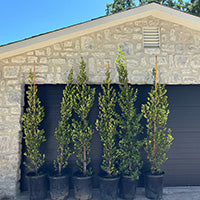

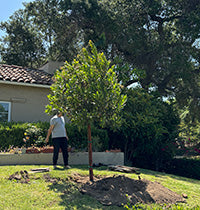

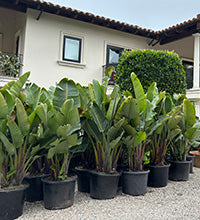
A Modern Experience
At Yardwork, we carefully curate thousands of plants, in all container sizes, to provide you with the best selection of the highest quality trees and plants at the best price, with the convenience of an online platform.
Uncompromised Quality
We choose only the finest specimens and hand select our plants just before delivery to ensure you receive the freshest and most robust specimens available for your landscape.
Industry Leading Warranties
Our 30, 90, and 365 extended warranties provide some of the best coverage to ensure our trees and plants thrive in your landscape.
Frequently Asked Questions
We're committed to changing everything about trees and plants - how they’re grown, how you shop for them, and how much they cost. We handle orders ourselves. No middlemen to get between us (or our prices) and you.
We're committed to changing everything about trees and plants - how they’re grown, how you shop for them, and how much they cost. We handle orders ourselves. No middlemen to get between us (or our prices) and you.
Delivery does not include unloading of trees and plants LARGER than a 24" box.
Trees and plants in smaller containers will be dropped curbside (usually on the driveway or near the front doorstep).
Delivery beyond a curbside drop will be charged extra.
Trees and plants that are sold in container sizes LARGER than a 24" box size will require equipment and/or enough manpower onsite to help unload from the truck.
Please reach out to our team PRIOR to placing your order to help coordinate.
Our team can provide unloading assistance with equipment for an extra fee as well.
Delivery does not include unloading of trees and plants LARGER than a 24" box.
Trees and plants in smaller containers will be dropped curbside (usually on the driveway or near the front doorstep).
Delivery beyond a curbside drop will be charged extra.
Trees and plants that are sold in container sizes LARGER than a 24" box size will require equipment and/or enough manpower onsite to help unload from the truck.
Please reach out to our team PRIOR to placing your order to help coordinate.
Our team can provide unloading assistance with equipment for an extra fee as well.
We ship locally within California within 7-10 days of your order being placed.
We ship nationally using carrier partners, based on order size.
Text or call 323-576-4159 for specific shipping details for your location.
We ship locally within California within 7-10 days of your order being placed.
We ship nationally using carrier partners, based on order size.
Text or call 323-576-4159 for specific shipping details for your location.
We are currently online only and don't have physical locations where you can view plants in person.
That's why we have photos direct from the growing grounds of the plants we will ship and we display pricing right in our store.
We do make sure to pick the very best trees and plants prior to shipping and make sure that they have gone through our multi-point inspection for health and structure.
We will always reach out prior to delivery if we find a quality issue or need to provide a substitute.
We are currently online only and don't have physical locations where you can view plants in person.
That's why we have photos direct from the growing grounds of the plants we will ship and we display pricing right in our store.
We do make sure to pick the very best trees and plants prior to shipping and make sure that they have gone through our multi-point inspection for health and structure.
We will always reach out prior to delivery if we find a quality issue or need to provide a substitute.
Plants vary greatly by type. Here is a rough idea of sizes based on containers that are direct from our growing grounds.
15 Gallon Shrub 3-4 Ft. Tall
15 Gallon Tree 5-6 Ft. Tall
24" Box Shrub 5-6 Ft. Tall
24" Box Tree 6-7 Ft. Tall
36" Box Shrub/Tree 7-9 Ft. Tall
48" Box Shrub/Tree 8-10 Ft. Tall
**Please note that we do not make guarantees of sizes. If you have questions or concerns, please call or text to request accurate sizing for the particular plant you're considering, prior to ordering.
Plants vary greatly by type. Here is a rough idea of sizes based on containers that are direct from our growing grounds.
15 Gallon Shrub 3-4 Ft. Tall
15 Gallon Tree 5-6 Ft. Tall
24" Box Shrub 5-6 Ft. Tall
24" Box Tree 6-7 Ft. Tall
36" Box Shrub/Tree 7-9 Ft. Tall
48" Box Shrub/Tree 8-10 Ft. Tall
**Please note that we do not make guarantees of sizes. If you have questions or concerns, please call or text to request accurate sizing for the particular plant you're considering, prior to ordering.
We offer a limited 30 day warranty for plants that are delivered and a 90 day warranty for plants that we plant.
The limited warranty covers plants that die as a result of disease or fungus which was derived from our growing grounds or from root balls that were root bound.
The warranty does not cover damage due to watering, fertilizer, soils, or any other conditions beyond our control. Additionally, the warranty does not cover certain plants that are shipped out of the state of California or shipped into California from other states. Custom plant orders are also not covered under warranty. Plants must be planted within 24 hours after delivery to qualify.
We can assist you in recommending the right soils and fertilizers to help your plant thrive after you plant it.
Text or call 323-576-4159 for further warranty information.
We offer a limited 30 day warranty for plants that are delivered and a 90 day warranty for plants that we plant.
The limited warranty covers plants that die as a result of disease or fungus which was derived from our growing grounds or from root balls that were root bound.
The warranty does not cover damage due to watering, fertilizer, soils, or any other conditions beyond our control. Additionally, the warranty does not cover certain plants that are shipped out of the state of California or shipped into California from other states. Custom plant orders are also not covered under warranty. Plants must be planted within 24 hours after delivery to qualify.
We can assist you in recommending the right soils and fertilizers to help your plant thrive after you plant it.
Text or call 323-576-4159 for further warranty information.
Our local delivery team covers most cities in California.
There are some exceptions, so please get in touch to confirm prior to ordering.
Additionally, we ship throughout the entire United States and even internationally. Each shipment is custom, so please reach out to our team to coordinate.
Our local delivery team covers most cities in California.
There are some exceptions, so please get in touch to confirm prior to ordering.
Additionally, we ship throughout the entire United States and even internationally. Each shipment is custom, so please reach out to our team to coordinate.