



Provence Lavender (Lavandula x intermedia ‘Provence’)
Regular price
$75.00
Size
Transform Your Garden with France’s Most Beloved Aromatic Perennial
Provence Lavender gives you the look, scent, and low-water performance of a Mediterranean garden in one heat-loving perennial. This popular hybrid lavender produces tall mauve-purple flower spikes, silver green foliage, and a strong fragrant presence that works beautifully in borders, herb gardens, rock gardens, mass plantings, bouquets, sachets, soaps, and dried flower arrangements.
Designed for full sun and well drained soil, Lavandula x intermedia ‘Provence’ is a wonderful addition for California gardeners who want showy lavender flowers without constant watering. It brings the feeling of lavender fields in Provence, France, into the home garden-while staying practical for hot summers, dry soil, and warm winter climates.
Why You’ll Love Provence Lavender
-
Exceptional Fragrance – Provence lavender is highly valued for fragrance and is often used in soap making and dried flower arrangements, making this plant a popular choice among artisans. As a lavandin, it has a stronger, more camphoraceous scent than true lavender, so it is excellent for aromatic uses, sachets, cosmetics, and crafts; for delicate culinary lavender, fine lavender or English lavender is usually the better choice.
-
Prolific Blooming – A prolific bloomer with long mauve-purple flower heads, Provence lavender brings abundant lavender flowers through the main lavender season. Lavender fields typically bloom from mid-June to early August, with harvesting beginning in July for lavandin and peaking in August for true lavender.
-
Heat & Drought Tolerant – ‘Provence’ lavender is tolerant of poor soils, heat, and drought, and can withstand high humidity levels, making it suitable for various growing conditions. It performs especially well in California-style drought-tolerant gardens with sun-drenched days, minimal summer rain, and fast-draining soil.
-
Pollinator Magnet – Bees and butterflies love the flowers, while deer and rabbit pressure is typically low. Use it to attract pollinators near rosemary, thyme, sage, and other aromatic plants, or pair it with low-growing lavender Mexican heather for extended nectar and color.
-
Versatile Uses – Cut flowers, dried bouquets, sachets, soaps, natural house fragrance, borders, containers, and mass plantings are all excellent uses. Provence is not the same as culinary-focused English lavender, but a careful, light hand may be used by experienced cooks who understand its stronger lavandin flavor, especially when combined with flowering trees that frame garden rooms.
What Makes Provence Lavender Different
Most alternatives are either compact English lavender varieties grown for sweeter culinary uses, or ornamental types such as Lavandula dentata that offer a different flower and foliage look. Provence Lavender (Lavandula x intermedia) is a lavandin hybrid bred for height, fragrance, oil yield, and dramatic flower display. It offers:
-
Bold, Aromatic Fragrance – Lavandin (Lavandula x intermedia) is a hybrid that yields significantly more oil and is used to scent soaps and household products. True Lavender (Lavandula angustifolia) produces the highest quality essential oil prized for fine perfumery, while Provence lavender is best known for strong garden fragrance, dried flowers, and artisan uses.
-
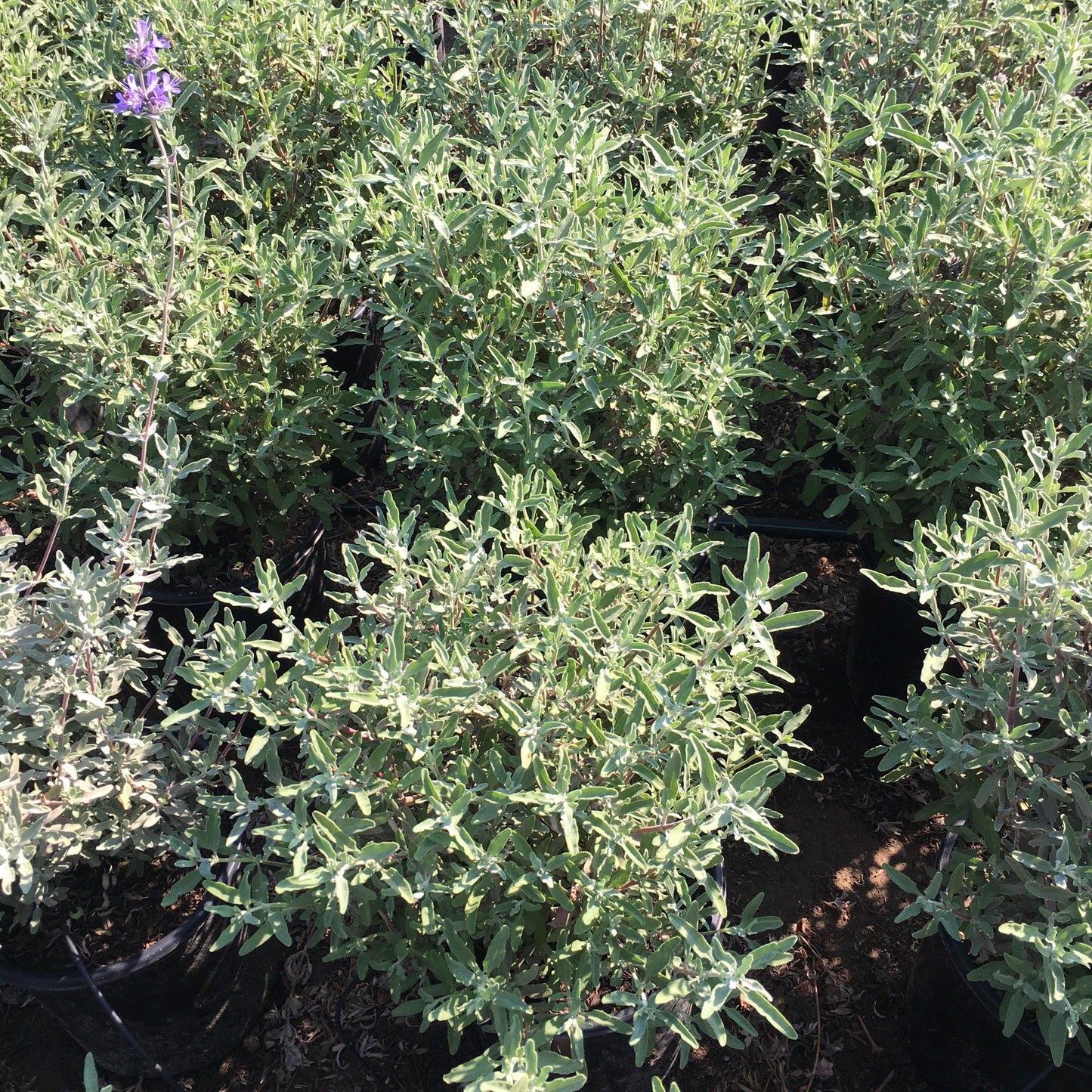
Larger Flower Spikes – ‘Provence’ lavender (Lavandula x intermedia) is known for its tall stature, reaching heights of 30-36 inches, and is characterized by its long, mauve-purple flower spikes and silver-green foliage. Compared with many English lavender plants, it grows taller, creates more visual fill, and gives borders a fuller countryside effect.
-
Superior Heat Tolerance – The climate in Provence is characterized by hot, sun-drenched summers and cool, crisp winters, which is ideal for lavender cultivation. That same preference makes Provence lavender a smart choice for sunny California gardens, especially south- or west-facing beds with dry soil and strong light, where it can be paired with drought-tolerant structural plants like Tree Aloe.
Provence is also part of a much larger lavender story. Provence serves as a primary global producer of premium essential oils, and lavender is cultivated primarily for high-end essential oils used in global cosmetics and perfumes. Lavender cultivation is the economic and cultural backbone of Provence, France, where the industry spans over 20,000 hectares across four main departments in Provence.
How to Grow Provence Lavender
-
Plant in Full Sun
Choose a location with 6-8 hours of direct sunlight daily. Lavender needs sun to stay dense, fragrant, and blooming. In too much shade, the plant may stretch, produce fewer flowers, and become more disease-prone. -
Ensure Good Drainage
Lavender requires well-drained alkaline soils that do not hold water to thrive. Plant in sandy, loamy, gravelly, or raised beds rather than heavy clay. If your garden stays wet in winter, improve drainage before planting or use large containers with a gritty soil mix, possibly integrating drought-hardy trees like California pepper tree further from beds where soil stays drier. -
Water Establishment
Water deeply during the first spring and summer so roots develop well. Once established, Provence lavender becomes drought tolerant and prefers infrequent deep watering over frequent shallow watering. Avoid soggy soil around the crown. -
Annual Pruning
Prune lightly after flowering to keep a rounded shape, remove faded flowers, and promote continued bloom where conditions allow. Trim back to green growth rather than cutting into old bare wood. New leaves will push best from healthy, leafy stems.
For harvesting, cut flower stems in the morning once dew has dried and buds are just beginning to open. Hang bunches in a dark, airy place for dried flowers, sachets, bouquets, and crafts.
Plant Specifications
-
Botanical Name: Lavandula x intermedia ‘Provence’
-
Common Name: Provence lavender, French lavender, lavandin Provence
-
Mature Size: 30-36 inches tall and wide
-
Flower Color: Long mauve-purple flower spikes
-
Foliage: Silver-green foliage; evergreen in many warm winter climates
-
Bloom Time: Late spring through summer, with peak blooming often from mid June into early August
-
Hardiness Zones: 5-9; suitable for most of California except the highest elevations
-
Sun Exposure: Full sun
-
Soil Requirements: Well drained, sandy or loamy soil; neutral to alkaline pH around 6.0-8.0, similar to the conditions favored by California pepper trees in dry landscapes
-
Water Needs: Medium during establishment; low once established
-
Growth Habit: Rounded, fragrant perennial shrub
-
Uses: Cut flowers, dried arrangements, sachets, soaps, cosmetics, borders, herb gardens, rock gardens, and mass plantings
-
Shipped as: Potted lavender plants ready for immediate planting, not seeds
The plants are typically perennial and produce for 7 to 10 years when grown in the right sun, soil, and drainage conditions.
Who It's For
Ideal for:
-
Homeowners creating Mediterranean-style landscapes, herb gardens, and fragrant entry paths
-
Gardeners seeking low-maintenance, drought-tolerant perennials for hot, dry sites
-
Crafters interested in lavender flowers for sachets, bouquets, soaps, and natural home fragrance
-
Anyone designing pollinator-friendly gardens that attract bees and butterflies while discouraging deer and rabbit browsing
-
Designers using mass plantings to create a lavender fields effect along borders, slopes, walkways, and sunny garden rooms, often combined with evergreen backbone shrubs like Toyon
If you want the romance of Provence without the upkeep of thirsty garden plants, this heat loving lavender fits beautifully. The lavender fields in Provence bloom from May to early August, with the best viewing times typically between late June and early July; in California gardens, your own lavender season will vary by microclimate, pruning, and temperatures.
For inspiration, the Chemin des Lavandes in Sault is a 4-km walking loop that offers a scenic view of lavender fields and includes interpretive panels about lavender cultivation. The Valensole Plateau is renowned for its expansive lavender and wheat fields, covering over 800 km², and is considered a postcard-perfect location for viewing lavender in bloom; in a home garden, you can echo that effect by layering Provence lavender with evergreen screening shrubs like Cheesewood and Pittosporum and other structural shrubs and small trees from our nursery collection.
Frequently Asked Questions
How long does it take to establish?
Plan on the first season for establishment, with fuller size and stronger blooming in 2-3 years. Once mature, Provence lavender can remain productive for many seasons when planted in full sun and well drained soil.
Can I use it for cooking?
Use caution. Provence lavender is sometimes discussed alongside culinary lavender, but it is a lavandin, not true lavender. Its stronger fragrance can become bitter or medicinal in food if overused. For desserts, teas, and delicate culinary blends, English lavender or fine lavender is usually preferred.
How often should I water it?
Water deeply about weekly during the first year, adjusting for weather and soil moisture. After establishment, water much less often-monthly or less in many gardens-because Provence lavender prefers dry soil over constantly wet conditions.
When should I harvest flowers?
Harvest in the early morning when buds are just opening for the best fragrance. Lavender fields typically bloom from mid-June to early August, with harvesting beginning in July for lavandin and peaking in August for true lavender.
Will it survive California winters?
Yes, in most California gardens. Provence lavender is hardy in Zones 5-9 and handles warm winter climates well when the soil drains properly. Avoid planting where winter water collects.
Why is Provence so closely associated with lavender?
Lavender cultivation is the economic and cultural backbone of Provence, France. The lavender industry employs roughly 25,000 people across approximately 1,700 farms and over 120 specialized distilleries. Commercial farming of lavender shifted from 90% wild-harvested in 1920 to 90% human-cultivated by 1960, helping create the organized lavender crops and fields known today.
Are lavender crops under threat?
Yes. The climate crisis poses significant stress on the lavender industry, leading to reduced crop moisture and spreading diseases. Choosing resilient, drought-tolerant aromatic plants for home landscapes is one practical way gardeners are adapting to hotter, drier conditions.
Does Provence celebrate the lavender harvest?
Yes. Provence is known for its aromatic festivals celebrating the lavender harvest, drawing visitors from the countryside to cities such as Paris and beyond who come for the flowers, fragrance, and cultural history.
Ready to Create Your Fragrant Garden Oasis?
Choose Provence Lavender and enjoy years of stunning blooms, silver green foliage, strong fragrance, pollinator activity, and easy-care beauty. Yardwork makes it simple to create a California-ready lavender garden with healthy potted plants, delivery support, and expert consultation services for site selection, soil drainage, and planting design.
Transform Your Garden with France’s Most Beloved Aromatic Perennial
Provence Lavender gives you the look, scent, and low-water performance of a Mediterranean garden in one heat-loving perennial. This popular hybrid lavender produces tall mauve-purple flower spikes, silver green foliage, and a strong fragrant presence that works beautifully in borders, herb gardens, rock gardens, mass plantings, bouquets, sachets, soaps, and dried flower arrangements.
Designed for full sun and well drained soil, Lavandula x intermedia ‘Provence’ is a wonderful addition for California gardeners who want showy lavender flowers without constant watering. It brings the feeling of lavender fields in Provence, France, into the home garden-while staying practical for hot summers, dry soil, and warm winter climates.
Why You’ll Love Provence Lavender
-
Exceptional Fragrance – Provence lavender is highly valued for fragrance and is often used in soap making and dried flower arrangements, making this plant a popular choice among artisans. As a lavandin, it has a stronger, more camphoraceous scent than true lavender, so it is excellent for aromatic uses, sachets, cosmetics, and crafts; for delicate culinary lavender, fine lavender or English lavender is usually the better choice.
-
Prolific Blooming – A prolific bloomer with long mauve-purple flower heads, Provence lavender brings abundant lavender flowers through the main lavender season. Lavender fields typically bloom from mid-June to early August, with harvesting beginning in July for lavandin and peaking in August for true lavender.
-
Heat & Drought Tolerant – ‘Provence’ lavender is tolerant of poor soils, heat, and drought, and can withstand high humidity levels, making it suitable for various growing conditions. It performs especially well in California-style drought-tolerant gardens with sun-drenched days, minimal summer rain, and fast-draining soil.
-
Pollinator Magnet – Bees and butterflies love the flowers, while deer and rabbit pressure is typically low. Use it to attract pollinators near rosemary, thyme, sage, and other aromatic plants, or pair it with low-growing lavender Mexican heather for extended nectar and color.
-
Versatile Uses – Cut flowers, dried bouquets, sachets, soaps, natural house fragrance, borders, containers, and mass plantings are all excellent uses. Provence is not the same as culinary-focused English lavender, but a careful, light hand may be used by experienced cooks who understand its stronger lavandin flavor, especially when combined with flowering trees that frame garden rooms.
What Makes Provence Lavender Different
Most alternatives are either compact English lavender varieties grown for sweeter culinary uses, or ornamental types such as Lavandula dentata that offer a different flower and foliage look. Provence Lavender (Lavandula x intermedia) is a lavandin hybrid bred for height, fragrance, oil yield, and dramatic flower display. It offers:
-
Bold, Aromatic Fragrance – Lavandin (Lavandula x intermedia) is a hybrid that yields significantly more oil and is used to scent soaps and household products. True Lavender (Lavandula angustifolia) produces the highest quality essential oil prized for fine perfumery, while Provence lavender is best known for strong garden fragrance, dried flowers, and artisan uses.
-
Larger Flower Spikes – ‘Provence’ lavender (Lavandula x intermedia) is known for its tall stature, reaching heights of 30-36 inches, and is characterized by its long, mauve-purple flower spikes and silver-green foliage. Compared with many English lavender plants, it grows taller, creates more visual fill, and gives borders a fuller countryside effect.
-
Superior Heat Tolerance – The climate in Provence is characterized by hot, sun-drenched summers and cool, crisp winters, which is ideal for lavender cultivation. That same preference makes Provence lavender a smart choice for sunny California gardens, especially south- or west-facing beds with dry soil and strong light, where it can be paired with drought-tolerant structural plants like Tree Aloe.
Provence is also part of a much larger lavender story. Provence serves as a primary global producer of premium essential oils, and lavender is cultivated primarily for high-end essential oils used in global cosmetics and perfumes. Lavender cultivation is the economic and cultural backbone of Provence, France, where the industry spans over 20,000 hectares across four main departments in Provence.
How to Grow Provence Lavender
-
Plant in Full Sun
Choose a location with 6-8 hours of direct sunlight daily. Lavender needs sun to stay dense, fragrant, and blooming. In too much shade, the plant may stretch, produce fewer flowers, and become more disease-prone. -
Ensure Good Drainage
Lavender requires well-drained alkaline soils that do not hold water to thrive. Plant in sandy, loamy, gravelly, or raised beds rather than heavy clay. If your garden stays wet in winter, improve drainage before planting or use large containers with a gritty soil mix, possibly integrating drought-hardy trees like California pepper tree further from beds where soil stays drier. -
Water Establishment
Water deeply during the first spring and summer so roots develop well. Once established, Provence lavender becomes drought tolerant and prefers infrequent deep watering over frequent shallow watering. Avoid soggy soil around the crown. -
Annual Pruning
Prune lightly after flowering to keep a rounded shape, remove faded flowers, and promote continued bloom where conditions allow. Trim back to green growth rather than cutting into old bare wood. New leaves will push best from healthy, leafy stems.
For harvesting, cut flower stems in the morning once dew has dried and buds are just beginning to open. Hang bunches in a dark, airy place for dried flowers, sachets, bouquets, and crafts.
Plant Specifications
-
Botanical Name: Lavandula x intermedia ‘Provence’
-
Common Name: Provence lavender, French lavender, lavandin Provence
-
Mature Size: 30-36 inches tall and wide
-
Flower Color: Long mauve-purple flower spikes
-
Foliage: Silver-green foliage; evergreen in many warm winter climates
-
Bloom Time: Late spring through summer, with peak blooming often from mid June into early August
-
Hardiness Zones: 5-9; suitable for most of California except the highest elevations
-
Sun Exposure: Full sun
-
Soil Requirements: Well drained, sandy or loamy soil; neutral to alkaline pH around 6.0-8.0, similar to the conditions favored by California pepper trees in dry landscapes
-
Water Needs: Medium during establishment; low once established
-
Growth Habit: Rounded, fragrant perennial shrub
-
Uses: Cut flowers, dried arrangements, sachets, soaps, cosmetics, borders, herb gardens, rock gardens, and mass plantings
-
Shipped as: Potted lavender plants ready for immediate planting, not seeds
The plants are typically perennial and produce for 7 to 10 years when grown in the right sun, soil, and drainage conditions.
Who It's For
Ideal for:
-
Homeowners creating Mediterranean-style landscapes, herb gardens, and fragrant entry paths
-
Gardeners seeking low-maintenance, drought-tolerant perennials for hot, dry sites
-
Crafters interested in lavender flowers for sachets, bouquets, soaps, and natural home fragrance
-
Anyone designing pollinator-friendly gardens that attract bees and butterflies while discouraging deer and rabbit browsing
-
Designers using mass plantings to create a lavender fields effect along borders, slopes, walkways, and sunny garden rooms, often combined with evergreen backbone shrubs like Toyon
If you want the romance of Provence without the upkeep of thirsty garden plants, this heat loving lavender fits beautifully. The lavender fields in Provence bloom from May to early August, with the best viewing times typically between late June and early July; in California gardens, your own lavender season will vary by microclimate, pruning, and temperatures.
For inspiration, the Chemin des Lavandes in Sault is a 4-km walking loop that offers a scenic view of lavender fields and includes interpretive panels about lavender cultivation. The Valensole Plateau is renowned for its expansive lavender and wheat fields, covering over 800 km², and is considered a postcard-perfect location for viewing lavender in bloom; in a home garden, you can echo that effect by layering Provence lavender with evergreen screening shrubs like Cheesewood and Pittosporum and other structural shrubs and small trees from our nursery collection.
Frequently Asked Questions
How long does it take to establish?
Plan on the first season for establishment, with fuller size and stronger blooming in 2-3 years. Once mature, Provence lavender can remain productive for many seasons when planted in full sun and well drained soil.
Can I use it for cooking?
Use caution. Provence lavender is sometimes discussed alongside culinary lavender, but it is a lavandin, not true lavender. Its stronger fragrance can become bitter or medicinal in food if overused. For desserts, teas, and delicate culinary blends, English lavender or fine lavender is usually preferred.
How often should I water it?
Water deeply about weekly during the first year, adjusting for weather and soil moisture. After establishment, water much less often-monthly or less in many gardens-because Provence lavender prefers dry soil over constantly wet conditions.
When should I harvest flowers?
Harvest in the early morning when buds are just opening for the best fragrance. Lavender fields typically bloom from mid-June to early August, with harvesting beginning in July for lavandin and peaking in August for true lavender.
Will it survive California winters?
Yes, in most California gardens. Provence lavender is hardy in Zones 5-9 and handles warm winter climates well when the soil drains properly. Avoid planting where winter water collects.
Why is Provence so closely associated with lavender?
Lavender cultivation is the economic and cultural backbone of Provence, France. The lavender industry employs roughly 25,000 people across approximately 1,700 farms and over 120 specialized distilleries. Commercial farming of lavender shifted from 90% wild-harvested in 1920 to 90% human-cultivated by 1960, helping create the organized lavender crops and fields known today.
Are lavender crops under threat?
Yes. The climate crisis poses significant stress on the lavender industry, leading to reduced crop moisture and spreading diseases. Choosing resilient, drought-tolerant aromatic plants for home landscapes is one practical way gardeners are adapting to hotter, drier conditions.
Does Provence celebrate the lavender harvest?
Yes. Provence is known for its aromatic festivals celebrating the lavender harvest, drawing visitors from the countryside to cities such as Paris and beyond who come for the flowers, fragrance, and cultural history.
Ready to Create Your Fragrant Garden Oasis?
Choose Provence Lavender and enjoy years of stunning blooms, silver green foliage, strong fragrance, pollinator activity, and easy-care beauty. Yardwork makes it simple to create a California-ready lavender garden with healthy potted plants, delivery support, and expert consultation services for site selection, soil drainage, and planting design.
Plants vary greatly by type and no guarantees are made on sizing.
However here is a rough idea of sizes based on containers that are direct from our growing grounds.
15 Gallon Shrub 3-4 Ft. Tall
15 Gallon Tree 5-6 Ft. Tall
24" Box Shrub 5-6 Ft. Tall
24" Box Tree 6-7 Ft. Tall
36" Box Tree 8-10 Ft. Tall
48" Box Tree 10-12 Ft. Tall
Please note: Citrus and California Native plants such as Manzanita are smaller than traditional sizing.
Please contact us to confirm sizing of items before purchasing if this is a concern.
Plants vary greatly by type and no guarantees are made on sizing.
However here is a rough idea of sizes based on containers that are direct from our growing grounds.
15 Gallon Shrub 3-4 Ft. Tall
15 Gallon Tree 5-6 Ft. Tall
24" Box Shrub 5-6 Ft. Tall
24" Box Tree 6-7 Ft. Tall
36" Box Tree 8-10 Ft. Tall
48" Box Tree 10-12 Ft. Tall
Please note: Citrus and California Native plants such as Manzanita are smaller than traditional sizing.
Please contact us to confirm sizing of items before purchasing if this is a concern.
Delivery does not include unloading of trees and plants larger than a 24" box.
Trees and plants in smaller containers will be dropped curbside.
Delivery beyond a curbside drop will be charged extra.
Trees and plants that are sold in container sizes larger than a 24" box size will require equipment and an operator onsite to help unload from the truck.
Please reach out to our team PRIOR to placing your order to coordinate.
Our team can provide unloading assistance with equipment for an extra fee.
Delivery does not include unloading of trees and plants larger than a 24" box.
Trees and plants in smaller containers will be dropped curbside.
Delivery beyond a curbside drop will be charged extra.
Trees and plants that are sold in container sizes larger than a 24" box size will require equipment and an operator onsite to help unload from the truck.
Please reach out to our team PRIOR to placing your order to coordinate.
Our team can provide unloading assistance with equipment for an extra fee.
You may also like...


Provence Lavender (Lavandula x intermedia ‘Provence’)
Regular price
$75.00
Size
Transform Your Garden with France’s Most Beloved Aromatic Perennial
Provence Lavender gives you the look, scent, and low-water performance of a Mediterranean garden in one heat-loving perennial. This popular hybrid lavender produces tall mauve-purple flower spikes, silver green foliage, and a strong fragrant presence that works beautifully in borders, herb gardens, rock gardens, mass plantings, bouquets, sachets, soaps, and dried flower arrangements.
Designed for full sun and well drained soil, Lavandula x intermedia ‘Provence’ is a wonderful addition for California gardeners who want showy lavender flowers without constant watering. It brings the feeling of lavender fields in Provence, France, into the home garden-while staying practical for hot summers, dry soil, and warm winter climates.
Why You’ll Love Provence Lavender
-
Exceptional Fragrance – Provence lavender is highly valued for fragrance and is often used in soap making and dried flower arrangements, making this plant a popular choice among artisans. As a lavandin, it has a stronger, more camphoraceous scent than true lavender, so it is excellent for aromatic uses, sachets, cosmetics, and crafts; for delicate culinary lavender, fine lavender or English lavender is usually the better choice.
-
Prolific Blooming – A prolific bloomer with long mauve-purple flower heads, Provence lavender brings abundant lavender flowers through the main lavender season. Lavender fields typically bloom from mid-June to early August, with harvesting beginning in July for lavandin and peaking in August for true lavender.
-
Heat & Drought Tolerant – ‘Provence’ lavender is tolerant of poor soils, heat, and drought, and can withstand high humidity levels, making it suitable for various growing conditions. It performs especially well in California-style drought-tolerant gardens with sun-drenched days, minimal summer rain, and fast-draining soil.
-
Pollinator Magnet – Bees and butterflies love the flowers, while deer and rabbit pressure is typically low. Use it to attract pollinators near rosemary, thyme, sage, and other aromatic plants, or pair it with low-growing lavender Mexican heather for extended nectar and color.
-
Versatile Uses – Cut flowers, dried bouquets, sachets, soaps, natural house fragrance, borders, containers, and mass plantings are all excellent uses. Provence is not the same as culinary-focused English lavender, but a careful, light hand may be used by experienced cooks who understand its stronger lavandin flavor, especially when combined with flowering trees that frame garden rooms.
What Makes Provence Lavender Different
Most alternatives are either compact English lavender varieties grown for sweeter culinary uses, or ornamental types such as Lavandula dentata that offer a different flower and foliage look. Provence Lavender (Lavandula x intermedia) is a lavandin hybrid bred for height, fragrance, oil yield, and dramatic flower display. It offers:
-
Bold, Aromatic Fragrance – Lavandin (Lavandula x intermedia) is a hybrid that yields significantly more oil and is used to scent soaps and household products. True Lavender (Lavandula angustifolia) produces the highest quality essential oil prized for fine perfumery, while Provence lavender is best known for strong garden fragrance, dried flowers, and artisan uses.
-
Larger Flower Spikes – ‘Provence’ lavender (Lavandula x intermedia) is known for its tall stature, reaching heights of 30-36 inches, and is characterized by its long, mauve-purple flower spikes and silver-green foliage. Compared with many English lavender plants, it grows taller, creates more visual fill, and gives borders a fuller countryside effect.
-
Superior Heat Tolerance – The climate in Provence is characterized by hot, sun-drenched summers and cool, crisp winters, which is ideal for lavender cultivation. That same preference makes Provence lavender a smart choice for sunny California gardens, especially south- or west-facing beds with dry soil and strong light, where it can be paired with drought-tolerant structural plants like Tree Aloe.
Provence is also part of a much larger lavender story. Provence serves as a primary global producer of premium essential oils, and lavender is cultivated primarily for high-end essential oils used in global cosmetics and perfumes. Lavender cultivation is the economic and cultural backbone of Provence, France, where the industry spans over 20,000 hectares across four main departments in Provence.
How to Grow Provence Lavender
-
Plant in Full Sun
Choose a location with 6-8 hours of direct sunlight daily. Lavender needs sun to stay dense, fragrant, and blooming. In too much shade, the plant may stretch, produce fewer flowers, and become more disease-prone. -
Ensure Good Drainage
Lavender requires well-drained alkaline soils that do not hold water to thrive. Plant in sandy, loamy, gravelly, or raised beds rather than heavy clay. If your garden stays wet in winter, improve drainage before planting or use large containers with a gritty soil mix, possibly integrating drought-hardy trees like California pepper tree further from beds where soil stays drier. -
Water Establishment
Water deeply during the first spring and summer so roots develop well. Once established, Provence lavender becomes drought tolerant and prefers infrequent deep watering over frequent shallow watering. Avoid soggy soil around the crown. -
Annual Pruning
Prune lightly after flowering to keep a rounded shape, remove faded flowers, and promote continued bloom where conditions allow. Trim back to green growth rather than cutting into old bare wood. New leaves will push best from healthy, leafy stems.
For harvesting, cut flower stems in the morning once dew has dried and buds are just beginning to open. Hang bunches in a dark, airy place for dried flowers, sachets, bouquets, and crafts.
Plant Specifications
-
Botanical Name: Lavandula x intermedia ‘Provence’
-
Common Name: Provence lavender, French lavender, lavandin Provence
-
Mature Size: 30-36 inches tall and wide
-
Flower Color: Long mauve-purple flower spikes
-
Foliage: Silver-green foliage; evergreen in many warm winter climates
-
Bloom Time: Late spring through summer, with peak blooming often from mid June into early August
-
Hardiness Zones: 5-9; suitable for most of California except the highest elevations
-
Sun Exposure: Full sun
-
Soil Requirements: Well drained, sandy or loamy soil; neutral to alkaline pH around 6.0-8.0, similar to the conditions favored by California pepper trees in dry landscapes
-
Water Needs: Medium during establishment; low once established
-
Growth Habit: Rounded, fragrant perennial shrub
-
Uses: Cut flowers, dried arrangements, sachets, soaps, cosmetics, borders, herb gardens, rock gardens, and mass plantings
-
Shipped as: Potted lavender plants ready for immediate planting, not seeds
The plants are typically perennial and produce for 7 to 10 years when grown in the right sun, soil, and drainage conditions.
Who It's For
Ideal for:
-
Homeowners creating Mediterranean-style landscapes, herb gardens, and fragrant entry paths
-
Gardeners seeking low-maintenance, drought-tolerant perennials for hot, dry sites
-
Crafters interested in lavender flowers for sachets, bouquets, soaps, and natural home fragrance
-
Anyone designing pollinator-friendly gardens that attract bees and butterflies while discouraging deer and rabbit browsing
-
Designers using mass plantings to create a lavender fields effect along borders, slopes, walkways, and sunny garden rooms, often combined with evergreen backbone shrubs like Toyon
If you want the romance of Provence without the upkeep of thirsty garden plants, this heat loving lavender fits beautifully. The lavender fields in Provence bloom from May to early August, with the best viewing times typically between late June and early July; in California gardens, your own lavender season will vary by microclimate, pruning, and temperatures.
For inspiration, the Chemin des Lavandes in Sault is a 4-km walking loop that offers a scenic view of lavender fields and includes interpretive panels about lavender cultivation. The Valensole Plateau is renowned for its expansive lavender and wheat fields, covering over 800 km², and is considered a postcard-perfect location for viewing lavender in bloom; in a home garden, you can echo that effect by layering Provence lavender with evergreen screening shrubs like Cheesewood and Pittosporum and other structural shrubs and small trees from our nursery collection.
Frequently Asked Questions
How long does it take to establish?
Plan on the first season for establishment, with fuller size and stronger blooming in 2-3 years. Once mature, Provence lavender can remain productive for many seasons when planted in full sun and well drained soil.
Can I use it for cooking?
Use caution. Provence lavender is sometimes discussed alongside culinary lavender, but it is a lavandin, not true lavender. Its stronger fragrance can become bitter or medicinal in food if overused. For desserts, teas, and delicate culinary blends, English lavender or fine lavender is usually preferred.
How often should I water it?
Water deeply about weekly during the first year, adjusting for weather and soil moisture. After establishment, water much less often-monthly or less in many gardens-because Provence lavender prefers dry soil over constantly wet conditions.
When should I harvest flowers?
Harvest in the early morning when buds are just opening for the best fragrance. Lavender fields typically bloom from mid-June to early August, with harvesting beginning in July for lavandin and peaking in August for true lavender.
Will it survive California winters?
Yes, in most California gardens. Provence lavender is hardy in Zones 5-9 and handles warm winter climates well when the soil drains properly. Avoid planting where winter water collects.
Why is Provence so closely associated with lavender?
Lavender cultivation is the economic and cultural backbone of Provence, France. The lavender industry employs roughly 25,000 people across approximately 1,700 farms and over 120 specialized distilleries. Commercial farming of lavender shifted from 90% wild-harvested in 1920 to 90% human-cultivated by 1960, helping create the organized lavender crops and fields known today.
Are lavender crops under threat?
Yes. The climate crisis poses significant stress on the lavender industry, leading to reduced crop moisture and spreading diseases. Choosing resilient, drought-tolerant aromatic plants for home landscapes is one practical way gardeners are adapting to hotter, drier conditions.
Does Provence celebrate the lavender harvest?
Yes. Provence is known for its aromatic festivals celebrating the lavender harvest, drawing visitors from the countryside to cities such as Paris and beyond who come for the flowers, fragrance, and cultural history.
Ready to Create Your Fragrant Garden Oasis?
Choose Provence Lavender and enjoy years of stunning blooms, silver green foliage, strong fragrance, pollinator activity, and easy-care beauty. Yardwork makes it simple to create a California-ready lavender garden with healthy potted plants, delivery support, and expert consultation services for site selection, soil drainage, and planting design.
Transform Your Garden with France’s Most Beloved Aromatic Perennial
Provence Lavender gives you the look, scent, and low-water performance of a Mediterranean garden in one heat-loving perennial. This popular hybrid lavender produces tall mauve-purple flower spikes, silver green foliage, and a strong fragrant presence that works beautifully in borders, herb gardens, rock gardens, mass plantings, bouquets, sachets, soaps, and dried flower arrangements.
Designed for full sun and well drained soil, Lavandula x intermedia ‘Provence’ is a wonderful addition for California gardeners who want showy lavender flowers without constant watering. It brings the feeling of lavender fields in Provence, France, into the home garden-while staying practical for hot summers, dry soil, and warm winter climates.
Why You’ll Love Provence Lavender
-
Exceptional Fragrance – Provence lavender is highly valued for fragrance and is often used in soap making and dried flower arrangements, making this plant a popular choice among artisans. As a lavandin, it has a stronger, more camphoraceous scent than true lavender, so it is excellent for aromatic uses, sachets, cosmetics, and crafts; for delicate culinary lavender, fine lavender or English lavender is usually the better choice.
-
Prolific Blooming – A prolific bloomer with long mauve-purple flower heads, Provence lavender brings abundant lavender flowers through the main lavender season. Lavender fields typically bloom from mid-June to early August, with harvesting beginning in July for lavandin and peaking in August for true lavender.
-
Heat & Drought Tolerant – ‘Provence’ lavender is tolerant of poor soils, heat, and drought, and can withstand high humidity levels, making it suitable for various growing conditions. It performs especially well in California-style drought-tolerant gardens with sun-drenched days, minimal summer rain, and fast-draining soil.
-
Pollinator Magnet – Bees and butterflies love the flowers, while deer and rabbit pressure is typically low. Use it to attract pollinators near rosemary, thyme, sage, and other aromatic plants, or pair it with low-growing lavender Mexican heather for extended nectar and color.
-
Versatile Uses – Cut flowers, dried bouquets, sachets, soaps, natural house fragrance, borders, containers, and mass plantings are all excellent uses. Provence is not the same as culinary-focused English lavender, but a careful, light hand may be used by experienced cooks who understand its stronger lavandin flavor, especially when combined with flowering trees that frame garden rooms.
What Makes Provence Lavender Different
Most alternatives are either compact English lavender varieties grown for sweeter culinary uses, or ornamental types such as Lavandula dentata that offer a different flower and foliage look. Provence Lavender (Lavandula x intermedia) is a lavandin hybrid bred for height, fragrance, oil yield, and dramatic flower display. It offers:
-
Bold, Aromatic Fragrance – Lavandin (Lavandula x intermedia) is a hybrid that yields significantly more oil and is used to scent soaps and household products. True Lavender (Lavandula angustifolia) produces the highest quality essential oil prized for fine perfumery, while Provence lavender is best known for strong garden fragrance, dried flowers, and artisan uses.
-
Larger Flower Spikes – ‘Provence’ lavender (Lavandula x intermedia) is known for its tall stature, reaching heights of 30-36 inches, and is characterized by its long, mauve-purple flower spikes and silver-green foliage. Compared with many English lavender plants, it grows taller, creates more visual fill, and gives borders a fuller countryside effect.
-
Superior Heat Tolerance – The climate in Provence is characterized by hot, sun-drenched summers and cool, crisp winters, which is ideal for lavender cultivation. That same preference makes Provence lavender a smart choice for sunny California gardens, especially south- or west-facing beds with dry soil and strong light, where it can be paired with drought-tolerant structural plants like Tree Aloe.
Provence is also part of a much larger lavender story. Provence serves as a primary global producer of premium essential oils, and lavender is cultivated primarily for high-end essential oils used in global cosmetics and perfumes. Lavender cultivation is the economic and cultural backbone of Provence, France, where the industry spans over 20,000 hectares across four main departments in Provence.
How to Grow Provence Lavender
-
Plant in Full Sun
Choose a location with 6-8 hours of direct sunlight daily. Lavender needs sun to stay dense, fragrant, and blooming. In too much shade, the plant may stretch, produce fewer flowers, and become more disease-prone. -
Ensure Good Drainage
Lavender requires well-drained alkaline soils that do not hold water to thrive. Plant in sandy, loamy, gravelly, or raised beds rather than heavy clay. If your garden stays wet in winter, improve drainage before planting or use large containers with a gritty soil mix, possibly integrating drought-hardy trees like California pepper tree further from beds where soil stays drier. -
Water Establishment
Water deeply during the first spring and summer so roots develop well. Once established, Provence lavender becomes drought tolerant and prefers infrequent deep watering over frequent shallow watering. Avoid soggy soil around the crown. -
Annual Pruning
Prune lightly after flowering to keep a rounded shape, remove faded flowers, and promote continued bloom where conditions allow. Trim back to green growth rather than cutting into old bare wood. New leaves will push best from healthy, leafy stems.
For harvesting, cut flower stems in the morning once dew has dried and buds are just beginning to open. Hang bunches in a dark, airy place for dried flowers, sachets, bouquets, and crafts.
Plant Specifications
-
Botanical Name: Lavandula x intermedia ‘Provence’
-
Common Name: Provence lavender, French lavender, lavandin Provence
-
Mature Size: 30-36 inches tall and wide
-
Flower Color: Long mauve-purple flower spikes
-
Foliage: Silver-green foliage; evergreen in many warm winter climates
-
Bloom Time: Late spring through summer, with peak blooming often from mid June into early August
-
Hardiness Zones: 5-9; suitable for most of California except the highest elevations
-
Sun Exposure: Full sun
-
Soil Requirements: Well drained, sandy or loamy soil; neutral to alkaline pH around 6.0-8.0, similar to the conditions favored by California pepper trees in dry landscapes
-
Water Needs: Medium during establishment; low once established
-
Growth Habit: Rounded, fragrant perennial shrub
-
Uses: Cut flowers, dried arrangements, sachets, soaps, cosmetics, borders, herb gardens, rock gardens, and mass plantings
-
Shipped as: Potted lavender plants ready for immediate planting, not seeds
The plants are typically perennial and produce for 7 to 10 years when grown in the right sun, soil, and drainage conditions.
Who It's For
Ideal for:
-
Homeowners creating Mediterranean-style landscapes, herb gardens, and fragrant entry paths
-
Gardeners seeking low-maintenance, drought-tolerant perennials for hot, dry sites
-
Crafters interested in lavender flowers for sachets, bouquets, soaps, and natural home fragrance
-
Anyone designing pollinator-friendly gardens that attract bees and butterflies while discouraging deer and rabbit browsing
-
Designers using mass plantings to create a lavender fields effect along borders, slopes, walkways, and sunny garden rooms, often combined with evergreen backbone shrubs like Toyon
If you want the romance of Provence without the upkeep of thirsty garden plants, this heat loving lavender fits beautifully. The lavender fields in Provence bloom from May to early August, with the best viewing times typically between late June and early July; in California gardens, your own lavender season will vary by microclimate, pruning, and temperatures.
For inspiration, the Chemin des Lavandes in Sault is a 4-km walking loop that offers a scenic view of lavender fields and includes interpretive panels about lavender cultivation. The Valensole Plateau is renowned for its expansive lavender and wheat fields, covering over 800 km², and is considered a postcard-perfect location for viewing lavender in bloom; in a home garden, you can echo that effect by layering Provence lavender with evergreen screening shrubs like Cheesewood and Pittosporum and other structural shrubs and small trees from our nursery collection.
Frequently Asked Questions
How long does it take to establish?
Plan on the first season for establishment, with fuller size and stronger blooming in 2-3 years. Once mature, Provence lavender can remain productive for many seasons when planted in full sun and well drained soil.
Can I use it for cooking?
Use caution. Provence lavender is sometimes discussed alongside culinary lavender, but it is a lavandin, not true lavender. Its stronger fragrance can become bitter or medicinal in food if overused. For desserts, teas, and delicate culinary blends, English lavender or fine lavender is usually preferred.
How often should I water it?
Water deeply about weekly during the first year, adjusting for weather and soil moisture. After establishment, water much less often-monthly or less in many gardens-because Provence lavender prefers dry soil over constantly wet conditions.
When should I harvest flowers?
Harvest in the early morning when buds are just opening for the best fragrance. Lavender fields typically bloom from mid-June to early August, with harvesting beginning in July for lavandin and peaking in August for true lavender.
Will it survive California winters?
Yes, in most California gardens. Provence lavender is hardy in Zones 5-9 and handles warm winter climates well when the soil drains properly. Avoid planting where winter water collects.
Why is Provence so closely associated with lavender?
Lavender cultivation is the economic and cultural backbone of Provence, France. The lavender industry employs roughly 25,000 people across approximately 1,700 farms and over 120 specialized distilleries. Commercial farming of lavender shifted from 90% wild-harvested in 1920 to 90% human-cultivated by 1960, helping create the organized lavender crops and fields known today.
Are lavender crops under threat?
Yes. The climate crisis poses significant stress on the lavender industry, leading to reduced crop moisture and spreading diseases. Choosing resilient, drought-tolerant aromatic plants for home landscapes is one practical way gardeners are adapting to hotter, drier conditions.
Does Provence celebrate the lavender harvest?
Yes. Provence is known for its aromatic festivals celebrating the lavender harvest, drawing visitors from the countryside to cities such as Paris and beyond who come for the flowers, fragrance, and cultural history.
Ready to Create Your Fragrant Garden Oasis?
Choose Provence Lavender and enjoy years of stunning blooms, silver green foliage, strong fragrance, pollinator activity, and easy-care beauty. Yardwork makes it simple to create a California-ready lavender garden with healthy potted plants, delivery support, and expert consultation services for site selection, soil drainage, and planting design.
Plants vary greatly by type and no guarantees are made on sizing.
However here is a rough idea of sizes based on containers that are direct from our growing grounds.
15 Gallon Shrub 3-4 Ft. Tall
15 Gallon Tree 5-6 Ft. Tall
24" Box Shrub 5-6 Ft. Tall
24" Box Tree 6-7 Ft. Tall
36" Box Tree 8-10 Ft. Tall
48" Box Tree 10-12 Ft. Tall
Please note: Citrus and California Native plants such as Manzanita are smaller than traditional sizing.
Please contact us to confirm sizing of items before purchasing if this is a concern.
Plants vary greatly by type and no guarantees are made on sizing.
However here is a rough idea of sizes based on containers that are direct from our growing grounds.
15 Gallon Shrub 3-4 Ft. Tall
15 Gallon Tree 5-6 Ft. Tall
24" Box Shrub 5-6 Ft. Tall
24" Box Tree 6-7 Ft. Tall
36" Box Tree 8-10 Ft. Tall
48" Box Tree 10-12 Ft. Tall
Please note: Citrus and California Native plants such as Manzanita are smaller than traditional sizing.
Please contact us to confirm sizing of items before purchasing if this is a concern.
Delivery does not include unloading of trees and plants larger than a 24" box.
Trees and plants in smaller containers will be dropped curbside.
Delivery beyond a curbside drop will be charged extra.
Trees and plants that are sold in container sizes larger than a 24" box size will require equipment and an operator onsite to help unload from the truck.
Please reach out to our team PRIOR to placing your order to coordinate.
Our team can provide unloading assistance with equipment for an extra fee.
Delivery does not include unloading of trees and plants larger than a 24" box.
Trees and plants in smaller containers will be dropped curbside.
Delivery beyond a curbside drop will be charged extra.
Trees and plants that are sold in container sizes larger than a 24" box size will require equipment and an operator onsite to help unload from the truck.
Please reach out to our team PRIOR to placing your order to coordinate.
Our team can provide unloading assistance with equipment for an extra fee.
Recommended For You



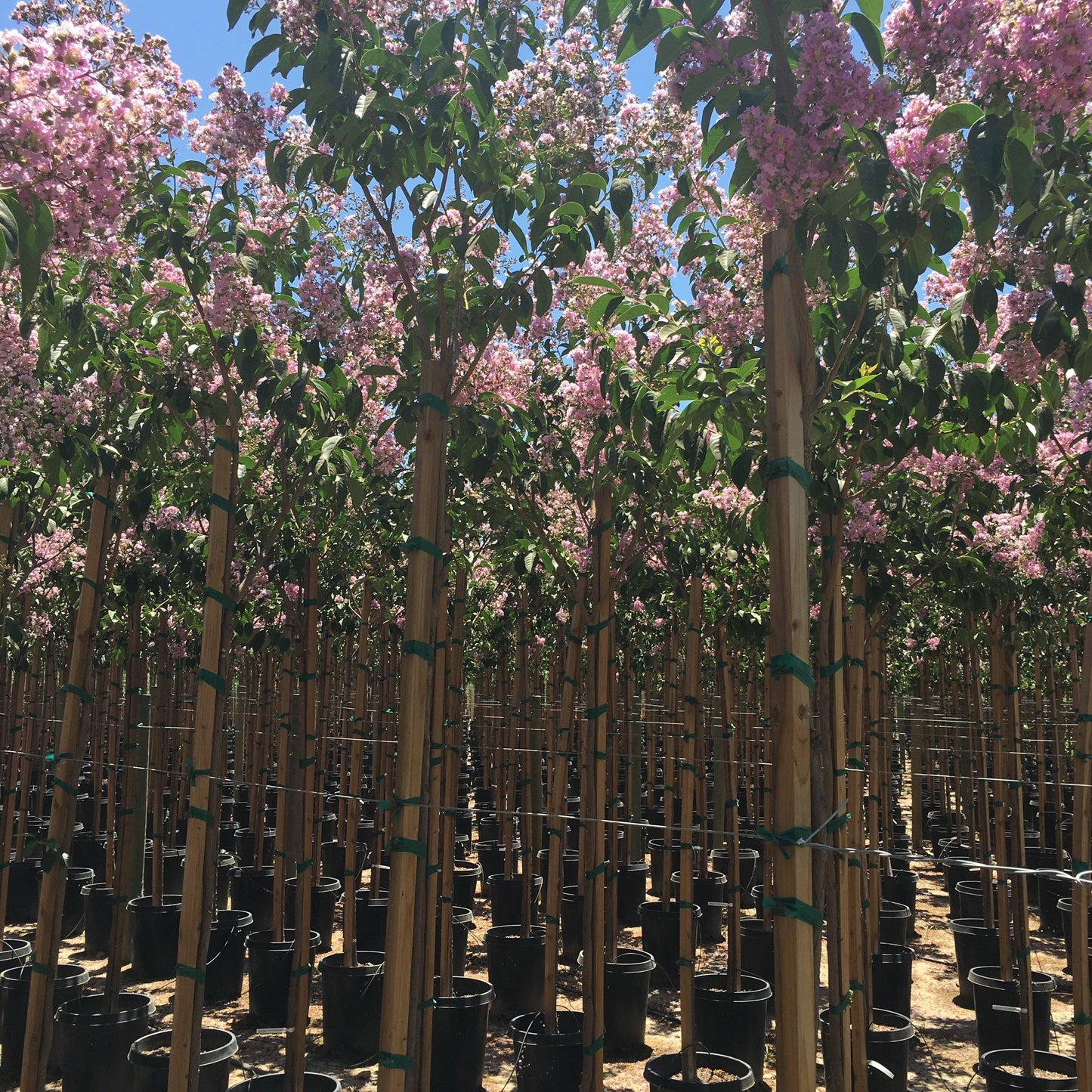

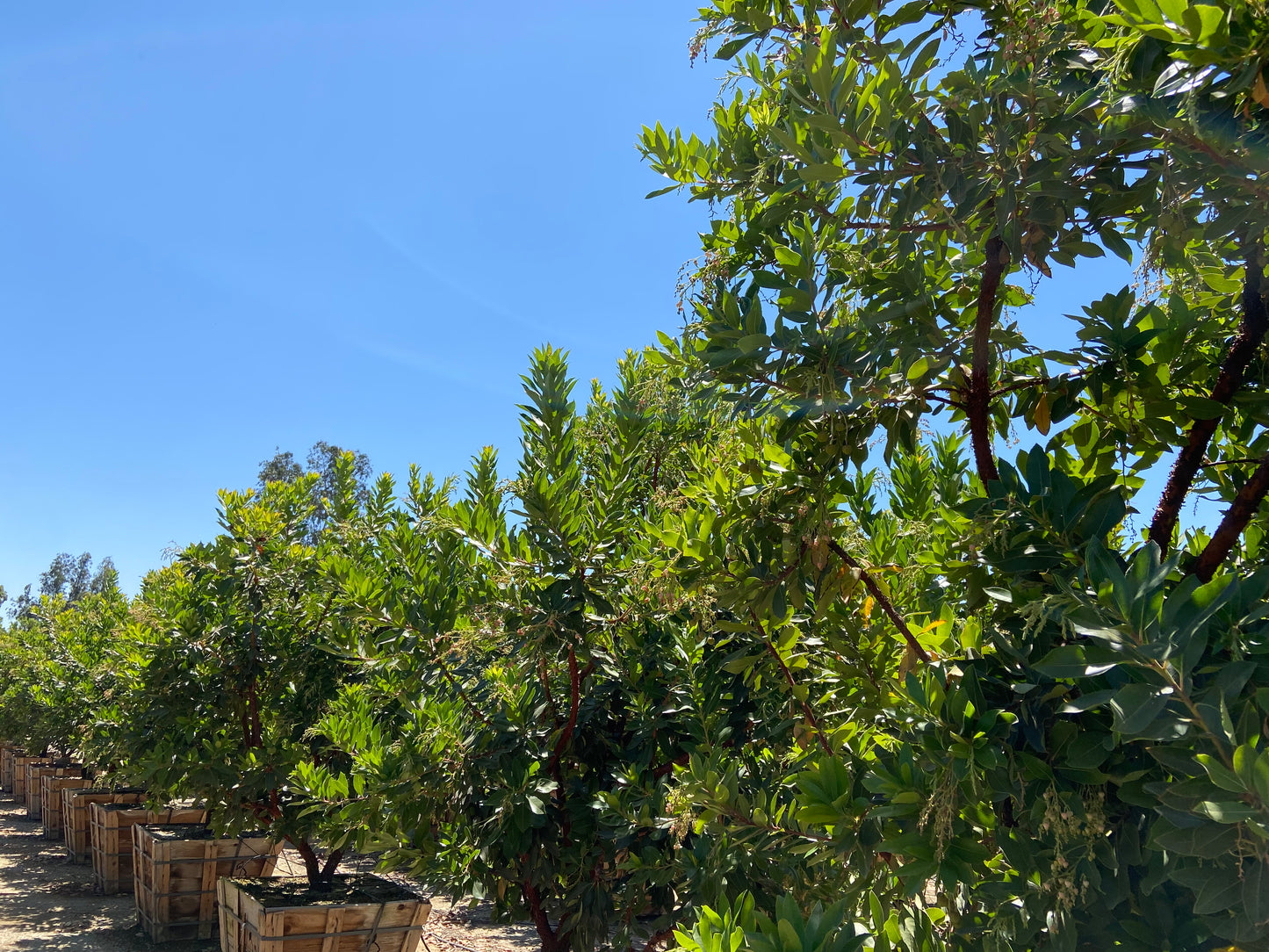

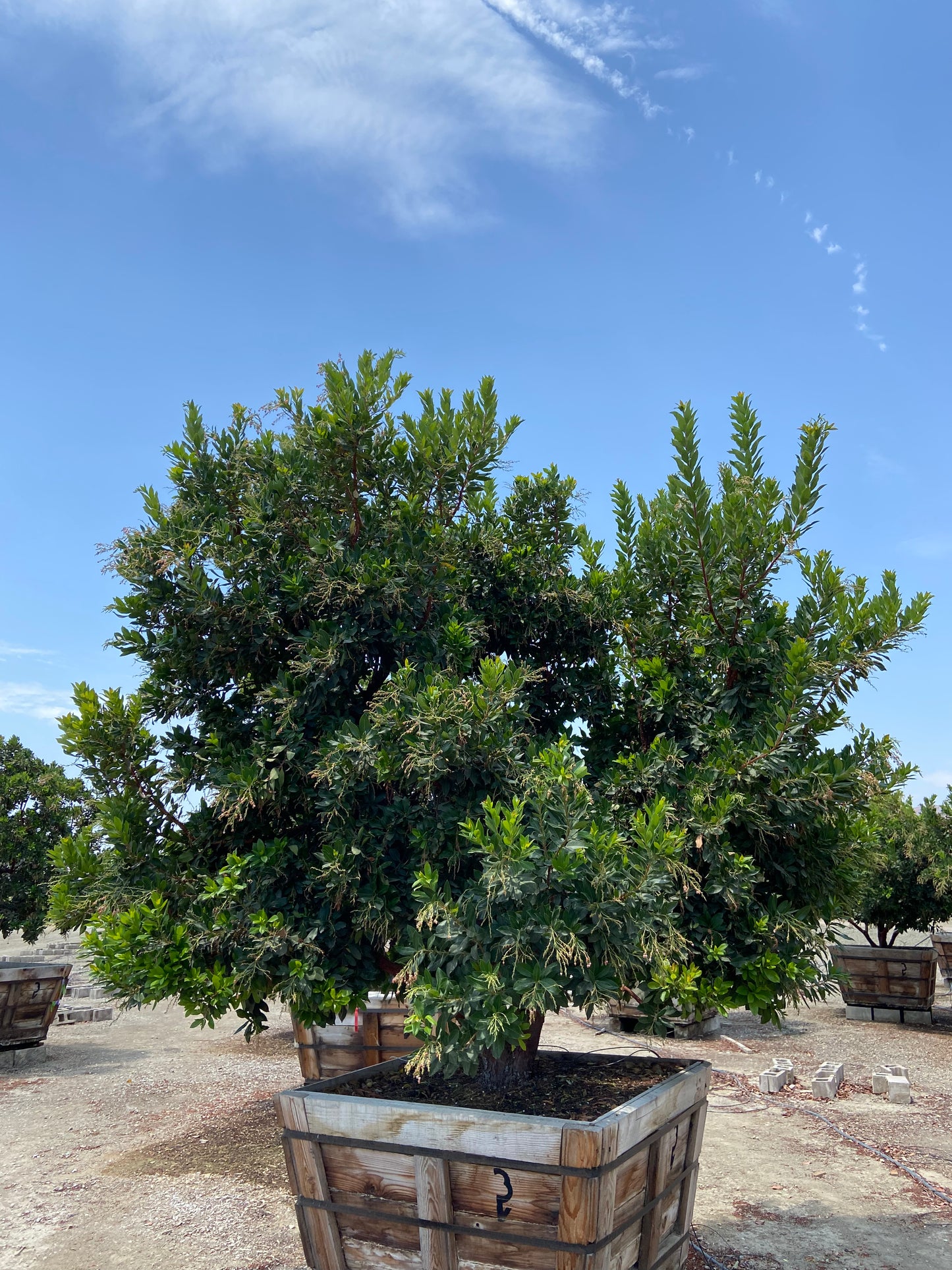

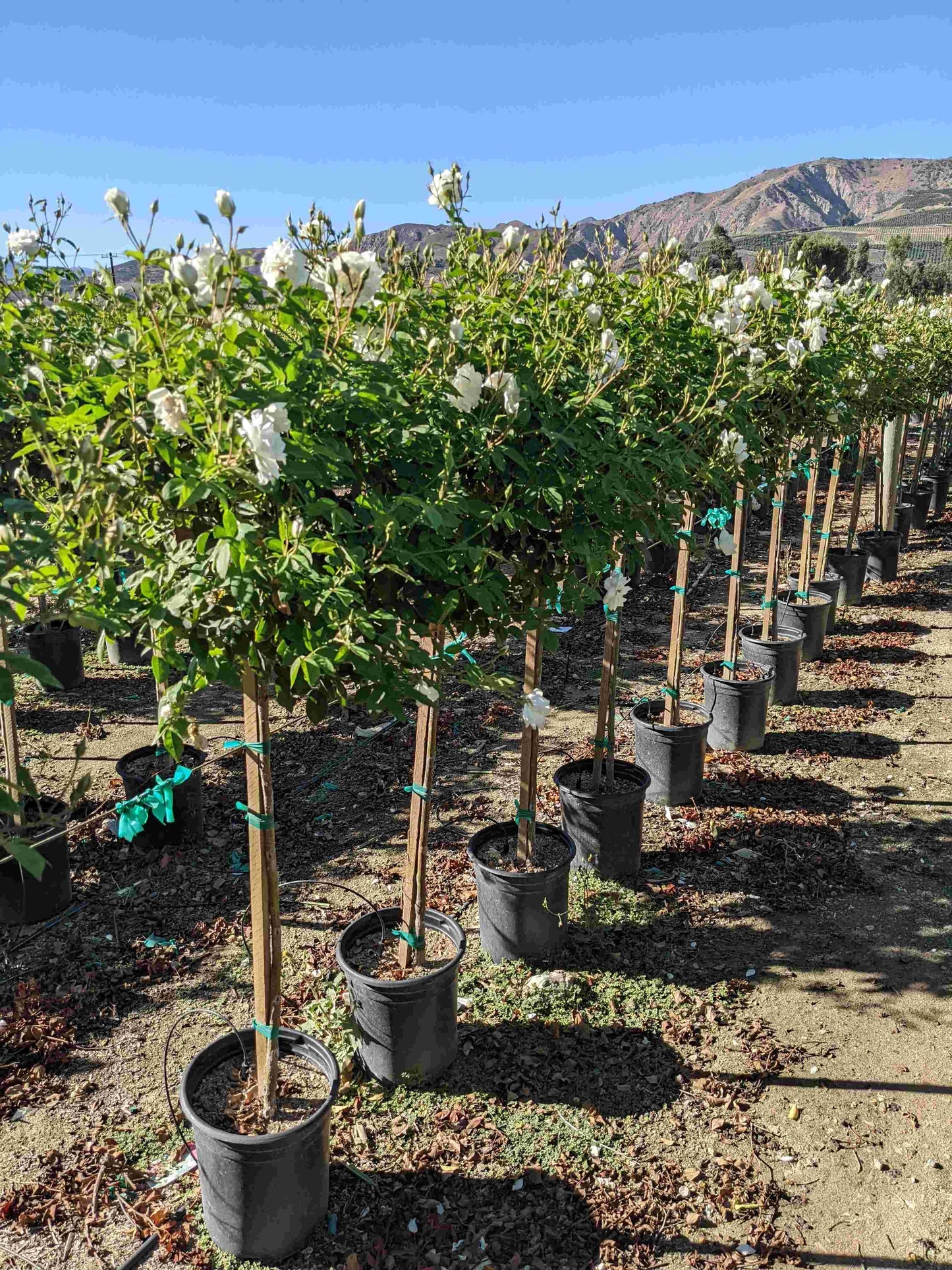

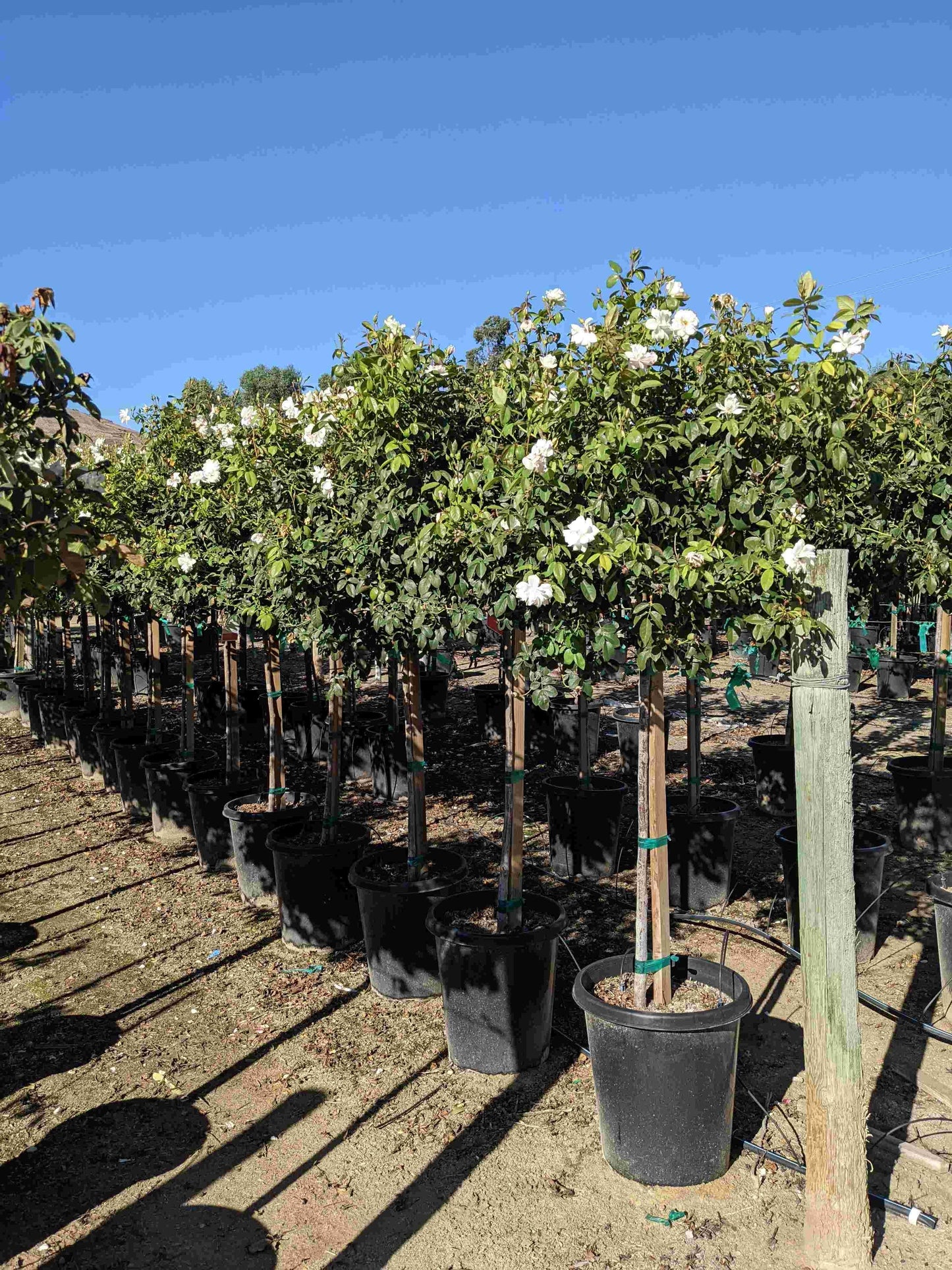

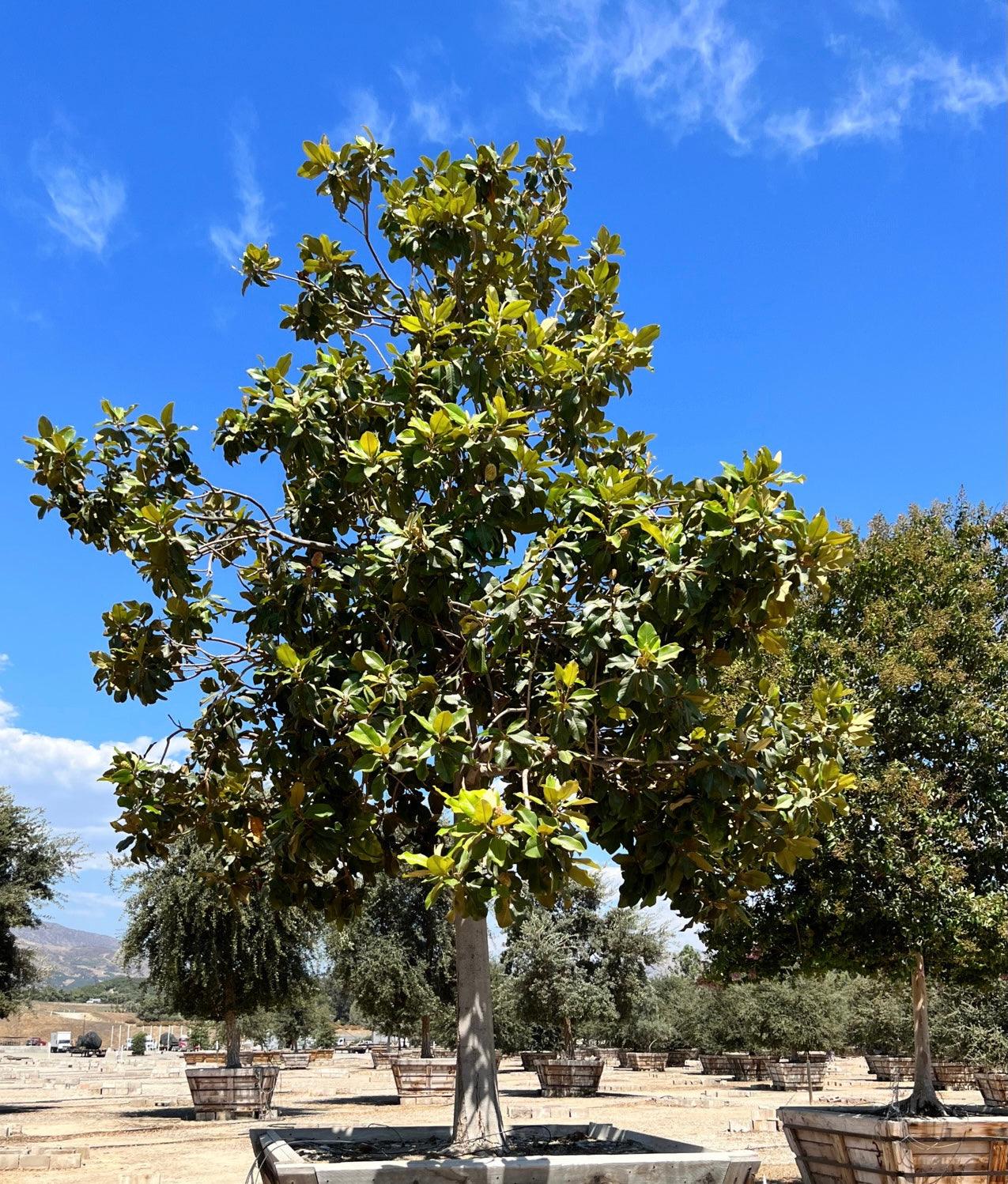

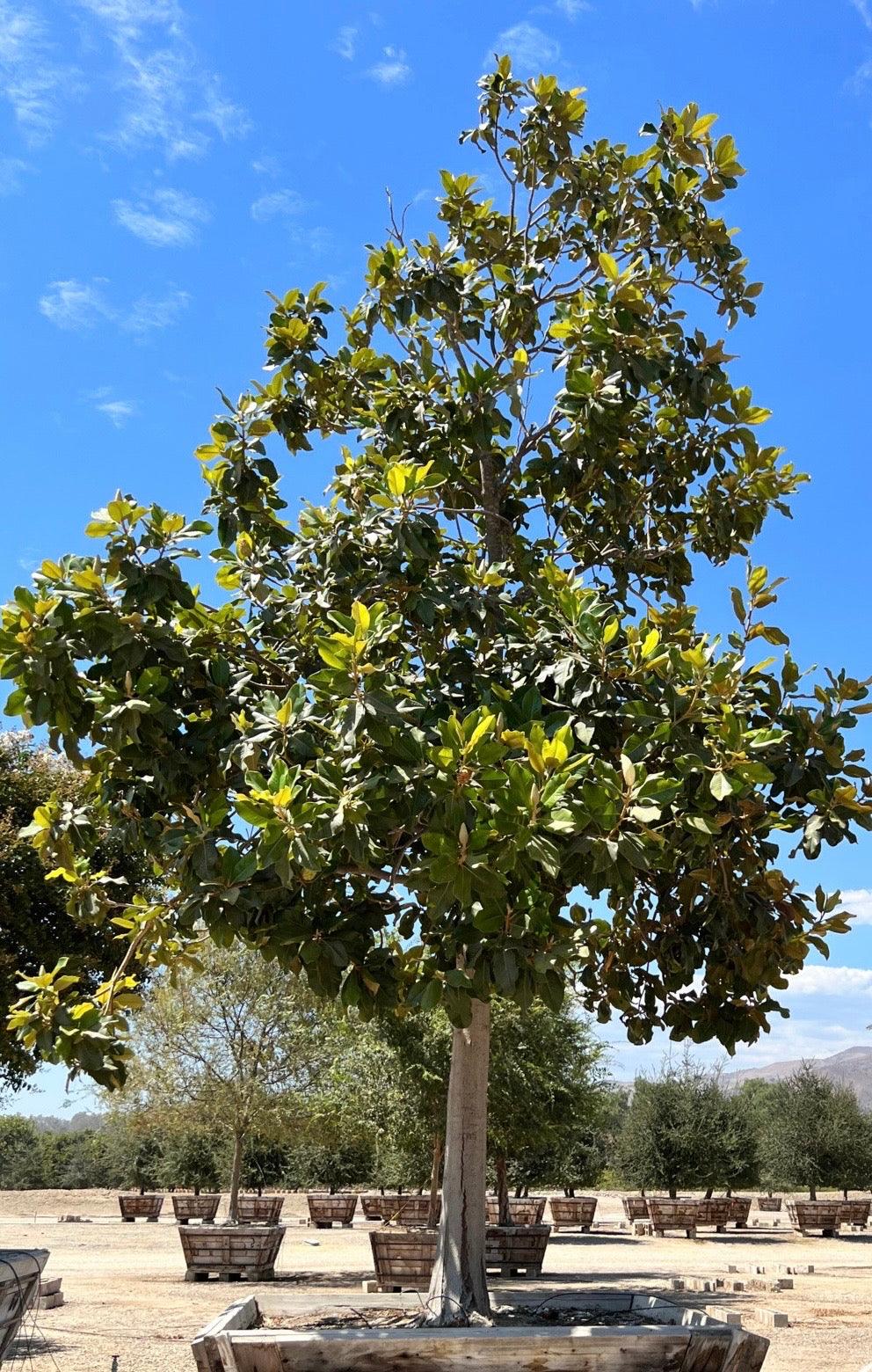

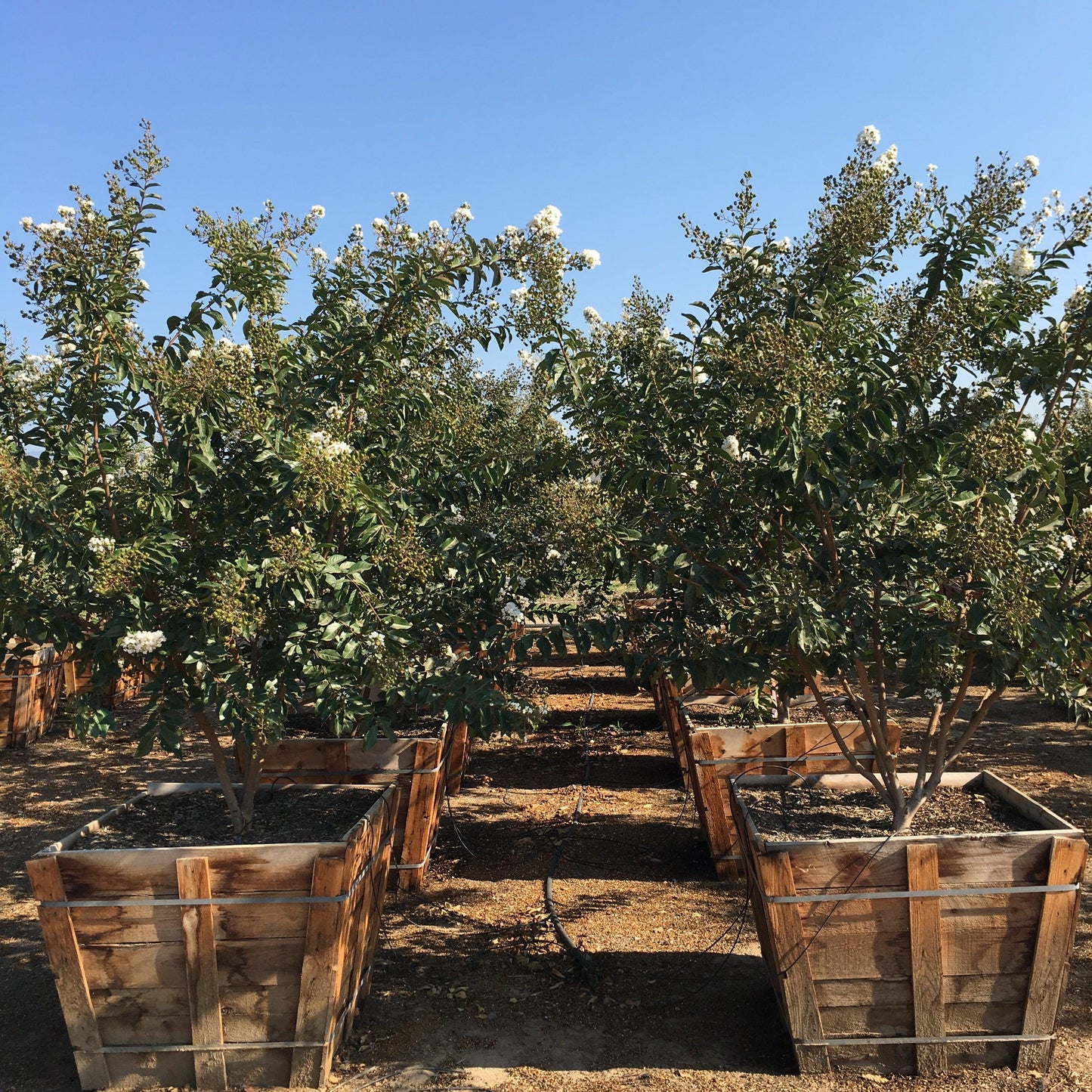





Pairs Well With













You May Also Like







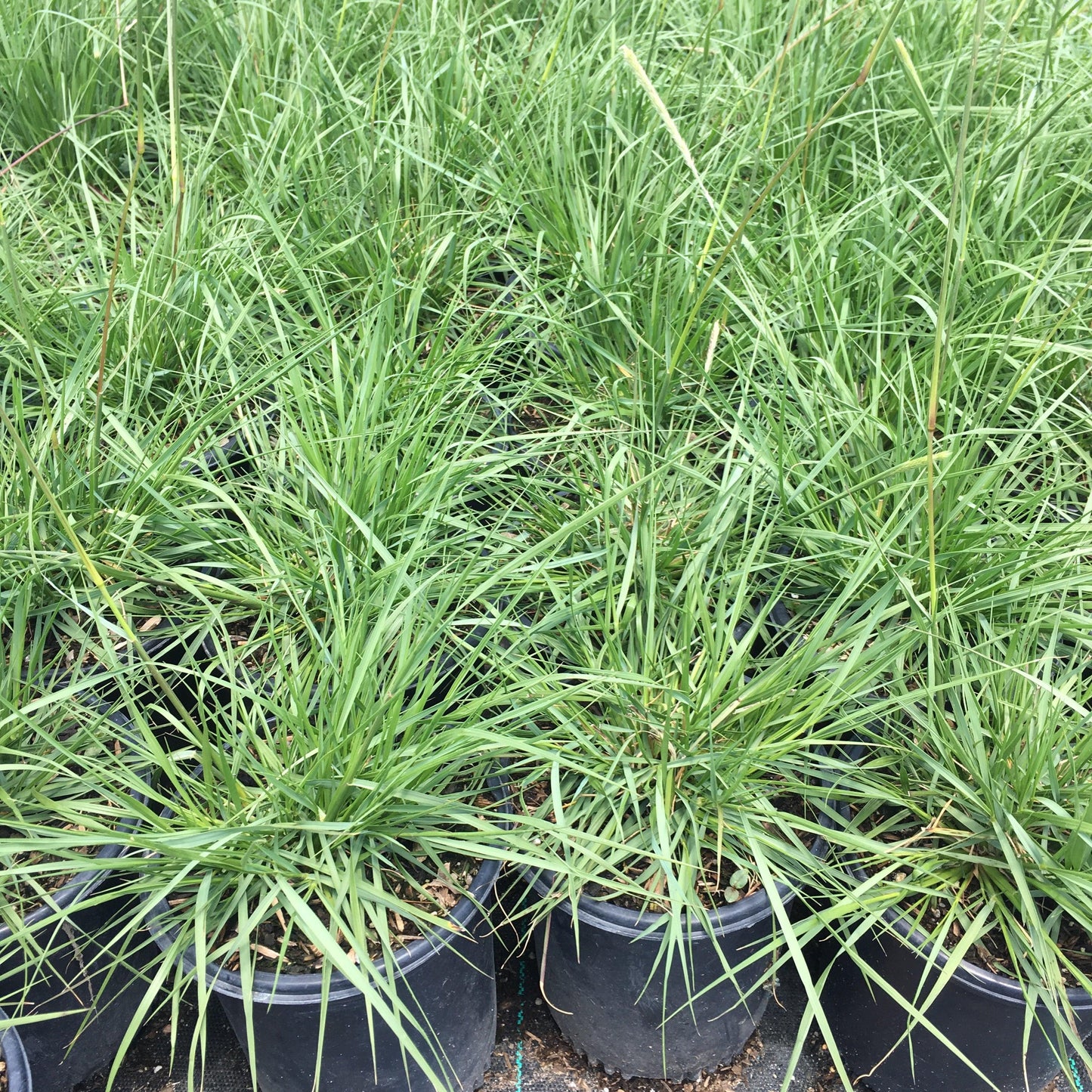

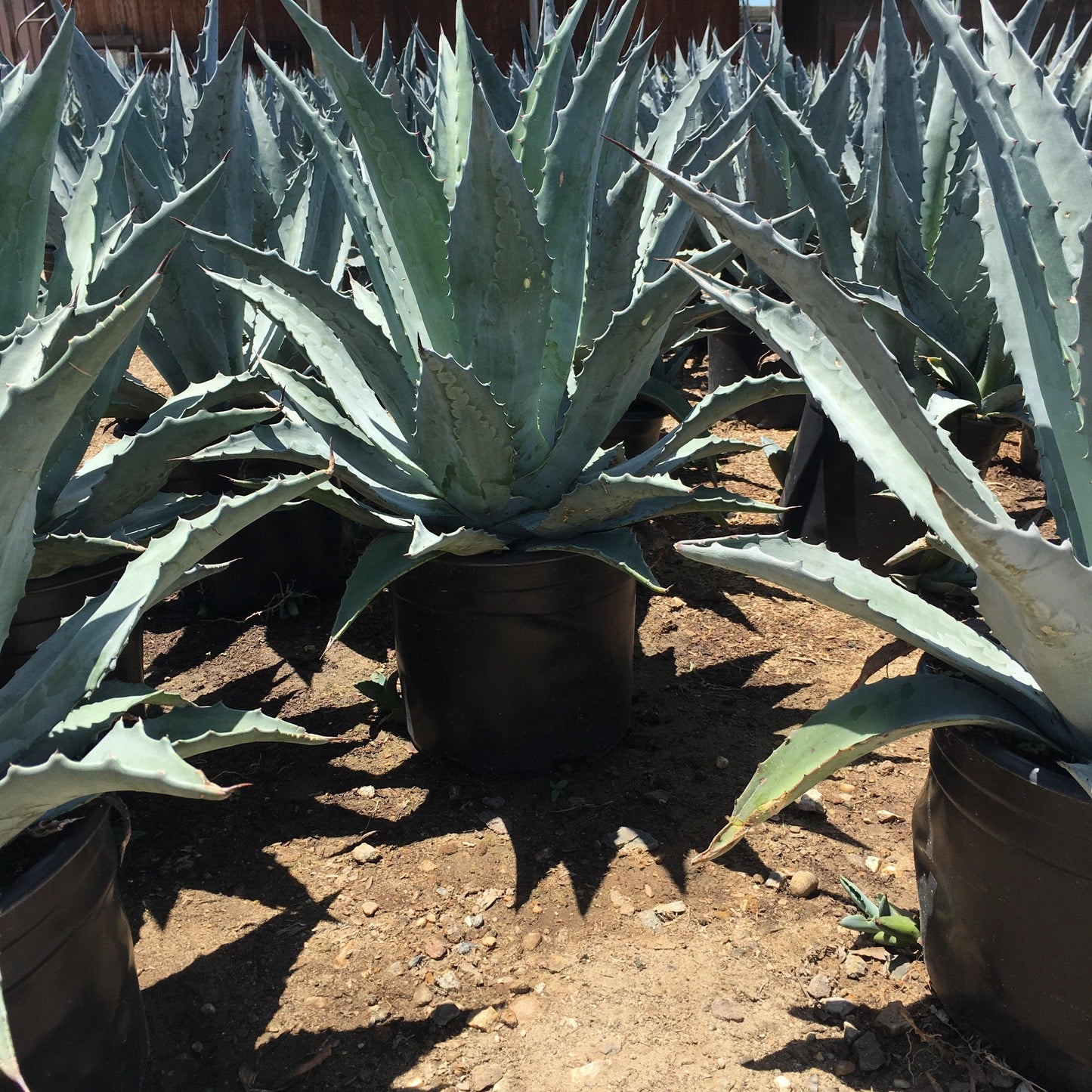

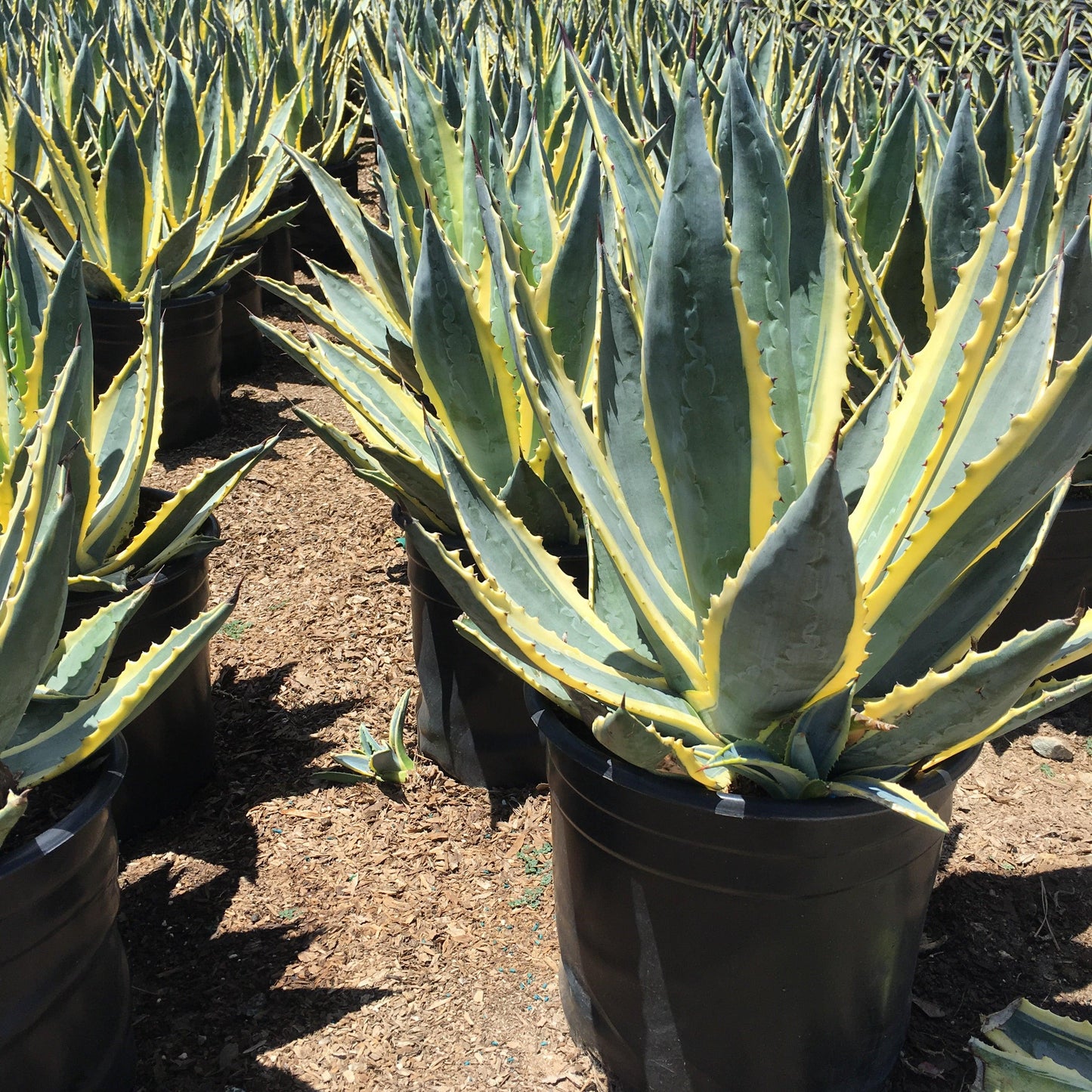

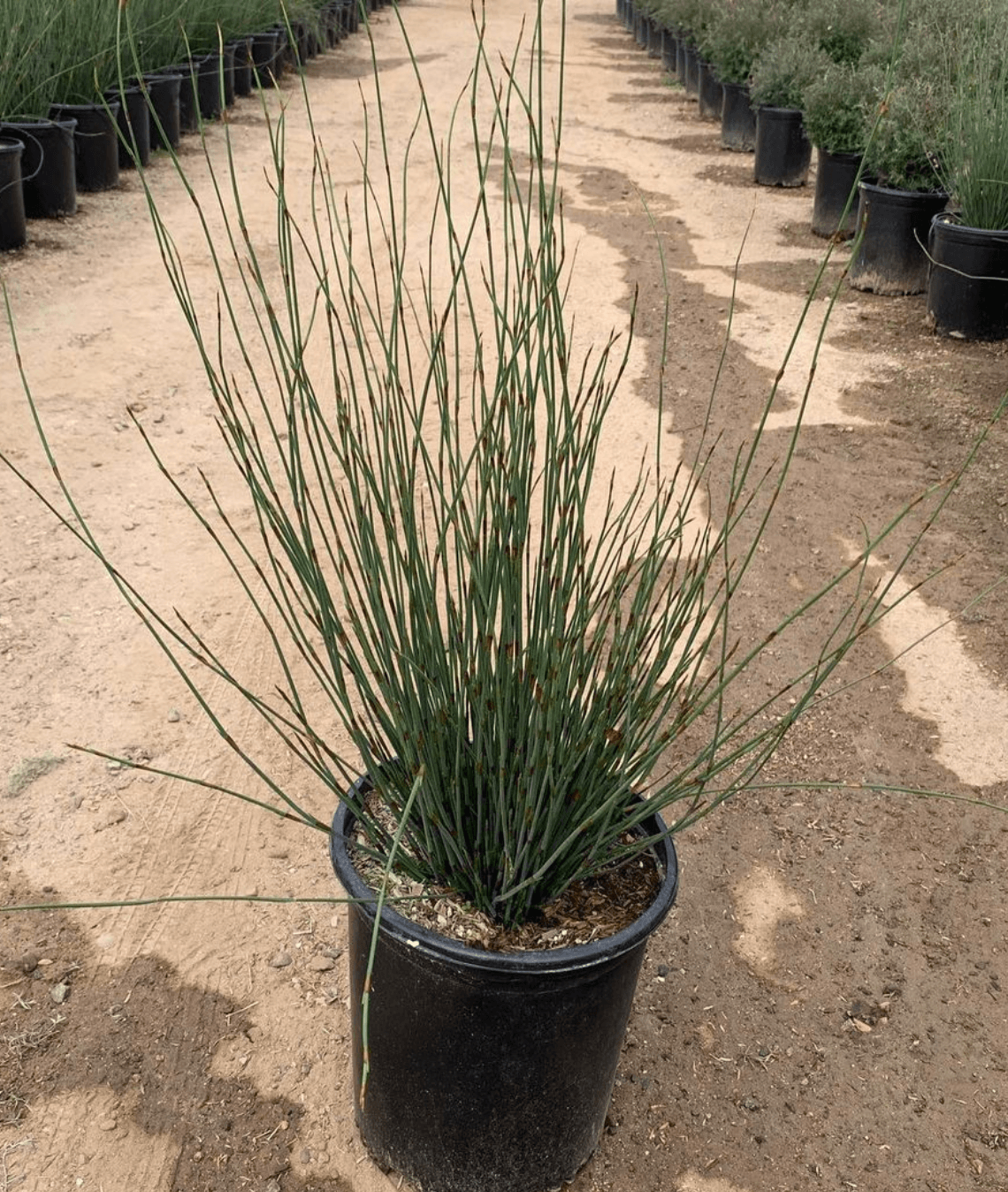


Thousands of Healthy Plants Delivered

Yardwork was so great to work with. First they had the Swan Hill olive trees that we had been searching for, we had contacted several other nurseries without any luck previously. Then they answered all of our questions in a timely matter prior to ordering and finally delivered within a few days of placing it. Their staff is incredibly knowledgeable; they delivered and planted our trees with expertise to ensure that they would do well in our yard. We would definitely work with them again for future projects.











A Modern Experience
At Yardwork, we carefully curate thousands of plants, in all container sizes, to provide you with the best selection of the highest quality trees and plants at the best price, with the convenience of an online platform.
Uncompromised Quality
We choose only the finest specimens and hand select our plants just before delivery to ensure you receive the freshest and most robust specimens available for your landscape.
Industry Leading Warranties
Our 30, 90, and 365 extended warranties provide some of the best coverage to ensure our trees and plants thrive in your landscape.
Frequently Asked Questions
We're committed to changing everything about trees and plants - how they’re grown, how you shop for them, and how much they cost. We handle orders ourselves. No middlemen to get between us (or our prices) and you.
We're committed to changing everything about trees and plants - how they’re grown, how you shop for them, and how much they cost. We handle orders ourselves. No middlemen to get between us (or our prices) and you.
Delivery does not include unloading of trees and plants LARGER than a 24" box.
Trees and plants in smaller containers will be dropped curbside (usually on the driveway or near the front doorstep).
Delivery beyond a curbside drop will be charged extra.
Trees and plants that are sold in container sizes LARGER than a 24" box size will require equipment and/or enough manpower onsite to help unload from the truck.
Please reach out to our team PRIOR to placing your order to help coordinate.
Our team can provide unloading assistance with equipment for an extra fee as well.
Delivery does not include unloading of trees and plants LARGER than a 24" box.
Trees and plants in smaller containers will be dropped curbside (usually on the driveway or near the front doorstep).
Delivery beyond a curbside drop will be charged extra.
Trees and plants that are sold in container sizes LARGER than a 24" box size will require equipment and/or enough manpower onsite to help unload from the truck.
Please reach out to our team PRIOR to placing your order to help coordinate.
Our team can provide unloading assistance with equipment for an extra fee as well.
We ship locally within California within 7-10 days of your order being placed.
We ship nationally using carrier partners, based on order size. Our common order minimums for out of state shipping is $5,000.
Text or call 323-576-4159 for specific shipping details for your location.
We ship locally within California within 7-10 days of your order being placed.
We ship nationally using carrier partners, based on order size. Our common order minimums for out of state shipping is $5,000.
Text or call 323-576-4159 for specific shipping details for your location.
We are currently online only and don't have physical locations where you can view plants in person.
That's why we have photos direct from the growing grounds of the plants we will ship and we display pricing right in our store.
We do make sure to pick the very best trees and plants prior to shipping and make sure that they have gone through our multi-point inspection for health and structure.
We will always reach out prior to delivery if we find a quality issue or need to provide a substitute.
We are currently online only and don't have physical locations where you can view plants in person.
That's why we have photos direct from the growing grounds of the plants we will ship and we display pricing right in our store.
We do make sure to pick the very best trees and plants prior to shipping and make sure that they have gone through our multi-point inspection for health and structure.
We will always reach out prior to delivery if we find a quality issue or need to provide a substitute.
Plants vary greatly by type. Here is a rough idea of sizes based on containers that are direct from our growing grounds.
15 Gallon Shrub 3-4 Ft. Tall
15 Gallon Tree 5-6 Ft. Tall
24" Box Shrub 5-6 Ft. Tall
24" Box Tree 6-7 Ft. Tall
36" Box Shrub/Tree 7-9 Ft. Tall
48" Box Shrub/Tree 8-10 Ft. Tall
**Please note that we do not make guarantees of sizes. If you have questions or concerns, please call or text to request accurate sizing for the particular plant you're considering, prior to ordering.
Plants vary greatly by type. Here is a rough idea of sizes based on containers that are direct from our growing grounds.
15 Gallon Shrub 3-4 Ft. Tall
15 Gallon Tree 5-6 Ft. Tall
24" Box Shrub 5-6 Ft. Tall
24" Box Tree 6-7 Ft. Tall
36" Box Shrub/Tree 7-9 Ft. Tall
48" Box Shrub/Tree 8-10 Ft. Tall
**Please note that we do not make guarantees of sizes. If you have questions or concerns, please call or text to request accurate sizing for the particular plant you're considering, prior to ordering.
We offer a limited 30 day warranty for plants that are delivered and planted by someone else and a 90 day warranty for plants that we plant.
The limited warranty covers plants that die as a result of disease or fungus which was derived from our growing grounds or from root balls that were root bound.
The warranty does not cover damage due to watering, fertilizer, soils, or any other conditions beyond our control. Additionally, the warranty does not cover plants that are shipped out of the state of California or shipped into California from other states. Custom plant orders are also not covered under warranty. Plants must be planted within 24 hours after delivery to qualify.
We can assist you in recommending the right soils and fertilizers to help your plant thrive after you plant it.
Text or call 323-576-4159 for further warranty information.
We offer a limited 30 day warranty for plants that are delivered and planted by someone else and a 90 day warranty for plants that we plant.
The limited warranty covers plants that die as a result of disease or fungus which was derived from our growing grounds or from root balls that were root bound.
The warranty does not cover damage due to watering, fertilizer, soils, or any other conditions beyond our control. Additionally, the warranty does not cover plants that are shipped out of the state of California or shipped into California from other states. Custom plant orders are also not covered under warranty. Plants must be planted within 24 hours after delivery to qualify.
We can assist you in recommending the right soils and fertilizers to help your plant thrive after you plant it.
Text or call 323-576-4159 for further warranty information.
Our local delivery team covers most cities in California.
There are some exceptions, so please get in touch to confirm prior to ordering.
Additionally, we ship using semi trucks and trailers throughout the entire United States and even abroad for large orders over $5,000. Each shipment is custom, so please reach out to our team to coordinate.
Our local delivery team covers most cities in California.
There are some exceptions, so please get in touch to confirm prior to ordering.
Additionally, we ship using semi trucks and trailers throughout the entire United States and even abroad for large orders over $5,000. Each shipment is custom, so please reach out to our team to coordinate.