



Pride of Madeira - Echium Fastuosum
Regular price
$65.00
Size
Transform Your Garden with Spectacular Purple Flower Spikes That Bloom for Months
Pride of Madeira gives California gardens a bold, low-water focal point with dense upright spikes of vivid blue, bluish purple flowers that can reach about 20 inches long and bloom from spring into summer.
Known botanically as Echium candicans and also seen as Echium fastuosum, this evergreen shrub is prized for its grey green foliage, many flowers, and dramatic presence in coastal gardens. In full bloom, the plant creates a rounded mound of foliage topped with blue purple flowers and pink to red stamens, making it a great plant for gardeners who want color, pollinator activity, and structure without high maintenance.
Its native habitat is the island of Madeira, a subtropical Portuguese archipelago in the Atlantic Ocean off the northwest coast of Africa. In its native range, Pride of Madeira thrives primarily on open, sun-drenched coastal bluffs, rocky hillsides, and steep south-facing slopes, often positioned at elevations between 800 to 1,200 meters. That background explains why Madeira thrives in mild coastal climates, seaside gardens, and other sunny California landscapes with wind, salt, and lean soil.
Why You'll Love Pride of Madeira
-
Attracts Hummingbirds & Butterflies – The Pride of Madeira's blue-purple flowers attract a variety of pollinators, including bees, butterflies, and hummingbirds, making it an excellent choice for pollinator-friendly gardens.
-
Drought Tolerant – Pride of Madeira is known for its exceptional drought tolerance, thriving with minimal watering once established and can withstand prolonged dry periods.
-
Spectacular Blooms – Dense, upright flower spikes with purple flowers, vivid blue tones, and red stamens create a striking visual display in gardens while attracting various pollinators.
-
Fast Growing – Madeira grows rapidly into a bold specimen plant, typically maturing into a large, rounded mound 4 to 6 feet tall and 6 to 10 feet wide.
-
Salt Tolerant – Its ability to withstand heat, poor soil, and salty air makes it a staple for drought-tolerant and seaside gardens.
The long blooming season of the Pride of Madeira provides a consistent food source for beneficial creatures such as bees and butterflies. From late spring into early summer, and often beyond in mild coastal climates, the flower color intensifies against gray green leaves, giving the garden a strong architectural shape even before the plant reaches full bloom.
What Makes Pride of Madeira Different
Most flowering shrubs struggle in coastal climates, need richer soil, or demand regular water to keep their flowers looking good. Pride of Madeira is built differently.
-
Native Coastal Adaptation – This plant is suited for coastal gardens due to its high salt tolerance and wind resistance, making it ideal for seaside landscapes.
-
Biennial Flowering – Pride of Madeira typically lives for 5 to 6 years and operates as a short-lived perennial or biennial, often forming strong foliage first before producing massive flower spikes in its second year.
-
Minimal Care Required – The plant tolerates poor, sandy, clay, or rocky soils but requires excellent drainage to prevent root rot.
The genus name Echium is linked to an ancient Greek word associated with a viper, which is why related plants are sometimes called viper's head or connected historically with adder's bite. Today, Madeira Echium candicans is best known not for folklore, but for dependable drought tolerance, grey green foliage, blue flowers, and its ability to perform where other gardens struggle.
It has also earned recognition among ornamental plants, including the Royal Horticultural Society's Award of Garden Merit. However, responsible planting matters: Pride of Madeira is classified as an invasive species in certain coastal areas, including parts of California and Australia, due to its aggressive reseeding. Before planting in sensitive coastal areas, check local guidance, including resources from the California Invasive Plant Council.
How to Successfully Grow Pride of Madeira
-
Plant in Full Sun Location
Pride of Madeira thrives in full sun, requiring at least 4 to 6 hours of direct sunlight each day, with afternoon sun being preferable to morning sun. For best growth, choose a warm site with strong sun exposure, good air movement, and protection from standing winter moisture. -
Water Weekly First Year
During its growing season in spring and summer, Pride of Madeira requires moderate watering, approximately every 7 to 10 days, ensuring the soil is moist but not soggy. During the growing season in spring and summer, Pride of Madeira requires moderate watering, approximately once every 7–10 days, to support its growth and flowering. -
Enjoy Spectacular Blooms
Watch blue purple flowers emerge in the second year, typically from March through August in many California and mild coastal climates. Once established, reduce watering and let the plant’s natural drought tolerance carry it through dry periods.
In the dormant season, which typically starts in fall and lasts through winter, watering should be reduced significantly to once every 3–4 weeks, or whenever the soil feels completely dry. If cold weather threatens, especially near the edge of its range, use frost cloth to protect new growth and lower leaves from damage.
Plant Specifications
-
Botanical Name: Echium candicans, also known as Echium fastuosum
-
Common Name: Pride of Madeira
-
Plant Type: Evergreen shrub; short lived perennial or biennial
-
Mature Size: The plant typically matures into a large, rounded mound 4 to 6 feet tall and 6 to 10 feet wide.
-
Hardiness Zones: This plant is hardy in USDA Zones 9–11 and can handle short cold snaps down to 25°F.
-
Bloom Time: Spring through summer, often March through August in California and other mild coastal climates
-
Flower Color: Bluish purple flowers, vivid blue to purple flowers, often accented by pink stamens or red stamens
-
Foliage: Grey green foliage with gray green leaves and stiff hairs
-
Sun Requirements: Full sun with at least 4 to 6 hours of direct sunlight daily
-
Soil Requirements: This plant prefers well-draining soil, including sandy, loamy, or rocky substrates, and can tolerate a pH range of 6.0 to 7.5.
-
Drainage: Good drainage is essential; wet soil can cause root rot, yellowing leaves, and dieback.
-
Water Needs: Low to moderate; water Pride of Madeira more often during establishment, then sparingly once mature.
-
Propagation: Pride of Madeira can be propagated easily from seeds or softwood cuttings.
To propagate from seeds, collect them from spent flower heads in late summer or early fall, and sow them in a well-draining seed mix in early spring. For propagation via cuttings, take a healthy 4–6 inch cutting from a non-flowering stem in spring or early summer, dip the cut end in rooting hormone, and plant it in a mix of sand and perlite. Roots from cuttings should form within 4–6 weeks when placed in a warm spot with bright, indirect sunlight and misted regularly.
Pride of Madeira is generally pest-free but can occasionally attract whiteflies, spider mites, and slugs. Insect infestations on Pride of Madeira may attract viruses and bacteria, leading to potential diseases. To control spider mites on Pride of Madeira, it is recommended to use insecticidal soap as a treatment method. If Pride of Madeira is planted in overly humid conditions, it may develop powdery mildew, which can be treated with anti-fungal spray.
All parts of the Pride of Madeira plant are toxic to humans and animals if ingested, and the stiff hairs on its foliage can cause severe skin irritation. Wear gloves when pruning branches, removing spent bloom spikes, or cutting old wood.
Perfect For These California Gardeners
Ideal for:
-
Coastal property owners dealing with salt spray, wind, and exposed seaside gardens
-
Water-conscious gardeners who want drought tolerant color with less irrigation
-
Wildlife enthusiasts who want bees, butterflies, and hummingbirds visiting the garden
-
Landscape designers needing a bold specimen plant for slopes, entries, and focal points
-
Homeowners with erosion-prone sites because the robust root system and spreading habit of the Pride of Madeira make it effective for controlling erosion on rocky banks and slopes.
Pride of Madeira works especially well in California coastal areas, mild coastal climates, and Mediterranean-style gardens where full sun, rocky soil, and dry summers are common. It also suits gardens inspired by Madeira flowers, the Madeira islands, the Canary Islands, and other ocean-influenced planting palettes.
If you want a highly adaptable shrub with blue flowers, drought tolerance, and strong wildlife value, Pride of Madeira fits the goal-provided it is planted responsibly and managed before seeds spread into nearby wildlands.
Frequently Asked Questions
When will it bloom?
Flowers usually appear in the second year, typically March through August. In late spring and early summer, dense spikes open with many flowers in shades of vivid blue, purple, and bluish purple.
How much water does it need?
Water weekly during the first year, usually every 7–10 days during spring and summer. Once established, Pride of Madeira becomes very drought tolerant and needs far less supplemental water.
Will it attract wildlife?
Yes. Bees, butterflies, and hummingbirds love the nectar-rich flowers, and the long bloom season provides reliable food for pollinators.
Is it deer resistant?
Yes, deer typically avoid Pride of Madeira because of its coarse, hairy foliage, though no plant is completely deer-proof in every garden.
Can I grow it in containers?
Yes. Use large 5-gallon pots or larger containers with excellent drainage, full sun, and a gritty, well draining soil mix.
Is Pride of Madeira invasive?
It can be. Madeira invasive concerns are real in some coastal areas because the plant can reseed aggressively. Pride of Madeira is classified as an invasive species in certain coastal areas, including parts of California and Australia, due to its aggressive reseeding, so remove spent flower spikes before seeds mature and check local rules before planting.
Can I prune it hard?
Light pruning after bloom is best. Avoid cutting deeply into old wood, because older branches may not resprout well.
Ready to Create Your Wildlife Garden?
Choose Pride of Madeira and experience months of spectacular purple blooms, grey green foliage, and pollinator activity in a low-water California garden. Yardwork offers California delivery, healthy nursery-grown plants, and a plant guarantee for confident planting, whether you are adding specimen trees such as the California Pepper Tree for shade and character or versatile evergreens like Glossy Privet for structured hedging. Secure checkout, careful packaging, and garden-ready quality included, with options ranging from Purple Fountain Grass for airy, burgundy texture to featured flowering trees like the Tuscarora Crape Myrtle for vibrant summer color.
Transform Your Garden with Spectacular Purple Flower Spikes That Bloom for Months
Pride of Madeira gives California gardens a bold, low-water focal point with dense upright spikes of vivid blue, bluish purple flowers that can reach about 20 inches long and bloom from spring into summer.
Known botanically as Echium candicans and also seen as Echium fastuosum, this evergreen shrub is prized for its grey green foliage, many flowers, and dramatic presence in coastal gardens. In full bloom, the plant creates a rounded mound of foliage topped with blue purple flowers and pink to red stamens, making it a great plant for gardeners who want color, pollinator activity, and structure without high maintenance.
Its native habitat is the island of Madeira, a subtropical Portuguese archipelago in the Atlantic Ocean off the northwest coast of Africa. In its native range, Pride of Madeira thrives primarily on open, sun-drenched coastal bluffs, rocky hillsides, and steep south-facing slopes, often positioned at elevations between 800 to 1,200 meters. That background explains why Madeira thrives in mild coastal climates, seaside gardens, and other sunny California landscapes with wind, salt, and lean soil.
Why You'll Love Pride of Madeira
-
Attracts Hummingbirds & Butterflies – The Pride of Madeira's blue-purple flowers attract a variety of pollinators, including bees, butterflies, and hummingbirds, making it an excellent choice for pollinator-friendly gardens.
-
Drought Tolerant – Pride of Madeira is known for its exceptional drought tolerance, thriving with minimal watering once established and can withstand prolonged dry periods.
-
Spectacular Blooms – Dense, upright flower spikes with purple flowers, vivid blue tones, and red stamens create a striking visual display in gardens while attracting various pollinators.
-
Fast Growing – Madeira grows rapidly into a bold specimen plant, typically maturing into a large, rounded mound 4 to 6 feet tall and 6 to 10 feet wide.
-
Salt Tolerant – Its ability to withstand heat, poor soil, and salty air makes it a staple for drought-tolerant and seaside gardens.
The long blooming season of the Pride of Madeira provides a consistent food source for beneficial creatures such as bees and butterflies. From late spring into early summer, and often beyond in mild coastal climates, the flower color intensifies against gray green leaves, giving the garden a strong architectural shape even before the plant reaches full bloom.
What Makes Pride of Madeira Different
Most flowering shrubs struggle in coastal climates, need richer soil, or demand regular water to keep their flowers looking good. Pride of Madeira is built differently.
-
Native Coastal Adaptation – This plant is suited for coastal gardens due to its high salt tolerance and wind resistance, making it ideal for seaside landscapes.
-
Biennial Flowering – Pride of Madeira typically lives for 5 to 6 years and operates as a short-lived perennial or biennial, often forming strong foliage first before producing massive flower spikes in its second year.
-
Minimal Care Required – The plant tolerates poor, sandy, clay, or rocky soils but requires excellent drainage to prevent root rot.
The genus name Echium is linked to an ancient Greek word associated with a viper, which is why related plants are sometimes called viper's head or connected historically with adder's bite. Today, Madeira Echium candicans is best known not for folklore, but for dependable drought tolerance, grey green foliage, blue flowers, and its ability to perform where other gardens struggle.
It has also earned recognition among ornamental plants, including the Royal Horticultural Society's Award of Garden Merit. However, responsible planting matters: Pride of Madeira is classified as an invasive species in certain coastal areas, including parts of California and Australia, due to its aggressive reseeding. Before planting in sensitive coastal areas, check local guidance, including resources from the California Invasive Plant Council.
How to Successfully Grow Pride of Madeira
-
Plant in Full Sun Location
Pride of Madeira thrives in full sun, requiring at least 4 to 6 hours of direct sunlight each day, with afternoon sun being preferable to morning sun. For best growth, choose a warm site with strong sun exposure, good air movement, and protection from standing winter moisture. -
Water Weekly First Year
During its growing season in spring and summer, Pride of Madeira requires moderate watering, approximately every 7 to 10 days, ensuring the soil is moist but not soggy. During the growing season in spring and summer, Pride of Madeira requires moderate watering, approximately once every 7–10 days, to support its growth and flowering. -
Enjoy Spectacular Blooms
Watch blue purple flowers emerge in the second year, typically from March through August in many California and mild coastal climates. Once established, reduce watering and let the plant’s natural drought tolerance carry it through dry periods.
In the dormant season, which typically starts in fall and lasts through winter, watering should be reduced significantly to once every 3–4 weeks, or whenever the soil feels completely dry. If cold weather threatens, especially near the edge of its range, use frost cloth to protect new growth and lower leaves from damage.
Plant Specifications
-
Botanical Name: Echium candicans, also known as Echium fastuosum
-
Common Name: Pride of Madeira
-
Plant Type: Evergreen shrub; short lived perennial or biennial
-
Mature Size: The plant typically matures into a large, rounded mound 4 to 6 feet tall and 6 to 10 feet wide.
-
Hardiness Zones: This plant is hardy in USDA Zones 9–11 and can handle short cold snaps down to 25°F.
-
Bloom Time: Spring through summer, often March through August in California and other mild coastal climates
-
Flower Color: Bluish purple flowers, vivid blue to purple flowers, often accented by pink stamens or red stamens
-
Foliage: Grey green foliage with gray green leaves and stiff hairs
-
Sun Requirements: Full sun with at least 4 to 6 hours of direct sunlight daily
-
Soil Requirements: This plant prefers well-draining soil, including sandy, loamy, or rocky substrates, and can tolerate a pH range of 6.0 to 7.5.
-
Drainage: Good drainage is essential; wet soil can cause root rot, yellowing leaves, and dieback.
-
Water Needs: Low to moderate; water Pride of Madeira more often during establishment, then sparingly once mature.
-
Propagation: Pride of Madeira can be propagated easily from seeds or softwood cuttings.
To propagate from seeds, collect them from spent flower heads in late summer or early fall, and sow them in a well-draining seed mix in early spring. For propagation via cuttings, take a healthy 4–6 inch cutting from a non-flowering stem in spring or early summer, dip the cut end in rooting hormone, and plant it in a mix of sand and perlite. Roots from cuttings should form within 4–6 weeks when placed in a warm spot with bright, indirect sunlight and misted regularly.
Pride of Madeira is generally pest-free but can occasionally attract whiteflies, spider mites, and slugs. Insect infestations on Pride of Madeira may attract viruses and bacteria, leading to potential diseases. To control spider mites on Pride of Madeira, it is recommended to use insecticidal soap as a treatment method. If Pride of Madeira is planted in overly humid conditions, it may develop powdery mildew, which can be treated with anti-fungal spray.
All parts of the Pride of Madeira plant are toxic to humans and animals if ingested, and the stiff hairs on its foliage can cause severe skin irritation. Wear gloves when pruning branches, removing spent bloom spikes, or cutting old wood.
Perfect For These California Gardeners
Ideal for:
-
Coastal property owners dealing with salt spray, wind, and exposed seaside gardens
-
Water-conscious gardeners who want drought tolerant color with less irrigation
-
Wildlife enthusiasts who want bees, butterflies, and hummingbirds visiting the garden
-
Landscape designers needing a bold specimen plant for slopes, entries, and focal points
-
Homeowners with erosion-prone sites because the robust root system and spreading habit of the Pride of Madeira make it effective for controlling erosion on rocky banks and slopes.
Pride of Madeira works especially well in California coastal areas, mild coastal climates, and Mediterranean-style gardens where full sun, rocky soil, and dry summers are common. It also suits gardens inspired by Madeira flowers, the Madeira islands, the Canary Islands, and other ocean-influenced planting palettes.
If you want a highly adaptable shrub with blue flowers, drought tolerance, and strong wildlife value, Pride of Madeira fits the goal-provided it is planted responsibly and managed before seeds spread into nearby wildlands.
Frequently Asked Questions
When will it bloom?
Flowers usually appear in the second year, typically March through August. In late spring and early summer, dense spikes open with many flowers in shades of vivid blue, purple, and bluish purple.
How much water does it need?
Water weekly during the first year, usually every 7–10 days during spring and summer. Once established, Pride of Madeira becomes very drought tolerant and needs far less supplemental water.
Will it attract wildlife?
Yes. Bees, butterflies, and hummingbirds love the nectar-rich flowers, and the long bloom season provides reliable food for pollinators.
Is it deer resistant?
Yes, deer typically avoid Pride of Madeira because of its coarse, hairy foliage, though no plant is completely deer-proof in every garden.
Can I grow it in containers?
Yes. Use large 5-gallon pots or larger containers with excellent drainage, full sun, and a gritty, well draining soil mix.
Is Pride of Madeira invasive?
It can be. Madeira invasive concerns are real in some coastal areas because the plant can reseed aggressively. Pride of Madeira is classified as an invasive species in certain coastal areas, including parts of California and Australia, due to its aggressive reseeding, so remove spent flower spikes before seeds mature and check local rules before planting.
Can I prune it hard?
Light pruning after bloom is best. Avoid cutting deeply into old wood, because older branches may not resprout well.
Ready to Create Your Wildlife Garden?
Choose Pride of Madeira and experience months of spectacular purple blooms, grey green foliage, and pollinator activity in a low-water California garden. Yardwork offers California delivery, healthy nursery-grown plants, and a plant guarantee for confident planting, whether you are adding specimen trees such as the California Pepper Tree for shade and character or versatile evergreens like Glossy Privet for structured hedging. Secure checkout, careful packaging, and garden-ready quality included, with options ranging from Purple Fountain Grass for airy, burgundy texture to featured flowering trees like the Tuscarora Crape Myrtle for vibrant summer color.
Plants vary greatly by type and no guarantees are made on sizing.
However here is a rough idea of sizes based on containers that are direct from our growing grounds.
15 Gallon Shrub 3-4 Ft. Tall
15 Gallon Tree 5-6 Ft. Tall
24" Box Shrub 5-6 Ft. Tall
24" Box Tree 6-7 Ft. Tall
36" Box Tree 8-10 Ft. Tall
48" Box Tree 10-12 Ft. Tall
Please note: Citrus and California Native plants such as Manzanita are smaller than traditional sizing.
Please contact us to confirm sizing of items before purchasing if this is a concern.
Plants vary greatly by type and no guarantees are made on sizing.
However here is a rough idea of sizes based on containers that are direct from our growing grounds.
15 Gallon Shrub 3-4 Ft. Tall
15 Gallon Tree 5-6 Ft. Tall
24" Box Shrub 5-6 Ft. Tall
24" Box Tree 6-7 Ft. Tall
36" Box Tree 8-10 Ft. Tall
48" Box Tree 10-12 Ft. Tall
Please note: Citrus and California Native plants such as Manzanita are smaller than traditional sizing.
Please contact us to confirm sizing of items before purchasing if this is a concern.
Delivery does not include unloading of trees and plants larger than a 24" box.
Trees and plants in smaller containers will be dropped curbside.
Delivery beyond a curbside drop will be charged extra.
Trees and plants that are sold in container sizes larger than a 24" box size will require equipment and an operator onsite to help unload from the truck.
Please reach out to our team PRIOR to placing your order to coordinate.
Our team can provide unloading assistance with equipment for an extra fee.
Delivery does not include unloading of trees and plants larger than a 24" box.
Trees and plants in smaller containers will be dropped curbside.
Delivery beyond a curbside drop will be charged extra.
Trees and plants that are sold in container sizes larger than a 24" box size will require equipment and an operator onsite to help unload from the truck.
Please reach out to our team PRIOR to placing your order to coordinate.
Our team can provide unloading assistance with equipment for an extra fee.
You may also like...


Pride of Madeira - Echium Fastuosum
Regular price
$65.00
Size
Transform Your Garden with Spectacular Purple Flower Spikes That Bloom for Months
Pride of Madeira gives California gardens a bold, low-water focal point with dense upright spikes of vivid blue, bluish purple flowers that can reach about 20 inches long and bloom from spring into summer.
Known botanically as Echium candicans and also seen as Echium fastuosum, this evergreen shrub is prized for its grey green foliage, many flowers, and dramatic presence in coastal gardens. In full bloom, the plant creates a rounded mound of foliage topped with blue purple flowers and pink to red stamens, making it a great plant for gardeners who want color, pollinator activity, and structure without high maintenance.
Its native habitat is the island of Madeira, a subtropical Portuguese archipelago in the Atlantic Ocean off the northwest coast of Africa. In its native range, Pride of Madeira thrives primarily on open, sun-drenched coastal bluffs, rocky hillsides, and steep south-facing slopes, often positioned at elevations between 800 to 1,200 meters. That background explains why Madeira thrives in mild coastal climates, seaside gardens, and other sunny California landscapes with wind, salt, and lean soil.
Why You'll Love Pride of Madeira
-
Attracts Hummingbirds & Butterflies – The Pride of Madeira's blue-purple flowers attract a variety of pollinators, including bees, butterflies, and hummingbirds, making it an excellent choice for pollinator-friendly gardens.
-
Drought Tolerant – Pride of Madeira is known for its exceptional drought tolerance, thriving with minimal watering once established and can withstand prolonged dry periods.
-
Spectacular Blooms – Dense, upright flower spikes with purple flowers, vivid blue tones, and red stamens create a striking visual display in gardens while attracting various pollinators.
-
Fast Growing – Madeira grows rapidly into a bold specimen plant, typically maturing into a large, rounded mound 4 to 6 feet tall and 6 to 10 feet wide.
-
Salt Tolerant – Its ability to withstand heat, poor soil, and salty air makes it a staple for drought-tolerant and seaside gardens.
The long blooming season of the Pride of Madeira provides a consistent food source for beneficial creatures such as bees and butterflies. From late spring into early summer, and often beyond in mild coastal climates, the flower color intensifies against gray green leaves, giving the garden a strong architectural shape even before the plant reaches full bloom.
What Makes Pride of Madeira Different
Most flowering shrubs struggle in coastal climates, need richer soil, or demand regular water to keep their flowers looking good. Pride of Madeira is built differently.
-
Native Coastal Adaptation – This plant is suited for coastal gardens due to its high salt tolerance and wind resistance, making it ideal for seaside landscapes.
-
Biennial Flowering – Pride of Madeira typically lives for 5 to 6 years and operates as a short-lived perennial or biennial, often forming strong foliage first before producing massive flower spikes in its second year.
-
Minimal Care Required – The plant tolerates poor, sandy, clay, or rocky soils but requires excellent drainage to prevent root rot.
The genus name Echium is linked to an ancient Greek word associated with a viper, which is why related plants are sometimes called viper's head or connected historically with adder's bite. Today, Madeira Echium candicans is best known not for folklore, but for dependable drought tolerance, grey green foliage, blue flowers, and its ability to perform where other gardens struggle.
It has also earned recognition among ornamental plants, including the Royal Horticultural Society's Award of Garden Merit. However, responsible planting matters: Pride of Madeira is classified as an invasive species in certain coastal areas, including parts of California and Australia, due to its aggressive reseeding. Before planting in sensitive coastal areas, check local guidance, including resources from the California Invasive Plant Council.
How to Successfully Grow Pride of Madeira
-
Plant in Full Sun Location
Pride of Madeira thrives in full sun, requiring at least 4 to 6 hours of direct sunlight each day, with afternoon sun being preferable to morning sun. For best growth, choose a warm site with strong sun exposure, good air movement, and protection from standing winter moisture. -
Water Weekly First Year
During its growing season in spring and summer, Pride of Madeira requires moderate watering, approximately every 7 to 10 days, ensuring the soil is moist but not soggy. During the growing season in spring and summer, Pride of Madeira requires moderate watering, approximately once every 7–10 days, to support its growth and flowering. -
Enjoy Spectacular Blooms
Watch blue purple flowers emerge in the second year, typically from March through August in many California and mild coastal climates. Once established, reduce watering and let the plant’s natural drought tolerance carry it through dry periods.
In the dormant season, which typically starts in fall and lasts through winter, watering should be reduced significantly to once every 3–4 weeks, or whenever the soil feels completely dry. If cold weather threatens, especially near the edge of its range, use frost cloth to protect new growth and lower leaves from damage.
Plant Specifications
-
Botanical Name: Echium candicans, also known as Echium fastuosum
-
Common Name: Pride of Madeira
-
Plant Type: Evergreen shrub; short lived perennial or biennial
-
Mature Size: The plant typically matures into a large, rounded mound 4 to 6 feet tall and 6 to 10 feet wide.
-
Hardiness Zones: This plant is hardy in USDA Zones 9–11 and can handle short cold snaps down to 25°F.
-
Bloom Time: Spring through summer, often March through August in California and other mild coastal climates
-
Flower Color: Bluish purple flowers, vivid blue to purple flowers, often accented by pink stamens or red stamens
-
Foliage: Grey green foliage with gray green leaves and stiff hairs
-
Sun Requirements: Full sun with at least 4 to 6 hours of direct sunlight daily
-
Soil Requirements: This plant prefers well-draining soil, including sandy, loamy, or rocky substrates, and can tolerate a pH range of 6.0 to 7.5.
-
Drainage: Good drainage is essential; wet soil can cause root rot, yellowing leaves, and dieback.
-
Water Needs: Low to moderate; water Pride of Madeira more often during establishment, then sparingly once mature.
-
Propagation: Pride of Madeira can be propagated easily from seeds or softwood cuttings.
To propagate from seeds, collect them from spent flower heads in late summer or early fall, and sow them in a well-draining seed mix in early spring. For propagation via cuttings, take a healthy 4–6 inch cutting from a non-flowering stem in spring or early summer, dip the cut end in rooting hormone, and plant it in a mix of sand and perlite. Roots from cuttings should form within 4–6 weeks when placed in a warm spot with bright, indirect sunlight and misted regularly.
Pride of Madeira is generally pest-free but can occasionally attract whiteflies, spider mites, and slugs. Insect infestations on Pride of Madeira may attract viruses and bacteria, leading to potential diseases. To control spider mites on Pride of Madeira, it is recommended to use insecticidal soap as a treatment method. If Pride of Madeira is planted in overly humid conditions, it may develop powdery mildew, which can be treated with anti-fungal spray.
All parts of the Pride of Madeira plant are toxic to humans and animals if ingested, and the stiff hairs on its foliage can cause severe skin irritation. Wear gloves when pruning branches, removing spent bloom spikes, or cutting old wood.
Perfect For These California Gardeners
Ideal for:
-
Coastal property owners dealing with salt spray, wind, and exposed seaside gardens
-
Water-conscious gardeners who want drought tolerant color with less irrigation
-
Wildlife enthusiasts who want bees, butterflies, and hummingbirds visiting the garden
-
Landscape designers needing a bold specimen plant for slopes, entries, and focal points
-
Homeowners with erosion-prone sites because the robust root system and spreading habit of the Pride of Madeira make it effective for controlling erosion on rocky banks and slopes.
Pride of Madeira works especially well in California coastal areas, mild coastal climates, and Mediterranean-style gardens where full sun, rocky soil, and dry summers are common. It also suits gardens inspired by Madeira flowers, the Madeira islands, the Canary Islands, and other ocean-influenced planting palettes.
If you want a highly adaptable shrub with blue flowers, drought tolerance, and strong wildlife value, Pride of Madeira fits the goal-provided it is planted responsibly and managed before seeds spread into nearby wildlands.
Frequently Asked Questions
When will it bloom?
Flowers usually appear in the second year, typically March through August. In late spring and early summer, dense spikes open with many flowers in shades of vivid blue, purple, and bluish purple.
How much water does it need?
Water weekly during the first year, usually every 7–10 days during spring and summer. Once established, Pride of Madeira becomes very drought tolerant and needs far less supplemental water.
Will it attract wildlife?
Yes. Bees, butterflies, and hummingbirds love the nectar-rich flowers, and the long bloom season provides reliable food for pollinators.
Is it deer resistant?
Yes, deer typically avoid Pride of Madeira because of its coarse, hairy foliage, though no plant is completely deer-proof in every garden.
Can I grow it in containers?
Yes. Use large 5-gallon pots or larger containers with excellent drainage, full sun, and a gritty, well draining soil mix.
Is Pride of Madeira invasive?
It can be. Madeira invasive concerns are real in some coastal areas because the plant can reseed aggressively. Pride of Madeira is classified as an invasive species in certain coastal areas, including parts of California and Australia, due to its aggressive reseeding, so remove spent flower spikes before seeds mature and check local rules before planting.
Can I prune it hard?
Light pruning after bloom is best. Avoid cutting deeply into old wood, because older branches may not resprout well.
Ready to Create Your Wildlife Garden?
Choose Pride of Madeira and experience months of spectacular purple blooms, grey green foliage, and pollinator activity in a low-water California garden. Yardwork offers California delivery, healthy nursery-grown plants, and a plant guarantee for confident planting, whether you are adding specimen trees such as the California Pepper Tree for shade and character or versatile evergreens like Glossy Privet for structured hedging. Secure checkout, careful packaging, and garden-ready quality included, with options ranging from Purple Fountain Grass for airy, burgundy texture to featured flowering trees like the Tuscarora Crape Myrtle for vibrant summer color.
Transform Your Garden with Spectacular Purple Flower Spikes That Bloom for Months
Pride of Madeira gives California gardens a bold, low-water focal point with dense upright spikes of vivid blue, bluish purple flowers that can reach about 20 inches long and bloom from spring into summer.
Known botanically as Echium candicans and also seen as Echium fastuosum, this evergreen shrub is prized for its grey green foliage, many flowers, and dramatic presence in coastal gardens. In full bloom, the plant creates a rounded mound of foliage topped with blue purple flowers and pink to red stamens, making it a great plant for gardeners who want color, pollinator activity, and structure without high maintenance.
Its native habitat is the island of Madeira, a subtropical Portuguese archipelago in the Atlantic Ocean off the northwest coast of Africa. In its native range, Pride of Madeira thrives primarily on open, sun-drenched coastal bluffs, rocky hillsides, and steep south-facing slopes, often positioned at elevations between 800 to 1,200 meters. That background explains why Madeira thrives in mild coastal climates, seaside gardens, and other sunny California landscapes with wind, salt, and lean soil.
Why You'll Love Pride of Madeira
-
Attracts Hummingbirds & Butterflies – The Pride of Madeira's blue-purple flowers attract a variety of pollinators, including bees, butterflies, and hummingbirds, making it an excellent choice for pollinator-friendly gardens.
-
Drought Tolerant – Pride of Madeira is known for its exceptional drought tolerance, thriving with minimal watering once established and can withstand prolonged dry periods.
-
Spectacular Blooms – Dense, upright flower spikes with purple flowers, vivid blue tones, and red stamens create a striking visual display in gardens while attracting various pollinators.
-
Fast Growing – Madeira grows rapidly into a bold specimen plant, typically maturing into a large, rounded mound 4 to 6 feet tall and 6 to 10 feet wide.
-
Salt Tolerant – Its ability to withstand heat, poor soil, and salty air makes it a staple for drought-tolerant and seaside gardens.
The long blooming season of the Pride of Madeira provides a consistent food source for beneficial creatures such as bees and butterflies. From late spring into early summer, and often beyond in mild coastal climates, the flower color intensifies against gray green leaves, giving the garden a strong architectural shape even before the plant reaches full bloom.
What Makes Pride of Madeira Different
Most flowering shrubs struggle in coastal climates, need richer soil, or demand regular water to keep their flowers looking good. Pride of Madeira is built differently.
-
Native Coastal Adaptation – This plant is suited for coastal gardens due to its high salt tolerance and wind resistance, making it ideal for seaside landscapes.
-
Biennial Flowering – Pride of Madeira typically lives for 5 to 6 years and operates as a short-lived perennial or biennial, often forming strong foliage first before producing massive flower spikes in its second year.
-
Minimal Care Required – The plant tolerates poor, sandy, clay, or rocky soils but requires excellent drainage to prevent root rot.
The genus name Echium is linked to an ancient Greek word associated with a viper, which is why related plants are sometimes called viper's head or connected historically with adder's bite. Today, Madeira Echium candicans is best known not for folklore, but for dependable drought tolerance, grey green foliage, blue flowers, and its ability to perform where other gardens struggle.
It has also earned recognition among ornamental plants, including the Royal Horticultural Society's Award of Garden Merit. However, responsible planting matters: Pride of Madeira is classified as an invasive species in certain coastal areas, including parts of California and Australia, due to its aggressive reseeding. Before planting in sensitive coastal areas, check local guidance, including resources from the California Invasive Plant Council.
How to Successfully Grow Pride of Madeira
-
Plant in Full Sun Location
Pride of Madeira thrives in full sun, requiring at least 4 to 6 hours of direct sunlight each day, with afternoon sun being preferable to morning sun. For best growth, choose a warm site with strong sun exposure, good air movement, and protection from standing winter moisture. -
Water Weekly First Year
During its growing season in spring and summer, Pride of Madeira requires moderate watering, approximately every 7 to 10 days, ensuring the soil is moist but not soggy. During the growing season in spring and summer, Pride of Madeira requires moderate watering, approximately once every 7–10 days, to support its growth and flowering. -
Enjoy Spectacular Blooms
Watch blue purple flowers emerge in the second year, typically from March through August in many California and mild coastal climates. Once established, reduce watering and let the plant’s natural drought tolerance carry it through dry periods.
In the dormant season, which typically starts in fall and lasts through winter, watering should be reduced significantly to once every 3–4 weeks, or whenever the soil feels completely dry. If cold weather threatens, especially near the edge of its range, use frost cloth to protect new growth and lower leaves from damage.
Plant Specifications
-
Botanical Name: Echium candicans, also known as Echium fastuosum
-
Common Name: Pride of Madeira
-
Plant Type: Evergreen shrub; short lived perennial or biennial
-
Mature Size: The plant typically matures into a large, rounded mound 4 to 6 feet tall and 6 to 10 feet wide.
-
Hardiness Zones: This plant is hardy in USDA Zones 9–11 and can handle short cold snaps down to 25°F.
-
Bloom Time: Spring through summer, often March through August in California and other mild coastal climates
-
Flower Color: Bluish purple flowers, vivid blue to purple flowers, often accented by pink stamens or red stamens
-
Foliage: Grey green foliage with gray green leaves and stiff hairs
-
Sun Requirements: Full sun with at least 4 to 6 hours of direct sunlight daily
-
Soil Requirements: This plant prefers well-draining soil, including sandy, loamy, or rocky substrates, and can tolerate a pH range of 6.0 to 7.5.
-
Drainage: Good drainage is essential; wet soil can cause root rot, yellowing leaves, and dieback.
-
Water Needs: Low to moderate; water Pride of Madeira more often during establishment, then sparingly once mature.
-
Propagation: Pride of Madeira can be propagated easily from seeds or softwood cuttings.
To propagate from seeds, collect them from spent flower heads in late summer or early fall, and sow them in a well-draining seed mix in early spring. For propagation via cuttings, take a healthy 4–6 inch cutting from a non-flowering stem in spring or early summer, dip the cut end in rooting hormone, and plant it in a mix of sand and perlite. Roots from cuttings should form within 4–6 weeks when placed in a warm spot with bright, indirect sunlight and misted regularly.
Pride of Madeira is generally pest-free but can occasionally attract whiteflies, spider mites, and slugs. Insect infestations on Pride of Madeira may attract viruses and bacteria, leading to potential diseases. To control spider mites on Pride of Madeira, it is recommended to use insecticidal soap as a treatment method. If Pride of Madeira is planted in overly humid conditions, it may develop powdery mildew, which can be treated with anti-fungal spray.
All parts of the Pride of Madeira plant are toxic to humans and animals if ingested, and the stiff hairs on its foliage can cause severe skin irritation. Wear gloves when pruning branches, removing spent bloom spikes, or cutting old wood.
Perfect For These California Gardeners
Ideal for:
-
Coastal property owners dealing with salt spray, wind, and exposed seaside gardens
-
Water-conscious gardeners who want drought tolerant color with less irrigation
-
Wildlife enthusiasts who want bees, butterflies, and hummingbirds visiting the garden
-
Landscape designers needing a bold specimen plant for slopes, entries, and focal points
-
Homeowners with erosion-prone sites because the robust root system and spreading habit of the Pride of Madeira make it effective for controlling erosion on rocky banks and slopes.
Pride of Madeira works especially well in California coastal areas, mild coastal climates, and Mediterranean-style gardens where full sun, rocky soil, and dry summers are common. It also suits gardens inspired by Madeira flowers, the Madeira islands, the Canary Islands, and other ocean-influenced planting palettes.
If you want a highly adaptable shrub with blue flowers, drought tolerance, and strong wildlife value, Pride of Madeira fits the goal-provided it is planted responsibly and managed before seeds spread into nearby wildlands.
Frequently Asked Questions
When will it bloom?
Flowers usually appear in the second year, typically March through August. In late spring and early summer, dense spikes open with many flowers in shades of vivid blue, purple, and bluish purple.
How much water does it need?
Water weekly during the first year, usually every 7–10 days during spring and summer. Once established, Pride of Madeira becomes very drought tolerant and needs far less supplemental water.
Will it attract wildlife?
Yes. Bees, butterflies, and hummingbirds love the nectar-rich flowers, and the long bloom season provides reliable food for pollinators.
Is it deer resistant?
Yes, deer typically avoid Pride of Madeira because of its coarse, hairy foliage, though no plant is completely deer-proof in every garden.
Can I grow it in containers?
Yes. Use large 5-gallon pots or larger containers with excellent drainage, full sun, and a gritty, well draining soil mix.
Is Pride of Madeira invasive?
It can be. Madeira invasive concerns are real in some coastal areas because the plant can reseed aggressively. Pride of Madeira is classified as an invasive species in certain coastal areas, including parts of California and Australia, due to its aggressive reseeding, so remove spent flower spikes before seeds mature and check local rules before planting.
Can I prune it hard?
Light pruning after bloom is best. Avoid cutting deeply into old wood, because older branches may not resprout well.
Ready to Create Your Wildlife Garden?
Choose Pride of Madeira and experience months of spectacular purple blooms, grey green foliage, and pollinator activity in a low-water California garden. Yardwork offers California delivery, healthy nursery-grown plants, and a plant guarantee for confident planting, whether you are adding specimen trees such as the California Pepper Tree for shade and character or versatile evergreens like Glossy Privet for structured hedging. Secure checkout, careful packaging, and garden-ready quality included, with options ranging from Purple Fountain Grass for airy, burgundy texture to featured flowering trees like the Tuscarora Crape Myrtle for vibrant summer color.
Plants vary greatly by type and no guarantees are made on sizing.
However here is a rough idea of sizes based on containers that are direct from our growing grounds.
15 Gallon Shrub 3-4 Ft. Tall
15 Gallon Tree 5-6 Ft. Tall
24" Box Shrub 5-6 Ft. Tall
24" Box Tree 6-7 Ft. Tall
36" Box Tree 8-10 Ft. Tall
48" Box Tree 10-12 Ft. Tall
Please note: Citrus and California Native plants such as Manzanita are smaller than traditional sizing.
Please contact us to confirm sizing of items before purchasing if this is a concern.
Plants vary greatly by type and no guarantees are made on sizing.
However here is a rough idea of sizes based on containers that are direct from our growing grounds.
15 Gallon Shrub 3-4 Ft. Tall
15 Gallon Tree 5-6 Ft. Tall
24" Box Shrub 5-6 Ft. Tall
24" Box Tree 6-7 Ft. Tall
36" Box Tree 8-10 Ft. Tall
48" Box Tree 10-12 Ft. Tall
Please note: Citrus and California Native plants such as Manzanita are smaller than traditional sizing.
Please contact us to confirm sizing of items before purchasing if this is a concern.
Delivery does not include unloading of trees and plants larger than a 24" box.
Trees and plants in smaller containers will be dropped curbside.
Delivery beyond a curbside drop will be charged extra.
Trees and plants that are sold in container sizes larger than a 24" box size will require equipment and an operator onsite to help unload from the truck.
Please reach out to our team PRIOR to placing your order to coordinate.
Our team can provide unloading assistance with equipment for an extra fee.
Delivery does not include unloading of trees and plants larger than a 24" box.
Trees and plants in smaller containers will be dropped curbside.
Delivery beyond a curbside drop will be charged extra.
Trees and plants that are sold in container sizes larger than a 24" box size will require equipment and an operator onsite to help unload from the truck.
Please reach out to our team PRIOR to placing your order to coordinate.
Our team can provide unloading assistance with equipment for an extra fee.
Recommended For You















Pairs Well With













You May Also Like











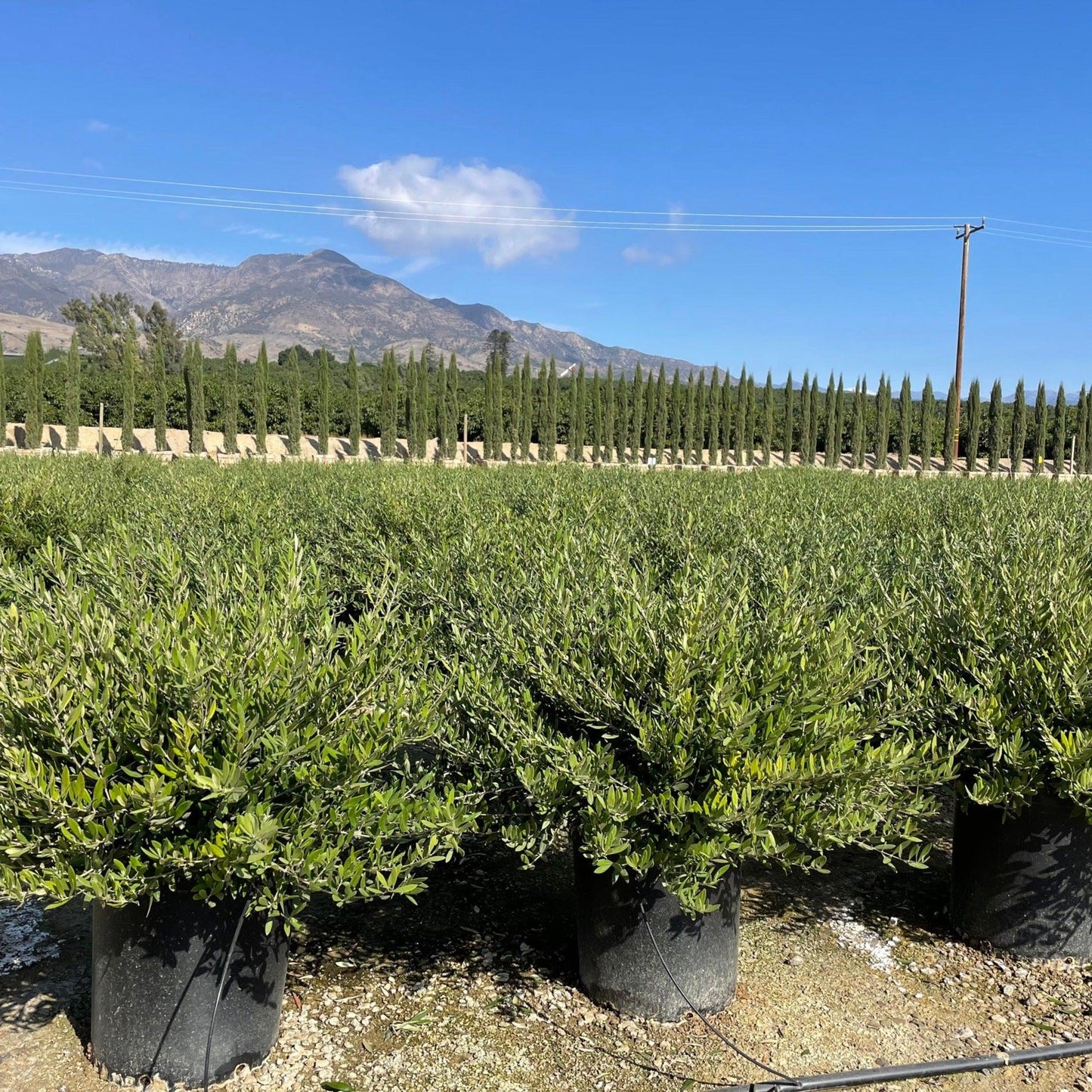

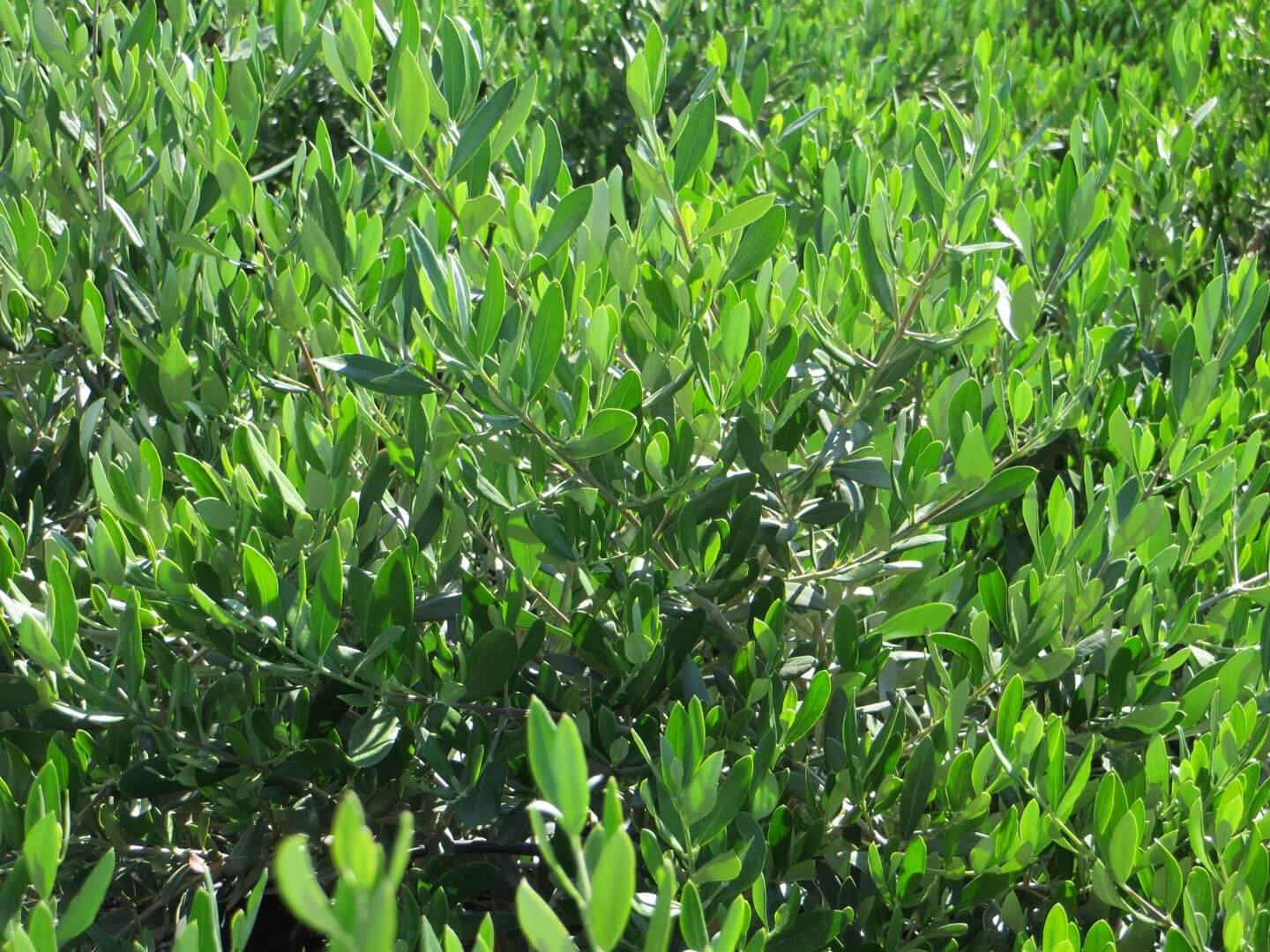
Thousands of Healthy Plants Delivered


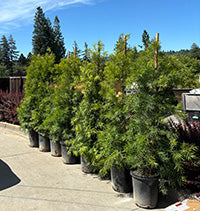
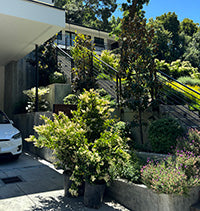
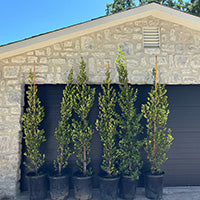
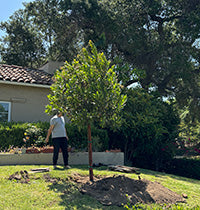
Yardwork was so great to work with. First they had the Swan Hill olive trees that we had been searching for, we had contacted several other nurseries without any luck previously. Then they answered all of our questions in a timely matter prior to ordering and finally delivered within a few days of placing it. Their staff is incredibly knowledgeable; they delivered and planted our trees with expertise to ensure that they would do well in our yard. We would definitely work with them again for future projects.











A Modern Experience
At Yardwork, we carefully curate thousands of plants, in all container sizes, to provide you with the best selection of the highest quality trees and plants at the best price, with the convenience of an online platform.
Uncompromised Quality
We choose only the finest specimens and hand select our plants just before delivery to ensure you receive the freshest and most robust specimens available for your landscape.
Industry Leading Warranties
Our 30, 90, and 365 extended warranties provide some of the best coverage to ensure our trees and plants thrive in your landscape.
Frequently Asked Questions
We're committed to changing everything about trees and plants - how they’re grown, how you shop for them, and how much they cost. We handle orders ourselves. No middlemen to get between us (or our prices) and you.
We're committed to changing everything about trees and plants - how they’re grown, how you shop for them, and how much they cost. We handle orders ourselves. No middlemen to get between us (or our prices) and you.
Delivery does not include unloading of trees and plants LARGER than a 24" box.
Trees and plants in smaller containers will be dropped curbside (usually on the driveway or near the front doorstep).
Delivery beyond a curbside drop will be charged extra.
Trees and plants that are sold in container sizes LARGER than a 24" box size will require equipment and/or enough manpower onsite to help unload from the truck.
Please reach out to our team PRIOR to placing your order to help coordinate.
Our team can provide unloading assistance with equipment for an extra fee as well.
Delivery does not include unloading of trees and plants LARGER than a 24" box.
Trees and plants in smaller containers will be dropped curbside (usually on the driveway or near the front doorstep).
Delivery beyond a curbside drop will be charged extra.
Trees and plants that are sold in container sizes LARGER than a 24" box size will require equipment and/or enough manpower onsite to help unload from the truck.
Please reach out to our team PRIOR to placing your order to help coordinate.
Our team can provide unloading assistance with equipment for an extra fee as well.
We ship locally within California within 7-10 days of your order being placed.
We ship nationally using carrier partners, based on order size. Our common order minimums for out of state shipping is $5,000.
Text or call 323-576-4159 for specific shipping details for your location.
We ship locally within California within 7-10 days of your order being placed.
We ship nationally using carrier partners, based on order size. Our common order minimums for out of state shipping is $5,000.
Text or call 323-576-4159 for specific shipping details for your location.
We are currently online only and don't have physical locations where you can view plants in person.
That's why we have photos direct from the growing grounds of the plants we will ship and we display pricing right in our store.
We do make sure to pick the very best trees and plants prior to shipping and make sure that they have gone through our multi-point inspection for health and structure.
We will always reach out prior to delivery if we find a quality issue or need to provide a substitute.
We are currently online only and don't have physical locations where you can view plants in person.
That's why we have photos direct from the growing grounds of the plants we will ship and we display pricing right in our store.
We do make sure to pick the very best trees and plants prior to shipping and make sure that they have gone through our multi-point inspection for health and structure.
We will always reach out prior to delivery if we find a quality issue or need to provide a substitute.
Plants vary greatly by type. Here is a rough idea of sizes based on containers that are direct from our growing grounds.
15 Gallon Shrub 3-4 Ft. Tall
15 Gallon Tree 5-6 Ft. Tall
24" Box Shrub 5-6 Ft. Tall
24" Box Tree 6-7 Ft. Tall
36" Box Shrub/Tree 7-9 Ft. Tall
48" Box Shrub/Tree 8-10 Ft. Tall
**Please note that we do not make guarantees of sizes. If you have questions or concerns, please call or text to request accurate sizing for the particular plant you're considering, prior to ordering.
Plants vary greatly by type. Here is a rough idea of sizes based on containers that are direct from our growing grounds.
15 Gallon Shrub 3-4 Ft. Tall
15 Gallon Tree 5-6 Ft. Tall
24" Box Shrub 5-6 Ft. Tall
24" Box Tree 6-7 Ft. Tall
36" Box Shrub/Tree 7-9 Ft. Tall
48" Box Shrub/Tree 8-10 Ft. Tall
**Please note that we do not make guarantees of sizes. If you have questions or concerns, please call or text to request accurate sizing for the particular plant you're considering, prior to ordering.
We offer a limited 30 day warranty for plants that are delivered and planted by someone else and a 90 day warranty for plants that we plant.
The limited warranty covers plants that die as a result of disease or fungus which was derived from our growing grounds or from root balls that were root bound.
The warranty does not cover damage due to watering, fertilizer, soils, or any other conditions beyond our control. Additionally, the warranty does not cover plants that are shipped out of the state of California or shipped into California from other states. Custom plant orders are also not covered under warranty. Plants must be planted within 24 hours after delivery to qualify.
We can assist you in recommending the right soils and fertilizers to help your plant thrive after you plant it.
Text or call 323-576-4159 for further warranty information.
We offer a limited 30 day warranty for plants that are delivered and planted by someone else and a 90 day warranty for plants that we plant.
The limited warranty covers plants that die as a result of disease or fungus which was derived from our growing grounds or from root balls that were root bound.
The warranty does not cover damage due to watering, fertilizer, soils, or any other conditions beyond our control. Additionally, the warranty does not cover plants that are shipped out of the state of California or shipped into California from other states. Custom plant orders are also not covered under warranty. Plants must be planted within 24 hours after delivery to qualify.
We can assist you in recommending the right soils and fertilizers to help your plant thrive after you plant it.
Text or call 323-576-4159 for further warranty information.
Our local delivery team covers most cities in California.
There are some exceptions, so please get in touch to confirm prior to ordering.
Additionally, we ship using semi trucks and trailers throughout the entire United States and even abroad for large orders over $5,000. Each shipment is custom, so please reach out to our team to coordinate.
Our local delivery team covers most cities in California.
There are some exceptions, so please get in touch to confirm prior to ordering.
Additionally, we ship using semi trucks and trailers throughout the entire United States and even abroad for large orders over $5,000. Each shipment is custom, so please reach out to our team to coordinate.