



Pink Lemonade Blueberry Bush
Regular price
$75.00
Size
Sweet Pink Berries That Transform Your Garden Into a Gourmet Paradise
Grow sweet, glossy pink berries at home with a compact blueberry bush that brings edible harvests and ornamental color into the same planting space.
The Pink Lemonade Blueberry Bush produces medium sized berries that ripen from light green to white and then deep pink, giving home gardeners a striking alternative to ordinary blue fruit. With a sweet, mild, lightly flowery flavor, this pink lemonade blueberry adds delicious fruit, spring flowers, shiny green leaves, fall color, and reddish brown twigs to your landscape through the growing season and beyond.
Why You'll Love It
-
Unique Pink Berries – Stand out from ordinary blue blueberries with stunning pink fruit that changes color as it ripens, starting light green, turning white, and then deep pink.
-
Exceptionally Sweet Flavor – Pink Lemonade blueberries have double the sweetness of regular blueberries, with a gentle lemonade blueberry taste and floral finish.
-
Year-Round Beauty – Pink Lemonade is a hybrid cultivar that offers visual appeal year-round with changing foliage, lush green summer foliage, bell-shaped spring blossoms, bright orange, golden yellow, and burgundy fall tones, plus reddish brown twigs in winter.
-
Cold Hardy Performance – It thrives in USDA Hardiness Zones 4-9, with especially reliable performance in milder regions and common home-garden zones 6-8 when soil, sun, and water needs are met.
-
Self-Pollinating – The shrub is self-fertile and can set fruit on its own, though self-fertile blueberries benefit from cross-pollination; another blueberry variety nearby can create a larger crop, larger berries, and improved fruit size.
What Makes It Different
Most blueberry bushes produce familiar blue fruit with similar looks and flavor. Blueberry Pink Lemonade is different because it works as both a fruiting shrub and a landscape feature.
Pink Lemonade offers:
-
Hybrid Genetics – This pink blueberry is a hybrid cultivar bred for unique pink berries, sweet flavor, and ornamental value. The bushes produce glossy, medium-sized berries with a softer, sweeter taste than many northern highbush blueberries.
-
Lower Chill Hours – The shrub requires 300 hours below 45°F for optimal growth, making it more flexible than many blueberry plants that need higher winter chill. This helps the plant perform in milder regions while still needing proper winter dormancy.
-
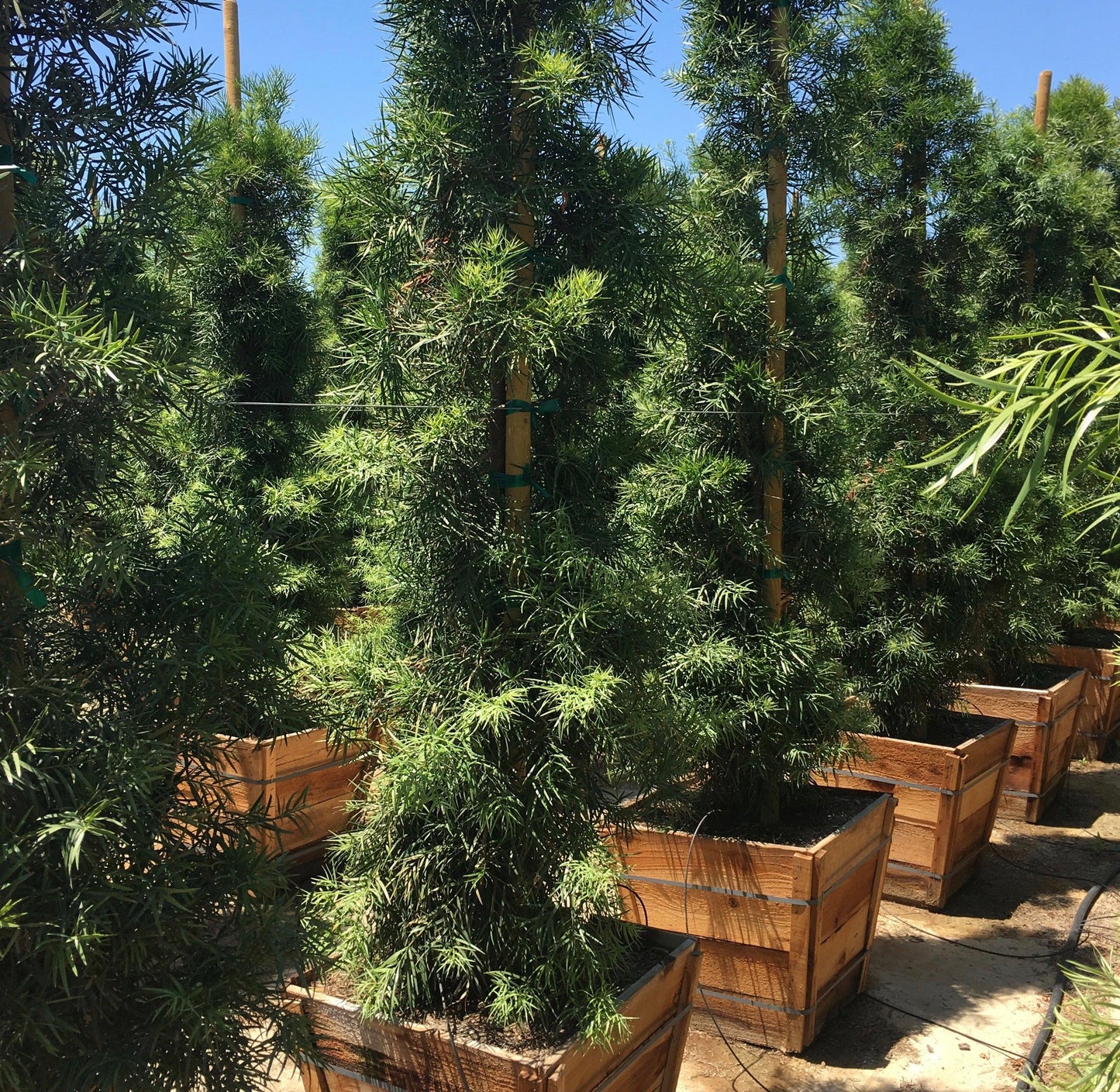
Ornamental Value – Pink Lemonade blueberry shrubs provide excellent ornamental value in landscaping and produce unique harvests. Use them as edible blueberry shrubs, a border plant, a specimen shrub, or part of a mixed planting with other acid loving plants, or pair them with an evergreen Japanese Blueberry tree hedge for year-round structure.
The shrub often attracts less wildlife due to its non-traditional berry color, which can help more fruit stay on the bush until harvest.
How To Grow The Pink Lemonade Blueberry Bush Successfully
-
Step 1 – Plant in Acidic Soil
Pink Lemonade blueberries prefer a soil pH of 4.5 to 5.5. Plant Pink Lemonade blueberries in a 24-inch diameter hole with well-draining acidic soil, peat moss, pine needles, oak leaves, and other organic matter mixed in as needed. Pink Lemonade blueberries prefer soil pH of 4.5 to 5.5 because blueberries require acidity for healthy roots and nutrient uptake. -
Step 2 – Provide Consistent Care
Provide Pink Lemonade blueberries with 8+ hours of sunlight daily. The shrub requires full sun for optimal fruit production, though light afternoon shade can help in hotter areas. Water Pink Lemonade blueberries two to three times per week initially, and water Pink Lemonade blueberries two to three times per week initially again during dry spells until roots are established. Add four to six inches of organic mulch around the plants, and use organic mulch to retain moisture for Pink Lemonade blueberries. A good organic mulch helps retain moisture without creating standing water. Fertilize Pink Lemonade blueberries lightly each spring with fertilizer for acid loving plants. This blueberry bush is considered a low-maintenance plant requiring little pruning; remove diseased wood and shape lightly in early spring. -
Step 3 – Harvest Pink Berries
Pink Lemonade blueberries ripen from mid to late July, often around mid summer and sometimes into late summer depending on climate. Pick berries when they turn pink to deep pink, feel firm, and release easily from the bush. With proper care, cross pollination, and two plants or multiple varieties nearby, you can expect moderate yields, improved fruit size, and a larger crop.
Plant Details
-
Mature Size: 4-5 feet tall and wide
-
Hardiness: Thrives in USDA Hardiness Zones 4-9; commonly planted with best home-garden performance in USDA Zones 6-8
-
Sun Requirements: Full sun to partial shade; provide 8+ hours of sunlight daily for best harvest
-
Soil Needs: Acidic soil with soil pH of 4.5 to 5.5, well-draining, rich in organic matter
-
Planting Hole: Plant Pink Lemonade blueberries in a 24-inch diameter hole
-
Container Planting: Use a well-draining potting mix in a large pot with drainage holes
-
Mulch: Add four to six inches of organic mulch around the plants
-
Watering: Water two to three times per week initially, then maintain even moisture
-
Bloom Time: Early spring with white-pink, bell-shaped flowers
-
Harvest Season: Mid to late July, with late season picking possible in some climates
-
Fruit: Glossy, medium-sized berries that ripen from light green to white to deep pink
-
Flavor: Very sweet, mild, floral, and refreshing compared with regular blueberries
-
Pollination: Self fertile, but yields better with another blueberry variety nearby
-
Cross-Pollination: Cross-pollination increases fruit size and yield; planting multiple varieties boosts pollination effectiveness
-
Spacing: 6 feet apart for optimal growth
-
Maintenance: Low-maintenance plant requiring little pruning; remove diseased wood as needed
-
Propagation Note: Gardeners may see references to semi ripe cuttings, but buying healthy blueberry plants from a trusted local nursery or from Yardwork, where you can also find Bay Laurel and other popular landscape plants, is the simpler route for most homeowners
Who It's For
Ideal for:
-
California homeowners wanting unique fruit plants for their gardens, such as lemon trees with fragrant blossoms and fresh fruit
-
Gardeners seeking ornamental shrubs that provide edible harvests and who may also be considering flowering trees to enhance curb appeal
-
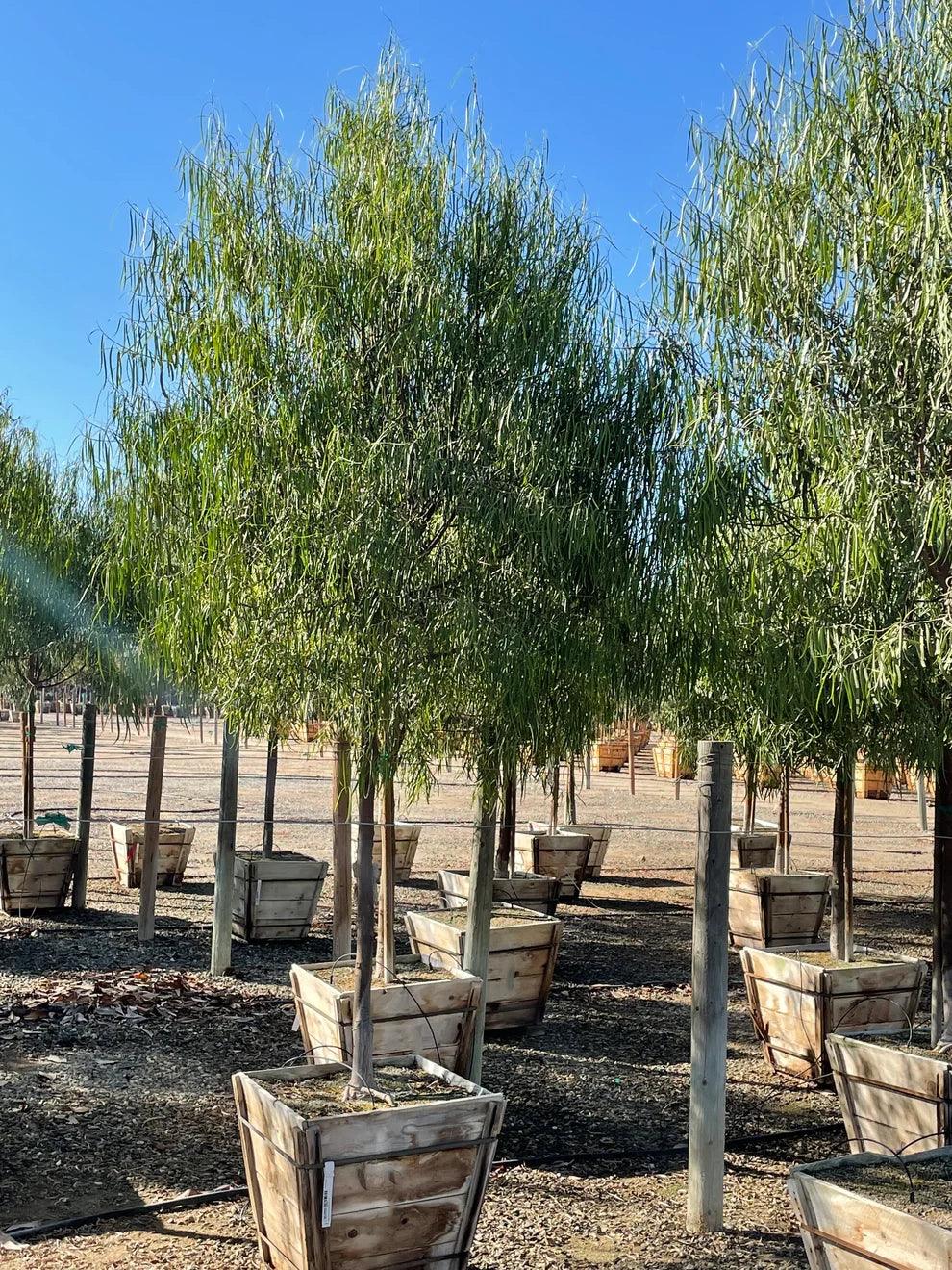
Homeowners creating edible landscapes, berry patches, or mixed beds with blueberry shrubs and complementary plants like the California Pepper Tree with pink berries
-
Anyone who wants pink lemonade blueberry shrubs that look beautiful in spring, summer, fall, and winter and may also be considering mature trees for instant landscape impact
-
Growers who want a compact bush for the ground or a large pot with acidic potting mix alongside fast-growing privacy trees and evergreens
If you want delicious fruit, pink berries, and a shrub that improves the look of your landscape, the Pink Lemonade Blueberry Bush fits your garden goals. It is especially useful for homeowners who want something more distinctive than standard blueberry bushes, while still getting a sweet harvest with proper care.
Frequently Asked Questions
How long until it produces fruit?
Many Pink Lemonade blueberry plants can produce a small first harvest within the first few growing seasons, depending on plant age, planting conditions, and care. Larger, more reliable harvests usually come as the bush matures. Fruiting improves when the plant has full sun, acidic soil, steady moisture, and cross pollination from another compatible blueberry nearby.
Do pink lemonade blueberries taste different?
Yes. Pink Lemonade blueberries are known for a sweet, mild, flowery flavor with very little tartness. They are often described as sweeter than regular blueberries, and Pink Lemonade blueberries have double the sweetness of regular blueberries when fully ripe. For best taste, wait until the berries are deep pink and come off the shrub easily.
Can I grow it in a container?
Yes. Use a large pot, a well-draining potting mix, and acidic amendments such as peat moss or pine bark. Keep the soil evenly moist, avoid standing water, and add good organic mulch to retain moisture. Container-grown pink lemonade blueberry plants still need full sun, light spring fertilizer, and soil pH of 4.5 to 5.5.
Ready to Transform Your Garden?
Choose the Pink Lemonade Blueberry Bush and enjoy a compact shrub with pink berries, sweet flavor, spring flowers, colorful fall foliage, and unique harvests.
Yardwork helps make planting easier with expert plant selection, California delivery, consultation services, and soil testing for optimal planting success, making it a convenient option when you’re searching for a local plant nursery and landscaping help.
Sweet Pink Berries That Transform Your Garden Into a Gourmet Paradise
Grow sweet, glossy pink berries at home with a compact blueberry bush that brings edible harvests and ornamental color into the same planting space.
The Pink Lemonade Blueberry Bush produces medium sized berries that ripen from light green to white and then deep pink, giving home gardeners a striking alternative to ordinary blue fruit. With a sweet, mild, lightly flowery flavor, this pink lemonade blueberry adds delicious fruit, spring flowers, shiny green leaves, fall color, and reddish brown twigs to your landscape through the growing season and beyond.
Why You'll Love It
-
Unique Pink Berries – Stand out from ordinary blue blueberries with stunning pink fruit that changes color as it ripens, starting light green, turning white, and then deep pink.
-
Exceptionally Sweet Flavor – Pink Lemonade blueberries have double the sweetness of regular blueberries, with a gentle lemonade blueberry taste and floral finish.
-
Year-Round Beauty – Pink Lemonade is a hybrid cultivar that offers visual appeal year-round with changing foliage, lush green summer foliage, bell-shaped spring blossoms, bright orange, golden yellow, and burgundy fall tones, plus reddish brown twigs in winter.
-
Cold Hardy Performance – It thrives in USDA Hardiness Zones 4-9, with especially reliable performance in milder regions and common home-garden zones 6-8 when soil, sun, and water needs are met.
-
Self-Pollinating – The shrub is self-fertile and can set fruit on its own, though self-fertile blueberries benefit from cross-pollination; another blueberry variety nearby can create a larger crop, larger berries, and improved fruit size.
What Makes It Different
Most blueberry bushes produce familiar blue fruit with similar looks and flavor. Blueberry Pink Lemonade is different because it works as both a fruiting shrub and a landscape feature.
Pink Lemonade offers:
-
Hybrid Genetics – This pink blueberry is a hybrid cultivar bred for unique pink berries, sweet flavor, and ornamental value. The bushes produce glossy, medium-sized berries with a softer, sweeter taste than many northern highbush blueberries.
-
Lower Chill Hours – The shrub requires 300 hours below 45°F for optimal growth, making it more flexible than many blueberry plants that need higher winter chill. This helps the plant perform in milder regions while still needing proper winter dormancy.
-
Ornamental Value – Pink Lemonade blueberry shrubs provide excellent ornamental value in landscaping and produce unique harvests. Use them as edible blueberry shrubs, a border plant, a specimen shrub, or part of a mixed planting with other acid loving plants, or pair them with an evergreen Japanese Blueberry tree hedge for year-round structure.
The shrub often attracts less wildlife due to its non-traditional berry color, which can help more fruit stay on the bush until harvest.
How To Grow The Pink Lemonade Blueberry Bush Successfully
-
Step 1 – Plant in Acidic Soil
Pink Lemonade blueberries prefer a soil pH of 4.5 to 5.5. Plant Pink Lemonade blueberries in a 24-inch diameter hole with well-draining acidic soil, peat moss, pine needles, oak leaves, and other organic matter mixed in as needed. Pink Lemonade blueberries prefer soil pH of 4.5 to 5.5 because blueberries require acidity for healthy roots and nutrient uptake. -
Step 2 – Provide Consistent Care
Provide Pink Lemonade blueberries with 8+ hours of sunlight daily. The shrub requires full sun for optimal fruit production, though light afternoon shade can help in hotter areas. Water Pink Lemonade blueberries two to three times per week initially, and water Pink Lemonade blueberries two to three times per week initially again during dry spells until roots are established. Add four to six inches of organic mulch around the plants, and use organic mulch to retain moisture for Pink Lemonade blueberries. A good organic mulch helps retain moisture without creating standing water. Fertilize Pink Lemonade blueberries lightly each spring with fertilizer for acid loving plants. This blueberry bush is considered a low-maintenance plant requiring little pruning; remove diseased wood and shape lightly in early spring. -
Step 3 – Harvest Pink Berries
Pink Lemonade blueberries ripen from mid to late July, often around mid summer and sometimes into late summer depending on climate. Pick berries when they turn pink to deep pink, feel firm, and release easily from the bush. With proper care, cross pollination, and two plants or multiple varieties nearby, you can expect moderate yields, improved fruit size, and a larger crop.
Plant Details
-
Mature Size: 4-5 feet tall and wide
-
Hardiness: Thrives in USDA Hardiness Zones 4-9; commonly planted with best home-garden performance in USDA Zones 6-8
-
Sun Requirements: Full sun to partial shade; provide 8+ hours of sunlight daily for best harvest
-
Soil Needs: Acidic soil with soil pH of 4.5 to 5.5, well-draining, rich in organic matter
-
Planting Hole: Plant Pink Lemonade blueberries in a 24-inch diameter hole
-
Container Planting: Use a well-draining potting mix in a large pot with drainage holes
-
Mulch: Add four to six inches of organic mulch around the plants
-
Watering: Water two to three times per week initially, then maintain even moisture
-
Bloom Time: Early spring with white-pink, bell-shaped flowers
-
Harvest Season: Mid to late July, with late season picking possible in some climates
-
Fruit: Glossy, medium-sized berries that ripen from light green to white to deep pink
-
Flavor: Very sweet, mild, floral, and refreshing compared with regular blueberries
-
Pollination: Self fertile, but yields better with another blueberry variety nearby
-
Cross-Pollination: Cross-pollination increases fruit size and yield; planting multiple varieties boosts pollination effectiveness
-
Spacing: 6 feet apart for optimal growth
-
Maintenance: Low-maintenance plant requiring little pruning; remove diseased wood as needed
-
Propagation Note: Gardeners may see references to semi ripe cuttings, but buying healthy blueberry plants from a trusted local nursery or from Yardwork, where you can also find Bay Laurel and other popular landscape plants, is the simpler route for most homeowners
Who It's For
Ideal for:
-
California homeowners wanting unique fruit plants for their gardens, such as lemon trees with fragrant blossoms and fresh fruit
-
Gardeners seeking ornamental shrubs that provide edible harvests and who may also be considering flowering trees to enhance curb appeal
-
Homeowners creating edible landscapes, berry patches, or mixed beds with blueberry shrubs and complementary plants like the California Pepper Tree with pink berries
-
Anyone who wants pink lemonade blueberry shrubs that look beautiful in spring, summer, fall, and winter and may also be considering mature trees for instant landscape impact
-
Growers who want a compact bush for the ground or a large pot with acidic potting mix alongside fast-growing privacy trees and evergreens
If you want delicious fruit, pink berries, and a shrub that improves the look of your landscape, the Pink Lemonade Blueberry Bush fits your garden goals. It is especially useful for homeowners who want something more distinctive than standard blueberry bushes, while still getting a sweet harvest with proper care.
Frequently Asked Questions
How long until it produces fruit?
Many Pink Lemonade blueberry plants can produce a small first harvest within the first few growing seasons, depending on plant age, planting conditions, and care. Larger, more reliable harvests usually come as the bush matures. Fruiting improves when the plant has full sun, acidic soil, steady moisture, and cross pollination from another compatible blueberry nearby.
Do pink lemonade blueberries taste different?
Yes. Pink Lemonade blueberries are known for a sweet, mild, flowery flavor with very little tartness. They are often described as sweeter than regular blueberries, and Pink Lemonade blueberries have double the sweetness of regular blueberries when fully ripe. For best taste, wait until the berries are deep pink and come off the shrub easily.
Can I grow it in a container?
Yes. Use a large pot, a well-draining potting mix, and acidic amendments such as peat moss or pine bark. Keep the soil evenly moist, avoid standing water, and add good organic mulch to retain moisture. Container-grown pink lemonade blueberry plants still need full sun, light spring fertilizer, and soil pH of 4.5 to 5.5.
Ready to Transform Your Garden?
Choose the Pink Lemonade Blueberry Bush and enjoy a compact shrub with pink berries, sweet flavor, spring flowers, colorful fall foliage, and unique harvests.
Yardwork helps make planting easier with expert plant selection, California delivery, consultation services, and soil testing for optimal planting success, making it a convenient option when you’re searching for a local plant nursery and landscaping help.
Plants vary greatly by type and no guarantees are made on sizing.
However here is a rough idea of sizes based on containers that are direct from our growing grounds.
15 Gallon Shrub 3-4 Ft. Tall
15 Gallon Tree 5-6 Ft. Tall
24" Box Shrub 5-6 Ft. Tall
24" Box Tree 6-7 Ft. Tall
36" Box Tree 8-10 Ft. Tall
48" Box Tree 10-12 Ft. Tall
Please note: Citrus and California Native plants such as Manzanita are smaller than traditional sizing.
Please contact us to confirm sizing of items before purchasing if this is a concern.
Plants vary greatly by type and no guarantees are made on sizing.
However here is a rough idea of sizes based on containers that are direct from our growing grounds.
15 Gallon Shrub 3-4 Ft. Tall
15 Gallon Tree 5-6 Ft. Tall
24" Box Shrub 5-6 Ft. Tall
24" Box Tree 6-7 Ft. Tall
36" Box Tree 8-10 Ft. Tall
48" Box Tree 10-12 Ft. Tall
Please note: Citrus and California Native plants such as Manzanita are smaller than traditional sizing.
Please contact us to confirm sizing of items before purchasing if this is a concern.
Delivery does not include unloading of trees and plants larger than a 24" box.
Trees and plants in smaller containers will be dropped curbside.
Delivery beyond a curbside drop will be charged extra.
Trees and plants that are sold in container sizes larger than a 24" box size will require equipment and an operator onsite to help unload from the truck.
Please reach out to our team PRIOR to placing your order to coordinate.
Our team can provide unloading assistance with equipment for an extra fee.
Delivery does not include unloading of trees and plants larger than a 24" box.
Trees and plants in smaller containers will be dropped curbside.
Delivery beyond a curbside drop will be charged extra.
Trees and plants that are sold in container sizes larger than a 24" box size will require equipment and an operator onsite to help unload from the truck.
Please reach out to our team PRIOR to placing your order to coordinate.
Our team can provide unloading assistance with equipment for an extra fee.
You may also like...


Pink Lemonade Blueberry Bush
Regular price
$75.00
Size
Sweet Pink Berries That Transform Your Garden Into a Gourmet Paradise
Grow sweet, glossy pink berries at home with a compact blueberry bush that brings edible harvests and ornamental color into the same planting space.
The Pink Lemonade Blueberry Bush produces medium sized berries that ripen from light green to white and then deep pink, giving home gardeners a striking alternative to ordinary blue fruit. With a sweet, mild, lightly flowery flavor, this pink lemonade blueberry adds delicious fruit, spring flowers, shiny green leaves, fall color, and reddish brown twigs to your landscape through the growing season and beyond.
Why You'll Love It
-
Unique Pink Berries – Stand out from ordinary blue blueberries with stunning pink fruit that changes color as it ripens, starting light green, turning white, and then deep pink.
-
Exceptionally Sweet Flavor – Pink Lemonade blueberries have double the sweetness of regular blueberries, with a gentle lemonade blueberry taste and floral finish.
-
Year-Round Beauty – Pink Lemonade is a hybrid cultivar that offers visual appeal year-round with changing foliage, lush green summer foliage, bell-shaped spring blossoms, bright orange, golden yellow, and burgundy fall tones, plus reddish brown twigs in winter.
-
Cold Hardy Performance – It thrives in USDA Hardiness Zones 4-9, with especially reliable performance in milder regions and common home-garden zones 6-8 when soil, sun, and water needs are met.
-
Self-Pollinating – The shrub is self-fertile and can set fruit on its own, though self-fertile blueberries benefit from cross-pollination; another blueberry variety nearby can create a larger crop, larger berries, and improved fruit size.
What Makes It Different
Most blueberry bushes produce familiar blue fruit with similar looks and flavor. Blueberry Pink Lemonade is different because it works as both a fruiting shrub and a landscape feature.
Pink Lemonade offers:
-
Hybrid Genetics – This pink blueberry is a hybrid cultivar bred for unique pink berries, sweet flavor, and ornamental value. The bushes produce glossy, medium-sized berries with a softer, sweeter taste than many northern highbush blueberries.
-
Lower Chill Hours – The shrub requires 300 hours below 45°F for optimal growth, making it more flexible than many blueberry plants that need higher winter chill. This helps the plant perform in milder regions while still needing proper winter dormancy.
-
Ornamental Value – Pink Lemonade blueberry shrubs provide excellent ornamental value in landscaping and produce unique harvests. Use them as edible blueberry shrubs, a border plant, a specimen shrub, or part of a mixed planting with other acid loving plants, or pair them with an evergreen Japanese Blueberry tree hedge for year-round structure.
The shrub often attracts less wildlife due to its non-traditional berry color, which can help more fruit stay on the bush until harvest.
How To Grow The Pink Lemonade Blueberry Bush Successfully
-
Step 1 – Plant in Acidic Soil
Pink Lemonade blueberries prefer a soil pH of 4.5 to 5.5. Plant Pink Lemonade blueberries in a 24-inch diameter hole with well-draining acidic soil, peat moss, pine needles, oak leaves, and other organic matter mixed in as needed. Pink Lemonade blueberries prefer soil pH of 4.5 to 5.5 because blueberries require acidity for healthy roots and nutrient uptake. -
Step 2 – Provide Consistent Care
Provide Pink Lemonade blueberries with 8+ hours of sunlight daily. The shrub requires full sun for optimal fruit production, though light afternoon shade can help in hotter areas. Water Pink Lemonade blueberries two to three times per week initially, and water Pink Lemonade blueberries two to three times per week initially again during dry spells until roots are established. Add four to six inches of organic mulch around the plants, and use organic mulch to retain moisture for Pink Lemonade blueberries. A good organic mulch helps retain moisture without creating standing water. Fertilize Pink Lemonade blueberries lightly each spring with fertilizer for acid loving plants. This blueberry bush is considered a low-maintenance plant requiring little pruning; remove diseased wood and shape lightly in early spring. -
Step 3 – Harvest Pink Berries
Pink Lemonade blueberries ripen from mid to late July, often around mid summer and sometimes into late summer depending on climate. Pick berries when they turn pink to deep pink, feel firm, and release easily from the bush. With proper care, cross pollination, and two plants or multiple varieties nearby, you can expect moderate yields, improved fruit size, and a larger crop.
Plant Details
-
Mature Size: 4-5 feet tall and wide
-
Hardiness: Thrives in USDA Hardiness Zones 4-9; commonly planted with best home-garden performance in USDA Zones 6-8
-
Sun Requirements: Full sun to partial shade; provide 8+ hours of sunlight daily for best harvest
-
Soil Needs: Acidic soil with soil pH of 4.5 to 5.5, well-draining, rich in organic matter
-
Planting Hole: Plant Pink Lemonade blueberries in a 24-inch diameter hole
-
Container Planting: Use a well-draining potting mix in a large pot with drainage holes
-
Mulch: Add four to six inches of organic mulch around the plants
-
Watering: Water two to three times per week initially, then maintain even moisture
-
Bloom Time: Early spring with white-pink, bell-shaped flowers
-
Harvest Season: Mid to late July, with late season picking possible in some climates
-
Fruit: Glossy, medium-sized berries that ripen from light green to white to deep pink
-
Flavor: Very sweet, mild, floral, and refreshing compared with regular blueberries
-
Pollination: Self fertile, but yields better with another blueberry variety nearby
-
Cross-Pollination: Cross-pollination increases fruit size and yield; planting multiple varieties boosts pollination effectiveness
-
Spacing: 6 feet apart for optimal growth
-
Maintenance: Low-maintenance plant requiring little pruning; remove diseased wood as needed
-
Propagation Note: Gardeners may see references to semi ripe cuttings, but buying healthy blueberry plants from a trusted local nursery or from Yardwork, where you can also find Bay Laurel and other popular landscape plants, is the simpler route for most homeowners
Who It's For
Ideal for:
-
California homeowners wanting unique fruit plants for their gardens, such as lemon trees with fragrant blossoms and fresh fruit
-
Gardeners seeking ornamental shrubs that provide edible harvests and who may also be considering flowering trees to enhance curb appeal
-
Homeowners creating edible landscapes, berry patches, or mixed beds with blueberry shrubs and complementary plants like the California Pepper Tree with pink berries
-
Anyone who wants pink lemonade blueberry shrubs that look beautiful in spring, summer, fall, and winter and may also be considering mature trees for instant landscape impact
-
Growers who want a compact bush for the ground or a large pot with acidic potting mix alongside fast-growing privacy trees and evergreens
If you want delicious fruit, pink berries, and a shrub that improves the look of your landscape, the Pink Lemonade Blueberry Bush fits your garden goals. It is especially useful for homeowners who want something more distinctive than standard blueberry bushes, while still getting a sweet harvest with proper care.
Frequently Asked Questions
How long until it produces fruit?
Many Pink Lemonade blueberry plants can produce a small first harvest within the first few growing seasons, depending on plant age, planting conditions, and care. Larger, more reliable harvests usually come as the bush matures. Fruiting improves when the plant has full sun, acidic soil, steady moisture, and cross pollination from another compatible blueberry nearby.
Do pink lemonade blueberries taste different?
Yes. Pink Lemonade blueberries are known for a sweet, mild, flowery flavor with very little tartness. They are often described as sweeter than regular blueberries, and Pink Lemonade blueberries have double the sweetness of regular blueberries when fully ripe. For best taste, wait until the berries are deep pink and come off the shrub easily.
Can I grow it in a container?
Yes. Use a large pot, a well-draining potting mix, and acidic amendments such as peat moss or pine bark. Keep the soil evenly moist, avoid standing water, and add good organic mulch to retain moisture. Container-grown pink lemonade blueberry plants still need full sun, light spring fertilizer, and soil pH of 4.5 to 5.5.
Ready to Transform Your Garden?
Choose the Pink Lemonade Blueberry Bush and enjoy a compact shrub with pink berries, sweet flavor, spring flowers, colorful fall foliage, and unique harvests.
Yardwork helps make planting easier with expert plant selection, California delivery, consultation services, and soil testing for optimal planting success, making it a convenient option when you’re searching for a local plant nursery and landscaping help.
Sweet Pink Berries That Transform Your Garden Into a Gourmet Paradise
Grow sweet, glossy pink berries at home with a compact blueberry bush that brings edible harvests and ornamental color into the same planting space.
The Pink Lemonade Blueberry Bush produces medium sized berries that ripen from light green to white and then deep pink, giving home gardeners a striking alternative to ordinary blue fruit. With a sweet, mild, lightly flowery flavor, this pink lemonade blueberry adds delicious fruit, spring flowers, shiny green leaves, fall color, and reddish brown twigs to your landscape through the growing season and beyond.
Why You'll Love It
-
Unique Pink Berries – Stand out from ordinary blue blueberries with stunning pink fruit that changes color as it ripens, starting light green, turning white, and then deep pink.
-
Exceptionally Sweet Flavor – Pink Lemonade blueberries have double the sweetness of regular blueberries, with a gentle lemonade blueberry taste and floral finish.
-
Year-Round Beauty – Pink Lemonade is a hybrid cultivar that offers visual appeal year-round with changing foliage, lush green summer foliage, bell-shaped spring blossoms, bright orange, golden yellow, and burgundy fall tones, plus reddish brown twigs in winter.
-
Cold Hardy Performance – It thrives in USDA Hardiness Zones 4-9, with especially reliable performance in milder regions and common home-garden zones 6-8 when soil, sun, and water needs are met.
-
Self-Pollinating – The shrub is self-fertile and can set fruit on its own, though self-fertile blueberries benefit from cross-pollination; another blueberry variety nearby can create a larger crop, larger berries, and improved fruit size.
What Makes It Different
Most blueberry bushes produce familiar blue fruit with similar looks and flavor. Blueberry Pink Lemonade is different because it works as both a fruiting shrub and a landscape feature.
Pink Lemonade offers:
-
Hybrid Genetics – This pink blueberry is a hybrid cultivar bred for unique pink berries, sweet flavor, and ornamental value. The bushes produce glossy, medium-sized berries with a softer, sweeter taste than many northern highbush blueberries.
-
Lower Chill Hours – The shrub requires 300 hours below 45°F for optimal growth, making it more flexible than many blueberry plants that need higher winter chill. This helps the plant perform in milder regions while still needing proper winter dormancy.
-
Ornamental Value – Pink Lemonade blueberry shrubs provide excellent ornamental value in landscaping and produce unique harvests. Use them as edible blueberry shrubs, a border plant, a specimen shrub, or part of a mixed planting with other acid loving plants, or pair them with an evergreen Japanese Blueberry tree hedge for year-round structure.
The shrub often attracts less wildlife due to its non-traditional berry color, which can help more fruit stay on the bush until harvest.
How To Grow The Pink Lemonade Blueberry Bush Successfully
-
Step 1 – Plant in Acidic Soil
Pink Lemonade blueberries prefer a soil pH of 4.5 to 5.5. Plant Pink Lemonade blueberries in a 24-inch diameter hole with well-draining acidic soil, peat moss, pine needles, oak leaves, and other organic matter mixed in as needed. Pink Lemonade blueberries prefer soil pH of 4.5 to 5.5 because blueberries require acidity for healthy roots and nutrient uptake. -
Step 2 – Provide Consistent Care
Provide Pink Lemonade blueberries with 8+ hours of sunlight daily. The shrub requires full sun for optimal fruit production, though light afternoon shade can help in hotter areas. Water Pink Lemonade blueberries two to three times per week initially, and water Pink Lemonade blueberries two to three times per week initially again during dry spells until roots are established. Add four to six inches of organic mulch around the plants, and use organic mulch to retain moisture for Pink Lemonade blueberries. A good organic mulch helps retain moisture without creating standing water. Fertilize Pink Lemonade blueberries lightly each spring with fertilizer for acid loving plants. This blueberry bush is considered a low-maintenance plant requiring little pruning; remove diseased wood and shape lightly in early spring. -
Step 3 – Harvest Pink Berries
Pink Lemonade blueberries ripen from mid to late July, often around mid summer and sometimes into late summer depending on climate. Pick berries when they turn pink to deep pink, feel firm, and release easily from the bush. With proper care, cross pollination, and two plants or multiple varieties nearby, you can expect moderate yields, improved fruit size, and a larger crop.
Plant Details
-
Mature Size: 4-5 feet tall and wide
-
Hardiness: Thrives in USDA Hardiness Zones 4-9; commonly planted with best home-garden performance in USDA Zones 6-8
-
Sun Requirements: Full sun to partial shade; provide 8+ hours of sunlight daily for best harvest
-
Soil Needs: Acidic soil with soil pH of 4.5 to 5.5, well-draining, rich in organic matter
-
Planting Hole: Plant Pink Lemonade blueberries in a 24-inch diameter hole
-
Container Planting: Use a well-draining potting mix in a large pot with drainage holes
-
Mulch: Add four to six inches of organic mulch around the plants
-
Watering: Water two to three times per week initially, then maintain even moisture
-
Bloom Time: Early spring with white-pink, bell-shaped flowers
-
Harvest Season: Mid to late July, with late season picking possible in some climates
-
Fruit: Glossy, medium-sized berries that ripen from light green to white to deep pink
-
Flavor: Very sweet, mild, floral, and refreshing compared with regular blueberries
-
Pollination: Self fertile, but yields better with another blueberry variety nearby
-
Cross-Pollination: Cross-pollination increases fruit size and yield; planting multiple varieties boosts pollination effectiveness
-
Spacing: 6 feet apart for optimal growth
-
Maintenance: Low-maintenance plant requiring little pruning; remove diseased wood as needed
-
Propagation Note: Gardeners may see references to semi ripe cuttings, but buying healthy blueberry plants from a trusted local nursery or from Yardwork, where you can also find Bay Laurel and other popular landscape plants, is the simpler route for most homeowners
Who It's For
Ideal for:
-
California homeowners wanting unique fruit plants for their gardens, such as lemon trees with fragrant blossoms and fresh fruit
-
Gardeners seeking ornamental shrubs that provide edible harvests and who may also be considering flowering trees to enhance curb appeal
-
Homeowners creating edible landscapes, berry patches, or mixed beds with blueberry shrubs and complementary plants like the California Pepper Tree with pink berries
-
Anyone who wants pink lemonade blueberry shrubs that look beautiful in spring, summer, fall, and winter and may also be considering mature trees for instant landscape impact
-
Growers who want a compact bush for the ground or a large pot with acidic potting mix alongside fast-growing privacy trees and evergreens
If you want delicious fruit, pink berries, and a shrub that improves the look of your landscape, the Pink Lemonade Blueberry Bush fits your garden goals. It is especially useful for homeowners who want something more distinctive than standard blueberry bushes, while still getting a sweet harvest with proper care.
Frequently Asked Questions
How long until it produces fruit?
Many Pink Lemonade blueberry plants can produce a small first harvest within the first few growing seasons, depending on plant age, planting conditions, and care. Larger, more reliable harvests usually come as the bush matures. Fruiting improves when the plant has full sun, acidic soil, steady moisture, and cross pollination from another compatible blueberry nearby.
Do pink lemonade blueberries taste different?
Yes. Pink Lemonade blueberries are known for a sweet, mild, flowery flavor with very little tartness. They are often described as sweeter than regular blueberries, and Pink Lemonade blueberries have double the sweetness of regular blueberries when fully ripe. For best taste, wait until the berries are deep pink and come off the shrub easily.
Can I grow it in a container?
Yes. Use a large pot, a well-draining potting mix, and acidic amendments such as peat moss or pine bark. Keep the soil evenly moist, avoid standing water, and add good organic mulch to retain moisture. Container-grown pink lemonade blueberry plants still need full sun, light spring fertilizer, and soil pH of 4.5 to 5.5.
Ready to Transform Your Garden?
Choose the Pink Lemonade Blueberry Bush and enjoy a compact shrub with pink berries, sweet flavor, spring flowers, colorful fall foliage, and unique harvests.
Yardwork helps make planting easier with expert plant selection, California delivery, consultation services, and soil testing for optimal planting success, making it a convenient option when you’re searching for a local plant nursery and landscaping help.
Plants vary greatly by type and no guarantees are made on sizing.
However here is a rough idea of sizes based on containers that are direct from our growing grounds.
15 Gallon Shrub 3-4 Ft. Tall
15 Gallon Tree 5-6 Ft. Tall
24" Box Shrub 5-6 Ft. Tall
24" Box Tree 6-7 Ft. Tall
36" Box Tree 8-10 Ft. Tall
48" Box Tree 10-12 Ft. Tall
Please note: Citrus and California Native plants such as Manzanita are smaller than traditional sizing.
Please contact us to confirm sizing of items before purchasing if this is a concern.
Plants vary greatly by type and no guarantees are made on sizing.
However here is a rough idea of sizes based on containers that are direct from our growing grounds.
15 Gallon Shrub 3-4 Ft. Tall
15 Gallon Tree 5-6 Ft. Tall
24" Box Shrub 5-6 Ft. Tall
24" Box Tree 6-7 Ft. Tall
36" Box Tree 8-10 Ft. Tall
48" Box Tree 10-12 Ft. Tall
Please note: Citrus and California Native plants such as Manzanita are smaller than traditional sizing.
Please contact us to confirm sizing of items before purchasing if this is a concern.
Delivery does not include unloading of trees and plants larger than a 24" box.
Trees and plants in smaller containers will be dropped curbside.
Delivery beyond a curbside drop will be charged extra.
Trees and plants that are sold in container sizes larger than a 24" box size will require equipment and an operator onsite to help unload from the truck.
Please reach out to our team PRIOR to placing your order to coordinate.
Our team can provide unloading assistance with equipment for an extra fee.
Delivery does not include unloading of trees and plants larger than a 24" box.
Trees and plants in smaller containers will be dropped curbside.
Delivery beyond a curbside drop will be charged extra.
Trees and plants that are sold in container sizes larger than a 24" box size will require equipment and an operator onsite to help unload from the truck.
Please reach out to our team PRIOR to placing your order to coordinate.
Our team can provide unloading assistance with equipment for an extra fee.
Recommended For You















Pairs Well With













You May Also Like











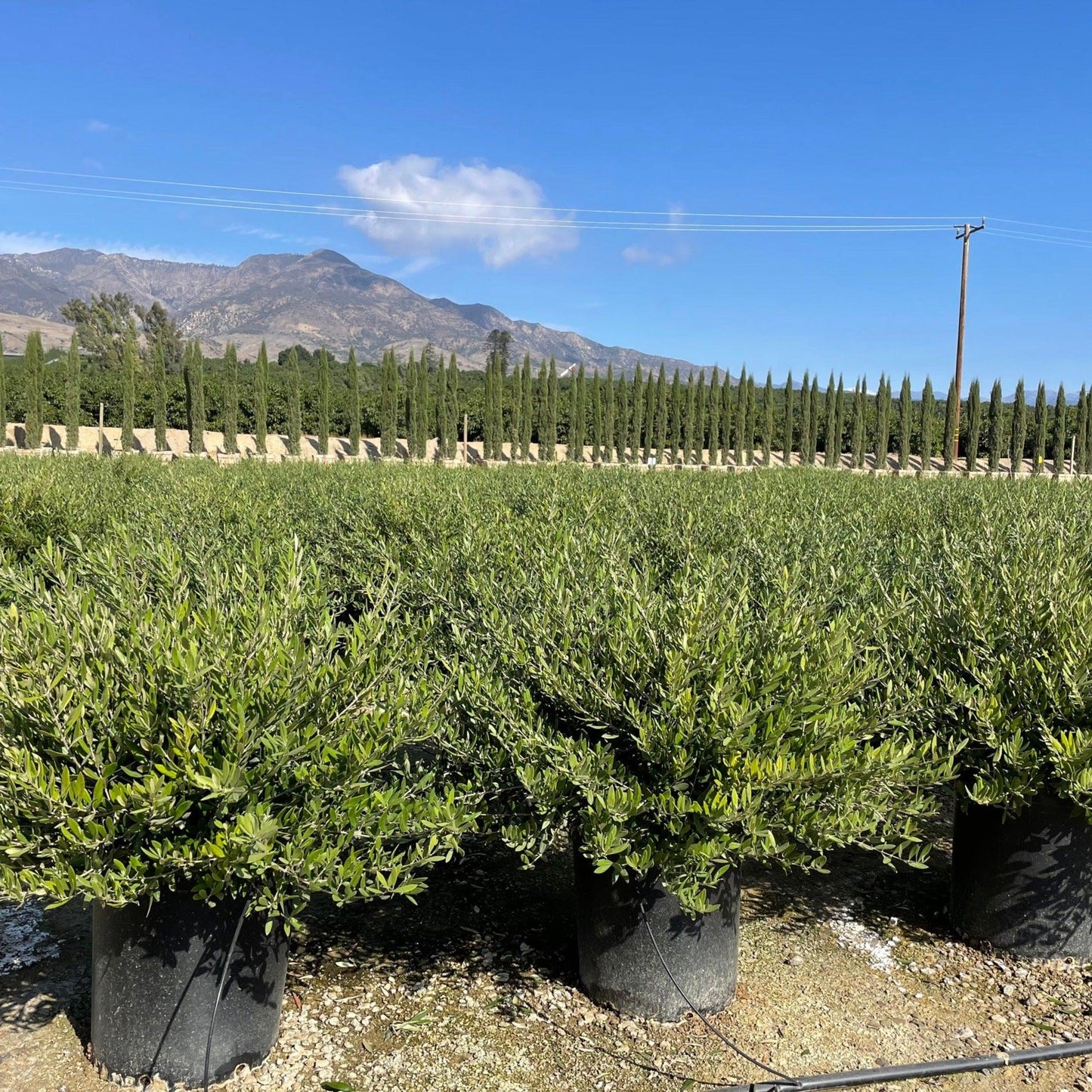

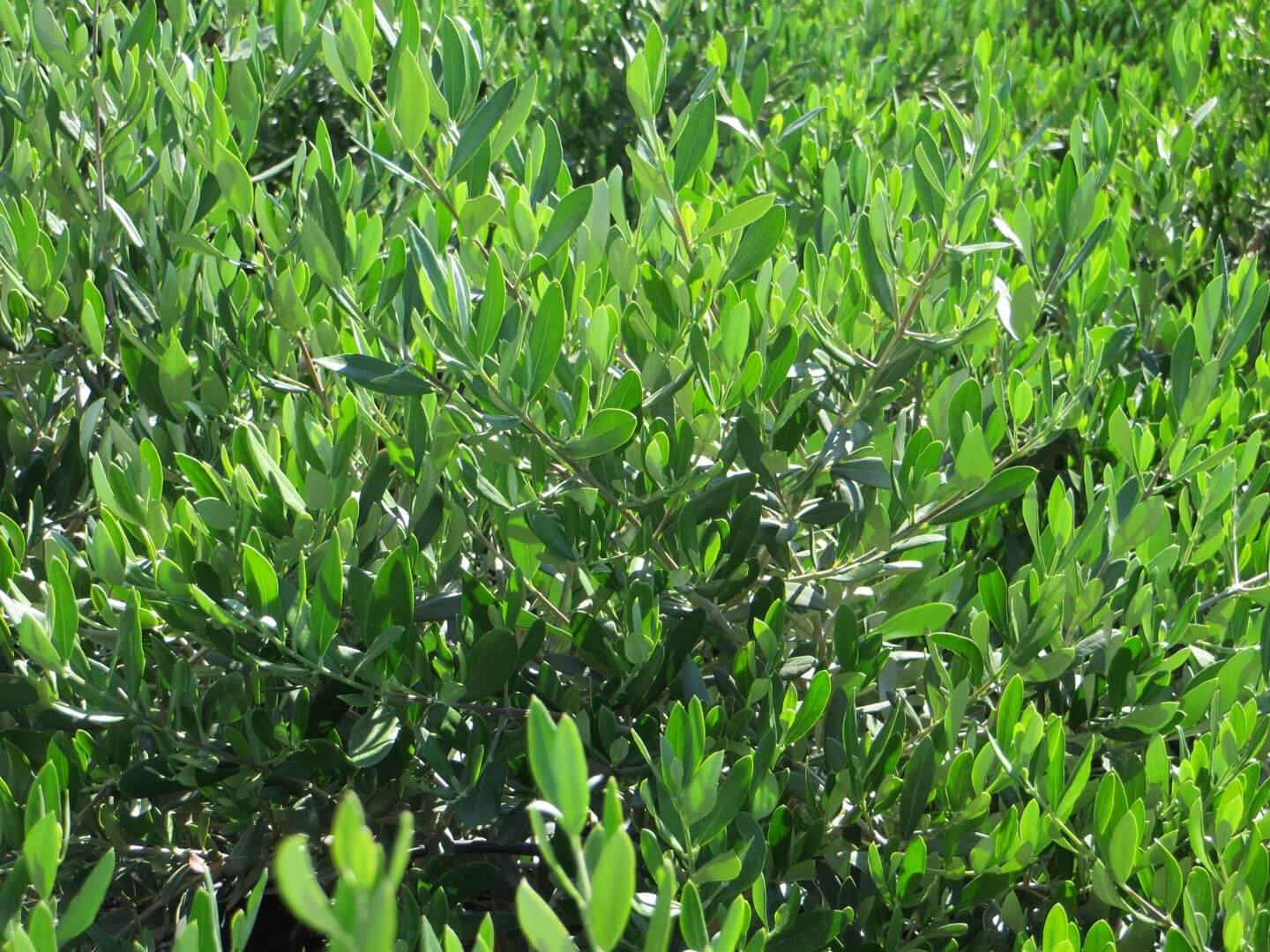
Thousands of Healthy Plants Delivered


Yardwork was so great to work with. First they had the Swan Hill olive trees that we had been searching for, we had contacted several other nurseries without any luck previously. Then they answered all of our questions in a timely matter prior to ordering and finally delivered within a few days of placing it. Their staff is incredibly knowledgeable; they delivered and planted our trees with expertise to ensure that they would do well in our yard. We would definitely work with them again for future projects.











A Modern Experience
At Yardwork, we carefully curate thousands of plants, in all container sizes, to provide you with the best selection of the highest quality trees and plants at the best price, with the convenience of an online platform.
Uncompromised Quality
We choose only the finest specimens and hand select our plants just before delivery to ensure you receive the freshest and most robust specimens available for your landscape.
Industry Leading Warranties
Our 30, 90, and 365 extended warranties provide some of the best coverage to ensure our trees and plants thrive in your landscape.
Frequently Asked Questions
We're committed to changing everything about trees and plants - how they’re grown, how you shop for them, and how much they cost. We handle orders ourselves. No middlemen to get between us (or our prices) and you.
We're committed to changing everything about trees and plants - how they’re grown, how you shop for them, and how much they cost. We handle orders ourselves. No middlemen to get between us (or our prices) and you.
Delivery does not include unloading of trees and plants LARGER than a 24" box.
Trees and plants in smaller containers will be dropped curbside (usually on the driveway or near the front doorstep).
Delivery beyond a curbside drop will be charged extra.
Trees and plants that are sold in container sizes LARGER than a 24" box size will require equipment and/or enough manpower onsite to help unload from the truck.
Please reach out to our team PRIOR to placing your order to help coordinate.
Our team can provide unloading assistance with equipment for an extra fee as well.
Delivery does not include unloading of trees and plants LARGER than a 24" box.
Trees and plants in smaller containers will be dropped curbside (usually on the driveway or near the front doorstep).
Delivery beyond a curbside drop will be charged extra.
Trees and plants that are sold in container sizes LARGER than a 24" box size will require equipment and/or enough manpower onsite to help unload from the truck.
Please reach out to our team PRIOR to placing your order to help coordinate.
Our team can provide unloading assistance with equipment for an extra fee as well.
We ship locally within California within 7-10 days of your order being placed.
We ship nationally using carrier partners, based on order size. Our common order minimums for out of state shipping is $5,000.
Text or call 323-576-4159 for specific shipping details for your location.
We ship locally within California within 7-10 days of your order being placed.
We ship nationally using carrier partners, based on order size. Our common order minimums for out of state shipping is $5,000.
Text or call 323-576-4159 for specific shipping details for your location.
We are currently online only and don't have physical locations where you can view plants in person.
That's why we have photos direct from the growing grounds of the plants we will ship and we display pricing right in our store.
We do make sure to pick the very best trees and plants prior to shipping and make sure that they have gone through our multi-point inspection for health and structure.
We will always reach out prior to delivery if we find a quality issue or need to provide a substitute.
We are currently online only and don't have physical locations where you can view plants in person.
That's why we have photos direct from the growing grounds of the plants we will ship and we display pricing right in our store.
We do make sure to pick the very best trees and plants prior to shipping and make sure that they have gone through our multi-point inspection for health and structure.
We will always reach out prior to delivery if we find a quality issue or need to provide a substitute.
Plants vary greatly by type. Here is a rough idea of sizes based on containers that are direct from our growing grounds.
15 Gallon Shrub 3-4 Ft. Tall
15 Gallon Tree 5-6 Ft. Tall
24" Box Shrub 5-6 Ft. Tall
24" Box Tree 6-7 Ft. Tall
36" Box Shrub/Tree 7-9 Ft. Tall
48" Box Shrub/Tree 8-10 Ft. Tall
**Please note that we do not make guarantees of sizes. If you have questions or concerns, please call or text to request accurate sizing for the particular plant you're considering, prior to ordering.
Plants vary greatly by type. Here is a rough idea of sizes based on containers that are direct from our growing grounds.
15 Gallon Shrub 3-4 Ft. Tall
15 Gallon Tree 5-6 Ft. Tall
24" Box Shrub 5-6 Ft. Tall
24" Box Tree 6-7 Ft. Tall
36" Box Shrub/Tree 7-9 Ft. Tall
48" Box Shrub/Tree 8-10 Ft. Tall
**Please note that we do not make guarantees of sizes. If you have questions or concerns, please call or text to request accurate sizing for the particular plant you're considering, prior to ordering.
We offer a limited 30 day warranty for plants that are delivered and planted by someone else and a 90 day warranty for plants that we plant.
The limited warranty covers plants that die as a result of disease or fungus which was derived from our growing grounds or from root balls that were root bound.
The warranty does not cover damage due to watering, fertilizer, soils, or any other conditions beyond our control. Additionally, the warranty does not cover plants that are shipped out of the state of California or shipped into California from other states. Custom plant orders are also not covered under warranty. Plants must be planted within 24 hours after delivery to qualify.
We can assist you in recommending the right soils and fertilizers to help your plant thrive after you plant it.
Text or call 323-576-4159 for further warranty information.
We offer a limited 30 day warranty for plants that are delivered and planted by someone else and a 90 day warranty for plants that we plant.
The limited warranty covers plants that die as a result of disease or fungus which was derived from our growing grounds or from root balls that were root bound.
The warranty does not cover damage due to watering, fertilizer, soils, or any other conditions beyond our control. Additionally, the warranty does not cover plants that are shipped out of the state of California or shipped into California from other states. Custom plant orders are also not covered under warranty. Plants must be planted within 24 hours after delivery to qualify.
We can assist you in recommending the right soils and fertilizers to help your plant thrive after you plant it.
Text or call 323-576-4159 for further warranty information.
Our local delivery team covers most cities in California.
There are some exceptions, so please get in touch to confirm prior to ordering.
Additionally, we ship using semi trucks and trailers throughout the entire United States and even abroad for large orders over $5,000. Each shipment is custom, so please reach out to our team to coordinate.
Our local delivery team covers most cities in California.
There are some exceptions, so please get in touch to confirm prior to ordering.
Additionally, we ship using semi trucks and trailers throughout the entire United States and even abroad for large orders over $5,000. Each shipment is custom, so please reach out to our team to coordinate.