



Phlomis Fruticosa (Jerusalem Sage)
Regular price
$25.00
Size
Transform Your Garden with Mediterranean Drought-Tolerant Beauty
Phlomis fruticosa, commonly known as Jerusalem sage, brings bold Mediterranean structure, bright yellow flowers, and low water performance to California gardens without demanding constant care. This shrubby, multi stemmed perennial plant thrives in full sun, handles dry growing season conditions once established, and adds year-round interest with fuzzy gray green foliage and architectural seed heads.
Native to Mediterranean regions including Greece, Italy, Turkey, Cyprus, and areas of the former Yugoslavia, Jerusalem sage is built for heat, lean soil types, and dry summer weather. In late spring and through summer, the plant blooms with vibrant, golden-yellow flowers, giving drought tolerant landscapes the kind of flower color that many low water plants cannot match.
Why You’ll Love It
-
Drought tolerant and water-wise – Phlomis fruticosa is suitable for xeriscaping and water-wise gardening due to its drought tolerance, making it a smart choice for low water California landscapes alongside other California drought-tolerant shrubs like Ceanothus.
-
Deer resistant for easier gardening – Once established, Phlomis fruticosa is highly drought-tolerant and deer-resistant, helping gardeners reduce browsing damage in exposed borders and problem areas.
-
Bright yellow summer blooms – In late spring to early summer and through summer, Jerusalem sage produces yellow flowers on erect stems, adding strong seasonal color above the upper half of the plant, complementing flowering trees selected for extended bloom seasons.
-
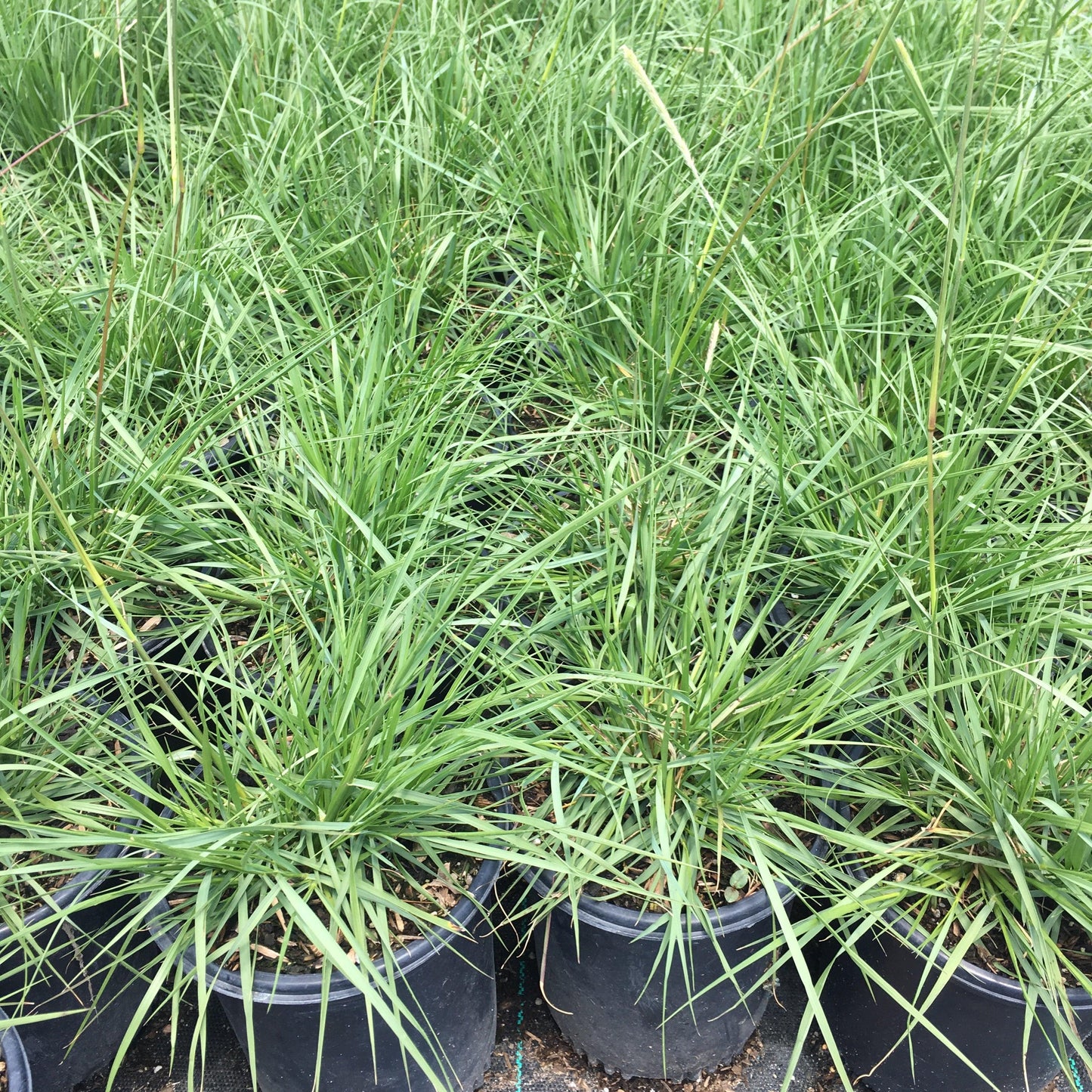
Low maintenance with long-lasting structure – This hardy evergreen can remain evergreen in mild winter climates, while dried flower heads and seed heads provide interest into fall, especially when paired with low-maintenance ground covers like Autumn Moor Grass.
-
Aromatic, fuzzy foliage – The gray green foliage is covered in fine hairs, giving the leaves a soft, woolly texture and a subtle resinous fragrance when touched, much like other aromatic, pollinator-friendly shrubs such as Black Sage (Salvia mellifera).
What Makes It Different
Most drought-tolerant plants ask you to compromise: you get low water needs, but lose flower power, foliage interest, or garden presence. Jerusalem sage combines bold bloom structure, silvery foliage, and Mediterranean resilience in one low maintenance plant.
-
Distinctive whorled flowers – Phlomis fruticosa produces vibrant, bright lemon-yellow, tubular flowers arranged in distinct, spherical rings stacked along vertical stalks. These short spikes of yellow flowers look more architectural than typical drought plant blooms.
-
Year-round gray green foliage – It features lance-shaped, wrinkled leaves that are gray-green on top and woolly white underneath. The plant provides year-round interest with its wrinkled, fuzzy, grayish-green leaves and dried flower heads.
-
Mediterranean heritage for California conditions – This species prefers sun, well drained soil, and dry summer conditions. It can survive in rocky, sandy, or poor soils but cannot tolerate standing water, fitting seamlessly into Mediterranean-style plantings with purple bougainvillea.
The name also reflects the plant’s character: the specific epithet “fruticosa” means shrubby, while the genus Phlomis comes from Greek botanical history, associated with woolly plants once compared to material used for lamp wicks.
How To Grow Phlomis Fruticose In Your Garden Successfully
-
Plant in sun and well-drained soil
Phlomis fruticosa is best planted in full sun to partial shade, though full sun delivers the strongest bloom. It thrives in full sun and requires well-draining soil; light shade is acceptable in hotter sites, but too much shade can reduce flowers and loosen the plant’s form. -
Water regularly during the first season
It requires regular watering during its first season to establish the root system. After the roots develop, reduce watering and let the ground dry between deep irrigation cycles, similar to the establishment routine for Karl Foerster Feather Reed Grass. -
Enjoy mature Mediterranean performance
Once established, Jerusalem sage becomes highly drought tolerant and deer resistant. In late spring and early summer, bright snapdragon-like flowers are exceptionally rich in nectar, attracting pollinators; the flowers are highly attractive to essential pollinators, including bees, butterflies, and hummingbirds. Promptly cut spent stems after bloom to encourage additional flushes, or leave seed heads for birds, texture, and dried arrangements.
Plant Details
-
Botanical name: Phlomis fruticosa
-
Common name: Jerusalem sage; phlomis fruticosa common name usage also appears as shrub Jerusalem sage
-
Plant type: Perennial, evergreen to semi-evergreen, shrubby Mediterranean species
-
Mature size: The shrub typically grows 3 to 4 feet tall and 3 to 5 feet wide
-
Additional size note: Phlomis fruticosa, commonly known as Jerusalem sage, is a perennial plant that can grow up to 3 feet tall and produces yellow flowers in late spring to early summer
-
Bloom time: Late May, late spring, early summer, and through summer
-
Flower color: Vibrant golden yellow to bright lemon-yellow
-
Flowers: Tubular, snapdragon-like flowers in whorls along erect stems
-
Foliage: Lance shaped, wrinkled, gray green on top and woolly white underneath
-
Sun requirements: Full sun to partial shade; best bloom in full sun
-
Water needs: Low to moderate during establishment; low water once established
-
Soil: Prefers well drained soil and tolerates rocky, sandy, poor, and lean soil types
-
Avoid: Standing water, heavy wet clay, and overly fertile conditions that create soft growth
-
Spacing: Spacing plants about 3 to 4 feet apart is recommended for creating mass plantings or borders
-
USDA zones: Best suited to warm, dry California climates and generally hardy in USDA zones where winter drainage is reliable
-
Containers: Phlomis fruticosa can be grown in containers, suitable for patios or elevated planters, and Yardwork’s online plant nursery for California homeowners can help source complementary container plants
-
Floral use: The unique, tiered flower heads are excellent for drying and using in floral arrangements
-
Pruning: Pruning is recommended to maintain a compact shape and encourage re-blooming; heavy pruning should be done in late winter to clear out old woody growth before spring rejuvenation begins
Related phlomis species are useful for comparison: Phlomis russeliana, or Russell’s phlomis, is notable for its whorled clusters of yellow flowers and can reach heights of 2 to 3 feet, thriving in well-drained soils and full sun. Phlomis tuberosa, also known as tuberous phlomis, is characterized by its tall spikes of pink to purple flowers and is often used in garden borders and as a pollinator plant, especially when combined with drought-tolerant trees such as the California Pepper Tree (Schinus molle).
Who It’s For
Ideal for:
-
California homeowners replacing high-water lawns or thirsty borders with drought tolerant planting
-
Gardeners who need deer resistant plants for sunny, exposed areas
-
Homeowners who want Mediterranean style with gray green foliage, yellow flowers, and strong summer presence
-
Pollinator-focused gardeners who want flowers for bees, butterflies, and hummingbirds
-
Patio gardeners looking for a hardy container plant for elevated planters or dry courtyards, and who may also want to pair it with compact flowering shrubs like Autumn Sage or structure plants such as the Photinia Tree for hedging or screening
If you want a low maintenance plant that brings bright yellow flowers, evergreen structure, and drought tolerant performance to your property, Phlomis fruticosa is a strong fit.
Frequently Asked Questions
Is Phlomis fruticosa easy to care for?
Yes. Jerusalem sage is low maintenance once established. Give it full sun, well drained soil, and avoid standing water. Prune after flowering to keep a compact form and encourage additional flushes.
How long does it take to establish and bloom?
Water regularly during the first growing season while the roots establish. Plants often bloom in late spring to early summer, with stronger flowering and fuller structure as they mature.
What if it is not right for my garden?
Yardwork can help you choose the right site before planting, including guidance on drainage, soil testing, sun exposure, and container placement. Our satisfaction guarantee is designed to support successful planting when recommended care conditions are followed.
Ready to Transform Your Garden?
Stop settling for high-water, high-maintenance gardens that struggle through summer. Choose Phlomis Fruticosa (Jerusalem Sage) for a drought tolerant Mediterranean plant with bright yellow flowers, deer resistant performance, fuzzy evergreen foliage, and long-lasting structure.
Yardwork makes it easier to plant with confidence through expert consultation, soil and drainage guidance, careful shipping details, and support after purchase.
Transform Your Garden with Mediterranean Drought-Tolerant Beauty
Phlomis fruticosa, commonly known as Jerusalem sage, brings bold Mediterranean structure, bright yellow flowers, and low water performance to California gardens without demanding constant care. This shrubby, multi stemmed perennial plant thrives in full sun, handles dry growing season conditions once established, and adds year-round interest with fuzzy gray green foliage and architectural seed heads.
Native to Mediterranean regions including Greece, Italy, Turkey, Cyprus, and areas of the former Yugoslavia, Jerusalem sage is built for heat, lean soil types, and dry summer weather. In late spring and through summer, the plant blooms with vibrant, golden-yellow flowers, giving drought tolerant landscapes the kind of flower color that many low water plants cannot match.
Why You’ll Love It
-
Drought tolerant and water-wise – Phlomis fruticosa is suitable for xeriscaping and water-wise gardening due to its drought tolerance, making it a smart choice for low water California landscapes alongside other California drought-tolerant shrubs like Ceanothus.
-
Deer resistant for easier gardening – Once established, Phlomis fruticosa is highly drought-tolerant and deer-resistant, helping gardeners reduce browsing damage in exposed borders and problem areas.
-
Bright yellow summer blooms – In late spring to early summer and through summer, Jerusalem sage produces yellow flowers on erect stems, adding strong seasonal color above the upper half of the plant, complementing flowering trees selected for extended bloom seasons.
-
Low maintenance with long-lasting structure – This hardy evergreen can remain evergreen in mild winter climates, while dried flower heads and seed heads provide interest into fall, especially when paired with low-maintenance ground covers like Autumn Moor Grass.
-
Aromatic, fuzzy foliage – The gray green foliage is covered in fine hairs, giving the leaves a soft, woolly texture and a subtle resinous fragrance when touched, much like other aromatic, pollinator-friendly shrubs such as Black Sage (Salvia mellifera).
What Makes It Different
Most drought-tolerant plants ask you to compromise: you get low water needs, but lose flower power, foliage interest, or garden presence. Jerusalem sage combines bold bloom structure, silvery foliage, and Mediterranean resilience in one low maintenance plant.
-
Distinctive whorled flowers – Phlomis fruticosa produces vibrant, bright lemon-yellow, tubular flowers arranged in distinct, spherical rings stacked along vertical stalks. These short spikes of yellow flowers look more architectural than typical drought plant blooms.
-
Year-round gray green foliage – It features lance-shaped, wrinkled leaves that are gray-green on top and woolly white underneath. The plant provides year-round interest with its wrinkled, fuzzy, grayish-green leaves and dried flower heads.
-
Mediterranean heritage for California conditions – This species prefers sun, well drained soil, and dry summer conditions. It can survive in rocky, sandy, or poor soils but cannot tolerate standing water, fitting seamlessly into Mediterranean-style plantings with purple bougainvillea.
The name also reflects the plant’s character: the specific epithet “fruticosa” means shrubby, while the genus Phlomis comes from Greek botanical history, associated with woolly plants once compared to material used for lamp wicks.
How To Grow Phlomis Fruticose In Your Garden Successfully
-
Plant in sun and well-drained soil
Phlomis fruticosa is best planted in full sun to partial shade, though full sun delivers the strongest bloom. It thrives in full sun and requires well-draining soil; light shade is acceptable in hotter sites, but too much shade can reduce flowers and loosen the plant’s form. -
Water regularly during the first season
It requires regular watering during its first season to establish the root system. After the roots develop, reduce watering and let the ground dry between deep irrigation cycles, similar to the establishment routine for Karl Foerster Feather Reed Grass. -
Enjoy mature Mediterranean performance
Once established, Jerusalem sage becomes highly drought tolerant and deer resistant. In late spring and early summer, bright snapdragon-like flowers are exceptionally rich in nectar, attracting pollinators; the flowers are highly attractive to essential pollinators, including bees, butterflies, and hummingbirds. Promptly cut spent stems after bloom to encourage additional flushes, or leave seed heads for birds, texture, and dried arrangements.
Plant Details
-
Botanical name: Phlomis fruticosa
-
Common name: Jerusalem sage; phlomis fruticosa common name usage also appears as shrub Jerusalem sage
-
Plant type: Perennial, evergreen to semi-evergreen, shrubby Mediterranean species
-
Mature size: The shrub typically grows 3 to 4 feet tall and 3 to 5 feet wide
-
Additional size note: Phlomis fruticosa, commonly known as Jerusalem sage, is a perennial plant that can grow up to 3 feet tall and produces yellow flowers in late spring to early summer
-
Bloom time: Late May, late spring, early summer, and through summer
-
Flower color: Vibrant golden yellow to bright lemon-yellow
-
Flowers: Tubular, snapdragon-like flowers in whorls along erect stems
-
Foliage: Lance shaped, wrinkled, gray green on top and woolly white underneath
-
Sun requirements: Full sun to partial shade; best bloom in full sun
-
Water needs: Low to moderate during establishment; low water once established
-
Soil: Prefers well drained soil and tolerates rocky, sandy, poor, and lean soil types
-
Avoid: Standing water, heavy wet clay, and overly fertile conditions that create soft growth
-
Spacing: Spacing plants about 3 to 4 feet apart is recommended for creating mass plantings or borders
-
USDA zones: Best suited to warm, dry California climates and generally hardy in USDA zones where winter drainage is reliable
-
Containers: Phlomis fruticosa can be grown in containers, suitable for patios or elevated planters, and Yardwork’s online plant nursery for California homeowners can help source complementary container plants
-
Floral use: The unique, tiered flower heads are excellent for drying and using in floral arrangements
-
Pruning: Pruning is recommended to maintain a compact shape and encourage re-blooming; heavy pruning should be done in late winter to clear out old woody growth before spring rejuvenation begins
Related phlomis species are useful for comparison: Phlomis russeliana, or Russell’s phlomis, is notable for its whorled clusters of yellow flowers and can reach heights of 2 to 3 feet, thriving in well-drained soils and full sun. Phlomis tuberosa, also known as tuberous phlomis, is characterized by its tall spikes of pink to purple flowers and is often used in garden borders and as a pollinator plant, especially when combined with drought-tolerant trees such as the California Pepper Tree (Schinus molle).
Who It’s For
Ideal for:
-
California homeowners replacing high-water lawns or thirsty borders with drought tolerant planting
-
Gardeners who need deer resistant plants for sunny, exposed areas
-
Homeowners who want Mediterranean style with gray green foliage, yellow flowers, and strong summer presence
-
Pollinator-focused gardeners who want flowers for bees, butterflies, and hummingbirds
-
Patio gardeners looking for a hardy container plant for elevated planters or dry courtyards, and who may also want to pair it with compact flowering shrubs like Autumn Sage or structure plants such as the Photinia Tree for hedging or screening
If you want a low maintenance plant that brings bright yellow flowers, evergreen structure, and drought tolerant performance to your property, Phlomis fruticosa is a strong fit.
Frequently Asked Questions
Is Phlomis fruticosa easy to care for?
Yes. Jerusalem sage is low maintenance once established. Give it full sun, well drained soil, and avoid standing water. Prune after flowering to keep a compact form and encourage additional flushes.
How long does it take to establish and bloom?
Water regularly during the first growing season while the roots establish. Plants often bloom in late spring to early summer, with stronger flowering and fuller structure as they mature.
What if it is not right for my garden?
Yardwork can help you choose the right site before planting, including guidance on drainage, soil testing, sun exposure, and container placement. Our satisfaction guarantee is designed to support successful planting when recommended care conditions are followed.
Ready to Transform Your Garden?
Stop settling for high-water, high-maintenance gardens that struggle through summer. Choose Phlomis Fruticosa (Jerusalem Sage) for a drought tolerant Mediterranean plant with bright yellow flowers, deer resistant performance, fuzzy evergreen foliage, and long-lasting structure.
Yardwork makes it easier to plant with confidence through expert consultation, soil and drainage guidance, careful shipping details, and support after purchase.
Plants vary greatly by type and no guarantees are made on sizing.
However here is a rough idea of sizes based on containers that are direct from our growing grounds.
15 Gallon Shrub 3-4 Ft. Tall
15 Gallon Tree 5-6 Ft. Tall
24" Box Shrub 5-6 Ft. Tall
24" Box Tree 6-7 Ft. Tall
36" Box Tree 8-10 Ft. Tall
48" Box Tree 10-12 Ft. Tall
Please note: Citrus and California Native plants such as Manzanita are smaller than traditional sizing.
Please contact us to confirm sizing of items before purchasing if this is a concern.
Plants vary greatly by type and no guarantees are made on sizing.
However here is a rough idea of sizes based on containers that are direct from our growing grounds.
15 Gallon Shrub 3-4 Ft. Tall
15 Gallon Tree 5-6 Ft. Tall
24" Box Shrub 5-6 Ft. Tall
24" Box Tree 6-7 Ft. Tall
36" Box Tree 8-10 Ft. Tall
48" Box Tree 10-12 Ft. Tall
Please note: Citrus and California Native plants such as Manzanita are smaller than traditional sizing.
Please contact us to confirm sizing of items before purchasing if this is a concern.
Delivery does not include unloading of trees and plants larger than a 24" box.
Trees and plants in smaller containers will be dropped curbside.
Delivery beyond a curbside drop will be charged extra.
Trees and plants that are sold in container sizes larger than a 24" box size will require equipment and an operator onsite to help unload from the truck.
Please reach out to our team PRIOR to placing your order to coordinate.
Our team can provide unloading assistance with equipment for an extra fee.
Delivery does not include unloading of trees and plants larger than a 24" box.
Trees and plants in smaller containers will be dropped curbside.
Delivery beyond a curbside drop will be charged extra.
Trees and plants that are sold in container sizes larger than a 24" box size will require equipment and an operator onsite to help unload from the truck.
Please reach out to our team PRIOR to placing your order to coordinate.
Our team can provide unloading assistance with equipment for an extra fee.
You may also like...


Phlomis Fruticosa (Jerusalem Sage)
Regular price
$25.00
Size
Transform Your Garden with Mediterranean Drought-Tolerant Beauty
Phlomis fruticosa, commonly known as Jerusalem sage, brings bold Mediterranean structure, bright yellow flowers, and low water performance to California gardens without demanding constant care. This shrubby, multi stemmed perennial plant thrives in full sun, handles dry growing season conditions once established, and adds year-round interest with fuzzy gray green foliage and architectural seed heads.
Native to Mediterranean regions including Greece, Italy, Turkey, Cyprus, and areas of the former Yugoslavia, Jerusalem sage is built for heat, lean soil types, and dry summer weather. In late spring and through summer, the plant blooms with vibrant, golden-yellow flowers, giving drought tolerant landscapes the kind of flower color that many low water plants cannot match.
Why You’ll Love It
-
Drought tolerant and water-wise – Phlomis fruticosa is suitable for xeriscaping and water-wise gardening due to its drought tolerance, making it a smart choice for low water California landscapes alongside other California drought-tolerant shrubs like Ceanothus.
-
Deer resistant for easier gardening – Once established, Phlomis fruticosa is highly drought-tolerant and deer-resistant, helping gardeners reduce browsing damage in exposed borders and problem areas.
-
Bright yellow summer blooms – In late spring to early summer and through summer, Jerusalem sage produces yellow flowers on erect stems, adding strong seasonal color above the upper half of the plant, complementing flowering trees selected for extended bloom seasons.
-
Low maintenance with long-lasting structure – This hardy evergreen can remain evergreen in mild winter climates, while dried flower heads and seed heads provide interest into fall, especially when paired with low-maintenance ground covers like Autumn Moor Grass.
-
Aromatic, fuzzy foliage – The gray green foliage is covered in fine hairs, giving the leaves a soft, woolly texture and a subtle resinous fragrance when touched, much like other aromatic, pollinator-friendly shrubs such as Black Sage (Salvia mellifera).
What Makes It Different
Most drought-tolerant plants ask you to compromise: you get low water needs, but lose flower power, foliage interest, or garden presence. Jerusalem sage combines bold bloom structure, silvery foliage, and Mediterranean resilience in one low maintenance plant.
-
Distinctive whorled flowers – Phlomis fruticosa produces vibrant, bright lemon-yellow, tubular flowers arranged in distinct, spherical rings stacked along vertical stalks. These short spikes of yellow flowers look more architectural than typical drought plant blooms.
-
Year-round gray green foliage – It features lance-shaped, wrinkled leaves that are gray-green on top and woolly white underneath. The plant provides year-round interest with its wrinkled, fuzzy, grayish-green leaves and dried flower heads.
-
Mediterranean heritage for California conditions – This species prefers sun, well drained soil, and dry summer conditions. It can survive in rocky, sandy, or poor soils but cannot tolerate standing water, fitting seamlessly into Mediterranean-style plantings with purple bougainvillea.
The name also reflects the plant’s character: the specific epithet “fruticosa” means shrubby, while the genus Phlomis comes from Greek botanical history, associated with woolly plants once compared to material used for lamp wicks.
How To Grow Phlomis Fruticose In Your Garden Successfully
-
Plant in sun and well-drained soil
Phlomis fruticosa is best planted in full sun to partial shade, though full sun delivers the strongest bloom. It thrives in full sun and requires well-draining soil; light shade is acceptable in hotter sites, but too much shade can reduce flowers and loosen the plant’s form. -
Water regularly during the first season
It requires regular watering during its first season to establish the root system. After the roots develop, reduce watering and let the ground dry between deep irrigation cycles, similar to the establishment routine for Karl Foerster Feather Reed Grass. -
Enjoy mature Mediterranean performance
Once established, Jerusalem sage becomes highly drought tolerant and deer resistant. In late spring and early summer, bright snapdragon-like flowers are exceptionally rich in nectar, attracting pollinators; the flowers are highly attractive to essential pollinators, including bees, butterflies, and hummingbirds. Promptly cut spent stems after bloom to encourage additional flushes, or leave seed heads for birds, texture, and dried arrangements.
Plant Details
-
Botanical name: Phlomis fruticosa
-
Common name: Jerusalem sage; phlomis fruticosa common name usage also appears as shrub Jerusalem sage
-
Plant type: Perennial, evergreen to semi-evergreen, shrubby Mediterranean species
-
Mature size: The shrub typically grows 3 to 4 feet tall and 3 to 5 feet wide
-
Additional size note: Phlomis fruticosa, commonly known as Jerusalem sage, is a perennial plant that can grow up to 3 feet tall and produces yellow flowers in late spring to early summer
-
Bloom time: Late May, late spring, early summer, and through summer
-
Flower color: Vibrant golden yellow to bright lemon-yellow
-
Flowers: Tubular, snapdragon-like flowers in whorls along erect stems
-
Foliage: Lance shaped, wrinkled, gray green on top and woolly white underneath
-
Sun requirements: Full sun to partial shade; best bloom in full sun
-
Water needs: Low to moderate during establishment; low water once established
-
Soil: Prefers well drained soil and tolerates rocky, sandy, poor, and lean soil types
-
Avoid: Standing water, heavy wet clay, and overly fertile conditions that create soft growth
-
Spacing: Spacing plants about 3 to 4 feet apart is recommended for creating mass plantings or borders
-
USDA zones: Best suited to warm, dry California climates and generally hardy in USDA zones where winter drainage is reliable
-
Containers: Phlomis fruticosa can be grown in containers, suitable for patios or elevated planters, and Yardwork’s online plant nursery for California homeowners can help source complementary container plants
-
Floral use: The unique, tiered flower heads are excellent for drying and using in floral arrangements
-
Pruning: Pruning is recommended to maintain a compact shape and encourage re-blooming; heavy pruning should be done in late winter to clear out old woody growth before spring rejuvenation begins
Related phlomis species are useful for comparison: Phlomis russeliana, or Russell’s phlomis, is notable for its whorled clusters of yellow flowers and can reach heights of 2 to 3 feet, thriving in well-drained soils and full sun. Phlomis tuberosa, also known as tuberous phlomis, is characterized by its tall spikes of pink to purple flowers and is often used in garden borders and as a pollinator plant, especially when combined with drought-tolerant trees such as the California Pepper Tree (Schinus molle).
Who It’s For
Ideal for:
-
California homeowners replacing high-water lawns or thirsty borders with drought tolerant planting
-
Gardeners who need deer resistant plants for sunny, exposed areas
-
Homeowners who want Mediterranean style with gray green foliage, yellow flowers, and strong summer presence
-
Pollinator-focused gardeners who want flowers for bees, butterflies, and hummingbirds
-
Patio gardeners looking for a hardy container plant for elevated planters or dry courtyards, and who may also want to pair it with compact flowering shrubs like Autumn Sage or structure plants such as the Photinia Tree for hedging or screening
If you want a low maintenance plant that brings bright yellow flowers, evergreen structure, and drought tolerant performance to your property, Phlomis fruticosa is a strong fit.
Frequently Asked Questions
Is Phlomis fruticosa easy to care for?
Yes. Jerusalem sage is low maintenance once established. Give it full sun, well drained soil, and avoid standing water. Prune after flowering to keep a compact form and encourage additional flushes.
How long does it take to establish and bloom?
Water regularly during the first growing season while the roots establish. Plants often bloom in late spring to early summer, with stronger flowering and fuller structure as they mature.
What if it is not right for my garden?
Yardwork can help you choose the right site before planting, including guidance on drainage, soil testing, sun exposure, and container placement. Our satisfaction guarantee is designed to support successful planting when recommended care conditions are followed.
Ready to Transform Your Garden?
Stop settling for high-water, high-maintenance gardens that struggle through summer. Choose Phlomis Fruticosa (Jerusalem Sage) for a drought tolerant Mediterranean plant with bright yellow flowers, deer resistant performance, fuzzy evergreen foliage, and long-lasting structure.
Yardwork makes it easier to plant with confidence through expert consultation, soil and drainage guidance, careful shipping details, and support after purchase.
Transform Your Garden with Mediterranean Drought-Tolerant Beauty
Phlomis fruticosa, commonly known as Jerusalem sage, brings bold Mediterranean structure, bright yellow flowers, and low water performance to California gardens without demanding constant care. This shrubby, multi stemmed perennial plant thrives in full sun, handles dry growing season conditions once established, and adds year-round interest with fuzzy gray green foliage and architectural seed heads.
Native to Mediterranean regions including Greece, Italy, Turkey, Cyprus, and areas of the former Yugoslavia, Jerusalem sage is built for heat, lean soil types, and dry summer weather. In late spring and through summer, the plant blooms with vibrant, golden-yellow flowers, giving drought tolerant landscapes the kind of flower color that many low water plants cannot match.
Why You’ll Love It
-
Drought tolerant and water-wise – Phlomis fruticosa is suitable for xeriscaping and water-wise gardening due to its drought tolerance, making it a smart choice for low water California landscapes alongside other California drought-tolerant shrubs like Ceanothus.
-
Deer resistant for easier gardening – Once established, Phlomis fruticosa is highly drought-tolerant and deer-resistant, helping gardeners reduce browsing damage in exposed borders and problem areas.
-
Bright yellow summer blooms – In late spring to early summer and through summer, Jerusalem sage produces yellow flowers on erect stems, adding strong seasonal color above the upper half of the plant, complementing flowering trees selected for extended bloom seasons.
-
Low maintenance with long-lasting structure – This hardy evergreen can remain evergreen in mild winter climates, while dried flower heads and seed heads provide interest into fall, especially when paired with low-maintenance ground covers like Autumn Moor Grass.
-
Aromatic, fuzzy foliage – The gray green foliage is covered in fine hairs, giving the leaves a soft, woolly texture and a subtle resinous fragrance when touched, much like other aromatic, pollinator-friendly shrubs such as Black Sage (Salvia mellifera).
What Makes It Different
Most drought-tolerant plants ask you to compromise: you get low water needs, but lose flower power, foliage interest, or garden presence. Jerusalem sage combines bold bloom structure, silvery foliage, and Mediterranean resilience in one low maintenance plant.
-
Distinctive whorled flowers – Phlomis fruticosa produces vibrant, bright lemon-yellow, tubular flowers arranged in distinct, spherical rings stacked along vertical stalks. These short spikes of yellow flowers look more architectural than typical drought plant blooms.
-
Year-round gray green foliage – It features lance-shaped, wrinkled leaves that are gray-green on top and woolly white underneath. The plant provides year-round interest with its wrinkled, fuzzy, grayish-green leaves and dried flower heads.
-
Mediterranean heritage for California conditions – This species prefers sun, well drained soil, and dry summer conditions. It can survive in rocky, sandy, or poor soils but cannot tolerate standing water, fitting seamlessly into Mediterranean-style plantings with purple bougainvillea.
The name also reflects the plant’s character: the specific epithet “fruticosa” means shrubby, while the genus Phlomis comes from Greek botanical history, associated with woolly plants once compared to material used for lamp wicks.
How To Grow Phlomis Fruticose In Your Garden Successfully
-
Plant in sun and well-drained soil
Phlomis fruticosa is best planted in full sun to partial shade, though full sun delivers the strongest bloom. It thrives in full sun and requires well-draining soil; light shade is acceptable in hotter sites, but too much shade can reduce flowers and loosen the plant’s form. -
Water regularly during the first season
It requires regular watering during its first season to establish the root system. After the roots develop, reduce watering and let the ground dry between deep irrigation cycles, similar to the establishment routine for Karl Foerster Feather Reed Grass. -
Enjoy mature Mediterranean performance
Once established, Jerusalem sage becomes highly drought tolerant and deer resistant. In late spring and early summer, bright snapdragon-like flowers are exceptionally rich in nectar, attracting pollinators; the flowers are highly attractive to essential pollinators, including bees, butterflies, and hummingbirds. Promptly cut spent stems after bloom to encourage additional flushes, or leave seed heads for birds, texture, and dried arrangements.
Plant Details
-
Botanical name: Phlomis fruticosa
-
Common name: Jerusalem sage; phlomis fruticosa common name usage also appears as shrub Jerusalem sage
-
Plant type: Perennial, evergreen to semi-evergreen, shrubby Mediterranean species
-
Mature size: The shrub typically grows 3 to 4 feet tall and 3 to 5 feet wide
-
Additional size note: Phlomis fruticosa, commonly known as Jerusalem sage, is a perennial plant that can grow up to 3 feet tall and produces yellow flowers in late spring to early summer
-
Bloom time: Late May, late spring, early summer, and through summer
-
Flower color: Vibrant golden yellow to bright lemon-yellow
-
Flowers: Tubular, snapdragon-like flowers in whorls along erect stems
-
Foliage: Lance shaped, wrinkled, gray green on top and woolly white underneath
-
Sun requirements: Full sun to partial shade; best bloom in full sun
-
Water needs: Low to moderate during establishment; low water once established
-
Soil: Prefers well drained soil and tolerates rocky, sandy, poor, and lean soil types
-
Avoid: Standing water, heavy wet clay, and overly fertile conditions that create soft growth
-
Spacing: Spacing plants about 3 to 4 feet apart is recommended for creating mass plantings or borders
-
USDA zones: Best suited to warm, dry California climates and generally hardy in USDA zones where winter drainage is reliable
-
Containers: Phlomis fruticosa can be grown in containers, suitable for patios or elevated planters, and Yardwork’s online plant nursery for California homeowners can help source complementary container plants
-
Floral use: The unique, tiered flower heads are excellent for drying and using in floral arrangements
-
Pruning: Pruning is recommended to maintain a compact shape and encourage re-blooming; heavy pruning should be done in late winter to clear out old woody growth before spring rejuvenation begins
Related phlomis species are useful for comparison: Phlomis russeliana, or Russell’s phlomis, is notable for its whorled clusters of yellow flowers and can reach heights of 2 to 3 feet, thriving in well-drained soils and full sun. Phlomis tuberosa, also known as tuberous phlomis, is characterized by its tall spikes of pink to purple flowers and is often used in garden borders and as a pollinator plant, especially when combined with drought-tolerant trees such as the California Pepper Tree (Schinus molle).
Who It’s For
Ideal for:
-
California homeowners replacing high-water lawns or thirsty borders with drought tolerant planting
-
Gardeners who need deer resistant plants for sunny, exposed areas
-
Homeowners who want Mediterranean style with gray green foliage, yellow flowers, and strong summer presence
-
Pollinator-focused gardeners who want flowers for bees, butterflies, and hummingbirds
-
Patio gardeners looking for a hardy container plant for elevated planters or dry courtyards, and who may also want to pair it with compact flowering shrubs like Autumn Sage or structure plants such as the Photinia Tree for hedging or screening
If you want a low maintenance plant that brings bright yellow flowers, evergreen structure, and drought tolerant performance to your property, Phlomis fruticosa is a strong fit.
Frequently Asked Questions
Is Phlomis fruticosa easy to care for?
Yes. Jerusalem sage is low maintenance once established. Give it full sun, well drained soil, and avoid standing water. Prune after flowering to keep a compact form and encourage additional flushes.
How long does it take to establish and bloom?
Water regularly during the first growing season while the roots establish. Plants often bloom in late spring to early summer, with stronger flowering and fuller structure as they mature.
What if it is not right for my garden?
Yardwork can help you choose the right site before planting, including guidance on drainage, soil testing, sun exposure, and container placement. Our satisfaction guarantee is designed to support successful planting when recommended care conditions are followed.
Ready to Transform Your Garden?
Stop settling for high-water, high-maintenance gardens that struggle through summer. Choose Phlomis Fruticosa (Jerusalem Sage) for a drought tolerant Mediterranean plant with bright yellow flowers, deer resistant performance, fuzzy evergreen foliage, and long-lasting structure.
Yardwork makes it easier to plant with confidence through expert consultation, soil and drainage guidance, careful shipping details, and support after purchase.
Plants vary greatly by type and no guarantees are made on sizing.
However here is a rough idea of sizes based on containers that are direct from our growing grounds.
15 Gallon Shrub 3-4 Ft. Tall
15 Gallon Tree 5-6 Ft. Tall
24" Box Shrub 5-6 Ft. Tall
24" Box Tree 6-7 Ft. Tall
36" Box Tree 8-10 Ft. Tall
48" Box Tree 10-12 Ft. Tall
Please note: Citrus and California Native plants such as Manzanita are smaller than traditional sizing.
Please contact us to confirm sizing of items before purchasing if this is a concern.
Plants vary greatly by type and no guarantees are made on sizing.
However here is a rough idea of sizes based on containers that are direct from our growing grounds.
15 Gallon Shrub 3-4 Ft. Tall
15 Gallon Tree 5-6 Ft. Tall
24" Box Shrub 5-6 Ft. Tall
24" Box Tree 6-7 Ft. Tall
36" Box Tree 8-10 Ft. Tall
48" Box Tree 10-12 Ft. Tall
Please note: Citrus and California Native plants such as Manzanita are smaller than traditional sizing.
Please contact us to confirm sizing of items before purchasing if this is a concern.
Delivery does not include unloading of trees and plants larger than a 24" box.
Trees and plants in smaller containers will be dropped curbside.
Delivery beyond a curbside drop will be charged extra.
Trees and plants that are sold in container sizes larger than a 24" box size will require equipment and an operator onsite to help unload from the truck.
Please reach out to our team PRIOR to placing your order to coordinate.
Our team can provide unloading assistance with equipment for an extra fee.
Delivery does not include unloading of trees and plants larger than a 24" box.
Trees and plants in smaller containers will be dropped curbside.
Delivery beyond a curbside drop will be charged extra.
Trees and plants that are sold in container sizes larger than a 24" box size will require equipment and an operator onsite to help unload from the truck.
Please reach out to our team PRIOR to placing your order to coordinate.
Our team can provide unloading assistance with equipment for an extra fee.
Recommended For You















Pairs Well With













You May Also Like











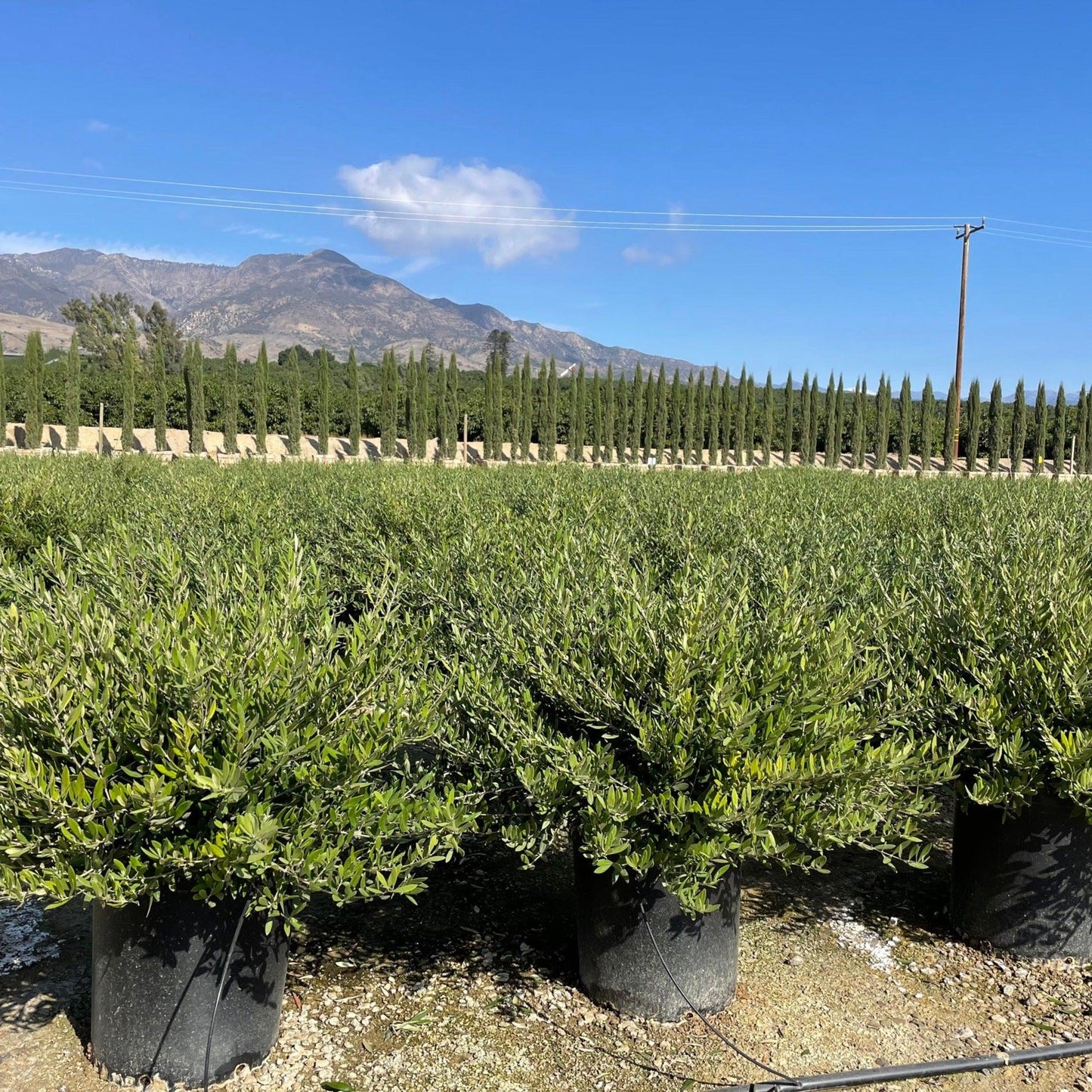

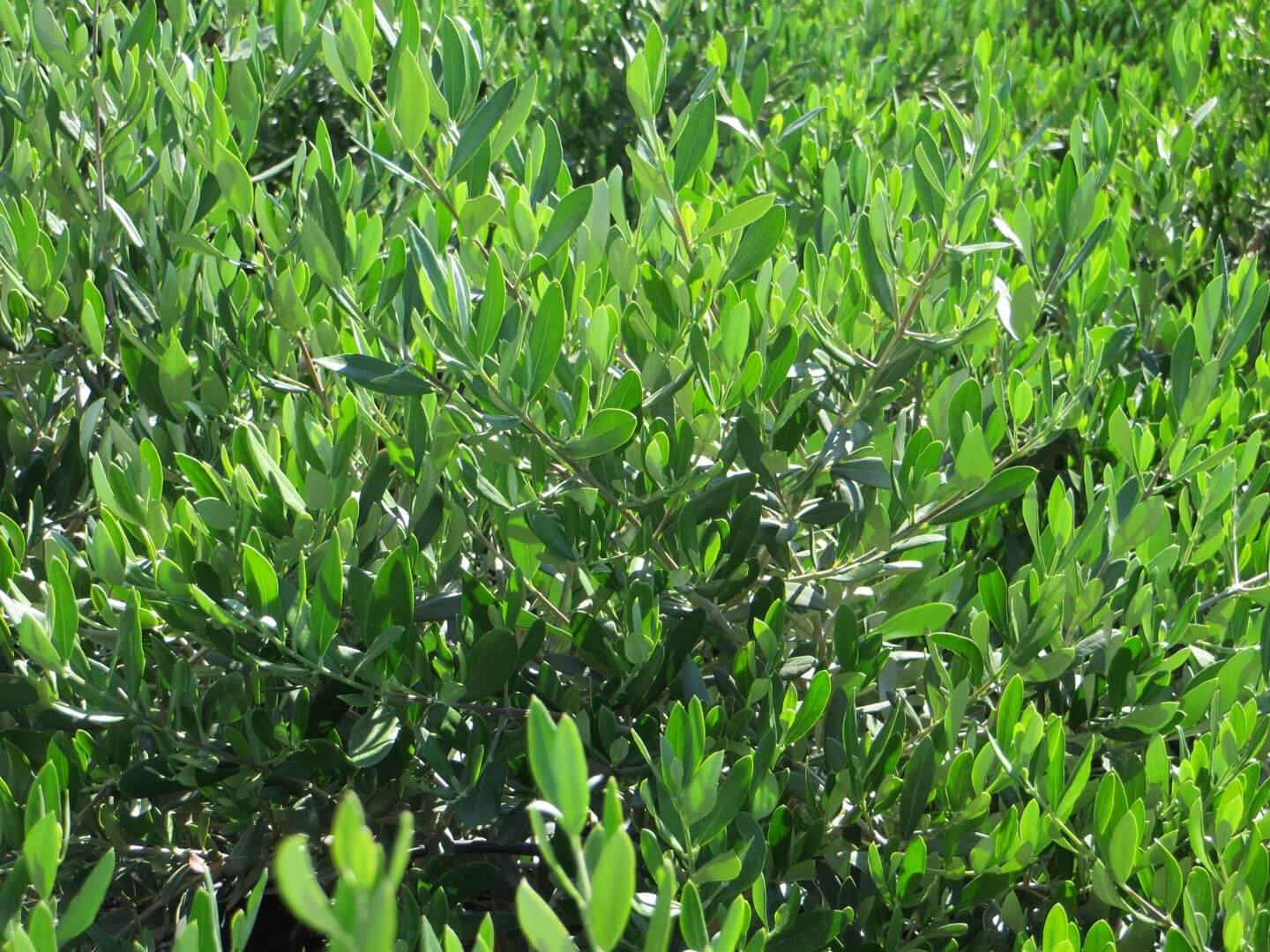
Thousands of Healthy Plants Delivered

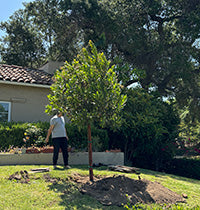
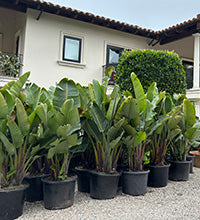
Yardwork was so great to work with. First they had the Swan Hill olive trees that we had been searching for, we had contacted several other nurseries without any luck previously. Then they answered all of our questions in a timely matter prior to ordering and finally delivered within a few days of placing it. Their staff is incredibly knowledgeable; they delivered and planted our trees with expertise to ensure that they would do well in our yard. We would definitely work with them again for future projects.











A Modern Experience
At Yardwork, we carefully curate thousands of plants, in all container sizes, to provide you with the best selection of the highest quality trees and plants at the best price, with the convenience of an online platform.
Uncompromised Quality
We choose only the finest specimens and hand select our plants just before delivery to ensure you receive the freshest and most robust specimens available for your landscape.
Industry Leading Warranties
Our 30, 90, and 365 extended warranties provide some of the best coverage to ensure our trees and plants thrive in your landscape.
Frequently Asked Questions
We're committed to changing everything about trees and plants - how they’re grown, how you shop for them, and how much they cost. We handle orders ourselves. No middlemen to get between us (or our prices) and you.
We're committed to changing everything about trees and plants - how they’re grown, how you shop for them, and how much they cost. We handle orders ourselves. No middlemen to get between us (or our prices) and you.
Delivery does not include unloading of trees and plants LARGER than a 24" box.
Trees and plants in smaller containers will be dropped curbside (usually on the driveway or near the front doorstep).
Delivery beyond a curbside drop will be charged extra.
Trees and plants that are sold in container sizes LARGER than a 24" box size will require equipment and/or enough manpower onsite to help unload from the truck.
Please reach out to our team PRIOR to placing your order to help coordinate.
Our team can provide unloading assistance with equipment for an extra fee as well.
Delivery does not include unloading of trees and plants LARGER than a 24" box.
Trees and plants in smaller containers will be dropped curbside (usually on the driveway or near the front doorstep).
Delivery beyond a curbside drop will be charged extra.
Trees and plants that are sold in container sizes LARGER than a 24" box size will require equipment and/or enough manpower onsite to help unload from the truck.
Please reach out to our team PRIOR to placing your order to help coordinate.
Our team can provide unloading assistance with equipment for an extra fee as well.
We ship locally within California within 7-10 days of your order being placed.
We ship nationally using carrier partners, based on order size. Our common order minimums for out of state shipping is $5,000.
Text or call 323-576-4159 for specific shipping details for your location.
We ship locally within California within 7-10 days of your order being placed.
We ship nationally using carrier partners, based on order size. Our common order minimums for out of state shipping is $5,000.
Text or call 323-576-4159 for specific shipping details for your location.
We are currently online only and don't have physical locations where you can view plants in person.
That's why we have photos direct from the growing grounds of the plants we will ship and we display pricing right in our store.
We do make sure to pick the very best trees and plants prior to shipping and make sure that they have gone through our multi-point inspection for health and structure.
We will always reach out prior to delivery if we find a quality issue or need to provide a substitute.
We are currently online only and don't have physical locations where you can view plants in person.
That's why we have photos direct from the growing grounds of the plants we will ship and we display pricing right in our store.
We do make sure to pick the very best trees and plants prior to shipping and make sure that they have gone through our multi-point inspection for health and structure.
We will always reach out prior to delivery if we find a quality issue or need to provide a substitute.
Plants vary greatly by type. Here is a rough idea of sizes based on containers that are direct from our growing grounds.
15 Gallon Shrub 3-4 Ft. Tall
15 Gallon Tree 5-6 Ft. Tall
24" Box Shrub 5-6 Ft. Tall
24" Box Tree 6-7 Ft. Tall
36" Box Shrub/Tree 7-9 Ft. Tall
48" Box Shrub/Tree 8-10 Ft. Tall
**Please note that we do not make guarantees of sizes. If you have questions or concerns, please call or text to request accurate sizing for the particular plant you're considering, prior to ordering.
Plants vary greatly by type. Here is a rough idea of sizes based on containers that are direct from our growing grounds.
15 Gallon Shrub 3-4 Ft. Tall
15 Gallon Tree 5-6 Ft. Tall
24" Box Shrub 5-6 Ft. Tall
24" Box Tree 6-7 Ft. Tall
36" Box Shrub/Tree 7-9 Ft. Tall
48" Box Shrub/Tree 8-10 Ft. Tall
**Please note that we do not make guarantees of sizes. If you have questions or concerns, please call or text to request accurate sizing for the particular plant you're considering, prior to ordering.
We offer a limited 30 day warranty for plants that are delivered and planted by someone else and a 90 day warranty for plants that we plant.
The limited warranty covers plants that die as a result of disease or fungus which was derived from our growing grounds or from root balls that were root bound.
The warranty does not cover damage due to watering, fertilizer, soils, or any other conditions beyond our control. Additionally, the warranty does not cover plants that are shipped out of the state of California or shipped into California from other states. Custom plant orders are also not covered under warranty. Plants must be planted within 24 hours after delivery to qualify.
We can assist you in recommending the right soils and fertilizers to help your plant thrive after you plant it.
Text or call 323-576-4159 for further warranty information.
We offer a limited 30 day warranty for plants that are delivered and planted by someone else and a 90 day warranty for plants that we plant.
The limited warranty covers plants that die as a result of disease or fungus which was derived from our growing grounds or from root balls that were root bound.
The warranty does not cover damage due to watering, fertilizer, soils, or any other conditions beyond our control. Additionally, the warranty does not cover plants that are shipped out of the state of California or shipped into California from other states. Custom plant orders are also not covered under warranty. Plants must be planted within 24 hours after delivery to qualify.
We can assist you in recommending the right soils and fertilizers to help your plant thrive after you plant it.
Text or call 323-576-4159 for further warranty information.
Our local delivery team covers most cities in California.
There are some exceptions, so please get in touch to confirm prior to ordering.
Additionally, we ship using semi trucks and trailers throughout the entire United States and even abroad for large orders over $5,000. Each shipment is custom, so please reach out to our team to coordinate.
Our local delivery team covers most cities in California.
There are some exceptions, so please get in touch to confirm prior to ordering.
Additionally, we ship using semi trucks and trailers throughout the entire United States and even abroad for large orders over $5,000. Each shipment is custom, so please reach out to our team to coordinate.