

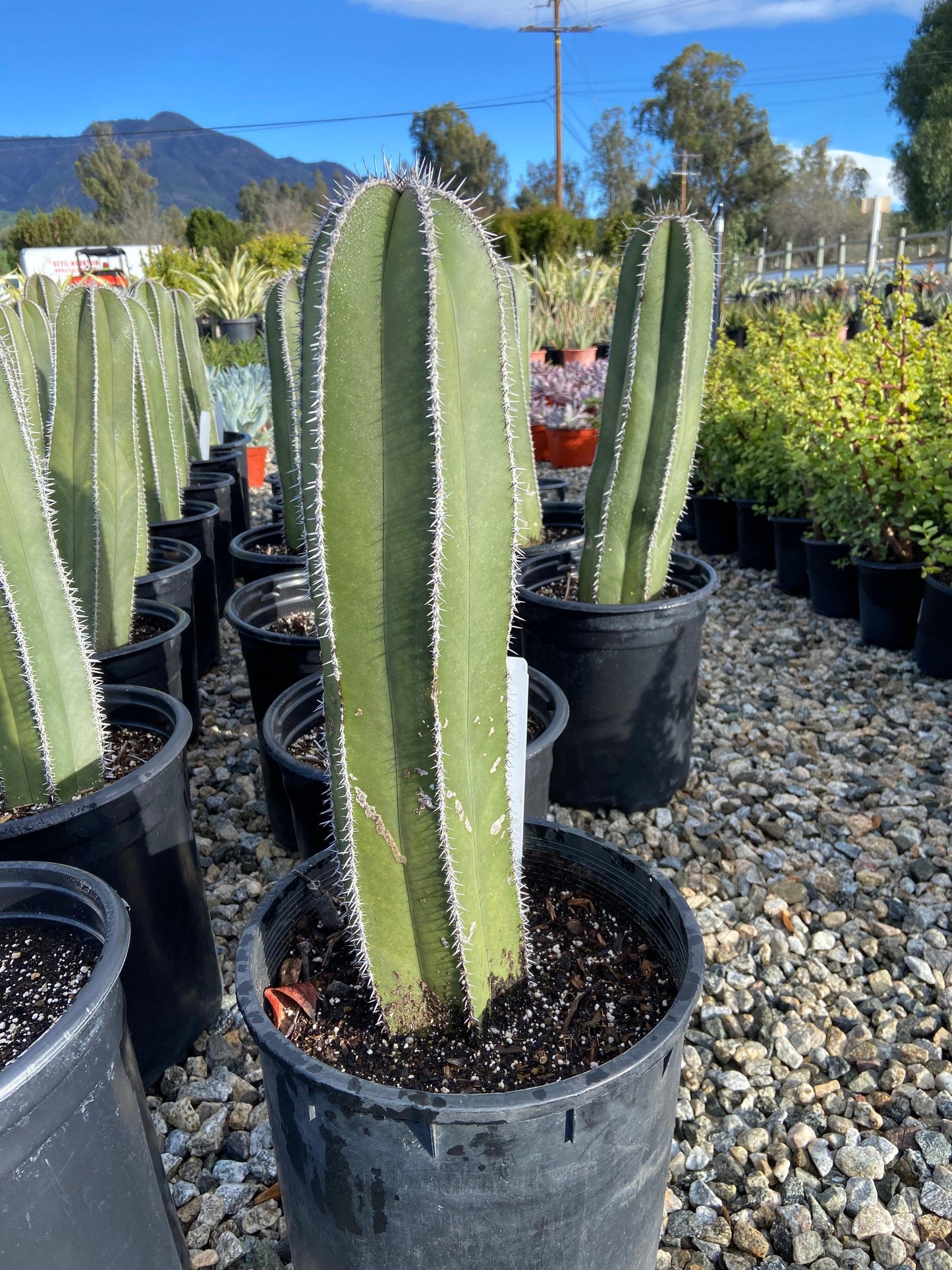
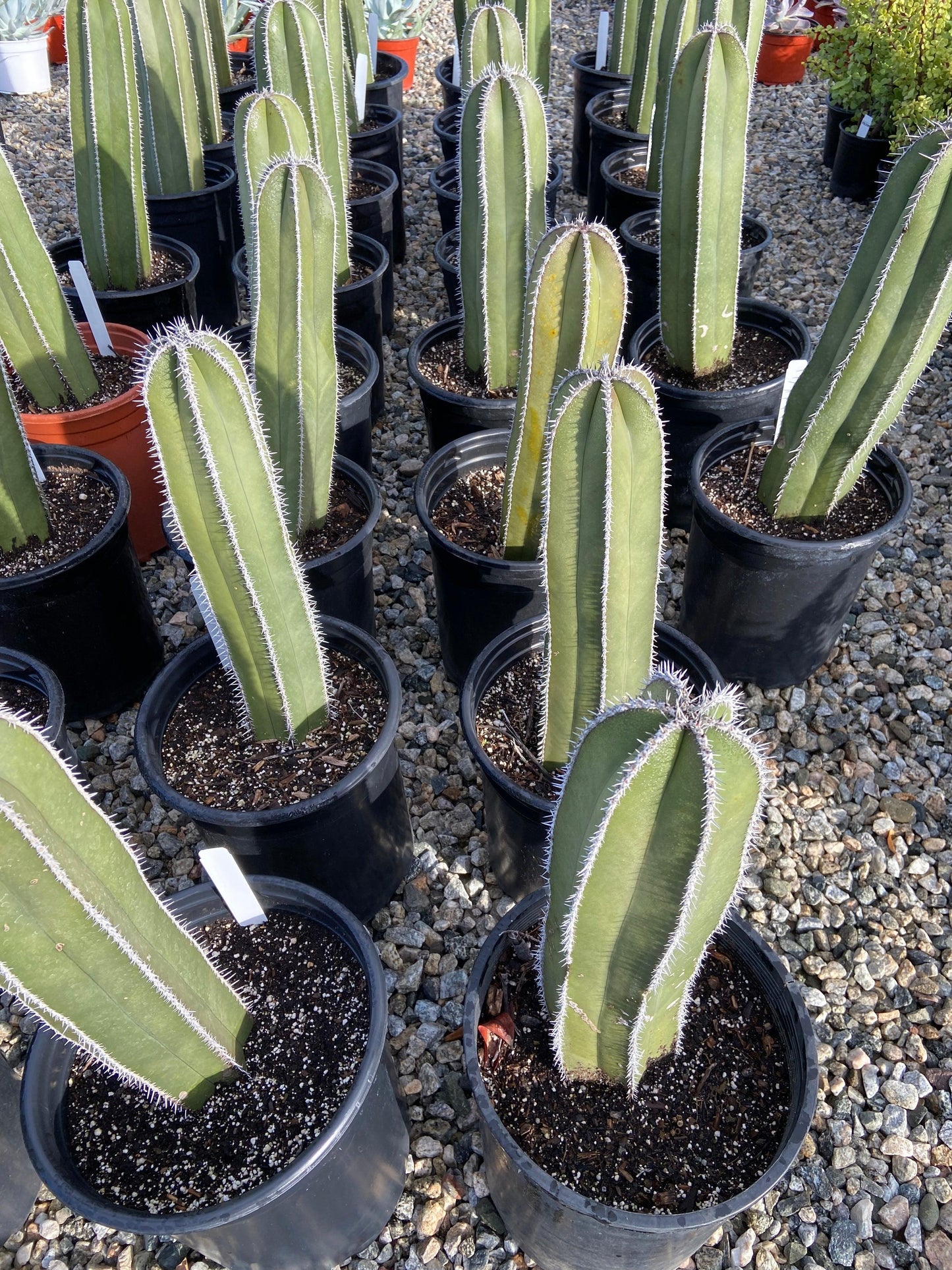


Mexican Fence Post Cactus - Pachycereus Marginatus
Regular price
$85.00
Size
Transform Your Landscape with a Living Architectural Statement
The Mexican Fence Post Cactus is an excellent choice when you want a tall, sculptural, drought tolerant plant that creates dramatic structure without demanding constant care.
Also known as Pachycereus marginatus, fence post cactus, mexican fencepost cactus, cereus marginatus, stenocereus marginatus, lophocereus marginatus, lemaireocereus marginatus, and marginatocereus marginatus, this beautiful cactus is prized for its clean upright columns, deep-green color, and bold desert presence. It works as a specimen plant, a living fence, or a narrow-space accent where spreading shrubs would take up too much room.
Designed for full sun, warm temperatures, and well drained soil, the mexican fence post delivers maximum visual impact with minimal effort in desert gardens, Southwestern landscaping, arid courtyards, and modern outdoor spaces.
Why You’ll Love It
-
Ultra-low maintenance – The Mexican fence post cactus requires watering every two to three weeks during the summer and less than once a month in the winter if it doesn’t rain.
-
Stunning architectural form – This cactus can grow up to 15 feet tall and develops multiple branches over time, providing a striking vertical element to landscapes and gardens; under optimal conditions, mature outdoor specimens can approach 20 feet tall.
-
Year-round visual interest – The cactus features tall, deep-green columns with 5 to 7 prominent ribs lined with small, whitish areoles and very short spines.
-
Seasonal flowers and fruit – It produces pink to greenish-white tubular flowers along its ribs in mid-to-late spring, which develop into spiny, yellowish-to-red edible fruits.
-
Drought tolerant design – The Mexican fence post cactus is extremely drought-tolerant and low maintenance, making it an ideal choice for homeowners looking to reduce water usage in their landscaping alongside other California drought-tolerant plants like Ceanothus.
-
Fast establishment from cuttings – With proper planting, stem cuttings can root and begin creating impressive upright columns for a clean mexican fence look over time.
What Makes It Different
Most landscaping plants require regular pruning, frequent irrigation, and ongoing cleanup. Mexican fence post is built for a different kind of garden: one with strong vertical lines, low water use, and lasting structure.
Mexican Fence Post Cactus provides:
-
Natural privacy and property definition – In native Central Mexico, farmers plant cuttings closely together in rows to create living barriers for livestock. It is often used to form natural, impenetrable barriers and property borders when planted in rows, similar to how many gardeners use evergreen privacy trees and shrubs.
-
Perfect for narrow spaces – Due to its upright, columnar growth, the cactus is suitable for planting in narrow spaces where spreading plants wouldn’t fit.
-
Authentic desert character – The cactus is a popular choice for Southwestern and arid-climate landscaping due to its aesthetic appeal and resilience.
-
Warm-climate performance – The Mexican fence post cactus (Pachycereus marginatus) is a popular choice for landscaping due to its unique architectural form and ability to thrive in warm, dry climates, making it suitable for various outdoor settings.
-
Cleaner than many other cacti – Compared with other cacti and sprawling succulents, this post cactus offers a more formal line, shorter spines on mature growth, and a strong contrast against gravel, stone, stucco, or tropical landscapes.
-
Wildlife-friendly without becoming messy – Flowers can attract pollinators, fruit may feed wildlife, and the plant is typically deer resistant, helping protect your garden from deer browsing.
How To Grow Mexican Fence Post Cactus
-
Plant in the right location
Choose a spot with full sun to partial shade and strong drainage. It thrives in full sun to partial shade and requires at least 6-8 hours of direct sunlight daily outdoors. -
Use the right soil and water sparingly
The Mexican fence post cactus prefers very airy, sandy soil that drains well, and using ordinary soil can lead to root rot and stunted growth. Water deeply, then let the soil dry completely before watering again. -
Let it establish and build height over time
In year one, the plant focuses on roots and steady establishment. In years two through four, growth becomes more visible, especially in sun, warmth, and well drained soil. Over several seasons, the upright columns create the tall architectural presence that makes this species so amazing in desert landscaping. -
Propagate by seeds or cuttings if desired
To propagate the Mexican Fence Post Cactus, you can collect seeds from the ripe fruit of the cactus and plant them in well-draining soil. Alternatively, you can take cuttings from the stem of the cactus and allow them to callous before planting them in the soil. When propagating via cuttings, it is important to place the cutting in a dry, shady spot for about 2 weeks to allow the cut site to callous over, which helps prevent rot when replanted.
Short. Simple. Built for long-term beauty.
Product Details
-
Botanical name: Pachycereus marginatus
-
Common names: Mexican fence post, mexican fencepost cactus, fence post cactus, post cactus, Central Mexico organ cactus
-
Catalog synonyms: Cereus marginatus, Stenocereus marginatus, Lophocereus marginatus, Lemaireocereus marginatus, Marginatocereus marginatus
-
Plant type: Columnar cactus species
-
Mature size: Commonly up to 15 feet tall with multiple branches over time; mature outdoor plants may reach up to 20 feet tall and about 4-6 feet wide depending on spacing, age, and conditions
-
Growth habit: Tall upright columns, sometimes forming arms or clustered stems with age
-
Ribs and spines: 5 to 7 prominent ribs, small whitish areoles, and very short spines on mature growth
-
Flowers and fruit: Pink to greenish-white tubular flowers in mid-to-late spring; spiny yellowish-to-red edible fruit
-
Light requirements: Outdoors, 6-8 hours of direct sunlight daily; indoors, bright light with at least 4-6 hours of sunlight daily
-
Soil needs: Very airy, sandy, well drained soil with excellent aeration
-
Watering: Every two to three weeks in summer; less than once a month in winter if it does not rain
-
Hardiness: USDA zones 9-11; the cactus can withstand temperatures down to about 25°F, but protection is recommended for sensitive growing tips during colder weather
-
Best uses: Living fence, property line planting, desert gardens, modern garden focal points, arid landscaping, large containers, patios, and curated cactus collection designs
-
Shipping details: Larger specimens may ship bare root or with protected root ball depending on order size; tall spiny stems require careful handling to protect ribs, tips, and roots during delivery
Who It’s For
Ideal for:
-
California homeowners seeking drought tolerant privacy trees and screening
-
Modern landscape designers creating clean, contemporary outdoor spaces
-
Busy property owners who want low maintenance beauty without constant watering
-
Desert garden enthusiasts building an authentic Southwestern or Mexico-inspired landscape
-
Anyone who wants a beautiful cactus that looks striking in a photo and even better outdoors in real light
-
Collectors who already grow cacti or succulents and want a tall specimen with more architectural impact
If you want a bold plant that can create structure, reduce water use, and bring a bit of Central Mexico desert beauty into your garden, Mexican Fence Post Cactus fits your needs.
Frequently Asked Questions
How often should I water my Mexican fence post cactus?
Water every two to three weeks during the summer, then reduce watering to less than once a month in winter if it does not rain. Always let the soil dry fully between waterings. Excess moisture, especially in cool weather, can lead to root rot, stem rot, and fungal diseases.
Will it survive winter in my climate zone?
Mexican fence post cactus is best for USDA zones 9-11. The cactus can withstand temperatures down to about 25°F, but protection is recommended for sensitive growing tips during colder weather. Frost, wet cold, and prolonged low temperatures can damage the plant, so protect it during cold snaps.
How fast does it grow and when will I see results?
Growth depends on sun, soil, temperatures, and watering. In warm, dry outdoor conditions with full sun and well drained soil, cuttings can establish quickly and begin adding height within the first few growing seasons. Mature impact takes time, but the clean vertical form is noticeable early.
Can I grow it indoors or in containers?
Yes, especially when the plant is young. This cactus thrives in bright, direct light, requiring at least 4-6 hours of sunlight daily if indoors, and 6-8 hours if grown outdoors. Indoors, place it near the brightest window possible. Container plants stay smaller and need extra care to avoid moisture buildup.
Can I propagate it myself?
Yes. To propagate the Mexican Fence Post Cactus, you can collect seeds from the ripe fruit of the cactus and plant them in well-draining soil. You can also take stem cuttings, allow the cut site to callous, and plant the cuttings in dry, gritty soil. A dry, shady resting period of about 2 weeks helps prevent rot.
What if it doesn’t establish well in my garden?
Check drainage, sunlight, and watering first. Ordinary soil can hold too much moisture and cause root rot or stunted growth. Yardwork can help with plant selection and local nursery support, placement advice, soil testing, and consultation so your mexican fence post cactus has the right conditions from the start.
Ready to Transform Your Landscape?
Stop settling for ordinary landscaping that needs constant water, pruning, and replacement.
Choose Mexican Fence Post Cactus and create a living architectural statement with tall upright columns, drought tolerant performance, and a clean desert form that stands out in any garden.
Yardwork can help you choose the right size, review your sun and soil conditions, plan living fence spacing, and arrange delivery. California customers can ask about shipping options, including free shipping thresholds for qualifying orders, and large out-of-state orders may be eligible for special freight coordination.
Transform Your Landscape with a Living Architectural Statement
The Mexican Fence Post Cactus is an excellent choice when you want a tall, sculptural, drought tolerant plant that creates dramatic structure without demanding constant care.
Also known as Pachycereus marginatus, fence post cactus, mexican fencepost cactus, cereus marginatus, stenocereus marginatus, lophocereus marginatus, lemaireocereus marginatus, and marginatocereus marginatus, this beautiful cactus is prized for its clean upright columns, deep-green color, and bold desert presence. It works as a specimen plant, a living fence, or a narrow-space accent where spreading shrubs would take up too much room.
Designed for full sun, warm temperatures, and well drained soil, the mexican fence post delivers maximum visual impact with minimal effort in desert gardens, Southwestern landscaping, arid courtyards, and modern outdoor spaces.
Why You’ll Love It
-
Ultra-low maintenance – The Mexican fence post cactus requires watering every two to three weeks during the summer and less than once a month in the winter if it doesn’t rain.
-
Stunning architectural form – This cactus can grow up to 15 feet tall and develops multiple branches over time, providing a striking vertical element to landscapes and gardens; under optimal conditions, mature outdoor specimens can approach 20 feet tall.
-
Year-round visual interest – The cactus features tall, deep-green columns with 5 to 7 prominent ribs lined with small, whitish areoles and very short spines.
-
Seasonal flowers and fruit – It produces pink to greenish-white tubular flowers along its ribs in mid-to-late spring, which develop into spiny, yellowish-to-red edible fruits.
-
Drought tolerant design – The Mexican fence post cactus is extremely drought-tolerant and low maintenance, making it an ideal choice for homeowners looking to reduce water usage in their landscaping alongside other California drought-tolerant plants like Ceanothus.
-
Fast establishment from cuttings – With proper planting, stem cuttings can root and begin creating impressive upright columns for a clean mexican fence look over time.
What Makes It Different
Most landscaping plants require regular pruning, frequent irrigation, and ongoing cleanup. Mexican fence post is built for a different kind of garden: one with strong vertical lines, low water use, and lasting structure.
Mexican Fence Post Cactus provides:
-
Natural privacy and property definition – In native Central Mexico, farmers plant cuttings closely together in rows to create living barriers for livestock. It is often used to form natural, impenetrable barriers and property borders when planted in rows, similar to how many gardeners use evergreen privacy trees and shrubs.
-
Perfect for narrow spaces – Due to its upright, columnar growth, the cactus is suitable for planting in narrow spaces where spreading plants wouldn’t fit.
-
Authentic desert character – The cactus is a popular choice for Southwestern and arid-climate landscaping due to its aesthetic appeal and resilience.
-
Warm-climate performance – The Mexican fence post cactus (Pachycereus marginatus) is a popular choice for landscaping due to its unique architectural form and ability to thrive in warm, dry climates, making it suitable for various outdoor settings.
-
Cleaner than many other cacti – Compared with other cacti and sprawling succulents, this post cactus offers a more formal line, shorter spines on mature growth, and a strong contrast against gravel, stone, stucco, or tropical landscapes.
-
Wildlife-friendly without becoming messy – Flowers can attract pollinators, fruit may feed wildlife, and the plant is typically deer resistant, helping protect your garden from deer browsing.
How To Grow Mexican Fence Post Cactus
-
Plant in the right location
Choose a spot with full sun to partial shade and strong drainage. It thrives in full sun to partial shade and requires at least 6-8 hours of direct sunlight daily outdoors. -
Use the right soil and water sparingly
The Mexican fence post cactus prefers very airy, sandy soil that drains well, and using ordinary soil can lead to root rot and stunted growth. Water deeply, then let the soil dry completely before watering again. -
Let it establish and build height over time
In year one, the plant focuses on roots and steady establishment. In years two through four, growth becomes more visible, especially in sun, warmth, and well drained soil. Over several seasons, the upright columns create the tall architectural presence that makes this species so amazing in desert landscaping. -
Propagate by seeds or cuttings if desired
To propagate the Mexican Fence Post Cactus, you can collect seeds from the ripe fruit of the cactus and plant them in well-draining soil. Alternatively, you can take cuttings from the stem of the cactus and allow them to callous before planting them in the soil. When propagating via cuttings, it is important to place the cutting in a dry, shady spot for about 2 weeks to allow the cut site to callous over, which helps prevent rot when replanted.
Short. Simple. Built for long-term beauty.
Product Details
-
Botanical name: Pachycereus marginatus
-
Common names: Mexican fence post, mexican fencepost cactus, fence post cactus, post cactus, Central Mexico organ cactus
-
Catalog synonyms: Cereus marginatus, Stenocereus marginatus, Lophocereus marginatus, Lemaireocereus marginatus, Marginatocereus marginatus
-
Plant type: Columnar cactus species
-
Mature size: Commonly up to 15 feet tall with multiple branches over time; mature outdoor plants may reach up to 20 feet tall and about 4-6 feet wide depending on spacing, age, and conditions
-
Growth habit: Tall upright columns, sometimes forming arms or clustered stems with age
-
Ribs and spines: 5 to 7 prominent ribs, small whitish areoles, and very short spines on mature growth
-
Flowers and fruit: Pink to greenish-white tubular flowers in mid-to-late spring; spiny yellowish-to-red edible fruit
-
Light requirements: Outdoors, 6-8 hours of direct sunlight daily; indoors, bright light with at least 4-6 hours of sunlight daily
-
Soil needs: Very airy, sandy, well drained soil with excellent aeration
-
Watering: Every two to three weeks in summer; less than once a month in winter if it does not rain
-
Hardiness: USDA zones 9-11; the cactus can withstand temperatures down to about 25°F, but protection is recommended for sensitive growing tips during colder weather
-
Best uses: Living fence, property line planting, desert gardens, modern garden focal points, arid landscaping, large containers, patios, and curated cactus collection designs
-
Shipping details: Larger specimens may ship bare root or with protected root ball depending on order size; tall spiny stems require careful handling to protect ribs, tips, and roots during delivery
Who It’s For
Ideal for:
-
California homeowners seeking drought tolerant privacy trees and screening
-
Modern landscape designers creating clean, contemporary outdoor spaces
-
Busy property owners who want low maintenance beauty without constant watering
-
Desert garden enthusiasts building an authentic Southwestern or Mexico-inspired landscape
-
Anyone who wants a beautiful cactus that looks striking in a photo and even better outdoors in real light
-
Collectors who already grow cacti or succulents and want a tall specimen with more architectural impact
If you want a bold plant that can create structure, reduce water use, and bring a bit of Central Mexico desert beauty into your garden, Mexican Fence Post Cactus fits your needs.
Frequently Asked Questions
How often should I water my Mexican fence post cactus?
Water every two to three weeks during the summer, then reduce watering to less than once a month in winter if it does not rain. Always let the soil dry fully between waterings. Excess moisture, especially in cool weather, can lead to root rot, stem rot, and fungal diseases.
Will it survive winter in my climate zone?
Mexican fence post cactus is best for USDA zones 9-11. The cactus can withstand temperatures down to about 25°F, but protection is recommended for sensitive growing tips during colder weather. Frost, wet cold, and prolonged low temperatures can damage the plant, so protect it during cold snaps.
How fast does it grow and when will I see results?
Growth depends on sun, soil, temperatures, and watering. In warm, dry outdoor conditions with full sun and well drained soil, cuttings can establish quickly and begin adding height within the first few growing seasons. Mature impact takes time, but the clean vertical form is noticeable early.
Can I grow it indoors or in containers?
Yes, especially when the plant is young. This cactus thrives in bright, direct light, requiring at least 4-6 hours of sunlight daily if indoors, and 6-8 hours if grown outdoors. Indoors, place it near the brightest window possible. Container plants stay smaller and need extra care to avoid moisture buildup.
Can I propagate it myself?
Yes. To propagate the Mexican Fence Post Cactus, you can collect seeds from the ripe fruit of the cactus and plant them in well-draining soil. You can also take stem cuttings, allow the cut site to callous, and plant the cuttings in dry, gritty soil. A dry, shady resting period of about 2 weeks helps prevent rot.
What if it doesn’t establish well in my garden?
Check drainage, sunlight, and watering first. Ordinary soil can hold too much moisture and cause root rot or stunted growth. Yardwork can help with plant selection and local nursery support, placement advice, soil testing, and consultation so your mexican fence post cactus has the right conditions from the start.
Ready to Transform Your Landscape?
Stop settling for ordinary landscaping that needs constant water, pruning, and replacement.
Choose Mexican Fence Post Cactus and create a living architectural statement with tall upright columns, drought tolerant performance, and a clean desert form that stands out in any garden.
Yardwork can help you choose the right size, review your sun and soil conditions, plan living fence spacing, and arrange delivery. California customers can ask about shipping options, including free shipping thresholds for qualifying orders, and large out-of-state orders may be eligible for special freight coordination.
Plants vary greatly by type and no guarantees are made on sizing.
However here is a rough idea of sizes based on containers that are direct from our growing grounds.
15 Gallon Shrub 3-4 Ft. Tall
15 Gallon Tree 5-6 Ft. Tall
24" Box Shrub 5-6 Ft. Tall
24" Box Tree 6-7 Ft. Tall
36" Box Tree 8-10 Ft. Tall
48" Box Tree 10-12 Ft. Tall
Please note: Citrus and California Native plants such as Manzanita are smaller than traditional sizing.
Please contact us to confirm sizing of items before purchasing if this is a concern.
Plants vary greatly by type and no guarantees are made on sizing.
However here is a rough idea of sizes based on containers that are direct from our growing grounds.
15 Gallon Shrub 3-4 Ft. Tall
15 Gallon Tree 5-6 Ft. Tall
24" Box Shrub 5-6 Ft. Tall
24" Box Tree 6-7 Ft. Tall
36" Box Tree 8-10 Ft. Tall
48" Box Tree 10-12 Ft. Tall
Please note: Citrus and California Native plants such as Manzanita are smaller than traditional sizing.
Please contact us to confirm sizing of items before purchasing if this is a concern.
Delivery does not include unloading of trees and plants larger than a 24" box.
Trees and plants in smaller containers will be dropped curbside.
Delivery beyond a curbside drop will be charged extra.
Trees and plants that are sold in container sizes larger than a 24" box size will require equipment and an operator onsite to help unload from the truck.
Please reach out to our team PRIOR to placing your order to coordinate.
Our team can provide unloading assistance with equipment for an extra fee.
Delivery does not include unloading of trees and plants larger than a 24" box.
Trees and plants in smaller containers will be dropped curbside.
Delivery beyond a curbside drop will be charged extra.
Trees and plants that are sold in container sizes larger than a 24" box size will require equipment and an operator onsite to help unload from the truck.
Please reach out to our team PRIOR to placing your order to coordinate.
Our team can provide unloading assistance with equipment for an extra fee.
You may also like...


Mexican Fence Post Cactus - Pachycereus Marginatus
Regular price
$85.00
Size
Transform Your Landscape with a Living Architectural Statement
The Mexican Fence Post Cactus is an excellent choice when you want a tall, sculptural, drought tolerant plant that creates dramatic structure without demanding constant care.
Also known as Pachycereus marginatus, fence post cactus, mexican fencepost cactus, cereus marginatus, stenocereus marginatus, lophocereus marginatus, lemaireocereus marginatus, and marginatocereus marginatus, this beautiful cactus is prized for its clean upright columns, deep-green color, and bold desert presence. It works as a specimen plant, a living fence, or a narrow-space accent where spreading shrubs would take up too much room.
Designed for full sun, warm temperatures, and well drained soil, the mexican fence post delivers maximum visual impact with minimal effort in desert gardens, Southwestern landscaping, arid courtyards, and modern outdoor spaces.
Why You’ll Love It
-
Ultra-low maintenance – The Mexican fence post cactus requires watering every two to three weeks during the summer and less than once a month in the winter if it doesn’t rain.
-
Stunning architectural form – This cactus can grow up to 15 feet tall and develops multiple branches over time, providing a striking vertical element to landscapes and gardens; under optimal conditions, mature outdoor specimens can approach 20 feet tall.
-
Year-round visual interest – The cactus features tall, deep-green columns with 5 to 7 prominent ribs lined with small, whitish areoles and very short spines.
-
Seasonal flowers and fruit – It produces pink to greenish-white tubular flowers along its ribs in mid-to-late spring, which develop into spiny, yellowish-to-red edible fruits.
-
Drought tolerant design – The Mexican fence post cactus is extremely drought-tolerant and low maintenance, making it an ideal choice for homeowners looking to reduce water usage in their landscaping alongside other California drought-tolerant plants like Ceanothus.
-
Fast establishment from cuttings – With proper planting, stem cuttings can root and begin creating impressive upright columns for a clean mexican fence look over time.
What Makes It Different
Most landscaping plants require regular pruning, frequent irrigation, and ongoing cleanup. Mexican fence post is built for a different kind of garden: one with strong vertical lines, low water use, and lasting structure.
Mexican Fence Post Cactus provides:
-
Natural privacy and property definition – In native Central Mexico, farmers plant cuttings closely together in rows to create living barriers for livestock. It is often used to form natural, impenetrable barriers and property borders when planted in rows, similar to how many gardeners use evergreen privacy trees and shrubs.
-
Perfect for narrow spaces – Due to its upright, columnar growth, the cactus is suitable for planting in narrow spaces where spreading plants wouldn’t fit.
-
Authentic desert character – The cactus is a popular choice for Southwestern and arid-climate landscaping due to its aesthetic appeal and resilience.
-
Warm-climate performance – The Mexican fence post cactus (Pachycereus marginatus) is a popular choice for landscaping due to its unique architectural form and ability to thrive in warm, dry climates, making it suitable for various outdoor settings.
-
Cleaner than many other cacti – Compared with other cacti and sprawling succulents, this post cactus offers a more formal line, shorter spines on mature growth, and a strong contrast against gravel, stone, stucco, or tropical landscapes.
-
Wildlife-friendly without becoming messy – Flowers can attract pollinators, fruit may feed wildlife, and the plant is typically deer resistant, helping protect your garden from deer browsing.
How To Grow Mexican Fence Post Cactus
-
Plant in the right location
Choose a spot with full sun to partial shade and strong drainage. It thrives in full sun to partial shade and requires at least 6-8 hours of direct sunlight daily outdoors. -
Use the right soil and water sparingly
The Mexican fence post cactus prefers very airy, sandy soil that drains well, and using ordinary soil can lead to root rot and stunted growth. Water deeply, then let the soil dry completely before watering again. -
Let it establish and build height over time
In year one, the plant focuses on roots and steady establishment. In years two through four, growth becomes more visible, especially in sun, warmth, and well drained soil. Over several seasons, the upright columns create the tall architectural presence that makes this species so amazing in desert landscaping. -
Propagate by seeds or cuttings if desired
To propagate the Mexican Fence Post Cactus, you can collect seeds from the ripe fruit of the cactus and plant them in well-draining soil. Alternatively, you can take cuttings from the stem of the cactus and allow them to callous before planting them in the soil. When propagating via cuttings, it is important to place the cutting in a dry, shady spot for about 2 weeks to allow the cut site to callous over, which helps prevent rot when replanted.
Short. Simple. Built for long-term beauty.
Product Details
-
Botanical name: Pachycereus marginatus
-
Common names: Mexican fence post, mexican fencepost cactus, fence post cactus, post cactus, Central Mexico organ cactus
-
Catalog synonyms: Cereus marginatus, Stenocereus marginatus, Lophocereus marginatus, Lemaireocereus marginatus, Marginatocereus marginatus
-
Plant type: Columnar cactus species
-
Mature size: Commonly up to 15 feet tall with multiple branches over time; mature outdoor plants may reach up to 20 feet tall and about 4-6 feet wide depending on spacing, age, and conditions
-
Growth habit: Tall upright columns, sometimes forming arms or clustered stems with age
-
Ribs and spines: 5 to 7 prominent ribs, small whitish areoles, and very short spines on mature growth
-
Flowers and fruit: Pink to greenish-white tubular flowers in mid-to-late spring; spiny yellowish-to-red edible fruit
-
Light requirements: Outdoors, 6-8 hours of direct sunlight daily; indoors, bright light with at least 4-6 hours of sunlight daily
-
Soil needs: Very airy, sandy, well drained soil with excellent aeration
-
Watering: Every two to three weeks in summer; less than once a month in winter if it does not rain
-
Hardiness: USDA zones 9-11; the cactus can withstand temperatures down to about 25°F, but protection is recommended for sensitive growing tips during colder weather
-
Best uses: Living fence, property line planting, desert gardens, modern garden focal points, arid landscaping, large containers, patios, and curated cactus collection designs
-
Shipping details: Larger specimens may ship bare root or with protected root ball depending on order size; tall spiny stems require careful handling to protect ribs, tips, and roots during delivery
Who It’s For
Ideal for:
-
California homeowners seeking drought tolerant privacy trees and screening
-
Modern landscape designers creating clean, contemporary outdoor spaces
-
Busy property owners who want low maintenance beauty without constant watering
-
Desert garden enthusiasts building an authentic Southwestern or Mexico-inspired landscape
-
Anyone who wants a beautiful cactus that looks striking in a photo and even better outdoors in real light
-
Collectors who already grow cacti or succulents and want a tall specimen with more architectural impact
If you want a bold plant that can create structure, reduce water use, and bring a bit of Central Mexico desert beauty into your garden, Mexican Fence Post Cactus fits your needs.
Frequently Asked Questions
How often should I water my Mexican fence post cactus?
Water every two to three weeks during the summer, then reduce watering to less than once a month in winter if it does not rain. Always let the soil dry fully between waterings. Excess moisture, especially in cool weather, can lead to root rot, stem rot, and fungal diseases.
Will it survive winter in my climate zone?
Mexican fence post cactus is best for USDA zones 9-11. The cactus can withstand temperatures down to about 25°F, but protection is recommended for sensitive growing tips during colder weather. Frost, wet cold, and prolonged low temperatures can damage the plant, so protect it during cold snaps.
How fast does it grow and when will I see results?
Growth depends on sun, soil, temperatures, and watering. In warm, dry outdoor conditions with full sun and well drained soil, cuttings can establish quickly and begin adding height within the first few growing seasons. Mature impact takes time, but the clean vertical form is noticeable early.
Can I grow it indoors or in containers?
Yes, especially when the plant is young. This cactus thrives in bright, direct light, requiring at least 4-6 hours of sunlight daily if indoors, and 6-8 hours if grown outdoors. Indoors, place it near the brightest window possible. Container plants stay smaller and need extra care to avoid moisture buildup.
Can I propagate it myself?
Yes. To propagate the Mexican Fence Post Cactus, you can collect seeds from the ripe fruit of the cactus and plant them in well-draining soil. You can also take stem cuttings, allow the cut site to callous, and plant the cuttings in dry, gritty soil. A dry, shady resting period of about 2 weeks helps prevent rot.
What if it doesn’t establish well in my garden?
Check drainage, sunlight, and watering first. Ordinary soil can hold too much moisture and cause root rot or stunted growth. Yardwork can help with plant selection and local nursery support, placement advice, soil testing, and consultation so your mexican fence post cactus has the right conditions from the start.
Ready to Transform Your Landscape?
Stop settling for ordinary landscaping that needs constant water, pruning, and replacement.
Choose Mexican Fence Post Cactus and create a living architectural statement with tall upright columns, drought tolerant performance, and a clean desert form that stands out in any garden.
Yardwork can help you choose the right size, review your sun and soil conditions, plan living fence spacing, and arrange delivery. California customers can ask about shipping options, including free shipping thresholds for qualifying orders, and large out-of-state orders may be eligible for special freight coordination.
Transform Your Landscape with a Living Architectural Statement
The Mexican Fence Post Cactus is an excellent choice when you want a tall, sculptural, drought tolerant plant that creates dramatic structure without demanding constant care.
Also known as Pachycereus marginatus, fence post cactus, mexican fencepost cactus, cereus marginatus, stenocereus marginatus, lophocereus marginatus, lemaireocereus marginatus, and marginatocereus marginatus, this beautiful cactus is prized for its clean upright columns, deep-green color, and bold desert presence. It works as a specimen plant, a living fence, or a narrow-space accent where spreading shrubs would take up too much room.
Designed for full sun, warm temperatures, and well drained soil, the mexican fence post delivers maximum visual impact with minimal effort in desert gardens, Southwestern landscaping, arid courtyards, and modern outdoor spaces.
Why You’ll Love It
-
Ultra-low maintenance – The Mexican fence post cactus requires watering every two to three weeks during the summer and less than once a month in the winter if it doesn’t rain.
-
Stunning architectural form – This cactus can grow up to 15 feet tall and develops multiple branches over time, providing a striking vertical element to landscapes and gardens; under optimal conditions, mature outdoor specimens can approach 20 feet tall.
-
Year-round visual interest – The cactus features tall, deep-green columns with 5 to 7 prominent ribs lined with small, whitish areoles and very short spines.
-
Seasonal flowers and fruit – It produces pink to greenish-white tubular flowers along its ribs in mid-to-late spring, which develop into spiny, yellowish-to-red edible fruits.
-
Drought tolerant design – The Mexican fence post cactus is extremely drought-tolerant and low maintenance, making it an ideal choice for homeowners looking to reduce water usage in their landscaping alongside other California drought-tolerant plants like Ceanothus.
-
Fast establishment from cuttings – With proper planting, stem cuttings can root and begin creating impressive upright columns for a clean mexican fence look over time.
What Makes It Different
Most landscaping plants require regular pruning, frequent irrigation, and ongoing cleanup. Mexican fence post is built for a different kind of garden: one with strong vertical lines, low water use, and lasting structure.
Mexican Fence Post Cactus provides:
-
Natural privacy and property definition – In native Central Mexico, farmers plant cuttings closely together in rows to create living barriers for livestock. It is often used to form natural, impenetrable barriers and property borders when planted in rows, similar to how many gardeners use evergreen privacy trees and shrubs.
-
Perfect for narrow spaces – Due to its upright, columnar growth, the cactus is suitable for planting in narrow spaces where spreading plants wouldn’t fit.
-
Authentic desert character – The cactus is a popular choice for Southwestern and arid-climate landscaping due to its aesthetic appeal and resilience.
-
Warm-climate performance – The Mexican fence post cactus (Pachycereus marginatus) is a popular choice for landscaping due to its unique architectural form and ability to thrive in warm, dry climates, making it suitable for various outdoor settings.
-
Cleaner than many other cacti – Compared with other cacti and sprawling succulents, this post cactus offers a more formal line, shorter spines on mature growth, and a strong contrast against gravel, stone, stucco, or tropical landscapes.
-
Wildlife-friendly without becoming messy – Flowers can attract pollinators, fruit may feed wildlife, and the plant is typically deer resistant, helping protect your garden from deer browsing.
How To Grow Mexican Fence Post Cactus
-
Plant in the right location
Choose a spot with full sun to partial shade and strong drainage. It thrives in full sun to partial shade and requires at least 6-8 hours of direct sunlight daily outdoors. -
Use the right soil and water sparingly
The Mexican fence post cactus prefers very airy, sandy soil that drains well, and using ordinary soil can lead to root rot and stunted growth. Water deeply, then let the soil dry completely before watering again. -
Let it establish and build height over time
In year one, the plant focuses on roots and steady establishment. In years two through four, growth becomes more visible, especially in sun, warmth, and well drained soil. Over several seasons, the upright columns create the tall architectural presence that makes this species so amazing in desert landscaping. -
Propagate by seeds or cuttings if desired
To propagate the Mexican Fence Post Cactus, you can collect seeds from the ripe fruit of the cactus and plant them in well-draining soil. Alternatively, you can take cuttings from the stem of the cactus and allow them to callous before planting them in the soil. When propagating via cuttings, it is important to place the cutting in a dry, shady spot for about 2 weeks to allow the cut site to callous over, which helps prevent rot when replanted.
Short. Simple. Built for long-term beauty.
Product Details
-
Botanical name: Pachycereus marginatus
-
Common names: Mexican fence post, mexican fencepost cactus, fence post cactus, post cactus, Central Mexico organ cactus
-
Catalog synonyms: Cereus marginatus, Stenocereus marginatus, Lophocereus marginatus, Lemaireocereus marginatus, Marginatocereus marginatus
-
Plant type: Columnar cactus species
-
Mature size: Commonly up to 15 feet tall with multiple branches over time; mature outdoor plants may reach up to 20 feet tall and about 4-6 feet wide depending on spacing, age, and conditions
-
Growth habit: Tall upright columns, sometimes forming arms or clustered stems with age
-
Ribs and spines: 5 to 7 prominent ribs, small whitish areoles, and very short spines on mature growth
-
Flowers and fruit: Pink to greenish-white tubular flowers in mid-to-late spring; spiny yellowish-to-red edible fruit
-
Light requirements: Outdoors, 6-8 hours of direct sunlight daily; indoors, bright light with at least 4-6 hours of sunlight daily
-
Soil needs: Very airy, sandy, well drained soil with excellent aeration
-
Watering: Every two to three weeks in summer; less than once a month in winter if it does not rain
-
Hardiness: USDA zones 9-11; the cactus can withstand temperatures down to about 25°F, but protection is recommended for sensitive growing tips during colder weather
-
Best uses: Living fence, property line planting, desert gardens, modern garden focal points, arid landscaping, large containers, patios, and curated cactus collection designs
-
Shipping details: Larger specimens may ship bare root or with protected root ball depending on order size; tall spiny stems require careful handling to protect ribs, tips, and roots during delivery
Who It’s For
Ideal for:
-
California homeowners seeking drought tolerant privacy trees and screening
-
Modern landscape designers creating clean, contemporary outdoor spaces
-
Busy property owners who want low maintenance beauty without constant watering
-
Desert garden enthusiasts building an authentic Southwestern or Mexico-inspired landscape
-
Anyone who wants a beautiful cactus that looks striking in a photo and even better outdoors in real light
-
Collectors who already grow cacti or succulents and want a tall specimen with more architectural impact
If you want a bold plant that can create structure, reduce water use, and bring a bit of Central Mexico desert beauty into your garden, Mexican Fence Post Cactus fits your needs.
Frequently Asked Questions
How often should I water my Mexican fence post cactus?
Water every two to three weeks during the summer, then reduce watering to less than once a month in winter if it does not rain. Always let the soil dry fully between waterings. Excess moisture, especially in cool weather, can lead to root rot, stem rot, and fungal diseases.
Will it survive winter in my climate zone?
Mexican fence post cactus is best for USDA zones 9-11. The cactus can withstand temperatures down to about 25°F, but protection is recommended for sensitive growing tips during colder weather. Frost, wet cold, and prolonged low temperatures can damage the plant, so protect it during cold snaps.
How fast does it grow and when will I see results?
Growth depends on sun, soil, temperatures, and watering. In warm, dry outdoor conditions with full sun and well drained soil, cuttings can establish quickly and begin adding height within the first few growing seasons. Mature impact takes time, but the clean vertical form is noticeable early.
Can I grow it indoors or in containers?
Yes, especially when the plant is young. This cactus thrives in bright, direct light, requiring at least 4-6 hours of sunlight daily if indoors, and 6-8 hours if grown outdoors. Indoors, place it near the brightest window possible. Container plants stay smaller and need extra care to avoid moisture buildup.
Can I propagate it myself?
Yes. To propagate the Mexican Fence Post Cactus, you can collect seeds from the ripe fruit of the cactus and plant them in well-draining soil. You can also take stem cuttings, allow the cut site to callous, and plant the cuttings in dry, gritty soil. A dry, shady resting period of about 2 weeks helps prevent rot.
What if it doesn’t establish well in my garden?
Check drainage, sunlight, and watering first. Ordinary soil can hold too much moisture and cause root rot or stunted growth. Yardwork can help with plant selection and local nursery support, placement advice, soil testing, and consultation so your mexican fence post cactus has the right conditions from the start.
Ready to Transform Your Landscape?
Stop settling for ordinary landscaping that needs constant water, pruning, and replacement.
Choose Mexican Fence Post Cactus and create a living architectural statement with tall upright columns, drought tolerant performance, and a clean desert form that stands out in any garden.
Yardwork can help you choose the right size, review your sun and soil conditions, plan living fence spacing, and arrange delivery. California customers can ask about shipping options, including free shipping thresholds for qualifying orders, and large out-of-state orders may be eligible for special freight coordination.
Plants vary greatly by type and no guarantees are made on sizing.
However here is a rough idea of sizes based on containers that are direct from our growing grounds.
15 Gallon Shrub 3-4 Ft. Tall
15 Gallon Tree 5-6 Ft. Tall
24" Box Shrub 5-6 Ft. Tall
24" Box Tree 6-7 Ft. Tall
36" Box Tree 8-10 Ft. Tall
48" Box Tree 10-12 Ft. Tall
Please note: Citrus and California Native plants such as Manzanita are smaller than traditional sizing.
Please contact us to confirm sizing of items before purchasing if this is a concern.
Plants vary greatly by type and no guarantees are made on sizing.
However here is a rough idea of sizes based on containers that are direct from our growing grounds.
15 Gallon Shrub 3-4 Ft. Tall
15 Gallon Tree 5-6 Ft. Tall
24" Box Shrub 5-6 Ft. Tall
24" Box Tree 6-7 Ft. Tall
36" Box Tree 8-10 Ft. Tall
48" Box Tree 10-12 Ft. Tall
Please note: Citrus and California Native plants such as Manzanita are smaller than traditional sizing.
Please contact us to confirm sizing of items before purchasing if this is a concern.
Delivery does not include unloading of trees and plants larger than a 24" box.
Trees and plants in smaller containers will be dropped curbside.
Delivery beyond a curbside drop will be charged extra.
Trees and plants that are sold in container sizes larger than a 24" box size will require equipment and an operator onsite to help unload from the truck.
Please reach out to our team PRIOR to placing your order to coordinate.
Our team can provide unloading assistance with equipment for an extra fee.
Delivery does not include unloading of trees and plants larger than a 24" box.
Trees and plants in smaller containers will be dropped curbside.
Delivery beyond a curbside drop will be charged extra.
Trees and plants that are sold in container sizes larger than a 24" box size will require equipment and an operator onsite to help unload from the truck.
Please reach out to our team PRIOR to placing your order to coordinate.
Our team can provide unloading assistance with equipment for an extra fee.
Recommended For You















Pairs Well With




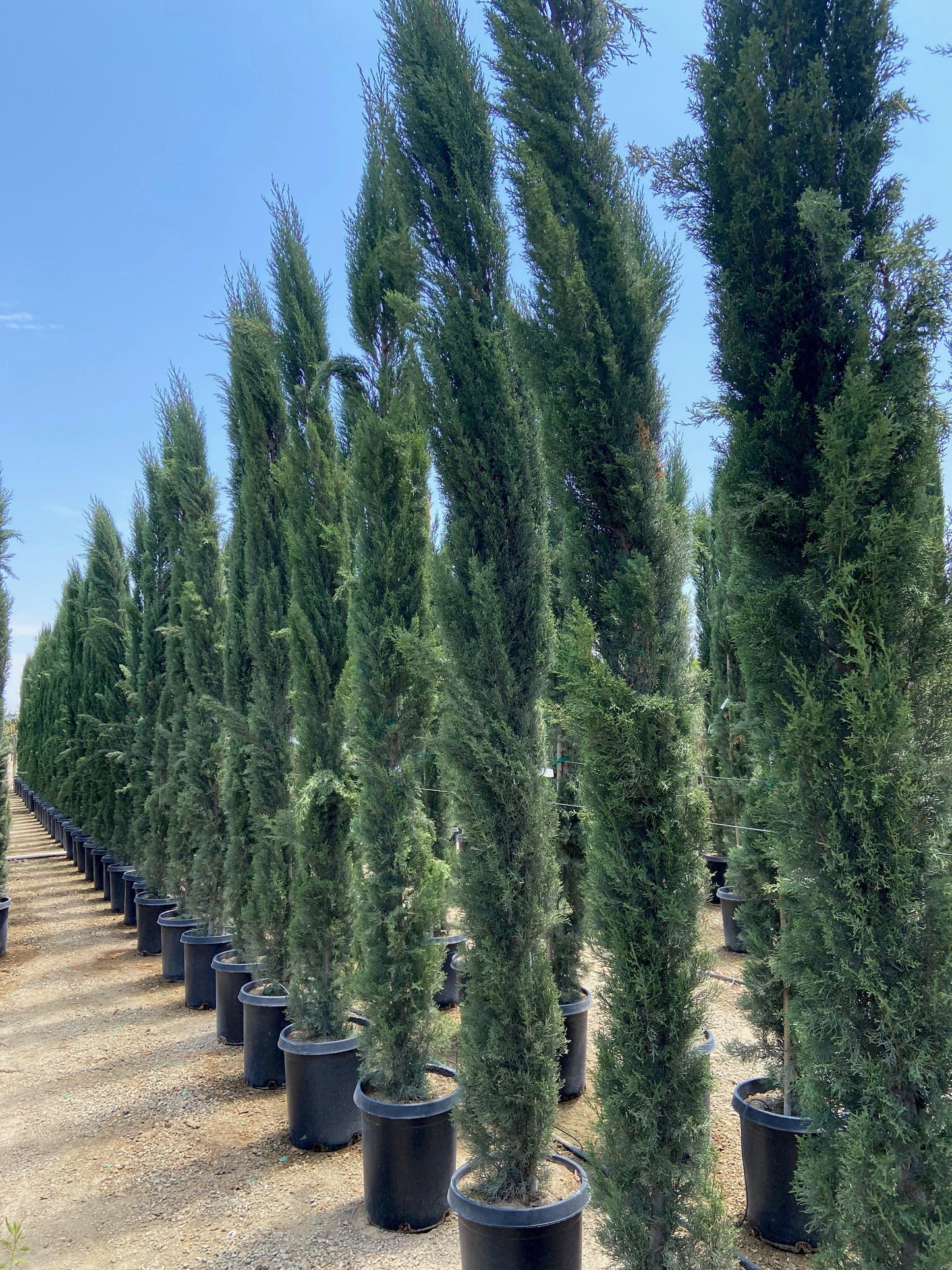

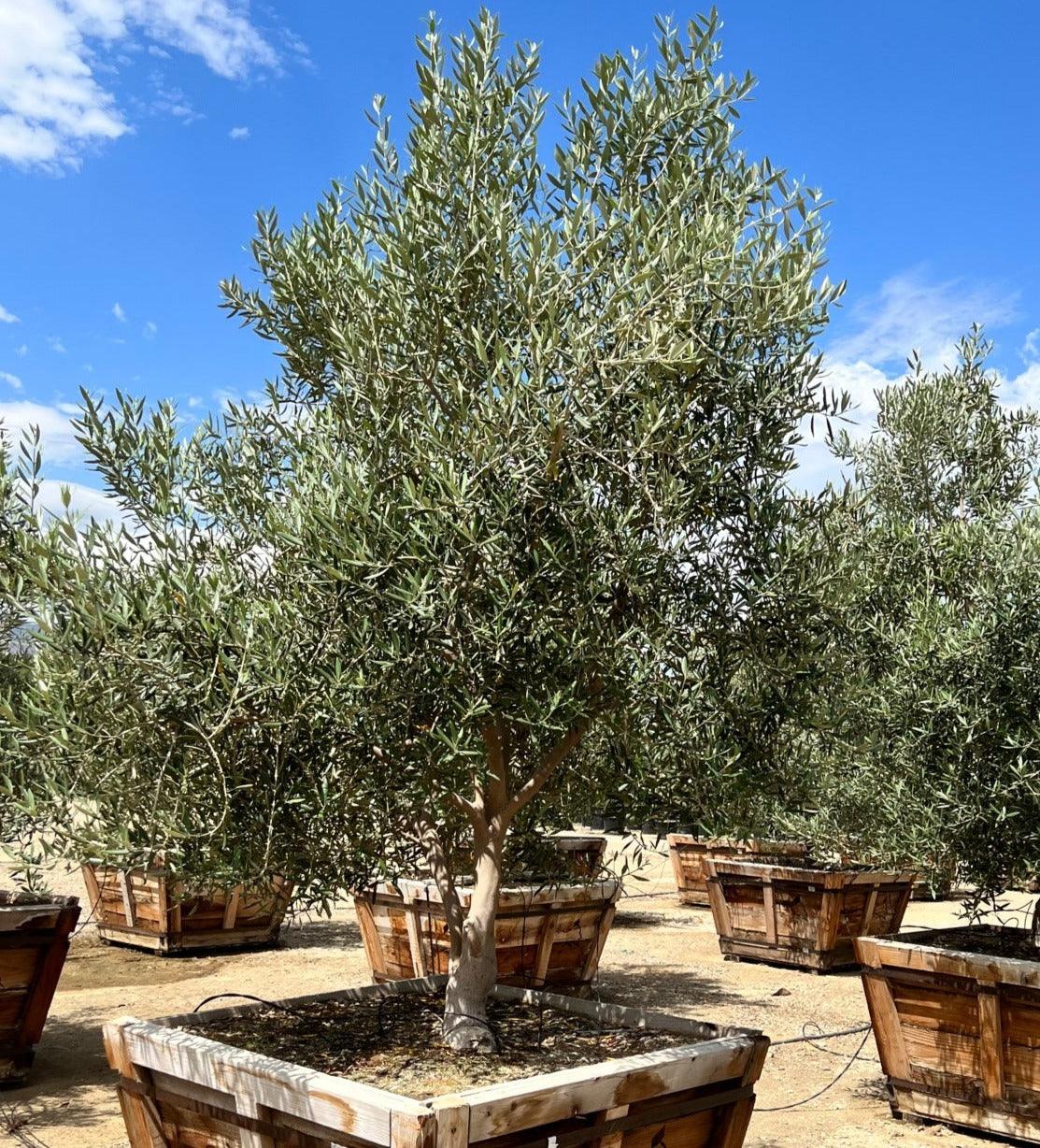

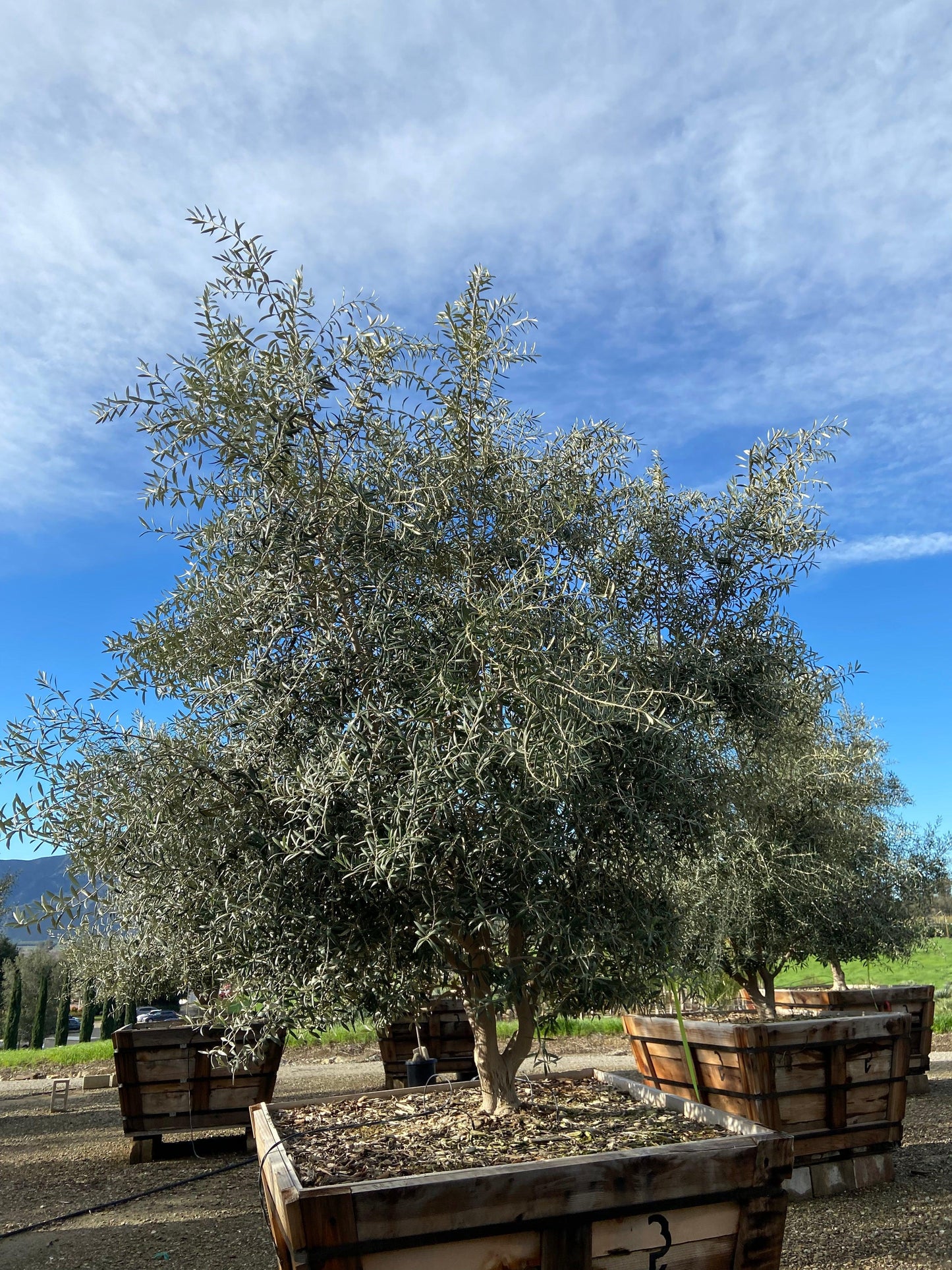

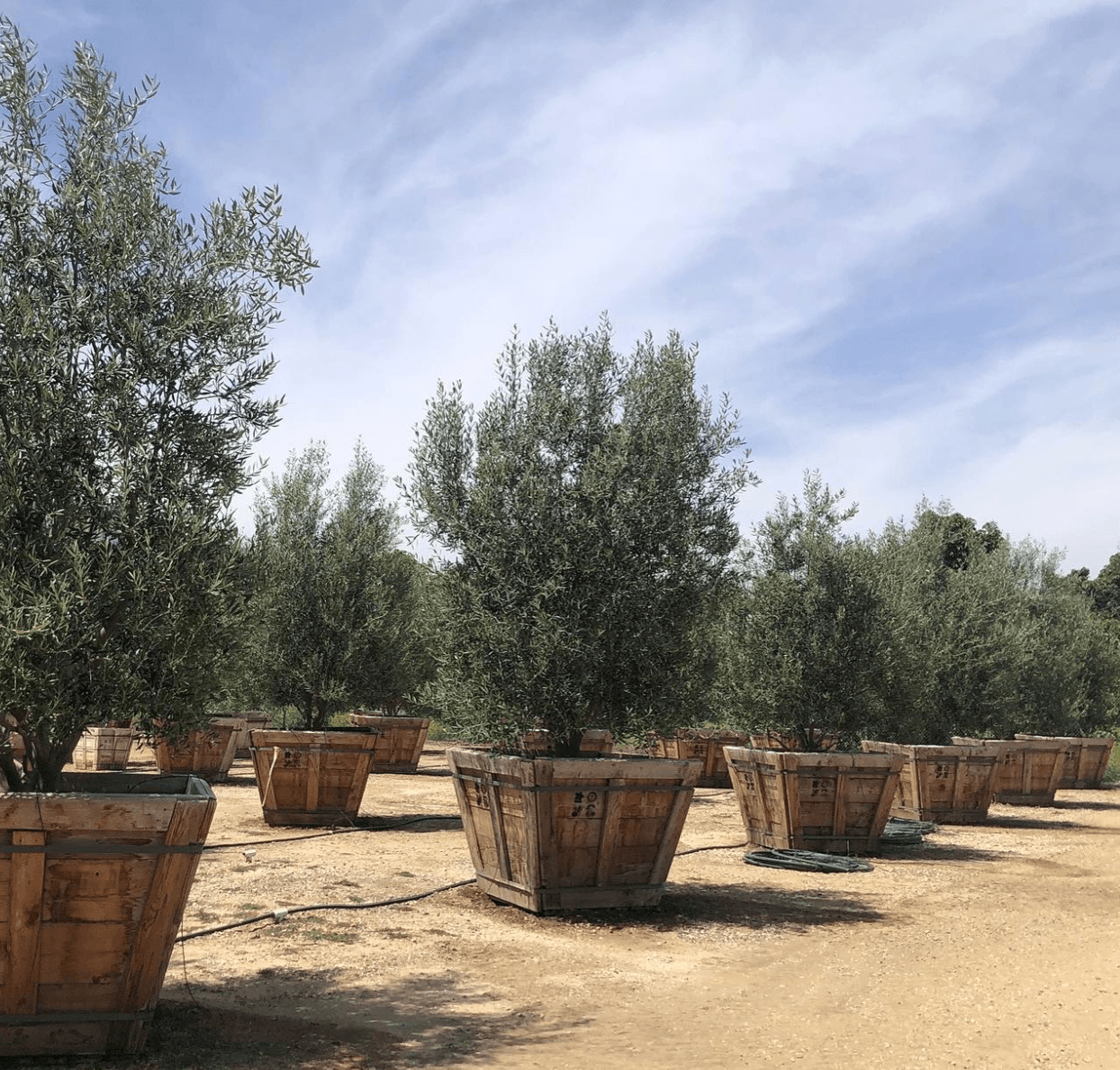






You May Also Like












Thousands of Healthy Plants Delivered


Yardwork was so great to work with. First they had the Swan Hill olive trees that we had been searching for, we had contacted several other nurseries without any luck previously. Then they answered all of our questions in a timely matter prior to ordering and finally delivered within a few days of placing it. Their staff is incredibly knowledgeable; they delivered and planted our trees with expertise to ensure that they would do well in our yard. We would definitely work with them again for future projects.















A Modern Experience
At Yardwork, we carefully curate thousands of plants, in all container sizes, to provide you with the best selection of the highest quality trees and plants at the best price, with the convenience of an online platform.
Uncompromised Quality
We choose only the finest specimens and hand select our plants just before delivery to ensure you receive the freshest and most robust specimens available for your landscape.
Industry Leading Warranties
Our 30, 90, and 365 extended warranties provide some of the best coverage to ensure our trees and plants thrive in your landscape.
Frequently Asked Questions
We're committed to changing everything about trees and plants - how they’re grown, how you shop for them, and how much they cost. We handle orders ourselves. No middlemen to get between us (or our prices) and you.
We're committed to changing everything about trees and plants - how they’re grown, how you shop for them, and how much they cost. We handle orders ourselves. No middlemen to get between us (or our prices) and you.
Delivery does not include unloading of trees and plants LARGER than a 24" box.
Trees and plants in smaller containers will be dropped curbside (usually on the driveway or near the front doorstep).
Delivery beyond a curbside drop will be charged extra.
Trees and plants that are sold in container sizes LARGER than a 24" box size will require equipment and/or enough manpower onsite to help unload from the truck.
Please reach out to our team PRIOR to placing your order to help coordinate.
Our team can provide unloading assistance with equipment for an extra fee as well.
Delivery does not include unloading of trees and plants LARGER than a 24" box.
Trees and plants in smaller containers will be dropped curbside (usually on the driveway or near the front doorstep).
Delivery beyond a curbside drop will be charged extra.
Trees and plants that are sold in container sizes LARGER than a 24" box size will require equipment and/or enough manpower onsite to help unload from the truck.
Please reach out to our team PRIOR to placing your order to help coordinate.
Our team can provide unloading assistance with equipment for an extra fee as well.
We ship locally within California within 7-10 days of your order being placed.
We ship nationally using carrier partners, based on order size.
Text or call 323-576-4159 for specific shipping details for your location.
We ship locally within California within 7-10 days of your order being placed.
We ship nationally using carrier partners, based on order size.
Text or call 323-576-4159 for specific shipping details for your location.
We are currently online only and don't have physical locations where you can view plants in person.
That's why we have photos direct from the growing grounds of the plants we will ship and we display pricing right in our store.
We do make sure to pick the very best trees and plants prior to shipping and make sure that they have gone through our multi-point inspection for health and structure.
We will always reach out prior to delivery if we find a quality issue or need to provide a substitute.
We are currently online only and don't have physical locations where you can view plants in person.
That's why we have photos direct from the growing grounds of the plants we will ship and we display pricing right in our store.
We do make sure to pick the very best trees and plants prior to shipping and make sure that they have gone through our multi-point inspection for health and structure.
We will always reach out prior to delivery if we find a quality issue or need to provide a substitute.
Plants vary greatly by type. Here is a rough idea of sizes based on containers that are direct from our growing grounds.
15 Gallon Shrub 3-4 Ft. Tall
15 Gallon Tree 5-6 Ft. Tall
24" Box Shrub 5-6 Ft. Tall
24" Box Tree 6-7 Ft. Tall
36" Box Shrub/Tree 7-9 Ft. Tall
48" Box Shrub/Tree 8-10 Ft. Tall
**Please note that we do not make guarantees of sizes. If you have questions or concerns, please call or text to request accurate sizing for the particular plant you're considering, prior to ordering.
Plants vary greatly by type. Here is a rough idea of sizes based on containers that are direct from our growing grounds.
15 Gallon Shrub 3-4 Ft. Tall
15 Gallon Tree 5-6 Ft. Tall
24" Box Shrub 5-6 Ft. Tall
24" Box Tree 6-7 Ft. Tall
36" Box Shrub/Tree 7-9 Ft. Tall
48" Box Shrub/Tree 8-10 Ft. Tall
**Please note that we do not make guarantees of sizes. If you have questions or concerns, please call or text to request accurate sizing for the particular plant you're considering, prior to ordering.
We offer a limited 30 day warranty for plants that are delivered and a 90 day warranty for plants that we plant.
The limited warranty covers plants that die as a result of disease or fungus which was derived from our growing grounds or from root balls that were root bound.
The warranty does not cover damage due to watering, fertilizer, soils, or any other conditions beyond our control. Additionally, the warranty does not cover certain plants that are shipped out of the state of California or shipped into California from other states. Custom plant orders are also not covered under warranty. Plants must be planted within 24 hours after delivery to qualify.
We can assist you in recommending the right soils and fertilizers to help your plant thrive after you plant it.
Text or call 323-576-4159 for further warranty information.
We offer a limited 30 day warranty for plants that are delivered and a 90 day warranty for plants that we plant.
The limited warranty covers plants that die as a result of disease or fungus which was derived from our growing grounds or from root balls that were root bound.
The warranty does not cover damage due to watering, fertilizer, soils, or any other conditions beyond our control. Additionally, the warranty does not cover certain plants that are shipped out of the state of California or shipped into California from other states. Custom plant orders are also not covered under warranty. Plants must be planted within 24 hours after delivery to qualify.
We can assist you in recommending the right soils and fertilizers to help your plant thrive after you plant it.
Text or call 323-576-4159 for further warranty information.
Our local delivery team covers most cities in California.
There are some exceptions, so please get in touch to confirm prior to ordering.
Additionally, we ship throughout the entire United States and even internationally. Each shipment is custom, so please reach out to our team to coordinate.
Our local delivery team covers most cities in California.
There are some exceptions, so please get in touch to confirm prior to ordering.
Additionally, we ship throughout the entire United States and even internationally. Each shipment is custom, so please reach out to our team to coordinate.