



Nepeta Walker’s Low
Regular price
$25.00
Creates Stunning Low-Maintenance Color All Season Long
Nepeta Walker’s Low gives you months of lavender blue flowers, fragrant gray green foliage, and reliable perennial color without demanding constant watering, feeding, or daily deadheading.
This hardy herbaceous perennial is a good choice for gardeners who want a soft, attractive bloom from late spring and early summer through summer, with color often carrying into early fall under optimal conditions. Walker’s Low catmint thrives in full sun, tolerates partial shade, and performs best in well drained soil, making it easy to use across borders, rock gardens, herb gardens, containers, and naturalized plantings.
Why You’ll Love It
-
Multiple bloom periods – Regular deadheading of spent flowers encourages more blooms and extends the flowering period of Walker’s Low catmint throughout the summer and into fall.
-
Drought tolerant – It is highly drought-tolerant once established and rarely needs supplemental watering unless experiencing drought conditions.
-
Deer and rabbit resistant – Aromatic foliage helps make this perennial plant less appealing to deer while keeping your garden looking intact.
-
Attracts beneficial insects – Walker’s Low catmint attracts bees, butterflies, and hummingbirds, enhancing the biodiversity of gardens and landscapes in the same way black sage (Salvia mellifera) supports wildlife-friendly plantings.
-
Aromatic foliage – The leaves of Walker’s Low catmint are gray-green, hairy, ovate, and can grow up to 1 inch long, featuring crenate margins and heart-shaped bases, and are highly aromatic when crushed.
What Makes It Different
Most perennials deliver either a short bloom window or a high-maintenance care routine. Walker’s Low is different because it combines a long period of blue flowers, finely textured gray green foliage, drought tolerance, and strong garden merit in one dependable plant.
Walker’s Low provides:
-
Perennial Plant Association winner – Walker’s Low was named a 2007 Plant of the Year by the Perennial Plant Association for proven performance, low care needs, and outstanding ornamental value.
-
Extended flowering season – Walker’s Low catmint produces pale lilac to deep violet flowers that are approximately 1/2 inch long, clustered in loose raceme-like verticillasters, and blooms from early summer through fall under optimal conditions.
-
True low-maintenance design – The plant requires little to no fertilizer, as rich soils can cause it to produce floppy foliage with fewer flowers.
It also fits more places than many flowering perennials. Walker’s Low catmint is suitable for rock gardens, border fronts, herb gardens, and naturalized plantings, making it a versatile choice for various landscaping designs. This plant can be used as a ground cover, cascading over walls, or in containers, providing flexibility in landscape design.
How To Grow Nepeta Walkers Low
-
Plant in well-draining soil
Walker’s Low catmint thrives in average, dry to medium, well-drained soils and prefers full sun to part shade, making it suitable for various garden conditions. -
Deadhead spent blooms
Remove spent flowers during the growing season to promote continued bloom and encourage new blooms after the first flush begins to fade. -
Prune 2-3 times per season
To promote a more compact habit and encourage reblooming, shear Walker’s Low catmint back by half to a third after the initial flush of flowers fades.
Short, simple care is the point: plant it in sun, avoid overly rich wet soil, shear flower spikes when needed, and enjoy summer long color with very little fuss.
Plant Details
-
Botanical name: Nepeta x faassenii ‘Walker’s Low’
-
Plant type: Hardy herbaceous perennial in the mint family
-
Related naming note: Nepeta racemosa, commonly known as Walker’s Low catmint, typically grows to a height of 24-30 inches and can spread 18 inches wide, forming a clump of decumbent, ascending, and upright stems.
-
Mature size: Commonly listed around 18-24 inches wide and 12-15 inches tall in compact garden use; under strong conditions, Walker’s Low catmint may reach the 24-30 inch height range.
-
Sun requirements: Full sun to partial shade; best bloom usually comes with strong sun, while part shade can help in hotter gardens.
-
Soil needs: Average, dry soil to medium soil with excellent drainage; well drained soil is more important than heavy feeding.
-
Hardiness zones: ‘Walker’s Low’ is hardy in USDA Zones 3 to 8, demonstrating its adaptability to various climates.
-
Bloom time: Early summer through fall, with continued bloom encouraged by cutting back spent flowers.
-
Flower color: Lavender blue, pale lilac, blue flowers, and deep violet tones depending on season, light, and plant maturity.
-
Foliage: Gray green foliage with fragrant, finely textured leaves.
-
Water needs: Low once established; provide water during establishment and during severe drought.
-
Fertilizer: Little to none; rich soil can reduce flowers and create floppy growth.
-
Landscape uses: Rock gardens, herb gardens, border fronts, containers, small scale ground cover, naturalized plantings, and cascading over walls, where it can pair well with Autumn Moor Grass (Sesleria autumnalis) for contrasting texture.
-
Companion ideas: Lovely with black eyed susan, ornamental grasses, salvia, yarrow, and other sun-loving perennials, especially other aromatic plants like English lavender (Lavandula angustifolia).
Who It’s For
Ideal for:
-
Gardeners seeking low-maintenance perennial color from spring into summer and early fall
-
Anyone who wants lavender blue flowers without constant fertilizer or water
-
Pollinator-friendly yards where bees, butterflies, and hummingbirds are welcome
-
Gardens with deer pressure where resilient aromatic foliage is helpful and can be combined with bold, drought-tolerant accents such as purple bougainvillea (Bougainvillea spectabilis)
-
Rock gardens, herb gardens, and dry soil beds that need a hardy flowering plant and can benefit from dramatic companions like Purple Fountain Grass (Pennisetum setaceum 'Rubrum')
-
Container gardeners who want a fragrant, attractive plant for sun or light shade
-
Beginners looking for a forgiving perennial plant with strong garden merit
If you want a reliable ground cover effect, a border-softening plant, or a summer long bloom that does not behave like a fussy showpiece, Walker’s Low catmint fits your garden.
Frequently Asked Questions
How often should I deadhead Walker’s Low?
Deadhead spent flowers after the first major bloom flush and continue removing tired flower spikes as needed. For the strongest rebloom, shear flower spikes and stems back by half to a third after the initial flush fades. This helps promote continued bloom and keeps the plant compact.
Will cats damage my Walker’s Low catmint?
Some cats and house cats may be attracted to Walker’s Low because it is related to true catnip. The scent can drive house cats ecstatic, leading them to roll on the foliage or nibble it. Damage is usually cosmetic, but a small barrier can protect young plants if cats visit often.
What pests affect this plant?
Walker’s Low catmint is relatively resistant to many pests and diseases, making it an ideal choice for gardeners. It can occasionally be susceptible to spider mites and aphids, especially in dry, hot conditions. Fungal diseases like powdery mildew can also appear in humid climates, but maintaining proper air circulation can help minimize these issues.
Can I grow this in containers?
Yes. Walker’s Low grows well in containers as long as the soil drains freely and the plant receives full sun to partial shade. Containers dry faster than garden ground, so check water more often during hot summer weather while still avoiding soggy soil.
When should I divide established plants?
Divide Walker’s Low in early spring or fall when clumps become crowded, woody, or less floriferous. Replant divisions in well drained soil, water them in, and allow the plant to rebuild before the next heavy bloom season.
Does Walker’s Low set seed aggressively?
Walker’s Low is not typically grown for seeds and is often maintained by pruning, division, or nursery propagation. Cutting spent flowers also reduces any chance the plant will set seed and redirects energy into new blooms.
Where does Nepeta come from?
Nepeta is a broad genus in the mint family, with species found across Europe, Asia, and regions including northern Iran. Walker’s Low is valued as an ornamental garden selection rather than as true catnip.
Ready to Transform Your Garden?
Choose Nepeta Walker’s Low for proven Plant of the Year performance, aromatic foliage, pollinator-friendly lavender blue flowers, and a low-maintenance habit that works in borders, rock gardens, containers, and naturalized plantings.
Creates Stunning Low-Maintenance Color All Season Long
Nepeta Walker’s Low gives you months of lavender blue flowers, fragrant gray green foliage, and reliable perennial color without demanding constant watering, feeding, or daily deadheading.
This hardy herbaceous perennial is a good choice for gardeners who want a soft, attractive bloom from late spring and early summer through summer, with color often carrying into early fall under optimal conditions. Walker’s Low catmint thrives in full sun, tolerates partial shade, and performs best in well drained soil, making it easy to use across borders, rock gardens, herb gardens, containers, and naturalized plantings.
Why You’ll Love It
-
Multiple bloom periods – Regular deadheading of spent flowers encourages more blooms and extends the flowering period of Walker’s Low catmint throughout the summer and into fall.
-
Drought tolerant – It is highly drought-tolerant once established and rarely needs supplemental watering unless experiencing drought conditions.
-
Deer and rabbit resistant – Aromatic foliage helps make this perennial plant less appealing to deer while keeping your garden looking intact.
-
Attracts beneficial insects – Walker’s Low catmint attracts bees, butterflies, and hummingbirds, enhancing the biodiversity of gardens and landscapes in the same way black sage (Salvia mellifera) supports wildlife-friendly plantings.
-
Aromatic foliage – The leaves of Walker’s Low catmint are gray-green, hairy, ovate, and can grow up to 1 inch long, featuring crenate margins and heart-shaped bases, and are highly aromatic when crushed.
What Makes It Different
Most perennials deliver either a short bloom window or a high-maintenance care routine. Walker’s Low is different because it combines a long period of blue flowers, finely textured gray green foliage, drought tolerance, and strong garden merit in one dependable plant.
Walker’s Low provides:
-
Perennial Plant Association winner – Walker’s Low was named a 2007 Plant of the Year by the Perennial Plant Association for proven performance, low care needs, and outstanding ornamental value.
-
Extended flowering season – Walker’s Low catmint produces pale lilac to deep violet flowers that are approximately 1/2 inch long, clustered in loose raceme-like verticillasters, and blooms from early summer through fall under optimal conditions.
-
True low-maintenance design – The plant requires little to no fertilizer, as rich soils can cause it to produce floppy foliage with fewer flowers.
It also fits more places than many flowering perennials. Walker’s Low catmint is suitable for rock gardens, border fronts, herb gardens, and naturalized plantings, making it a versatile choice for various landscaping designs. This plant can be used as a ground cover, cascading over walls, or in containers, providing flexibility in landscape design.
How To Grow Nepeta Walkers Low
-
Plant in well-draining soil
Walker’s Low catmint thrives in average, dry to medium, well-drained soils and prefers full sun to part shade, making it suitable for various garden conditions. -
Deadhead spent blooms
Remove spent flowers during the growing season to promote continued bloom and encourage new blooms after the first flush begins to fade. -
Prune 2-3 times per season
To promote a more compact habit and encourage reblooming, shear Walker’s Low catmint back by half to a third after the initial flush of flowers fades.
Short, simple care is the point: plant it in sun, avoid overly rich wet soil, shear flower spikes when needed, and enjoy summer long color with very little fuss.
Plant Details
-
Botanical name: Nepeta x faassenii ‘Walker’s Low’
-
Plant type: Hardy herbaceous perennial in the mint family
-
Related naming note: Nepeta racemosa, commonly known as Walker’s Low catmint, typically grows to a height of 24-30 inches and can spread 18 inches wide, forming a clump of decumbent, ascending, and upright stems.
-
Mature size: Commonly listed around 18-24 inches wide and 12-15 inches tall in compact garden use; under strong conditions, Walker’s Low catmint may reach the 24-30 inch height range.
-
Sun requirements: Full sun to partial shade; best bloom usually comes with strong sun, while part shade can help in hotter gardens.
-
Soil needs: Average, dry soil to medium soil with excellent drainage; well drained soil is more important than heavy feeding.
-
Hardiness zones: ‘Walker’s Low’ is hardy in USDA Zones 3 to 8, demonstrating its adaptability to various climates.
-
Bloom time: Early summer through fall, with continued bloom encouraged by cutting back spent flowers.
-
Flower color: Lavender blue, pale lilac, blue flowers, and deep violet tones depending on season, light, and plant maturity.
-
Foliage: Gray green foliage with fragrant, finely textured leaves.
-
Water needs: Low once established; provide water during establishment and during severe drought.
-
Fertilizer: Little to none; rich soil can reduce flowers and create floppy growth.
-
Landscape uses: Rock gardens, herb gardens, border fronts, containers, small scale ground cover, naturalized plantings, and cascading over walls, where it can pair well with Autumn Moor Grass (Sesleria autumnalis) for contrasting texture.
-
Companion ideas: Lovely with black eyed susan, ornamental grasses, salvia, yarrow, and other sun-loving perennials, especially other aromatic plants like English lavender (Lavandula angustifolia).
Who It’s For
Ideal for:
-
Gardeners seeking low-maintenance perennial color from spring into summer and early fall
-
Anyone who wants lavender blue flowers without constant fertilizer or water
-
Pollinator-friendly yards where bees, butterflies, and hummingbirds are welcome
-
Gardens with deer pressure where resilient aromatic foliage is helpful and can be combined with bold, drought-tolerant accents such as purple bougainvillea (Bougainvillea spectabilis)
-
Rock gardens, herb gardens, and dry soil beds that need a hardy flowering plant and can benefit from dramatic companions like Purple Fountain Grass (Pennisetum setaceum 'Rubrum')
-
Container gardeners who want a fragrant, attractive plant for sun or light shade
-
Beginners looking for a forgiving perennial plant with strong garden merit
If you want a reliable ground cover effect, a border-softening plant, or a summer long bloom that does not behave like a fussy showpiece, Walker’s Low catmint fits your garden.
Frequently Asked Questions
How often should I deadhead Walker’s Low?
Deadhead spent flowers after the first major bloom flush and continue removing tired flower spikes as needed. For the strongest rebloom, shear flower spikes and stems back by half to a third after the initial flush fades. This helps promote continued bloom and keeps the plant compact.
Will cats damage my Walker’s Low catmint?
Some cats and house cats may be attracted to Walker’s Low because it is related to true catnip. The scent can drive house cats ecstatic, leading them to roll on the foliage or nibble it. Damage is usually cosmetic, but a small barrier can protect young plants if cats visit often.
What pests affect this plant?
Walker’s Low catmint is relatively resistant to many pests and diseases, making it an ideal choice for gardeners. It can occasionally be susceptible to spider mites and aphids, especially in dry, hot conditions. Fungal diseases like powdery mildew can also appear in humid climates, but maintaining proper air circulation can help minimize these issues.
Can I grow this in containers?
Yes. Walker’s Low grows well in containers as long as the soil drains freely and the plant receives full sun to partial shade. Containers dry faster than garden ground, so check water more often during hot summer weather while still avoiding soggy soil.
When should I divide established plants?
Divide Walker’s Low in early spring or fall when clumps become crowded, woody, or less floriferous. Replant divisions in well drained soil, water them in, and allow the plant to rebuild before the next heavy bloom season.
Does Walker’s Low set seed aggressively?
Walker’s Low is not typically grown for seeds and is often maintained by pruning, division, or nursery propagation. Cutting spent flowers also reduces any chance the plant will set seed and redirects energy into new blooms.
Where does Nepeta come from?
Nepeta is a broad genus in the mint family, with species found across Europe, Asia, and regions including northern Iran. Walker’s Low is valued as an ornamental garden selection rather than as true catnip.
Ready to Transform Your Garden?
Choose Nepeta Walker’s Low for proven Plant of the Year performance, aromatic foliage, pollinator-friendly lavender blue flowers, and a low-maintenance habit that works in borders, rock gardens, containers, and naturalized plantings.
Plants vary greatly by type and no guarantees are made on sizing.
However here is a rough idea of sizes based on containers that are direct from our growing grounds.
15 Gallon Shrub 3-4 Ft. Tall
15 Gallon Tree 5-6 Ft. Tall
24" Box Shrub 5-6 Ft. Tall
24" Box Tree 6-7 Ft. Tall
36" Box Tree 8-10 Ft. Tall
48" Box Tree 10-12 Ft. Tall
Please note: Citrus and California Native plants such as Manzanita are smaller than traditional sizing.
Please contact us to confirm sizing of items before purchasing if this is a concern.
Plants vary greatly by type and no guarantees are made on sizing.
However here is a rough idea of sizes based on containers that are direct from our growing grounds.
15 Gallon Shrub 3-4 Ft. Tall
15 Gallon Tree 5-6 Ft. Tall
24" Box Shrub 5-6 Ft. Tall
24" Box Tree 6-7 Ft. Tall
36" Box Tree 8-10 Ft. Tall
48" Box Tree 10-12 Ft. Tall
Please note: Citrus and California Native plants such as Manzanita are smaller than traditional sizing.
Please contact us to confirm sizing of items before purchasing if this is a concern.
Delivery does not include unloading of trees and plants larger than a 24" box.
Trees and plants in smaller containers will be dropped curbside.
Delivery beyond a curbside drop will be charged extra.
Trees and plants that are sold in container sizes larger than a 24" box size will require equipment and an operator onsite to help unload from the truck.
Please reach out to our team PRIOR to placing your order to coordinate.
Our team can provide unloading assistance with equipment for an extra fee.
Delivery does not include unloading of trees and plants larger than a 24" box.
Trees and plants in smaller containers will be dropped curbside.
Delivery beyond a curbside drop will be charged extra.
Trees and plants that are sold in container sizes larger than a 24" box size will require equipment and an operator onsite to help unload from the truck.
Please reach out to our team PRIOR to placing your order to coordinate.
Our team can provide unloading assistance with equipment for an extra fee.
You may also like...


Nepeta Walker’s Low
Regular price
$25.00
Creates Stunning Low-Maintenance Color All Season Long
Nepeta Walker’s Low gives you months of lavender blue flowers, fragrant gray green foliage, and reliable perennial color without demanding constant watering, feeding, or daily deadheading.
This hardy herbaceous perennial is a good choice for gardeners who want a soft, attractive bloom from late spring and early summer through summer, with color often carrying into early fall under optimal conditions. Walker’s Low catmint thrives in full sun, tolerates partial shade, and performs best in well drained soil, making it easy to use across borders, rock gardens, herb gardens, containers, and naturalized plantings.
Why You’ll Love It
-
Multiple bloom periods – Regular deadheading of spent flowers encourages more blooms and extends the flowering period of Walker’s Low catmint throughout the summer and into fall.
-
Drought tolerant – It is highly drought-tolerant once established and rarely needs supplemental watering unless experiencing drought conditions.
-
Deer and rabbit resistant – Aromatic foliage helps make this perennial plant less appealing to deer while keeping your garden looking intact.
-
Attracts beneficial insects – Walker’s Low catmint attracts bees, butterflies, and hummingbirds, enhancing the biodiversity of gardens and landscapes in the same way black sage (Salvia mellifera) supports wildlife-friendly plantings.
-
Aromatic foliage – The leaves of Walker’s Low catmint are gray-green, hairy, ovate, and can grow up to 1 inch long, featuring crenate margins and heart-shaped bases, and are highly aromatic when crushed.
What Makes It Different
Most perennials deliver either a short bloom window or a high-maintenance care routine. Walker’s Low is different because it combines a long period of blue flowers, finely textured gray green foliage, drought tolerance, and strong garden merit in one dependable plant.
Walker’s Low provides:
-
Perennial Plant Association winner – Walker’s Low was named a 2007 Plant of the Year by the Perennial Plant Association for proven performance, low care needs, and outstanding ornamental value.
-
Extended flowering season – Walker’s Low catmint produces pale lilac to deep violet flowers that are approximately 1/2 inch long, clustered in loose raceme-like verticillasters, and blooms from early summer through fall under optimal conditions.
-
True low-maintenance design – The plant requires little to no fertilizer, as rich soils can cause it to produce floppy foliage with fewer flowers.
It also fits more places than many flowering perennials. Walker’s Low catmint is suitable for rock gardens, border fronts, herb gardens, and naturalized plantings, making it a versatile choice for various landscaping designs. This plant can be used as a ground cover, cascading over walls, or in containers, providing flexibility in landscape design.
How To Grow Nepeta Walkers Low
-
Plant in well-draining soil
Walker’s Low catmint thrives in average, dry to medium, well-drained soils and prefers full sun to part shade, making it suitable for various garden conditions. -
Deadhead spent blooms
Remove spent flowers during the growing season to promote continued bloom and encourage new blooms after the first flush begins to fade. -
Prune 2-3 times per season
To promote a more compact habit and encourage reblooming, shear Walker’s Low catmint back by half to a third after the initial flush of flowers fades.
Short, simple care is the point: plant it in sun, avoid overly rich wet soil, shear flower spikes when needed, and enjoy summer long color with very little fuss.
Plant Details
-
Botanical name: Nepeta x faassenii ‘Walker’s Low’
-
Plant type: Hardy herbaceous perennial in the mint family
-
Related naming note: Nepeta racemosa, commonly known as Walker’s Low catmint, typically grows to a height of 24-30 inches and can spread 18 inches wide, forming a clump of decumbent, ascending, and upright stems.
-
Mature size: Commonly listed around 18-24 inches wide and 12-15 inches tall in compact garden use; under strong conditions, Walker’s Low catmint may reach the 24-30 inch height range.
-
Sun requirements: Full sun to partial shade; best bloom usually comes with strong sun, while part shade can help in hotter gardens.
-
Soil needs: Average, dry soil to medium soil with excellent drainage; well drained soil is more important than heavy feeding.
-
Hardiness zones: ‘Walker’s Low’ is hardy in USDA Zones 3 to 8, demonstrating its adaptability to various climates.
-
Bloom time: Early summer through fall, with continued bloom encouraged by cutting back spent flowers.
-
Flower color: Lavender blue, pale lilac, blue flowers, and deep violet tones depending on season, light, and plant maturity.
-
Foliage: Gray green foliage with fragrant, finely textured leaves.
-
Water needs: Low once established; provide water during establishment and during severe drought.
-
Fertilizer: Little to none; rich soil can reduce flowers and create floppy growth.
-
Landscape uses: Rock gardens, herb gardens, border fronts, containers, small scale ground cover, naturalized plantings, and cascading over walls, where it can pair well with Autumn Moor Grass (Sesleria autumnalis) for contrasting texture.
-
Companion ideas: Lovely with black eyed susan, ornamental grasses, salvia, yarrow, and other sun-loving perennials, especially other aromatic plants like English lavender (Lavandula angustifolia).
Who It’s For
Ideal for:
-
Gardeners seeking low-maintenance perennial color from spring into summer and early fall
-
Anyone who wants lavender blue flowers without constant fertilizer or water
-
Pollinator-friendly yards where bees, butterflies, and hummingbirds are welcome
-
Gardens with deer pressure where resilient aromatic foliage is helpful and can be combined with bold, drought-tolerant accents such as purple bougainvillea (Bougainvillea spectabilis)
-
Rock gardens, herb gardens, and dry soil beds that need a hardy flowering plant and can benefit from dramatic companions like Purple Fountain Grass (Pennisetum setaceum 'Rubrum')
-
Container gardeners who want a fragrant, attractive plant for sun or light shade
-
Beginners looking for a forgiving perennial plant with strong garden merit
If you want a reliable ground cover effect, a border-softening plant, or a summer long bloom that does not behave like a fussy showpiece, Walker’s Low catmint fits your garden.
Frequently Asked Questions
How often should I deadhead Walker’s Low?
Deadhead spent flowers after the first major bloom flush and continue removing tired flower spikes as needed. For the strongest rebloom, shear flower spikes and stems back by half to a third after the initial flush fades. This helps promote continued bloom and keeps the plant compact.
Will cats damage my Walker’s Low catmint?
Some cats and house cats may be attracted to Walker’s Low because it is related to true catnip. The scent can drive house cats ecstatic, leading them to roll on the foliage or nibble it. Damage is usually cosmetic, but a small barrier can protect young plants if cats visit often.
What pests affect this plant?
Walker’s Low catmint is relatively resistant to many pests and diseases, making it an ideal choice for gardeners. It can occasionally be susceptible to spider mites and aphids, especially in dry, hot conditions. Fungal diseases like powdery mildew can also appear in humid climates, but maintaining proper air circulation can help minimize these issues.
Can I grow this in containers?
Yes. Walker’s Low grows well in containers as long as the soil drains freely and the plant receives full sun to partial shade. Containers dry faster than garden ground, so check water more often during hot summer weather while still avoiding soggy soil.
When should I divide established plants?
Divide Walker’s Low in early spring or fall when clumps become crowded, woody, or less floriferous. Replant divisions in well drained soil, water them in, and allow the plant to rebuild before the next heavy bloom season.
Does Walker’s Low set seed aggressively?
Walker’s Low is not typically grown for seeds and is often maintained by pruning, division, or nursery propagation. Cutting spent flowers also reduces any chance the plant will set seed and redirects energy into new blooms.
Where does Nepeta come from?
Nepeta is a broad genus in the mint family, with species found across Europe, Asia, and regions including northern Iran. Walker’s Low is valued as an ornamental garden selection rather than as true catnip.
Ready to Transform Your Garden?
Choose Nepeta Walker’s Low for proven Plant of the Year performance, aromatic foliage, pollinator-friendly lavender blue flowers, and a low-maintenance habit that works in borders, rock gardens, containers, and naturalized plantings.
Creates Stunning Low-Maintenance Color All Season Long
Nepeta Walker’s Low gives you months of lavender blue flowers, fragrant gray green foliage, and reliable perennial color without demanding constant watering, feeding, or daily deadheading.
This hardy herbaceous perennial is a good choice for gardeners who want a soft, attractive bloom from late spring and early summer through summer, with color often carrying into early fall under optimal conditions. Walker’s Low catmint thrives in full sun, tolerates partial shade, and performs best in well drained soil, making it easy to use across borders, rock gardens, herb gardens, containers, and naturalized plantings.
Why You’ll Love It
-
Multiple bloom periods – Regular deadheading of spent flowers encourages more blooms and extends the flowering period of Walker’s Low catmint throughout the summer and into fall.
-
Drought tolerant – It is highly drought-tolerant once established and rarely needs supplemental watering unless experiencing drought conditions.
-
Deer and rabbit resistant – Aromatic foliage helps make this perennial plant less appealing to deer while keeping your garden looking intact.
-
Attracts beneficial insects – Walker’s Low catmint attracts bees, butterflies, and hummingbirds, enhancing the biodiversity of gardens and landscapes in the same way black sage (Salvia mellifera) supports wildlife-friendly plantings.
-
Aromatic foliage – The leaves of Walker’s Low catmint are gray-green, hairy, ovate, and can grow up to 1 inch long, featuring crenate margins and heart-shaped bases, and are highly aromatic when crushed.
What Makes It Different
Most perennials deliver either a short bloom window or a high-maintenance care routine. Walker’s Low is different because it combines a long period of blue flowers, finely textured gray green foliage, drought tolerance, and strong garden merit in one dependable plant.
Walker’s Low provides:
-
Perennial Plant Association winner – Walker’s Low was named a 2007 Plant of the Year by the Perennial Plant Association for proven performance, low care needs, and outstanding ornamental value.
-
Extended flowering season – Walker’s Low catmint produces pale lilac to deep violet flowers that are approximately 1/2 inch long, clustered in loose raceme-like verticillasters, and blooms from early summer through fall under optimal conditions.
-
True low-maintenance design – The plant requires little to no fertilizer, as rich soils can cause it to produce floppy foliage with fewer flowers.
It also fits more places than many flowering perennials. Walker’s Low catmint is suitable for rock gardens, border fronts, herb gardens, and naturalized plantings, making it a versatile choice for various landscaping designs. This plant can be used as a ground cover, cascading over walls, or in containers, providing flexibility in landscape design.
How To Grow Nepeta Walkers Low
-
Plant in well-draining soil
Walker’s Low catmint thrives in average, dry to medium, well-drained soils and prefers full sun to part shade, making it suitable for various garden conditions. -
Deadhead spent blooms
Remove spent flowers during the growing season to promote continued bloom and encourage new blooms after the first flush begins to fade. -
Prune 2-3 times per season
To promote a more compact habit and encourage reblooming, shear Walker’s Low catmint back by half to a third after the initial flush of flowers fades.
Short, simple care is the point: plant it in sun, avoid overly rich wet soil, shear flower spikes when needed, and enjoy summer long color with very little fuss.
Plant Details
-
Botanical name: Nepeta x faassenii ‘Walker’s Low’
-
Plant type: Hardy herbaceous perennial in the mint family
-
Related naming note: Nepeta racemosa, commonly known as Walker’s Low catmint, typically grows to a height of 24-30 inches and can spread 18 inches wide, forming a clump of decumbent, ascending, and upright stems.
-
Mature size: Commonly listed around 18-24 inches wide and 12-15 inches tall in compact garden use; under strong conditions, Walker’s Low catmint may reach the 24-30 inch height range.
-
Sun requirements: Full sun to partial shade; best bloom usually comes with strong sun, while part shade can help in hotter gardens.
-
Soil needs: Average, dry soil to medium soil with excellent drainage; well drained soil is more important than heavy feeding.
-
Hardiness zones: ‘Walker’s Low’ is hardy in USDA Zones 3 to 8, demonstrating its adaptability to various climates.
-
Bloom time: Early summer through fall, with continued bloom encouraged by cutting back spent flowers.
-
Flower color: Lavender blue, pale lilac, blue flowers, and deep violet tones depending on season, light, and plant maturity.
-
Foliage: Gray green foliage with fragrant, finely textured leaves.
-
Water needs: Low once established; provide water during establishment and during severe drought.
-
Fertilizer: Little to none; rich soil can reduce flowers and create floppy growth.
-
Landscape uses: Rock gardens, herb gardens, border fronts, containers, small scale ground cover, naturalized plantings, and cascading over walls, where it can pair well with Autumn Moor Grass (Sesleria autumnalis) for contrasting texture.
-
Companion ideas: Lovely with black eyed susan, ornamental grasses, salvia, yarrow, and other sun-loving perennials, especially other aromatic plants like English lavender (Lavandula angustifolia).
Who It’s For
Ideal for:
-
Gardeners seeking low-maintenance perennial color from spring into summer and early fall
-
Anyone who wants lavender blue flowers without constant fertilizer or water
-
Pollinator-friendly yards where bees, butterflies, and hummingbirds are welcome
-
Gardens with deer pressure where resilient aromatic foliage is helpful and can be combined with bold, drought-tolerant accents such as purple bougainvillea (Bougainvillea spectabilis)
-
Rock gardens, herb gardens, and dry soil beds that need a hardy flowering plant and can benefit from dramatic companions like Purple Fountain Grass (Pennisetum setaceum 'Rubrum')
-
Container gardeners who want a fragrant, attractive plant for sun or light shade
-
Beginners looking for a forgiving perennial plant with strong garden merit
If you want a reliable ground cover effect, a border-softening plant, or a summer long bloom that does not behave like a fussy showpiece, Walker’s Low catmint fits your garden.
Frequently Asked Questions
How often should I deadhead Walker’s Low?
Deadhead spent flowers after the first major bloom flush and continue removing tired flower spikes as needed. For the strongest rebloom, shear flower spikes and stems back by half to a third after the initial flush fades. This helps promote continued bloom and keeps the plant compact.
Will cats damage my Walker’s Low catmint?
Some cats and house cats may be attracted to Walker’s Low because it is related to true catnip. The scent can drive house cats ecstatic, leading them to roll on the foliage or nibble it. Damage is usually cosmetic, but a small barrier can protect young plants if cats visit often.
What pests affect this plant?
Walker’s Low catmint is relatively resistant to many pests and diseases, making it an ideal choice for gardeners. It can occasionally be susceptible to spider mites and aphids, especially in dry, hot conditions. Fungal diseases like powdery mildew can also appear in humid climates, but maintaining proper air circulation can help minimize these issues.
Can I grow this in containers?
Yes. Walker’s Low grows well in containers as long as the soil drains freely and the plant receives full sun to partial shade. Containers dry faster than garden ground, so check water more often during hot summer weather while still avoiding soggy soil.
When should I divide established plants?
Divide Walker’s Low in early spring or fall when clumps become crowded, woody, or less floriferous. Replant divisions in well drained soil, water them in, and allow the plant to rebuild before the next heavy bloom season.
Does Walker’s Low set seed aggressively?
Walker’s Low is not typically grown for seeds and is often maintained by pruning, division, or nursery propagation. Cutting spent flowers also reduces any chance the plant will set seed and redirects energy into new blooms.
Where does Nepeta come from?
Nepeta is a broad genus in the mint family, with species found across Europe, Asia, and regions including northern Iran. Walker’s Low is valued as an ornamental garden selection rather than as true catnip.
Ready to Transform Your Garden?
Choose Nepeta Walker’s Low for proven Plant of the Year performance, aromatic foliage, pollinator-friendly lavender blue flowers, and a low-maintenance habit that works in borders, rock gardens, containers, and naturalized plantings.
Plants vary greatly by type and no guarantees are made on sizing.
However here is a rough idea of sizes based on containers that are direct from our growing grounds.
15 Gallon Shrub 3-4 Ft. Tall
15 Gallon Tree 5-6 Ft. Tall
24" Box Shrub 5-6 Ft. Tall
24" Box Tree 6-7 Ft. Tall
36" Box Tree 8-10 Ft. Tall
48" Box Tree 10-12 Ft. Tall
Please note: Citrus and California Native plants such as Manzanita are smaller than traditional sizing.
Please contact us to confirm sizing of items before purchasing if this is a concern.
Plants vary greatly by type and no guarantees are made on sizing.
However here is a rough idea of sizes based on containers that are direct from our growing grounds.
15 Gallon Shrub 3-4 Ft. Tall
15 Gallon Tree 5-6 Ft. Tall
24" Box Shrub 5-6 Ft. Tall
24" Box Tree 6-7 Ft. Tall
36" Box Tree 8-10 Ft. Tall
48" Box Tree 10-12 Ft. Tall
Please note: Citrus and California Native plants such as Manzanita are smaller than traditional sizing.
Please contact us to confirm sizing of items before purchasing if this is a concern.
Delivery does not include unloading of trees and plants larger than a 24" box.
Trees and plants in smaller containers will be dropped curbside.
Delivery beyond a curbside drop will be charged extra.
Trees and plants that are sold in container sizes larger than a 24" box size will require equipment and an operator onsite to help unload from the truck.
Please reach out to our team PRIOR to placing your order to coordinate.
Our team can provide unloading assistance with equipment for an extra fee.
Delivery does not include unloading of trees and plants larger than a 24" box.
Trees and plants in smaller containers will be dropped curbside.
Delivery beyond a curbside drop will be charged extra.
Trees and plants that are sold in container sizes larger than a 24" box size will require equipment and an operator onsite to help unload from the truck.
Please reach out to our team PRIOR to placing your order to coordinate.
Our team can provide unloading assistance with equipment for an extra fee.
Recommended For You







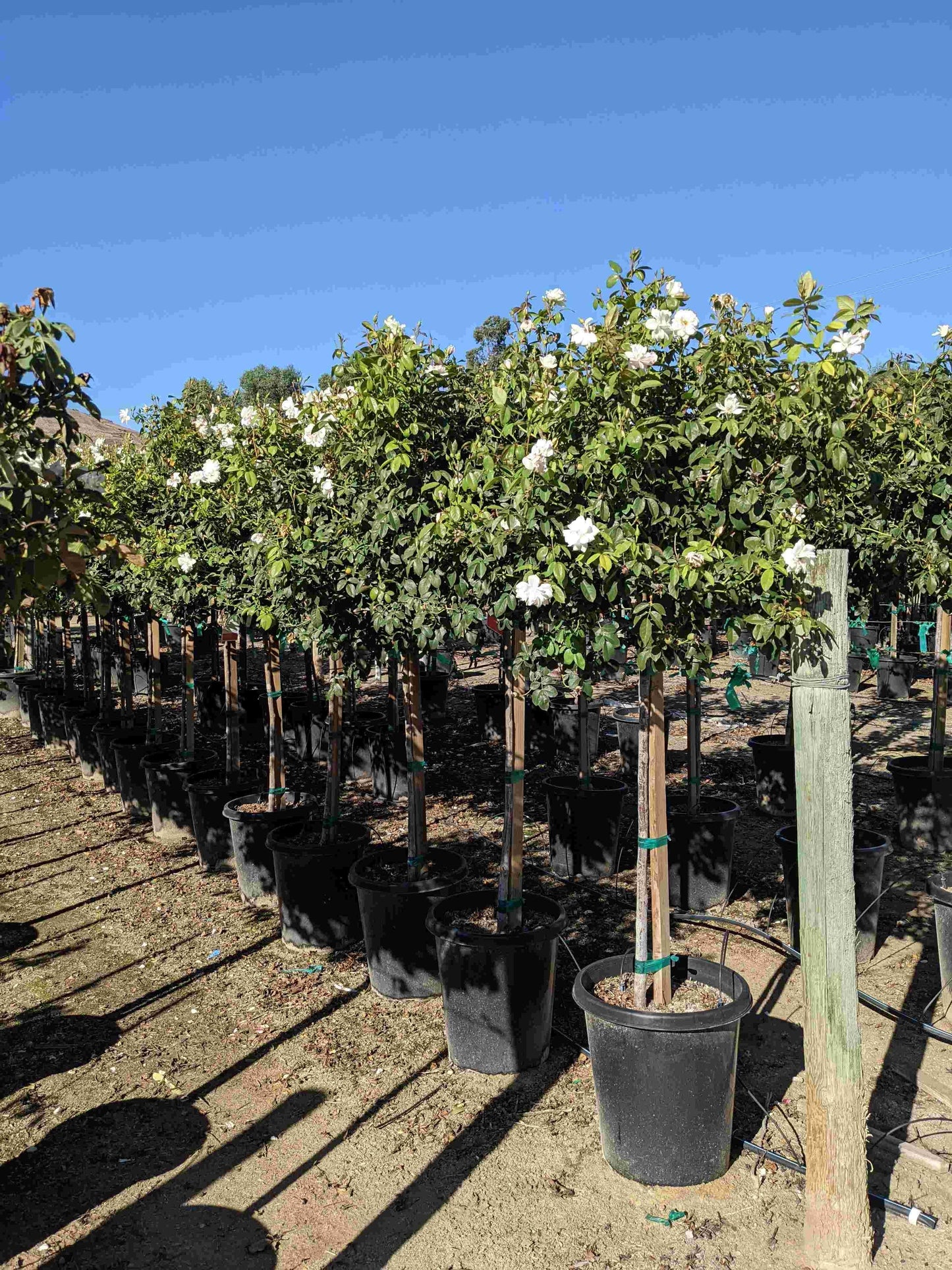

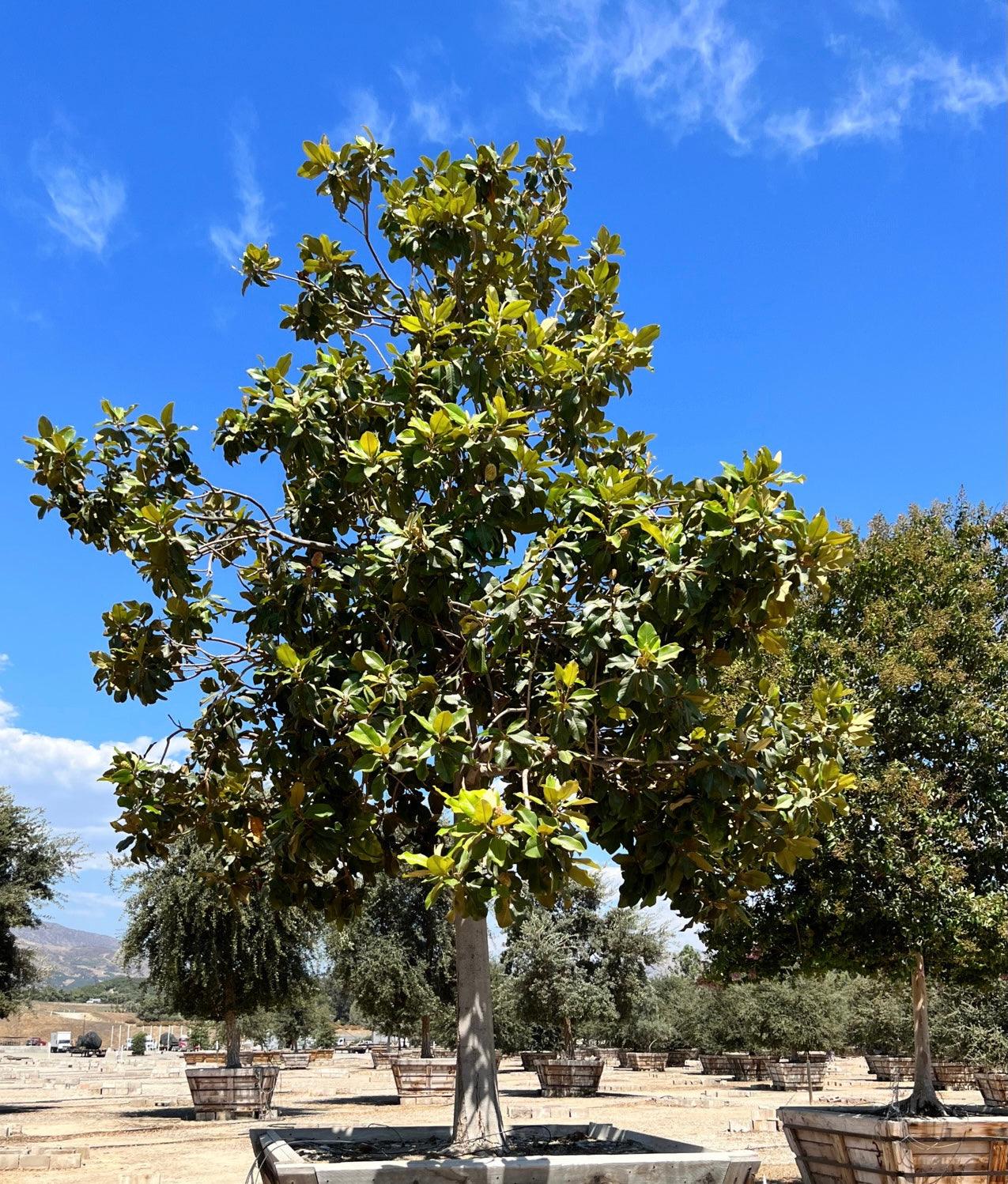

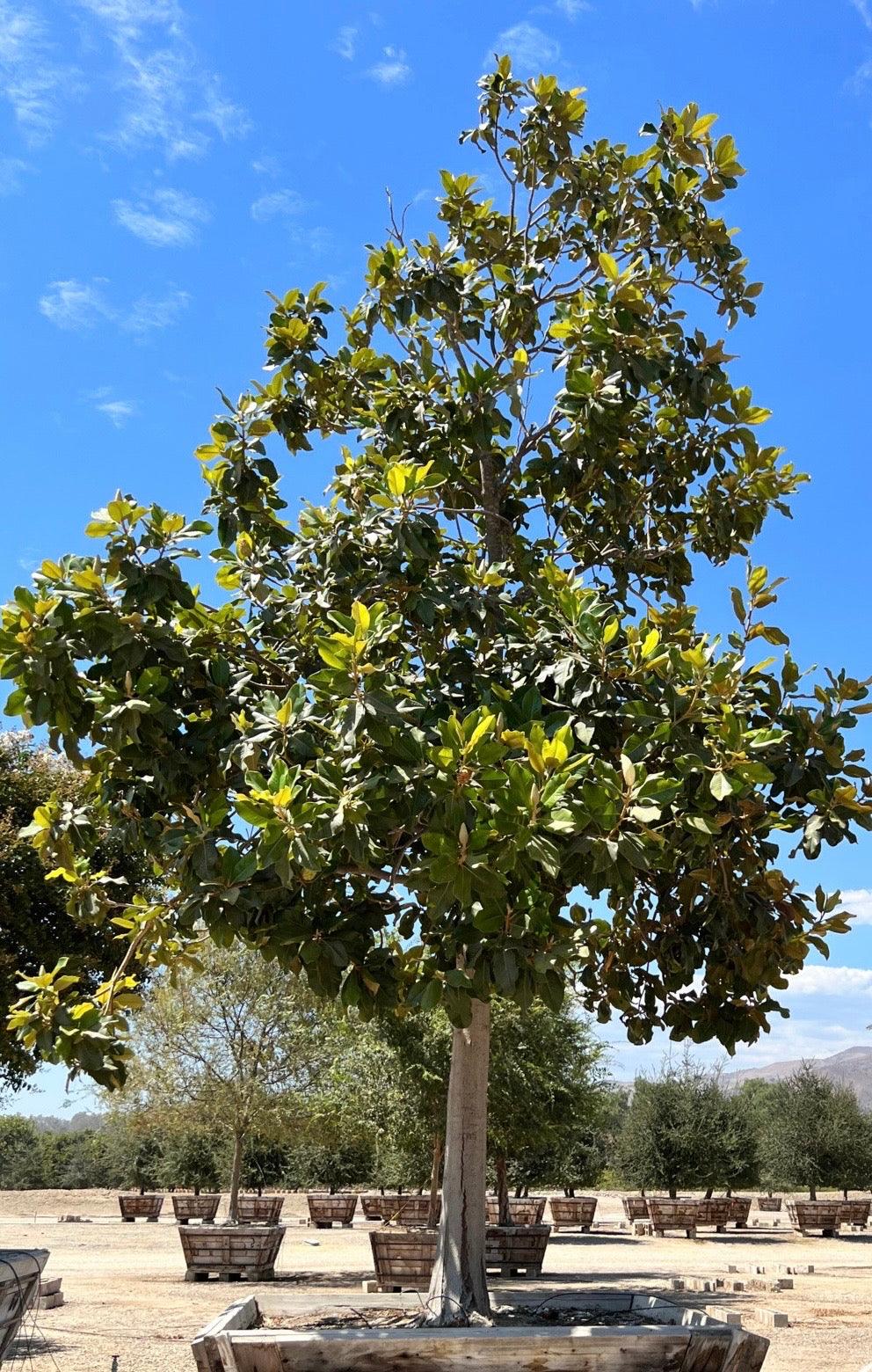

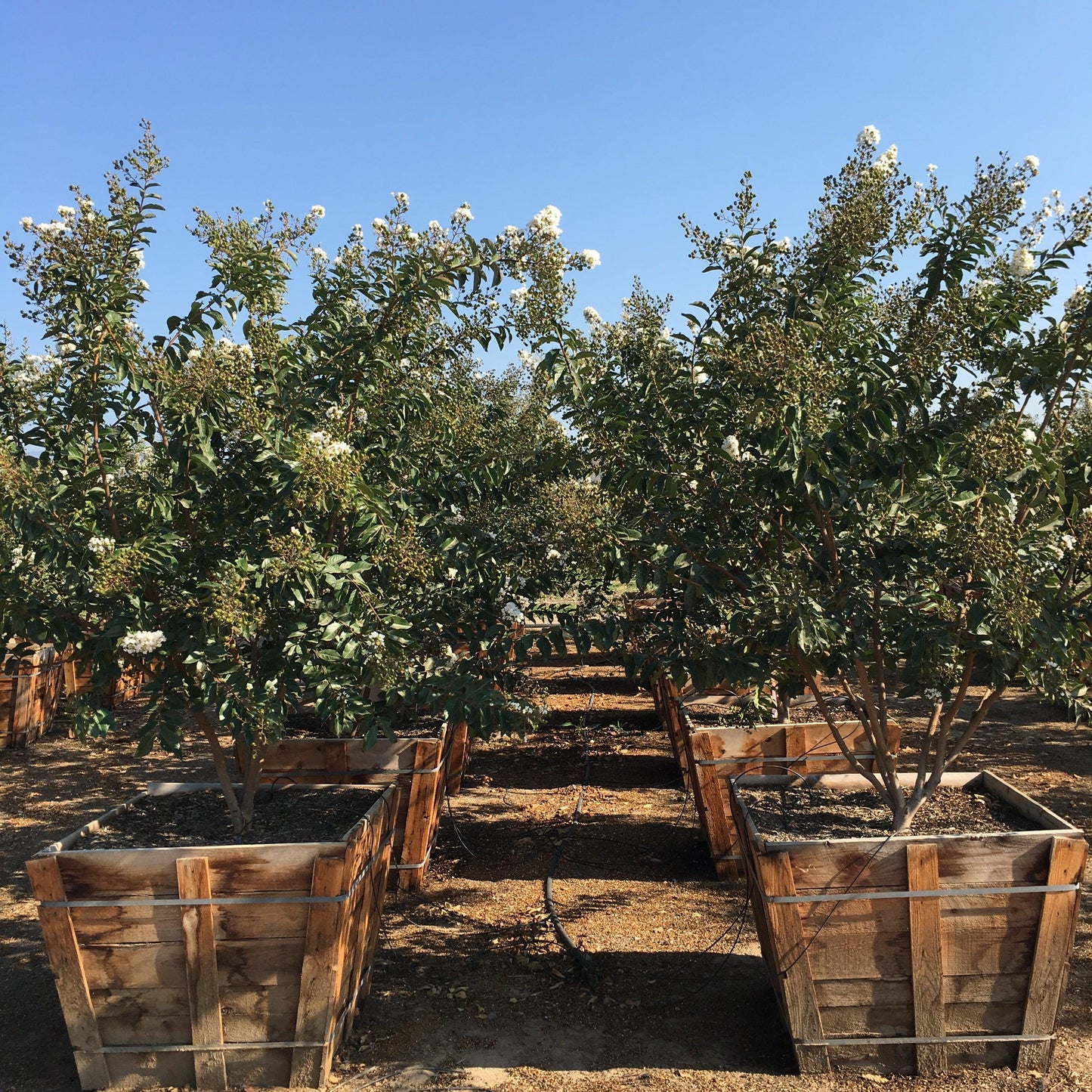





Pairs Well With













You May Also Like











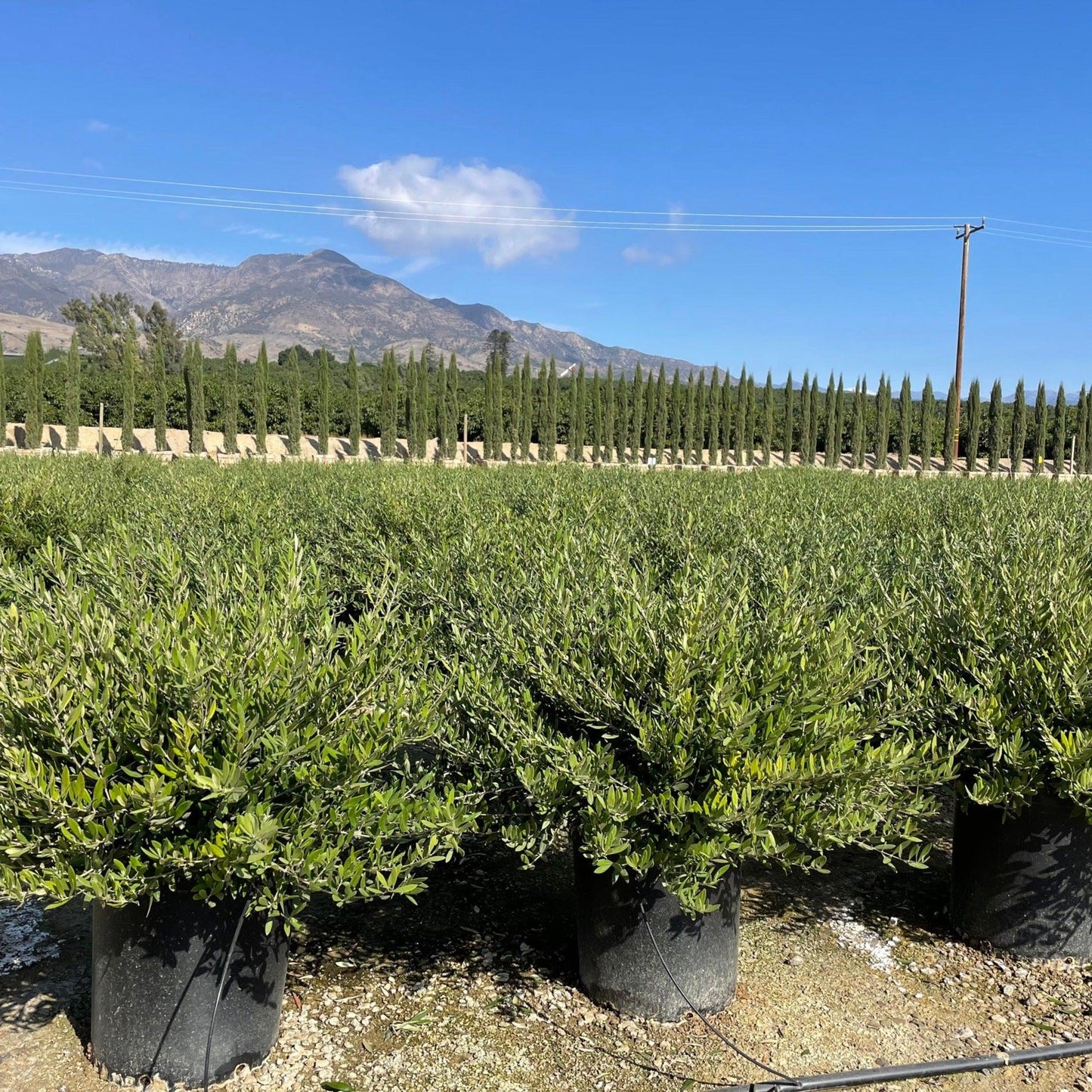

Thousands of Healthy Plants Delivered


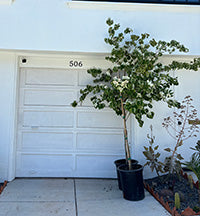
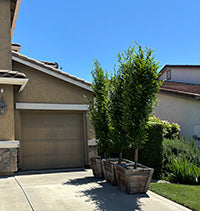
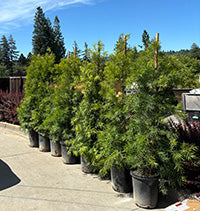
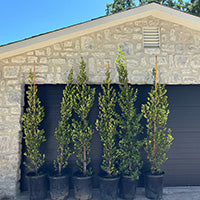
Yardwork was so great to work with. First they had the Swan Hill olive trees that we had been searching for, we had contacted several other nurseries without any luck previously. Then they answered all of our questions in a timely matter prior to ordering and finally delivered within a few days of placing it. Their staff is incredibly knowledgeable; they delivered and planted our trees with expertise to ensure that they would do well in our yard. We would definitely work with them again for future projects.














A Modern Experience
At Yardwork, we carefully curate thousands of plants, in all container sizes, to provide you with the best selection of the highest quality trees and plants at the best price, with the convenience of an online platform.
Uncompromised Quality
We choose only the finest specimens and hand select our plants just before delivery to ensure you receive the freshest and most robust specimens available for your landscape.
Industry Leading Warranties
Our 30, 90, and 365 extended warranties provide some of the best coverage to ensure our trees and plants thrive in your landscape.
Frequently Asked Questions
We're committed to changing everything about trees and plants - how they’re grown, how you shop for them, and how much they cost. We handle orders ourselves. No middlemen to get between us (or our prices) and you.
We're committed to changing everything about trees and plants - how they’re grown, how you shop for them, and how much they cost. We handle orders ourselves. No middlemen to get between us (or our prices) and you.
Delivery does not include unloading of trees and plants LARGER than a 24" box.
Trees and plants in smaller containers will be dropped curbside (usually on the driveway or near the front doorstep).
Delivery beyond a curbside drop will be charged extra.
Trees and plants that are sold in container sizes LARGER than a 24" box size will require equipment and/or enough manpower onsite to help unload from the truck.
Please reach out to our team PRIOR to placing your order to help coordinate.
Our team can provide unloading assistance with equipment for an extra fee as well.
Delivery does not include unloading of trees and plants LARGER than a 24" box.
Trees and plants in smaller containers will be dropped curbside (usually on the driveway or near the front doorstep).
Delivery beyond a curbside drop will be charged extra.
Trees and plants that are sold in container sizes LARGER than a 24" box size will require equipment and/or enough manpower onsite to help unload from the truck.
Please reach out to our team PRIOR to placing your order to help coordinate.
Our team can provide unloading assistance with equipment for an extra fee as well.
We ship locally within California within 7-10 days of your order being placed.
We ship nationally using carrier partners, based on order size. Our common order minimums for out of state shipping is $5,000.
Text or call 323-576-4159 for specific shipping details for your location.
We ship locally within California within 7-10 days of your order being placed.
We ship nationally using carrier partners, based on order size. Our common order minimums for out of state shipping is $5,000.
Text or call 323-576-4159 for specific shipping details for your location.
We are currently online only and don't have physical locations where you can view plants in person.
That's why we have photos direct from the growing grounds of the plants we will ship and we display pricing right in our store.
We do make sure to pick the very best trees and plants prior to shipping and make sure that they have gone through our multi-point inspection for health and structure.
We will always reach out prior to delivery if we find a quality issue or need to provide a substitute.
We are currently online only and don't have physical locations where you can view plants in person.
That's why we have photos direct from the growing grounds of the plants we will ship and we display pricing right in our store.
We do make sure to pick the very best trees and plants prior to shipping and make sure that they have gone through our multi-point inspection for health and structure.
We will always reach out prior to delivery if we find a quality issue or need to provide a substitute.
Plants vary greatly by type. Here is a rough idea of sizes based on containers that are direct from our growing grounds.
15 Gallon Shrub 3-4 Ft. Tall
15 Gallon Tree 5-6 Ft. Tall
24" Box Shrub 5-6 Ft. Tall
24" Box Tree 6-7 Ft. Tall
36" Box Shrub/Tree 7-9 Ft. Tall
48" Box Shrub/Tree 8-10 Ft. Tall
**Please note that we do not make guarantees of sizes. If you have questions or concerns, please call or text to request accurate sizing for the particular plant you're considering, prior to ordering.
Plants vary greatly by type. Here is a rough idea of sizes based on containers that are direct from our growing grounds.
15 Gallon Shrub 3-4 Ft. Tall
15 Gallon Tree 5-6 Ft. Tall
24" Box Shrub 5-6 Ft. Tall
24" Box Tree 6-7 Ft. Tall
36" Box Shrub/Tree 7-9 Ft. Tall
48" Box Shrub/Tree 8-10 Ft. Tall
**Please note that we do not make guarantees of sizes. If you have questions or concerns, please call or text to request accurate sizing for the particular plant you're considering, prior to ordering.
We offer a limited 30 day warranty for plants that are delivered and planted by someone else and a 90 day warranty for plants that we plant.
The limited warranty covers plants that die as a result of disease or fungus which was derived from our growing grounds or from root balls that were root bound.
The warranty does not cover damage due to watering, fertilizer, soils, or any other conditions beyond our control. Additionally, the warranty does not cover plants that are shipped out of the state of California or shipped into California from other states. Custom plant orders are also not covered under warranty. Plants must be planted within 24 hours after delivery to qualify.
We can assist you in recommending the right soils and fertilizers to help your plant thrive after you plant it.
Text or call 323-576-4159 for further warranty information.
We offer a limited 30 day warranty for plants that are delivered and planted by someone else and a 90 day warranty for plants that we plant.
The limited warranty covers plants that die as a result of disease or fungus which was derived from our growing grounds or from root balls that were root bound.
The warranty does not cover damage due to watering, fertilizer, soils, or any other conditions beyond our control. Additionally, the warranty does not cover plants that are shipped out of the state of California or shipped into California from other states. Custom plant orders are also not covered under warranty. Plants must be planted within 24 hours after delivery to qualify.
We can assist you in recommending the right soils and fertilizers to help your plant thrive after you plant it.
Text or call 323-576-4159 for further warranty information.
Our local delivery team covers most cities in California.
There are some exceptions, so please get in touch to confirm prior to ordering.
Additionally, we ship using semi trucks and trailers throughout the entire United States and even abroad for large orders over $5,000. Each shipment is custom, so please reach out to our team to coordinate.
Our local delivery team covers most cities in California.
There are some exceptions, so please get in touch to confirm prior to ordering.
Additionally, we ship using semi trucks and trailers throughout the entire United States and even abroad for large orders over $5,000. Each shipment is custom, so please reach out to our team to coordinate.