



Improved Meyer Lemon Tree (CA)
Regular price
$119.95
Size
Transform Your Garden Into a Year-Round Citrus Paradise
A single meyer lemon tree in your California garden means fresh, sweet citrus whenever you need it - no grocery runs, no waxed supermarket fruit, just ripe lemons steps from your kitchen. Meyer lemons are considered a hybrid between a true lemon and a mandarin orange, which gives them a sweeter, more complex flavor that elevates everything from weeknight fish to weekend cocktails. Whether planted in the ground or grown in a container on your patio, this improved meyer lemon tree delivers reliable fruit production across every season in mild climates.
Why You'll Love It
-
Exceptional Cold Hardiness – Meyer lemon trees are more cold-tolerant than standard lemon trees. Mature trees are hardy to about -6°C (21°F), letting you grow citrus outdoors in USDA zones where other citrus trees would fail. Even in cooler climates, a frost cloth or brief move indoors for the winter keeps your tree thriving.
-
Compact Size for Any Space – Reaching just 6–10 feet tall and 4–6 feet wide, this lemon tree fits comfortably in small California yards, along patios, or in large containers. Meyer lemon trees are excellent for container gardening due to their bushy growth habit, staying in great shape without aggressive pruning.
-
Sweeter, Less Acidic Fruit – Forget the pucker of common lemons. Meyer lemon fruit is less acidic than regular lemons, with a rounded sweetness and floral depth. Meyer lemons have a thinner and more fragrant rind than regular lemons, making them ideal for zesting directly into dishes. Meyer lemons have a complex, floral aroma that chefs prize for desserts and marmalades.
-
Year-Round Fruit Production – Meyer lemons can produce fruit year round outdoors in warmer climates. With proper care in California's climate, expect overlapping cycles of bloom, fruit development, and harvest - fresh lemons in every season, with peak harvests through fall and winter.
-
Fragrant, Ornamental Blossoms – White flowers with a subtle purple tinge at the base fill your garden with perfume. These blooms appear multiple times a year, adding ornamental beauty well beyond what typical fruit trees offer.
What Makes It Different
Most citrus trees demand large yards, perfect weather conditions, and multiple plants for pollination - making them impractical for the average home gardener.
The Meyer Lemon Tree offers:
-
Self-Pollinating Convenience – Meyer lemon trees are self-pollinating and do not require other trees to bear fruit. A single tree on your patio or in your garden sets fruit on its own. If you grow your tree indoors during winter, flowers can even be hand pollinated with a small brush to keep production going near a sunny window.
-
Hybrid Vigor and Resilience – The cross between a citron and a mandarin-sweet orange complex gives the Meyer hybrid vigor that true lemons lack. This translates to better cold tolerance, softer acidity, and a more forgiving nature for new growers - your tree thrives even when conditions aren't textbook perfect.
-
Disease Resistant, Improved Stock – Meyer lemon trees were nearly wiped out by a virus in the 1960s. Today, nurseries sell only the improved meyer lemon strain - a virus-free, certified selection developed by the University of California and released in 1975. This disease resistant stock produces healthier fruit and more reliable growth than the original variety.
How To Grow The Meyer Lemon Tree Successfully
-
Plant in the Right Spot Choose a sunny location with full sun - Meyer lemon trees require 6 to 8 hours of direct sunlight daily. Use well-draining soil with a pH between 5.5 and 6.5. A southern exposure wall or unshaded yard works best outdoors. For container growing, use quality potting soil with excellent drainage in at least a 20-gallon pot. Plant in early spring after the last frost risk for strongest root establishment.
-
Water and Feed Consistently Keep soil moist but never waterlogged - water Meyer lemon trees when the top few inches of soil are dry. Proper watering means more frequent watering during active growth in spring and late summer, then easing back during cooler months. Meyer lemon trees require high nitrogen and consistent moisture, so fertilize three times during the growing season with a balanced citrus fertilizer rich in nitrogen, potassium, and micronutrients like iron and zinc.
-
Harvest Sweet Meyer Lemons Fruit develops over 4–6 months from bloom to ripe. Watch for deep golden yellow skin with a slight orange blush and a fragrant, giving rind. Cut rather than pull fruit from branches to protect new growth. Grafted trees produce fruit in 2–3 years; seed-grown Meyer lemon trees take years to bear fruit - often 4 years or more. Meyer lemons can be eaten or zested directly into dishes without overpowering them.
Tree Specifications
-
Mature Size: 6–10 feet tall, 4–6 feet wide (standard/semi-dwarf); smaller in containers
-
USDA Hardiness Zones: 8b–11 for outdoor planting
-
Ideal Temperature: Between 50°F and 80°F for optimal growth
-
Container Requirements: Minimum 20-gallon pot with excellent drainage; depth of at least 2 feet for root volume
-
Fruit Characteristics: Yellow to gold with orange tint at full ripeness; thin skin, smooth, 2–3 inch diameter; deep yellow, juicy pulp; 0–10 seeds per fruit
-
Time to Fruit: 2–3 years from grafted nursery stock; Meyer lemon trees take at least four years to bear fruit from seed
-
Yield Potential: Container trees produce approximately 30–50 lbs per year; in-ground mature trees can exceed 100 lbs annually
-
Humidity: Meyer lemon trees thrive in humid environments with 50–60% humidity
-
Sunlight: Meyer lemon trees need at least six hours of sunlight daily; a south facing window works for indoor growing
-
Soil: Well-drained and slightly acidic; good soil is critical - avoid heavy clay
-
Propagation: Meyer lemon trees are mostly propagated from cuttings; the best time to propagate is late spring or early summer, and rooting hormone improves success rates for cuttings
Who It's For
Ideal for:
-
Homeowners wanting fresh citrus without full-size trees - explore our full lemon trees collection for more options
-
Container gardeners with patios, decks, or small outdoor spaces who need a plant that adapts well to pot size limitations; Meyer lemon trees adapt well to in-ground planting and containers
-
Cooking enthusiasts who use fresh lemon juice and zest regularly - Meyer lemon trees are highly prized by chefs for desserts and marmalades
-
Beginning fruit tree growers looking for a self pollinating, manageable citrus that doesn't demand expert-level care
If you want homegrown citrus in a compact, fragrant, year round producing tree, the Meyer lemon fits your needs perfectly.
Frequently Asked Questions
Can I grow this in a container? Absolutely. Use at least a 20-gallon pot with excellent drainage and quality potting soil. Container growing also lets you move your tree indoors during winter or reposition it to chase sun throughout the seasons. Keep soil moist on the dry side between waterings to prevent root rot.
How often will it produce fruit? Meyer lemons can produce fruit year-round outdoors in California's mild climate, with peak harvests in fall and winter. Fruit drop can occur due to poor pollination or insufficient water, so maintain consistent moisture and protect from frost during cooler months.
What about pests and diseases? Common pests include scale and spider mites - spider mites thrive in dry indoor air during winter, so raise humidity levels to 50% or higher when growing your tree indoors. Use neem oil to control pests like aphids and mealybugs. Apply copper-based fungicides to prevent fungal diseases. Regular pruning improves air circulation for Meyer lemon trees, reducing disease pressure. Prune Meyer lemon trees in late winter or early spring to maintain good shape and encourage healthy buds and new growth.
Can I grow a Meyer lemon tree indoors? Yes. Place near a south facing window or sunny window with at least six hours of light. You can produce fruit indoors with supplemental grow lights if natural light is limited. Meyer lemons benefit from high humidity levels of 50% or higher - mist regularly or use a humidity tray. Some leaf drop is normal when transitioning your tree indoors, especially if humidity is low.
How does it compare to aEureka lemon tree? True lemons like the Eureka are more acidic lemons with thicker skin and larger, more vigorous growth - often reaching 15–20 feet tall. Meyer lemons are sweeter, more compact, and better suited for containers and partial shade situations. For a comparison with other citrus and fruit trees, browse our full collection.
What if I'm new to citrus growing? Meyer lemon trees are among the most forgiving citrus trees for beginners. Yardwork offers consultation services and can help with soil testing, proper pot size selection, and seasonal care guidance tailored to your specific California weather conditions.
Ready to Grow Your Own Meyer Lemons?
The Mature Meyer Lemon Tree delivers sweeter, healthier fruit - from tree to table - in a compact, beautiful plant that blooms and produces year round.
Yardwork specializes in California-appropriate trees selected for your climate, your space, and your goals. Free shipping on most orders over $600. Consultation services available to help you choose the right sunny location, container, and care schedule.
Transform Your Garden Into a Year-Round Citrus Paradise
A single meyer lemon tree in your California garden means fresh, sweet citrus whenever you need it - no grocery runs, no waxed supermarket fruit, just ripe lemons steps from your kitchen. Meyer lemons are considered a hybrid between a true lemon and a mandarin orange, which gives them a sweeter, more complex flavor that elevates everything from weeknight fish to weekend cocktails. Whether planted in the ground or grown in a container on your patio, this improved meyer lemon tree delivers reliable fruit production across every season in mild climates.
Why You'll Love It
-
Exceptional Cold Hardiness – Meyer lemon trees are more cold-tolerant than standard lemon trees. Mature trees are hardy to about -6°C (21°F), letting you grow citrus outdoors in USDA zones where other citrus trees would fail. Even in cooler climates, a frost cloth or brief move indoors for the winter keeps your tree thriving.
-
Compact Size for Any Space – Reaching just 6–10 feet tall and 4–6 feet wide, this lemon tree fits comfortably in small California yards, along patios, or in large containers. Meyer lemon trees are excellent for container gardening due to their bushy growth habit, staying in great shape without aggressive pruning.
-
Sweeter, Less Acidic Fruit – Forget the pucker of common lemons. Meyer lemon fruit is less acidic than regular lemons, with a rounded sweetness and floral depth. Meyer lemons have a thinner and more fragrant rind than regular lemons, making them ideal for zesting directly into dishes. Meyer lemons have a complex, floral aroma that chefs prize for desserts and marmalades.
-
Year-Round Fruit Production – Meyer lemons can produce fruit year round outdoors in warmer climates. With proper care in California's climate, expect overlapping cycles of bloom, fruit development, and harvest - fresh lemons in every season, with peak harvests through fall and winter.
-
Fragrant, Ornamental Blossoms – White flowers with a subtle purple tinge at the base fill your garden with perfume. These blooms appear multiple times a year, adding ornamental beauty well beyond what typical fruit trees offer.
What Makes It Different
Most citrus trees demand large yards, perfect weather conditions, and multiple plants for pollination - making them impractical for the average home gardener.
The Meyer Lemon Tree offers:
-
Self-Pollinating Convenience – Meyer lemon trees are self-pollinating and do not require other trees to bear fruit. A single tree on your patio or in your garden sets fruit on its own. If you grow your tree indoors during winter, flowers can even be hand pollinated with a small brush to keep production going near a sunny window.
-
Hybrid Vigor and Resilience – The cross between a citron and a mandarin-sweet orange complex gives the Meyer hybrid vigor that true lemons lack. This translates to better cold tolerance, softer acidity, and a more forgiving nature for new growers - your tree thrives even when conditions aren't textbook perfect.
-
Disease Resistant, Improved Stock – Meyer lemon trees were nearly wiped out by a virus in the 1960s. Today, nurseries sell only the improved meyer lemon strain - a virus-free, certified selection developed by the University of California and released in 1975. This disease resistant stock produces healthier fruit and more reliable growth than the original variety.
How To Grow The Meyer Lemon Tree Successfully
-
Plant in the Right Spot Choose a sunny location with full sun - Meyer lemon trees require 6 to 8 hours of direct sunlight daily. Use well-draining soil with a pH between 5.5 and 6.5. A southern exposure wall or unshaded yard works best outdoors. For container growing, use quality potting soil with excellent drainage in at least a 20-gallon pot. Plant in early spring after the last frost risk for strongest root establishment.
-
Water and Feed Consistently Keep soil moist but never waterlogged - water Meyer lemon trees when the top few inches of soil are dry. Proper watering means more frequent watering during active growth in spring and late summer, then easing back during cooler months. Meyer lemon trees require high nitrogen and consistent moisture, so fertilize three times during the growing season with a balanced citrus fertilizer rich in nitrogen, potassium, and micronutrients like iron and zinc.
-
Harvest Sweet Meyer Lemons Fruit develops over 4–6 months from bloom to ripe. Watch for deep golden yellow skin with a slight orange blush and a fragrant, giving rind. Cut rather than pull fruit from branches to protect new growth. Grafted trees produce fruit in 2–3 years; seed-grown Meyer lemon trees take years to bear fruit - often 4 years or more. Meyer lemons can be eaten or zested directly into dishes without overpowering them.
Tree Specifications
-
Mature Size: 6–10 feet tall, 4–6 feet wide (standard/semi-dwarf); smaller in containers
-
USDA Hardiness Zones: 8b–11 for outdoor planting
-
Ideal Temperature: Between 50°F and 80°F for optimal growth
-
Container Requirements: Minimum 20-gallon pot with excellent drainage; depth of at least 2 feet for root volume
-
Fruit Characteristics: Yellow to gold with orange tint at full ripeness; thin skin, smooth, 2–3 inch diameter; deep yellow, juicy pulp; 0–10 seeds per fruit
-
Time to Fruit: 2–3 years from grafted nursery stock; Meyer lemon trees take at least four years to bear fruit from seed
-
Yield Potential: Container trees produce approximately 30–50 lbs per year; in-ground mature trees can exceed 100 lbs annually
-
Humidity: Meyer lemon trees thrive in humid environments with 50–60% humidity
-
Sunlight: Meyer lemon trees need at least six hours of sunlight daily; a south facing window works for indoor growing
-
Soil: Well-drained and slightly acidic; good soil is critical - avoid heavy clay
-
Propagation: Meyer lemon trees are mostly propagated from cuttings; the best time to propagate is late spring or early summer, and rooting hormone improves success rates for cuttings
Who It's For
Ideal for:
-
Homeowners wanting fresh citrus without full-size trees - explore our full lemon trees collection for more options
-
Container gardeners with patios, decks, or small outdoor spaces who need a plant that adapts well to pot size limitations; Meyer lemon trees adapt well to in-ground planting and containers
-
Cooking enthusiasts who use fresh lemon juice and zest regularly - Meyer lemon trees are highly prized by chefs for desserts and marmalades
-
Beginning fruit tree growers looking for a self pollinating, manageable citrus that doesn't demand expert-level care
If you want homegrown citrus in a compact, fragrant, year round producing tree, the Meyer lemon fits your needs perfectly.
Frequently Asked Questions
Can I grow this in a container? Absolutely. Use at least a 20-gallon pot with excellent drainage and quality potting soil. Container growing also lets you move your tree indoors during winter or reposition it to chase sun throughout the seasons. Keep soil moist on the dry side between waterings to prevent root rot.
How often will it produce fruit? Meyer lemons can produce fruit year-round outdoors in California's mild climate, with peak harvests in fall and winter. Fruit drop can occur due to poor pollination or insufficient water, so maintain consistent moisture and protect from frost during cooler months.
What about pests and diseases? Common pests include scale and spider mites - spider mites thrive in dry indoor air during winter, so raise humidity levels to 50% or higher when growing your tree indoors. Use neem oil to control pests like aphids and mealybugs. Apply copper-based fungicides to prevent fungal diseases. Regular pruning improves air circulation for Meyer lemon trees, reducing disease pressure. Prune Meyer lemon trees in late winter or early spring to maintain good shape and encourage healthy buds and new growth.
Can I grow a Meyer lemon tree indoors? Yes. Place near a south facing window or sunny window with at least six hours of light. You can produce fruit indoors with supplemental grow lights if natural light is limited. Meyer lemons benefit from high humidity levels of 50% or higher - mist regularly or use a humidity tray. Some leaf drop is normal when transitioning your tree indoors, especially if humidity is low.
How does it compare to aEureka lemon tree? True lemons like the Eureka are more acidic lemons with thicker skin and larger, more vigorous growth - often reaching 15–20 feet tall. Meyer lemons are sweeter, more compact, and better suited for containers and partial shade situations. For a comparison with other citrus and fruit trees, browse our full collection.
What if I'm new to citrus growing? Meyer lemon trees are among the most forgiving citrus trees for beginners. Yardwork offers consultation services and can help with soil testing, proper pot size selection, and seasonal care guidance tailored to your specific California weather conditions.
Ready to Grow Your Own Meyer Lemons?
The Mature Meyer Lemon Tree delivers sweeter, healthier fruit - from tree to table - in a compact, beautiful plant that blooms and produces year round.
Yardwork specializes in California-appropriate trees selected for your climate, your space, and your goals. Free shipping on most orders over $600. Consultation services available to help you choose the right sunny location, container, and care schedule.
Plants vary greatly by type and no guarantees are made on sizing.
However here is a rough idea of sizes based on containers that are direct from our growing grounds.
15 Gallon Shrub 3-4 Ft. Tall
15 Gallon Tree 5-6 Ft. Tall
24" Box Shrub 5-6 Ft. Tall
24" Box Tree 6-7 Ft. Tall
36" Box Tree 8-10 Ft. Tall
48" Box Tree 10-12 Ft. Tall
Please note: Citrus and California Native plants such as Manzanita are smaller than traditional sizing.
Please contact us to confirm sizing of items before purchasing if this is a concern.
Plants vary greatly by type and no guarantees are made on sizing.
However here is a rough idea of sizes based on containers that are direct from our growing grounds.
15 Gallon Shrub 3-4 Ft. Tall
15 Gallon Tree 5-6 Ft. Tall
24" Box Shrub 5-6 Ft. Tall
24" Box Tree 6-7 Ft. Tall
36" Box Tree 8-10 Ft. Tall
48" Box Tree 10-12 Ft. Tall
Please note: Citrus and California Native plants such as Manzanita are smaller than traditional sizing.
Please contact us to confirm sizing of items before purchasing if this is a concern.
Delivery does not include unloading of trees and plants larger than a 24" box.
Trees and plants in smaller containers will be dropped curbside.
Delivery beyond a curbside drop will be charged extra.
Trees and plants that are sold in container sizes larger than a 24" box size will require equipment and an operator onsite to help unload from the truck.
Please reach out to our team PRIOR to placing your order to coordinate.
Our team can provide unloading assistance with equipment for an extra fee.
Delivery does not include unloading of trees and plants larger than a 24" box.
Trees and plants in smaller containers will be dropped curbside.
Delivery beyond a curbside drop will be charged extra.
Trees and plants that are sold in container sizes larger than a 24" box size will require equipment and an operator onsite to help unload from the truck.
Please reach out to our team PRIOR to placing your order to coordinate.
Our team can provide unloading assistance with equipment for an extra fee.
You may also like...


Improved Meyer Lemon Tree (CA)
Regular price
$119.95
Size
Transform Your Garden Into a Year-Round Citrus Paradise
A single meyer lemon tree in your California garden means fresh, sweet citrus whenever you need it - no grocery runs, no waxed supermarket fruit, just ripe lemons steps from your kitchen. Meyer lemons are considered a hybrid between a true lemon and a mandarin orange, which gives them a sweeter, more complex flavor that elevates everything from weeknight fish to weekend cocktails. Whether planted in the ground or grown in a container on your patio, this improved meyer lemon tree delivers reliable fruit production across every season in mild climates.
Why You'll Love It
-
Exceptional Cold Hardiness – Meyer lemon trees are more cold-tolerant than standard lemon trees. Mature trees are hardy to about -6°C (21°F), letting you grow citrus outdoors in USDA zones where other citrus trees would fail. Even in cooler climates, a frost cloth or brief move indoors for the winter keeps your tree thriving.
-
Compact Size for Any Space – Reaching just 6–10 feet tall and 4–6 feet wide, this lemon tree fits comfortably in small California yards, along patios, or in large containers. Meyer lemon trees are excellent for container gardening due to their bushy growth habit, staying in great shape without aggressive pruning.
-
Sweeter, Less Acidic Fruit – Forget the pucker of common lemons. Meyer lemon fruit is less acidic than regular lemons, with a rounded sweetness and floral depth. Meyer lemons have a thinner and more fragrant rind than regular lemons, making them ideal for zesting directly into dishes. Meyer lemons have a complex, floral aroma that chefs prize for desserts and marmalades.
-
Year-Round Fruit Production – Meyer lemons can produce fruit year round outdoors in warmer climates. With proper care in California's climate, expect overlapping cycles of bloom, fruit development, and harvest - fresh lemons in every season, with peak harvests through fall and winter.
-
Fragrant, Ornamental Blossoms – White flowers with a subtle purple tinge at the base fill your garden with perfume. These blooms appear multiple times a year, adding ornamental beauty well beyond what typical fruit trees offer.
What Makes It Different
Most citrus trees demand large yards, perfect weather conditions, and multiple plants for pollination - making them impractical for the average home gardener.
The Meyer Lemon Tree offers:
-
Self-Pollinating Convenience – Meyer lemon trees are self-pollinating and do not require other trees to bear fruit. A single tree on your patio or in your garden sets fruit on its own. If you grow your tree indoors during winter, flowers can even be hand pollinated with a small brush to keep production going near a sunny window.
-
Hybrid Vigor and Resilience – The cross between a citron and a mandarin-sweet orange complex gives the Meyer hybrid vigor that true lemons lack. This translates to better cold tolerance, softer acidity, and a more forgiving nature for new growers - your tree thrives even when conditions aren't textbook perfect.
-
Disease Resistant, Improved Stock – Meyer lemon trees were nearly wiped out by a virus in the 1960s. Today, nurseries sell only the improved meyer lemon strain - a virus-free, certified selection developed by the University of California and released in 1975. This disease resistant stock produces healthier fruit and more reliable growth than the original variety.
How To Grow The Meyer Lemon Tree Successfully
-
Plant in the Right Spot Choose a sunny location with full sun - Meyer lemon trees require 6 to 8 hours of direct sunlight daily. Use well-draining soil with a pH between 5.5 and 6.5. A southern exposure wall or unshaded yard works best outdoors. For container growing, use quality potting soil with excellent drainage in at least a 20-gallon pot. Plant in early spring after the last frost risk for strongest root establishment.
-
Water and Feed Consistently Keep soil moist but never waterlogged - water Meyer lemon trees when the top few inches of soil are dry. Proper watering means more frequent watering during active growth in spring and late summer, then easing back during cooler months. Meyer lemon trees require high nitrogen and consistent moisture, so fertilize three times during the growing season with a balanced citrus fertilizer rich in nitrogen, potassium, and micronutrients like iron and zinc.
-
Harvest Sweet Meyer Lemons Fruit develops over 4–6 months from bloom to ripe. Watch for deep golden yellow skin with a slight orange blush and a fragrant, giving rind. Cut rather than pull fruit from branches to protect new growth. Grafted trees produce fruit in 2–3 years; seed-grown Meyer lemon trees take years to bear fruit - often 4 years or more. Meyer lemons can be eaten or zested directly into dishes without overpowering them.
Tree Specifications
-
Mature Size: 6–10 feet tall, 4–6 feet wide (standard/semi-dwarf); smaller in containers
-
USDA Hardiness Zones: 8b–11 for outdoor planting
-
Ideal Temperature: Between 50°F and 80°F for optimal growth
-
Container Requirements: Minimum 20-gallon pot with excellent drainage; depth of at least 2 feet for root volume
-
Fruit Characteristics: Yellow to gold with orange tint at full ripeness; thin skin, smooth, 2–3 inch diameter; deep yellow, juicy pulp; 0–10 seeds per fruit
-
Time to Fruit: 2–3 years from grafted nursery stock; Meyer lemon trees take at least four years to bear fruit from seed
-
Yield Potential: Container trees produce approximately 30–50 lbs per year; in-ground mature trees can exceed 100 lbs annually
-
Humidity: Meyer lemon trees thrive in humid environments with 50–60% humidity
-
Sunlight: Meyer lemon trees need at least six hours of sunlight daily; a south facing window works for indoor growing
-
Soil: Well-drained and slightly acidic; good soil is critical - avoid heavy clay
-
Propagation: Meyer lemon trees are mostly propagated from cuttings; the best time to propagate is late spring or early summer, and rooting hormone improves success rates for cuttings
Who It's For
Ideal for:
-
Homeowners wanting fresh citrus without full-size trees - explore our full lemon trees collection for more options
-
Container gardeners with patios, decks, or small outdoor spaces who need a plant that adapts well to pot size limitations; Meyer lemon trees adapt well to in-ground planting and containers
-
Cooking enthusiasts who use fresh lemon juice and zest regularly - Meyer lemon trees are highly prized by chefs for desserts and marmalades
-
Beginning fruit tree growers looking for a self pollinating, manageable citrus that doesn't demand expert-level care
If you want homegrown citrus in a compact, fragrant, year round producing tree, the Meyer lemon fits your needs perfectly.
Frequently Asked Questions
Can I grow this in a container? Absolutely. Use at least a 20-gallon pot with excellent drainage and quality potting soil. Container growing also lets you move your tree indoors during winter or reposition it to chase sun throughout the seasons. Keep soil moist on the dry side between waterings to prevent root rot.
How often will it produce fruit? Meyer lemons can produce fruit year-round outdoors in California's mild climate, with peak harvests in fall and winter. Fruit drop can occur due to poor pollination or insufficient water, so maintain consistent moisture and protect from frost during cooler months.
What about pests and diseases? Common pests include scale and spider mites - spider mites thrive in dry indoor air during winter, so raise humidity levels to 50% or higher when growing your tree indoors. Use neem oil to control pests like aphids and mealybugs. Apply copper-based fungicides to prevent fungal diseases. Regular pruning improves air circulation for Meyer lemon trees, reducing disease pressure. Prune Meyer lemon trees in late winter or early spring to maintain good shape and encourage healthy buds and new growth.
Can I grow a Meyer lemon tree indoors? Yes. Place near a south facing window or sunny window with at least six hours of light. You can produce fruit indoors with supplemental grow lights if natural light is limited. Meyer lemons benefit from high humidity levels of 50% or higher - mist regularly or use a humidity tray. Some leaf drop is normal when transitioning your tree indoors, especially if humidity is low.
How does it compare to aEureka lemon tree? True lemons like the Eureka are more acidic lemons with thicker skin and larger, more vigorous growth - often reaching 15–20 feet tall. Meyer lemons are sweeter, more compact, and better suited for containers and partial shade situations. For a comparison with other citrus and fruit trees, browse our full collection.
What if I'm new to citrus growing? Meyer lemon trees are among the most forgiving citrus trees for beginners. Yardwork offers consultation services and can help with soil testing, proper pot size selection, and seasonal care guidance tailored to your specific California weather conditions.
Ready to Grow Your Own Meyer Lemons?
The Mature Meyer Lemon Tree delivers sweeter, healthier fruit - from tree to table - in a compact, beautiful plant that blooms and produces year round.
Yardwork specializes in California-appropriate trees selected for your climate, your space, and your goals. Free shipping on most orders over $600. Consultation services available to help you choose the right sunny location, container, and care schedule.
Transform Your Garden Into a Year-Round Citrus Paradise
A single meyer lemon tree in your California garden means fresh, sweet citrus whenever you need it - no grocery runs, no waxed supermarket fruit, just ripe lemons steps from your kitchen. Meyer lemons are considered a hybrid between a true lemon and a mandarin orange, which gives them a sweeter, more complex flavor that elevates everything from weeknight fish to weekend cocktails. Whether planted in the ground or grown in a container on your patio, this improved meyer lemon tree delivers reliable fruit production across every season in mild climates.
Why You'll Love It
-
Exceptional Cold Hardiness – Meyer lemon trees are more cold-tolerant than standard lemon trees. Mature trees are hardy to about -6°C (21°F), letting you grow citrus outdoors in USDA zones where other citrus trees would fail. Even in cooler climates, a frost cloth or brief move indoors for the winter keeps your tree thriving.
-
Compact Size for Any Space – Reaching just 6–10 feet tall and 4–6 feet wide, this lemon tree fits comfortably in small California yards, along patios, or in large containers. Meyer lemon trees are excellent for container gardening due to their bushy growth habit, staying in great shape without aggressive pruning.
-
Sweeter, Less Acidic Fruit – Forget the pucker of common lemons. Meyer lemon fruit is less acidic than regular lemons, with a rounded sweetness and floral depth. Meyer lemons have a thinner and more fragrant rind than regular lemons, making them ideal for zesting directly into dishes. Meyer lemons have a complex, floral aroma that chefs prize for desserts and marmalades.
-
Year-Round Fruit Production – Meyer lemons can produce fruit year round outdoors in warmer climates. With proper care in California's climate, expect overlapping cycles of bloom, fruit development, and harvest - fresh lemons in every season, with peak harvests through fall and winter.
-
Fragrant, Ornamental Blossoms – White flowers with a subtle purple tinge at the base fill your garden with perfume. These blooms appear multiple times a year, adding ornamental beauty well beyond what typical fruit trees offer.
What Makes It Different
Most citrus trees demand large yards, perfect weather conditions, and multiple plants for pollination - making them impractical for the average home gardener.
The Meyer Lemon Tree offers:
-
Self-Pollinating Convenience – Meyer lemon trees are self-pollinating and do not require other trees to bear fruit. A single tree on your patio or in your garden sets fruit on its own. If you grow your tree indoors during winter, flowers can even be hand pollinated with a small brush to keep production going near a sunny window.
-
Hybrid Vigor and Resilience – The cross between a citron and a mandarin-sweet orange complex gives the Meyer hybrid vigor that true lemons lack. This translates to better cold tolerance, softer acidity, and a more forgiving nature for new growers - your tree thrives even when conditions aren't textbook perfect.
-
Disease Resistant, Improved Stock – Meyer lemon trees were nearly wiped out by a virus in the 1960s. Today, nurseries sell only the improved meyer lemon strain - a virus-free, certified selection developed by the University of California and released in 1975. This disease resistant stock produces healthier fruit and more reliable growth than the original variety.
How To Grow The Meyer Lemon Tree Successfully
-
Plant in the Right Spot Choose a sunny location with full sun - Meyer lemon trees require 6 to 8 hours of direct sunlight daily. Use well-draining soil with a pH between 5.5 and 6.5. A southern exposure wall or unshaded yard works best outdoors. For container growing, use quality potting soil with excellent drainage in at least a 20-gallon pot. Plant in early spring after the last frost risk for strongest root establishment.
-
Water and Feed Consistently Keep soil moist but never waterlogged - water Meyer lemon trees when the top few inches of soil are dry. Proper watering means more frequent watering during active growth in spring and late summer, then easing back during cooler months. Meyer lemon trees require high nitrogen and consistent moisture, so fertilize three times during the growing season with a balanced citrus fertilizer rich in nitrogen, potassium, and micronutrients like iron and zinc.
-
Harvest Sweet Meyer Lemons Fruit develops over 4–6 months from bloom to ripe. Watch for deep golden yellow skin with a slight orange blush and a fragrant, giving rind. Cut rather than pull fruit from branches to protect new growth. Grafted trees produce fruit in 2–3 years; seed-grown Meyer lemon trees take years to bear fruit - often 4 years or more. Meyer lemons can be eaten or zested directly into dishes without overpowering them.
Tree Specifications
-
Mature Size: 6–10 feet tall, 4–6 feet wide (standard/semi-dwarf); smaller in containers
-
USDA Hardiness Zones: 8b–11 for outdoor planting
-
Ideal Temperature: Between 50°F and 80°F for optimal growth
-
Container Requirements: Minimum 20-gallon pot with excellent drainage; depth of at least 2 feet for root volume
-
Fruit Characteristics: Yellow to gold with orange tint at full ripeness; thin skin, smooth, 2–3 inch diameter; deep yellow, juicy pulp; 0–10 seeds per fruit
-
Time to Fruit: 2–3 years from grafted nursery stock; Meyer lemon trees take at least four years to bear fruit from seed
-
Yield Potential: Container trees produce approximately 30–50 lbs per year; in-ground mature trees can exceed 100 lbs annually
-
Humidity: Meyer lemon trees thrive in humid environments with 50–60% humidity
-
Sunlight: Meyer lemon trees need at least six hours of sunlight daily; a south facing window works for indoor growing
-
Soil: Well-drained and slightly acidic; good soil is critical - avoid heavy clay
-
Propagation: Meyer lemon trees are mostly propagated from cuttings; the best time to propagate is late spring or early summer, and rooting hormone improves success rates for cuttings
Who It's For
Ideal for:
-
Homeowners wanting fresh citrus without full-size trees - explore our full lemon trees collection for more options
-
Container gardeners with patios, decks, or small outdoor spaces who need a plant that adapts well to pot size limitations; Meyer lemon trees adapt well to in-ground planting and containers
-
Cooking enthusiasts who use fresh lemon juice and zest regularly - Meyer lemon trees are highly prized by chefs for desserts and marmalades
-
Beginning fruit tree growers looking for a self pollinating, manageable citrus that doesn't demand expert-level care
If you want homegrown citrus in a compact, fragrant, year round producing tree, the Meyer lemon fits your needs perfectly.
Frequently Asked Questions
Can I grow this in a container? Absolutely. Use at least a 20-gallon pot with excellent drainage and quality potting soil. Container growing also lets you move your tree indoors during winter or reposition it to chase sun throughout the seasons. Keep soil moist on the dry side between waterings to prevent root rot.
How often will it produce fruit? Meyer lemons can produce fruit year-round outdoors in California's mild climate, with peak harvests in fall and winter. Fruit drop can occur due to poor pollination or insufficient water, so maintain consistent moisture and protect from frost during cooler months.
What about pests and diseases? Common pests include scale and spider mites - spider mites thrive in dry indoor air during winter, so raise humidity levels to 50% or higher when growing your tree indoors. Use neem oil to control pests like aphids and mealybugs. Apply copper-based fungicides to prevent fungal diseases. Regular pruning improves air circulation for Meyer lemon trees, reducing disease pressure. Prune Meyer lemon trees in late winter or early spring to maintain good shape and encourage healthy buds and new growth.
Can I grow a Meyer lemon tree indoors? Yes. Place near a south facing window or sunny window with at least six hours of light. You can produce fruit indoors with supplemental grow lights if natural light is limited. Meyer lemons benefit from high humidity levels of 50% or higher - mist regularly or use a humidity tray. Some leaf drop is normal when transitioning your tree indoors, especially if humidity is low.
How does it compare to aEureka lemon tree? True lemons like the Eureka are more acidic lemons with thicker skin and larger, more vigorous growth - often reaching 15–20 feet tall. Meyer lemons are sweeter, more compact, and better suited for containers and partial shade situations. For a comparison with other citrus and fruit trees, browse our full collection.
What if I'm new to citrus growing? Meyer lemon trees are among the most forgiving citrus trees for beginners. Yardwork offers consultation services and can help with soil testing, proper pot size selection, and seasonal care guidance tailored to your specific California weather conditions.
Ready to Grow Your Own Meyer Lemons?
The Mature Meyer Lemon Tree delivers sweeter, healthier fruit - from tree to table - in a compact, beautiful plant that blooms and produces year round.
Yardwork specializes in California-appropriate trees selected for your climate, your space, and your goals. Free shipping on most orders over $600. Consultation services available to help you choose the right sunny location, container, and care schedule.
Plants vary greatly by type and no guarantees are made on sizing.
However here is a rough idea of sizes based on containers that are direct from our growing grounds.
15 Gallon Shrub 3-4 Ft. Tall
15 Gallon Tree 5-6 Ft. Tall
24" Box Shrub 5-6 Ft. Tall
24" Box Tree 6-7 Ft. Tall
36" Box Tree 8-10 Ft. Tall
48" Box Tree 10-12 Ft. Tall
Please note: Citrus and California Native plants such as Manzanita are smaller than traditional sizing.
Please contact us to confirm sizing of items before purchasing if this is a concern.
Plants vary greatly by type and no guarantees are made on sizing.
However here is a rough idea of sizes based on containers that are direct from our growing grounds.
15 Gallon Shrub 3-4 Ft. Tall
15 Gallon Tree 5-6 Ft. Tall
24" Box Shrub 5-6 Ft. Tall
24" Box Tree 6-7 Ft. Tall
36" Box Tree 8-10 Ft. Tall
48" Box Tree 10-12 Ft. Tall
Please note: Citrus and California Native plants such as Manzanita are smaller than traditional sizing.
Please contact us to confirm sizing of items before purchasing if this is a concern.
Delivery does not include unloading of trees and plants larger than a 24" box.
Trees and plants in smaller containers will be dropped curbside.
Delivery beyond a curbside drop will be charged extra.
Trees and plants that are sold in container sizes larger than a 24" box size will require equipment and an operator onsite to help unload from the truck.
Please reach out to our team PRIOR to placing your order to coordinate.
Our team can provide unloading assistance with equipment for an extra fee.
Delivery does not include unloading of trees and plants larger than a 24" box.
Trees and plants in smaller containers will be dropped curbside.
Delivery beyond a curbside drop will be charged extra.
Trees and plants that are sold in container sizes larger than a 24" box size will require equipment and an operator onsite to help unload from the truck.
Please reach out to our team PRIOR to placing your order to coordinate.
Our team can provide unloading assistance with equipment for an extra fee.
Recommended For You















Pairs Well With






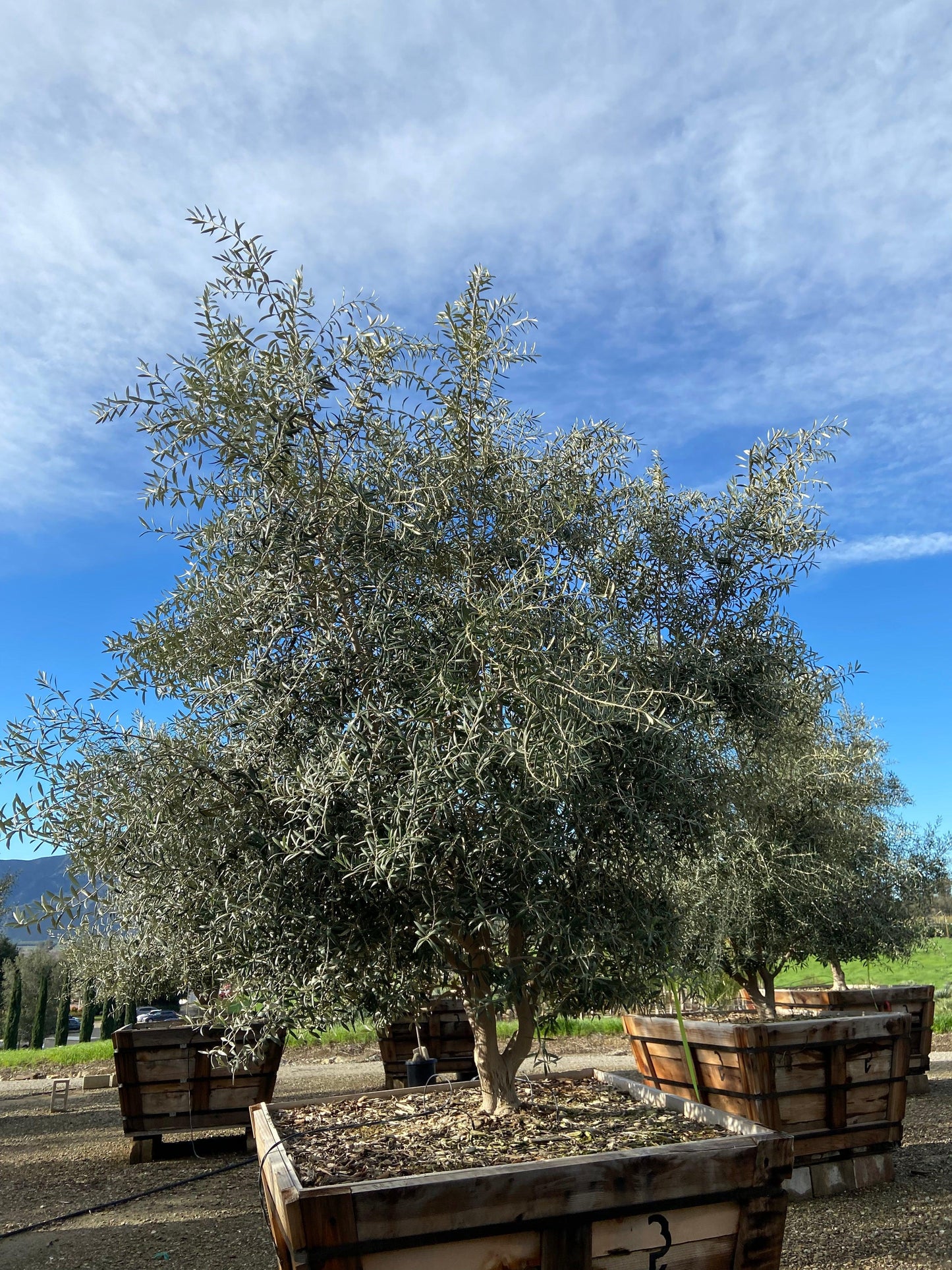

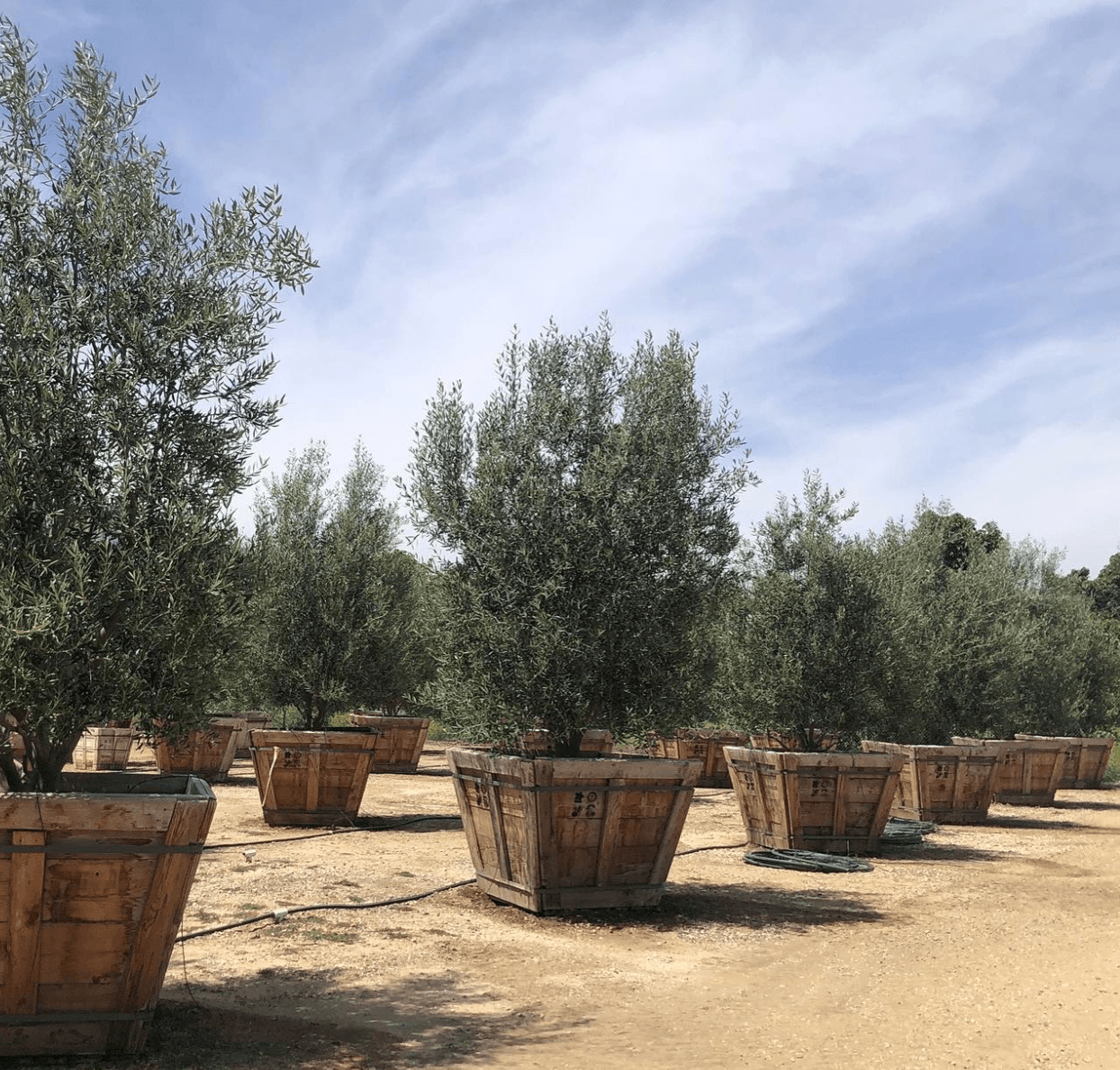

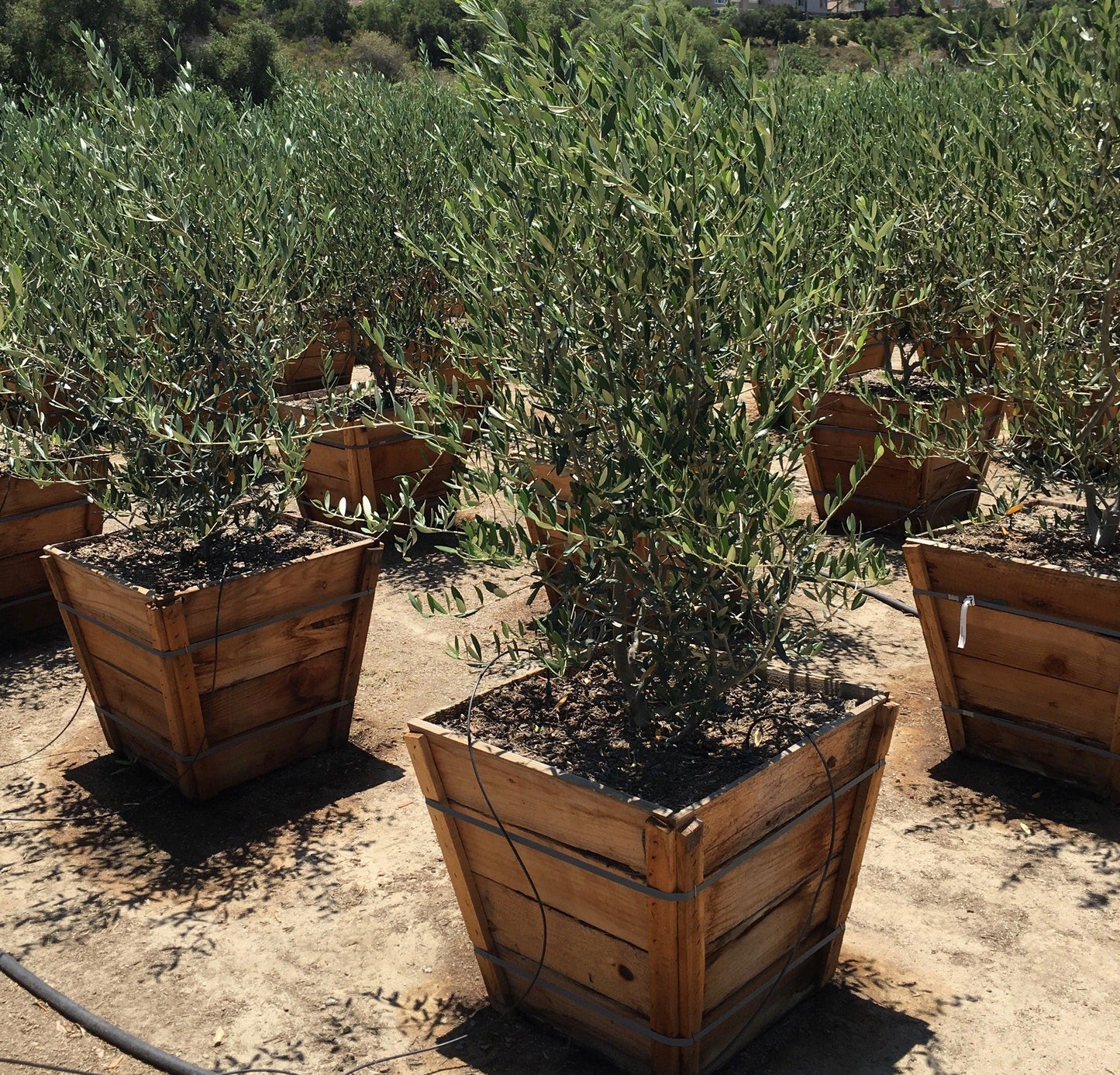

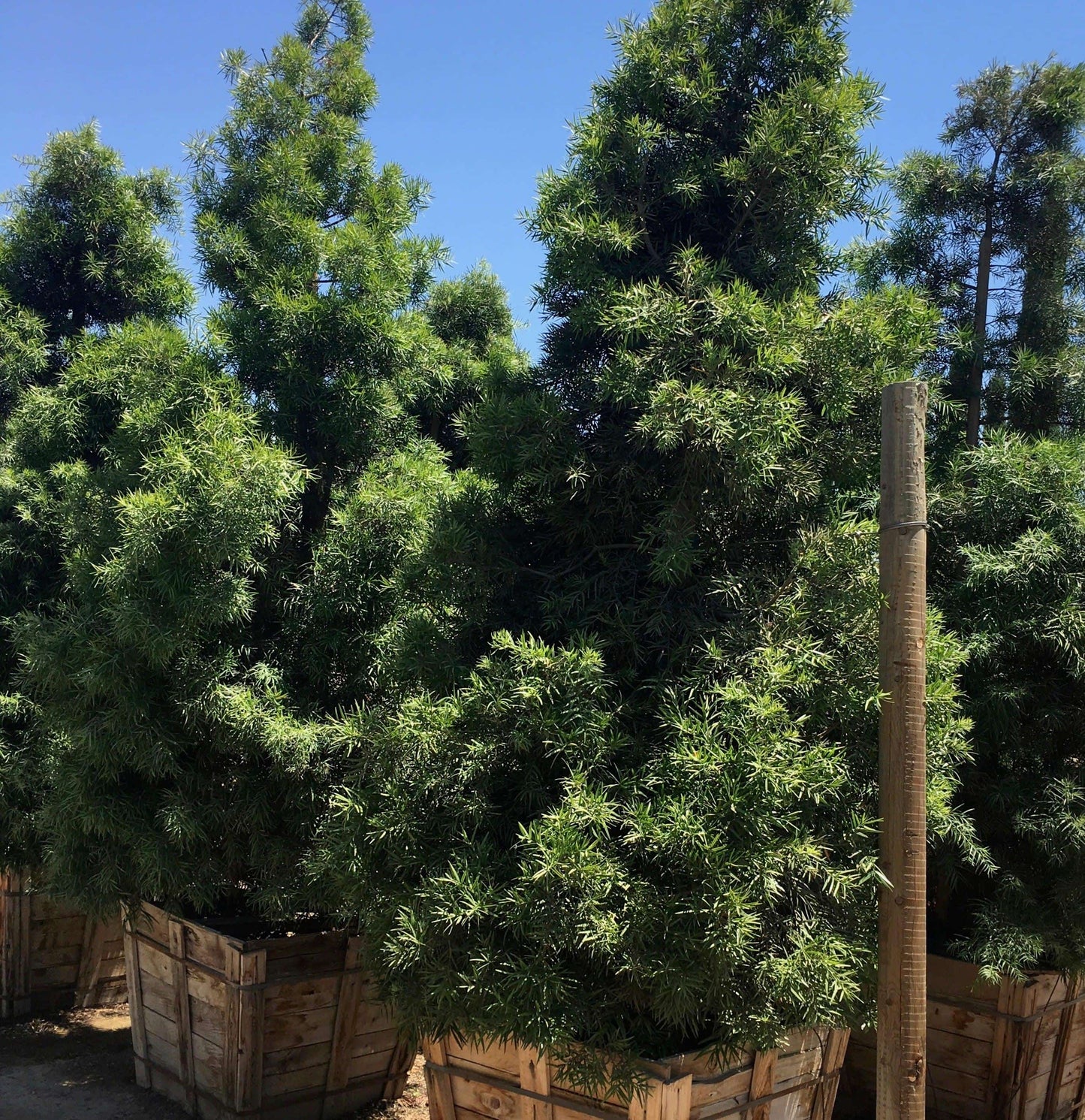




You May Also Like












Thousands of Healthy Plants Delivered

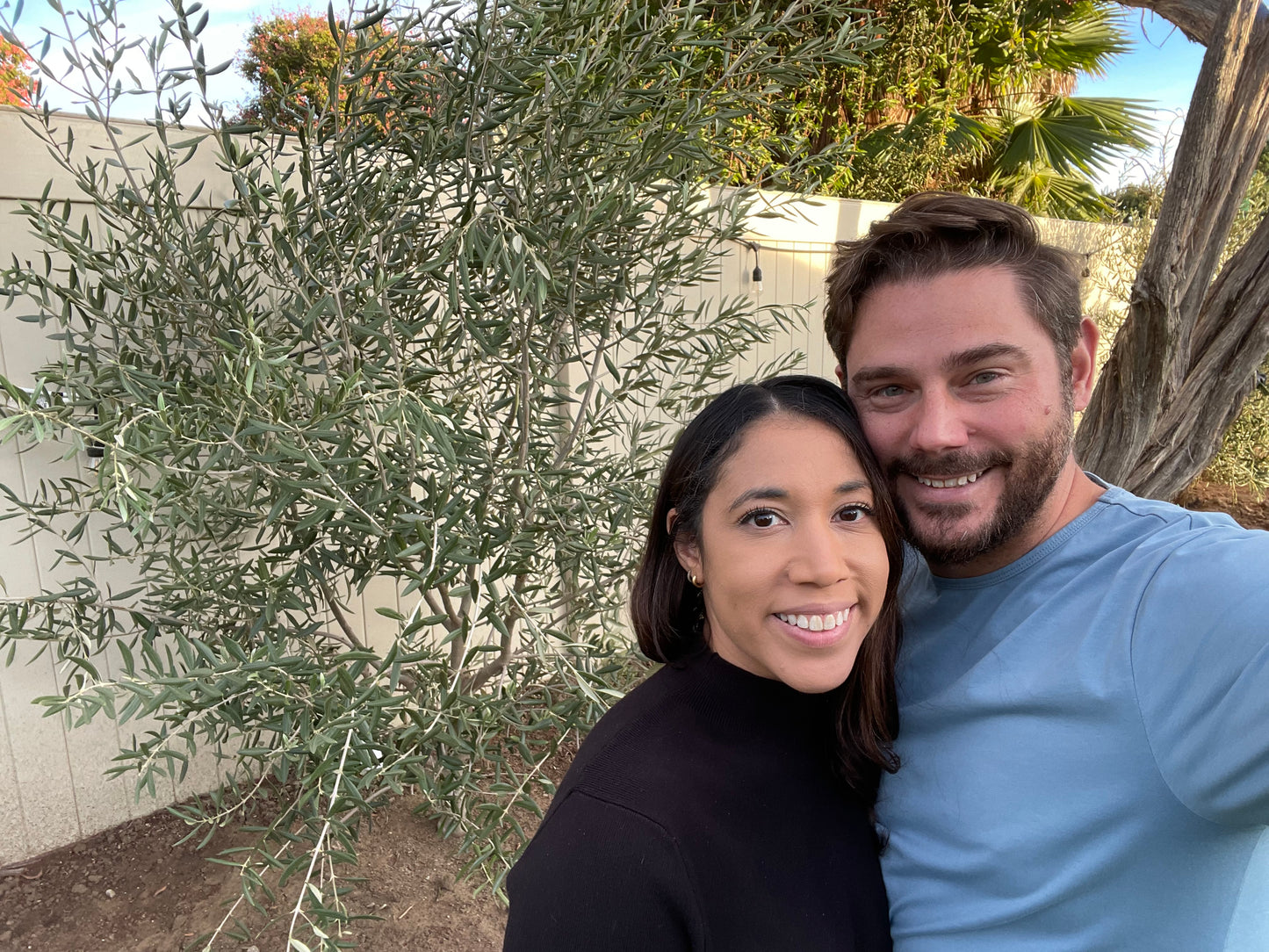
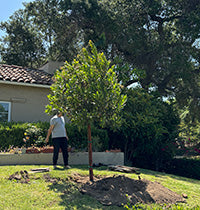
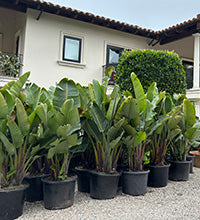
Yardwork was so great to work with. First they had the Swan Hill olive trees that we had been searching for, we had contacted several other nurseries without any luck previously. Then they answered all of our questions in a timely matter prior to ordering and finally delivered within a few days of placing it. Their staff is incredibly knowledgeable; they delivered and planted our trees with expertise to ensure that they would do well in our yard. We would definitely work with them again for future projects.











A Modern Experience
At Yardwork, we carefully curate thousands of plants, in all container sizes, to provide you with the best selection of the highest quality trees and plants at the best price, with the convenience of an online platform.
Uncompromised Quality
We choose only the finest specimens and hand select our plants just before delivery to ensure you receive the freshest and most robust specimens available for your landscape.
Industry Leading Warranties
Our 30, 90, and 365 extended warranties provide some of the best coverage to ensure our trees and plants thrive in your landscape.
Frequently Asked Questions
We're committed to changing everything about trees and plants - how they’re grown, how you shop for them, and how much they cost. We handle orders ourselves. No middlemen to get between us (or our prices) and you.
We're committed to changing everything about trees and plants - how they’re grown, how you shop for them, and how much they cost. We handle orders ourselves. No middlemen to get between us (or our prices) and you.
Delivery does not include unloading of trees and plants LARGER than a 24" box.
Trees and plants in smaller containers will be dropped curbside (usually on the driveway or near the front doorstep).
Delivery beyond a curbside drop will be charged extra.
Trees and plants that are sold in container sizes LARGER than a 24" box size will require equipment and/or enough manpower onsite to help unload from the truck.
Please reach out to our team PRIOR to placing your order to help coordinate.
Our team can provide unloading assistance with equipment for an extra fee as well.
Delivery does not include unloading of trees and plants LARGER than a 24" box.
Trees and plants in smaller containers will be dropped curbside (usually on the driveway or near the front doorstep).
Delivery beyond a curbside drop will be charged extra.
Trees and plants that are sold in container sizes LARGER than a 24" box size will require equipment and/or enough manpower onsite to help unload from the truck.
Please reach out to our team PRIOR to placing your order to help coordinate.
Our team can provide unloading assistance with equipment for an extra fee as well.
We ship locally within California within 7-10 days of your order being placed.
We ship nationally using carrier partners, based on order size.
Text or call 323-576-4159 for specific shipping details for your location.
We ship locally within California within 7-10 days of your order being placed.
We ship nationally using carrier partners, based on order size.
Text or call 323-576-4159 for specific shipping details for your location.
We are currently online only and don't have physical locations where you can view plants in person.
That's why we have photos direct from the growing grounds of the plants we will ship and we display pricing right in our store.
We do make sure to pick the very best trees and plants prior to shipping and make sure that they have gone through our multi-point inspection for health and structure.
We will always reach out prior to delivery if we find a quality issue or need to provide a substitute.
We are currently online only and don't have physical locations where you can view plants in person.
That's why we have photos direct from the growing grounds of the plants we will ship and we display pricing right in our store.
We do make sure to pick the very best trees and plants prior to shipping and make sure that they have gone through our multi-point inspection for health and structure.
We will always reach out prior to delivery if we find a quality issue or need to provide a substitute.
Plants vary greatly by type. Here is a rough idea of sizes based on containers that are direct from our growing grounds.
15 Gallon Shrub 3-4 Ft. Tall
15 Gallon Tree 5-6 Ft. Tall
24" Box Shrub 5-6 Ft. Tall
24" Box Tree 6-7 Ft. Tall
36" Box Shrub/Tree 7-9 Ft. Tall
48" Box Shrub/Tree 8-10 Ft. Tall
**Please note that we do not make guarantees of sizes. If you have questions or concerns, please call or text to request accurate sizing for the particular plant you're considering, prior to ordering.
Plants vary greatly by type. Here is a rough idea of sizes based on containers that are direct from our growing grounds.
15 Gallon Shrub 3-4 Ft. Tall
15 Gallon Tree 5-6 Ft. Tall
24" Box Shrub 5-6 Ft. Tall
24" Box Tree 6-7 Ft. Tall
36" Box Shrub/Tree 7-9 Ft. Tall
48" Box Shrub/Tree 8-10 Ft. Tall
**Please note that we do not make guarantees of sizes. If you have questions or concerns, please call or text to request accurate sizing for the particular plant you're considering, prior to ordering.
We offer a limited 30 day warranty for plants that are delivered and a 90 day warranty for plants that we plant.
The limited warranty covers plants that die as a result of disease or fungus which was derived from our growing grounds or from root balls that were root bound.
The warranty does not cover damage due to watering, fertilizer, soils, or any other conditions beyond our control. Additionally, the warranty does not cover certain plants that are shipped out of the state of California or shipped into California from other states. Custom plant orders are also not covered under warranty. Plants must be planted within 24 hours after delivery to qualify.
We can assist you in recommending the right soils and fertilizers to help your plant thrive after you plant it.
Text or call 323-576-4159 for further warranty information.
We offer a limited 30 day warranty for plants that are delivered and a 90 day warranty for plants that we plant.
The limited warranty covers plants that die as a result of disease or fungus which was derived from our growing grounds or from root balls that were root bound.
The warranty does not cover damage due to watering, fertilizer, soils, or any other conditions beyond our control. Additionally, the warranty does not cover certain plants that are shipped out of the state of California or shipped into California from other states. Custom plant orders are also not covered under warranty. Plants must be planted within 24 hours after delivery to qualify.
We can assist you in recommending the right soils and fertilizers to help your plant thrive after you plant it.
Text or call 323-576-4159 for further warranty information.
Our local delivery team covers most cities in California.
There are some exceptions, so please get in touch to confirm prior to ordering.
Additionally, we ship throughout the entire United States and even internationally. Each shipment is custom, so please reach out to our team to coordinate.
Our local delivery team covers most cities in California.
There are some exceptions, so please get in touch to confirm prior to ordering.
Additionally, we ship throughout the entire United States and even internationally. Each shipment is custom, so please reach out to our team to coordinate.