



White Hydrangea (Hydrangea macrophylla ‘White’)
Regular price
$65.00
Transform Your Garden into an Elegant Sanctuary with Stunning White Blooms
White hydrangeas give your garden a refined, high-impact display with large white blooms, lush green foliage, and months of showy flowers from summer into fall.
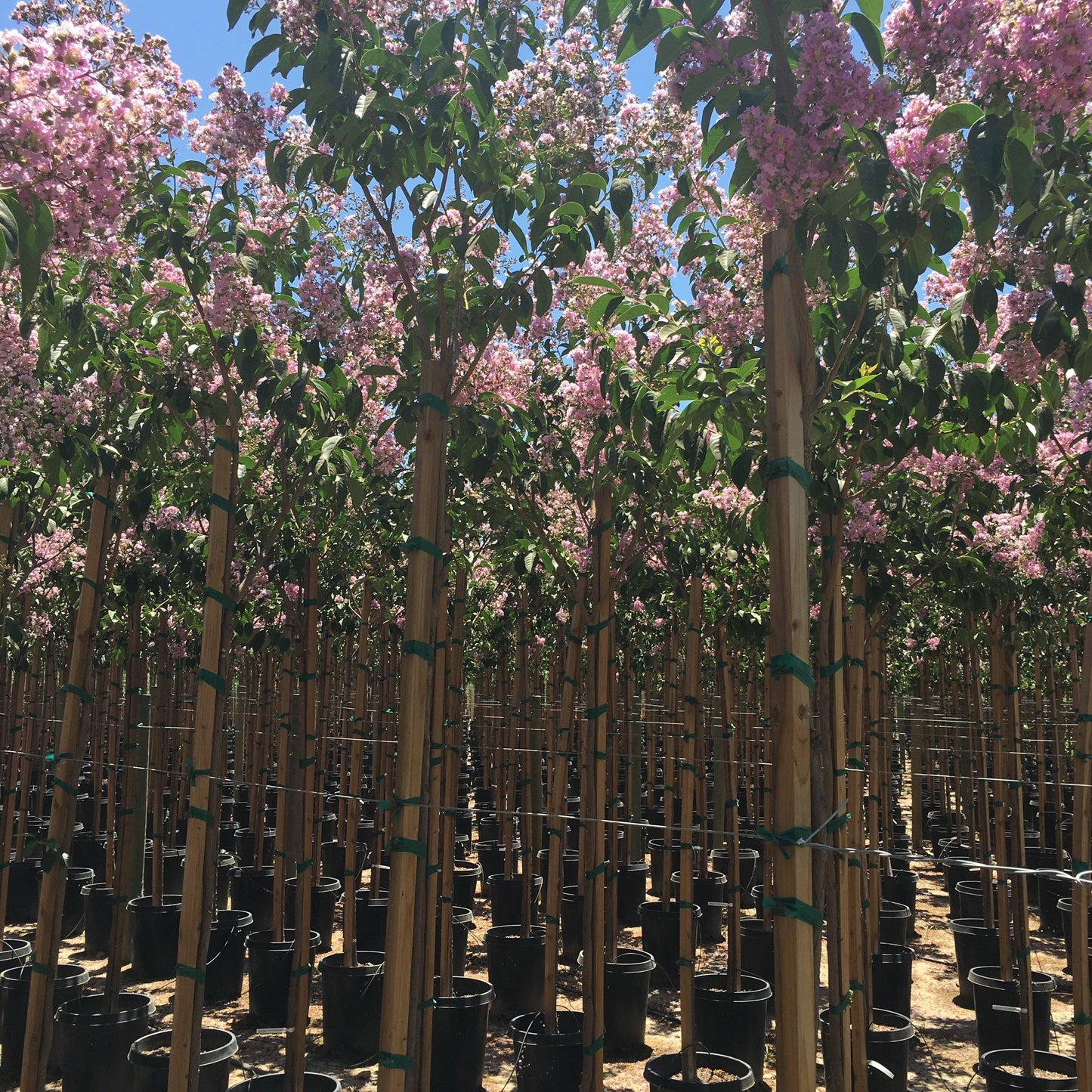
Use them as an elegant accent near an entry, a soft backdrop for perennials, a glowing mass planting along a border, or a standout hydrangea shrub in containers and landscapes, pairing them with larger flowering trees like the Natchez White Crape Myrtle for multi-level white interest. Their white blossoms work beautifully in classic, cottage, coastal, and modern garden design because the color stays clean, bright, and easy to pair with blue, pink, yellow, deep pink, or vibrant green companions.
White hydrangeas enhance various garden designs with elegance. White hydrangeas symbolize purity, grace, and abundance in floral arrangements. Historical connotations of white hydrangeas have changed over time, now seen positively. In Victorian England, white hydrangeas were associated with vanity and arrogance, but today hydrangeas symbolize prosperity and emotional fullness because of their dense clusters.
Why You'll Love It
-
Elegant White Blooms – Creates stunning focal points that brighten any garden space with large flower heads and graceful blossoms.
-
Low-Maintenance Beauty – Thrives with proper care once established, including consistent moisture, mulch, and seasonal hydrangea care.
-
Versatile Design Options – Perfect for borders, mass planting, standalone specimens, containers, bouquets, and cut flowers.
-
Long Blooming Season – Provides blooms from early summer or mid summer through late summer and into fall, depending on the variety.
-
Cold Hardy Performance – Many white hydrangea cultivars perform well across a wide range of USDA zones and return after winter with healthy foliage and new growth.
White hydrangeas are commonly used in wedding bouquets and centerpieces because their flowers add fullness, elegance, and a clean white tone. Pair white hydrangeas with daylilies for vibrant displays, or plant them near fragrant, sun-loving shrubs such as English Lavender (Lavandula angustifolia), hostas, ferns, bees, butterflies, and shade-loving perennials for a lush garden composition.
What Makes It Different
Most flowering plants offer a short season of color, need constant replacement, or fade into the background once their flowers pass.
White Hydrangea offers:
-
Pure White Color Guarantee – Hydrangeas do not change color based on soil pH, maintaining their white hue. Unlike many blue or pink hydrangea types, white hydrangeas stay white even when the soil changes. Bigleaf hydrangeas can change color based on soil pH but certain varieties remain white.
-
Superior Bloom Size – Smooth hydrangeas are known for their large, globe-shaped mophead blooms, while hydrangea paniculata varieties produce dramatic cone-shaped flowers on sturdy stems.
-
Deer Resistant Nature – White hydrangeas can be used as a more resilient shrub choice in many landscapes, though no hydrangea is completely deer-proof and young growth may still need protection.
Hydrangea arborescens ‘Annabelle' retains its white color throughout blooming. Oakleaf hydrangeas feature deeply lobed leaves and have distinct seasonal appeal. Oakleaf hydrangeas produce long cone-shaped blooms that turn pink with age. Panicle hydrangeas, including hydrangea paniculata, bring structure, full sun tolerance, and long lived performance to the garden, and pair beautifully with climbing vines like Jamaica White Bougainvillea in warm climates for layered white blooms.
How To Grow White Hydrangea Successfully
-
Step 1 – Simple Planting
Choose a location with good drainage, rich soil, and the right balance of sun and partial shade. White hydrangeas prefer 6 hours of sunlight daily. They thrive in well-drained, loamy soil rich in organic matter. White hydrangeas thrive in well-drained, loamy soil rich in organic matter. White hydrangeas thrive in well-drained, loamy soil rich in organic matter. -
Step 2 – Seasonal Care
Water white hydrangeas deeply and infrequently to avoid waterlogging. Hydrangeas require about 1 to 2 inches of water per week, ideally in the morning. Hydrangeas need well-draining soil and moisture to thrive, avoiding root rot. Mulching around hydrangeas helps retain soil moisture and regulate root temperatures. Hydrangeas require a balanced, slow-release shrub fertilizer in early spring. Fertilize white hydrangeas with a balanced fertilizer in early spring. -
Step 3 – Enjoy the Results
With proper care, white hydrangeas develop healthy foliage, strong stems, and abundant blooms through the growing season. Pruning according to type is critical for hydrangeas to bloom successfully. Prune white hydrangeas in late winter or early spring for best blooms. Prune panicle and smooth hydrangeas in early spring for optimal growth. Hydrangea paniculata blooms on new wood and needs late winter pruning. Remove dead wood, keep plants trimmed as needed, and avoid pruning hydrangeas at the wrong time if a variety blooms on old wood.
Short, simple care gives you a fabulous shrub adorned with white flowers season after season.
Plant Specifications
-
Mature Size: White Wedding® Hydrangea grows 4-6 feet high and 3-5 feet wide. White Wedding® Hydrangea grows 4-6 feet high and 3-5 feet wide. Dwarf varieties may stay smaller, while some hydrangea paniculata cultivars can grow much larger when trained as shrubs or small trees.
-
Hardiness Zones: Most varieties grow across USDA zones 3–9, depending on cultivar, site conditions, frost exposure, and winter protection.
-
Bloom Time: Flowers usually appear from early summer through mid summer and late summer, often continuing into fall. Some panicle hydrangea blooms age from white to green or pink tones as the season progresses.
-
Light Requirements: White hydrangeas prefer 6 hours of sunlight daily. Panicle hydrangeas require full sun to produce their best blooms. Hydrangea paniculata prefers full sun with at least 6 hours daily. Hydrangea paniculata ‘Limelight' prefers full sun with at least 6 hours. Smooth hydrangeas thrive best in morning sun and afternoon shade. Shady areas are useful in hot climates, especially where afternoon sunlight is intense.
-
Soil Needs: Plant in well drained soil with organic matter, steady moisture, and good drainage. Soil pH does not turn white hydrangeas blue or pink, but soil quality directly affects bloom size, foliage, and overall plant health.
Watch for common issues such as powdery mildew, heat stress, and root problems from poor drainage, especially if you’re mixing hydrangeas with dense evergreen hedges like English Laurel that can change airflow and light levels. A light layer of mulch helps protect roots in summer and winter, but mulch should not be piled against the crown.
Who It's For
Ideal for:
-
Homeowners seeking elegant, low-maintenance landscaping solutions
-
Garden enthusiasts looking to create sophisticated white-and-green color schemes
-
Property owners wanting year-round structure with seasonal blooms
-
Gardeners who want hydrangea shrubs for borders, foundation planting, mass planting, containers, or cut flowers
-
Anyone planning bouquets, wedding centerpieces, or a refined garden accent with lasting beauty, perhaps combining white hydrangeas with fragrant vines like Star Jasmine on arbors and trellises
If you want a long lived plant that delivers showy white blooms, lush foliage, and timeless elegance without a complicated routine, white hydrangeas fit your garden beautifully, especially when combined with other fragrant shrubs such as Sweet Osmanthus (Osmanthus fragrans).
Frequently Asked Questions
Do white hydrangeas need full sun or shade?
White hydrangeas prefer about 6 hours of sunlight daily, but the best placement depends on the type and climate. Panicle hydrangeas require full sun to produce their best blooms, while smooth hydrangeas often perform best with morning sun and afternoon shade. In hot regions, partial shade helps prevent scorched foliage and stressed blossoms.
How big do white hydrangeas get?
Size depends on the cultivar. White Wedding® Hydrangea grows 4-6 feet high and 3-5 feet wide. Smooth hydrangeas such as Annabelle types often stay in the medium shrub range, while some hydrangea paniculata cultivars can become large shrubs or small tree forms. Space plants according to mature width so the stems, blooms, and foliage can develop naturally.
When do white hydrangeas bloom?
White hydrangeas usually bloom from early summer through late summer, with many continuing into fall. New wood bloomers such as hydrangea paniculata are reliable because flowers form on the current season’s new growth. Old wood bloomers should be pruned carefully after flowering, because pruning at the wrong time can remove next season’s buds.
Ready to Create Your Dream Garden?
Choose White Hydrangea and bring home elegant white blooms, strong seasonal structure, and a refined look that works across classic and modern landscapes.
Transform Your Garden into an Elegant Sanctuary with Stunning White Blooms
White hydrangeas give your garden a refined, high-impact display with large white blooms, lush green foliage, and months of showy flowers from summer into fall.
Use them as an elegant accent near an entry, a soft backdrop for perennials, a glowing mass planting along a border, or a standout hydrangea shrub in containers and landscapes, pairing them with larger flowering trees like the Natchez White Crape Myrtle for multi-level white interest. Their white blossoms work beautifully in classic, cottage, coastal, and modern garden design because the color stays clean, bright, and easy to pair with blue, pink, yellow, deep pink, or vibrant green companions.
White hydrangeas enhance various garden designs with elegance. White hydrangeas symbolize purity, grace, and abundance in floral arrangements. Historical connotations of white hydrangeas have changed over time, now seen positively. In Victorian England, white hydrangeas were associated with vanity and arrogance, but today hydrangeas symbolize prosperity and emotional fullness because of their dense clusters.
Why You'll Love It
-
Elegant White Blooms – Creates stunning focal points that brighten any garden space with large flower heads and graceful blossoms.
-
Low-Maintenance Beauty – Thrives with proper care once established, including consistent moisture, mulch, and seasonal hydrangea care.
-
Versatile Design Options – Perfect for borders, mass planting, standalone specimens, containers, bouquets, and cut flowers.
-
Long Blooming Season – Provides blooms from early summer or mid summer through late summer and into fall, depending on the variety.
-
Cold Hardy Performance – Many white hydrangea cultivars perform well across a wide range of USDA zones and return after winter with healthy foliage and new growth.
White hydrangeas are commonly used in wedding bouquets and centerpieces because their flowers add fullness, elegance, and a clean white tone. Pair white hydrangeas with daylilies for vibrant displays, or plant them near fragrant, sun-loving shrubs such as English Lavender (Lavandula angustifolia), hostas, ferns, bees, butterflies, and shade-loving perennials for a lush garden composition.
What Makes It Different
Most flowering plants offer a short season of color, need constant replacement, or fade into the background once their flowers pass.
White Hydrangea offers:
-
Pure White Color Guarantee – Hydrangeas do not change color based on soil pH, maintaining their white hue. Unlike many blue or pink hydrangea types, white hydrangeas stay white even when the soil changes. Bigleaf hydrangeas can change color based on soil pH but certain varieties remain white.
-
Superior Bloom Size – Smooth hydrangeas are known for their large, globe-shaped mophead blooms, while hydrangea paniculata varieties produce dramatic cone-shaped flowers on sturdy stems.
-
Deer Resistant Nature – White hydrangeas can be used as a more resilient shrub choice in many landscapes, though no hydrangea is completely deer-proof and young growth may still need protection.
Hydrangea arborescens ‘Annabelle' retains its white color throughout blooming. Oakleaf hydrangeas feature deeply lobed leaves and have distinct seasonal appeal. Oakleaf hydrangeas produce long cone-shaped blooms that turn pink with age. Panicle hydrangeas, including hydrangea paniculata, bring structure, full sun tolerance, and long lived performance to the garden, and pair beautifully with climbing vines like Jamaica White Bougainvillea in warm climates for layered white blooms.
How To Grow White Hydrangea Successfully
-
Step 1 – Simple Planting
Choose a location with good drainage, rich soil, and the right balance of sun and partial shade. White hydrangeas prefer 6 hours of sunlight daily. They thrive in well-drained, loamy soil rich in organic matter. White hydrangeas thrive in well-drained, loamy soil rich in organic matter. White hydrangeas thrive in well-drained, loamy soil rich in organic matter. -
Step 2 – Seasonal Care
Water white hydrangeas deeply and infrequently to avoid waterlogging. Hydrangeas require about 1 to 2 inches of water per week, ideally in the morning. Hydrangeas need well-draining soil and moisture to thrive, avoiding root rot. Mulching around hydrangeas helps retain soil moisture and regulate root temperatures. Hydrangeas require a balanced, slow-release shrub fertilizer in early spring. Fertilize white hydrangeas with a balanced fertilizer in early spring. -
Step 3 – Enjoy the Results
With proper care, white hydrangeas develop healthy foliage, strong stems, and abundant blooms through the growing season. Pruning according to type is critical for hydrangeas to bloom successfully. Prune white hydrangeas in late winter or early spring for best blooms. Prune panicle and smooth hydrangeas in early spring for optimal growth. Hydrangea paniculata blooms on new wood and needs late winter pruning. Remove dead wood, keep plants trimmed as needed, and avoid pruning hydrangeas at the wrong time if a variety blooms on old wood.
Short, simple care gives you a fabulous shrub adorned with white flowers season after season.
Plant Specifications
-
Mature Size: White Wedding® Hydrangea grows 4-6 feet high and 3-5 feet wide. White Wedding® Hydrangea grows 4-6 feet high and 3-5 feet wide. Dwarf varieties may stay smaller, while some hydrangea paniculata cultivars can grow much larger when trained as shrubs or small trees.
-
Hardiness Zones: Most varieties grow across USDA zones 3–9, depending on cultivar, site conditions, frost exposure, and winter protection.
-
Bloom Time: Flowers usually appear from early summer through mid summer and late summer, often continuing into fall. Some panicle hydrangea blooms age from white to green or pink tones as the season progresses.
-
Light Requirements: White hydrangeas prefer 6 hours of sunlight daily. Panicle hydrangeas require full sun to produce their best blooms. Hydrangea paniculata prefers full sun with at least 6 hours daily. Hydrangea paniculata ‘Limelight' prefers full sun with at least 6 hours. Smooth hydrangeas thrive best in morning sun and afternoon shade. Shady areas are useful in hot climates, especially where afternoon sunlight is intense.
-
Soil Needs: Plant in well drained soil with organic matter, steady moisture, and good drainage. Soil pH does not turn white hydrangeas blue or pink, but soil quality directly affects bloom size, foliage, and overall plant health.
Watch for common issues such as powdery mildew, heat stress, and root problems from poor drainage, especially if you’re mixing hydrangeas with dense evergreen hedges like English Laurel that can change airflow and light levels. A light layer of mulch helps protect roots in summer and winter, but mulch should not be piled against the crown.
Who It's For
Ideal for:
-
Homeowners seeking elegant, low-maintenance landscaping solutions
-
Garden enthusiasts looking to create sophisticated white-and-green color schemes
-
Property owners wanting year-round structure with seasonal blooms
-
Gardeners who want hydrangea shrubs for borders, foundation planting, mass planting, containers, or cut flowers
-
Anyone planning bouquets, wedding centerpieces, or a refined garden accent with lasting beauty, perhaps combining white hydrangeas with fragrant vines like Star Jasmine on arbors and trellises
If you want a long lived plant that delivers showy white blooms, lush foliage, and timeless elegance without a complicated routine, white hydrangeas fit your garden beautifully, especially when combined with other fragrant shrubs such as Sweet Osmanthus (Osmanthus fragrans).
Frequently Asked Questions
Do white hydrangeas need full sun or shade?
White hydrangeas prefer about 6 hours of sunlight daily, but the best placement depends on the type and climate. Panicle hydrangeas require full sun to produce their best blooms, while smooth hydrangeas often perform best with morning sun and afternoon shade. In hot regions, partial shade helps prevent scorched foliage and stressed blossoms.
How big do white hydrangeas get?
Size depends on the cultivar. White Wedding® Hydrangea grows 4-6 feet high and 3-5 feet wide. Smooth hydrangeas such as Annabelle types often stay in the medium shrub range, while some hydrangea paniculata cultivars can become large shrubs or small tree forms. Space plants according to mature width so the stems, blooms, and foliage can develop naturally.
When do white hydrangeas bloom?
White hydrangeas usually bloom from early summer through late summer, with many continuing into fall. New wood bloomers such as hydrangea paniculata are reliable because flowers form on the current season’s new growth. Old wood bloomers should be pruned carefully after flowering, because pruning at the wrong time can remove next season’s buds.
Ready to Create Your Dream Garden?
Choose White Hydrangea and bring home elegant white blooms, strong seasonal structure, and a refined look that works across classic and modern landscapes.
Plants vary greatly by type and no guarantees are made on sizing.
However here is a rough idea of sizes based on containers that are direct from our growing grounds.
15 Gallon Shrub 3-4 Ft. Tall
15 Gallon Tree 5-6 Ft. Tall
24" Box Shrub 5-6 Ft. Tall
24" Box Tree 6-7 Ft. Tall
36" Box Tree 8-10 Ft. Tall
48" Box Tree 10-12 Ft. Tall
Please note: Citrus and California Native plants such as Manzanita are smaller than traditional sizing.
Please contact us to confirm sizing of items before purchasing if this is a concern.
Plants vary greatly by type and no guarantees are made on sizing.
However here is a rough idea of sizes based on containers that are direct from our growing grounds.
15 Gallon Shrub 3-4 Ft. Tall
15 Gallon Tree 5-6 Ft. Tall
24" Box Shrub 5-6 Ft. Tall
24" Box Tree 6-7 Ft. Tall
36" Box Tree 8-10 Ft. Tall
48" Box Tree 10-12 Ft. Tall
Please note: Citrus and California Native plants such as Manzanita are smaller than traditional sizing.
Please contact us to confirm sizing of items before purchasing if this is a concern.
Delivery does not include unloading of trees and plants larger than a 24" box.
Trees and plants in smaller containers will be dropped curbside.
Delivery beyond a curbside drop will be charged extra.
Trees and plants that are sold in container sizes larger than a 24" box size will require equipment and an operator onsite to help unload from the truck.
Please reach out to our team PRIOR to placing your order to coordinate.
Our team can provide unloading assistance with equipment for an extra fee.
Delivery does not include unloading of trees and plants larger than a 24" box.
Trees and plants in smaller containers will be dropped curbside.
Delivery beyond a curbside drop will be charged extra.
Trees and plants that are sold in container sizes larger than a 24" box size will require equipment and an operator onsite to help unload from the truck.
Please reach out to our team PRIOR to placing your order to coordinate.
Our team can provide unloading assistance with equipment for an extra fee.
You may also like...


White Hydrangea (Hydrangea macrophylla ‘White’)
Regular price
$65.00
Transform Your Garden into an Elegant Sanctuary with Stunning White Blooms
White hydrangeas give your garden a refined, high-impact display with large white blooms, lush green foliage, and months of showy flowers from summer into fall.
Use them as an elegant accent near an entry, a soft backdrop for perennials, a glowing mass planting along a border, or a standout hydrangea shrub in containers and landscapes, pairing them with larger flowering trees like the Natchez White Crape Myrtle for multi-level white interest. Their white blossoms work beautifully in classic, cottage, coastal, and modern garden design because the color stays clean, bright, and easy to pair with blue, pink, yellow, deep pink, or vibrant green companions.
White hydrangeas enhance various garden designs with elegance. White hydrangeas symbolize purity, grace, and abundance in floral arrangements. Historical connotations of white hydrangeas have changed over time, now seen positively. In Victorian England, white hydrangeas were associated with vanity and arrogance, but today hydrangeas symbolize prosperity and emotional fullness because of their dense clusters.
Why You'll Love It
-
Elegant White Blooms – Creates stunning focal points that brighten any garden space with large flower heads and graceful blossoms.
-
Low-Maintenance Beauty – Thrives with proper care once established, including consistent moisture, mulch, and seasonal hydrangea care.
-
Versatile Design Options – Perfect for borders, mass planting, standalone specimens, containers, bouquets, and cut flowers.
-
Long Blooming Season – Provides blooms from early summer or mid summer through late summer and into fall, depending on the variety.
-
Cold Hardy Performance – Many white hydrangea cultivars perform well across a wide range of USDA zones and return after winter with healthy foliage and new growth.
White hydrangeas are commonly used in wedding bouquets and centerpieces because their flowers add fullness, elegance, and a clean white tone. Pair white hydrangeas with daylilies for vibrant displays, or plant them near fragrant, sun-loving shrubs such as English Lavender (Lavandula angustifolia), hostas, ferns, bees, butterflies, and shade-loving perennials for a lush garden composition.
What Makes It Different
Most flowering plants offer a short season of color, need constant replacement, or fade into the background once their flowers pass.
White Hydrangea offers:
-
Pure White Color Guarantee – Hydrangeas do not change color based on soil pH, maintaining their white hue. Unlike many blue or pink hydrangea types, white hydrangeas stay white even when the soil changes. Bigleaf hydrangeas can change color based on soil pH but certain varieties remain white.
-
Superior Bloom Size – Smooth hydrangeas are known for their large, globe-shaped mophead blooms, while hydrangea paniculata varieties produce dramatic cone-shaped flowers on sturdy stems.
-
Deer Resistant Nature – White hydrangeas can be used as a more resilient shrub choice in many landscapes, though no hydrangea is completely deer-proof and young growth may still need protection.
Hydrangea arborescens ‘Annabelle' retains its white color throughout blooming. Oakleaf hydrangeas feature deeply lobed leaves and have distinct seasonal appeal. Oakleaf hydrangeas produce long cone-shaped blooms that turn pink with age. Panicle hydrangeas, including hydrangea paniculata, bring structure, full sun tolerance, and long lived performance to the garden, and pair beautifully with climbing vines like Jamaica White Bougainvillea in warm climates for layered white blooms.
How To Grow White Hydrangea Successfully
-
Step 1 – Simple Planting
Choose a location with good drainage, rich soil, and the right balance of sun and partial shade. White hydrangeas prefer 6 hours of sunlight daily. They thrive in well-drained, loamy soil rich in organic matter. White hydrangeas thrive in well-drained, loamy soil rich in organic matter. White hydrangeas thrive in well-drained, loamy soil rich in organic matter. -
Step 2 – Seasonal Care
Water white hydrangeas deeply and infrequently to avoid waterlogging. Hydrangeas require about 1 to 2 inches of water per week, ideally in the morning. Hydrangeas need well-draining soil and moisture to thrive, avoiding root rot. Mulching around hydrangeas helps retain soil moisture and regulate root temperatures. Hydrangeas require a balanced, slow-release shrub fertilizer in early spring. Fertilize white hydrangeas with a balanced fertilizer in early spring. -
Step 3 – Enjoy the Results
With proper care, white hydrangeas develop healthy foliage, strong stems, and abundant blooms through the growing season. Pruning according to type is critical for hydrangeas to bloom successfully. Prune white hydrangeas in late winter or early spring for best blooms. Prune panicle and smooth hydrangeas in early spring for optimal growth. Hydrangea paniculata blooms on new wood and needs late winter pruning. Remove dead wood, keep plants trimmed as needed, and avoid pruning hydrangeas at the wrong time if a variety blooms on old wood.
Short, simple care gives you a fabulous shrub adorned with white flowers season after season.
Plant Specifications
-
Mature Size: White Wedding® Hydrangea grows 4-6 feet high and 3-5 feet wide. White Wedding® Hydrangea grows 4-6 feet high and 3-5 feet wide. Dwarf varieties may stay smaller, while some hydrangea paniculata cultivars can grow much larger when trained as shrubs or small trees.
-
Hardiness Zones: Most varieties grow across USDA zones 3–9, depending on cultivar, site conditions, frost exposure, and winter protection.
-
Bloom Time: Flowers usually appear from early summer through mid summer and late summer, often continuing into fall. Some panicle hydrangea blooms age from white to green or pink tones as the season progresses.
-
Light Requirements: White hydrangeas prefer 6 hours of sunlight daily. Panicle hydrangeas require full sun to produce their best blooms. Hydrangea paniculata prefers full sun with at least 6 hours daily. Hydrangea paniculata ‘Limelight' prefers full sun with at least 6 hours. Smooth hydrangeas thrive best in morning sun and afternoon shade. Shady areas are useful in hot climates, especially where afternoon sunlight is intense.
-
Soil Needs: Plant in well drained soil with organic matter, steady moisture, and good drainage. Soil pH does not turn white hydrangeas blue or pink, but soil quality directly affects bloom size, foliage, and overall plant health.
Watch for common issues such as powdery mildew, heat stress, and root problems from poor drainage, especially if you’re mixing hydrangeas with dense evergreen hedges like English Laurel that can change airflow and light levels. A light layer of mulch helps protect roots in summer and winter, but mulch should not be piled against the crown.
Who It's For
Ideal for:
-
Homeowners seeking elegant, low-maintenance landscaping solutions
-
Garden enthusiasts looking to create sophisticated white-and-green color schemes
-
Property owners wanting year-round structure with seasonal blooms
-
Gardeners who want hydrangea shrubs for borders, foundation planting, mass planting, containers, or cut flowers
-
Anyone planning bouquets, wedding centerpieces, or a refined garden accent with lasting beauty, perhaps combining white hydrangeas with fragrant vines like Star Jasmine on arbors and trellises
If you want a long lived plant that delivers showy white blooms, lush foliage, and timeless elegance without a complicated routine, white hydrangeas fit your garden beautifully, especially when combined with other fragrant shrubs such as Sweet Osmanthus (Osmanthus fragrans).
Frequently Asked Questions
Do white hydrangeas need full sun or shade?
White hydrangeas prefer about 6 hours of sunlight daily, but the best placement depends on the type and climate. Panicle hydrangeas require full sun to produce their best blooms, while smooth hydrangeas often perform best with morning sun and afternoon shade. In hot regions, partial shade helps prevent scorched foliage and stressed blossoms.
How big do white hydrangeas get?
Size depends on the cultivar. White Wedding® Hydrangea grows 4-6 feet high and 3-5 feet wide. Smooth hydrangeas such as Annabelle types often stay in the medium shrub range, while some hydrangea paniculata cultivars can become large shrubs or small tree forms. Space plants according to mature width so the stems, blooms, and foliage can develop naturally.
When do white hydrangeas bloom?
White hydrangeas usually bloom from early summer through late summer, with many continuing into fall. New wood bloomers such as hydrangea paniculata are reliable because flowers form on the current season’s new growth. Old wood bloomers should be pruned carefully after flowering, because pruning at the wrong time can remove next season’s buds.
Ready to Create Your Dream Garden?
Choose White Hydrangea and bring home elegant white blooms, strong seasonal structure, and a refined look that works across classic and modern landscapes.
Transform Your Garden into an Elegant Sanctuary with Stunning White Blooms
White hydrangeas give your garden a refined, high-impact display with large white blooms, lush green foliage, and months of showy flowers from summer into fall.
Use them as an elegant accent near an entry, a soft backdrop for perennials, a glowing mass planting along a border, or a standout hydrangea shrub in containers and landscapes, pairing them with larger flowering trees like the Natchez White Crape Myrtle for multi-level white interest. Their white blossoms work beautifully in classic, cottage, coastal, and modern garden design because the color stays clean, bright, and easy to pair with blue, pink, yellow, deep pink, or vibrant green companions.
White hydrangeas enhance various garden designs with elegance. White hydrangeas symbolize purity, grace, and abundance in floral arrangements. Historical connotations of white hydrangeas have changed over time, now seen positively. In Victorian England, white hydrangeas were associated with vanity and arrogance, but today hydrangeas symbolize prosperity and emotional fullness because of their dense clusters.
Why You'll Love It
-
Elegant White Blooms – Creates stunning focal points that brighten any garden space with large flower heads and graceful blossoms.
-
Low-Maintenance Beauty – Thrives with proper care once established, including consistent moisture, mulch, and seasonal hydrangea care.
-
Versatile Design Options – Perfect for borders, mass planting, standalone specimens, containers, bouquets, and cut flowers.
-
Long Blooming Season – Provides blooms from early summer or mid summer through late summer and into fall, depending on the variety.
-
Cold Hardy Performance – Many white hydrangea cultivars perform well across a wide range of USDA zones and return after winter with healthy foliage and new growth.
White hydrangeas are commonly used in wedding bouquets and centerpieces because their flowers add fullness, elegance, and a clean white tone. Pair white hydrangeas with daylilies for vibrant displays, or plant them near fragrant, sun-loving shrubs such as English Lavender (Lavandula angustifolia), hostas, ferns, bees, butterflies, and shade-loving perennials for a lush garden composition.
What Makes It Different
Most flowering plants offer a short season of color, need constant replacement, or fade into the background once their flowers pass.
White Hydrangea offers:
-
Pure White Color Guarantee – Hydrangeas do not change color based on soil pH, maintaining their white hue. Unlike many blue or pink hydrangea types, white hydrangeas stay white even when the soil changes. Bigleaf hydrangeas can change color based on soil pH but certain varieties remain white.
-
Superior Bloom Size – Smooth hydrangeas are known for their large, globe-shaped mophead blooms, while hydrangea paniculata varieties produce dramatic cone-shaped flowers on sturdy stems.
-
Deer Resistant Nature – White hydrangeas can be used as a more resilient shrub choice in many landscapes, though no hydrangea is completely deer-proof and young growth may still need protection.
Hydrangea arborescens ‘Annabelle' retains its white color throughout blooming. Oakleaf hydrangeas feature deeply lobed leaves and have distinct seasonal appeal. Oakleaf hydrangeas produce long cone-shaped blooms that turn pink with age. Panicle hydrangeas, including hydrangea paniculata, bring structure, full sun tolerance, and long lived performance to the garden, and pair beautifully with climbing vines like Jamaica White Bougainvillea in warm climates for layered white blooms.
How To Grow White Hydrangea Successfully
-
Step 1 – Simple Planting
Choose a location with good drainage, rich soil, and the right balance of sun and partial shade. White hydrangeas prefer 6 hours of sunlight daily. They thrive in well-drained, loamy soil rich in organic matter. White hydrangeas thrive in well-drained, loamy soil rich in organic matter. White hydrangeas thrive in well-drained, loamy soil rich in organic matter. -
Step 2 – Seasonal Care
Water white hydrangeas deeply and infrequently to avoid waterlogging. Hydrangeas require about 1 to 2 inches of water per week, ideally in the morning. Hydrangeas need well-draining soil and moisture to thrive, avoiding root rot. Mulching around hydrangeas helps retain soil moisture and regulate root temperatures. Hydrangeas require a balanced, slow-release shrub fertilizer in early spring. Fertilize white hydrangeas with a balanced fertilizer in early spring. -
Step 3 – Enjoy the Results
With proper care, white hydrangeas develop healthy foliage, strong stems, and abundant blooms through the growing season. Pruning according to type is critical for hydrangeas to bloom successfully. Prune white hydrangeas in late winter or early spring for best blooms. Prune panicle and smooth hydrangeas in early spring for optimal growth. Hydrangea paniculata blooms on new wood and needs late winter pruning. Remove dead wood, keep plants trimmed as needed, and avoid pruning hydrangeas at the wrong time if a variety blooms on old wood.
Short, simple care gives you a fabulous shrub adorned with white flowers season after season.
Plant Specifications
-
Mature Size: White Wedding® Hydrangea grows 4-6 feet high and 3-5 feet wide. White Wedding® Hydrangea grows 4-6 feet high and 3-5 feet wide. Dwarf varieties may stay smaller, while some hydrangea paniculata cultivars can grow much larger when trained as shrubs or small trees.
-
Hardiness Zones: Most varieties grow across USDA zones 3–9, depending on cultivar, site conditions, frost exposure, and winter protection.
-
Bloom Time: Flowers usually appear from early summer through mid summer and late summer, often continuing into fall. Some panicle hydrangea blooms age from white to green or pink tones as the season progresses.
-
Light Requirements: White hydrangeas prefer 6 hours of sunlight daily. Panicle hydrangeas require full sun to produce their best blooms. Hydrangea paniculata prefers full sun with at least 6 hours daily. Hydrangea paniculata ‘Limelight' prefers full sun with at least 6 hours. Smooth hydrangeas thrive best in morning sun and afternoon shade. Shady areas are useful in hot climates, especially where afternoon sunlight is intense.
-
Soil Needs: Plant in well drained soil with organic matter, steady moisture, and good drainage. Soil pH does not turn white hydrangeas blue or pink, but soil quality directly affects bloom size, foliage, and overall plant health.
Watch for common issues such as powdery mildew, heat stress, and root problems from poor drainage, especially if you’re mixing hydrangeas with dense evergreen hedges like English Laurel that can change airflow and light levels. A light layer of mulch helps protect roots in summer and winter, but mulch should not be piled against the crown.
Who It's For
Ideal for:
-
Homeowners seeking elegant, low-maintenance landscaping solutions
-
Garden enthusiasts looking to create sophisticated white-and-green color schemes
-
Property owners wanting year-round structure with seasonal blooms
-
Gardeners who want hydrangea shrubs for borders, foundation planting, mass planting, containers, or cut flowers
-
Anyone planning bouquets, wedding centerpieces, or a refined garden accent with lasting beauty, perhaps combining white hydrangeas with fragrant vines like Star Jasmine on arbors and trellises
If you want a long lived plant that delivers showy white blooms, lush foliage, and timeless elegance without a complicated routine, white hydrangeas fit your garden beautifully, especially when combined with other fragrant shrubs such as Sweet Osmanthus (Osmanthus fragrans).
Frequently Asked Questions
Do white hydrangeas need full sun or shade?
White hydrangeas prefer about 6 hours of sunlight daily, but the best placement depends on the type and climate. Panicle hydrangeas require full sun to produce their best blooms, while smooth hydrangeas often perform best with morning sun and afternoon shade. In hot regions, partial shade helps prevent scorched foliage and stressed blossoms.
How big do white hydrangeas get?
Size depends on the cultivar. White Wedding® Hydrangea grows 4-6 feet high and 3-5 feet wide. Smooth hydrangeas such as Annabelle types often stay in the medium shrub range, while some hydrangea paniculata cultivars can become large shrubs or small tree forms. Space plants according to mature width so the stems, blooms, and foliage can develop naturally.
When do white hydrangeas bloom?
White hydrangeas usually bloom from early summer through late summer, with many continuing into fall. New wood bloomers such as hydrangea paniculata are reliable because flowers form on the current season’s new growth. Old wood bloomers should be pruned carefully after flowering, because pruning at the wrong time can remove next season’s buds.
Ready to Create Your Dream Garden?
Choose White Hydrangea and bring home elegant white blooms, strong seasonal structure, and a refined look that works across classic and modern landscapes.
Plants vary greatly by type and no guarantees are made on sizing.
However here is a rough idea of sizes based on containers that are direct from our growing grounds.
15 Gallon Shrub 3-4 Ft. Tall
15 Gallon Tree 5-6 Ft. Tall
24" Box Shrub 5-6 Ft. Tall
24" Box Tree 6-7 Ft. Tall
36" Box Tree 8-10 Ft. Tall
48" Box Tree 10-12 Ft. Tall
Please note: Citrus and California Native plants such as Manzanita are smaller than traditional sizing.
Please contact us to confirm sizing of items before purchasing if this is a concern.
Plants vary greatly by type and no guarantees are made on sizing.
However here is a rough idea of sizes based on containers that are direct from our growing grounds.
15 Gallon Shrub 3-4 Ft. Tall
15 Gallon Tree 5-6 Ft. Tall
24" Box Shrub 5-6 Ft. Tall
24" Box Tree 6-7 Ft. Tall
36" Box Tree 8-10 Ft. Tall
48" Box Tree 10-12 Ft. Tall
Please note: Citrus and California Native plants such as Manzanita are smaller than traditional sizing.
Please contact us to confirm sizing of items before purchasing if this is a concern.
Delivery does not include unloading of trees and plants larger than a 24" box.
Trees and plants in smaller containers will be dropped curbside.
Delivery beyond a curbside drop will be charged extra.
Trees and plants that are sold in container sizes larger than a 24" box size will require equipment and an operator onsite to help unload from the truck.
Please reach out to our team PRIOR to placing your order to coordinate.
Our team can provide unloading assistance with equipment for an extra fee.
Delivery does not include unloading of trees and plants larger than a 24" box.
Trees and plants in smaller containers will be dropped curbside.
Delivery beyond a curbside drop will be charged extra.
Trees and plants that are sold in container sizes larger than a 24" box size will require equipment and an operator onsite to help unload from the truck.
Please reach out to our team PRIOR to placing your order to coordinate.
Our team can provide unloading assistance with equipment for an extra fee.
Recommended For You

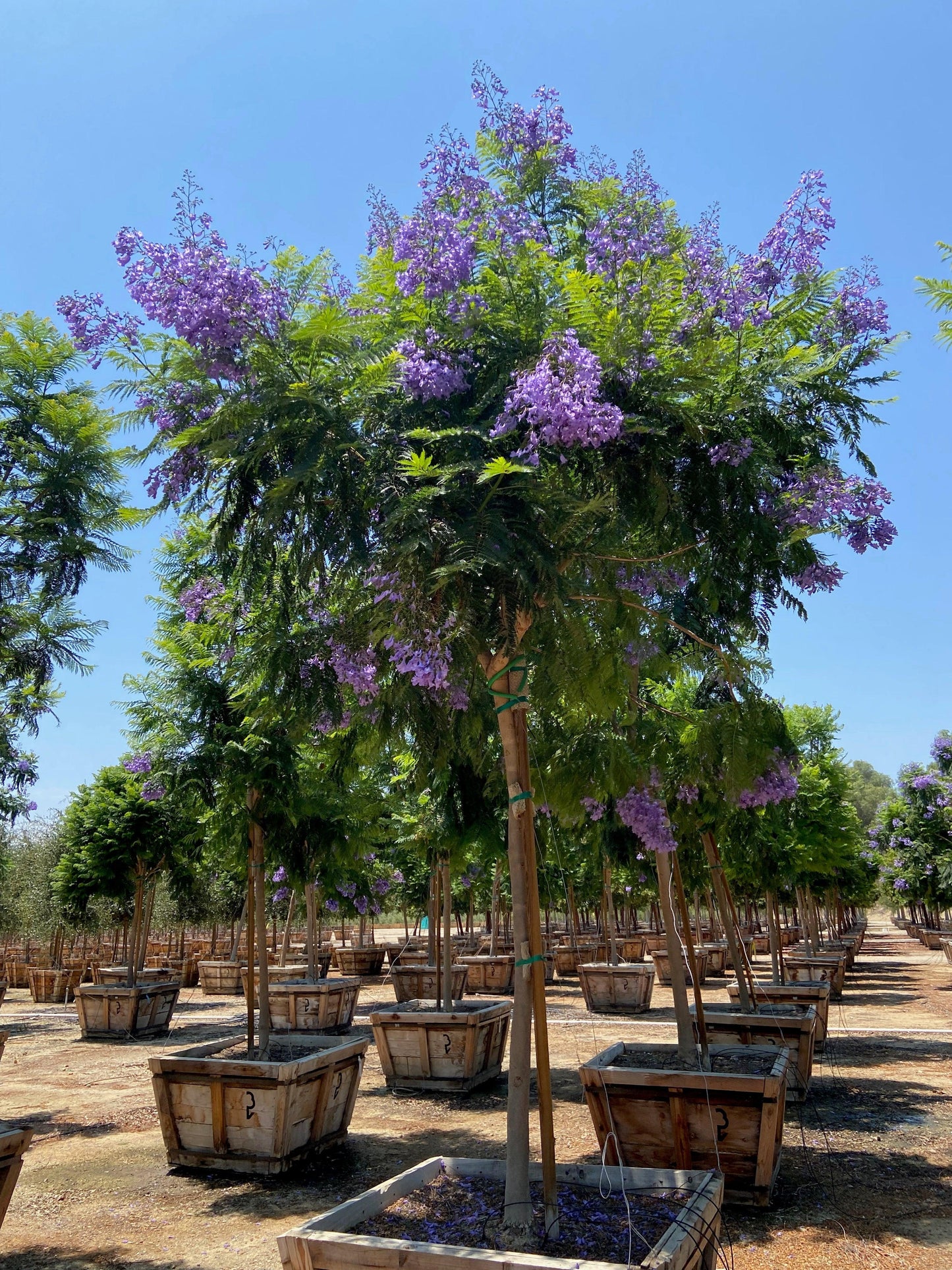
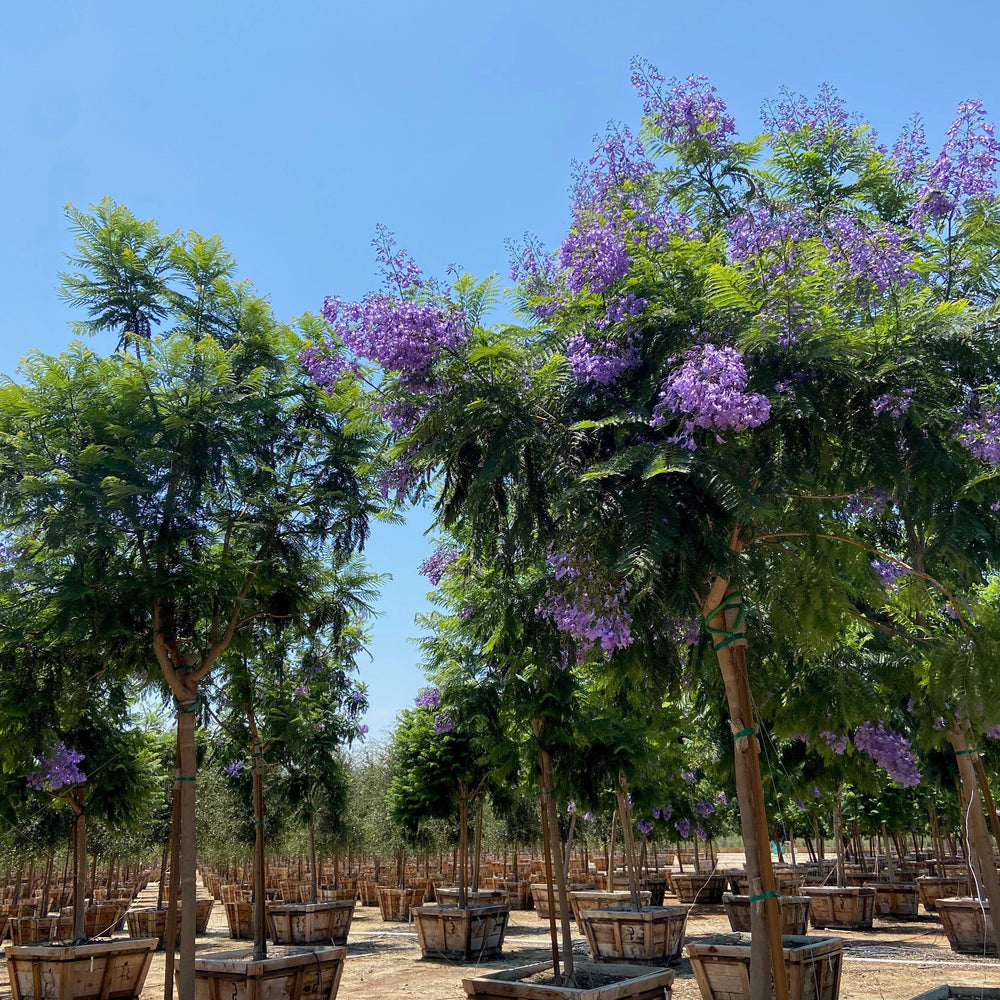
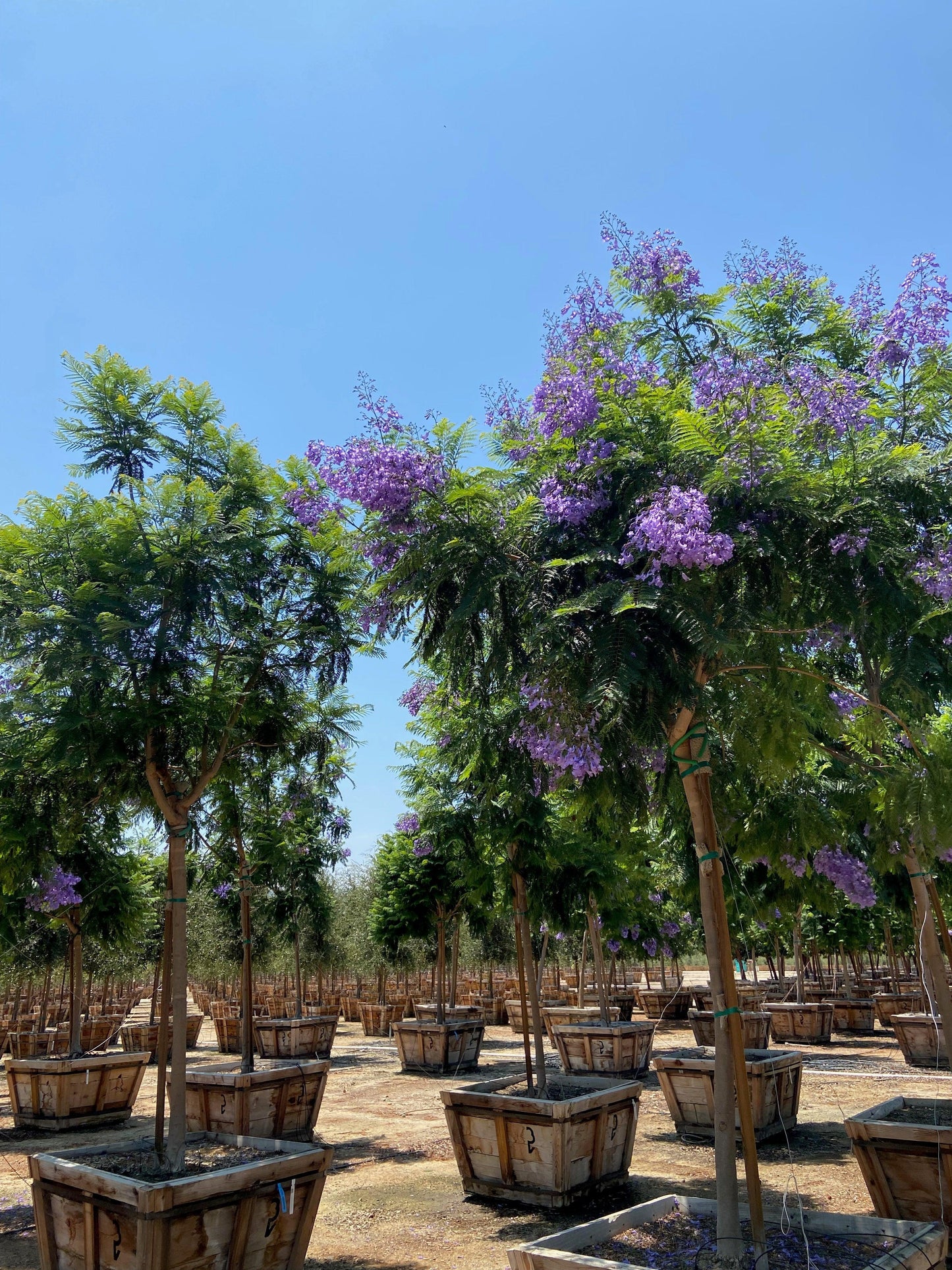

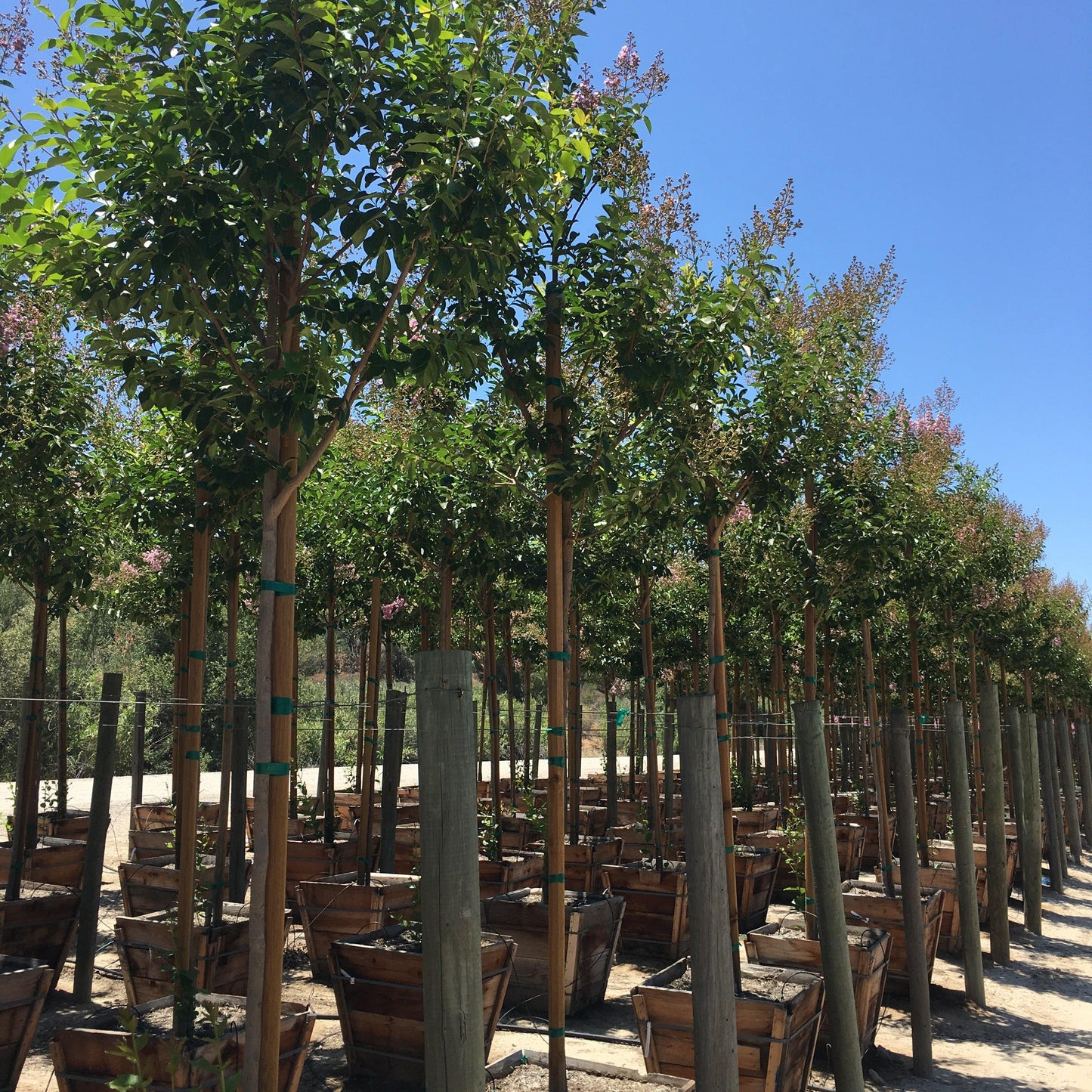









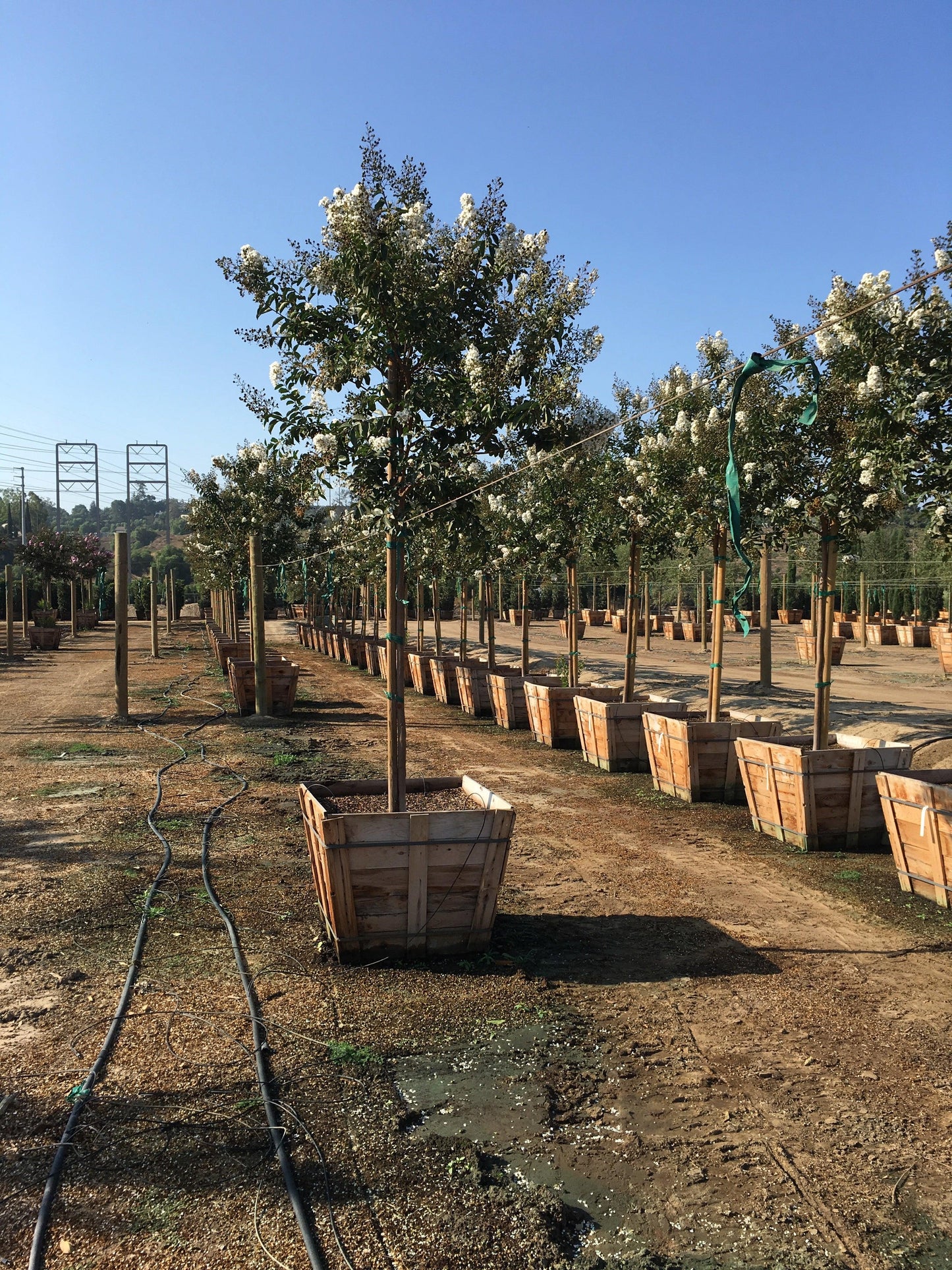

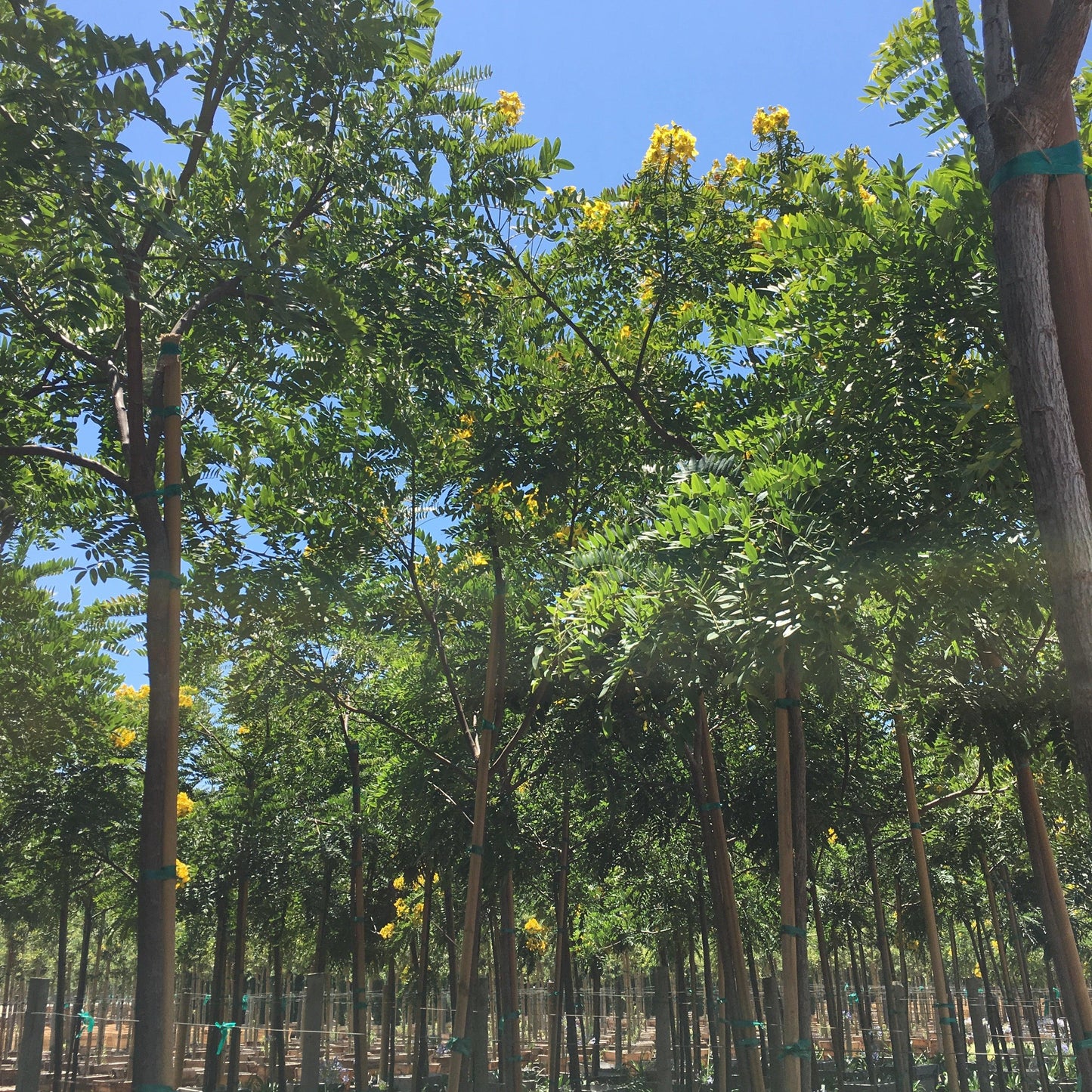

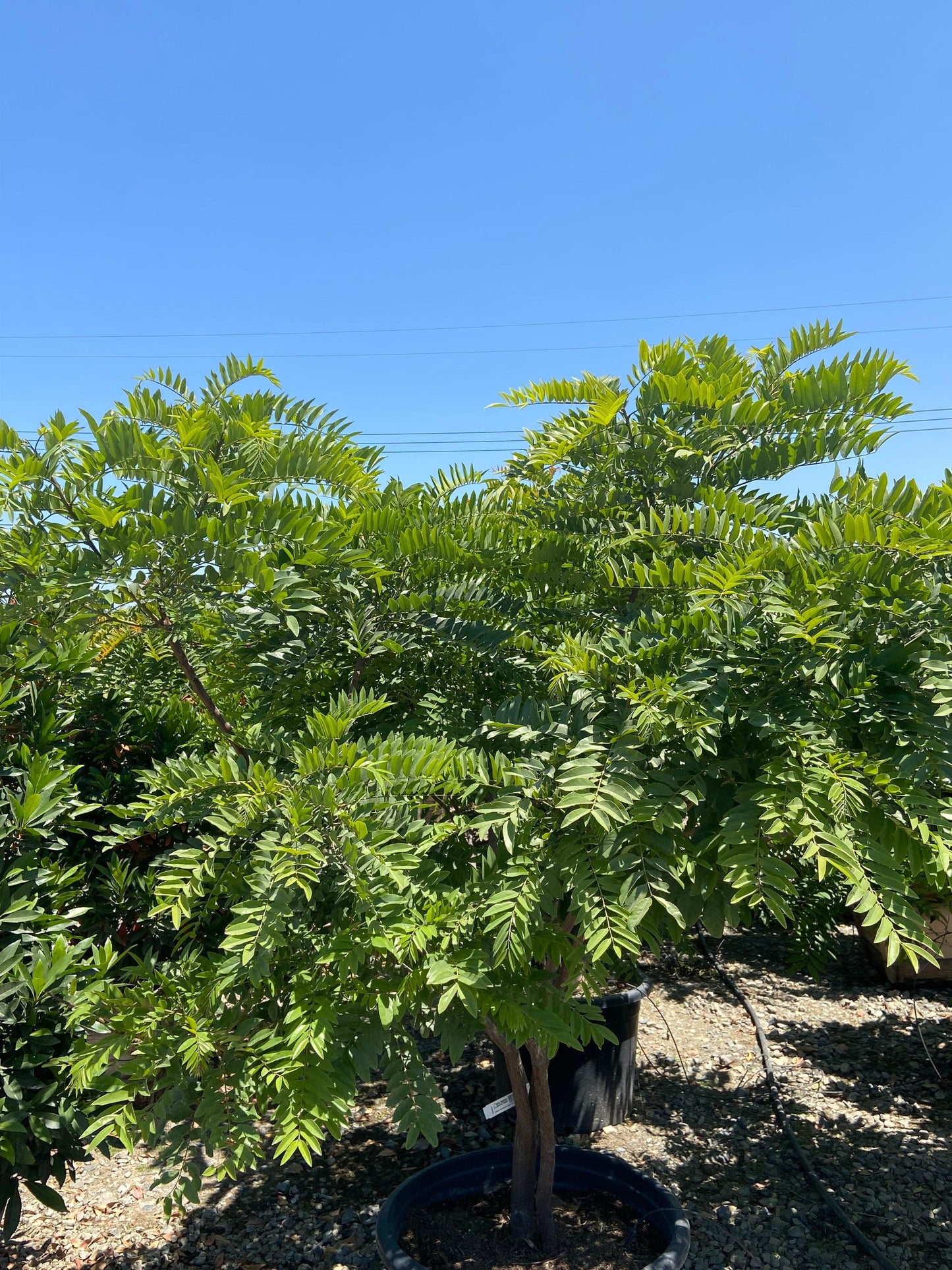


Pairs Well With

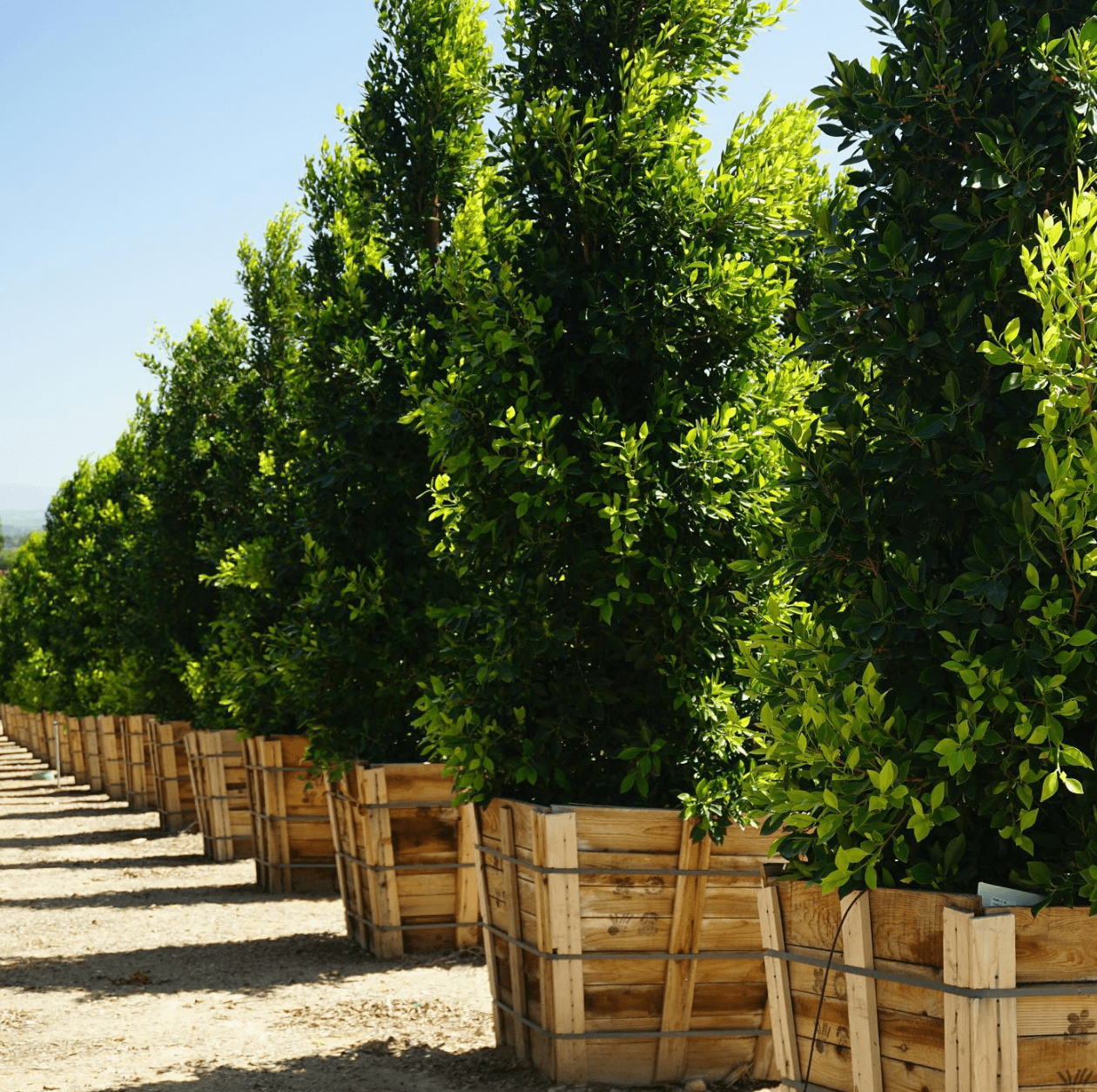





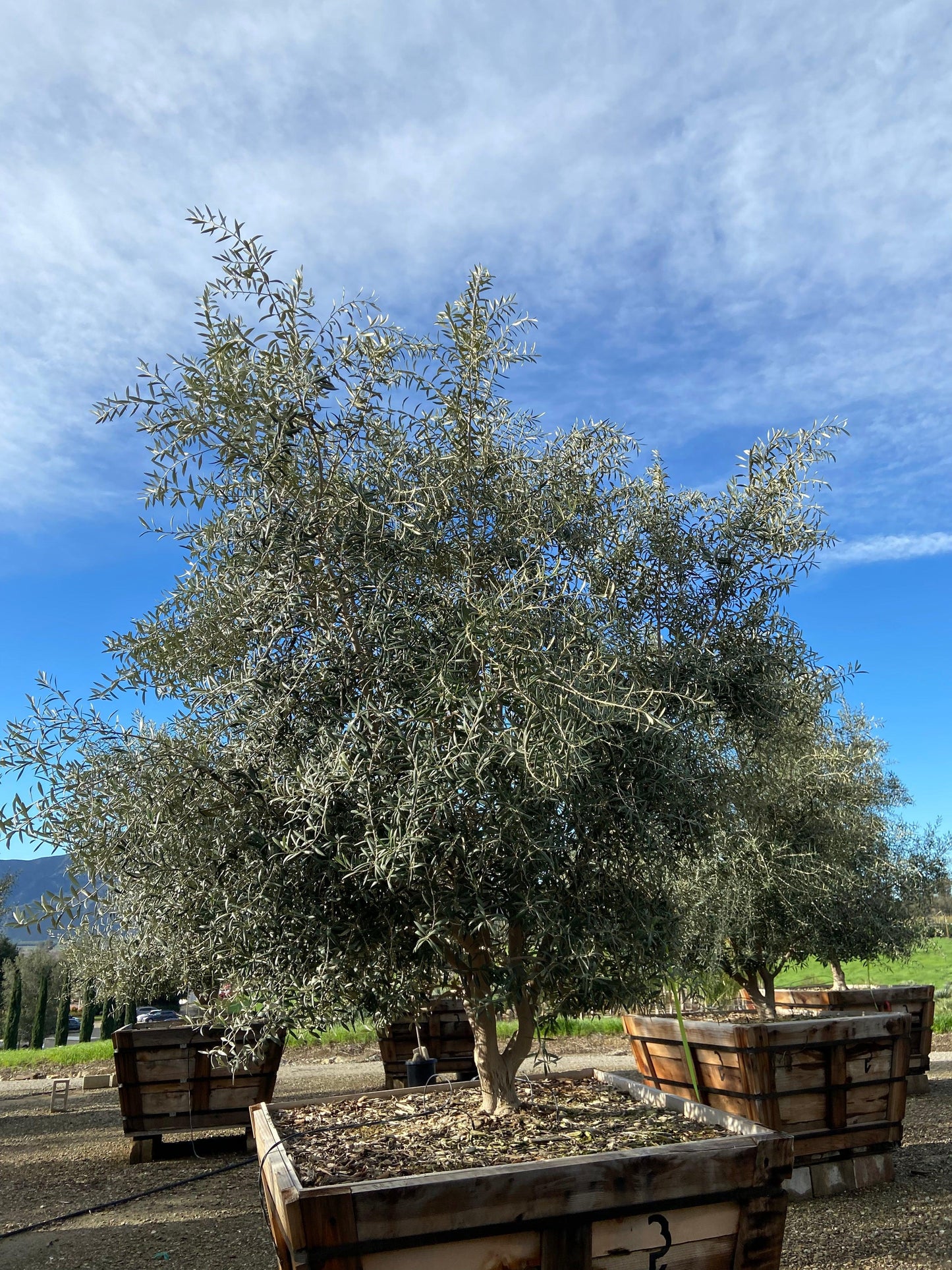

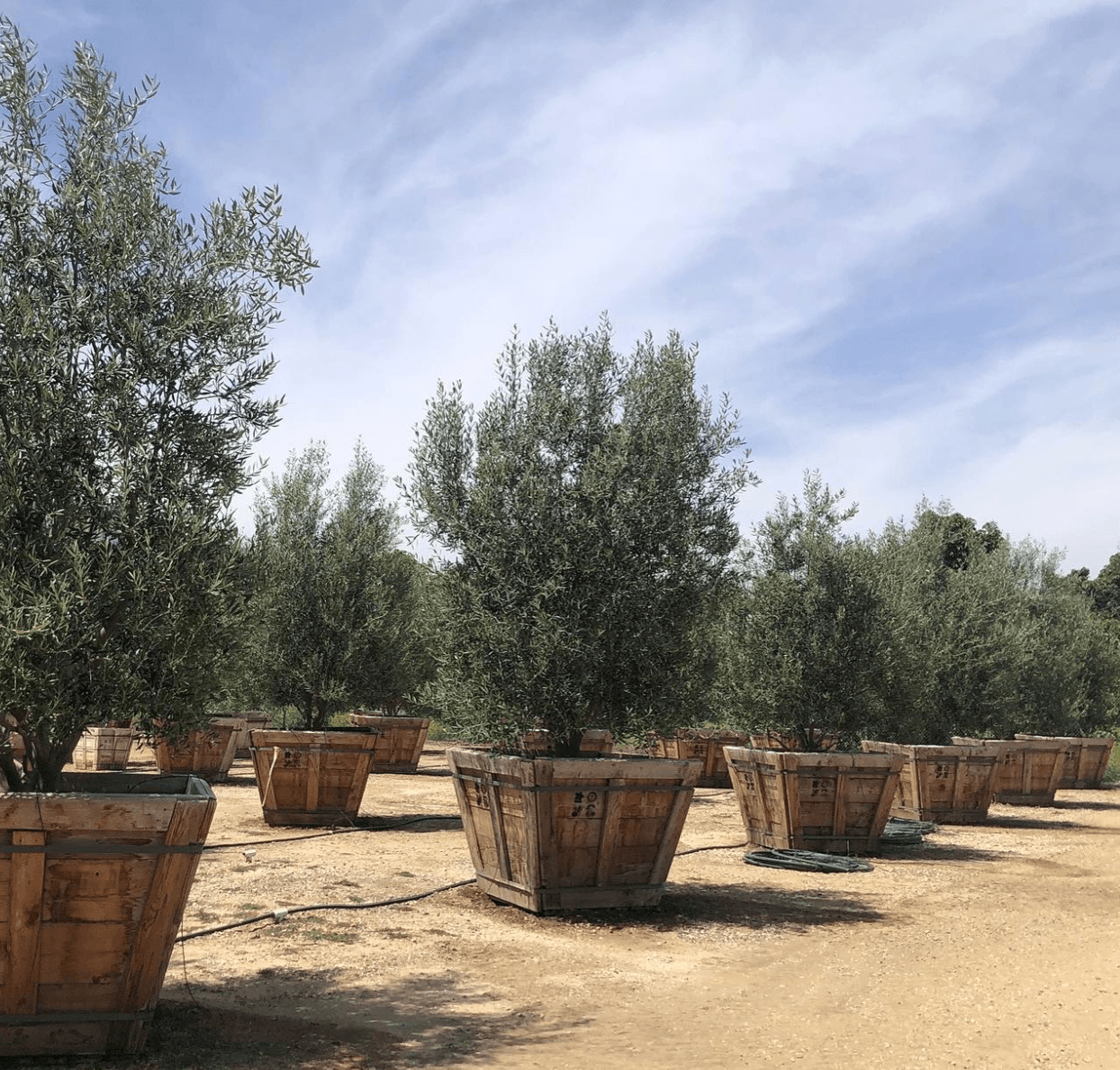

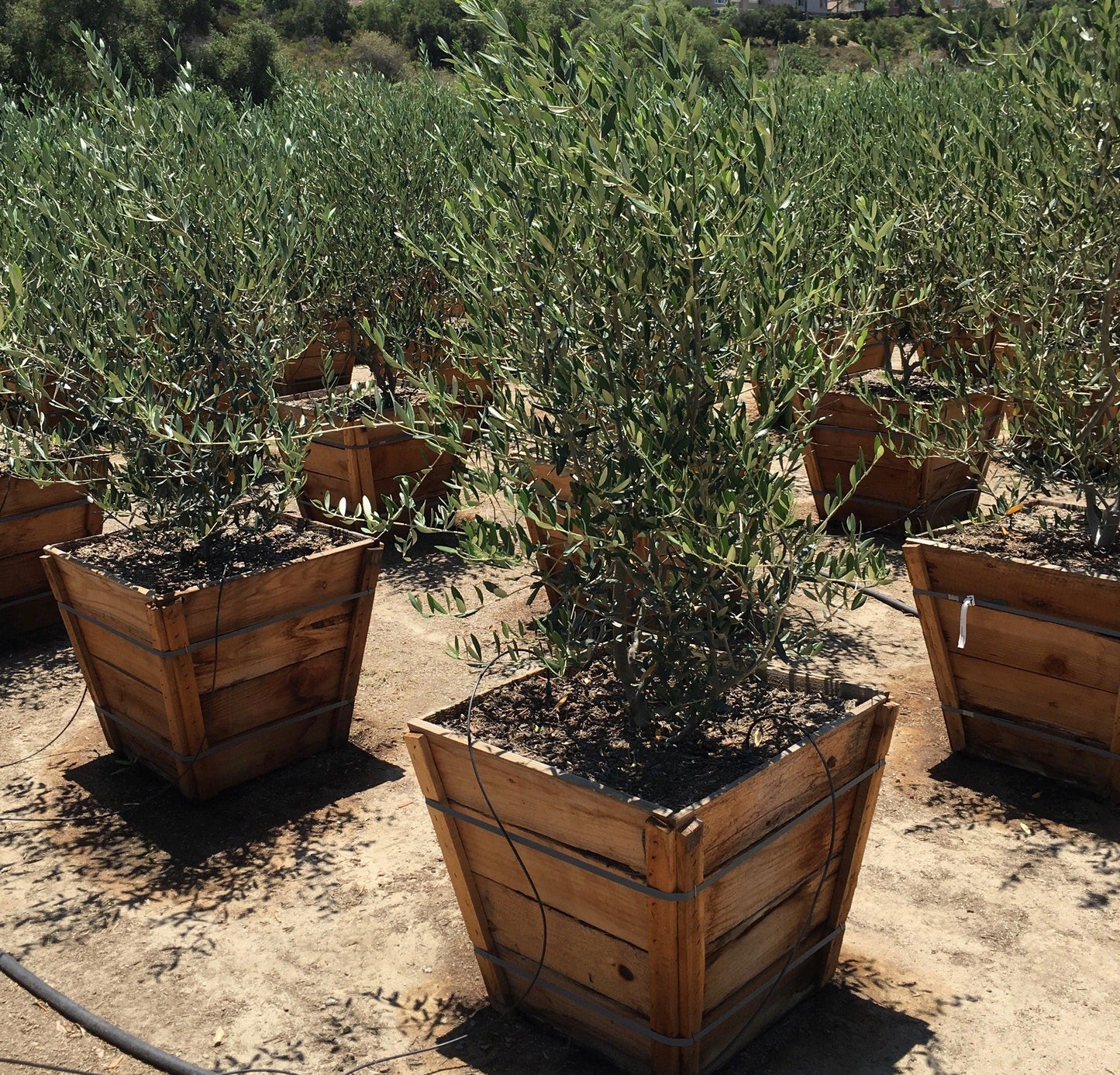

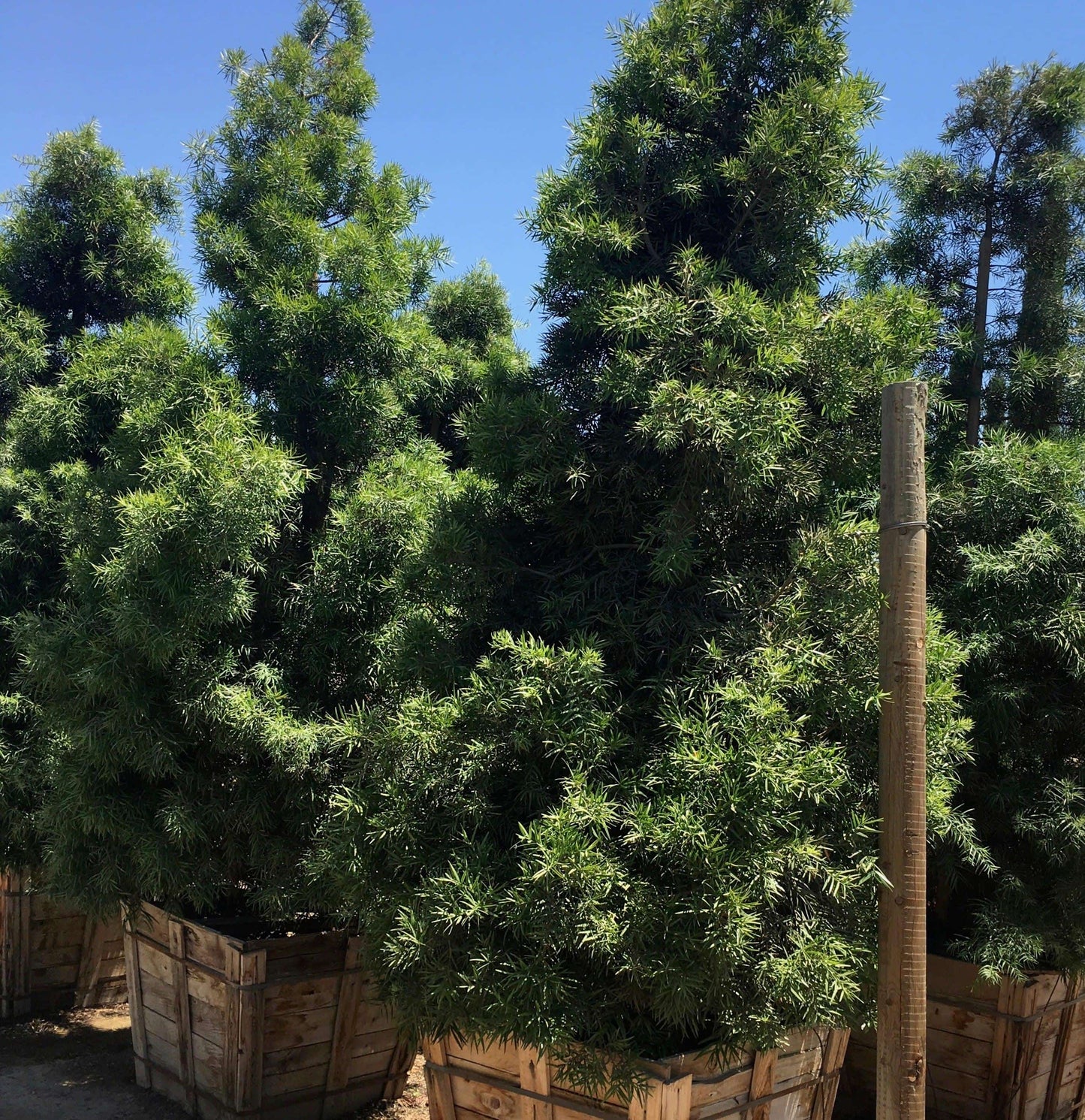




You May Also Like












Thousands of Healthy Plants Delivered


Yardwork was so great to work with. First they had the Swan Hill olive trees that we had been searching for, we had contacted several other nurseries without any luck previously. Then they answered all of our questions in a timely matter prior to ordering and finally delivered within a few days of placing it. Their staff is incredibly knowledgeable; they delivered and planted our trees with expertise to ensure that they would do well in our yard. We would definitely work with them again for future projects.











A Modern Experience
At Yardwork, we carefully curate thousands of plants, in all container sizes, to provide you with the best selection of the highest quality trees and plants at the best price, with the convenience of an online platform.
Uncompromised Quality
We choose only the finest specimens and hand select our plants just before delivery to ensure you receive the freshest and most robust specimens available for your landscape.
Industry Leading Warranties
Our 30, 90, and 365 extended warranties provide some of the best coverage to ensure our trees and plants thrive in your landscape.
Frequently Asked Questions
We're committed to changing everything about trees and plants - how they’re grown, how you shop for them, and how much they cost. We handle orders ourselves. No middlemen to get between us (or our prices) and you.
We're committed to changing everything about trees and plants - how they’re grown, how you shop for them, and how much they cost. We handle orders ourselves. No middlemen to get between us (or our prices) and you.
Delivery does not include unloading of trees and plants LARGER than a 24" box.
Trees and plants in smaller containers will be dropped curbside (usually on the driveway or near the front doorstep).
Delivery beyond a curbside drop will be charged extra.
Trees and plants that are sold in container sizes LARGER than a 24" box size will require equipment and/or enough manpower onsite to help unload from the truck.
Please reach out to our team PRIOR to placing your order to help coordinate.
Our team can provide unloading assistance with equipment for an extra fee as well.
Delivery does not include unloading of trees and plants LARGER than a 24" box.
Trees and plants in smaller containers will be dropped curbside (usually on the driveway or near the front doorstep).
Delivery beyond a curbside drop will be charged extra.
Trees and plants that are sold in container sizes LARGER than a 24" box size will require equipment and/or enough manpower onsite to help unload from the truck.
Please reach out to our team PRIOR to placing your order to help coordinate.
Our team can provide unloading assistance with equipment for an extra fee as well.
We ship locally within California within 7-10 days of your order being placed.
We ship nationally using carrier partners, based on order size. Our common order minimums for out of state shipping is $5,000.
Text or call 323-576-4159 for specific shipping details for your location.
We ship locally within California within 7-10 days of your order being placed.
We ship nationally using carrier partners, based on order size. Our common order minimums for out of state shipping is $5,000.
Text or call 323-576-4159 for specific shipping details for your location.
We are currently online only and don't have physical locations where you can view plants in person.
That's why we have photos direct from the growing grounds of the plants we will ship and we display pricing right in our store.
We do make sure to pick the very best trees and plants prior to shipping and make sure that they have gone through our multi-point inspection for health and structure.
We will always reach out prior to delivery if we find a quality issue or need to provide a substitute.
We are currently online only and don't have physical locations where you can view plants in person.
That's why we have photos direct from the growing grounds of the plants we will ship and we display pricing right in our store.
We do make sure to pick the very best trees and plants prior to shipping and make sure that they have gone through our multi-point inspection for health and structure.
We will always reach out prior to delivery if we find a quality issue or need to provide a substitute.
Plants vary greatly by type. Here is a rough idea of sizes based on containers that are direct from our growing grounds.
15 Gallon Shrub 3-4 Ft. Tall
15 Gallon Tree 5-6 Ft. Tall
24" Box Shrub 5-6 Ft. Tall
24" Box Tree 6-7 Ft. Tall
36" Box Shrub/Tree 7-9 Ft. Tall
48" Box Shrub/Tree 8-10 Ft. Tall
**Please note that we do not make guarantees of sizes. If you have questions or concerns, please call or text to request accurate sizing for the particular plant you're considering, prior to ordering.
Plants vary greatly by type. Here is a rough idea of sizes based on containers that are direct from our growing grounds.
15 Gallon Shrub 3-4 Ft. Tall
15 Gallon Tree 5-6 Ft. Tall
24" Box Shrub 5-6 Ft. Tall
24" Box Tree 6-7 Ft. Tall
36" Box Shrub/Tree 7-9 Ft. Tall
48" Box Shrub/Tree 8-10 Ft. Tall
**Please note that we do not make guarantees of sizes. If you have questions or concerns, please call or text to request accurate sizing for the particular plant you're considering, prior to ordering.
We offer a limited 30 day warranty for plants that are delivered and planted by someone else and a 90 day warranty for plants that we plant.
The limited warranty covers plants that die as a result of disease or fungus which was derived from our growing grounds or from root balls that were root bound.
The warranty does not cover damage due to watering, fertilizer, soils, or any other conditions beyond our control. Additionally, the warranty does not cover plants that are shipped out of the state of California or shipped into California from other states. Custom plant orders are also not covered under warranty. Plants must be planted within 24 hours after delivery to qualify.
We can assist you in recommending the right soils and fertilizers to help your plant thrive after you plant it.
Text or call 323-576-4159 for further warranty information.
We offer a limited 30 day warranty for plants that are delivered and planted by someone else and a 90 day warranty for plants that we plant.
The limited warranty covers plants that die as a result of disease or fungus which was derived from our growing grounds or from root balls that were root bound.
The warranty does not cover damage due to watering, fertilizer, soils, or any other conditions beyond our control. Additionally, the warranty does not cover plants that are shipped out of the state of California or shipped into California from other states. Custom plant orders are also not covered under warranty. Plants must be planted within 24 hours after delivery to qualify.
We can assist you in recommending the right soils and fertilizers to help your plant thrive after you plant it.
Text or call 323-576-4159 for further warranty information.
Our local delivery team covers most cities in California.
There are some exceptions, so please get in touch to confirm prior to ordering.
Additionally, we ship using semi trucks and trailers throughout the entire United States and even abroad for large orders over $5,000. Each shipment is custom, so please reach out to our team to coordinate.
Our local delivery team covers most cities in California.
There are some exceptions, so please get in touch to confirm prior to ordering.
Additionally, we ship using semi trucks and trailers throughout the entire United States and even abroad for large orders over $5,000. Each shipment is custom, so please reach out to our team to coordinate.