



Giant Leopard Plant - Farifugium japonicum ‘Gigantea’
Regular price
$85.00
Size
Transform Your Shade Garden with Bold, Tropical Foliage Year-Round
Giant Leopard Plant gives shady California gardens the bold, tropical look many shade plants cannot deliver, with oversized glossy foliage that stays visually strong through much of the year in mild climates.
Also known as tractor seat plant, Farfugium japonicum var. giganteum is an excellent choice for shady spots, woodland gardens, shaded patios, and protected borders where you want dramatic foliage without relying on direct sun. Its large, shiny green leaves bring structure, calm, and lush texture to the garden, while seasonal yellow flowers add a bright late-season accent.
Designed for gardeners who want a statement plant for partial to full shade, Giant Leopard Plant solves the common frustration of filling shade gardens with plants that feel too small, too sparse, or too delicate.
Why You'll Love Giant Leopard Plant
-
Instant tropical impact – Giant leopard plant has leaves up to 18 inches across, creating dramatic foliage that feels bold, lush, and architectural.
-
Made for shade – Giant leopard plants prefer partial to full shade and thrive in shady border plantings, under trees, and in protected courtyard gardens.
-
Glossy year-round interest – The leaves of the Giant Leopard Plant are leathery and glossy dark green, giving the garden striking foliage even when other garden plants are not blooming.
-
Low-maintenance once established – With organically rich soil, consistent moisture, and protection from too much sun, giant leopard plant grows with minimal pruning.
-
Reliable late-season color – The plant sends up tall, branched, leafless stalks in late summer through early winter. These stalks support clusters of bright yellow, daisy-like flowers.
-
Strong design presence – Giant Leopard Plants can serve as a backdrop for smaller shade perennials, and giant leopard plant is often used as a graphic massing element in modern and tropical landscapes.
For California gardens with shade, moisture, and protection from direct afternoon sun, this herbaceous perennial brings a polished, established look without needing constant attention.
What Makes Giant Leopard Plant Different
Most shade plants offer fine texture, small leaves, or soft background greenery. Giant Leopard Plant stands apart because its glossy round leaves look more like sculptural lily-pad foliage than typical shade-garden filler.
Giant Leopard Plant offers:
-
Oversized leathery foliage – Leaves can reach up to 18 inches across, giving this green leopard plant a bolder presence than many hostas, ferns, and smaller companion plants.
-
Strong performance in shade – It maintains lush green leaves in partial shade to full shade, while direct afternoon sun can cause leaf burn.
-
Distinct botanical character – The Giant Leopard Plant is native to Japan and eastern Asia, where the species is adapted to moist, shaded, humid environments.
-
Architectural flower display – In late summer and fall, tall stems rise above the foliage with daisy like yellow flowers that bring contrast without overpowering the leaves.
-
Designer-friendly massing – Garden designers use it for creating calming spaces, and Giant Leopard Plants can serve as a backdrop for smaller shade perennials.
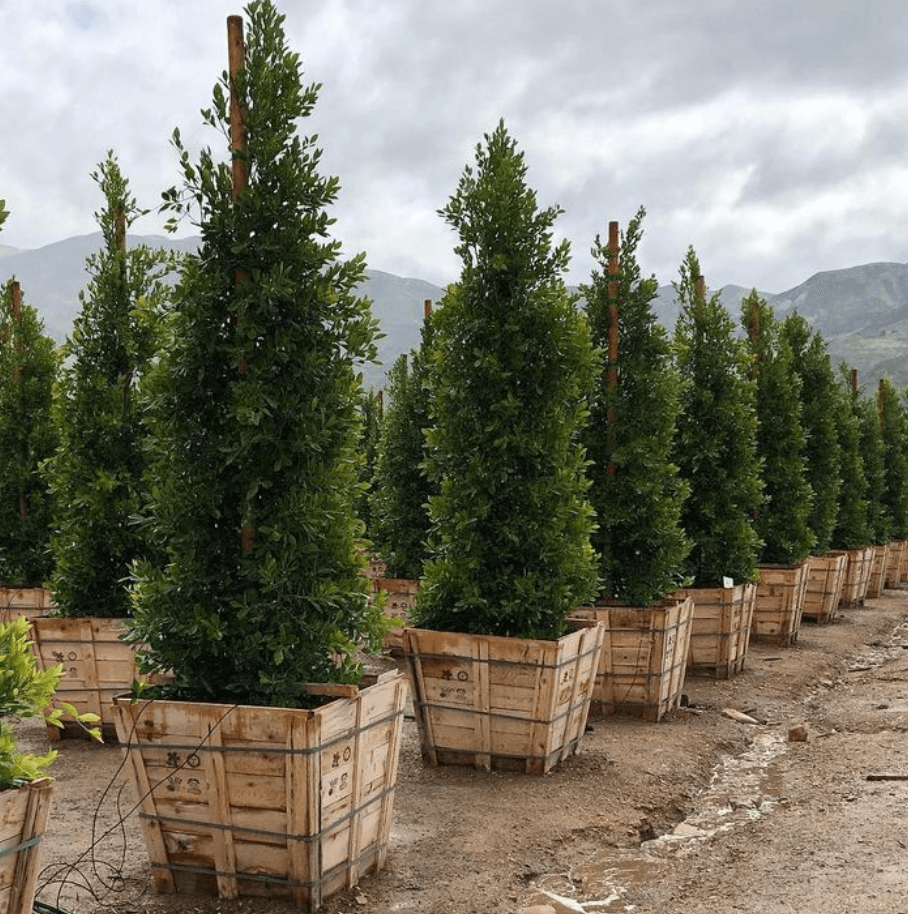
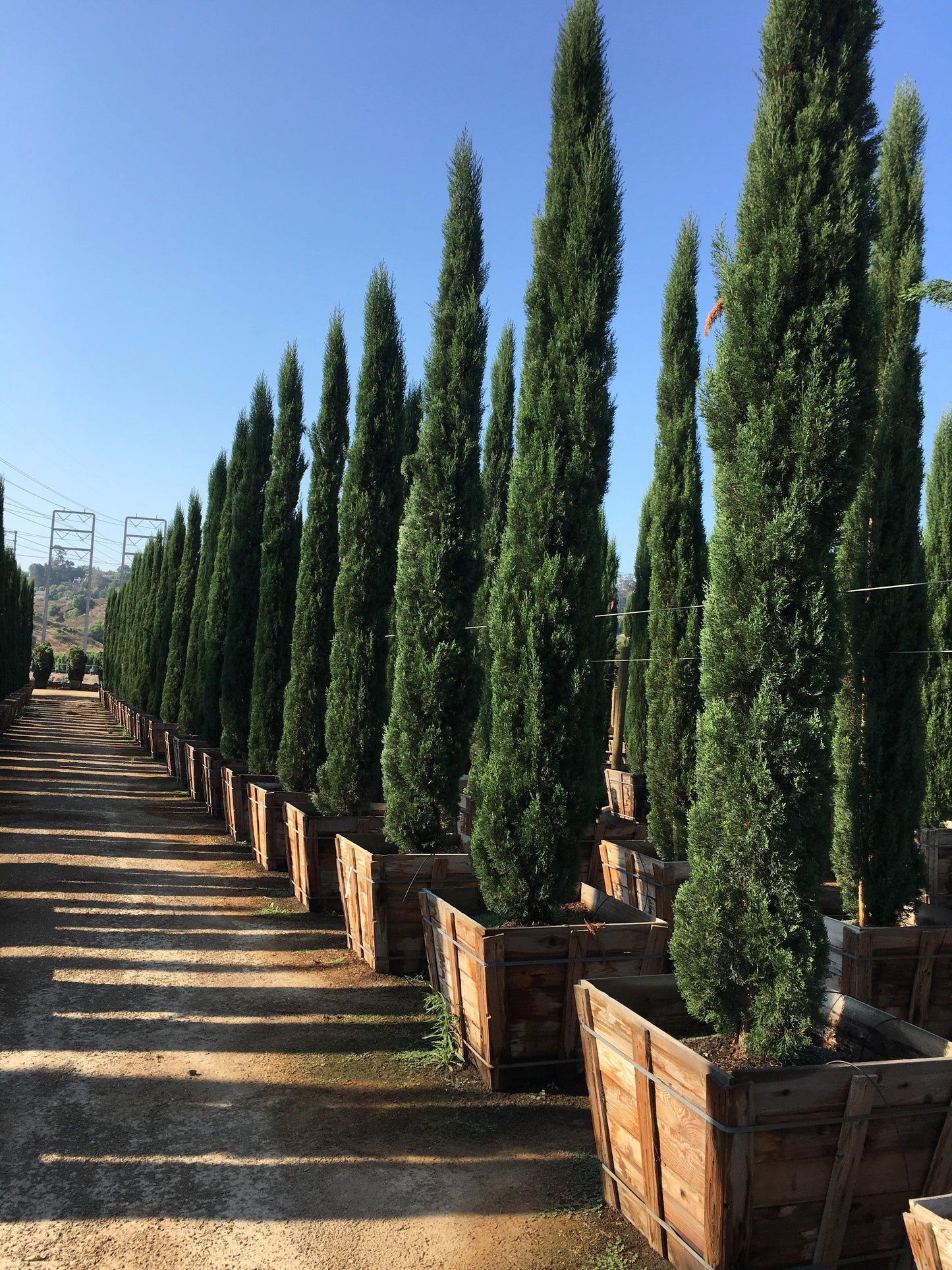
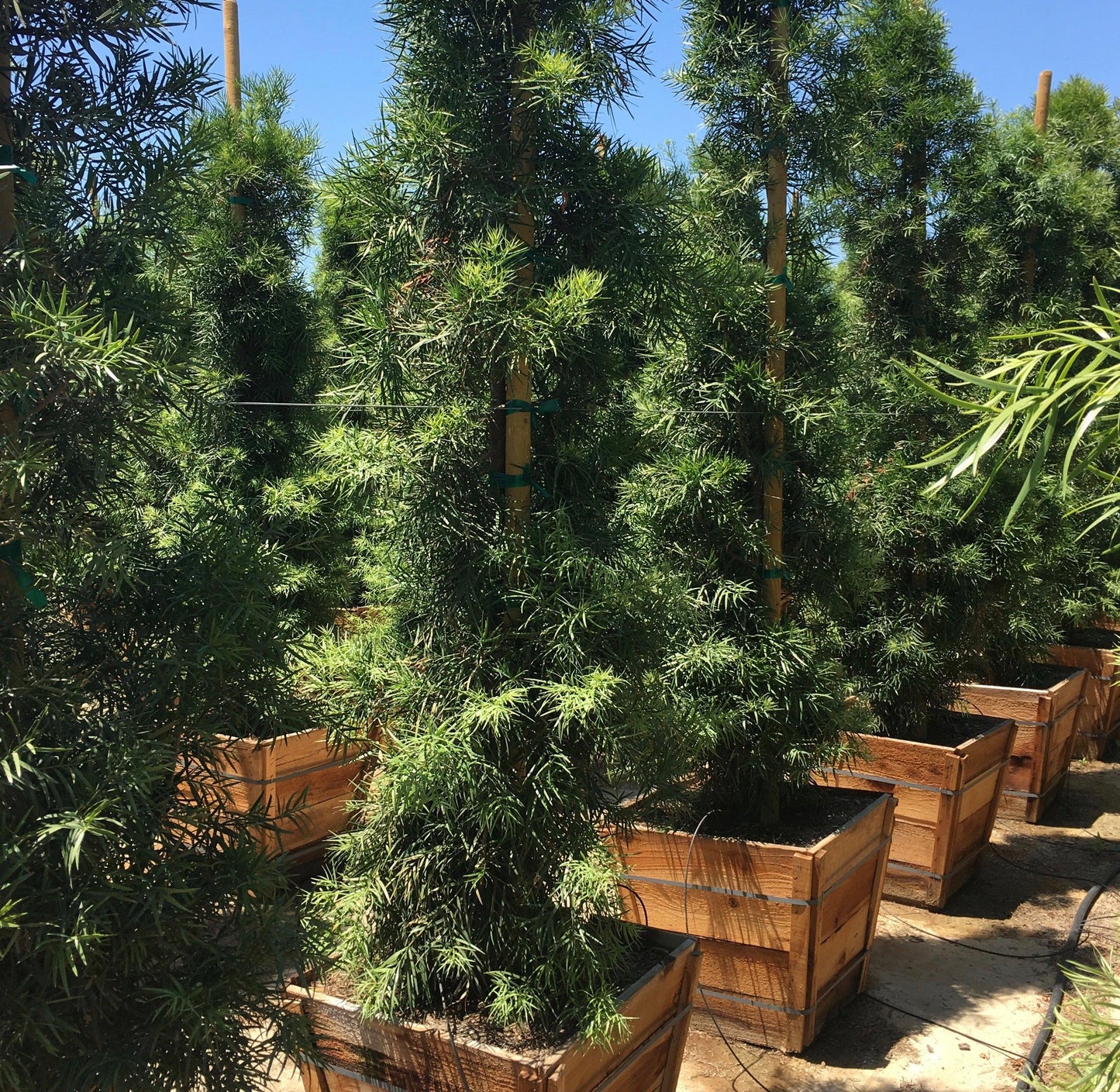
Compared with ferns, giant leopard offers broader, glossier foliage. Compared with hostas, leopard plants bring a more tropical, sculptural look. Compared with sun-dependent alternatives, Farfugium japonicum giganteum is suited to the shaded parts of the landscape that often need the most visual help, especially when combined with evergreen conifers like incense cedar in sunnier areas.
How To Grow The Giant Leopard Plant Successfully
-
Choose the Right Shade Location
Plant Giant Leopard Plant where it receives partial shade, filtered light, or full shade. Morning sun can work in mild coastal areas, but direct sun and especially direct afternoon sun can cause leaf burn. It is a strong choice for shade gardens, woodland gardens, under trees, along a shady border, or beside a protected patio. -
Plant in Rich, Moist Soil
Growing giant leopard plant successfully starts with organically rich soil that stays moist but drains well. Add compost or organic matter before planting, then water regularly during the growing season. The Giant Leopard Plant is highly adaptable to various soil types, and it prefers a slightly acidic to neutral soil pH range of 6.0 to 7.0, working especially well alongside evergreen shrubs like Pittosporum cheesewood. -
Enjoy Dramatic Results
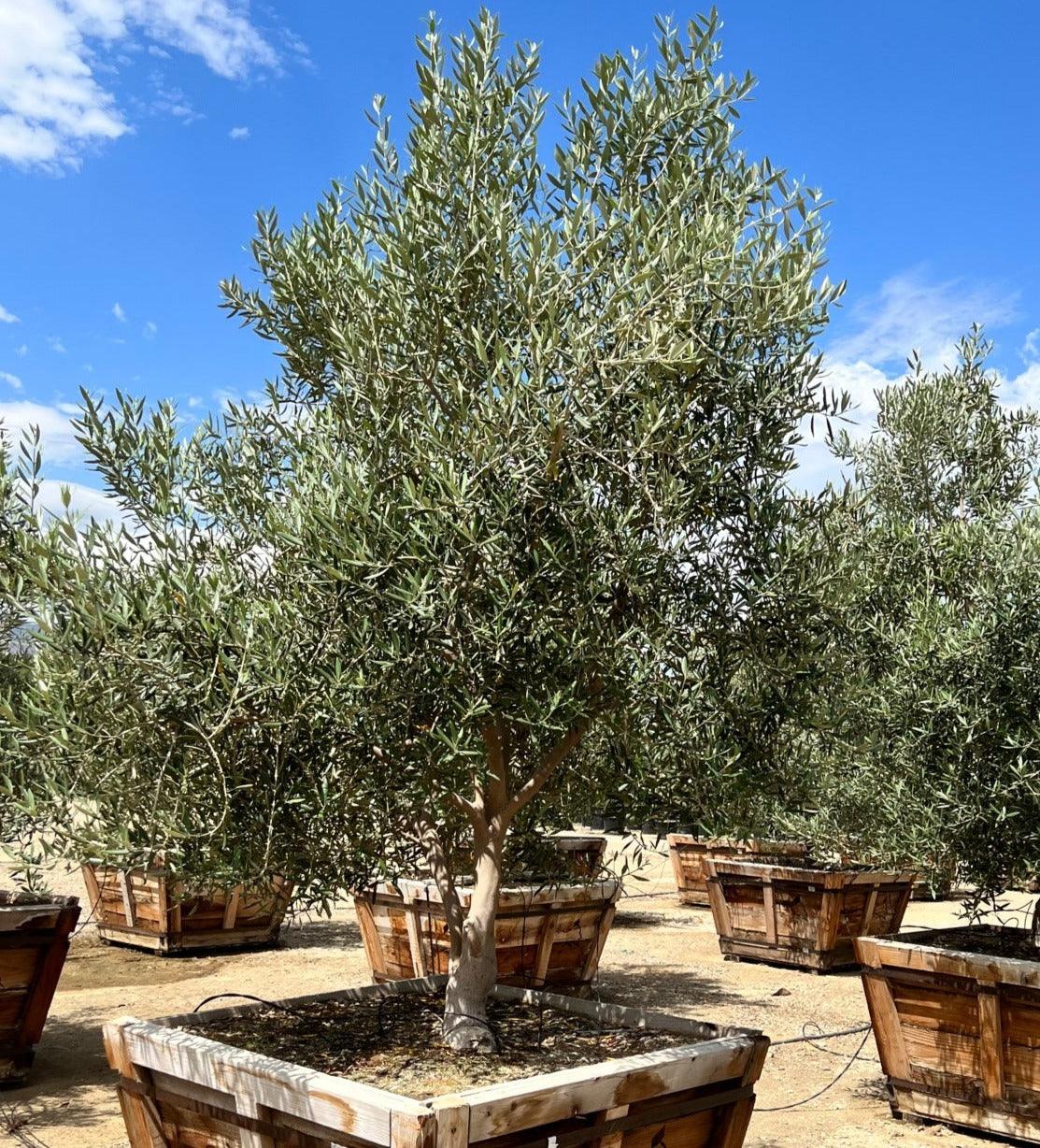
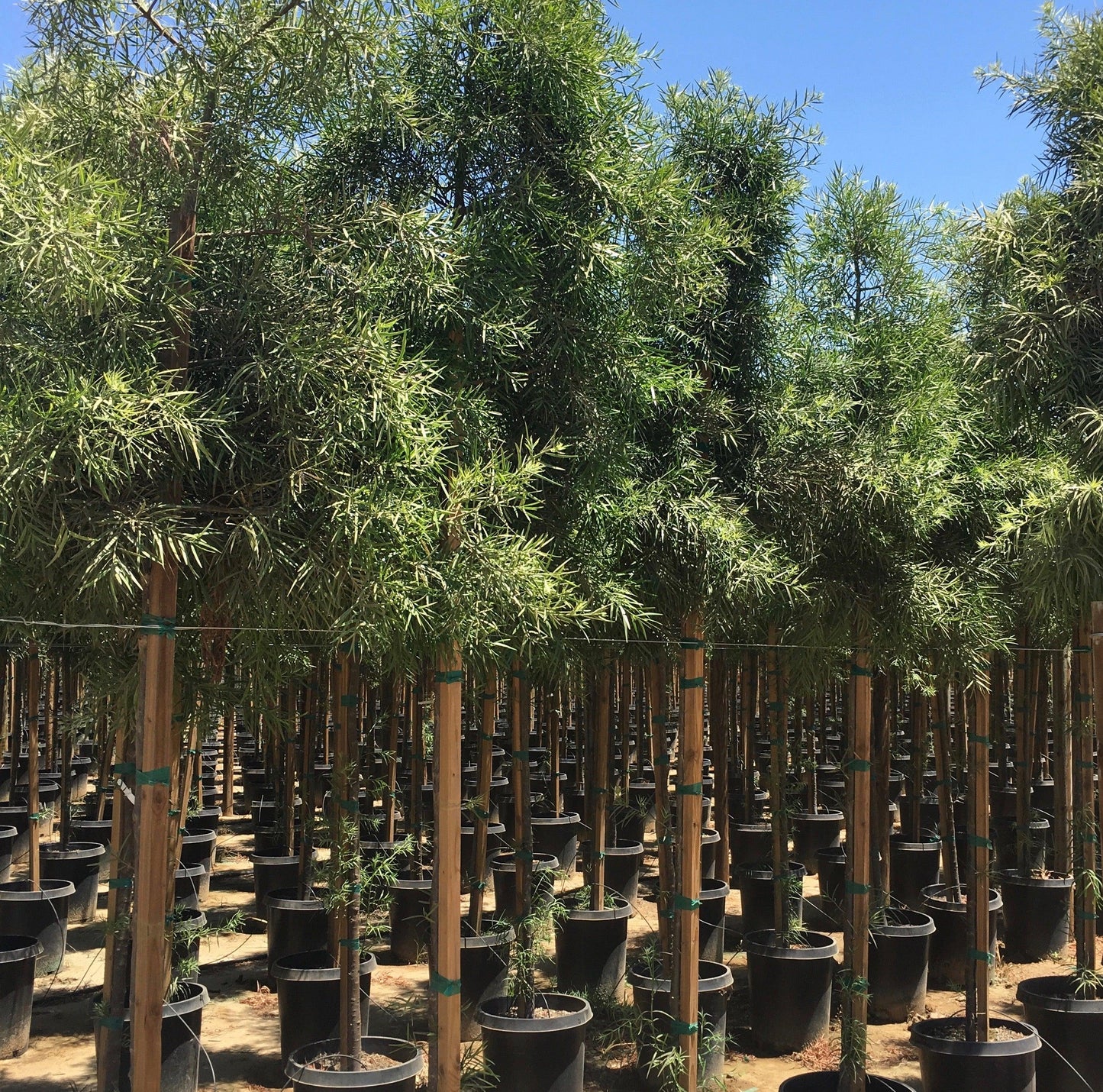
Giant Leopard Plants exhibit a moderate growth rate, so foliage becomes fuller over time rather than spreading aggressively. The leaves wilt if the plant is too dry and bounce back after deep watering. Under ideal conditions, giant leopard plants grow 3 to 4 feet tall, with tall stalks carrying yellow daisy like flowers from late summer into late fall or early winter in mild areas, pairing nicely with small landscape trees like African sumac for layered height.
For best growth, keep the ground consistently moist, mulch around the crown, protect new growth from slugs and snails, and use a slow release fertilizer in spring as growth begins if your soil is lean.
Plant Details
-
Botanical Name: Farfugium japonicum var. giganteum; also written as Farfugium japonicum giganteum or japonicum var giganteum
-
Common Names: Giant Leopard Plant, giant leopard, tractor seat plant, green leopard plant
-
Plant Type: Herbaceous perennial; evergreen to semi-evergreen in warm, mild winter climates
-
Mature Size: It grows 3 to 4 feet tall in optimal conditions. The plant can grow 2 to 4 feet tall with leaves up to 15 to 18 inches across.
-
Foliage: Large leaves are glossy, leathery, rounded, and dark green
-
Leaf Size: Giant leopard plant has leaves up to 18 inches across
-
Hardiness Zones: They thrive in Hardiness Zones 7-10, and pairing them with mature trees for instant structurecan create a finished look from day one
-
Cold Tolerance: The plant can freeze and die back when temperatures drop below 20°F
-
Light Requirements: Partial shade to full shade; avoid too much sun
-
Water Needs: Consistently moist soil; deep watering helps revive wilted leaves during summer heat
-
Soil Needs: Organically rich soil that stays moist, with good drainage and organic matter
-
Soil pH: Slightly acidic to neutral soil pH range of 6.0 to 7.0
-
Bloom Time: Late summer to fall, sometimes extending into early winter in mild California gardens
-
Flowers: Daisy like flowers; bright yellow flowers appear on tall, branched stalks above the foliage
-
Resistance: The plant is typically deer-resistant and rabbit-resistant
-
Growth Rate: Moderate growth rate
-
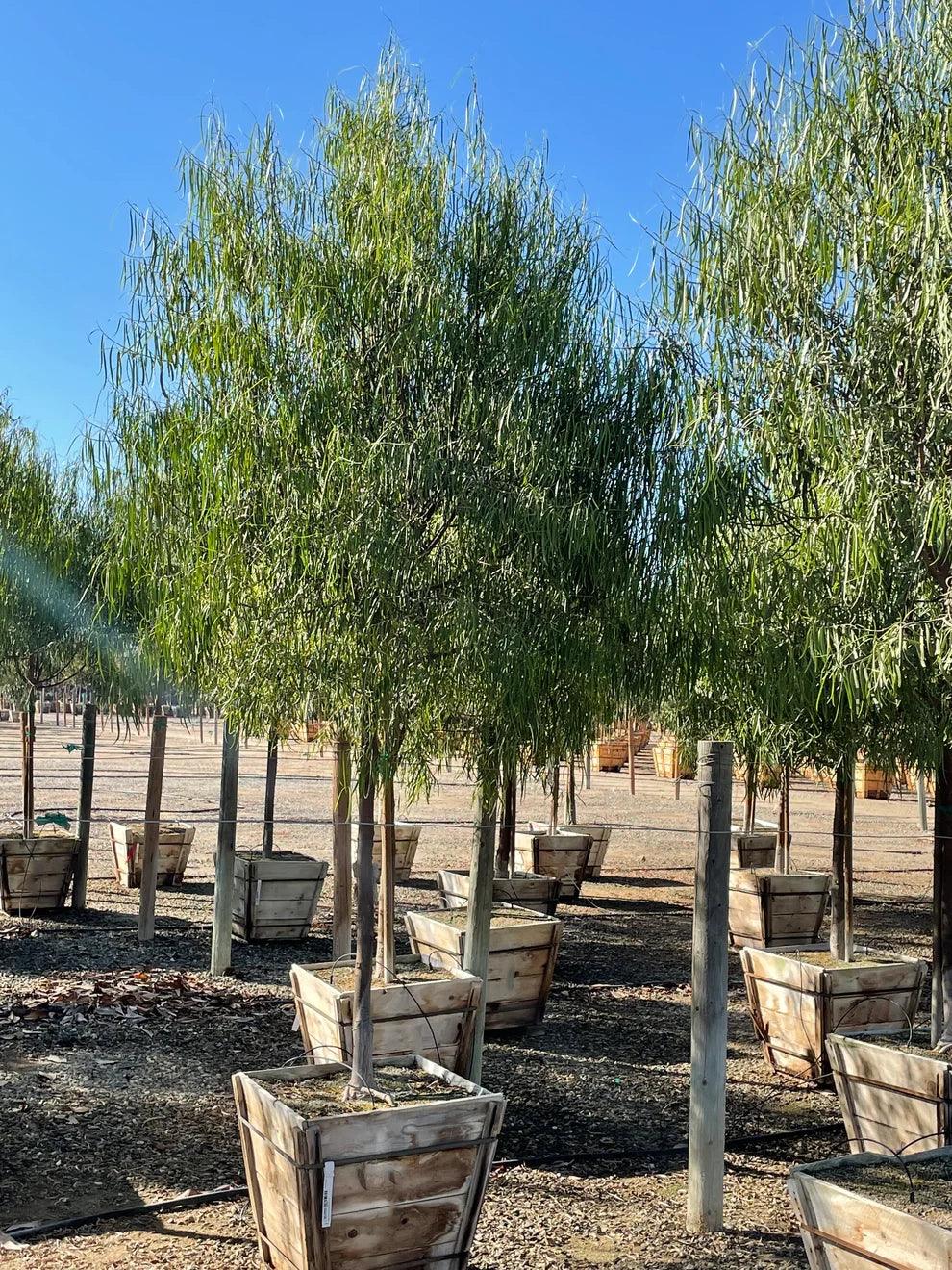
Best Uses: Shade gardens, containers, woodland gardens, patio planters, mass plantings, water-feature edges, and calming landscape designs that can be complemented by drought-tolerant trees like the California Pepper Tree
Yardwork serves California customers with plant ordering and expert support for selecting the right size, placement, and companion plants, making it easy to build the yard of your dreams. For immediate visual impact, larger containers are often preferred; for budget-friendly planting, younger plants can establish well with regular moisture and proper shade.
Who It's For
Ideal for:
-
California homeowners with shady spots that need bold foliage instead of ordinary filler plants
-
Garden designers creating tropical, contemporary, or calming spaces with graphic massing and looking for evergreen privacy and fast-growing trees
-
Collectors who want unusual garden plants with striking foliage and strong form
-
Gardeners working with coastal, humid, or protected microclimates where the plant can remain lush and want to combine it with California lilac for drought-tolerant structure
-
Patio gardeners who want a dramatic container plant for shade and may also want compact flowering patio treesnearby
-
Anyone looking for a backdrop for smaller shade perennials, ferns, groundcovers, or other companion plants
If you want large leaves, glossy green foliage, and yellow daisy-like flowers in a shaded garden, Giant Leopard Plant fits beautifully. It is especially suited to gardens where shade, moisture, and warm but protected temperatures come together.
Frequently Asked Questions
How much shade does giant leopard plant need?
Giant leopard plants prefer partial to full shade. Full shade works well for lush foliage, while partial shade with gentle morning light can encourage better blooming. Avoid direct afternoon sun, because direct afternoon sun can cause leaf burn.
Will it survive California's dry summers?
Yes, if you provide consistent moisture. Giant leopard plants require organically rich soil that stays moist, and they should be watered regularly during hot summer weather. The leaves wilt if the plant is too dry and bounce back after deep watering, but repeated drought stress can damage foliage.
How big do the leaves actually get?
Giant leopard plant has leaves up to 18 inches across. The plant can grow 2 to 4 feet tall with leaves up to 15 to 18 inches across, and giant leopard plants grow 3 to 4 feet tall in ideal conditions.
Can I grow it in a container?
Yes. Giant Leopard Plant is popular in shade gardens and container designs. Use a wide container with rich soil, steady moisture, and protection from harsh sun. Containers are also helpful in cold winter climates because the plant can be moved to a protected location during freezes.
When should I plant it in California?
Early spring is ideal because growth begins as temperatures warm, giving the plant time to root before summer. Fall can also work well in mild coastal areas, as long as the plant has time to establish before winter cold.
Does it flower?
Yes. The plant sends up tall, branched, leafless stalks in late summer through early winter. These stalks support clusters of bright yellow, daisy-like flowers. The yellow flowers are a seasonal bonus; the dramatic foliage is the main reason gardeners grow this plant.
Is it deer-resistant or rabbit-resistant?
The plant is typically deer-resistant and rabbit-resistant, making it useful in many California landscapes where browsing pressure is a concern.
Ready to Transform Your Shade Garden?
Stop struggling with boring shade plants that lack visual impact. Choose Giant Leopard Plant and bring glossy, tropical, large-leaf structure to the parts of your garden that need it most.
Order through Yardwork for California plant delivery, garden planning support, and expert help selecting the right plants for your shade garden or container design.
Transform Your Shade Garden with Bold, Tropical Foliage Year-Round
Giant Leopard Plant gives shady California gardens the bold, tropical look many shade plants cannot deliver, with oversized glossy foliage that stays visually strong through much of the year in mild climates.
Also known as tractor seat plant, Farfugium japonicum var. giganteum is an excellent choice for shady spots, woodland gardens, shaded patios, and protected borders where you want dramatic foliage without relying on direct sun. Its large, shiny green leaves bring structure, calm, and lush texture to the garden, while seasonal yellow flowers add a bright late-season accent.
Designed for gardeners who want a statement plant for partial to full shade, Giant Leopard Plant solves the common frustration of filling shade gardens with plants that feel too small, too sparse, or too delicate.
Why You'll Love Giant Leopard Plant
-
Instant tropical impact – Giant leopard plant has leaves up to 18 inches across, creating dramatic foliage that feels bold, lush, and architectural.
-
Made for shade – Giant leopard plants prefer partial to full shade and thrive in shady border plantings, under trees, and in protected courtyard gardens.
-
Glossy year-round interest – The leaves of the Giant Leopard Plant are leathery and glossy dark green, giving the garden striking foliage even when other garden plants are not blooming.
-
Low-maintenance once established – With organically rich soil, consistent moisture, and protection from too much sun, giant leopard plant grows with minimal pruning.
-
Reliable late-season color – The plant sends up tall, branched, leafless stalks in late summer through early winter. These stalks support clusters of bright yellow, daisy-like flowers.
-
Strong design presence – Giant Leopard Plants can serve as a backdrop for smaller shade perennials, and giant leopard plant is often used as a graphic massing element in modern and tropical landscapes.
For California gardens with shade, moisture, and protection from direct afternoon sun, this herbaceous perennial brings a polished, established look without needing constant attention.
What Makes Giant Leopard Plant Different
Most shade plants offer fine texture, small leaves, or soft background greenery. Giant Leopard Plant stands apart because its glossy round leaves look more like sculptural lily-pad foliage than typical shade-garden filler.
Giant Leopard Plant offers:
-
Oversized leathery foliage – Leaves can reach up to 18 inches across, giving this green leopard plant a bolder presence than many hostas, ferns, and smaller companion plants.
-
Strong performance in shade – It maintains lush green leaves in partial shade to full shade, while direct afternoon sun can cause leaf burn.
-
Distinct botanical character – The Giant Leopard Plant is native to Japan and eastern Asia, where the species is adapted to moist, shaded, humid environments.
-
Architectural flower display – In late summer and fall, tall stems rise above the foliage with daisy like yellow flowers that bring contrast without overpowering the leaves.
-
Designer-friendly massing – Garden designers use it for creating calming spaces, and Giant Leopard Plants can serve as a backdrop for smaller shade perennials.
Compared with ferns, giant leopard offers broader, glossier foliage. Compared with hostas, leopard plants bring a more tropical, sculptural look. Compared with sun-dependent alternatives, Farfugium japonicum giganteum is suited to the shaded parts of the landscape that often need the most visual help, especially when combined with evergreen conifers like incense cedar in sunnier areas.
How To Grow The Giant Leopard Plant Successfully
-
Choose the Right Shade Location
Plant Giant Leopard Plant where it receives partial shade, filtered light, or full shade. Morning sun can work in mild coastal areas, but direct sun and especially direct afternoon sun can cause leaf burn. It is a strong choice for shade gardens, woodland gardens, under trees, along a shady border, or beside a protected patio. -
Plant in Rich, Moist Soil
Growing giant leopard plant successfully starts with organically rich soil that stays moist but drains well. Add compost or organic matter before planting, then water regularly during the growing season. The Giant Leopard Plant is highly adaptable to various soil types, and it prefers a slightly acidic to neutral soil pH range of 6.0 to 7.0, working especially well alongside evergreen shrubs like Pittosporum cheesewood. -
Enjoy Dramatic Results
Giant Leopard Plants exhibit a moderate growth rate, so foliage becomes fuller over time rather than spreading aggressively. The leaves wilt if the plant is too dry and bounce back after deep watering. Under ideal conditions, giant leopard plants grow 3 to 4 feet tall, with tall stalks carrying yellow daisy like flowers from late summer into late fall or early winter in mild areas, pairing nicely with small landscape trees like African sumac for layered height.
For best growth, keep the ground consistently moist, mulch around the crown, protect new growth from slugs and snails, and use a slow release fertilizer in spring as growth begins if your soil is lean.
Plant Details
-
Botanical Name: Farfugium japonicum var. giganteum; also written as Farfugium japonicum giganteum or japonicum var giganteum
-
Common Names: Giant Leopard Plant, giant leopard, tractor seat plant, green leopard plant
-
Plant Type: Herbaceous perennial; evergreen to semi-evergreen in warm, mild winter climates
-
Mature Size: It grows 3 to 4 feet tall in optimal conditions. The plant can grow 2 to 4 feet tall with leaves up to 15 to 18 inches across.
-
Foliage: Large leaves are glossy, leathery, rounded, and dark green
-
Leaf Size: Giant leopard plant has leaves up to 18 inches across
-
Hardiness Zones: They thrive in Hardiness Zones 7-10, and pairing them with mature trees for instant structurecan create a finished look from day one
-
Cold Tolerance: The plant can freeze and die back when temperatures drop below 20°F
-
Light Requirements: Partial shade to full shade; avoid too much sun
-
Water Needs: Consistently moist soil; deep watering helps revive wilted leaves during summer heat
-
Soil Needs: Organically rich soil that stays moist, with good drainage and organic matter
-
Soil pH: Slightly acidic to neutral soil pH range of 6.0 to 7.0
-
Bloom Time: Late summer to fall, sometimes extending into early winter in mild California gardens
-
Flowers: Daisy like flowers; bright yellow flowers appear on tall, branched stalks above the foliage
-
Resistance: The plant is typically deer-resistant and rabbit-resistant
-
Growth Rate: Moderate growth rate
-
Best Uses: Shade gardens, containers, woodland gardens, patio planters, mass plantings, water-feature edges, and calming landscape designs that can be complemented by drought-tolerant trees like the California Pepper Tree
Yardwork serves California customers with plant ordering and expert support for selecting the right size, placement, and companion plants, making it easy to build the yard of your dreams. For immediate visual impact, larger containers are often preferred; for budget-friendly planting, younger plants can establish well with regular moisture and proper shade.
Who It's For
Ideal for:
-
California homeowners with shady spots that need bold foliage instead of ordinary filler plants
-
Garden designers creating tropical, contemporary, or calming spaces with graphic massing and looking for evergreen privacy and fast-growing trees
-
Collectors who want unusual garden plants with striking foliage and strong form
-
Gardeners working with coastal, humid, or protected microclimates where the plant can remain lush and want to combine it with California lilac for drought-tolerant structure
-
Patio gardeners who want a dramatic container plant for shade and may also want compact flowering patio treesnearby
-
Anyone looking for a backdrop for smaller shade perennials, ferns, groundcovers, or other companion plants
If you want large leaves, glossy green foliage, and yellow daisy-like flowers in a shaded garden, Giant Leopard Plant fits beautifully. It is especially suited to gardens where shade, moisture, and warm but protected temperatures come together.
Frequently Asked Questions
How much shade does giant leopard plant need?
Giant leopard plants prefer partial to full shade. Full shade works well for lush foliage, while partial shade with gentle morning light can encourage better blooming. Avoid direct afternoon sun, because direct afternoon sun can cause leaf burn.
Will it survive California's dry summers?
Yes, if you provide consistent moisture. Giant leopard plants require organically rich soil that stays moist, and they should be watered regularly during hot summer weather. The leaves wilt if the plant is too dry and bounce back after deep watering, but repeated drought stress can damage foliage.
How big do the leaves actually get?
Giant leopard plant has leaves up to 18 inches across. The plant can grow 2 to 4 feet tall with leaves up to 15 to 18 inches across, and giant leopard plants grow 3 to 4 feet tall in ideal conditions.
Can I grow it in a container?
Yes. Giant Leopard Plant is popular in shade gardens and container designs. Use a wide container with rich soil, steady moisture, and protection from harsh sun. Containers are also helpful in cold winter climates because the plant can be moved to a protected location during freezes.
When should I plant it in California?
Early spring is ideal because growth begins as temperatures warm, giving the plant time to root before summer. Fall can also work well in mild coastal areas, as long as the plant has time to establish before winter cold.
Does it flower?
Yes. The plant sends up tall, branched, leafless stalks in late summer through early winter. These stalks support clusters of bright yellow, daisy-like flowers. The yellow flowers are a seasonal bonus; the dramatic foliage is the main reason gardeners grow this plant.
Is it deer-resistant or rabbit-resistant?
The plant is typically deer-resistant and rabbit-resistant, making it useful in many California landscapes where browsing pressure is a concern.
Ready to Transform Your Shade Garden?
Stop struggling with boring shade plants that lack visual impact. Choose Giant Leopard Plant and bring glossy, tropical, large-leaf structure to the parts of your garden that need it most.
Order through Yardwork for California plant delivery, garden planning support, and expert help selecting the right plants for your shade garden or container design.
Plants vary greatly by type and no guarantees are made on sizing.
However here is a rough idea of sizes based on containers that are direct from our growing grounds.
15 Gallon Shrub 3-4 Ft. Tall
15 Gallon Tree 5-6 Ft. Tall
24" Box Shrub 5-6 Ft. Tall
24" Box Tree 6-7 Ft. Tall
36" Box Tree 8-10 Ft. Tall
48" Box Tree 10-12 Ft. Tall
Please note: Citrus and California Native plants such as Manzanita are smaller than traditional sizing.
Please contact us to confirm sizing of items before purchasing if this is a concern.
Plants vary greatly by type and no guarantees are made on sizing.
However here is a rough idea of sizes based on containers that are direct from our growing grounds.
15 Gallon Shrub 3-4 Ft. Tall
15 Gallon Tree 5-6 Ft. Tall
24" Box Shrub 5-6 Ft. Tall
24" Box Tree 6-7 Ft. Tall
36" Box Tree 8-10 Ft. Tall
48" Box Tree 10-12 Ft. Tall
Please note: Citrus and California Native plants such as Manzanita are smaller than traditional sizing.
Please contact us to confirm sizing of items before purchasing if this is a concern.
Delivery does not include unloading of trees and plants larger than a 24" box.
Trees and plants in smaller containers will be dropped curbside.
Delivery beyond a curbside drop will be charged extra.
Trees and plants that are sold in container sizes larger than a 24" box size will require equipment and an operator onsite to help unload from the truck.
Please reach out to our team PRIOR to placing your order to coordinate.
Our team can provide unloading assistance with equipment for an extra fee.
Delivery does not include unloading of trees and plants larger than a 24" box.
Trees and plants in smaller containers will be dropped curbside.
Delivery beyond a curbside drop will be charged extra.
Trees and plants that are sold in container sizes larger than a 24" box size will require equipment and an operator onsite to help unload from the truck.
Please reach out to our team PRIOR to placing your order to coordinate.
Our team can provide unloading assistance with equipment for an extra fee.
You may also like...


Giant Leopard Plant - Farifugium japonicum ‘Gigantea’
Regular price
$85.00
Size
Transform Your Shade Garden with Bold, Tropical Foliage Year-Round
Giant Leopard Plant gives shady California gardens the bold, tropical look many shade plants cannot deliver, with oversized glossy foliage that stays visually strong through much of the year in mild climates.
Also known as tractor seat plant, Farfugium japonicum var. giganteum is an excellent choice for shady spots, woodland gardens, shaded patios, and protected borders where you want dramatic foliage without relying on direct sun. Its large, shiny green leaves bring structure, calm, and lush texture to the garden, while seasonal yellow flowers add a bright late-season accent.
Designed for gardeners who want a statement plant for partial to full shade, Giant Leopard Plant solves the common frustration of filling shade gardens with plants that feel too small, too sparse, or too delicate.
Why You'll Love Giant Leopard Plant
-
Instant tropical impact – Giant leopard plant has leaves up to 18 inches across, creating dramatic foliage that feels bold, lush, and architectural.
-
Made for shade – Giant leopard plants prefer partial to full shade and thrive in shady border plantings, under trees, and in protected courtyard gardens.
-
Glossy year-round interest – The leaves of the Giant Leopard Plant are leathery and glossy dark green, giving the garden striking foliage even when other garden plants are not blooming.
-
Low-maintenance once established – With organically rich soil, consistent moisture, and protection from too much sun, giant leopard plant grows with minimal pruning.
-
Reliable late-season color – The plant sends up tall, branched, leafless stalks in late summer through early winter. These stalks support clusters of bright yellow, daisy-like flowers.
-
Strong design presence – Giant Leopard Plants can serve as a backdrop for smaller shade perennials, and giant leopard plant is often used as a graphic massing element in modern and tropical landscapes.
For California gardens with shade, moisture, and protection from direct afternoon sun, this herbaceous perennial brings a polished, established look without needing constant attention.
What Makes Giant Leopard Plant Different
Most shade plants offer fine texture, small leaves, or soft background greenery. Giant Leopard Plant stands apart because its glossy round leaves look more like sculptural lily-pad foliage than typical shade-garden filler.
Giant Leopard Plant offers:
-
Oversized leathery foliage – Leaves can reach up to 18 inches across, giving this green leopard plant a bolder presence than many hostas, ferns, and smaller companion plants.
-
Strong performance in shade – It maintains lush green leaves in partial shade to full shade, while direct afternoon sun can cause leaf burn.
-
Distinct botanical character – The Giant Leopard Plant is native to Japan and eastern Asia, where the species is adapted to moist, shaded, humid environments.
-
Architectural flower display – In late summer and fall, tall stems rise above the foliage with daisy like yellow flowers that bring contrast without overpowering the leaves.
-
Designer-friendly massing – Garden designers use it for creating calming spaces, and Giant Leopard Plants can serve as a backdrop for smaller shade perennials.
Compared with ferns, giant leopard offers broader, glossier foliage. Compared with hostas, leopard plants bring a more tropical, sculptural look. Compared with sun-dependent alternatives, Farfugium japonicum giganteum is suited to the shaded parts of the landscape that often need the most visual help, especially when combined with evergreen conifers like incense cedar in sunnier areas.
How To Grow The Giant Leopard Plant Successfully
-
Choose the Right Shade Location
Plant Giant Leopard Plant where it receives partial shade, filtered light, or full shade. Morning sun can work in mild coastal areas, but direct sun and especially direct afternoon sun can cause leaf burn. It is a strong choice for shade gardens, woodland gardens, under trees, along a shady border, or beside a protected patio. -
Plant in Rich, Moist Soil
Growing giant leopard plant successfully starts with organically rich soil that stays moist but drains well. Add compost or organic matter before planting, then water regularly during the growing season. The Giant Leopard Plant is highly adaptable to various soil types, and it prefers a slightly acidic to neutral soil pH range of 6.0 to 7.0, working especially well alongside evergreen shrubs like Pittosporum cheesewood. -
Enjoy Dramatic Results
Giant Leopard Plants exhibit a moderate growth rate, so foliage becomes fuller over time rather than spreading aggressively. The leaves wilt if the plant is too dry and bounce back after deep watering. Under ideal conditions, giant leopard plants grow 3 to 4 feet tall, with tall stalks carrying yellow daisy like flowers from late summer into late fall or early winter in mild areas, pairing nicely with small landscape trees like African sumac for layered height.
For best growth, keep the ground consistently moist, mulch around the crown, protect new growth from slugs and snails, and use a slow release fertilizer in spring as growth begins if your soil is lean.
Plant Details
-
Botanical Name: Farfugium japonicum var. giganteum; also written as Farfugium japonicum giganteum or japonicum var giganteum
-
Common Names: Giant Leopard Plant, giant leopard, tractor seat plant, green leopard plant
-
Plant Type: Herbaceous perennial; evergreen to semi-evergreen in warm, mild winter climates
-
Mature Size: It grows 3 to 4 feet tall in optimal conditions. The plant can grow 2 to 4 feet tall with leaves up to 15 to 18 inches across.
-
Foliage: Large leaves are glossy, leathery, rounded, and dark green
-
Leaf Size: Giant leopard plant has leaves up to 18 inches across
-
Hardiness Zones: They thrive in Hardiness Zones 7-10, and pairing them with mature trees for instant structurecan create a finished look from day one
-
Cold Tolerance: The plant can freeze and die back when temperatures drop below 20°F
-
Light Requirements: Partial shade to full shade; avoid too much sun
-
Water Needs: Consistently moist soil; deep watering helps revive wilted leaves during summer heat
-
Soil Needs: Organically rich soil that stays moist, with good drainage and organic matter
-
Soil pH: Slightly acidic to neutral soil pH range of 6.0 to 7.0
-
Bloom Time: Late summer to fall, sometimes extending into early winter in mild California gardens
-
Flowers: Daisy like flowers; bright yellow flowers appear on tall, branched stalks above the foliage
-
Resistance: The plant is typically deer-resistant and rabbit-resistant
-
Growth Rate: Moderate growth rate
-
Best Uses: Shade gardens, containers, woodland gardens, patio planters, mass plantings, water-feature edges, and calming landscape designs that can be complemented by drought-tolerant trees like the California Pepper Tree
Yardwork serves California customers with plant ordering and expert support for selecting the right size, placement, and companion plants, making it easy to build the yard of your dreams. For immediate visual impact, larger containers are often preferred; for budget-friendly planting, younger plants can establish well with regular moisture and proper shade.
Who It's For
Ideal for:
-
California homeowners with shady spots that need bold foliage instead of ordinary filler plants
-
Garden designers creating tropical, contemporary, or calming spaces with graphic massing and looking for evergreen privacy and fast-growing trees
-
Collectors who want unusual garden plants with striking foliage and strong form
-
Gardeners working with coastal, humid, or protected microclimates where the plant can remain lush and want to combine it with California lilac for drought-tolerant structure
-
Patio gardeners who want a dramatic container plant for shade and may also want compact flowering patio treesnearby
-
Anyone looking for a backdrop for smaller shade perennials, ferns, groundcovers, or other companion plants
If you want large leaves, glossy green foliage, and yellow daisy-like flowers in a shaded garden, Giant Leopard Plant fits beautifully. It is especially suited to gardens where shade, moisture, and warm but protected temperatures come together.
Frequently Asked Questions
How much shade does giant leopard plant need?
Giant leopard plants prefer partial to full shade. Full shade works well for lush foliage, while partial shade with gentle morning light can encourage better blooming. Avoid direct afternoon sun, because direct afternoon sun can cause leaf burn.
Will it survive California's dry summers?
Yes, if you provide consistent moisture. Giant leopard plants require organically rich soil that stays moist, and they should be watered regularly during hot summer weather. The leaves wilt if the plant is too dry and bounce back after deep watering, but repeated drought stress can damage foliage.
How big do the leaves actually get?
Giant leopard plant has leaves up to 18 inches across. The plant can grow 2 to 4 feet tall with leaves up to 15 to 18 inches across, and giant leopard plants grow 3 to 4 feet tall in ideal conditions.
Can I grow it in a container?
Yes. Giant Leopard Plant is popular in shade gardens and container designs. Use a wide container with rich soil, steady moisture, and protection from harsh sun. Containers are also helpful in cold winter climates because the plant can be moved to a protected location during freezes.
When should I plant it in California?
Early spring is ideal because growth begins as temperatures warm, giving the plant time to root before summer. Fall can also work well in mild coastal areas, as long as the plant has time to establish before winter cold.
Does it flower?
Yes. The plant sends up tall, branched, leafless stalks in late summer through early winter. These stalks support clusters of bright yellow, daisy-like flowers. The yellow flowers are a seasonal bonus; the dramatic foliage is the main reason gardeners grow this plant.
Is it deer-resistant or rabbit-resistant?
The plant is typically deer-resistant and rabbit-resistant, making it useful in many California landscapes where browsing pressure is a concern.
Ready to Transform Your Shade Garden?
Stop struggling with boring shade plants that lack visual impact. Choose Giant Leopard Plant and bring glossy, tropical, large-leaf structure to the parts of your garden that need it most.
Order through Yardwork for California plant delivery, garden planning support, and expert help selecting the right plants for your shade garden or container design.
Transform Your Shade Garden with Bold, Tropical Foliage Year-Round
Giant Leopard Plant gives shady California gardens the bold, tropical look many shade plants cannot deliver, with oversized glossy foliage that stays visually strong through much of the year in mild climates.
Also known as tractor seat plant, Farfugium japonicum var. giganteum is an excellent choice for shady spots, woodland gardens, shaded patios, and protected borders where you want dramatic foliage without relying on direct sun. Its large, shiny green leaves bring structure, calm, and lush texture to the garden, while seasonal yellow flowers add a bright late-season accent.
Designed for gardeners who want a statement plant for partial to full shade, Giant Leopard Plant solves the common frustration of filling shade gardens with plants that feel too small, too sparse, or too delicate.
Why You'll Love Giant Leopard Plant
-
Instant tropical impact – Giant leopard plant has leaves up to 18 inches across, creating dramatic foliage that feels bold, lush, and architectural.
-
Made for shade – Giant leopard plants prefer partial to full shade and thrive in shady border plantings, under trees, and in protected courtyard gardens.
-
Glossy year-round interest – The leaves of the Giant Leopard Plant are leathery and glossy dark green, giving the garden striking foliage even when other garden plants are not blooming.
-
Low-maintenance once established – With organically rich soil, consistent moisture, and protection from too much sun, giant leopard plant grows with minimal pruning.
-
Reliable late-season color – The plant sends up tall, branched, leafless stalks in late summer through early winter. These stalks support clusters of bright yellow, daisy-like flowers.
-
Strong design presence – Giant Leopard Plants can serve as a backdrop for smaller shade perennials, and giant leopard plant is often used as a graphic massing element in modern and tropical landscapes.
For California gardens with shade, moisture, and protection from direct afternoon sun, this herbaceous perennial brings a polished, established look without needing constant attention.
What Makes Giant Leopard Plant Different
Most shade plants offer fine texture, small leaves, or soft background greenery. Giant Leopard Plant stands apart because its glossy round leaves look more like sculptural lily-pad foliage than typical shade-garden filler.
Giant Leopard Plant offers:
-
Oversized leathery foliage – Leaves can reach up to 18 inches across, giving this green leopard plant a bolder presence than many hostas, ferns, and smaller companion plants.
-
Strong performance in shade – It maintains lush green leaves in partial shade to full shade, while direct afternoon sun can cause leaf burn.
-
Distinct botanical character – The Giant Leopard Plant is native to Japan and eastern Asia, where the species is adapted to moist, shaded, humid environments.
-
Architectural flower display – In late summer and fall, tall stems rise above the foliage with daisy like yellow flowers that bring contrast without overpowering the leaves.
-
Designer-friendly massing – Garden designers use it for creating calming spaces, and Giant Leopard Plants can serve as a backdrop for smaller shade perennials.
Compared with ferns, giant leopard offers broader, glossier foliage. Compared with hostas, leopard plants bring a more tropical, sculptural look. Compared with sun-dependent alternatives, Farfugium japonicum giganteum is suited to the shaded parts of the landscape that often need the most visual help, especially when combined with evergreen conifers like incense cedar in sunnier areas.
How To Grow The Giant Leopard Plant Successfully
-
Choose the Right Shade Location
Plant Giant Leopard Plant where it receives partial shade, filtered light, or full shade. Morning sun can work in mild coastal areas, but direct sun and especially direct afternoon sun can cause leaf burn. It is a strong choice for shade gardens, woodland gardens, under trees, along a shady border, or beside a protected patio. -
Plant in Rich, Moist Soil
Growing giant leopard plant successfully starts with organically rich soil that stays moist but drains well. Add compost or organic matter before planting, then water regularly during the growing season. The Giant Leopard Plant is highly adaptable to various soil types, and it prefers a slightly acidic to neutral soil pH range of 6.0 to 7.0, working especially well alongside evergreen shrubs like Pittosporum cheesewood. -
Enjoy Dramatic Results
Giant Leopard Plants exhibit a moderate growth rate, so foliage becomes fuller over time rather than spreading aggressively. The leaves wilt if the plant is too dry and bounce back after deep watering. Under ideal conditions, giant leopard plants grow 3 to 4 feet tall, with tall stalks carrying yellow daisy like flowers from late summer into late fall or early winter in mild areas, pairing nicely with small landscape trees like African sumac for layered height.
For best growth, keep the ground consistently moist, mulch around the crown, protect new growth from slugs and snails, and use a slow release fertilizer in spring as growth begins if your soil is lean.
Plant Details
-
Botanical Name: Farfugium japonicum var. giganteum; also written as Farfugium japonicum giganteum or japonicum var giganteum
-
Common Names: Giant Leopard Plant, giant leopard, tractor seat plant, green leopard plant
-
Plant Type: Herbaceous perennial; evergreen to semi-evergreen in warm, mild winter climates
-
Mature Size: It grows 3 to 4 feet tall in optimal conditions. The plant can grow 2 to 4 feet tall with leaves up to 15 to 18 inches across.
-
Foliage: Large leaves are glossy, leathery, rounded, and dark green
-
Leaf Size: Giant leopard plant has leaves up to 18 inches across
-
Hardiness Zones: They thrive in Hardiness Zones 7-10, and pairing them with mature trees for instant structurecan create a finished look from day one
-
Cold Tolerance: The plant can freeze and die back when temperatures drop below 20°F
-
Light Requirements: Partial shade to full shade; avoid too much sun
-
Water Needs: Consistently moist soil; deep watering helps revive wilted leaves during summer heat
-
Soil Needs: Organically rich soil that stays moist, with good drainage and organic matter
-
Soil pH: Slightly acidic to neutral soil pH range of 6.0 to 7.0
-
Bloom Time: Late summer to fall, sometimes extending into early winter in mild California gardens
-
Flowers: Daisy like flowers; bright yellow flowers appear on tall, branched stalks above the foliage
-
Resistance: The plant is typically deer-resistant and rabbit-resistant
-
Growth Rate: Moderate growth rate
-
Best Uses: Shade gardens, containers, woodland gardens, patio planters, mass plantings, water-feature edges, and calming landscape designs that can be complemented by drought-tolerant trees like the California Pepper Tree
Yardwork serves California customers with plant ordering and expert support for selecting the right size, placement, and companion plants, making it easy to build the yard of your dreams. For immediate visual impact, larger containers are often preferred; for budget-friendly planting, younger plants can establish well with regular moisture and proper shade.
Who It's For
Ideal for:
-
California homeowners with shady spots that need bold foliage instead of ordinary filler plants
-
Garden designers creating tropical, contemporary, or calming spaces with graphic massing and looking for evergreen privacy and fast-growing trees
-
Collectors who want unusual garden plants with striking foliage and strong form
-
Gardeners working with coastal, humid, or protected microclimates where the plant can remain lush and want to combine it with California lilac for drought-tolerant structure
-
Patio gardeners who want a dramatic container plant for shade and may also want compact flowering patio treesnearby
-
Anyone looking for a backdrop for smaller shade perennials, ferns, groundcovers, or other companion plants
If you want large leaves, glossy green foliage, and yellow daisy-like flowers in a shaded garden, Giant Leopard Plant fits beautifully. It is especially suited to gardens where shade, moisture, and warm but protected temperatures come together.
Frequently Asked Questions
How much shade does giant leopard plant need?
Giant leopard plants prefer partial to full shade. Full shade works well for lush foliage, while partial shade with gentle morning light can encourage better blooming. Avoid direct afternoon sun, because direct afternoon sun can cause leaf burn.
Will it survive California's dry summers?
Yes, if you provide consistent moisture. Giant leopard plants require organically rich soil that stays moist, and they should be watered regularly during hot summer weather. The leaves wilt if the plant is too dry and bounce back after deep watering, but repeated drought stress can damage foliage.
How big do the leaves actually get?
Giant leopard plant has leaves up to 18 inches across. The plant can grow 2 to 4 feet tall with leaves up to 15 to 18 inches across, and giant leopard plants grow 3 to 4 feet tall in ideal conditions.
Can I grow it in a container?
Yes. Giant Leopard Plant is popular in shade gardens and container designs. Use a wide container with rich soil, steady moisture, and protection from harsh sun. Containers are also helpful in cold winter climates because the plant can be moved to a protected location during freezes.
When should I plant it in California?
Early spring is ideal because growth begins as temperatures warm, giving the plant time to root before summer. Fall can also work well in mild coastal areas, as long as the plant has time to establish before winter cold.
Does it flower?
Yes. The plant sends up tall, branched, leafless stalks in late summer through early winter. These stalks support clusters of bright yellow, daisy-like flowers. The yellow flowers are a seasonal bonus; the dramatic foliage is the main reason gardeners grow this plant.
Is it deer-resistant or rabbit-resistant?
The plant is typically deer-resistant and rabbit-resistant, making it useful in many California landscapes where browsing pressure is a concern.
Ready to Transform Your Shade Garden?
Stop struggling with boring shade plants that lack visual impact. Choose Giant Leopard Plant and bring glossy, tropical, large-leaf structure to the parts of your garden that need it most.
Order through Yardwork for California plant delivery, garden planning support, and expert help selecting the right plants for your shade garden or container design.
Plants vary greatly by type and no guarantees are made on sizing.
However here is a rough idea of sizes based on containers that are direct from our growing grounds.
15 Gallon Shrub 3-4 Ft. Tall
15 Gallon Tree 5-6 Ft. Tall
24" Box Shrub 5-6 Ft. Tall
24" Box Tree 6-7 Ft. Tall
36" Box Tree 8-10 Ft. Tall
48" Box Tree 10-12 Ft. Tall
Please note: Citrus and California Native plants such as Manzanita are smaller than traditional sizing.
Please contact us to confirm sizing of items before purchasing if this is a concern.
Plants vary greatly by type and no guarantees are made on sizing.
However here is a rough idea of sizes based on containers that are direct from our growing grounds.
15 Gallon Shrub 3-4 Ft. Tall
15 Gallon Tree 5-6 Ft. Tall
24" Box Shrub 5-6 Ft. Tall
24" Box Tree 6-7 Ft. Tall
36" Box Tree 8-10 Ft. Tall
48" Box Tree 10-12 Ft. Tall
Please note: Citrus and California Native plants such as Manzanita are smaller than traditional sizing.
Please contact us to confirm sizing of items before purchasing if this is a concern.
Delivery does not include unloading of trees and plants larger than a 24" box.
Trees and plants in smaller containers will be dropped curbside.
Delivery beyond a curbside drop will be charged extra.
Trees and plants that are sold in container sizes larger than a 24" box size will require equipment and an operator onsite to help unload from the truck.
Please reach out to our team PRIOR to placing your order to coordinate.
Our team can provide unloading assistance with equipment for an extra fee.
Delivery does not include unloading of trees and plants larger than a 24" box.
Trees and plants in smaller containers will be dropped curbside.
Delivery beyond a curbside drop will be charged extra.
Trees and plants that are sold in container sizes larger than a 24" box size will require equipment and an operator onsite to help unload from the truck.
Please reach out to our team PRIOR to placing your order to coordinate.
Our team can provide unloading assistance with equipment for an extra fee.
Recommended For You















Pairs Well With













You May Also Like












Thousands of Healthy Plants Delivered

Yardwork was so great to work with. First they had the Swan Hill olive trees that we had been searching for, we had contacted several other nurseries without any luck previously. Then they answered all of our questions in a timely matter prior to ordering and finally delivered within a few days of placing it. Their staff is incredibly knowledgeable; they delivered and planted our trees with expertise to ensure that they would do well in our yard. We would definitely work with them again for future projects.











A Modern Experience
At Yardwork, we carefully curate thousands of plants, in all container sizes, to provide you with the best selection of the highest quality trees and plants at the best price, with the convenience of an online platform.
Uncompromised Quality
We choose only the finest specimens and hand select our plants just before delivery to ensure you receive the freshest and most robust specimens available for your landscape.
Industry Leading Warranties
Our 30, 90, and 365 extended warranties provide some of the best coverage to ensure our trees and plants thrive in your landscape.
Frequently Asked Questions
We're committed to changing everything about trees and plants - how they’re grown, how you shop for them, and how much they cost. We handle orders ourselves. No middlemen to get between us (or our prices) and you.
We're committed to changing everything about trees and plants - how they’re grown, how you shop for them, and how much they cost. We handle orders ourselves. No middlemen to get between us (or our prices) and you.
Delivery does not include unloading of trees and plants LARGER than a 24" box.
Trees and plants in smaller containers will be dropped curbside (usually on the driveway or near the front doorstep).
Delivery beyond a curbside drop will be charged extra.
Trees and plants that are sold in container sizes LARGER than a 24" box size will require equipment and/or enough manpower onsite to help unload from the truck.
Please reach out to our team PRIOR to placing your order to help coordinate.
Our team can provide unloading assistance with equipment for an extra fee as well.
Delivery does not include unloading of trees and plants LARGER than a 24" box.
Trees and plants in smaller containers will be dropped curbside (usually on the driveway or near the front doorstep).
Delivery beyond a curbside drop will be charged extra.
Trees and plants that are sold in container sizes LARGER than a 24" box size will require equipment and/or enough manpower onsite to help unload from the truck.
Please reach out to our team PRIOR to placing your order to help coordinate.
Our team can provide unloading assistance with equipment for an extra fee as well.
We ship locally within California within 7-10 days of your order being placed.
We ship nationally using carrier partners, based on order size.
Text or call 323-576-4159 for specific shipping details for your location.
We ship locally within California within 7-10 days of your order being placed.
We ship nationally using carrier partners, based on order size.
Text or call 323-576-4159 for specific shipping details for your location.
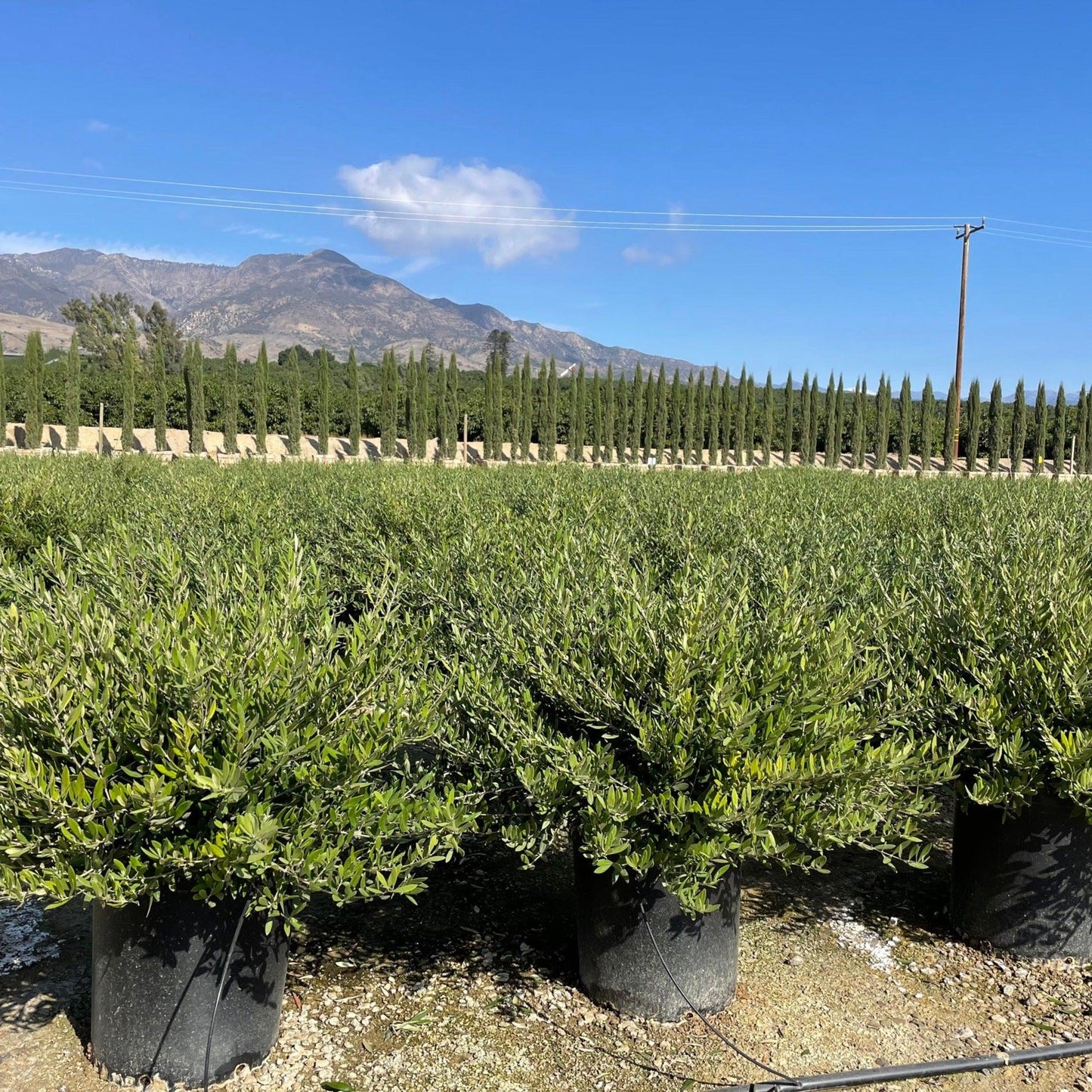
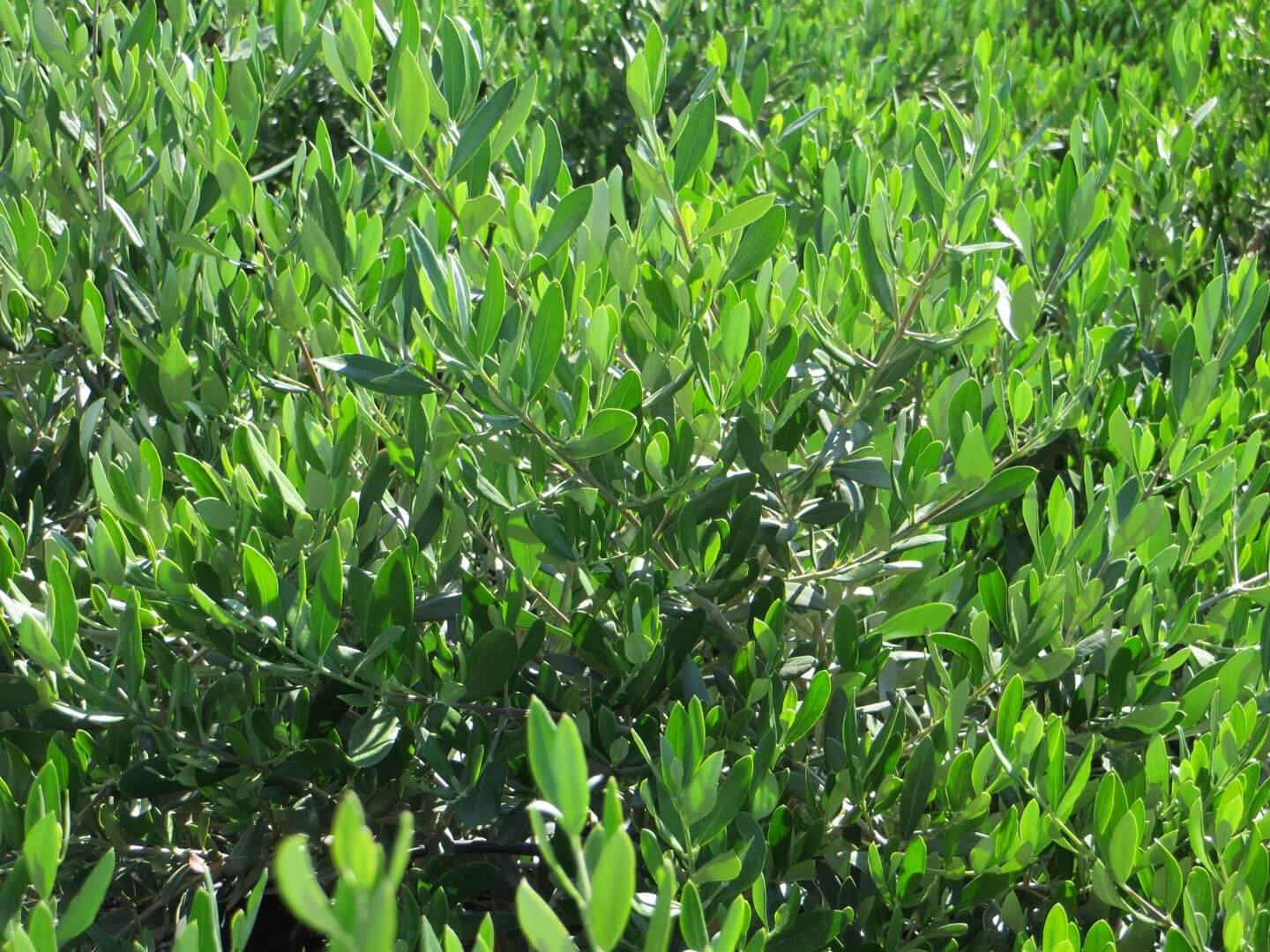
We are currently online only and don't have physical locations where you can view plants in person.
That's why we have photos direct from the growing grounds of the plants we will ship and we display pricing right in our store.
We do make sure to pick the very best trees and plants prior to shipping and make sure that they have gone through our multi-point inspection for health and structure.
We will always reach out prior to delivery if we find a quality issue or need to provide a substitute.
We are currently online only and don't have physical locations where you can view plants in person.
That's why we have photos direct from the growing grounds of the plants we will ship and we display pricing right in our store.
We do make sure to pick the very best trees and plants prior to shipping and make sure that they have gone through our multi-point inspection for health and structure.
We will always reach out prior to delivery if we find a quality issue or need to provide a substitute.
Plants vary greatly by type. Here is a rough idea of sizes based on containers that are direct from our growing grounds.
15 Gallon Shrub 3-4 Ft. Tall
15 Gallon Tree 5-6 Ft. Tall
24" Box Shrub 5-6 Ft. Tall
24" Box Tree 6-7 Ft. Tall
36" Box Shrub/Tree 7-9 Ft. Tall
48" Box Shrub/Tree 8-10 Ft. Tall
**Please note that we do not make guarantees of sizes. If you have questions or concerns, please call or text to request accurate sizing for the particular plant you're considering, prior to ordering.
Plants vary greatly by type. Here is a rough idea of sizes based on containers that are direct from our growing grounds.
15 Gallon Shrub 3-4 Ft. Tall
15 Gallon Tree 5-6 Ft. Tall
24" Box Shrub 5-6 Ft. Tall
24" Box Tree 6-7 Ft. Tall
36" Box Shrub/Tree 7-9 Ft. Tall
48" Box Shrub/Tree 8-10 Ft. Tall
**Please note that we do not make guarantees of sizes. If you have questions or concerns, please call or text to request accurate sizing for the particular plant you're considering, prior to ordering.
We offer a limited 30 day warranty for plants that are delivered and a 90 day warranty for plants that we plant.
The limited warranty covers plants that die as a result of disease or fungus which was derived from our growing grounds or from root balls that were root bound.
The warranty does not cover damage due to watering, fertilizer, soils, or any other conditions beyond our control. Additionally, the warranty does not cover certain plants that are shipped out of the state of California or shipped into California from other states. Custom plant orders are also not covered under warranty. Plants must be planted within 24 hours after delivery to qualify.
We can assist you in recommending the right soils and fertilizers to help your plant thrive after you plant it.
Text or call 323-576-4159 for further warranty information.
We offer a limited 30 day warranty for plants that are delivered and a 90 day warranty for plants that we plant.
The limited warranty covers plants that die as a result of disease or fungus which was derived from our growing grounds or from root balls that were root bound.
The warranty does not cover damage due to watering, fertilizer, soils, or any other conditions beyond our control. Additionally, the warranty does not cover certain plants that are shipped out of the state of California or shipped into California from other states. Custom plant orders are also not covered under warranty. Plants must be planted within 24 hours after delivery to qualify.
We can assist you in recommending the right soils and fertilizers to help your plant thrive after you plant it.
Text or call 323-576-4159 for further warranty information.
Our local delivery team covers most cities in California.
There are some exceptions, so please get in touch to confirm prior to ordering.
Additionally, we ship throughout the entire United States and even internationally. Each shipment is custom, so please reach out to our team to coordinate.
Our local delivery team covers most cities in California.
There are some exceptions, so please get in touch to confirm prior to ordering.
Additionally, we ship throughout the entire United States and even internationally. Each shipment is custom, so please reach out to our team to coordinate.