

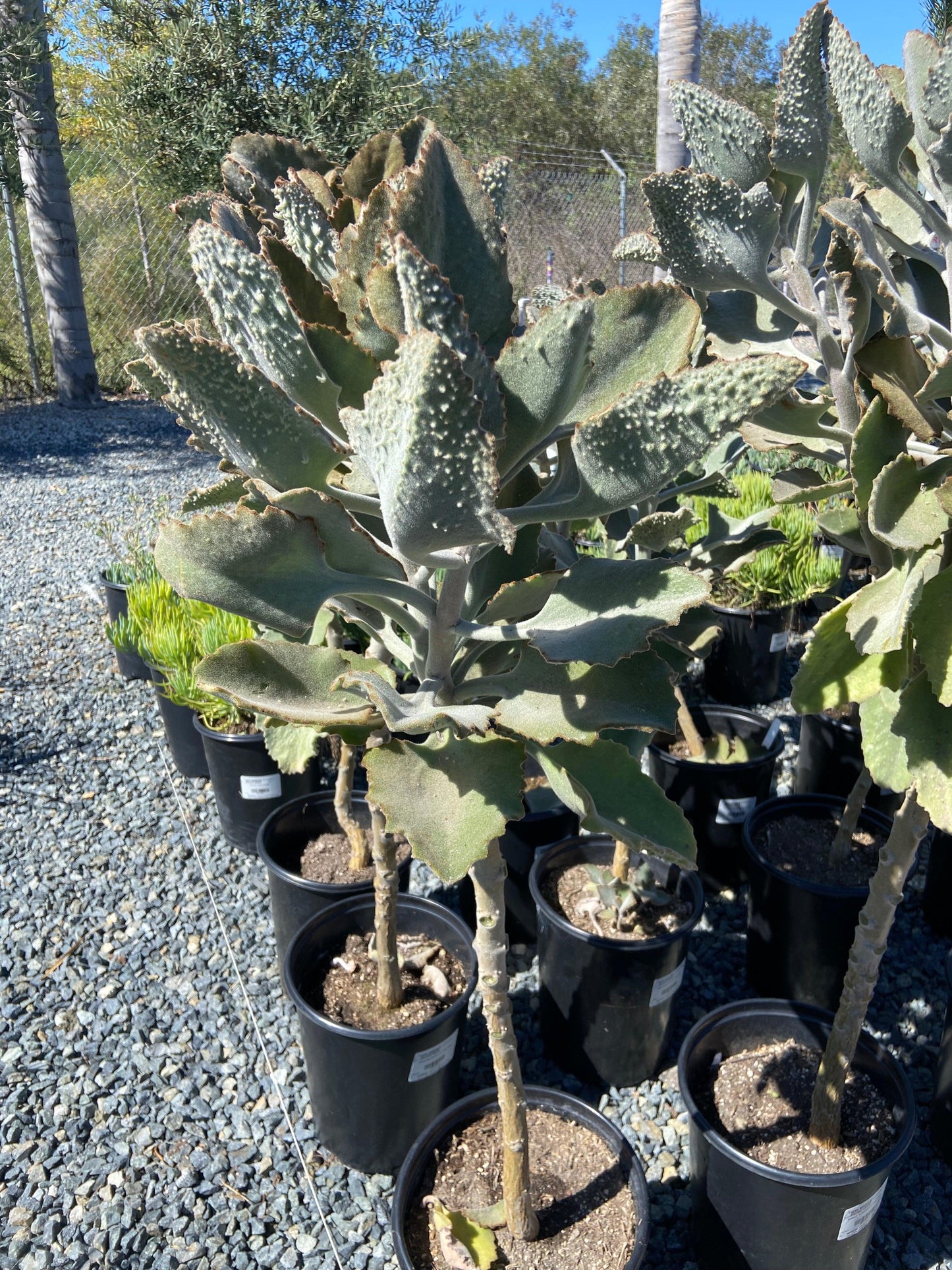

Kalanchoe beharensis (Felt Plant)
Regular price
$175.00
Size
Transform Your Space with Madagascar’s Most Tactile Succulent
Add Kalanchoe beharensis to your collection when you want a rare succulent with oversized, velvety leaves, sculptural growth, and a presence that ordinary succulent plants cannot match.
Also known as the felt plant, felt bush, velvet leaf plant, velvet elephant ear, and elephant’s ear kalanchoe, this Madagascar native brings soft silver-bronze texture and architectural form into bright indoor spaces. Its dramatic foliage can exceed thirty centimeters across, giving each leaf an almost sculptural quality.
Instead of buying another small, familiar kalanchoe, choose a plant that becomes more distinctive as the plant matures: a slow-growing, tree like shrub with a woody trunk, scalloped velvet leaf edges, and year-round visual impact.
Why You’ll Love It
-
Velvet-Soft Texture – Oversized velvety leaves are densely covered on both surfaces with fine silver-bronze trichomes, creating a velvet-like surface that helps reduce water loss and reflect solar radiation.
-
Architectural Growth – This succulent develops an upright, branching, woody trunk with distinct, sharp-angled leaf scars, eventually forming a living sculpture with a spreading canopy.
-
Low-Maintenance Beauty – Kalanchoe beharensis stores water in its leaves and stems, so it needs deep but infrequent watering every 2-3 weeks during the growing season once the soil has dried completely, making it a natural companion to other drought-tolerant California natives like Black Sage.
-
Rare Collector’s Plant – Native to the arid highlands of southern Madagascar, this species can grow several meters tall in its natural habitat and carries the exotic presence collectors look for, much like boldly textured perennials such as Bear's Breeches (Acanthus mollis).
-
Year-Round Interest – Foliage is typically grey-green to olive green, often with silvery or brownish undersides and wavy, scalloped edges that stay attractive through spring, summer, fall, and the winter months.
What Makes It Different
Most succulents focus on compact size, quick color, or simple flowering. Kalanchoe beharensis combines the drought tolerance of a succulent with the scale and structure of a small indoor statement tree.
-
Felt-Like Trichomes – The leaf surface is covered with fine hairs that create a soft bronze-silver finish, giving this felt plant a tactile quality that stands apart from smoother succulent plants.
-
Tree-Form Development – Unlike low-growing types such as Kalanchoe tomentosa, this ear kalanchoe forms strong woody stems, lower leaves may drop over time, and the trunk becomes more character-filled as growth continues, offering a compact indoor echo of larger landscape trees like African Sumac (Rhus lancea).
-
Madagascar Rarity – The genus Kalanchoe includes many ornamental plants, but the name Kalanchoe beharensis refers to a species with a specific epithet tied to Behara in southern Madagascar, making it especially prized in cultivation.
Mature Kalanchoe beharensis plants may also produce small greenish yellow flowers or red-orange tubular blossoms, typically in winter or spring. The flowers are subtle, but the plant’s real value is its dramatic velvet elephant ear foliage and bold form.
How To Grow Kalanchoe beharensis
-
Step 1 – Establish in Bright Light
Place Kalanchoe beharensis where it receives strong light for best growth. Indoors, it can thrive on a south- or west-facing windowsill with bright, direct sunlight in gentle conditions, while bright, indirect light for at least 4-6 hours a day helps prevent leaf scorch in hotter exposures. Outdoors, use full sun in mild climates or partial sun with afternoon shade when direct sunlight is intense. -
Step 2 – Water When Dry
Use a container with drainage holes and well draining soil. Water deeply every 2-3 weeks during the growing season, then allow the soil to dry out completely before watering again. This dry soil rhythm helps protect the roots and avoid overwatering, which is the main cause of root rot. -
Step 3 – Watch It Transform
Over months and years, this succulent gradually builds stronger stems, a more defined woody trunk, and a wider canopy of velvety leaves. Indoors, Kalanchoe beharensis typically stays compact at around 2 to 5 feet tall; in ideal outdoor climates, Kalanchoe beharensis can eventually reach a tree-like size of up to 12 feet tall and wide.
Plant Details
-
Native Origin: Arid highlands of southern Madagascar
-
Common Names: Felt plant, felt bush, velvet leaf plant, elephant ear, elephant’s ear kalanchoe, velvet elephant ear
-
Mature Indoor Size: Around 2 to 5 feet tall, depending on pot size, light, and cultivation conditions
-
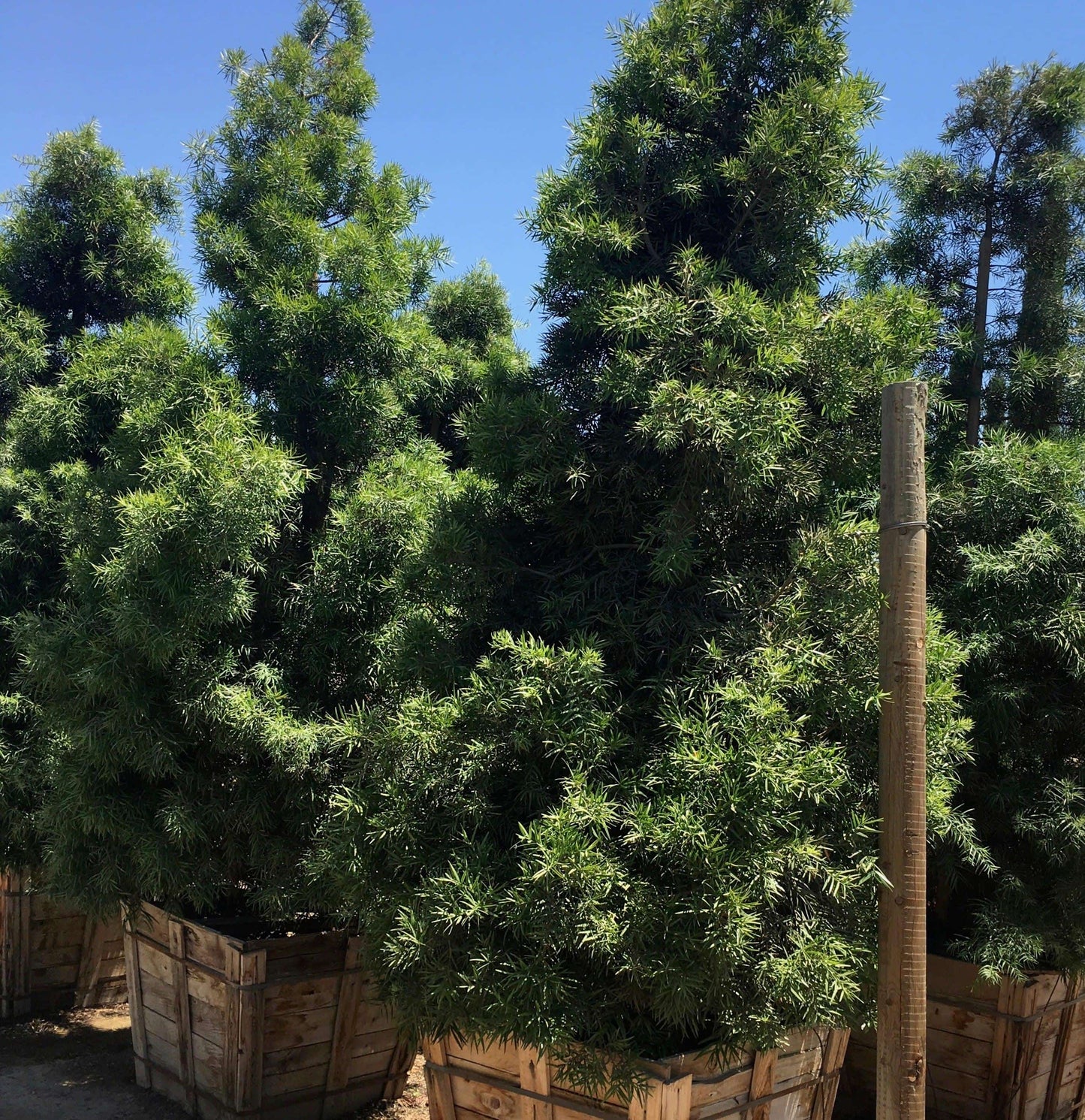
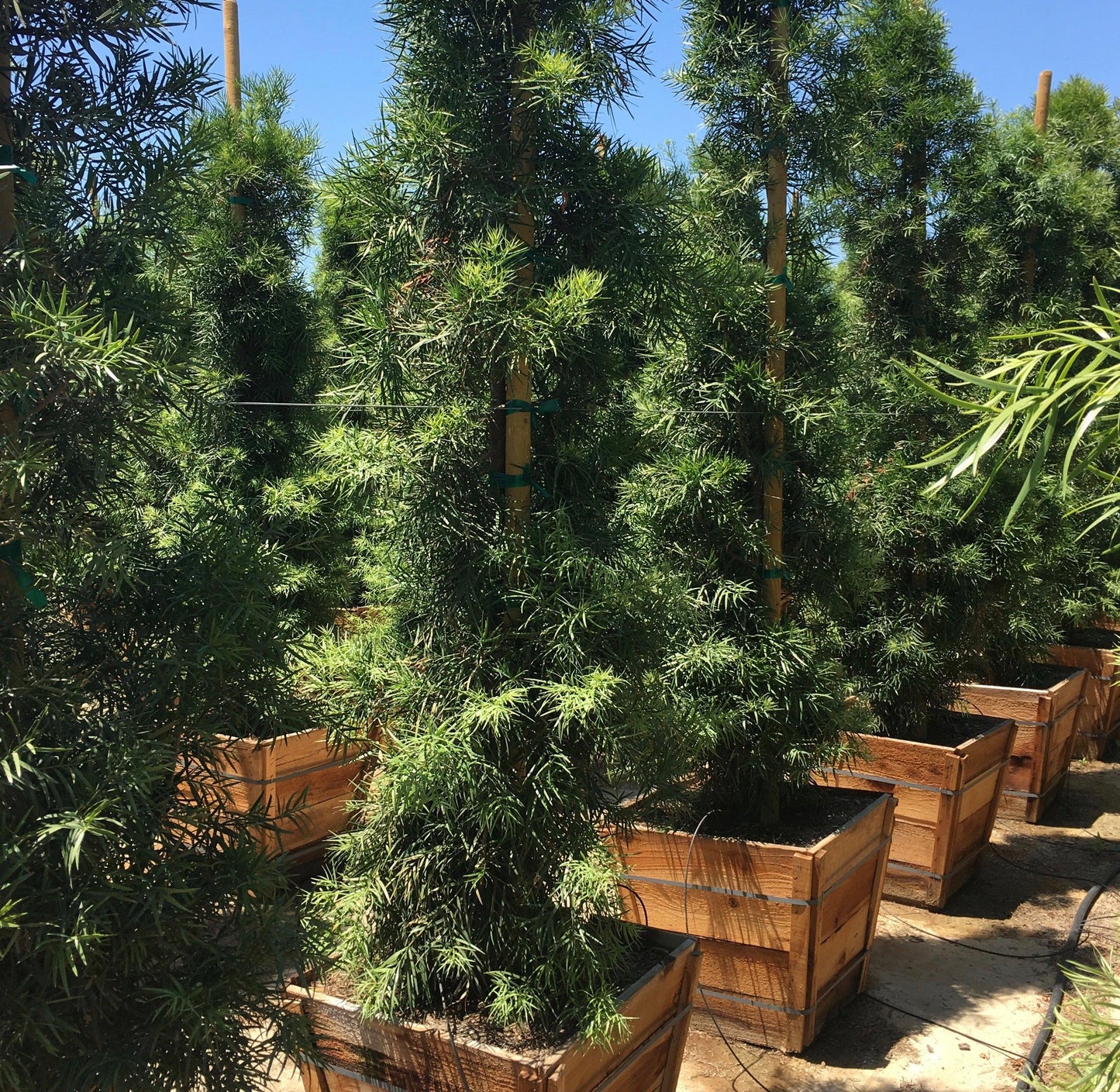
Outdoor Size: In ideal warm climates, up to 12 feet tall and wide, pairing beautifully in California gardens with airy privacy hedges such as Pittosporum Silver Sheen
-
Light Requirements: Bright light; bright, indirect light for 4-6 hours daily is ideal, with protection from harsh direct sunlight that can scorch the leaf surface
-
Best Indoor Placement: South- or west-facing windowsill with strong light and good air movement
-
Soil: Well-drained soil, ideally regular potting soil mixed with perlite or sand to prevent waterlogging
-
Pot Requirements: Use a pot with drainage holes so excess water leaves the container freely
-
Watering: Deep but infrequent water every 2-3 weeks during spring and summer; reduce watering in winter months
-
Temperature: Best in warm temperatures between 60°F and 95°F (15°C–35°C)
-
Cold Protection: Kalanchoe beharensis should be protected from frost and must be brought indoors when temperatures drop below 50°F (10°C)
-
Humidity: Adapts well to standard indoor environments and room humidity, though it prefers low humidity
-
Foliage: Grey-green to olive green leaves with silvery or brownish undersides, wavy scalloped edges, and a soft covering of hairs
-
Flowers: Mature plants can produce small greenish-yellow or red-orange tubular flowers in winter or spring
-
Pest Resistance: Resistant to most common household pests because of its tough, hairy leaves and succulent nature, though spider mites may appear in overly dry or stressed conditions
-
Propagation: Can be propagated from stem cuttings or leaf cuttings; use clean cuts and allow cuttings to callus before placing them in dry, well draining soil
-
Pet Safety: Kalanchoe beharensis, also known as the Felt Plant, is mildly toxic to cats and dogs if ingested and may cause gastrointestinal discomfort
Who It’s For
Ideal for:
-
Succulent collectors seeking rare and unusual specimens from Madagascar
-
Interior designers looking for architectural plant statements with texture and scale
-
Plant enthusiasts who appreciate soft, velvety leaves and unusual foliage
-
Homeowners wanting a low-maintenance succulent with high visual impact
-
California plant lovers with bright rooms, patios, or protected outdoor spaces in suitable USDA zones who may already be growing versatile shrubs like Cheesewood (Pittosporum)
If you want a distinctive Madagascar native that feels as special as it looks, Kalanchoe beharensis fits beautifully into bright interiors, warm patios, and curated succulent displays. Keep it out of reach of pets and children to prevent any potential toxicity issues.
Frequently Asked Questions
How often should I water my Felt Plant?
Water Kalanchoe beharensis deeply every 2-3 weeks during the growing season, allowing the soil to dry out completely between waterings to avoid root rot. In winter, water less often because growth slows and the plant uses less moisture.
Will the velvety texture last over time?
Yes. The velvet leaf surface is part of the plant’s natural structure. As the plant matures, the silver-bronze trichomes can become richer in color and texture, especially with enough sun, good drainage, and low humidity. Avoid rubbing the leaf surface with a damp cloth, since handling can damage the soft hairs.
Is this suitable for beginners?
Absolutely. Kalanchoe beharensis is forgiving when grown in warm temperatures, bright indirect light, and well draining soil. The key is simple: avoid overwatering, protect it from frost, and give it enough light to keep its compact form.
Is Kalanchoe beharensis safe for pets?
Kalanchoe beharensis is considered mildly toxic to cats and dogs if ingested. Symptoms of Kalanchoe beharensis toxicity in pets may include vomiting and diarrhea, indicating the need for immediate veterinary attention if ingested.
Can I grow it outdoors?
Yes, in warm, frost-free regions. Kalanchoe beharensis performs best outdoors in suitable USDA zones with strong sun, excellent drainage, and protection from cold. In hot inland areas, afternoon shade helps protect the leaves from scorch.
Ready to Add This Madagascar Beauty?
Choose Kalanchoe beharensis and experience the rare combination of tactile appeal, drought-smart care, and architectural presence. Yardwork offers expert plant selection, California-friendly shipping, and consultation support to help you place your felt plant in the right light, soil, and container from day one.
Transform Your Space with Madagascar’s Most Tactile Succulent
Add Kalanchoe beharensis to your collection when you want a rare succulent with oversized, velvety leaves, sculptural growth, and a presence that ordinary succulent plants cannot match.
Also known as the felt plant, felt bush, velvet leaf plant, velvet elephant ear, and elephant’s ear kalanchoe, this Madagascar native brings soft silver-bronze texture and architectural form into bright indoor spaces. Its dramatic foliage can exceed thirty centimeters across, giving each leaf an almost sculptural quality.
Instead of buying another small, familiar kalanchoe, choose a plant that becomes more distinctive as the plant matures: a slow-growing, tree like shrub with a woody trunk, scalloped velvet leaf edges, and year-round visual impact.
Why You’ll Love It
-
Velvet-Soft Texture – Oversized velvety leaves are densely covered on both surfaces with fine silver-bronze trichomes, creating a velvet-like surface that helps reduce water loss and reflect solar radiation.
-
Architectural Growth – This succulent develops an upright, branching, woody trunk with distinct, sharp-angled leaf scars, eventually forming a living sculpture with a spreading canopy.
-
Low-Maintenance Beauty – Kalanchoe beharensis stores water in its leaves and stems, so it needs deep but infrequent watering every 2-3 weeks during the growing season once the soil has dried completely, making it a natural companion to other drought-tolerant California natives like Black Sage.
-
Rare Collector’s Plant – Native to the arid highlands of southern Madagascar, this species can grow several meters tall in its natural habitat and carries the exotic presence collectors look for, much like boldly textured perennials such as Bear's Breeches (Acanthus mollis).
-
Year-Round Interest – Foliage is typically grey-green to olive green, often with silvery or brownish undersides and wavy, scalloped edges that stay attractive through spring, summer, fall, and the winter months.
What Makes It Different
Most succulents focus on compact size, quick color, or simple flowering. Kalanchoe beharensis combines the drought tolerance of a succulent with the scale and structure of a small indoor statement tree.
-
Felt-Like Trichomes – The leaf surface is covered with fine hairs that create a soft bronze-silver finish, giving this felt plant a tactile quality that stands apart from smoother succulent plants.
-
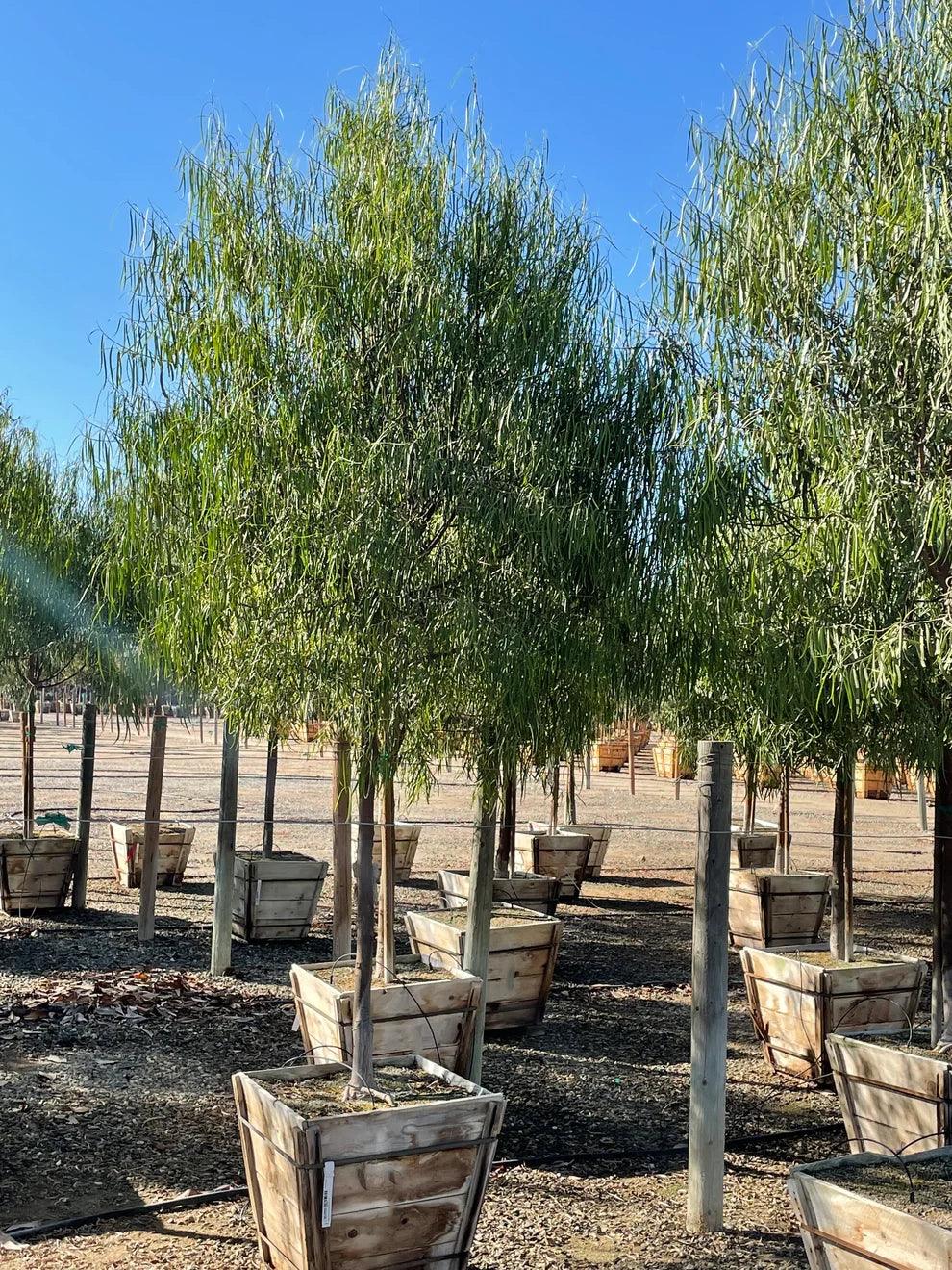
Tree-Form Development – Unlike low-growing types such as Kalanchoe tomentosa, this ear kalanchoe forms strong woody stems, lower leaves may drop over time, and the trunk becomes more character-filled as growth continues, offering a compact indoor echo of larger landscape trees like African Sumac (Rhus lancea).
-
Madagascar Rarity – The genus Kalanchoe includes many ornamental plants, but the name Kalanchoe beharensis refers to a species with a specific epithet tied to Behara in southern Madagascar, making it especially prized in cultivation.
Mature Kalanchoe beharensis plants may also produce small greenish yellow flowers or red-orange tubular blossoms, typically in winter or spring. The flowers are subtle, but the plant’s real value is its dramatic velvet elephant ear foliage and bold form.
How To Grow Kalanchoe beharensis
-
Step 1 – Establish in Bright Light
Place Kalanchoe beharensis where it receives strong light for best growth. Indoors, it can thrive on a south- or west-facing windowsill with bright, direct sunlight in gentle conditions, while bright, indirect light for at least 4-6 hours a day helps prevent leaf scorch in hotter exposures. Outdoors, use full sun in mild climates or partial sun with afternoon shade when direct sunlight is intense. -
Step 2 – Water When Dry
Use a container with drainage holes and well draining soil. Water deeply every 2-3 weeks during the growing season, then allow the soil to dry out completely before watering again. This dry soil rhythm helps protect the roots and avoid overwatering, which is the main cause of root rot. -
Step 3 – Watch It Transform
Over months and years, this succulent gradually builds stronger stems, a more defined woody trunk, and a wider canopy of velvety leaves. Indoors, Kalanchoe beharensis typically stays compact at around 2 to 5 feet tall; in ideal outdoor climates, Kalanchoe beharensis can eventually reach a tree-like size of up to 12 feet tall and wide.
Plant Details
-
Native Origin: Arid highlands of southern Madagascar
-
Common Names: Felt plant, felt bush, velvet leaf plant, elephant ear, elephant’s ear kalanchoe, velvet elephant ear
-
Mature Indoor Size: Around 2 to 5 feet tall, depending on pot size, light, and cultivation conditions
-
Outdoor Size: In ideal warm climates, up to 12 feet tall and wide, pairing beautifully in California gardens with airy privacy hedges such as Pittosporum Silver Sheen
-
Light Requirements: Bright light; bright, indirect light for 4-6 hours daily is ideal, with protection from harsh direct sunlight that can scorch the leaf surface
-
Best Indoor Placement: South- or west-facing windowsill with strong light and good air movement
-
Soil: Well-drained soil, ideally regular potting soil mixed with perlite or sand to prevent waterlogging
-
Pot Requirements: Use a pot with drainage holes so excess water leaves the container freely
-
Watering: Deep but infrequent water every 2-3 weeks during spring and summer; reduce watering in winter months
-
Temperature: Best in warm temperatures between 60°F and 95°F (15°C–35°C)
-
Cold Protection: Kalanchoe beharensis should be protected from frost and must be brought indoors when temperatures drop below 50°F (10°C)
-
Humidity: Adapts well to standard indoor environments and room humidity, though it prefers low humidity
-
Foliage: Grey-green to olive green leaves with silvery or brownish undersides, wavy scalloped edges, and a soft covering of hairs
-
Flowers: Mature plants can produce small greenish-yellow or red-orange tubular flowers in winter or spring
-
Pest Resistance: Resistant to most common household pests because of its tough, hairy leaves and succulent nature, though spider mites may appear in overly dry or stressed conditions
-
Propagation: Can be propagated from stem cuttings or leaf cuttings; use clean cuts and allow cuttings to callus before placing them in dry, well draining soil
-
Pet Safety: Kalanchoe beharensis, also known as the Felt Plant, is mildly toxic to cats and dogs if ingested and may cause gastrointestinal discomfort
Who It’s For
Ideal for:
-
Succulent collectors seeking rare and unusual specimens from Madagascar
-
Interior designers looking for architectural plant statements with texture and scale
-
Plant enthusiasts who appreciate soft, velvety leaves and unusual foliage
-
Homeowners wanting a low-maintenance succulent with high visual impact
-
California plant lovers with bright rooms, patios, or protected outdoor spaces in suitable USDA zones who may already be growing versatile shrubs like Cheesewood (Pittosporum)
If you want a distinctive Madagascar native that feels as special as it looks, Kalanchoe beharensis fits beautifully into bright interiors, warm patios, and curated succulent displays. Keep it out of reach of pets and children to prevent any potential toxicity issues.
Frequently Asked Questions
How often should I water my Felt Plant?
Water Kalanchoe beharensis deeply every 2-3 weeks during the growing season, allowing the soil to dry out completely between waterings to avoid root rot. In winter, water less often because growth slows and the plant uses less moisture.
Will the velvety texture last over time?
Yes. The velvet leaf surface is part of the plant’s natural structure. As the plant matures, the silver-bronze trichomes can become richer in color and texture, especially with enough sun, good drainage, and low humidity. Avoid rubbing the leaf surface with a damp cloth, since handling can damage the soft hairs.
Is this suitable for beginners?
Absolutely. Kalanchoe beharensis is forgiving when grown in warm temperatures, bright indirect light, and well draining soil. The key is simple: avoid overwatering, protect it from frost, and give it enough light to keep its compact form.
Is Kalanchoe beharensis safe for pets?
Kalanchoe beharensis is considered mildly toxic to cats and dogs if ingested. Symptoms of Kalanchoe beharensis toxicity in pets may include vomiting and diarrhea, indicating the need for immediate veterinary attention if ingested.
Can I grow it outdoors?
Yes, in warm, frost-free regions. Kalanchoe beharensis performs best outdoors in suitable USDA zones with strong sun, excellent drainage, and protection from cold. In hot inland areas, afternoon shade helps protect the leaves from scorch.
Ready to Add This Madagascar Beauty?
Choose Kalanchoe beharensis and experience the rare combination of tactile appeal, drought-smart care, and architectural presence. Yardwork offers expert plant selection, California-friendly shipping, and consultation support to help you place your felt plant in the right light, soil, and container from day one.
Plants vary greatly by type and no guarantees are made on sizing.
However here is a rough idea of sizes based on containers that are direct from our growing grounds.
15 Gallon Shrub 3-4 Ft. Tall
15 Gallon Tree 5-6 Ft. Tall
24" Box Shrub 5-6 Ft. Tall
24" Box Tree 6-7 Ft. Tall
36" Box Tree 8-10 Ft. Tall
48" Box Tree 10-12 Ft. Tall
Please note: Citrus and California Native plants such as Manzanita are smaller than traditional sizing.
Please contact us to confirm sizing of items before purchasing if this is a concern.
Plants vary greatly by type and no guarantees are made on sizing.
However here is a rough idea of sizes based on containers that are direct from our growing grounds.
15 Gallon Shrub 3-4 Ft. Tall
15 Gallon Tree 5-6 Ft. Tall
24" Box Shrub 5-6 Ft. Tall
24" Box Tree 6-7 Ft. Tall
36" Box Tree 8-10 Ft. Tall
48" Box Tree 10-12 Ft. Tall
Please note: Citrus and California Native plants such as Manzanita are smaller than traditional sizing.
Please contact us to confirm sizing of items before purchasing if this is a concern.
Delivery does not include unloading of trees and plants larger than a 24" box.
Trees and plants in smaller containers will be dropped curbside.
Delivery beyond a curbside drop will be charged extra.
Trees and plants that are sold in container sizes larger than a 24" box size will require equipment and an operator onsite to help unload from the truck.
Please reach out to our team PRIOR to placing your order to coordinate.
Our team can provide unloading assistance with equipment for an extra fee.
Delivery does not include unloading of trees and plants larger than a 24" box.
Trees and plants in smaller containers will be dropped curbside.
Delivery beyond a curbside drop will be charged extra.
Trees and plants that are sold in container sizes larger than a 24" box size will require equipment and an operator onsite to help unload from the truck.
Please reach out to our team PRIOR to placing your order to coordinate.
Our team can provide unloading assistance with equipment for an extra fee.
You may also like...


Kalanchoe beharensis (Felt Plant)
Regular price
$175.00
Size
Transform Your Space with Madagascar’s Most Tactile Succulent
Add Kalanchoe beharensis to your collection when you want a rare succulent with oversized, velvety leaves, sculptural growth, and a presence that ordinary succulent plants cannot match.
Also known as the felt plant, felt bush, velvet leaf plant, velvet elephant ear, and elephant’s ear kalanchoe, this Madagascar native brings soft silver-bronze texture and architectural form into bright indoor spaces. Its dramatic foliage can exceed thirty centimeters across, giving each leaf an almost sculptural quality.
Instead of buying another small, familiar kalanchoe, choose a plant that becomes more distinctive as the plant matures: a slow-growing, tree like shrub with a woody trunk, scalloped velvet leaf edges, and year-round visual impact.
Why You’ll Love It
-
Velvet-Soft Texture – Oversized velvety leaves are densely covered on both surfaces with fine silver-bronze trichomes, creating a velvet-like surface that helps reduce water loss and reflect solar radiation.
-
Architectural Growth – This succulent develops an upright, branching, woody trunk with distinct, sharp-angled leaf scars, eventually forming a living sculpture with a spreading canopy.
-
Low-Maintenance Beauty – Kalanchoe beharensis stores water in its leaves and stems, so it needs deep but infrequent watering every 2-3 weeks during the growing season once the soil has dried completely, making it a natural companion to other drought-tolerant California natives like Black Sage.
-
Rare Collector’s Plant – Native to the arid highlands of southern Madagascar, this species can grow several meters tall in its natural habitat and carries the exotic presence collectors look for, much like boldly textured perennials such as Bear's Breeches (Acanthus mollis).
-
Year-Round Interest – Foliage is typically grey-green to olive green, often with silvery or brownish undersides and wavy, scalloped edges that stay attractive through spring, summer, fall, and the winter months.
What Makes It Different
Most succulents focus on compact size, quick color, or simple flowering. Kalanchoe beharensis combines the drought tolerance of a succulent with the scale and structure of a small indoor statement tree.
-
Felt-Like Trichomes – The leaf surface is covered with fine hairs that create a soft bronze-silver finish, giving this felt plant a tactile quality that stands apart from smoother succulent plants.
-
Tree-Form Development – Unlike low-growing types such as Kalanchoe tomentosa, this ear kalanchoe forms strong woody stems, lower leaves may drop over time, and the trunk becomes more character-filled as growth continues, offering a compact indoor echo of larger landscape trees like African Sumac (Rhus lancea).
-
Madagascar Rarity – The genus Kalanchoe includes many ornamental plants, but the name Kalanchoe beharensis refers to a species with a specific epithet tied to Behara in southern Madagascar, making it especially prized in cultivation.
Mature Kalanchoe beharensis plants may also produce small greenish yellow flowers or red-orange tubular blossoms, typically in winter or spring. The flowers are subtle, but the plant’s real value is its dramatic velvet elephant ear foliage and bold form.
How To Grow Kalanchoe beharensis
-
Step 1 – Establish in Bright Light
Place Kalanchoe beharensis where it receives strong light for best growth. Indoors, it can thrive on a south- or west-facing windowsill with bright, direct sunlight in gentle conditions, while bright, indirect light for at least 4-6 hours a day helps prevent leaf scorch in hotter exposures. Outdoors, use full sun in mild climates or partial sun with afternoon shade when direct sunlight is intense. -
Step 2 – Water When Dry
Use a container with drainage holes and well draining soil. Water deeply every 2-3 weeks during the growing season, then allow the soil to dry out completely before watering again. This dry soil rhythm helps protect the roots and avoid overwatering, which is the main cause of root rot. -
Step 3 – Watch It Transform
Over months and years, this succulent gradually builds stronger stems, a more defined woody trunk, and a wider canopy of velvety leaves. Indoors, Kalanchoe beharensis typically stays compact at around 2 to 5 feet tall; in ideal outdoor climates, Kalanchoe beharensis can eventually reach a tree-like size of up to 12 feet tall and wide.
Plant Details
-
Native Origin: Arid highlands of southern Madagascar
-
Common Names: Felt plant, felt bush, velvet leaf plant, elephant ear, elephant’s ear kalanchoe, velvet elephant ear
-
Mature Indoor Size: Around 2 to 5 feet tall, depending on pot size, light, and cultivation conditions
-
Outdoor Size: In ideal warm climates, up to 12 feet tall and wide, pairing beautifully in California gardens with airy privacy hedges such as Pittosporum Silver Sheen
-
Light Requirements: Bright light; bright, indirect light for 4-6 hours daily is ideal, with protection from harsh direct sunlight that can scorch the leaf surface
-
Best Indoor Placement: South- or west-facing windowsill with strong light and good air movement
-
Soil: Well-drained soil, ideally regular potting soil mixed with perlite or sand to prevent waterlogging
-
Pot Requirements: Use a pot with drainage holes so excess water leaves the container freely
-
Watering: Deep but infrequent water every 2-3 weeks during spring and summer; reduce watering in winter months
-
Temperature: Best in warm temperatures between 60°F and 95°F (15°C–35°C)
-
Cold Protection: Kalanchoe beharensis should be protected from frost and must be brought indoors when temperatures drop below 50°F (10°C)
-
Humidity: Adapts well to standard indoor environments and room humidity, though it prefers low humidity
-
Foliage: Grey-green to olive green leaves with silvery or brownish undersides, wavy scalloped edges, and a soft covering of hairs
-
Flowers: Mature plants can produce small greenish-yellow or red-orange tubular flowers in winter or spring
-
Pest Resistance: Resistant to most common household pests because of its tough, hairy leaves and succulent nature, though spider mites may appear in overly dry or stressed conditions
-
Propagation: Can be propagated from stem cuttings or leaf cuttings; use clean cuts and allow cuttings to callus before placing them in dry, well draining soil
-
Pet Safety: Kalanchoe beharensis, also known as the Felt Plant, is mildly toxic to cats and dogs if ingested and may cause gastrointestinal discomfort
Who It’s For
Ideal for:
-
Succulent collectors seeking rare and unusual specimens from Madagascar
-
Interior designers looking for architectural plant statements with texture and scale
-
Plant enthusiasts who appreciate soft, velvety leaves and unusual foliage
-
Homeowners wanting a low-maintenance succulent with high visual impact
-
California plant lovers with bright rooms, patios, or protected outdoor spaces in suitable USDA zones who may already be growing versatile shrubs like Cheesewood (Pittosporum)
If you want a distinctive Madagascar native that feels as special as it looks, Kalanchoe beharensis fits beautifully into bright interiors, warm patios, and curated succulent displays. Keep it out of reach of pets and children to prevent any potential toxicity issues.
Frequently Asked Questions
How often should I water my Felt Plant?
Water Kalanchoe beharensis deeply every 2-3 weeks during the growing season, allowing the soil to dry out completely between waterings to avoid root rot. In winter, water less often because growth slows and the plant uses less moisture.
Will the velvety texture last over time?
Yes. The velvet leaf surface is part of the plant’s natural structure. As the plant matures, the silver-bronze trichomes can become richer in color and texture, especially with enough sun, good drainage, and low humidity. Avoid rubbing the leaf surface with a damp cloth, since handling can damage the soft hairs.
Is this suitable for beginners?
Absolutely. Kalanchoe beharensis is forgiving when grown in warm temperatures, bright indirect light, and well draining soil. The key is simple: avoid overwatering, protect it from frost, and give it enough light to keep its compact form.
Is Kalanchoe beharensis safe for pets?
Kalanchoe beharensis is considered mildly toxic to cats and dogs if ingested. Symptoms of Kalanchoe beharensis toxicity in pets may include vomiting and diarrhea, indicating the need for immediate veterinary attention if ingested.
Can I grow it outdoors?
Yes, in warm, frost-free regions. Kalanchoe beharensis performs best outdoors in suitable USDA zones with strong sun, excellent drainage, and protection from cold. In hot inland areas, afternoon shade helps protect the leaves from scorch.
Ready to Add This Madagascar Beauty?
Choose Kalanchoe beharensis and experience the rare combination of tactile appeal, drought-smart care, and architectural presence. Yardwork offers expert plant selection, California-friendly shipping, and consultation support to help you place your felt plant in the right light, soil, and container from day one.
Transform Your Space with Madagascar’s Most Tactile Succulent
Add Kalanchoe beharensis to your collection when you want a rare succulent with oversized, velvety leaves, sculptural growth, and a presence that ordinary succulent plants cannot match.
Also known as the felt plant, felt bush, velvet leaf plant, velvet elephant ear, and elephant’s ear kalanchoe, this Madagascar native brings soft silver-bronze texture and architectural form into bright indoor spaces. Its dramatic foliage can exceed thirty centimeters across, giving each leaf an almost sculptural quality.
Instead of buying another small, familiar kalanchoe, choose a plant that becomes more distinctive as the plant matures: a slow-growing, tree like shrub with a woody trunk, scalloped velvet leaf edges, and year-round visual impact.
Why You’ll Love It
-
Velvet-Soft Texture – Oversized velvety leaves are densely covered on both surfaces with fine silver-bronze trichomes, creating a velvet-like surface that helps reduce water loss and reflect solar radiation.
-
Architectural Growth – This succulent develops an upright, branching, woody trunk with distinct, sharp-angled leaf scars, eventually forming a living sculpture with a spreading canopy.
-
Low-Maintenance Beauty – Kalanchoe beharensis stores water in its leaves and stems, so it needs deep but infrequent watering every 2-3 weeks during the growing season once the soil has dried completely, making it a natural companion to other drought-tolerant California natives like Black Sage.
-
Rare Collector’s Plant – Native to the arid highlands of southern Madagascar, this species can grow several meters tall in its natural habitat and carries the exotic presence collectors look for, much like boldly textured perennials such as Bear's Breeches (Acanthus mollis).
-
Year-Round Interest – Foliage is typically grey-green to olive green, often with silvery or brownish undersides and wavy, scalloped edges that stay attractive through spring, summer, fall, and the winter months.
What Makes It Different
Most succulents focus on compact size, quick color, or simple flowering. Kalanchoe beharensis combines the drought tolerance of a succulent with the scale and structure of a small indoor statement tree.
-
Felt-Like Trichomes – The leaf surface is covered with fine hairs that create a soft bronze-silver finish, giving this felt plant a tactile quality that stands apart from smoother succulent plants.
-
Tree-Form Development – Unlike low-growing types such as Kalanchoe tomentosa, this ear kalanchoe forms strong woody stems, lower leaves may drop over time, and the trunk becomes more character-filled as growth continues, offering a compact indoor echo of larger landscape trees like African Sumac (Rhus lancea).
-
Madagascar Rarity – The genus Kalanchoe includes many ornamental plants, but the name Kalanchoe beharensis refers to a species with a specific epithet tied to Behara in southern Madagascar, making it especially prized in cultivation.
Mature Kalanchoe beharensis plants may also produce small greenish yellow flowers or red-orange tubular blossoms, typically in winter or spring. The flowers are subtle, but the plant’s real value is its dramatic velvet elephant ear foliage and bold form.
How To Grow Kalanchoe beharensis
-
Step 1 – Establish in Bright Light
Place Kalanchoe beharensis where it receives strong light for best growth. Indoors, it can thrive on a south- or west-facing windowsill with bright, direct sunlight in gentle conditions, while bright, indirect light for at least 4-6 hours a day helps prevent leaf scorch in hotter exposures. Outdoors, use full sun in mild climates or partial sun with afternoon shade when direct sunlight is intense. -
Step 2 – Water When Dry
Use a container with drainage holes and well draining soil. Water deeply every 2-3 weeks during the growing season, then allow the soil to dry out completely before watering again. This dry soil rhythm helps protect the roots and avoid overwatering, which is the main cause of root rot. -
Step 3 – Watch It Transform
Over months and years, this succulent gradually builds stronger stems, a more defined woody trunk, and a wider canopy of velvety leaves. Indoors, Kalanchoe beharensis typically stays compact at around 2 to 5 feet tall; in ideal outdoor climates, Kalanchoe beharensis can eventually reach a tree-like size of up to 12 feet tall and wide.
Plant Details
-
Native Origin: Arid highlands of southern Madagascar
-
Common Names: Felt plant, felt bush, velvet leaf plant, elephant ear, elephant’s ear kalanchoe, velvet elephant ear
-
Mature Indoor Size: Around 2 to 5 feet tall, depending on pot size, light, and cultivation conditions
-
Outdoor Size: In ideal warm climates, up to 12 feet tall and wide, pairing beautifully in California gardens with airy privacy hedges such as Pittosporum Silver Sheen
-
Light Requirements: Bright light; bright, indirect light for 4-6 hours daily is ideal, with protection from harsh direct sunlight that can scorch the leaf surface
-
Best Indoor Placement: South- or west-facing windowsill with strong light and good air movement
-
Soil: Well-drained soil, ideally regular potting soil mixed with perlite or sand to prevent waterlogging
-
Pot Requirements: Use a pot with drainage holes so excess water leaves the container freely
-
Watering: Deep but infrequent water every 2-3 weeks during spring and summer; reduce watering in winter months
-
Temperature: Best in warm temperatures between 60°F and 95°F (15°C–35°C)
-
Cold Protection: Kalanchoe beharensis should be protected from frost and must be brought indoors when temperatures drop below 50°F (10°C)
-
Humidity: Adapts well to standard indoor environments and room humidity, though it prefers low humidity
-
Foliage: Grey-green to olive green leaves with silvery or brownish undersides, wavy scalloped edges, and a soft covering of hairs
-
Flowers: Mature plants can produce small greenish-yellow or red-orange tubular flowers in winter or spring
-
Pest Resistance: Resistant to most common household pests because of its tough, hairy leaves and succulent nature, though spider mites may appear in overly dry or stressed conditions
-
Propagation: Can be propagated from stem cuttings or leaf cuttings; use clean cuts and allow cuttings to callus before placing them in dry, well draining soil
-
Pet Safety: Kalanchoe beharensis, also known as the Felt Plant, is mildly toxic to cats and dogs if ingested and may cause gastrointestinal discomfort
Who It’s For
Ideal for:
-
Succulent collectors seeking rare and unusual specimens from Madagascar
-
Interior designers looking for architectural plant statements with texture and scale
-
Plant enthusiasts who appreciate soft, velvety leaves and unusual foliage
-
Homeowners wanting a low-maintenance succulent with high visual impact
-
California plant lovers with bright rooms, patios, or protected outdoor spaces in suitable USDA zones who may already be growing versatile shrubs like Cheesewood (Pittosporum)
If you want a distinctive Madagascar native that feels as special as it looks, Kalanchoe beharensis fits beautifully into bright interiors, warm patios, and curated succulent displays. Keep it out of reach of pets and children to prevent any potential toxicity issues.
Frequently Asked Questions
How often should I water my Felt Plant?
Water Kalanchoe beharensis deeply every 2-3 weeks during the growing season, allowing the soil to dry out completely between waterings to avoid root rot. In winter, water less often because growth slows and the plant uses less moisture.
Will the velvety texture last over time?
Yes. The velvet leaf surface is part of the plant’s natural structure. As the plant matures, the silver-bronze trichomes can become richer in color and texture, especially with enough sun, good drainage, and low humidity. Avoid rubbing the leaf surface with a damp cloth, since handling can damage the soft hairs.
Is this suitable for beginners?
Absolutely. Kalanchoe beharensis is forgiving when grown in warm temperatures, bright indirect light, and well draining soil. The key is simple: avoid overwatering, protect it from frost, and give it enough light to keep its compact form.
Is Kalanchoe beharensis safe for pets?
Kalanchoe beharensis is considered mildly toxic to cats and dogs if ingested. Symptoms of Kalanchoe beharensis toxicity in pets may include vomiting and diarrhea, indicating the need for immediate veterinary attention if ingested.
Can I grow it outdoors?
Yes, in warm, frost-free regions. Kalanchoe beharensis performs best outdoors in suitable USDA zones with strong sun, excellent drainage, and protection from cold. In hot inland areas, afternoon shade helps protect the leaves from scorch.
Ready to Add This Madagascar Beauty?
Choose Kalanchoe beharensis and experience the rare combination of tactile appeal, drought-smart care, and architectural presence. Yardwork offers expert plant selection, California-friendly shipping, and consultation support to help you place your felt plant in the right light, soil, and container from day one.
Plants vary greatly by type and no guarantees are made on sizing.
However here is a rough idea of sizes based on containers that are direct from our growing grounds.
15 Gallon Shrub 3-4 Ft. Tall
15 Gallon Tree 5-6 Ft. Tall
24" Box Shrub 5-6 Ft. Tall
24" Box Tree 6-7 Ft. Tall
36" Box Tree 8-10 Ft. Tall
48" Box Tree 10-12 Ft. Tall
Please note: Citrus and California Native plants such as Manzanita are smaller than traditional sizing.
Please contact us to confirm sizing of items before purchasing if this is a concern.
Plants vary greatly by type and no guarantees are made on sizing.
However here is a rough idea of sizes based on containers that are direct from our growing grounds.
15 Gallon Shrub 3-4 Ft. Tall
15 Gallon Tree 5-6 Ft. Tall
24" Box Shrub 5-6 Ft. Tall
24" Box Tree 6-7 Ft. Tall
36" Box Tree 8-10 Ft. Tall
48" Box Tree 10-12 Ft. Tall
Please note: Citrus and California Native plants such as Manzanita are smaller than traditional sizing.
Please contact us to confirm sizing of items before purchasing if this is a concern.
Delivery does not include unloading of trees and plants larger than a 24" box.
Trees and plants in smaller containers will be dropped curbside.
Delivery beyond a curbside drop will be charged extra.
Trees and plants that are sold in container sizes larger than a 24" box size will require equipment and an operator onsite to help unload from the truck.
Please reach out to our team PRIOR to placing your order to coordinate.
Our team can provide unloading assistance with equipment for an extra fee.
Delivery does not include unloading of trees and plants larger than a 24" box.
Trees and plants in smaller containers will be dropped curbside.
Delivery beyond a curbside drop will be charged extra.
Trees and plants that are sold in container sizes larger than a 24" box size will require equipment and an operator onsite to help unload from the truck.
Please reach out to our team PRIOR to placing your order to coordinate.
Our team can provide unloading assistance with equipment for an extra fee.
Recommended For You















Pairs Well With













You May Also Like












Thousands of Healthy Plants Delivered


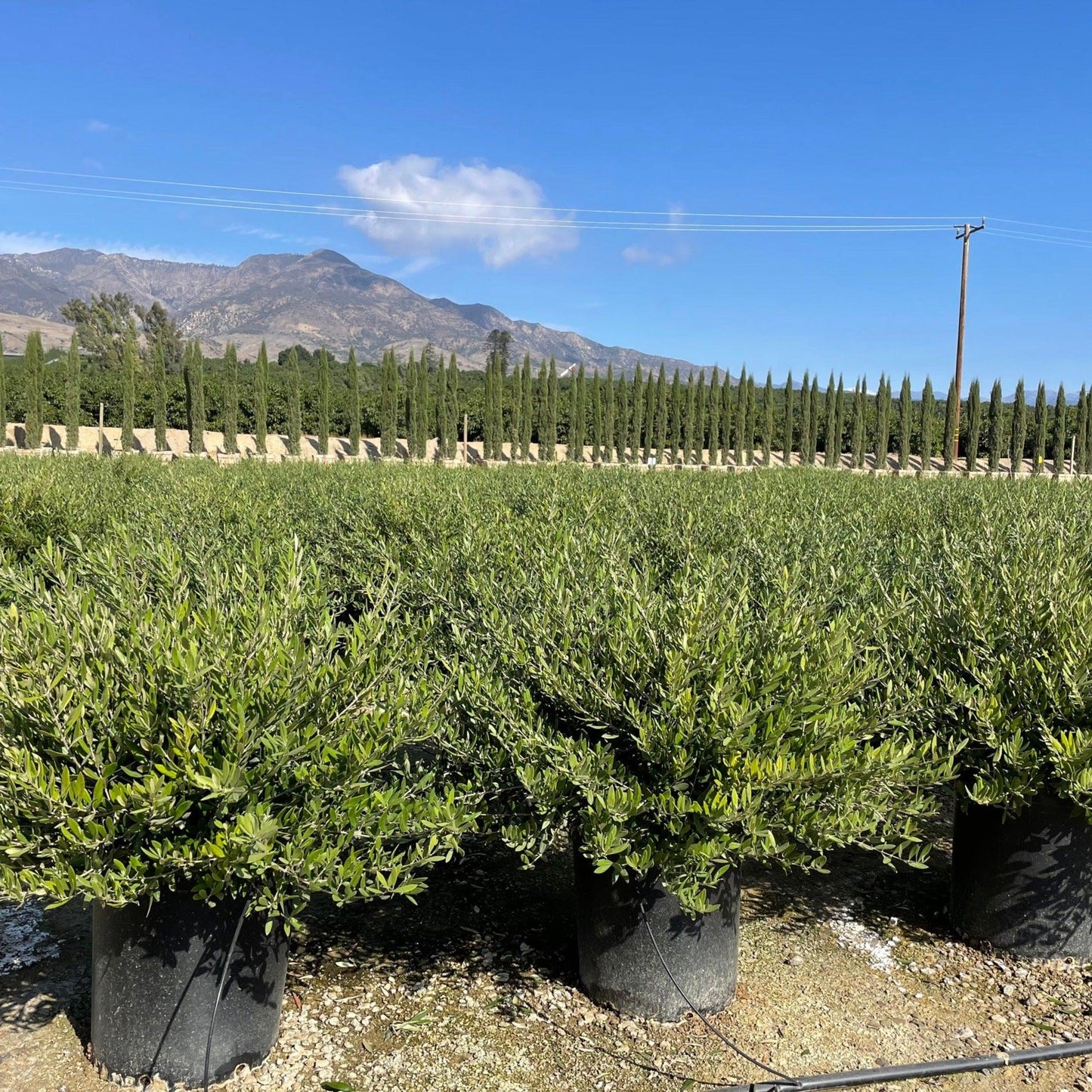
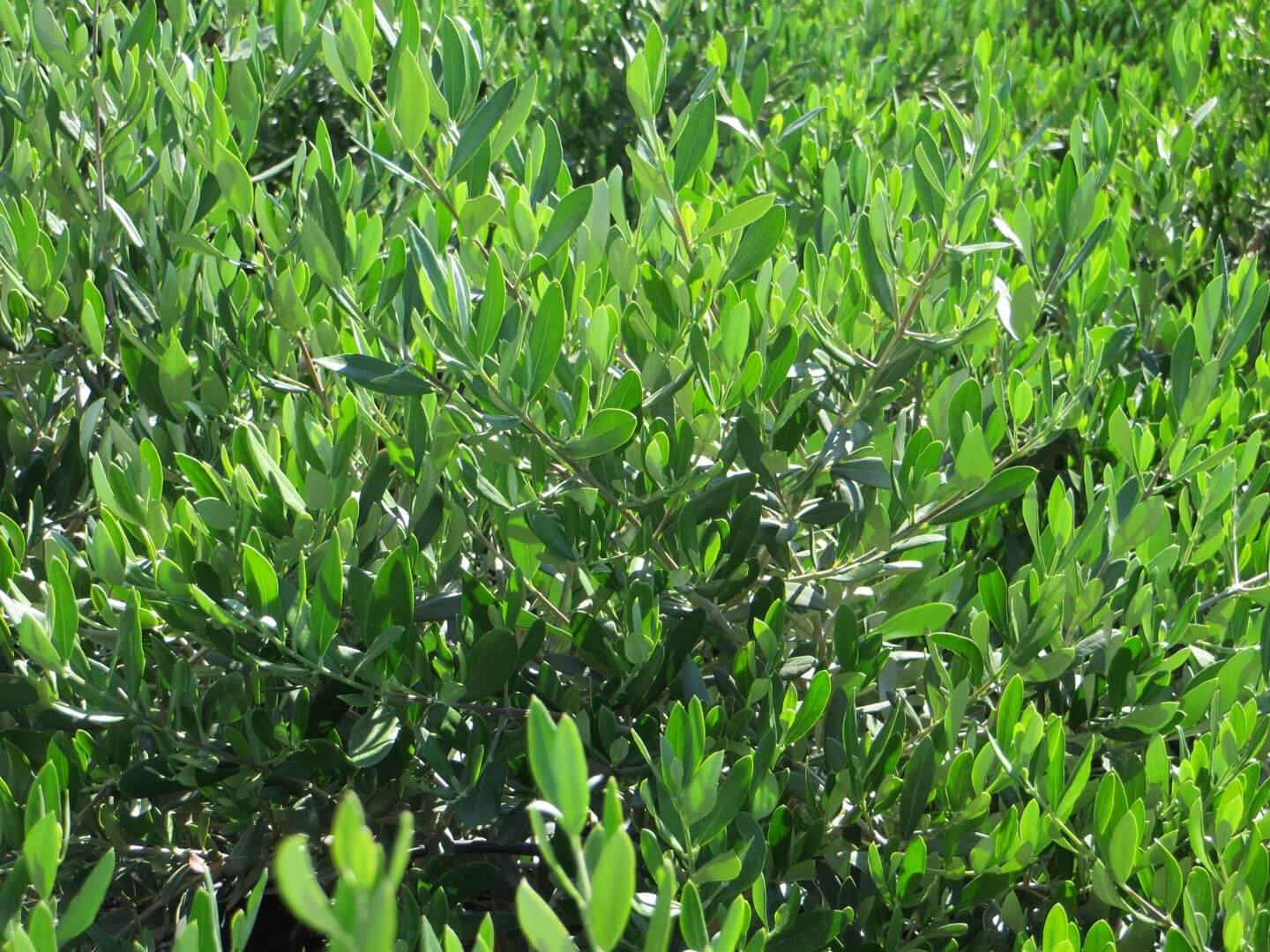
Yardwork was so great to work with. First they had the Swan Hill olive trees that we had been searching for, we had contacted several other nurseries without any luck previously. Then they answered all of our questions in a timely matter prior to ordering and finally delivered within a few days of placing it. Their staff is incredibly knowledgeable; they delivered and planted our trees with expertise to ensure that they would do well in our yard. We would definitely work with them again for future projects.











A Modern Experience
At Yardwork, we carefully curate thousands of plants, in all container sizes, to provide you with the best selection of the highest quality trees and plants at the best price, with the convenience of an online platform.
Uncompromised Quality
We choose only the finest specimens and hand select our plants just before delivery to ensure you receive the freshest and most robust specimens available for your landscape.
Industry Leading Warranties
Our 30, 90, and 365 extended warranties provide some of the best coverage to ensure our trees and plants thrive in your landscape.
Frequently Asked Questions
We're committed to changing everything about trees and plants - how they’re grown, how you shop for them, and how much they cost. We handle orders ourselves. No middlemen to get between us (or our prices) and you.
We're committed to changing everything about trees and plants - how they’re grown, how you shop for them, and how much they cost. We handle orders ourselves. No middlemen to get between us (or our prices) and you.
Delivery does not include unloading of trees and plants LARGER than a 24" box.
Trees and plants in smaller containers will be dropped curbside (usually on the driveway or near the front doorstep).
Delivery beyond a curbside drop will be charged extra.
Trees and plants that are sold in container sizes LARGER than a 24" box size will require equipment and/or enough manpower onsite to help unload from the truck.
Please reach out to our team PRIOR to placing your order to help coordinate.
Our team can provide unloading assistance with equipment for an extra fee as well.
Delivery does not include unloading of trees and plants LARGER than a 24" box.
Trees and plants in smaller containers will be dropped curbside (usually on the driveway or near the front doorstep).
Delivery beyond a curbside drop will be charged extra.
Trees and plants that are sold in container sizes LARGER than a 24" box size will require equipment and/or enough manpower onsite to help unload from the truck.
Please reach out to our team PRIOR to placing your order to help coordinate.
Our team can provide unloading assistance with equipment for an extra fee as well.
We ship locally within California within 7-10 days of your order being placed.
We ship nationally using carrier partners, based on order size.
Text or call 323-576-4159 for specific shipping details for your location.
We ship locally within California within 7-10 days of your order being placed.
We ship nationally using carrier partners, based on order size.
Text or call 323-576-4159 for specific shipping details for your location.
We are currently online only and don't have physical locations where you can view plants in person.
That's why we have photos direct from the growing grounds of the plants we will ship and we display pricing right in our store.
We do make sure to pick the very best trees and plants prior to shipping and make sure that they have gone through our multi-point inspection for health and structure.
We will always reach out prior to delivery if we find a quality issue or need to provide a substitute.
We are currently online only and don't have physical locations where you can view plants in person.
That's why we have photos direct from the growing grounds of the plants we will ship and we display pricing right in our store.
We do make sure to pick the very best trees and plants prior to shipping and make sure that they have gone through our multi-point inspection for health and structure.
We will always reach out prior to delivery if we find a quality issue or need to provide a substitute.
Plants vary greatly by type. Here is a rough idea of sizes based on containers that are direct from our growing grounds.
15 Gallon Shrub 3-4 Ft. Tall
15 Gallon Tree 5-6 Ft. Tall
24" Box Shrub 5-6 Ft. Tall
24" Box Tree 6-7 Ft. Tall
36" Box Shrub/Tree 7-9 Ft. Tall
48" Box Shrub/Tree 8-10 Ft. Tall
**Please note that we do not make guarantees of sizes. If you have questions or concerns, please call or text to request accurate sizing for the particular plant you're considering, prior to ordering.
Plants vary greatly by type. Here is a rough idea of sizes based on containers that are direct from our growing grounds.
15 Gallon Shrub 3-4 Ft. Tall
15 Gallon Tree 5-6 Ft. Tall
24" Box Shrub 5-6 Ft. Tall
24" Box Tree 6-7 Ft. Tall
36" Box Shrub/Tree 7-9 Ft. Tall
48" Box Shrub/Tree 8-10 Ft. Tall
**Please note that we do not make guarantees of sizes. If you have questions or concerns, please call or text to request accurate sizing for the particular plant you're considering, prior to ordering.
We offer a limited 30 day warranty for plants that are delivered and a 90 day warranty for plants that we plant.
The limited warranty covers plants that die as a result of disease or fungus which was derived from our growing grounds or from root balls that were root bound.
The warranty does not cover damage due to watering, fertilizer, soils, or any other conditions beyond our control. Additionally, the warranty does not cover certain plants that are shipped out of the state of California or shipped into California from other states. Custom plant orders are also not covered under warranty. Plants must be planted within 24 hours after delivery to qualify.
We can assist you in recommending the right soils and fertilizers to help your plant thrive after you plant it.
Text or call 323-576-4159 for further warranty information.
We offer a limited 30 day warranty for plants that are delivered and a 90 day warranty for plants that we plant.
The limited warranty covers plants that die as a result of disease or fungus which was derived from our growing grounds or from root balls that were root bound.
The warranty does not cover damage due to watering, fertilizer, soils, or any other conditions beyond our control. Additionally, the warranty does not cover certain plants that are shipped out of the state of California or shipped into California from other states. Custom plant orders are also not covered under warranty. Plants must be planted within 24 hours after delivery to qualify.
We can assist you in recommending the right soils and fertilizers to help your plant thrive after you plant it.
Text or call 323-576-4159 for further warranty information.
Our local delivery team covers most cities in California.
There are some exceptions, so please get in touch to confirm prior to ordering.
Additionally, we ship throughout the entire United States and even internationally. Each shipment is custom, so please reach out to our team to coordinate.
Our local delivery team covers most cities in California.
There are some exceptions, so please get in touch to confirm prior to ordering.
Additionally, we ship throughout the entire United States and even internationally. Each shipment is custom, so please reach out to our team to coordinate.