



Euphorbia Ammak - Desert Candelabra Spurge
Regular price
$495.00
Size
Transform Your Landscape with This Striking Architectural Desert Tree
Euphorbia Ammak gives drought-tolerant landscapes a bold vertical focal point with the sculptural presence of a desert cactus, but with the unique branching form of a tree-like succulent.
Commonly known as African Candelabra or candelabra spurge, Euphorbia ammak is a tall succulent native to the arid regions of Saudi Arabia and Yemen. It is highly drought tolerant, making it a strong choice for xeriscaping, desert-themed gardens, and modern California landscapes that need structure without heavy water use, much like Little Ollie olive trees that offer compact, low-maintenance greenery.
Why You’ll Love It
-
Dramatic candelabra form – Upright green columns develop into branching, architectural silhouettes that stand out in any garden.
-
Extremely drought tolerant – Once established, this plant thrives with low water and is adapted to dry, arid regions.
-
Fast landscape impact – Euphorbia ammak can reach heights of up to 20 to 33 feet, or 6 to 10 meters, in ideal outdoor conditions.
-
Naturally protected – Its milky sap helps make it resistant to deer and gophers, though the sap should not touch skin or eyes.
-
Year-round structure – Ribbed stems, paired thorns, spines, and strong vertical branches keep the plant visually interesting through spring, the growing season, and winter.
The result is a low-maintenance statement plant with serious height, strong form, and long-term water savings.
What Makes It Different
Most drought-tolerant landscape options are low shrubs, agaves, or traditional cacti. Euphorbia Ammak stands apart because it grows into a massive, tree-like structure with strong height, width, and sculptural branches.
Euphorbia Ammak offers:
-
Not a true cactus – Euphorbia ammak exhibits a cactus-like appearance through a process called convergent evolution, despite not being a true cactus.
-
Architectural ribbed stems – Its four- to five-sided ribbed stems create geometric patterns unlike round desert cactus forms.
-
Tree-like scale – This species belongs to the spurge family, Euphorbiaceae, and can become a tall, dominant landscape feature rather than a small accent plant.
-
Native dry-climate resilience – In its native habitat, Euphorbia ammak grows on precipitous hillsides and rocky plains at elevations between 1000 and 1500 meters.
-
Distinctive common names and forms – The plant is commonly found under names like African Candelabra, candelabra spurge, and giant milk bush, with variegated forms offering rare creamy-yellow and green contrast.
It brings the look of a desert icon with a more branched, candelabra-like position in the landscape.
How To Grow Euphorbia ammak Successfully
-
Plant in full sun with excellent drainage
Choose a warm position with full sun to bright, indirect light. Use well drained soil, sandy soil, rocky soil, or a cactus-style mix amended for excellent drainage. -
Water only when the soil is nearly dry
Euphorbia ammak is a drought-tolerant succulent that requires full sun to bright, indirect light for optimal growth. This plant should be watered only when the soil is nearly dry, as it does not tolerate excess moisture. -
Let it grow into its mature candelabra shape
Young plants often begin as a single stalk, then develop branches over time. With the right sun, dry conditions, and care, it can grow from a rooted column into a magnificent branching African Candelabra.
For best results, protect new plants from sudden harsh exposure, avoid heavy shade, and reduce water during cool winter months.
Plant Details
-
Botanical name: Euphorbia ammak
-
Product title: Euphorbia Ammak - Desert Candelabra Spurge
-
Common names: African Candelabra, candelabra spurge, giant milk bush
-
Plant family: Euphorbiaceae, the spurge family
-
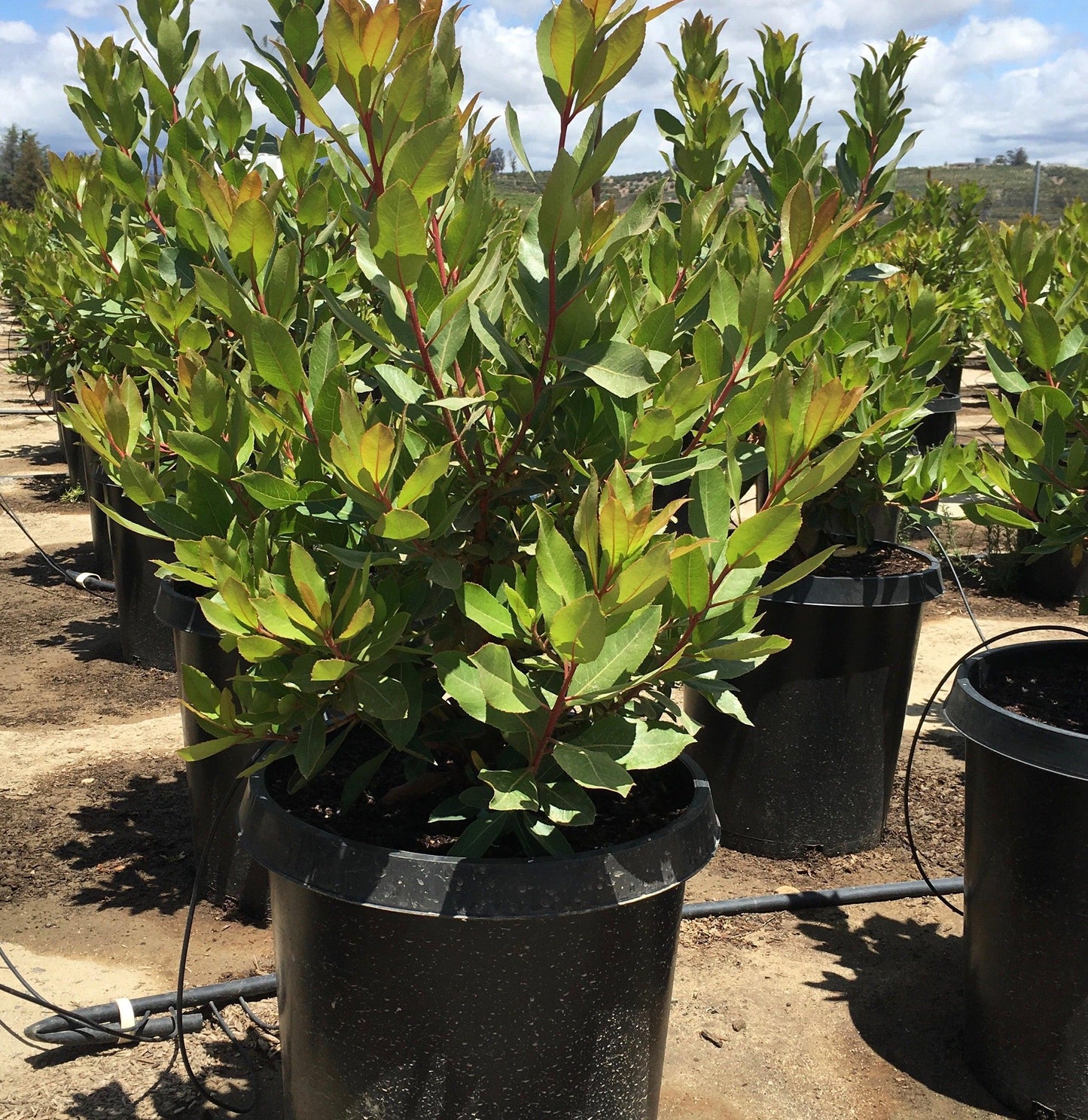
Native range: Arid regions of Saudi Arabia and Yemen, making it a smart choice alongside other California-friendly shrubs such as Toyon (Heteromeles arbutifolia)
-
Mature height: 20 to 33 feet max in ideal outdoor conditions
-
Mature width: Approximately 10 to 15 feet depending on branches and growing position
-
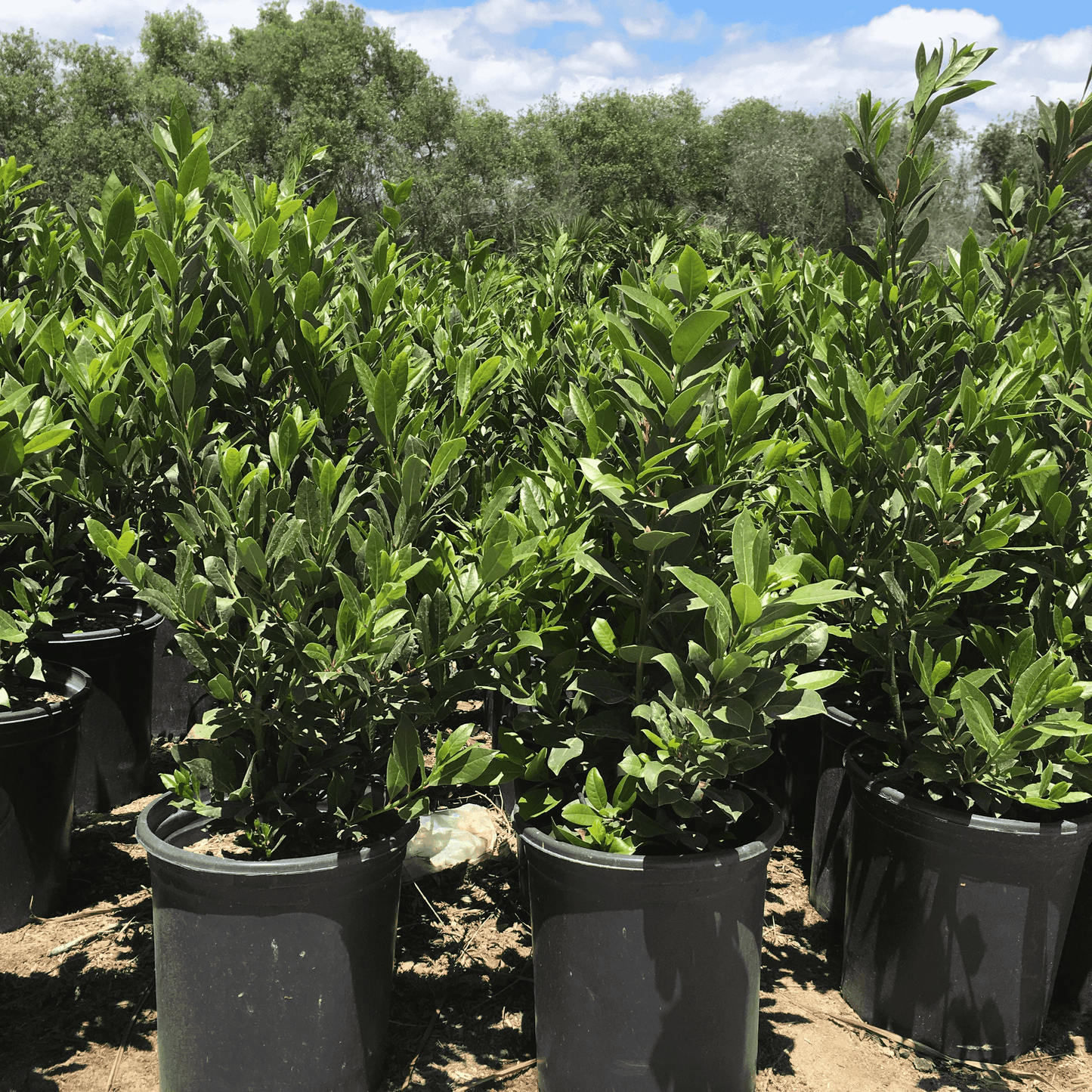
Growth rate: Fast growing once established, providing quicker impact than some slower ornamental trees like Little Gem Dwarf Southern Magnolia
-
Hardiness zones: USDA Zones 9–11, similar to other drought-tolerant trees such as African Sumac (Rhus lancea)
-
Sun requirements: Full sun to bright, indirect light; light shade is tolerated but slows growth
-
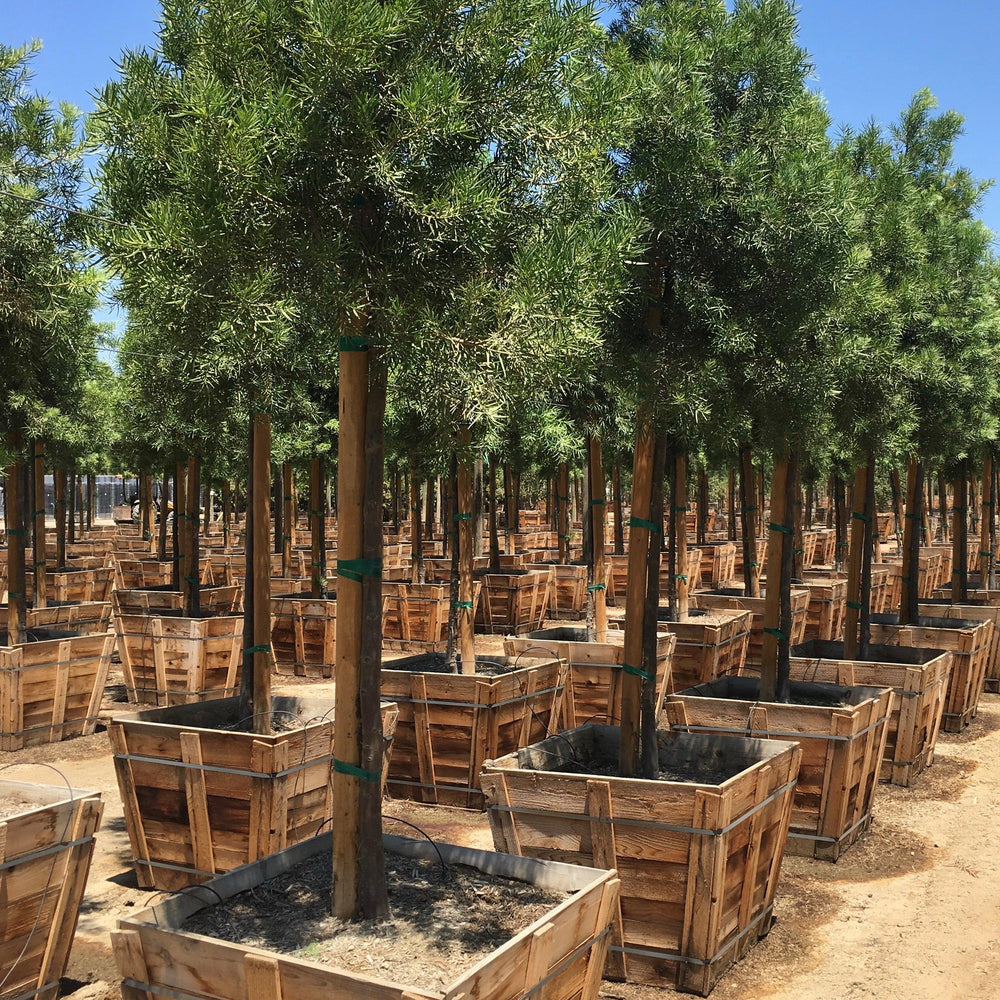
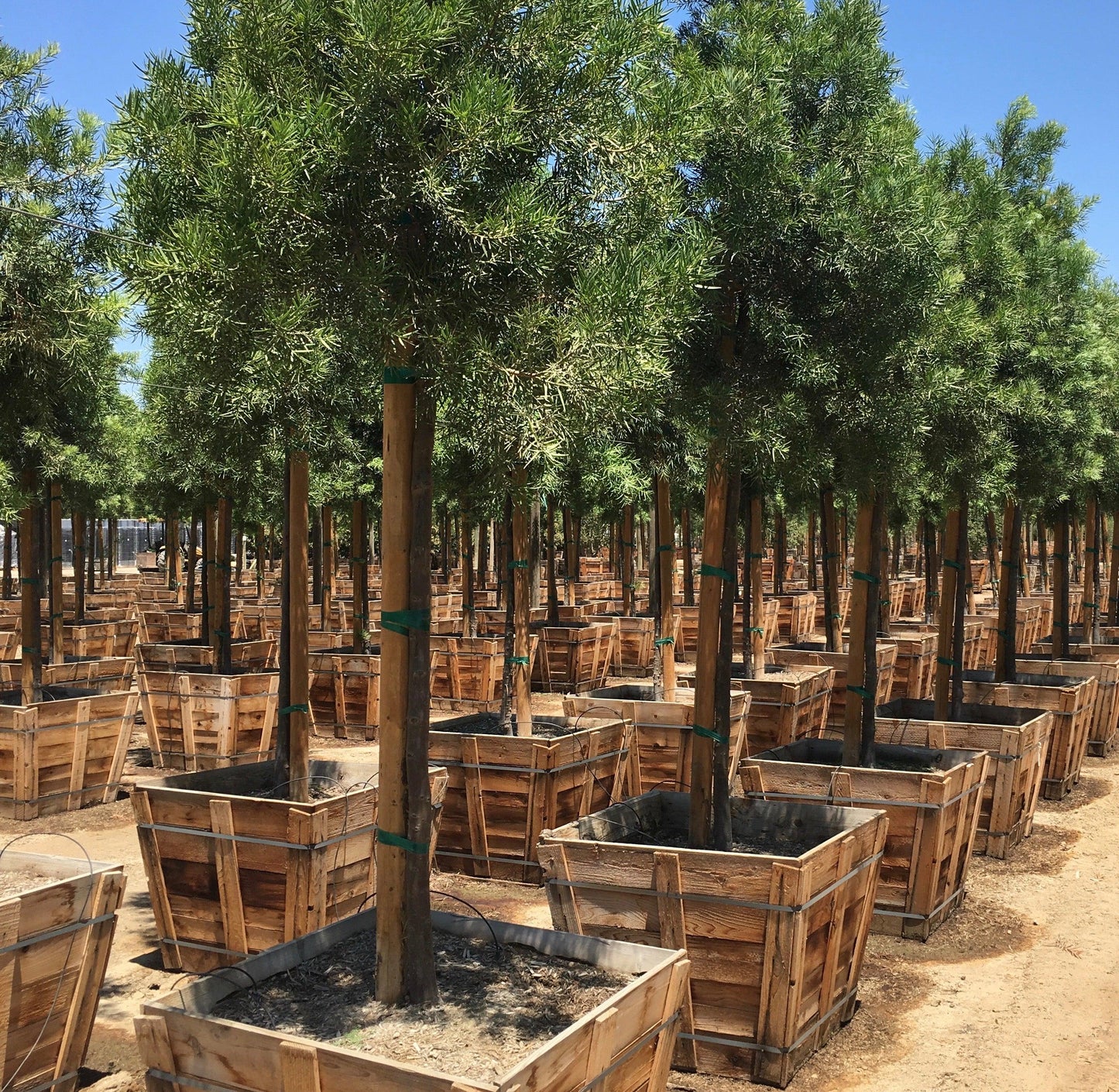
Water needs: Low; water only when soil is nearly dry, comparable to resilient evergreens like the Fern Pine tree (Podocarpus gracilior)
-
Soil type: Well drained soil with sand, gravel, pumice, or rocky mineral content
-
Drainage requirement: Excellent drainage is essential to protect roots from rot
-
Available size options: Euphorbia ammak is available for purchase in various sizes, including 5-gallon and 15-gallon options, as well as variegated varieties.
-
Price range: The price for Euphorbia ammak can vary significantly, with some listings starting around $45.00 and others priced as high as $315.00 depending on size and variety.
-
Shipping format: Euphorbia ammak plants are typically shipped bare root, and most specimens will be single stalks, requiring easy-draining soil for repotting.
-
Propagation: It can be easily propagated by taking stem cuttings and allowing the cut end to callus before planting in dry soil.
-
Safety note: Euphorbia ammak produces a milky sap that can irritate skin and is toxic if ingested, so it should be handled with care.
-
Handling: Wear gloves, avoid contact with eyes, and handle cut stems carefully.
-
Leaves and flowers: Leaves are rare on mature plants and usually appear close to new growth; flowers are small and not the main ornamental feature.
-
Spines and thorns: Ribbed stems are covered with paired spines or thorn-like shields.
Who It’s For
Ideal for:
-
California homeowners creating drought-tolerant landscapes
-
Design-conscious gardeners who want bold architectural plants
-
Property owners looking for a low-water statement tree
-
Anyone designing a modern, desert-inspired outdoor space
-
Landscapers working on water-wise residential or commercial projects
If you want a tall, sculptural, drought tolerant plant that feels rare, unique, and visually strong, Euphorbia Ammak fits beautifully into a dry-climate garden.
Frequently Asked Questions
Is it safe around children and pets?
Euphorbia ammak should be planted thoughtfully around children and pets. The milky sap can irritate skin and eyes and is toxic if ingested. Wear gloves when pruning, never touch your face while handling cut stems, and position the plant away from high-traffic areas.
How fast does it grow?
In full sun, warm temperatures, and well drained soil, Euphorbia Ammak can grow quickly for a succulent. In ideal outdoor conditions, it can eventually reach 20 to 33 feet, though it takes time to develop its full candelabra form.
What if my soil doesn’t drain well?
Improve the soil before planting. Add gravel, pumice, coarse sand, or create a raised mound to improve drainage. Heavy clay or wet soil can cause root problems, especially in winter.
Can it handle California’s coastal climate?
Yes, many coastal California gardens can grow Euphorbia Ammak successfully, especially in Zones 10–11. Give it the sunniest position available, protect it from cold wet soil, and avoid locations where marine shade keeps the plant damp for long periods.
Do I need special permits for large specimens?
Planting nursery-grown Euphorbia Ammak usually does not require a special permit. However, because the species has conservation and trade considerations, choose legally propagated nursery stock rather than wild-collected plants.
Can I propagate it at home?
Yes. Euphorbia ammak can be propagated from stem cuttings. Make a clean cut, allow the cut end to callus, then plant it in dry, fast-draining soil. Always wear gloves because fresh cuts release milky sap.
Ready to Add Drama to Your Landscape?
Choose Euphorbia Ammak and create a bold, drought-tolerant focal point with height, structure, and year-round desert character. Yardwork can help you choose the right size, position it correctly, and plan care for long-term success in your California landscape.
Transform Your Landscape with This Striking Architectural Desert Tree
Euphorbia Ammak gives drought-tolerant landscapes a bold vertical focal point with the sculptural presence of a desert cactus, but with the unique branching form of a tree-like succulent.
Commonly known as African Candelabra or candelabra spurge, Euphorbia ammak is a tall succulent native to the arid regions of Saudi Arabia and Yemen. It is highly drought tolerant, making it a strong choice for xeriscaping, desert-themed gardens, and modern California landscapes that need structure without heavy water use, much like Little Ollie olive trees that offer compact, low-maintenance greenery.
Why You’ll Love It
-
Dramatic candelabra form – Upright green columns develop into branching, architectural silhouettes that stand out in any garden.
-
Extremely drought tolerant – Once established, this plant thrives with low water and is adapted to dry, arid regions.
-
Fast landscape impact – Euphorbia ammak can reach heights of up to 20 to 33 feet, or 6 to 10 meters, in ideal outdoor conditions.
-
Naturally protected – Its milky sap helps make it resistant to deer and gophers, though the sap should not touch skin or eyes.
-
Year-round structure – Ribbed stems, paired thorns, spines, and strong vertical branches keep the plant visually interesting through spring, the growing season, and winter.
The result is a low-maintenance statement plant with serious height, strong form, and long-term water savings.
What Makes It Different
Most drought-tolerant landscape options are low shrubs, agaves, or traditional cacti. Euphorbia Ammak stands apart because it grows into a massive, tree-like structure with strong height, width, and sculptural branches.
Euphorbia Ammak offers:
-
Not a true cactus – Euphorbia ammak exhibits a cactus-like appearance through a process called convergent evolution, despite not being a true cactus.
-
Architectural ribbed stems – Its four- to five-sided ribbed stems create geometric patterns unlike round desert cactus forms.
-
Tree-like scale – This species belongs to the spurge family, Euphorbiaceae, and can become a tall, dominant landscape feature rather than a small accent plant.
-
Native dry-climate resilience – In its native habitat, Euphorbia ammak grows on precipitous hillsides and rocky plains at elevations between 1000 and 1500 meters.
-
Distinctive common names and forms – The plant is commonly found under names like African Candelabra, candelabra spurge, and giant milk bush, with variegated forms offering rare creamy-yellow and green contrast.
It brings the look of a desert icon with a more branched, candelabra-like position in the landscape.
How To Grow Euphorbia ammak Successfully
-
Plant in full sun with excellent drainage
Choose a warm position with full sun to bright, indirect light. Use well drained soil, sandy soil, rocky soil, or a cactus-style mix amended for excellent drainage. -
Water only when the soil is nearly dry
Euphorbia ammak is a drought-tolerant succulent that requires full sun to bright, indirect light for optimal growth. This plant should be watered only when the soil is nearly dry, as it does not tolerate excess moisture. -
Let it grow into its mature candelabra shape
Young plants often begin as a single stalk, then develop branches over time. With the right sun, dry conditions, and care, it can grow from a rooted column into a magnificent branching African Candelabra.
For best results, protect new plants from sudden harsh exposure, avoid heavy shade, and reduce water during cool winter months.
Plant Details
-
Botanical name: Euphorbia ammak
-
Product title: Euphorbia Ammak - Desert Candelabra Spurge
-
Common names: African Candelabra, candelabra spurge, giant milk bush
-
Plant family: Euphorbiaceae, the spurge family
-
Native range: Arid regions of Saudi Arabia and Yemen, making it a smart choice alongside other California-friendly shrubs such as Toyon (Heteromeles arbutifolia)
-
Mature height: 20 to 33 feet max in ideal outdoor conditions
-
Mature width: Approximately 10 to 15 feet depending on branches and growing position
-
Growth rate: Fast growing once established, providing quicker impact than some slower ornamental trees like Little Gem Dwarf Southern Magnolia
-
Hardiness zones: USDA Zones 9–11, similar to other drought-tolerant trees such as African Sumac (Rhus lancea)
-
Sun requirements: Full sun to bright, indirect light; light shade is tolerated but slows growth
-
Water needs: Low; water only when soil is nearly dry, comparable to resilient evergreens like the Fern Pine tree (Podocarpus gracilior)
-
Soil type: Well drained soil with sand, gravel, pumice, or rocky mineral content
-
Drainage requirement: Excellent drainage is essential to protect roots from rot
-
Available size options: Euphorbia ammak is available for purchase in various sizes, including 5-gallon and 15-gallon options, as well as variegated varieties.
-
Price range: The price for Euphorbia ammak can vary significantly, with some listings starting around $45.00 and others priced as high as $315.00 depending on size and variety.
-
Shipping format: Euphorbia ammak plants are typically shipped bare root, and most specimens will be single stalks, requiring easy-draining soil for repotting.
-
Propagation: It can be easily propagated by taking stem cuttings and allowing the cut end to callus before planting in dry soil.
-
Safety note: Euphorbia ammak produces a milky sap that can irritate skin and is toxic if ingested, so it should be handled with care.
-
Handling: Wear gloves, avoid contact with eyes, and handle cut stems carefully.
-
Leaves and flowers: Leaves are rare on mature plants and usually appear close to new growth; flowers are small and not the main ornamental feature.
-
Spines and thorns: Ribbed stems are covered with paired spines or thorn-like shields.
Who It’s For
Ideal for:
-
California homeowners creating drought-tolerant landscapes
-
Design-conscious gardeners who want bold architectural plants
-
Property owners looking for a low-water statement tree
-
Anyone designing a modern, desert-inspired outdoor space
-
Landscapers working on water-wise residential or commercial projects
If you want a tall, sculptural, drought tolerant plant that feels rare, unique, and visually strong, Euphorbia Ammak fits beautifully into a dry-climate garden.
Frequently Asked Questions
Is it safe around children and pets?
Euphorbia ammak should be planted thoughtfully around children and pets. The milky sap can irritate skin and eyes and is toxic if ingested. Wear gloves when pruning, never touch your face while handling cut stems, and position the plant away from high-traffic areas.
How fast does it grow?
In full sun, warm temperatures, and well drained soil, Euphorbia Ammak can grow quickly for a succulent. In ideal outdoor conditions, it can eventually reach 20 to 33 feet, though it takes time to develop its full candelabra form.
What if my soil doesn’t drain well?
Improve the soil before planting. Add gravel, pumice, coarse sand, or create a raised mound to improve drainage. Heavy clay or wet soil can cause root problems, especially in winter.
Can it handle California’s coastal climate?
Yes, many coastal California gardens can grow Euphorbia Ammak successfully, especially in Zones 10–11. Give it the sunniest position available, protect it from cold wet soil, and avoid locations where marine shade keeps the plant damp for long periods.
Do I need special permits for large specimens?
Planting nursery-grown Euphorbia Ammak usually does not require a special permit. However, because the species has conservation and trade considerations, choose legally propagated nursery stock rather than wild-collected plants.
Can I propagate it at home?
Yes. Euphorbia ammak can be propagated from stem cuttings. Make a clean cut, allow the cut end to callus, then plant it in dry, fast-draining soil. Always wear gloves because fresh cuts release milky sap.
Ready to Add Drama to Your Landscape?
Choose Euphorbia Ammak and create a bold, drought-tolerant focal point with height, structure, and year-round desert character. Yardwork can help you choose the right size, position it correctly, and plan care for long-term success in your California landscape.
Plants vary greatly by type and no guarantees are made on sizing.
However here is a rough idea of sizes based on containers that are direct from our growing grounds.
15 Gallon Shrub 3-4 Ft. Tall
15 Gallon Tree 5-6 Ft. Tall
24" Box Shrub 5-6 Ft. Tall
24" Box Tree 6-7 Ft. Tall
36" Box Tree 8-10 Ft. Tall
48" Box Tree 10-12 Ft. Tall
Please note: Citrus and California Native plants such as Manzanita are smaller than traditional sizing.
Please contact us to confirm sizing of items before purchasing if this is a concern.
Plants vary greatly by type and no guarantees are made on sizing.
However here is a rough idea of sizes based on containers that are direct from our growing grounds.
15 Gallon Shrub 3-4 Ft. Tall
15 Gallon Tree 5-6 Ft. Tall
24" Box Shrub 5-6 Ft. Tall
24" Box Tree 6-7 Ft. Tall
36" Box Tree 8-10 Ft. Tall
48" Box Tree 10-12 Ft. Tall
Please note: Citrus and California Native plants such as Manzanita are smaller than traditional sizing.
Please contact us to confirm sizing of items before purchasing if this is a concern.
Delivery does not include unloading of trees and plants larger than a 24" box.
Trees and plants in smaller containers will be dropped curbside.
Delivery beyond a curbside drop will be charged extra.
Trees and plants that are sold in container sizes larger than a 24" box size will require equipment and an operator onsite to help unload from the truck.
Please reach out to our team PRIOR to placing your order to coordinate.
Our team can provide unloading assistance with equipment for an extra fee.
Delivery does not include unloading of trees and plants larger than a 24" box.
Trees and plants in smaller containers will be dropped curbside.
Delivery beyond a curbside drop will be charged extra.
Trees and plants that are sold in container sizes larger than a 24" box size will require equipment and an operator onsite to help unload from the truck.
Please reach out to our team PRIOR to placing your order to coordinate.
Our team can provide unloading assistance with equipment for an extra fee.
You may also like...


Euphorbia Ammak - Desert Candelabra Spurge
Regular price
$495.00
Size
Transform Your Landscape with This Striking Architectural Desert Tree
Euphorbia Ammak gives drought-tolerant landscapes a bold vertical focal point with the sculptural presence of a desert cactus, but with the unique branching form of a tree-like succulent.
Commonly known as African Candelabra or candelabra spurge, Euphorbia ammak is a tall succulent native to the arid regions of Saudi Arabia and Yemen. It is highly drought tolerant, making it a strong choice for xeriscaping, desert-themed gardens, and modern California landscapes that need structure without heavy water use, much like Little Ollie olive trees that offer compact, low-maintenance greenery.
Why You’ll Love It
-
Dramatic candelabra form – Upright green columns develop into branching, architectural silhouettes that stand out in any garden.
-
Extremely drought tolerant – Once established, this plant thrives with low water and is adapted to dry, arid regions.
-
Fast landscape impact – Euphorbia ammak can reach heights of up to 20 to 33 feet, or 6 to 10 meters, in ideal outdoor conditions.
-
Naturally protected – Its milky sap helps make it resistant to deer and gophers, though the sap should not touch skin or eyes.
-
Year-round structure – Ribbed stems, paired thorns, spines, and strong vertical branches keep the plant visually interesting through spring, the growing season, and winter.
The result is a low-maintenance statement plant with serious height, strong form, and long-term water savings.
What Makes It Different
Most drought-tolerant landscape options are low shrubs, agaves, or traditional cacti. Euphorbia Ammak stands apart because it grows into a massive, tree-like structure with strong height, width, and sculptural branches.
Euphorbia Ammak offers:
-
Not a true cactus – Euphorbia ammak exhibits a cactus-like appearance through a process called convergent evolution, despite not being a true cactus.
-
Architectural ribbed stems – Its four- to five-sided ribbed stems create geometric patterns unlike round desert cactus forms.
-
Tree-like scale – This species belongs to the spurge family, Euphorbiaceae, and can become a tall, dominant landscape feature rather than a small accent plant.
-
Native dry-climate resilience – In its native habitat, Euphorbia ammak grows on precipitous hillsides and rocky plains at elevations between 1000 and 1500 meters.
-
Distinctive common names and forms – The plant is commonly found under names like African Candelabra, candelabra spurge, and giant milk bush, with variegated forms offering rare creamy-yellow and green contrast.
It brings the look of a desert icon with a more branched, candelabra-like position in the landscape.
How To Grow Euphorbia ammak Successfully
-
Plant in full sun with excellent drainage
Choose a warm position with full sun to bright, indirect light. Use well drained soil, sandy soil, rocky soil, or a cactus-style mix amended for excellent drainage. -
Water only when the soil is nearly dry
Euphorbia ammak is a drought-tolerant succulent that requires full sun to bright, indirect light for optimal growth. This plant should be watered only when the soil is nearly dry, as it does not tolerate excess moisture. -
Let it grow into its mature candelabra shape
Young plants often begin as a single stalk, then develop branches over time. With the right sun, dry conditions, and care, it can grow from a rooted column into a magnificent branching African Candelabra.
For best results, protect new plants from sudden harsh exposure, avoid heavy shade, and reduce water during cool winter months.
Plant Details
-
Botanical name: Euphorbia ammak
-
Product title: Euphorbia Ammak - Desert Candelabra Spurge
-
Common names: African Candelabra, candelabra spurge, giant milk bush
-
Plant family: Euphorbiaceae, the spurge family
-
Native range: Arid regions of Saudi Arabia and Yemen, making it a smart choice alongside other California-friendly shrubs such as Toyon (Heteromeles arbutifolia)
-
Mature height: 20 to 33 feet max in ideal outdoor conditions
-
Mature width: Approximately 10 to 15 feet depending on branches and growing position
-
Growth rate: Fast growing once established, providing quicker impact than some slower ornamental trees like Little Gem Dwarf Southern Magnolia
-
Hardiness zones: USDA Zones 9–11, similar to other drought-tolerant trees such as African Sumac (Rhus lancea)
-
Sun requirements: Full sun to bright, indirect light; light shade is tolerated but slows growth
-
Water needs: Low; water only when soil is nearly dry, comparable to resilient evergreens like the Fern Pine tree (Podocarpus gracilior)
-
Soil type: Well drained soil with sand, gravel, pumice, or rocky mineral content
-
Drainage requirement: Excellent drainage is essential to protect roots from rot
-
Available size options: Euphorbia ammak is available for purchase in various sizes, including 5-gallon and 15-gallon options, as well as variegated varieties.
-
Price range: The price for Euphorbia ammak can vary significantly, with some listings starting around $45.00 and others priced as high as $315.00 depending on size and variety.
-
Shipping format: Euphorbia ammak plants are typically shipped bare root, and most specimens will be single stalks, requiring easy-draining soil for repotting.
-
Propagation: It can be easily propagated by taking stem cuttings and allowing the cut end to callus before planting in dry soil.
-
Safety note: Euphorbia ammak produces a milky sap that can irritate skin and is toxic if ingested, so it should be handled with care.
-
Handling: Wear gloves, avoid contact with eyes, and handle cut stems carefully.
-
Leaves and flowers: Leaves are rare on mature plants and usually appear close to new growth; flowers are small and not the main ornamental feature.
-
Spines and thorns: Ribbed stems are covered with paired spines or thorn-like shields.
Who It’s For
Ideal for:
-
California homeowners creating drought-tolerant landscapes
-
Design-conscious gardeners who want bold architectural plants
-
Property owners looking for a low-water statement tree
-
Anyone designing a modern, desert-inspired outdoor space
-
Landscapers working on water-wise residential or commercial projects
If you want a tall, sculptural, drought tolerant plant that feels rare, unique, and visually strong, Euphorbia Ammak fits beautifully into a dry-climate garden.
Frequently Asked Questions
Is it safe around children and pets?
Euphorbia ammak should be planted thoughtfully around children and pets. The milky sap can irritate skin and eyes and is toxic if ingested. Wear gloves when pruning, never touch your face while handling cut stems, and position the plant away from high-traffic areas.
How fast does it grow?
In full sun, warm temperatures, and well drained soil, Euphorbia Ammak can grow quickly for a succulent. In ideal outdoor conditions, it can eventually reach 20 to 33 feet, though it takes time to develop its full candelabra form.
What if my soil doesn’t drain well?
Improve the soil before planting. Add gravel, pumice, coarse sand, or create a raised mound to improve drainage. Heavy clay or wet soil can cause root problems, especially in winter.
Can it handle California’s coastal climate?
Yes, many coastal California gardens can grow Euphorbia Ammak successfully, especially in Zones 10–11. Give it the sunniest position available, protect it from cold wet soil, and avoid locations where marine shade keeps the plant damp for long periods.
Do I need special permits for large specimens?
Planting nursery-grown Euphorbia Ammak usually does not require a special permit. However, because the species has conservation and trade considerations, choose legally propagated nursery stock rather than wild-collected plants.
Can I propagate it at home?
Yes. Euphorbia ammak can be propagated from stem cuttings. Make a clean cut, allow the cut end to callus, then plant it in dry, fast-draining soil. Always wear gloves because fresh cuts release milky sap.
Ready to Add Drama to Your Landscape?
Choose Euphorbia Ammak and create a bold, drought-tolerant focal point with height, structure, and year-round desert character. Yardwork can help you choose the right size, position it correctly, and plan care for long-term success in your California landscape.
Transform Your Landscape with This Striking Architectural Desert Tree
Euphorbia Ammak gives drought-tolerant landscapes a bold vertical focal point with the sculptural presence of a desert cactus, but with the unique branching form of a tree-like succulent.
Commonly known as African Candelabra or candelabra spurge, Euphorbia ammak is a tall succulent native to the arid regions of Saudi Arabia and Yemen. It is highly drought tolerant, making it a strong choice for xeriscaping, desert-themed gardens, and modern California landscapes that need structure without heavy water use, much like Little Ollie olive trees that offer compact, low-maintenance greenery.
Why You’ll Love It
-
Dramatic candelabra form – Upright green columns develop into branching, architectural silhouettes that stand out in any garden.
-
Extremely drought tolerant – Once established, this plant thrives with low water and is adapted to dry, arid regions.
-
Fast landscape impact – Euphorbia ammak can reach heights of up to 20 to 33 feet, or 6 to 10 meters, in ideal outdoor conditions.
-
Naturally protected – Its milky sap helps make it resistant to deer and gophers, though the sap should not touch skin or eyes.
-
Year-round structure – Ribbed stems, paired thorns, spines, and strong vertical branches keep the plant visually interesting through spring, the growing season, and winter.
The result is a low-maintenance statement plant with serious height, strong form, and long-term water savings.
What Makes It Different
Most drought-tolerant landscape options are low shrubs, agaves, or traditional cacti. Euphorbia Ammak stands apart because it grows into a massive, tree-like structure with strong height, width, and sculptural branches.
Euphorbia Ammak offers:
-
Not a true cactus – Euphorbia ammak exhibits a cactus-like appearance through a process called convergent evolution, despite not being a true cactus.
-
Architectural ribbed stems – Its four- to five-sided ribbed stems create geometric patterns unlike round desert cactus forms.
-
Tree-like scale – This species belongs to the spurge family, Euphorbiaceae, and can become a tall, dominant landscape feature rather than a small accent plant.
-
Native dry-climate resilience – In its native habitat, Euphorbia ammak grows on precipitous hillsides and rocky plains at elevations between 1000 and 1500 meters.
-
Distinctive common names and forms – The plant is commonly found under names like African Candelabra, candelabra spurge, and giant milk bush, with variegated forms offering rare creamy-yellow and green contrast.
It brings the look of a desert icon with a more branched, candelabra-like position in the landscape.
How To Grow Euphorbia ammak Successfully
-
Plant in full sun with excellent drainage
Choose a warm position with full sun to bright, indirect light. Use well drained soil, sandy soil, rocky soil, or a cactus-style mix amended for excellent drainage. -
Water only when the soil is nearly dry
Euphorbia ammak is a drought-tolerant succulent that requires full sun to bright, indirect light for optimal growth. This plant should be watered only when the soil is nearly dry, as it does not tolerate excess moisture. -
Let it grow into its mature candelabra shape
Young plants often begin as a single stalk, then develop branches over time. With the right sun, dry conditions, and care, it can grow from a rooted column into a magnificent branching African Candelabra.
For best results, protect new plants from sudden harsh exposure, avoid heavy shade, and reduce water during cool winter months.
Plant Details
-
Botanical name: Euphorbia ammak
-
Product title: Euphorbia Ammak - Desert Candelabra Spurge
-
Common names: African Candelabra, candelabra spurge, giant milk bush
-
Plant family: Euphorbiaceae, the spurge family
-
Native range: Arid regions of Saudi Arabia and Yemen, making it a smart choice alongside other California-friendly shrubs such as Toyon (Heteromeles arbutifolia)
-
Mature height: 20 to 33 feet max in ideal outdoor conditions
-
Mature width: Approximately 10 to 15 feet depending on branches and growing position
-
Growth rate: Fast growing once established, providing quicker impact than some slower ornamental trees like Little Gem Dwarf Southern Magnolia
-
Hardiness zones: USDA Zones 9–11, similar to other drought-tolerant trees such as African Sumac (Rhus lancea)
-
Sun requirements: Full sun to bright, indirect light; light shade is tolerated but slows growth
-
Water needs: Low; water only when soil is nearly dry, comparable to resilient evergreens like the Fern Pine tree (Podocarpus gracilior)
-
Soil type: Well drained soil with sand, gravel, pumice, or rocky mineral content
-
Drainage requirement: Excellent drainage is essential to protect roots from rot
-
Available size options: Euphorbia ammak is available for purchase in various sizes, including 5-gallon and 15-gallon options, as well as variegated varieties.
-
Price range: The price for Euphorbia ammak can vary significantly, with some listings starting around $45.00 and others priced as high as $315.00 depending on size and variety.
-
Shipping format: Euphorbia ammak plants are typically shipped bare root, and most specimens will be single stalks, requiring easy-draining soil for repotting.
-
Propagation: It can be easily propagated by taking stem cuttings and allowing the cut end to callus before planting in dry soil.
-
Safety note: Euphorbia ammak produces a milky sap that can irritate skin and is toxic if ingested, so it should be handled with care.
-
Handling: Wear gloves, avoid contact with eyes, and handle cut stems carefully.
-
Leaves and flowers: Leaves are rare on mature plants and usually appear close to new growth; flowers are small and not the main ornamental feature.
-
Spines and thorns: Ribbed stems are covered with paired spines or thorn-like shields.
Who It’s For
Ideal for:
-
California homeowners creating drought-tolerant landscapes
-
Design-conscious gardeners who want bold architectural plants
-
Property owners looking for a low-water statement tree
-
Anyone designing a modern, desert-inspired outdoor space
-
Landscapers working on water-wise residential or commercial projects
If you want a tall, sculptural, drought tolerant plant that feels rare, unique, and visually strong, Euphorbia Ammak fits beautifully into a dry-climate garden.
Frequently Asked Questions
Is it safe around children and pets?
Euphorbia ammak should be planted thoughtfully around children and pets. The milky sap can irritate skin and eyes and is toxic if ingested. Wear gloves when pruning, never touch your face while handling cut stems, and position the plant away from high-traffic areas.
How fast does it grow?
In full sun, warm temperatures, and well drained soil, Euphorbia Ammak can grow quickly for a succulent. In ideal outdoor conditions, it can eventually reach 20 to 33 feet, though it takes time to develop its full candelabra form.
What if my soil doesn’t drain well?
Improve the soil before planting. Add gravel, pumice, coarse sand, or create a raised mound to improve drainage. Heavy clay or wet soil can cause root problems, especially in winter.
Can it handle California’s coastal climate?
Yes, many coastal California gardens can grow Euphorbia Ammak successfully, especially in Zones 10–11. Give it the sunniest position available, protect it from cold wet soil, and avoid locations where marine shade keeps the plant damp for long periods.
Do I need special permits for large specimens?
Planting nursery-grown Euphorbia Ammak usually does not require a special permit. However, because the species has conservation and trade considerations, choose legally propagated nursery stock rather than wild-collected plants.
Can I propagate it at home?
Yes. Euphorbia ammak can be propagated from stem cuttings. Make a clean cut, allow the cut end to callus, then plant it in dry, fast-draining soil. Always wear gloves because fresh cuts release milky sap.
Ready to Add Drama to Your Landscape?
Choose Euphorbia Ammak and create a bold, drought-tolerant focal point with height, structure, and year-round desert character. Yardwork can help you choose the right size, position it correctly, and plan care for long-term success in your California landscape.
Plants vary greatly by type and no guarantees are made on sizing.
However here is a rough idea of sizes based on containers that are direct from our growing grounds.
15 Gallon Shrub 3-4 Ft. Tall
15 Gallon Tree 5-6 Ft. Tall
24" Box Shrub 5-6 Ft. Tall
24" Box Tree 6-7 Ft. Tall
36" Box Tree 8-10 Ft. Tall
48" Box Tree 10-12 Ft. Tall
Please note: Citrus and California Native plants such as Manzanita are smaller than traditional sizing.
Please contact us to confirm sizing of items before purchasing if this is a concern.
Plants vary greatly by type and no guarantees are made on sizing.
However here is a rough idea of sizes based on containers that are direct from our growing grounds.
15 Gallon Shrub 3-4 Ft. Tall
15 Gallon Tree 5-6 Ft. Tall
24" Box Shrub 5-6 Ft. Tall
24" Box Tree 6-7 Ft. Tall
36" Box Tree 8-10 Ft. Tall
48" Box Tree 10-12 Ft. Tall
Please note: Citrus and California Native plants such as Manzanita are smaller than traditional sizing.
Please contact us to confirm sizing of items before purchasing if this is a concern.
Delivery does not include unloading of trees and plants larger than a 24" box.
Trees and plants in smaller containers will be dropped curbside.
Delivery beyond a curbside drop will be charged extra.
Trees and plants that are sold in container sizes larger than a 24" box size will require equipment and an operator onsite to help unload from the truck.
Please reach out to our team PRIOR to placing your order to coordinate.
Our team can provide unloading assistance with equipment for an extra fee.
Delivery does not include unloading of trees and plants larger than a 24" box.
Trees and plants in smaller containers will be dropped curbside.
Delivery beyond a curbside drop will be charged extra.
Trees and plants that are sold in container sizes larger than a 24" box size will require equipment and an operator onsite to help unload from the truck.
Please reach out to our team PRIOR to placing your order to coordinate.
Our team can provide unloading assistance with equipment for an extra fee.
Recommended For You















Pairs Well With













You May Also Like












Thousands of Healthy Plants Delivered


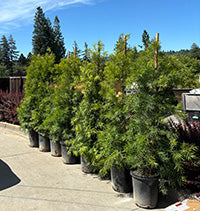
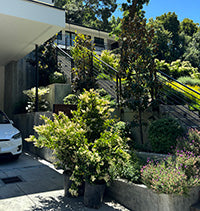
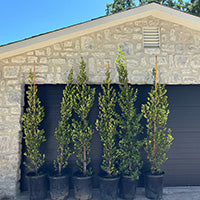
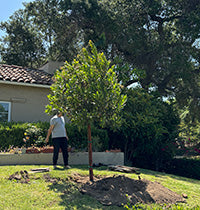
Yardwork was so great to work with. First they had the Swan Hill olive trees that we had been searching for, we had contacted several other nurseries without any luck previously. Then they answered all of our questions in a timely matter prior to ordering and finally delivered within a few days of placing it. Their staff is incredibly knowledgeable; they delivered and planted our trees with expertise to ensure that they would do well in our yard. We would definitely work with them again for future projects.











A Modern Experience
At Yardwork, we carefully curate thousands of plants, in all container sizes, to provide you with the best selection of the highest quality trees and plants at the best price, with the convenience of an online platform.
Uncompromised Quality
We choose only the finest specimens and hand select our plants just before delivery to ensure you receive the freshest and most robust specimens available for your landscape.
Industry Leading Warranties
Our 30, 90, and 365 extended warranties provide some of the best coverage to ensure our trees and plants thrive in your landscape.
Frequently Asked Questions
We're committed to changing everything about trees and plants - how they’re grown, how you shop for them, and how much they cost. We handle orders ourselves. No middlemen to get between us (or our prices) and you.
We're committed to changing everything about trees and plants - how they’re grown, how you shop for them, and how much they cost. We handle orders ourselves. No middlemen to get between us (or our prices) and you.
Delivery does not include unloading of trees and plants LARGER than a 24" box.
Trees and plants in smaller containers will be dropped curbside (usually on the driveway or near the front doorstep).
Delivery beyond a curbside drop will be charged extra.
Trees and plants that are sold in container sizes LARGER than a 24" box size will require equipment and/or enough manpower onsite to help unload from the truck.
Please reach out to our team PRIOR to placing your order to help coordinate.
Our team can provide unloading assistance with equipment for an extra fee as well.
Delivery does not include unloading of trees and plants LARGER than a 24" box.
Trees and plants in smaller containers will be dropped curbside (usually on the driveway or near the front doorstep).
Delivery beyond a curbside drop will be charged extra.
Trees and plants that are sold in container sizes LARGER than a 24" box size will require equipment and/or enough manpower onsite to help unload from the truck.
Please reach out to our team PRIOR to placing your order to help coordinate.
Our team can provide unloading assistance with equipment for an extra fee as well.
We ship locally within California within 7-10 days of your order being placed.
We ship nationally using carrier partners, based on order size.
Text or call 323-576-4159 for specific shipping details for your location.
We ship locally within California within 7-10 days of your order being placed.
We ship nationally using carrier partners, based on order size.
Text or call 323-576-4159 for specific shipping details for your location.
We are currently online only and don't have physical locations where you can view plants in person.
That's why we have photos direct from the growing grounds of the plants we will ship and we display pricing right in our store.
We do make sure to pick the very best trees and plants prior to shipping and make sure that they have gone through our multi-point inspection for health and structure.
We will always reach out prior to delivery if we find a quality issue or need to provide a substitute.
We are currently online only and don't have physical locations where you can view plants in person.
That's why we have photos direct from the growing grounds of the plants we will ship and we display pricing right in our store.
We do make sure to pick the very best trees and plants prior to shipping and make sure that they have gone through our multi-point inspection for health and structure.
We will always reach out prior to delivery if we find a quality issue or need to provide a substitute.
Plants vary greatly by type. Here is a rough idea of sizes based on containers that are direct from our growing grounds.
15 Gallon Shrub 3-4 Ft. Tall
15 Gallon Tree 5-6 Ft. Tall
24" Box Shrub 5-6 Ft. Tall
24" Box Tree 6-7 Ft. Tall
36" Box Shrub/Tree 7-9 Ft. Tall
48" Box Shrub/Tree 8-10 Ft. Tall
**Please note that we do not make guarantees of sizes. If you have questions or concerns, please call or text to request accurate sizing for the particular plant you're considering, prior to ordering.
Plants vary greatly by type. Here is a rough idea of sizes based on containers that are direct from our growing grounds.
15 Gallon Shrub 3-4 Ft. Tall
15 Gallon Tree 5-6 Ft. Tall
24" Box Shrub 5-6 Ft. Tall
24" Box Tree 6-7 Ft. Tall
36" Box Shrub/Tree 7-9 Ft. Tall
48" Box Shrub/Tree 8-10 Ft. Tall
**Please note that we do not make guarantees of sizes. If you have questions or concerns, please call or text to request accurate sizing for the particular plant you're considering, prior to ordering.
We offer a limited 30 day warranty for plants that are delivered and a 90 day warranty for plants that we plant.
The limited warranty covers plants that die as a result of disease or fungus which was derived from our growing grounds or from root balls that were root bound.
The warranty does not cover damage due to watering, fertilizer, soils, or any other conditions beyond our control. Additionally, the warranty does not cover certain plants that are shipped out of the state of California or shipped into California from other states. Custom plant orders are also not covered under warranty. Plants must be planted within 24 hours after delivery to qualify.
We can assist you in recommending the right soils and fertilizers to help your plant thrive after you plant it.
Text or call 323-576-4159 for further warranty information.
We offer a limited 30 day warranty for plants that are delivered and a 90 day warranty for plants that we plant.
The limited warranty covers plants that die as a result of disease or fungus which was derived from our growing grounds or from root balls that were root bound.
The warranty does not cover damage due to watering, fertilizer, soils, or any other conditions beyond our control. Additionally, the warranty does not cover certain plants that are shipped out of the state of California or shipped into California from other states. Custom plant orders are also not covered under warranty. Plants must be planted within 24 hours after delivery to qualify.
We can assist you in recommending the right soils and fertilizers to help your plant thrive after you plant it.
Text or call 323-576-4159 for further warranty information.
Our local delivery team covers most cities in California.
There are some exceptions, so please get in touch to confirm prior to ordering.
Additionally, we ship throughout the entire United States and even internationally. Each shipment is custom, so please reach out to our team to coordinate.
Our local delivery team covers most cities in California.
There are some exceptions, so please get in touch to confirm prior to ordering.
Additionally, we ship throughout the entire United States and even internationally. Each shipment is custom, so please reach out to our team to coordinate.