



Desert Carpet Acacia - Acacia redolens 'Desert Carpet'
Regular price
$34.95
Title
Acacia Desert Carpet (Acacia redolens desert carpet)
Transform Your Landscape with Fast-Growing, Drought-Tolerant Coverage
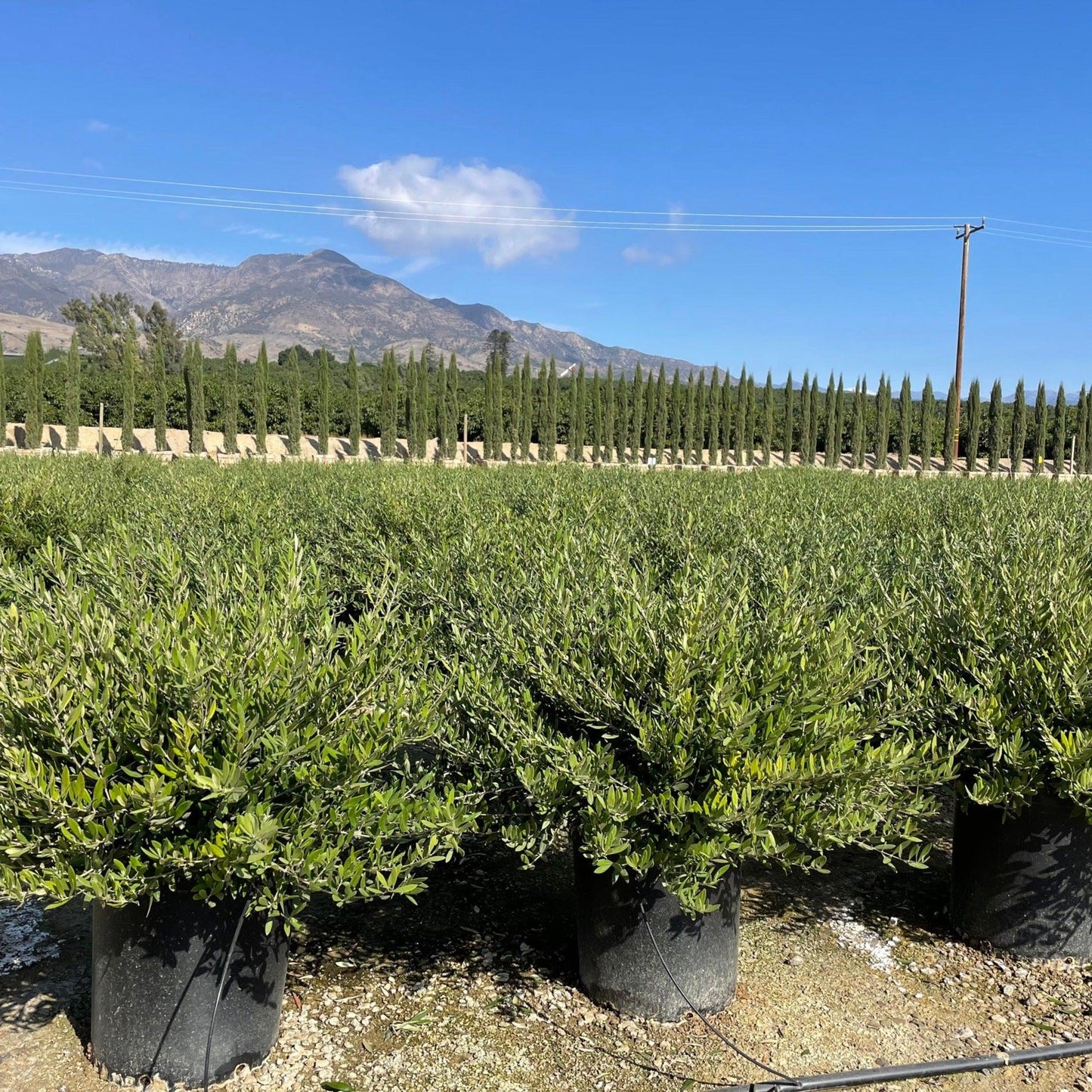
Acacia Desert Carpet gives California landscapes a dense, low-growing groundcover that helps cover bare soil, reduce weeds, and stabilize slopes without the high water demands of traditional turf or thirsty groundcovers.
Also known as acacia redolens desert carpet, acacia redolens, and prostrate acacia, this spreading fragrant shrub is ideal for homeowners who want erosion control, year-round structure, and a clean desert carpet effect across large open areas. Once established, the Desert Carpet plant requires virtually no supplemental water, demonstrating exceptional drought tolerance.
For Southern California, the Bay Area, inland valleys, and Mediterranean-style gardens, this plant solves a common problem: exposed soil that looks unfinished, heats up in full sun, or washes down slopes during rain. Desert Carpet Acacia spreads wide, stays low, and creates a durable gray green mat that requires minimal maintenance after the first year.
Why You’ll Love Desert Carpet Acacia
-
Drought Tolerance – This plant is known for its exceptional drought tolerance and requires virtually no supplemental water once established, making it suitable for arid landscapes.
-
Fast Coverage – The ‘Desert Carpet’ variety stays uniformly flat, reaching only 1 to 2 feet in height, while spreading aggressively up to 8 to 15 feet in width.
-
Year-Round Beauty – Acacia redolens ‘Desert Carpet’ is an evergreen shrub that typically grows to a height of 1 to 2 feet and can spread 6 to 10 feet wide, making it an effective ground cover.
-
Erosion Control – It is effective for erosion control due to its rapid establishment and sprawling root network, making it suitable for difficult slopes and banks.
-
Seasonal Blooms – It produces masses of golden-yellow puffball flowers from late winter through spring, emitting a sweet vanilla or marzipan scent.
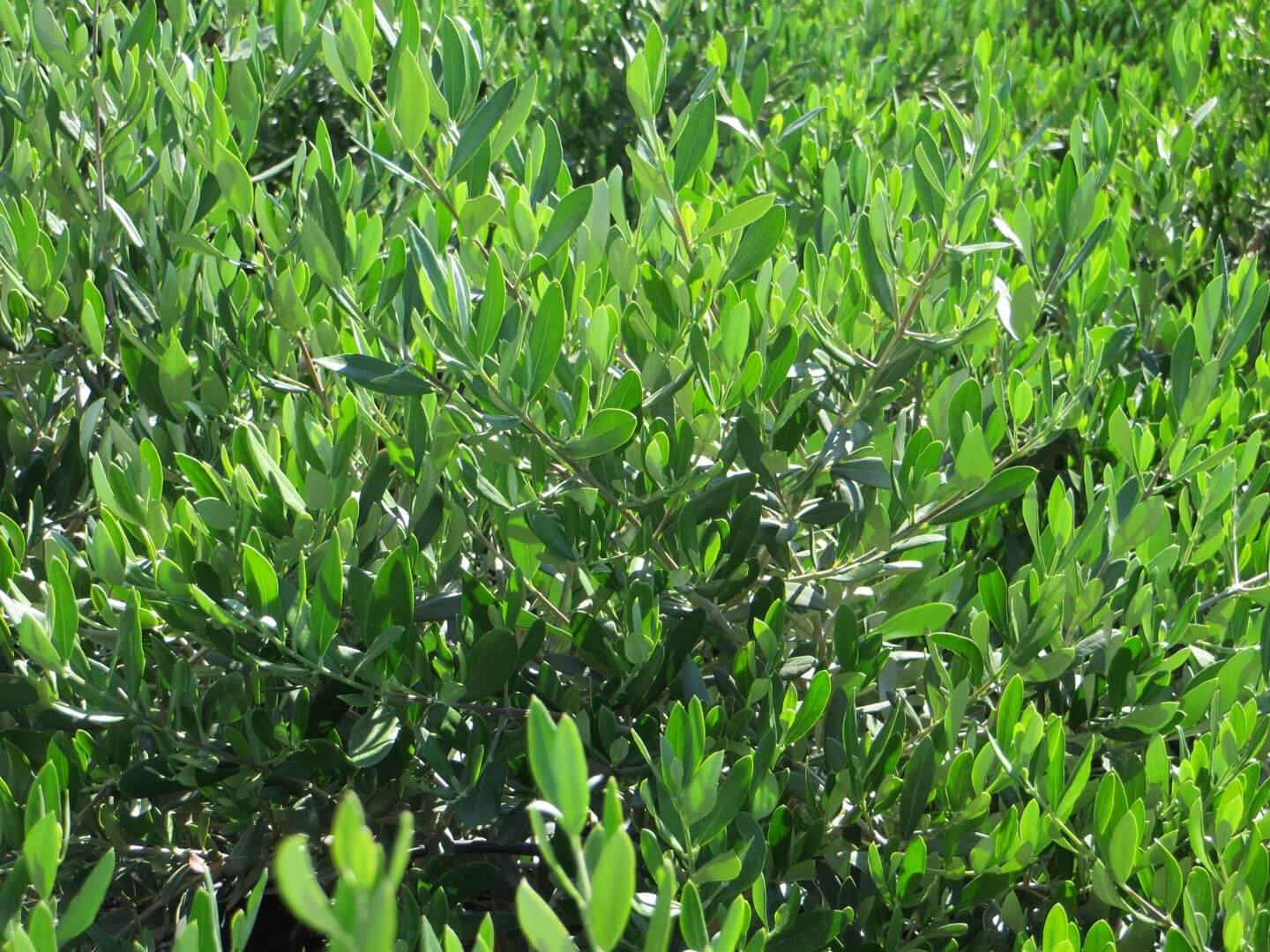
The foliage of the Desert Carpet Acacia is gray-green, narrow, and leathery, and it produces yellow puffball flowers that bloom from late winter to late spring. The yellow flowers are a major part of the plant’s seasonal appeal, especially the yellow flowers that carry an intense vanilla scent when the shrub is in bloom.
What Makes Desert Carpet Different
Most groundcovers either need regular irrigation, struggle in reflected heat, or fail to hold soil on slopes. Desert Carpet is built for dry, sunny spaces where a conventional small groundcover or medium sized shrub may need too much water or too much pruning.
Acacia Desert Carpet is different:
-
Prostrate Growth Habit – It stays low at 1 to 2 feet in height while developing a broad spread, unlike upright acacia species or a larger shrub that can block views.
-
Salt Tolerance – Desert Carpet handles slightly saline soils and alkaline soil conditions better than many ornamental groundcovers.
-
Vanilla Fragrance – Its blooms produce yellow puffball flowers with a sweet vanilla or marzipan fragrance, a rare feature in a durable groundcover.
The Desert Carpet plant, or Acacia redolens, is effective for erosion control due to its shallow root system and spreading form, making it ideal for stabilizing slopes. The ‘Desert Carpet’ Acacia has a unique aesthetic that influences desert-style home decor and architectural design, especially where clean architectural lines meet soft, drought-tolerant planting.
How to Plant and Establish Desert Carpet Acacia
-
Site Preparation
Choose a full sun location with well-drained soil. Desert Carpet is particularly suited for water-wise landscaping applications, thriving in full sun and well-drained, sandy or rocky soils, making it a sustainable choice for arid regions. -
Planting Process
Space plants about 6 to 8 feet apart for quicker coverage, or farther apart where there is room for a mature spread. Water deeply after planting to settle the root zone and help the plant begin establishing. -
Establishment Care
Water regularly through the first year so the root system can develop. Once established, the Desert Carpet plant requires virtually no supplemental water, demonstrating exceptional drought tolerance.
The Desert Carpet plant thrives in full sun and requires well-drained, sandy or rocky soil. The plant’s vigorous and wide-spreading nature means it needs plenty of room to mature, making it unsuitable for planting near delicate foliage. Use edging, open planting beds, or hardscape borders to keep the groundcover within the intended parts of the landscape.
Plant Specifications
-
Mature Size: The ‘Desert Carpet’ variety stays uniformly flat, reaching only 1 to 2 feet in height, while spreading aggressively up to 8 to 15 feet in width.
-
Groundcover Spread: This evergreen shrub can spread 6 to 8 feet wide, providing dense ground cover that suppresses weeds and requires minimal maintenance once established.
-
Additional Size Description: Acacia redolens ‘Desert Carpet’ is an evergreen shrub that typically grows to a height of 1 to 2 feet and can spread 6 to 10 feet wide, making it an effective ground cover.
-
Hardiness Zones: The Desert Carpet plant is suitable for USDA Zones 5 to 11 and Sunset Zones 8, 9, and 12 to 24.
-
Sun Requirements: Full sun is ideal, and the plant also tolerates reflected heat in hot California landscapes.
-
Soil Needs: Well-draining, sandy, rocky, or similar soil is best; Desert Carpet also handles slightly saline soils.
-
Bloom Time: The foliage of the Desert Carpet Acacia is gray-green, narrow, and leathery, and it produces yellow puffball flowers that bloom from late winter to late spring.
-
Seasonal Flower Note: It produces masses of golden-yellow puffball flowers from late winter through spring, emitting a sweet vanilla or marzipan scent.
-
Native Range Note: In its native range, flowering may be found in August through October, while California blooms are more commonly seen from February through spring.
-
Growth Rate: Fast-spreading groundcover once established, with dense vegetative parts that help shade soil and reduce weed pressure.
This description makes Desert Carpet a good choice when you need a durable, low groundcover rather than a walkable lawn replacement. It is best used for visual coverage, slope planting, and low-maintenance mass planting alongside small desert trees for landscaping rather than regular foot traffic.
Perfect For These California Gardens
Ideal for:
-
Homeowners with large areas needing low-maintenance coverage
-
Properties with slopes, banks, or erosion-prone soil
-
Drought-conscious gardeners seeking water-wise landscaping
-
Desert and Mediterranean-style landscape designs, including drought-tolerant shrubs like California lilac (Ceanothus)
-
Full sun areas with sandy, rocky, or challenging soil
-
Southern California gardens, Bay Area microclimates, and warm inland regions where water conservation matters that may also feature drought-tolerant trees like the California Pepper Tree
Desert Carpet is especially useful where bare soil needs to be covered quickly and where irrigation access is limited. It is effective for erosion control due to its rapid establishment and sprawling root network, making it suitable for difficult slopes and banks.
Because the plant can spread widely, avoid placing Desert Carpet next to delicate foliage, narrow planting strips, or small beds where aggressive lateral growth would be hard to manage. If you want dense coverage, yellow seasonal blooms, and a low-water plant that looks good throughout the year, Desert Carpet fits the need.
Frequently Asked Questions
How fast does Desert Carpet Acacia spread?
Desert Carpet is a fast-spreading groundcover after establishment. With proper spacing and care, it can begin filling large areas within 1 to 2 growing seasons, depending on sun, soil, irrigation, and regional climate.
Will it survive California’s dry summers?
Yes. This plant is known for its exceptional drought tolerance and requires virtually no supplemental water once established, making it suitable for arid landscapes. In very hot inland areas, occasional deep watering can keep the gray green foliage looking fresher.
Can I walk on Desert Carpet Acacia?
Desert Carpet is better for coverage than traffic. It is not ideal as a pathway surface because the vegetative parts can be damaged by repeated walking. Use stepping stones, gravel paths, or defined hardscape routes through planted areas.
How do I control its spread?
Give Desert Carpet room from the start, prune edges lightly in spring, and use borders or edging where the spread needs to stop. The plant’s vigorous and wide-spreading nature means it needs plenty of room to mature, making it unsuitable for planting near delicate foliage.
When should I plant it?
Plant in spring or fall for best establishment. Spring planting gives roots time to grow before summer heat, while fall planting allows root development before late winter and spring blooms.
Ready to Transform Your Landscape?
Stop leaving slopes, banks, and bare soil exposed. Choose Acacia Desert Carpet for dense coverage, erosion control, low water use, yellow flowers, and a durable desert carpet look that fits California landscapes.
Yardwork can help you select the right plant size, plan spacing for large areas, and match Desert Carpet with your sun, soil, and design goals, or guide you in choosing flowering trees suited to California gardens. For bigger projects, our consultation services can help with slope coverage, water-wise layouts, and groundcover planning, and connect you with a full-service plant nursery and landscaping partner.
Check current inventory, add Acacia Desert Carpet to your cart, and schedule California delivery.
Acacia Desert Carpet (Acacia redolens desert carpet)
Transform Your Landscape with Fast-Growing, Drought-Tolerant Coverage
Acacia Desert Carpet gives California landscapes a dense, low-growing groundcover that helps cover bare soil, reduce weeds, and stabilize slopes without the high water demands of traditional turf or thirsty groundcovers.
Also known as acacia redolens desert carpet, acacia redolens, and prostrate acacia, this spreading fragrant shrub is ideal for homeowners who want erosion control, year-round structure, and a clean desert carpet effect across large open areas. Once established, the Desert Carpet plant requires virtually no supplemental water, demonstrating exceptional drought tolerance.
For Southern California, the Bay Area, inland valleys, and Mediterranean-style gardens, this plant solves a common problem: exposed soil that looks unfinished, heats up in full sun, or washes down slopes during rain. Desert Carpet Acacia spreads wide, stays low, and creates a durable gray green mat that requires minimal maintenance after the first year.
Why You’ll Love Desert Carpet Acacia
-
Drought Tolerance – This plant is known for its exceptional drought tolerance and requires virtually no supplemental water once established, making it suitable for arid landscapes.
-
Fast Coverage – The ‘Desert Carpet’ variety stays uniformly flat, reaching only 1 to 2 feet in height, while spreading aggressively up to 8 to 15 feet in width.
-
Year-Round Beauty – Acacia redolens ‘Desert Carpet’ is an evergreen shrub that typically grows to a height of 1 to 2 feet and can spread 6 to 10 feet wide, making it an effective ground cover.
-
Erosion Control – It is effective for erosion control due to its rapid establishment and sprawling root network, making it suitable for difficult slopes and banks.
-
Seasonal Blooms – It produces masses of golden-yellow puffball flowers from late winter through spring, emitting a sweet vanilla or marzipan scent.
The foliage of the Desert Carpet Acacia is gray-green, narrow, and leathery, and it produces yellow puffball flowers that bloom from late winter to late spring. The yellow flowers are a major part of the plant’s seasonal appeal, especially the yellow flowers that carry an intense vanilla scent when the shrub is in bloom.
What Makes Desert Carpet Different
Most groundcovers either need regular irrigation, struggle in reflected heat, or fail to hold soil on slopes. Desert Carpet is built for dry, sunny spaces where a conventional small groundcover or medium sized shrub may need too much water or too much pruning.
Acacia Desert Carpet is different:
-
Prostrate Growth Habit – It stays low at 1 to 2 feet in height while developing a broad spread, unlike upright acacia species or a larger shrub that can block views.
-
Salt Tolerance – Desert Carpet handles slightly saline soils and alkaline soil conditions better than many ornamental groundcovers.
-
Vanilla Fragrance – Its blooms produce yellow puffball flowers with a sweet vanilla or marzipan fragrance, a rare feature in a durable groundcover.
The Desert Carpet plant, or Acacia redolens, is effective for erosion control due to its shallow root system and spreading form, making it ideal for stabilizing slopes. The ‘Desert Carpet’ Acacia has a unique aesthetic that influences desert-style home decor and architectural design, especially where clean architectural lines meet soft, drought-tolerant planting.
How to Plant and Establish Desert Carpet Acacia
-
Site Preparation
Choose a full sun location with well-drained soil. Desert Carpet is particularly suited for water-wise landscaping applications, thriving in full sun and well-drained, sandy or rocky soils, making it a sustainable choice for arid regions. -
Planting Process
Space plants about 6 to 8 feet apart for quicker coverage, or farther apart where there is room for a mature spread. Water deeply after planting to settle the root zone and help the plant begin establishing. -
Establishment Care
Water regularly through the first year so the root system can develop. Once established, the Desert Carpet plant requires virtually no supplemental water, demonstrating exceptional drought tolerance.
The Desert Carpet plant thrives in full sun and requires well-drained, sandy or rocky soil. The plant’s vigorous and wide-spreading nature means it needs plenty of room to mature, making it unsuitable for planting near delicate foliage. Use edging, open planting beds, or hardscape borders to keep the groundcover within the intended parts of the landscape.
Plant Specifications
-
Mature Size: The ‘Desert Carpet’ variety stays uniformly flat, reaching only 1 to 2 feet in height, while spreading aggressively up to 8 to 15 feet in width.
-
Groundcover Spread: This evergreen shrub can spread 6 to 8 feet wide, providing dense ground cover that suppresses weeds and requires minimal maintenance once established.
-
Additional Size Description: Acacia redolens ‘Desert Carpet’ is an evergreen shrub that typically grows to a height of 1 to 2 feet and can spread 6 to 10 feet wide, making it an effective ground cover.
-
Hardiness Zones: The Desert Carpet plant is suitable for USDA Zones 5 to 11 and Sunset Zones 8, 9, and 12 to 24.
-
Sun Requirements: Full sun is ideal, and the plant also tolerates reflected heat in hot California landscapes.
-
Soil Needs: Well-draining, sandy, rocky, or similar soil is best; Desert Carpet also handles slightly saline soils.
-
Bloom Time: The foliage of the Desert Carpet Acacia is gray-green, narrow, and leathery, and it produces yellow puffball flowers that bloom from late winter to late spring.
-
Seasonal Flower Note: It produces masses of golden-yellow puffball flowers from late winter through spring, emitting a sweet vanilla or marzipan scent.
-
Native Range Note: In its native range, flowering may be found in August through October, while California blooms are more commonly seen from February through spring.
-
Growth Rate: Fast-spreading groundcover once established, with dense vegetative parts that help shade soil and reduce weed pressure.
This description makes Desert Carpet a good choice when you need a durable, low groundcover rather than a walkable lawn replacement. It is best used for visual coverage, slope planting, and low-maintenance mass planting alongside small desert trees for landscaping rather than regular foot traffic.
Perfect For These California Gardens
Ideal for:
-
Homeowners with large areas needing low-maintenance coverage
-
Properties with slopes, banks, or erosion-prone soil
-
Drought-conscious gardeners seeking water-wise landscaping
-
Desert and Mediterranean-style landscape designs, including drought-tolerant shrubs like California lilac (Ceanothus)
-
Full sun areas with sandy, rocky, or challenging soil
-
Southern California gardens, Bay Area microclimates, and warm inland regions where water conservation matters that may also feature drought-tolerant trees like the California Pepper Tree
Desert Carpet is especially useful where bare soil needs to be covered quickly and where irrigation access is limited. It is effective for erosion control due to its rapid establishment and sprawling root network, making it suitable for difficult slopes and banks.
Because the plant can spread widely, avoid placing Desert Carpet next to delicate foliage, narrow planting strips, or small beds where aggressive lateral growth would be hard to manage. If you want dense coverage, yellow seasonal blooms, and a low-water plant that looks good throughout the year, Desert Carpet fits the need.
Frequently Asked Questions
How fast does Desert Carpet Acacia spread?
Desert Carpet is a fast-spreading groundcover after establishment. With proper spacing and care, it can begin filling large areas within 1 to 2 growing seasons, depending on sun, soil, irrigation, and regional climate.
Will it survive California’s dry summers?
Yes. This plant is known for its exceptional drought tolerance and requires virtually no supplemental water once established, making it suitable for arid landscapes. In very hot inland areas, occasional deep watering can keep the gray green foliage looking fresher.
Can I walk on Desert Carpet Acacia?
Desert Carpet is better for coverage than traffic. It is not ideal as a pathway surface because the vegetative parts can be damaged by repeated walking. Use stepping stones, gravel paths, or defined hardscape routes through planted areas.
How do I control its spread?
Give Desert Carpet room from the start, prune edges lightly in spring, and use borders or edging where the spread needs to stop. The plant’s vigorous and wide-spreading nature means it needs plenty of room to mature, making it unsuitable for planting near delicate foliage.
When should I plant it?
Plant in spring or fall for best establishment. Spring planting gives roots time to grow before summer heat, while fall planting allows root development before late winter and spring blooms.
Ready to Transform Your Landscape?
Stop leaving slopes, banks, and bare soil exposed. Choose Acacia Desert Carpet for dense coverage, erosion control, low water use, yellow flowers, and a durable desert carpet look that fits California landscapes.
Yardwork can help you select the right plant size, plan spacing for large areas, and match Desert Carpet with your sun, soil, and design goals, or guide you in choosing flowering trees suited to California gardens. For bigger projects, our consultation services can help with slope coverage, water-wise layouts, and groundcover planning, and connect you with a full-service plant nursery and landscaping partner.
Check current inventory, add Acacia Desert Carpet to your cart, and schedule California delivery.
Plants vary greatly by type and no guarantees are made on sizing.
However here is a rough idea of sizes based on containers that are direct from our growing grounds.
15 Gallon Shrub 3-4 Ft. Tall
15 Gallon Tree 5-6 Ft. Tall
24" Box Shrub 5-6 Ft. Tall
24" Box Tree 6-7 Ft. Tall
36" Box Tree 8-10 Ft. Tall
48" Box Tree 10-12 Ft. Tall
Please note: Citrus and California Native plants such as Manzanita are smaller than traditional sizing.
Please contact us to confirm sizing of items before purchasing if this is a concern.
Plants vary greatly by type and no guarantees are made on sizing.
However here is a rough idea of sizes based on containers that are direct from our growing grounds.
15 Gallon Shrub 3-4 Ft. Tall
15 Gallon Tree 5-6 Ft. Tall
24" Box Shrub 5-6 Ft. Tall
24" Box Tree 6-7 Ft. Tall
36" Box Tree 8-10 Ft. Tall
48" Box Tree 10-12 Ft. Tall
Please note: Citrus and California Native plants such as Manzanita are smaller than traditional sizing.
Please contact us to confirm sizing of items before purchasing if this is a concern.
Delivery does not include unloading of trees and plants larger than a 24" box.
Trees and plants in smaller containers will be dropped curbside.
Delivery beyond a curbside drop will be charged extra.
Trees and plants that are sold in container sizes larger than a 24" box size will require equipment and an operator onsite to help unload from the truck.
Please reach out to our team PRIOR to placing your order to coordinate.
Our team can provide unloading assistance with equipment for an extra fee.
Delivery does not include unloading of trees and plants larger than a 24" box.
Trees and plants in smaller containers will be dropped curbside.
Delivery beyond a curbside drop will be charged extra.
Trees and plants that are sold in container sizes larger than a 24" box size will require equipment and an operator onsite to help unload from the truck.
Please reach out to our team PRIOR to placing your order to coordinate.
Our team can provide unloading assistance with equipment for an extra fee.
You may also like...


Desert Carpet Acacia - Acacia redolens 'Desert Carpet'
Regular price
$34.95
Title
Acacia Desert Carpet (Acacia redolens desert carpet)
Transform Your Landscape with Fast-Growing, Drought-Tolerant Coverage
Acacia Desert Carpet gives California landscapes a dense, low-growing groundcover that helps cover bare soil, reduce weeds, and stabilize slopes without the high water demands of traditional turf or thirsty groundcovers.
Also known as acacia redolens desert carpet, acacia redolens, and prostrate acacia, this spreading fragrant shrub is ideal for homeowners who want erosion control, year-round structure, and a clean desert carpet effect across large open areas. Once established, the Desert Carpet plant requires virtually no supplemental water, demonstrating exceptional drought tolerance.
For Southern California, the Bay Area, inland valleys, and Mediterranean-style gardens, this plant solves a common problem: exposed soil that looks unfinished, heats up in full sun, or washes down slopes during rain. Desert Carpet Acacia spreads wide, stays low, and creates a durable gray green mat that requires minimal maintenance after the first year.
Why You’ll Love Desert Carpet Acacia
-
Drought Tolerance – This plant is known for its exceptional drought tolerance and requires virtually no supplemental water once established, making it suitable for arid landscapes.
-
Fast Coverage – The ‘Desert Carpet’ variety stays uniformly flat, reaching only 1 to 2 feet in height, while spreading aggressively up to 8 to 15 feet in width.
-
Year-Round Beauty – Acacia redolens ‘Desert Carpet’ is an evergreen shrub that typically grows to a height of 1 to 2 feet and can spread 6 to 10 feet wide, making it an effective ground cover.
-
Erosion Control – It is effective for erosion control due to its rapid establishment and sprawling root network, making it suitable for difficult slopes and banks.
-
Seasonal Blooms – It produces masses of golden-yellow puffball flowers from late winter through spring, emitting a sweet vanilla or marzipan scent.
The foliage of the Desert Carpet Acacia is gray-green, narrow, and leathery, and it produces yellow puffball flowers that bloom from late winter to late spring. The yellow flowers are a major part of the plant’s seasonal appeal, especially the yellow flowers that carry an intense vanilla scent when the shrub is in bloom.
What Makes Desert Carpet Different
Most groundcovers either need regular irrigation, struggle in reflected heat, or fail to hold soil on slopes. Desert Carpet is built for dry, sunny spaces where a conventional small groundcover or medium sized shrub may need too much water or too much pruning.
Acacia Desert Carpet is different:
-
Prostrate Growth Habit – It stays low at 1 to 2 feet in height while developing a broad spread, unlike upright acacia species or a larger shrub that can block views.
-
Salt Tolerance – Desert Carpet handles slightly saline soils and alkaline soil conditions better than many ornamental groundcovers.
-
Vanilla Fragrance – Its blooms produce yellow puffball flowers with a sweet vanilla or marzipan fragrance, a rare feature in a durable groundcover.
The Desert Carpet plant, or Acacia redolens, is effective for erosion control due to its shallow root system and spreading form, making it ideal for stabilizing slopes. The ‘Desert Carpet’ Acacia has a unique aesthetic that influences desert-style home decor and architectural design, especially where clean architectural lines meet soft, drought-tolerant planting.
How to Plant and Establish Desert Carpet Acacia
-
Site Preparation
Choose a full sun location with well-drained soil. Desert Carpet is particularly suited for water-wise landscaping applications, thriving in full sun and well-drained, sandy or rocky soils, making it a sustainable choice for arid regions. -
Planting Process
Space plants about 6 to 8 feet apart for quicker coverage, or farther apart where there is room for a mature spread. Water deeply after planting to settle the root zone and help the plant begin establishing. -
Establishment Care
Water regularly through the first year so the root system can develop. Once established, the Desert Carpet plant requires virtually no supplemental water, demonstrating exceptional drought tolerance.
The Desert Carpet plant thrives in full sun and requires well-drained, sandy or rocky soil. The plant’s vigorous and wide-spreading nature means it needs plenty of room to mature, making it unsuitable for planting near delicate foliage. Use edging, open planting beds, or hardscape borders to keep the groundcover within the intended parts of the landscape.
Plant Specifications
-
Mature Size: The ‘Desert Carpet’ variety stays uniformly flat, reaching only 1 to 2 feet in height, while spreading aggressively up to 8 to 15 feet in width.
-
Groundcover Spread: This evergreen shrub can spread 6 to 8 feet wide, providing dense ground cover that suppresses weeds and requires minimal maintenance once established.
-
Additional Size Description: Acacia redolens ‘Desert Carpet’ is an evergreen shrub that typically grows to a height of 1 to 2 feet and can spread 6 to 10 feet wide, making it an effective ground cover.
-
Hardiness Zones: The Desert Carpet plant is suitable for USDA Zones 5 to 11 and Sunset Zones 8, 9, and 12 to 24.
-
Sun Requirements: Full sun is ideal, and the plant also tolerates reflected heat in hot California landscapes.
-
Soil Needs: Well-draining, sandy, rocky, or similar soil is best; Desert Carpet also handles slightly saline soils.
-
Bloom Time: The foliage of the Desert Carpet Acacia is gray-green, narrow, and leathery, and it produces yellow puffball flowers that bloom from late winter to late spring.
-
Seasonal Flower Note: It produces masses of golden-yellow puffball flowers from late winter through spring, emitting a sweet vanilla or marzipan scent.
-
Native Range Note: In its native range, flowering may be found in August through October, while California blooms are more commonly seen from February through spring.
-
Growth Rate: Fast-spreading groundcover once established, with dense vegetative parts that help shade soil and reduce weed pressure.
This description makes Desert Carpet a good choice when you need a durable, low groundcover rather than a walkable lawn replacement. It is best used for visual coverage, slope planting, and low-maintenance mass planting alongside small desert trees for landscaping rather than regular foot traffic.
Perfect For These California Gardens
Ideal for:
-
Homeowners with large areas needing low-maintenance coverage
-
Properties with slopes, banks, or erosion-prone soil
-
Drought-conscious gardeners seeking water-wise landscaping
-
Desert and Mediterranean-style landscape designs, including drought-tolerant shrubs like California lilac (Ceanothus)
-
Full sun areas with sandy, rocky, or challenging soil
-
Southern California gardens, Bay Area microclimates, and warm inland regions where water conservation matters that may also feature drought-tolerant trees like the California Pepper Tree
Desert Carpet is especially useful where bare soil needs to be covered quickly and where irrigation access is limited. It is effective for erosion control due to its rapid establishment and sprawling root network, making it suitable for difficult slopes and banks.
Because the plant can spread widely, avoid placing Desert Carpet next to delicate foliage, narrow planting strips, or small beds where aggressive lateral growth would be hard to manage. If you want dense coverage, yellow seasonal blooms, and a low-water plant that looks good throughout the year, Desert Carpet fits the need.
Frequently Asked Questions
How fast does Desert Carpet Acacia spread?
Desert Carpet is a fast-spreading groundcover after establishment. With proper spacing and care, it can begin filling large areas within 1 to 2 growing seasons, depending on sun, soil, irrigation, and regional climate.
Will it survive California’s dry summers?
Yes. This plant is known for its exceptional drought tolerance and requires virtually no supplemental water once established, making it suitable for arid landscapes. In very hot inland areas, occasional deep watering can keep the gray green foliage looking fresher.
Can I walk on Desert Carpet Acacia?
Desert Carpet is better for coverage than traffic. It is not ideal as a pathway surface because the vegetative parts can be damaged by repeated walking. Use stepping stones, gravel paths, or defined hardscape routes through planted areas.
How do I control its spread?
Give Desert Carpet room from the start, prune edges lightly in spring, and use borders or edging where the spread needs to stop. The plant’s vigorous and wide-spreading nature means it needs plenty of room to mature, making it unsuitable for planting near delicate foliage.
When should I plant it?
Plant in spring or fall for best establishment. Spring planting gives roots time to grow before summer heat, while fall planting allows root development before late winter and spring blooms.
Ready to Transform Your Landscape?
Stop leaving slopes, banks, and bare soil exposed. Choose Acacia Desert Carpet for dense coverage, erosion control, low water use, yellow flowers, and a durable desert carpet look that fits California landscapes.
Yardwork can help you select the right plant size, plan spacing for large areas, and match Desert Carpet with your sun, soil, and design goals, or guide you in choosing flowering trees suited to California gardens. For bigger projects, our consultation services can help with slope coverage, water-wise layouts, and groundcover planning, and connect you with a full-service plant nursery and landscaping partner.
Check current inventory, add Acacia Desert Carpet to your cart, and schedule California delivery.
Acacia Desert Carpet (Acacia redolens desert carpet)
Transform Your Landscape with Fast-Growing, Drought-Tolerant Coverage
Acacia Desert Carpet gives California landscapes a dense, low-growing groundcover that helps cover bare soil, reduce weeds, and stabilize slopes without the high water demands of traditional turf or thirsty groundcovers.
Also known as acacia redolens desert carpet, acacia redolens, and prostrate acacia, this spreading fragrant shrub is ideal for homeowners who want erosion control, year-round structure, and a clean desert carpet effect across large open areas. Once established, the Desert Carpet plant requires virtually no supplemental water, demonstrating exceptional drought tolerance.
For Southern California, the Bay Area, inland valleys, and Mediterranean-style gardens, this plant solves a common problem: exposed soil that looks unfinished, heats up in full sun, or washes down slopes during rain. Desert Carpet Acacia spreads wide, stays low, and creates a durable gray green mat that requires minimal maintenance after the first year.
Why You’ll Love Desert Carpet Acacia
-
Drought Tolerance – This plant is known for its exceptional drought tolerance and requires virtually no supplemental water once established, making it suitable for arid landscapes.
-
Fast Coverage – The ‘Desert Carpet’ variety stays uniformly flat, reaching only 1 to 2 feet in height, while spreading aggressively up to 8 to 15 feet in width.
-
Year-Round Beauty – Acacia redolens ‘Desert Carpet’ is an evergreen shrub that typically grows to a height of 1 to 2 feet and can spread 6 to 10 feet wide, making it an effective ground cover.
-
Erosion Control – It is effective for erosion control due to its rapid establishment and sprawling root network, making it suitable for difficult slopes and banks.
-
Seasonal Blooms – It produces masses of golden-yellow puffball flowers from late winter through spring, emitting a sweet vanilla or marzipan scent.
The foliage of the Desert Carpet Acacia is gray-green, narrow, and leathery, and it produces yellow puffball flowers that bloom from late winter to late spring. The yellow flowers are a major part of the plant’s seasonal appeal, especially the yellow flowers that carry an intense vanilla scent when the shrub is in bloom.
What Makes Desert Carpet Different
Most groundcovers either need regular irrigation, struggle in reflected heat, or fail to hold soil on slopes. Desert Carpet is built for dry, sunny spaces where a conventional small groundcover or medium sized shrub may need too much water or too much pruning.
Acacia Desert Carpet is different:
-
Prostrate Growth Habit – It stays low at 1 to 2 feet in height while developing a broad spread, unlike upright acacia species or a larger shrub that can block views.
-
Salt Tolerance – Desert Carpet handles slightly saline soils and alkaline soil conditions better than many ornamental groundcovers.
-
Vanilla Fragrance – Its blooms produce yellow puffball flowers with a sweet vanilla or marzipan fragrance, a rare feature in a durable groundcover.
The Desert Carpet plant, or Acacia redolens, is effective for erosion control due to its shallow root system and spreading form, making it ideal for stabilizing slopes. The ‘Desert Carpet’ Acacia has a unique aesthetic that influences desert-style home decor and architectural design, especially where clean architectural lines meet soft, drought-tolerant planting.
How to Plant and Establish Desert Carpet Acacia
-
Site Preparation
Choose a full sun location with well-drained soil. Desert Carpet is particularly suited for water-wise landscaping applications, thriving in full sun and well-drained, sandy or rocky soils, making it a sustainable choice for arid regions. -
Planting Process
Space plants about 6 to 8 feet apart for quicker coverage, or farther apart where there is room for a mature spread. Water deeply after planting to settle the root zone and help the plant begin establishing. -
Establishment Care
Water regularly through the first year so the root system can develop. Once established, the Desert Carpet plant requires virtually no supplemental water, demonstrating exceptional drought tolerance.
The Desert Carpet plant thrives in full sun and requires well-drained, sandy or rocky soil. The plant’s vigorous and wide-spreading nature means it needs plenty of room to mature, making it unsuitable for planting near delicate foliage. Use edging, open planting beds, or hardscape borders to keep the groundcover within the intended parts of the landscape.
Plant Specifications
-
Mature Size: The ‘Desert Carpet’ variety stays uniformly flat, reaching only 1 to 2 feet in height, while spreading aggressively up to 8 to 15 feet in width.
-
Groundcover Spread: This evergreen shrub can spread 6 to 8 feet wide, providing dense ground cover that suppresses weeds and requires minimal maintenance once established.
-
Additional Size Description: Acacia redolens ‘Desert Carpet’ is an evergreen shrub that typically grows to a height of 1 to 2 feet and can spread 6 to 10 feet wide, making it an effective ground cover.
-
Hardiness Zones: The Desert Carpet plant is suitable for USDA Zones 5 to 11 and Sunset Zones 8, 9, and 12 to 24.
-
Sun Requirements: Full sun is ideal, and the plant also tolerates reflected heat in hot California landscapes.
-
Soil Needs: Well-draining, sandy, rocky, or similar soil is best; Desert Carpet also handles slightly saline soils.
-
Bloom Time: The foliage of the Desert Carpet Acacia is gray-green, narrow, and leathery, and it produces yellow puffball flowers that bloom from late winter to late spring.
-
Seasonal Flower Note: It produces masses of golden-yellow puffball flowers from late winter through spring, emitting a sweet vanilla or marzipan scent.
-
Native Range Note: In its native range, flowering may be found in August through October, while California blooms are more commonly seen from February through spring.
-
Growth Rate: Fast-spreading groundcover once established, with dense vegetative parts that help shade soil and reduce weed pressure.
This description makes Desert Carpet a good choice when you need a durable, low groundcover rather than a walkable lawn replacement. It is best used for visual coverage, slope planting, and low-maintenance mass planting alongside small desert trees for landscaping rather than regular foot traffic.
Perfect For These California Gardens
Ideal for:
-
Homeowners with large areas needing low-maintenance coverage
-
Properties with slopes, banks, or erosion-prone soil
-
Drought-conscious gardeners seeking water-wise landscaping
-
Desert and Mediterranean-style landscape designs, including drought-tolerant shrubs like California lilac (Ceanothus)
-
Full sun areas with sandy, rocky, or challenging soil
-
Southern California gardens, Bay Area microclimates, and warm inland regions where water conservation matters that may also feature drought-tolerant trees like the California Pepper Tree
Desert Carpet is especially useful where bare soil needs to be covered quickly and where irrigation access is limited. It is effective for erosion control due to its rapid establishment and sprawling root network, making it suitable for difficult slopes and banks.
Because the plant can spread widely, avoid placing Desert Carpet next to delicate foliage, narrow planting strips, or small beds where aggressive lateral growth would be hard to manage. If you want dense coverage, yellow seasonal blooms, and a low-water plant that looks good throughout the year, Desert Carpet fits the need.
Frequently Asked Questions
How fast does Desert Carpet Acacia spread?
Desert Carpet is a fast-spreading groundcover after establishment. With proper spacing and care, it can begin filling large areas within 1 to 2 growing seasons, depending on sun, soil, irrigation, and regional climate.
Will it survive California’s dry summers?
Yes. This plant is known for its exceptional drought tolerance and requires virtually no supplemental water once established, making it suitable for arid landscapes. In very hot inland areas, occasional deep watering can keep the gray green foliage looking fresher.
Can I walk on Desert Carpet Acacia?
Desert Carpet is better for coverage than traffic. It is not ideal as a pathway surface because the vegetative parts can be damaged by repeated walking. Use stepping stones, gravel paths, or defined hardscape routes through planted areas.
How do I control its spread?
Give Desert Carpet room from the start, prune edges lightly in spring, and use borders or edging where the spread needs to stop. The plant’s vigorous and wide-spreading nature means it needs plenty of room to mature, making it unsuitable for planting near delicate foliage.
When should I plant it?
Plant in spring or fall for best establishment. Spring planting gives roots time to grow before summer heat, while fall planting allows root development before late winter and spring blooms.
Ready to Transform Your Landscape?
Stop leaving slopes, banks, and bare soil exposed. Choose Acacia Desert Carpet for dense coverage, erosion control, low water use, yellow flowers, and a durable desert carpet look that fits California landscapes.
Yardwork can help you select the right plant size, plan spacing for large areas, and match Desert Carpet with your sun, soil, and design goals, or guide you in choosing flowering trees suited to California gardens. For bigger projects, our consultation services can help with slope coverage, water-wise layouts, and groundcover planning, and connect you with a full-service plant nursery and landscaping partner.
Check current inventory, add Acacia Desert Carpet to your cart, and schedule California delivery.
Plants vary greatly by type and no guarantees are made on sizing.
However here is a rough idea of sizes based on containers that are direct from our growing grounds.
15 Gallon Shrub 3-4 Ft. Tall
15 Gallon Tree 5-6 Ft. Tall
24" Box Shrub 5-6 Ft. Tall
24" Box Tree 6-7 Ft. Tall
36" Box Tree 8-10 Ft. Tall
48" Box Tree 10-12 Ft. Tall
Please note: Citrus and California Native plants such as Manzanita are smaller than traditional sizing.
Please contact us to confirm sizing of items before purchasing if this is a concern.
Plants vary greatly by type and no guarantees are made on sizing.
However here is a rough idea of sizes based on containers that are direct from our growing grounds.
15 Gallon Shrub 3-4 Ft. Tall
15 Gallon Tree 5-6 Ft. Tall
24" Box Shrub 5-6 Ft. Tall
24" Box Tree 6-7 Ft. Tall
36" Box Tree 8-10 Ft. Tall
48" Box Tree 10-12 Ft. Tall
Please note: Citrus and California Native plants such as Manzanita are smaller than traditional sizing.
Please contact us to confirm sizing of items before purchasing if this is a concern.
Delivery does not include unloading of trees and plants larger than a 24" box.
Trees and plants in smaller containers will be dropped curbside.
Delivery beyond a curbside drop will be charged extra.
Trees and plants that are sold in container sizes larger than a 24" box size will require equipment and an operator onsite to help unload from the truck.
Please reach out to our team PRIOR to placing your order to coordinate.
Our team can provide unloading assistance with equipment for an extra fee.
Delivery does not include unloading of trees and plants larger than a 24" box.
Trees and plants in smaller containers will be dropped curbside.
Delivery beyond a curbside drop will be charged extra.
Trees and plants that are sold in container sizes larger than a 24" box size will require equipment and an operator onsite to help unload from the truck.
Please reach out to our team PRIOR to placing your order to coordinate.
Our team can provide unloading assistance with equipment for an extra fee.
Recommended For You















Pairs Well With













You May Also Like












Thousands of Healthy Plants Delivered


Yardwork was so great to work with. First they had the Swan Hill olive trees that we had been searching for, we had contacted several other nurseries without any luck previously. Then they answered all of our questions in a timely matter prior to ordering and finally delivered within a few days of placing it. Their staff is incredibly knowledgeable; they delivered and planted our trees with expertise to ensure that they would do well in our yard. We would definitely work with them again for future projects.











A Modern Experience
At Yardwork, we carefully curate thousands of plants, in all container sizes, to provide you with the best selection of the highest quality trees and plants at the best price, with the convenience of an online platform.
Uncompromised Quality
We choose only the finest specimens and hand select our plants just before delivery to ensure you receive the freshest and most robust specimens available for your landscape.
Industry Leading Warranties
Our 30, 90, and 365 extended warranties provide some of the best coverage to ensure our trees and plants thrive in your landscape.
Frequently Asked Questions
We're committed to changing everything about trees and plants - how they’re grown, how you shop for them, and how much they cost. We handle orders ourselves. No middlemen to get between us (or our prices) and you.
We're committed to changing everything about trees and plants - how they’re grown, how you shop for them, and how much they cost. We handle orders ourselves. No middlemen to get between us (or our prices) and you.
Delivery does not include unloading of trees and plants LARGER than a 24" box.
Trees and plants in smaller containers will be dropped curbside (usually on the driveway or near the front doorstep).
Delivery beyond a curbside drop will be charged extra.
Trees and plants that are sold in container sizes LARGER than a 24" box size will require equipment and/or enough manpower onsite to help unload from the truck.
Please reach out to our team PRIOR to placing your order to help coordinate.
Our team can provide unloading assistance with equipment for an extra fee as well.
Delivery does not include unloading of trees and plants LARGER than a 24" box.
Trees and plants in smaller containers will be dropped curbside (usually on the driveway or near the front doorstep).
Delivery beyond a curbside drop will be charged extra.
Trees and plants that are sold in container sizes LARGER than a 24" box size will require equipment and/or enough manpower onsite to help unload from the truck.
Please reach out to our team PRIOR to placing your order to help coordinate.
Our team can provide unloading assistance with equipment for an extra fee as well.
We ship locally within California within 7-10 days of your order being placed.
We ship nationally using carrier partners, based on order size.
Text or call 323-576-4159 for specific shipping details for your location.
We ship locally within California within 7-10 days of your order being placed.
We ship nationally using carrier partners, based on order size.
Text or call 323-576-4159 for specific shipping details for your location.
We are currently online only and don't have physical locations where you can view plants in person.
That's why we have photos direct from the growing grounds of the plants we will ship and we display pricing right in our store.
We do make sure to pick the very best trees and plants prior to shipping and make sure that they have gone through our multi-point inspection for health and structure.
We will always reach out prior to delivery if we find a quality issue or need to provide a substitute.
We are currently online only and don't have physical locations where you can view plants in person.
That's why we have photos direct from the growing grounds of the plants we will ship and we display pricing right in our store.
We do make sure to pick the very best trees and plants prior to shipping and make sure that they have gone through our multi-point inspection for health and structure.
We will always reach out prior to delivery if we find a quality issue or need to provide a substitute.
Plants vary greatly by type. Here is a rough idea of sizes based on containers that are direct from our growing grounds.
15 Gallon Shrub 3-4 Ft. Tall
15 Gallon Tree 5-6 Ft. Tall
24" Box Shrub 5-6 Ft. Tall
24" Box Tree 6-7 Ft. Tall
36" Box Shrub/Tree 7-9 Ft. Tall
48" Box Shrub/Tree 8-10 Ft. Tall
**Please note that we do not make guarantees of sizes. If you have questions or concerns, please call or text to request accurate sizing for the particular plant you're considering, prior to ordering.
Plants vary greatly by type. Here is a rough idea of sizes based on containers that are direct from our growing grounds.
15 Gallon Shrub 3-4 Ft. Tall
15 Gallon Tree 5-6 Ft. Tall
24" Box Shrub 5-6 Ft. Tall
24" Box Tree 6-7 Ft. Tall
36" Box Shrub/Tree 7-9 Ft. Tall
48" Box Shrub/Tree 8-10 Ft. Tall
**Please note that we do not make guarantees of sizes. If you have questions or concerns, please call or text to request accurate sizing for the particular plant you're considering, prior to ordering.
We offer a limited 30 day warranty for plants that are delivered and a 90 day warranty for plants that we plant.
The limited warranty covers plants that die as a result of disease or fungus which was derived from our growing grounds or from root balls that were root bound.
The warranty does not cover damage due to watering, fertilizer, soils, or any other conditions beyond our control. Additionally, the warranty does not cover certain plants that are shipped out of the state of California or shipped into California from other states. Custom plant orders are also not covered under warranty. Plants must be planted within 24 hours after delivery to qualify.
We can assist you in recommending the right soils and fertilizers to help your plant thrive after you plant it.
Text or call 323-576-4159 for further warranty information.
We offer a limited 30 day warranty for plants that are delivered and a 90 day warranty for plants that we plant.
The limited warranty covers plants that die as a result of disease or fungus which was derived from our growing grounds or from root balls that were root bound.
The warranty does not cover damage due to watering, fertilizer, soils, or any other conditions beyond our control. Additionally, the warranty does not cover certain plants that are shipped out of the state of California or shipped into California from other states. Custom plant orders are also not covered under warranty. Plants must be planted within 24 hours after delivery to qualify.
We can assist you in recommending the right soils and fertilizers to help your plant thrive after you plant it.
Text or call 323-576-4159 for further warranty information.
Our local delivery team covers most cities in California.
There are some exceptions, so please get in touch to confirm prior to ordering.
Additionally, we ship throughout the entire United States and even internationally. Each shipment is custom, so please reach out to our team to coordinate.
Our local delivery team covers most cities in California.
There are some exceptions, so please get in touch to confirm prior to ordering.
Additionally, we ship throughout the entire United States and even internationally. Each shipment is custom, so please reach out to our team to coordinate.