



Leucodendron
Regular price
$85.00
Size
Color
Safari Goldstrike
Transform Your Garden with Year-Round Color and Drought Tolerance
Leucadendron gives California gardens bold winter and spring color, sculptural evergreen foliage, and dependable drought tolerant performance without the constant watering, fertilizer, or high-maintenance care many flowering shrubs demand. Native to South Africa and part of the Proteaceae family, leucadendron plants thrive in warm, Mediterranean-style climates like much of California, especially when planted in full sun, well drained soil, and open space with good air circulation. If you want a resilient plant that glows with colorful bracts, handles dry periods, and adds structure to a modern, coastal, or low water garden, leucadendron is built for that outcome.
Why You’ll Love Leucadendron
-
Drought Tolerance – Leucadendron plants are native to South Africa and are known for their drought tolerance, thriving in well-draining, nutrient-poor soils once roots are established.
-
Year-Round Interest – Evergreen foliage, vibrant winter color, and spring bracts create continuous visual appeal; Leucadendron plants are commonly known as conebushes and are recognized for their vibrant colors, with inflorescences that can reach up to 12 inches (31 cm) in diameter.
-
Low Maintenance – These shrubs generally need minimal fertilizer, light pruning, and deep but infrequent water after establishment.
-
Deer Resistant – Leucadendrons are prized for their drought tolerance, deer resistance, and suitability for cut flower arrangements, making them practical favorite plants for California landscapes.
-
Cut Flower Value – The long-lasting flowers, foliage, and cones work beautifully for cutting, fresh arrangements, dried designs, and seasonal décor.
What Makes Leucadendron Different
Most colorful shrubs need rich soil, frequent irrigation, and regular feeding to bloom well. Leucadendron is different: the genus evolved in a natural habitat with dry summers, lean soil, wind exposure, and limited nutrients. There are about 80 species in the Leucadendron genus, originally from South Africa, and different varieties bring a wide range of color, texture, height, and landscape uses to gardens around the world.
Leucadendron offers:
-
South African Heritage – Native to South Africa, leucadendron plants come from Mediterranean-type conditions that closely match many California coastal and inland regions.
-
Unique Bract System – The inflorescences of Leucadendron can reach up to 12 inches (31 cm) in diameter, with the brightly colored “petals” being modified leaves known as bracts.
-
Seasonal Color Changes – Foliage and bracts shift through winter and spring, with cultivars such as Safari Sunset, Inca Gold, and Safari Goldstrike offering red, gold, burgundy, lime, and copper tones.
-
Adapted Roots – Leucadendrons have specialized root systems that are adapted to nutrient-poor soils and are highly sensitive to phosphorus, so large quantities of fertilizer or rich compost can reduce survival instead of improving growth.
-
Male and Female Interest – Leucadendrons are dioecious, meaning they have separate male and female plants, with males producing smaller flower clusters and females producing decorative cones that add sculptural interest after bloom.
How To Grow Leucadendron Successfully in Your Garden
-
Plant in Well-Draining Soil
Choose full sun, open air circulation, and sandy, gravelly, or loamy soil. These plants prefer well-draining sandy, gravelly, or loamy soil with a pH of 6 or lower, and they do not require fertilization due to their adaptation to nutrient-poor environments. If planting on a slope, in raised ground, or in containers, make drainage the priority and avoid heavy shade. -
Develops Deep Root System
During establishment, Leucadendrons require deep watering 2 to 3 times a week, transitioning to less frequent watering once established. After roots settle in, Water Leucadendrons deeply once a week during dry periods, but avoid overwatering as they are accustomed to well-draining soils. Always water at the base of the plant to protect foliage and reduce disease risk. -
Displays Colorful Bracts
Leucadendrons thrive in sunlight and require about 4 to 8 hours of direct sun exposure each day for optimal blooming. In the second year and beyond, healthy plants commonly show stronger winter and spring color, decorative cones, and denser growth. Prune Leucadendron in late spring or after flowering by removing spent blooms and cutting green stems to encourage new growth.
Plant Specifications
-
Hardiness Zones: Leucadendrons thrive in warm, Mediterranean-style climates, particularly in USDA Hardiness Zones 9 to 11.
-
California Suitability: Excellent for many coastal and mild inland California gardens with full sun, well drained soil, and low water plant design.
-
Mature Size: Leucadendron plants typically reach a height and width of 4 to 6 feet (1-2 m) and have a shrub-like growth habit.
-
Species Size: Leucadendron species typically grow to a height of 4 to 6 feet (1-2 m) and have a shrub-like growth habit.
-
Broader Size Range: Some cultivars may stay compact for a pot or patio, while larger shrubs can become tall hedges, privacy screens, or specimen plants.
-
Light Requirements: Leucadendrons thrive in full sun and require about 4 to 8 hours of direct sunlight each day for optimal blooming; 6+ hours of sun is ideal for the strongest color.
-
Soil Needs: These plants prefer well-draining sandy, gravelly, or loamy soil with a pH of 6 or lower, and they do not require fertilization.
-
Water Requirements: Leucadendrons have low water requirements, needing to be watered about once a week during dry periods, and should be watered at the base to avoid foliar diseases.
-
Temperature Range: The ideal temperature range for Leucadendrons during the growing season is between 65°F and 85°F, and they can tolerate nighttime temperatures as low as 35°F.
-
Bloom Time: Winter through spring, depending on species and cultivars.
-
Landscape Uses: Leucadendrons are suitable for various landscape applications, including focal points, privacy screens, texture contrast, and container gardening.
-
Plant Family: Proteaceae family.
-
Common Name: Conebush.
-
Care Notes: Avoid phosphorus-heavy fertilizer, soggy ground, and crowded planting where poor air circulation may encourage pests or disease.
Who Leucadendron Is For
Leucadendron is ideal for gardeners who want bold structure, low maintenance care, and reliable color without planting thirsty shrubs. It works especially well in California gardens where low water plants, native plants, and Mediterranean flora are often combined for resilient design.
Ideal for:
-
California homeowners seeking drought-tolerant landscaping that can survive warm, dry periods with less water.
-
Gardeners wanting year-round color from foliage, cones, and bracts without constant fertilizer or weekly fuss.
-
Landscape designers creating Mediterranean, coastal, modern, or wildlife-conscious garden styles often combine leucadendron with other drought-tolerant shrubs such as California lilac (Ceanothus).
-
Anyone looking for unique cut flowers and foliage for arrangements, event work, or a striking photograph in the garden.
-
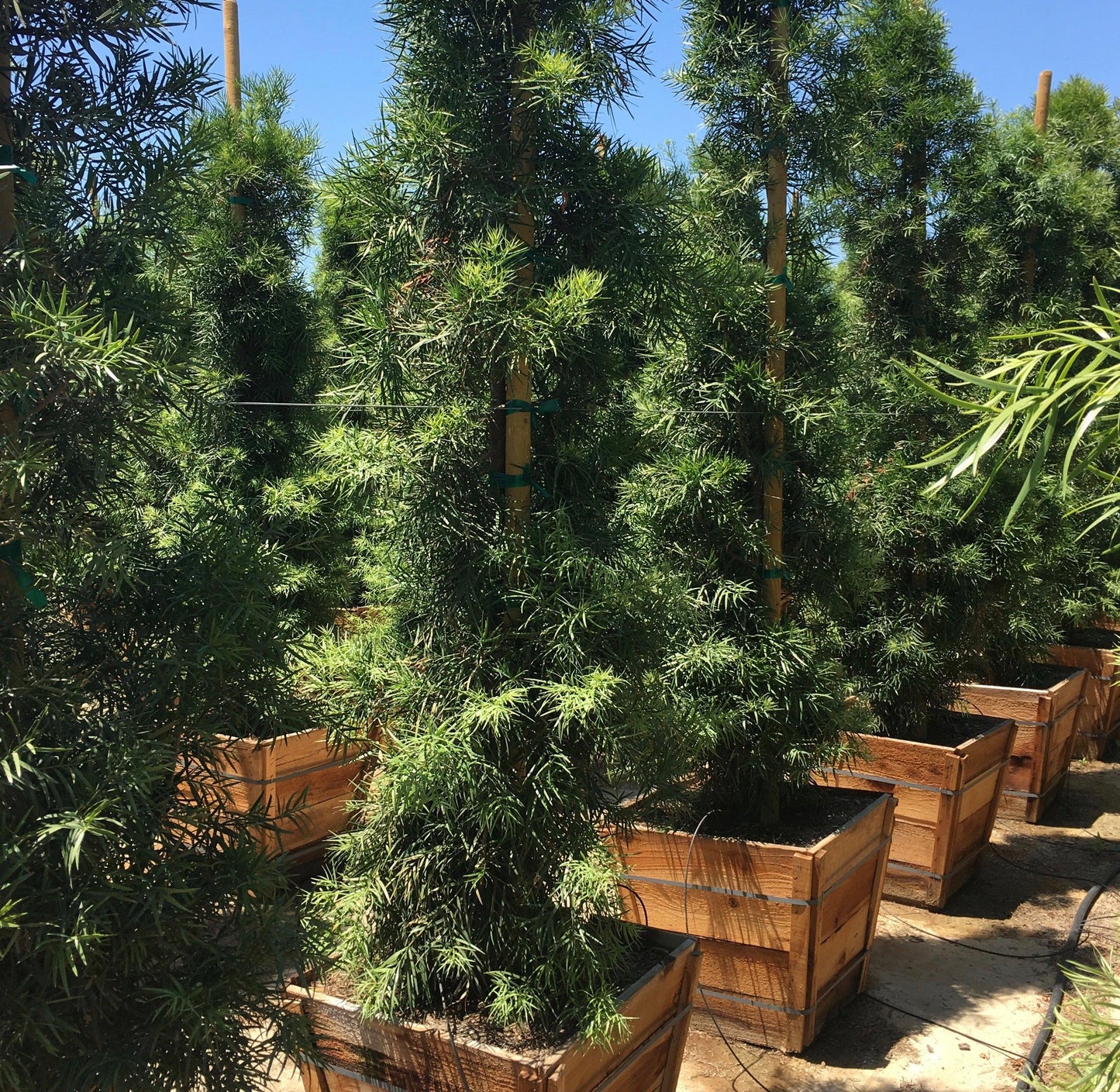
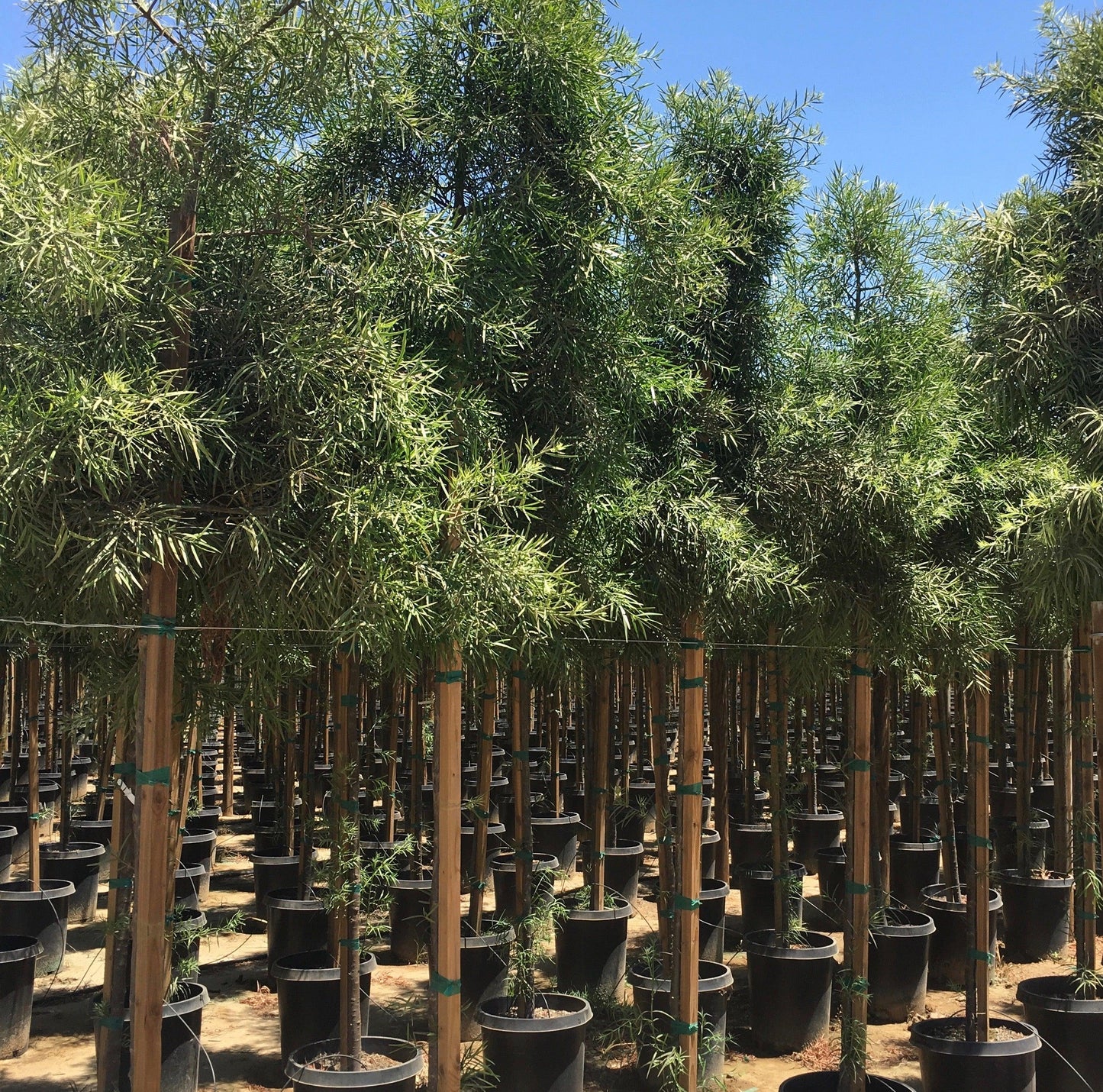
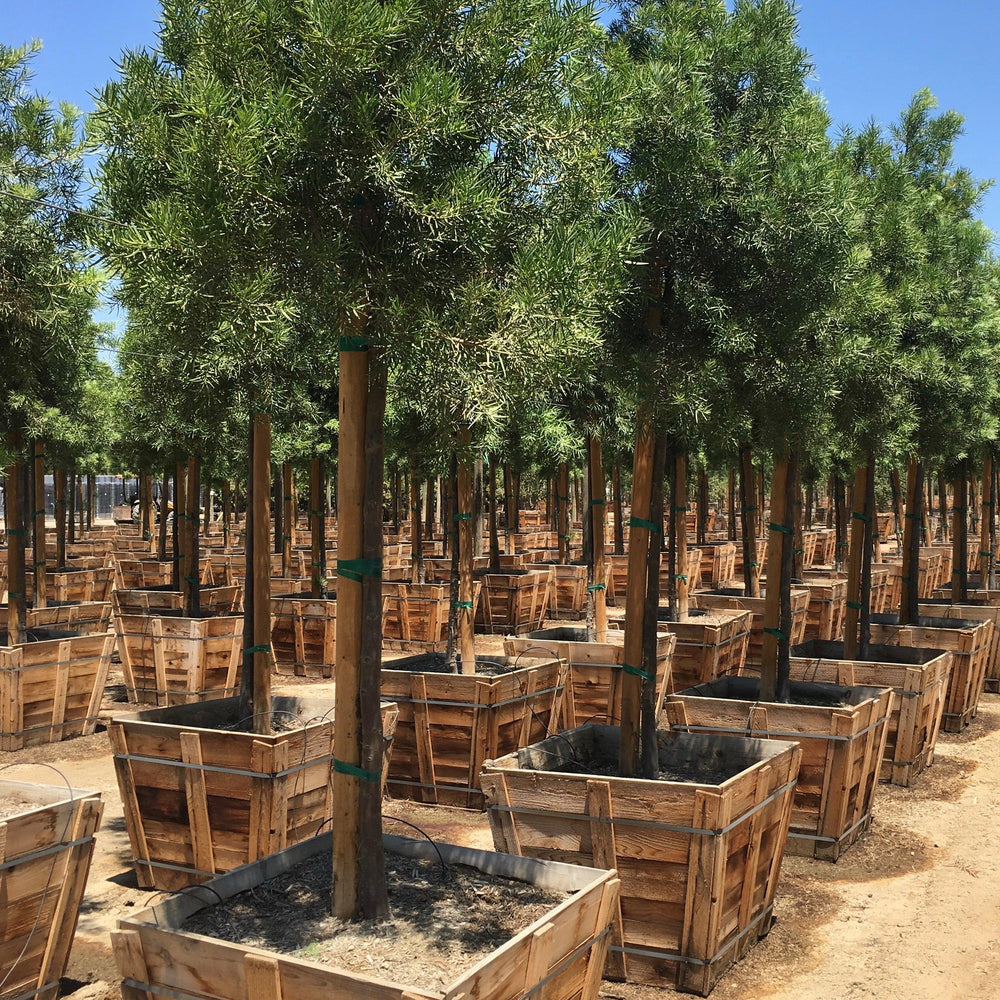
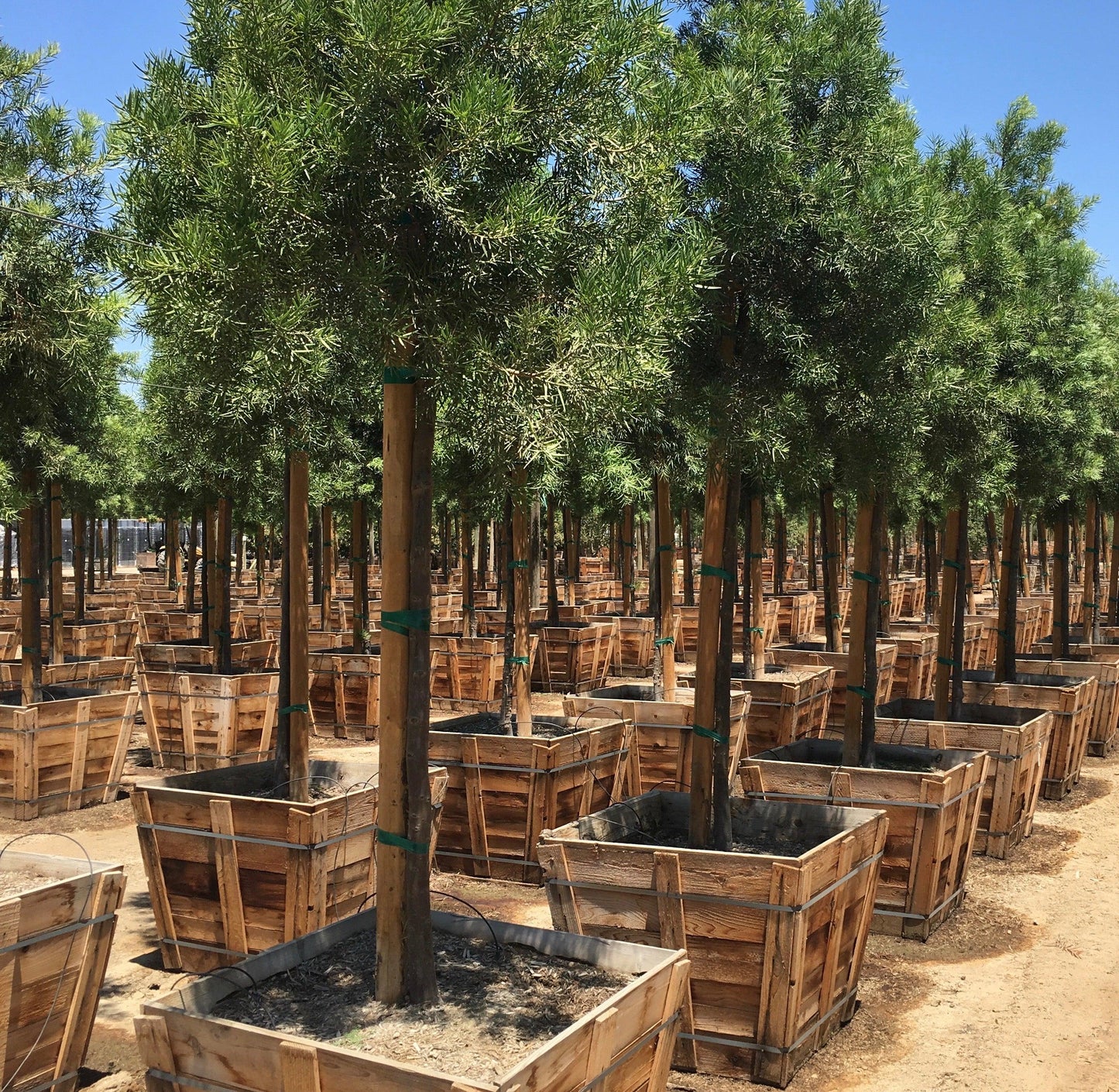
Homeowners planting hedges, slope coverage, privacy screens, texture contrast, or a dramatic focal plant may also consider evergreen options like a Fern Pine hedge (Podocarpus gracilior) for structure and screening.
-
Container gardeners who want to grow leucadendron in a pot where soil, drainage, and winter protection are easier to control, or to pair it with productive citrus like lemon trees for fragrance and fresh fruit.
If you want a plant that looks refined, handles California conditions, and brings winter color when many shrubs are quiet, leucadendron fits your space.
Frequently Asked Questions
How long until leucadendron shows colorful bracts?
Most plants focus on roots during the first season, so the first bloom display may be lighter. By the second year, established leucadendron plants generally produce stronger winter and spring bracts, especially with full sun, proper drainage, and light pruning after flowering.
Can leucadendron survive California’s dry summers?
Yes. Leucadendron is drought tolerant once established. During establishment, deep watering 2 to 3 times a week helps roots settle; after that, watering about once a week during dry periods is usually enough. Avoid overwatering, because wet soil is more dangerous than brief dryness for this genus.
Which varieties work best for small gardens?
Compact cultivars and different varieties such as Safari Sunset, Inca Gold, and Safari Goldstrike can work well depending on available space, color preference, and desired growth habit. For a smaller garden, patio, or containers, choose a cultivar with a mature size that fits the site rather than cutting a large shrub back hard later.
Do I need special soil amendments?
Leucadendron does not need rich amendments or high-phosphorus fertilizer. Use well drained soil with a pH of 6 or lower, and improve heavy clay only for drainage with mineral materials such as gravelly or sandy components. If you are unsure, a soil test through a local university extension or a consultation with Yardwork can help before planting.
How should I prune leucadendron?
Prune lightly in late spring or after flowering. Remove spent blooms and make each cutting into green stems rather than old bare wood to encourage dense growth and fresh new growth. Avoid severe pruning into woody sections, because leucadendron may not regrow well from old wood.
Does leucadendron need protection from pests or disease?
Leucadendron is generally low pest and deer resistant, but good air circulation, full sun, and base watering help prevent foliar disease. Do not crowd shrubs too tightly, and avoid shade or wet foliage where fungal problems can develop.
Ready to Add Stunning Leucadendron to Your Garden?
Stop searching for a high-impact plant that can handle California’s dry climate without constant care. Choose Leucadendron for bold foliage, sculptural cones, long-lasting bracts, and low water performance in the garden, in containers, or as cut stems for arrangements.
Yardwork helps California customers select leucadendron plants suited to local sun, soil, space, and design goals as well as connect with a full-service plant nursery and landscaping resource. Browse available leucadendron varieties, explore flowering trees for California gardens, or request a consultation for planting guidance, variety selection, and delivery options.
Transform Your Garden with Year-Round Color and Drought Tolerance
Leucadendron gives California gardens bold winter and spring color, sculptural evergreen foliage, and dependable drought tolerant performance without the constant watering, fertilizer, or high-maintenance care many flowering shrubs demand. Native to South Africa and part of the Proteaceae family, leucadendron plants thrive in warm, Mediterranean-style climates like much of California, especially when planted in full sun, well drained soil, and open space with good air circulation. If you want a resilient plant that glows with colorful bracts, handles dry periods, and adds structure to a modern, coastal, or low water garden, leucadendron is built for that outcome.
Why You’ll Love Leucadendron
-
Drought Tolerance – Leucadendron plants are native to South Africa and are known for their drought tolerance, thriving in well-draining, nutrient-poor soils once roots are established.
-
Year-Round Interest – Evergreen foliage, vibrant winter color, and spring bracts create continuous visual appeal; Leucadendron plants are commonly known as conebushes and are recognized for their vibrant colors, with inflorescences that can reach up to 12 inches (31 cm) in diameter.
-
Low Maintenance – These shrubs generally need minimal fertilizer, light pruning, and deep but infrequent water after establishment.
-
Deer Resistant – Leucadendrons are prized for their drought tolerance, deer resistance, and suitability for cut flower arrangements, making them practical favorite plants for California landscapes.
-
Cut Flower Value – The long-lasting flowers, foliage, and cones work beautifully for cutting, fresh arrangements, dried designs, and seasonal décor.
What Makes Leucadendron Different
Most colorful shrubs need rich soil, frequent irrigation, and regular feeding to bloom well. Leucadendron is different: the genus evolved in a natural habitat with dry summers, lean soil, wind exposure, and limited nutrients. There are about 80 species in the Leucadendron genus, originally from South Africa, and different varieties bring a wide range of color, texture, height, and landscape uses to gardens around the world.
Leucadendron offers:
-
South African Heritage – Native to South Africa, leucadendron plants come from Mediterranean-type conditions that closely match many California coastal and inland regions.
-
Unique Bract System – The inflorescences of Leucadendron can reach up to 12 inches (31 cm) in diameter, with the brightly colored “petals” being modified leaves known as bracts.
-
Seasonal Color Changes – Foliage and bracts shift through winter and spring, with cultivars such as Safari Sunset, Inca Gold, and Safari Goldstrike offering red, gold, burgundy, lime, and copper tones.
-
Adapted Roots – Leucadendrons have specialized root systems that are adapted to nutrient-poor soils and are highly sensitive to phosphorus, so large quantities of fertilizer or rich compost can reduce survival instead of improving growth.
-
Male and Female Interest – Leucadendrons are dioecious, meaning they have separate male and female plants, with males producing smaller flower clusters and females producing decorative cones that add sculptural interest after bloom.
How To Grow Leucadendron Successfully in Your Garden
-
Plant in Well-Draining Soil
Choose full sun, open air circulation, and sandy, gravelly, or loamy soil. These plants prefer well-draining sandy, gravelly, or loamy soil with a pH of 6 or lower, and they do not require fertilization due to their adaptation to nutrient-poor environments. If planting on a slope, in raised ground, or in containers, make drainage the priority and avoid heavy shade. -
Develops Deep Root System
During establishment, Leucadendrons require deep watering 2 to 3 times a week, transitioning to less frequent watering once established. After roots settle in, Water Leucadendrons deeply once a week during dry periods, but avoid overwatering as they are accustomed to well-draining soils. Always water at the base of the plant to protect foliage and reduce disease risk. -
Displays Colorful Bracts
Leucadendrons thrive in sunlight and require about 4 to 8 hours of direct sun exposure each day for optimal blooming. In the second year and beyond, healthy plants commonly show stronger winter and spring color, decorative cones, and denser growth. Prune Leucadendron in late spring or after flowering by removing spent blooms and cutting green stems to encourage new growth.
Plant Specifications
-
Hardiness Zones: Leucadendrons thrive in warm, Mediterranean-style climates, particularly in USDA Hardiness Zones 9 to 11.
-
California Suitability: Excellent for many coastal and mild inland California gardens with full sun, well drained soil, and low water plant design.
-
Mature Size: Leucadendron plants typically reach a height and width of 4 to 6 feet (1-2 m) and have a shrub-like growth habit.
-
Species Size: Leucadendron species typically grow to a height of 4 to 6 feet (1-2 m) and have a shrub-like growth habit.
-
Broader Size Range: Some cultivars may stay compact for a pot or patio, while larger shrubs can become tall hedges, privacy screens, or specimen plants.
-
Light Requirements: Leucadendrons thrive in full sun and require about 4 to 8 hours of direct sunlight each day for optimal blooming; 6+ hours of sun is ideal for the strongest color.
-
Soil Needs: These plants prefer well-draining sandy, gravelly, or loamy soil with a pH of 6 or lower, and they do not require fertilization.
-
Water Requirements: Leucadendrons have low water requirements, needing to be watered about once a week during dry periods, and should be watered at the base to avoid foliar diseases.
-
Temperature Range: The ideal temperature range for Leucadendrons during the growing season is between 65°F and 85°F, and they can tolerate nighttime temperatures as low as 35°F.
-
Bloom Time: Winter through spring, depending on species and cultivars.
-
Landscape Uses: Leucadendrons are suitable for various landscape applications, including focal points, privacy screens, texture contrast, and container gardening.
-
Plant Family: Proteaceae family.
-
Common Name: Conebush.
-
Care Notes: Avoid phosphorus-heavy fertilizer, soggy ground, and crowded planting where poor air circulation may encourage pests or disease.
Who Leucadendron Is For
Leucadendron is ideal for gardeners who want bold structure, low maintenance care, and reliable color without planting thirsty shrubs. It works especially well in California gardens where low water plants, native plants, and Mediterranean flora are often combined for resilient design.
Ideal for:
-
California homeowners seeking drought-tolerant landscaping that can survive warm, dry periods with less water.
-
Gardeners wanting year-round color from foliage, cones, and bracts without constant fertilizer or weekly fuss.
-
Landscape designers creating Mediterranean, coastal, modern, or wildlife-conscious garden styles often combine leucadendron with other drought-tolerant shrubs such as California lilac (Ceanothus).
-
Anyone looking for unique cut flowers and foliage for arrangements, event work, or a striking photograph in the garden.
-
Homeowners planting hedges, slope coverage, privacy screens, texture contrast, or a dramatic focal plant may also consider evergreen options like a Fern Pine hedge (Podocarpus gracilior) for structure and screening.
-
Container gardeners who want to grow leucadendron in a pot where soil, drainage, and winter protection are easier to control, or to pair it with productive citrus like lemon trees for fragrance and fresh fruit.
If you want a plant that looks refined, handles California conditions, and brings winter color when many shrubs are quiet, leucadendron fits your space.
Frequently Asked Questions
How long until leucadendron shows colorful bracts?
Most plants focus on roots during the first season, so the first bloom display may be lighter. By the second year, established leucadendron plants generally produce stronger winter and spring bracts, especially with full sun, proper drainage, and light pruning after flowering.
Can leucadendron survive California’s dry summers?
Yes. Leucadendron is drought tolerant once established. During establishment, deep watering 2 to 3 times a week helps roots settle; after that, watering about once a week during dry periods is usually enough. Avoid overwatering, because wet soil is more dangerous than brief dryness for this genus.
Which varieties work best for small gardens?
Compact cultivars and different varieties such as Safari Sunset, Inca Gold, and Safari Goldstrike can work well depending on available space, color preference, and desired growth habit. For a smaller garden, patio, or containers, choose a cultivar with a mature size that fits the site rather than cutting a large shrub back hard later.
Do I need special soil amendments?
Leucadendron does not need rich amendments or high-phosphorus fertilizer. Use well drained soil with a pH of 6 or lower, and improve heavy clay only for drainage with mineral materials such as gravelly or sandy components. If you are unsure, a soil test through a local university extension or a consultation with Yardwork can help before planting.
How should I prune leucadendron?
Prune lightly in late spring or after flowering. Remove spent blooms and make each cutting into green stems rather than old bare wood to encourage dense growth and fresh new growth. Avoid severe pruning into woody sections, because leucadendron may not regrow well from old wood.
Does leucadendron need protection from pests or disease?
Leucadendron is generally low pest and deer resistant, but good air circulation, full sun, and base watering help prevent foliar disease. Do not crowd shrubs too tightly, and avoid shade or wet foliage where fungal problems can develop.
Ready to Add Stunning Leucadendron to Your Garden?
Stop searching for a high-impact plant that can handle California’s dry climate without constant care. Choose Leucadendron for bold foliage, sculptural cones, long-lasting bracts, and low water performance in the garden, in containers, or as cut stems for arrangements.
Yardwork helps California customers select leucadendron plants suited to local sun, soil, space, and design goals as well as connect with a full-service plant nursery and landscaping resource. Browse available leucadendron varieties, explore flowering trees for California gardens, or request a consultation for planting guidance, variety selection, and delivery options.
Plants vary greatly by type and no guarantees are made on sizing.
However here is a rough idea of sizes based on containers that are direct from our growing grounds.
15 Gallon Shrub 3-4 Ft. Tall
15 Gallon Tree 5-6 Ft. Tall
24" Box Shrub 5-6 Ft. Tall
24" Box Tree 6-7 Ft. Tall
36" Box Tree 8-10 Ft. Tall
48" Box Tree 10-12 Ft. Tall
Please note: Citrus and California Native plants such as Manzanita are smaller than traditional sizing.
Please contact us to confirm sizing of items before purchasing if this is a concern.
Plants vary greatly by type and no guarantees are made on sizing.
However here is a rough idea of sizes based on containers that are direct from our growing grounds.
15 Gallon Shrub 3-4 Ft. Tall
15 Gallon Tree 5-6 Ft. Tall
24" Box Shrub 5-6 Ft. Tall
24" Box Tree 6-7 Ft. Tall
36" Box Tree 8-10 Ft. Tall
48" Box Tree 10-12 Ft. Tall
Please note: Citrus and California Native plants such as Manzanita are smaller than traditional sizing.
Please contact us to confirm sizing of items before purchasing if this is a concern.
Delivery does not include unloading of trees and plants larger than a 24" box.
Trees and plants in smaller containers will be dropped curbside.
Delivery beyond a curbside drop will be charged extra.
Trees and plants that are sold in container sizes larger than a 24" box size will require equipment and an operator onsite to help unload from the truck.
Please reach out to our team PRIOR to placing your order to coordinate.
Our team can provide unloading assistance with equipment for an extra fee.
Delivery does not include unloading of trees and plants larger than a 24" box.
Trees and plants in smaller containers will be dropped curbside.
Delivery beyond a curbside drop will be charged extra.
Trees and plants that are sold in container sizes larger than a 24" box size will require equipment and an operator onsite to help unload from the truck.
Please reach out to our team PRIOR to placing your order to coordinate.
Our team can provide unloading assistance with equipment for an extra fee.
You may also like...


Leucodendron
Regular price
$85.00
Size
Color
Safari Goldstrike
Transform Your Garden with Year-Round Color and Drought Tolerance
Leucadendron gives California gardens bold winter and spring color, sculptural evergreen foliage, and dependable drought tolerant performance without the constant watering, fertilizer, or high-maintenance care many flowering shrubs demand. Native to South Africa and part of the Proteaceae family, leucadendron plants thrive in warm, Mediterranean-style climates like much of California, especially when planted in full sun, well drained soil, and open space with good air circulation. If you want a resilient plant that glows with colorful bracts, handles dry periods, and adds structure to a modern, coastal, or low water garden, leucadendron is built for that outcome.
Why You’ll Love Leucadendron
-
Drought Tolerance – Leucadendron plants are native to South Africa and are known for their drought tolerance, thriving in well-draining, nutrient-poor soils once roots are established.
-
Year-Round Interest – Evergreen foliage, vibrant winter color, and spring bracts create continuous visual appeal; Leucadendron plants are commonly known as conebushes and are recognized for their vibrant colors, with inflorescences that can reach up to 12 inches (31 cm) in diameter.
-
Low Maintenance – These shrubs generally need minimal fertilizer, light pruning, and deep but infrequent water after establishment.
-
Deer Resistant – Leucadendrons are prized for their drought tolerance, deer resistance, and suitability for cut flower arrangements, making them practical favorite plants for California landscapes.
-
Cut Flower Value – The long-lasting flowers, foliage, and cones work beautifully for cutting, fresh arrangements, dried designs, and seasonal décor.
What Makes Leucadendron Different
Most colorful shrubs need rich soil, frequent irrigation, and regular feeding to bloom well. Leucadendron is different: the genus evolved in a natural habitat with dry summers, lean soil, wind exposure, and limited nutrients. There are about 80 species in the Leucadendron genus, originally from South Africa, and different varieties bring a wide range of color, texture, height, and landscape uses to gardens around the world.
Leucadendron offers:
-
South African Heritage – Native to South Africa, leucadendron plants come from Mediterranean-type conditions that closely match many California coastal and inland regions.
-
Unique Bract System – The inflorescences of Leucadendron can reach up to 12 inches (31 cm) in diameter, with the brightly colored “petals” being modified leaves known as bracts.
-
Seasonal Color Changes – Foliage and bracts shift through winter and spring, with cultivars such as Safari Sunset, Inca Gold, and Safari Goldstrike offering red, gold, burgundy, lime, and copper tones.
-
Adapted Roots – Leucadendrons have specialized root systems that are adapted to nutrient-poor soils and are highly sensitive to phosphorus, so large quantities of fertilizer or rich compost can reduce survival instead of improving growth.
-
Male and Female Interest – Leucadendrons are dioecious, meaning they have separate male and female plants, with males producing smaller flower clusters and females producing decorative cones that add sculptural interest after bloom.
How To Grow Leucadendron Successfully in Your Garden
-
Plant in Well-Draining Soil
Choose full sun, open air circulation, and sandy, gravelly, or loamy soil. These plants prefer well-draining sandy, gravelly, or loamy soil with a pH of 6 or lower, and they do not require fertilization due to their adaptation to nutrient-poor environments. If planting on a slope, in raised ground, or in containers, make drainage the priority and avoid heavy shade. -
Develops Deep Root System
During establishment, Leucadendrons require deep watering 2 to 3 times a week, transitioning to less frequent watering once established. After roots settle in, Water Leucadendrons deeply once a week during dry periods, but avoid overwatering as they are accustomed to well-draining soils. Always water at the base of the plant to protect foliage and reduce disease risk. -
Displays Colorful Bracts
Leucadendrons thrive in sunlight and require about 4 to 8 hours of direct sun exposure each day for optimal blooming. In the second year and beyond, healthy plants commonly show stronger winter and spring color, decorative cones, and denser growth. Prune Leucadendron in late spring or after flowering by removing spent blooms and cutting green stems to encourage new growth.
Plant Specifications
-
Hardiness Zones: Leucadendrons thrive in warm, Mediterranean-style climates, particularly in USDA Hardiness Zones 9 to 11.
-
California Suitability: Excellent for many coastal and mild inland California gardens with full sun, well drained soil, and low water plant design.
-
Mature Size: Leucadendron plants typically reach a height and width of 4 to 6 feet (1-2 m) and have a shrub-like growth habit.
-
Species Size: Leucadendron species typically grow to a height of 4 to 6 feet (1-2 m) and have a shrub-like growth habit.
-
Broader Size Range: Some cultivars may stay compact for a pot or patio, while larger shrubs can become tall hedges, privacy screens, or specimen plants.
-
Light Requirements: Leucadendrons thrive in full sun and require about 4 to 8 hours of direct sunlight each day for optimal blooming; 6+ hours of sun is ideal for the strongest color.
-
Soil Needs: These plants prefer well-draining sandy, gravelly, or loamy soil with a pH of 6 or lower, and they do not require fertilization.
-
Water Requirements: Leucadendrons have low water requirements, needing to be watered about once a week during dry periods, and should be watered at the base to avoid foliar diseases.
-
Temperature Range: The ideal temperature range for Leucadendrons during the growing season is between 65°F and 85°F, and they can tolerate nighttime temperatures as low as 35°F.
-
Bloom Time: Winter through spring, depending on species and cultivars.
-
Landscape Uses: Leucadendrons are suitable for various landscape applications, including focal points, privacy screens, texture contrast, and container gardening.
-
Plant Family: Proteaceae family.
-
Common Name: Conebush.
-
Care Notes: Avoid phosphorus-heavy fertilizer, soggy ground, and crowded planting where poor air circulation may encourage pests or disease.
Who Leucadendron Is For
Leucadendron is ideal for gardeners who want bold structure, low maintenance care, and reliable color without planting thirsty shrubs. It works especially well in California gardens where low water plants, native plants, and Mediterranean flora are often combined for resilient design.
Ideal for:
-
California homeowners seeking drought-tolerant landscaping that can survive warm, dry periods with less water.
-
Gardeners wanting year-round color from foliage, cones, and bracts without constant fertilizer or weekly fuss.
-
Landscape designers creating Mediterranean, coastal, modern, or wildlife-conscious garden styles often combine leucadendron with other drought-tolerant shrubs such as California lilac (Ceanothus).
-
Anyone looking for unique cut flowers and foliage for arrangements, event work, or a striking photograph in the garden.
-
Homeowners planting hedges, slope coverage, privacy screens, texture contrast, or a dramatic focal plant may also consider evergreen options like a Fern Pine hedge (Podocarpus gracilior) for structure and screening.
-
Container gardeners who want to grow leucadendron in a pot where soil, drainage, and winter protection are easier to control, or to pair it with productive citrus like lemon trees for fragrance and fresh fruit.
If you want a plant that looks refined, handles California conditions, and brings winter color when many shrubs are quiet, leucadendron fits your space.
Frequently Asked Questions
How long until leucadendron shows colorful bracts?
Most plants focus on roots during the first season, so the first bloom display may be lighter. By the second year, established leucadendron plants generally produce stronger winter and spring bracts, especially with full sun, proper drainage, and light pruning after flowering.
Can leucadendron survive California’s dry summers?
Yes. Leucadendron is drought tolerant once established. During establishment, deep watering 2 to 3 times a week helps roots settle; after that, watering about once a week during dry periods is usually enough. Avoid overwatering, because wet soil is more dangerous than brief dryness for this genus.
Which varieties work best for small gardens?
Compact cultivars and different varieties such as Safari Sunset, Inca Gold, and Safari Goldstrike can work well depending on available space, color preference, and desired growth habit. For a smaller garden, patio, or containers, choose a cultivar with a mature size that fits the site rather than cutting a large shrub back hard later.
Do I need special soil amendments?
Leucadendron does not need rich amendments or high-phosphorus fertilizer. Use well drained soil with a pH of 6 or lower, and improve heavy clay only for drainage with mineral materials such as gravelly or sandy components. If you are unsure, a soil test through a local university extension or a consultation with Yardwork can help before planting.
How should I prune leucadendron?
Prune lightly in late spring or after flowering. Remove spent blooms and make each cutting into green stems rather than old bare wood to encourage dense growth and fresh new growth. Avoid severe pruning into woody sections, because leucadendron may not regrow well from old wood.
Does leucadendron need protection from pests or disease?
Leucadendron is generally low pest and deer resistant, but good air circulation, full sun, and base watering help prevent foliar disease. Do not crowd shrubs too tightly, and avoid shade or wet foliage where fungal problems can develop.
Ready to Add Stunning Leucadendron to Your Garden?
Stop searching for a high-impact plant that can handle California’s dry climate without constant care. Choose Leucadendron for bold foliage, sculptural cones, long-lasting bracts, and low water performance in the garden, in containers, or as cut stems for arrangements.
Yardwork helps California customers select leucadendron plants suited to local sun, soil, space, and design goals as well as connect with a full-service plant nursery and landscaping resource. Browse available leucadendron varieties, explore flowering trees for California gardens, or request a consultation for planting guidance, variety selection, and delivery options.
Transform Your Garden with Year-Round Color and Drought Tolerance
Leucadendron gives California gardens bold winter and spring color, sculptural evergreen foliage, and dependable drought tolerant performance without the constant watering, fertilizer, or high-maintenance care many flowering shrubs demand. Native to South Africa and part of the Proteaceae family, leucadendron plants thrive in warm, Mediterranean-style climates like much of California, especially when planted in full sun, well drained soil, and open space with good air circulation. If you want a resilient plant that glows with colorful bracts, handles dry periods, and adds structure to a modern, coastal, or low water garden, leucadendron is built for that outcome.
Why You’ll Love Leucadendron
-
Drought Tolerance – Leucadendron plants are native to South Africa and are known for their drought tolerance, thriving in well-draining, nutrient-poor soils once roots are established.
-
Year-Round Interest – Evergreen foliage, vibrant winter color, and spring bracts create continuous visual appeal; Leucadendron plants are commonly known as conebushes and are recognized for their vibrant colors, with inflorescences that can reach up to 12 inches (31 cm) in diameter.
-
Low Maintenance – These shrubs generally need minimal fertilizer, light pruning, and deep but infrequent water after establishment.
-
Deer Resistant – Leucadendrons are prized for their drought tolerance, deer resistance, and suitability for cut flower arrangements, making them practical favorite plants for California landscapes.
-
Cut Flower Value – The long-lasting flowers, foliage, and cones work beautifully for cutting, fresh arrangements, dried designs, and seasonal décor.
What Makes Leucadendron Different
Most colorful shrubs need rich soil, frequent irrigation, and regular feeding to bloom well. Leucadendron is different: the genus evolved in a natural habitat with dry summers, lean soil, wind exposure, and limited nutrients. There are about 80 species in the Leucadendron genus, originally from South Africa, and different varieties bring a wide range of color, texture, height, and landscape uses to gardens around the world.
Leucadendron offers:
-
South African Heritage – Native to South Africa, leucadendron plants come from Mediterranean-type conditions that closely match many California coastal and inland regions.
-
Unique Bract System – The inflorescences of Leucadendron can reach up to 12 inches (31 cm) in diameter, with the brightly colored “petals” being modified leaves known as bracts.
-
Seasonal Color Changes – Foliage and bracts shift through winter and spring, with cultivars such as Safari Sunset, Inca Gold, and Safari Goldstrike offering red, gold, burgundy, lime, and copper tones.
-
Adapted Roots – Leucadendrons have specialized root systems that are adapted to nutrient-poor soils and are highly sensitive to phosphorus, so large quantities of fertilizer or rich compost can reduce survival instead of improving growth.
-
Male and Female Interest – Leucadendrons are dioecious, meaning they have separate male and female plants, with males producing smaller flower clusters and females producing decorative cones that add sculptural interest after bloom.
How To Grow Leucadendron Successfully in Your Garden
-
Plant in Well-Draining Soil
Choose full sun, open air circulation, and sandy, gravelly, or loamy soil. These plants prefer well-draining sandy, gravelly, or loamy soil with a pH of 6 or lower, and they do not require fertilization due to their adaptation to nutrient-poor environments. If planting on a slope, in raised ground, or in containers, make drainage the priority and avoid heavy shade. -
Develops Deep Root System
During establishment, Leucadendrons require deep watering 2 to 3 times a week, transitioning to less frequent watering once established. After roots settle in, Water Leucadendrons deeply once a week during dry periods, but avoid overwatering as they are accustomed to well-draining soils. Always water at the base of the plant to protect foliage and reduce disease risk. -
Displays Colorful Bracts
Leucadendrons thrive in sunlight and require about 4 to 8 hours of direct sun exposure each day for optimal blooming. In the second year and beyond, healthy plants commonly show stronger winter and spring color, decorative cones, and denser growth. Prune Leucadendron in late spring or after flowering by removing spent blooms and cutting green stems to encourage new growth.
Plant Specifications
-
Hardiness Zones: Leucadendrons thrive in warm, Mediterranean-style climates, particularly in USDA Hardiness Zones 9 to 11.
-
California Suitability: Excellent for many coastal and mild inland California gardens with full sun, well drained soil, and low water plant design.
-
Mature Size: Leucadendron plants typically reach a height and width of 4 to 6 feet (1-2 m) and have a shrub-like growth habit.
-
Species Size: Leucadendron species typically grow to a height of 4 to 6 feet (1-2 m) and have a shrub-like growth habit.
-
Broader Size Range: Some cultivars may stay compact for a pot or patio, while larger shrubs can become tall hedges, privacy screens, or specimen plants.
-
Light Requirements: Leucadendrons thrive in full sun and require about 4 to 8 hours of direct sunlight each day for optimal blooming; 6+ hours of sun is ideal for the strongest color.
-
Soil Needs: These plants prefer well-draining sandy, gravelly, or loamy soil with a pH of 6 or lower, and they do not require fertilization.
-
Water Requirements: Leucadendrons have low water requirements, needing to be watered about once a week during dry periods, and should be watered at the base to avoid foliar diseases.
-
Temperature Range: The ideal temperature range for Leucadendrons during the growing season is between 65°F and 85°F, and they can tolerate nighttime temperatures as low as 35°F.
-
Bloom Time: Winter through spring, depending on species and cultivars.
-
Landscape Uses: Leucadendrons are suitable for various landscape applications, including focal points, privacy screens, texture contrast, and container gardening.
-
Plant Family: Proteaceae family.
-
Common Name: Conebush.
-
Care Notes: Avoid phosphorus-heavy fertilizer, soggy ground, and crowded planting where poor air circulation may encourage pests or disease.
Who Leucadendron Is For
Leucadendron is ideal for gardeners who want bold structure, low maintenance care, and reliable color without planting thirsty shrubs. It works especially well in California gardens where low water plants, native plants, and Mediterranean flora are often combined for resilient design.
Ideal for:
-
California homeowners seeking drought-tolerant landscaping that can survive warm, dry periods with less water.
-
Gardeners wanting year-round color from foliage, cones, and bracts without constant fertilizer or weekly fuss.
-
Landscape designers creating Mediterranean, coastal, modern, or wildlife-conscious garden styles often combine leucadendron with other drought-tolerant shrubs such as California lilac (Ceanothus).
-
Anyone looking for unique cut flowers and foliage for arrangements, event work, or a striking photograph in the garden.
-
Homeowners planting hedges, slope coverage, privacy screens, texture contrast, or a dramatic focal plant may also consider evergreen options like a Fern Pine hedge (Podocarpus gracilior) for structure and screening.
-
Container gardeners who want to grow leucadendron in a pot where soil, drainage, and winter protection are easier to control, or to pair it with productive citrus like lemon trees for fragrance and fresh fruit.
If you want a plant that looks refined, handles California conditions, and brings winter color when many shrubs are quiet, leucadendron fits your space.
Frequently Asked Questions
How long until leucadendron shows colorful bracts?
Most plants focus on roots during the first season, so the first bloom display may be lighter. By the second year, established leucadendron plants generally produce stronger winter and spring bracts, especially with full sun, proper drainage, and light pruning after flowering.
Can leucadendron survive California’s dry summers?
Yes. Leucadendron is drought tolerant once established. During establishment, deep watering 2 to 3 times a week helps roots settle; after that, watering about once a week during dry periods is usually enough. Avoid overwatering, because wet soil is more dangerous than brief dryness for this genus.
Which varieties work best for small gardens?
Compact cultivars and different varieties such as Safari Sunset, Inca Gold, and Safari Goldstrike can work well depending on available space, color preference, and desired growth habit. For a smaller garden, patio, or containers, choose a cultivar with a mature size that fits the site rather than cutting a large shrub back hard later.
Do I need special soil amendments?
Leucadendron does not need rich amendments or high-phosphorus fertilizer. Use well drained soil with a pH of 6 or lower, and improve heavy clay only for drainage with mineral materials such as gravelly or sandy components. If you are unsure, a soil test through a local university extension or a consultation with Yardwork can help before planting.
How should I prune leucadendron?
Prune lightly in late spring or after flowering. Remove spent blooms and make each cutting into green stems rather than old bare wood to encourage dense growth and fresh new growth. Avoid severe pruning into woody sections, because leucadendron may not regrow well from old wood.
Does leucadendron need protection from pests or disease?
Leucadendron is generally low pest and deer resistant, but good air circulation, full sun, and base watering help prevent foliar disease. Do not crowd shrubs too tightly, and avoid shade or wet foliage where fungal problems can develop.
Ready to Add Stunning Leucadendron to Your Garden?
Stop searching for a high-impact plant that can handle California’s dry climate without constant care. Choose Leucadendron for bold foliage, sculptural cones, long-lasting bracts, and low water performance in the garden, in containers, or as cut stems for arrangements.
Yardwork helps California customers select leucadendron plants suited to local sun, soil, space, and design goals as well as connect with a full-service plant nursery and landscaping resource. Browse available leucadendron varieties, explore flowering trees for California gardens, or request a consultation for planting guidance, variety selection, and delivery options.
Plants vary greatly by type and no guarantees are made on sizing.
However here is a rough idea of sizes based on containers that are direct from our growing grounds.
15 Gallon Shrub 3-4 Ft. Tall
15 Gallon Tree 5-6 Ft. Tall
24" Box Shrub 5-6 Ft. Tall
24" Box Tree 6-7 Ft. Tall
36" Box Tree 8-10 Ft. Tall
48" Box Tree 10-12 Ft. Tall
Please note: Citrus and California Native plants such as Manzanita are smaller than traditional sizing.
Please contact us to confirm sizing of items before purchasing if this is a concern.
Plants vary greatly by type and no guarantees are made on sizing.
However here is a rough idea of sizes based on containers that are direct from our growing grounds.
15 Gallon Shrub 3-4 Ft. Tall
15 Gallon Tree 5-6 Ft. Tall
24" Box Shrub 5-6 Ft. Tall
24" Box Tree 6-7 Ft. Tall
36" Box Tree 8-10 Ft. Tall
48" Box Tree 10-12 Ft. Tall
Please note: Citrus and California Native plants such as Manzanita are smaller than traditional sizing.
Please contact us to confirm sizing of items before purchasing if this is a concern.
Delivery does not include unloading of trees and plants larger than a 24" box.
Trees and plants in smaller containers will be dropped curbside.
Delivery beyond a curbside drop will be charged extra.
Trees and plants that are sold in container sizes larger than a 24" box size will require equipment and an operator onsite to help unload from the truck.
Please reach out to our team PRIOR to placing your order to coordinate.
Our team can provide unloading assistance with equipment for an extra fee.
Delivery does not include unloading of trees and plants larger than a 24" box.
Trees and plants in smaller containers will be dropped curbside.
Delivery beyond a curbside drop will be charged extra.
Trees and plants that are sold in container sizes larger than a 24" box size will require equipment and an operator onsite to help unload from the truck.
Please reach out to our team PRIOR to placing your order to coordinate.
Our team can provide unloading assistance with equipment for an extra fee.
Recommended For You















Pairs Well With













You May Also Like











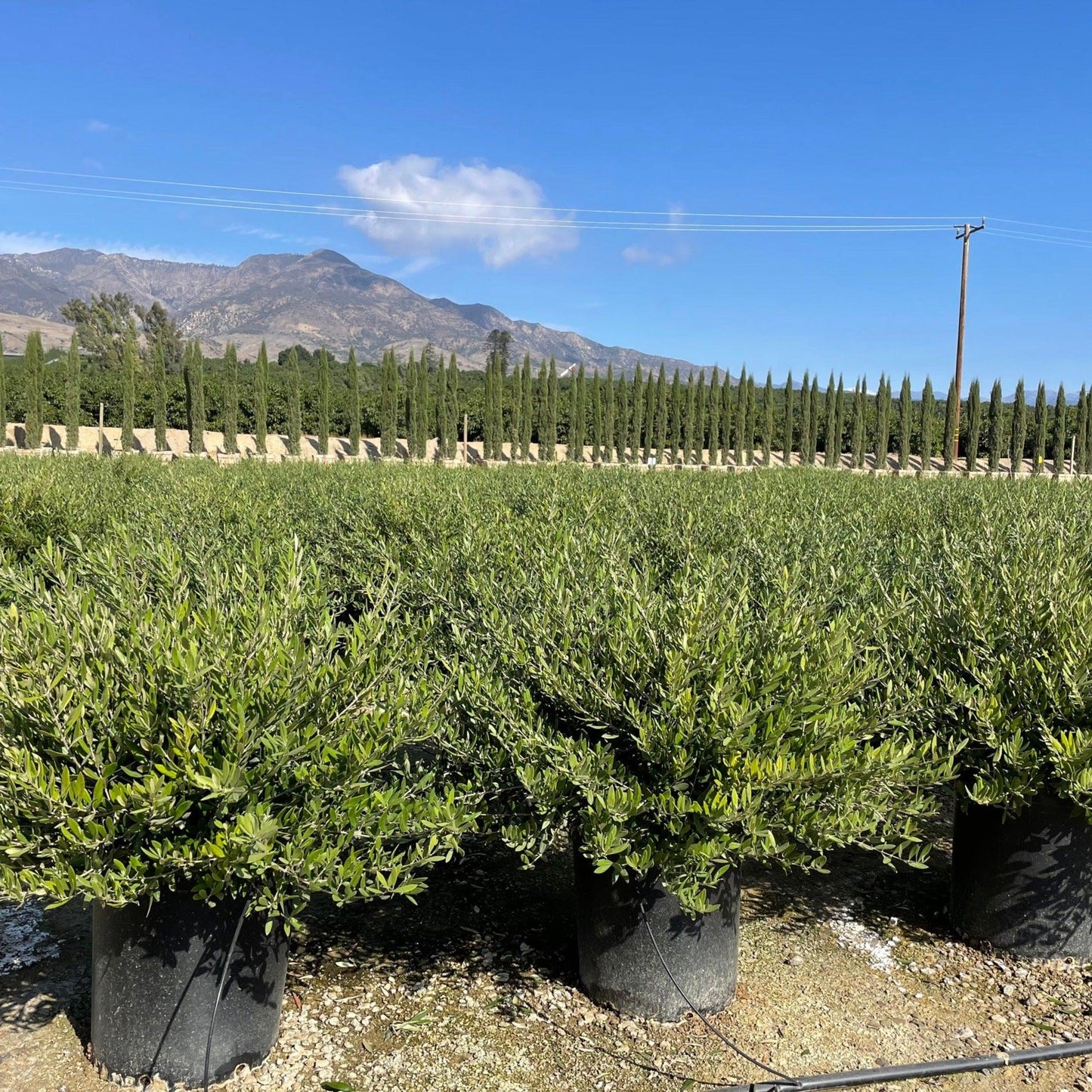

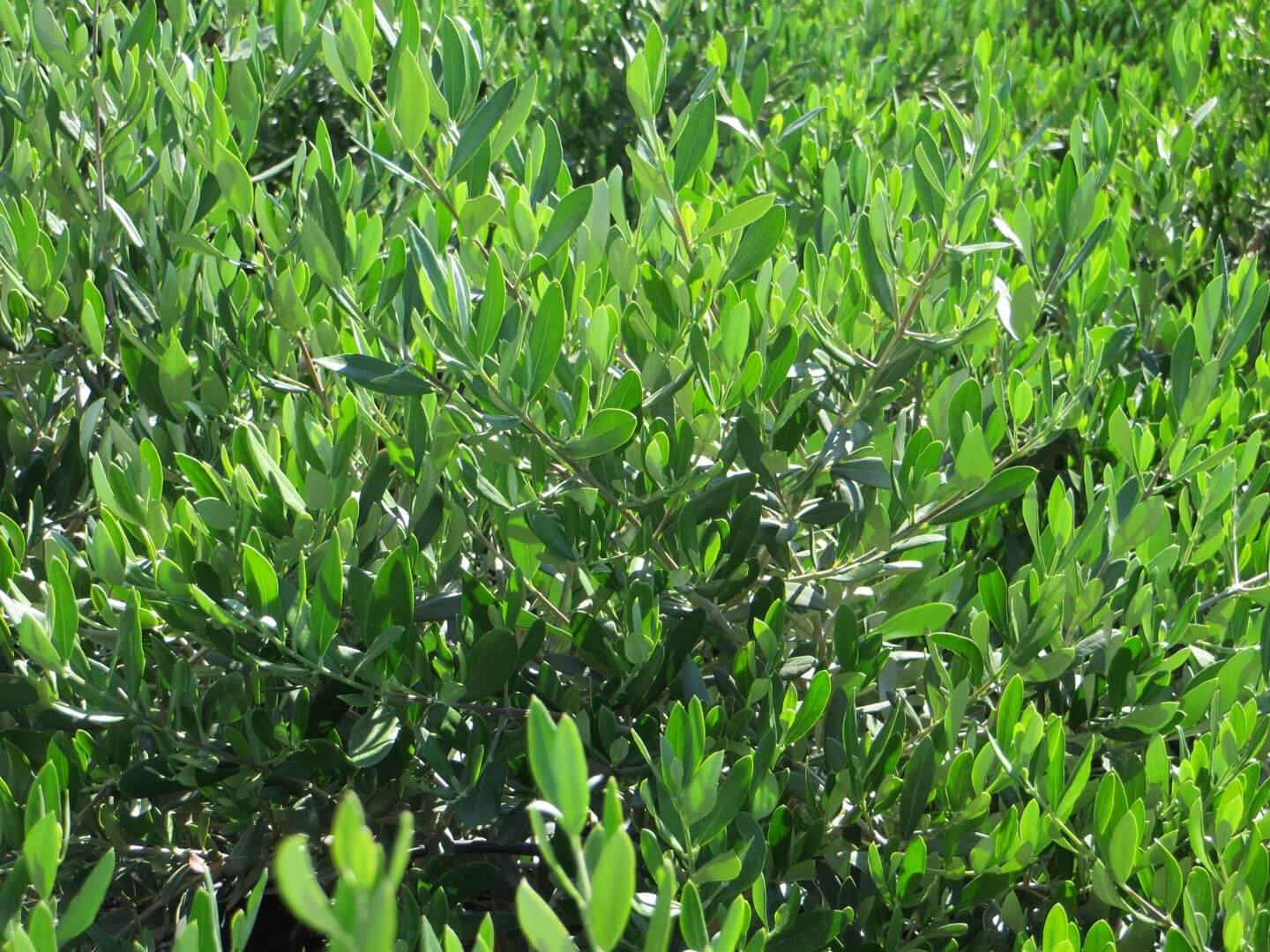
Thousands of Healthy Plants Delivered

Yardwork was so great to work with. First they had the Swan Hill olive trees that we had been searching for, we had contacted several other nurseries without any luck previously. Then they answered all of our questions in a timely matter prior to ordering and finally delivered within a few days of placing it. Their staff is incredibly knowledgeable; they delivered and planted our trees with expertise to ensure that they would do well in our yard. We would definitely work with them again for future projects.











A Modern Experience
At Yardwork, we carefully curate thousands of plants, in all container sizes, to provide you with the best selection of the highest quality trees and plants at the best price, with the convenience of an online platform.
Uncompromised Quality
We choose only the finest specimens and hand select our plants just before delivery to ensure you receive the freshest and most robust specimens available for your landscape.
Industry Leading Warranties
Our 30, 90, and 365 extended warranties provide some of the best coverage to ensure our trees and plants thrive in your landscape.
Frequently Asked Questions
We're committed to changing everything about trees and plants - how they’re grown, how you shop for them, and how much they cost. We handle orders ourselves. No middlemen to get between us (or our prices) and you.
We're committed to changing everything about trees and plants - how they’re grown, how you shop for them, and how much they cost. We handle orders ourselves. No middlemen to get between us (or our prices) and you.
Delivery does not include unloading of trees and plants LARGER than a 24" box.
Trees and plants in smaller containers will be dropped curbside (usually on the driveway or near the front doorstep).
Delivery beyond a curbside drop will be charged extra.
Trees and plants that are sold in container sizes LARGER than a 24" box size will require equipment and/or enough manpower onsite to help unload from the truck.
Please reach out to our team PRIOR to placing your order to help coordinate.
Our team can provide unloading assistance with equipment for an extra fee as well.
Delivery does not include unloading of trees and plants LARGER than a 24" box.
Trees and plants in smaller containers will be dropped curbside (usually on the driveway or near the front doorstep).
Delivery beyond a curbside drop will be charged extra.
Trees and plants that are sold in container sizes LARGER than a 24" box size will require equipment and/or enough manpower onsite to help unload from the truck.
Please reach out to our team PRIOR to placing your order to help coordinate.
Our team can provide unloading assistance with equipment for an extra fee as well.
We ship locally within California within 7-10 days of your order being placed.
We ship nationally using carrier partners, based on order size.
Text or call 323-576-4159 for specific shipping details for your location.
We ship locally within California within 7-10 days of your order being placed.
We ship nationally using carrier partners, based on order size.
Text or call 323-576-4159 for specific shipping details for your location.
We are currently online only and don't have physical locations where you can view plants in person.
That's why we have photos direct from the growing grounds of the plants we will ship and we display pricing right in our store.
We do make sure to pick the very best trees and plants prior to shipping and make sure that they have gone through our multi-point inspection for health and structure.
We will always reach out prior to delivery if we find a quality issue or need to provide a substitute.
We are currently online only and don't have physical locations where you can view plants in person.
That's why we have photos direct from the growing grounds of the plants we will ship and we display pricing right in our store.
We do make sure to pick the very best trees and plants prior to shipping and make sure that they have gone through our multi-point inspection for health and structure.
We will always reach out prior to delivery if we find a quality issue or need to provide a substitute.
Plants vary greatly by type. Here is a rough idea of sizes based on containers that are direct from our growing grounds.
15 Gallon Shrub 3-4 Ft. Tall
15 Gallon Tree 5-6 Ft. Tall
24" Box Shrub 5-6 Ft. Tall
24" Box Tree 6-7 Ft. Tall
36" Box Shrub/Tree 7-9 Ft. Tall
48" Box Shrub/Tree 8-10 Ft. Tall
**Please note that we do not make guarantees of sizes. If you have questions or concerns, please call or text to request accurate sizing for the particular plant you're considering, prior to ordering.
Plants vary greatly by type. Here is a rough idea of sizes based on containers that are direct from our growing grounds.
15 Gallon Shrub 3-4 Ft. Tall
15 Gallon Tree 5-6 Ft. Tall
24" Box Shrub 5-6 Ft. Tall
24" Box Tree 6-7 Ft. Tall
36" Box Shrub/Tree 7-9 Ft. Tall
48" Box Shrub/Tree 8-10 Ft. Tall
**Please note that we do not make guarantees of sizes. If you have questions or concerns, please call or text to request accurate sizing for the particular plant you're considering, prior to ordering.
We offer a limited 30 day warranty for plants that are delivered and a 90 day warranty for plants that we plant.
The limited warranty covers plants that die as a result of disease or fungus which was derived from our growing grounds or from root balls that were root bound.
The warranty does not cover damage due to watering, fertilizer, soils, or any other conditions beyond our control. Additionally, the warranty does not cover certain plants that are shipped out of the state of California or shipped into California from other states. Custom plant orders are also not covered under warranty. Plants must be planted within 24 hours after delivery to qualify.
We can assist you in recommending the right soils and fertilizers to help your plant thrive after you plant it.
Text or call 323-576-4159 for further warranty information.
We offer a limited 30 day warranty for plants that are delivered and a 90 day warranty for plants that we plant.
The limited warranty covers plants that die as a result of disease or fungus which was derived from our growing grounds or from root balls that were root bound.
The warranty does not cover damage due to watering, fertilizer, soils, or any other conditions beyond our control. Additionally, the warranty does not cover certain plants that are shipped out of the state of California or shipped into California from other states. Custom plant orders are also not covered under warranty. Plants must be planted within 24 hours after delivery to qualify.
We can assist you in recommending the right soils and fertilizers to help your plant thrive after you plant it.
Text or call 323-576-4159 for further warranty information.
Our local delivery team covers most cities in California.
There are some exceptions, so please get in touch to confirm prior to ordering.
Additionally, we ship throughout the entire United States and even internationally. Each shipment is custom, so please reach out to our team to coordinate.
Our local delivery team covers most cities in California.
There are some exceptions, so please get in touch to confirm prior to ordering.
Additionally, we ship throughout the entire United States and even internationally. Each shipment is custom, so please reach out to our team to coordinate.