



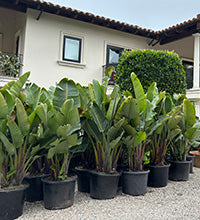
Mexican Orange Blossom (Choisya ternata)
Regular price
$275.00
Title
Create Year-Round Fragrant Beauty with Minimal Maintenance
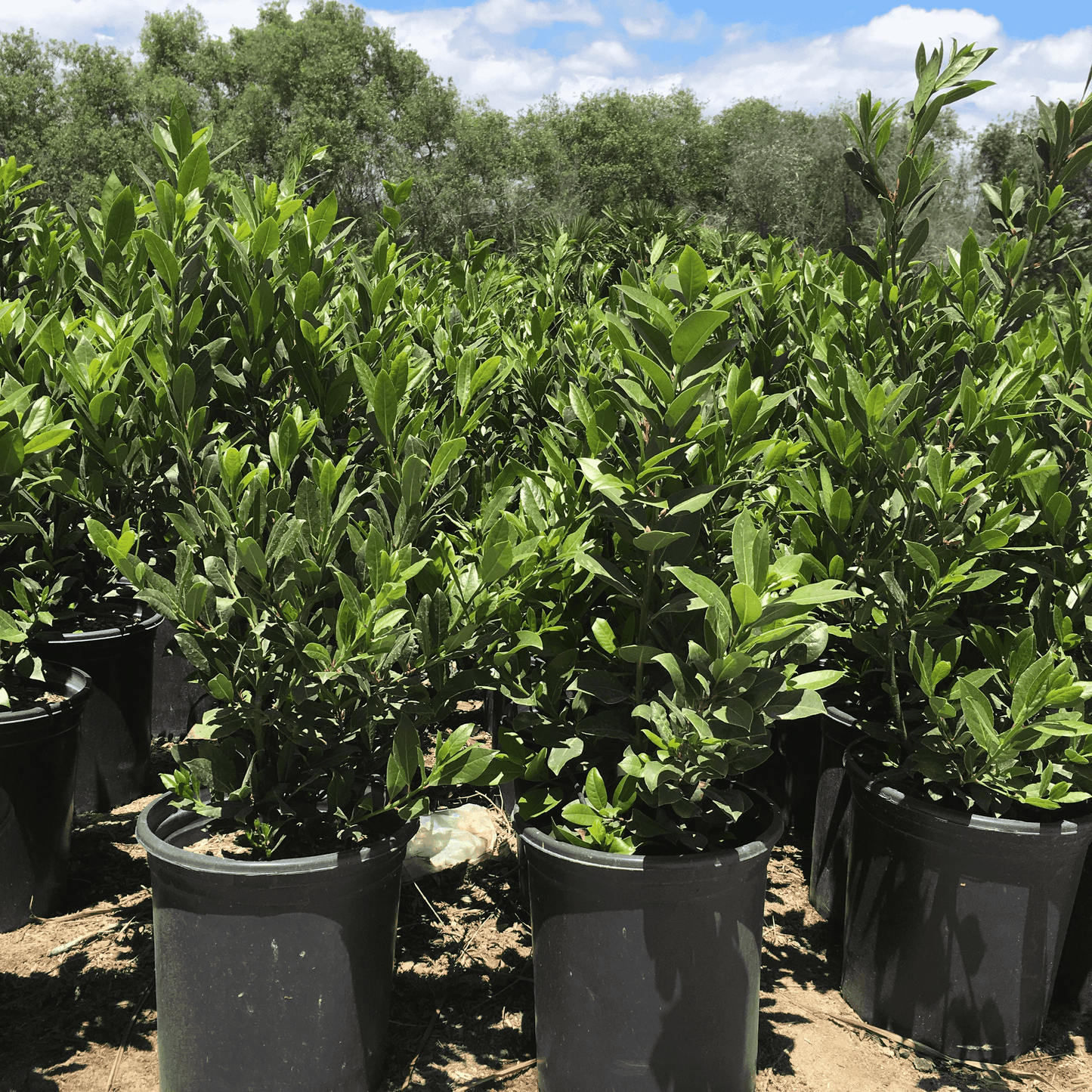
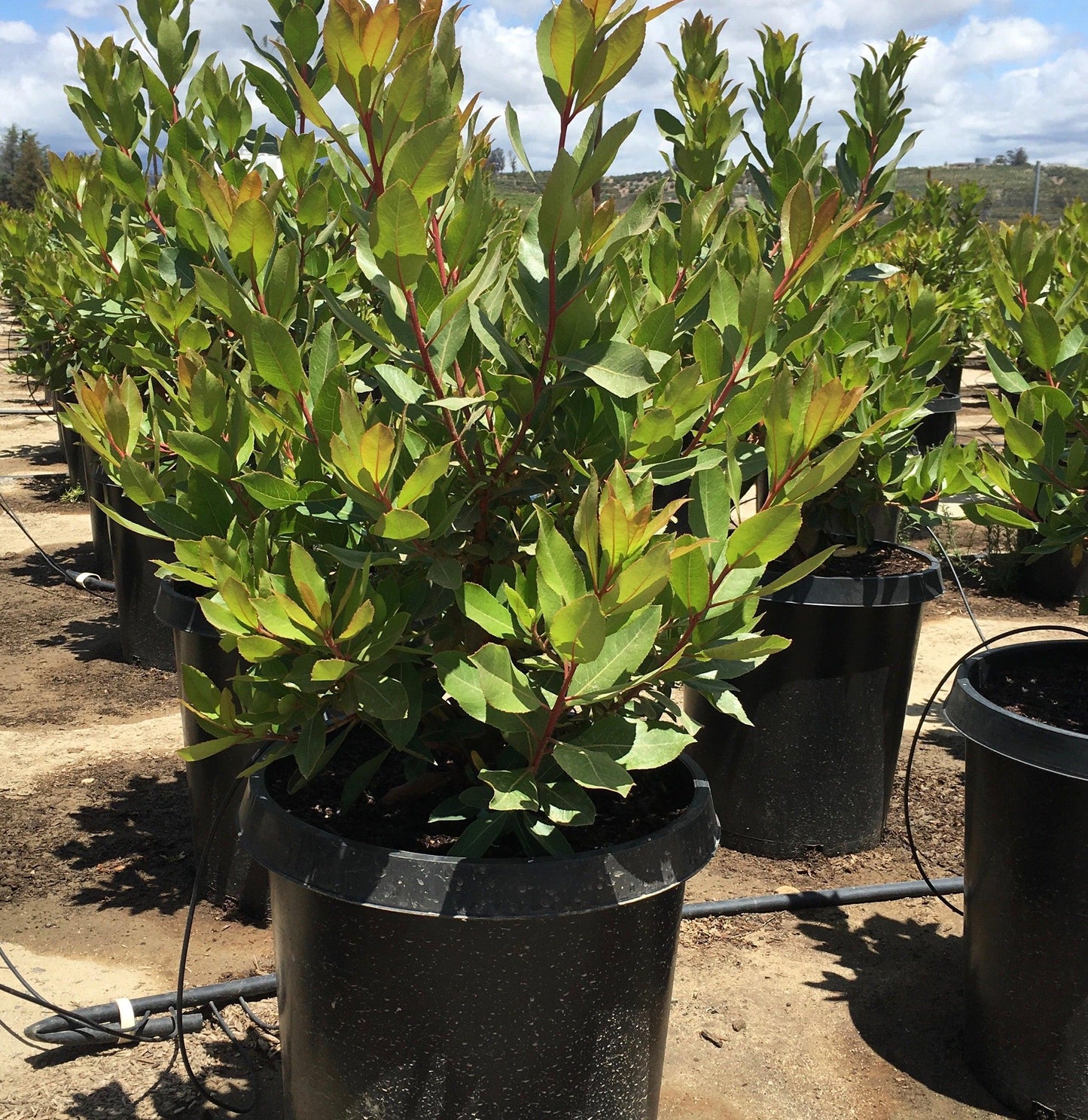
Mexican Orange Blossom gives California gardens an evergreen foundation, fragrant white flowers, and low-care structure in one plant. This broadleaf evergreen shrub is valued for glossy foliage, dense branching, and sweet orange blossom scent without the upkeep that many flowering shrubs demand.
Botanical name Choisya ternata belongs to the Rutaceae family, the same family as citrus. Native to southern North America, including Mexico and parts of the southwestern United States, this ornamental shrub produces white star shaped flowers in spring to early summer, with a possible second flush in early fall when cared for properly.
Its evergreen foliage stays attractive through the year, while the leaves release a pleasant citrus scent when brushed or crushed. For busy homeowners, Mexican orange offers the right mix of structure, fragrance, and resilience: it looks polished, supports pollinators, and becomes drought tolerant once mature plants have developed a strong root system.
Why You'll Love It
-
Fragrant White Blooms – Clusters of star shaped white flowers appear in spring and early summer, filling the garden with a sweet, heady perfume reminiscent of orange blossoms. With light pruning after flowering, Mexican Orange Blossom can often produce a second flush in early fall.
-
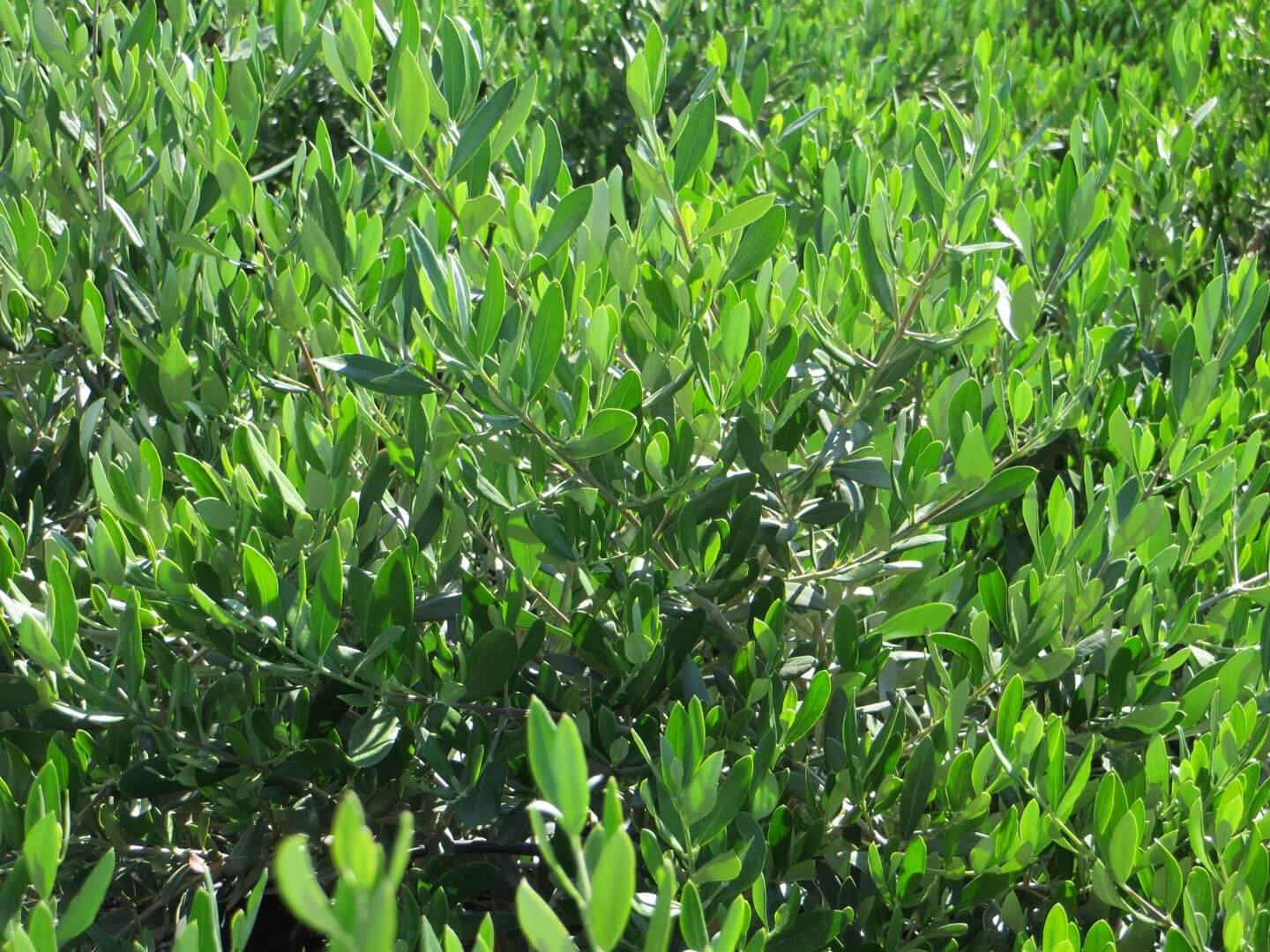
Evergreen Structure – This evergreen shrub holds glossy foliage year-round, giving borders, entries, and foundation plantings a clean, formal appearance even outside bloom time.
-
Drought Tolerant – Once established, Choisya ternata is drought tolerant and well suited to California’s Mediterranean-style gardens, similar in water needs to a mature California Pepper Tree (Schinus molle). During the first growing season, use moderate watering and water deeply to build healthy plants.
-
Attracts Pollinators – The fragrant flowers produce nectar that attracts a high number of bees and butterflies, adding movement and ecological value to the landscape.
-
Deer and Rabbit Resistant – Aromatic evergreen foliage helps deter deer and rabbits, making this plant a practical choice where browsing pressure is common.
What Makes It Different
Most fragrant shrubs ask for more water, more pruning, or more attention than many California homeowners want to give. Gardenias can be demanding, roses need regular care, and mock orange may not offer the same year-round evergreen structure. Mexican Orange Blossom offers:
-
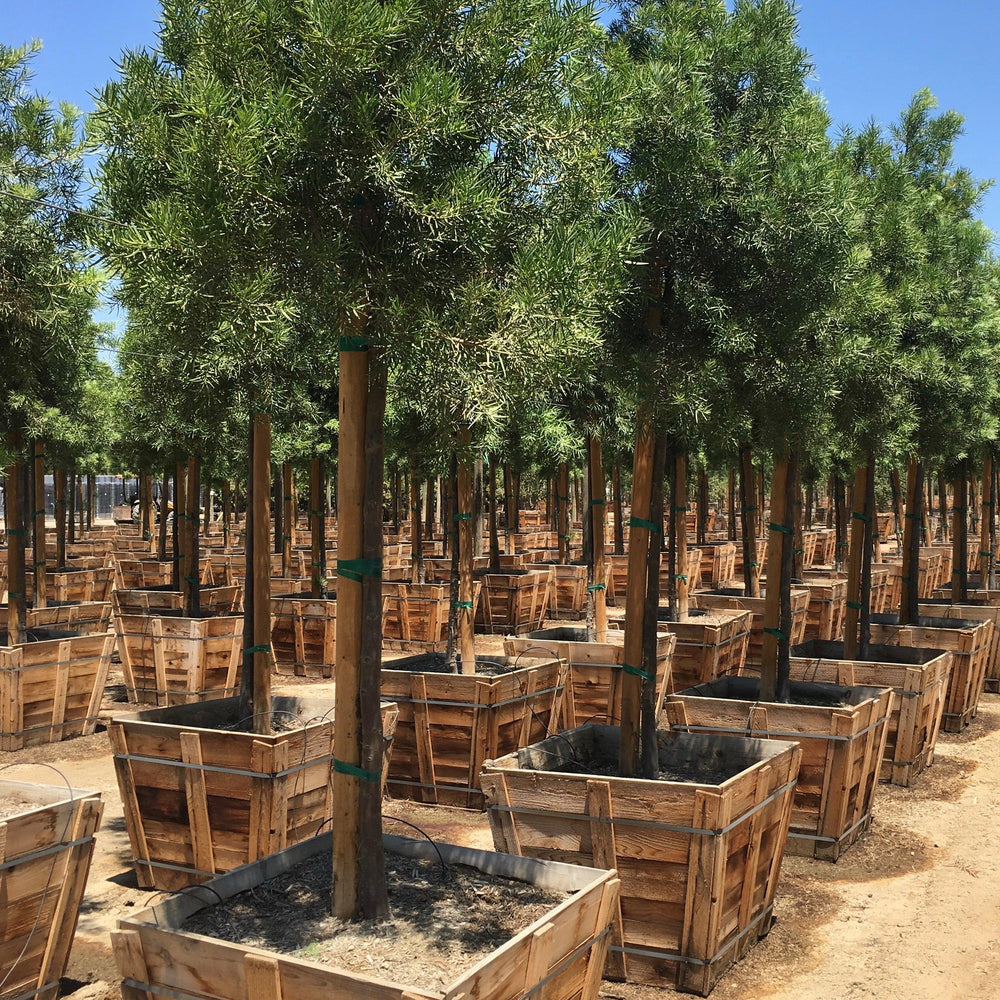
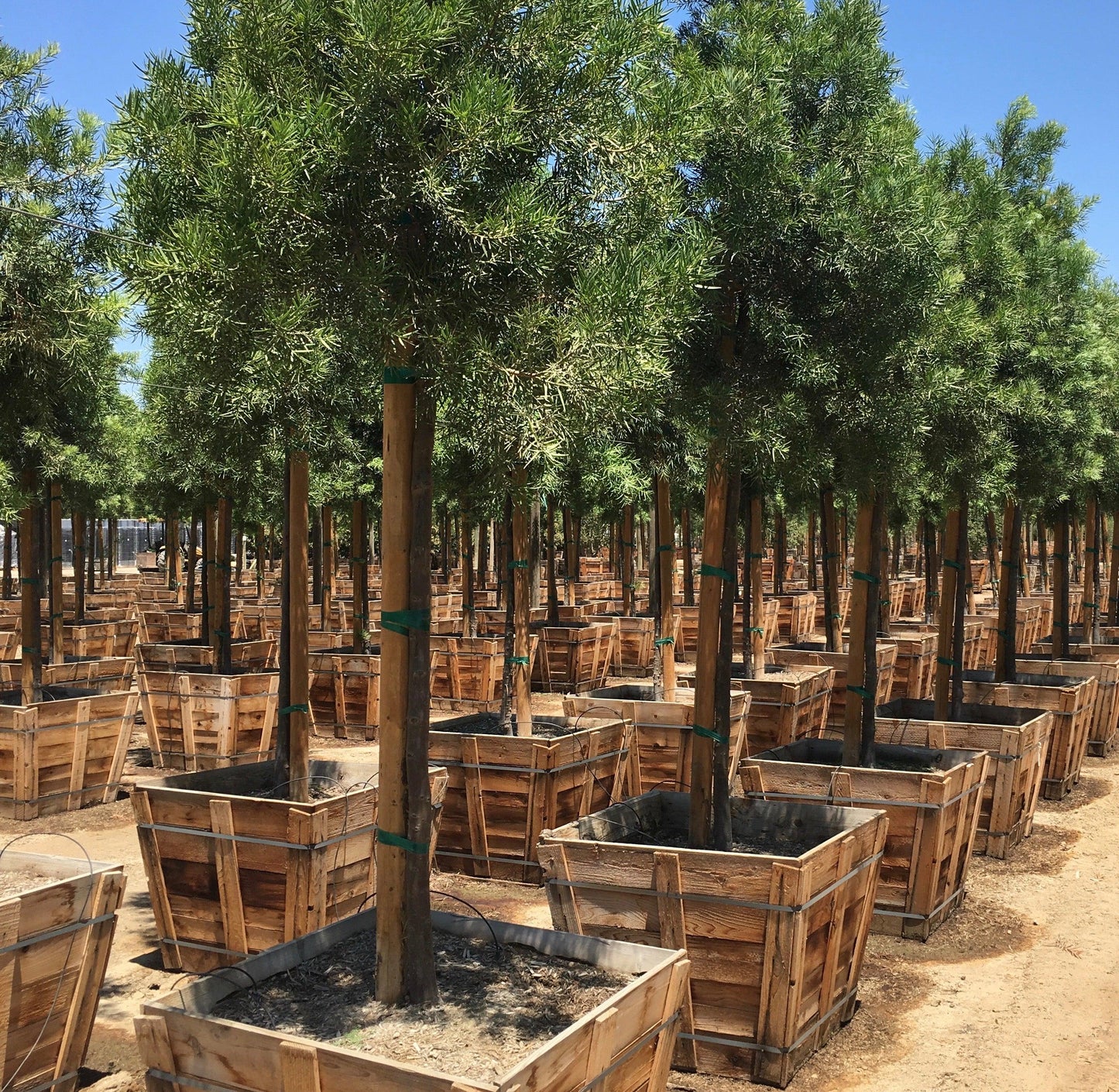
Dense, Rounded Growth – Mexican Orange Blossom is commonly used for hedges because of its dense, rounded growth habit. Reaching 4 to 8 feet tall, it works beautifully for privacy screens, garden borders, boundary plantings, and as a foundation shrub, much like a Fern Pine (Podocarpus gracilior) hedge in larger spaces.
-
Citrus Family Benefits – As a member of the Rutaceae family, Choisya ternata carries a citrus-like sensory quality. The glossy foliage smells fresh when crushed, and the fragrant white flowers echo the scent of true orange blossom.
-
Two Bloom Seasons – Unlike many shrubs, this plant can flower in spring and offer a fall encore. Prune lightly after flowering to maintain shape and promote new growth, but avoid heavy pruning at the wrong time, especially in late summer or fall, to reduce the risk of frost damage.
-
Mediterranean Climate Perfect – Hardy in USDA Zones 7 to 10, Mexican Orange Blossom performs especially well in warmer climates. It thrives in full sun to partial shade, although it flowers best in full sun and may produce fewer flowers in too much shade.
For design contrast, pair Mexican orange with lavender, rosemary, grasses, California lilac (Ceanothus), or golden foliage cultivars such as ‘Sundance’. For finer texture, ‘Aztec Pearl’ offers narrower leaves and an airy look for smaller gardens or containers.
How To Grow Mexican Orange Blossom
-
Plant in Well-Draining Soil
Choose a sheltered spot with full sun to partial shade. Choisya ternata requires well drained soils, preferably fertile well drained soil that is slightly acidic to slightly alkaline. It can tolerate a variety of soil types as long as the soil does not remain too wet or too dry for extended periods. -
Water to Establish
Mexican Orange Blossom should be watered deeply once a week during the growing season, especially during the first year. Track soil moisture, avoid soggy conditions, and reduce watering in winter to avoid overwatering. Well drained soil is essential because standing water can cause root rot or crown rot. -
Enjoy the Results
In spring, fragrant flowers appear in clusters, followed by possible reblooming in early fall. Mature plants usually require only light pruning after flowering, occasional feeding, and protection from cold winds in cooler regions or Zone 7 gardens.
Simple first-year timeline:
-
At planting: Choose fertile, well drained soil in sun, light shade, or partial shade. Plant at the same depth as the nursery pot and mulch around the root zone.
-
Months 1–3: Keep soil moisture consistent and water deeply while the root system develops.
-
First growing season: Use moderate watering, monitor dry conditions, and watch for scale insects or spider mites if the site becomes hot and dry.
-
Late summer to fall: Avoid heavy pruning, which can remove buds and increase frost damage risk.
-
Winter: Reduce watering and protect young plants from cold winds with a sheltered position, mulch, or container protection where needed.
Plant Details
-
Botanical Name: Choisya ternata
-
Common Names: Mexican Orange Blossom, mexican orange, mexican orange flower
-
Plant Type: Broadleaf evergreen shrub / ornamental shrub
-
Family: Rutaceae family
-
Native Range: Southern North America, including Mexico and parts of the southwestern United States
-
Mature Size: 4-8 feet tall and wide
-
Hardiness Zones: USDA Zones 7-10, with protection from extreme cold recommended in Zone 7
-
Bloom Time: Spring to early summer, with possible second flush in early fall
-
Flower Form: Clusters of star-shaped, pure white flowers with orange blossom fragrance
-
Foliage: Evergreen foliage with glossy, aromatic leaves; leaves are made of three leaflets
-
Sun Requirements: Full sun to partial shade; flowers more prolifically in full sun
-
Soil Needs: Fertile, well drained soils; avoid sites that stay wet
-
Water Needs: Water deeply once a week during the growing season; reduce watering in winter
-
Growth Rate: Moderate to fast establishment under good conditions
-
Maintenance: Light pruning after flowering; avoid heavy pruning in late summer or fall
-
Pest and Disease Notes: Generally pest and disease-free, though scale insects and spider mites can appear in dry conditions
-
Propagation: Can be propagated from semi hardwood cuttings, typically in late summer
Cultural note: Orange blossom has long represented prosperity and fertility for couples starting a new family because true orange trees can rarely carry flowers and fruit at the same time. Orange blossom flowers are commonly used in bridal bouquets and traditional wedding attire to express love and purity, and planting a Cara Cara navel orange tree can bring both symbolism and edible fruit into the landscape. In traditional Mexican practices, the orange blossom symbolizes purity, fertility, and marital joy, and Mexican brides traditionally incorporate orange blossoms in wedding ceremonies as offerings to the Virgin Mary for blessings over their marriage; home gardeners sometimes echo this by growing a Valencia orange tree for fragrant blossoms near patios or gathering spaces.
Who It's For
Ideal for:
-
California homeowners seeking low-maintenance fragrant landscaping who might also enjoy Star Jasmine for evergreen fragrance
-
Gardeners who want evergreen structure with seasonal white flowers and are comparing shrubs with small flowering trees for California gardens
-
Property owners needing privacy screens, hedges, boundary plantings, or foundation shrub options and who may also be considering other popular privacy trees and shrubs
-
Drought-conscious landscapers designing low-water or Mediterranean-style gardens who may pair Choisya with structured evergreens like Glossy Privet (Ligustrum lucidum)
-
Anyone who wants fragrant flowers that attract butterflies and bees without choosing high-maintenance shrubs
If you want a hardy, aromatic plant with a polished shape, Mexican Orange Blossom fits beautifully into both relaxed and formal garden designs. It is also a strong choice near patios, pathways, entries, and seating areas where the orange blossom fragrance can be enjoyed up close, especially when combined with Star Jasmine vines for extended bloom.
Frequently Asked Questions
How fast does Mexican Orange Blossom grow?
Mexican Orange Blossom has a moderate growth rate and often reaches mature size in about 3-5 years under good conditions. Mature plants typically grow 4 to 8 feet tall and wide.
Does it really bloom twice a year?
Yes. Choisya ternata produces fragrant white flowers in spring to early summer, and light pruning after flowering can encourage a second flush in early fall.
Is it truly drought tolerant?
Yes, once established. Mexican Orange Blossom is drought tolerant after the first 1-2 years, making it a strong choice for low-water landscaping schemes. During establishment, water deeply once a week during the growing season, then reduce watering as the plant matures.
Will it work in my California location?
In most California gardens, yes. Mexican Orange Blossom is hardy in USDA Zones 7 to 10 and grows best in warmer climates. In cooler regions or exposed Zone 7 areas, plant it in a sheltered position or sheltered spot away from harsh cold winds.
How much maintenance does it need?
Very little. Prune lightly after flowering to keep the rounded shape and encourage new growth. Avoid heavy pruning in late summer or fall because pruning at the wrong time can reduce bloom and increase frost damage.
Does it attract beneficial insects?
Yes. The fragrant flowers are rich in nectar and attract bees and butterflies. At the same time, the aromatic foliage is notably deer and rabbit resistant.
Can it grow in shade?
It can grow in partial shade or light shade, but full sun gives the best flowering. Too much shade can lead to fewer flowers, looser growth, and less vibrant foliage.
Is Mexican Orange Blossom the same as mock orange?
No. Mock orange is a different fragrant shrub. Mexican Orange Blossom, or Choisya ternata, is an evergreen shrub with aromatic leaves, glossy foliage, and citrus-scented white flowers.
Ready to Transform Your Garden?
Choose the Mexican Orange Blossom for evergreen structure, orange blossom fragrance, pollinator value, and low-water performance once established.
Yardwork can help you choose the right placement, confirm sun and shade exposure, and plan the best use for hedges, privacy screens, borders, or specimen planting. We also offer soil testing services to check drainage and fertility before planting, helping prevent root rot and support healthy plants from the start.
Create Year-Round Fragrant Beauty with Minimal Maintenance
Mexican Orange Blossom gives California gardens an evergreen foundation, fragrant white flowers, and low-care structure in one plant. This broadleaf evergreen shrub is valued for glossy foliage, dense branching, and sweet orange blossom scent without the upkeep that many flowering shrubs demand.
Botanical name Choisya ternata belongs to the Rutaceae family, the same family as citrus. Native to southern North America, including Mexico and parts of the southwestern United States, this ornamental shrub produces white star shaped flowers in spring to early summer, with a possible second flush in early fall when cared for properly.
Its evergreen foliage stays attractive through the year, while the leaves release a pleasant citrus scent when brushed or crushed. For busy homeowners, Mexican orange offers the right mix of structure, fragrance, and resilience: it looks polished, supports pollinators, and becomes drought tolerant once mature plants have developed a strong root system.
Why You'll Love It
-
Fragrant White Blooms – Clusters of star shaped white flowers appear in spring and early summer, filling the garden with a sweet, heady perfume reminiscent of orange blossoms. With light pruning after flowering, Mexican Orange Blossom can often produce a second flush in early fall.
-
Evergreen Structure – This evergreen shrub holds glossy foliage year-round, giving borders, entries, and foundation plantings a clean, formal appearance even outside bloom time.
-
Drought Tolerant – Once established, Choisya ternata is drought tolerant and well suited to California’s Mediterranean-style gardens, similar in water needs to a mature California Pepper Tree (Schinus molle). During the first growing season, use moderate watering and water deeply to build healthy plants.
-
Attracts Pollinators – The fragrant flowers produce nectar that attracts a high number of bees and butterflies, adding movement and ecological value to the landscape.
-
Deer and Rabbit Resistant – Aromatic evergreen foliage helps deter deer and rabbits, making this plant a practical choice where browsing pressure is common.
What Makes It Different
Most fragrant shrubs ask for more water, more pruning, or more attention than many California homeowners want to give. Gardenias can be demanding, roses need regular care, and mock orange may not offer the same year-round evergreen structure. Mexican Orange Blossom offers:
-
Dense, Rounded Growth – Mexican Orange Blossom is commonly used for hedges because of its dense, rounded growth habit. Reaching 4 to 8 feet tall, it works beautifully for privacy screens, garden borders, boundary plantings, and as a foundation shrub, much like a Fern Pine (Podocarpus gracilior) hedge in larger spaces.
-
Citrus Family Benefits – As a member of the Rutaceae family, Choisya ternata carries a citrus-like sensory quality. The glossy foliage smells fresh when crushed, and the fragrant white flowers echo the scent of true orange blossom.
-
Two Bloom Seasons – Unlike many shrubs, this plant can flower in spring and offer a fall encore. Prune lightly after flowering to maintain shape and promote new growth, but avoid heavy pruning at the wrong time, especially in late summer or fall, to reduce the risk of frost damage.
-
Mediterranean Climate Perfect – Hardy in USDA Zones 7 to 10, Mexican Orange Blossom performs especially well in warmer climates. It thrives in full sun to partial shade, although it flowers best in full sun and may produce fewer flowers in too much shade.
For design contrast, pair Mexican orange with lavender, rosemary, grasses, California lilac (Ceanothus), or golden foliage cultivars such as ‘Sundance’. For finer texture, ‘Aztec Pearl’ offers narrower leaves and an airy look for smaller gardens or containers.
How To Grow Mexican Orange Blossom
-
Plant in Well-Draining Soil
Choose a sheltered spot with full sun to partial shade. Choisya ternata requires well drained soils, preferably fertile well drained soil that is slightly acidic to slightly alkaline. It can tolerate a variety of soil types as long as the soil does not remain too wet or too dry for extended periods. -
Water to Establish
Mexican Orange Blossom should be watered deeply once a week during the growing season, especially during the first year. Track soil moisture, avoid soggy conditions, and reduce watering in winter to avoid overwatering. Well drained soil is essential because standing water can cause root rot or crown rot. -
Enjoy the Results
In spring, fragrant flowers appear in clusters, followed by possible reblooming in early fall. Mature plants usually require only light pruning after flowering, occasional feeding, and protection from cold winds in cooler regions or Zone 7 gardens.
Simple first-year timeline:
-
At planting: Choose fertile, well drained soil in sun, light shade, or partial shade. Plant at the same depth as the nursery pot and mulch around the root zone.
-
Months 1–3: Keep soil moisture consistent and water deeply while the root system develops.
-
First growing season: Use moderate watering, monitor dry conditions, and watch for scale insects or spider mites if the site becomes hot and dry.
-
Late summer to fall: Avoid heavy pruning, which can remove buds and increase frost damage risk.
-
Winter: Reduce watering and protect young plants from cold winds with a sheltered position, mulch, or container protection where needed.
Plant Details
-
Botanical Name: Choisya ternata
-
Common Names: Mexican Orange Blossom, mexican orange, mexican orange flower
-
Plant Type: Broadleaf evergreen shrub / ornamental shrub
-
Family: Rutaceae family
-
Native Range: Southern North America, including Mexico and parts of the southwestern United States
-
Mature Size: 4-8 feet tall and wide
-
Hardiness Zones: USDA Zones 7-10, with protection from extreme cold recommended in Zone 7
-
Bloom Time: Spring to early summer, with possible second flush in early fall
-
Flower Form: Clusters of star-shaped, pure white flowers with orange blossom fragrance
-
Foliage: Evergreen foliage with glossy, aromatic leaves; leaves are made of three leaflets
-
Sun Requirements: Full sun to partial shade; flowers more prolifically in full sun
-
Soil Needs: Fertile, well drained soils; avoid sites that stay wet
-
Water Needs: Water deeply once a week during the growing season; reduce watering in winter
-
Growth Rate: Moderate to fast establishment under good conditions
-
Maintenance: Light pruning after flowering; avoid heavy pruning in late summer or fall
-
Pest and Disease Notes: Generally pest and disease-free, though scale insects and spider mites can appear in dry conditions
-
Propagation: Can be propagated from semi hardwood cuttings, typically in late summer
Cultural note: Orange blossom has long represented prosperity and fertility for couples starting a new family because true orange trees can rarely carry flowers and fruit at the same time. Orange blossom flowers are commonly used in bridal bouquets and traditional wedding attire to express love and purity, and planting a Cara Cara navel orange tree can bring both symbolism and edible fruit into the landscape. In traditional Mexican practices, the orange blossom symbolizes purity, fertility, and marital joy, and Mexican brides traditionally incorporate orange blossoms in wedding ceremonies as offerings to the Virgin Mary for blessings over their marriage; home gardeners sometimes echo this by growing a Valencia orange tree for fragrant blossoms near patios or gathering spaces.
Who It's For
Ideal for:
-
California homeowners seeking low-maintenance fragrant landscaping who might also enjoy Star Jasmine for evergreen fragrance
-
Gardeners who want evergreen structure with seasonal white flowers and are comparing shrubs with small flowering trees for California gardens
-
Property owners needing privacy screens, hedges, boundary plantings, or foundation shrub options and who may also be considering other popular privacy trees and shrubs
-
Drought-conscious landscapers designing low-water or Mediterranean-style gardens who may pair Choisya with structured evergreens like Glossy Privet (Ligustrum lucidum)
-
Anyone who wants fragrant flowers that attract butterflies and bees without choosing high-maintenance shrubs
If you want a hardy, aromatic plant with a polished shape, Mexican Orange Blossom fits beautifully into both relaxed and formal garden designs. It is also a strong choice near patios, pathways, entries, and seating areas where the orange blossom fragrance can be enjoyed up close, especially when combined with Star Jasmine vines for extended bloom.
Frequently Asked Questions
How fast does Mexican Orange Blossom grow?
Mexican Orange Blossom has a moderate growth rate and often reaches mature size in about 3-5 years under good conditions. Mature plants typically grow 4 to 8 feet tall and wide.
Does it really bloom twice a year?
Yes. Choisya ternata produces fragrant white flowers in spring to early summer, and light pruning after flowering can encourage a second flush in early fall.
Is it truly drought tolerant?
Yes, once established. Mexican Orange Blossom is drought tolerant after the first 1-2 years, making it a strong choice for low-water landscaping schemes. During establishment, water deeply once a week during the growing season, then reduce watering as the plant matures.
Will it work in my California location?
In most California gardens, yes. Mexican Orange Blossom is hardy in USDA Zones 7 to 10 and grows best in warmer climates. In cooler regions or exposed Zone 7 areas, plant it in a sheltered position or sheltered spot away from harsh cold winds.
How much maintenance does it need?
Very little. Prune lightly after flowering to keep the rounded shape and encourage new growth. Avoid heavy pruning in late summer or fall because pruning at the wrong time can reduce bloom and increase frost damage.
Does it attract beneficial insects?
Yes. The fragrant flowers are rich in nectar and attract bees and butterflies. At the same time, the aromatic foliage is notably deer and rabbit resistant.
Can it grow in shade?
It can grow in partial shade or light shade, but full sun gives the best flowering. Too much shade can lead to fewer flowers, looser growth, and less vibrant foliage.
Is Mexican Orange Blossom the same as mock orange?
No. Mock orange is a different fragrant shrub. Mexican Orange Blossom, or Choisya ternata, is an evergreen shrub with aromatic leaves, glossy foliage, and citrus-scented white flowers.
Ready to Transform Your Garden?
Choose the Mexican Orange Blossom for evergreen structure, orange blossom fragrance, pollinator value, and low-water performance once established.
Yardwork can help you choose the right placement, confirm sun and shade exposure, and plan the best use for hedges, privacy screens, borders, or specimen planting. We also offer soil testing services to check drainage and fertility before planting, helping prevent root rot and support healthy plants from the start.
Plants vary greatly by type and no guarantees are made on sizing.
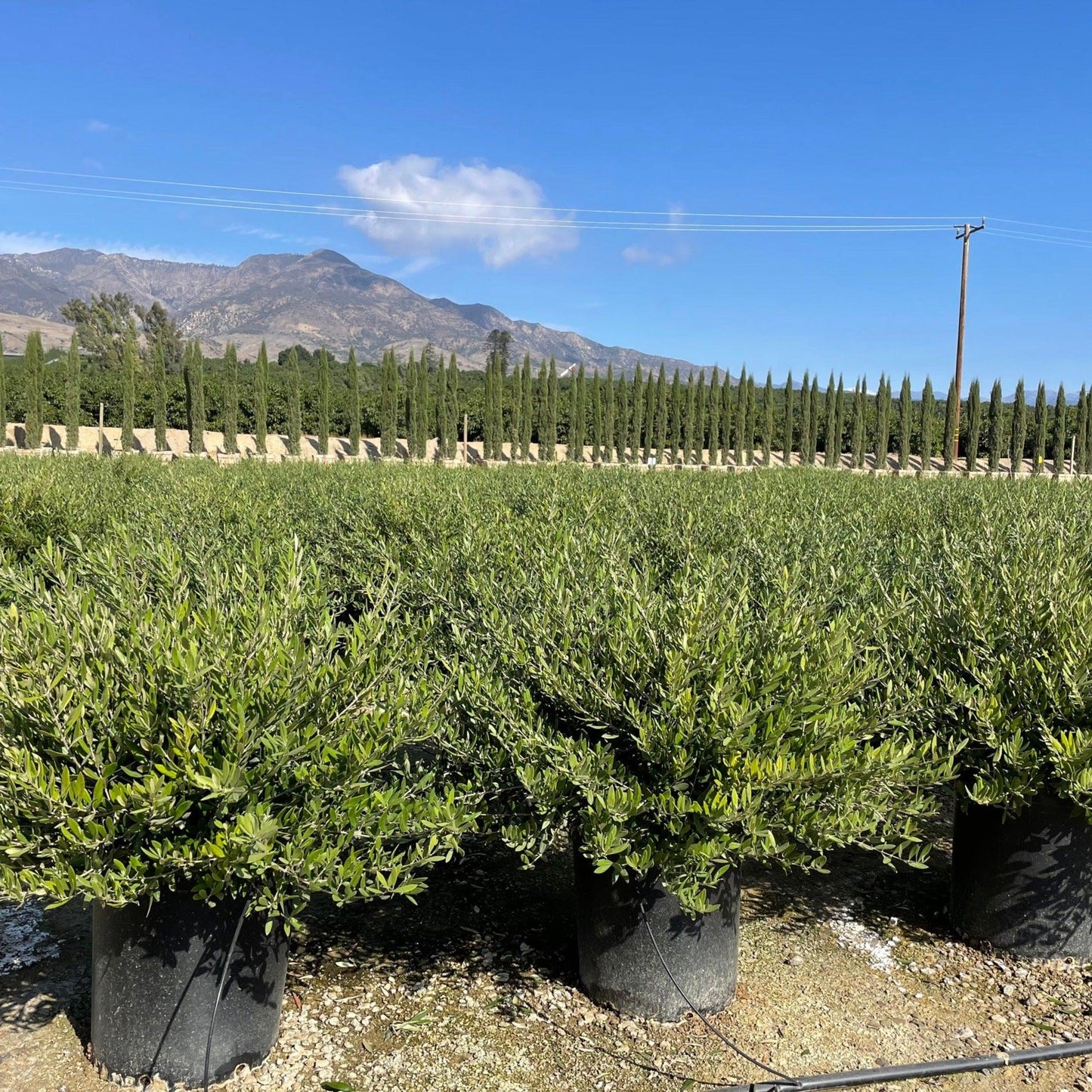
However here is a rough idea of sizes based on containers that are direct from our growing grounds.
15 Gallon Shrub 3-4 Ft. Tall
15 Gallon Tree 5-6 Ft. Tall
24" Box Shrub 5-6 Ft. Tall
24" Box Tree 6-7 Ft. Tall
36" Box Tree 8-10 Ft. Tall
48" Box Tree 10-12 Ft. Tall
Please note: Citrus and California Native plants such as Manzanita are smaller than traditional sizing.
Please contact us to confirm sizing of items before purchasing if this is a concern.
Plants vary greatly by type and no guarantees are made on sizing.
However here is a rough idea of sizes based on containers that are direct from our growing grounds.
15 Gallon Shrub 3-4 Ft. Tall
15 Gallon Tree 5-6 Ft. Tall
24" Box Shrub 5-6 Ft. Tall
24" Box Tree 6-7 Ft. Tall
36" Box Tree 8-10 Ft. Tall
48" Box Tree 10-12 Ft. Tall
Please note: Citrus and California Native plants such as Manzanita are smaller than traditional sizing.
Please contact us to confirm sizing of items before purchasing if this is a concern.
Delivery does not include unloading of trees and plants larger than a 24" box.
Trees and plants in smaller containers will be dropped curbside.
Delivery beyond a curbside drop will be charged extra.
Trees and plants that are sold in container sizes larger than a 24" box size will require equipment and an operator onsite to help unload from the truck.
Please reach out to our team PRIOR to placing your order to coordinate.
Our team can provide unloading assistance with equipment for an extra fee.
Delivery does not include unloading of trees and plants larger than a 24" box.
Trees and plants in smaller containers will be dropped curbside.
Delivery beyond a curbside drop will be charged extra.
Trees and plants that are sold in container sizes larger than a 24" box size will require equipment and an operator onsite to help unload from the truck.
Please reach out to our team PRIOR to placing your order to coordinate.
Our team can provide unloading assistance with equipment for an extra fee.
You may also like...


Mexican Orange Blossom (Choisya ternata)
Regular price
$275.00
Title
Create Year-Round Fragrant Beauty with Minimal Maintenance
Mexican Orange Blossom gives California gardens an evergreen foundation, fragrant white flowers, and low-care structure in one plant. This broadleaf evergreen shrub is valued for glossy foliage, dense branching, and sweet orange blossom scent without the upkeep that many flowering shrubs demand.
Botanical name Choisya ternata belongs to the Rutaceae family, the same family as citrus. Native to southern North America, including Mexico and parts of the southwestern United States, this ornamental shrub produces white star shaped flowers in spring to early summer, with a possible second flush in early fall when cared for properly.
Its evergreen foliage stays attractive through the year, while the leaves release a pleasant citrus scent when brushed or crushed. For busy homeowners, Mexican orange offers the right mix of structure, fragrance, and resilience: it looks polished, supports pollinators, and becomes drought tolerant once mature plants have developed a strong root system.
Why You'll Love It
-
Fragrant White Blooms – Clusters of star shaped white flowers appear in spring and early summer, filling the garden with a sweet, heady perfume reminiscent of orange blossoms. With light pruning after flowering, Mexican Orange Blossom can often produce a second flush in early fall.
-
Evergreen Structure – This evergreen shrub holds glossy foliage year-round, giving borders, entries, and foundation plantings a clean, formal appearance even outside bloom time.
-
Drought Tolerant – Once established, Choisya ternata is drought tolerant and well suited to California’s Mediterranean-style gardens, similar in water needs to a mature California Pepper Tree (Schinus molle). During the first growing season, use moderate watering and water deeply to build healthy plants.
-
Attracts Pollinators – The fragrant flowers produce nectar that attracts a high number of bees and butterflies, adding movement and ecological value to the landscape.
-
Deer and Rabbit Resistant – Aromatic evergreen foliage helps deter deer and rabbits, making this plant a practical choice where browsing pressure is common.
What Makes It Different
Most fragrant shrubs ask for more water, more pruning, or more attention than many California homeowners want to give. Gardenias can be demanding, roses need regular care, and mock orange may not offer the same year-round evergreen structure. Mexican Orange Blossom offers:
-
Dense, Rounded Growth – Mexican Orange Blossom is commonly used for hedges because of its dense, rounded growth habit. Reaching 4 to 8 feet tall, it works beautifully for privacy screens, garden borders, boundary plantings, and as a foundation shrub, much like a Fern Pine (Podocarpus gracilior) hedge in larger spaces.
-
Citrus Family Benefits – As a member of the Rutaceae family, Choisya ternata carries a citrus-like sensory quality. The glossy foliage smells fresh when crushed, and the fragrant white flowers echo the scent of true orange blossom.
-
Two Bloom Seasons – Unlike many shrubs, this plant can flower in spring and offer a fall encore. Prune lightly after flowering to maintain shape and promote new growth, but avoid heavy pruning at the wrong time, especially in late summer or fall, to reduce the risk of frost damage.
-
Mediterranean Climate Perfect – Hardy in USDA Zones 7 to 10, Mexican Orange Blossom performs especially well in warmer climates. It thrives in full sun to partial shade, although it flowers best in full sun and may produce fewer flowers in too much shade.
For design contrast, pair Mexican orange with lavender, rosemary, grasses, California lilac (Ceanothus), or golden foliage cultivars such as ‘Sundance’. For finer texture, ‘Aztec Pearl’ offers narrower leaves and an airy look for smaller gardens or containers.
How To Grow Mexican Orange Blossom
-
Plant in Well-Draining Soil
Choose a sheltered spot with full sun to partial shade. Choisya ternata requires well drained soils, preferably fertile well drained soil that is slightly acidic to slightly alkaline. It can tolerate a variety of soil types as long as the soil does not remain too wet or too dry for extended periods. -
Water to Establish
Mexican Orange Blossom should be watered deeply once a week during the growing season, especially during the first year. Track soil moisture, avoid soggy conditions, and reduce watering in winter to avoid overwatering. Well drained soil is essential because standing water can cause root rot or crown rot. -
Enjoy the Results
In spring, fragrant flowers appear in clusters, followed by possible reblooming in early fall. Mature plants usually require only light pruning after flowering, occasional feeding, and protection from cold winds in cooler regions or Zone 7 gardens.
Simple first-year timeline:
-
At planting: Choose fertile, well drained soil in sun, light shade, or partial shade. Plant at the same depth as the nursery pot and mulch around the root zone.
-
Months 1–3: Keep soil moisture consistent and water deeply while the root system develops.
-
First growing season: Use moderate watering, monitor dry conditions, and watch for scale insects or spider mites if the site becomes hot and dry.
-
Late summer to fall: Avoid heavy pruning, which can remove buds and increase frost damage risk.
-
Winter: Reduce watering and protect young plants from cold winds with a sheltered position, mulch, or container protection where needed.
Plant Details
-
Botanical Name: Choisya ternata
-
Common Names: Mexican Orange Blossom, mexican orange, mexican orange flower
-
Plant Type: Broadleaf evergreen shrub / ornamental shrub
-
Family: Rutaceae family
-
Native Range: Southern North America, including Mexico and parts of the southwestern United States
-
Mature Size: 4-8 feet tall and wide
-
Hardiness Zones: USDA Zones 7-10, with protection from extreme cold recommended in Zone 7
-
Bloom Time: Spring to early summer, with possible second flush in early fall
-
Flower Form: Clusters of star-shaped, pure white flowers with orange blossom fragrance
-
Foliage: Evergreen foliage with glossy, aromatic leaves; leaves are made of three leaflets
-
Sun Requirements: Full sun to partial shade; flowers more prolifically in full sun
-
Soil Needs: Fertile, well drained soils; avoid sites that stay wet
-
Water Needs: Water deeply once a week during the growing season; reduce watering in winter
-
Growth Rate: Moderate to fast establishment under good conditions
-
Maintenance: Light pruning after flowering; avoid heavy pruning in late summer or fall
-
Pest and Disease Notes: Generally pest and disease-free, though scale insects and spider mites can appear in dry conditions
-
Propagation: Can be propagated from semi hardwood cuttings, typically in late summer
Cultural note: Orange blossom has long represented prosperity and fertility for couples starting a new family because true orange trees can rarely carry flowers and fruit at the same time. Orange blossom flowers are commonly used in bridal bouquets and traditional wedding attire to express love and purity, and planting a Cara Cara navel orange tree can bring both symbolism and edible fruit into the landscape. In traditional Mexican practices, the orange blossom symbolizes purity, fertility, and marital joy, and Mexican brides traditionally incorporate orange blossoms in wedding ceremonies as offerings to the Virgin Mary for blessings over their marriage; home gardeners sometimes echo this by growing a Valencia orange tree for fragrant blossoms near patios or gathering spaces.
Who It's For
Ideal for:
-
California homeowners seeking low-maintenance fragrant landscaping who might also enjoy Star Jasmine for evergreen fragrance
-
Gardeners who want evergreen structure with seasonal white flowers and are comparing shrubs with small flowering trees for California gardens
-
Property owners needing privacy screens, hedges, boundary plantings, or foundation shrub options and who may also be considering other popular privacy trees and shrubs
-
Drought-conscious landscapers designing low-water or Mediterranean-style gardens who may pair Choisya with structured evergreens like Glossy Privet (Ligustrum lucidum)
-
Anyone who wants fragrant flowers that attract butterflies and bees without choosing high-maintenance shrubs
If you want a hardy, aromatic plant with a polished shape, Mexican Orange Blossom fits beautifully into both relaxed and formal garden designs. It is also a strong choice near patios, pathways, entries, and seating areas where the orange blossom fragrance can be enjoyed up close, especially when combined with Star Jasmine vines for extended bloom.
Frequently Asked Questions
How fast does Mexican Orange Blossom grow?
Mexican Orange Blossom has a moderate growth rate and often reaches mature size in about 3-5 years under good conditions. Mature plants typically grow 4 to 8 feet tall and wide.
Does it really bloom twice a year?
Yes. Choisya ternata produces fragrant white flowers in spring to early summer, and light pruning after flowering can encourage a second flush in early fall.
Is it truly drought tolerant?
Yes, once established. Mexican Orange Blossom is drought tolerant after the first 1-2 years, making it a strong choice for low-water landscaping schemes. During establishment, water deeply once a week during the growing season, then reduce watering as the plant matures.
Will it work in my California location?
In most California gardens, yes. Mexican Orange Blossom is hardy in USDA Zones 7 to 10 and grows best in warmer climates. In cooler regions or exposed Zone 7 areas, plant it in a sheltered position or sheltered spot away from harsh cold winds.
How much maintenance does it need?
Very little. Prune lightly after flowering to keep the rounded shape and encourage new growth. Avoid heavy pruning in late summer or fall because pruning at the wrong time can reduce bloom and increase frost damage.
Does it attract beneficial insects?
Yes. The fragrant flowers are rich in nectar and attract bees and butterflies. At the same time, the aromatic foliage is notably deer and rabbit resistant.
Can it grow in shade?
It can grow in partial shade or light shade, but full sun gives the best flowering. Too much shade can lead to fewer flowers, looser growth, and less vibrant foliage.
Is Mexican Orange Blossom the same as mock orange?
No. Mock orange is a different fragrant shrub. Mexican Orange Blossom, or Choisya ternata, is an evergreen shrub with aromatic leaves, glossy foliage, and citrus-scented white flowers.
Ready to Transform Your Garden?
Choose the Mexican Orange Blossom for evergreen structure, orange blossom fragrance, pollinator value, and low-water performance once established.
Yardwork can help you choose the right placement, confirm sun and shade exposure, and plan the best use for hedges, privacy screens, borders, or specimen planting. We also offer soil testing services to check drainage and fertility before planting, helping prevent root rot and support healthy plants from the start.
Create Year-Round Fragrant Beauty with Minimal Maintenance
Mexican Orange Blossom gives California gardens an evergreen foundation, fragrant white flowers, and low-care structure in one plant. This broadleaf evergreen shrub is valued for glossy foliage, dense branching, and sweet orange blossom scent without the upkeep that many flowering shrubs demand.
Botanical name Choisya ternata belongs to the Rutaceae family, the same family as citrus. Native to southern North America, including Mexico and parts of the southwestern United States, this ornamental shrub produces white star shaped flowers in spring to early summer, with a possible second flush in early fall when cared for properly.
Its evergreen foliage stays attractive through the year, while the leaves release a pleasant citrus scent when brushed or crushed. For busy homeowners, Mexican orange offers the right mix of structure, fragrance, and resilience: it looks polished, supports pollinators, and becomes drought tolerant once mature plants have developed a strong root system.
Why You'll Love It
-
Fragrant White Blooms – Clusters of star shaped white flowers appear in spring and early summer, filling the garden with a sweet, heady perfume reminiscent of orange blossoms. With light pruning after flowering, Mexican Orange Blossom can often produce a second flush in early fall.
-
Evergreen Structure – This evergreen shrub holds glossy foliage year-round, giving borders, entries, and foundation plantings a clean, formal appearance even outside bloom time.
-
Drought Tolerant – Once established, Choisya ternata is drought tolerant and well suited to California’s Mediterranean-style gardens, similar in water needs to a mature California Pepper Tree (Schinus molle). During the first growing season, use moderate watering and water deeply to build healthy plants.
-
Attracts Pollinators – The fragrant flowers produce nectar that attracts a high number of bees and butterflies, adding movement and ecological value to the landscape.
-
Deer and Rabbit Resistant – Aromatic evergreen foliage helps deter deer and rabbits, making this plant a practical choice where browsing pressure is common.
What Makes It Different
Most fragrant shrubs ask for more water, more pruning, or more attention than many California homeowners want to give. Gardenias can be demanding, roses need regular care, and mock orange may not offer the same year-round evergreen structure. Mexican Orange Blossom offers:
-
Dense, Rounded Growth – Mexican Orange Blossom is commonly used for hedges because of its dense, rounded growth habit. Reaching 4 to 8 feet tall, it works beautifully for privacy screens, garden borders, boundary plantings, and as a foundation shrub, much like a Fern Pine (Podocarpus gracilior) hedge in larger spaces.
-
Citrus Family Benefits – As a member of the Rutaceae family, Choisya ternata carries a citrus-like sensory quality. The glossy foliage smells fresh when crushed, and the fragrant white flowers echo the scent of true orange blossom.
-
Two Bloom Seasons – Unlike many shrubs, this plant can flower in spring and offer a fall encore. Prune lightly after flowering to maintain shape and promote new growth, but avoid heavy pruning at the wrong time, especially in late summer or fall, to reduce the risk of frost damage.
-
Mediterranean Climate Perfect – Hardy in USDA Zones 7 to 10, Mexican Orange Blossom performs especially well in warmer climates. It thrives in full sun to partial shade, although it flowers best in full sun and may produce fewer flowers in too much shade.
For design contrast, pair Mexican orange with lavender, rosemary, grasses, California lilac (Ceanothus), or golden foliage cultivars such as ‘Sundance’. For finer texture, ‘Aztec Pearl’ offers narrower leaves and an airy look for smaller gardens or containers.
How To Grow Mexican Orange Blossom
-
Plant in Well-Draining Soil
Choose a sheltered spot with full sun to partial shade. Choisya ternata requires well drained soils, preferably fertile well drained soil that is slightly acidic to slightly alkaline. It can tolerate a variety of soil types as long as the soil does not remain too wet or too dry for extended periods. -
Water to Establish
Mexican Orange Blossom should be watered deeply once a week during the growing season, especially during the first year. Track soil moisture, avoid soggy conditions, and reduce watering in winter to avoid overwatering. Well drained soil is essential because standing water can cause root rot or crown rot. -
Enjoy the Results
In spring, fragrant flowers appear in clusters, followed by possible reblooming in early fall. Mature plants usually require only light pruning after flowering, occasional feeding, and protection from cold winds in cooler regions or Zone 7 gardens.
Simple first-year timeline:
-
At planting: Choose fertile, well drained soil in sun, light shade, or partial shade. Plant at the same depth as the nursery pot and mulch around the root zone.
-
Months 1–3: Keep soil moisture consistent and water deeply while the root system develops.
-
First growing season: Use moderate watering, monitor dry conditions, and watch for scale insects or spider mites if the site becomes hot and dry.
-
Late summer to fall: Avoid heavy pruning, which can remove buds and increase frost damage risk.
-
Winter: Reduce watering and protect young plants from cold winds with a sheltered position, mulch, or container protection where needed.
Plant Details
-
Botanical Name: Choisya ternata
-
Common Names: Mexican Orange Blossom, mexican orange, mexican orange flower
-
Plant Type: Broadleaf evergreen shrub / ornamental shrub
-
Family: Rutaceae family
-
Native Range: Southern North America, including Mexico and parts of the southwestern United States
-
Mature Size: 4-8 feet tall and wide
-
Hardiness Zones: USDA Zones 7-10, with protection from extreme cold recommended in Zone 7
-
Bloom Time: Spring to early summer, with possible second flush in early fall
-
Flower Form: Clusters of star-shaped, pure white flowers with orange blossom fragrance
-
Foliage: Evergreen foliage with glossy, aromatic leaves; leaves are made of three leaflets
-
Sun Requirements: Full sun to partial shade; flowers more prolifically in full sun
-
Soil Needs: Fertile, well drained soils; avoid sites that stay wet
-
Water Needs: Water deeply once a week during the growing season; reduce watering in winter
-
Growth Rate: Moderate to fast establishment under good conditions
-
Maintenance: Light pruning after flowering; avoid heavy pruning in late summer or fall
-
Pest and Disease Notes: Generally pest and disease-free, though scale insects and spider mites can appear in dry conditions
-
Propagation: Can be propagated from semi hardwood cuttings, typically in late summer
Cultural note: Orange blossom has long represented prosperity and fertility for couples starting a new family because true orange trees can rarely carry flowers and fruit at the same time. Orange blossom flowers are commonly used in bridal bouquets and traditional wedding attire to express love and purity, and planting a Cara Cara navel orange tree can bring both symbolism and edible fruit into the landscape. In traditional Mexican practices, the orange blossom symbolizes purity, fertility, and marital joy, and Mexican brides traditionally incorporate orange blossoms in wedding ceremonies as offerings to the Virgin Mary for blessings over their marriage; home gardeners sometimes echo this by growing a Valencia orange tree for fragrant blossoms near patios or gathering spaces.
Who It's For
Ideal for:
-
California homeowners seeking low-maintenance fragrant landscaping who might also enjoy Star Jasmine for evergreen fragrance
-
Gardeners who want evergreen structure with seasonal white flowers and are comparing shrubs with small flowering trees for California gardens
-
Property owners needing privacy screens, hedges, boundary plantings, or foundation shrub options and who may also be considering other popular privacy trees and shrubs
-
Drought-conscious landscapers designing low-water or Mediterranean-style gardens who may pair Choisya with structured evergreens like Glossy Privet (Ligustrum lucidum)
-
Anyone who wants fragrant flowers that attract butterflies and bees without choosing high-maintenance shrubs
If you want a hardy, aromatic plant with a polished shape, Mexican Orange Blossom fits beautifully into both relaxed and formal garden designs. It is also a strong choice near patios, pathways, entries, and seating areas where the orange blossom fragrance can be enjoyed up close, especially when combined with Star Jasmine vines for extended bloom.
Frequently Asked Questions
How fast does Mexican Orange Blossom grow?
Mexican Orange Blossom has a moderate growth rate and often reaches mature size in about 3-5 years under good conditions. Mature plants typically grow 4 to 8 feet tall and wide.
Does it really bloom twice a year?
Yes. Choisya ternata produces fragrant white flowers in spring to early summer, and light pruning after flowering can encourage a second flush in early fall.
Is it truly drought tolerant?
Yes, once established. Mexican Orange Blossom is drought tolerant after the first 1-2 years, making it a strong choice for low-water landscaping schemes. During establishment, water deeply once a week during the growing season, then reduce watering as the plant matures.
Will it work in my California location?
In most California gardens, yes. Mexican Orange Blossom is hardy in USDA Zones 7 to 10 and grows best in warmer climates. In cooler regions or exposed Zone 7 areas, plant it in a sheltered position or sheltered spot away from harsh cold winds.
How much maintenance does it need?
Very little. Prune lightly after flowering to keep the rounded shape and encourage new growth. Avoid heavy pruning in late summer or fall because pruning at the wrong time can reduce bloom and increase frost damage.
Does it attract beneficial insects?
Yes. The fragrant flowers are rich in nectar and attract bees and butterflies. At the same time, the aromatic foliage is notably deer and rabbit resistant.
Can it grow in shade?
It can grow in partial shade or light shade, but full sun gives the best flowering. Too much shade can lead to fewer flowers, looser growth, and less vibrant foliage.
Is Mexican Orange Blossom the same as mock orange?
No. Mock orange is a different fragrant shrub. Mexican Orange Blossom, or Choisya ternata, is an evergreen shrub with aromatic leaves, glossy foliage, and citrus-scented white flowers.
Ready to Transform Your Garden?
Choose the Mexican Orange Blossom for evergreen structure, orange blossom fragrance, pollinator value, and low-water performance once established.
Yardwork can help you choose the right placement, confirm sun and shade exposure, and plan the best use for hedges, privacy screens, borders, or specimen planting. We also offer soil testing services to check drainage and fertility before planting, helping prevent root rot and support healthy plants from the start.
Plants vary greatly by type and no guarantees are made on sizing.
However here is a rough idea of sizes based on containers that are direct from our growing grounds.
15 Gallon Shrub 3-4 Ft. Tall
15 Gallon Tree 5-6 Ft. Tall
24" Box Shrub 5-6 Ft. Tall
24" Box Tree 6-7 Ft. Tall
36" Box Tree 8-10 Ft. Tall
48" Box Tree 10-12 Ft. Tall
Please note: Citrus and California Native plants such as Manzanita are smaller than traditional sizing.
Please contact us to confirm sizing of items before purchasing if this is a concern.
Plants vary greatly by type and no guarantees are made on sizing.
However here is a rough idea of sizes based on containers that are direct from our growing grounds.
15 Gallon Shrub 3-4 Ft. Tall
15 Gallon Tree 5-6 Ft. Tall
24" Box Shrub 5-6 Ft. Tall
24" Box Tree 6-7 Ft. Tall
36" Box Tree 8-10 Ft. Tall
48" Box Tree 10-12 Ft. Tall
Please note: Citrus and California Native plants such as Manzanita are smaller than traditional sizing.
Please contact us to confirm sizing of items before purchasing if this is a concern.
Delivery does not include unloading of trees and plants larger than a 24" box.
Trees and plants in smaller containers will be dropped curbside.
Delivery beyond a curbside drop will be charged extra.
Trees and plants that are sold in container sizes larger than a 24" box size will require equipment and an operator onsite to help unload from the truck.
Please reach out to our team PRIOR to placing your order to coordinate.
Our team can provide unloading assistance with equipment for an extra fee.
Delivery does not include unloading of trees and plants larger than a 24" box.
Trees and plants in smaller containers will be dropped curbside.
Delivery beyond a curbside drop will be charged extra.
Trees and plants that are sold in container sizes larger than a 24" box size will require equipment and an operator onsite to help unload from the truck.
Please reach out to our team PRIOR to placing your order to coordinate.
Our team can provide unloading assistance with equipment for an extra fee.
Recommended For You















Pairs Well With










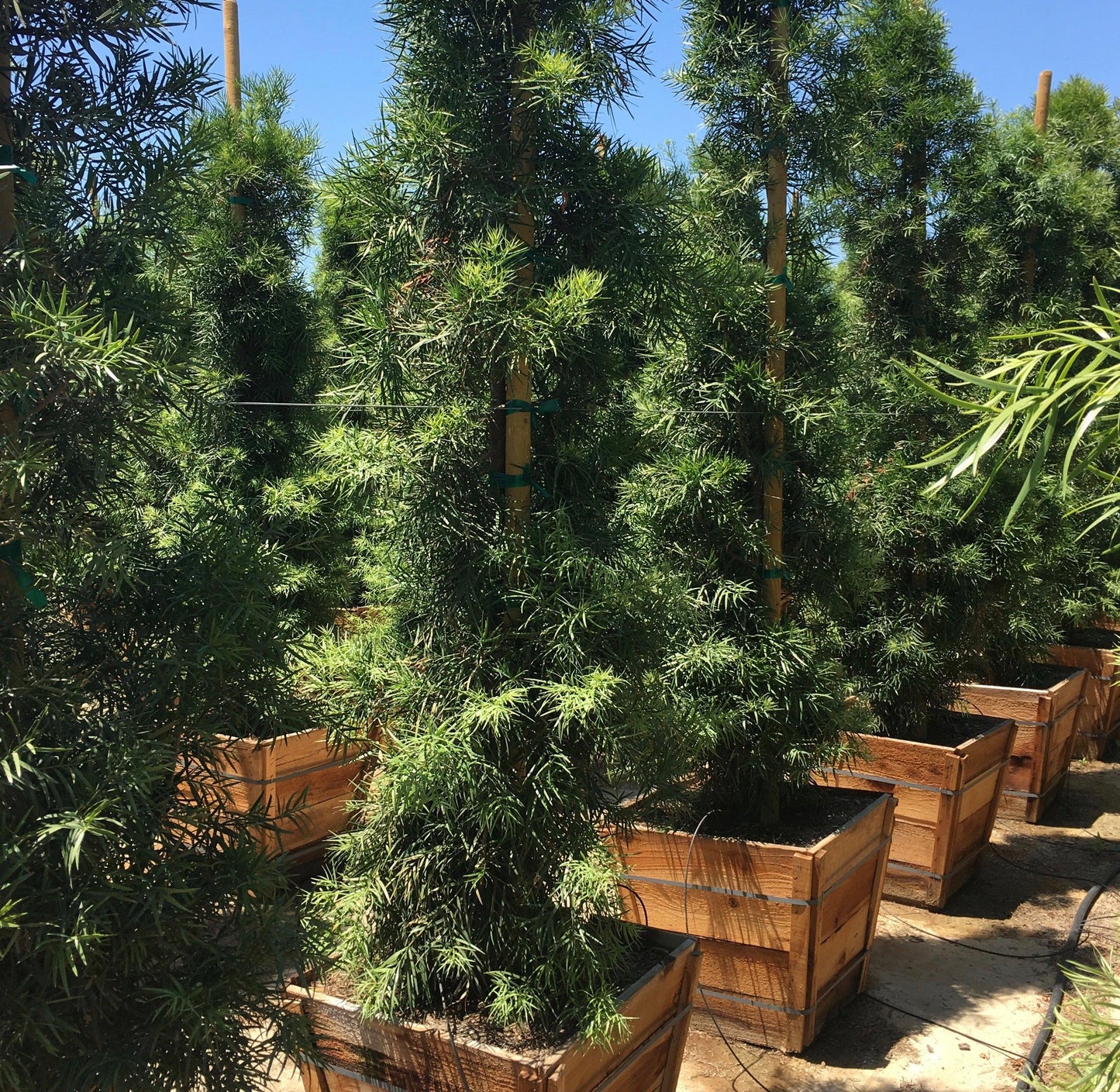

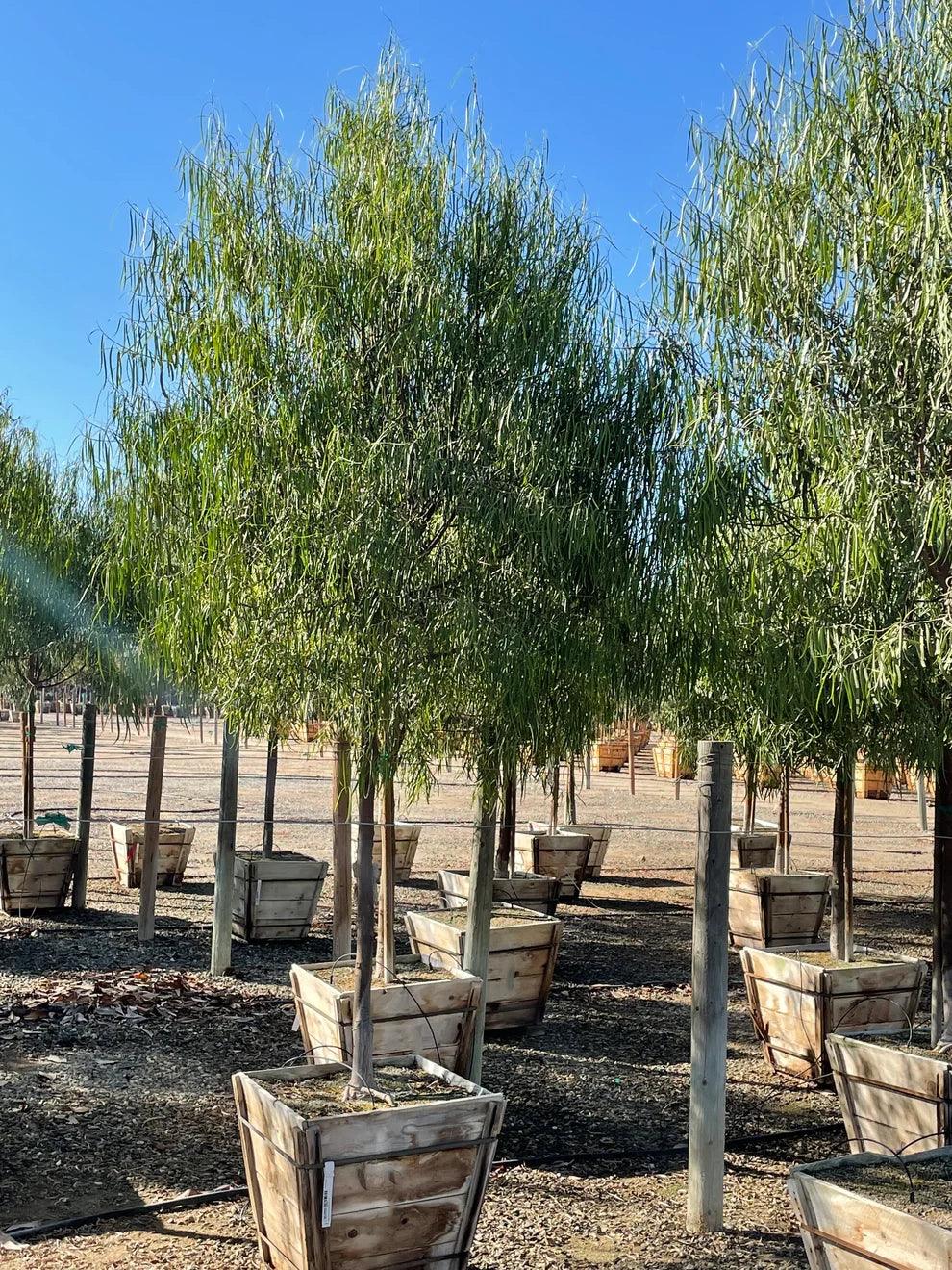

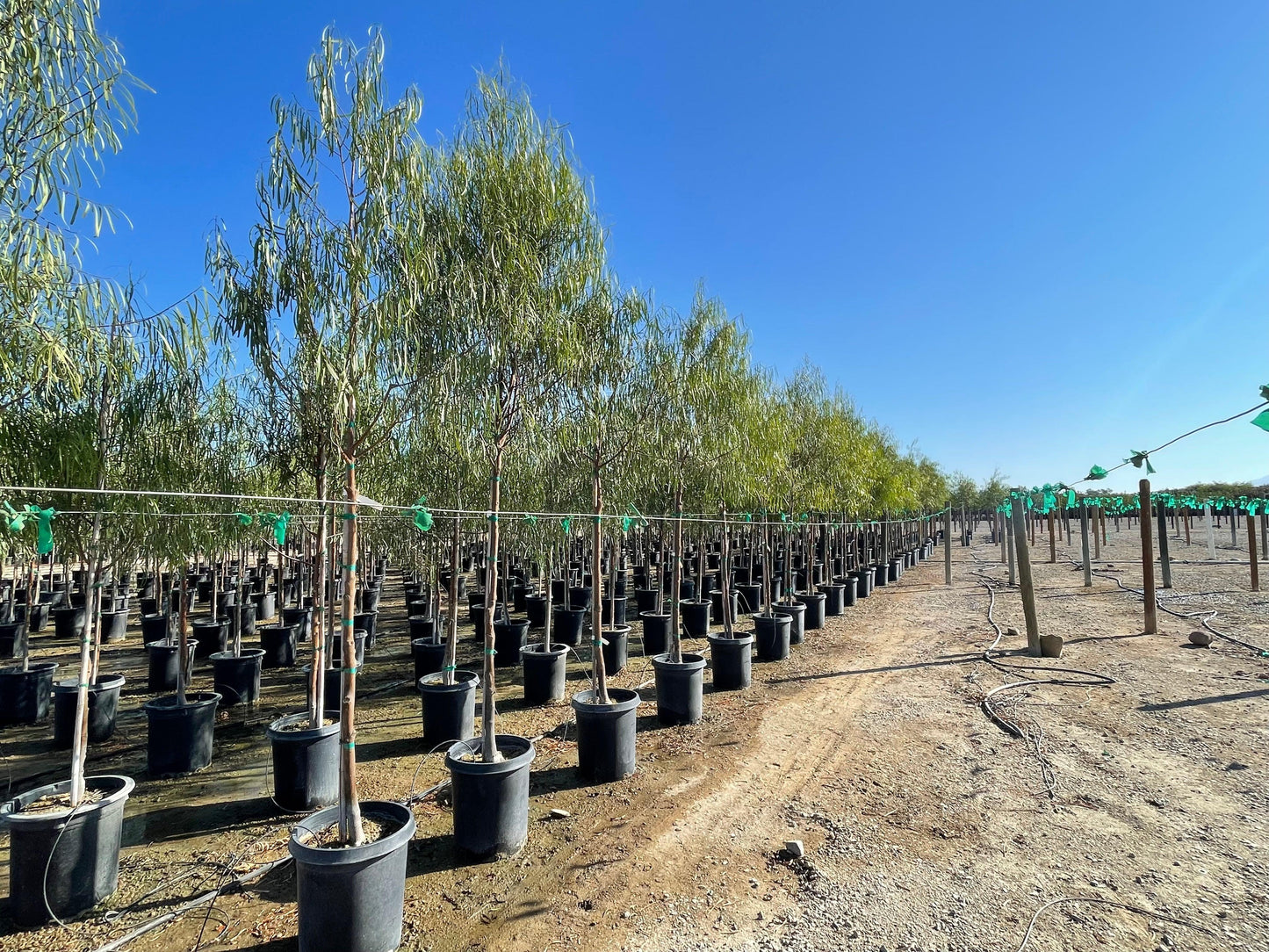

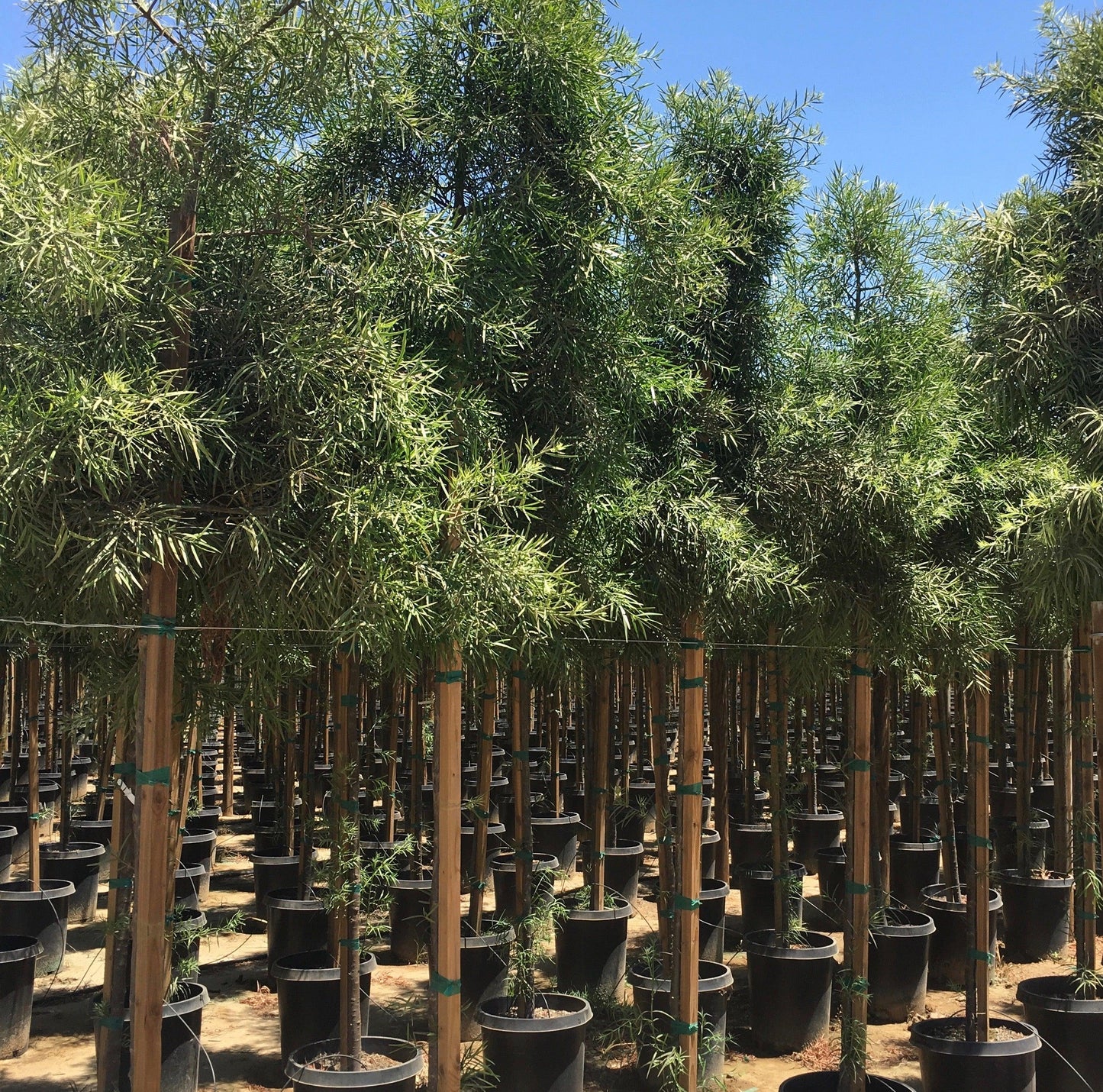
You May Also Like












Thousands of Healthy Plants Delivered

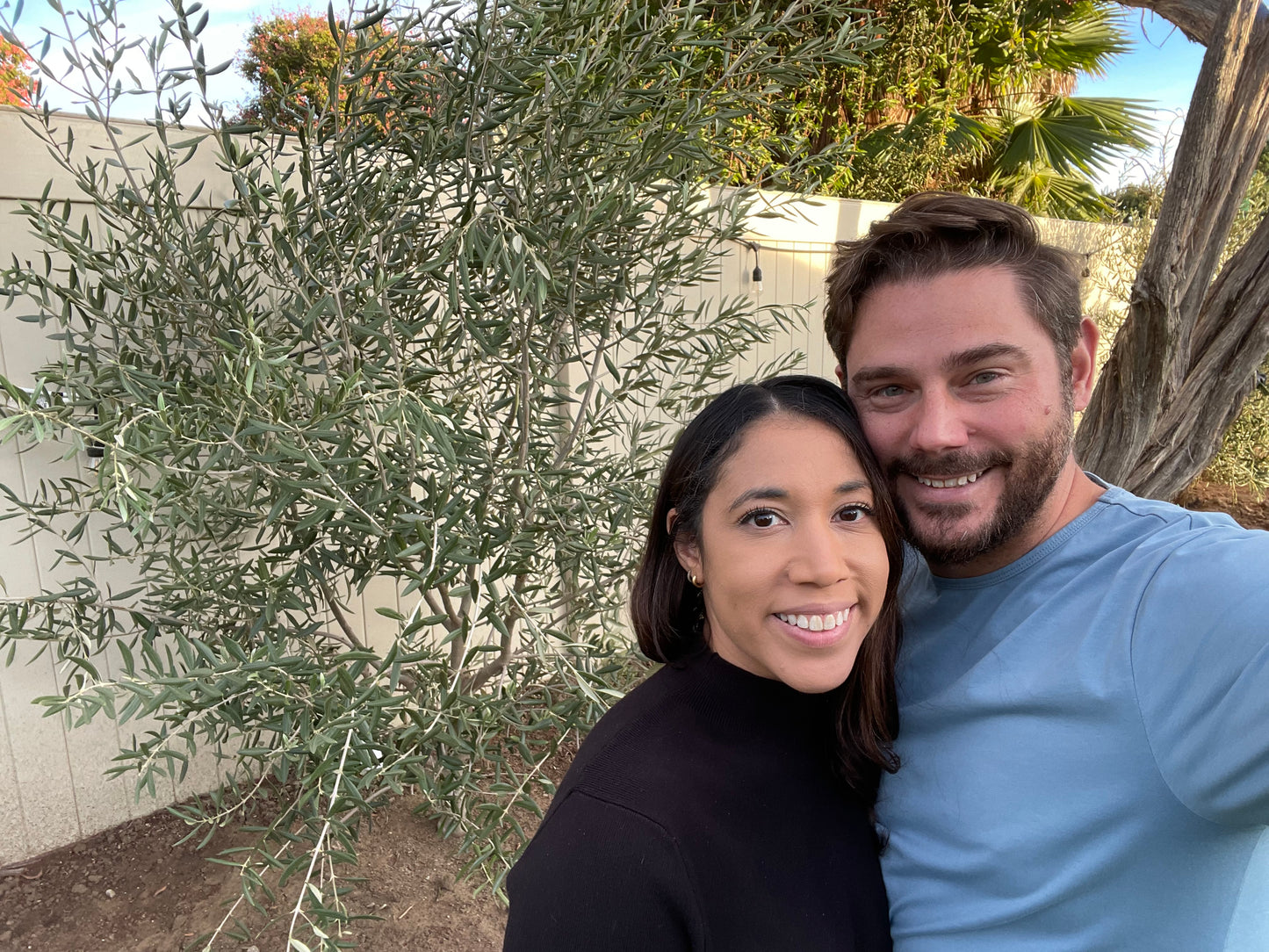
Yardwork was so great to work with. First they had the Swan Hill olive trees that we had been searching for, we had contacted several other nurseries without any luck previously. Then they answered all of our questions in a timely matter prior to ordering and finally delivered within a few days of placing it. Their staff is incredibly knowledgeable; they delivered and planted our trees with expertise to ensure that they would do well in our yard. We would definitely work with them again for future projects.












A Modern Experience
At Yardwork, we carefully curate thousands of plants, in all container sizes, to provide you with the best selection of the highest quality trees and plants at the best price, with the convenience of an online platform.
Uncompromised Quality
We choose only the finest specimens and hand select our plants just before delivery to ensure you receive the freshest and most robust specimens available for your landscape.
Industry Leading Warranties
Our 30, 90, and 365 extended warranties provide some of the best coverage to ensure our trees and plants thrive in your landscape.
Frequently Asked Questions
We're committed to changing everything about trees and plants - how they’re grown, how you shop for them, and how much they cost. We handle orders ourselves. No middlemen to get between us (or our prices) and you.
We're committed to changing everything about trees and plants - how they’re grown, how you shop for them, and how much they cost. We handle orders ourselves. No middlemen to get between us (or our prices) and you.
Delivery does not include unloading of trees and plants LARGER than a 24" box.
Trees and plants in smaller containers will be dropped curbside (usually on the driveway or near the front doorstep).
Delivery beyond a curbside drop will be charged extra.
Trees and plants that are sold in container sizes LARGER than a 24" box size will require equipment and/or enough manpower onsite to help unload from the truck.
Please reach out to our team PRIOR to placing your order to help coordinate.
Our team can provide unloading assistance with equipment for an extra fee as well.
Delivery does not include unloading of trees and plants LARGER than a 24" box.
Trees and plants in smaller containers will be dropped curbside (usually on the driveway or near the front doorstep).
Delivery beyond a curbside drop will be charged extra.
Trees and plants that are sold in container sizes LARGER than a 24" box size will require equipment and/or enough manpower onsite to help unload from the truck.
Please reach out to our team PRIOR to placing your order to help coordinate.
Our team can provide unloading assistance with equipment for an extra fee as well.
We ship locally within California within 7-10 days of your order being placed.
We ship nationally using carrier partners, based on order size.
Text or call 323-576-4159 for specific shipping details for your location.
We ship locally within California within 7-10 days of your order being placed.
We ship nationally using carrier partners, based on order size.
Text or call 323-576-4159 for specific shipping details for your location.
We are currently online only and don't have physical locations where you can view plants in person.
That's why we have photos direct from the growing grounds of the plants we will ship and we display pricing right in our store.
We do make sure to pick the very best trees and plants prior to shipping and make sure that they have gone through our multi-point inspection for health and structure.
We will always reach out prior to delivery if we find a quality issue or need to provide a substitute.
We are currently online only and don't have physical locations where you can view plants in person.
That's why we have photos direct from the growing grounds of the plants we will ship and we display pricing right in our store.
We do make sure to pick the very best trees and plants prior to shipping and make sure that they have gone through our multi-point inspection for health and structure.
We will always reach out prior to delivery if we find a quality issue or need to provide a substitute.
Plants vary greatly by type. Here is a rough idea of sizes based on containers that are direct from our growing grounds.
15 Gallon Shrub 3-4 Ft. Tall
15 Gallon Tree 5-6 Ft. Tall
24" Box Shrub 5-6 Ft. Tall
24" Box Tree 6-7 Ft. Tall
36" Box Shrub/Tree 7-9 Ft. Tall
48" Box Shrub/Tree 8-10 Ft. Tall
**Please note that we do not make guarantees of sizes. If you have questions or concerns, please call or text to request accurate sizing for the particular plant you're considering, prior to ordering.
Plants vary greatly by type. Here is a rough idea of sizes based on containers that are direct from our growing grounds.
15 Gallon Shrub 3-4 Ft. Tall
15 Gallon Tree 5-6 Ft. Tall
24" Box Shrub 5-6 Ft. Tall
24" Box Tree 6-7 Ft. Tall
36" Box Shrub/Tree 7-9 Ft. Tall
48" Box Shrub/Tree 8-10 Ft. Tall
**Please note that we do not make guarantees of sizes. If you have questions or concerns, please call or text to request accurate sizing for the particular plant you're considering, prior to ordering.
We offer a limited 30 day warranty for plants that are delivered and a 90 day warranty for plants that we plant.
The limited warranty covers plants that die as a result of disease or fungus which was derived from our growing grounds or from root balls that were root bound.
The warranty does not cover damage due to watering, fertilizer, soils, or any other conditions beyond our control. Additionally, the warranty does not cover certain plants that are shipped out of the state of California or shipped into California from other states. Custom plant orders are also not covered under warranty. Plants must be planted within 24 hours after delivery to qualify.
We can assist you in recommending the right soils and fertilizers to help your plant thrive after you plant it.
Text or call 323-576-4159 for further warranty information.
We offer a limited 30 day warranty for plants that are delivered and a 90 day warranty for plants that we plant.
The limited warranty covers plants that die as a result of disease or fungus which was derived from our growing grounds or from root balls that were root bound.
The warranty does not cover damage due to watering, fertilizer, soils, or any other conditions beyond our control. Additionally, the warranty does not cover certain plants that are shipped out of the state of California or shipped into California from other states. Custom plant orders are also not covered under warranty. Plants must be planted within 24 hours after delivery to qualify.
We can assist you in recommending the right soils and fertilizers to help your plant thrive after you plant it.
Text or call 323-576-4159 for further warranty information.
Our local delivery team covers most cities in California.
There are some exceptions, so please get in touch to confirm prior to ordering.
Additionally, we ship throughout the entire United States and even internationally. Each shipment is custom, so please reach out to our team to coordinate.
Our local delivery team covers most cities in California.
There are some exceptions, so please get in touch to confirm prior to ordering.
Additionally, we ship throughout the entire United States and even internationally. Each shipment is custom, so please reach out to our team to coordinate.