

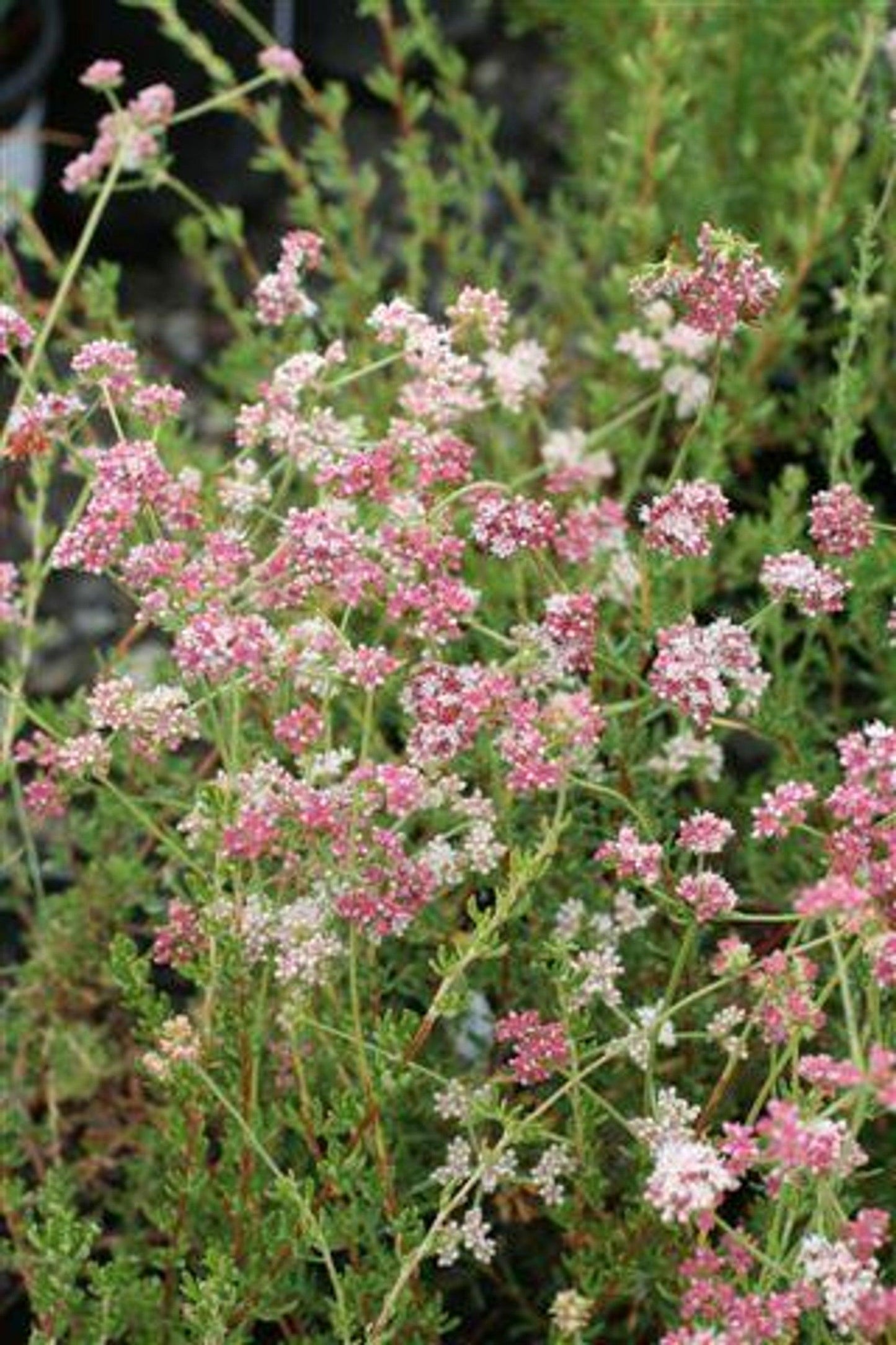

Eriogonum Fasciculatum California Buckwheat
Regular price
$35.00
Size
The Ultimate Native Plant for Low-Water, Wildlife-Friendly Gardens: California Buckwheat
California buckwheat gives dry, sunny gardens long-lasting flowers, serious pollinator value, erosion control, and dependable beauty with very little water once established. If you want a native shrub that can handle heat, poor soil, and dryer areas while supporting local wildlife, Eriogonum fasciculatum is one of the strongest choices you can plant.
This tough buckwheat species is native to the Southwestern United States, California, and northwestern Mexico, thriving in diverse habitats such as chaparral, coastal sage scrub, grasslands, and deserts. This shrub is found from the coasts and deserts of California and Baja California, extending eastwards through the Southern California Coast Ranges and into the Sonoran and Mojave deserts. It is a foundational plant for sagebrush scrub and chaparral ecosystems, creating beautiful, sustainable landscaping that supports bees, butterflies, birds, beneficial insects, and other pollinators over many months.
Why You’ll Love California Buckwheat
-
Extended Bloom Period – California buckwheat flowers continuously from spring through summer, providing nectar for native bees, introduced honey bees, butterflies, and other pollinators when many landscapes are dry. The flowers begin in soft white, cream, or pink flowers, then age toward rust, mahogany, and deep red tones in late summer and fall.
-
Extreme Drought Tolerance – This plant has low to very low water requirements, making it highly drought tolerant and ideal for arid environments. California buckwheat is popular in water-wise and xeriscape gardens because it requires virtually no supplemental water once established.
-
Year-Round Beauty – Fine, narrow, often hairy leaves and branching stems create an attractive evergreen to semi-evergreen form. The flowers and seeds remain visually interesting for many months, with seed heads turning deep rust and mahogany as the year moves from summer into fall and winter.
-
Native Ecosystem Support – California buckwheat serves as a keystone species in its native scrub ecosystems, providing critical food and habitat for a vast array of pollinators and wildlife. California buckwheat is a vital nectar source for numerous species of native bees and other pollinators, providing food over many months in dryer areas.
-
Low Maintenance – Once planted in the right place, California buckwheat grows happily in full sun, poor soil, and high-heat conditions with little care. It is often used in native plant gardens and wildlife gardens due to its attractiveness to pollinators and its ability to thrive in poor soil conditions.
The wildlife value continues after bloom. The flowers of California buckwheat provide vital winter forage for quail, small birds, and seed-eating rodents as they dry into deep rust-colored seed heads. California buckwheat provides abundant seed heads in the autumn that are relied upon by small birds, quail, and mammals for nutrition. Its dense structure also provides important nesting cover for lizards, small birds, and beneficial insects.
What Makes It Different
Most typical landscaping plants need high water, rich soil, regular feeding, and chemical inputs to stay attractive. California buckwheat requires less water and fewer interventions and provides more ecological value and a long seasonal display that looks natural in drought-tolerant California native landscapes.
California Buckwheat (Eriogonum fasciculatum) offers:
-
True California Native – This native species evolved for southwestern climates and soils, including chaparral, coastal sage scrub, grasslands, desert habitats, mountains, and rocky slopes. California buckwheat is highly drought tolerant and can survive in arid environments as well as coastal salt spray areas, making it adaptable to various ecological conditions.
-
Multi-Season Interest – The plant offers attractive leaves, fine stems, flowers, seeds, and persistent seed heads throughout the year. Its spring and summer flowers may appear white, cream, or pink, then the aging flowers turn rust or mahogany in fall for a natural dried-flower effect.
-
Pollinator Magnet – California buckwheat is known to attract both native and introduced honey bees, making it an important plant for supporting pollinator populations in California. This plant serves as a larval host for several butterfly species, including the Bernardino dotted-blue and the nut-brown hairstreak, which rely on it for their lifecycle.
This is also a plant with deep cultural history. California buckwheat has been used as a food crop and medicinal plant by various Native American tribes, who made tea from the leaves, stems, and roots, and ate the seeds raw or in baked items. The Tongva tribe, who call the plant wilakal, gather the leaves before flowering to make a strong thick tea and grind the dried roots to use for headaches and stomach problems. The Zuni people use a poultice of powdered root from California buckwheat to treat cuts and wounds, and a decoction of the root is taken after childbirth to heal lacerations. For sourcing plants and materials, many gardeners look for a local plant nursery and landscaping services that understand native ecosystems.
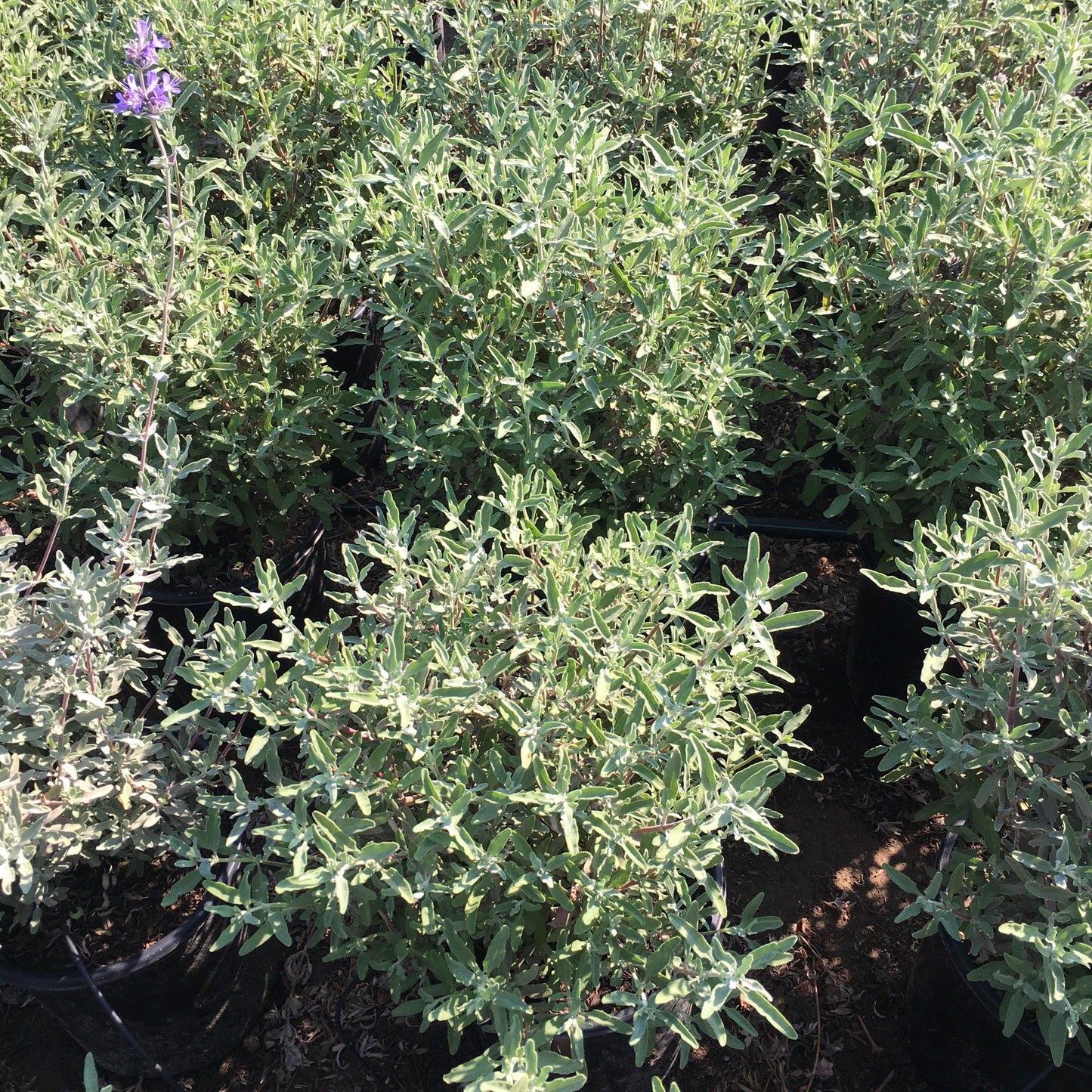
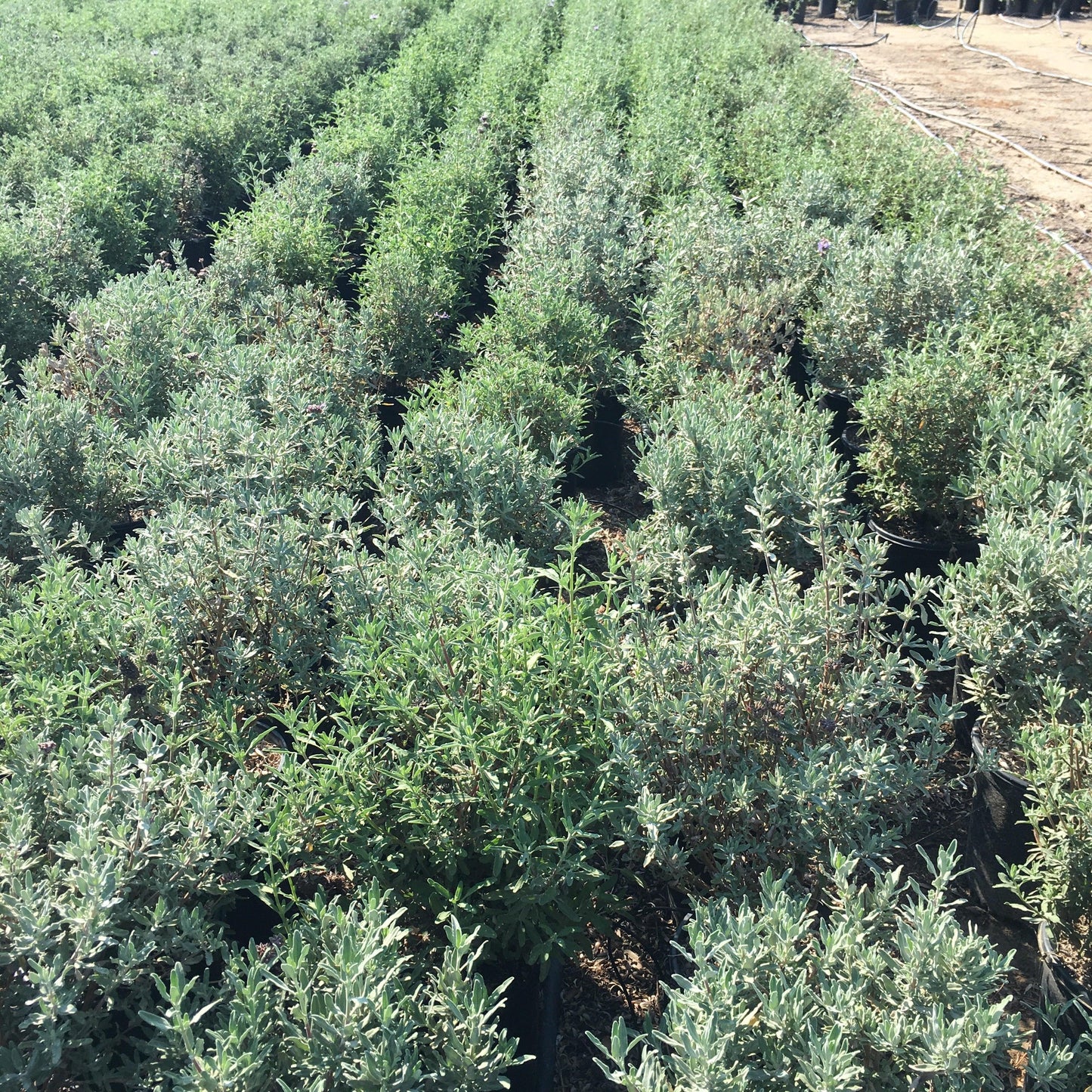
Some buckwheat relatives may show yellow flowers or different forms, with a number of native kinds adapted to different sites. Sulfur buckwheat is a low-growing mountain species valued for bright color in rocky gardens. Mojave buckwheat grows on scrubby slopes and chaparral and is especially attractive to honey bees. Santa Cruz Island buckwheat is another drought-tolerant native used in coastal and dry inland settings. While these can look similar in bloom or habit, Eriogonum fasciculatum is especially valued for its broad landscape usefulness, wide native range, nectar production, and ability to create diversity in low-water gardens, especially when combined with other flowering shrubs like autumn sage.
How It Works in Your Garden
-
Plant in Fall or Early Spring
For best results, get California buckwheat planted during cooler, wetter months so roots can settle before high summer heat. Choose a full sun location with enough room for the plant to reach its mature height and spread. It can tolerate some shade, but flowering and form are best in sun. -
Minimal Water During Growth
Water deeply during the first year while the plant establishes. In hot, dry conditions, deep weekly watering can help young roots reach into the soil; after establishment, water can usually be reduced dramatically. This plant has low to very low water requirements and is happy in many poor, dry, and rocky ground types. -
Continuous Wildlife Benefits
From spring through summer and into fall, California buckwheat provides nectar, flowers, seeds, cover, and habitat. Native bees, honey bees, butterflies, small birds, quail, seed-eating rodents, lizards, mammals, and beneficial insects all gain value from the plant over many months.
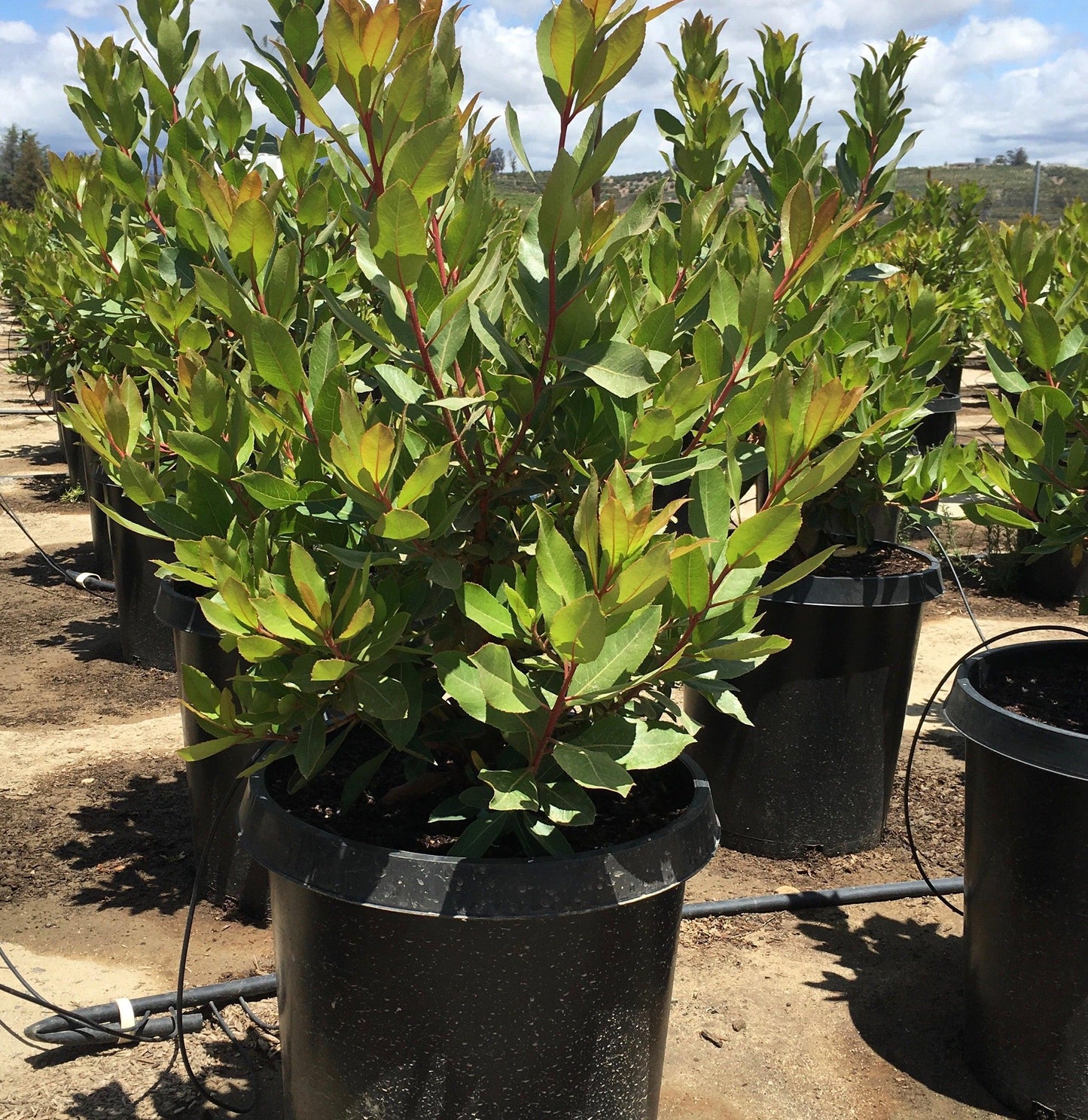
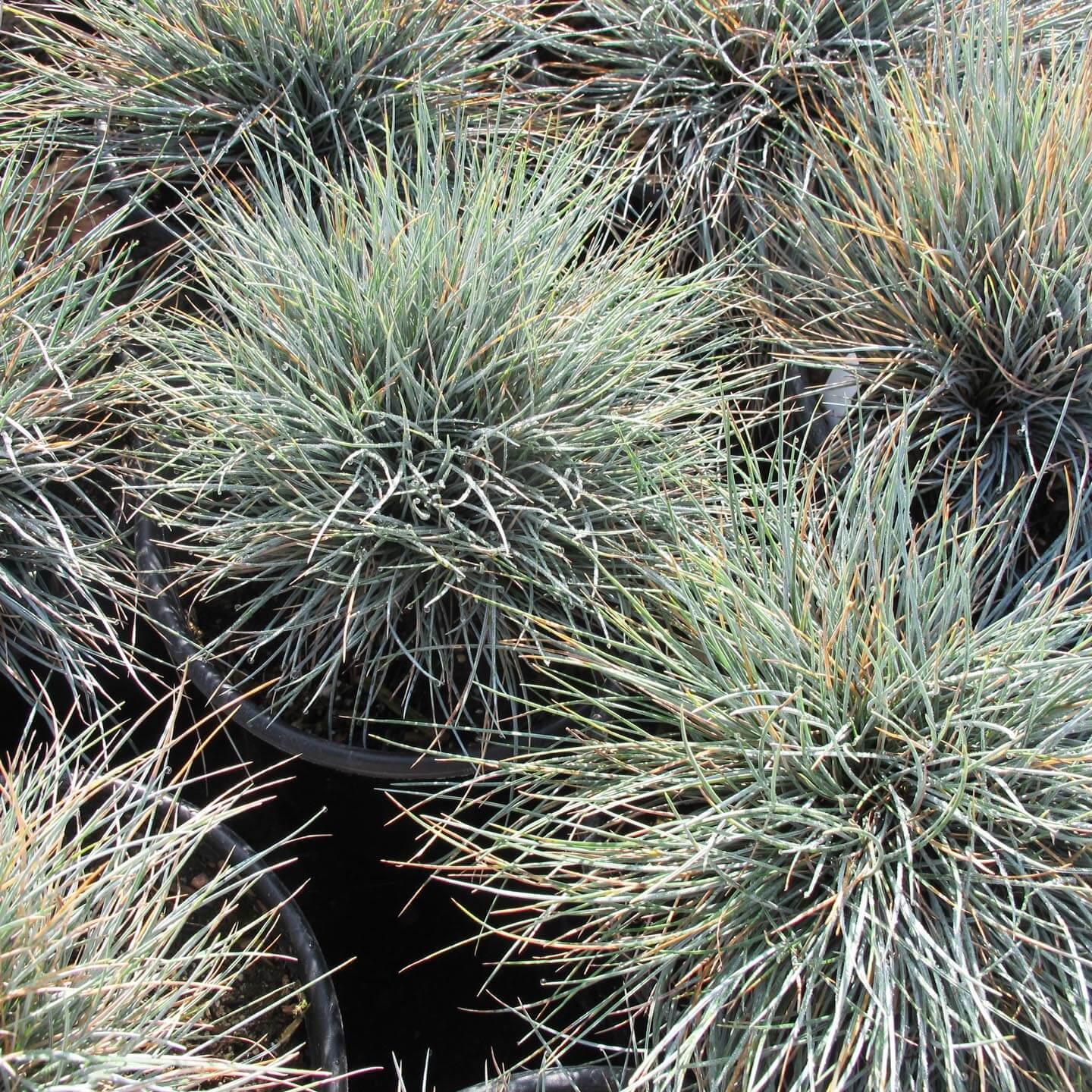
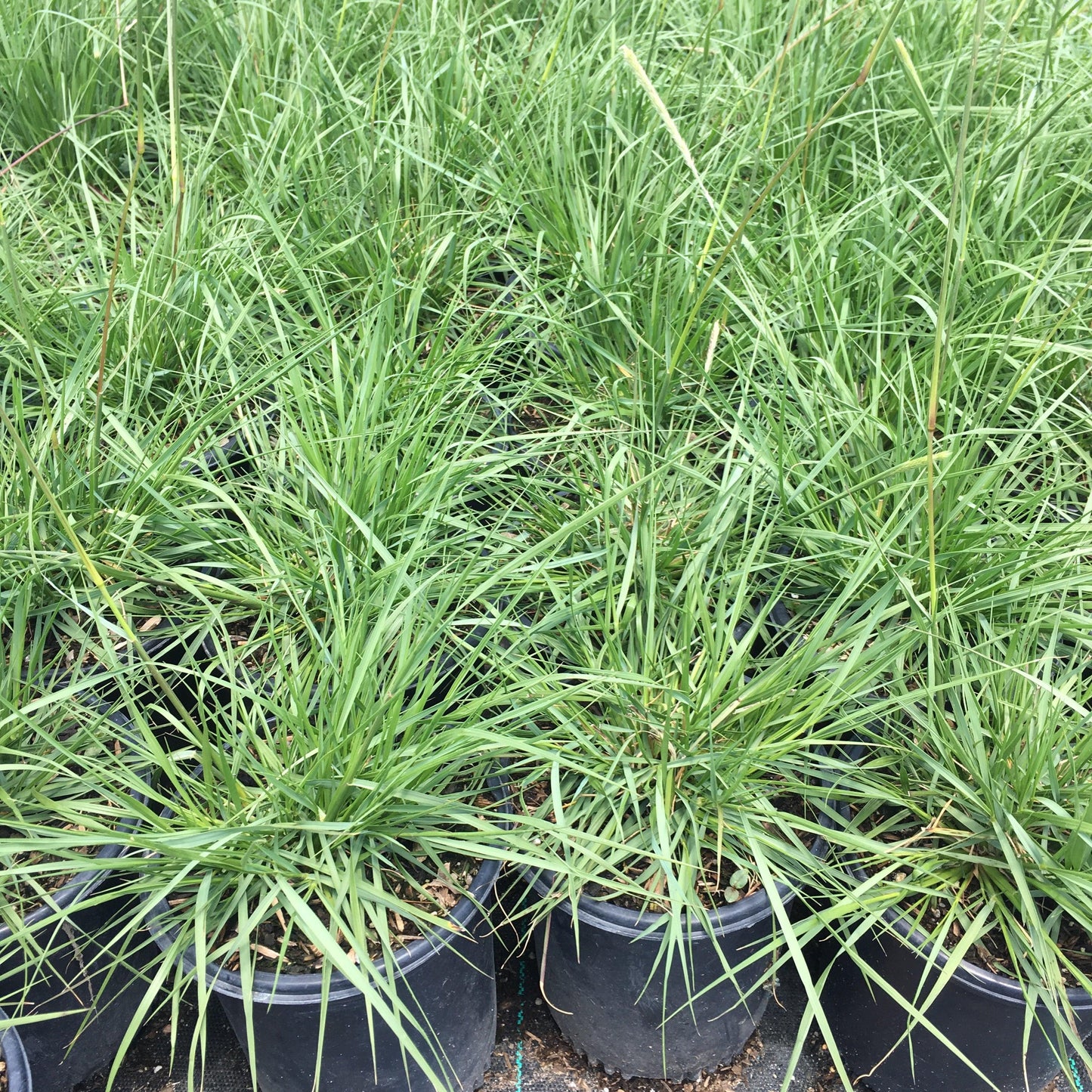
California buckwheat is adapted to poor, degraded, and problematic ground types, including high-pH soils, serpentine rock, heavy clay, and decomposed granite. It is used for bank stabilization, wildfire re-seeding, and slope conservation due to its broad, fibrous, and deeply binding root network. California buckwheat acts as a premier selection for erosion control on steep banks or hillsides due to its extensive root network, especially when paired with upright, low-maintenance grasses like Karl Foerster feather reed grass.
Plant Details: Eriogonum fasciculatum
-
Mature Size: Commonly 2–4 feet tall and wide in gardens; California buckwheat typically grows 1 to 4 feet tall and spreads up to 3 to 6 feet wide depending on variety, site, and water.
-
Light Requirements: Full sun to partial shade; California buckwheat (Eriogonum fasciculatum) thrives in full sun conditions, making it suitable for sunny garden locations.
-
Soil Tolerance: Clay, sand, rocky, poor soils, high-pH soils, serpentine rock, heavy clay, decomposed granite, and other lean or degraded soils; best performance comes with good drainage.
-
Hardiness Zones: 8–10.
-
Lifespan: 15–20 years with proper placement.
-
Water Needs: Low to very low once established; excellent for xeriscape, native, and low-water garden design alongside other drought-tolerant plants such as purple bougainvillea for Mediterranean-style gardens.
-
Bloom Season: Spring through summer, with flowers transitioning to rust or mahogany color in late summer and fall.
-
Wildlife Value: Good source of nectar, seeds, nesting cover, and habitat for bees, butterflies, birds, quail, small mammals, lizards, and beneficial insects.
-
Best Uses: Wildlife gardens, native plant gardens, erosion control, slope planting, bank stabilization, chaparral-inspired landscapes, habitat restoration, and water-wise borders.
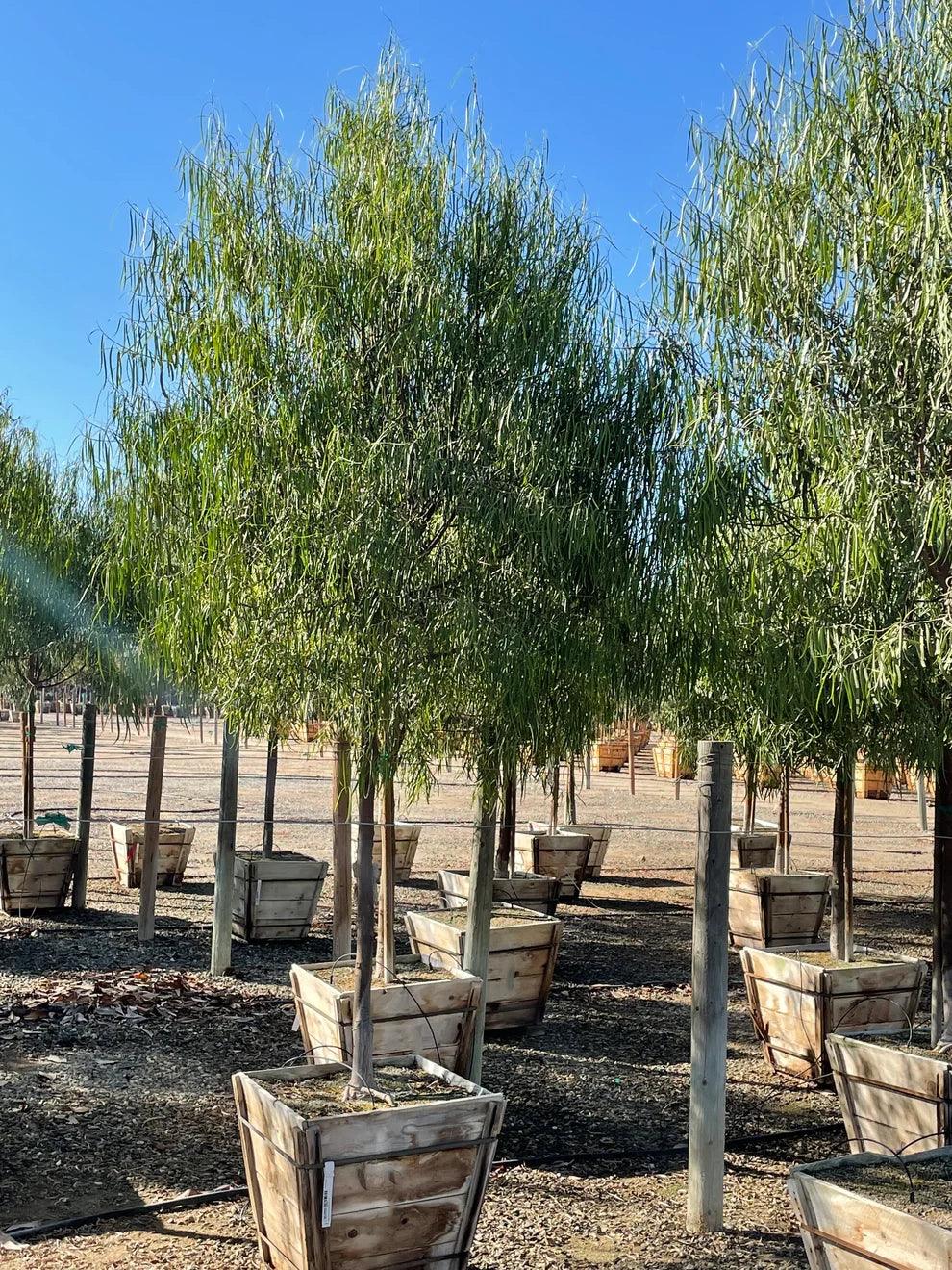
For a lower, spreading view, select the right variety for your region and design goal. Some forms stay compact and wide, while others create a bigger, more shrub-like presence. In any case, allow room for the plant’s natural spread so the stems can form a large, attractive mound rather than being crowded or over-managed, and consider contrasting it with taller, airy trees like the California pepper tree with its feathery canopy.
Who It’s Perfect For
Ideal for:
-
Drought-conscious gardeners in California and southwestern states who want a native plant that saves water and still looks beautiful.
-
Wildlife enthusiasts wanting to support native pollinators, butterflies, bees, other pollinators, birds, quail, and beneficial insects.
-
Landscapers designing low-maintenance, sustainable gardens with high habitat value and very low long-term input.
-
Restoration projects focusing on native plant communities, wildfire re-seeding, erosion control, and slope conservation.
-
People planting in difficult sites with poor soil, decomposed granite, rocky ground, heavy clay, high-pH soils, or sunny dry banks.
If you want a long-blooming, low-water, native buckwheat that supports local ecosystems while creating a natural California garden style, California buckwheat fits your needs, especially when combined with thoughtfully selected flowering trees suited to California gardens.
Frequently Asked Questions
How quickly does it establish?California buckwheat usually focuses on root growth during the first year after being planted. With regular deep watering during establishment and full sun exposure, young plants may still look small at first before putting on stronger top growth, and a big structure comes later. Full size, heavy bloom, and the best seasonal flower display usually develop after the plant has had time to settle into the garden.
Will it spread or become invasive?California buckwheat can spread naturally by seeds and by its broad, woody structure, but it is a native species rather than an aggressive invasive plant in its home range. Give it enough space for its mature spread, avoid overwatering, and let the plant form its natural mound. In open wild or restoration habitats, seedlings may appear where conditions are suitable.
What animals does it attract?California buckwheat attracts native bees, introduced honey bees, butterflies, other pollinators, small birds, quail, seed-eating rodents, lizards, small mammals, and beneficial insects. It provides nectar over many months in dryer areas, serves as a larval host for the Bernardino dotted-blue and the nut-brown hairstreak, and offers dense nesting cover for lizards, small birds, and beneficial insects.
Can I grow it from seed?Yes. California buckwheat can be grown from seeds, especially when seed quality is good and the seeds are sown at the right time. Fall or early spring sowing often works well because cooler seasonal moisture supports germination and establishment. Seeds should usually be sown near the soil surface or only lightly covered, then kept from becoming waterlogged.
Ready to Transform Your Garden?
Choose California Buckwheat (Eriogonum fasciculatum) for a native, drought-tolerant, wildlife-friendly plant that delivers flowers, nectar, seeds, erosion control, and year-round structure with minimal care.
For best results, shop from reputable native plant nurseries like Yardwork that source California buckwheat appropriate to your region. Local ecotypes help preserve diversity, support the right pollinators, and create a garden that belongs in its landscape.
The Ultimate Native Plant for Low-Water, Wildlife-Friendly Gardens: California Buckwheat
California buckwheat gives dry, sunny gardens long-lasting flowers, serious pollinator value, erosion control, and dependable beauty with very little water once established. If you want a native shrub that can handle heat, poor soil, and dryer areas while supporting local wildlife, Eriogonum fasciculatum is one of the strongest choices you can plant.
This tough buckwheat species is native to the Southwestern United States, California, and northwestern Mexico, thriving in diverse habitats such as chaparral, coastal sage scrub, grasslands, and deserts. This shrub is found from the coasts and deserts of California and Baja California, extending eastwards through the Southern California Coast Ranges and into the Sonoran and Mojave deserts. It is a foundational plant for sagebrush scrub and chaparral ecosystems, creating beautiful, sustainable landscaping that supports bees, butterflies, birds, beneficial insects, and other pollinators over many months.
Why You’ll Love California Buckwheat
-
Extended Bloom Period – California buckwheat flowers continuously from spring through summer, providing nectar for native bees, introduced honey bees, butterflies, and other pollinators when many landscapes are dry. The flowers begin in soft white, cream, or pink flowers, then age toward rust, mahogany, and deep red tones in late summer and fall.
-
Extreme Drought Tolerance – This plant has low to very low water requirements, making it highly drought tolerant and ideal for arid environments. California buckwheat is popular in water-wise and xeriscape gardens because it requires virtually no supplemental water once established.
-
Year-Round Beauty – Fine, narrow, often hairy leaves and branching stems create an attractive evergreen to semi-evergreen form. The flowers and seeds remain visually interesting for many months, with seed heads turning deep rust and mahogany as the year moves from summer into fall and winter.
-
Native Ecosystem Support – California buckwheat serves as a keystone species in its native scrub ecosystems, providing critical food and habitat for a vast array of pollinators and wildlife. California buckwheat is a vital nectar source for numerous species of native bees and other pollinators, providing food over many months in dryer areas.
-
Low Maintenance – Once planted in the right place, California buckwheat grows happily in full sun, poor soil, and high-heat conditions with little care. It is often used in native plant gardens and wildlife gardens due to its attractiveness to pollinators and its ability to thrive in poor soil conditions.
The wildlife value continues after bloom. The flowers of California buckwheat provide vital winter forage for quail, small birds, and seed-eating rodents as they dry into deep rust-colored seed heads. California buckwheat provides abundant seed heads in the autumn that are relied upon by small birds, quail, and mammals for nutrition. Its dense structure also provides important nesting cover for lizards, small birds, and beneficial insects.
What Makes It Different
Most typical landscaping plants need high water, rich soil, regular feeding, and chemical inputs to stay attractive. California buckwheat requires less water and fewer interventions and provides more ecological value and a long seasonal display that looks natural in drought-tolerant California native landscapes.
California Buckwheat (Eriogonum fasciculatum) offers:
-
True California Native – This native species evolved for southwestern climates and soils, including chaparral, coastal sage scrub, grasslands, desert habitats, mountains, and rocky slopes. California buckwheat is highly drought tolerant and can survive in arid environments as well as coastal salt spray areas, making it adaptable to various ecological conditions.
-
Multi-Season Interest – The plant offers attractive leaves, fine stems, flowers, seeds, and persistent seed heads throughout the year. Its spring and summer flowers may appear white, cream, or pink, then the aging flowers turn rust or mahogany in fall for a natural dried-flower effect.
-
Pollinator Magnet – California buckwheat is known to attract both native and introduced honey bees, making it an important plant for supporting pollinator populations in California. This plant serves as a larval host for several butterfly species, including the Bernardino dotted-blue and the nut-brown hairstreak, which rely on it for their lifecycle.
This is also a plant with deep cultural history. California buckwheat has been used as a food crop and medicinal plant by various Native American tribes, who made tea from the leaves, stems, and roots, and ate the seeds raw or in baked items. The Tongva tribe, who call the plant wilakal, gather the leaves before flowering to make a strong thick tea and grind the dried roots to use for headaches and stomach problems. The Zuni people use a poultice of powdered root from California buckwheat to treat cuts and wounds, and a decoction of the root is taken after childbirth to heal lacerations. For sourcing plants and materials, many gardeners look for a local plant nursery and landscaping services that understand native ecosystems.
Some buckwheat relatives may show yellow flowers or different forms, with a number of native kinds adapted to different sites. Sulfur buckwheat is a low-growing mountain species valued for bright color in rocky gardens. Mojave buckwheat grows on scrubby slopes and chaparral and is especially attractive to honey bees. Santa Cruz Island buckwheat is another drought-tolerant native used in coastal and dry inland settings. While these can look similar in bloom or habit, Eriogonum fasciculatum is especially valued for its broad landscape usefulness, wide native range, nectar production, and ability to create diversity in low-water gardens, especially when combined with other flowering shrubs like autumn sage.
How It Works in Your Garden
-
Plant in Fall or Early Spring
For best results, get California buckwheat planted during cooler, wetter months so roots can settle before high summer heat. Choose a full sun location with enough room for the plant to reach its mature height and spread. It can tolerate some shade, but flowering and form are best in sun. -
Minimal Water During Growth
Water deeply during the first year while the plant establishes. In hot, dry conditions, deep weekly watering can help young roots reach into the soil; after establishment, water can usually be reduced dramatically. This plant has low to very low water requirements and is happy in many poor, dry, and rocky ground types. -
Continuous Wildlife Benefits
From spring through summer and into fall, California buckwheat provides nectar, flowers, seeds, cover, and habitat. Native bees, honey bees, butterflies, small birds, quail, seed-eating rodents, lizards, mammals, and beneficial insects all gain value from the plant over many months.
California buckwheat is adapted to poor, degraded, and problematic ground types, including high-pH soils, serpentine rock, heavy clay, and decomposed granite. It is used for bank stabilization, wildfire re-seeding, and slope conservation due to its broad, fibrous, and deeply binding root network. California buckwheat acts as a premier selection for erosion control on steep banks or hillsides due to its extensive root network, especially when paired with upright, low-maintenance grasses like Karl Foerster feather reed grass.
Plant Details: Eriogonum fasciculatum
-
Mature Size: Commonly 2–4 feet tall and wide in gardens; California buckwheat typically grows 1 to 4 feet tall and spreads up to 3 to 6 feet wide depending on variety, site, and water.
-
Light Requirements: Full sun to partial shade; California buckwheat (Eriogonum fasciculatum) thrives in full sun conditions, making it suitable for sunny garden locations.
-
Soil Tolerance: Clay, sand, rocky, poor soils, high-pH soils, serpentine rock, heavy clay, decomposed granite, and other lean or degraded soils; best performance comes with good drainage.
-
Hardiness Zones: 8–10.
-
Lifespan: 15–20 years with proper placement.
-
Water Needs: Low to very low once established; excellent for xeriscape, native, and low-water garden design alongside other drought-tolerant plants such as purple bougainvillea for Mediterranean-style gardens.
-
Bloom Season: Spring through summer, with flowers transitioning to rust or mahogany color in late summer and fall.
-
Wildlife Value: Good source of nectar, seeds, nesting cover, and habitat for bees, butterflies, birds, quail, small mammals, lizards, and beneficial insects.
-
Best Uses: Wildlife gardens, native plant gardens, erosion control, slope planting, bank stabilization, chaparral-inspired landscapes, habitat restoration, and water-wise borders.
For a lower, spreading view, select the right variety for your region and design goal. Some forms stay compact and wide, while others create a bigger, more shrub-like presence. In any case, allow room for the plant’s natural spread so the stems can form a large, attractive mound rather than being crowded or over-managed, and consider contrasting it with taller, airy trees like the California pepper tree with its feathery canopy.
Who It’s Perfect For
Ideal for:
-
Drought-conscious gardeners in California and southwestern states who want a native plant that saves water and still looks beautiful.
-
Wildlife enthusiasts wanting to support native pollinators, butterflies, bees, other pollinators, birds, quail, and beneficial insects.
-
Landscapers designing low-maintenance, sustainable gardens with high habitat value and very low long-term input.
-
Restoration projects focusing on native plant communities, wildfire re-seeding, erosion control, and slope conservation.
-
People planting in difficult sites with poor soil, decomposed granite, rocky ground, heavy clay, high-pH soils, or sunny dry banks.
If you want a long-blooming, low-water, native buckwheat that supports local ecosystems while creating a natural California garden style, California buckwheat fits your needs, especially when combined with thoughtfully selected flowering trees suited to California gardens.
Frequently Asked Questions
How quickly does it establish?California buckwheat usually focuses on root growth during the first year after being planted. With regular deep watering during establishment and full sun exposure, young plants may still look small at first before putting on stronger top growth, and a big structure comes later. Full size, heavy bloom, and the best seasonal flower display usually develop after the plant has had time to settle into the garden.
Will it spread or become invasive?California buckwheat can spread naturally by seeds and by its broad, woody structure, but it is a native species rather than an aggressive invasive plant in its home range. Give it enough space for its mature spread, avoid overwatering, and let the plant form its natural mound. In open wild or restoration habitats, seedlings may appear where conditions are suitable.
What animals does it attract?California buckwheat attracts native bees, introduced honey bees, butterflies, other pollinators, small birds, quail, seed-eating rodents, lizards, small mammals, and beneficial insects. It provides nectar over many months in dryer areas, serves as a larval host for the Bernardino dotted-blue and the nut-brown hairstreak, and offers dense nesting cover for lizards, small birds, and beneficial insects.
Can I grow it from seed?Yes. California buckwheat can be grown from seeds, especially when seed quality is good and the seeds are sown at the right time. Fall or early spring sowing often works well because cooler seasonal moisture supports germination and establishment. Seeds should usually be sown near the soil surface or only lightly covered, then kept from becoming waterlogged.
Ready to Transform Your Garden?
Choose California Buckwheat (Eriogonum fasciculatum) for a native, drought-tolerant, wildlife-friendly plant that delivers flowers, nectar, seeds, erosion control, and year-round structure with minimal care.
For best results, shop from reputable native plant nurseries like Yardwork that source California buckwheat appropriate to your region. Local ecotypes help preserve diversity, support the right pollinators, and create a garden that belongs in its landscape.
Plants vary greatly by type and no guarantees are made on sizing.
However here is a rough idea of sizes based on containers that are direct from our growing grounds.
15 Gallon Shrub 3-4 Ft. Tall
15 Gallon Tree 5-6 Ft. Tall
24" Box Shrub 5-6 Ft. Tall
24" Box Tree 6-7 Ft. Tall
36" Box Tree 8-10 Ft. Tall
48" Box Tree 10-12 Ft. Tall
Please note: Citrus and California Native plants such as Manzanita are smaller than traditional sizing.
Please contact us to confirm sizing of items before purchasing if this is a concern.
Plants vary greatly by type and no guarantees are made on sizing.
However here is a rough idea of sizes based on containers that are direct from our growing grounds.
15 Gallon Shrub 3-4 Ft. Tall
15 Gallon Tree 5-6 Ft. Tall
24" Box Shrub 5-6 Ft. Tall
24" Box Tree 6-7 Ft. Tall
36" Box Tree 8-10 Ft. Tall
48" Box Tree 10-12 Ft. Tall
Please note: Citrus and California Native plants such as Manzanita are smaller than traditional sizing.
Please contact us to confirm sizing of items before purchasing if this is a concern.
Delivery does not include unloading of trees and plants larger than a 24" box.
Trees and plants in smaller containers will be dropped curbside.
Delivery beyond a curbside drop will be charged extra.
Trees and plants that are sold in container sizes larger than a 24" box size will require equipment and an operator onsite to help unload from the truck.
Please reach out to our team PRIOR to placing your order to coordinate.
Our team can provide unloading assistance with equipment for an extra fee.
Delivery does not include unloading of trees and plants larger than a 24" box.
Trees and plants in smaller containers will be dropped curbside.
Delivery beyond a curbside drop will be charged extra.
Trees and plants that are sold in container sizes larger than a 24" box size will require equipment and an operator onsite to help unload from the truck.
Please reach out to our team PRIOR to placing your order to coordinate.
Our team can provide unloading assistance with equipment for an extra fee.
You may also like...


Eriogonum Fasciculatum California Buckwheat
Regular price
$35.00
Size
The Ultimate Native Plant for Low-Water, Wildlife-Friendly Gardens: California Buckwheat
California buckwheat gives dry, sunny gardens long-lasting flowers, serious pollinator value, erosion control, and dependable beauty with very little water once established. If you want a native shrub that can handle heat, poor soil, and dryer areas while supporting local wildlife, Eriogonum fasciculatum is one of the strongest choices you can plant.
This tough buckwheat species is native to the Southwestern United States, California, and northwestern Mexico, thriving in diverse habitats such as chaparral, coastal sage scrub, grasslands, and deserts. This shrub is found from the coasts and deserts of California and Baja California, extending eastwards through the Southern California Coast Ranges and into the Sonoran and Mojave deserts. It is a foundational plant for sagebrush scrub and chaparral ecosystems, creating beautiful, sustainable landscaping that supports bees, butterflies, birds, beneficial insects, and other pollinators over many months.
Why You’ll Love California Buckwheat
-
Extended Bloom Period – California buckwheat flowers continuously from spring through summer, providing nectar for native bees, introduced honey bees, butterflies, and other pollinators when many landscapes are dry. The flowers begin in soft white, cream, or pink flowers, then age toward rust, mahogany, and deep red tones in late summer and fall.
-
Extreme Drought Tolerance – This plant has low to very low water requirements, making it highly drought tolerant and ideal for arid environments. California buckwheat is popular in water-wise and xeriscape gardens because it requires virtually no supplemental water once established.
-
Year-Round Beauty – Fine, narrow, often hairy leaves and branching stems create an attractive evergreen to semi-evergreen form. The flowers and seeds remain visually interesting for many months, with seed heads turning deep rust and mahogany as the year moves from summer into fall and winter.
-
Native Ecosystem Support – California buckwheat serves as a keystone species in its native scrub ecosystems, providing critical food and habitat for a vast array of pollinators and wildlife. California buckwheat is a vital nectar source for numerous species of native bees and other pollinators, providing food over many months in dryer areas.
-
Low Maintenance – Once planted in the right place, California buckwheat grows happily in full sun, poor soil, and high-heat conditions with little care. It is often used in native plant gardens and wildlife gardens due to its attractiveness to pollinators and its ability to thrive in poor soil conditions.
The wildlife value continues after bloom. The flowers of California buckwheat provide vital winter forage for quail, small birds, and seed-eating rodents as they dry into deep rust-colored seed heads. California buckwheat provides abundant seed heads in the autumn that are relied upon by small birds, quail, and mammals for nutrition. Its dense structure also provides important nesting cover for lizards, small birds, and beneficial insects.
What Makes It Different
Most typical landscaping plants need high water, rich soil, regular feeding, and chemical inputs to stay attractive. California buckwheat requires less water and fewer interventions and provides more ecological value and a long seasonal display that looks natural in drought-tolerant California native landscapes.
California Buckwheat (Eriogonum fasciculatum) offers:
-
True California Native – This native species evolved for southwestern climates and soils, including chaparral, coastal sage scrub, grasslands, desert habitats, mountains, and rocky slopes. California buckwheat is highly drought tolerant and can survive in arid environments as well as coastal salt spray areas, making it adaptable to various ecological conditions.
-
Multi-Season Interest – The plant offers attractive leaves, fine stems, flowers, seeds, and persistent seed heads throughout the year. Its spring and summer flowers may appear white, cream, or pink, then the aging flowers turn rust or mahogany in fall for a natural dried-flower effect.
-
Pollinator Magnet – California buckwheat is known to attract both native and introduced honey bees, making it an important plant for supporting pollinator populations in California. This plant serves as a larval host for several butterfly species, including the Bernardino dotted-blue and the nut-brown hairstreak, which rely on it for their lifecycle.
This is also a plant with deep cultural history. California buckwheat has been used as a food crop and medicinal plant by various Native American tribes, who made tea from the leaves, stems, and roots, and ate the seeds raw or in baked items. The Tongva tribe, who call the plant wilakal, gather the leaves before flowering to make a strong thick tea and grind the dried roots to use for headaches and stomach problems. The Zuni people use a poultice of powdered root from California buckwheat to treat cuts and wounds, and a decoction of the root is taken after childbirth to heal lacerations. For sourcing plants and materials, many gardeners look for a local plant nursery and landscaping services that understand native ecosystems.
Some buckwheat relatives may show yellow flowers or different forms, with a number of native kinds adapted to different sites. Sulfur buckwheat is a low-growing mountain species valued for bright color in rocky gardens. Mojave buckwheat grows on scrubby slopes and chaparral and is especially attractive to honey bees. Santa Cruz Island buckwheat is another drought-tolerant native used in coastal and dry inland settings. While these can look similar in bloom or habit, Eriogonum fasciculatum is especially valued for its broad landscape usefulness, wide native range, nectar production, and ability to create diversity in low-water gardens, especially when combined with other flowering shrubs like autumn sage.
How It Works in Your Garden
-
Plant in Fall or Early Spring
For best results, get California buckwheat planted during cooler, wetter months so roots can settle before high summer heat. Choose a full sun location with enough room for the plant to reach its mature height and spread. It can tolerate some shade, but flowering and form are best in sun. -
Minimal Water During Growth
Water deeply during the first year while the plant establishes. In hot, dry conditions, deep weekly watering can help young roots reach into the soil; after establishment, water can usually be reduced dramatically. This plant has low to very low water requirements and is happy in many poor, dry, and rocky ground types. -
Continuous Wildlife Benefits
From spring through summer and into fall, California buckwheat provides nectar, flowers, seeds, cover, and habitat. Native bees, honey bees, butterflies, small birds, quail, seed-eating rodents, lizards, mammals, and beneficial insects all gain value from the plant over many months.
California buckwheat is adapted to poor, degraded, and problematic ground types, including high-pH soils, serpentine rock, heavy clay, and decomposed granite. It is used for bank stabilization, wildfire re-seeding, and slope conservation due to its broad, fibrous, and deeply binding root network. California buckwheat acts as a premier selection for erosion control on steep banks or hillsides due to its extensive root network, especially when paired with upright, low-maintenance grasses like Karl Foerster feather reed grass.
Plant Details: Eriogonum fasciculatum
-
Mature Size: Commonly 2–4 feet tall and wide in gardens; California buckwheat typically grows 1 to 4 feet tall and spreads up to 3 to 6 feet wide depending on variety, site, and water.
-
Light Requirements: Full sun to partial shade; California buckwheat (Eriogonum fasciculatum) thrives in full sun conditions, making it suitable for sunny garden locations.
-
Soil Tolerance: Clay, sand, rocky, poor soils, high-pH soils, serpentine rock, heavy clay, decomposed granite, and other lean or degraded soils; best performance comes with good drainage.
-
Hardiness Zones: 8–10.
-
Lifespan: 15–20 years with proper placement.
-
Water Needs: Low to very low once established; excellent for xeriscape, native, and low-water garden design alongside other drought-tolerant plants such as purple bougainvillea for Mediterranean-style gardens.
-
Bloom Season: Spring through summer, with flowers transitioning to rust or mahogany color in late summer and fall.
-
Wildlife Value: Good source of nectar, seeds, nesting cover, and habitat for bees, butterflies, birds, quail, small mammals, lizards, and beneficial insects.
-
Best Uses: Wildlife gardens, native plant gardens, erosion control, slope planting, bank stabilization, chaparral-inspired landscapes, habitat restoration, and water-wise borders.
For a lower, spreading view, select the right variety for your region and design goal. Some forms stay compact and wide, while others create a bigger, more shrub-like presence. In any case, allow room for the plant’s natural spread so the stems can form a large, attractive mound rather than being crowded or over-managed, and consider contrasting it with taller, airy trees like the California pepper tree with its feathery canopy.
Who It’s Perfect For
Ideal for:
-
Drought-conscious gardeners in California and southwestern states who want a native plant that saves water and still looks beautiful.
-
Wildlife enthusiasts wanting to support native pollinators, butterflies, bees, other pollinators, birds, quail, and beneficial insects.
-
Landscapers designing low-maintenance, sustainable gardens with high habitat value and very low long-term input.
-
Restoration projects focusing on native plant communities, wildfire re-seeding, erosion control, and slope conservation.
-
People planting in difficult sites with poor soil, decomposed granite, rocky ground, heavy clay, high-pH soils, or sunny dry banks.
If you want a long-blooming, low-water, native buckwheat that supports local ecosystems while creating a natural California garden style, California buckwheat fits your needs, especially when combined with thoughtfully selected flowering trees suited to California gardens.
Frequently Asked Questions
How quickly does it establish?California buckwheat usually focuses on root growth during the first year after being planted. With regular deep watering during establishment and full sun exposure, young plants may still look small at first before putting on stronger top growth, and a big structure comes later. Full size, heavy bloom, and the best seasonal flower display usually develop after the plant has had time to settle into the garden.
Will it spread or become invasive?California buckwheat can spread naturally by seeds and by its broad, woody structure, but it is a native species rather than an aggressive invasive plant in its home range. Give it enough space for its mature spread, avoid overwatering, and let the plant form its natural mound. In open wild or restoration habitats, seedlings may appear where conditions are suitable.
What animals does it attract?California buckwheat attracts native bees, introduced honey bees, butterflies, other pollinators, small birds, quail, seed-eating rodents, lizards, small mammals, and beneficial insects. It provides nectar over many months in dryer areas, serves as a larval host for the Bernardino dotted-blue and the nut-brown hairstreak, and offers dense nesting cover for lizards, small birds, and beneficial insects.
Can I grow it from seed?Yes. California buckwheat can be grown from seeds, especially when seed quality is good and the seeds are sown at the right time. Fall or early spring sowing often works well because cooler seasonal moisture supports germination and establishment. Seeds should usually be sown near the soil surface or only lightly covered, then kept from becoming waterlogged.
Ready to Transform Your Garden?
Choose California Buckwheat (Eriogonum fasciculatum) for a native, drought-tolerant, wildlife-friendly plant that delivers flowers, nectar, seeds, erosion control, and year-round structure with minimal care.
For best results, shop from reputable native plant nurseries like Yardwork that source California buckwheat appropriate to your region. Local ecotypes help preserve diversity, support the right pollinators, and create a garden that belongs in its landscape.
The Ultimate Native Plant for Low-Water, Wildlife-Friendly Gardens: California Buckwheat
California buckwheat gives dry, sunny gardens long-lasting flowers, serious pollinator value, erosion control, and dependable beauty with very little water once established. If you want a native shrub that can handle heat, poor soil, and dryer areas while supporting local wildlife, Eriogonum fasciculatum is one of the strongest choices you can plant.
This tough buckwheat species is native to the Southwestern United States, California, and northwestern Mexico, thriving in diverse habitats such as chaparral, coastal sage scrub, grasslands, and deserts. This shrub is found from the coasts and deserts of California and Baja California, extending eastwards through the Southern California Coast Ranges and into the Sonoran and Mojave deserts. It is a foundational plant for sagebrush scrub and chaparral ecosystems, creating beautiful, sustainable landscaping that supports bees, butterflies, birds, beneficial insects, and other pollinators over many months.
Why You’ll Love California Buckwheat
-
Extended Bloom Period – California buckwheat flowers continuously from spring through summer, providing nectar for native bees, introduced honey bees, butterflies, and other pollinators when many landscapes are dry. The flowers begin in soft white, cream, or pink flowers, then age toward rust, mahogany, and deep red tones in late summer and fall.
-
Extreme Drought Tolerance – This plant has low to very low water requirements, making it highly drought tolerant and ideal for arid environments. California buckwheat is popular in water-wise and xeriscape gardens because it requires virtually no supplemental water once established.
-
Year-Round Beauty – Fine, narrow, often hairy leaves and branching stems create an attractive evergreen to semi-evergreen form. The flowers and seeds remain visually interesting for many months, with seed heads turning deep rust and mahogany as the year moves from summer into fall and winter.
-
Native Ecosystem Support – California buckwheat serves as a keystone species in its native scrub ecosystems, providing critical food and habitat for a vast array of pollinators and wildlife. California buckwheat is a vital nectar source for numerous species of native bees and other pollinators, providing food over many months in dryer areas.
-
Low Maintenance – Once planted in the right place, California buckwheat grows happily in full sun, poor soil, and high-heat conditions with little care. It is often used in native plant gardens and wildlife gardens due to its attractiveness to pollinators and its ability to thrive in poor soil conditions.
The wildlife value continues after bloom. The flowers of California buckwheat provide vital winter forage for quail, small birds, and seed-eating rodents as they dry into deep rust-colored seed heads. California buckwheat provides abundant seed heads in the autumn that are relied upon by small birds, quail, and mammals for nutrition. Its dense structure also provides important nesting cover for lizards, small birds, and beneficial insects.
What Makes It Different
Most typical landscaping plants need high water, rich soil, regular feeding, and chemical inputs to stay attractive. California buckwheat requires less water and fewer interventions and provides more ecological value and a long seasonal display that looks natural in drought-tolerant California native landscapes.
California Buckwheat (Eriogonum fasciculatum) offers:
-
True California Native – This native species evolved for southwestern climates and soils, including chaparral, coastal sage scrub, grasslands, desert habitats, mountains, and rocky slopes. California buckwheat is highly drought tolerant and can survive in arid environments as well as coastal salt spray areas, making it adaptable to various ecological conditions.
-
Multi-Season Interest – The plant offers attractive leaves, fine stems, flowers, seeds, and persistent seed heads throughout the year. Its spring and summer flowers may appear white, cream, or pink, then the aging flowers turn rust or mahogany in fall for a natural dried-flower effect.
-
Pollinator Magnet – California buckwheat is known to attract both native and introduced honey bees, making it an important plant for supporting pollinator populations in California. This plant serves as a larval host for several butterfly species, including the Bernardino dotted-blue and the nut-brown hairstreak, which rely on it for their lifecycle.
This is also a plant with deep cultural history. California buckwheat has been used as a food crop and medicinal plant by various Native American tribes, who made tea from the leaves, stems, and roots, and ate the seeds raw or in baked items. The Tongva tribe, who call the plant wilakal, gather the leaves before flowering to make a strong thick tea and grind the dried roots to use for headaches and stomach problems. The Zuni people use a poultice of powdered root from California buckwheat to treat cuts and wounds, and a decoction of the root is taken after childbirth to heal lacerations. For sourcing plants and materials, many gardeners look for a local plant nursery and landscaping services that understand native ecosystems.
Some buckwheat relatives may show yellow flowers or different forms, with a number of native kinds adapted to different sites. Sulfur buckwheat is a low-growing mountain species valued for bright color in rocky gardens. Mojave buckwheat grows on scrubby slopes and chaparral and is especially attractive to honey bees. Santa Cruz Island buckwheat is another drought-tolerant native used in coastal and dry inland settings. While these can look similar in bloom or habit, Eriogonum fasciculatum is especially valued for its broad landscape usefulness, wide native range, nectar production, and ability to create diversity in low-water gardens, especially when combined with other flowering shrubs like autumn sage.
How It Works in Your Garden
-
Plant in Fall or Early Spring
For best results, get California buckwheat planted during cooler, wetter months so roots can settle before high summer heat. Choose a full sun location with enough room for the plant to reach its mature height and spread. It can tolerate some shade, but flowering and form are best in sun. -
Minimal Water During Growth
Water deeply during the first year while the plant establishes. In hot, dry conditions, deep weekly watering can help young roots reach into the soil; after establishment, water can usually be reduced dramatically. This plant has low to very low water requirements and is happy in many poor, dry, and rocky ground types. -
Continuous Wildlife Benefits
From spring through summer and into fall, California buckwheat provides nectar, flowers, seeds, cover, and habitat. Native bees, honey bees, butterflies, small birds, quail, seed-eating rodents, lizards, mammals, and beneficial insects all gain value from the plant over many months.
California buckwheat is adapted to poor, degraded, and problematic ground types, including high-pH soils, serpentine rock, heavy clay, and decomposed granite. It is used for bank stabilization, wildfire re-seeding, and slope conservation due to its broad, fibrous, and deeply binding root network. California buckwheat acts as a premier selection for erosion control on steep banks or hillsides due to its extensive root network, especially when paired with upright, low-maintenance grasses like Karl Foerster feather reed grass.
Plant Details: Eriogonum fasciculatum
-
Mature Size: Commonly 2–4 feet tall and wide in gardens; California buckwheat typically grows 1 to 4 feet tall and spreads up to 3 to 6 feet wide depending on variety, site, and water.
-
Light Requirements: Full sun to partial shade; California buckwheat (Eriogonum fasciculatum) thrives in full sun conditions, making it suitable for sunny garden locations.
-
Soil Tolerance: Clay, sand, rocky, poor soils, high-pH soils, serpentine rock, heavy clay, decomposed granite, and other lean or degraded soils; best performance comes with good drainage.
-
Hardiness Zones: 8–10.
-
Lifespan: 15–20 years with proper placement.
-
Water Needs: Low to very low once established; excellent for xeriscape, native, and low-water garden design alongside other drought-tolerant plants such as purple bougainvillea for Mediterranean-style gardens.
-
Bloom Season: Spring through summer, with flowers transitioning to rust or mahogany color in late summer and fall.
-
Wildlife Value: Good source of nectar, seeds, nesting cover, and habitat for bees, butterflies, birds, quail, small mammals, lizards, and beneficial insects.
-
Best Uses: Wildlife gardens, native plant gardens, erosion control, slope planting, bank stabilization, chaparral-inspired landscapes, habitat restoration, and water-wise borders.
For a lower, spreading view, select the right variety for your region and design goal. Some forms stay compact and wide, while others create a bigger, more shrub-like presence. In any case, allow room for the plant’s natural spread so the stems can form a large, attractive mound rather than being crowded or over-managed, and consider contrasting it with taller, airy trees like the California pepper tree with its feathery canopy.
Who It’s Perfect For
Ideal for:
-
Drought-conscious gardeners in California and southwestern states who want a native plant that saves water and still looks beautiful.
-
Wildlife enthusiasts wanting to support native pollinators, butterflies, bees, other pollinators, birds, quail, and beneficial insects.
-
Landscapers designing low-maintenance, sustainable gardens with high habitat value and very low long-term input.
-
Restoration projects focusing on native plant communities, wildfire re-seeding, erosion control, and slope conservation.
-
People planting in difficult sites with poor soil, decomposed granite, rocky ground, heavy clay, high-pH soils, or sunny dry banks.
If you want a long-blooming, low-water, native buckwheat that supports local ecosystems while creating a natural California garden style, California buckwheat fits your needs, especially when combined with thoughtfully selected flowering trees suited to California gardens.
Frequently Asked Questions
How quickly does it establish?California buckwheat usually focuses on root growth during the first year after being planted. With regular deep watering during establishment and full sun exposure, young plants may still look small at first before putting on stronger top growth, and a big structure comes later. Full size, heavy bloom, and the best seasonal flower display usually develop after the plant has had time to settle into the garden.
Will it spread or become invasive?California buckwheat can spread naturally by seeds and by its broad, woody structure, but it is a native species rather than an aggressive invasive plant in its home range. Give it enough space for its mature spread, avoid overwatering, and let the plant form its natural mound. In open wild or restoration habitats, seedlings may appear where conditions are suitable.
What animals does it attract?California buckwheat attracts native bees, introduced honey bees, butterflies, other pollinators, small birds, quail, seed-eating rodents, lizards, small mammals, and beneficial insects. It provides nectar over many months in dryer areas, serves as a larval host for the Bernardino dotted-blue and the nut-brown hairstreak, and offers dense nesting cover for lizards, small birds, and beneficial insects.
Can I grow it from seed?Yes. California buckwheat can be grown from seeds, especially when seed quality is good and the seeds are sown at the right time. Fall or early spring sowing often works well because cooler seasonal moisture supports germination and establishment. Seeds should usually be sown near the soil surface or only lightly covered, then kept from becoming waterlogged.
Ready to Transform Your Garden?
Choose California Buckwheat (Eriogonum fasciculatum) for a native, drought-tolerant, wildlife-friendly plant that delivers flowers, nectar, seeds, erosion control, and year-round structure with minimal care.
For best results, shop from reputable native plant nurseries like Yardwork that source California buckwheat appropriate to your region. Local ecotypes help preserve diversity, support the right pollinators, and create a garden that belongs in its landscape.
Plants vary greatly by type and no guarantees are made on sizing.
However here is a rough idea of sizes based on containers that are direct from our growing grounds.
15 Gallon Shrub 3-4 Ft. Tall
15 Gallon Tree 5-6 Ft. Tall
24" Box Shrub 5-6 Ft. Tall
24" Box Tree 6-7 Ft. Tall
36" Box Tree 8-10 Ft. Tall
48" Box Tree 10-12 Ft. Tall
Please note: Citrus and California Native plants such as Manzanita are smaller than traditional sizing.
Please contact us to confirm sizing of items before purchasing if this is a concern.
Plants vary greatly by type and no guarantees are made on sizing.
However here is a rough idea of sizes based on containers that are direct from our growing grounds.
15 Gallon Shrub 3-4 Ft. Tall
15 Gallon Tree 5-6 Ft. Tall
24" Box Shrub 5-6 Ft. Tall
24" Box Tree 6-7 Ft. Tall
36" Box Tree 8-10 Ft. Tall
48" Box Tree 10-12 Ft. Tall
Please note: Citrus and California Native plants such as Manzanita are smaller than traditional sizing.
Please contact us to confirm sizing of items before purchasing if this is a concern.
Delivery does not include unloading of trees and plants larger than a 24" box.
Trees and plants in smaller containers will be dropped curbside.
Delivery beyond a curbside drop will be charged extra.
Trees and plants that are sold in container sizes larger than a 24" box size will require equipment and an operator onsite to help unload from the truck.
Please reach out to our team PRIOR to placing your order to coordinate.
Our team can provide unloading assistance with equipment for an extra fee.
Delivery does not include unloading of trees and plants larger than a 24" box.
Trees and plants in smaller containers will be dropped curbside.
Delivery beyond a curbside drop will be charged extra.
Trees and plants that are sold in container sizes larger than a 24" box size will require equipment and an operator onsite to help unload from the truck.
Please reach out to our team PRIOR to placing your order to coordinate.
Our team can provide unloading assistance with equipment for an extra fee.
Recommended For You















Pairs Well With













You May Also Like












Thousands of Healthy Plants Delivered

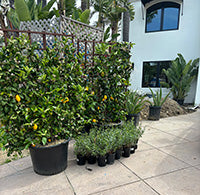
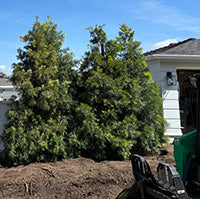
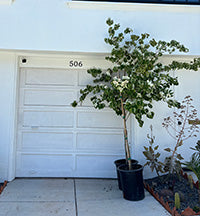
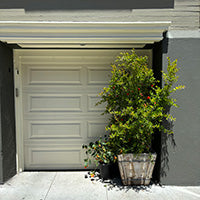
Yardwork was so great to work with. First they had the Swan Hill olive trees that we had been searching for, we had contacted several other nurseries without any luck previously. Then they answered all of our questions in a timely matter prior to ordering and finally delivered within a few days of placing it. Their staff is incredibly knowledgeable; they delivered and planted our trees with expertise to ensure that they would do well in our yard. We would definitely work with them again for future projects.













A Modern Experience
At Yardwork, we carefully curate thousands of plants, in all container sizes, to provide you with the best selection of the highest quality trees and plants at the best price, with the convenience of an online platform.
Uncompromised Quality
We choose only the finest specimens and hand select our plants just before delivery to ensure you receive the freshest and most robust specimens available for your landscape.
Industry Leading Warranties
Our 30, 90, and 365 extended warranties provide some of the best coverage to ensure our trees and plants thrive in your landscape.
Frequently Asked Questions
We're committed to changing everything about trees and plants - how they’re grown, how you shop for them, and how much they cost. We handle orders ourselves. No middlemen to get between us (or our prices) and you.
We're committed to changing everything about trees and plants - how they’re grown, how you shop for them, and how much they cost. We handle orders ourselves. No middlemen to get between us (or our prices) and you.
Delivery does not include unloading of trees and plants LARGER than a 24" box.
Trees and plants in smaller containers will be dropped curbside (usually on the driveway or near the front doorstep).
Delivery beyond a curbside drop will be charged extra.
Trees and plants that are sold in container sizes LARGER than a 24" box size will require equipment and/or enough manpower onsite to help unload from the truck.
Please reach out to our team PRIOR to placing your order to help coordinate.
Our team can provide unloading assistance with equipment for an extra fee as well.
Delivery does not include unloading of trees and plants LARGER than a 24" box.
Trees and plants in smaller containers will be dropped curbside (usually on the driveway or near the front doorstep).
Delivery beyond a curbside drop will be charged extra.
Trees and plants that are sold in container sizes LARGER than a 24" box size will require equipment and/or enough manpower onsite to help unload from the truck.
Please reach out to our team PRIOR to placing your order to help coordinate.
Our team can provide unloading assistance with equipment for an extra fee as well.
We ship locally within California within 7-10 days of your order being placed.
We ship nationally using carrier partners, based on order size.
Text or call 323-576-4159 for specific shipping details for your location.
We ship locally within California within 7-10 days of your order being placed.
We ship nationally using carrier partners, based on order size.
Text or call 323-576-4159 for specific shipping details for your location.
We are currently online only and don't have physical locations where you can view plants in person.
That's why we have photos direct from the growing grounds of the plants we will ship and we display pricing right in our store.
We do make sure to pick the very best trees and plants prior to shipping and make sure that they have gone through our multi-point inspection for health and structure.
We will always reach out prior to delivery if we find a quality issue or need to provide a substitute.
We are currently online only and don't have physical locations where you can view plants in person.
That's why we have photos direct from the growing grounds of the plants we will ship and we display pricing right in our store.
We do make sure to pick the very best trees and plants prior to shipping and make sure that they have gone through our multi-point inspection for health and structure.
We will always reach out prior to delivery if we find a quality issue or need to provide a substitute.
Plants vary greatly by type. Here is a rough idea of sizes based on containers that are direct from our growing grounds.
15 Gallon Shrub 3-4 Ft. Tall
15 Gallon Tree 5-6 Ft. Tall
24" Box Shrub 5-6 Ft. Tall
24" Box Tree 6-7 Ft. Tall
36" Box Shrub/Tree 7-9 Ft. Tall
48" Box Shrub/Tree 8-10 Ft. Tall
**Please note that we do not make guarantees of sizes. If you have questions or concerns, please call or text to request accurate sizing for the particular plant you're considering, prior to ordering.
Plants vary greatly by type. Here is a rough idea of sizes based on containers that are direct from our growing grounds.
15 Gallon Shrub 3-4 Ft. Tall
15 Gallon Tree 5-6 Ft. Tall
24" Box Shrub 5-6 Ft. Tall
24" Box Tree 6-7 Ft. Tall
36" Box Shrub/Tree 7-9 Ft. Tall
48" Box Shrub/Tree 8-10 Ft. Tall
**Please note that we do not make guarantees of sizes. If you have questions or concerns, please call or text to request accurate sizing for the particular plant you're considering, prior to ordering.
We offer a limited 30 day warranty for plants that are delivered and a 90 day warranty for plants that we plant.
The limited warranty covers plants that die as a result of disease or fungus which was derived from our growing grounds or from root balls that were root bound.
The warranty does not cover damage due to watering, fertilizer, soils, or any other conditions beyond our control. Additionally, the warranty does not cover certain plants that are shipped out of the state of California or shipped into California from other states. Custom plant orders are also not covered under warranty. Plants must be planted within 24 hours after delivery to qualify.
We can assist you in recommending the right soils and fertilizers to help your plant thrive after you plant it.
Text or call 323-576-4159 for further warranty information.
We offer a limited 30 day warranty for plants that are delivered and a 90 day warranty for plants that we plant.
The limited warranty covers plants that die as a result of disease or fungus which was derived from our growing grounds or from root balls that were root bound.
The warranty does not cover damage due to watering, fertilizer, soils, or any other conditions beyond our control. Additionally, the warranty does not cover certain plants that are shipped out of the state of California or shipped into California from other states. Custom plant orders are also not covered under warranty. Plants must be planted within 24 hours after delivery to qualify.
We can assist you in recommending the right soils and fertilizers to help your plant thrive after you plant it.
Text or call 323-576-4159 for further warranty information.
Our local delivery team covers most cities in California.
There are some exceptions, so please get in touch to confirm prior to ordering.
Additionally, we ship throughout the entire United States and even internationally. Each shipment is custom, so please reach out to our team to coordinate.
Our local delivery team covers most cities in California.
There are some exceptions, so please get in touch to confirm prior to ordering.
Additionally, we ship throughout the entire United States and even internationally. Each shipment is custom, so please reach out to our team to coordinate.